California Death Row Commutations
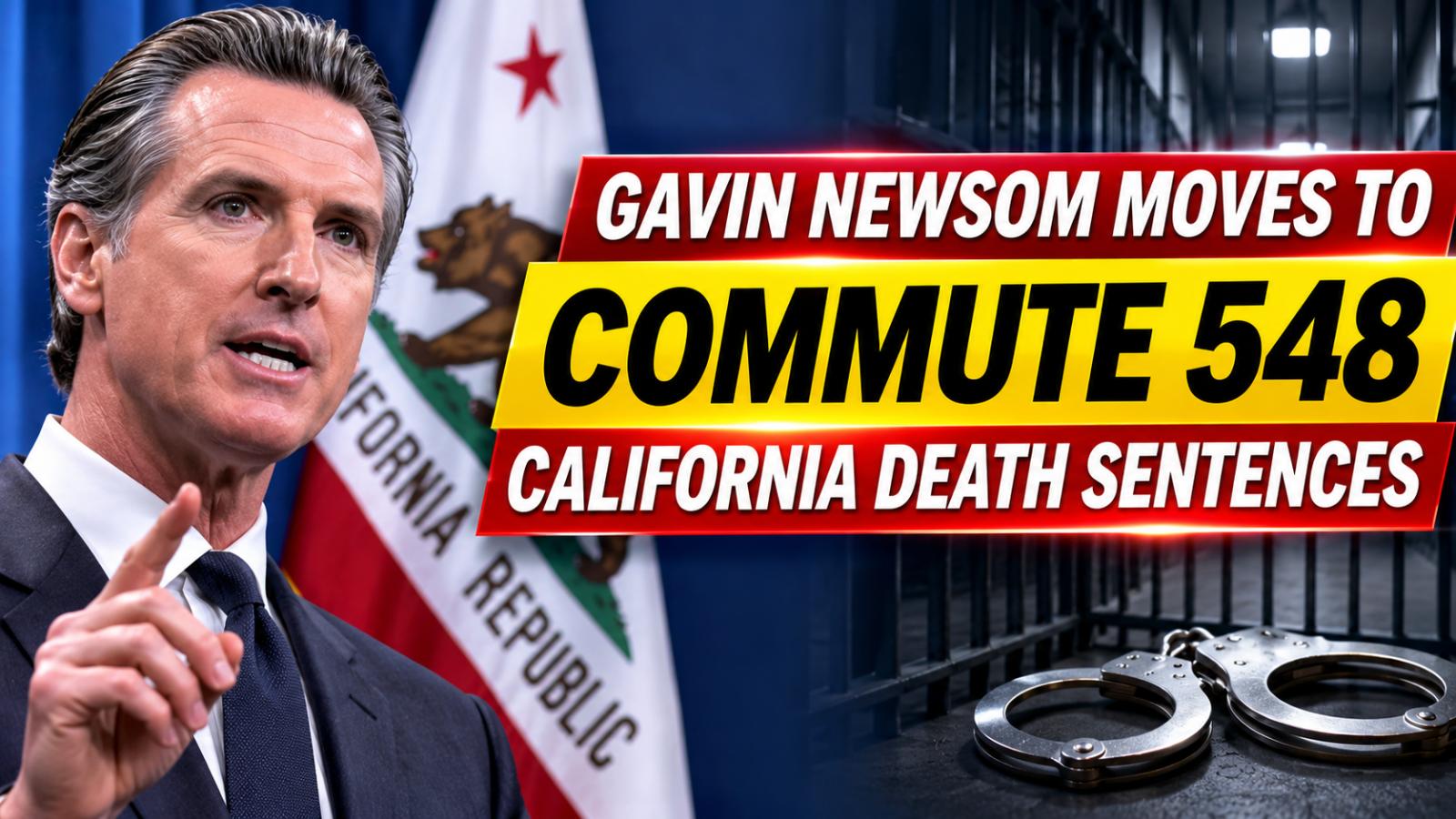
California Governor Gavin Newsom announced on November 5 that he would commute the death sentences of all 548 prisoners on the state's death row to life imprisonment without the possibility of parole.
The decision represents one of the most significant death penalty reforms in American history. According to the Death Penalty Information Center, it would become the largest mass commutation of death sentences in US history.
Newsom said his long-standing opposition to executions and concerns about fairness in the criminal justice system influenced his decision. The prisoners will remain incarcerated, with no eligibility for parole under the proposed sentences.
Gavin Newsom Death Penalty Decision
The Gavin Newsom death penalty decision follows years of opposition to capital punishment. In 2019, the governor introduced a California execution moratorium that suspended executions across the state.
California has not carried out an execution since 2006. Newsom has previously raised concerns about racial disparities, wrongful convictions and the financial costs associated with capital punishment.
His latest announcement comes as he approaches the end of his governorship and considers a possible presidential campaign in 2028.
California Supreme Court Approval
California Supreme Court approval remains necessary for 382 of the 548 proposed commutations because those prisoners have multiple felony convictions.
State law requires the court's consent before the governor can reduce sentences in such cases. The remaining commutations fall within his direct executive authority.
This legal requirement means the announcement does not immediately finalize every sentence reduction. The court's decisions will determine how fully the governor's plan takes effect.
ACLU Response to Death Penalty
The ACLU response to the death penalty announcement was supportive. Executive Director Anthony D. Romero welcomed the move, arguing that capital punishment raises serious concerns about racial inequality, wrongful convictions and human rights.
However, victims rights advocates and prosecutors criticized the decision. Opponents argued that commuting the sentences disregards jury verdicts and could reopen painful memories for families affected by violent crimes.
Newsom acknowledged those concerns while maintaining that the state should not carry out executions.
California Capital Punishment Debate
The California capital punishment debate has continued for decades. Voters rejected proposals to abolish the death penalty in 2012 and 2016, even as executions remained suspended.
The latest decision also affects prisoners convicted of serious crimes, including Randy Kraft, Charles Ng and Richard Allen Davis.
Newsom's announcement could reshape future discussions about criminal justice reform nationwide. For now, the California Supreme Court's review remains a crucial step in determining the final outcome.