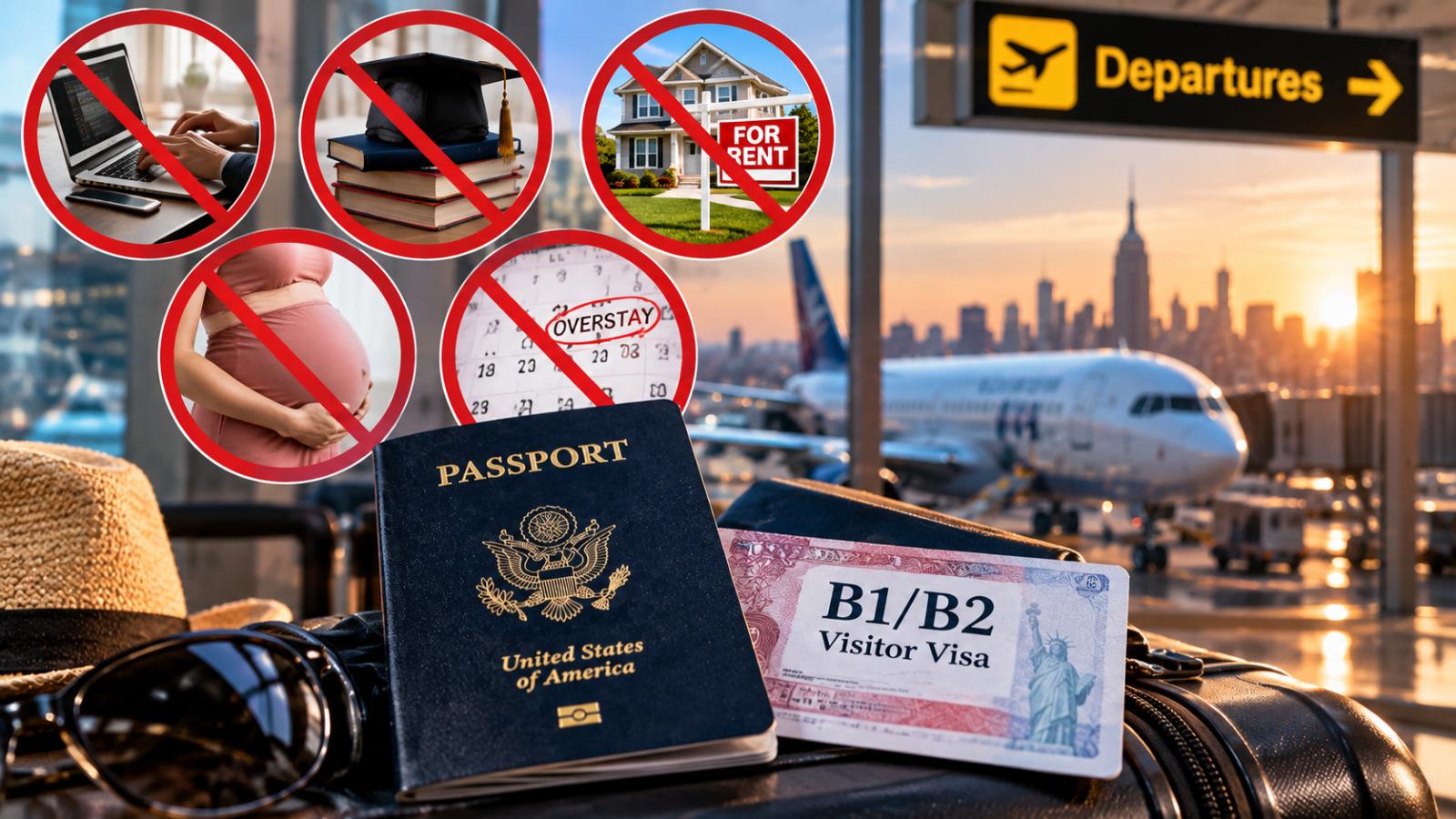
B1/B2 visa violations can occur when a visitor works without authorization, overstays an I-94 period, studies beyond permitted recreational activity or uses a visitor visa for a purpose requiring another visa category.
A B1/B2 visitor visa allows temporary travel to the United States for specific business or tourism purposes. It does not provide unrestricted permission to work, study or remain in the country indefinitely.
The State Department says B-1 visas generally cover temporary business activities, while B-2 visas cover tourism, visiting family or friends, medical treatment and similar temporary purposes.
Working on a B1/B2 visa
Employment in the United States is generally not permitted in B1 or B2 visitor status.
A B-1 traveler may attend business meetings, negotiate contracts, consult with business associates, attend conferences and conduct certain other qualifying business activities. However, the State Department says B-1 classification is not appropriate when the traveler intends to obtain employment or perform ordinary skilled or unskilled labor in the United States.
Temporary employment generally requires an appropriate work-authorized visa category.
Studying while on a visitor visa
Regular academic study is generally not permitted on a visitor visa.
B-2 visitors may participate in a short recreational course that is not for credit toward a degree, such as a brief leisure course taken during a vacation. Formal study normally requires the appropriate student classification.
USCIS guidance similarly states that B1/B2 visitors generally cannot attend school as their primary purpose of stay.
Overstaying the I-94 period
The expiration date printed on a visa does not determine how long a visitor may stay in the United States.
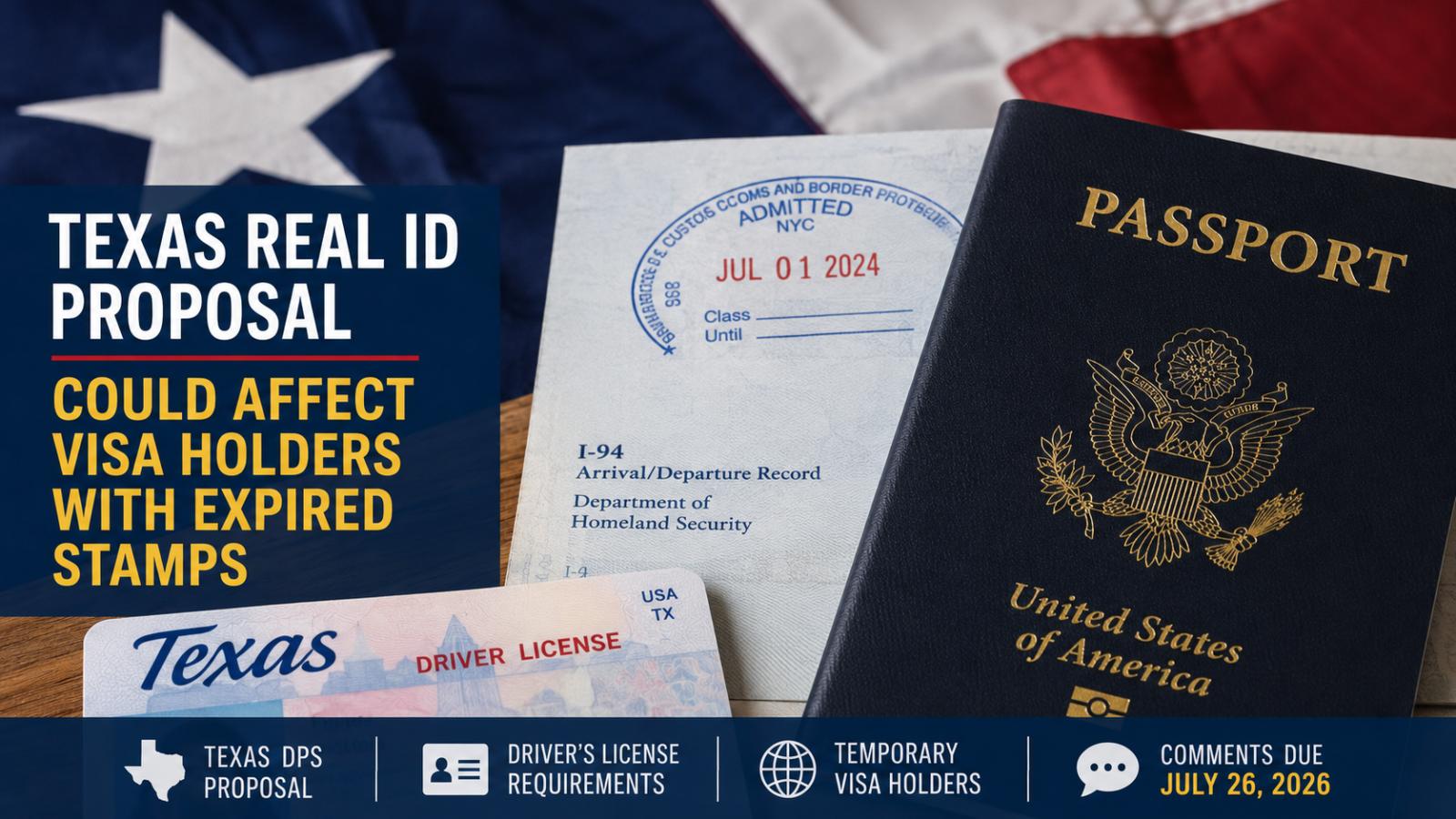
CBP determines the authorized period of admission when the traveler enters the country, and the relevant departure deadline is normally reflected in the person's I-94 record.
The State Department warns that failing to leave by the authorized date can place a visitor out of status. It also states that a visa may be automatically voided under U.S. law when a person overstays, and the violation can affect future visa eligibility.
Using B1 for the wrong type of business activity
Business travel and employment are not the same.
Permitted B-1 activities can include negotiations, meetings, consultations, conferences and certain commercial transactions that do not involve gainful employment in the United States.
A traveler planning to perform work outside the permitted B-1 scope may need another visa classification.
Birth tourism is not a permitted visitor-visa purpose
The State Department states that traveling to the United States primarily to give birth so a child can obtain U.S. citizenship is not a permissible purpose for a visitor visa.
This is different from legitimate travel for medical treatment, which can fall within B-2 visitor activity when the applicable visa requirements are met.
A valid visa does not guarantee admission
Holding a valid B1/B2 visa allows a traveler to travel to a U.S. port of entry and request admission. It does not guarantee entry.
CBP officers determine whether a traveler is admissible and the period for which the person may remain in the United States.
Visitors should therefore make sure that their activities continue to match the temporary purpose under which they were admitted.
If travel plans change significantly—for example, because of an employment opportunity or plans for formal study—the traveler may need to pursue an appropriate change of status or visa category rather than simply continuing those activities under B1/B2 status.