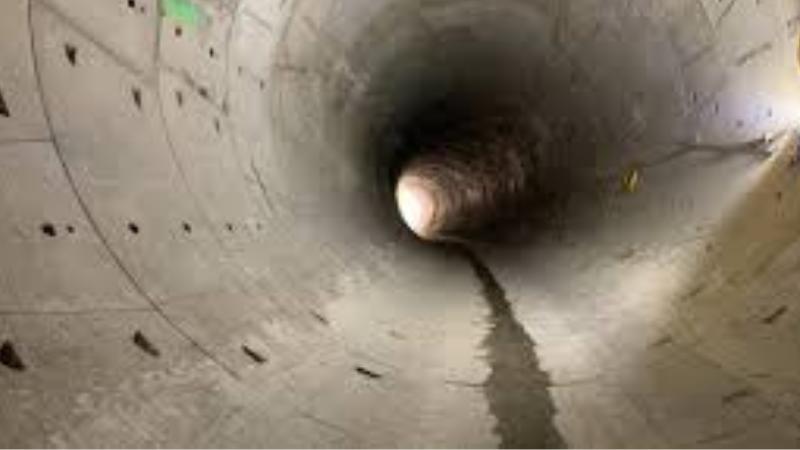
The groundbreaking ceremony took place at West Potomac Park with key figures from both the city and federal government in attendance. Officials emphasized the long-term environmental benefits of the project, which is expected to cut pollution from sewer overflows into the Potomac River by 93% in an average year, keeping over 600 million gallons of contaminated water out of the river annually. The tunnel will stretch underground from the Georgetown waterfront, pass beneath major landmarks including the National Mall and Hains Point, and ultimately connect to the existing Anacostia River Tunnel system near the Blue Plains Advanced Wastewater Treatment Plant. Once complete in 2030, the system will transport overflow to the plant where it will be treated rather than discharged untreated into the river.
DC Water CEO David L. Gadis highlighted the importance of the tunnel as a symbol of the city’s commitment to clean water and environmental stewardship. He expressed optimism that the tunnel would not only help the Potomac River recover from decades of pollution but also offer a cleaner future for the region’s residents and ecosystems. Eleanor Holmes Norton, the District’s delegate to Congress, pointed out the longstanding federal support for DC’s water infrastructure. She stated that she has helped secure approximately $300 million in funding for the broader Clean Rivers Project since 2003. The Potomac River Tunnel itself carries a price tag of $819 million, making it the largest contract ever awarded by DC Water. The tunnel is being constructed by a joint venture between CBNA and Halmar, two major infrastructure firms.
The Potomac River Tunnel is part of a court-mandated strategy to manage combined sewer overflows, which have plagued the District’s waterways for over a century. During an average year, more than 650 million gallons of untreated wastewater are discharged into the Potomac alone, posing serious environmental and health risks. To address this, two massive tunnel boring machines (TBMs), named Mary and Emily, will carry out the bulk of the digging. The machines are named after Mary and Emily Edmonson, two enslaved sisters who famously attempted to escape to freedom via the Potomac River in 1848. Mary, the first TBM, has completed testing in Germany and is scheduled to arrive in Washington later this year, with Emily following soon after. Mary will tunnel north toward Georgetown, while Emily will tunnel south, connecting to the Anacostia system.
Both machines were designed by Herrenknecht, a German engineering firm, and are capable of cutting through both bedrock and soft soils with precision. Their deployment marks one of the most ambitious underground engineering projects in the city’s history and will take several years to complete. Beyond reducing pollution, the tunnel will help manage frequent flooding in parts of the District that have struggled with outdated sewer infrastructure. DC Water officials say the tunnel will make a real difference in neighborhoods where heavy rain regularly causes sewer backups and property damage.
This initiative is just one part of the broader Clean Rivers Project, which includes the construction of over 18 miles of deep tunnels, sewer upgrades, and green infrastructure such as permeable pavements and rain gardens. The ultimate goal is to ensure that DC’s rivers — including the Potomac and Anacostia — can once again be safe for recreation, aquatic life, and future generations. Construction is expected to continue through 2030. City leaders have expressed confidence that the project will be completed on schedule and will set a new standard for urban water management and environmental recovery.