Why did the UN grant Iran a leadership role? It reflects procedural voting dynamics despite criticism
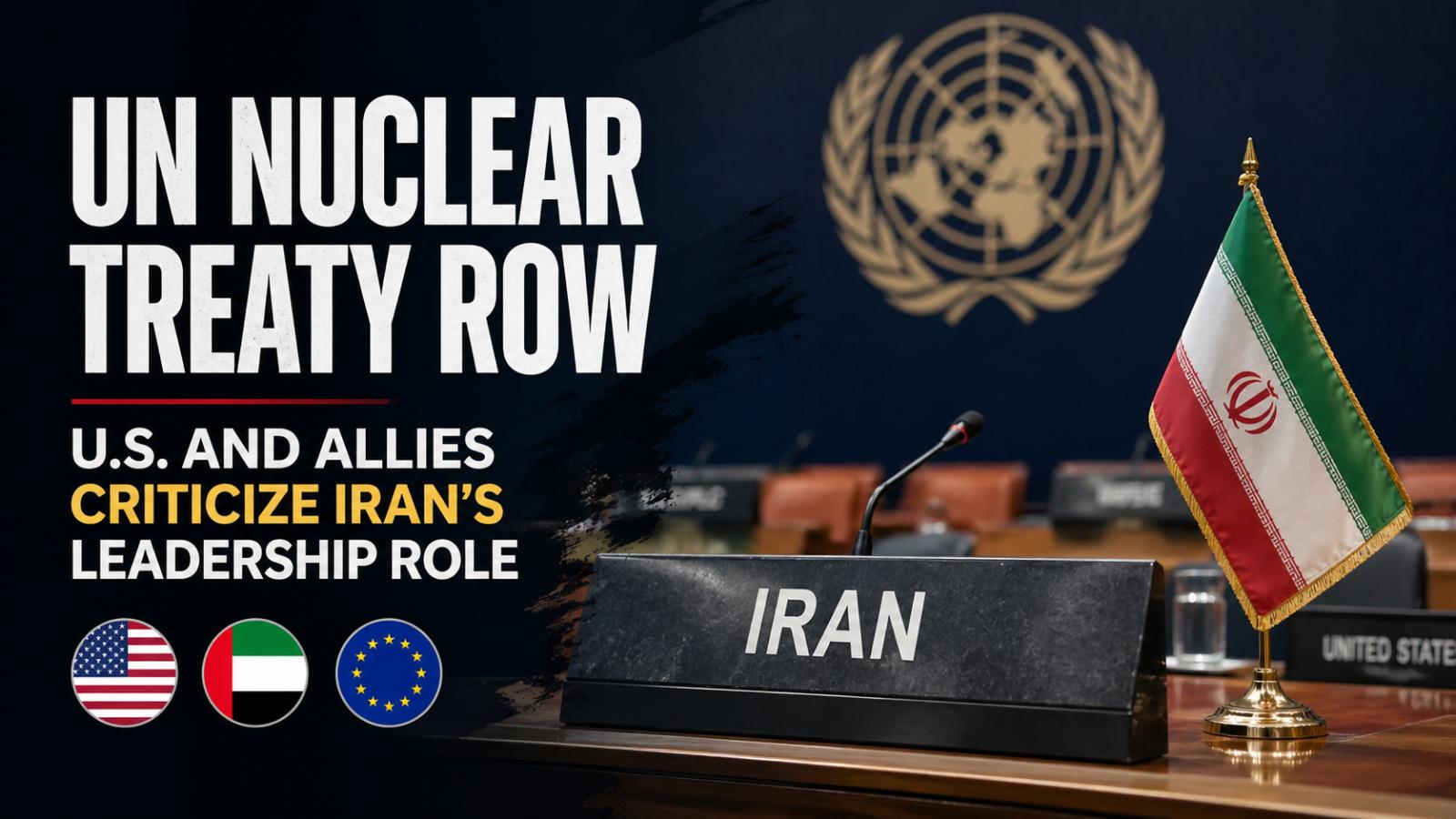
It reflects procedural voting dynamics despite criticism The United States, joined by the United Arab Emirates and supported by several European governments, condemned a United Nations decision made on Monday, April 28, 2026, to appoint Iran as one of the vice presidents at a major nuclear treaty conference in New York.
Iran’s appointment through Non-Aligned Movement voting bloc
The controversy emerged as the 11th Review Conference of the Nuclear Non-Proliferation Treaty (NPT) opened at U.N. headquarters. Iran was selected as one of 34 vice presidents through backing from the Non-Aligned Movement, a coalition of countries that often votes collectively in international forums. The NPT review conference, attended by 191 member states, convenes every five years to assess compliance with global efforts to limit nuclear weapons proliferation.
U.S. and allies criticize impact on treaty credibility
U.S. officials reacted strongly, arguing the decision undermines the integrity of the treaty. Christopher Yeaw, assistant secretary for arms control and nonproliferation, told delegates the move was an embarrassment to the conference’s credibility. The UAE and Australia publicly supported the U.S. stance, while the United Kingdom, France, and Germany also voiced concern, signaling broader international unease compared to past disputes involving Iran.
Iran and Russia defend the decision amid tensions
Iran’s envoy, Reza Najafi, rejected the criticism as politically motivated, defending Tehran’s nuclear program as peaceful and accusing Washington of hypocrisy. Russia echoed that position, warning against politicizing the conference and defending Iran’s role in the proceedings. A U.N. spokesperson clarified that leadership selections are determined by member states, not the secretary-general.
Broader concerns over Iran’s nuclear program
The dispute comes amid heightened scrutiny of Iran’s nuclear activities. Western governments and the International Atomic Energy Agency have raised alarms about Iran enriching uranium to near weapons-grade levels and ongoing disagreements over inspection access. Tehran maintains that its nuclear program is strictly for civilian purposes, but skepticism persists among Western nations.
Ongoing tensions highlight divisions in global governance
Critics argue the episode reflects structural challenges within the United Nations, where geopolitical alliances can elevate countries facing scrutiny into influential procedural roles. The last NPT review conference in 2022 failed to produce a consensus agreement, highlighting persistent divisions among major powers. Observers say the latest dispute reinforces concerns that political bargaining within international institutions may outweigh enforcement of global norms.