Iran Warns US of Retaliation Beyond Proportional Response
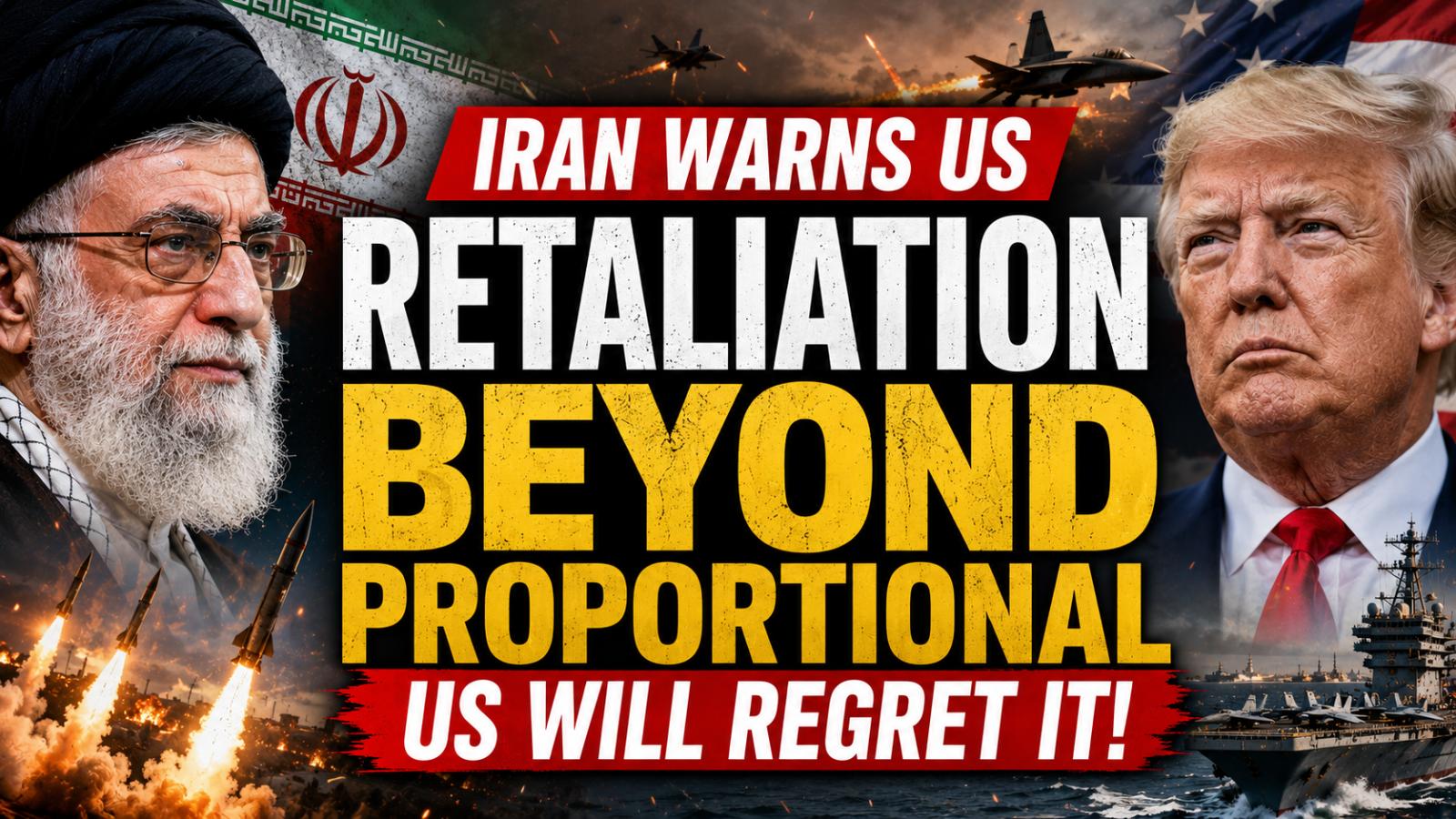
Iran has warned that its response to the latest US military strikes will not be limited to matching the scale of Washington’s attacks. Deputy Foreign Minister Kazem Gharibabadi said Tehran intends to impose consequences that will make the United States regret its actions, adding to fears of a wider confrontation across the Middle East.
Iran retaliation warning targets Washington
Gharibabadi issued the warning on Tuesday, July 14, in remarks carried by Iranian state media. He said Iran’s response to what Tehran describes as US aggression would not be proportional and would instead inflict more serious consequences.
“Iran’s response to US aggression will not be proportional; rather, it will make them regret it,” Gharibabadi said in the statement published by Iran’s state broadcaster.
The official did not explain what form the retaliation could take or identify possible targets. His language nevertheless suggests that Tehran may consider military, maritime or economic actions beyond a direct response to the latest US strikes.
CENTCOM continues strikes against Iran
The warning followed another round of US operations against Iranian military targets. US Central Command said its forces had conducted repeated strikes during July against capabilities Washington accused Iran of using to threaten commercial vessels and American forces.
CENTCOM has also announced the resumption of a naval blockade against ships entering or leaving Iranian ports. The command says vessels travelling through the Strait of Hormuz to non-Iranian destinations will not be targeted solely for using the waterway.
The United States presents the strikes and blockade as measures intended to protect navigation and weaken Iran’s ability to launch attacks. Iran rejects that explanation and describes the operations as unlawful aggression against its territory and economy.
IRGC commander renews revenge pledge
IRGC Navy commander Rear Admiral Ali Ozmaei has separately promised retaliation for the killing of former Supreme Leader Ali Khamenei and other Iranian officials. Ozmaei said Iranian forces would continue the path of those killed and seek retribution against the United States and Israel.
Iran officially announced Khamenei’s death on March 1, 2026. State ceremonies and funeral processions were later held in several cities before his burial in Mashhad in July. Iran’s official leadership website now identifies Mojtaba Khamenei as the country’s new supreme leader.
Ozmaei’s pledge and Gharibabadi’s warning come from separate statements, but both reflect Tehran’s increasingly confrontational position as the military campaign continues.
Strait of Hormuz faces growing risks
The exchange of threats creates further uncertainty for commercial shipping near the Strait of Hormuz and Gulf of Oman. These waters connect Gulf energy exporters with global markets, meaning prolonged military action could disrupt vessel movements, raise insurance costs and increase concern about energy supplies.
Neither Washington nor Tehran has announced an immediate path towards de-escalation. The United States continues its military and maritime pressure, while Iranian officials openly promise retaliation that could exceed the scale of recent attacks.
Gharibabadi’s statement should be understood as an official warning rather than confirmation that Iran has selected or approved a specific operation. However, combined with the renewed blockade, continuing US strikes and IRGC revenge pledges, it signals a serious risk that the conflict could expand beyond its current military and maritime limits.