The Israel-Iran conflict has escalated dramatically, entering its third consecutive day with intense missile exchanges resulting in significant casualties on both sides. Iran reports at least 224 fatalities, including senior military officials, while Israel confirms 14 civilian deaths and hundreds injured. The violence follows Israel's Operation Rising Lion, a targeted strike on Iranian nuclear and military infrastructure.
-
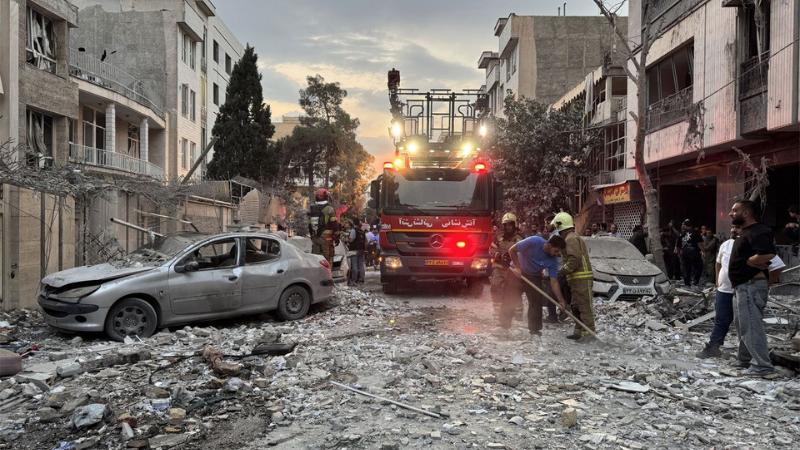
Iranian Casualties: Iranian authorities report 224 deaths, primarily civilians, with over 1,270 injured. Among the deceased are key figures from the Islamic Revolutionary Guard Corps (IRGC), including the intelligence chief and two generals. Residential areas in Tehran, such as Bat Yam, have been heavily impacted, with buildings destroyed and numerous casualties reported.
-
Israeli Casualties: Israel confirms 14 civilian deaths, with 390 others injured due to Iranian missile strikes. The missiles targeted cities like Tel Aviv and Haifa, causing significant damage and fires.
-
Military Actions: Israel's airstrikes have targeted Iran's Defense Ministry, missile launch sites, and factories producing air defense components. Iran retaliated by launching over 270 missiles, with 22 breaching Israel's defense systems.
-
International Involvement: U.S. President Donald Trump reportedly vetoed an Israeli plan to assassinate Iran's Supreme Leader, Ayatollah Ali Khamenei, citing the absence of American casualties. Trump remains optimistic about a potential peace deal, stating that "many calls and meetings" are taking place.
-
Humanitarian Crisis: The conflict has led to a significant exodus from Tehran, with over 100,000 residents fleeing the capital due to ongoing airstrikes and fears of further escalation. The United Nations and various humanitarian organizations have called for immediate ceasefire and aid access.
As the situation continues to develop, international leaders and organizations urge both nations to engage in dialogue to prevent further loss of life and regional instability.