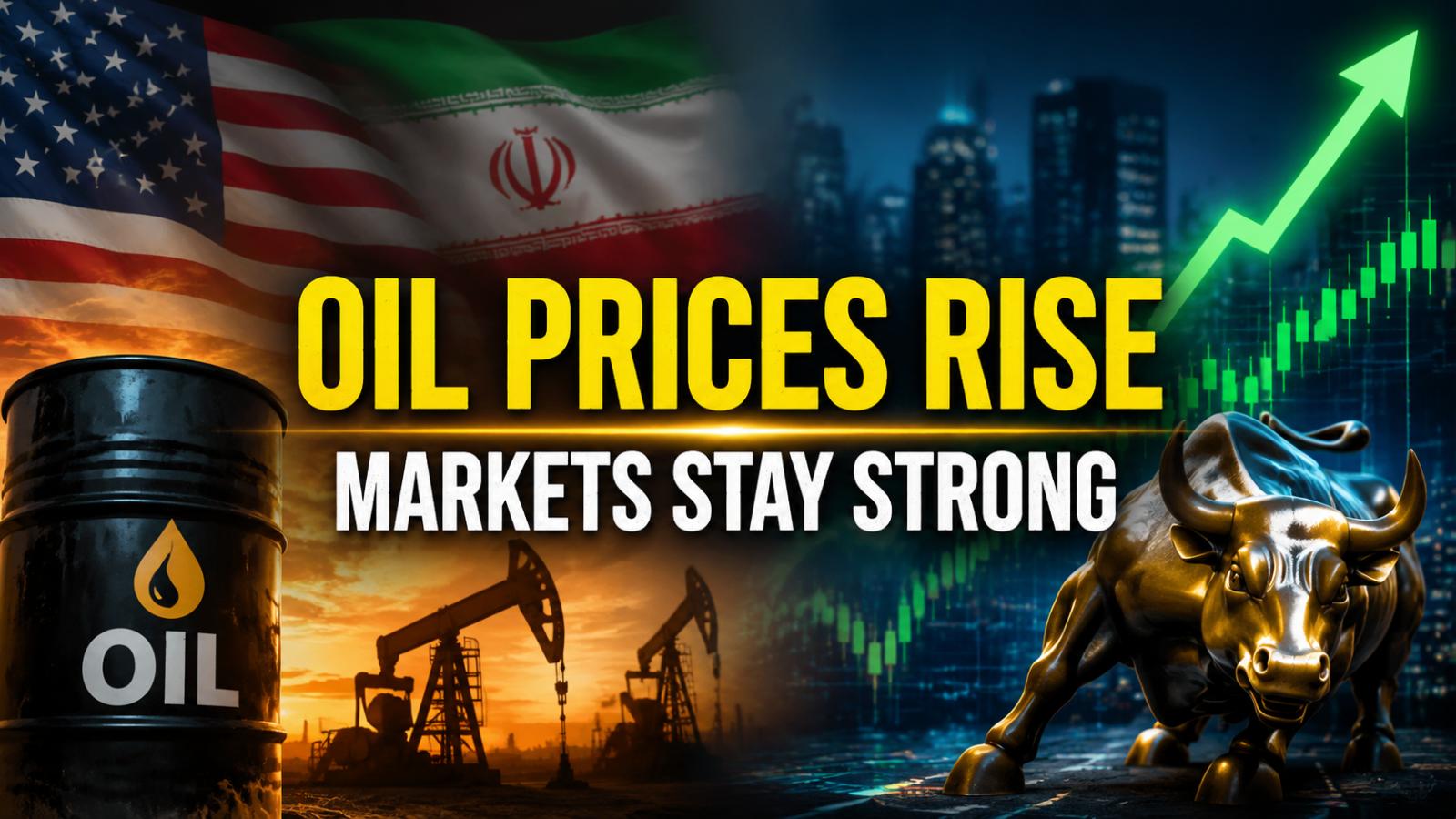
Oil prices rose sharply as Brent crude touched $98.20 per barrel on Wednesday, fueled by rising tensions between the United States and Iran. Recent missile activity in the Gulf region and disrupted shipping routes have intensified concerns about energy supply. Although strategic oil reserves remain untapped for now, the market is reacting to potential risks in the Strait of Hormuz. August contracts have jumped over 2% since early June and more than 5% in just the past week.
Stock Markets Defy Oil Volatility
Despite higher crude prices, global stock markets have maintained momentum, primarily driven by optimism in artificial intelligence and technology sectors. In the US, the S&P 500 surpassed 7,600, while the Dow Jones added 228 points. Asian markets showed mixed results: Japan’s Nikkei 225 climbed 2.5%, China’s CSI 300 inched up 0.49%, and Hong Kong’s Hang Seng fell 1.62%. India’s Nifty 50 and BSE Sensex showed a mild decline, reflecting cautious local investor sentiment.
Economic Pressure Behind Market Gains
While stock indices continue to rise, economic fundamentals paint a more cautious picture. Inflation-adjusted purchasing power is falling, discretionary spending is down, and consumer debt is rising. Most gains remain concentrated in AI and tech-focused companies, raising concerns about sustainability. Analysts warn that geopolitical risks and rising oil prices could affect market stability and consumer confidence if trends continue.
Balancing Optimism with Risk
Investors face a delicate balance: AI-driven enthusiasm supports market rallies, but geopolitical tensions and inflation pressures weigh on the broader economy. Monitoring crude oil trends, consumer debt levels, and regional economic indicators is essential for making informed investment decisions.