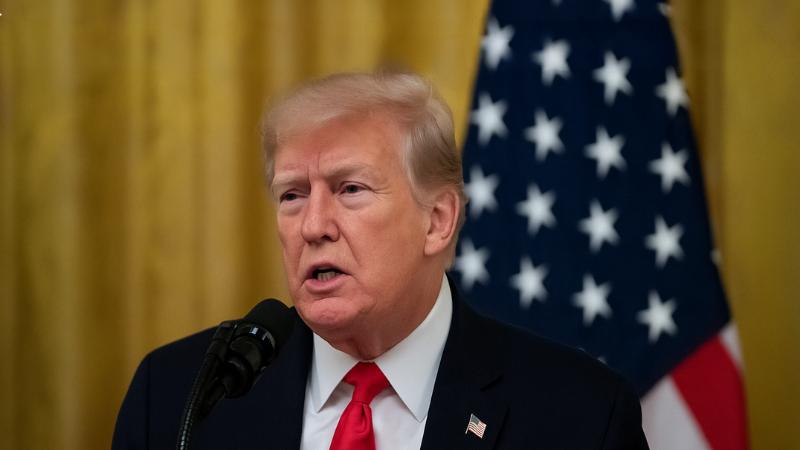
The United States has introduced a new policy aimed at denying visas to foreign officials who attempt to censor the social media content of American citizens. This move, part of President Donald Trump’s broader strategy to defend free speech, is expected to escalate international tensions over digital censorship and content regulation. Specifically, the policy affects major US technology companies like Twitter, Meta, and Rumble, which operate on a global scale and have increasingly come under scrutiny by foreign governments demanding stricter content moderation.
This visa policy marks a turning point in the ongoing global battle over online expression, data sovereignty, and the extraterritorial reach of American platforms. US Secretary of State Marco Rubio—known for controversial decisions such as visa revocations for pro-Palestinian activists and heightened scrutiny of foreign students—framed the new rule as a retaliation against "flagrant censorship actions" taken by international authorities against American tech firms. Rubio emphasized that it is “unacceptable” for foreign regulators to demand compliance with content standards that extend into US territory. Though Rubio didn’t name specific officials, he referenced Brazil’s Supreme Court Justice Alexandre de Moraes, whose high-profile clashes with X (formerly Twitter) and Rumble have symbolized the growing tension between national regulation and digital freedom.
The policy also responds to legal actions from democratic allies like Germany and the UK. Germany’s NetzDG law, for example, mandates platforms to remove hate speech and illegal content within 24 hours or face severe penalties. The Trump administration has criticized such laws as overly restrictive, arguing that they endanger free expression. Vice President JD Vance, during a 2025 speech in Munich, accused Germany of suppressing far-right voices and claimed that their social media regulations act as a form of “strategic censorship.” His view was echoed by State Department official Samuel Samson, who in a recent essay compared European digital laws to domestic political censorship of Trump and his supporters.
How the New Visa Policy of the US Targets Twitter, Meta, and Rumble
The new US visa rule is a direct response to the increasingly complicated legal and operational landscape that American tech companies face overseas. Twitter, Meta, and Rumble—all with extensive international user bases—have seen their platforms targeted by foreign governments over content moderation issues. Countries like Brazil, Germany, and the United Kingdom have imposed harsh legal frameworks governing online hate speech, misinformation, and disinformation. These laws often contradict the First Amendment values that guide US tech firms, leading to difficult choices between compliance and core principles.
In 2024, Twitter faced a full-scale suspension in Brazil ordered by Supreme Court Justice Alexandre de Moraes after the platform refused to remove certain accounts accused of disseminating false information. Around the same time, Rumble was blocked for resisting similar takedown requests involving a US-based user. These incidents have amplified concerns among US tech executives about the operational viability of their platforms abroad, particularly when asked to silence voices that are protected under American law.
For tech firms, the visa policy offers both a shield and a risk. On one hand, it signals strong backing from Washington, especially for companies like X, which has been battling mounting legal pressure in Brazil. The move may strengthen the negotiating position of US firms in foreign markets where they are often forced to conform to restrictive local laws or face heavy penalties. On the other hand, the policy risks worsening diplomatic relations. Countries targeted by the visa bans could retaliate, leading to bans, additional regulations, or strained business ties.
For example, Brazil—home to more than 100 million social media users and a major market for Meta and X—could implement countermeasures that hurt American companies. A tit-for-tat escalation could damage revenues, limit user access, and create an unpredictable legal environment. Furthermore, the policy’s emphasis on “American sovereignty” complicates matters for tech firms that depend on seamless global integration but now face increasingly fragmented regulatory regimes.
As the policy takes effect, the digital battlefield between free expression and government control is expected to intensify, with Twitter, Meta, and Rumble caught at the center of a growing geopolitical standoff.