A fragile and tense ceasefire may be emerging in the Middle East after days of intense military escalation between Iran, Israel, and the United States. Hours after Iran launched missiles targeting the US Al Udeid Air Base in Qatar, President Donald Trump announced on social media that both Iran and Israel had agreed to a total ceasefire. However, neither Iran nor Israel officially confirmed the agreement through diplomatic channels. Iranian state media claimed that the Islamic Revolutionary Guard Corps had successfully imposed a ceasefire through a retaliatory missile operation, portraying it as a demonstration of Iran’s strength and unity in the face of what it described as U.S. aggression and Israeli hostility.
The Iranian missile strike on the Al Udeid Air Base, home to thousands of American service members and the largest US military facility in the Middle East, was reportedly carried out in retaliation for a series of US airstrikes that targeted Iran’s nuclear infrastructure over the weekend. No casualties were reported from the Al Udeid attack, and President Trump described the Iranian strike as “very weak” in a social media post. The strike did, however, escalate an already volatile situation, prompting international concern and calls for de-escalation.
At the same time, Israel continued its aggressive military campaign inside Iranian territory. Notable among the latest strikes was an attack on the notorious Evin prison in Tehran, a facility long associated with political detainees and international human rights concerns. The Israeli Defense Forces reported a renewed round of missile launches from Iran early Tuesday morning, even as reports of a ceasefire began to circulate. The Iranian Health Ministry claimed that at least 400 people had been killed and another 3,000 injured due to the Israeli airstrikes, underscoring the scale of the devastation.
Despite the announcement from Iran’s state media regarding a ceasefire, Israeli military operations did not appear to have ceased entirely at the time of reporting. Israeli officials did not immediately acknowledge any agreement or reduction in hostilities. The IDF continued issuing warnings to civilians, urging them to take shelter amid fears of ongoing missile attacks. This mixed messaging reflects the uncertainty surrounding the current situation, where media statements and actual military behavior do not always align clearly.
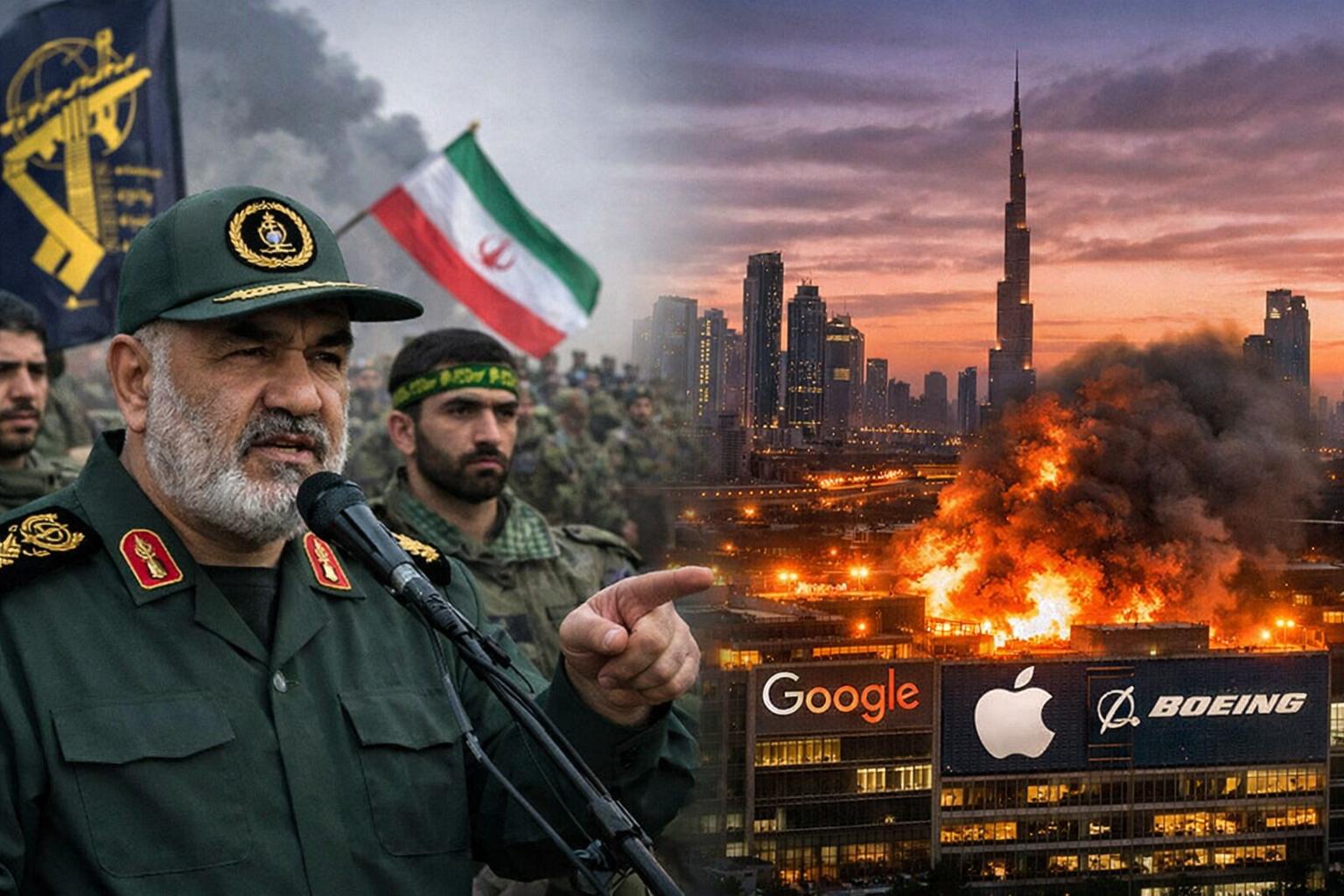
Further adding to the gravity of the situation, it was revealed that prior to the US bombing campaign, Iran had issued a dire warning to President Trump. According to sources familiar with the matter, Iranian officials had threatened to activate dormant terrorist cells, or “sleeper cells,” within the United States itself if Tehran were directly attacked. Though these threats have not yet materialized, the warning highlighted the risks of further escalation spilling beyond the Middle East and into broader international arenas.
The violence of recent days represents one of the most dangerous flashpoints in the region in years. What began with US military strikes on Iran's nuclear capabilities quickly drew both Iranian retaliation and a heavy-handed Israeli response. The resulting conflict led to widespread destruction and significant loss of life, especially on Iranian soil. The targeting of strategic and symbolic locations such as Evin prison adds a psychological and political layer to the conflict, one likely to influence regional narratives for months to come.
The current situation remains highly volatile, despite the ceasefire claims. Any misstep by one party could reignite open hostilities. With regional powers entrenched in military readiness and international powers monitoring closely, diplomatic efforts will be critical in the coming days to solidify peace and prevent further humanitarian consequences. The world now watches to see whether the ceasefire will hold or whether the region will again be engulfed by war.