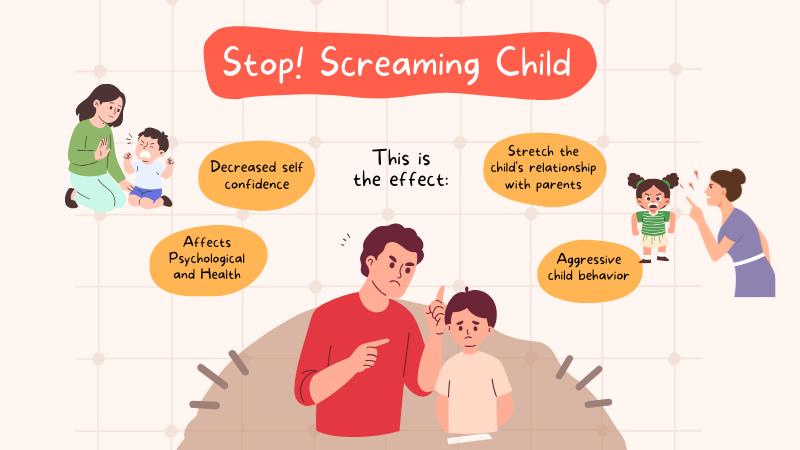
Parenting is tough, and in the heat of the moment, many parents end up yelling at their children. Whether it's because of stress, repeated misbehavior, or simply being overwhelmed, shouting often feels like a quick fix. But while yelling might seem effective in the short term, it can leave lasting emotional and psychological scars on children.
Children are especially sensitive to their environment and the emotional tone of their caregivers. When yelling becomes a regular form of communication, kids may start to feel unsafe, anxious, or even unloved. Over time, this can lead to increased levels of stress, low self-esteem, and difficulties in forming healthy relationships. In more serious cases, chronic yelling can be experienced by children as a form of emotional abuse, especially if it’s accompanied by threats, insults, or harsh criticism.
Research has shown that children who are regularly yelled at are more likely to suffer from anxiety and depression. They may also develop behavioral problems, such as aggression or defiance, as a way of coping with their emotional distress. These children might struggle in school, have trouble with peer relationships, or become overly withdrawn.
Yelling also teaches children that raising your voice is an acceptable way to handle conflict. As a result, they may begin to mimic this behavior with siblings, friends, or even in future relationships, creating a cycle of communication rooted in fear and frustration rather than understanding and empathy.
But the good news is, it's never too late to make a change. Becoming more mindful of your reactions and exploring positive discipline techniques can dramatically shift the dynamic between parent and child. Taking a few deep breaths, stepping away from the situation to cool down, or using calm but firm communication can often yield better results than shouting. It’s also helpful to focus on connection before correction—understanding your child’s emotions and needs before jumping to discipline.
Children thrive in environments where they feel safe, heard, and respected. By choosing a calmer, more compassionate approach to parenting, you’re not only helping your child feel secure but also fostering healthy brain development and emotional resilience.
Parenting isn’t about being perfect—it’s about being present. Replacing yelling with empathy and patience might not be easy, especially if it's how you were raised, but the long-term benefits for your child’s mental health are worth the effort.
🔖 Explore More
Is Your Child Secretly Depressed?
The Link Between Childhood Anxiety and Overprotective Parenting
How to Keep Your Cool When Your Child Talks Back
Explore more expert advice and resources in our Kids & Parenting hub.