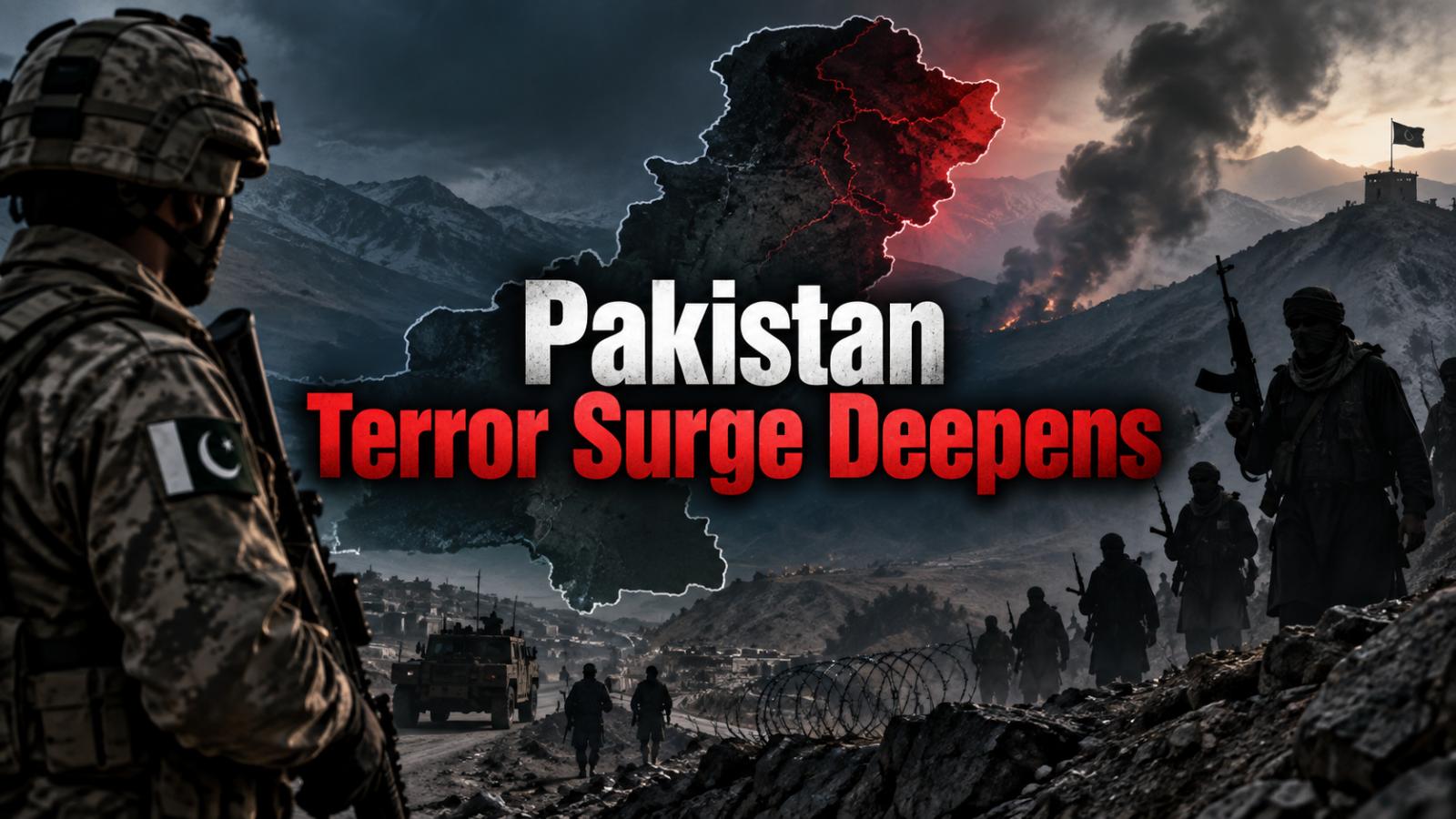
Pakistan is facing one of its most serious security challenges in years as militant violence rises, especially in Khyber Pakhtunkhwa. Islamabad blames groups including the TTP, now officially called Fitna al-Khawarij, while cross-border strikes in Afghanistan are adding fresh tension.
Pakistan terror surge reaches decade-high levels
Security data show a sharp rise in violence. The South Asia Terrorism Portal recorded 1,880 terrorism-related incidents in Pakistan in 2026 through September 20, already above the 1,720 incidents recorded in all of 2025. The last higher annual figure was 2014, when SATP recorded 2,779 incidents.
Khyber Pakhtunkhwa remains one of the hardest-hit regions. Recent attacks have targeted police, military convoys and security compounds. A September assault in Kohat killed security personnel and civilians, while separate attacks in Hangu also caused military casualties. Pakistani officials have repeatedly linked the worsening security situation to militant networks operating near the Afghan border.
Why Pakistan calls TTP Fitna al-Khawarij
Pakistan formally began using the term “Fitna al-Khawarij” for the Tehrik-e-Taliban Pakistan in 2024. An Interior Ministry notification said the government wanted to reject the group’s religious legitimacy and argued that its actions contradicted Islamic teachings. Authorities also ordered officials not to use honorific titles such as “Mufti” or “Hafiz” for TTP members.
The move was as much ideological as administrative. By changing the official terminology, Islamabad sought to frame the TTP not as a religious movement but as a militant organization acting outside accepted Islamic principles.
The TTP itself was formed in 2007 under Baitullah Mehsud as an alliance of militant groups. The United Nations says its stated objective has been to overthrow Pakistan’s elected government and establish an emirate based on its interpretation of Islamic law. The UN added the group to its sanctions list in July 2011.
Afghan strikes deepen Pakistan-Taliban tensions
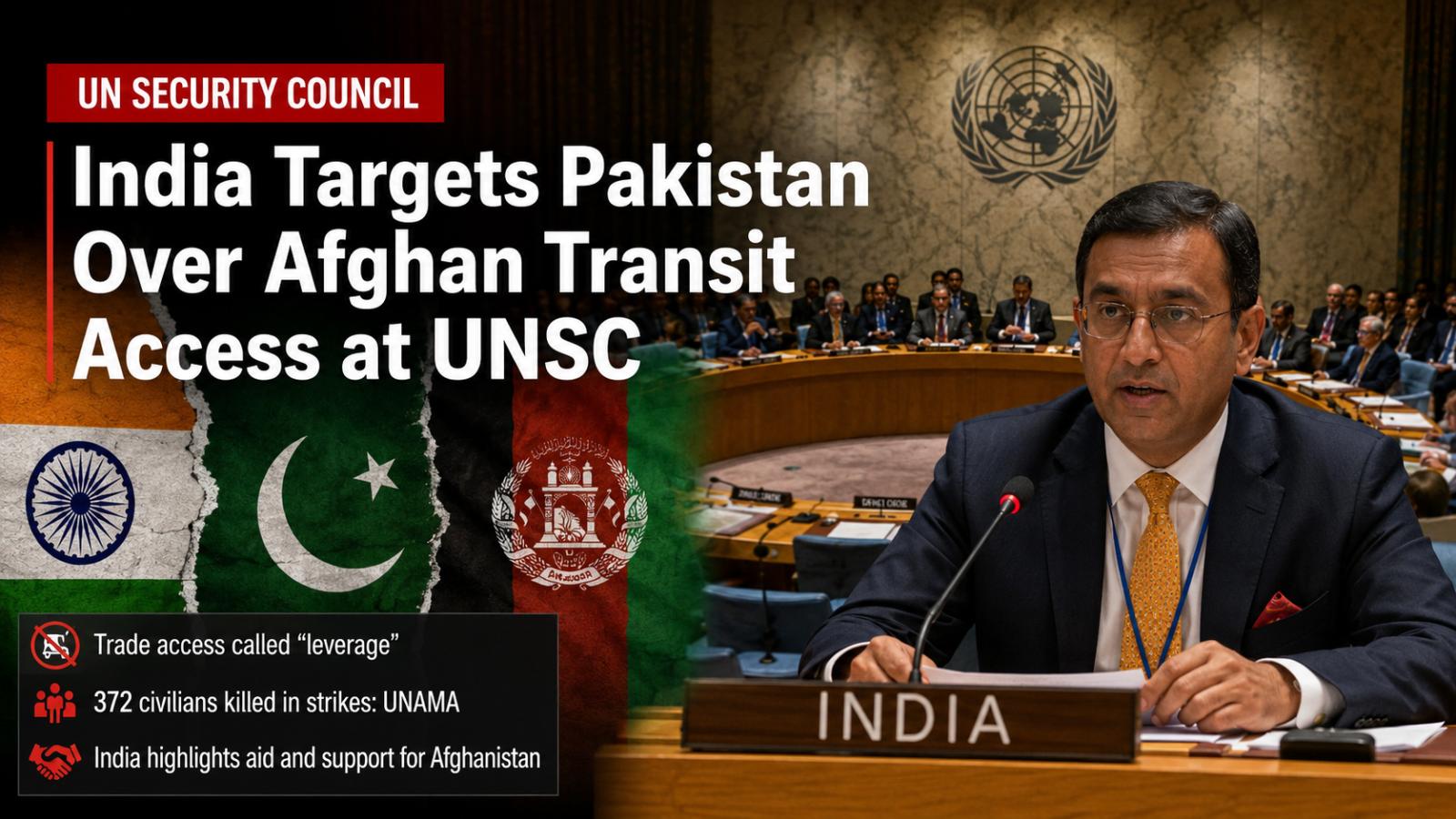
Pakistan’s response has increasingly extended across the Afghan border. On September 21, Islamabad said its airstrikes on three targets in Afghanistan killed 28 militants and suicide bombers. Afghan Taliban officials and the United Nations, however, reported that three civilians were killed and four others were injured.
Pakistan says militant groups use Afghan territory to organize attacks inside Pakistan. The Taliban government in Kabul rejects accusations that it is providing sanctuary to the TTP and has condemned Pakistani strikes as violations of Afghan sovereignty.
That disagreement has become one of the biggest sources of tension between the two neighbours since the Taliban returned to power in Afghanistan in 2021.
TTP remains central to Pakistan’s security challenge
The TTP remains one of the most important militant threats facing Pakistan. The group has carried out attacks against security forces, police and civilians over many years and maintains ideological ties with the Afghan Taliban while operating as a separate organization.
The scale of Pakistan’s current security problem cannot be reduced to one group alone, however. Other militant and separatist organizations are also active, particularly in Khyber Pakhtunkhwa and Balochistan.
For Islamabad, the challenge is now twofold: reducing attacks inside Pakistan while preventing cross-border counterterrorism operations from further worsening relations with Afghanistan. The coming months will show whether tougher military action can reduce violence or whether stronger regional coordination will be needed to contain the threat.