The relationship between Iran and India has long been defined by strategic patience, as Tehran maintains a nuanced and pragmatic approach to its ties with New Delhi. Despite India’s deepening defense relations with Israel and its comprehensive partnership with the United States, Iran has chosen to sustain its close relationship with India, recognizing the strategic value of energy ties and regional geopolitical balance.
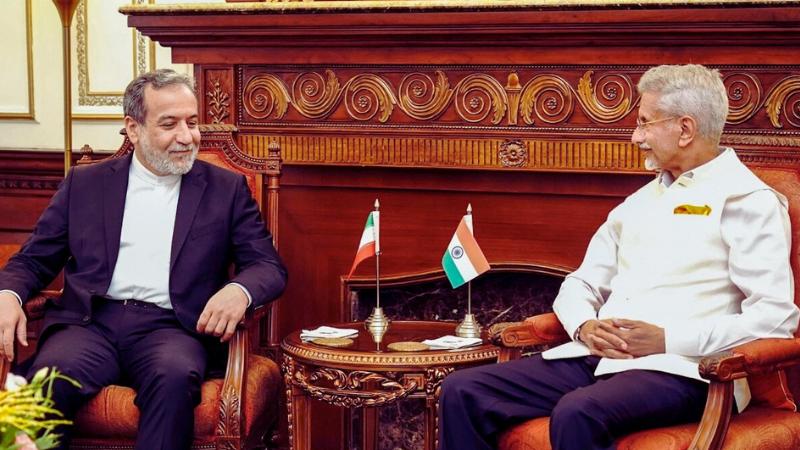
In a recent phone conversation between External Affairs Minister S Jaishankar and Iranian Deputy Foreign Minister Seyed Abbas Araghchi, both sides discussed developments in West Asia, emphasizing the importance of continuing bilateral relations. This was their third conversation since the West Asia crisis began, and their first since the death of Iranian Supreme Leader Ayatollah Ali Khamenei. Iran’s restraint in its public statements about India, particularly in the context of regional rivalries, reflects Tehran’s careful diplomatic calculation to preserve this long-standing partnership.
A major point of contention has been the Chabahar port project, which India has been helping develop despite US sanctions. While India’s investment in Chabahar slowed due to pressure from the US, Tehran has avoided public criticism, recognizing the strategic importance of India’s involvement in the project. The port is not only crucial for regional connectivity but also helps mitigate the impact of sanctions imposed on Iran.
Energy security remains a key factor in the India-Iran relationship. Even though sanctions have reduced India’s oil imports from Iran, there is still strong potential for future trade, including local currency settlements. For India, ensuring a stable and uninterrupted energy supply is essential, particularly in light of its growing energy demands. Iran’s proximity to the Strait of Hormuz, through which a significant portion of global oil trade passes, makes it a critical partner for India’s energy security.
Tehran also sees value in keeping India engaged on the global stage, especially at international forums like the United Nations. By adopting a pragmatic approach and avoiding harsh rhetoric, Iran ensures that India can continue to justify its engagement with Tehran, both domestically and internationally. This allows India to maintain a stabilizing role in a volatile region, ensuring access to vital trade routes and energy supplies while navigating its diplomatic relationships with other global powers.
Iran’s strategy towards India rests on several pillars: energy trade, regional stability, and the non-alignment policy. Tehran understands that India’s position in global geopolitics and its engagement with the Gulf region are vital for maintaining balance in the region. At the same time, India benefits from maintaining a steady relationship with Iran, ensuring that it can preserve access to key resources and maintain strategic influence in the region.
As India continues to walk the tightrope between competing global powers, its engagement with Iran remains essential in preserving both energy security and regional stability. Iran’s diplomatic tone towards India reflects a clear objective: to keep New Delhi within its circle of partners while countering the influence of its rivals. This strategic patience will likely define their bilateral relationship in the years to come, ensuring that both nations continue to benefit from their longstanding ties.