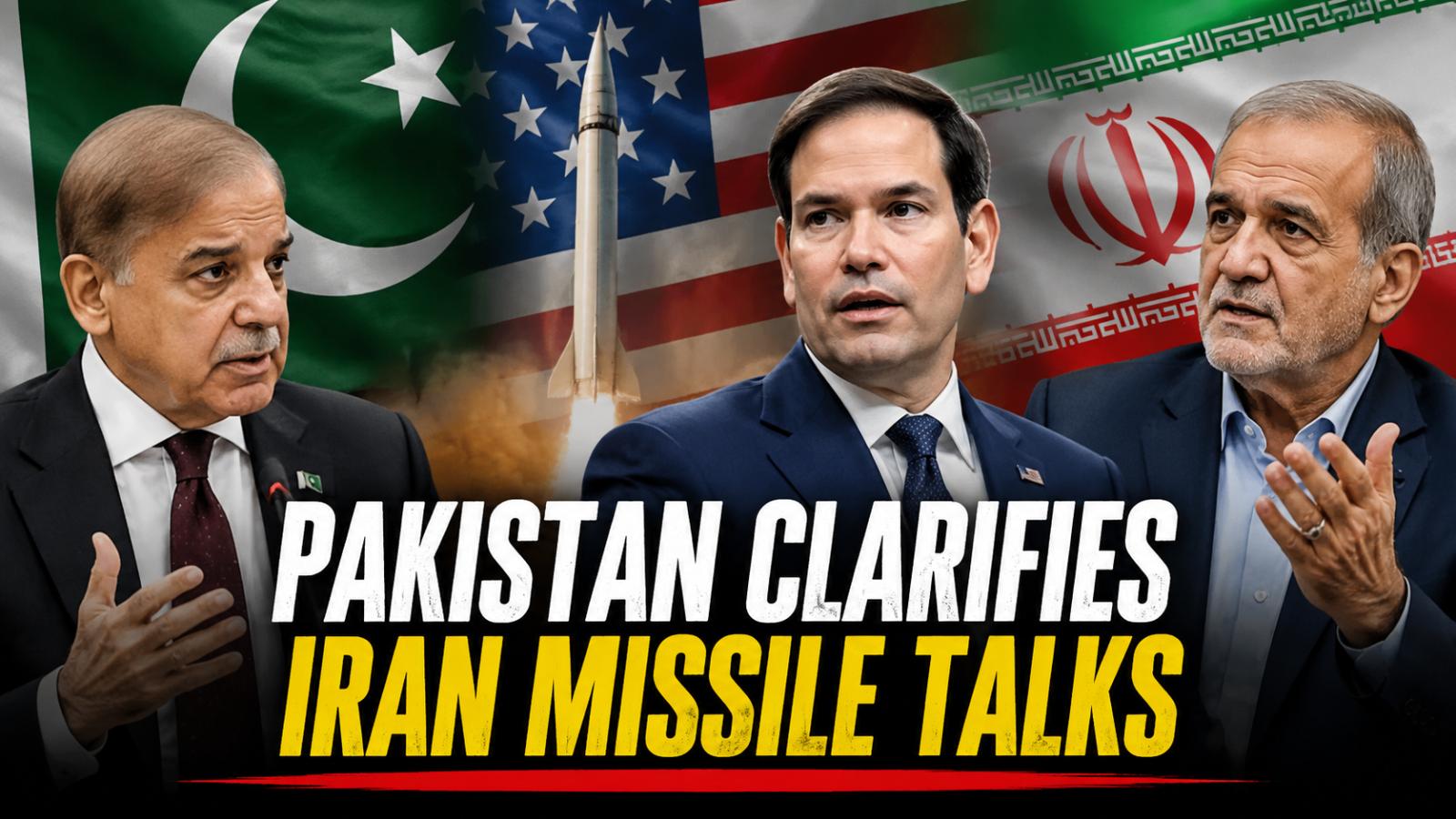
Questions surrounding Pakistan’s role as a neutral mediator in the Iran-US negotiations have intensified following claims that Tehran may have parked military and surveillance aircraft at a Pakistani airbase during ongoing diplomatic discussions. The allegations have triggered political reactions in Washington and renewed scrutiny over Islamabad’s balancing act between the United States, Iran, China, and regional security interests.
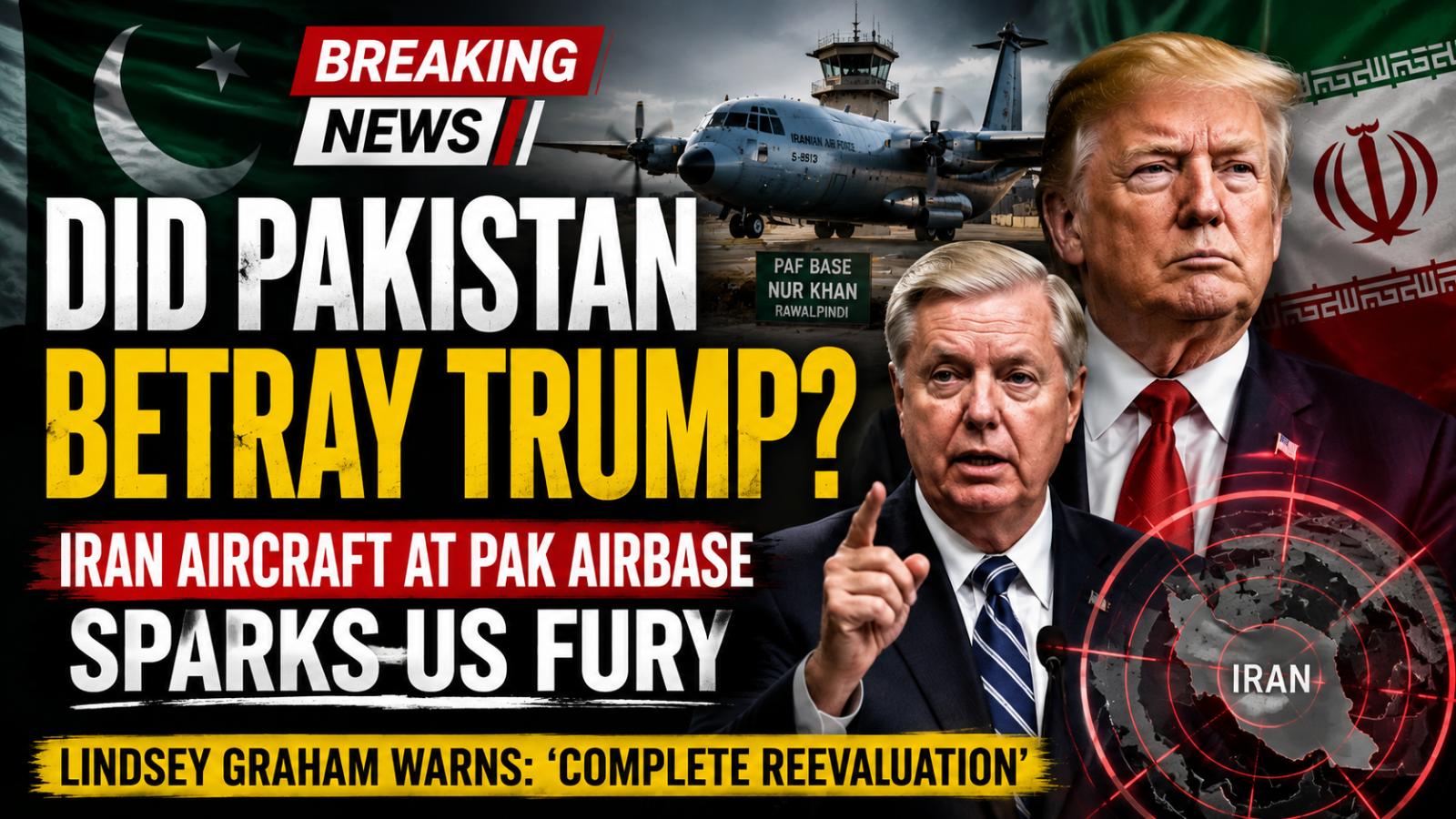
US Senator Lindsey Graham, a close ally of President Donald Trump, responded strongly to the reports, stating that if the claims prove accurate, Washington may need to conduct a “complete reevaluation” of Pakistan’s role. Graham also referenced earlier remarks made by Pakistani officials regarding Israel and regional tensions, suggesting he would not be surprised if the allegations were confirmed. His comments came amid increasing pressure on Pakistan’s diplomatic credibility during the fragile ceasefire negotiations between Iran and the United States.
The controversy centers around reports claiming Pakistan quietly allowed Iranian military and surveillance aircraft to use its airfields while publicly presenting itself as a neutral intermediary. According to the allegations, Iran moved multiple aircraft, including an Iranian Air Force RC-130 reconnaissance aircraft, to Pakistan Air Force Base Nur Khan near Rawalpindi. The RC-130 is known as an intelligence-gathering variant of the Lockheed C-130 Hercules transport aircraft and is used for surveillance and reconnaissance operations.
The diplomatic talks between Iran and the United States reportedly took place in Islamabad on April 11 and extended for nearly 15 hours. The American delegation was led by Vice President JD Vance, while the Iranian side included Parliament Speaker Mohammad Ghalibaf and Foreign Minister Abbas Araghchi. Although the discussions were viewed as a significant diplomatic effort, they failed to produce a long-term agreement between the two countries.
The broader negotiations remain stalled as both sides continue rejecting each other’s proposals. Washington reportedly demanded strict conditions on Iran’s nuclear program, including limits on uranium enrichment and the transfer of highly enriched uranium stockpiles. In exchange, the proposal included phased sanctions relief and the release of frozen Iranian assets. Iran, however, submitted its own multi-stage proposal focused on ending hostilities, restoring maritime trade through the Strait of Hormuz, and delaying sensitive nuclear negotiations until after a ceasefire was established.
China and Russia have also become increasingly involved in the diplomatic process. China is believed to have encouraged Tehran to remain engaged in negotiations, while maintaining its public position that it supports peace and stability in the region. Russia, meanwhile, has offered to assist in handling Iranian uranium under the supervision of the International Atomic Energy Agency. The developments highlight the growing international complexity surrounding the Iran-US talks and Pakistan’s evolving role within the wider geopolitical landscape.