







Barclays Plans 5,000 Job Cuts, India Employees May Be Impacted
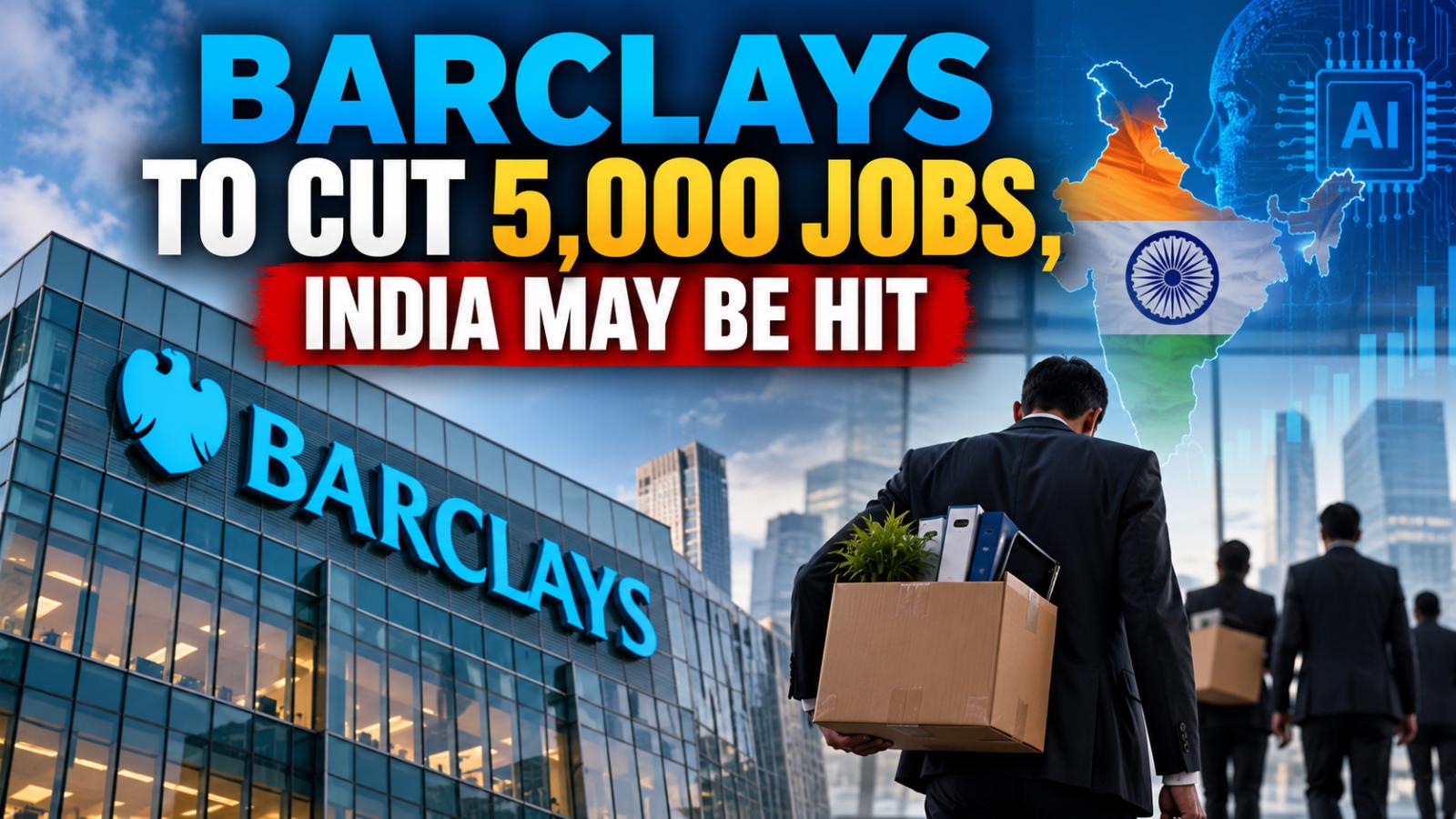
British banking major Barclays is reportedly moving ahead with plans to eliminate around 5,000 jobs as part of a broader restructuring aimed at simplifying operations, reducing costs and increasing the use of technology and artificial intelligence. The planned reductions could also affect employees in India, where Barclays has a significant operational presence and handles several technology and support functions. Barclays Plans Thousands of Job Cuts by End of 202
Barclays Plans 5,000 Job Cuts, India Employees May Be Impacted
British banking major Barclays is reportedly moving ahead with plans to eliminate around 5,000 jobs as part of a broader restructuring aimed at simplifying operations, reducing costs and increasing the use of technology and artificial intelligence. The planned reductions could also affect employees in India, where Barclays has a significant operational presence and handles several technology and support functions. Barclays Plans Thousands of Job Cuts by End of 202
Bank of America hit with nearly $2 billion in US penalties
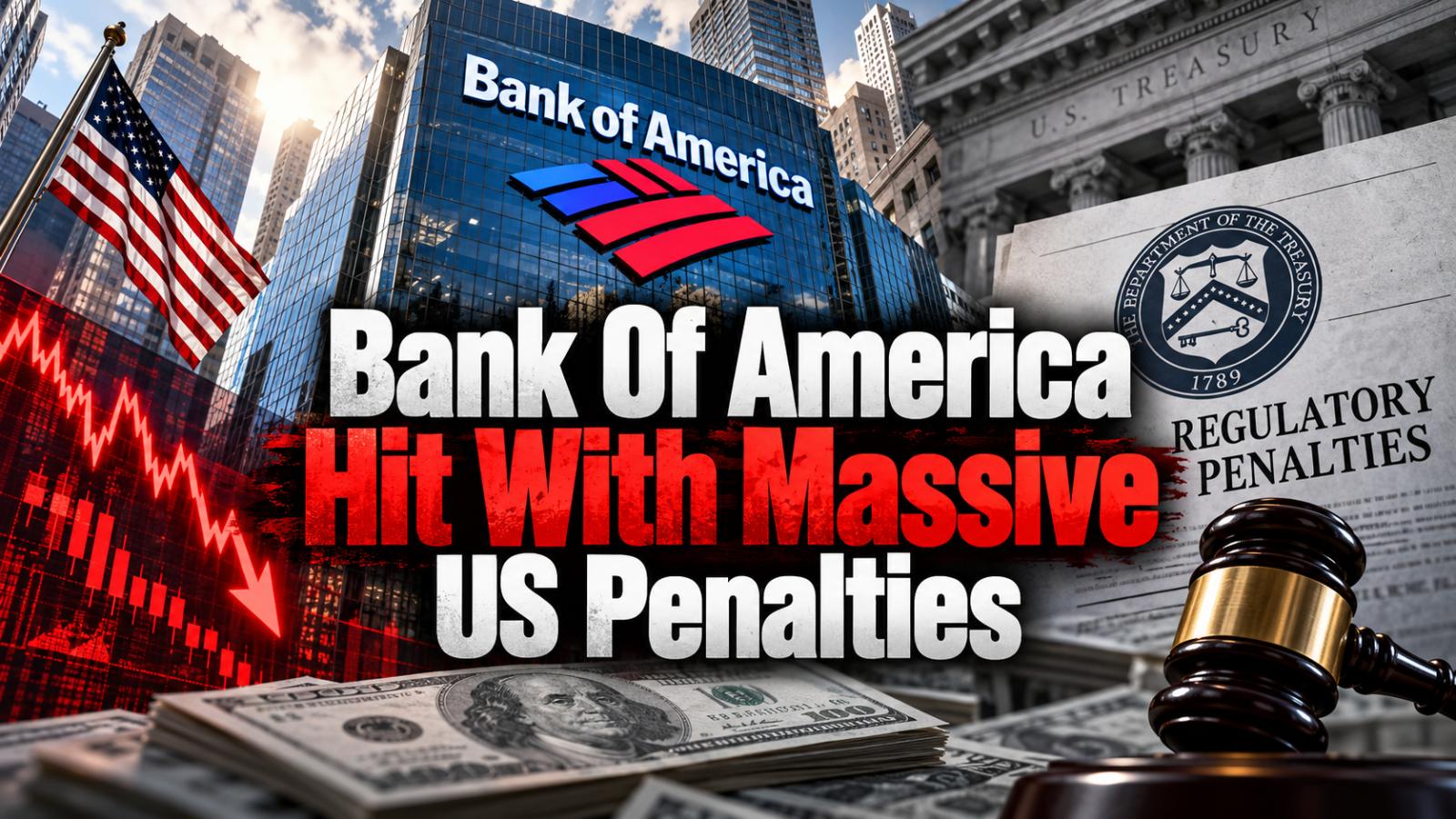
Bank of America hit with nearly $2 billion in US penalties after US regulators accused the lender of serious anti-money laundering and sanctions compliance failures. FinCEN, the OCC and OFAC cited suspicious transaction monitoring gaps, reporting failures and sanctions violations. Bank of America AML failures US regulators have imposed penalties totaling nearly $2 billion on Bank of America after identifying major weaknesses in its anti-
Bank of America hit with nearly $2 billion in US penalties
Bank of America hit with nearly $2 billion in US penalties after US regulators accused the lender of serious anti-money laundering and sanctions compliance failures. FinCEN, the OCC and OFAC cited suspicious transaction monitoring gaps, reporting failures and sanctions violations. Bank of America AML failures US regulators have imposed penalties totaling nearly $2 billion on Bank of America after identifying major weaknesses in its anti-

RBI New FD Rules For Small Finance Banks From October 1
The RBI has introduced new fixed deposit interest-rate rules for small finance banks, effective Thursday, October 1, 2026. The changes require clearer online disclosures, daily bulk-deposit rates and greater consistency across branches and customers. RBI New FD Rules Begin From October 1 Fixed deposit customers of small finance banks will see new interest-rate disclosure rules from October 1, 2026. The Reserve Bank of India issued the
RBI New FD Rules For Small Finance Banks From October 1
The RBI has introduced new fixed deposit interest-rate rules for small finance banks, effective Thursday, October 1, 2026. The changes require clearer online disclosures, daily bulk-deposit rates and greater consistency across branches and customers. RBI New FD Rules Begin From October 1 Fixed deposit customers of small finance banks will see new interest-rate disclosure rules from October 1, 2026. The Reserve Bank of India issued the
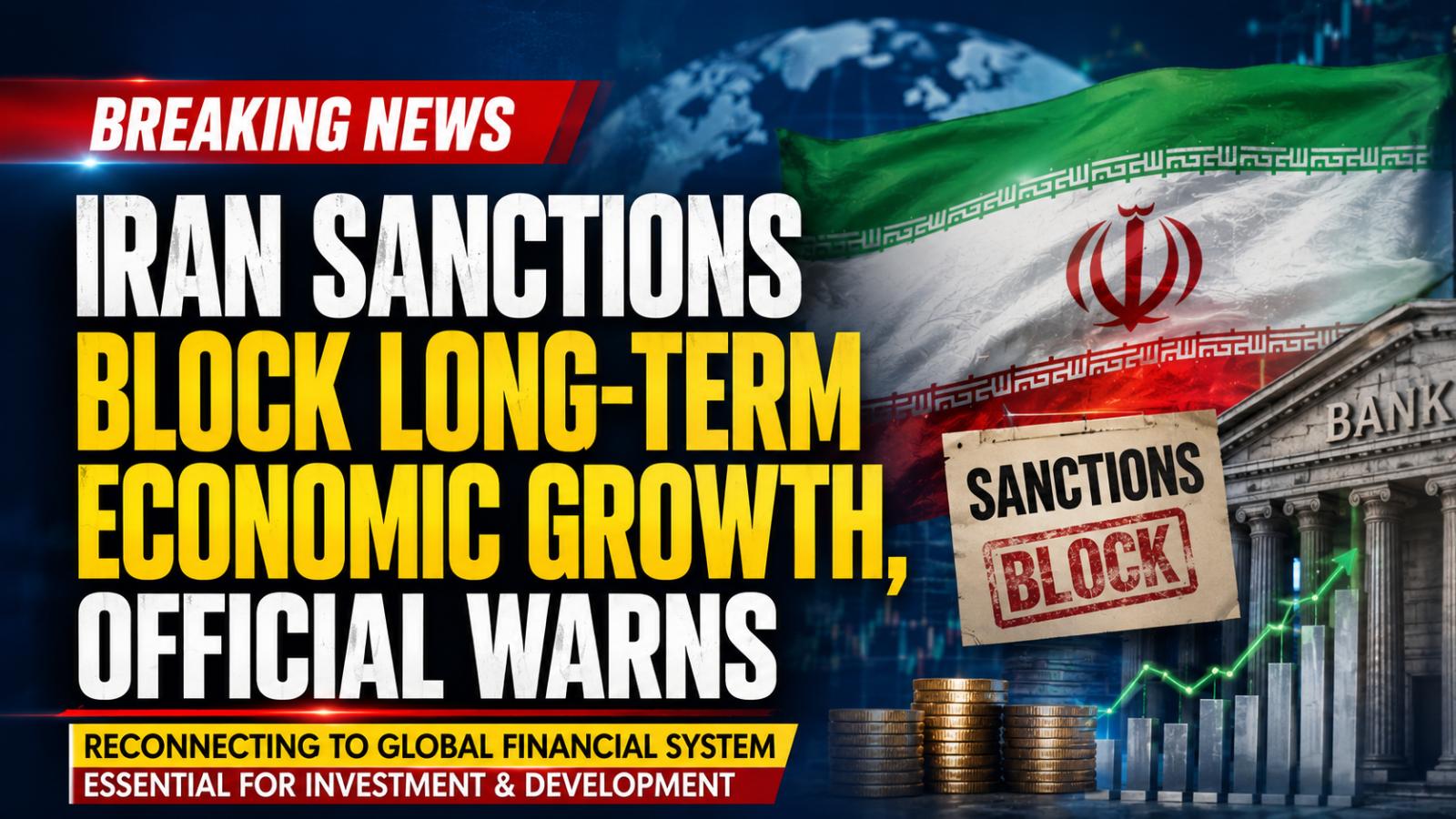
Iran Sanctions Block Long-Term Economic Growth, Official Warns
Iran sanctions block long-term economic growth, according to a senior Iranian official who says the country cannot achieve sustainable development without reconnecting to the global financial system. While temporary measures have kept trade moving, officials argue that lasting economic progress requires renewed access to international banking, investment and financial markets.
Iran Sanctions Block Long-Term Economic Growth, Official Warns
Iran sanctions block long-term economic growth, according to a senior Iranian official who says the country cannot achieve sustainable development without reconnecting to the global financial system. While temporary measures have kept trade moving, officials argue that lasting economic progress requires renewed access to international banking, investment and financial markets.
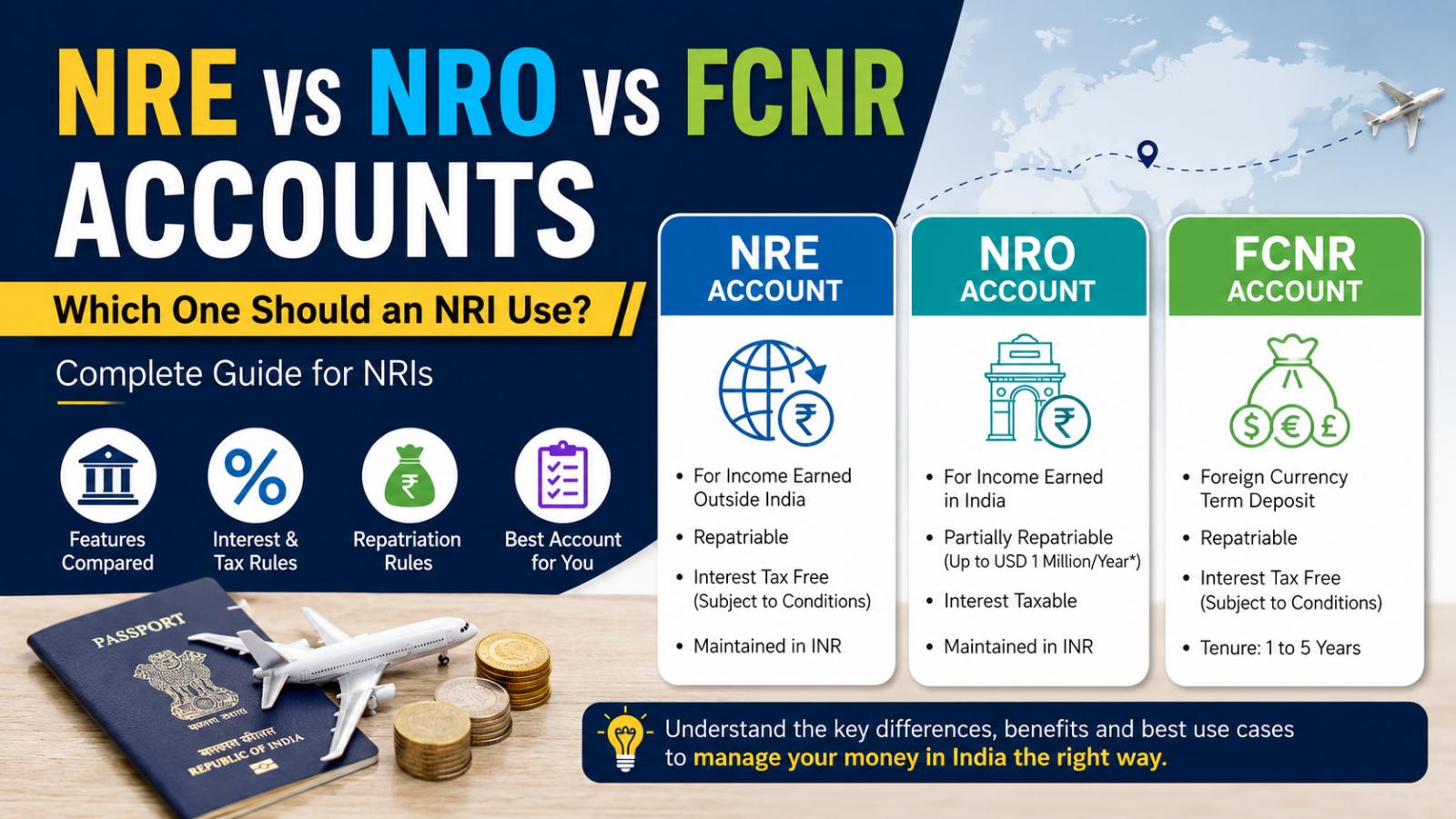
NRE vs NRO vs FCNR Accounts: Which One Should an NRI Use?
This guide explains NRE, NRO and FCNR accounts in plain English, compares tax and repatriation rules, shows where overseas and Indian income should go, and gives realistic account combinations for salaried NRIs, landlords, investors and families. Last reviewed: July 18, 2026 The first banking question most new NRIs ask sounds simple: “Which Indian account should I use now?”
NRE vs NRO vs FCNR Accounts: Which One Should an NRI Use?
This guide explains NRE, NRO and FCNR accounts in plain English, compares tax and repatriation rules, shows where overseas and Indian income should go, and gives realistic account combinations for salaried NRIs, landlords, investors and families. Last reviewed: July 18, 2026 The first banking question most new NRIs ask sounds simple: “Which Indian account should I use now?”

Rupeeflo Targets 24-Hour NRI Account Opening, Down From 60 Days
Rupeeflo is targeting a reduction in NRI account opening time from about 60 days to 24 hours. The digital onboarding effort covers bank, demat and trading accounts used by Non-Resident Indians investing in India. The company says the faster process could address paperwork and verification delays that cause applicants to abandon plans to invest in Indian stocks or deposits. Rupeeflo targets faster NRI account opening Zerodha founder and CEO Nith
Rupeeflo Targets 24-Hour NRI Account Opening, Down From 60 Days
Rupeeflo is targeting a reduction in NRI account opening time from about 60 days to 24 hours. The digital onboarding effort covers bank, demat and trading accounts used by Non-Resident Indians investing in India. The company says the faster process could address paperwork and verification delays that cause applicants to abandon plans to invest in Indian stocks or deposits. Rupeeflo targets faster NRI account opening Zerodha founder and CEO Nith

India Japan economic ties shift toward supply chain resilience
India and Japan are steadily moving their partnership beyond routine trade discussions into a broader realignment shaped by global risk and industrial restructuring. What looks like increased investment flows is actually part of a deeper repositioning of how both countries want to secure long-term economic stability in an uncertain global environment. Investment growth driven by risk recalibration Japanese companies are expanding their footprint in India not only for growth but also to reduce exposure to concentrated supply networks in East Asia. Rising geopolitical friction and periodic trade restrictions have forced firms to reconsider how dependent they are on single-country manufacturing systems. India is increasingly viewed as a viable diversification hub due to its scale, labor availability, and expanding industrial base. Supply chain restructuring becomes the core driver The most significant shift is happening in supply chains rather than headline investment figures. Japanese manufacturers are gradually redesigning sourcing and production models to reduce vulnerabilities in electronics, automotive components, and precision engineering. India fits into this transition as an alternative production and assembly base, especially for sectors where demand is growing but diversification is still limited. Technology and industrial cooperation deepen Cooperation is also expanding into advanced sectors such as semiconductors, digital systems, and artificial intelligence. These areas are no longer treated as purely commercial exchanges but as strategic capabilities. Both countries are aligning on technology resilience, where production continuity and security of supply matter as much as cost efficiency. Rare earths and critical materials gain importance Another emerging focus is critical minerals and rare earth supply chains. These materials are essential for electronics, renewable energy systems, and defence manufacturing. Dependence on concentrated suppliers has pushed both India and Japan to explore alternative sourcing strategies and joint development frameworks to reduce long-term risk. Financial flows signal long-term positioning Japanese capital inflows into Indian financial institutions and industrial projects suggest more than short-term investment interest. Financial participation typically indicates long-term confidence in policy stability and market expansion. However, the real test will be whether this capital flow expands into deeper manufacturing integration rather than remaining portfolio-based exposure. Economic security becomes the defining theme At the core of this evolving relationship is economic security. Trade decisions are increasingly shaped by geopolitical uncertainty rather than pure cost advantage. This marks a shift from efficiency-driven globalization to resilience-driven partnerships, where countries prioritize stability over optimization. A cautious but strategic realignment The India–Japan partnership is gradually becoming a case study in how middle and advanced economies adjust to global fragmentation. While the direction is clear—greater cooperation in technology, investment, and supply chains—the pace will depend on regulatory alignment, infrastructure readiness, and how effectively both sides manage external geopolitical pressures.
India Japan economic ties shift toward supply chain resilience
India and Japan are steadily moving their partnership beyond routine trade discussions into a broader realignment shaped by global risk and industrial restructuring. What looks like increased investment flows is actually part of a deeper repositioning of how both countries want to secure long-term economic stability in an uncertain global environment. Investment growth driven by risk recalibration Japanese companies are expanding their footprint in India not only for growth but also to reduce exposure to concentrated supply networks in East Asia. Rising geopolitical friction and periodic trade restrictions have forced firms to reconsider how dependent they are on single-country manufacturing systems. India is increasingly viewed as a viable diversification hub due to its scale, labor availability, and expanding industrial base. Supply chain restructuring becomes the core driver The most significant shift is happening in supply chains rather than headline investment figures. Japanese manufacturers are gradually redesigning sourcing and production models to reduce vulnerabilities in electronics, automotive components, and precision engineering. India fits into this transition as an alternative production and assembly base, especially for sectors where demand is growing but diversification is still limited. Technology and industrial cooperation deepen Cooperation is also expanding into advanced sectors such as semiconductors, digital systems, and artificial intelligence. These areas are no longer treated as purely commercial exchanges but as strategic capabilities. Both countries are aligning on technology resilience, where production continuity and security of supply matter as much as cost efficiency. Rare earths and critical materials gain importance Another emerging focus is critical minerals and rare earth supply chains. These materials are essential for electronics, renewable energy systems, and defence manufacturing. Dependence on concentrated suppliers has pushed both India and Japan to explore alternative sourcing strategies and joint development frameworks to reduce long-term risk. Financial flows signal long-term positioning Japanese capital inflows into Indian financial institutions and industrial projects suggest more than short-term investment interest. Financial participation typically indicates long-term confidence in policy stability and market expansion. However, the real test will be whether this capital flow expands into deeper manufacturing integration rather than remaining portfolio-based exposure. Economic security becomes the defining theme At the core of this evolving relationship is economic security. Trade decisions are increasingly shaped by geopolitical uncertainty rather than pure cost advantage. This marks a shift from efficiency-driven globalization to resilience-driven partnerships, where countries prioritize stability over optimization. A cautious but strategic realignment The India–Japan partnership is gradually becoming a case study in how middle and advanced economies adjust to global fragmentation. While the direction is clear—greater cooperation in technology, investment, and supply chains—the pace will depend on regulatory alignment, infrastructure readiness, and how effectively both sides manage external geopolitical pressures.
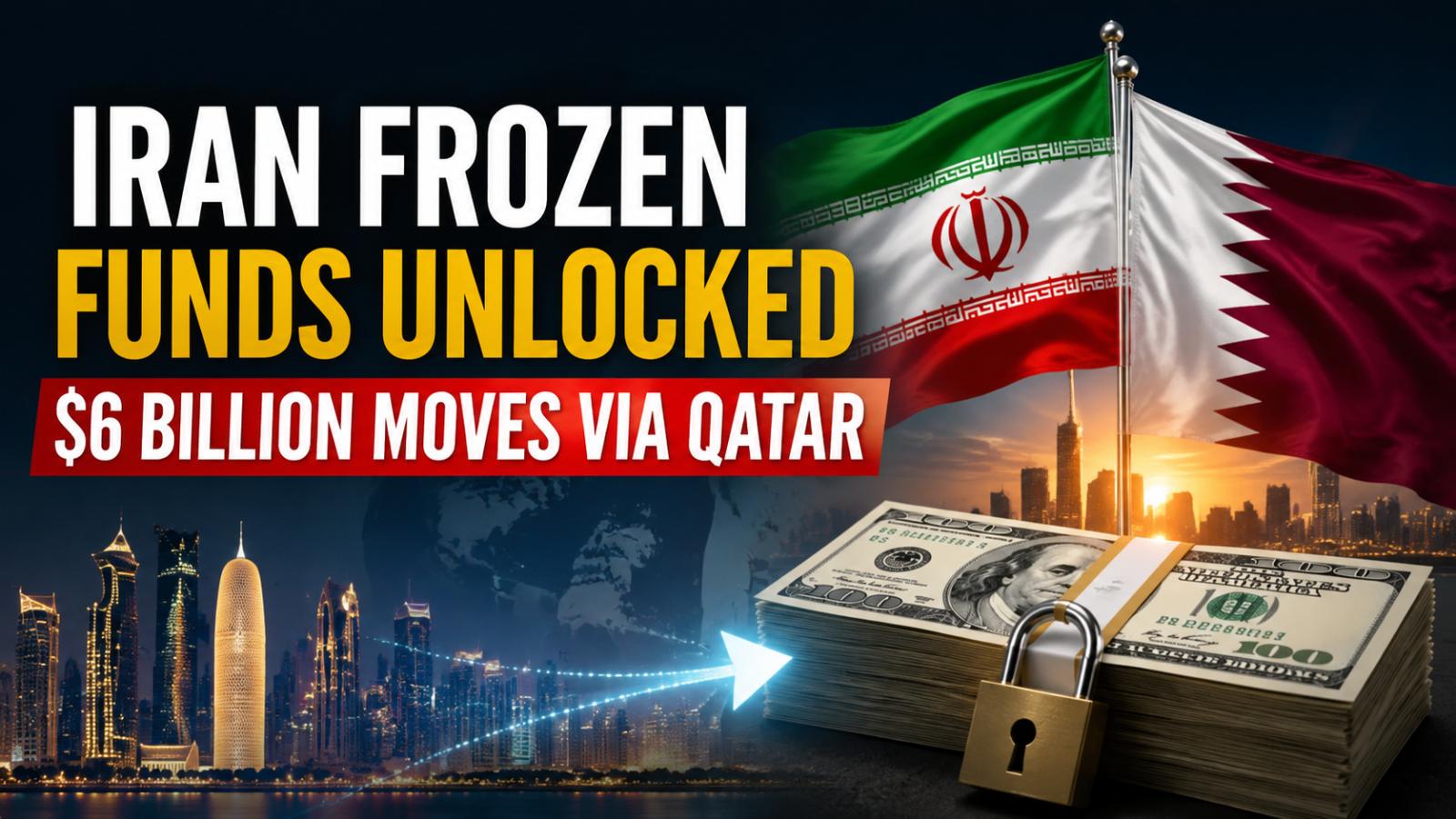
Iran frozen funds begin transfer via Qatar under deal talks
A phased release of long-restricted Iranian financial assets has begun under a monitored arrangement involving Qatar and the United States, marking a cautious shift in ongoing diplomatic engagement. Nearly $6 billion in previously inaccessible funds are being routed through controlled channels in Doha as part of a broader effort to ease financial pressure while maintaining oversight on compliance mechanisms. The development comes after months of indirect discussions aimed at stabilising tensions around energy exports, banking restrictions, and regional security concerns that have shaped Iran’s access to global markets. Structured financial transfer mechanism Officials familiar with the arrangement say the funds are not being released in a single transaction. Instead, they are being moved in stages through designated banking pathways in Qatar under strict monitoring conditions. The approach is designed to reduce systemic risk in international financial networks while allowing gradual access to blocked reserves. Qatar’s role as intermediary has been central due to its established diplomatic communication channels with both Tehran and Washington. The structure reflects an attempt to balance economic relief with regulatory safeguards, particularly in sectors linked to oil and petrochemical revenues that remain under sanctions pressure. Doha’s role in ongoing negotiations The latest financial movement is tied to continuing discussions in Doha, where technical teams are expected to refine implementation details of earlier understandings between involved parties. Qatari mediators have maintained active coordination to ensure communication remains open and to prevent breakdowns in the negotiation process. The talks are viewed as part of a wider diplomatic track that has periodically resurfaced amid regional tensions and shifting geopolitical priorities. While no final settlement has been confirmed, the current phase signals that both sides are still engaging through indirect channels rather than moving toward confrontation. Economic implications remain limited for now The partial release of funds may provide short-term liquidity support for Iran, but analysts caution that it does not represent a full resolution of broader economic constraints. Long-standing sanctions, limited access to global banking systems, and uncertainty in energy trade continue to shape the country’s financial outlook. Any meaningful improvement would depend on sustained diplomatic progress and longer-term policy alignment across negotiating parties. Outlook Qatar’s increasing role as a financial and diplomatic bridge highlights its growing influence in regional mediation efforts. However, the situation remains fluid, with outcomes dependent on how upcoming discussions in Doha evolve and whether trust between negotiating sides can be maintained through successive stages of implementation.
Iran frozen funds begin transfer via Qatar under deal talks
A phased release of long-restricted Iranian financial assets has begun under a monitored arrangement involving Qatar and the United States, marking a cautious shift in ongoing diplomatic engagement. Nearly $6 billion in previously inaccessible funds are being routed through controlled channels in Doha as part of a broader effort to ease financial pressure while maintaining oversight on compliance mechanisms. The development comes after months of indirect discussions aimed at stabilising tensions around energy exports, banking restrictions, and regional security concerns that have shaped Iran’s access to global markets. Structured financial transfer mechanism Officials familiar with the arrangement say the funds are not being released in a single transaction. Instead, they are being moved in stages through designated banking pathways in Qatar under strict monitoring conditions. The approach is designed to reduce systemic risk in international financial networks while allowing gradual access to blocked reserves. Qatar’s role as intermediary has been central due to its established diplomatic communication channels with both Tehran and Washington. The structure reflects an attempt to balance economic relief with regulatory safeguards, particularly in sectors linked to oil and petrochemical revenues that remain under sanctions pressure. Doha’s role in ongoing negotiations The latest financial movement is tied to continuing discussions in Doha, where technical teams are expected to refine implementation details of earlier understandings between involved parties. Qatari mediators have maintained active coordination to ensure communication remains open and to prevent breakdowns in the negotiation process. The talks are viewed as part of a wider diplomatic track that has periodically resurfaced amid regional tensions and shifting geopolitical priorities. While no final settlement has been confirmed, the current phase signals that both sides are still engaging through indirect channels rather than moving toward confrontation. Economic implications remain limited for now The partial release of funds may provide short-term liquidity support for Iran, but analysts caution that it does not represent a full resolution of broader economic constraints. Long-standing sanctions, limited access to global banking systems, and uncertainty in energy trade continue to shape the country’s financial outlook. Any meaningful improvement would depend on sustained diplomatic progress and longer-term policy alignment across negotiating parties. Outlook Qatar’s increasing role as a financial and diplomatic bridge highlights its growing influence in regional mediation efforts. However, the situation remains fluid, with outcomes dependent on how upcoming discussions in Doha evolve and whether trust between negotiating sides can be maintained through successive stages of implementation.
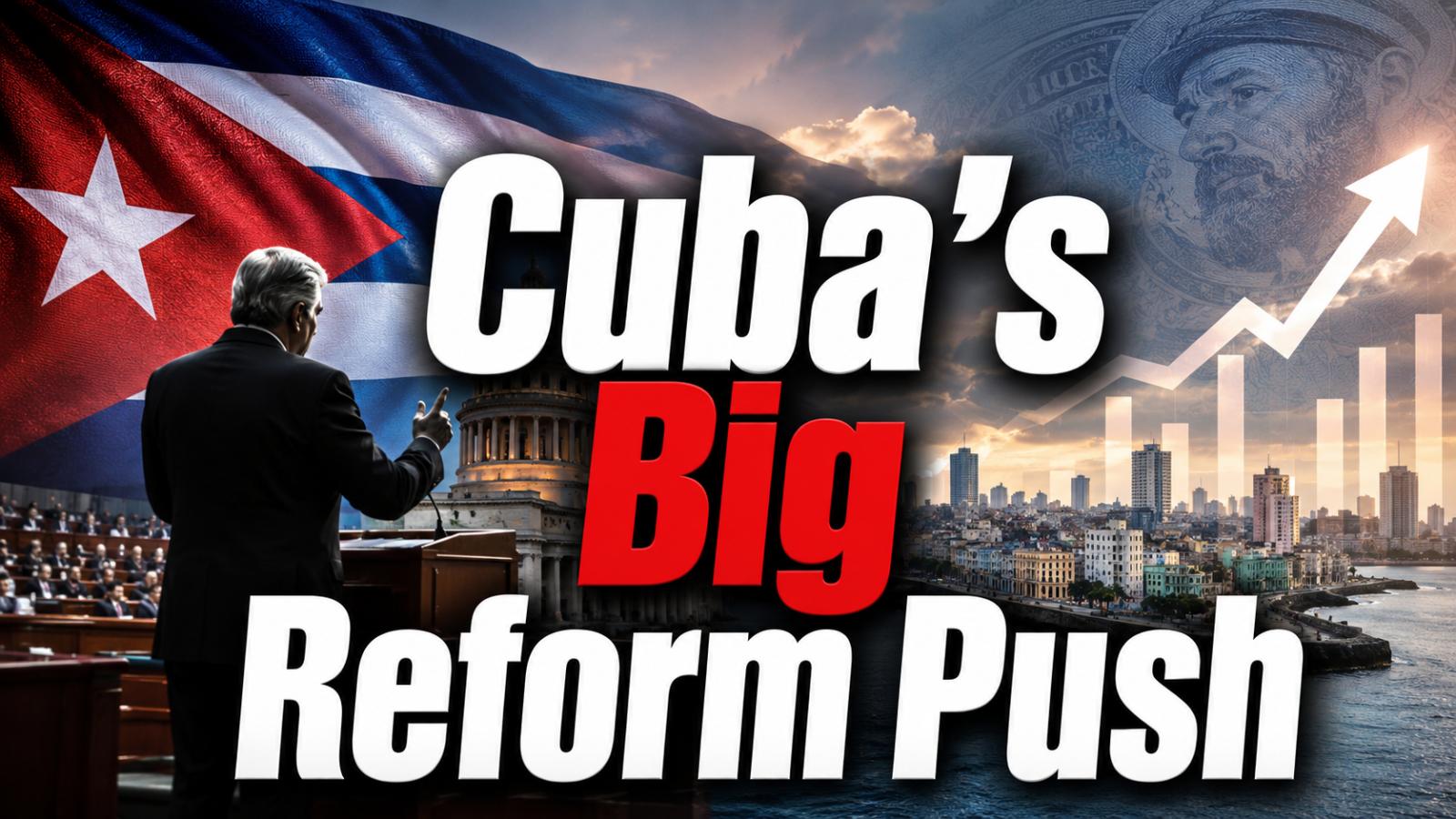
Cuba unveils major reforms to expand private sector
Cuba proposes major shift in economic policy Cuban Prime Minister Manuel Marrero has presented lawmakers with a sweeping economic reform package aimed at reshaping parts of the island’s tightly controlled economy. The proposals, backed by the Communist Party and former leader Raúl Castro, come as Cuba faces rising pressure from US sanctions, a fuel blockade and worsening shortages of basic goods. The package still requires approval from th
Cuba unveils major reforms to expand private sector
Cuba proposes major shift in economic policy Cuban Prime Minister Manuel Marrero has presented lawmakers with a sweeping economic reform package aimed at reshaping parts of the island’s tightly controlled economy. The proposals, backed by the Communist Party and former leader Raúl Castro, come as Cuba faces rising pressure from US sanctions, a fuel blockade and worsening shortages of basic goods. The package still requires approval from th

Chirayu Rana Lawyer Exit Leaves Ex-JPMorgan Banker Pro Se
Chirayu Rana’s lawyer exit has added a new complication to the former JPMorgan banker’s high-profile legal battle involving executive Lorna Hajdini and JPMorgan Chase. Attorney Daniel Kaiser filed to be discharged as Rana’s counsel shortly before a scheduled court appearance on Tuesday, May 26, 2026, according to reports. The hearing was expected to address whether Rana could continue to be identified as “John Doe” in court records. Daniel Kaiser Exits B
Chirayu Rana Lawyer Exit Leaves Ex-JPMorgan Banker Pro Se
Chirayu Rana’s lawyer exit has added a new complication to the former JPMorgan banker’s high-profile legal battle involving executive Lorna Hajdini and JPMorgan Chase. Attorney Daniel Kaiser filed to be discharged as Rana’s counsel shortly before a scheduled court appearance on Tuesday, May 26, 2026, according to reports. The hearing was expected to address whether Rana could continue to be identified as “John Doe” in court records. Daniel Kaiser Exits B
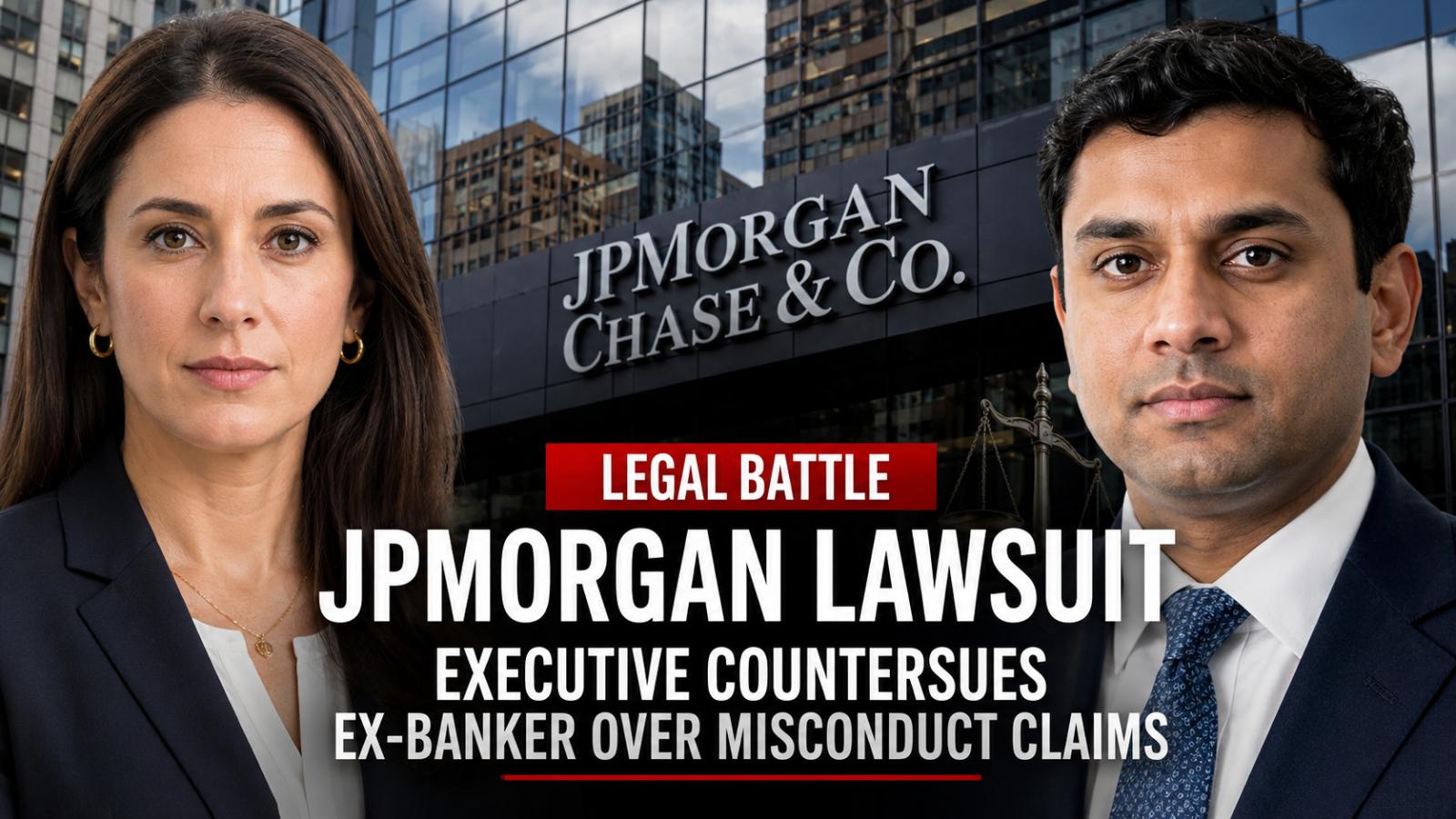
Lorna Hajdini Countersues Chirayu Rana Over Viral JPMorgan Misconduct Claims
JPMorgan executive Lorna Hajdini has filed a defamation countersuit against former banker Chirayu Rana in New York state court, denying his sexual misconduct allegations and accusing him of spreading false claims that harmed her reputation. The Lorna Hajdini countersuit follows Rana’s earlier lawsuit against Hajdini and JPMorgan Chase, in which he alleged sexual abuse, harassment and workplace coercion. Hajdini denies the allegations, and JPMorgan has said it does
Lorna Hajdini Countersues Chirayu Rana Over Viral JPMorgan Misconduct Claims
JPMorgan executive Lorna Hajdini has filed a defamation countersuit against former banker Chirayu Rana in New York state court, denying his sexual misconduct allegations and accusing him of spreading false claims that harmed her reputation. The Lorna Hajdini countersuit follows Rana’s earlier lawsuit against Hajdini and JPMorgan Chase, in which he alleged sexual abuse, harassment and workplace coercion. Hajdini denies the allegations, and JPMorgan has said it does

Chirayu Rana Rejects $1M Offer as JPMorgan Lawsuit Escalates
JPMorgan Chase is facing renewed scrutiny after former banker Chirayu Rana rejected a reported $1 million settlement offer tied to allegations of sexual assault, racial harassment, and workplace misconduct in New York City. The refiled lawsuit, submitted this week, includes new witness statements
Chirayu Rana Rejects $1M Offer as JPMorgan Lawsuit Escalates
JPMorgan Chase is facing renewed scrutiny after former banker Chirayu Rana rejected a reported $1 million settlement offer tied to allegations of sexual assault, racial harassment, and workplace misconduct in New York City. The refiled lawsuit, submitted this week, includes new witness statements
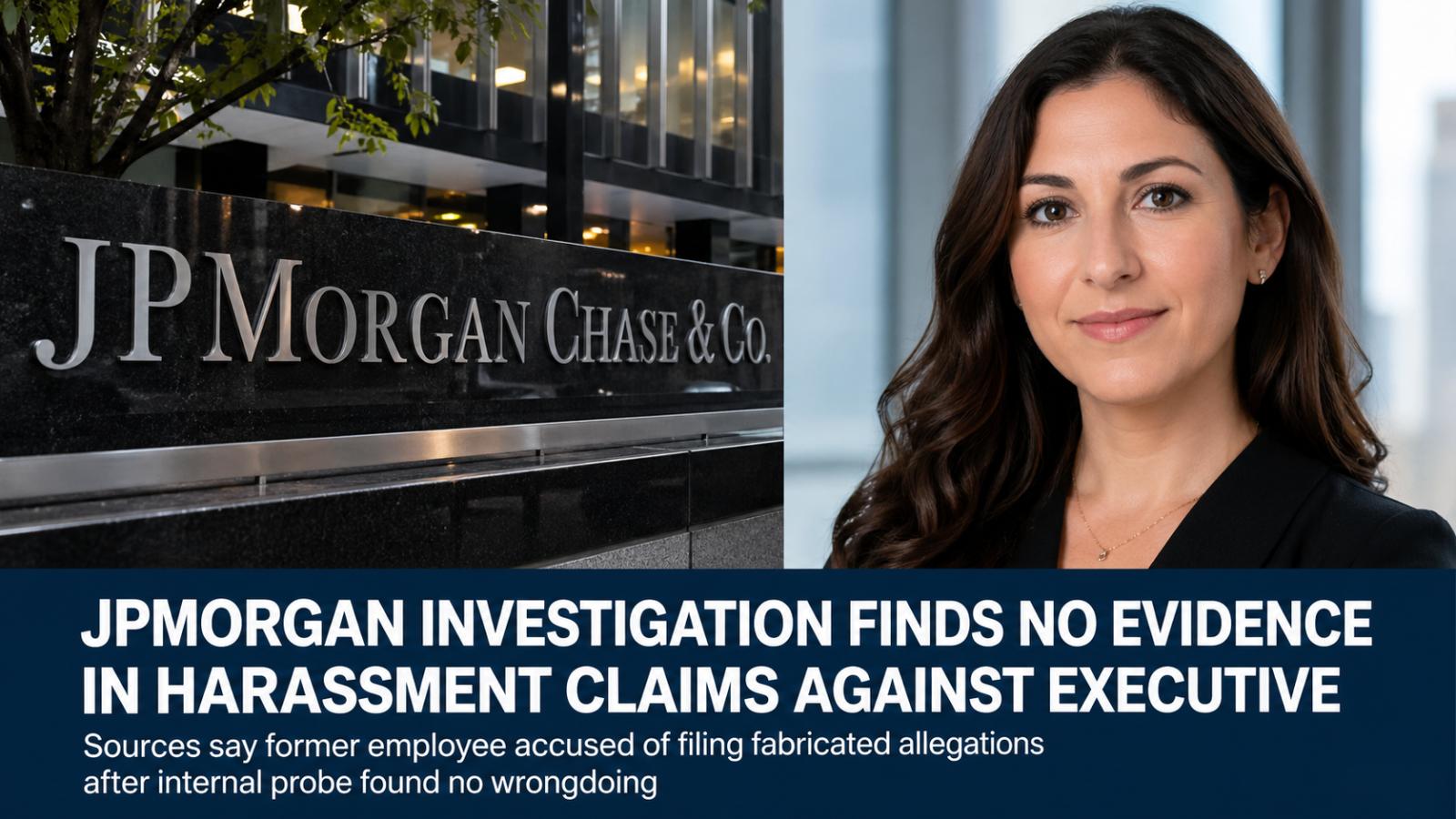
Who is accused in the JPMorgan lawsuit? Investigation points to fabricated allegations
Internal investigation challenges high-profile allegations A former employee of JPMorgan Chase has been accused by sources of filing fabricated sexual harassment allegations against a senior executive after an internal investigation reportedly found no evidence supporting the claims. The allegations were initially brought forward in a lawsuit filed earlier this week under
Who is accused in the JPMorgan lawsuit? Investigation points to fabricated allegations
Internal investigation challenges high-profile allegations A former employee of JPMorgan Chase has been accused by sources of filing fabricated sexual harassment allegations against a senior executive after an internal investigation reportedly found no evidence supporting the claims. The allegations were initially brought forward in a lawsuit filed earlier this week under
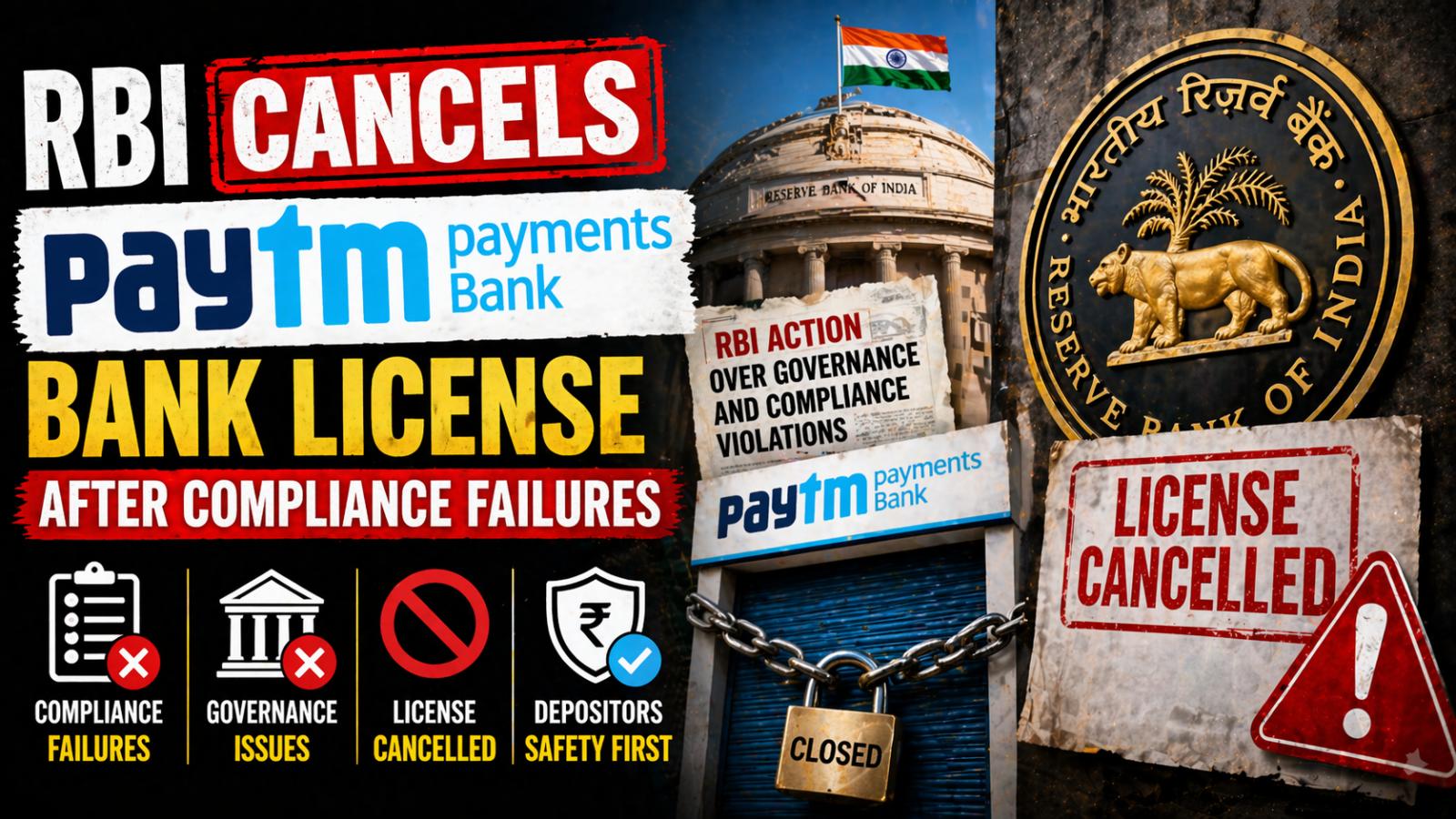
What happened to Paytm Payments Bank? RBI cancels its license after violations
Regulatory action culminates in license cancellation What happened to Paytm Payments Bank? RBI cancels its license after violations forms the central development in India’s financial sector, as the Reserve Bank of India revoked the banking license of Paytm Payments Bank Ltd wi
What happened to Paytm Payments Bank? RBI cancels its license after violations
Regulatory action culminates in license cancellation What happened to Paytm Payments Bank? RBI cancels its license after violations forms the central development in India’s financial sector, as the Reserve Bank of India revoked the banking license of Paytm Payments Bank Ltd wi
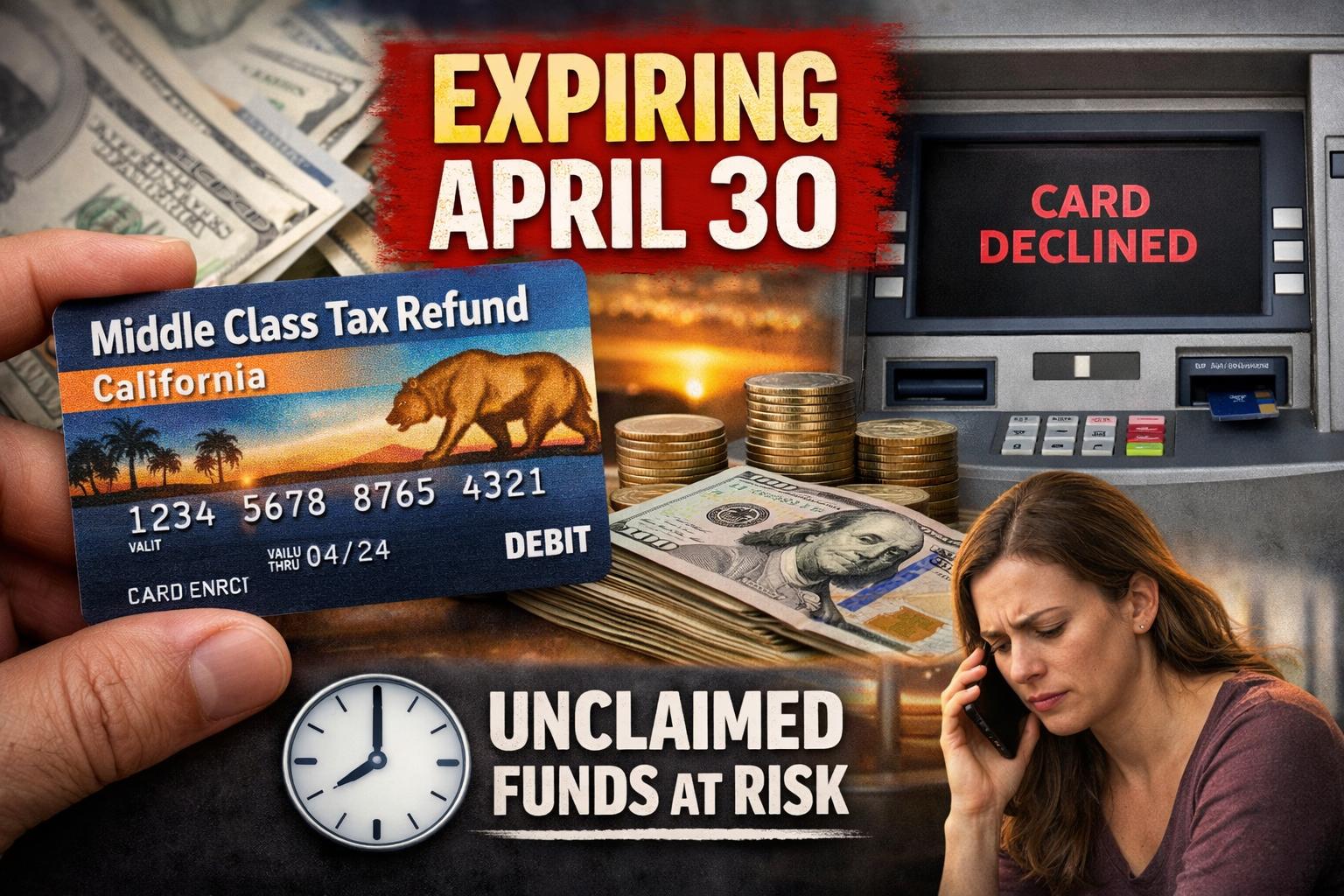
California refund debit cards near expiration leave millions unclaimed
Millions of debit cards issued under California’s Middle Class Tax Refund program in 2022 are set to expire on April 30, leaving hundreds of millions of dollars at risk of going unclaimed, according to state records. The looming deadline has raised concerns for consumers who may still have unused balances but face difficulties accessing their funds. Data from the California Franchise Tax Board shows that only 43% of the distributed cards have been fully used, while approximately 10% have never been activated. That translates to roughly 960,000 cards still holding an estimated $400 million that could revert to the state if not claimed before the expiration date. Some cardholders report unexpected issues when attempting to use their remaining balances. In certain cases, cards that initially worked were later declined despite having available funds. Attempts to withdraw money at banks have also been unsuccessful for some users, with reports indicating that accounts were inaccessible or cards had been deactivated without clear explanation. Consumers have described ongoing challenges in resolving these problems through customer service channels. Calls to the program’s card provider, Money Network, have sometimes resulted in long wait times or difficulty reaching assistance. The company’s parent, Fiserv, said in a statement that it is implementing program changes in accordance with California requirements and the Better for Families Act. State officials note that some cards may be deactivated or funds frozen due to fraud prevention measures. They advise cardholders experiencing issues to contact customer service directly during weekday business hours, from 8:00 AM to 5:00 PM. Assistance will only be available through April 30. With the deadline approaching, officials are urging residents to check for unused cards and confirm balances as soon as possible. Any remaining funds not accessed before expiration could be returned to state lawmakers, underscoring the importance of prompt action for those who may still be eligible to use the money.
California refund debit cards near expiration leave millions unclaimed
Millions of debit cards issued under California’s Middle Class Tax Refund program in 2022 are set to expire on April 30, leaving hundreds of millions of dollars at risk of going unclaimed, according to state records. The looming deadline has raised concerns for consumers who may still have unused balances but face difficulties accessing their funds. Data from the California Franchise Tax Board shows that only 43% of the distributed cards have been fully used, while approximately 10% have never been activated. That translates to roughly 960,000 cards still holding an estimated $400 million that could revert to the state if not claimed before the expiration date. Some cardholders report unexpected issues when attempting to use their remaining balances. In certain cases, cards that initially worked were later declined despite having available funds. Attempts to withdraw money at banks have also been unsuccessful for some users, with reports indicating that accounts were inaccessible or cards had been deactivated without clear explanation. Consumers have described ongoing challenges in resolving these problems through customer service channels. Calls to the program’s card provider, Money Network, have sometimes resulted in long wait times or difficulty reaching assistance. The company’s parent, Fiserv, said in a statement that it is implementing program changes in accordance with California requirements and the Better for Families Act. State officials note that some cards may be deactivated or funds frozen due to fraud prevention measures. They advise cardholders experiencing issues to contact customer service directly during weekday business hours, from 8:00 AM to 5:00 PM. Assistance will only be available through April 30. With the deadline approaching, officials are urging residents to check for unused cards and confirm balances as soon as possible. Any remaining funds not accessed before expiration could be returned to state lawmakers, underscoring the importance of prompt action for those who may still be eligible to use the money.

Instant Payments, Rising Risks: Digital Fraud Surges in India
India’s rapid digital transformation has made financial transactions faster and more convenient, but it has also led to a sharp rise in online fraud cases. Over the past decade, digital payments have grown exponentially, with platforms like Unified Payments Interface becoming a part of everyday life. However, this growth has been accompanied by a surge in fra
Instant Payments, Rising Risks: Digital Fraud Surges in India
India’s rapid digital transformation has made financial transactions faster and more convenient, but it has also led to a sharp rise in online fraud cases. Over the past decade, digital payments have grown exponentially, with platforms like Unified Payments Interface becoming a part of everyday life. However, this growth has been accompanied by a surge in fra
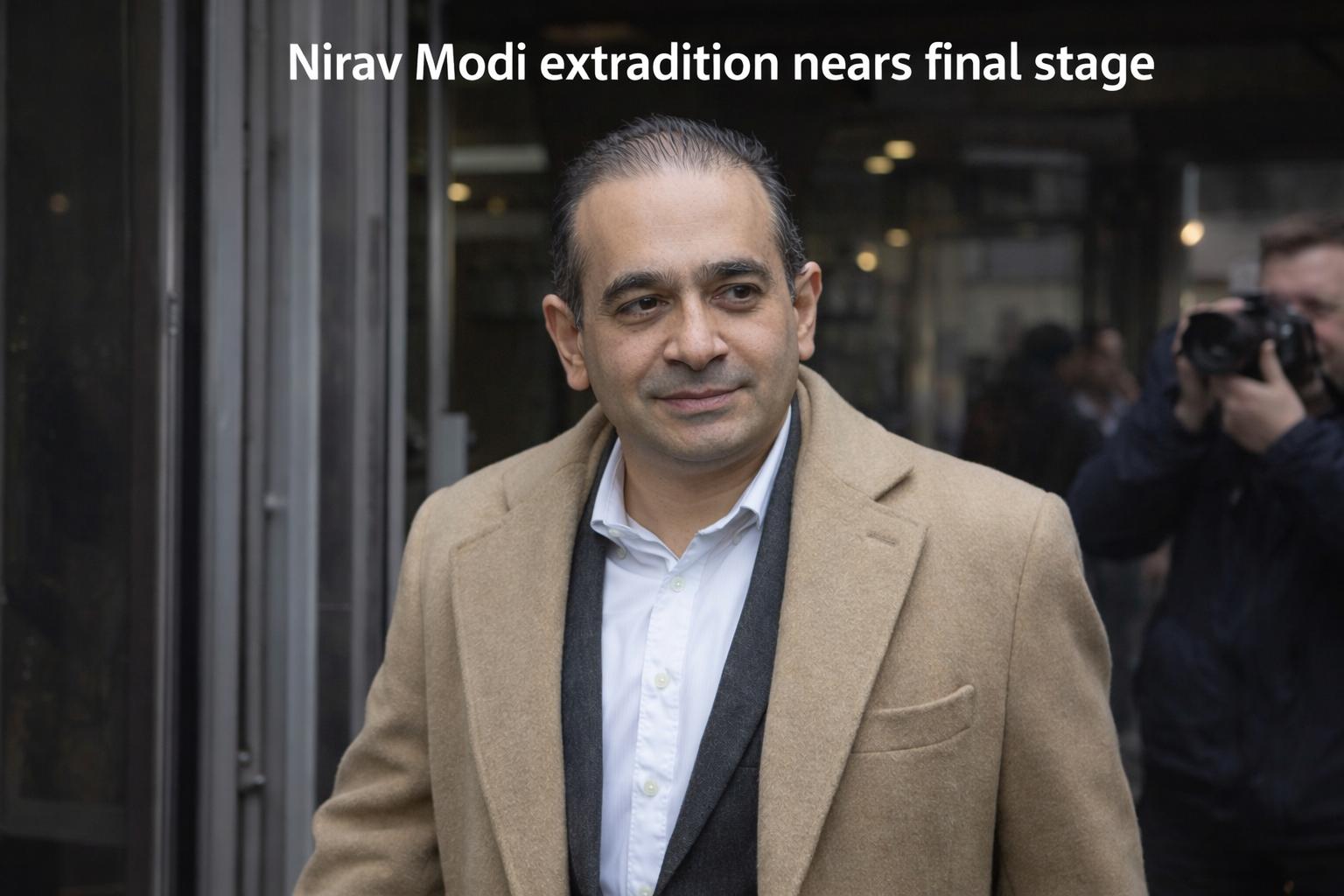
Nirav Modi extradition enters final phase as CBI teams reach London
In a major step forward in one of India’s most closely watched financial crime cases, fugitive businessman Nirav Modi could soon be extradited from the United Kingdom, according to senior government sources familiar with the matter. Officials indicate that the process has entered its final phase, with operational preparations now underway to facilitate his return to India. Teams from In
Nirav Modi extradition enters final phase as CBI teams reach London
In a major step forward in one of India’s most closely watched financial crime cases, fugitive businessman Nirav Modi could soon be extradited from the United Kingdom, according to senior government sources familiar with the matter. Officials indicate that the process has entered its final phase, with operational preparations now underway to facilitate his return to India. Teams from In

The Impact of Global Tensions and Falling Crude Prices on India’s Sensex Surge
On April 8, 2026, India’s stock markets experienced a remarkable surge, with the BSE Sensex climbing over 2,700 points, marking a 3.66% increase, and the Nifty rising by more than 3.4%. Investor wealth swelled by over Rs 14 lakh crore during the early trade, signaling a sharp recovery after a period of volatility. This rally was fueled by multiple factors, including easing global geopolitical tensions, softer crude prices, and an increase in investor confidence. The biggest trigge
The Impact of Global Tensions and Falling Crude Prices on India’s Sensex Surge
On April 8, 2026, India’s stock markets experienced a remarkable surge, with the BSE Sensex climbing over 2,700 points, marking a 3.66% increase, and the Nifty rising by more than 3.4%. Investor wealth swelled by over Rs 14 lakh crore during the early trade, signaling a sharp recovery after a period of volatility. This rally was fueled by multiple factors, including easing global geopolitical tensions, softer crude prices, and an increase in investor confidence. The biggest trigge

Elon Musk pushes SpaceX IPO banks to subscribe to Grok AI ahead of public listing
In a surprising development that has sparked debate across the tech and financial sectors, Elon Musk has reportedly asked banks involved in a potential SpaceX IPO to subscribe to Grok AI, the chatbot developed by his artificial intelligence venture xAI. The move is being seen as an unusual blending of financial negotiations with technology adoption, raising questions about influence, strategy, and ethics. According to reports, Musk has encouraged major financial institutions that are expected to play a role in SpaceX’s much-anticipated public offering to purchase subscriptions to Grok AI. Grok, integrated into the platform of X, is positioned as a competitor to other leading AI chatbots, aiming to provide real-time, conversational intelligence with a unique personality. By pushing Grok subscriptions, Musk appears to be leveraging his business relationships to expand the reach and adoption of his AI ecosystem. Industry analysts believe this strategy could serve multiple purposes. On one hand, it helps boost early enterprise adoption of Grok, potentially strengthening xAI’s valuation and credibility in the rapidly evolving artificial intelligence market. On the other hand, it may also create synergies between Musk’s ventures, aligning financial partners with his broader technological vision. Why this move is gaining attention The reported request has drawn scrutiny because it blurs the lines between separate business interests. While it is not uncommon for business leaders to promote their products, tying such expectations to high-stakes financial deals like an IPO is relatively rare. Experts suggest that this could raise concerns among regulators and investors, especially regarding fairness and transparency in financial negotiations. At the same time, some supporters argue that banks and institutions often adopt new technologies as part of strategic partnerships. If Grok AI proves to be a valuable tool for financial analysis, communication, or data processing, its adoption could be seen as a logical step rather than an obligation. Impact on SpaceX IPO and AI competition The potential SpaceX IPO is already one of the most anticipated events in global markets, given the company’s dominant position in private space exploration and satellite technology. Any additional layer of complexity, such as this reported push for AI subscriptions, could influence how investors and stakeholders perceive the deal. Meanwhile, the move highlights the intensifying competition in the AI space. With major players racing to capture market share, enterprise adoption is becoming a key battleground. By integrating Grok into financial institutions, Musk may be attempting to position xAI as a serious contender alongside other established AI platforms. As the story continues to unfold, it remains to be seen whether this strategy will accelerate Grok’s growth or invite regulatory attention. What is clear, however, is that Musk’s approach once again demonstrates his willingness to challenge conventional boundaries between industries, reshaping how technology and finance intersect in the modern era.
Elon Musk pushes SpaceX IPO banks to subscribe to Grok AI ahead of public listing
In a surprising development that has sparked debate across the tech and financial sectors, Elon Musk has reportedly asked banks involved in a potential SpaceX IPO to subscribe to Grok AI, the chatbot developed by his artificial intelligence venture xAI. The move is being seen as an unusual blending of financial negotiations with technology adoption, raising questions about influence, strategy, and ethics. According to reports, Musk has encouraged major financial institutions that are expected to play a role in SpaceX’s much-anticipated public offering to purchase subscriptions to Grok AI. Grok, integrated into the platform of X, is positioned as a competitor to other leading AI chatbots, aiming to provide real-time, conversational intelligence with a unique personality. By pushing Grok subscriptions, Musk appears to be leveraging his business relationships to expand the reach and adoption of his AI ecosystem. Industry analysts believe this strategy could serve multiple purposes. On one hand, it helps boost early enterprise adoption of Grok, potentially strengthening xAI’s valuation and credibility in the rapidly evolving artificial intelligence market. On the other hand, it may also create synergies between Musk’s ventures, aligning financial partners with his broader technological vision. Why this move is gaining attention The reported request has drawn scrutiny because it blurs the lines between separate business interests. While it is not uncommon for business leaders to promote their products, tying such expectations to high-stakes financial deals like an IPO is relatively rare. Experts suggest that this could raise concerns among regulators and investors, especially regarding fairness and transparency in financial negotiations. At the same time, some supporters argue that banks and institutions often adopt new technologies as part of strategic partnerships. If Grok AI proves to be a valuable tool for financial analysis, communication, or data processing, its adoption could be seen as a logical step rather than an obligation. Impact on SpaceX IPO and AI competition The potential SpaceX IPO is already one of the most anticipated events in global markets, given the company’s dominant position in private space exploration and satellite technology. Any additional layer of complexity, such as this reported push for AI subscriptions, could influence how investors and stakeholders perceive the deal. Meanwhile, the move highlights the intensifying competition in the AI space. With major players racing to capture market share, enterprise adoption is becoming a key battleground. By integrating Grok into financial institutions, Musk may be attempting to position xAI as a serious contender alongside other established AI platforms. As the story continues to unfold, it remains to be seen whether this strategy will accelerate Grok’s growth or invite regulatory attention. What is clear, however, is that Musk’s approach once again demonstrates his willingness to challenge conventional boundaries between industries, reshaping how technology and finance intersect in the modern era.
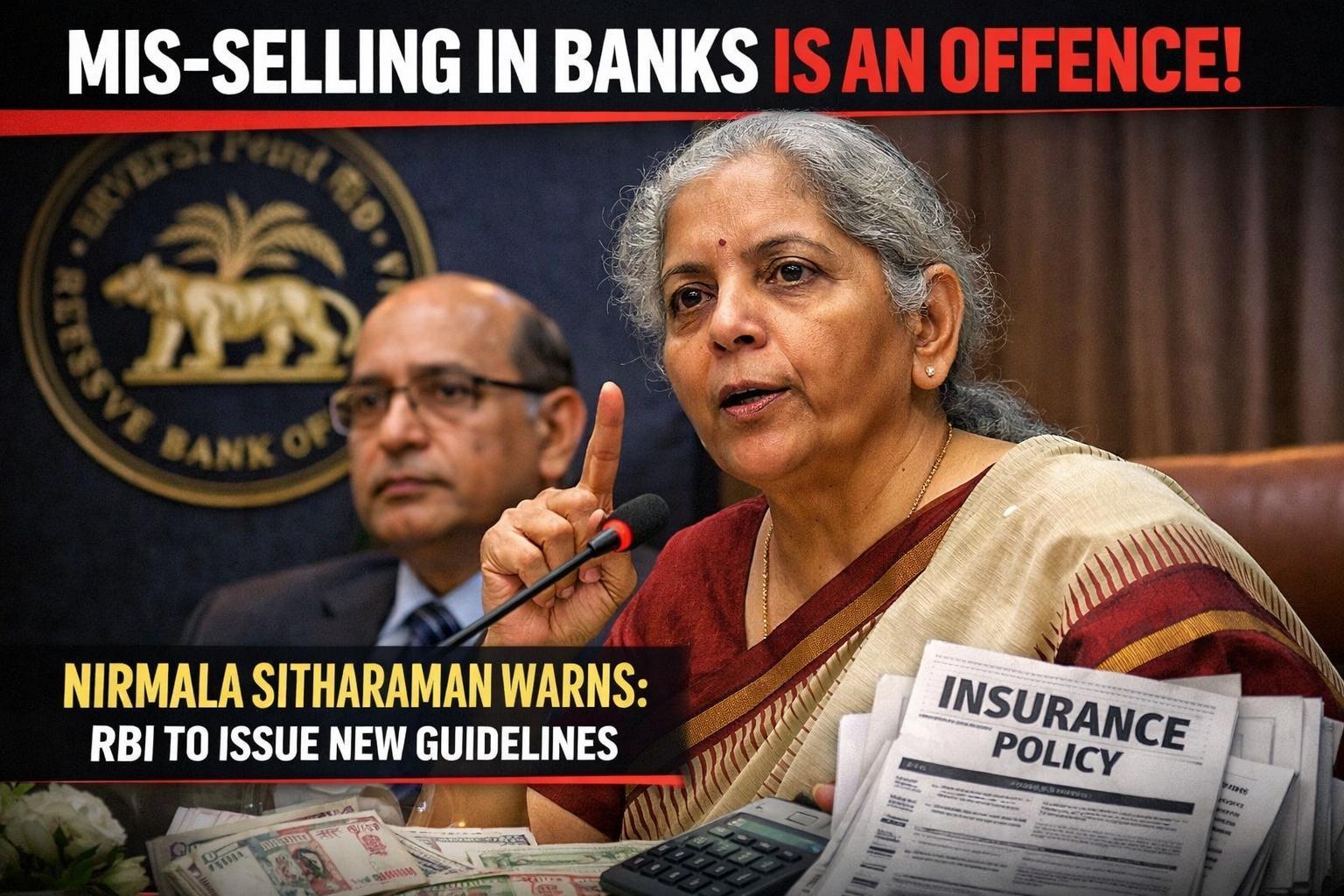
RBI and Nirmala Sitharaman Target Mis-selling in Banking Sector with New Guidelines
India’s financial sector has been grappling with the persistent issue of mis-selling, especially in the realm of banking and insurance products. In a recent statement, Finance Minister Nirmala Sitharaman addressed the ongoing concern, declaring that banks cannot treat mis-selling as a routine part of their business. She went as far as to say that mis-selling is an "offence," sending a clear message to financial institutions that such practices will not be tolerated. Her remarks came at a pr
RBI and Nirmala Sitharaman Target Mis-selling in Banking Sector with New Guidelines
India’s financial sector has been grappling with the persistent issue of mis-selling, especially in the realm of banking and insurance products. In a recent statement, Finance Minister Nirmala Sitharaman addressed the ongoing concern, declaring that banks cannot treat mis-selling as a routine part of their business. She went as far as to say that mis-selling is an "offence," sending a clear message to financial institutions that such practices will not be tolerated. Her remarks came at a pr