




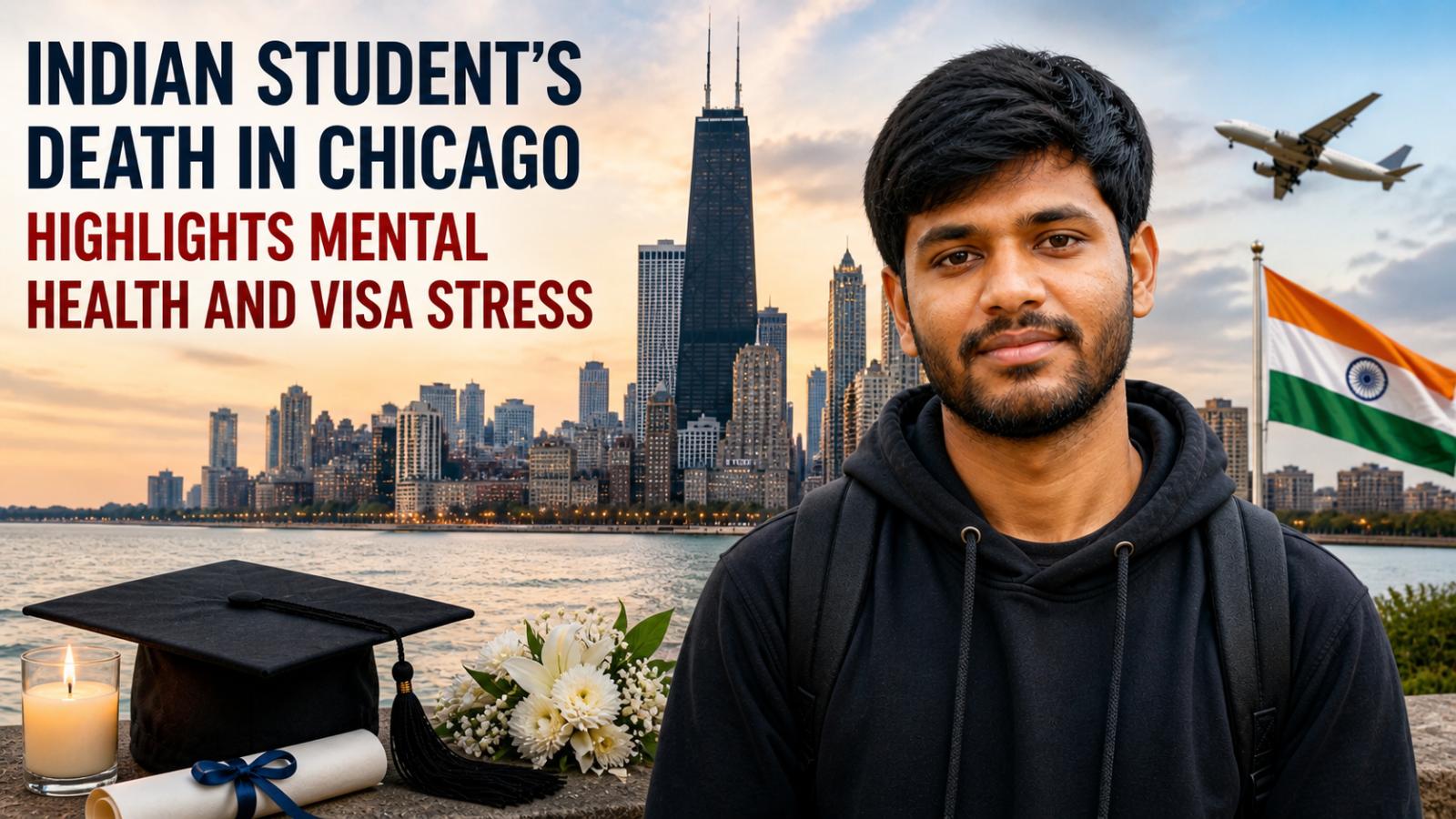
Indian student’s death in Chicago highlights mental health and visa stress
A 26-year-old Indian student from Andhra Pradesh died by suicide in Chicago after struggling to find a job post-graduation. Facing financial pressure and emotional stress, he left messages before his death. A fundraiser is underway to support repatriation and assist his family. Indian student’s death in Chicago highlights mental health and visa stress as Iraganaboyina Chandu, a 26-year-old graduate from Andhra Pradesh, died by suicide at his residence in Chicago
Indian student’s death in Chicago highlights mental health and visa stress
A 26-year-old Indian student from Andhra Pradesh died by suicide in Chicago after struggling to find a job post-graduation. Facing financial pressure and emotional stress, he left messages before his death. A fundraiser is underway to support repatriation and assist his family. Indian student’s death in Chicago highlights mental health and visa stress as Iraganaboyina Chandu, a 26-year-old graduate from Andhra Pradesh, died by suicide at his residence in Chicago
May Day 2026 Theme, History and Significance of International Labour Day Explained
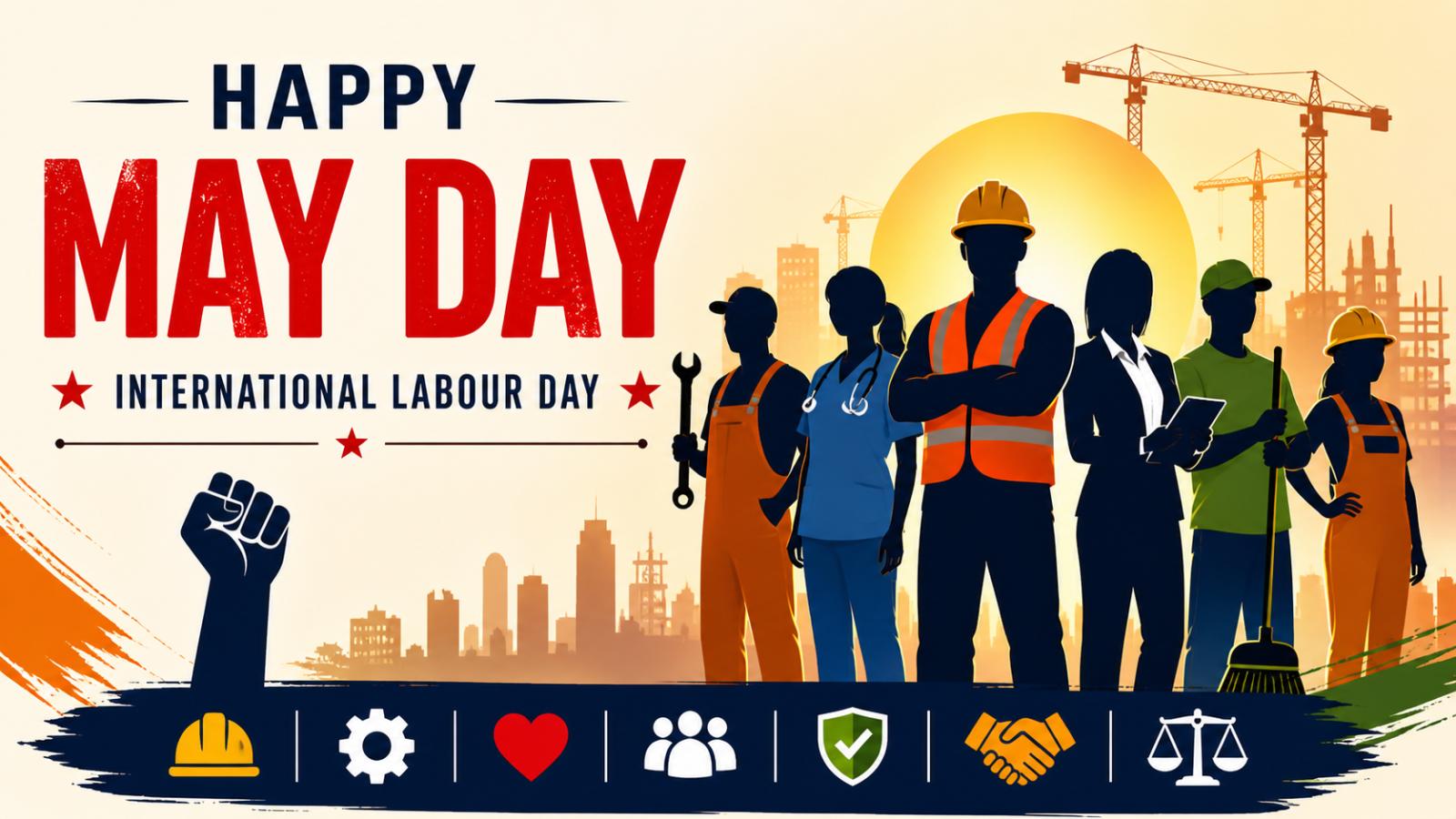
May Day 2026, also known as International Labour Day, is observed globally on May 1 to recognize the contribution of workers in building economies and societies. It is not just a symbolic celebration but a reminder of the struggles, sacrifices, and ongoing demands of the working class. In India, the day is marked by rallies, union meetings, and public discussions focusing on fair wages, safe working conditions, and social justice. While many treat it as a holiday, the deeper purpose lies in evaluating whether workers today are truly benefiting from the progress they helped create. Historical Background and Global Relevance The roots of May Day go back to the Haymarket Affair in Chicago, where workers protested for an eight-hour workday. That movement reshaped labor laws worldwide and laid the foundation for modern worker rights. Over time, May Day evolved into a global platform for workers to demand dignity, equality, and legal protection. Despite these historical gains, many of the original issues—long hours, unsafe conditions, and unfair pay—still persist in different forms across countries, especially in developing economies. May Day 2026 Theme and Its Meaning The International Labour Organization has declared the 2026 theme as “Ensuring a Healthy Psychosocial Working Environment.” This reflects a major shift in focus from physical safety alone to mental well-being in workplaces. Emphasis on reducing stress, burnout, and workplace anxiety Need for policies addressing harassment and discrimination Encouragement of work-life balance and flexible work structures Recognition that productivity should not come at the cost of mental health This theme exposes a critical gap—while companies talk about employee wellness, many still operate in ways that increase pressure and reduce job satisfaction. Importance of May Day in India In India, May Day carries unique significance due to the size of its informal workforce. Millions of workers in sectors like construction, agriculture, and domestic work lack job security and legal protection. Informal workers often do not receive minimum wages or benefits Migrant workers face unstable employment and poor living conditions Social security systems are limited or inaccessible for many Awareness exists, but enforcement of labour laws remains weak This highlights a hard truth: progress in labour rights is uneven, and large sections of the workforce are still left behind. How May Day is Celebrated May Day celebrations in India and across the world are a mix of awareness and activism. Trade unions organize marches and protests Public speeches highlight labour issues and policy gaps Campaigns are run to support worker welfare and rights Governments announce reforms or initiatives, though impact varies These activities create visibility, but without consistent follow-through, they risk becoming routine rather than impactful. Key Challenges Workers Still Face Despite decades of labour reforms, several critical issues remain unresolved: Wage inequality across sectors and regions Lack of mental health support in workplaces Job insecurity due to contract and gig-based employment Poor enforcement of safety regulations Exploitation in unorganized sectors These challenges suggest that while the nature of work has evolved, worker struggles have simply taken new forms. Why May Day Still Matters Today May Day is no longer just about celebrating workers—it is about questioning systems. It forces governments, businesses, and society to examine whether economic growth is inclusive or exploitative. The 2026 theme makes it clear that worker well-being is not limited to physical safety but includes emotional and psychological health. The uncomfortable reality is this: awareness alone does not change conditions. Unless policies are enforced and accountability is maintained, May Day risks becoming symbolic rather than transformative. The real value of this day lies in pushing for measurable change, not just repeating familiar slogans.
May Day 2026 Theme, History and Significance of International Labour Day Explained
May Day 2026, also known as International Labour Day, is observed globally on May 1 to recognize the contribution of workers in building economies and societies. It is not just a symbolic celebration but a reminder of the struggles, sacrifices, and ongoing demands of the working class. In India, the day is marked by rallies, union meetings, and public discussions focusing on fair wages, safe working conditions, and social justice. While many treat it as a holiday, the deeper purpose lies in evaluating whether workers today are truly benefiting from the progress they helped create. Historical Background and Global Relevance The roots of May Day go back to the Haymarket Affair in Chicago, where workers protested for an eight-hour workday. That movement reshaped labor laws worldwide and laid the foundation for modern worker rights. Over time, May Day evolved into a global platform for workers to demand dignity, equality, and legal protection. Despite these historical gains, many of the original issues—long hours, unsafe conditions, and unfair pay—still persist in different forms across countries, especially in developing economies. May Day 2026 Theme and Its Meaning The International Labour Organization has declared the 2026 theme as “Ensuring a Healthy Psychosocial Working Environment.” This reflects a major shift in focus from physical safety alone to mental well-being in workplaces. Emphasis on reducing stress, burnout, and workplace anxiety Need for policies addressing harassment and discrimination Encouragement of work-life balance and flexible work structures Recognition that productivity should not come at the cost of mental health This theme exposes a critical gap—while companies talk about employee wellness, many still operate in ways that increase pressure and reduce job satisfaction. Importance of May Day in India In India, May Day carries unique significance due to the size of its informal workforce. Millions of workers in sectors like construction, agriculture, and domestic work lack job security and legal protection. Informal workers often do not receive minimum wages or benefits Migrant workers face unstable employment and poor living conditions Social security systems are limited or inaccessible for many Awareness exists, but enforcement of labour laws remains weak This highlights a hard truth: progress in labour rights is uneven, and large sections of the workforce are still left behind. How May Day is Celebrated May Day celebrations in India and across the world are a mix of awareness and activism. Trade unions organize marches and protests Public speeches highlight labour issues and policy gaps Campaigns are run to support worker welfare and rights Governments announce reforms or initiatives, though impact varies These activities create visibility, but without consistent follow-through, they risk becoming routine rather than impactful. Key Challenges Workers Still Face Despite decades of labour reforms, several critical issues remain unresolved: Wage inequality across sectors and regions Lack of mental health support in workplaces Job insecurity due to contract and gig-based employment Poor enforcement of safety regulations Exploitation in unorganized sectors These challenges suggest that while the nature of work has evolved, worker struggles have simply taken new forms. Why May Day Still Matters Today May Day is no longer just about celebrating workers—it is about questioning systems. It forces governments, businesses, and society to examine whether economic growth is inclusive or exploitative. The 2026 theme makes it clear that worker well-being is not limited to physical safety but includes emotional and psychological health. The uncomfortable reality is this: awareness alone does not change conditions. Unless policies are enforced and accountability is maintained, May Day risks becoming symbolic rather than transformative. The real value of this day lies in pushing for measurable change, not just repeating familiar slogans.

India Meets Record Power Demand Solar Delivers 21 Percent Boost In Historic Energy Shift
At 3:38 pm on April 25, India recorded its highest-ever electricity demand of 256.1 GW and successfully met it without disruption. According to GRID India, solar energy contributed around 57 GW during peak demand, accounting for nearly 21 percent of the total supply. Earlier in the day, solar output had peaked even higher, reaching about 81 GW at 12:30 pm, which was nearly one-third of the
India Meets Record Power Demand Solar Delivers 21 Percent Boost In Historic Energy Shift
At 3:38 pm on April 25, India recorded its highest-ever electricity demand of 256.1 GW and successfully met it without disruption. According to GRID India, solar energy contributed around 57 GW during peak demand, accounting for nearly 21 percent of the total supply. Earlier in the day, solar output had peaked even higher, reaching about 81 GW at 12:30 pm, which was nearly one-third of the
Vijay TVK Exit Poll Shock Axis My India Predicts MGR Style Rise In Tamil Nadu
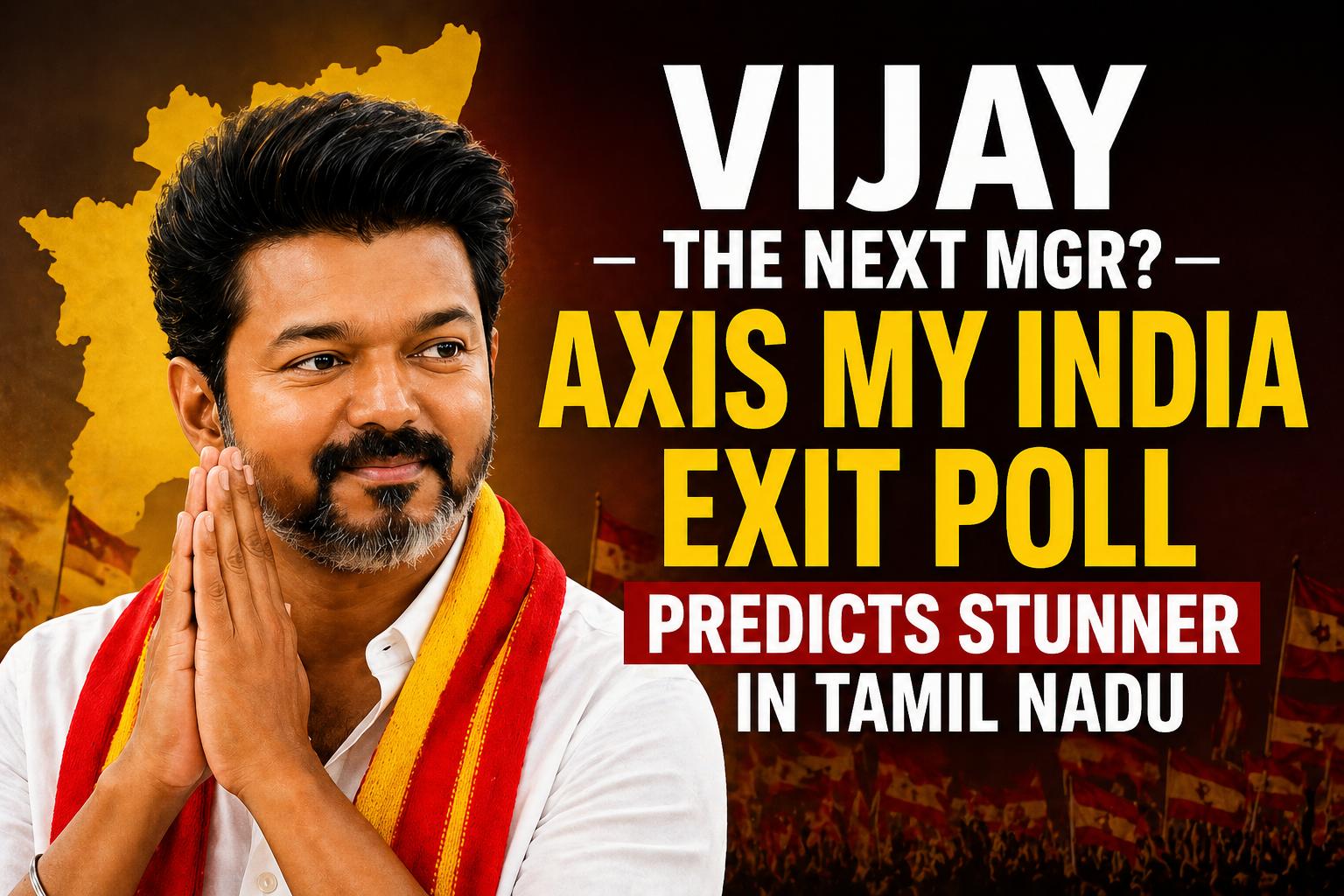
Vijay’s political debut is shaping into a potential game changer, with an Axis My India exit poll projecting a stunning performance for his party Tamilaga Vettri Kazhagam in Tamil Nadu. The survey suggests a major shift in the state’s political landscape, long dominated by two major Dravidian parties. According to the Axis My India exit poll, TVK is projected to win between 98 and 120 seats in the 234-member Assembly, placing it on par with the ruling alliance led by M. K. Stalin. The DMK-INC alliance is estimated to secure 92 to 110 seats, while the NDA alliance trails behind with 22 to 32 seats. The vote share projections are equally striking. TVK is expected to secure around 35 percent of the vote, matching the ruling bloc and leaving the All India Anna Dravida Munnetra Kazhagam-led alliance significantly behind. These numbers indicate that TVK is not merely a spoiler but a serious contender for power. Axis My India chief Pradeep Gupta compared Vijay’s rise to that of legendary leaders MGR and NTR, hinting at a historic political transformation if the projections hold true. The exit poll data points to a strong youth-driven surge behind TVK. Around 68 percent of first-time voters aged 18 to 19 and 59 percent in the 20 to 29 age group are estimated to have supported the party. This demographic advantage has helped TVK build momentum quickly across urban and semi-urban constituencies. The central theme driving support appears to be the demand for change. A significant portion of voters cited this as their primary reason, with even higher numbers among TVK supporters. Vijay’s personal appeal has also played a key role, blending celebrity influence with political messaging. TVK’s support base cuts across caste, class and geography, making it a broad-based movement rather than a niche political force. The party has gained traction among OBC, SC and minority communities, as well as both rural and urban voters. With Vijay emerging as the preferred chief ministerial candidate for many voters, slightly ahead of Stalin in the survey, the state’s political contest appears tighter than ever. While exit polls can be unpredictable, the data signals one clear trend: Tamil Nadu may be witnessing the rise of a powerful new political force.
Vijay TVK Exit Poll Shock Axis My India Predicts MGR Style Rise In Tamil Nadu
Vijay’s political debut is shaping into a potential game changer, with an Axis My India exit poll projecting a stunning performance for his party Tamilaga Vettri Kazhagam in Tamil Nadu. The survey suggests a major shift in the state’s political landscape, long dominated by two major Dravidian parties. According to the Axis My India exit poll, TVK is projected to win between 98 and 120 seats in the 234-member Assembly, placing it on par with the ruling alliance led by M. K. Stalin. The DMK-INC alliance is estimated to secure 92 to 110 seats, while the NDA alliance trails behind with 22 to 32 seats. The vote share projections are equally striking. TVK is expected to secure around 35 percent of the vote, matching the ruling bloc and leaving the All India Anna Dravida Munnetra Kazhagam-led alliance significantly behind. These numbers indicate that TVK is not merely a spoiler but a serious contender for power. Axis My India chief Pradeep Gupta compared Vijay’s rise to that of legendary leaders MGR and NTR, hinting at a historic political transformation if the projections hold true. The exit poll data points to a strong youth-driven surge behind TVK. Around 68 percent of first-time voters aged 18 to 19 and 59 percent in the 20 to 29 age group are estimated to have supported the party. This demographic advantage has helped TVK build momentum quickly across urban and semi-urban constituencies. The central theme driving support appears to be the demand for change. A significant portion of voters cited this as their primary reason, with even higher numbers among TVK supporters. Vijay’s personal appeal has also played a key role, blending celebrity influence with political messaging. TVK’s support base cuts across caste, class and geography, making it a broad-based movement rather than a niche political force. The party has gained traction among OBC, SC and minority communities, as well as both rural and urban voters. With Vijay emerging as the preferred chief ministerial candidate for many voters, slightly ahead of Stalin in the survey, the state’s political contest appears tighter than ever. While exit polls can be unpredictable, the data signals one clear trend: Tamil Nadu may be witnessing the rise of a powerful new political force.
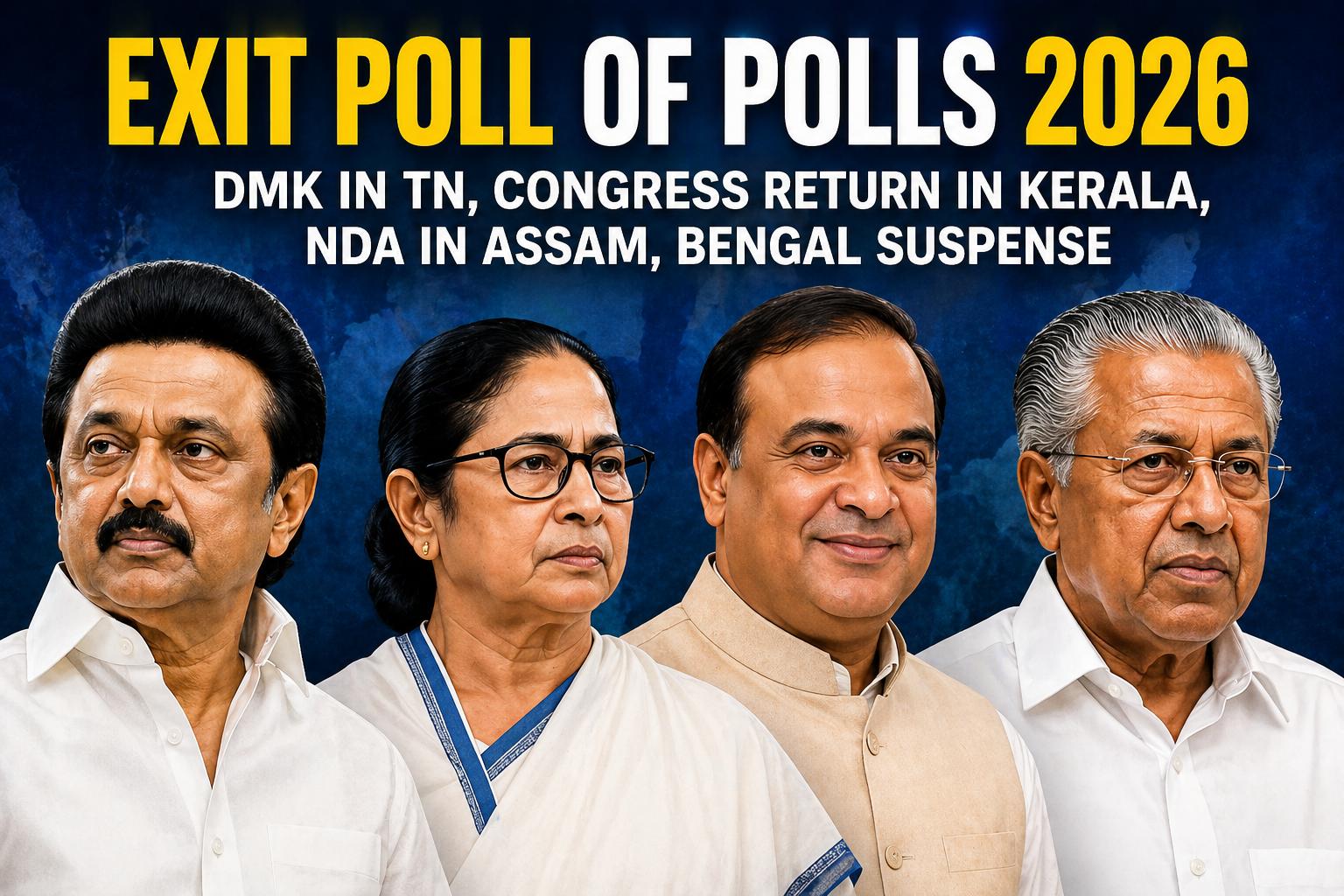
Exit Polls 2026 DMK Leads TN Congress Comeback Kerala NDA Sweep Assam Bengal Tight
A poll of exit polls for the 2026 assembly elections across key states indicates a mixed political landscape, with different parties gaining ground in different regions. While the Bharatiya Janata Party is projected to dominate Assam, the Dravida Munnetra Kazhagam is expected to retain power in Tam
Exit Polls 2026 DMK Leads TN Congress Comeback Kerala NDA Sweep Assam Bengal Tight
A poll of exit polls for the 2026 assembly elections across key states indicates a mixed political landscape, with different parties gaining ground in different regions. While the Bharatiya Janata Party is projected to dominate Assam, the Dravida Munnetra Kazhagam is expected to retain power in Tam
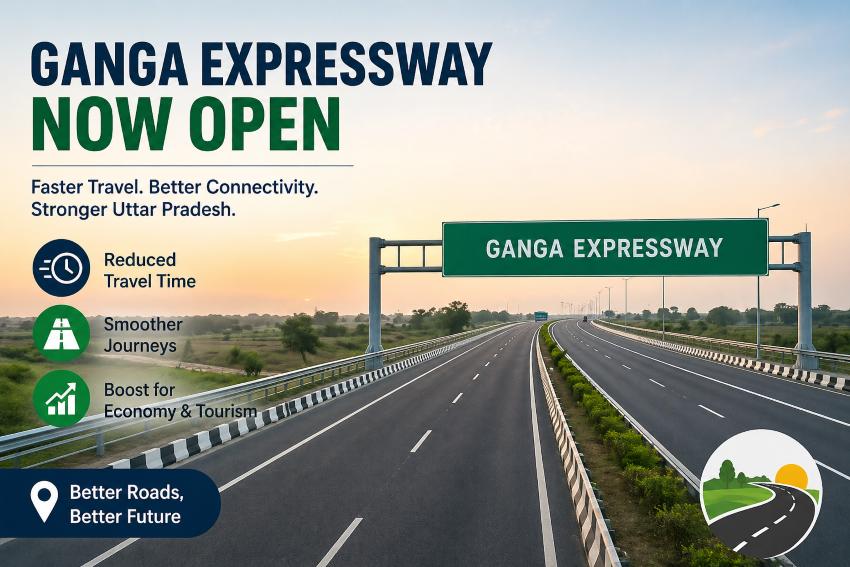
Ganga Expressway Opens Bringing Faster Travel From Delhi Noida And Haryana
Date: April 30, 2026 | Time: Morning Update | Place: Uttar Pradesh, India Prime Minister Narendra Modi on Wednesday inaugurated the 594-km-long Ganga Expressway from Hardoi in Uttar Pradesh, officially opening one of the state’s most important infrastructure projects. The expressway connects eastern and western parts of Uttar Pradesh, creating a faster and more efficient travel corridor. A large public gathering was held near the Sadarpur interchange in Hapur district to mark the occasion, with around 5,000 attendees including ministers, MPs, MLAs and senior officials. With the inauguration complete, the expressway is now open for traffic, offering a new route that is expected to cut down travel time significantly across the state. The Ganga Expressway, stretching nearly 594 kilometres, is set to improve connectivity between western Uttar Pradesh and Prayagraj. It will make travel easier and faster for both pilgrims and regular commuters. People traveling from Delhi, Noida, Ghaziabad, Baghpat and nearby regions in Haryana are expected to benefit the most from this new route. Officials say the improved road network could make same-day trips to Prayagraj more convenient, allowing devotees to visit the Triveni Sangam and return on the same day, which was earlier difficult due to long travel hours New Travel Times and Better Routes: The biggest advantage of the Ganga Expressway is the reduction in travel time. Journeys that earlier took up to 10 or 12 hours can now be completed in much less time depending on traffic flow. The expressway offers a more direct and less crowded route, helping drivers avoid busy city roads and delays.This new route also benefits travelers coming from Haryana and western Uttar Pradesh, giving them easier access to eastern regions without multiple diversions. The expressway is built to support high-speed travel, which helps improve efficiency for both personal and business trips. Transport companies will especially benefit from quicker delivery times and reduced fuel consumption. Impact On Economy and Daily Life: The opening of the Ganga Expressway is expected to boost economic growth in Uttar Pradesh. Improved connectivity attracts industries, logistics hubs and commercial activities along the route. This creates new job opportunities and supports development in nearby towns and cities.The expressway also makes it easier for people to travel for tourism and religious purposes. Prayagraj, known for its cultural and spiritual importance, will now be more accessible for visitors from Delhi and surrounding areas. Overall, the Ganga Expressway is a major step towards modern infrastructure, offering faster travel, better connectivity and new growth opportunities across the region.
Ganga Expressway Opens Bringing Faster Travel From Delhi Noida And Haryana
Date: April 30, 2026 | Time: Morning Update | Place: Uttar Pradesh, India Prime Minister Narendra Modi on Wednesday inaugurated the 594-km-long Ganga Expressway from Hardoi in Uttar Pradesh, officially opening one of the state’s most important infrastructure projects. The expressway connects eastern and western parts of Uttar Pradesh, creating a faster and more efficient travel corridor. A large public gathering was held near the Sadarpur interchange in Hapur district to mark the occasion, with around 5,000 attendees including ministers, MPs, MLAs and senior officials. With the inauguration complete, the expressway is now open for traffic, offering a new route that is expected to cut down travel time significantly across the state. The Ganga Expressway, stretching nearly 594 kilometres, is set to improve connectivity between western Uttar Pradesh and Prayagraj. It will make travel easier and faster for both pilgrims and regular commuters. People traveling from Delhi, Noida, Ghaziabad, Baghpat and nearby regions in Haryana are expected to benefit the most from this new route. Officials say the improved road network could make same-day trips to Prayagraj more convenient, allowing devotees to visit the Triveni Sangam and return on the same day, which was earlier difficult due to long travel hours New Travel Times and Better Routes: The biggest advantage of the Ganga Expressway is the reduction in travel time. Journeys that earlier took up to 10 or 12 hours can now be completed in much less time depending on traffic flow. The expressway offers a more direct and less crowded route, helping drivers avoid busy city roads and delays.This new route also benefits travelers coming from Haryana and western Uttar Pradesh, giving them easier access to eastern regions without multiple diversions. The expressway is built to support high-speed travel, which helps improve efficiency for both personal and business trips. Transport companies will especially benefit from quicker delivery times and reduced fuel consumption. Impact On Economy and Daily Life: The opening of the Ganga Expressway is expected to boost economic growth in Uttar Pradesh. Improved connectivity attracts industries, logistics hubs and commercial activities along the route. This creates new job opportunities and supports development in nearby towns and cities.The expressway also makes it easier for people to travel for tourism and religious purposes. Prayagraj, known for its cultural and spiritual importance, will now be more accessible for visitors from Delhi and surrounding areas. Overall, the Ganga Expressway is a major step towards modern infrastructure, offering faster travel, better connectivity and new growth opportunities across the region.

Milma Approves ₹4 Per Litre Milk Price Hike In Kerala From May 20
The Kerala Cooperative Milk Marketing Federation (Milma) has approved a ₹4 per litre increase in milk prices across Kerala, a move that is expected to come into effect from May 20, 2026. The decision was taken during a high-level meeting of the cooperative’s governing body on April 30, 2026, amid growi
Milma Approves ₹4 Per Litre Milk Price Hike In Kerala From May 20
The Kerala Cooperative Milk Marketing Federation (Milma) has approved a ₹4 per litre increase in milk prices across Kerala, a move that is expected to come into effect from May 20, 2026. The decision was taken during a high-level meeting of the cooperative’s governing body on April 30, 2026, amid growi
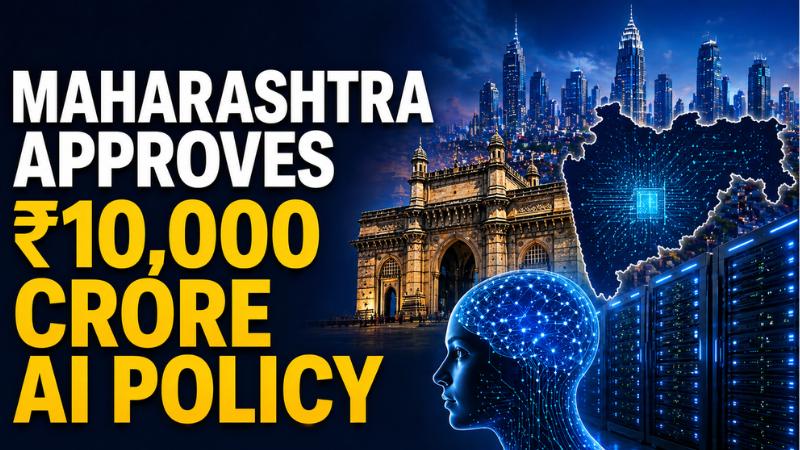
₹10,000 Cr AI Push: Maharashtra Targets Startups, Jobs And Tech Growth
Maharashtra has approved a ₹10,000 crore AI policy to build advanced infrastructure, boost startups, create jobs, and position the state as a leader in ethical artificial intelligence. The Maharashtra government has approved a comprehensive Artificial Intelligence (AI) policy with a proposed investment of ₹10,000 crore, marking a major push toward building advanced digital infrastructure in the state. The policy, cleared on Wednesday, aims to establish 6 AI Exc
₹10,000 Cr AI Push: Maharashtra Targets Startups, Jobs And Tech Growth
Maharashtra has approved a ₹10,000 crore AI policy to build advanced infrastructure, boost startups, create jobs, and position the state as a leader in ethical artificial intelligence. The Maharashtra government has approved a comprehensive Artificial Intelligence (AI) policy with a proposed investment of ₹10,000 crore, marking a major push toward building advanced digital infrastructure in the state. The policy, cleared on Wednesday, aims to establish 6 AI Exc
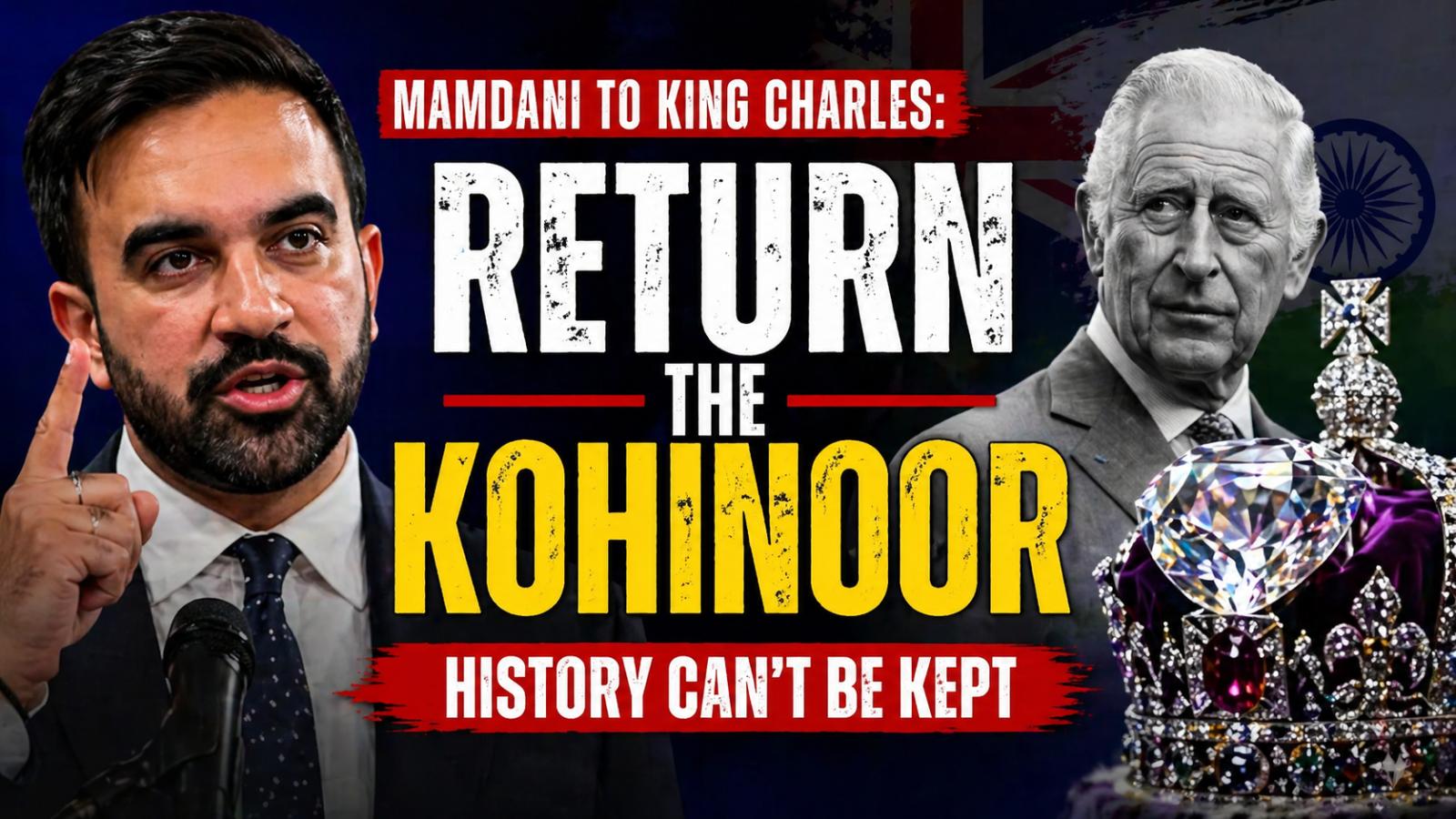
Zohran Mamdani Calls for Kohinoor Diamond Return Ahead of Royal Visit
Zohran Mamdani has renewed debate over colonial history by suggesting that any future meeting with King Charles III should include a discussion about the return of the Kohinoor diamond. Speaking at a press conference in New York, Mamdani said he would encourage the British monarch to consider returning the historic gemstone, widely regarded in India as a symbol of colonial-era exploitation. His remarks come ahead of King Charles and Queen Camilla’s planned visit to the One World Trade Center to mark the 25th anniversary of the September 11 attacks, an event Mamdani is expected to attend. The Kohinoor diamond, originally mined in southern India, passed through several South Asian empires before being taken by the British East India Company in 1849 after the Second Anglo-Sikh War. It was formally transferred under the Treaty of Lahore, signed by Maharaja Duleep Singh, and later became part of the British Crown Jewels. Today, the 105.6-carat diamond remains displayed in the Tower of London, continuing to draw attention as a contested artifact. Mamdani’s comments place the issue within a broader international movement seeking the return of cultural heritage objects held in Western institutions. Similar demands have been made by Greece for the Elgin Marbles and by Nigeria for the Benin Bronzes. While British authorities maintain the Kohinoor was acquired legally, critics argue the agreement occurred under coercive conditions. By raising the issue in a diplomatic context, Mamdani has shifted the conversation beyond ceremony, highlighting ongoing questions of historical accountability and the legacy of empire.
Zohran Mamdani Calls for Kohinoor Diamond Return Ahead of Royal Visit
Zohran Mamdani has renewed debate over colonial history by suggesting that any future meeting with King Charles III should include a discussion about the return of the Kohinoor diamond. Speaking at a press conference in New York, Mamdani said he would encourage the British monarch to consider returning the historic gemstone, widely regarded in India as a symbol of colonial-era exploitation. His remarks come ahead of King Charles and Queen Camilla’s planned visit to the One World Trade Center to mark the 25th anniversary of the September 11 attacks, an event Mamdani is expected to attend. The Kohinoor diamond, originally mined in southern India, passed through several South Asian empires before being taken by the British East India Company in 1849 after the Second Anglo-Sikh War. It was formally transferred under the Treaty of Lahore, signed by Maharaja Duleep Singh, and later became part of the British Crown Jewels. Today, the 105.6-carat diamond remains displayed in the Tower of London, continuing to draw attention as a contested artifact. Mamdani’s comments place the issue within a broader international movement seeking the return of cultural heritage objects held in Western institutions. Similar demands have been made by Greece for the Elgin Marbles and by Nigeria for the Benin Bronzes. While British authorities maintain the Kohinoor was acquired legally, critics argue the agreement occurred under coercive conditions. By raising the issue in a diplomatic context, Mamdani has shifted the conversation beyond ceremony, highlighting ongoing questions of historical accountability and the legacy of empire.
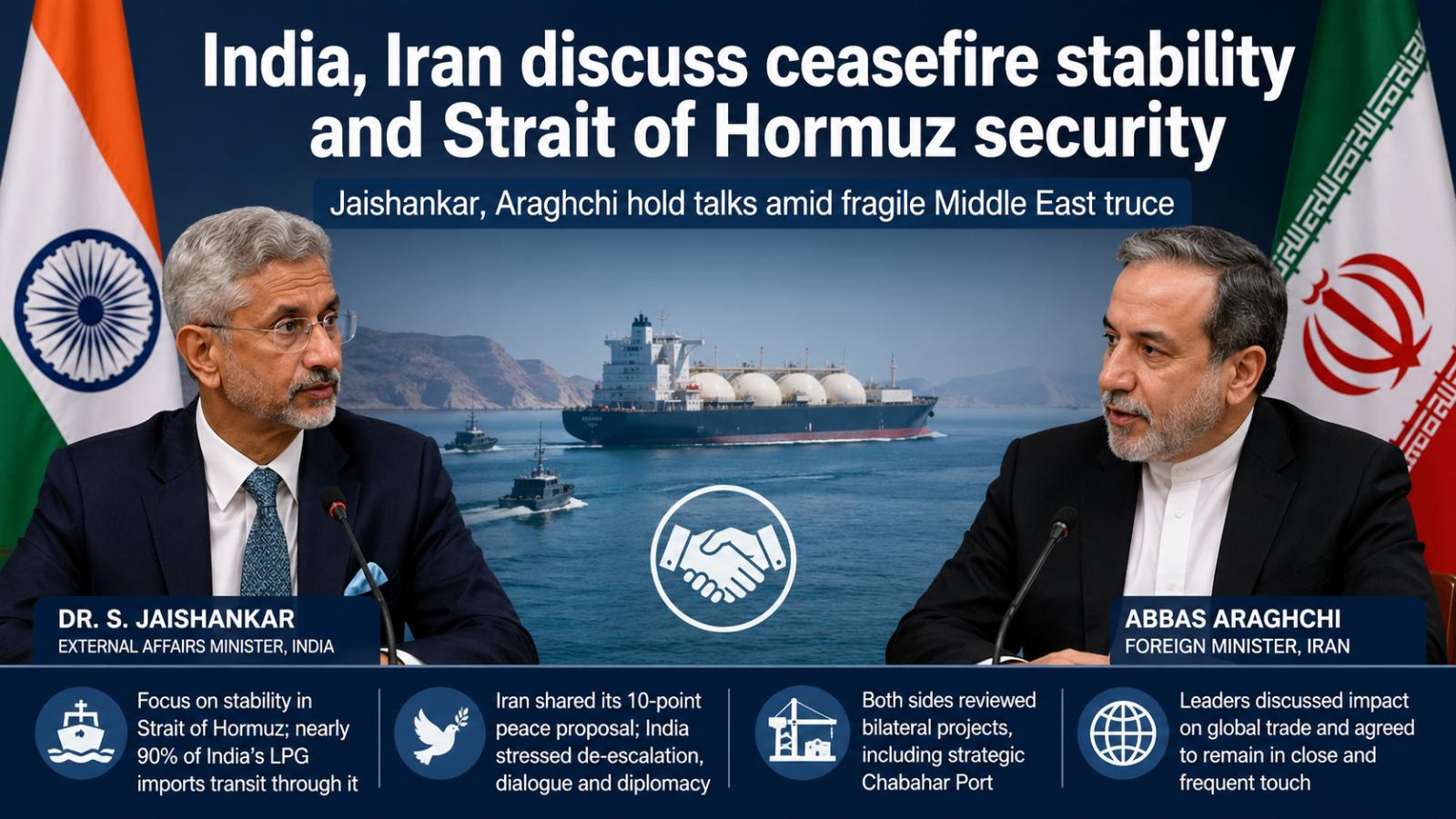
India, Iran discuss ceasefire stability and Strait of Hormuz security
India and Iran held talks on April 29, 2026, on ceasefire stability, Strait of Hormuz security, and trade impact. Both stressed diplomacy and continued coordination as regional tensions remain high despite the fragile truce. India, Iran discuss ceasefire stability and Strait of Hormuz security as External Affairs Minister Dr. S. Jaishankar and Iranian Foreign Minister Abbas Araghchi held talks on Wednesday, April 29, 2026, focusing on the evolving security situation in Tehran and across the region. The discussion comes at a critical moment as the international community monitors a fragile two-week ceasefire involving Iran and a U.S.-Israel coalition, brokered earlier in April. According to an official statement, both leaders exchanged views on recent developments related to the ceasefire while also reviewing bilateral relations and broader regional security concerns. A central issue in the dialogue was the stability of the Strait of Hormuz, a key global shipping route through which nearly 90% of India’s liquefied petroleum gas imports pass, underscoring its economic significance for New Delhi. Officials familiar with the talks indicated that both sides emphasized the need to ensure uninterrupted freedom of navigation in the region. Iran reportedly shared updates on its proposed 10-point peace framework, while India reiterated its longstanding position that de-escalation, sustained dialogue, and diplomatic engagement remain essential to achieving lasting stability in West Asia. Beyond immediate security concerns, the ministers also reviewed ongoing bilateral initiatives, including the development of Chabahar Port. The project remains strategically important for India as it provides access to Central Asian markets, even as regional tensions pose logistical and security challenges. The conversation also addressed the broader impact of the conflict on global trade networks. Jaishankar highlighted concerns over prolonged instability, noting its disruptive effects on supply chains and economic activity. He emphasized that India continues to engage with multiple stakeholders in an effort to prevent escalation and support regional stability. The diplomatic exchange follows a period of heightened pressure from the administration of Donald Trump, which had issued strong warnings to Tehran over maritime disruptions. Although a ceasefire was implemented on Tuesday, April 8, 2026, tensions persist, with continued rhetoric from various factions raising concerns about its durability. As the ceasefire enters a sensitive phase, both ministers agreed to remain in close and frequent contact to monitor developments. For India, maintaining stability in the region is not only a strategic priority but also a critical economic necessity tied to energy security and trade continuity.
India, Iran discuss ceasefire stability and Strait of Hormuz security
India and Iran held talks on April 29, 2026, on ceasefire stability, Strait of Hormuz security, and trade impact. Both stressed diplomacy and continued coordination as regional tensions remain high despite the fragile truce. India, Iran discuss ceasefire stability and Strait of Hormuz security as External Affairs Minister Dr. S. Jaishankar and Iranian Foreign Minister Abbas Araghchi held talks on Wednesday, April 29, 2026, focusing on the evolving security situation in Tehran and across the region. The discussion comes at a critical moment as the international community monitors a fragile two-week ceasefire involving Iran and a U.S.-Israel coalition, brokered earlier in April. According to an official statement, both leaders exchanged views on recent developments related to the ceasefire while also reviewing bilateral relations and broader regional security concerns. A central issue in the dialogue was the stability of the Strait of Hormuz, a key global shipping route through which nearly 90% of India’s liquefied petroleum gas imports pass, underscoring its economic significance for New Delhi. Officials familiar with the talks indicated that both sides emphasized the need to ensure uninterrupted freedom of navigation in the region. Iran reportedly shared updates on its proposed 10-point peace framework, while India reiterated its longstanding position that de-escalation, sustained dialogue, and diplomatic engagement remain essential to achieving lasting stability in West Asia. Beyond immediate security concerns, the ministers also reviewed ongoing bilateral initiatives, including the development of Chabahar Port. The project remains strategically important for India as it provides access to Central Asian markets, even as regional tensions pose logistical and security challenges. The conversation also addressed the broader impact of the conflict on global trade networks. Jaishankar highlighted concerns over prolonged instability, noting its disruptive effects on supply chains and economic activity. He emphasized that India continues to engage with multiple stakeholders in an effort to prevent escalation and support regional stability. The diplomatic exchange follows a period of heightened pressure from the administration of Donald Trump, which had issued strong warnings to Tehran over maritime disruptions. Although a ceasefire was implemented on Tuesday, April 8, 2026, tensions persist, with continued rhetoric from various factions raising concerns about its durability. As the ceasefire enters a sensitive phase, both ministers agreed to remain in close and frequent contact to monitor developments. For India, maintaining stability in the region is not only a strategic priority but also a critical economic necessity tied to energy security and trade continuity.
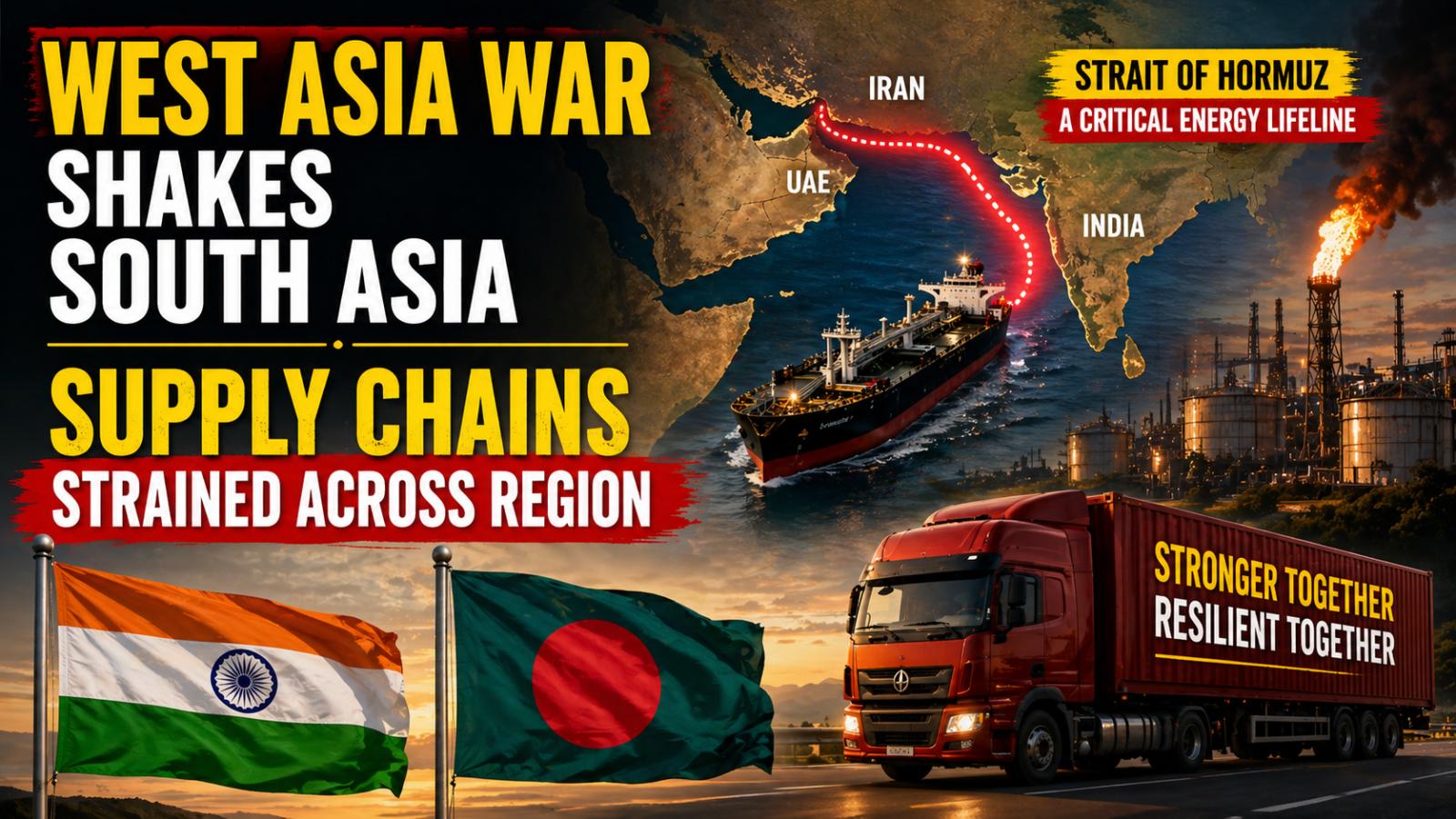
How has the West Asia war disrupted South Asia? Supply chains strained across region
The war in West Asia and disruptions in the Strait of Hormuz have triggered widespread supply chain instability across South Asia, affecting energy security, economic stability, and regional cooperation. Countries across the subcontinent, heavily reliant on hydrocarbon imports from West Asia, are facing rising costs, reduced industrial competitiveness, and increased household expenditures as critical supply routes remain constrained. Fuel shortages and economic strain acros
How has the West Asia war disrupted South Asia? Supply chains strained across region
The war in West Asia and disruptions in the Strait of Hormuz have triggered widespread supply chain instability across South Asia, affecting energy security, economic stability, and regional cooperation. Countries across the subcontinent, heavily reliant on hydrocarbon imports from West Asia, are facing rising costs, reduced industrial competitiveness, and increased household expenditures as critical supply routes remain constrained. Fuel shortages and economic strain acros

What defines JRD Tata’s legacy? A life of service over ownership
A life of service over ownership JRD Tata’s legacy offers a striking contrast to modern perceptions of wealth and leadership. As one of India’s most influential industrialists, he led the Tata Group for over five decades, yet chose to live in a rented residence rather than accumulate personal assets. His approach reflected a philosophy that prioritized responsibility, ethics, and long-term impact over visible displays of success. Leadership that expanded an industrial empire Under JRD Tata’s leadership, the Tata Group evolved into one of India’s most significant industrial conglomerates, spanning sectors such as steel, aviation, power, and chemicals. His tenure marked a period of sustained growth and modernization, contributing to the country’s economic development. Rather than focusing on personal gain, he emphasized institutional strength, innovation, and employee welfare, setting standards that influenced corporate governance across industries. Simplicity as a leadership principle JRD Tata’s personal lifestyle remained notably modest despite his professional stature. He lived in a rented bungalow in Mumbai for decades, demonstrating that leadership did not require material excess. His daily life reflected discipline and humility, reinforcing the idea that influence comes from actions and values rather than possessions. This approach continues to resonate in discussions about ethical leadership and sustainable success. Impact measured beyond wealth The scale of JRD Tata’s impact is reflected not only in business expansion but also in the opportunities created for thousands of employees and communities. His leadership helped build institutions that continue to operate globally, shaping industries and contributing to economic stability. For many observers, his legacy represents a model where success is defined by contribution rather than ownership. A lasting example for global audiences For audiences in the United States and beyond, JRD Taa’s story provides a broader perspective on leadership in a global context. His life underscores the importance of purpose-driven decision-making and challenges assumptions about the relationship between wealth and success. In an era where corporate influence is closely examined, his example remains relevant as a benchmark for integrity and long-term vision.
What defines JRD Tata’s legacy? A life of service over ownership
A life of service over ownership JRD Tata’s legacy offers a striking contrast to modern perceptions of wealth and leadership. As one of India’s most influential industrialists, he led the Tata Group for over five decades, yet chose to live in a rented residence rather than accumulate personal assets. His approach reflected a philosophy that prioritized responsibility, ethics, and long-term impact over visible displays of success. Leadership that expanded an industrial empire Under JRD Tata’s leadership, the Tata Group evolved into one of India’s most significant industrial conglomerates, spanning sectors such as steel, aviation, power, and chemicals. His tenure marked a period of sustained growth and modernization, contributing to the country’s economic development. Rather than focusing on personal gain, he emphasized institutional strength, innovation, and employee welfare, setting standards that influenced corporate governance across industries. Simplicity as a leadership principle JRD Tata’s personal lifestyle remained notably modest despite his professional stature. He lived in a rented bungalow in Mumbai for decades, demonstrating that leadership did not require material excess. His daily life reflected discipline and humility, reinforcing the idea that influence comes from actions and values rather than possessions. This approach continues to resonate in discussions about ethical leadership and sustainable success. Impact measured beyond wealth The scale of JRD Tata’s impact is reflected not only in business expansion but also in the opportunities created for thousands of employees and communities. His leadership helped build institutions that continue to operate globally, shaping industries and contributing to economic stability. For many observers, his legacy represents a model where success is defined by contribution rather than ownership. A lasting example for global audiences For audiences in the United States and beyond, JRD Taa’s story provides a broader perspective on leadership in a global context. His life underscores the importance of purpose-driven decision-making and challenges assumptions about the relationship between wealth and success. In an era where corporate influence is closely examined, his example remains relevant as a benchmark for integrity and long-term vision.
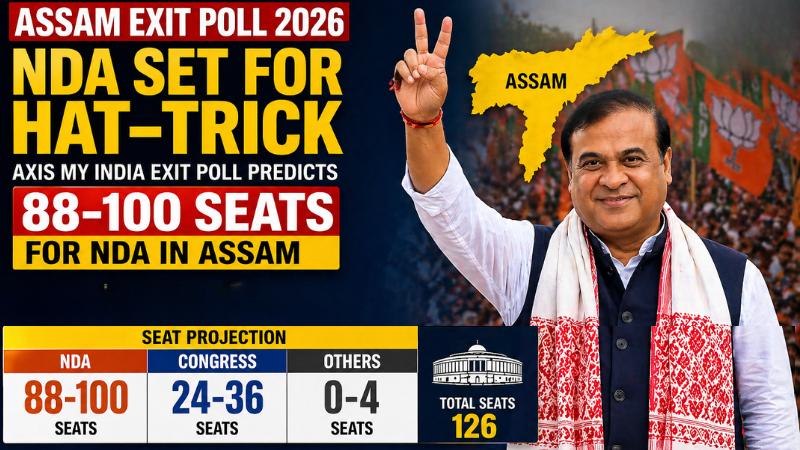
Assam Exit Poll 2026 NDA Set For Hat Trick With 88 To 100 Seats
Exit poll predicts NDA sweeping Assam with 88 to 100 seats in Assembly elections. BJP-led alliance likely to secure third consecutive term with strong vote share lead. The Bharatiya Janata Party-led National Democratic Alliance is poised for a decisive victory in the Assam Assemb
Assam Exit Poll 2026 NDA Set For Hat Trick With 88 To 100 Seats
Exit poll predicts NDA sweeping Assam with 88 to 100 seats in Assembly elections. BJP-led alliance likely to secure third consecutive term with strong vote share lead. The Bharatiya Janata Party-led National Democratic Alliance is poised for a decisive victory in the Assam Assemb
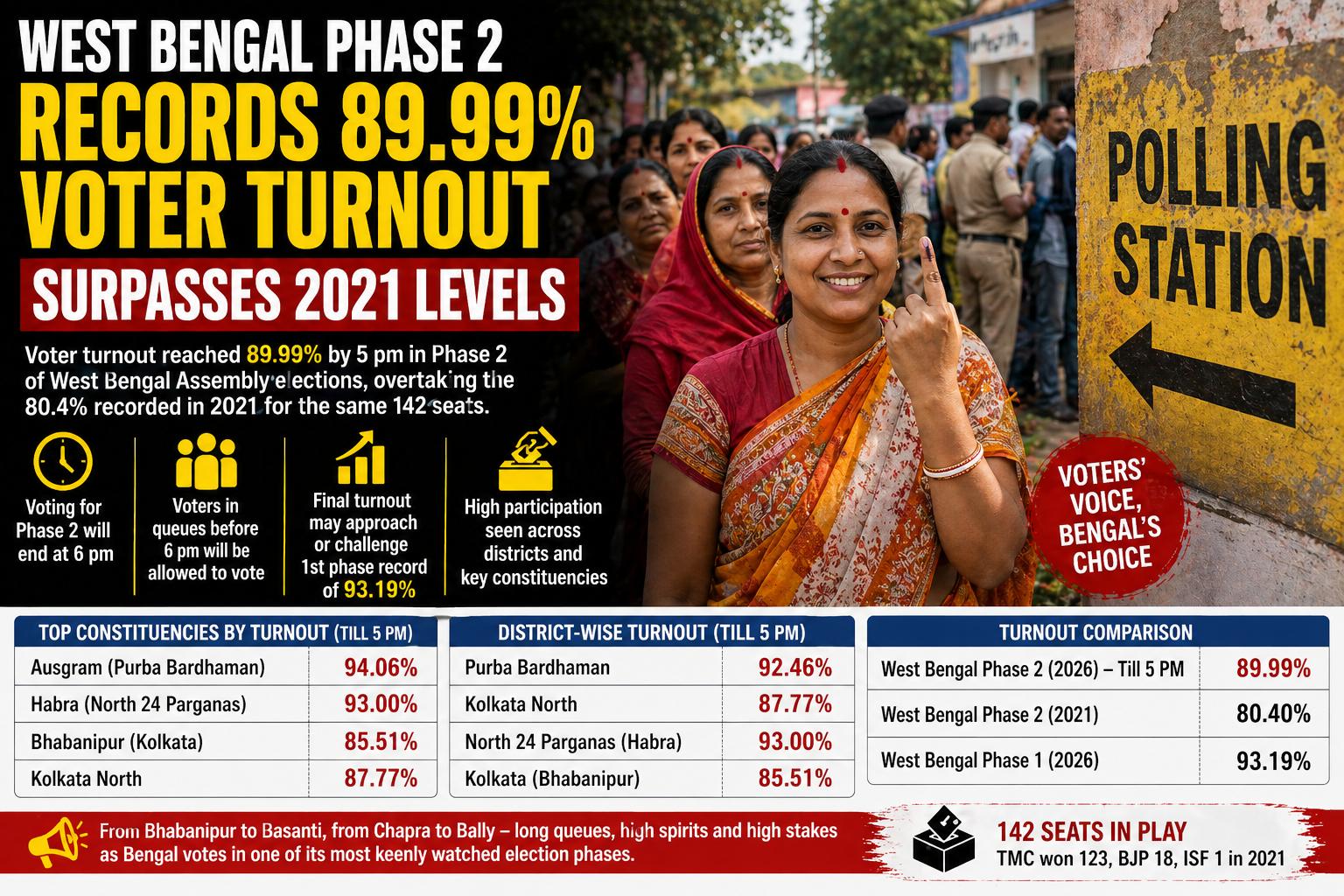
West Bengal Phase 2 Records 89.99 Percent Turnout Surpasses 2021 Voting
Voting in Phase 2 of West Bengal elections saw 89.99 percent turnout till 5 pm, crossing 2021 levels. High voter participation across districts signals intense political contest and strong public engagement. The second phase of the West Bengal Assembly elections 2026 witnessed an impressive voter turnout of 89.99 percent by 5 pm, already exceeding the 80.4 percent recorded in the 2021 elections for the same 142 c
West Bengal Phase 2 Records 89.99 Percent Turnout Surpasses 2021 Voting
Voting in Phase 2 of West Bengal elections saw 89.99 percent turnout till 5 pm, crossing 2021 levels. High voter participation across districts signals intense political contest and strong public engagement. The second phase of the West Bengal Assembly elections 2026 witnessed an impressive voter turnout of 89.99 percent by 5 pm, already exceeding the 80.4 percent recorded in the 2021 elections for the same 142 c
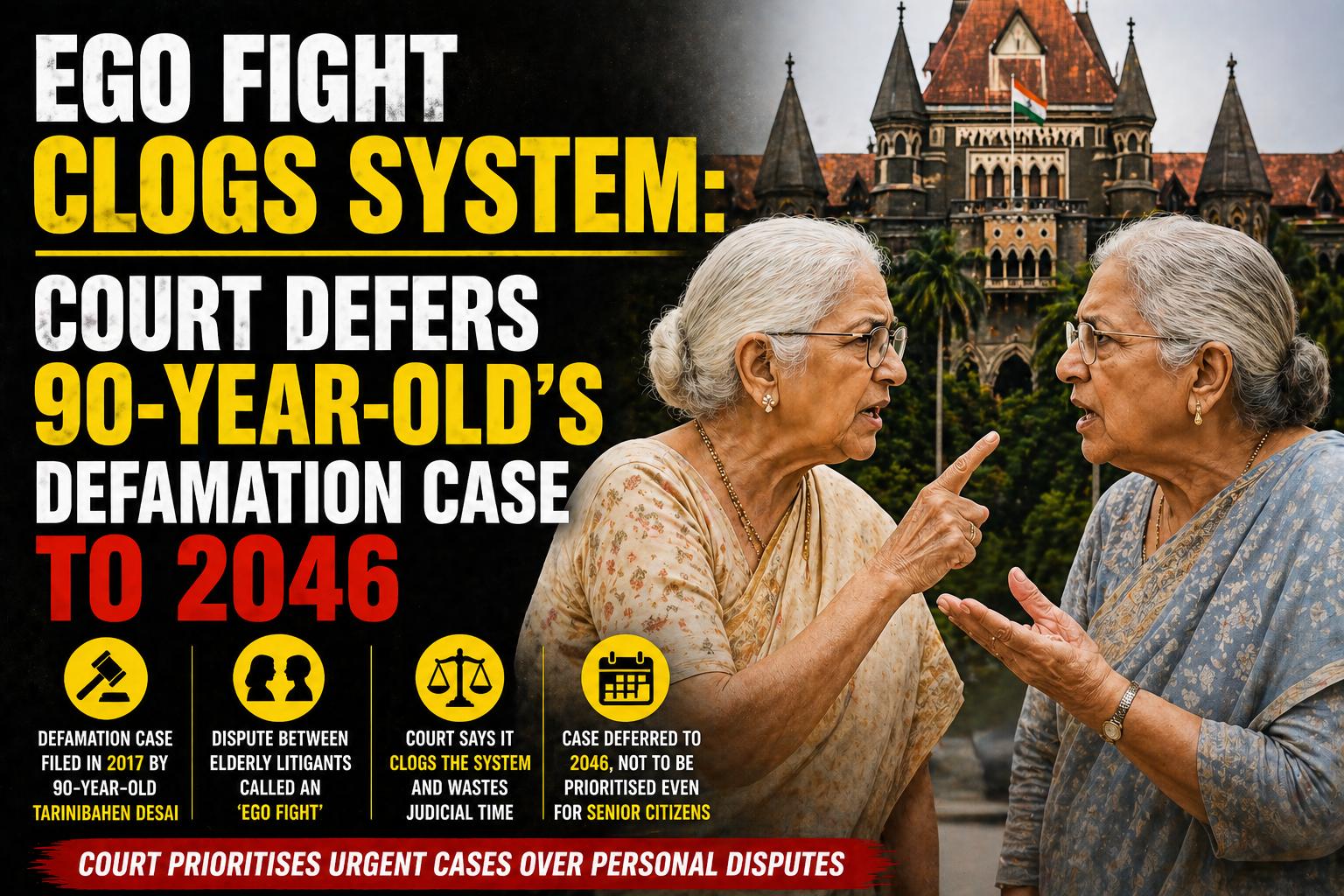
Bombay High Court Defers Defamation Case To 2046 Calls It Ego Fight
The Bombay High Court deferred a 2017 defamation case to 2046, calling it an “ego fight” between elderly litigants. The court said such disputes waste judicial time and delay more urgent cases. The Bombay High Court has strongly criticised a long-running defamation case,
Bombay High Court Defers Defamation Case To 2046 Calls It Ego Fight
The Bombay High Court deferred a 2017 defamation case to 2046, calling it an “ego fight” between elderly litigants. The court said such disputes waste judicial time and delay more urgent cases. The Bombay High Court has strongly criticised a long-running defamation case,
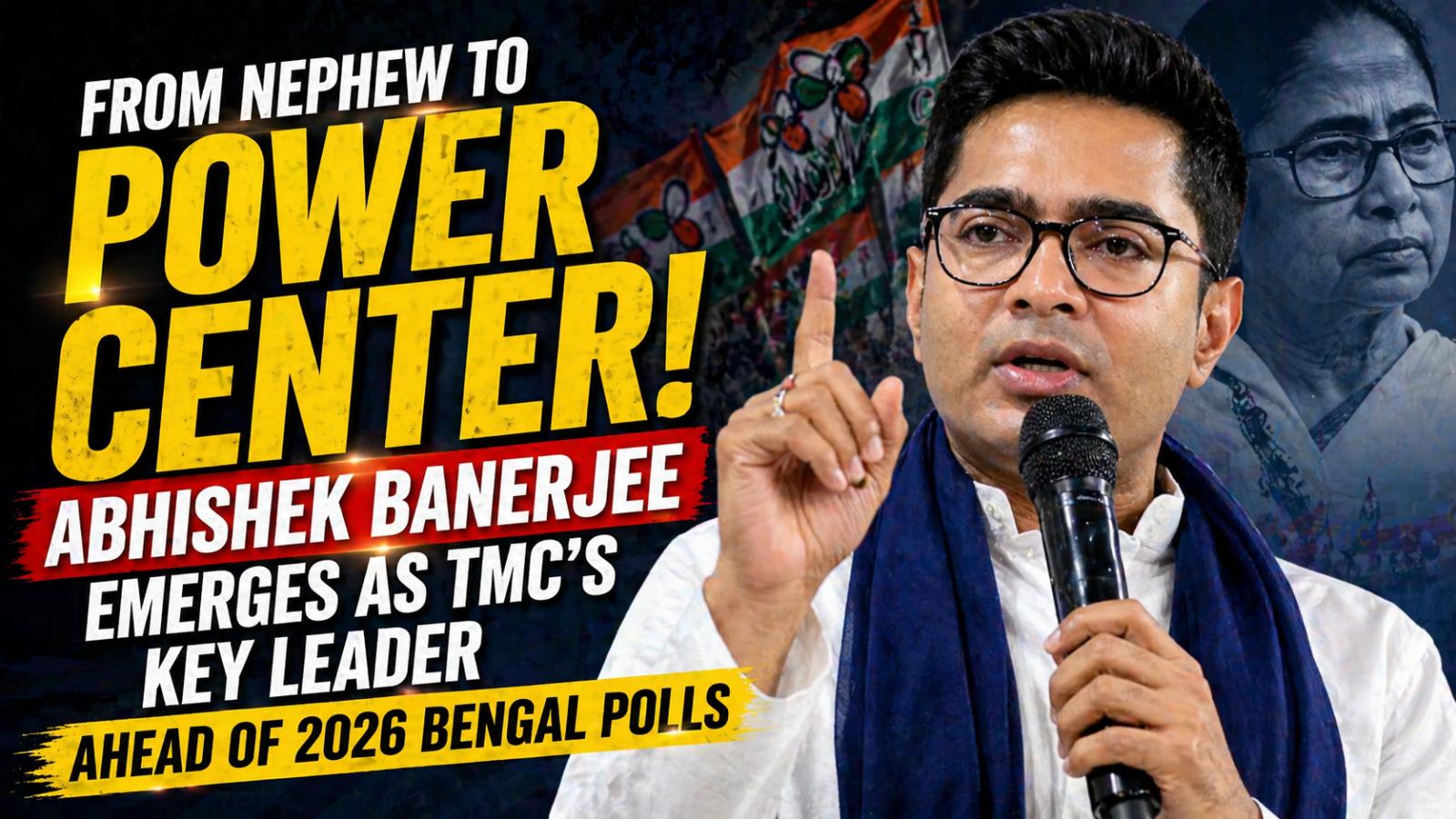
From Nephew to Power Center: Abhishek Banerjee’s Rise in Bengal Politics
Abhishek Banerjee has steadily evolved into one of the most prominent faces of West Bengal politics, marking a significant transition within the Trinamool Congress. While he formally entered politics in 2011, his early exposure to political life came much earlier through his aunt,
From Nephew to Power Center: Abhishek Banerjee’s Rise in Bengal Politics
Abhishek Banerjee has steadily evolved into one of the most prominent faces of West Bengal politics, marking a significant transition within the Trinamool Congress. While he formally entered politics in 2011, his early exposure to political life came much earlier through his aunt,
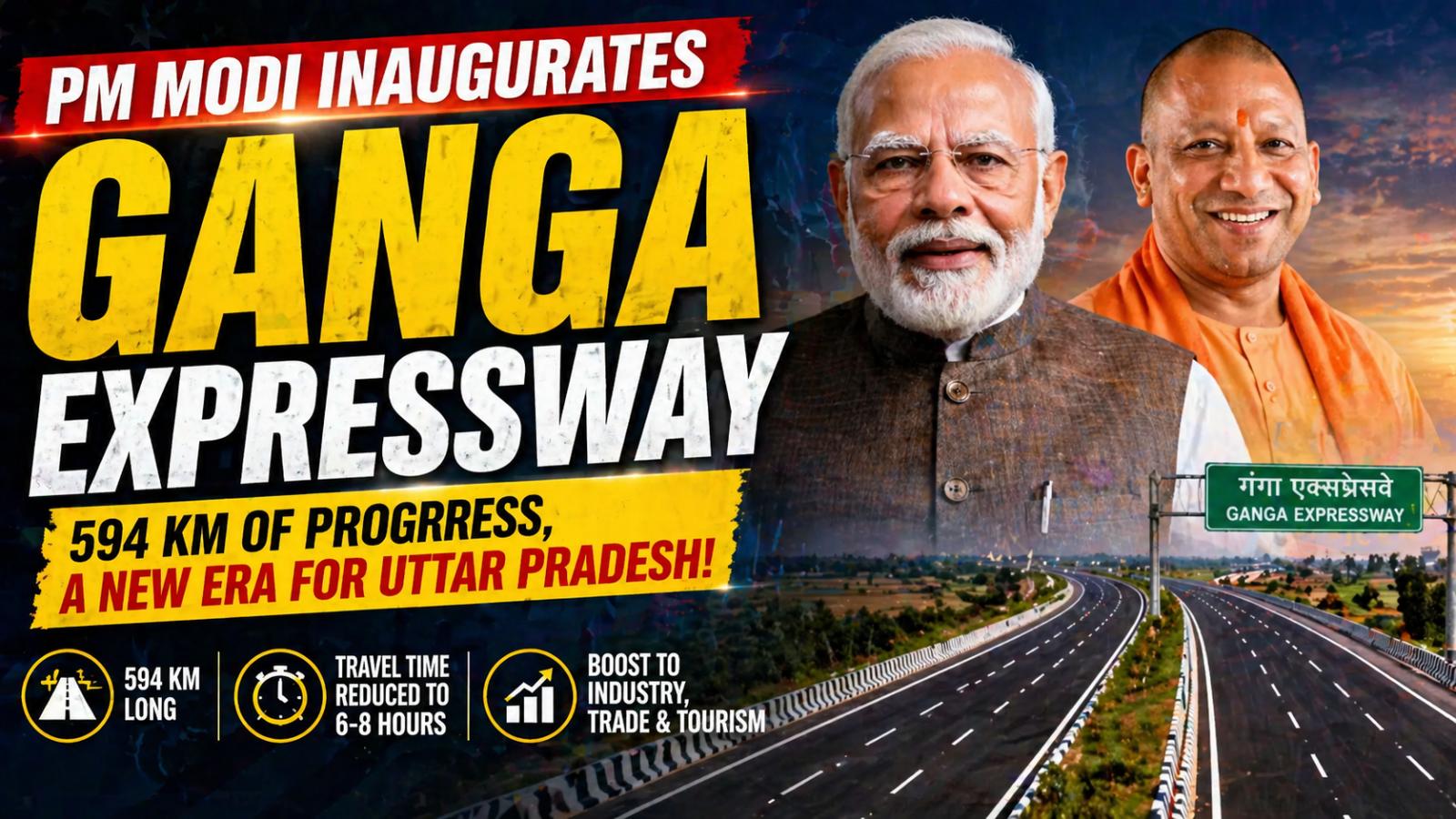
PM Modi Inaugurates Ganga Expressway, India’s Mega Infrastructure Push
Prime Minister Narendra Modi inaugurated the 594-km-long Ganga Expressway on April 29, 2026, marking a major milestone in India’s infrastructure development. Uttar Pradesh Chief Minister Yogi Adityanath was also present at the event, which highlighted the state’s push toward becoming an infrastructure-driven economic hub. Built at an estimated cost of ₹36,230 crore, the Ganga Expressway is the longest expressway in Uttar Pradesh and one of the country’s largest greenfield ro
PM Modi Inaugurates Ganga Expressway, India’s Mega Infrastructure Push
Prime Minister Narendra Modi inaugurated the 594-km-long Ganga Expressway on April 29, 2026, marking a major milestone in India’s infrastructure development. Uttar Pradesh Chief Minister Yogi Adityanath was also present at the event, which highlighted the state’s push toward becoming an infrastructure-driven economic hub. Built at an estimated cost of ₹36,230 crore, the Ganga Expressway is the longest expressway in Uttar Pradesh and one of the country’s largest greenfield ro

Massive Fire Breaks Out at Gaur Green Avenue in Ghaziabad, Residents Evacuated
A major fire broke out at Gaur Green Avenue, a residential society in Indirapuram, Ghaziabad, on Tuesday morning. The incident caused panic among residents, but timely evacuation helped prevent casualties.According to reports, the fire started around 9:00 AM in a locked apartment on the ninth floor of one of the towers. Thick smoke quickly spread to nearby floors, forcing residents to rush out of their homes. Fire department teams arrived at the spot soon after receiving the alert.
Massive Fire Breaks Out at Gaur Green Avenue in Ghaziabad, Residents Evacuated
A major fire broke out at Gaur Green Avenue, a residential society in Indirapuram, Ghaziabad, on Tuesday morning. The incident caused panic among residents, but timely evacuation helped prevent casualties.According to reports, the fire started around 9:00 AM in a locked apartment on the ninth floor of one of the towers. Thick smoke quickly spread to nearby floors, forcing residents to rush out of their homes. Fire department teams arrived at the spot soon after receiving the alert.
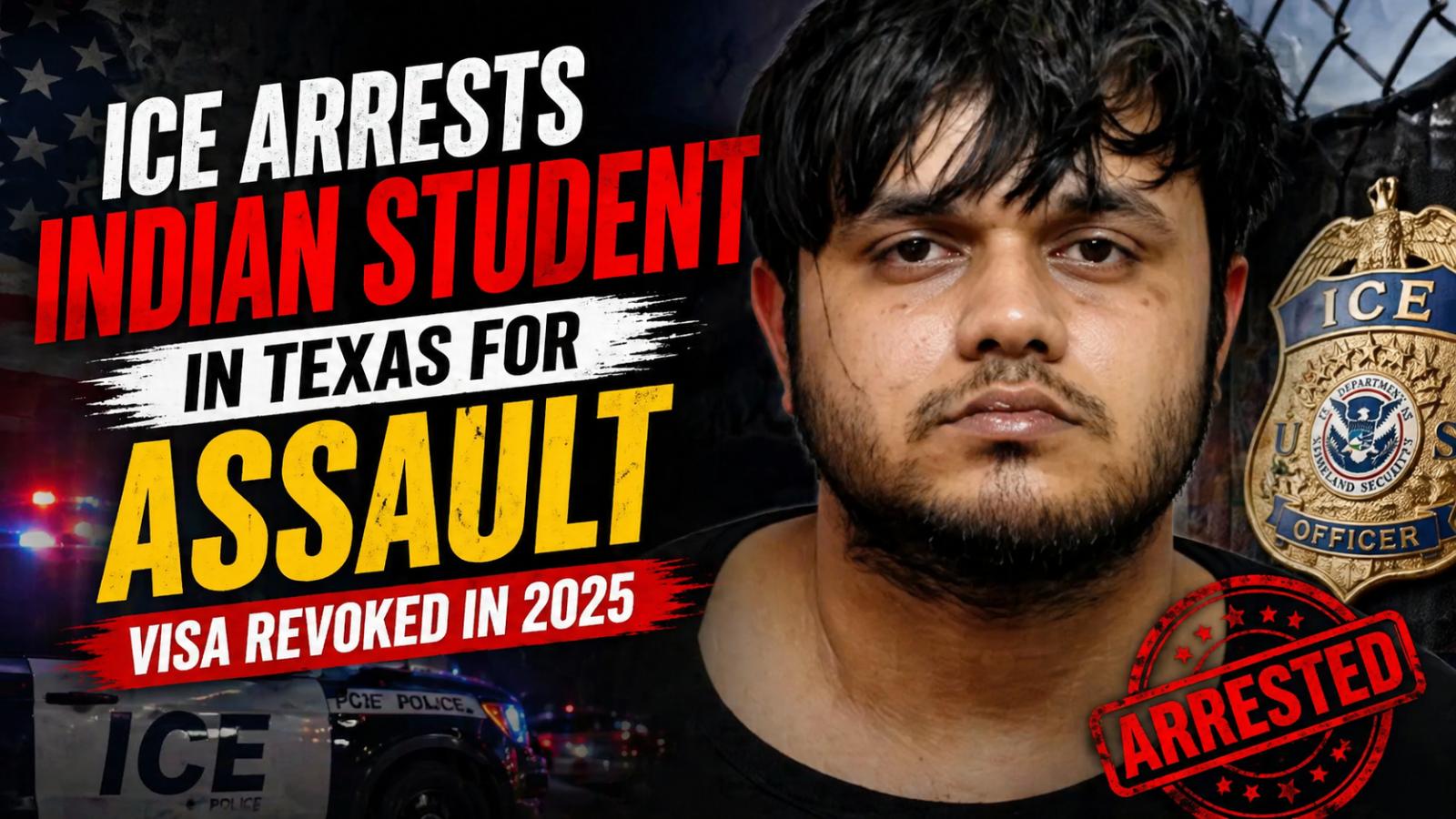
Texas Arrest Raises Questions Over Visa Status and Prior Charges
United States Immigration and Customs Enforcement has confirmed the arrest of a 24-year-old Indian national in Texas in connection with an alleged assault involving a woman and her young daughter. The individual, identified as Atharva Vyas, was taken into custody on April 18 in San Antonio, according to a statement released by the agency. Officials from the Department of Homeland Security stated that Vyas entered the United States in August 2023 on an F-1 student visa. Authorities allege that the incident occurred in a public park, where local law enforcement reported that the suspect forcibly grabbed a woman, causing her child to fall. The child reportedly sustained injuries, including facial trauma. The case is currently under investigation, and formal legal proceedings are expected to follow. ICE officials also referenced a prior arrest in 2023 at the University of Texas campus, where Vyas was charged with felony assault. According to the statement, he was released at the time, and no immediate immigration enforcement action was taken. Authorities further noted that his student visa was later revoked in 2025 following the earlier incident. In its remarks, the agency criticized previous enforcement decisions related to the case, stating that earlier action could have altered the course of events. Officials emphasized the importance of immigration compliance and coordination between law enforcement agencies when addressing criminal allegations involving non-citizens. The arrest has drawn attention to broader issues surrounding immigration enforcement and visa oversight in the United States. Authorities have reiterated that the investigation remains ongoing and that all individuals are entitled to due process under the law as the case proceeds through the judicial system
Texas Arrest Raises Questions Over Visa Status and Prior Charges
United States Immigration and Customs Enforcement has confirmed the arrest of a 24-year-old Indian national in Texas in connection with an alleged assault involving a woman and her young daughter. The individual, identified as Atharva Vyas, was taken into custody on April 18 in San Antonio, according to a statement released by the agency. Officials from the Department of Homeland Security stated that Vyas entered the United States in August 2023 on an F-1 student visa. Authorities allege that the incident occurred in a public park, where local law enforcement reported that the suspect forcibly grabbed a woman, causing her child to fall. The child reportedly sustained injuries, including facial trauma. The case is currently under investigation, and formal legal proceedings are expected to follow. ICE officials also referenced a prior arrest in 2023 at the University of Texas campus, where Vyas was charged with felony assault. According to the statement, he was released at the time, and no immediate immigration enforcement action was taken. Authorities further noted that his student visa was later revoked in 2025 following the earlier incident. In its remarks, the agency criticized previous enforcement decisions related to the case, stating that earlier action could have altered the course of events. Officials emphasized the importance of immigration compliance and coordination between law enforcement agencies when addressing criminal allegations involving non-citizens. The arrest has drawn attention to broader issues surrounding immigration enforcement and visa oversight in the United States. Authorities have reiterated that the investigation remains ongoing and that all individuals are entitled to due process under the law as the case proceeds through the judicial system
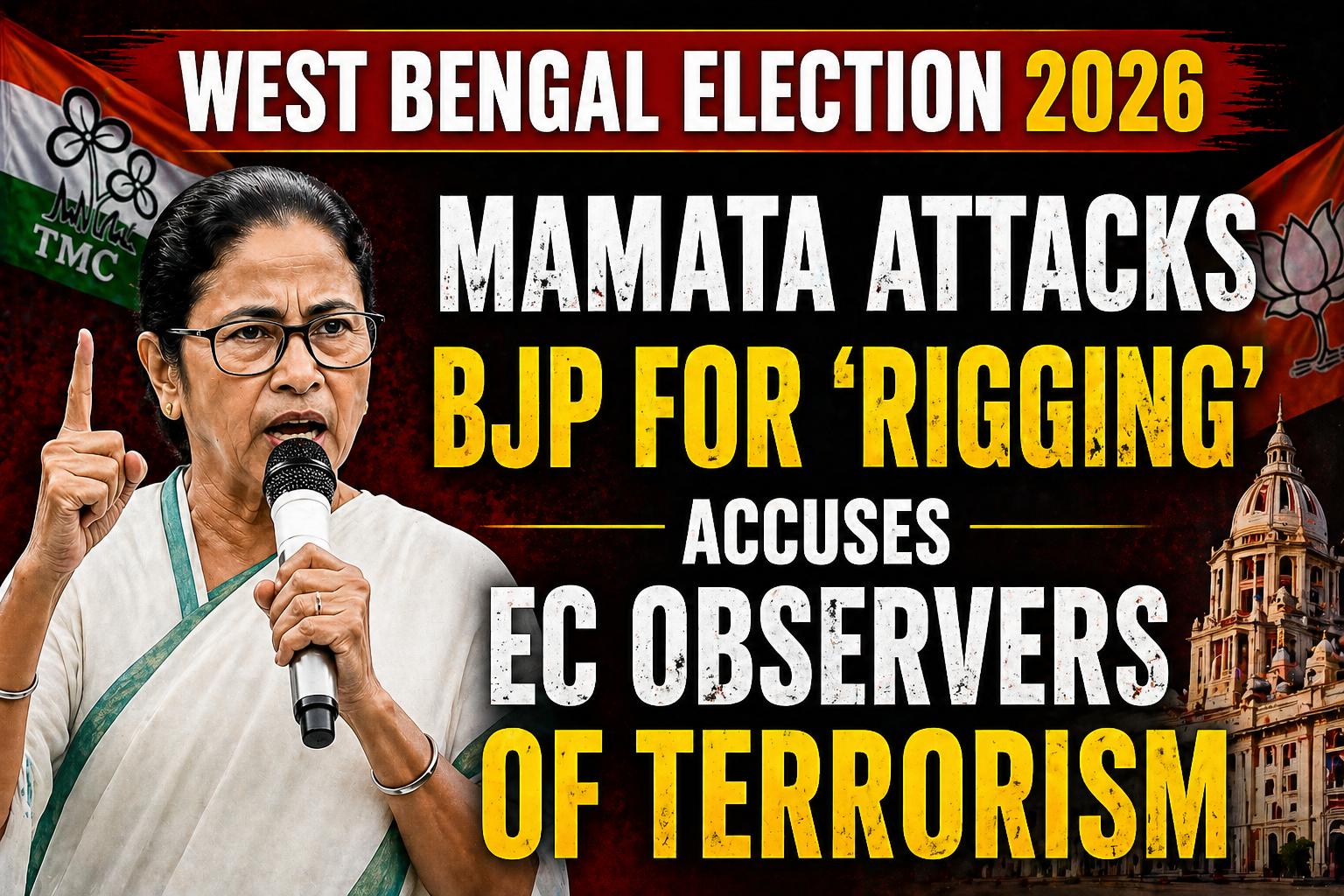
Mamata Banerjee Alleges Election Rigging in Bengal Phase 2 Slams EC Observers
April 29, 2026 | Kolkata, West Bengal Election 2026 Controversy Mamata Banerjee on Wednesday intensified the political temperature in West Bengal by accusing the Bharatiya Janata Party of attempting to rig the ongoing Assembly elections. Speaking during the crucial second an
Mamata Banerjee Alleges Election Rigging in Bengal Phase 2 Slams EC Observers
April 29, 2026 | Kolkata, West Bengal Election 2026 Controversy Mamata Banerjee on Wednesday intensified the political temperature in West Bengal by accusing the Bharatiya Janata Party of attempting to rig the ongoing Assembly elections. Speaking during the crucial second an