
























Why did the UN grant Iran a leadership role? It reflects procedural voting dynamics despite criticism
It reflects procedural voting dynamics despite criticism The United States, joined by the United Arab Emirates and supported by several European governments, condemned a United Nations decision made on Monday, April 28, 2026, to appoint Iran as one of the vice presidents at a major nuclear treaty conference in New York. Iran’s appointment through Non-Aligned Movement voting bloc The controversy emerged as the 11th Review Conference of
Why did the UN grant Iran a leadership role? It reflects procedural voting dynamics despite criticism
It reflects procedural voting dynamics despite criticism The United States, joined by the United Arab Emirates and supported by several European governments, condemned a United Nations decision made on Monday, April 28, 2026, to appoint Iran as one of the vice presidents at a major nuclear treaty conference in New York. Iran’s appointment through Non-Aligned Movement voting bloc The controversy emerged as the 11th Review Conference of
Did OpenAI miss growth targets? AI stocks fall as report raises concerns
Market reaction to OpenAI growth concerns Did OpenAI miss growth targets? AI stocks fall as report raises concerns, triggering a broad pullback across companies tied to artificial intelligence infrastructure on Tuesday. Shares of Oracle fell more than 4% amid its major partnership to provide computing power for OpenAI’s operations. Chipmakers including Nvidia, Broadcom, and Advanced Micro Devices declined between roughly 3% and 4%, while Qualcomm dropped 3.5%. Global impact reflects investor sensitivity Losses extended beyond the United States, with SoftBank Group, a major OpenAI investor, falling about 10% in Asian markets. The declines followed a report that OpenAI has not met internal projections for user growth and revenue, raising concerns about its ability to sustain the heavy spending required for data center expansion and long-term compute agreements. OpenAI response and financial outlook debate OpenAI pushed back against the claims, stating it remains aligned on expanding compute capacity. The company, which launched ChatGPT in 2022 and helped drive the current AI boom, recently secured a $122 billion funding round at an $852 billion valuation. However, internal discussions reportedly highlighted risks if revenue growth does not accelerate as expected. Competitive pressures reshape AI landscape At the same time, competition in enterprise AI continues to intensify. Rivals such as Anthropic and Google’s Gemini models are gaining traction, prompting companies to diversify across multiple providers. Some analysts interpret OpenAI’s slower growth as a shift in market share rather than a broader slowdown in AI adoption. Investors weigh long-term implications Despite the market reaction, several investors remain cautious about drawing firm conclusions. Industry experts note that forecasting revenue and capital expenditures in the rapidly evolving AI sector remains highly uncertain. While short-term volatility has affected tech stocks, many view the report as part of a broader adjustment rather than a fundamental change in the long-term trajectory of AI infrastructure spending.
Did OpenAI miss growth targets? AI stocks fall as report raises concerns
Market reaction to OpenAI growth concerns Did OpenAI miss growth targets? AI stocks fall as report raises concerns, triggering a broad pullback across companies tied to artificial intelligence infrastructure on Tuesday. Shares of Oracle fell more than 4% amid its major partnership to provide computing power for OpenAI’s operations. Chipmakers including Nvidia, Broadcom, and Advanced Micro Devices declined between roughly 3% and 4%, while Qualcomm dropped 3.5%. Global impact reflects investor sensitivity Losses extended beyond the United States, with SoftBank Group, a major OpenAI investor, falling about 10% in Asian markets. The declines followed a report that OpenAI has not met internal projections for user growth and revenue, raising concerns about its ability to sustain the heavy spending required for data center expansion and long-term compute agreements. OpenAI response and financial outlook debate OpenAI pushed back against the claims, stating it remains aligned on expanding compute capacity. The company, which launched ChatGPT in 2022 and helped drive the current AI boom, recently secured a $122 billion funding round at an $852 billion valuation. However, internal discussions reportedly highlighted risks if revenue growth does not accelerate as expected. Competitive pressures reshape AI landscape At the same time, competition in enterprise AI continues to intensify. Rivals such as Anthropic and Google’s Gemini models are gaining traction, prompting companies to diversify across multiple providers. Some analysts interpret OpenAI’s slower growth as a shift in market share rather than a broader slowdown in AI adoption. Investors weigh long-term implications Despite the market reaction, several investors remain cautious about drawing firm conclusions. Industry experts note that forecasting revenue and capital expenditures in the rapidly evolving AI sector remains highly uncertain. While short-term volatility has affected tech stocks, many view the report as part of a broader adjustment rather than a fundamental change in the long-term trajectory of AI infrastructure spending.
BRS Alleges CCTV and Phone Hacking by Revanth Reddy Government
April 28, 2026 | Hyderabad — BRS alleges CCTV and phone hacking by Revanth Reddy government. Harish Rao claims surveillance on leaders, says evidence will be revealed later Political tensions have surfaced in Telangana as leaders from the Bharat Rashtra Samithi have accused the
BRS Alleges CCTV and Phone Hacking by Revanth Reddy Government
April 28, 2026 | Hyderabad — BRS alleges CCTV and phone hacking by Revanth Reddy government. Harish Rao claims surveillance on leaders, says evidence will be revealed later Political tensions have surfaced in Telangana as leaders from the Bharat Rashtra Samithi have accused the
Google AI Hub Groundbreaking in Vizag Marks Major Tech Boost for Andhra Pradesh
April 28, 2026 | 9:37 AM | Visakhapatnam — Google AI Hub foundation ceremony held at Tarluvada The Andhra Pradesh government is taking a significant step toward strengthening its position in the technology and artificial intelligence space with the foundation stone laying ceremony of the Google Cloud India AI Hub in Tarluvada, Visakhapatnam district. The event, which
Google AI Hub Groundbreaking in Vizag Marks Major Tech Boost for Andhra Pradesh
April 28, 2026 | 9:37 AM | Visakhapatnam — Google AI Hub foundation ceremony held at Tarluvada The Andhra Pradesh government is taking a significant step toward strengthening its position in the technology and artificial intelligence space with the foundation stone laying ceremony of the Google Cloud India AI Hub in Tarluvada, Visakhapatnam district. The event, which
Statewide Kerala Protest After Nithin Raj Death Affects Buses, Patients And Students
A statewide hartal called in Kerala on April 28, 2026, has significantly disrupted daily life, with public transport services coming to a near standstill and thousands of commuters stranded across the state. The protest was triggered by the death of Nithin Raj, which has sparked widespread outrage and led to demonstrations in multiple districts. According to reports, private buses, taxis, and auto-rickshaws largely stayed off the roads as protestors enforced the hartal. Shops, comme
Statewide Kerala Protest After Nithin Raj Death Affects Buses, Patients And Students
A statewide hartal called in Kerala on April 28, 2026, has significantly disrupted daily life, with public transport services coming to a near standstill and thousands of commuters stranded across the state. The protest was triggered by the death of Nithin Raj, which has sparked widespread outrage and led to demonstrations in multiple districts. According to reports, private buses, taxis, and auto-rickshaws largely stayed off the roads as protestors enforced the hartal. Shops, comme
Indonesia Train Crash Triggers Rescue Efforts After Jakarta Collision
A deadly train collision near Jakarta has left at least four people dead and dozens injured, prompting an extensive emergency response in one of the region’s busiest rail corridors. The accident occurred around 8 pm local time at Bekasi Timur railway station, where a long-distance train struck a stationary commuter service on the tracks. According to state-owned operator Kereta Api Indonesia, the Argo Bromo Anggrek train, traveling from Gambir to Surabaya, collided with the rear of a halted KRL Commuterline train. Officials said the commuter train had stopped after being struck by a taxi at a level crossing, leaving it immobilized before the impact occurred. Authorities confirmed that all fatalities were passengers on the commuter train, with the collision primarily affecting the final carriage, designated as a women-only coach. Meanwhile, approximately 240 passengers aboard the long-distance train were safely evacuated without serious injury. Emergency teams were deployed quickly, working to extract passengers trapped inside damaged compartments while ambulances and medical personnel responded to the scene. Eyewitness accounts described confusion and urgency, with rescue workers navigating wreckage to reach those in need. Several train cars sustained significant structural damage, complicating efforts to access injured passengers. Oxygen supplies and immediate medical care were administered as part of the rescue operation. The incident has renewed concerns about rail safety in Indonesia, following previous accidents in recent years. Authorities have launched a formal investigation to determine the sequence of events and identify contributing factors. Officials are expected to review both the level crossing incident and operational procedures to prevent similar accidents in the future.
Indonesia Train Crash Triggers Rescue Efforts After Jakarta Collision
A deadly train collision near Jakarta has left at least four people dead and dozens injured, prompting an extensive emergency response in one of the region’s busiest rail corridors. The accident occurred around 8 pm local time at Bekasi Timur railway station, where a long-distance train struck a stationary commuter service on the tracks. According to state-owned operator Kereta Api Indonesia, the Argo Bromo Anggrek train, traveling from Gambir to Surabaya, collided with the rear of a halted KRL Commuterline train. Officials said the commuter train had stopped after being struck by a taxi at a level crossing, leaving it immobilized before the impact occurred. Authorities confirmed that all fatalities were passengers on the commuter train, with the collision primarily affecting the final carriage, designated as a women-only coach. Meanwhile, approximately 240 passengers aboard the long-distance train were safely evacuated without serious injury. Emergency teams were deployed quickly, working to extract passengers trapped inside damaged compartments while ambulances and medical personnel responded to the scene. Eyewitness accounts described confusion and urgency, with rescue workers navigating wreckage to reach those in need. Several train cars sustained significant structural damage, complicating efforts to access injured passengers. Oxygen supplies and immediate medical care were administered as part of the rescue operation. The incident has renewed concerns about rail safety in Indonesia, following previous accidents in recent years. Authorities have launched a formal investigation to determine the sequence of events and identify contributing factors. Officials are expected to review both the level crossing incident and operational procedures to prevent similar accidents in the future.
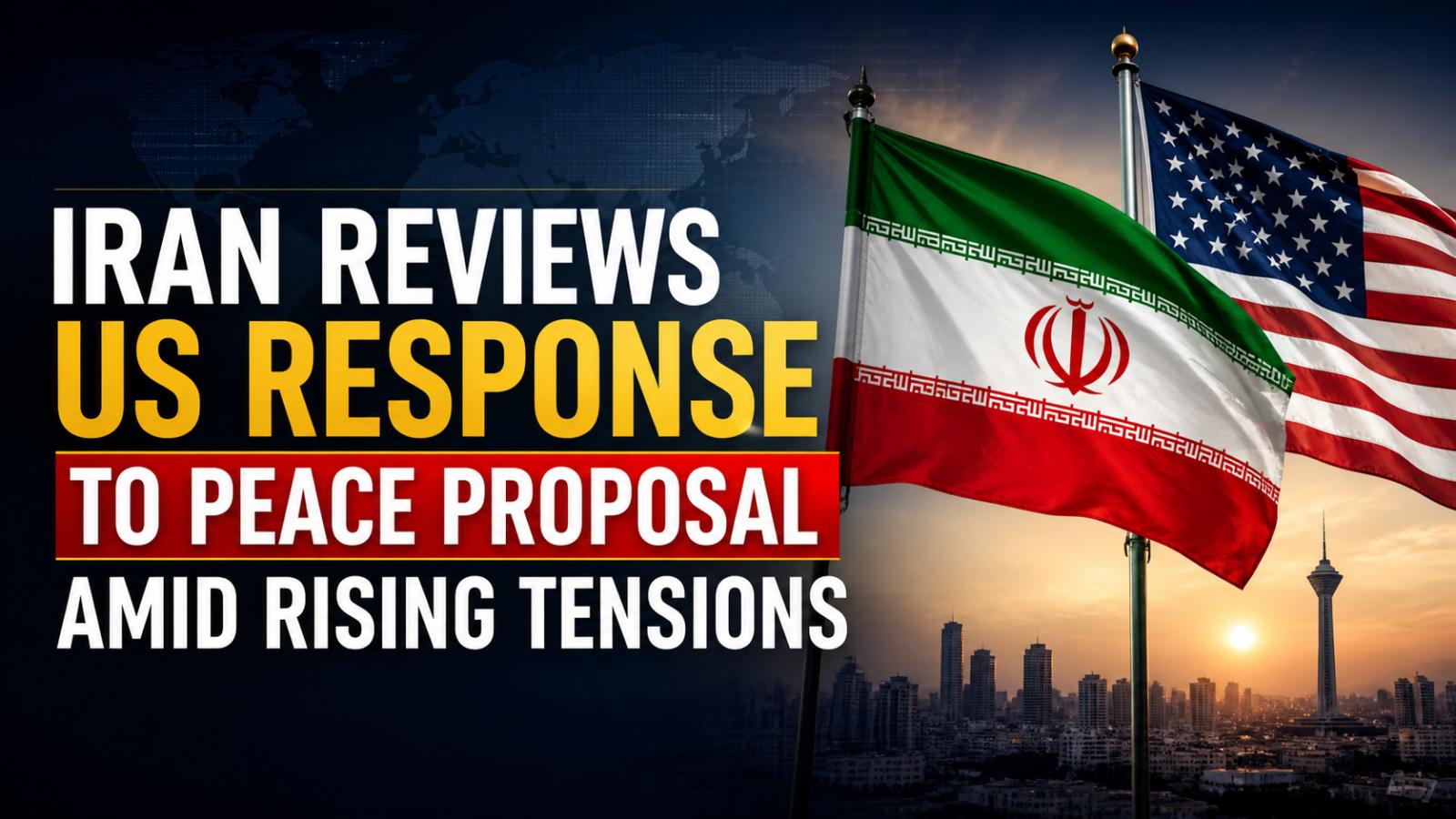
Iran offers Strait of Hormuz reopening if US lifts blockade, delays nuclear talks
Iran offered to reopen the Strait of Hormuz if the U.S. lifts its blockade and ends hostilities, but Washington insists any deal must address Tehran’s nuclear program, leaving tensions high and global energy markets under strain. Iran has proposed reopening the Strait of Hormuz if the United States lifts its blockade and agrees to end hostilities, according to regional officials familiar with negotiations disclosed on Monday, April 28, 2026. The proposal, deliver
Iran offers Strait of Hormuz reopening if US lifts blockade, delays nuclear talks
Iran offered to reopen the Strait of Hormuz if the U.S. lifts its blockade and ends hostilities, but Washington insists any deal must address Tehran’s nuclear program, leaving tensions high and global energy markets under strain. Iran has proposed reopening the Strait of Hormuz if the United States lifts its blockade and agrees to end hostilities, according to regional officials familiar with negotiations disclosed on Monday, April 28, 2026. The proposal, deliver
Are you visiting India? Digi Yatra could change your airport experience
Digi Yatra could change your airport experience India’s push toward seamless air travel is being led by Digi Yatra, a government-backed initiative that uses facial recognition to streamline passenger movement through airports. Developed under the Ministry of Civil Aviation, the system allows travelers to bypass repeated document checks by using biometric verification instead of physical boarding passes and identification. How Digi Yatra is transforming airport travel in India Digi Yatra enables passengers to create a digital identity through the Digi Yatra App by uploading ID credentials and flight details before arriving at the airport. Once enrolled, travelers can pass through entry gates, security checkpoints, and boarding areas using facial scans. The system is currently operational at major hubs such as Kempegowda International Airport and Indira Gandhi International Airport, with plans for wider adoption across the country. The initiative is voluntary and emphasizes speed, convenience, and reduced physical contact in crowded terminals. Biometric travel systems already in use across US airports In the United States, similar biometric technologies are already deployed, primarily for international travel. Agencies such as the Transportation Security Administration and U.S. Customs and Border Protection operate facial recognition systems that match a traveler’s live image with passport or visa databases. These systems are commonly used at immigration checkpoints and boarding gates for international flights, and in some cases at security screening through programs like TSA’s touchless identity verification. Unlike Digi Yatra, enrollment is not typically handled through a consumer-facing app, and the process is largely managed through government databases. Key differences between Digi Yatra and US biometric systems Feature Digi Yatra (India) United States Systems Control User-controlled via app Government-controlled databases Enrollment Voluntary, app-based Mostly automatic or backend Primary Use Domestic travel International travel focus Documents Replaced by facial ID Linked to passport/visa User Role Active participation required Passive participation Data Handling User uploads data Govt retrieves from records Experience Fully contactless journey Partial contactless process What global travelers should know about evolving airport technology As airports worldwide adopt digital identity solutions, the contrast between India’s Digi Yatra and US biometric programs highlights broader questions around privacy, convenience, and control. For US-based travelers heading to India, understanding how Digi Yatra works can help streamline the airport experience, while also offering insight into how biometric travel technology may continue to evolve globally.
Are you visiting India? Digi Yatra could change your airport experience
Digi Yatra could change your airport experience India’s push toward seamless air travel is being led by Digi Yatra, a government-backed initiative that uses facial recognition to streamline passenger movement through airports. Developed under the Ministry of Civil Aviation, the system allows travelers to bypass repeated document checks by using biometric verification instead of physical boarding passes and identification. How Digi Yatra is transforming airport travel in India Digi Yatra enables passengers to create a digital identity through the Digi Yatra App by uploading ID credentials and flight details before arriving at the airport. Once enrolled, travelers can pass through entry gates, security checkpoints, and boarding areas using facial scans. The system is currently operational at major hubs such as Kempegowda International Airport and Indira Gandhi International Airport, with plans for wider adoption across the country. The initiative is voluntary and emphasizes speed, convenience, and reduced physical contact in crowded terminals. Biometric travel systems already in use across US airports In the United States, similar biometric technologies are already deployed, primarily for international travel. Agencies such as the Transportation Security Administration and U.S. Customs and Border Protection operate facial recognition systems that match a traveler’s live image with passport or visa databases. These systems are commonly used at immigration checkpoints and boarding gates for international flights, and in some cases at security screening through programs like TSA’s touchless identity verification. Unlike Digi Yatra, enrollment is not typically handled through a consumer-facing app, and the process is largely managed through government databases. Key differences between Digi Yatra and US biometric systems Feature Digi Yatra (India) United States Systems Control User-controlled via app Government-controlled databases Enrollment Voluntary, app-based Mostly automatic or backend Primary Use Domestic travel International travel focus Documents Replaced by facial ID Linked to passport/visa User Role Active participation required Passive participation Data Handling User uploads data Govt retrieves from records Experience Fully contactless journey Partial contactless process What global travelers should know about evolving airport technology As airports worldwide adopt digital identity solutions, the contrast between India’s Digi Yatra and US biometric programs highlights broader questions around privacy, convenience, and control. For US-based travelers heading to India, understanding how Digi Yatra works can help streamline the airport experience, while also offering insight into how biometric travel technology may continue to evolve globally.
What is Elon Musk alleging against OpenAI? Lawsuit claims mission betrayal
The escalating legal dispute between Elon Musk and Sam Altman has entered a critical discovery phase, intensifying scrutiny over the direction of OpenAI. Musk’s lawsuit, initially filed in early 2024 and recent
What is Elon Musk alleging against OpenAI? Lawsuit claims mission betrayal
The escalating legal dispute between Elon Musk and Sam Altman has entered a critical discovery phase, intensifying scrutiny over the direction of OpenAI. Musk’s lawsuit, initially filed in early 2024 and recent
Kavitha Launches TRS Party Aiming Inclusive Development In Telangana
Kavitha launches Telangana Rashtra Sena, marking a new political chapter in Telangana after her exit from BRS. Former Bharat Rashtra Samithi (BRS) leader Kalvakuntla Kavitha, daughter of former Telangana Chief Minister K Chandrasekhar Rao (KCR), officially launched her own political party, Telangana Rashtra Sena (TRS), on Saturday, April 25, 2026. This development comes months after she was suspended from the BRS over alleged anti-party activities, marking a major
Kavitha Launches TRS Party Aiming Inclusive Development In Telangana
Kavitha launches Telangana Rashtra Sena, marking a new political chapter in Telangana after her exit from BRS. Former Bharat Rashtra Samithi (BRS) leader Kalvakuntla Kavitha, daughter of former Telangana Chief Minister K Chandrasekhar Rao (KCR), officially launched her own political party, Telangana Rashtra Sena (TRS), on Saturday, April 25, 2026. This development comes months after she was suspended from the BRS over alleged anti-party activities, marking a major
2 Birthday Parties Turn Deadly in Delhi and UP, Four Killed
Two separate birthday celebrations in Delhi and Uttar Pradesh ended in tragedy, leaving four people dead after small arguments turned violent. In Delhi, a 21-year-old delivery executive named Pandav Kumar was shot dead during a birthday celebration at his friend’s house. The incident happened when Pandav and his friend were leaving for work late at night. A Delhi Police head constable, Neeraj Balhara, who was off duty, stopped them and questioned them. According to reports, an arg
2 Birthday Parties Turn Deadly in Delhi and UP, Four Killed
Two separate birthday celebrations in Delhi and Uttar Pradesh ended in tragedy, leaving four people dead after small arguments turned violent. In Delhi, a 21-year-old delivery executive named Pandav Kumar was shot dead during a birthday celebration at his friend’s house. The incident happened when Pandav and his friend were leaving for work late at night. A Delhi Police head constable, Neeraj Balhara, who was off duty, stopped them and questioned them. According to reports, an arg
Iran Proposes Strait of Hormuz Deal While Delaying Nuclear Talks
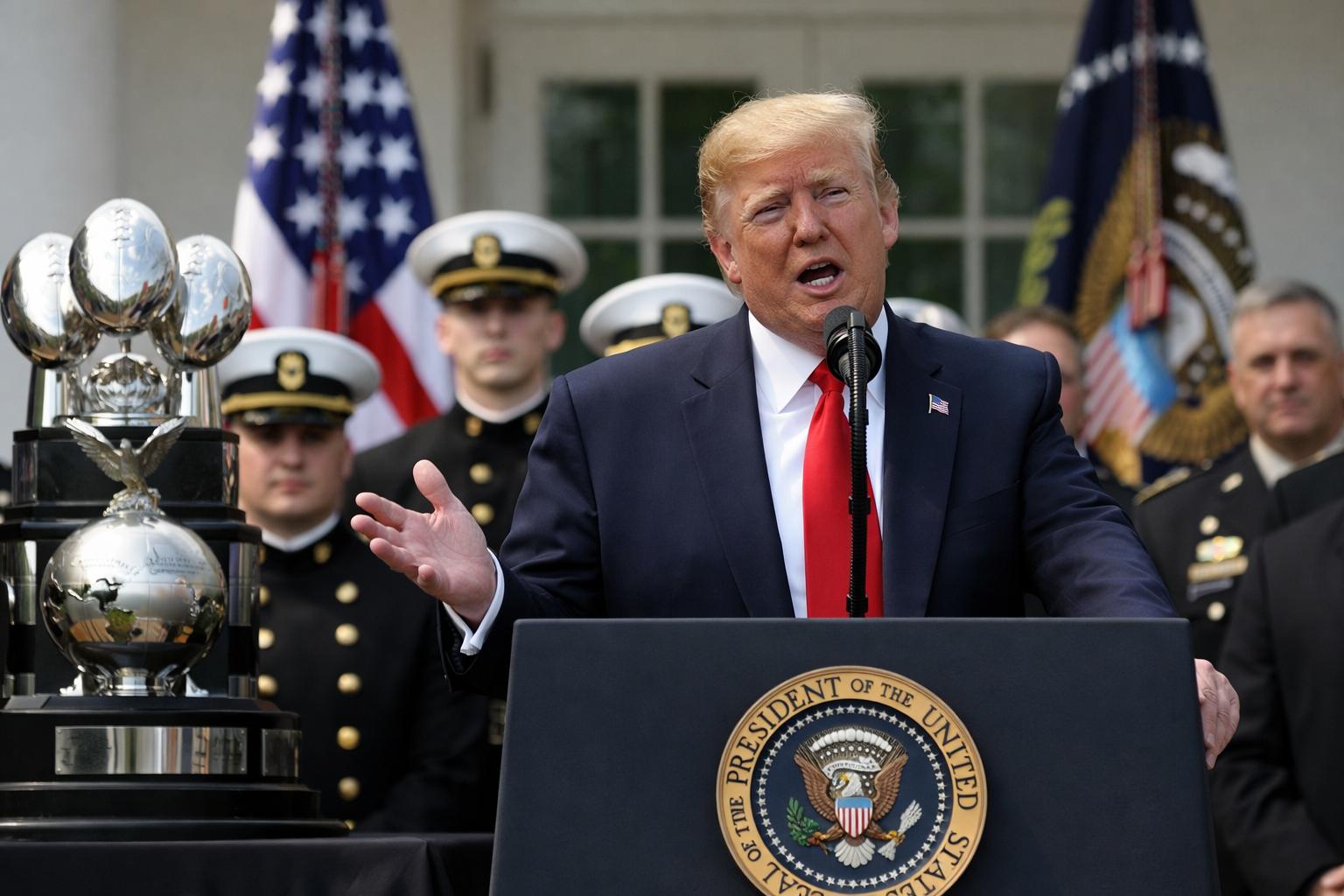
Iran has reportedly put forward a new proposal aimed at reopening the Strait of Hormuz and easing ongoing tensions, while suggesting that nuclear negotiations be postponed. The development comes as US officials review the offer, with President Donald Trump expected to meet with senior national security advisers to assess the situation and determine next steps. According to sources familiar with the discussions, the proposal was conveyed through intermediaries and focuses on de-escalation measures tied to maritime security and regional stability. However, Iranian officials have indicated that broader nuclear negotiations should be deferred until key issues, including economic restrictions and security concerns, are addressed. There has been no official confirmation from either side regarding the specifics of the proposal. The latest diplomatic activity follows a series of engagements by Abbas Araghchi, who recently traveled between Pakistan and Oman in an effort to facilitate dialogue. Iranian authorities emphasized that no direct meetings with US representatives were scheduled during his visit to Islamabad. Earlier, planned discussions involving US envoys were canceled, adding to the uncertainty surrounding the negotiation process. Tensions have been further complicated by differing expectations between Washington and Tehran. US officials have reiterated that any agreement must include strict limitations on Iran’s nuclear capabilities, including restrictions on enrichment activities. Iranian leaders, meanwhile, have maintained that negotiations cannot proceed under pressure, citing concerns over ongoing restrictions and security measures affecting the country. The situation remains fluid as diplomatic channels continue to operate through regional mediators. Iran’s leadership has also engaged with international partners, including Russia, as part of broader efforts to manage the crisis. While the proposal to reopen the Strait of Hormuz signals a potential pathway toward de-escalation, the delay in nuclear talks underscores the challenges that remain in reaching a comprehensive agreement.
Iran Proposes Strait of Hormuz Deal While Delaying Nuclear Talks
Iran has reportedly put forward a new proposal aimed at reopening the Strait of Hormuz and easing ongoing tensions, while suggesting that nuclear negotiations be postponed. The development comes as US officials review the offer, with President Donald Trump expected to meet with senior national security advisers to assess the situation and determine next steps. According to sources familiar with the discussions, the proposal was conveyed through intermediaries and focuses on de-escalation measures tied to maritime security and regional stability. However, Iranian officials have indicated that broader nuclear negotiations should be deferred until key issues, including economic restrictions and security concerns, are addressed. There has been no official confirmation from either side regarding the specifics of the proposal. The latest diplomatic activity follows a series of engagements by Abbas Araghchi, who recently traveled between Pakistan and Oman in an effort to facilitate dialogue. Iranian authorities emphasized that no direct meetings with US representatives were scheduled during his visit to Islamabad. Earlier, planned discussions involving US envoys were canceled, adding to the uncertainty surrounding the negotiation process. Tensions have been further complicated by differing expectations between Washington and Tehran. US officials have reiterated that any agreement must include strict limitations on Iran’s nuclear capabilities, including restrictions on enrichment activities. Iranian leaders, meanwhile, have maintained that negotiations cannot proceed under pressure, citing concerns over ongoing restrictions and security measures affecting the country. The situation remains fluid as diplomatic channels continue to operate through regional mediators. Iran’s leadership has also engaged with international partners, including Russia, as part of broader efforts to manage the crisis. While the proposal to reopen the Strait of Hormuz signals a potential pathway toward de-escalation, the delay in nuclear talks underscores the challenges that remain in reaching a comprehensive agreement.
Raghu Rai’s Lens Preserved Bengal’s Cultural Icons, Kolkata Pays Tribute
Raghu Rai’s photography stands as a timeless tribute to Bengal’s rich cultural and intellectual heritage, capturing a remarkable spectrum of personalities and moments that shaped the region’s identity. Widely regarded as one of India’s most influential photographers, Raghu Rai used his lens to document not just events, but the deeper emotions and stories behind them. His iconic black and white portraits of legends such as Satyajit Ray and Mother Teresa remain some of the most powerful visual records of their lives and work. Through subtle expressions, light, and composition, Rai was able to reveal the humanity, depth, and quiet strength of his subjects, turning simple photographs into lasting narratives. Kolkata, often considered the cultural capital of India, played a central role in Rai’s photographic journey. The city’s streets, intellectual circles, and artistic traditions frequently appeared in his work, giving audiences a glimpse into its vibrant soul. His images went beyond famous figures to include everyday life, traditions, and social realities, creating a layered and authentic portrayal of Bengal. Over the years, his work has not only preserved history but also inspired generations of photographers and art lovers. As tributes continue to pour in, his legacy endures through images that still speak with emotional clarity and cultural significance, ensuring that the spirit of Bengal’s icons and people lives on through his extraordinary vision.
Raghu Rai’s Lens Preserved Bengal’s Cultural Icons, Kolkata Pays Tribute
Raghu Rai’s photography stands as a timeless tribute to Bengal’s rich cultural and intellectual heritage, capturing a remarkable spectrum of personalities and moments that shaped the region’s identity. Widely regarded as one of India’s most influential photographers, Raghu Rai used his lens to document not just events, but the deeper emotions and stories behind them. His iconic black and white portraits of legends such as Satyajit Ray and Mother Teresa remain some of the most powerful visual records of their lives and work. Through subtle expressions, light, and composition, Rai was able to reveal the humanity, depth, and quiet strength of his subjects, turning simple photographs into lasting narratives. Kolkata, often considered the cultural capital of India, played a central role in Rai’s photographic journey. The city’s streets, intellectual circles, and artistic traditions frequently appeared in his work, giving audiences a glimpse into its vibrant soul. His images went beyond famous figures to include everyday life, traditions, and social realities, creating a layered and authentic portrayal of Bengal. Over the years, his work has not only preserved history but also inspired generations of photographers and art lovers. As tributes continue to pour in, his legacy endures through images that still speak with emotional clarity and cultural significance, ensuring that the spirit of Bengal’s icons and people lives on through his extraordinary vision.
Japan earthquake hits Hokkaido, raising concerns over further tremors
A magnitude 6.2 earthquake struck Hokkaido, Japan, at 5:23 AM JST on Monday, April 27, 2026. No tsunami warning was issued, but officials warned of possible aftershocks amid heightened seismic activity following recent quakes. Japan earthquake hits Hokkaido, raising concerns over further tremors A strong earthquake struck Japan’s northern island of Hokkaido at 5:23 AM JST on Monday, April 27, 2026, according to the Japan Meteorological Agency and the U.S. Geologi
Japan earthquake hits Hokkaido, raising concerns over further tremors
A magnitude 6.2 earthquake struck Hokkaido, Japan, at 5:23 AM JST on Monday, April 27, 2026. No tsunami warning was issued, but officials warned of possible aftershocks amid heightened seismic activity following recent quakes. Japan earthquake hits Hokkaido, raising concerns over further tremors A strong earthquake struck Japan’s northern island of Hokkaido at 5:23 AM JST on Monday, April 27, 2026, according to the Japan Meteorological Agency and the U.S. Geologi
Nvidia stock hits record high, pushes market cap above $5 trillion
Shares of Nvidia hit a record $208.27 on Friday, April 24, 2026, pushing its value past $5 trillion amid strong AI demand. Gains followed upbeat results from Intel, lifting chipmakers broadly, even as Alphabet
Nvidia stock hits record high, pushes market cap above $5 trillion
Shares of Nvidia hit a record $208.27 on Friday, April 24, 2026, pushing its value past $5 trillion amid strong AI demand. Gains followed upbeat results from Intel, lifting chipmakers broadly, even as Alphabet
Did Raghav Chadha’s switch expose ideology as strategy in politics? Yes, it raises serious questions
Did Raghav Chadha’s switch expose ideology as strategy in Indian politics? Yes, it raises serious questions as the recent political move by Raghav Chadha has triggered a wider debate about whether ideology in Indian politics is truly stable or simply a matter of strategy. The development, reported on Thursday, April 24, 2026, in India Standard Time, comes as Chadha, once a vocal critic of the Bharatiya Janata Party (BJP), aligned himself with the same political force he had publicly opposed. From vocal opposition to alignment with former rivals For years, Chadha built his political identity within the Aam Aadmi Party (AAP) by criticizing the BJP’s governance style, raising concerns about institutional independence and democratic functioning. His speeches positioned AAP as a clear alternative, emphasizing transparency and accountability. This consistent messaging helped shape public perception and earned him credibility among urban and educated voters. The sudden shift, however, has led to questions about whether those earlier positions were rooted in firm ideological belief or were part of a broader political strategy that evolved over time. BJP’s acceptance raises questions about ideological consistency The BJP, which has maintained political dominance at the national level for over a decade, has consistently emphasized strong ideological foundations and governance continuity. Its decision to accept a leader who had openly challenged its policies now brings attention to the balance between ideological commitment and political expansion. In parliamentary systems, numbers often determine legislative outcomes. Strategic decisions to strengthen representation can override past disagreements, reflecting a pragmatic approach to governance and policy-making. A recurring pattern across political systems This development is not isolated. Political realignments, shifting alliances, and evolving narratives are common across democratic systems worldwide. Leaders frequently transition between parties, and parties themselves adapt to changing political landscapes. Such shifts suggest that while ideology is presented as a guiding principle, strategy often plays a decisive role in shaping political actions. Public trust, consistency, and the shifting foundation of politics For the public, these developments can create uncertainty. Strong statements made in one phase of a political career may not align with actions taken later. This gap between words and actions raises broader concerns about consistency, accountability, and long-term trust in political institutions. What emerges from this pattern is not just a question about one leader or one party, but about the direction of politics itself. When positions can shift so sharply and be accepted just as quickly, it becomes harder to separate belief from convenience. The debate is no longer limited to whether one individual changed sides, but whether such changes are now an accepted norm across the political spectrum. In that context, the latest move involving Raghav Chadha reinforces a broader concern: political systems that emphasize ideology in public messaging may increasingly rely on strategy in practice. In that reality, one conclusion is becoming difficult to ignore. Adapting strategy to suit the moment is no longer just a political tool; it is increasingly becoming the most consistent ideology across political parties.
Did Raghav Chadha’s switch expose ideology as strategy in politics? Yes, it raises serious questions
Did Raghav Chadha’s switch expose ideology as strategy in Indian politics? Yes, it raises serious questions as the recent political move by Raghav Chadha has triggered a wider debate about whether ideology in Indian politics is truly stable or simply a matter of strategy. The development, reported on Thursday, April 24, 2026, in India Standard Time, comes as Chadha, once a vocal critic of the Bharatiya Janata Party (BJP), aligned himself with the same political force he had publicly opposed. From vocal opposition to alignment with former rivals For years, Chadha built his political identity within the Aam Aadmi Party (AAP) by criticizing the BJP’s governance style, raising concerns about institutional independence and democratic functioning. His speeches positioned AAP as a clear alternative, emphasizing transparency and accountability. This consistent messaging helped shape public perception and earned him credibility among urban and educated voters. The sudden shift, however, has led to questions about whether those earlier positions were rooted in firm ideological belief or were part of a broader political strategy that evolved over time. BJP’s acceptance raises questions about ideological consistency The BJP, which has maintained political dominance at the national level for over a decade, has consistently emphasized strong ideological foundations and governance continuity. Its decision to accept a leader who had openly challenged its policies now brings attention to the balance between ideological commitment and political expansion. In parliamentary systems, numbers often determine legislative outcomes. Strategic decisions to strengthen representation can override past disagreements, reflecting a pragmatic approach to governance and policy-making. A recurring pattern across political systems This development is not isolated. Political realignments, shifting alliances, and evolving narratives are common across democratic systems worldwide. Leaders frequently transition between parties, and parties themselves adapt to changing political landscapes. Such shifts suggest that while ideology is presented as a guiding principle, strategy often plays a decisive role in shaping political actions. Public trust, consistency, and the shifting foundation of politics For the public, these developments can create uncertainty. Strong statements made in one phase of a political career may not align with actions taken later. This gap between words and actions raises broader concerns about consistency, accountability, and long-term trust in political institutions. What emerges from this pattern is not just a question about one leader or one party, but about the direction of politics itself. When positions can shift so sharply and be accepted just as quickly, it becomes harder to separate belief from convenience. The debate is no longer limited to whether one individual changed sides, but whether such changes are now an accepted norm across the political spectrum. In that context, the latest move involving Raghav Chadha reinforces a broader concern: political systems that emphasize ideology in public messaging may increasingly rely on strategy in practice. In that reality, one conclusion is becoming difficult to ignore. Adapting strategy to suit the moment is no longer just a political tool; it is increasingly becoming the most consistent ideology across political parties.
Kalvakuntla Kavitha Launches Telangana Praja Jagruthi, Paying Tribute to Telangana Icons
All preparations are in place for the launch of a new political party by Kalvakuntla Kavitha, daughter of former Telangana Chief Minister and BRS president K Chandrasekhar Rao. The event will take place on April 25, 2026, at 10:00 AM at Prof Jayashankar Grounds in Muneerabad, Medchal-Malkajgiri district. Kavitha’s new political party has been named “Telangana Praja Jagruthi”, a name that was registered two months ago. Kavitha, who resigned from the BRS and her Legislative Coun
Kalvakuntla Kavitha Launches Telangana Praja Jagruthi, Paying Tribute to Telangana Icons
All preparations are in place for the launch of a new political party by Kalvakuntla Kavitha, daughter of former Telangana Chief Minister and BRS president K Chandrasekhar Rao. The event will take place on April 25, 2026, at 10:00 AM at Prof Jayashankar Grounds in Muneerabad, Medchal-Malkajgiri district. Kavitha’s new political party has been named “Telangana Praja Jagruthi”, a name that was registered two months ago. Kavitha, who resigned from the BRS and her Legislative Coun
Why did Intel shares surge over 20%? AI demand and leadership changes drive rebound
Strong market reaction to earnings and AI momentum Shares of Intel surged more than 20% during trading hours on Friday, reflecting renewed investor confidence driven by rising artificial intelligence demand and stronger-than-expected financial results. By early afternoon, the stock had climbed approximately 22%, putting it on track for its best single-day performance in d
Why did Intel shares surge over 20%? AI demand and leadership changes drive rebound
Strong market reaction to earnings and AI momentum Shares of Intel surged more than 20% during trading hours on Friday, reflecting renewed investor confidence driven by rising artificial intelligence demand and stronger-than-expected financial results. By early afternoon, the stock had climbed approximately 22%, putting it on track for its best single-day performance in d
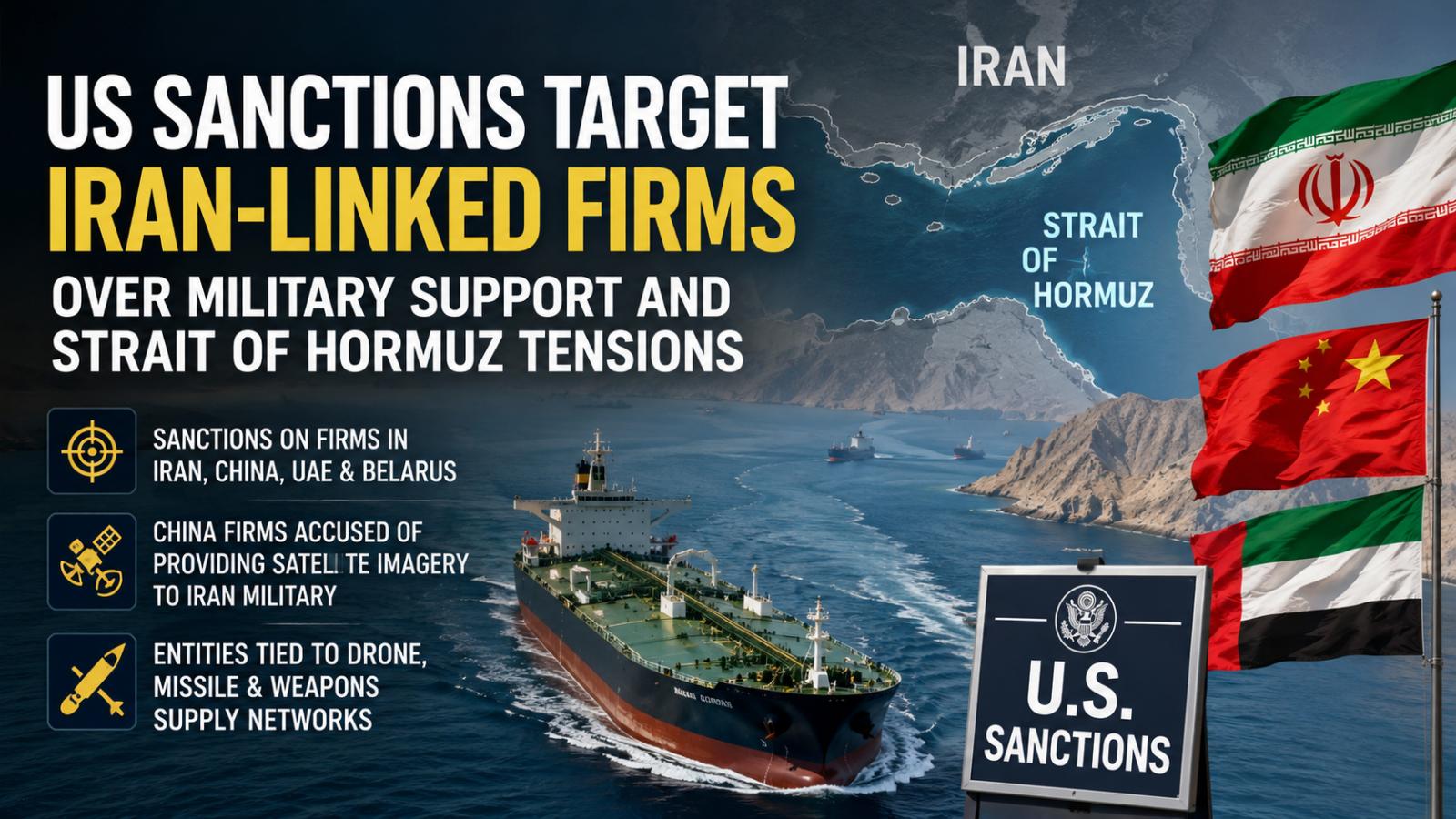
What sanctions did the U.S. impose on China-linked oil trade? The move targets refinery and tankers tied to Iran
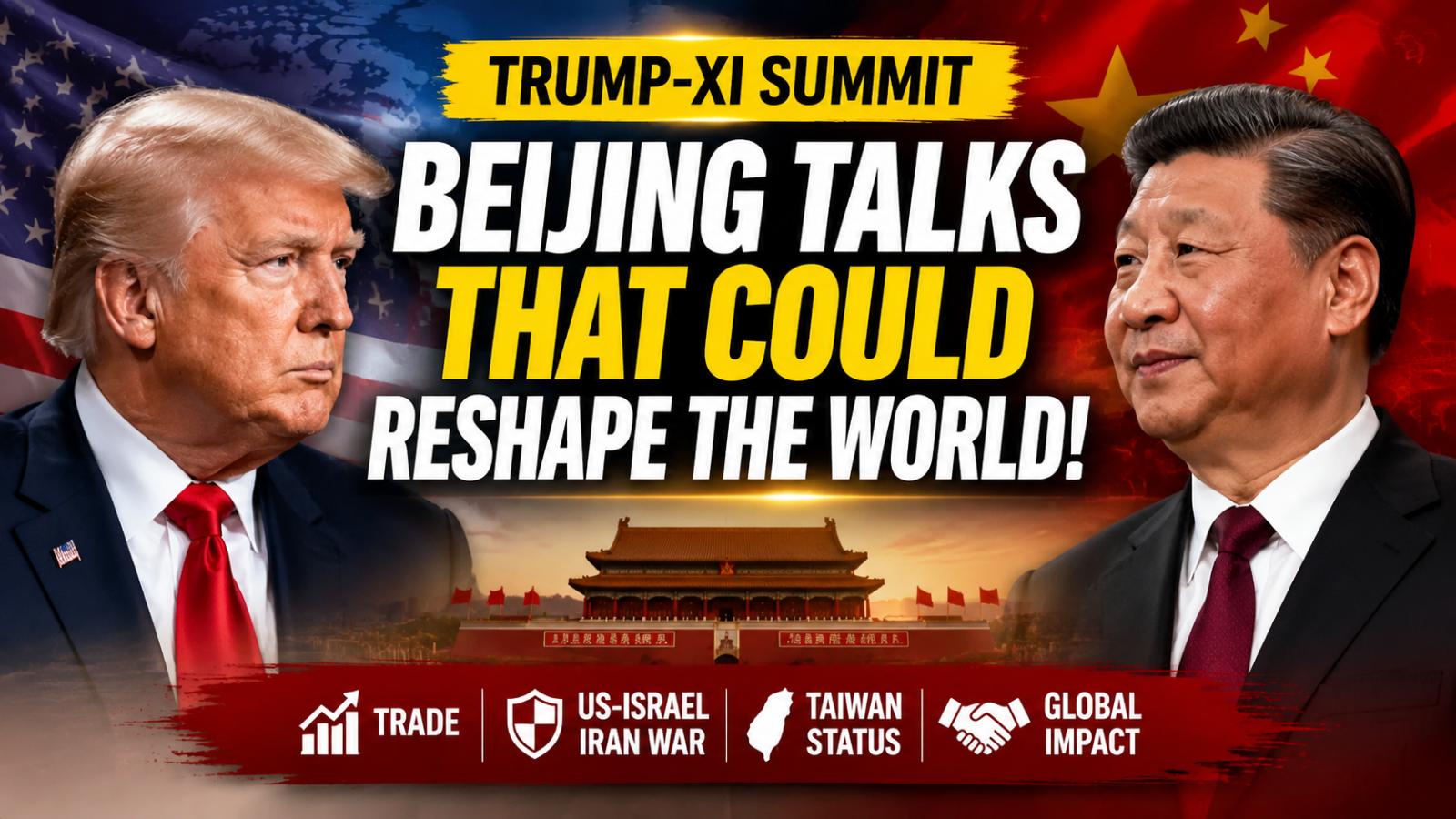
The United States has imposed sweeping new sanctions targeting a China-linked oil trade network tied to Iran, focusing on a major refinery and dozens of shipping entities. Announced on Friday, April 25, 2026, the measures aim to disrupt Tehran’s oil revenue streams by penalizing companies involved in transporting and processing Iranian crude, reinforcing Washington’s broader use of secondary sanctions. Targeting key nodes in Iran’s oil supply chain Among those sanctioned is Hengli Petrochemical’s large refinery in Dalian, China, which has the capacity to process about 400,000 barrels of crude oil per day. The U.S. Treasury Department said the facility has accepted Iranian crude shipments since 2023, generating substantial revenue that allegedly supports Iran’s military. Officials indicated the action is part of a wider strategy to dismantle networks of vessels, intermediaries, and buyers enabling Iranian oil exports. Escalating pressure amid geopolitical tensions The sanctions come just weeks before a planned meeting between U.S. President Donald Trump and Chinese President Xi Jinping in China, adding strain to an already complex economic relationship. Earlier in April 2026, U.S. officials issued warnings to financial institutions in China, Hong Kong, the United Arab Emirates, and Oman about potential penalties for facilitating Iranian transactions. Treasury Secretary Scott Bessent said the administration is prepared to apply stringent secondary sanctions to entities involved in such dealings. Impact on global energy flows and shipping routes These developments coincide with broader disruptions in global energy markets. Earlier in April 2026, the U.S. implemented a physical blockade of the Strait of Hormuz, a critical passage for oil shipments from the Persian Gulf. The move has contributed to rising oil prices and heightened uncertainty across energy markets, though U.S. authorities have issued limited waivers to ease immediate supply concerns. China’s response and global compliance concerns China remains the largest importer of Iranian oil and has consistently opposed U.S. sanctions, arguing they undermine international trade rules. Despite this position, many Chinese firms and banks continue to comply due to their reliance on the U.S.-dominated financial system. Chinese officials have previously criticized such sanctions as disruptive to legitimate economic activity, highlighting ongoing tensions over trade enforcement and global energy flows.
What sanctions did the U.S. impose on China-linked oil trade? The move targets refinery and tankers tied to Iran
The United States has imposed sweeping new sanctions targeting a China-linked oil trade network tied to Iran, focusing on a major refinery and dozens of shipping entities. Announced on Friday, April 25, 2026, the measures aim to disrupt Tehran’s oil revenue streams by penalizing companies involved in transporting and processing Iranian crude, reinforcing Washington’s broader use of secondary sanctions. Targeting key nodes in Iran’s oil supply chain Among those sanctioned is Hengli Petrochemical’s large refinery in Dalian, China, which has the capacity to process about 400,000 barrels of crude oil per day. The U.S. Treasury Department said the facility has accepted Iranian crude shipments since 2023, generating substantial revenue that allegedly supports Iran’s military. Officials indicated the action is part of a wider strategy to dismantle networks of vessels, intermediaries, and buyers enabling Iranian oil exports. Escalating pressure amid geopolitical tensions The sanctions come just weeks before a planned meeting between U.S. President Donald Trump and Chinese President Xi Jinping in China, adding strain to an already complex economic relationship. Earlier in April 2026, U.S. officials issued warnings to financial institutions in China, Hong Kong, the United Arab Emirates, and Oman about potential penalties for facilitating Iranian transactions. Treasury Secretary Scott Bessent said the administration is prepared to apply stringent secondary sanctions to entities involved in such dealings. Impact on global energy flows and shipping routes These developments coincide with broader disruptions in global energy markets. Earlier in April 2026, the U.S. implemented a physical blockade of the Strait of Hormuz, a critical passage for oil shipments from the Persian Gulf. The move has contributed to rising oil prices and heightened uncertainty across energy markets, though U.S. authorities have issued limited waivers to ease immediate supply concerns. China’s response and global compliance concerns China remains the largest importer of Iranian oil and has consistently opposed U.S. sanctions, arguing they undermine international trade rules. Despite this position, many Chinese firms and banks continue to comply due to their reliance on the U.S.-dominated financial system. Chinese officials have previously criticized such sanctions as disruptive to legitimate economic activity, highlighting ongoing tensions over trade enforcement and global energy flows.
Meta to Lay Off Thousands as AI Spending Reaches New Highs
Meta is preparing to reduce its global workforce as part of a broader strategy to increase investment in artificial intelligence. In an internal communication to employees, the company outlined plans to cut approximately 10 percent of its workforce, affecting around 8,000 employees, while also pausing hiring for numerous open positions. The move reflects a shift in priorities as Meta accel
Meta to Lay Off Thousands as AI Spending Reaches New Highs
Meta is preparing to reduce its global workforce as part of a broader strategy to increase investment in artificial intelligence. In an internal communication to employees, the company outlined plans to cut approximately 10 percent of its workforce, affecting around 8,000 employees, while also pausing hiring for numerous open positions. The move reflects a shift in priorities as Meta accel


