Orioles vs Astros Doubleheader Set After Rainout in Baltimore
The Baltimore Orioles and Houston Astros will play a scheduled MLB doubleheader on Thursday at Camden Yards after a rainout forced the postponement of Wednesday’s game. The first matchup begins at 12:35 p.m., followed by the second game shortly after, marking Baltimore’s first doubleheader of the 2026 baseball season and adding pressure on both teams’ rotations and bullpen depth. Key Developments The Orioles Astros doublehe
Orioles vs Astros Doubleheader Set After Rainout in Baltimore
The Baltimore Orioles and Houston Astros will play a scheduled MLB doubleheader on Thursday at Camden Yards after a rainout forced the postponement of Wednesday’s game. The first matchup begins at 12:35 p.m., followed by the second game shortly after, marking Baltimore’s first doubleheader of the 2026 baseball season and adding pressure on both teams’ rotations and bullpen depth. Key Developments The Orioles Astros doublehe
India, Iran discuss ceasefire stability and Strait of Hormuz security
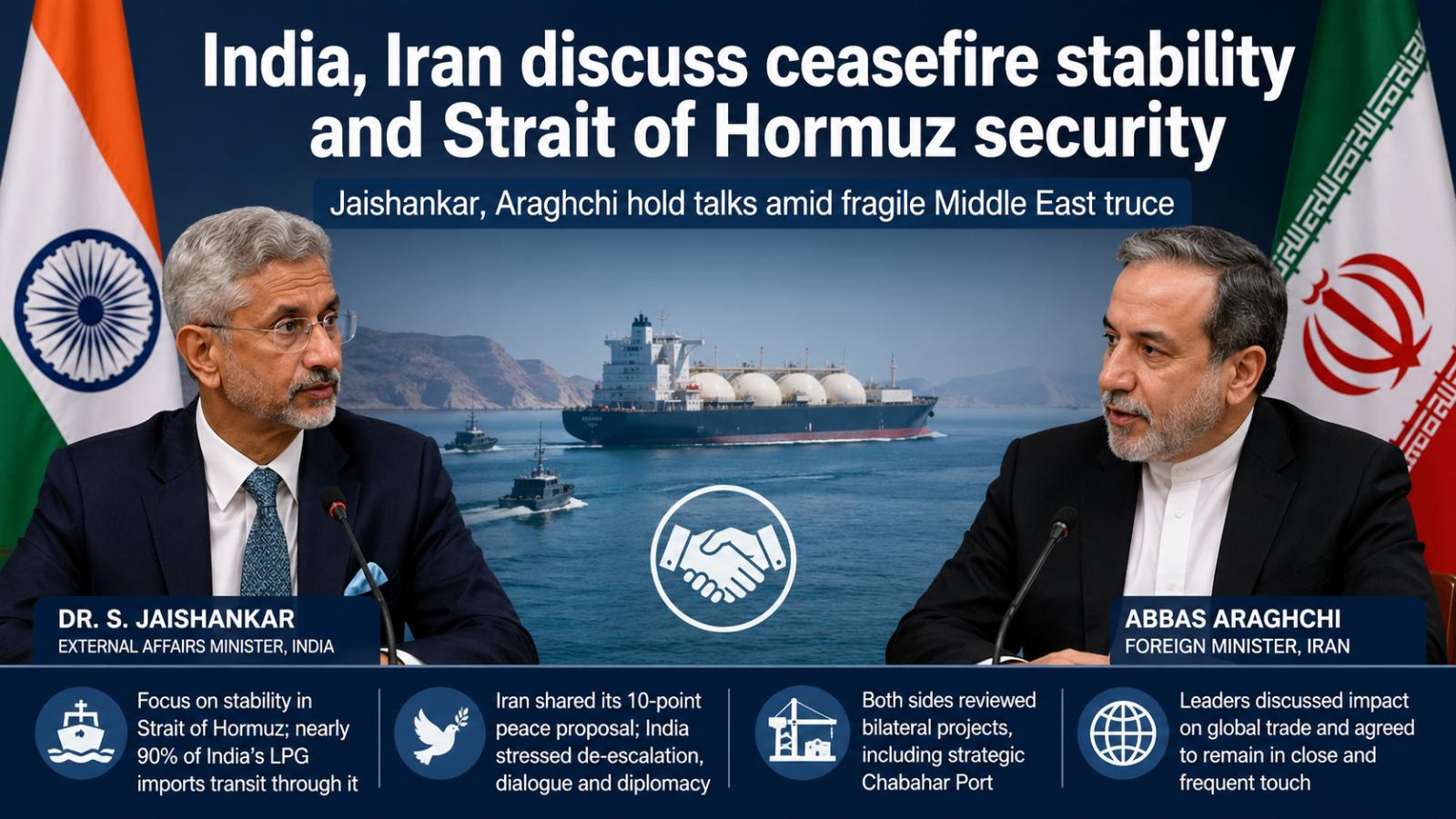
India and Iran held talks on April 29, 2026, on ceasefire stability, Strait of Hormuz security, and trade impact. Both stressed diplomacy and continued coordination as regional tensions remain high despite the fragile truce. India, Iran discuss ceasefire stability and Strait of Hormuz security as External Affairs Minister Dr. S. Jaishankar and Iranian Foreign Minister Abbas Araghchi held talks on Wednesday, April 29, 2026, focusing on the evolving security situation in Tehran and across the region. The discussion comes at a critical moment as the international community monitors a fragile two-week ceasefire involving Iran and a U.S.-Israel coalition, brokered earlier in April. According to an official statement, both leaders exchanged views on recent developments related to the ceasefire while also reviewing bilateral relations and broader regional security concerns. A central issue in the dialogue was the stability of the Strait of Hormuz, a key global shipping route through which nearly 90% of India’s liquefied petroleum gas imports pass, underscoring its economic significance for New Delhi. Officials familiar with the talks indicated that both sides emphasized the need to ensure uninterrupted freedom of navigation in the region. Iran reportedly shared updates on its proposed 10-point peace framework, while India reiterated its longstanding position that de-escalation, sustained dialogue, and diplomatic engagement remain essential to achieving lasting stability in West Asia. Beyond immediate security concerns, the ministers also reviewed ongoing bilateral initiatives, including the development of Chabahar Port. The project remains strategically important for India as it provides access to Central Asian markets, even as regional tensions pose logistical and security challenges. The conversation also addressed the broader impact of the conflict on global trade networks. Jaishankar highlighted concerns over prolonged instability, noting its disruptive effects on supply chains and economic activity. He emphasized that India continues to engage with multiple stakeholders in an effort to prevent escalation and support regional stability. The diplomatic exchange follows a period of heightened pressure from the administration of Donald Trump, which had issued strong warnings to Tehran over maritime disruptions. Although a ceasefire was implemented on Tuesday, April 8, 2026, tensions persist, with continued rhetoric from various factions raising concerns about its durability. As the ceasefire enters a sensitive phase, both ministers agreed to remain in close and frequent contact to monitor developments. For India, maintaining stability in the region is not only a strategic priority but also a critical economic necessity tied to energy security and trade continuity.
India, Iran discuss ceasefire stability and Strait of Hormuz security
India and Iran held talks on April 29, 2026, on ceasefire stability, Strait of Hormuz security, and trade impact. Both stressed diplomacy and continued coordination as regional tensions remain high despite the fragile truce. India, Iran discuss ceasefire stability and Strait of Hormuz security as External Affairs Minister Dr. S. Jaishankar and Iranian Foreign Minister Abbas Araghchi held talks on Wednesday, April 29, 2026, focusing on the evolving security situation in Tehran and across the region. The discussion comes at a critical moment as the international community monitors a fragile two-week ceasefire involving Iran and a U.S.-Israel coalition, brokered earlier in April. According to an official statement, both leaders exchanged views on recent developments related to the ceasefire while also reviewing bilateral relations and broader regional security concerns. A central issue in the dialogue was the stability of the Strait of Hormuz, a key global shipping route through which nearly 90% of India’s liquefied petroleum gas imports pass, underscoring its economic significance for New Delhi. Officials familiar with the talks indicated that both sides emphasized the need to ensure uninterrupted freedom of navigation in the region. Iran reportedly shared updates on its proposed 10-point peace framework, while India reiterated its longstanding position that de-escalation, sustained dialogue, and diplomatic engagement remain essential to achieving lasting stability in West Asia. Beyond immediate security concerns, the ministers also reviewed ongoing bilateral initiatives, including the development of Chabahar Port. The project remains strategically important for India as it provides access to Central Asian markets, even as regional tensions pose logistical and security challenges. The conversation also addressed the broader impact of the conflict on global trade networks. Jaishankar highlighted concerns over prolonged instability, noting its disruptive effects on supply chains and economic activity. He emphasized that India continues to engage with multiple stakeholders in an effort to prevent escalation and support regional stability. The diplomatic exchange follows a period of heightened pressure from the administration of Donald Trump, which had issued strong warnings to Tehran over maritime disruptions. Although a ceasefire was implemented on Tuesday, April 8, 2026, tensions persist, with continued rhetoric from various factions raising concerns about its durability. As the ceasefire enters a sensitive phase, both ministers agreed to remain in close and frequent contact to monitor developments. For India, maintaining stability in the region is not only a strategic priority but also a critical economic necessity tied to energy security and trade continuity.
Julie Davis Announces Exit as US Faces Challenges in Ukraine Peace Efforts
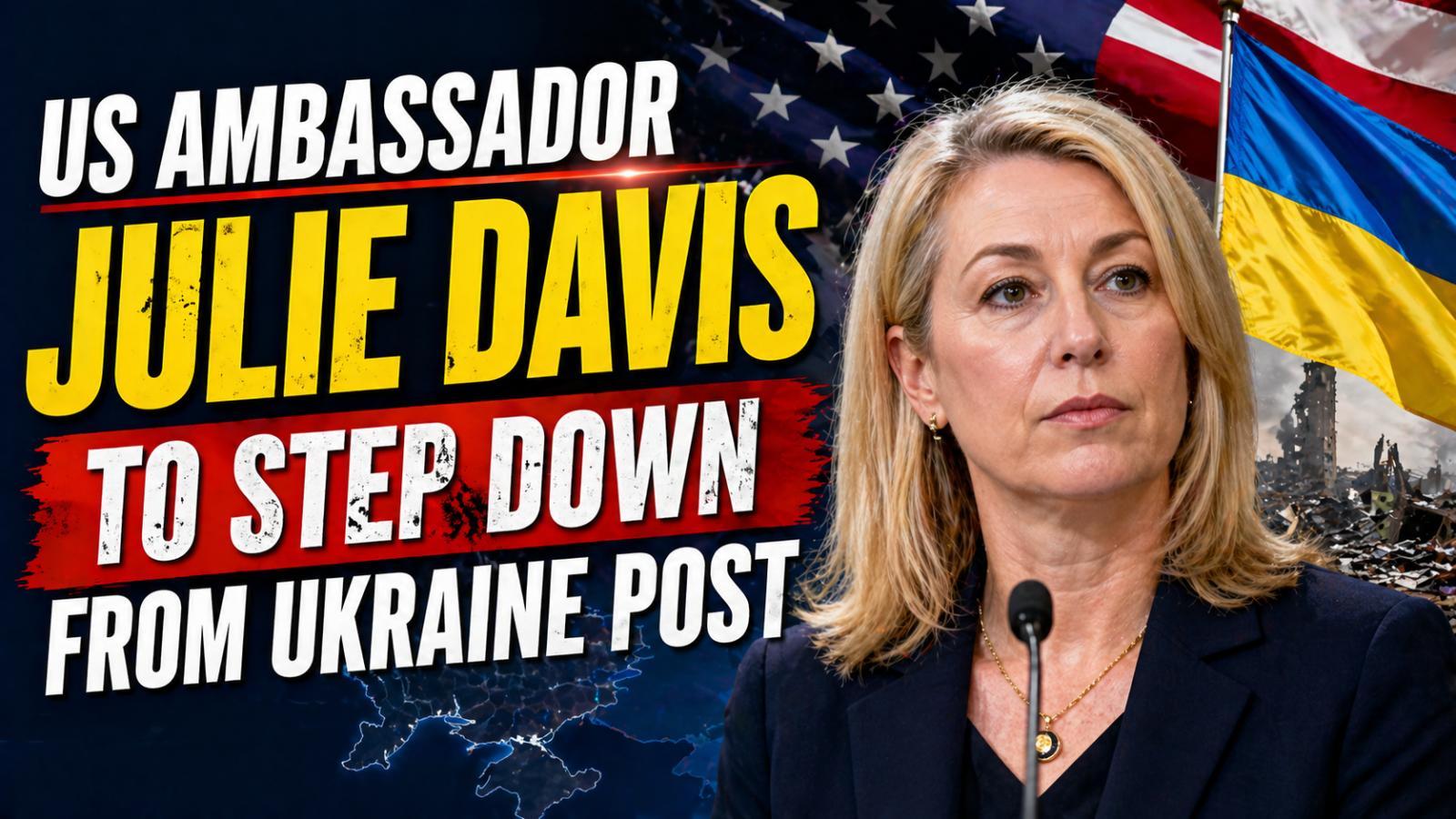
The United States Department of State confirmed on April 28 that Julie Davis will step down from her role as acting ambassador to Ukraine after serving less than a year in the position. The announcement comes at a time when diplomatic efforts by the United States to facilitate a peace agreement between Ukraine and Russia have yet to produce a breakthrough. Davis, who also serves as ambassador to Cyprus, had been handling dual responsibilities since her appointment by Donald Trump in May of the previous year. She assumed the Kyiv role following the departure of Bridget Brink, who had been appointed earlier and later stepped down. The State Department stated that Davis cited retirement as the reason for her decision. Her tenure coincided with increased diplomatic pressure from Washington on Kyiv to consider terms that could advance negotiations with Moscow. Trump has publicly emphasized the need for a resolution, including the possibility of territorial concessions by Ukraine, as part of a broader effort to secure a ceasefire. However, these initiatives have not resulted in a formal agreement, and fighting has continued without a comprehensive settlement. Reports suggesting internal disagreements regarding US policy toward Ukraine were rejected by officials, who maintained that no such disputes influenced Davis’s decision. Brink, Davis’s predecessor, had previously expressed concern over what she described as an approach that placed disproportionate pressure on Ukraine during negotiations. Davis’s departure highlights the ongoing complexity of US diplomatic engagement in the region. With peace talks stalled and geopolitical tensions unresolved, the transition comes at a critical moment for American foreign policy and its role in shaping outcomes in Eastern Europe.
Julie Davis Announces Exit as US Faces Challenges in Ukraine Peace Efforts
The United States Department of State confirmed on April 28 that Julie Davis will step down from her role as acting ambassador to Ukraine after serving less than a year in the position. The announcement comes at a time when diplomatic efforts by the United States to facilitate a peace agreement between Ukraine and Russia have yet to produce a breakthrough. Davis, who also serves as ambassador to Cyprus, had been handling dual responsibilities since her appointment by Donald Trump in May of the previous year. She assumed the Kyiv role following the departure of Bridget Brink, who had been appointed earlier and later stepped down. The State Department stated that Davis cited retirement as the reason for her decision. Her tenure coincided with increased diplomatic pressure from Washington on Kyiv to consider terms that could advance negotiations with Moscow. Trump has publicly emphasized the need for a resolution, including the possibility of territorial concessions by Ukraine, as part of a broader effort to secure a ceasefire. However, these initiatives have not resulted in a formal agreement, and fighting has continued without a comprehensive settlement. Reports suggesting internal disagreements regarding US policy toward Ukraine were rejected by officials, who maintained that no such disputes influenced Davis’s decision. Brink, Davis’s predecessor, had previously expressed concern over what she described as an approach that placed disproportionate pressure on Ukraine during negotiations. Davis’s departure highlights the ongoing complexity of US diplomatic engagement in the region. With peace talks stalled and geopolitical tensions unresolved, the transition comes at a critical moment for American foreign policy and its role in shaping outcomes in Eastern Europe.
How are Russia and Iran responding to regional tensions? Leaders reaffirm alliance
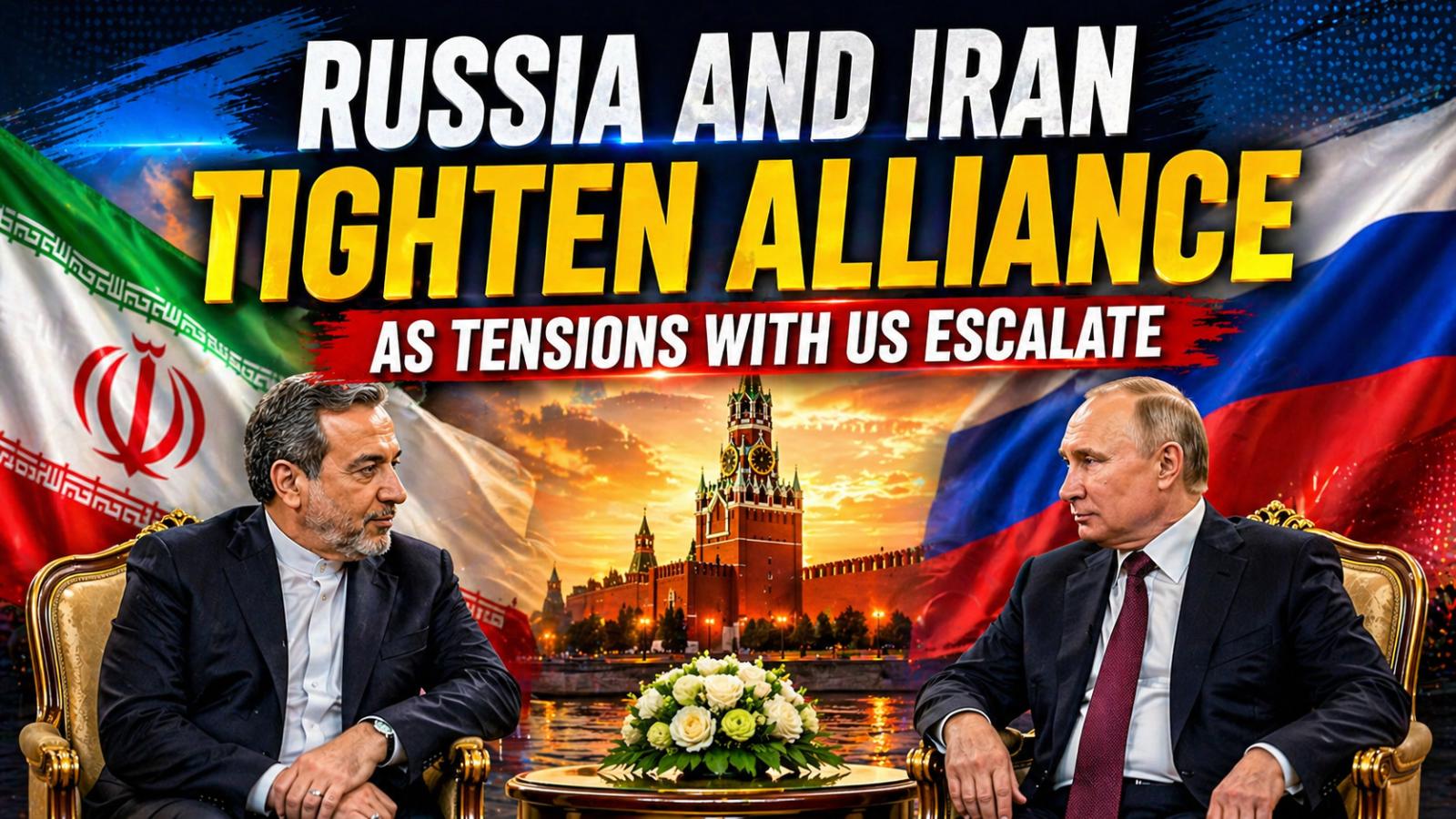
Vladimir Putin met Abbas Araghchi in Moscow on Monday, reaffirming Russia’s commitment to maintaining strong strategic relations with Iran amid escalating tensions in West Asia. During the meeting, Putin emphasized that Russia would continue to act in ways that serve the interests of Iran and the broader
How are Russia and Iran responding to regional tensions? Leaders reaffirm alliance
Vladimir Putin met Abbas Araghchi in Moscow on Monday, reaffirming Russia’s commitment to maintaining strong strategic relations with Iran amid escalating tensions in West Asia. During the meeting, Putin emphasized that Russia would continue to act in ways that serve the interests of Iran and the broader
Iran Proposes Strait of Hormuz Deal While Delaying Nuclear Talks
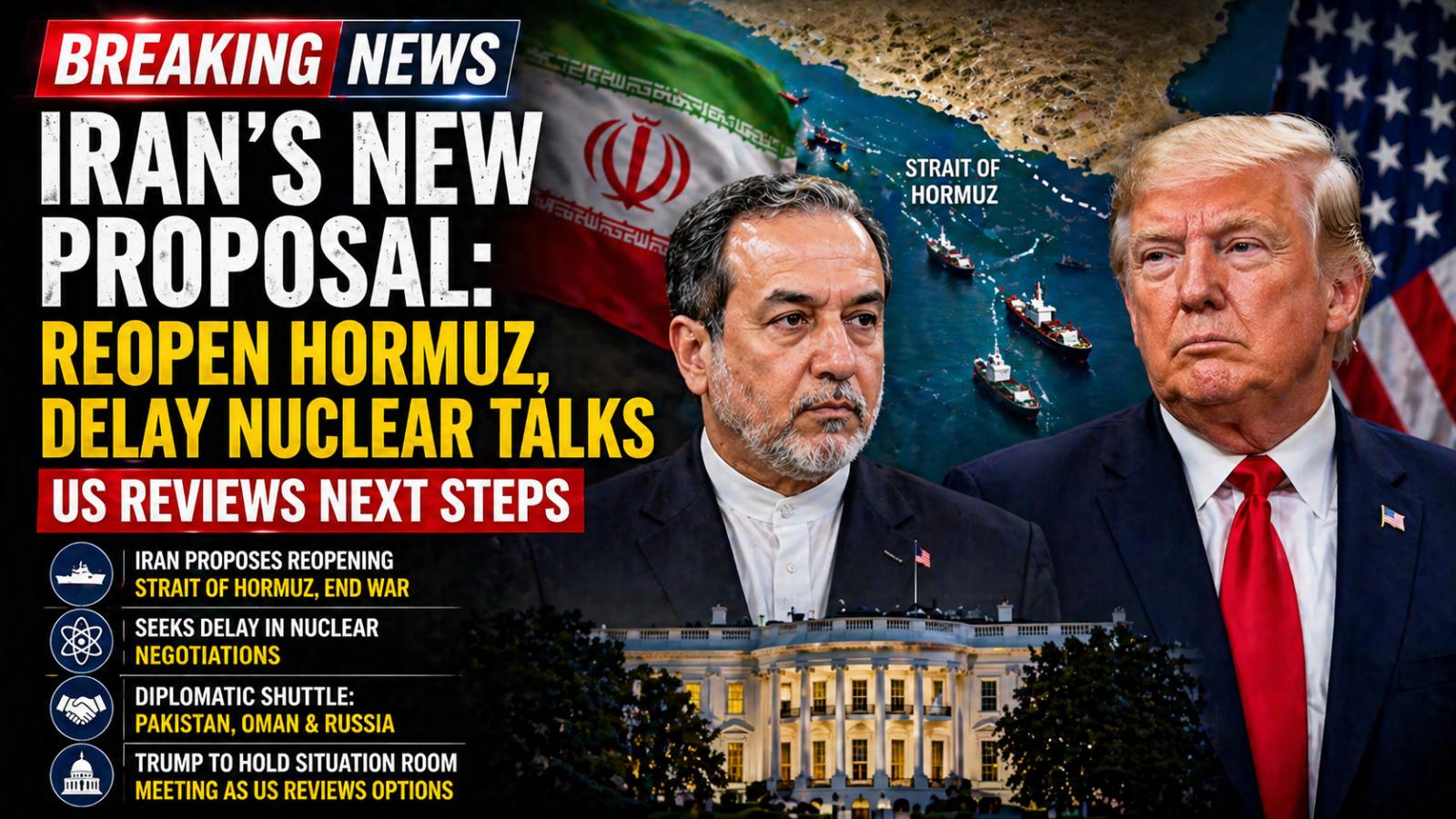
Iran has reportedly put forward a new proposal aimed at reopening the Strait of Hormuz and easing ongoing tensions, while suggesting that nuclear negotiations be postponed. The development comes as US officials review the offer, with President Donald Trump expected to meet with senior national security advisers to assess the situation and determine next steps. According to sources familiar with the discussions, the proposal was conveyed through intermediaries and focuses on de-escalation measures tied to maritime security and regional stability. However, Iranian officials have indicated that broader nuclear negotiations should be deferred until key issues, including economic restrictions and security concerns, are addressed. There has been no official confirmation from either side regarding the specifics of the proposal. The latest diplomatic activity follows a series of engagements by Abbas Araghchi, who recently traveled between Pakistan and Oman in an effort to facilitate dialogue. Iranian authorities emphasized that no direct meetings with US representatives were scheduled during his visit to Islamabad. Earlier, planned discussions involving US envoys were canceled, adding to the uncertainty surrounding the negotiation process. Tensions have been further complicated by differing expectations between Washington and Tehran. US officials have reiterated that any agreement must include strict limitations on Iran’s nuclear capabilities, including restrictions on enrichment activities. Iranian leaders, meanwhile, have maintained that negotiations cannot proceed under pressure, citing concerns over ongoing restrictions and security measures affecting the country. The situation remains fluid as diplomatic channels continue to operate through regional mediators. Iran’s leadership has also engaged with international partners, including Russia, as part of broader efforts to manage the crisis. While the proposal to reopen the Strait of Hormuz signals a potential pathway toward de-escalation, the delay in nuclear talks underscores the challenges that remain in reaching a comprehensive agreement.

Iran Proposes Strait of Hormuz Deal While Delaying Nuclear Talks
Iran has reportedly put forward a new proposal aimed at reopening the Strait of Hormuz and easing ongoing tensions, while suggesting that nuclear negotiations be postponed. The development comes as US officials review the offer, with President Donald Trump expected to meet with senior national security advisers to assess the situation and determine next steps. According to sources familiar with the discussions, the proposal was conveyed through intermediaries and focuses on de-escalation measures tied to maritime security and regional stability. However, Iranian officials have indicated that broader nuclear negotiations should be deferred until key issues, including economic restrictions and security concerns, are addressed. There has been no official confirmation from either side regarding the specifics of the proposal. The latest diplomatic activity follows a series of engagements by Abbas Araghchi, who recently traveled between Pakistan and Oman in an effort to facilitate dialogue. Iranian authorities emphasized that no direct meetings with US representatives were scheduled during his visit to Islamabad. Earlier, planned discussions involving US envoys were canceled, adding to the uncertainty surrounding the negotiation process. Tensions have been further complicated by differing expectations between Washington and Tehran. US officials have reiterated that any agreement must include strict limitations on Iran’s nuclear capabilities, including restrictions on enrichment activities. Iranian leaders, meanwhile, have maintained that negotiations cannot proceed under pressure, citing concerns over ongoing restrictions and security measures affecting the country. The situation remains fluid as diplomatic channels continue to operate through regional mediators. Iran’s leadership has also engaged with international partners, including Russia, as part of broader efforts to manage the crisis. While the proposal to reopen the Strait of Hormuz signals a potential pathway toward de-escalation, the delay in nuclear talks underscores the challenges that remain in reaching a comprehensive agreement.



Tehran Raises Doubts Over Pakistan Role in US-Iran Negotiations
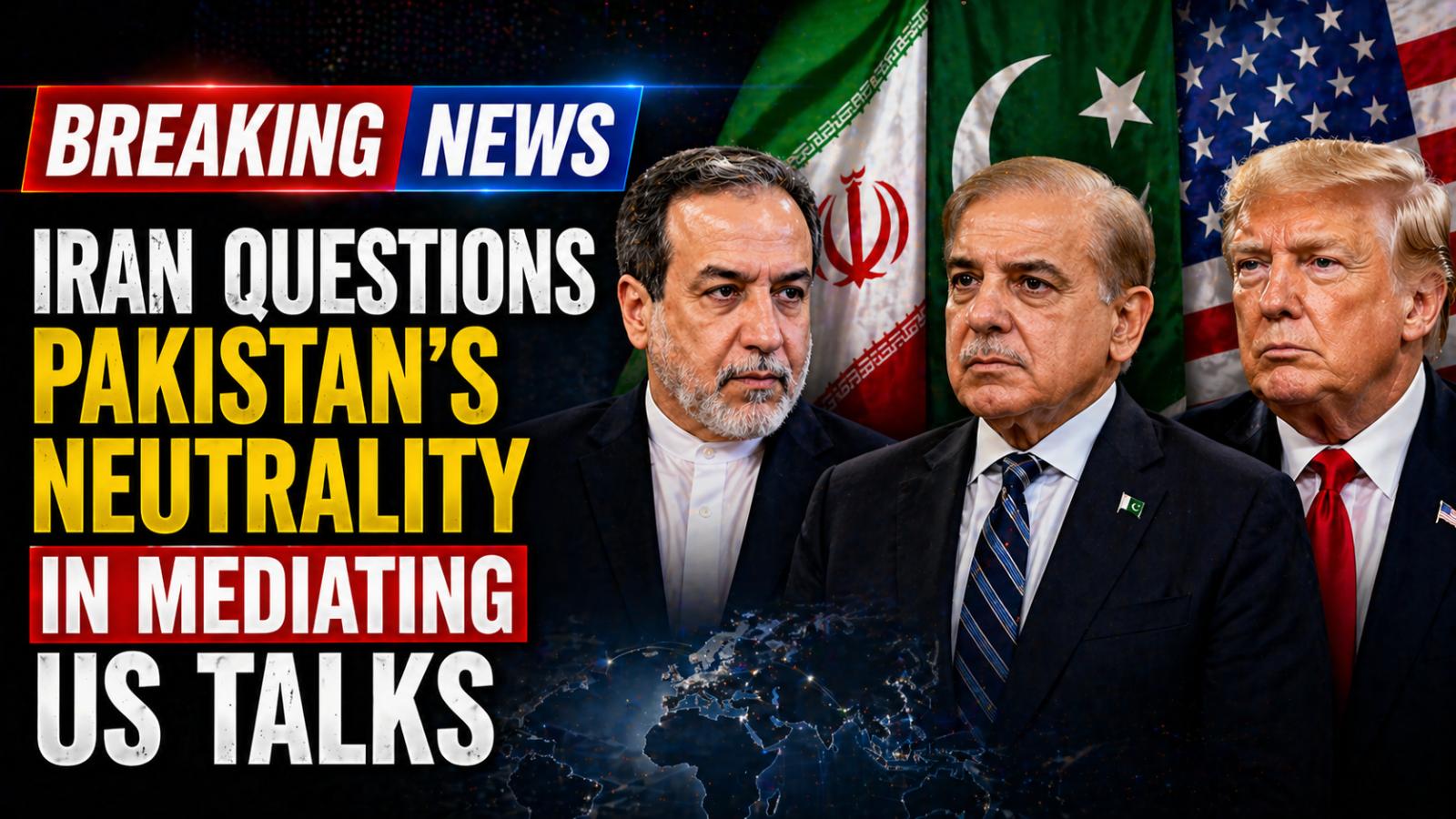
Iran has raised concerns about Pakistan’s role as a mediator in ongoing diplomatic efforts with the United States, with officials questioning Islamabad’s neutrality. Ebrahim Rezaei, spokesperson for Iran’s National Security and Foreign Policy Commission, said Pakistan lacks the credibility required to act as an impartial intermediary in sensitive negotiations. Rezaei argued that Paki
Tehran Raises Doubts Over Pakistan Role in US-Iran Negotiations
Iran has raised concerns about Pakistan’s role as a mediator in ongoing diplomatic efforts with the United States, with officials questioning Islamabad’s neutrality. Ebrahim Rezaei, spokesperson for Iran’s National Security and Foreign Policy Commission, said Pakistan lacks the credibility required to act as an impartial intermediary in sensitive negotiations. Rezaei argued that Paki
What happened at the London Marathon? Sabastian Sawe breaks two-hour barrier with historic win
What happened at the London Marathon? Sabastian Sawe breaks two-hour barrier with historic win marked a defining moment in endurance running as the Kenyan athlete became the first person to complete a competitive marathon in under two hours. The milestone was achieved during the London Marathon on Sunday, April 26, 2026, under ideal weather conditions, reshaping the limits of human performance in athletics. Historic performance redefines marathon limits Sawe crossed the finish line near Buckingham Palace in 1:59:30, finishing just 11 seconds ahead of Ethiopia’s Yomif Kejelcha, who was competing in his first marathon. Uganda’s Jacob Kiplimo secured third place, with all three runners surpassing the previous world record of 2:00:35 set by Kelvin Kiptum in 2023. The achievement stands apart from Eliud Kipchoge’s 2019 sub-two-hour run, which took place under controlled, non-competitive conditions. Sawe’s record is the first to occur in an official race setting, making it a landmark in marathon history. Women’s race also sees record-breaking performance In the women’s competition, Ethiopia’s Tigst Assefa set a new world record with a time of 2:15:41, surpassing her own previous mark established at the same event. Her performance further highlighted the accelerating pace of elite marathon competition. Role of advanced running technology Recent advances in running shoe technology have played a significant role in these performances. Both Sawe and Assefa wore Adidas Adizero Pro Evo 3, part of the “supershoe” category that has transformed long-distance racing since the debut of Nike Vaporfly in 2017. These ultralight shoes, weighing approximately 97 grams, are designed for maximum efficiency and are typically used only once in elite competition. Growing global interest in marathon running The 2026 London Marathon saw more than 59,000 participants, setting a new participation record and reflecting a continued surge in global interest in endurance sports. Organizers reported over 1.1 million applicants, signaling unprecedented demand. Discussions are underway to expand the event into a two-day format, potentially allowing more than 100,000 runners to take part in future editions.
What happened at the London Marathon? Sabastian Sawe breaks two-hour barrier with historic win
What happened at the London Marathon? Sabastian Sawe breaks two-hour barrier with historic win marked a defining moment in endurance running as the Kenyan athlete became the first person to complete a competitive marathon in under two hours. The milestone was achieved during the London Marathon on Sunday, April 26, 2026, under ideal weather conditions, reshaping the limits of human performance in athletics. Historic performance redefines marathon limits Sawe crossed the finish line near Buckingham Palace in 1:59:30, finishing just 11 seconds ahead of Ethiopia’s Yomif Kejelcha, who was competing in his first marathon. Uganda’s Jacob Kiplimo secured third place, with all three runners surpassing the previous world record of 2:00:35 set by Kelvin Kiptum in 2023. The achievement stands apart from Eliud Kipchoge’s 2019 sub-two-hour run, which took place under controlled, non-competitive conditions. Sawe’s record is the first to occur in an official race setting, making it a landmark in marathon history. Women’s race also sees record-breaking performance In the women’s competition, Ethiopia’s Tigst Assefa set a new world record with a time of 2:15:41, surpassing her own previous mark established at the same event. Her performance further highlighted the accelerating pace of elite marathon competition. Role of advanced running technology Recent advances in running shoe technology have played a significant role in these performances. Both Sawe and Assefa wore Adidas Adizero Pro Evo 3, part of the “supershoe” category that has transformed long-distance racing since the debut of Nike Vaporfly in 2017. These ultralight shoes, weighing approximately 97 grams, are designed for maximum efficiency and are typically used only once in elite competition. Growing global interest in marathon running The 2026 London Marathon saw more than 59,000 participants, setting a new participation record and reflecting a continued surge in global interest in endurance sports. Organizers reported over 1.1 million applicants, signaling unprecedented demand. Discussions are underway to expand the event into a two-day format, potentially allowing more than 100,000 runners to take part in future editions.
US maintains Hormuz blockade as Iran warns of military response
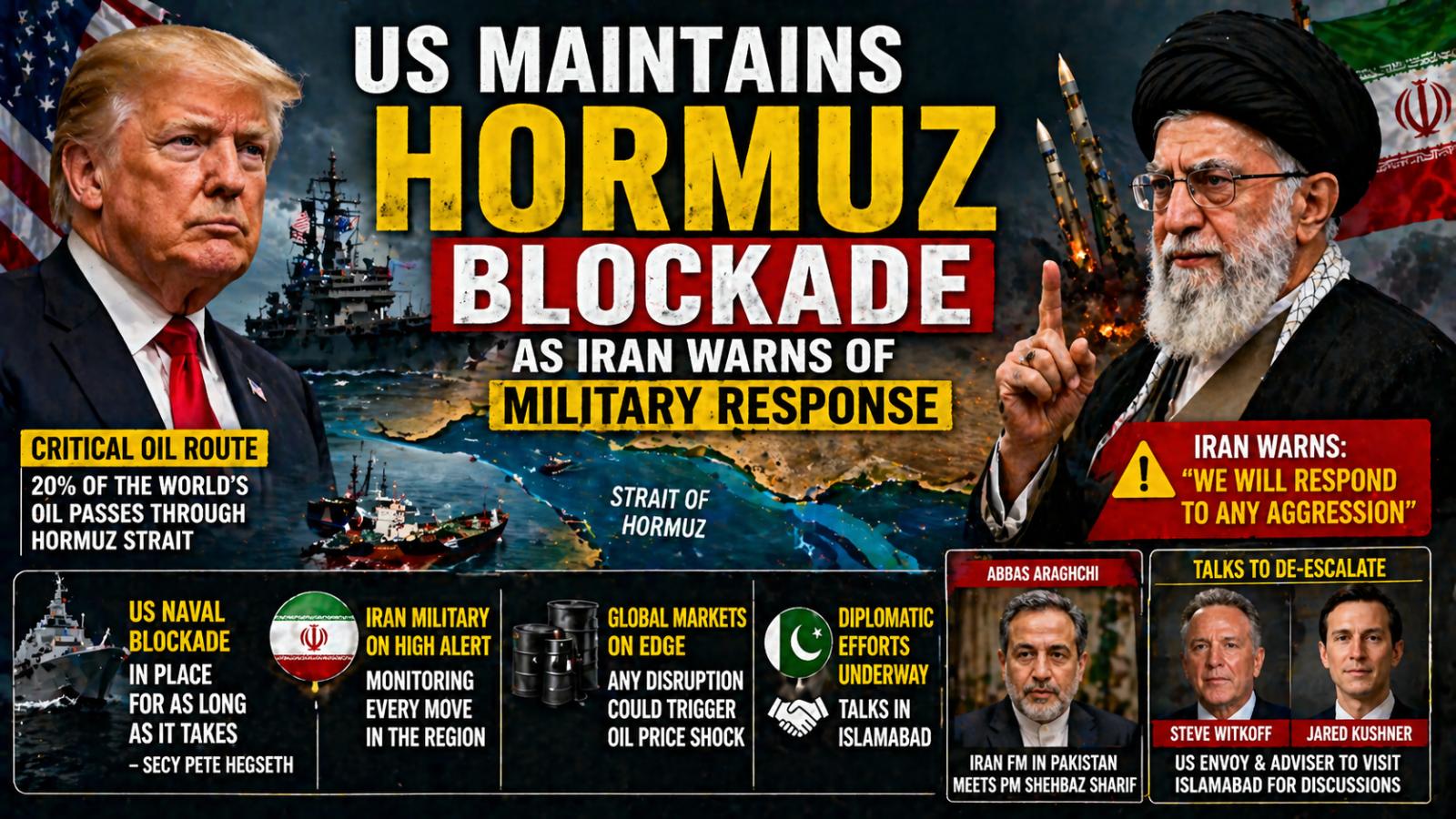
US maintains Hormuz blockade as Iran warns of retaliation, escalating tensions over a key global oil route while both sides pursue parallel diplomatic talks in Pakistan. US maintains Hormuz blockade as Iran warns of military response as tensions escalated on Saturday, April 25, 2026, when Iranian officials warned they would respond if U.S. naval actions targeting Iranian ports continue. The statement, issued through state-run media, described the U.S. presence in t
US maintains Hormuz blockade as Iran warns of military response
US maintains Hormuz blockade as Iran warns of retaliation, escalating tensions over a key global oil route while both sides pursue parallel diplomatic talks in Pakistan. US maintains Hormuz blockade as Iran warns of military response as tensions escalated on Saturday, April 25, 2026, when Iranian officials warned they would respond if U.S. naval actions targeting Iranian ports continue. The statement, issued through state-run media, described the U.S. presence in t
Khumbu icefall threat disrupts Everest climbing season
A massive ice block on the Mount Everest route has disrupted climbing operations, forcing around 410 climbers and Sherpas to delay their movements between camps. The obstruction, identified as a dangerous serac in the Khumbu Icefall, has raised serious safety concerns and halted acclimatisation rotations during a crucial phase of the Everest climbing season. The ice block was first identified on April 10 by experienced Sherpas, who warned that the structure is highly unstable and could collapse without warning. Positioned along the southern route in Nepal, the serac hangs directly above a narrow passage between Everest Base Camp and Camp One, an area already known for its unpredictable and hazardous conditions. The formation of this ice block is linked to the natural movement of the Khumbu Glacier. As the glacier slowly descends down the mountain, the rigid ice fractures and forms towering blocks. In this case, a giant section about 30 metres tall remains suspended over the climbing route. As the glacier continues to shift, the risk of further instability increases significantly, making the route unsafe for climbers. The location of the serac adds to the danger. Situated at an altitude of approximately 5,300 to 5,500 metres, the Khumbu Icefall is often described as one of the most dangerous parts of the Everest climb. A sudden collapse could trigger a deadly avalanche, sending massive volumes of ice down the slope and putting lives at immediate risk. This delay is critical because the Everest climbing season runs from April to May, offering only a short window of favorable weather. With expeditions already behind schedule, climbers now face the possibility of overcrowding, delays, or even cancellation if conditions do not improve. The disruption also impacts Nepal’s economy, where mountaineering remains a major source of income. Expedition leaders have expressed concern about the growing uncertainty. With teams waiting at base camp, the situation has created a serious bottleneck in climbing operations. Until the route is declared safe, climbers have little choice but to remain on standby, highlighting the unpredictable risks of glacier movement and high-altitude climbing.
Khumbu icefall threat disrupts Everest climbing season
A massive ice block on the Mount Everest route has disrupted climbing operations, forcing around 410 climbers and Sherpas to delay their movements between camps. The obstruction, identified as a dangerous serac in the Khumbu Icefall, has raised serious safety concerns and halted acclimatisation rotations during a crucial phase of the Everest climbing season. The ice block was first identified on April 10 by experienced Sherpas, who warned that the structure is highly unstable and could collapse without warning. Positioned along the southern route in Nepal, the serac hangs directly above a narrow passage between Everest Base Camp and Camp One, an area already known for its unpredictable and hazardous conditions. The formation of this ice block is linked to the natural movement of the Khumbu Glacier. As the glacier slowly descends down the mountain, the rigid ice fractures and forms towering blocks. In this case, a giant section about 30 metres tall remains suspended over the climbing route. As the glacier continues to shift, the risk of further instability increases significantly, making the route unsafe for climbers. The location of the serac adds to the danger. Situated at an altitude of approximately 5,300 to 5,500 metres, the Khumbu Icefall is often described as one of the most dangerous parts of the Everest climb. A sudden collapse could trigger a deadly avalanche, sending massive volumes of ice down the slope and putting lives at immediate risk. This delay is critical because the Everest climbing season runs from April to May, offering only a short window of favorable weather. With expeditions already behind schedule, climbers now face the possibility of overcrowding, delays, or even cancellation if conditions do not improve. The disruption also impacts Nepal’s economy, where mountaineering remains a major source of income. Expedition leaders have expressed concern about the growing uncertainty. With teams waiting at base camp, the situation has created a serious bottleneck in climbing operations. Until the route is declared safe, climbers have little choice but to remain on standby, highlighting the unpredictable risks of glacier movement and high-altitude climbing.
West Asia tensions rise as US envoys head to Pakistan for Iran talks
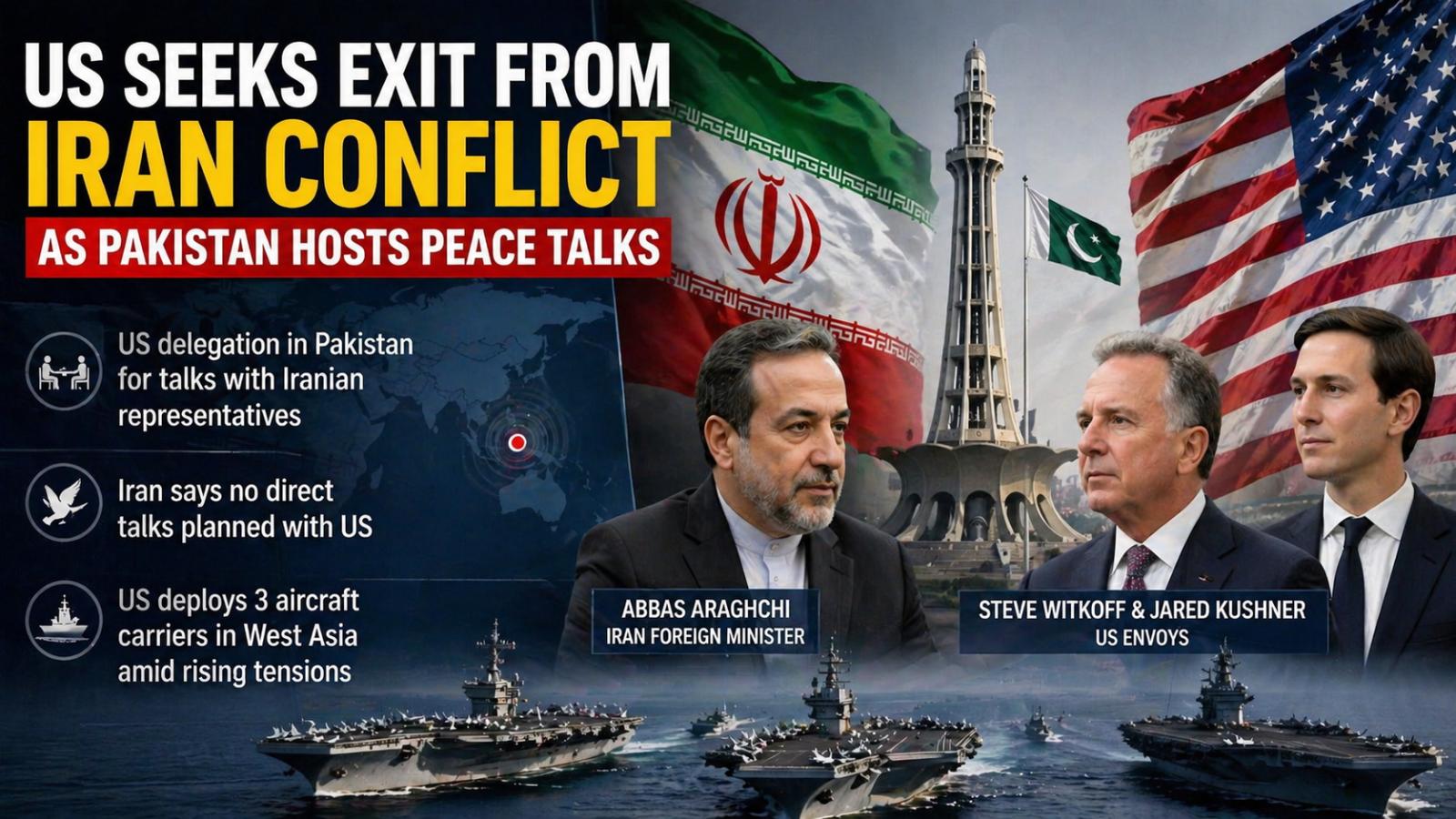
The US Iran conflict has entered a critical phase as Iran’s Defence Ministry claimed that the United States is seeking a “face-saving” way to exit the war, even as Washington sends a delegation to Pakistan for peace talks. The statement highlights growing diplomatic activity alongside rising military tensions in West Asia, with Pakistan emerging as a key mediator in the crisis. According to Iranian media reports, a defence ministry spokesperson said that Iran’s military strength has become dominant in the region, forcing the United States to look for a way out of what it described as a prolonged and difficult conflict. The remarks come at a time when US envoys Steve Witkoff and Jared Kushner are heading to Pakistan for discussions that the White House said would include talks with Iranian representatives. However, Iran has publicly denied plans for direct negotiations with the United States. Iranian Foreign Minister Abbas Araghchi arrived in Islamabad for an official visit and is scheduled to meet senior Pakistani officials. Iranian Foreign Ministry spokesperson Esmaeil Baqaei clarified that the visit is focused on consultations with Pakistan as part of its mediation efforts and not on direct dialogue with the US. He added that Iran’s position would be communicated through Pakistani channels. The diplomatic developments unfold against a backdrop of intensifying West Asia tensions, particularly around the Strait of Hormuz, a vital global oil route. The United States has significantly increased its military presence in the region, deploying three aircraft carrier strike groups, marking the largest such deployment since the Iraq war in 2003. According to US Central Command, the deployment includes more than 200 aircraft and around 15,000 personnel. As both diplomatic and military activities escalate, uncertainty remains over whether meaningful progress toward de-escalation can be achieved. While Pakistan continues its mediation role, the absence of direct Iran-US talks suggests that a resolution may still be distant, keeping the region on edge.
West Asia tensions rise as US envoys head to Pakistan for Iran talks
The US Iran conflict has entered a critical phase as Iran’s Defence Ministry claimed that the United States is seeking a “face-saving” way to exit the war, even as Washington sends a delegation to Pakistan for peace talks. The statement highlights growing diplomatic activity alongside rising military tensions in West Asia, with Pakistan emerging as a key mediator in the crisis. According to Iranian media reports, a defence ministry spokesperson said that Iran’s military strength has become dominant in the region, forcing the United States to look for a way out of what it described as a prolonged and difficult conflict. The remarks come at a time when US envoys Steve Witkoff and Jared Kushner are heading to Pakistan for discussions that the White House said would include talks with Iranian representatives. However, Iran has publicly denied plans for direct negotiations with the United States. Iranian Foreign Minister Abbas Araghchi arrived in Islamabad for an official visit and is scheduled to meet senior Pakistani officials. Iranian Foreign Ministry spokesperson Esmaeil Baqaei clarified that the visit is focused on consultations with Pakistan as part of its mediation efforts and not on direct dialogue with the US. He added that Iran’s position would be communicated through Pakistani channels. The diplomatic developments unfold against a backdrop of intensifying West Asia tensions, particularly around the Strait of Hormuz, a vital global oil route. The United States has significantly increased its military presence in the region, deploying three aircraft carrier strike groups, marking the largest such deployment since the Iraq war in 2003. According to US Central Command, the deployment includes more than 200 aircraft and around 15,000 personnel. As both diplomatic and military activities escalate, uncertainty remains over whether meaningful progress toward de-escalation can be achieved. While Pakistan continues its mediation role, the absence of direct Iran-US talks suggests that a resolution may still be distant, keeping the region on edge.
Billy Donovan steps down as Chicago Bulls coach: What it means for the team’s future
The Billy Donovan Chicago Bulls coach exit marks a significant moment for the franchise as the veteran coach steps down after six seasons. The decision comes during a major transition phase for the Bulls, raising questions about the team’s future direction. What happened and why it matters On April 22, 2026, the Chicago Bulls confirmed that Billy Donova
Billy Donovan steps down as Chicago Bulls coach: What it means for the team’s future
The Billy Donovan Chicago Bulls coach exit marks a significant moment for the franchise as the veteran coach steps down after six seasons. The decision comes during a major transition phase for the Bulls, raising questions about the team’s future direction. What happened and why it matters On April 22, 2026, the Chicago Bulls confirmed that Billy Donova
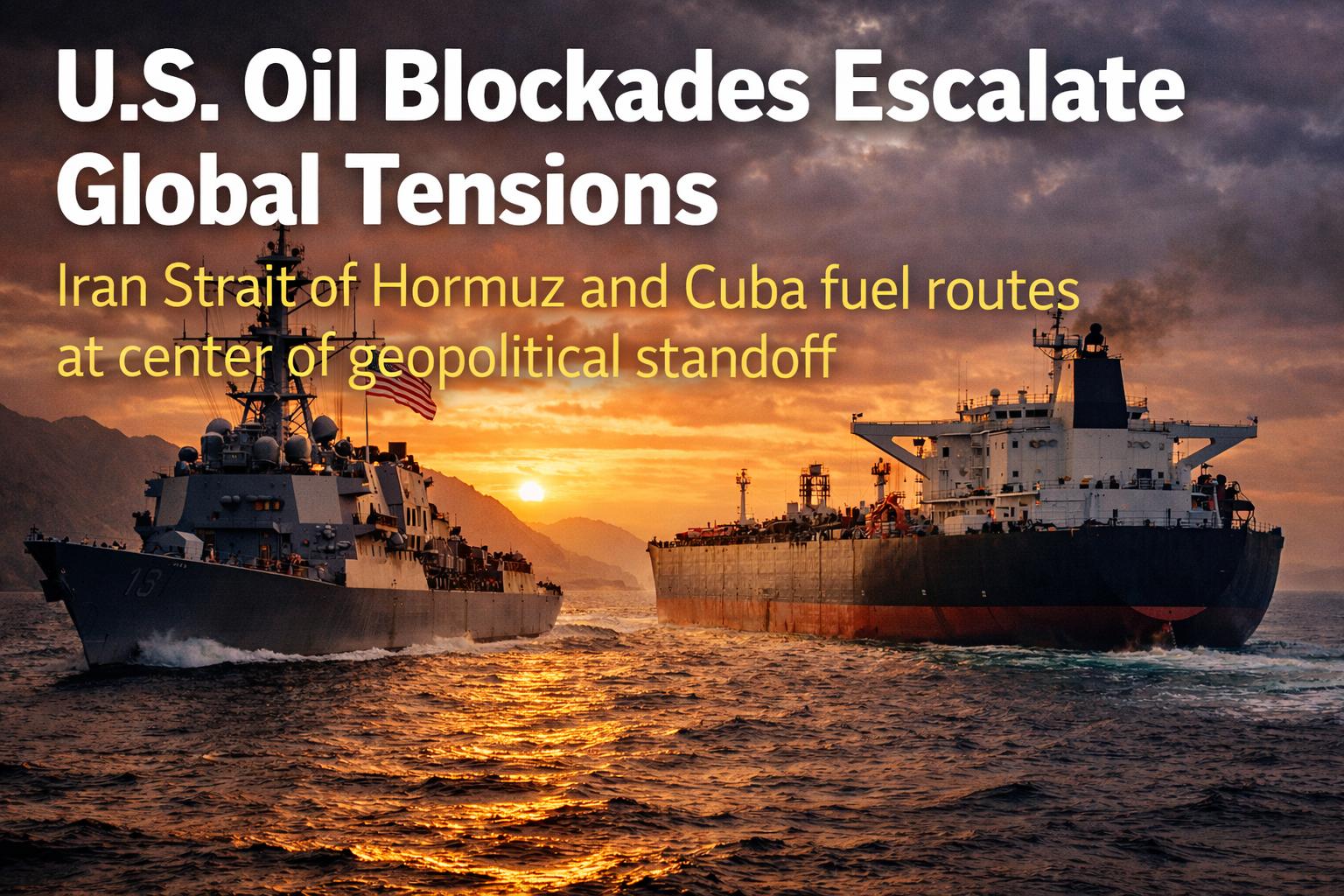
How are U.S. oil blockades impacting global tensions? They raise risks with China and Russia
The United States has intensified its use of energy shipments as a foreign policy tool, launching parallel efforts aimed at Iran in the Middle East and Cuba in the Caribbean. Under President Donald Trump, a naval blockade targeting Iranian vessels in and around the Strait of Hormuz began on Monday, marking a significant escalation despite a ceasefire agreement reached on April 7 between regional actors. At the same time, Washington has imposed a de facto fuel blockade on Cuba, warn
How are U.S. oil blockades impacting global tensions? They raise risks with China and Russia
The United States has intensified its use of energy shipments as a foreign policy tool, launching parallel efforts aimed at Iran in the Middle East and Cuba in the Caribbean. Under President Donald Trump, a naval blockade targeting Iranian vessels in and around the Strait of Hormuz began on Monday, marking a significant escalation despite a ceasefire agreement reached on April 7 between regional actors. At the same time, Washington has imposed a de facto fuel blockade on Cuba, warn
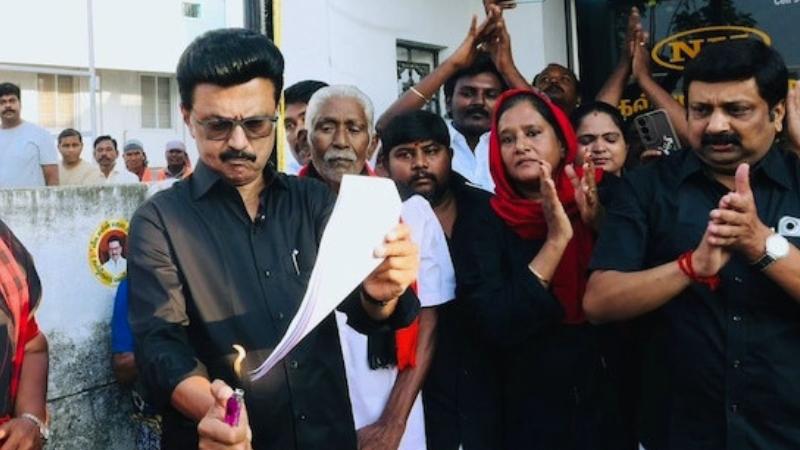
MK Stalin Burns Delimitation Bill, Launches Statewide Protest Against Centre’s Proposal
MK Stalin, the Chief Minister of Tamil Nadu, has intensified his protests against the Centre’s proposed delimitation move, burning a copy of the bill and hoisting a black flag. This move is part of a broader statewide agitation initiated by Stalin, who has termed the proposed delimitation as a direct attack on Tamil rights and federalism. In a symbolic gesture of defiance, Stalin called the bill a "black law" and urged widespread resistance across Tamil Nadu. The protest was spark
MK Stalin Burns Delimitation Bill, Launches Statewide Protest Against Centre’s Proposal
MK Stalin, the Chief Minister of Tamil Nadu, has intensified his protests against the Centre’s proposed delimitation move, burning a copy of the bill and hoisting a black flag. This move is part of a broader statewide agitation initiated by Stalin, who has termed the proposed delimitation as a direct attack on Tamil rights and federalism. In a symbolic gesture of defiance, Stalin called the bill a "black law" and urged widespread resistance across Tamil Nadu. The protest was spark
Center for U.S. Voters Abroad explains how to vote from overseas
A public awareness video https://youtu.be/18eaE8iyz3I?si=pBn0YSQLI8d7TtuE highlights how United States citizens living or traveling abroad can participate in national elections by requesting and submitting absentee ballots. The initiative, led by the Center for U.S. Voters Abroad Turnout Project, emphasizes that Americans overseas remain eligible voters regardless of their location. The video explains that Ame
Center for U.S. Voters Abroad explains how to vote from overseas
A public awareness video https://youtu.be/18eaE8iyz3I?si=pBn0YSQLI8d7TtuE highlights how United States citizens living or traveling abroad can participate in national elections by requesting and submitting absentee ballots. The initiative, led by the Center for U.S. Voters Abroad Turnout Project, emphasizes that Americans overseas remain eligible voters regardless of their location. The video explains that Ame
ISDE India Edition 2026 Conference with Nandamuri Balakrishna Highlights Esophageal Cancer Research
The ISDE India Edition 2026, a two-day international conference on esophageal cancer, was inaugurated on April 10, 2026, by Shri Nandamuri Balakrishna, Chairman & Managing Trustee of NBTRMCF, at The Westin Hyderabad, Madhapur. This is the first time the conference is being held in India, emphasizing the country’s growing role in esophageal cancer research and clinical expertise. The conference, in association with the Basavatarakam Indo-American Cancer Hospital & Research Institute
ISDE India Edition 2026 Conference with Nandamuri Balakrishna Highlights Esophageal Cancer Research
The ISDE India Edition 2026, a two-day international conference on esophageal cancer, was inaugurated on April 10, 2026, by Shri Nandamuri Balakrishna, Chairman & Managing Trustee of NBTRMCF, at The Westin Hyderabad, Madhapur. This is the first time the conference is being held in India, emphasizing the country’s growing role in esophageal cancer research and clinical expertise. The conference, in association with the Basavatarakam Indo-American Cancer Hospital & Research Institute
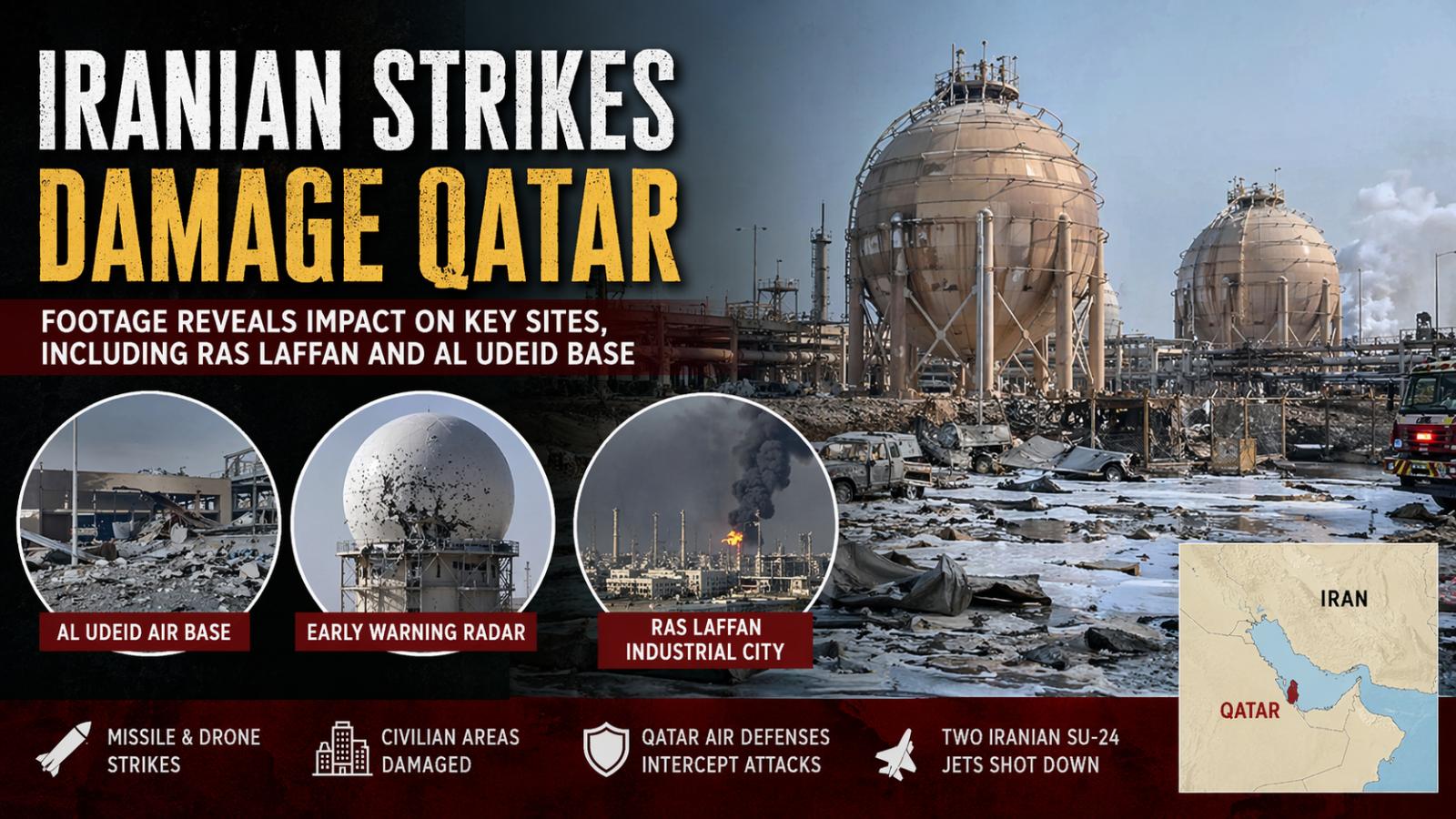
Iranian strikes damage Qatar’s key infrastructure, new footage reveals
Newly released footage from Qatar provides a detailed look at the extent of damage caused by Iranian missile and drone strikes across the country, highlighting impacts on both military and civilian infrastructure. The visuals, aired in a recent investigative program, show destruction at multiple locations, including the Al Udeid Air Base, early warning radar systems in northern Qatar, and Ras Laffan Industrial City, one of the world’s most critical liquefied natural gas hubs. The
Iranian strikes damage Qatar’s key infrastructure, new footage reveals
Newly released footage from Qatar provides a detailed look at the extent of damage caused by Iranian missile and drone strikes across the country, highlighting impacts on both military and civilian infrastructure. The visuals, aired in a recent investigative program, show destruction at multiple locations, including the Al Udeid Air Base, early warning radar systems in northern Qatar, and Ras Laffan Industrial City, one of the world’s most critical liquefied natural gas hubs. The
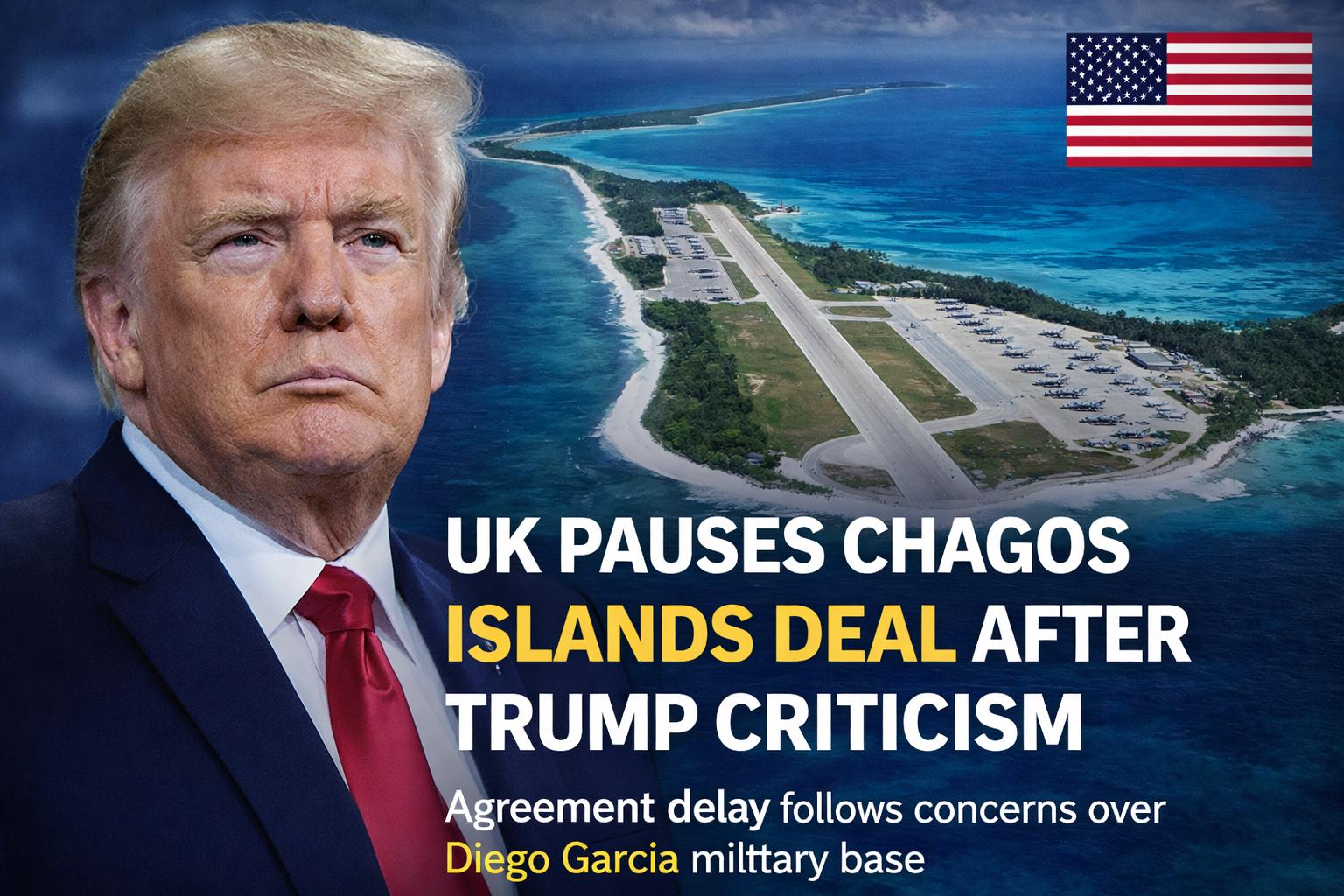
UK pauses Chagos Islands deal after Trump criticism over Diego Garcia
The United Kingdom has paused its plan to transfer control of the Chagos Islands to Mauritius following strong criticism from U.S. President Donald Trump, raising new uncertainty over the future of a key military base in the Indian Ocean. British Prime Minister Keir Starmer’s government has not abandoned the agreement but acknowledged delays in advancing the proposal through Parliament. Officials indicated there is insufficient time in the current legislative session to formalize
UK pauses Chagos Islands deal after Trump criticism over Diego Garcia
The United Kingdom has paused its plan to transfer control of the Chagos Islands to Mauritius following strong criticism from U.S. President Donald Trump, raising new uncertainty over the future of a key military base in the Indian Ocean. British Prime Minister Keir Starmer’s government has not abandoned the agreement but acknowledged delays in advancing the proposal through Parliament. Officials indicated there is insufficient time in the current legislative session to formalize
Ambedkar Jayanti 2026: Date, History, Significance & Biography of Dr BR Ambedkar
Ambedkar Jayanti 2026 will be celebrated on 14 April to mark the birth anniversary of Dr B.R. Ambedkar, the visionary architect of the Indian Constitution. This day is observed to honor his monumental contributions to social justice, equality, and the promotion of democracy in India. Ambedkar Jayanti has become a significant national observance where people across India, especially those from marginalized communities, celebrate his legacy and ideals.
Ambedkar Jayanti 2026: Date, History, Significance & Biography of Dr BR Ambedkar
Ambedkar Jayanti 2026 will be celebrated on 14 April to mark the birth anniversary of Dr B.R. Ambedkar, the visionary architect of the Indian Constitution. This day is observed to honor his monumental contributions to social justice, equality, and the promotion of democracy in India. Ambedkar Jayanti has become a significant national observance where people across India, especially those from marginalized communities, celebrate his legacy and ideals.
Mamata Banerjee: 15 Years as CM, Yet No House, No Car, and Low Assets
Mamata Banerjee, the Chief Minister of West Bengal, has maintained a highly unusual profile for a leader who has been in power for nearly 15 years. While most political leaders tend to accumulate wealth, properties, and other assets during their time in office, Mamata stands out for her modest and simple lifestyle. Despite her long tenure at the helm of one of India’s most politically significant states, she does not own a house, a personal car, or any substantial land. These details emerge
Mamata Banerjee: 15 Years as CM, Yet No House, No Car, and Low Assets
Mamata Banerjee, the Chief Minister of West Bengal, has maintained a highly unusual profile for a leader who has been in power for nearly 15 years. While most political leaders tend to accumulate wealth, properties, and other assets during their time in office, Mamata stands out for her modest and simple lifestyle. Despite her long tenure at the helm of one of India’s most politically significant states, she does not own a house, a personal car, or any substantial land. These details emerge
Why the 50% Wage Rule is Impacting Your Take-Home Pay
You might be receiving the same CTC as before, but a closer look at your bank account could reveal that your take-home pay has dropped. This change is likely due to the new 50% wage rule, which has been introduced under India's revised Labour Codes. While the Cost to Company (CTC) remains unchanged, this rule is quietly reshaping how salaries are structured, particularly the proportion allocated to basic pay, dearness allowance, and retaining allowance. Under the new rule, basic pay
Why the 50% Wage Rule is Impacting Your Take-Home Pay
You might be receiving the same CTC as before, but a closer look at your bank account could reveal that your take-home pay has dropped. This change is likely due to the new 50% wage rule, which has been introduced under India's revised Labour Codes. While the Cost to Company (CTC) remains unchanged, this rule is quietly reshaping how salaries are structured, particularly the proportion allocated to basic pay, dearness allowance, and retaining allowance. Under the new rule, basic pay