California 911 Upgrade Faces New Scrutiny
California lawmakers are advancing AB 1805, a bill that would force a state audit of the troubled Next Generation 911 upgrade and tighten oversight of Cal OES after years of delays, technical failures and rising costs.
Why AB 1805 Matters
The California 911 upgrade was designed to replace aging emergency call infrastructure wi
California 911 Upgrade Faces New Scrutiny
California lawmakers are advancing AB 1805, a bill that would force a state audit of the troubled Next Generation 911 upgrade and tighten oversight of Cal OES after years of delays, technical failures and rising costs.
Why AB 1805 Matters
The California 911 upgrade was designed to replace aging emergency call infrastructure wi
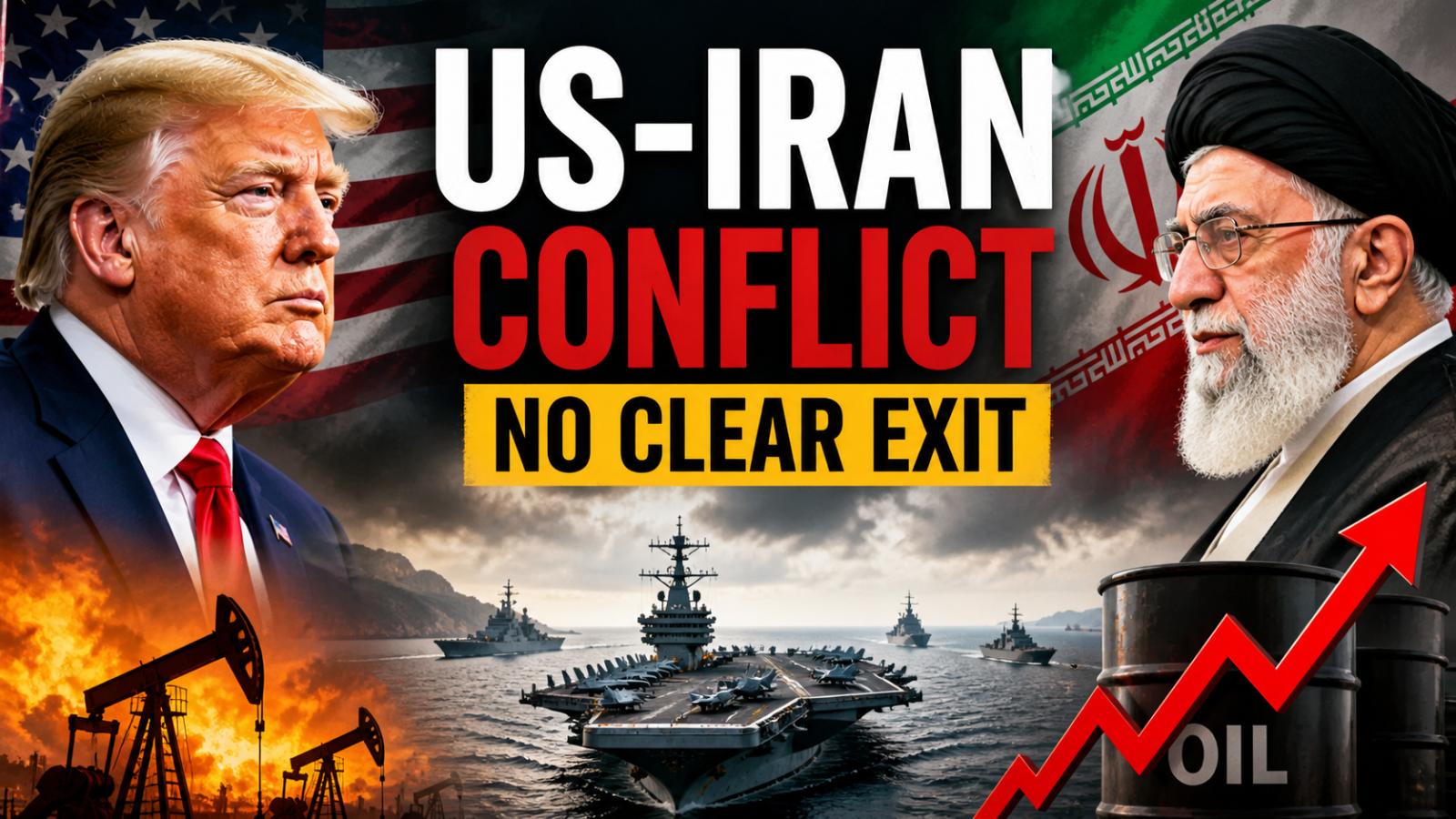
More than two months into military action against Iran, Donald Trump is facing a difficult reality: the conflict is far from over—and there’s no clear way out.
What began as a show of strength has turned into a prolonged standoff, with rising global consequences.
Military Gains, But No Strategic Victory
The United States, alongside Israeli forces, has carried out multiple strikes targeting Iran’s
More than two months into military action against Iran, Donald Trump is facing a difficult reality: the conflict is far from over—and there’s no clear way out.
What began as a show of strength has turned into a prolonged standoff, with rising global consequences.
Military Gains, But No Strategic Victory
The United States, alongside Israeli forces, has carried out multiple strikes targeting Iran’s
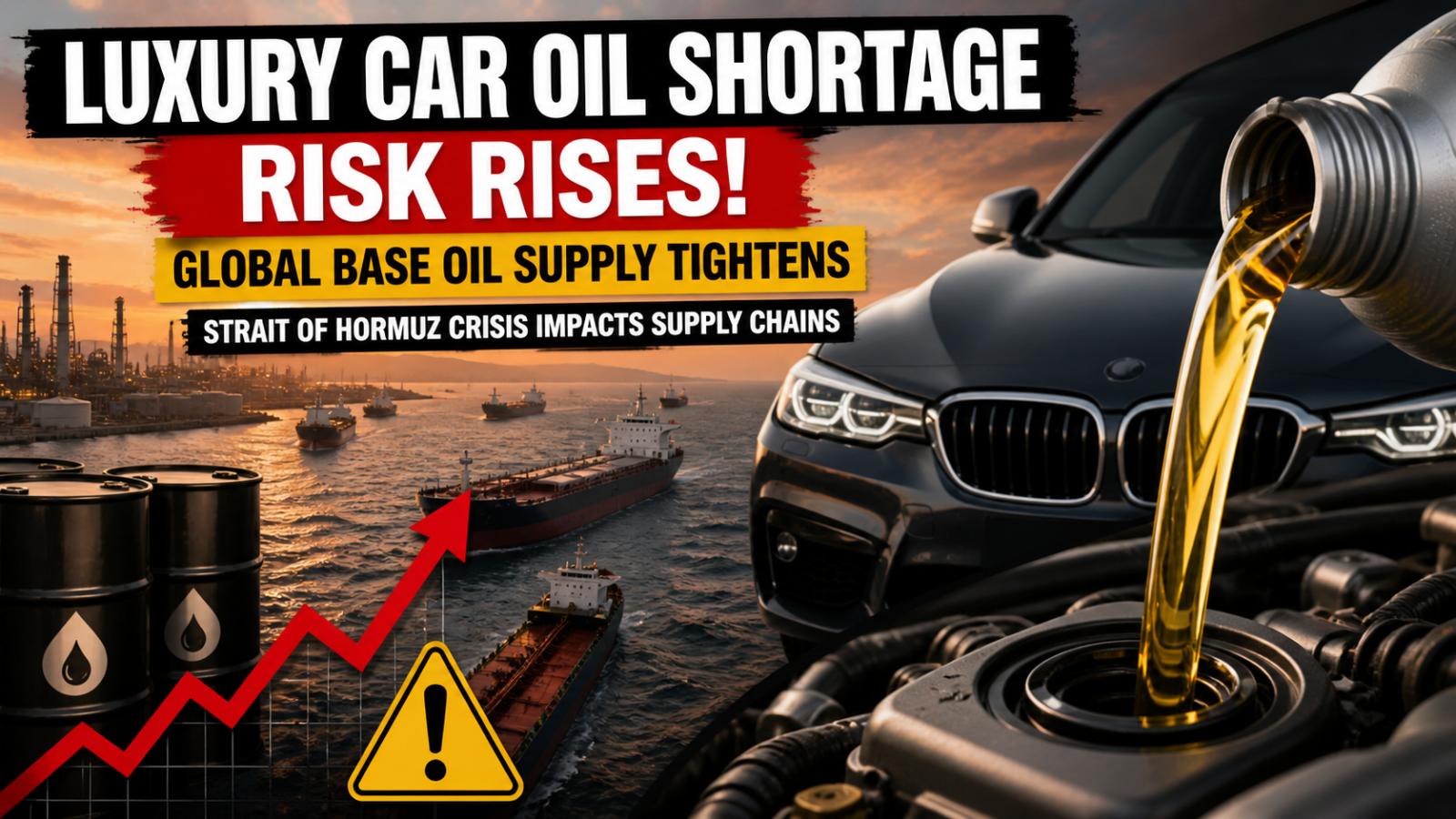
The global base oil shortage is no longer just an industry headline—it’s becoming a real concern for luxury car owners worldwide. As supply chains tighten due to geopolitical tensions around the Strait of Hormuz, the availability of high-performance engine oils used in premium vehicles is under pressure.
For owners of brands like BMW, Mercedes-Benz, and Audi, this could soon translate into higher maintenance costs, limited oil availability, and delayed servicing.
What’s Causing the Global Base Oil Shortage?
At the heart of the issue is the ongoing instability linked to tensions involving Iran and critical oil transit routes. The Strait of Hormuz handles a significant portion of the world’s petroleum shipments—not just crude oil, but also refined products like base oils, which are essential for lubricant production.
Base oils form the foundation of:
Synthetic engine oils
Industrial lubricants
High-performance automotive fluids
With shipping disruptions, delayed tankers, and rising insurance risks, the supply of these materials has tightened globally.
Why Luxury Cars Are Hit Harder
Not all vehicles are affected equally. Luxury and high-performance cars rely heavily on Group III and Group IV base oils, including advanced formulations like polyalphaolefins (PAO). These oils are designed to:
Handle extreme temperatures
Protect high-speed engines
Maintain performance under pressure
Unlike regular vehicles, luxury cars cannot easily switch to cheaper alternatives without risking engine damage or reduced efficiency. That’s why this shortage hits premium segments first—and hardest.
Rising Prices and Supply Pressure
The numbers already show stress in the system:
The Gulf region contributes around 20% of global Group III base oil production
It accounted for nearly half of U.S. imports in recent periods
Prices in some markets have nearly doubled since the crisis began
With inventories shrinking and delivery times increasing, lubricant manufacturers are struggling to keep up.
If disruptions continue, experts warn that:
Oil prices could rise further
Service costs for luxury vehicles may spike
Availability could become inconsistent in certain regions
What This Means for Luxury Car Owners
If you own a premium vehicle, here’s what you might notice in the coming weeks or months:
Higher Maintenance Costs
Synthetic oil changes could become significantly more expensive.
Service Delays
Workshops may face shortages or longer wait times for specific oil grades.
Risk of Substitutes
Some service centers might use alternative oils—potentially affecting performance if not approved.
Should You Be Worried Right Now?
Not immediately—but it’s something to watch closely.
There’s no need to panic or stockpile engine oil. However:
Stick to authorized service centers
Ensure correct oil specifications are used
Avoid delaying essential maintenance
Being proactive now can help you avoid bigger issues later.
A Bigger Energy and Supply Chain Problem
This isn’t just about cars—it reflects a deeper issue in the global energy ecosystem.
Heavy reliance on specific regions like the Persian Gulf makes supply chains vulnerable. Alongside geopolitical tensions, factors like:
Refinery disruptions
Export restrictions
Seasonal risks (like hurricanes in U.S. Gulf Coast)
are amplifying the pressure.
Industry experts see this as a warning sign of long-term structural risks in the oil and automotive sectors.
What Happens Next?
If shipping routes stabilize and production resumes, the situation could ease within months. But if disruptions persist:
Prices may remain elevated
Supply chains could tighten further
Luxury vehicle ownership costs may rise globally
For now, both manufacturers and consumers are bracing for continued uncertainty.
Final Takeaway
The global base oil shortage is quietly building into a significant challenge—especially for luxury car owners. While it may not yet be visible at every service center, the signs are clear: tightening supply, rising costs, and growing dependence on fragile global networks.
Staying informed—and maintaining your vehicle responsibly—will be key in navigating what could become one of the most overlooked automotive disruptions of the year.
The global base oil shortage is no longer just an industry headline—it’s becoming a real concern for luxury car owners worldwide. As supply chains tighten due to geopolitical tensions around the Strait of Hormuz, the availability of high-performance engine oils used in premium vehicles is under pressure.
For owners of brands like BMW, Mercedes-Benz, and Audi, this could soon translate into higher maintenance costs, limited oil availability, and delayed servicing.
What’s Causing the Global Base Oil Shortage?
At the heart of the issue is the ongoing instability linked to tensions involving Iran and critical oil transit routes. The Strait of Hormuz handles a significant portion of the world’s petroleum shipments—not just crude oil, but also refined products like base oils, which are essential for lubricant production.
Base oils form the foundation of:
Synthetic engine oils
Industrial lubricants
High-performance automotive fluids
With shipping disruptions, delayed tankers, and rising insurance risks, the supply of these materials has tightened globally.
Why Luxury Cars Are Hit Harder
Not all vehicles are affected equally. Luxury and high-performance cars rely heavily on Group III and Group IV base oils, including advanced formulations like polyalphaolefins (PAO). These oils are designed to:
Handle extreme temperatures
Protect high-speed engines
Maintain performance under pressure
Unlike regular vehicles, luxury cars cannot easily switch to cheaper alternatives without risking engine damage or reduced efficiency. That’s why this shortage hits premium segments first—and hardest.
Rising Prices and Supply Pressure
The numbers already show stress in the system:
The Gulf region contributes around 20% of global Group III base oil production
It accounted for nearly half of U.S. imports in recent periods
Prices in some markets have nearly doubled since the crisis began
With inventories shrinking and delivery times increasing, lubricant manufacturers are struggling to keep up.
If disruptions continue, experts warn that:
Oil prices could rise further
Service costs for luxury vehicles may spike
Availability could become inconsistent in certain regions
What This Means for Luxury Car Owners
If you own a premium vehicle, here’s what you might notice in the coming weeks or months:
Higher Maintenance Costs
Synthetic oil changes could become significantly more expensive.
Service Delays
Workshops may face shortages or longer wait times for specific oil grades.
Risk of Substitutes
Some service centers might use alternative oils—potentially affecting performance if not approved.
Should You Be Worried Right Now?
Not immediately—but it’s something to watch closely.
There’s no need to panic or stockpile engine oil. However:
Stick to authorized service centers
Ensure correct oil specifications are used
Avoid delaying essential maintenance
Being proactive now can help you avoid bigger issues later.
A Bigger Energy and Supply Chain Problem
This isn’t just about cars—it reflects a deeper issue in the global energy ecosystem.
Heavy reliance on specific regions like the Persian Gulf makes supply chains vulnerable. Alongside geopolitical tensions, factors like:
Refinery disruptions
Export restrictions
Seasonal risks (like hurricanes in U.S. Gulf Coast)
are amplifying the pressure.
Industry experts see this as a warning sign of long-term structural risks in the oil and automotive sectors.
What Happens Next?
If shipping routes stabilize and production resumes, the situation could ease within months. But if disruptions persist:
Prices may remain elevated
Supply chains could tighten further
Luxury vehicle ownership costs may rise globally
For now, both manufacturers and consumers are bracing for continued uncertainty.
Final Takeaway
The global base oil shortage is quietly building into a significant challenge—especially for luxury car owners. While it may not yet be visible at every service center, the signs are clear: tightening supply, rising costs, and growing dependence on fragile global networks.
Staying informed—and maintaining your vehicle responsibly—will be key in navigating what could become one of the most overlooked automotive disruptions of the year.
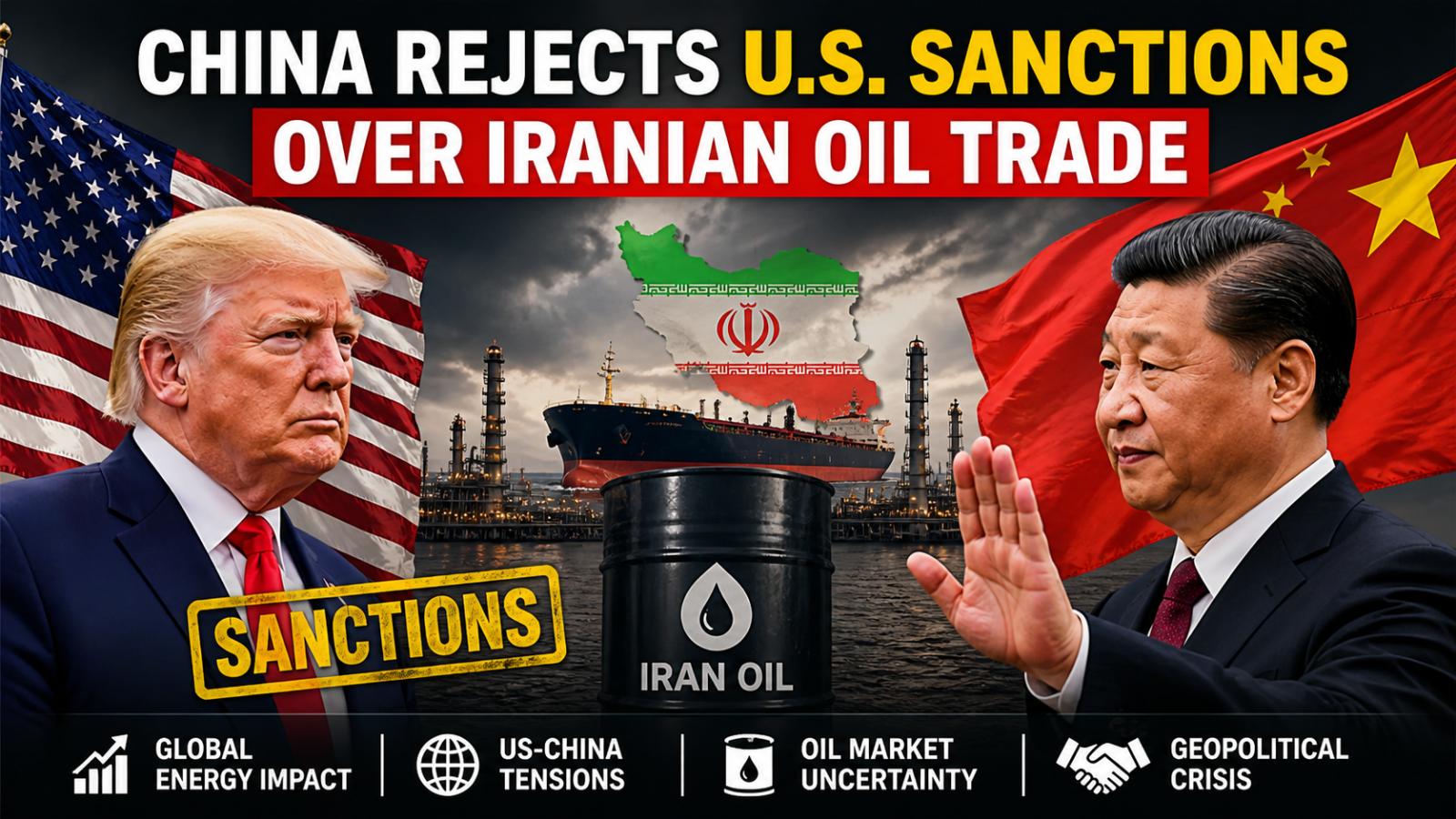
China has strongly rejected new sanctions imposed by the United States on Chinese firms accused of purchasing Iranian oil, calling the measures “unlawful” and a violation of international trade norms. The move marks a fresh escalation in tensions between China and Washington, with potential ripple effe
China has strongly rejected new sanctions imposed by the United States on Chinese firms accused of purchasing Iranian oil, calling the measures “unlawful” and a violation of international trade norms. The move marks a fresh escalation in tensions between China and Washington, with potential ripple effe
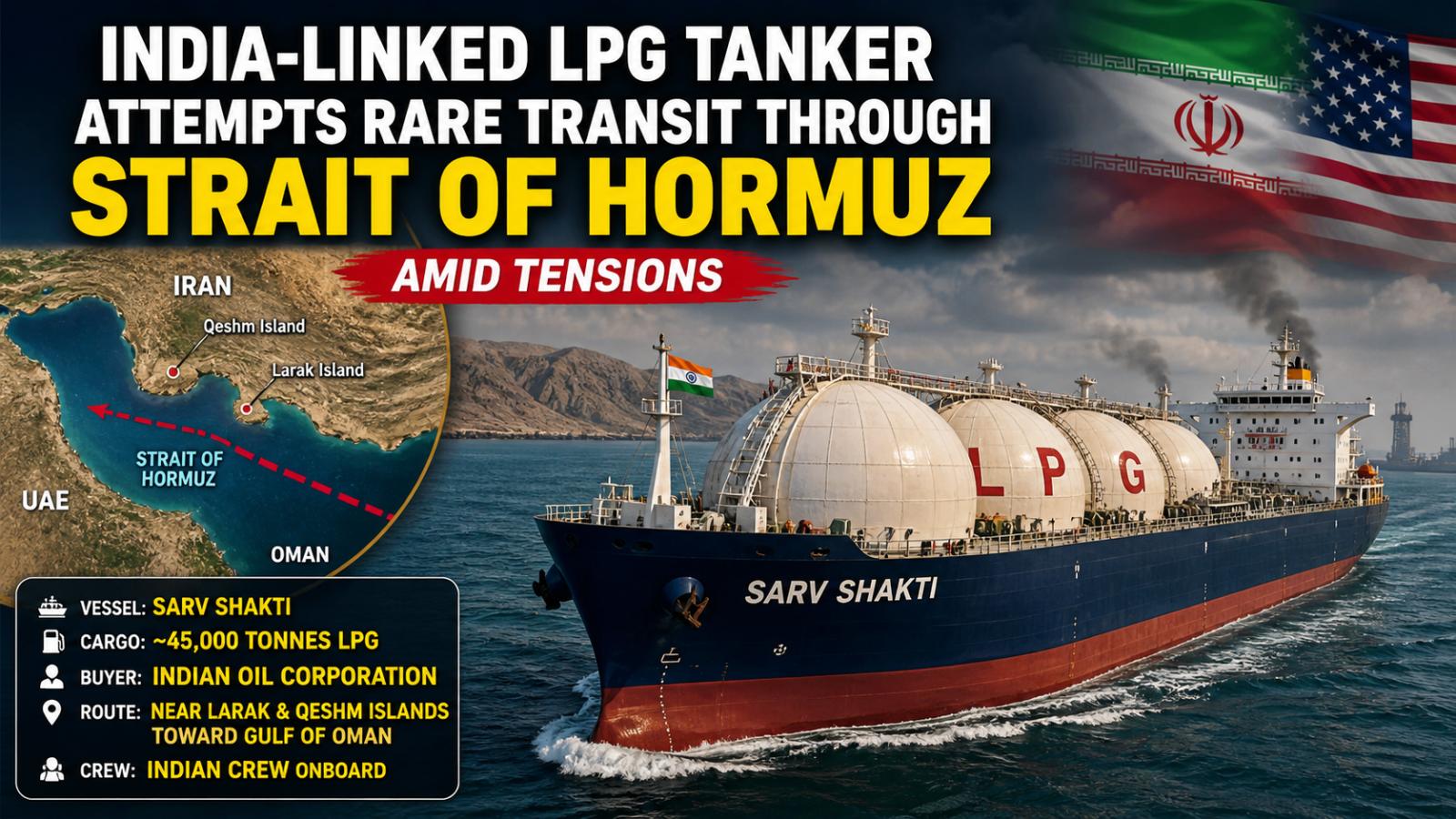
In a moment that could quietly shape global energy markets, an India-linked LPG tanker is attempting something most ships are now avoiding.
The vessel, Sarv Shakti, loaded with nearly 45,000 tonnes of liquefied petroleum gas, is moving toward the tense waters of the Strait of Hormuz — a route that has suddenly become one of the world’s most dangerous maritime
In a moment that could quietly shape global energy markets, an India-linked LPG tanker is attempting something most ships are now avoiding.
The vessel, Sarv Shakti, loaded with nearly 45,000 tonnes of liquefied petroleum gas, is moving toward the tense waters of the Strait of Hormuz — a route that has suddenly become one of the world’s most dangerous maritime
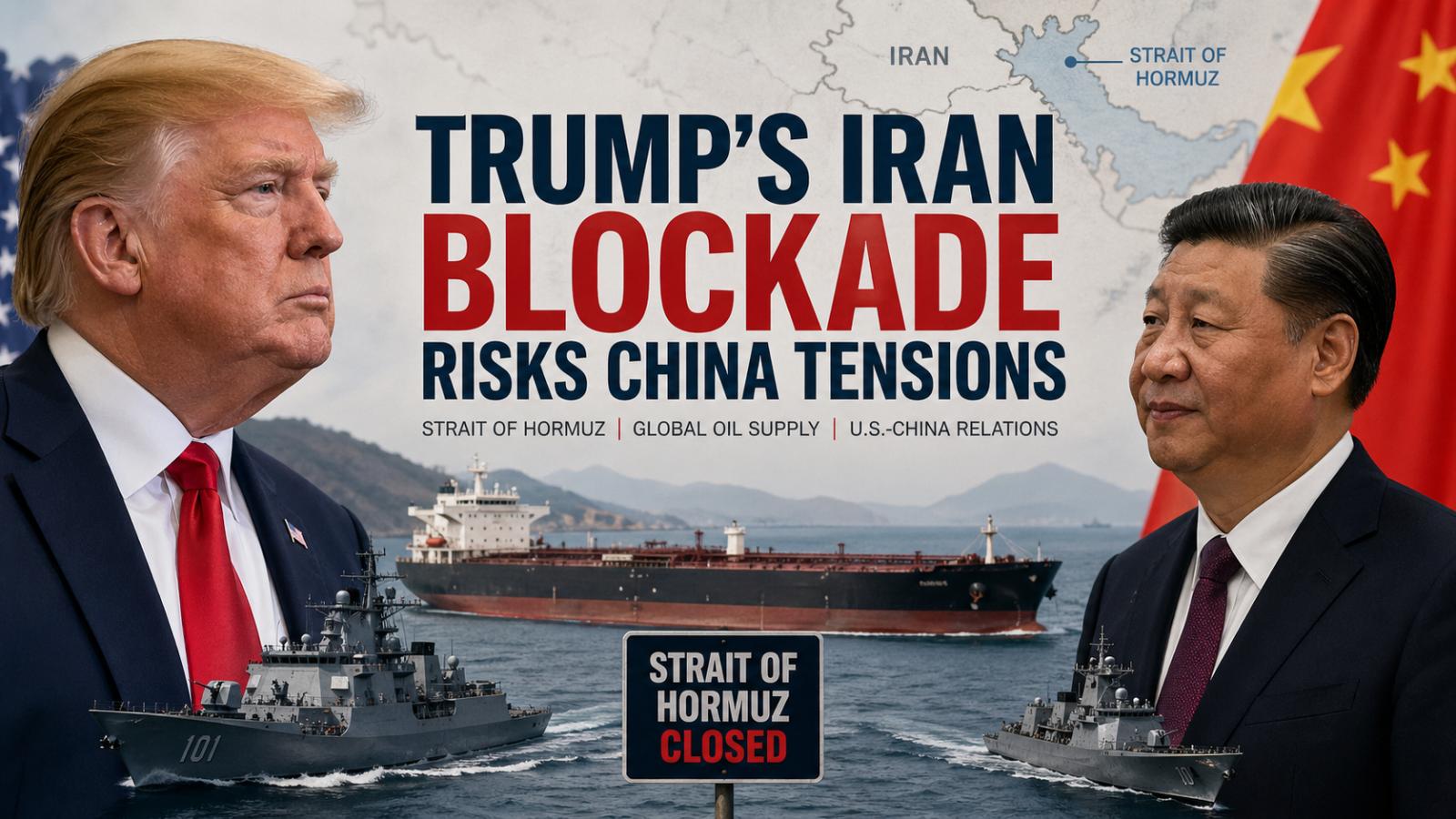
President Donald Trump has signaled his intention to maintain a naval blockade on Iranian shipping until Tehran meets U.S. demands, a move that is expected to keep the Strait of Hormuz effectively closed ahead of his planned visit to China. The decision introduces new complications for upcoming diplomatic
President Donald Trump has signaled his intention to maintain a naval blockade on Iranian shipping until Tehran meets U.S. demands, a move that is expected to keep the Strait of Hormuz effectively closed ahead of his planned visit to China. The decision introduces new complications for upcoming diplomatic
Maharashtra has approved a ₹10,000 crore AI policy to build advanced infrastructure, boost startups, create jobs, and position the state as a leader in ethical artificial intelligence.
The Maharashtra government has approved a comprehensive Artificial Intelligence (AI) policy with a proposed investment of ₹10,000 crore, marking a major push toward building advanced digital infrastructure in the state. The policy, cleared on Wednesday, aims to establish 6 AI Exc
Maharashtra has approved a ₹10,000 crore AI policy to build advanced infrastructure, boost startups, create jobs, and position the state as a leader in ethical artificial intelligence.
The Maharashtra government has approved a comprehensive Artificial Intelligence (AI) policy with a proposed investment of ₹10,000 crore, marking a major push toward building advanced digital infrastructure in the state. The policy, cleared on Wednesday, aims to establish 6 AI Exc
What is the Living Wage for All Act? It aims to raise minimum wage to $25
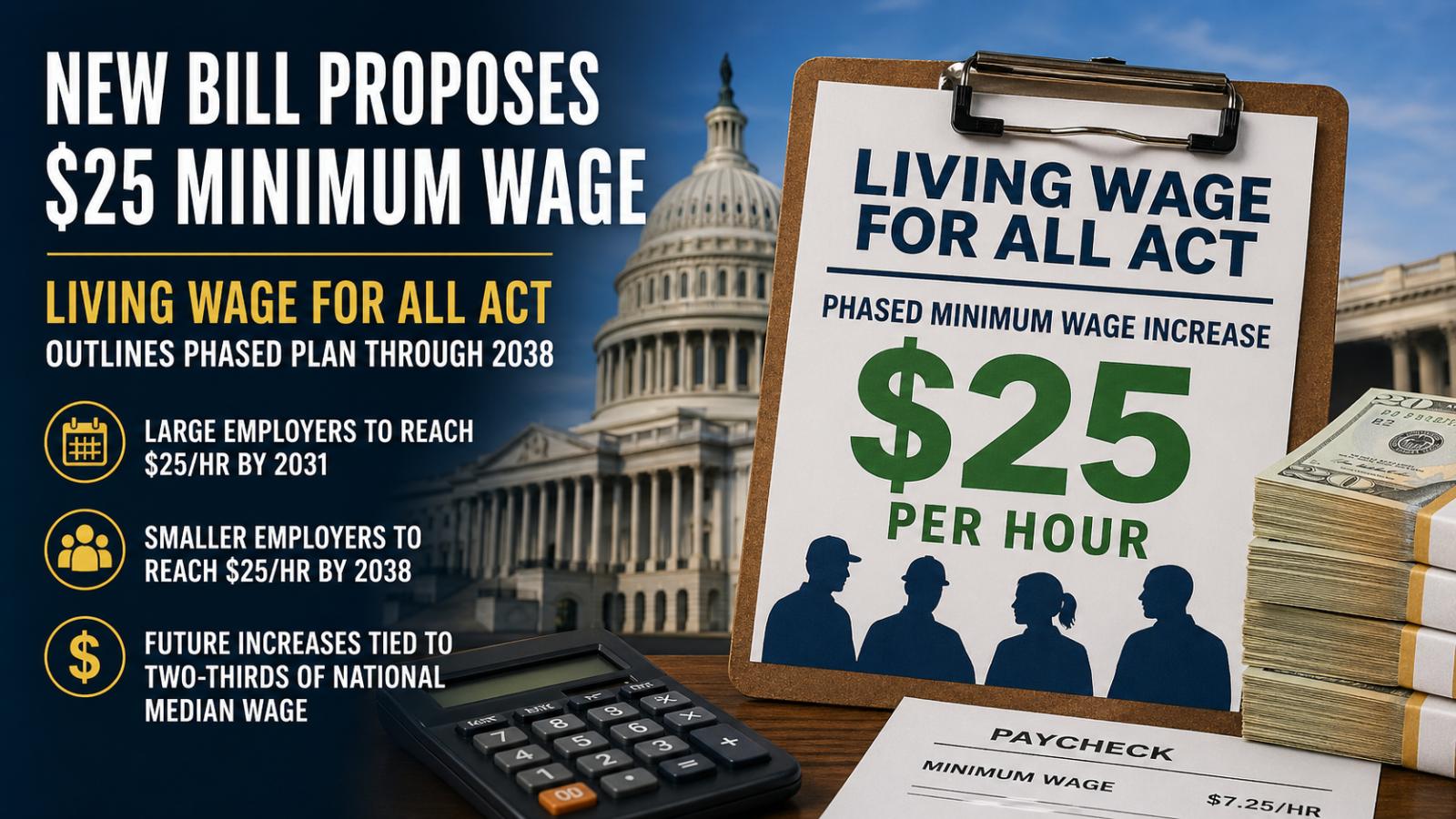
A new legislative proposal introduced on Tuesday seeks to significantly raise the federal minimum wage in the United States, setting a long-term target of $25 per hour through a phased implementation plan. The measure, known as the Living Wage for All Act, was introduced by a group of Democratic lawmakers aiming to address ongoing affordability concerns and wage stagnation.
What is the Living Wage for All Act? It aims to raise minimum wage to $25
A new legislative proposal introduced on Tuesday seeks to significantly raise the federal minimum wage in the United States, setting a long-term target of $25 per hour through a phased implementation plan. The measure, known as the Living Wage for All Act, was introduced by a group of Democratic lawmakers aiming to address ongoing affordability concerns and wage stagnation.
With only a few hours left before campaigning ends for the second phase of the 2026 West Bengal Assembly elections, political leaders have intensified their efforts to reach voters across the state.
Prime Minister Narendra Modi addressed key concerns of the Matua community, promising that the Bharatiya Janata Party (BJP) would ensure citizenship for Hindu refugees who migrated from Banglad
With only a few hours left before campaigning ends for the second phase of the 2026 West Bengal Assembly elections, political leaders have intensified their efforts to reach voters across the state.
Prime Minister Narendra Modi addressed key concerns of the Matua community, promising that the Bharatiya Janata Party (BJP) would ensure citizenship for Hindu refugees who migrated from Banglad
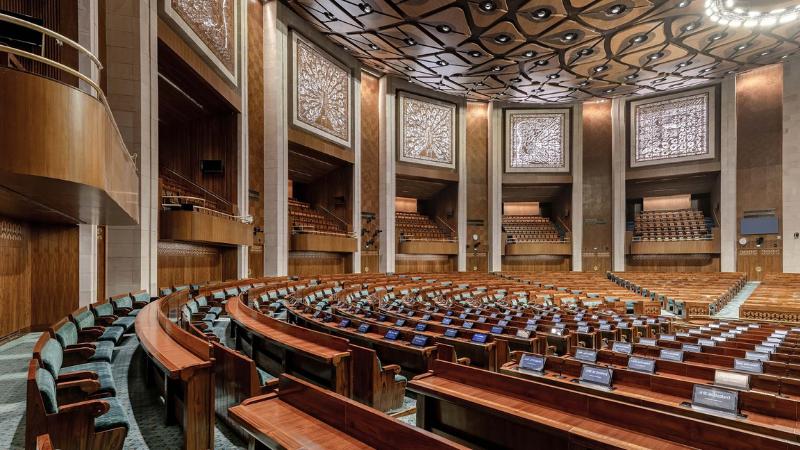
The debate around delimitation and fertility trends in India has long been presented as a matter of data, numbers, and scientific calculation. However, beneath the surface lies a far more complex reality that statistics alone often fail to fully capture. While policymakers and scholars rely heavily on demographic data to redraw constituencies and assess population changes, the lived experiences and political consequences of these decisions extend far beyond what the numbers suggest.
Delimitation, the process of redrawing electoral boundaries based on population, is intended to ensure fair representation. On paper, it appears straightforward: regions with higher populations should have more representation. However, this principle becomes contentious when viewed in the context of India’s diverse demographic patterns. States that have successfully controlled population growth through effective policies may find themselves disadvantaged in terms of political representation, while those with higher fertility rates could gain more seats. This creates a paradox where success in population control might translate into reduced political influence.
The science behind fertility rates also presents limitations. While data can indicate trends such as declining birth rates or regional disparities, it cannot fully explain the social, cultural, and economic factors driving these changes. Fertility decisions are influenced by education, access to healthcare, urbanization, and shifting societal values. These nuances are often overlooked when discussions are framed purely in statistical terms. As a result, policies based solely on numerical analysis risk missing the deeper context that shapes population behavior.
Understanding The Limits Of Data
Scholarly research on delimitation and fertility often lags behind the political realities experienced on the ground. While academics strive to build models and frameworks to explain these phenomena, their findings can take time to reflect the rapidly evolving dynamics of Indian society. Political leaders and citizens, on the other hand, often develop intuitive understandings of these issues based on direct experience. This gap between theory and reality highlights the limitations of relying exclusively on scientific approaches.
Moreover, the use of census data as the primary basis for delimitation introduces its own challenges. Census figures provide a snapshot of population distribution at a specific point in time, but they cannot account for migration patterns, economic shifts, or sudden demographic changes. In a country as vast and diverse as India, these factors can significantly alter the ground reality within a short period. As a result, decisions based on outdated or incomplete data may fail to achieve the intended goal of equitable representation.
Balancing Representation And Fairness
The intersection of delimitation and fertility trends raises important questions about fairness and equity in governance. Should representation be based purely on population numbers, or should it also consider the efforts made by certain regions to control population growth? This dilemma underscores the need for a more nuanced approach that goes beyond traditional metrics.
Policymakers must recognize that demographic data is only one piece of the puzzle. A holistic understanding of social, economic, and cultural factors is essential to create policies that are both fair and effective. This may involve exploring alternative methods of representation or introducing safeguards to ensure that states are not penalized for successful population control measures.
Ultimately, the science of delimitation and fertility provides valuable insights, but it is not a complete solution. To address the challenges posed by these issues, India must move beyond numbers and embrace a more comprehensive perspective that reflects the complexity of its society. Only then can the country achieve a balance between representation, fairness, and sustainable development.
The debate around delimitation and fertility trends in India has long been presented as a matter of data, numbers, and scientific calculation. However, beneath the surface lies a far more complex reality that statistics alone often fail to fully capture. While policymakers and scholars rely heavily on demographic data to redraw constituencies and assess population changes, the lived experiences and political consequences of these decisions extend far beyond what the numbers suggest.
Delimitation, the process of redrawing electoral boundaries based on population, is intended to ensure fair representation. On paper, it appears straightforward: regions with higher populations should have more representation. However, this principle becomes contentious when viewed in the context of India’s diverse demographic patterns. States that have successfully controlled population growth through effective policies may find themselves disadvantaged in terms of political representation, while those with higher fertility rates could gain more seats. This creates a paradox where success in population control might translate into reduced political influence.
The science behind fertility rates also presents limitations. While data can indicate trends such as declining birth rates or regional disparities, it cannot fully explain the social, cultural, and economic factors driving these changes. Fertility decisions are influenced by education, access to healthcare, urbanization, and shifting societal values. These nuances are often overlooked when discussions are framed purely in statistical terms. As a result, policies based solely on numerical analysis risk missing the deeper context that shapes population behavior.
Understanding The Limits Of Data
Scholarly research on delimitation and fertility often lags behind the political realities experienced on the ground. While academics strive to build models and frameworks to explain these phenomena, their findings can take time to reflect the rapidly evolving dynamics of Indian society. Political leaders and citizens, on the other hand, often develop intuitive understandings of these issues based on direct experience. This gap between theory and reality highlights the limitations of relying exclusively on scientific approaches.
Moreover, the use of census data as the primary basis for delimitation introduces its own challenges. Census figures provide a snapshot of population distribution at a specific point in time, but they cannot account for migration patterns, economic shifts, or sudden demographic changes. In a country as vast and diverse as India, these factors can significantly alter the ground reality within a short period. As a result, decisions based on outdated or incomplete data may fail to achieve the intended goal of equitable representation.
Balancing Representation And Fairness
The intersection of delimitation and fertility trends raises important questions about fairness and equity in governance. Should representation be based purely on population numbers, or should it also consider the efforts made by certain regions to control population growth? This dilemma underscores the need for a more nuanced approach that goes beyond traditional metrics.
Policymakers must recognize that demographic data is only one piece of the puzzle. A holistic understanding of social, economic, and cultural factors is essential to create policies that are both fair and effective. This may involve exploring alternative methods of representation or introducing safeguards to ensure that states are not penalized for successful population control measures.
Ultimately, the science of delimitation and fertility provides valuable insights, but it is not a complete solution. To address the challenges posed by these issues, India must move beyond numbers and embrace a more comprehensive perspective that reflects the complexity of its society. Only then can the country achieve a balance between representation, fairness, and sustainable development.
AUSTIN, Texas — City officials in Austin are evaluating new regulations that could limit the sale of e-cigarettes and synthetic nicotine products near schools and daycare centers, as part of an effort to reduce youth exposure to tobacco-related products. The proposal follows a 2025 City Council resolution directing city staff to explore policy options aimed at protecting minors.
During a Public Health Committee meeting held in early 2026, Austin Public Health (APH) reported that approximately 600 retailers currently operate within 1,000 feet of schools or daycare facilities. The agency recommended a zoning ordinance change that would apply only to new businesses, allowing existing retailers to continue operating under a “grandfather” provision.
City officials noted that state law requires compensation if an existing business loses its land-use rights, which influenced the recommendation to limit the policy’s scope to future establishments. The proposal would also exempt large food retailers exceeding 12,000 square feet to avoid creating gaps in access to essential goods in certain neighborhoods.
APH further suggested expanding the ordinance to include all nicotine and tobacco products, rather than focusing solely on e-cigarettes or synthetic alternatives. Officials say this broader approach would help address emerging products and reduce regulatory loopholes over time.
Local business owners have expressed concern about the potential impact on retail operations and expansion opportunities. Some argue that strict age verification practices are already in place and that specialty vape shops are not the primary source of underage access. Others point to challenges in finding commercial spaces that meet distance requirements from schools or childcare centers.
City Council has not yet scheduled a final vote on the proposal. Additional public hearings and discussions are expected to take place in the fall of 2026 as officials gather input from stakeholders and evaluate the broader implications of the policy.
AUSTIN, Texas — City officials in Austin are evaluating new regulations that could limit the sale of e-cigarettes and synthetic nicotine products near schools and daycare centers, as part of an effort to reduce youth exposure to tobacco-related products. The proposal follows a 2025 City Council resolution directing city staff to explore policy options aimed at protecting minors.
During a Public Health Committee meeting held in early 2026, Austin Public Health (APH) reported that approximately 600 retailers currently operate within 1,000 feet of schools or daycare facilities. The agency recommended a zoning ordinance change that would apply only to new businesses, allowing existing retailers to continue operating under a “grandfather” provision.
City officials noted that state law requires compensation if an existing business loses its land-use rights, which influenced the recommendation to limit the policy’s scope to future establishments. The proposal would also exempt large food retailers exceeding 12,000 square feet to avoid creating gaps in access to essential goods in certain neighborhoods.
APH further suggested expanding the ordinance to include all nicotine and tobacco products, rather than focusing solely on e-cigarettes or synthetic alternatives. Officials say this broader approach would help address emerging products and reduce regulatory loopholes over time.
Local business owners have expressed concern about the potential impact on retail operations and expansion opportunities. Some argue that strict age verification practices are already in place and that specialty vape shops are not the primary source of underage access. Others point to challenges in finding commercial spaces that meet distance requirements from schools or childcare centers.
City Council has not yet scheduled a final vote on the proposal. Additional public hearings and discussions are expected to take place in the fall of 2026 as officials gather input from stakeholders and evaluate the broader implications of the policy.
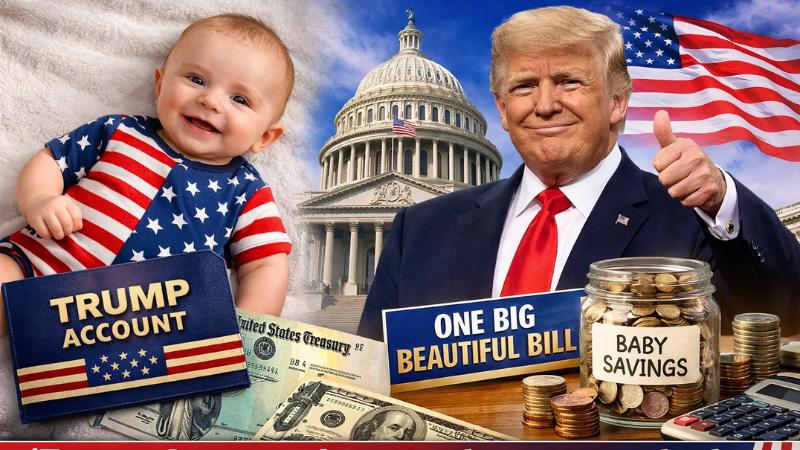
The United States government has officially launched a new investment program for newborns, called ‘Trump accounts,’ designed to help families start saving for their children’s future. The initiative, established under the One Big Beautiful Bill, provides an initial government deposit of $1,000 for every child born between 2025 and 2028. Officials estimate that approximately 25 million families will be eligible to participate over the next three years. Early adoption has been strong, with
The United States government has officially launched a new investment program for newborns, called ‘Trump accounts,’ designed to help families start saving for their children’s future. The initiative, established under the One Big Beautiful Bill, provides an initial government deposit of $1,000 for every child born between 2025 and 2028. Officials estimate that approximately 25 million families will be eligible to participate over the next three years. Early adoption has been strong, with
New Jersey mayors are expressing deep concern following President Donald Trump’s announcement that his administration plans to terminate federal funding for sanctuary cities and states that resist his immigration policies. The move, which is expected to take effect on February 1, could have wide-ranging consequences for several municipalities across the state and has renewed debate over the balance of power between federal authority and local governance.
New Jersey is home to multip
New Jersey mayors are expressing deep concern following President Donald Trump’s announcement that his administration plans to terminate federal funding for sanctuary cities and states that resist his immigration policies. The move, which is expected to take effect on February 1, could have wide-ranging consequences for several municipalities across the state and has renewed debate over the balance of power between federal authority and local governance.
New Jersey is home to multip
San Francisco state and city leaders announced a proposed legislative change Monday aimed at expanding the use of court-ordered assisted outpatient treatment as part of an effort to confront the city’s ongoing mental health crisis. The announcement was made during a morning press conference outside San Francisco City Hall, where officials described the proposal as a significant shift in how treatment for severe mental illness is handled in California.
Mayor Daniel Lurie joined mem
San Francisco state and city leaders announced a proposed legislative change Monday aimed at expanding the use of court-ordered assisted outpatient treatment as part of an effort to confront the city’s ongoing mental health crisis. The announcement was made during a morning press conference outside San Francisco City Hall, where officials described the proposal as a significant shift in how treatment for severe mental illness is handled in California.
Mayor Daniel Lurie joined mem
The Internal Revenue Service has announced that the 2026 tax filing season will officially begin on Monday, Jan. 26, giving taxpayers the green light to submit their 2025 individual income tax returns. The agency expects to process approximately 164 million returns during the upcoming season, with the vast majority filed electronically. Officials say new tax law provisions could lower tax liabilities for some filers and potentially increase refund amounts, while operational changes may alter
The Internal Revenue Service has announced that the 2026 tax filing season will officially begin on Monday, Jan. 26, giving taxpayers the green light to submit their 2025 individual income tax returns. The agency expects to process approximately 164 million returns during the upcoming season, with the vast majority filed electronically. Officials say new tax law provisions could lower tax liabilities for some filers and potentially increase refund amounts, while operational changes may alter
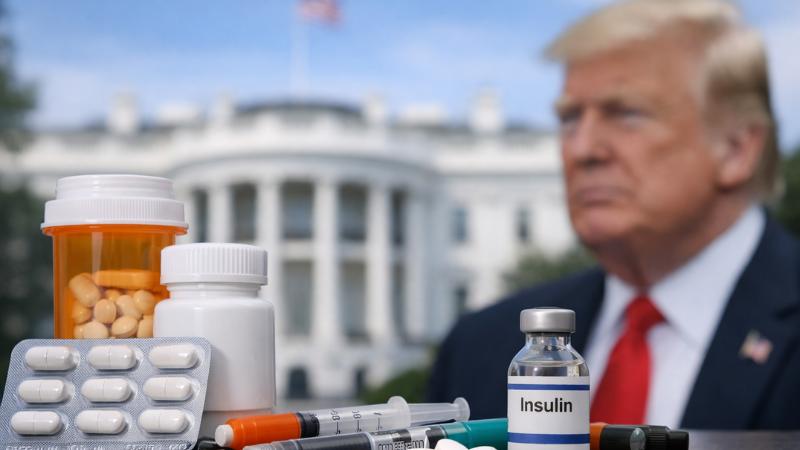
President Donald Trump’s recently announced agreements with pharmaceutical companies are expected to have a limited effect on what most Americans pay for prescription drugs, according to health policy experts who say the scope and structure of the deals leave many patients unaffected.
Since Sept. 30, the Trump administration has reached agreements with 14 drugmakers in exchange for relie
President Donald Trump’s recently announced agreements with pharmaceutical companies are expected to have a limited effect on what most Americans pay for prescription drugs, according to health policy experts who say the scope and structure of the deals leave many patients unaffected.
Since Sept. 30, the Trump administration has reached agreements with 14 drugmakers in exchange for relie
India has ushered in a new phase of insurance regulation with Parliament clearing the Sabka Bima Sabki Raksha (Amendment of Insurance Laws) Bill, 2025, a move that comes at a time when trust between insurers and policyholders is increasingly strained. For millions of Indians, insurance is ultimately judged not by policy documents or premium receipts but by the ease and fairness of claim settlement. Delays, repeated document requests, late-stage exclusions, and opaque rejections have long plag
India has ushered in a new phase of insurance regulation with Parliament clearing the Sabka Bima Sabki Raksha (Amendment of Insurance Laws) Bill, 2025, a move that comes at a time when trust between insurers and policyholders is increasingly strained. For millions of Indians, insurance is ultimately judged not by policy documents or premium receipts but by the ease and fairness of claim settlement. Delays, repeated document requests, late-stage exclusions, and opaque rejections have long plag
The Union government has sought additional information from social media platform X regarding the steps taken to address obscene and sexually explicit content linked to its artificial intelligence tool, Grok, and the measures planned to prevent similar incidents in the future, according to sources familiar with the matter. The request follows a detailed response submitted by the platform, which officials have assessed as insufficient in addressing key regulatory concerns.
Sources in
The Union government has sought additional information from social media platform X regarding the steps taken to address obscene and sexually explicit content linked to its artificial intelligence tool, Grok, and the measures planned to prevent similar incidents in the future, according to sources familiar with the matter. The request follows a detailed response submitted by the platform, which officials have assessed as insufficient in addressing key regulatory concerns.
Sources in