America's US open-weight AI push is accelerating as Meta and Nvidia introduce new models within days of each other. The releases arrive as Chinese developers, led by Moonshot AI and its massive Kimi K3 model, have gained significant momentum in downloadable and customizable AI.
Meta AI model puts open weights back at center
Meta launched M
America's US open-weight AI push is accelerating as Meta and Nvidia introduce new models within days of each other. The releases arrive as Chinese developers, led by Moonshot AI and its massive Kimi K3 model, have gained significant momentum in downloadable and customizable AI.
Meta AI model puts open weights back at center
Meta launched M
A new Pew Research Center survey shows the India-Pakistan threat perception remains deeply rooted. Rivalry, China’s role, Russia ties, mistrust and public opinion reveal how decades of tension continue to shape South Asia despite major changes in the global order.
Rivalry
India and Pakistan continue to see each other as their biggest geopolitical threat nearly eight decades after Partition. A
A new Pew Research Center survey shows the India-Pakistan threat perception remains deeply rooted. Rivalry, China’s role, Russia ties, mistrust and public opinion reveal how decades of tension continue to shape South Asia despite major changes in the global order.
Rivalry
India and Pakistan continue to see each other as their biggest geopolitical threat nearly eight decades after Partition. A
The United States is examining how Chinese artificial intelligence companies gain access to advanced Nvidia chips outside China, putting a new focus on cloud GPU use and overseas data centres. The US AI chip review highlights a growing challenge for export controls built mainly around physical hardware shipments.
China GPU use shifts beyond physical chip exports
The Bureau of Industry and Secur
The United States is examining how Chinese artificial intelligence companies gain access to advanced Nvidia chips outside China, putting a new focus on cloud GPU use and overseas data centres. The US AI chip review highlights a growing challenge for export controls built mainly around physical hardware shipments.
China GPU use shifts beyond physical chip exports
The Bureau of Industry and Secur
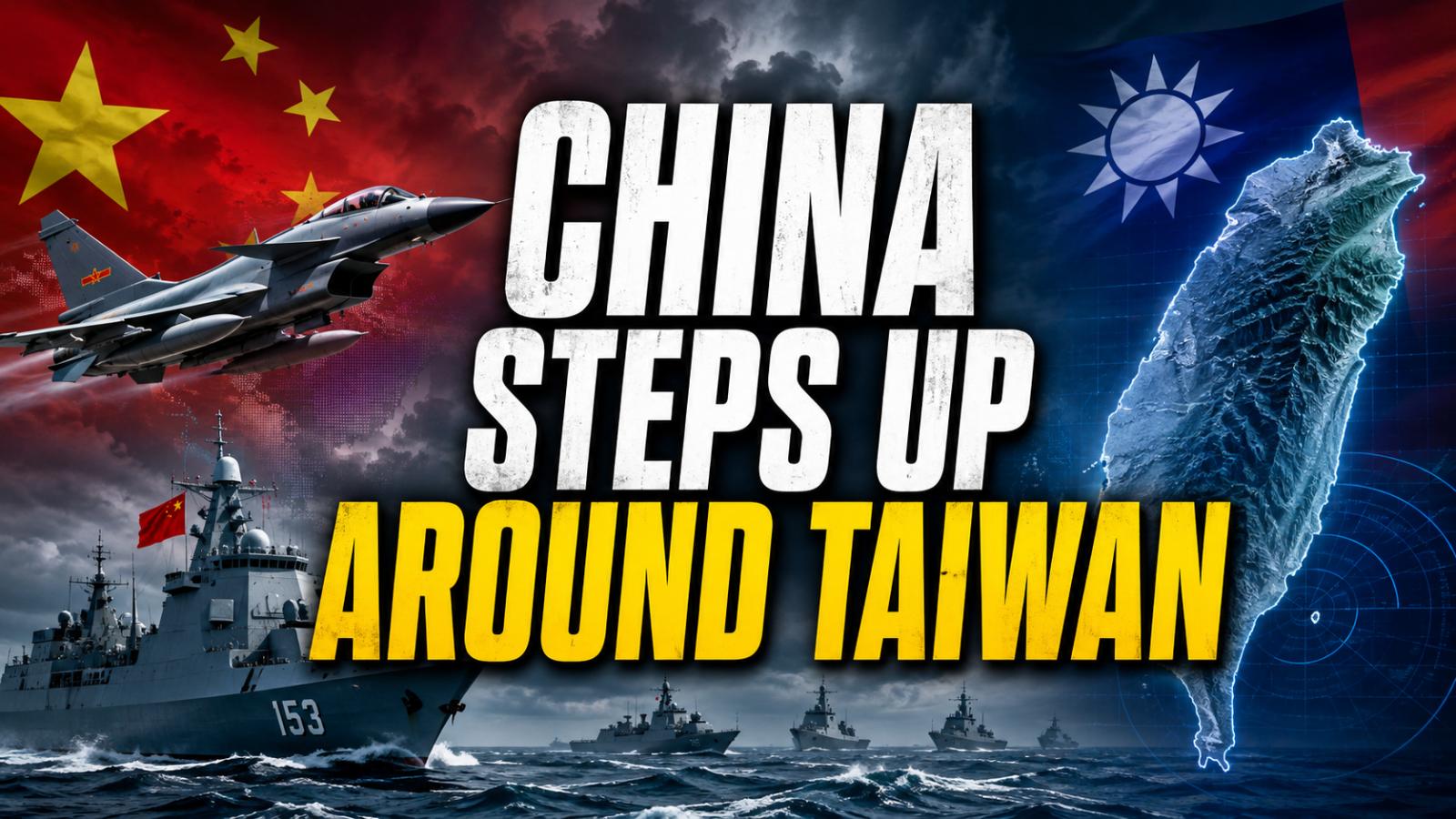
China Taiwan military activity continued as Taiwan detected one PLA aircraft sortie, nine PLAN vessels and 11 official ships around the island. The aircraft entered Taiwan’s southwestern ADIZ as Taipei continued monitoring growing Chinese air and maritime operations.
China Military Activity Around Taiwan Continues
Taiwan’s Ministry of National Defence said that it detected one sortie of a C
China Taiwan military activity continued as Taiwan detected one PLA aircraft sortie, nine PLAN vessels and 11 official ships around the island. The aircraft entered Taiwan’s southwestern ADIZ as Taipei continued monitoring growing Chinese air and maritime operations.
China Military Activity Around Taiwan Continues
Taiwan’s Ministry of National Defence said that it detected one sortie of a C
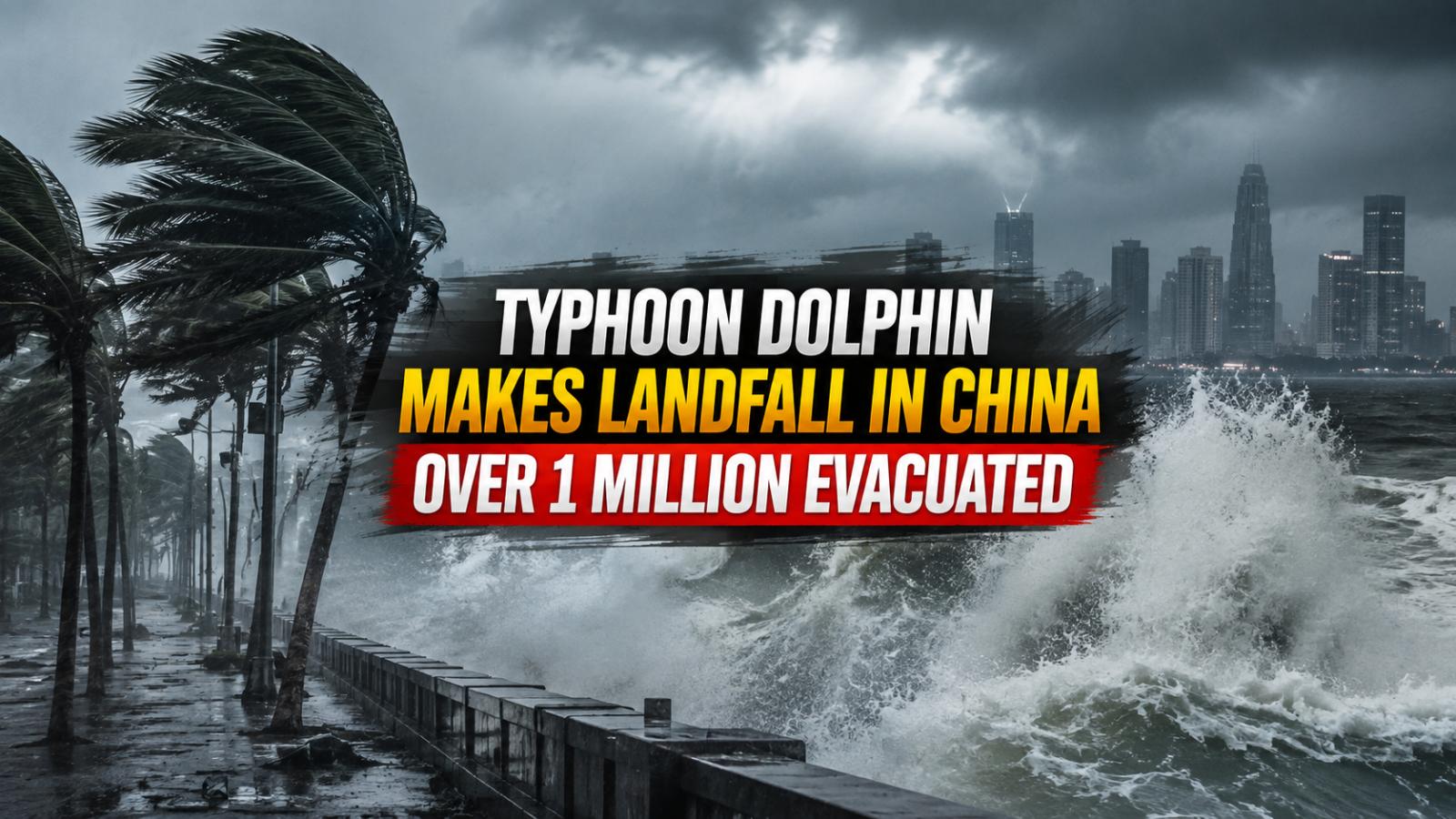
Typhoon Dolphin China landfall brought destructive winds and torrential rain to Zhejiang, forcing more than one million evacuations. Shanghai flights faced major disruption as authorities warned of flooding, landslides and prolonged heavy rain while the cyclone moved inland.
Typhoon Dolphin China Landfall Hits Zhejiang
Typhoon Dolphin made landfall near Yuhuan in Zhejiang province at about 5:30
Typhoon Dolphin China landfall brought destructive winds and torrential rain to Zhejiang, forcing more than one million evacuations. Shanghai flights faced major disruption as authorities warned of flooding, landslides and prolonged heavy rain while the cyclone moved inland.
Typhoon Dolphin China Landfall Hits Zhejiang
Typhoon Dolphin made landfall near Yuhuan in Zhejiang province at about 5:30
Ashish Jha Says COVID Lab Leak More Likely
Former White House adviser Ashish Jha says a COVID lab leak now appears more likely to him than natural spillover. However, he stressed that the origin remains unproven, the virus was not deliberately released and missing information from China prevents a conclusive finding.
Ashish Jha Revises His Assessment
Former White Ho
Ashish Jha Says COVID Lab Leak More Likely
Former White House adviser Ashish Jha says a COVID lab leak now appears more likely to him than natural spillover. However, he stressed that the origin remains unproven, the virus was not deliberately released and missing information from China prevents a conclusive finding.
Ashish Jha Revises His Assessment
Former White Ho
The United States has introduced sweeping restrictions on new Chinese-made humanoid robots and quadruped robots, commonly known as robot dogs, citing national security and cybersecurity concerns. The decision, announced by the Federal Communications Commission (FCC), immediately blocks the approval of new Chinese robotics models for sale in the United States. The move marks another major step in Washington's broader strategy to reduce dependence on tech
The United States has introduced sweeping restrictions on new Chinese-made humanoid robots and quadruped robots, commonly known as robot dogs, citing national security and cybersecurity concerns. The decision, announced by the Federal Communications Commission (FCC), immediately blocks the approval of new Chinese robotics models for sale in the United States. The move marks another major step in Washington's broader strategy to reduce dependence on tech
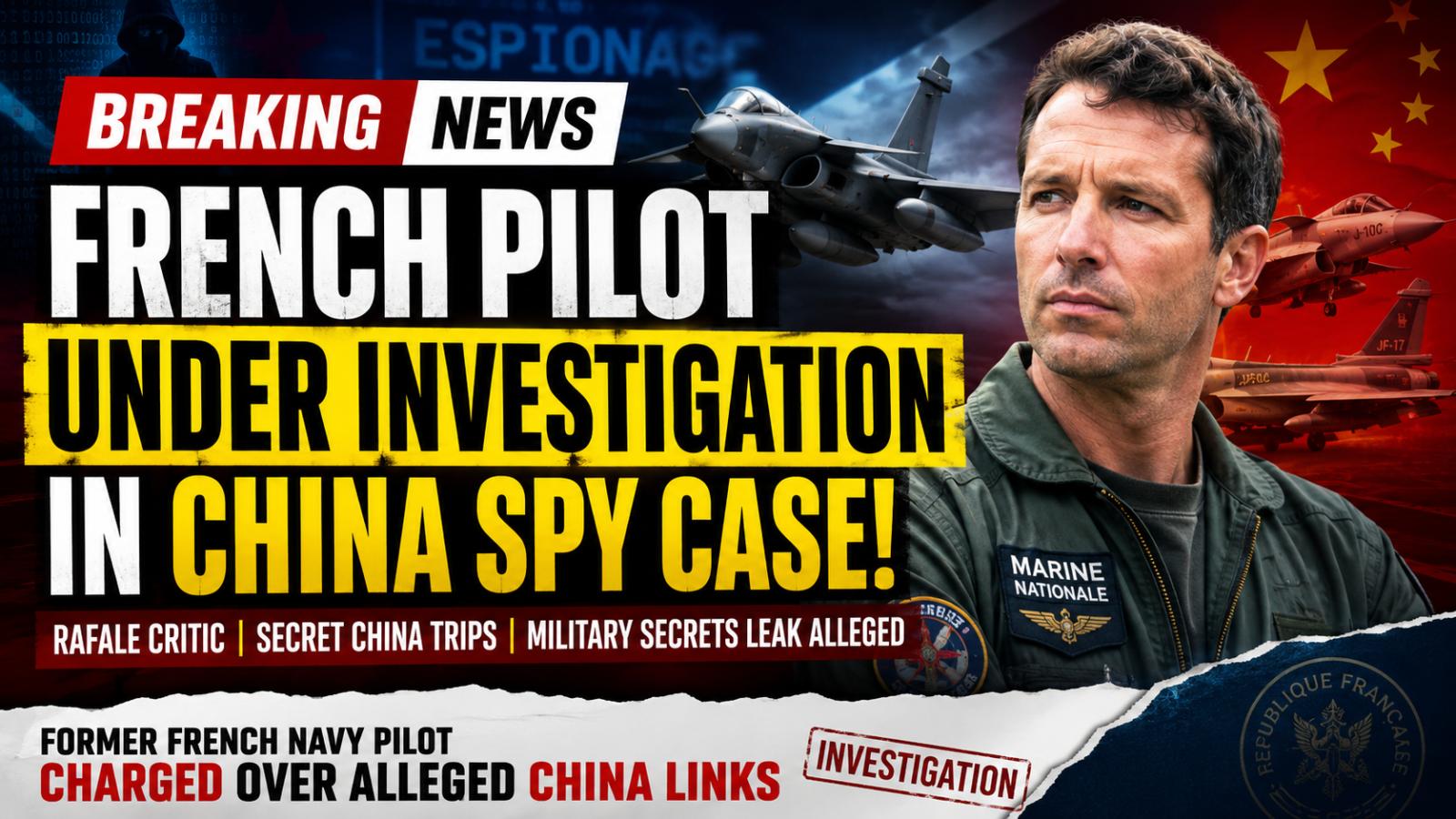
The French pilot China spy case has gained attention after former French Navy aviator Pierre-Henri Chuet was placed under investigation over alleged espionage links, undisclosed China visits, military pilot training and his earlier Rafale fighter controversy.
Pierre-Henri Chuet Investigation
The Frenc
The French pilot China spy case has gained attention after former French Navy aviator Pierre-Henri Chuet was placed under investigation over alleged espionage links, undisclosed China visits, military pilot training and his earlier Rafale fighter controversy.
Pierre-Henri Chuet Investigation
The Frenc
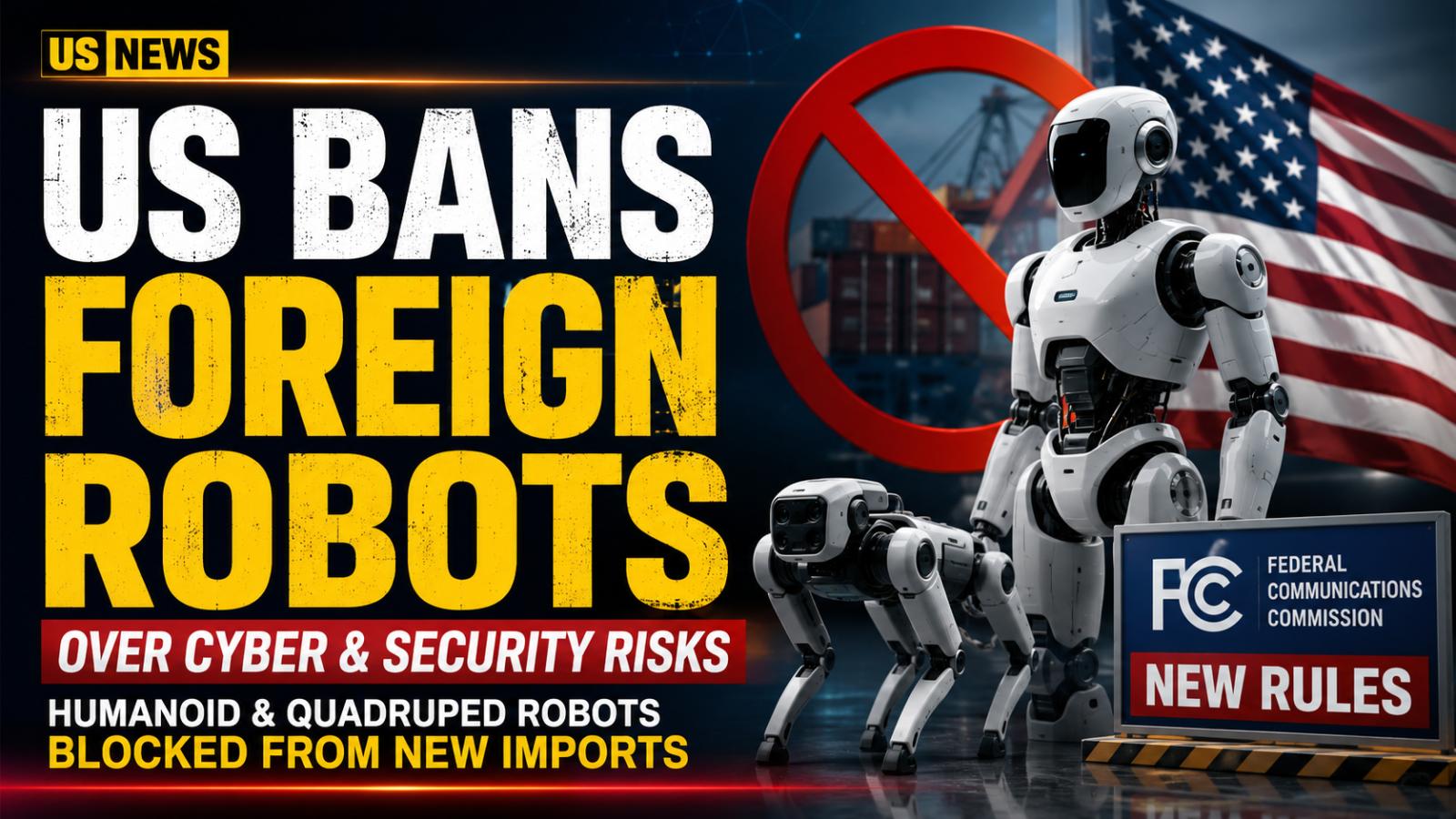
The United States has added foreign-produced humanoid and quadruped robots to the Federal Communications Commission’s Covered List, restricting new models from receiving authorization for the American market. The FCC says connected robots could create cybersecurity, surveillance and supply-chain risks.
FCC rules target foreign-produced robots
The FCC’s Public Safety and Homeland Security Bu
The United States has added foreign-produced humanoid and quadruped robots to the Federal Communications Commission’s Covered List, restricting new models from receiving authorization for the American market. The FCC says connected robots could create cybersecurity, surveillance and supply-chain risks.
FCC rules target foreign-produced robots
The FCC’s Public Safety and Homeland Security Bu
Researchers completed testing of a 582-tonne superconducting magnet designed to support the development of future fusion reactors.
China Artificial Sun Programme Reaches Major Magnet Milestone
China has completed the development and testing of a massive superconducting magnet intended to advance its nuclear fusion research programme, popularly described as the country’s artificial Sun project.
Developed by the Institute of Plas
Researchers completed testing of a 582-tonne superconducting magnet designed to support the development of future fusion reactors.
China Artificial Sun Programme Reaches Major Magnet Milestone
China has completed the development and testing of a massive superconducting magnet intended to advance its nuclear fusion research programme, popularly described as the country’s artificial Sun project.
Developed by the Institute of Plas
Many Indian politicians and senior officials have children or spouses studying, working or living abroad. Such connections are legal and common, but public controversies often raise a broader question: should senior officeholders disclose significant overseas family, residency and financial links?
China naked officials policy
China uses the informal expression “naked officials” for certain
Many Indian politicians and senior officials have children or spouses studying, working or living abroad. Such connections are legal and common, but public controversies often raise a broader question: should senior officeholders disclose significant overseas family, residency and financial links?
China naked officials policy
China uses the informal expression “naked officials” for certain
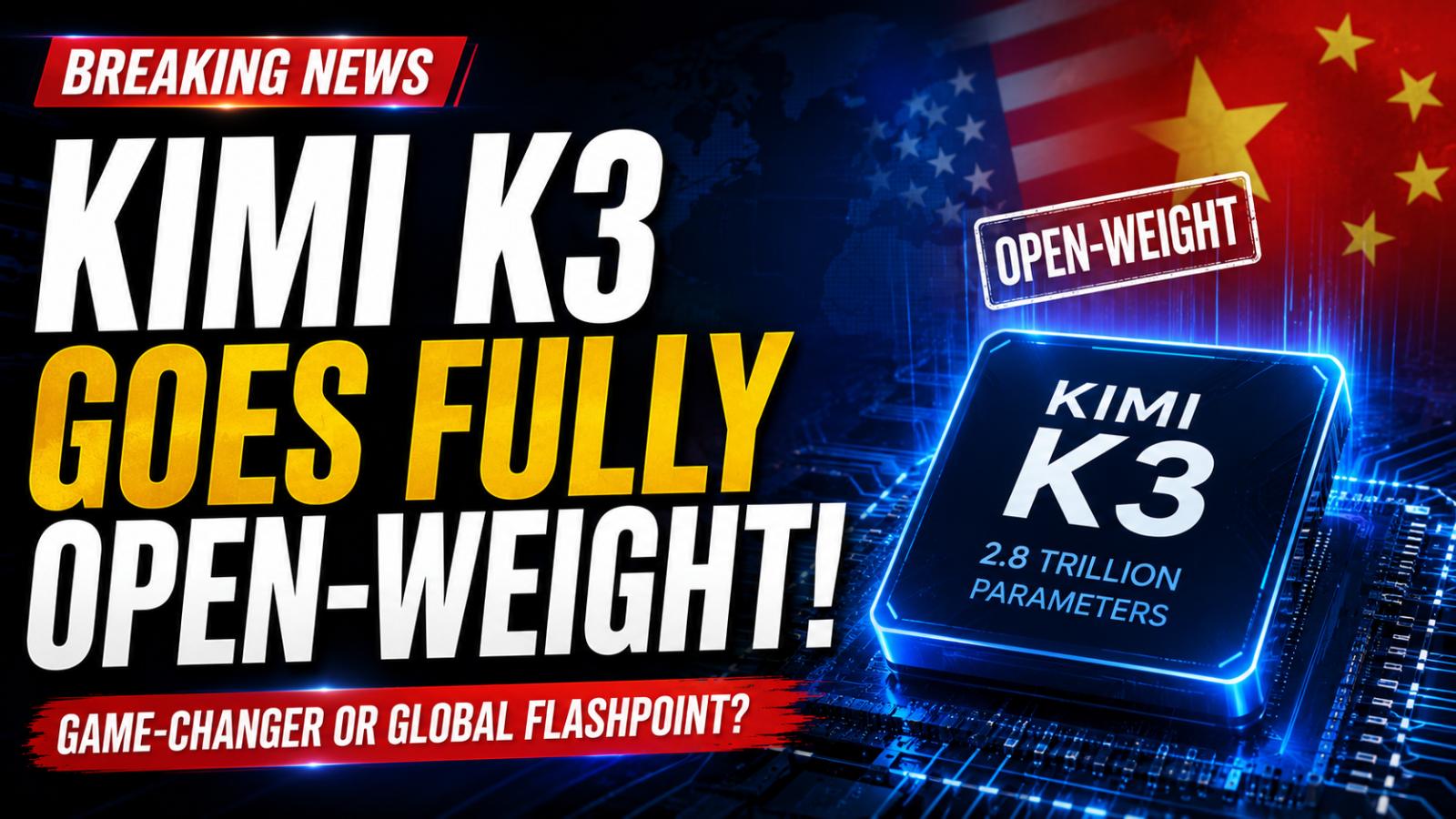
Moonshot AI has released Kimi K3, a 2.8-trillion-parameter open-weight model built for advanced reasoning, coding and knowledge work. Its arrival expands access to frontier-scale AI while intensifying a US-China dispute over alleged model distillation and intellectual property.
Kimi K3 open-weight release expands access
Moonshot introduced Kimi K3 on July 16 and scheduled the complete model-wei
Moonshot AI has released Kimi K3, a 2.8-trillion-parameter open-weight model built for advanced reasoning, coding and knowledge work. Its arrival expands access to frontier-scale AI while intensifying a US-China dispute over alleged model distillation and intellectual property.
Kimi K3 open-weight release expands access
Moonshot introduced Kimi K3 on July 16 and scheduled the complete model-wei
Japanese Prime Minister Sanae Takaichi has unveiled a ¥370 trillion investment strategy targeting artificial intelligence, semiconductors, quantum technology and energy by 2040. The ambitious plan aims to strengthen Japan's economic competitiveness, reduce reliance on China and accelerate long-term industrial growth, but it has also raised concerns about fiscal sustainability and rising government debt.
Japanese Prime Minister Sanae Takaichi has unveiled a ¥370 trillion investment strategy targeting artificial intelligence, semiconductors, quantum technology and energy by 2040. The ambitious plan aims to strengthen Japan's economic competitiveness, reduce reliance on China and accelerate long-term industrial growth, but it has also raised concerns about fiscal sustainability and rising government debt.
China Coast Guard Deploys Water Cannons
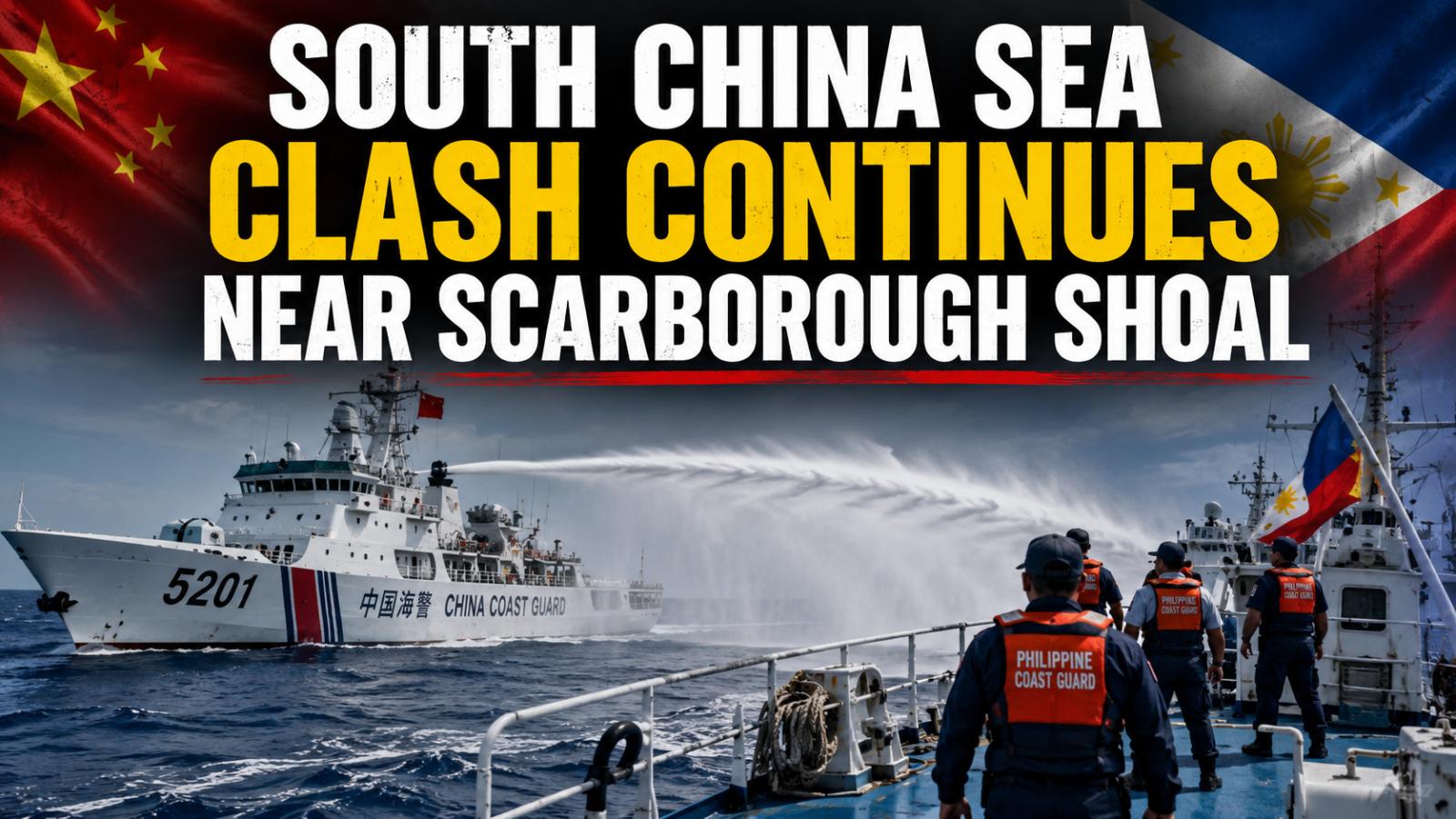
The South China Sea clash near Scarborough Shoal intensified for a second consecutive day after the China Coast Guard used water cannons and carried out what Philippine authorities described as dangerous blocking maneuvers against government and fisheries vessels. The latest confrontation highlights the continuing maritime dis
China Coast Guard Deploys Water Cannons
The South China Sea clash near Scarborough Shoal intensified for a second consecutive day after the China Coast Guard used water cannons and carried out what Philippine authorities described as dangerous blocking maneuvers against government and fisheries vessels. The latest confrontation highlights the continuing maritime dis
The Pengshui landslide toll has risen to 11, while 50 people remain missing in Chongqing, China. Rescue teams are continuing their search despite unstable slopes, massive boulders, limited space and growing safety concerns at the disaster site.
Rescue Effort Continues Around the Clock
The death toll from a massive landslide in southwestern China has increased to 11, with 50 people still unaccou
The Pengshui landslide toll has risen to 11, while 50 people remain missing in Chongqing, China. Rescue teams are continuing their search despite unstable slopes, massive boulders, limited space and growing safety concerns at the disaster site.
Rescue Effort Continues Around the Clock
The death toll from a massive landslide in southwestern China has increased to 11, with 50 people still unaccou
Nepal Prime Minister Balen Shah is preparing to meet the ambassadors of India and China this week, marking a significant shift in his diplomatic approach after completing his first 100 days in office. The move comes after Shah followed a self-imposed rule of avoiding one-on-one meetings with foreign envoys, choosing instead to engage ambassadors only in group interactions. According to official information reported by The Kathmandu Post and dipl
Nepal Prime Minister Balen Shah is preparing to meet the ambassadors of India and China this week, marking a significant shift in his diplomatic approach after completing his first 100 days in office. The move comes after Shah followed a self-imposed rule of avoiding one-on-one meetings with foreign envoys, choosing instead to engage ambassadors only in group interactions. According to official information reported by The Kathmandu Post and dipl
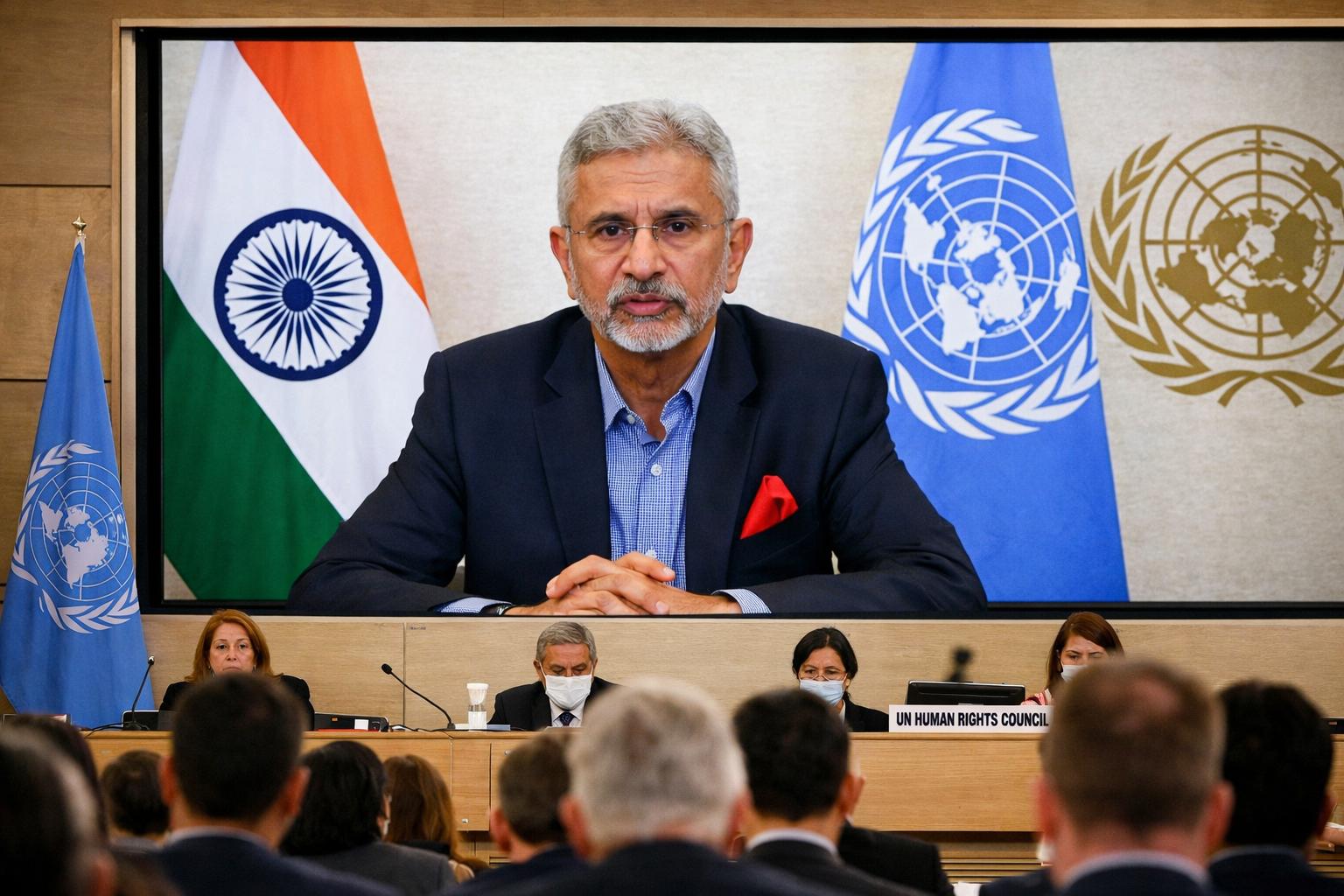
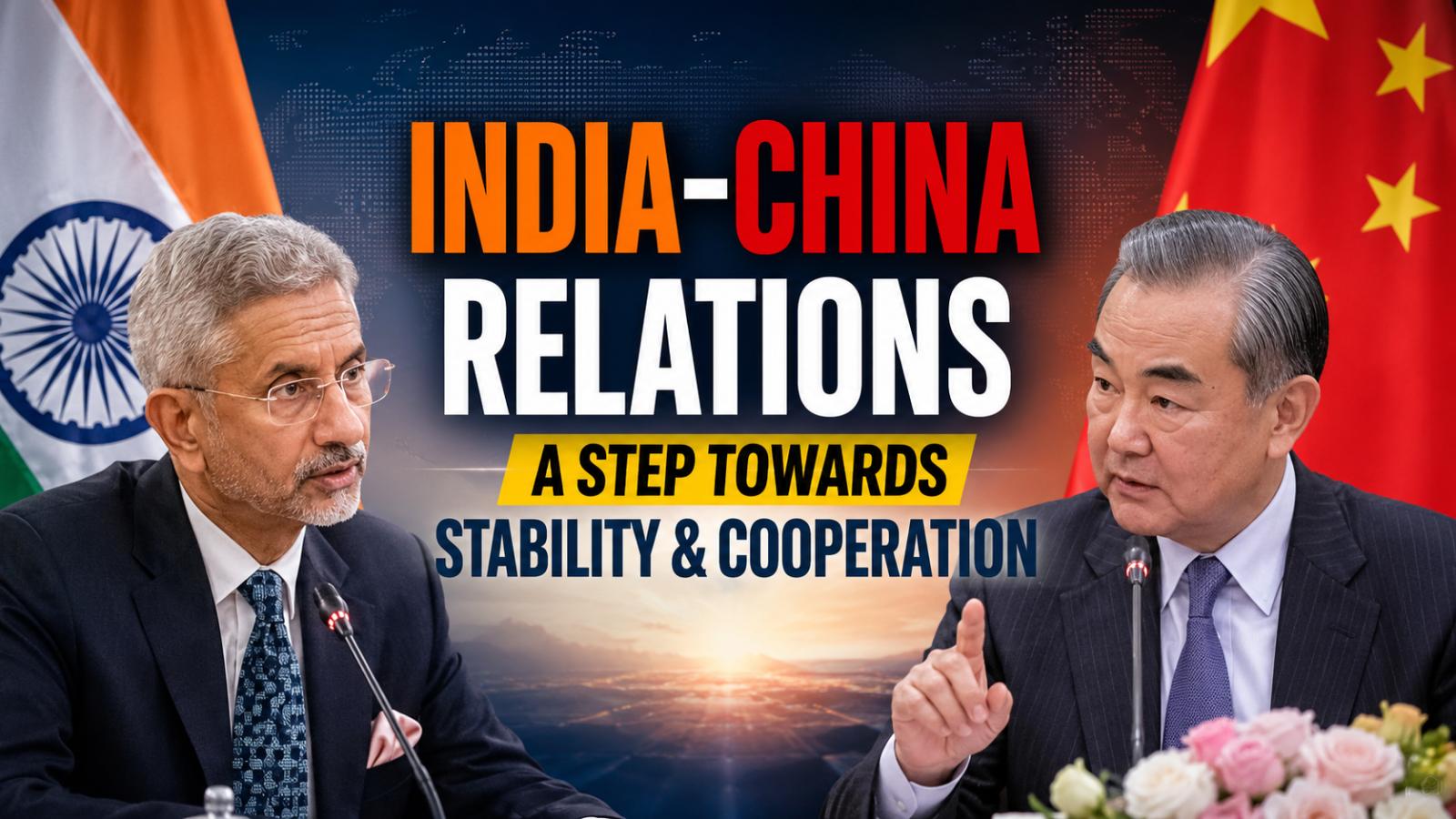
Jaishankar’s meeting with Wang Yi in Manila highlighted an improving India-China relationship while keeping border peace, trade concerns and diplomatic engagement at the centre. Both sides also discussed practical steps such as direct flights, visas and border trade.
Jaishankar Wang Yi Meeting in Manila
External Affairs Minister Dr S Jaishankar met Chinese Foreign Minister and Communist Party
Jaishankar’s meeting with Wang Yi in Manila highlighted an improving India-China relationship while keeping border peace, trade concerns and diplomatic engagement at the centre. Both sides also discussed practical steps such as direct flights, visas and border trade.
Jaishankar Wang Yi Meeting in Manila
External Affairs Minister Dr S Jaishankar met Chinese Foreign Minister and Communist Party
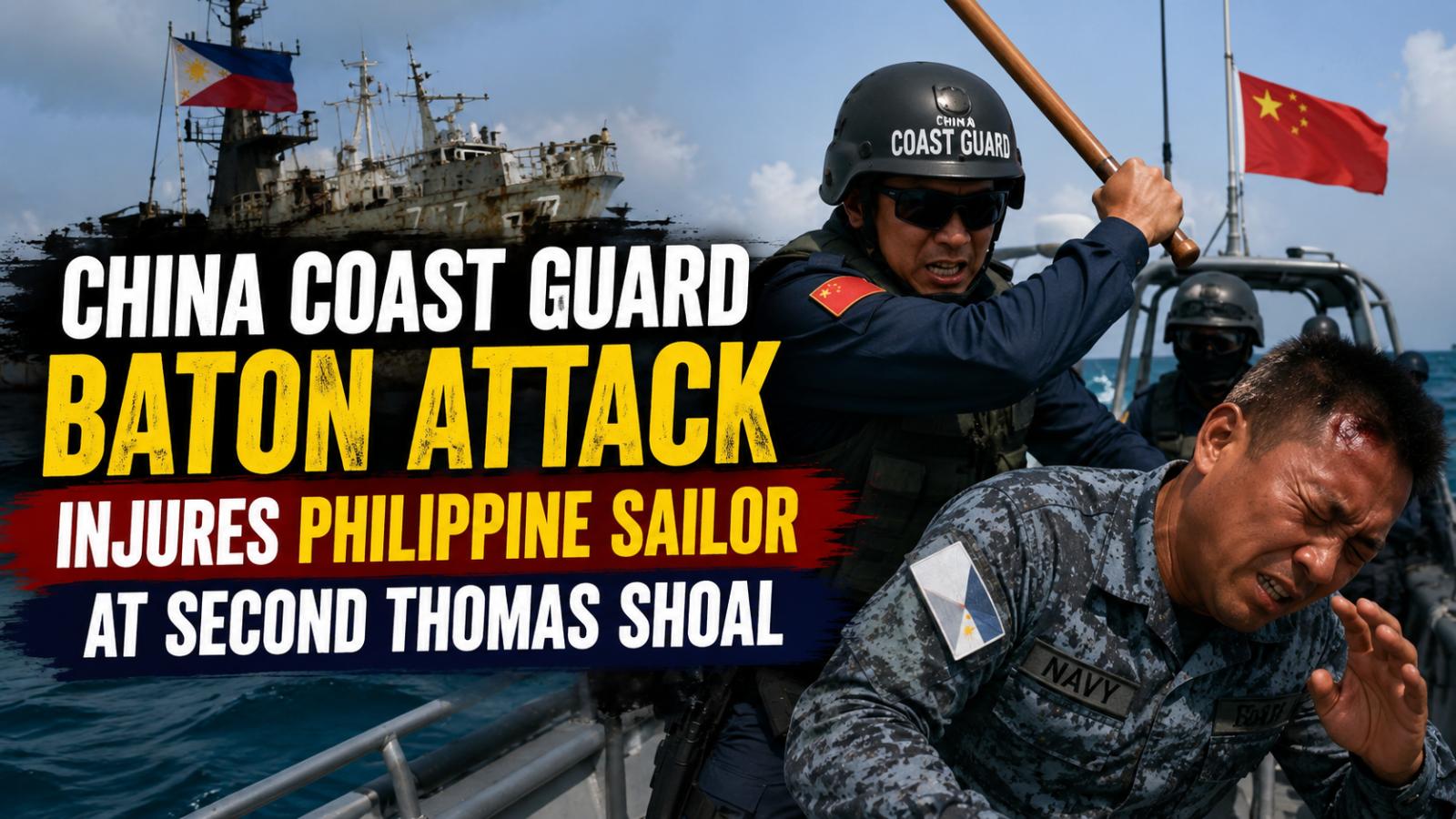
A China Coast Guard baton attack during a Philippine resupply mission at Second Thomas Shoal has further heightened tensions in the South China Sea. Philippine military officials said a sailor suffered a serious head injury during the confrontation, adding to a series of incidents involving disputed waters claimed by both Manila and Beijing.
Second Thomas Shoal confrontation
The Armed Forces of the Philippines (AFP) said the incident occurred near the BRP Sierra Madre, a decommissioned Philippine Navy vessel grounded at Ayungin Shoal since 1999 to maintain the country's presence in the disputed area. According to the AFP, a China Coast Guard rigid-hull inflatable boat carrying several personnel approached the outpost, circled the vessel and recorded photos and videos before the confrontation escalated.
Philippine officials alleged that one China Coast Guard member struck a Philippine Navy sailor on the head with a wooden baton during the encounter. Medical personnel immediately treated the injured sailor before he was evacuated for further medical care. The reported incident took place during a routine presence-maintenance and resupply operation.
China Coast Guard activities
The latest confrontation adds to a growing list of maritime incidents involving Chinese and Philippine vessels in the South China Sea. Philippine authorities have repeatedly accused the China Coast Guard of blocking, ramming, boarding and using water cannons against Philippine boats operating within what Manila considers its Exclusive Economic Zone (EEZ).
China maintains that its coast guard is enforcing Chinese sovereignty against what it describes as unlawful incursions by Philippine vessels. Beijing continues to assert broad claims across most of the South China Sea despite objections from neighbouring countries.
South China Sea dispute
Second Thomas Shoal remains one of the region's most sensitive flashpoints. The Philippines argues that the shoal lies within its EEZ under the United Nations Convention on the Law of the Sea (UNCLOS), while China insists it has historical sovereignty over the surrounding waters.
Throughout this year, both sides have reported multiple stand-offs around Second Thomas Shoal, Scarborough Shoal and Sabina Shoal. Philippine officials have also raised concerns over increased China Coast Guard patrols, maritime militia activity and research vessels operating near disputed features. Earlier this year, Manila accused Chinese fishing vessels of causing environmental damage near the shoal, while Beijing rejected those allegations.
China-Philippines tensions
Security concerns have continued to grow as China carried out military exercises in parts of the South China Sea and the Philippines expanded defence cooperation with the United States, Japan and several ASEAN partners through joint military drills. Diplomatic protests have also increased following disputes over floating structures, fishing access and maritime patrols.
The broader dispute remains unresolved despite the 2016 ruling by the Permanent Court of Arbitration in The Hague, which found that China's expansive claims had no legal basis under UNCLOS. The Philippines continues to cite the ruling as the foundation of its maritime rights, while China rejects the decision and refuses to recognise its legal validity.
The latest reported injury marks another serious escalation in the long-running maritime dispute. Although neither side has indicated an intention to pursue military conflict, analysts continue to warn that repeated close encounters between vessels increase the risk of miscalculation. Philippine authorities said they remain committed to protecting their personnel and maintaining their presence in the disputed waters, while Beijing continues to defend its actions as lawful enforcement of its territorial claims.
A China Coast Guard baton attack during a Philippine resupply mission at Second Thomas Shoal has further heightened tensions in the South China Sea. Philippine military officials said a sailor suffered a serious head injury during the confrontation, adding to a series of incidents involving disputed waters claimed by both Manila and Beijing.
Second Thomas Shoal confrontation
The Armed Forces of the Philippines (AFP) said the incident occurred near the BRP Sierra Madre, a decommissioned Philippine Navy vessel grounded at Ayungin Shoal since 1999 to maintain the country's presence in the disputed area. According to the AFP, a China Coast Guard rigid-hull inflatable boat carrying several personnel approached the outpost, circled the vessel and recorded photos and videos before the confrontation escalated.
Philippine officials alleged that one China Coast Guard member struck a Philippine Navy sailor on the head with a wooden baton during the encounter. Medical personnel immediately treated the injured sailor before he was evacuated for further medical care. The reported incident took place during a routine presence-maintenance and resupply operation.
China Coast Guard activities
The latest confrontation adds to a growing list of maritime incidents involving Chinese and Philippine vessels in the South China Sea. Philippine authorities have repeatedly accused the China Coast Guard of blocking, ramming, boarding and using water cannons against Philippine boats operating within what Manila considers its Exclusive Economic Zone (EEZ).
China maintains that its coast guard is enforcing Chinese sovereignty against what it describes as unlawful incursions by Philippine vessels. Beijing continues to assert broad claims across most of the South China Sea despite objections from neighbouring countries.
South China Sea dispute
Second Thomas Shoal remains one of the region's most sensitive flashpoints. The Philippines argues that the shoal lies within its EEZ under the United Nations Convention on the Law of the Sea (UNCLOS), while China insists it has historical sovereignty over the surrounding waters.
Throughout this year, both sides have reported multiple stand-offs around Second Thomas Shoal, Scarborough Shoal and Sabina Shoal. Philippine officials have also raised concerns over increased China Coast Guard patrols, maritime militia activity and research vessels operating near disputed features. Earlier this year, Manila accused Chinese fishing vessels of causing environmental damage near the shoal, while Beijing rejected those allegations.
China-Philippines tensions
Security concerns have continued to grow as China carried out military exercises in parts of the South China Sea and the Philippines expanded defence cooperation with the United States, Japan and several ASEAN partners through joint military drills. Diplomatic protests have also increased following disputes over floating structures, fishing access and maritime patrols.
The broader dispute remains unresolved despite the 2016 ruling by the Permanent Court of Arbitration in The Hague, which found that China's expansive claims had no legal basis under UNCLOS. The Philippines continues to cite the ruling as the foundation of its maritime rights, while China rejects the decision and refuses to recognise its legal validity.
The latest reported injury marks another serious escalation in the long-running maritime dispute. Although neither side has indicated an intention to pursue military conflict, analysts continue to warn that repeated close encounters between vessels increase the risk of miscalculation. Philippine authorities said they remain committed to protecting their personnel and maintaining their presence in the disputed waters, while Beijing continues to defend its actions as lawful enforcement of its territorial claims.
Apple Intelligence has cleared a major regulatory hurdle in mainland China, bringing Apple closer to launching its artificial intelligence features in one of its most important smartphone markets. The service will rely on technology from Chinese companies Alibaba and Baidu to meet local regulatory and technical requirements.
CAC Registration Clears the Way for Apple AI in China
Apple Intelligence has been regis
Apple Intelligence has cleared a major regulatory hurdle in mainland China, bringing Apple closer to launching its artificial intelligence features in one of its most important smartphone markets. The service will rely on technology from Chinese companies Alibaba and Baidu to meet local regulatory and technical requirements.
CAC Registration Clears the Way for Apple AI in China
Apple Intelligence has been regis
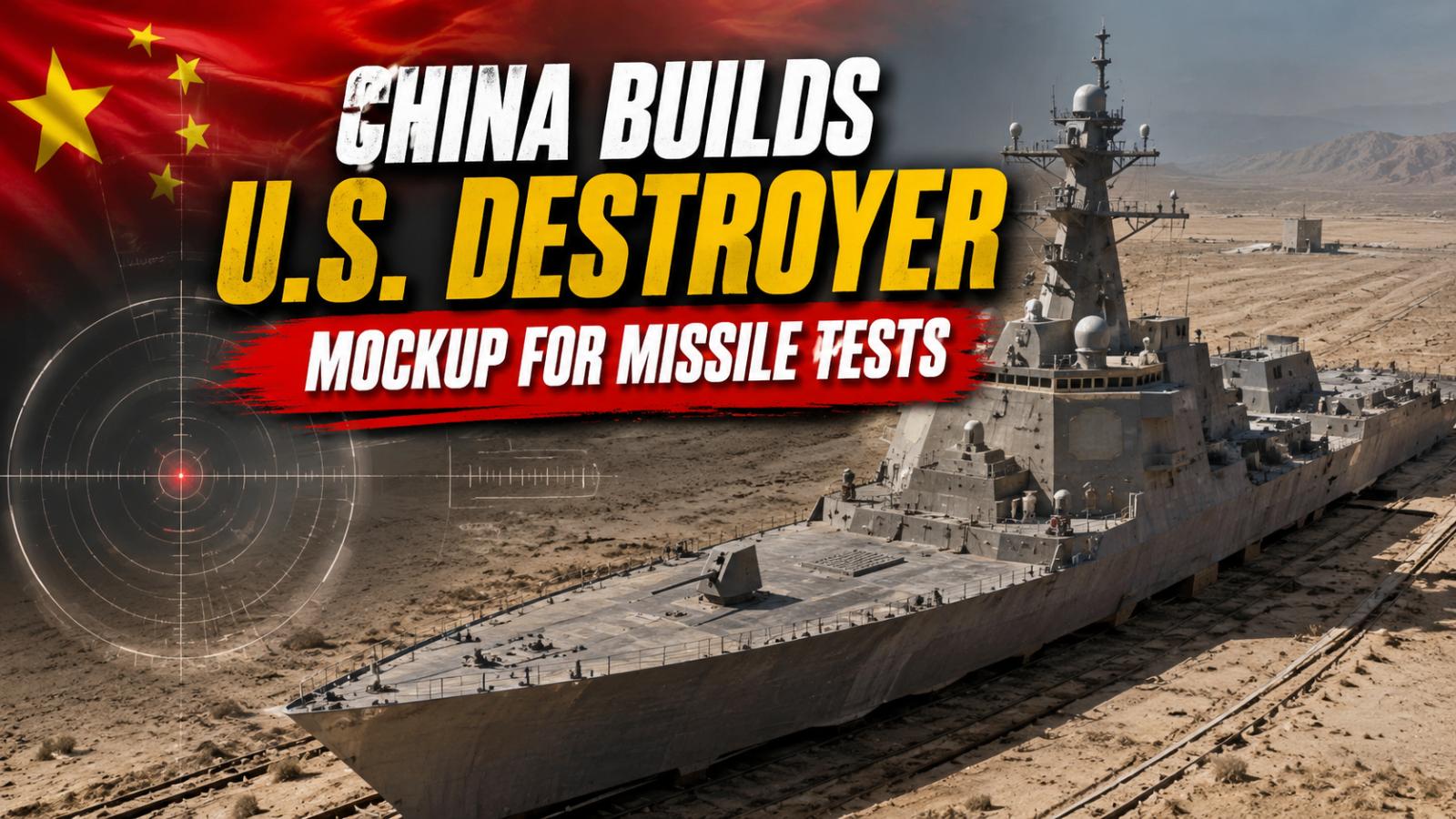
China has constructed a detailed, full-scale target resembling a US Navy Arleigh Burke-class guided-missile destroyer at a remote testing range in Xinjiang. Satellite imagery attributed to US geospatial company Vantor suggests the model could help China study missile targeting, surveillance and strike coordination against a moving naval platform.
Desert Target Shows Greater Structural Detail
The China ship repl
China has constructed a detailed, full-scale target resembling a US Navy Arleigh Burke-class guided-missile destroyer at a remote testing range in Xinjiang. Satellite imagery attributed to US geospatial company Vantor suggests the model could help China study missile targeting, surveillance and strike coordination against a moving naval platform.
Desert Target Shows Greater Structural Detail
The China ship repl