Operation Sindoor Anniversary Puts India’s Defence Exports in Focus
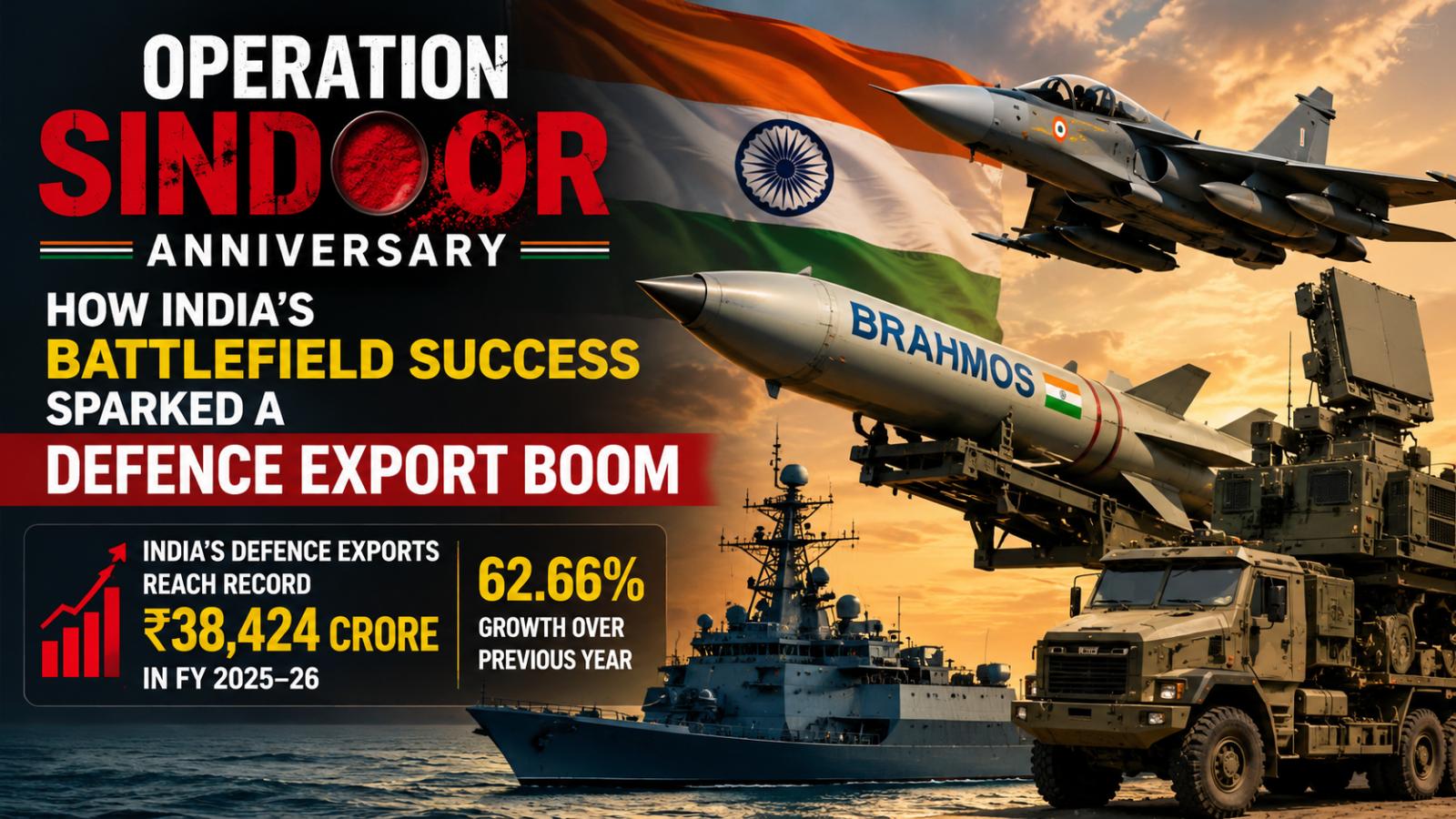
Operation Sindoor anniversary has placed India’s defence export boom back in the spotlight, with official data showing exports touched a record Rs 38,424 crore in FY 2025–26.
The May 7–10, 2025 conflict, described by officials as a focused military response, has now become more than a battlefield milestone. It is being viewed as a turning point for India’s defence industry.
Operation Sindoor Anniversary Puts India’s Defence Exports in Focus
Operation Sindoor anniversary has placed India’s defence export boom back in the spotlight, with official data showing exports touched a record Rs 38,424 crore in FY 2025–26.
The May 7–10, 2025 conflict, described by officials as a focused military response, has now become more than a battlefield milestone. It is being viewed as a turning point for India’s defence industry.
Pentagon Rejects Iran Dolphin Weapon Claims
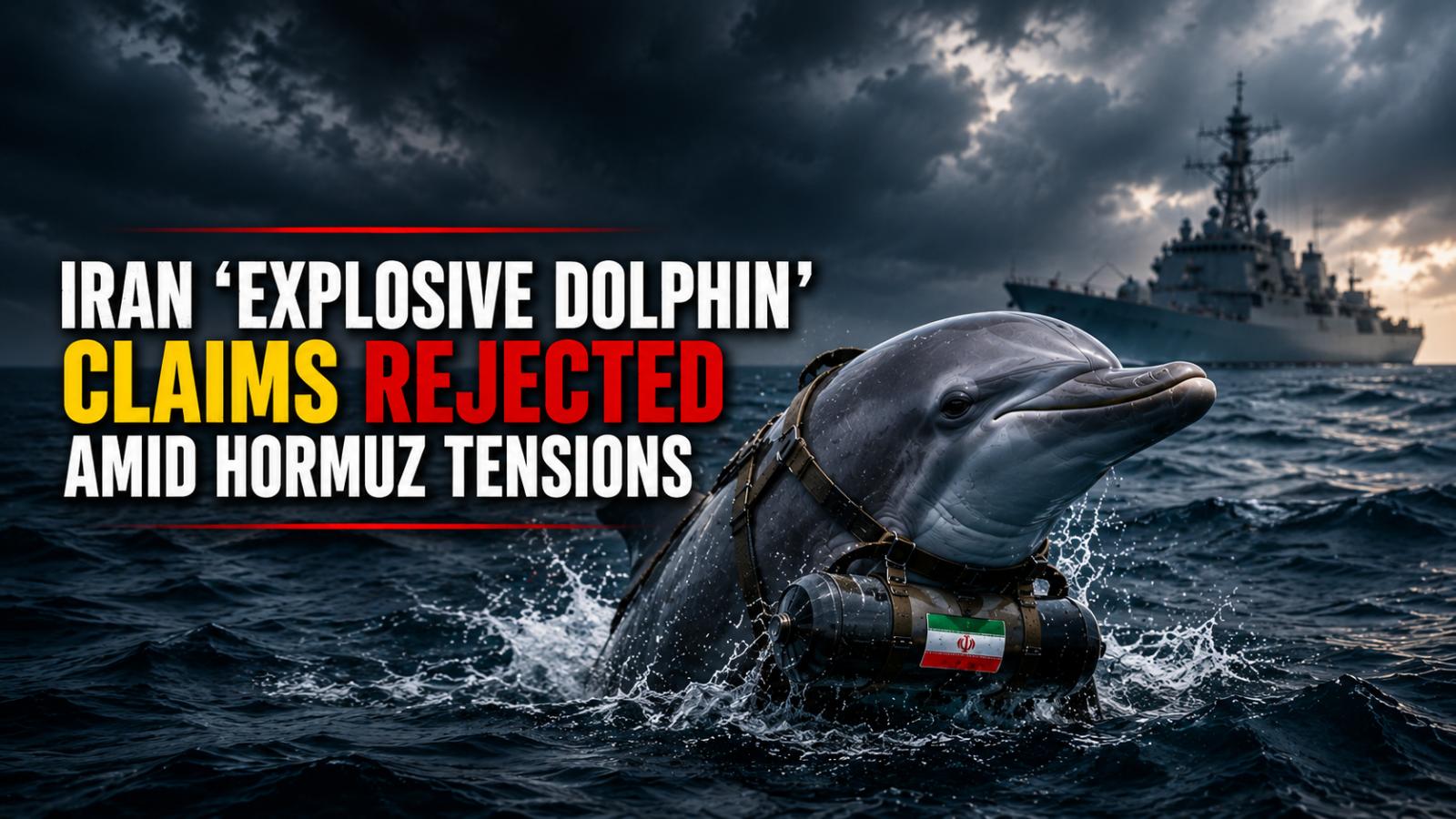
The Pentagon has dismissed claims that Iran is training explosive dolphins, confirming there is no credible evidence of such a program. Officials addressed the rumors as tensions in the Strait of Hormuz continue to escalate.
Speaking on May 6, 2026, U.S. Defense Secretary Pete Hegseth said reports of “kamikaze dolphins” are unfounded. “Iran does not have such capabilities,” he stated, r
Pentagon Rejects Iran Dolphin Weapon Claims
The Pentagon has dismissed claims that Iran is training explosive dolphins, confirming there is no credible evidence of such a program. Officials addressed the rumors as tensions in the Strait of Hormuz continue to escalate.
Speaking on May 6, 2026, U.S. Defense Secretary Pete Hegseth said reports of “kamikaze dolphins” are unfounded. “Iran does not have such capabilities,” he stated, r
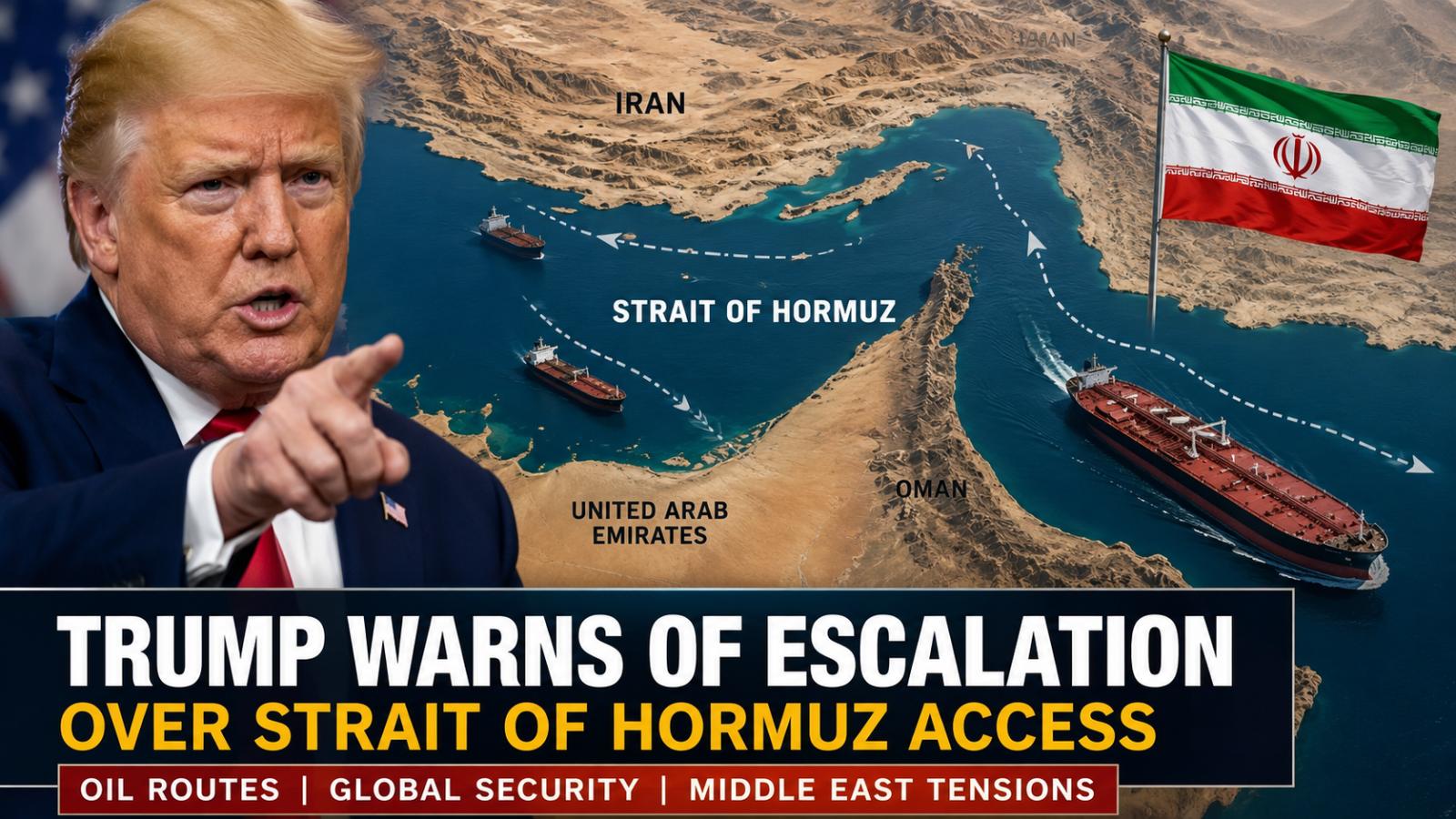
U.S. President Donald Trump on Wednesday warned Iran that any move to restrict access to the Strait of Hormuz could trigger a stronger U.S. military response, according to a statement posted on Truth Social. Trump said tensions could ease if Tehran ensures open maritime access for all nations, describing it as a condition previously understood between the sides.
He added that failure to comply would lead to “significantly intensified” action, signaling a potential shift toward a more aggressive U.S. stance in the region. The Strait of Hormuz is one of the world’s most critical oil transit routes, carrying a large share of global crude shipments. Any disruption could affect energy markets and international shipping security.
Trump’s remarks come amid ongoing uncertainty in the Middle East, where regional rivalries and strategic interests continue to drive tensions. No immediate response from Iranian officials was reported. Analysts say heightened rhetoric around the waterway often fuels volatility in oil prices and raises the risk of military escalation in the Gulf.
U.S. President Donald Trump on Wednesday warned Iran that any move to restrict access to the Strait of Hormuz could trigger a stronger U.S. military response, according to a statement posted on Truth Social. Trump said tensions could ease if Tehran ensures open maritime access for all nations, describing it as a condition previously understood between the sides.
He added that failure to comply would lead to “significantly intensified” action, signaling a potential shift toward a more aggressive U.S. stance in the region. The Strait of Hormuz is one of the world’s most critical oil transit routes, carrying a large share of global crude shipments. Any disruption could affect energy markets and international shipping security.
Trump’s remarks come amid ongoing uncertainty in the Middle East, where regional rivalries and strategic interests continue to drive tensions. No immediate response from Iranian officials was reported. Analysts say heightened rhetoric around the waterway often fuels volatility in oil prices and raises the risk of military escalation in the Gulf.
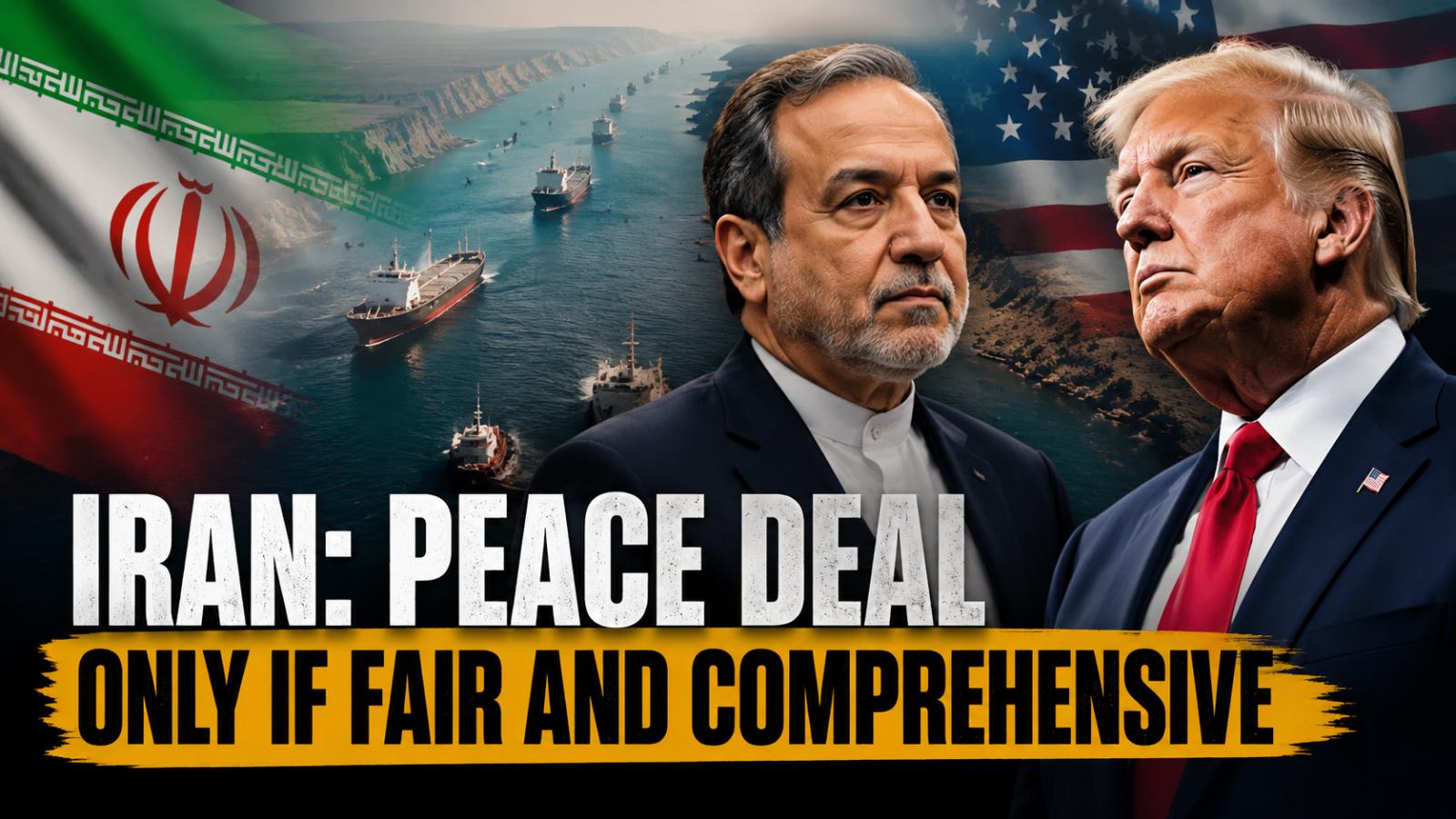
On Wednesday, May 6, Iran made it clear that it would only accept a peace deal with the United States if the agreement is "fair and comprehensive." This statement follows a recent pause in the U.S. naval operation, 'Project Freedom,' which was aimed at reopening the crucial Strait of Hormuz. The operation, which began just days earlier, failed to restore marine traffic through the vital waterway. Iran's response, however, has been one of defiance, with the country carrying out new strikes on
On Wednesday, May 6, Iran made it clear that it would only accept a peace deal with the United States if the agreement is "fair and comprehensive." This statement follows a recent pause in the U.S. naval operation, 'Project Freedom,' which was aimed at reopening the crucial Strait of Hormuz. The operation, which began just days earlier, failed to restore marine traffic through the vital waterway. Iran's response, however, has been one of defiance, with the country carrying out new strikes on
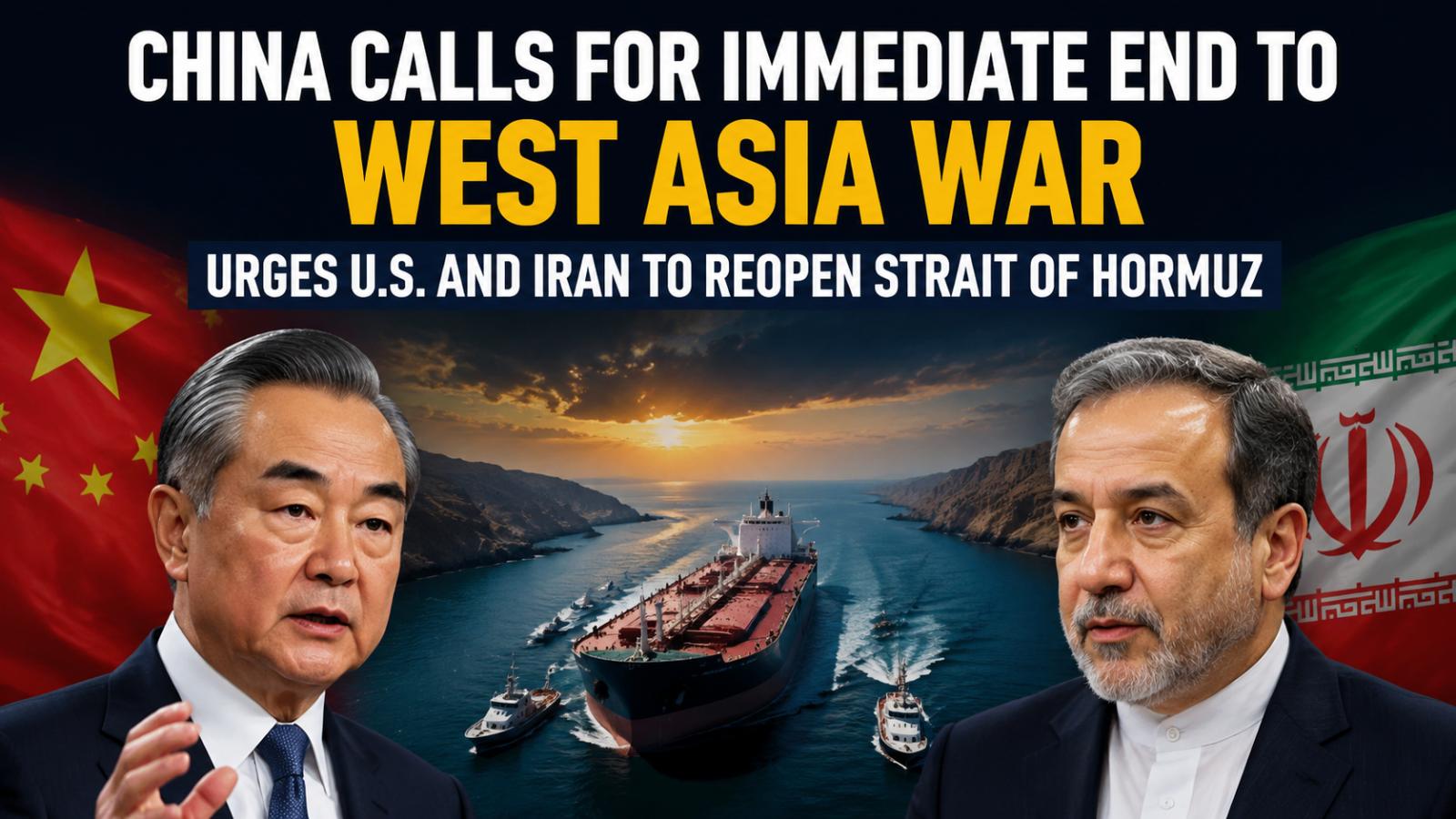
Chinese Foreign Minister Wang Yi has called for an immediate and complete end to the ongoing conflict in West Asia. During a high-level meeting with Iran’s Foreign Minister Seyed Abbas Araghchi in Beijing, Wang stressed the importance of achieving a comprehensive ceasefire without any delay. He also urged both the United States and Iran to reopen the Strait of Hormuz "as soon as possible" to help stabilize global energy markets, which have been severely impacted by the conflict.
A
Chinese Foreign Minister Wang Yi has called for an immediate and complete end to the ongoing conflict in West Asia. During a high-level meeting with Iran’s Foreign Minister Seyed Abbas Araghchi in Beijing, Wang stressed the importance of achieving a comprehensive ceasefire without any delay. He also urged both the United States and Iran to reopen the Strait of Hormuz "as soon as possible" to help stabilize global energy markets, which have been severely impacted by the conflict.
A
Iran Tightens Control Over Strait of Hormuz Shipping
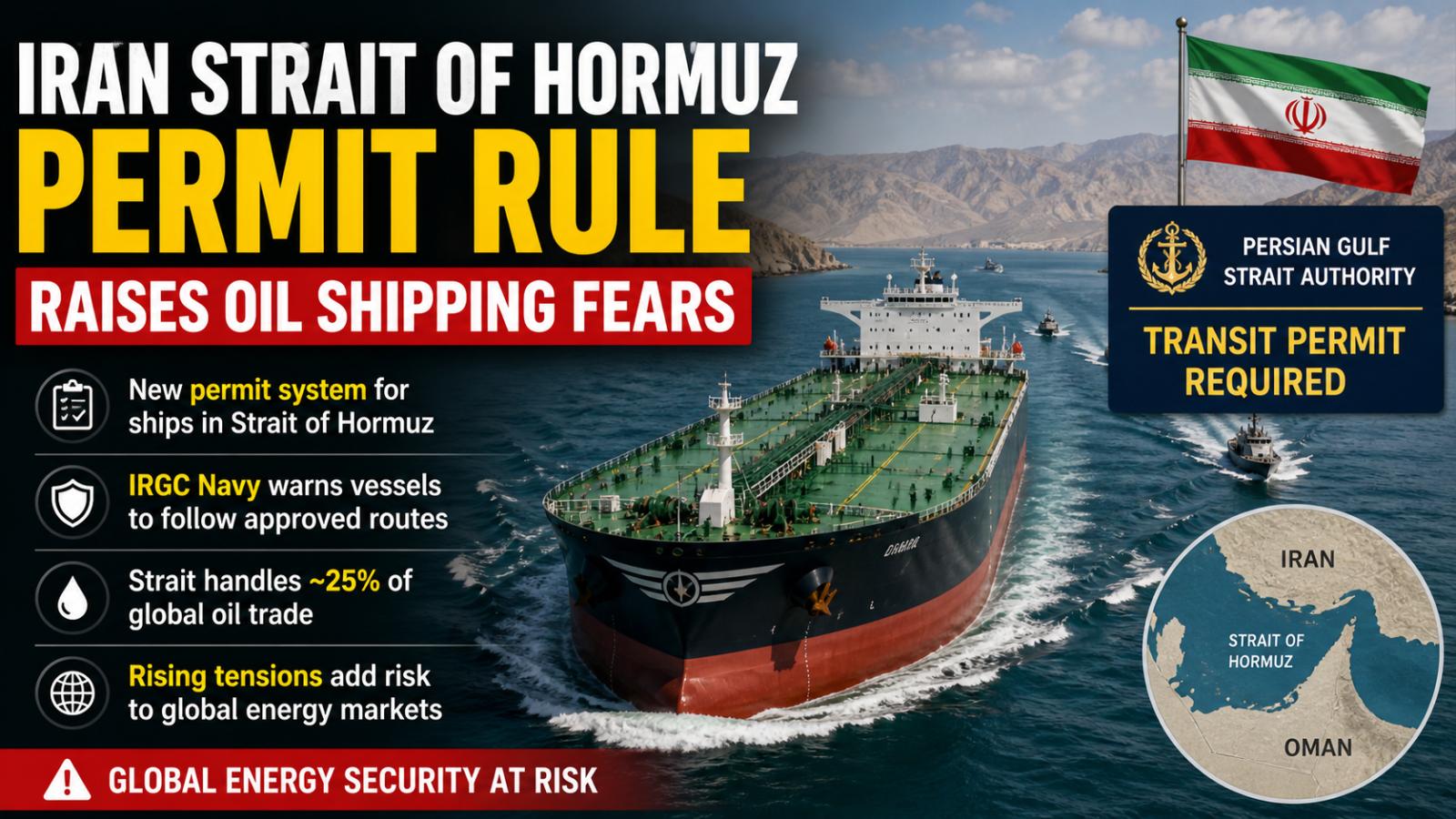
Iran has introduced a new Strait of Hormuz permit system, requiring ships to follow official transit instructions before entering one of the world’s most vital oil routes. The move raises fresh concerns for global energy markets, as the Strait of Hormuz carries a major share of seaborne oil trade and remains a flashpoint in rising US-Iran tensions.
What Iran’s New Permit Rule Means
Iran Tightens Control Over Strait of Hormuz Shipping
Iran has introduced a new Strait of Hormuz permit system, requiring ships to follow official transit instructions before entering one of the world’s most vital oil routes. The move raises fresh concerns for global energy markets, as the Strait of Hormuz carries a major share of seaborne oil trade and remains a flashpoint in rising US-Iran tensions.
What Iran’s New Permit Rule Means
Trump Iran Conflict Deepens After Oval Office Remarks
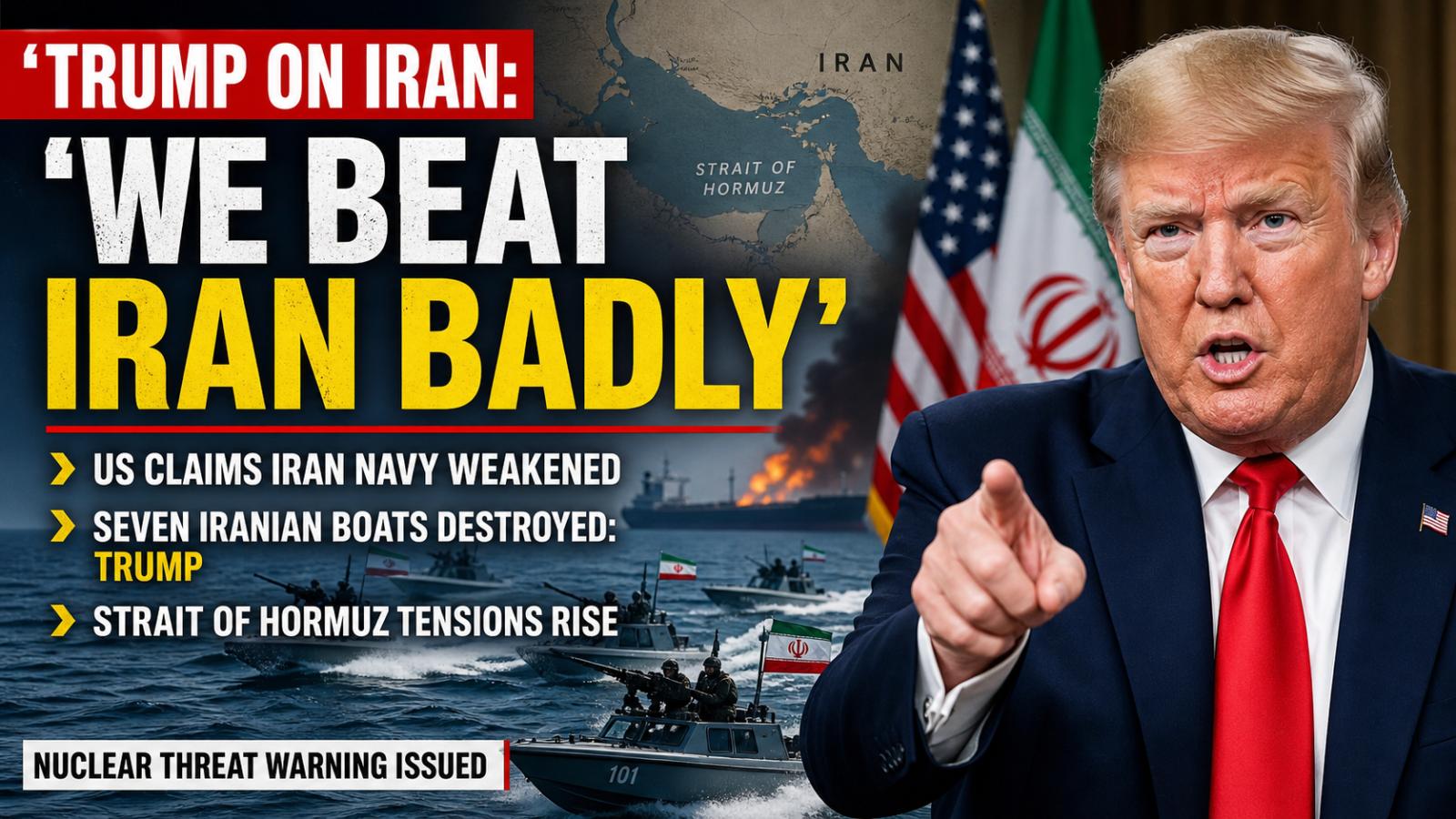
Donald Trump said the United States has “beaten Iran badly,” claiming U.S. military action weakened Iran’s navy and reduced the risk of Tehran developing a nuclear weapon. Speaking from the Oval Office, Trump described the confrontation as a “skirmish,” but his remarks added fresh urgency to rising U.S.-Iran tensions in the Gulf region.
US Claims Iran Navy Severely Weakened
Trump Iran Conflict Deepens After Oval Office Remarks
Donald Trump said the United States has “beaten Iran badly,” claiming U.S. military action weakened Iran’s navy and reduced the risk of Tehran developing a nuclear weapon. Speaking from the Oval Office, Trump described the confrontation as a “skirmish,” but his remarks added fresh urgency to rising U.S.-Iran tensions in the Gulf region.
US Claims Iran Navy Severely Weakened
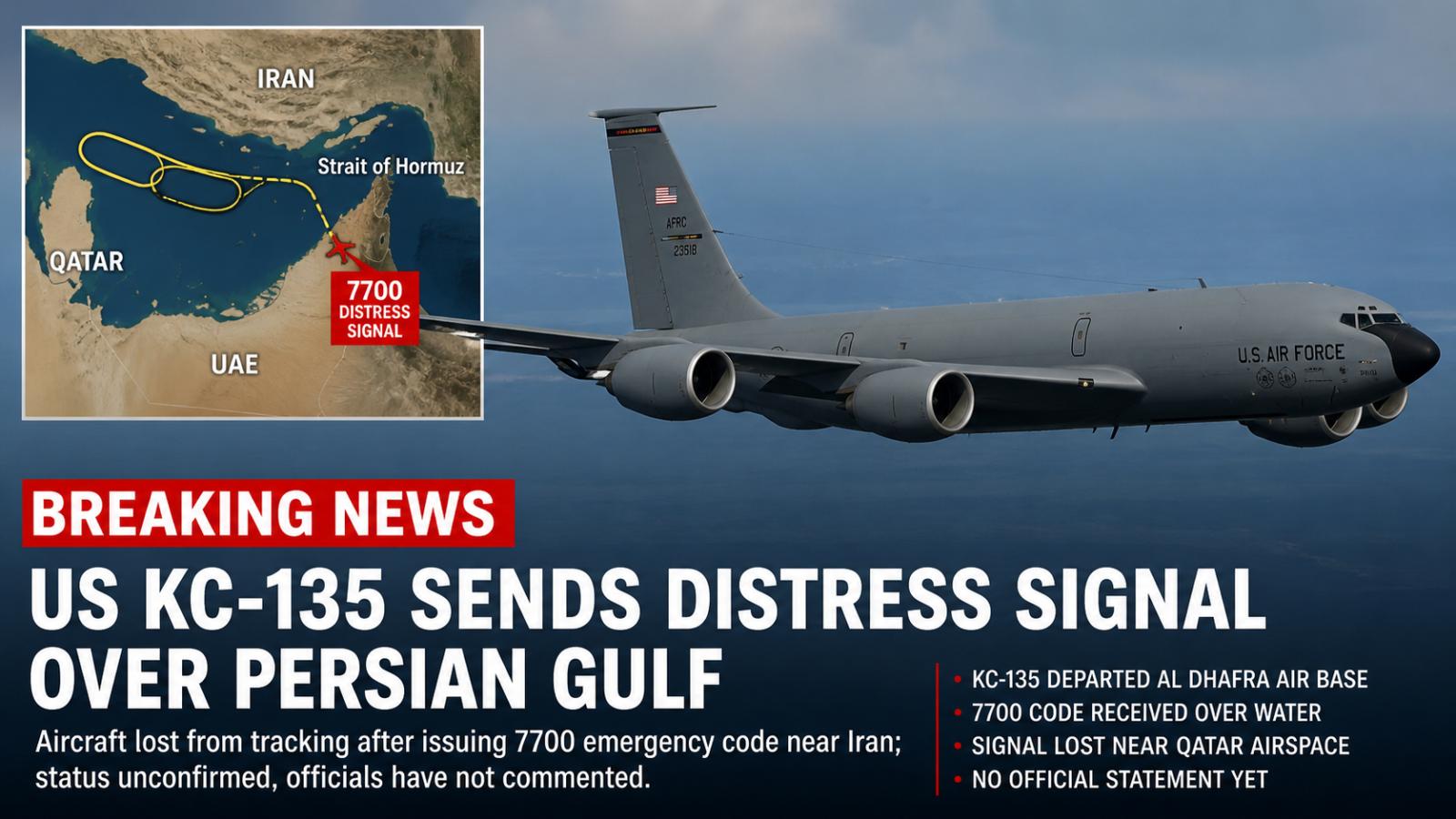
A U.S. military Boeing KC-135 Stratotanker transmitted a 7700 emergency distress signal while flying over the Persian Gulf near the Strait of Hormuz on Tuesday May 5, 2026, according to flight tracking data. The aircraft, which departed from Al Dhafra Air Base in the United Arab Emirates, was later no long
A U.S. military Boeing KC-135 Stratotanker transmitted a 7700 emergency distress signal while flying over the Persian Gulf near the Strait of Hormuz on Tuesday May 5, 2026, according to flight tracking data. The aircraft, which departed from Al Dhafra Air Base in the United Arab Emirates, was later no long
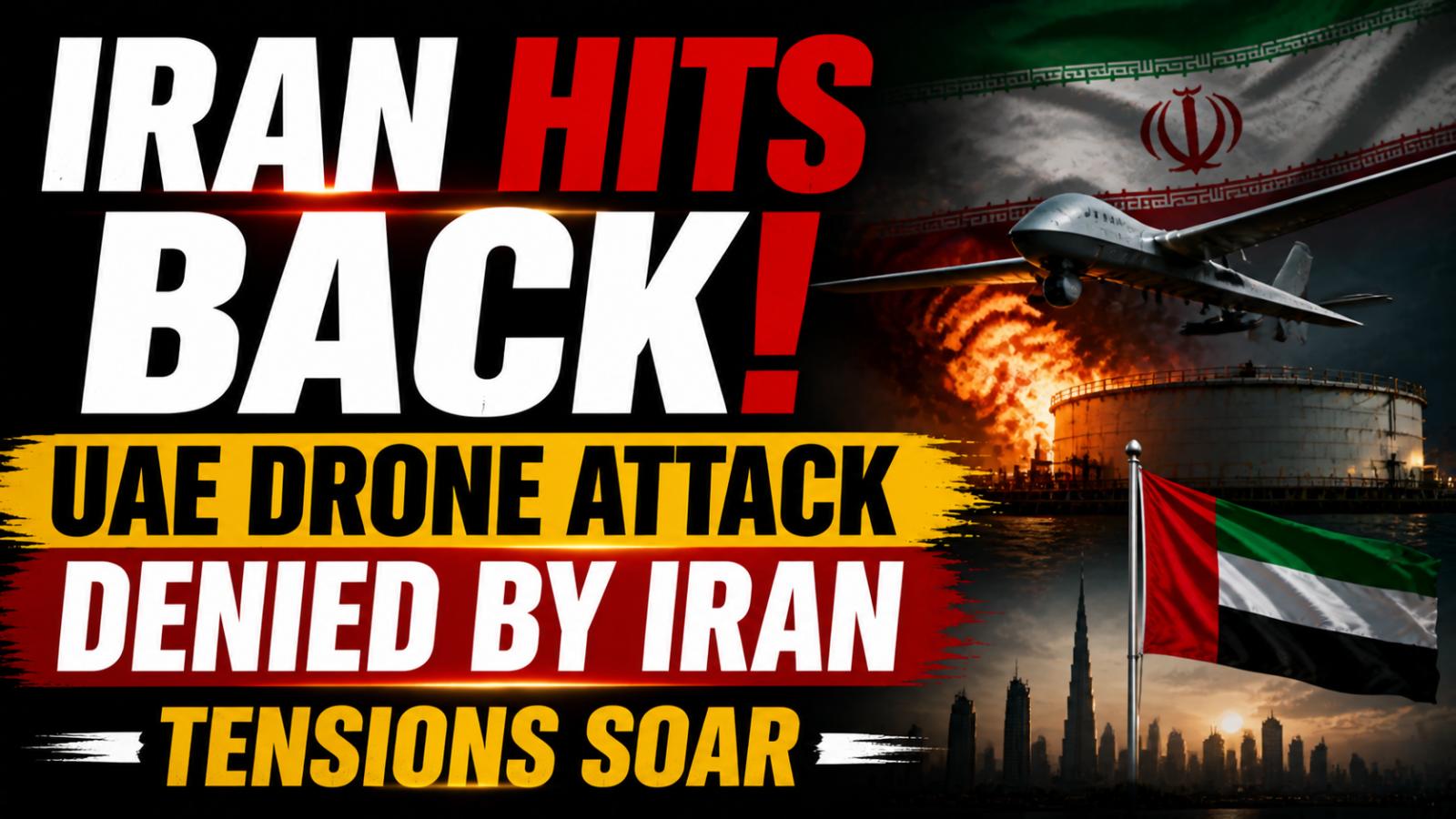
Iran has strongly denied accusations from the United Arab Emirates that it was behind a drone strike targeting oil facilities in Fujairah, calling the attack a product of US military adventurism. UAE authorities reported the attack on Monday, saying that three Indian nationals were injured in the strike and were hospitalized. The UAE also described the attack as a “dangerous escalation” amid growing tensions in the region.
Iran's military officials, speaking on state television, insisted that the Islamic Republic had no plans to target UAE oil infrastructure. They argued that the attack was part of a broader geopolitical game in which the US was attempting to create a passage for ships to unlawfully pass through the Strait of Hormuz, a key oil shipping lane. Iranian officials called on the US to cease its military actions in the region, accusing Washington of destabilizing the area and holding the US accountable for the escalation.
In the aftermath of the strike, US President Donald Trump announced a new maritime operation, Project Freedom, aimed at guiding neutral ships safely through the Gulf. The initiative, which Trump described as a humanitarian effort, is seen as a response to the increasing number of incidents in the Strait of Hormuz. US officials reported engaging with Iranian small boats in the Gulf, claiming that US forces had destroyed several Iranian vessels. Iran, however, denied these claims, stating that none of its boats had been sunk.
Iran's Foreign Minister, Seyed Abbas Araghchi, emphasized the need for a political resolution to the ongoing tensions, cautioning against further military action. He called for greater diplomatic efforts, including mediation by countries like Pakistan, to prevent a deeper conflict. Araghchi also warned the UAE and other regional actors against further escalation, urging them to avoid external interference that could destabilize the region further. As the situation continues to develop, both Iran and the US remain at odds over their military presence in the vital Strait of Hormuz.
Iran has strongly denied accusations from the United Arab Emirates that it was behind a drone strike targeting oil facilities in Fujairah, calling the attack a product of US military adventurism. UAE authorities reported the attack on Monday, saying that three Indian nationals were injured in the strike and were hospitalized. The UAE also described the attack as a “dangerous escalation” amid growing tensions in the region.
Iran's military officials, speaking on state television, insisted that the Islamic Republic had no plans to target UAE oil infrastructure. They argued that the attack was part of a broader geopolitical game in which the US was attempting to create a passage for ships to unlawfully pass through the Strait of Hormuz, a key oil shipping lane. Iranian officials called on the US to cease its military actions in the region, accusing Washington of destabilizing the area and holding the US accountable for the escalation.
In the aftermath of the strike, US President Donald Trump announced a new maritime operation, Project Freedom, aimed at guiding neutral ships safely through the Gulf. The initiative, which Trump described as a humanitarian effort, is seen as a response to the increasing number of incidents in the Strait of Hormuz. US officials reported engaging with Iranian small boats in the Gulf, claiming that US forces had destroyed several Iranian vessels. Iran, however, denied these claims, stating that none of its boats had been sunk.
Iran's Foreign Minister, Seyed Abbas Araghchi, emphasized the need for a political resolution to the ongoing tensions, cautioning against further military action. He called for greater diplomatic efforts, including mediation by countries like Pakistan, to prevent a deeper conflict. Araghchi also warned the UAE and other regional actors against further escalation, urging them to avoid external interference that could destabilize the region further. As the situation continues to develop, both Iran and the US remain at odds over their military presence in the vital Strait of Hormuz.
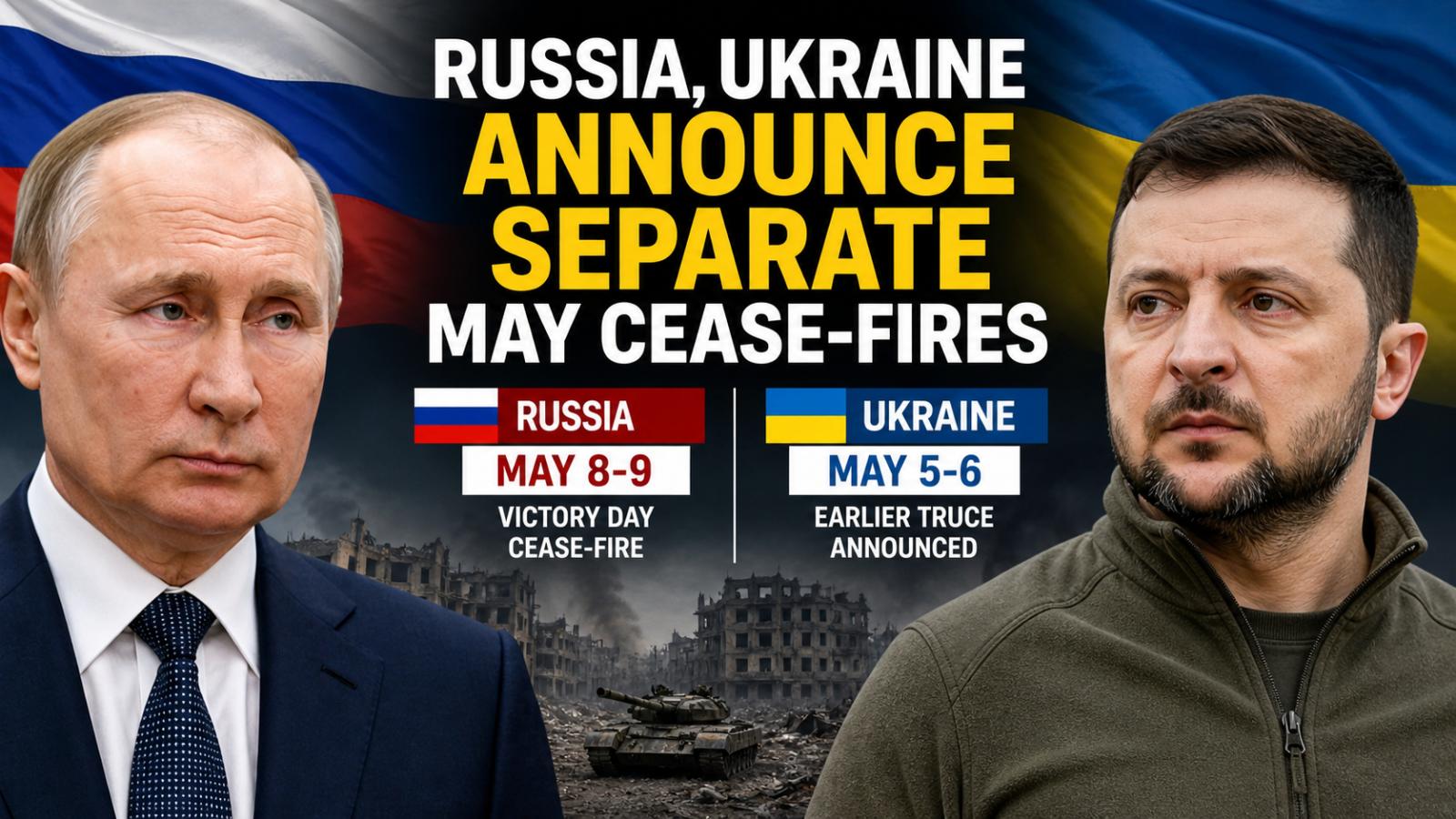
Russia said it will observe a cease-fire from May 8 to May 9 to mark Victory Day, while Ukraine has already declared a separate truce for May 5 to May 6, underscoring a lack of coordination between the two sides. The Kremlin said President Vladimir Putin ordered the pause as a humanitarian gesture tied to World War Two commemorations. Russian officials warned that any violations could trigger a strong military response.
Russia’s Defense Ministry said the capital, Kyiv, could face significant strikes if the truce is breached, urging civilians and foreign diplomatic staff to leave as a precaution, according to official statements. Ukraine’s President Volodymyr Zelensky announced an earlier two-day cease-fire beginning May 5, describing it as an independent move without coordination with Moscow.
Zelensky said Ukraine could consider extending its pause if Russia demonstrates a genuine commitment to de-escalation. He added that further steps would depend on Moscow’s actions during its own declared truce. The overlapping but uncoordinated cease-fires highlight continued mistrust between the two sides, with no indication of broader negotiations to end the conflict.
Victory Day on May 9 is one of Russia’s most significant national observances, marking the Soviet Union’s role in defeating Nazi Germany.
Russia said it will observe a cease-fire from May 8 to May 9 to mark Victory Day, while Ukraine has already declared a separate truce for May 5 to May 6, underscoring a lack of coordination between the two sides. The Kremlin said President Vladimir Putin ordered the pause as a humanitarian gesture tied to World War Two commemorations. Russian officials warned that any violations could trigger a strong military response.
Russia’s Defense Ministry said the capital, Kyiv, could face significant strikes if the truce is breached, urging civilians and foreign diplomatic staff to leave as a precaution, according to official statements. Ukraine’s President Volodymyr Zelensky announced an earlier two-day cease-fire beginning May 5, describing it as an independent move without coordination with Moscow.
Zelensky said Ukraine could consider extending its pause if Russia demonstrates a genuine commitment to de-escalation. He added that further steps would depend on Moscow’s actions during its own declared truce. The overlapping but uncoordinated cease-fires highlight continued mistrust between the two sides, with no indication of broader negotiations to end the conflict.
Victory Day on May 9 is one of Russia’s most significant national observances, marking the Soviet Union’s role in defeating Nazi Germany.
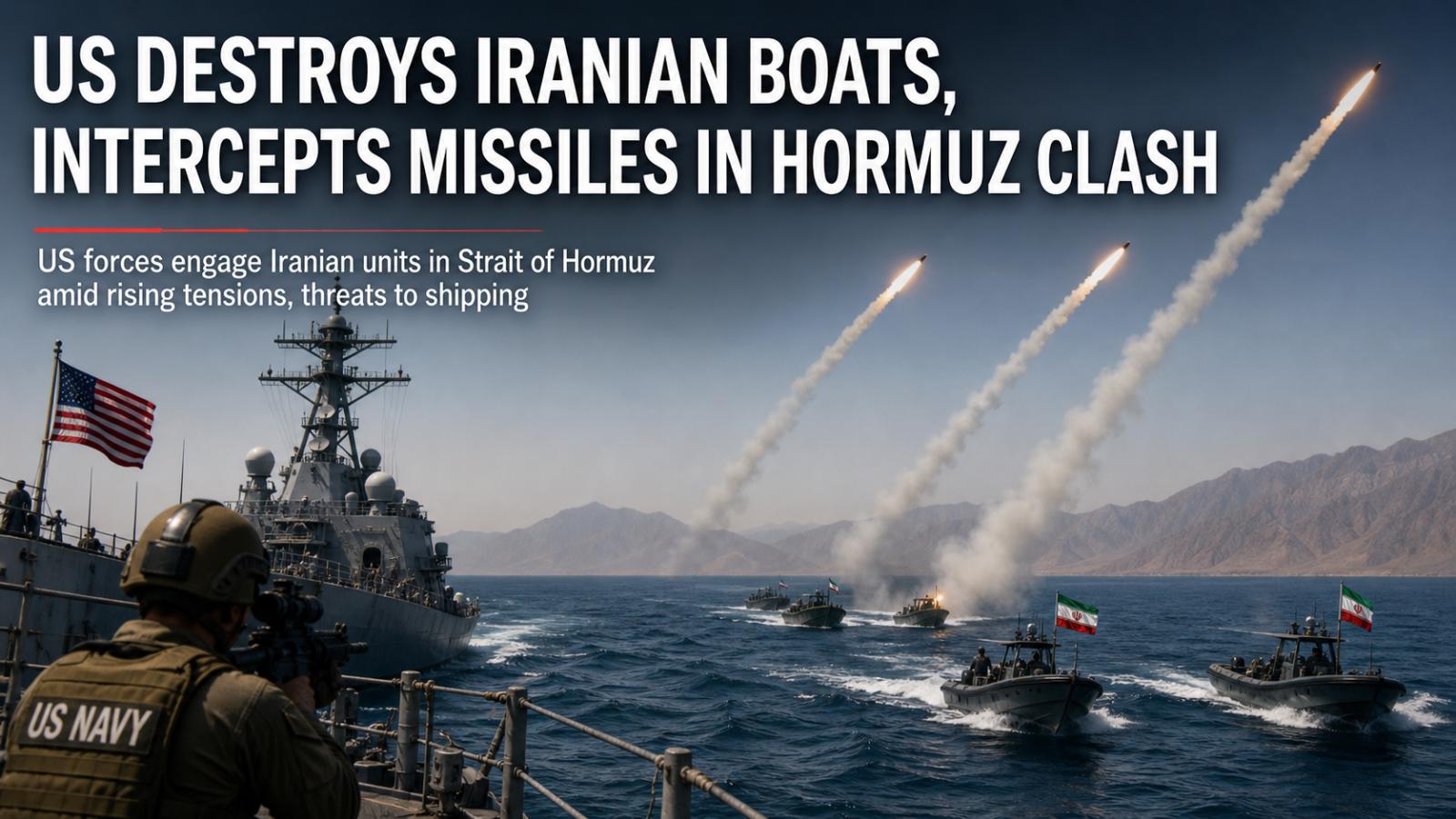
U.S. forces destroyed Iranian boats and intercepted missiles in the Strait of Hormuz on Monday, May 4, 2026, during a confrontation involving naval and aerial threats, a senior U.S. military official said. The U.S. Navy engaged Iranian units after projectiles and drones were launched toward American vessels and commercial shipping in the region, according to officials.
Admiral
U.S. forces destroyed Iranian boats and intercepted missiles in the Strait of Hormuz on Monday, May 4, 2026, during a confrontation involving naval and aerial threats, a senior U.S. military official said. The U.S. Navy engaged Iranian units after projectiles and drones were launched toward American vessels and commercial shipping in the region, according to officials.
Admiral
Strait of Hormuz Shipping Still Restricted
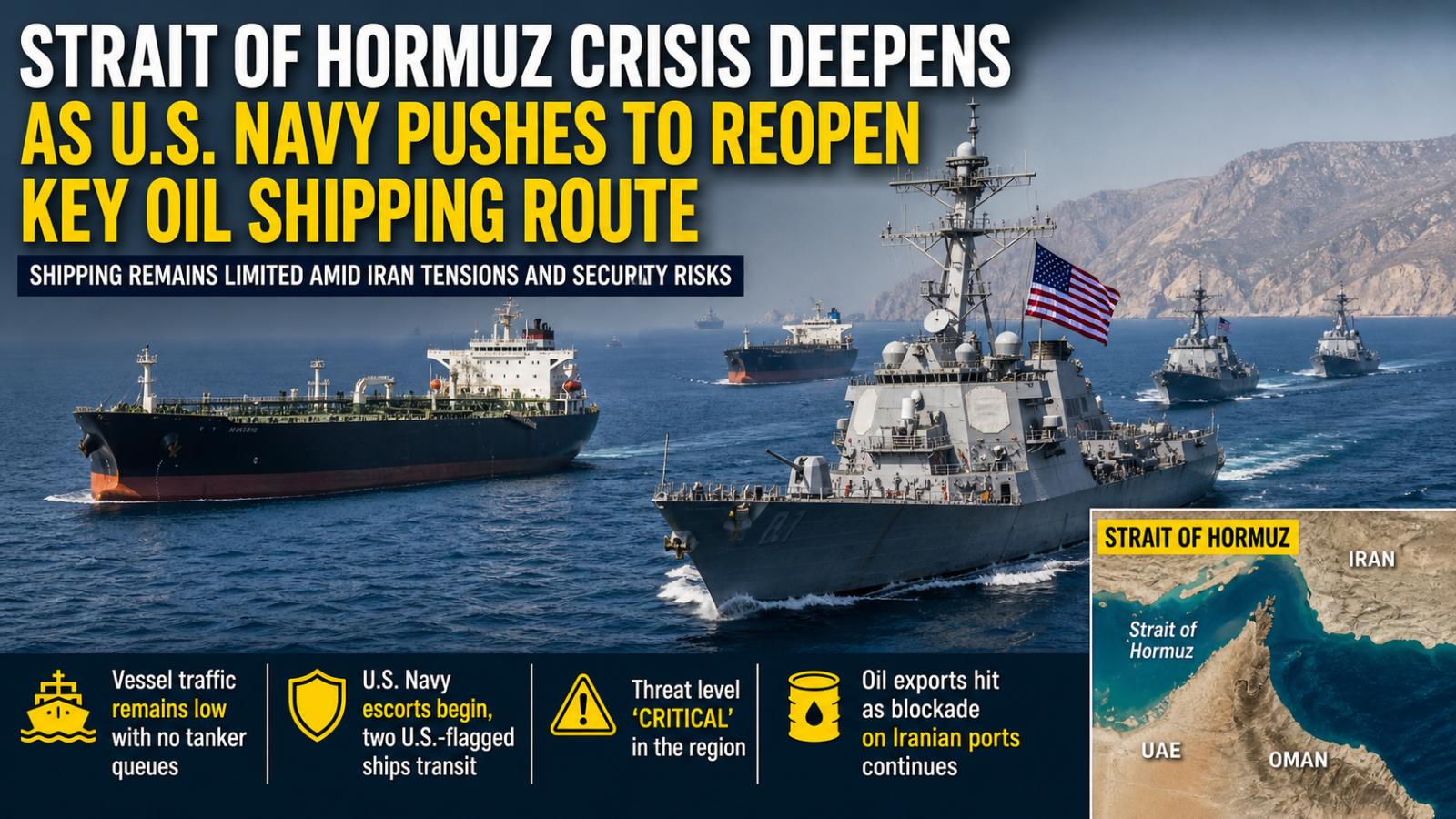
Strait of Hormuz shipping remains severely limited despite new U.S. efforts to reopen one of the world’s most important oil trade routes. Vessel movement stayed subdued Monday as carriers awaited clearer safety guarantees amid Iran tensions.
U.S. Navy Pushes to Restore Transit
U.S. Central Command said its forces are assisting efforts to restore commercial navigation, with Navy destroyers and two U.S.-flagged merchant ships reportedly crossing the waterway. Officials described the mission as defensive, aimed at protecting freedom of navigation while pressure remains on Iranian ports.
But the wider shipping industry is still cautious. Tracking data showed only scattered vessel movement, with no major return of oil tankers or large commercial ships through the narrow Gulf chokepoint.
Carriers Await Clear Safety Rules
German shipping firm Hapag-Lloyd said its vessels still cannot transit the Strait of Hormuz because safety procedures remain unclear. BIMCO has also warned that shipping companies need firm guidance and credible security assurances before resuming normal routes.
The Joint Maritime Information Center continues to rate the regional threat as “critical,” advising vessels to consider safer routing through Omani waters where possible.
Why the Strait Matters
The Strait of Hormuz is a vital passage for global oil and gas shipments, making any disruption a direct risk to energy markets, freight costs and seafarer safety. Hundreds of ships and thousands of crew members remain affected by the crisis.
Iran has warned foreign naval forces to stay away and said commercial vessels must coordinate transit with its military. Until both security risks and operating rules are resolved, global shipping through the Strait of Hormuz is likely to remain slow, uncertain and highly vulnerable.
Strait of Hormuz Shipping Still Restricted
Strait of Hormuz shipping remains severely limited despite new U.S. efforts to reopen one of the world’s most important oil trade routes. Vessel movement stayed subdued Monday as carriers awaited clearer safety guarantees amid Iran tensions.
U.S. Navy Pushes to Restore Transit
U.S. Central Command said its forces are assisting efforts to restore commercial navigation, with Navy destroyers and two U.S.-flagged merchant ships reportedly crossing the waterway. Officials described the mission as defensive, aimed at protecting freedom of navigation while pressure remains on Iranian ports.
But the wider shipping industry is still cautious. Tracking data showed only scattered vessel movement, with no major return of oil tankers or large commercial ships through the narrow Gulf chokepoint.
Carriers Await Clear Safety Rules
German shipping firm Hapag-Lloyd said its vessels still cannot transit the Strait of Hormuz because safety procedures remain unclear. BIMCO has also warned that shipping companies need firm guidance and credible security assurances before resuming normal routes.
The Joint Maritime Information Center continues to rate the regional threat as “critical,” advising vessels to consider safer routing through Omani waters where possible.
Why the Strait Matters
The Strait of Hormuz is a vital passage for global oil and gas shipments, making any disruption a direct risk to energy markets, freight costs and seafarer safety. Hundreds of ships and thousands of crew members remain affected by the crisis.
Iran has warned foreign naval forces to stay away and said commercial vessels must coordinate transit with its military. Until both security risks and operating rules are resolved, global shipping through the Strait of Hormuz is likely to remain slow, uncertain and highly vulnerable.
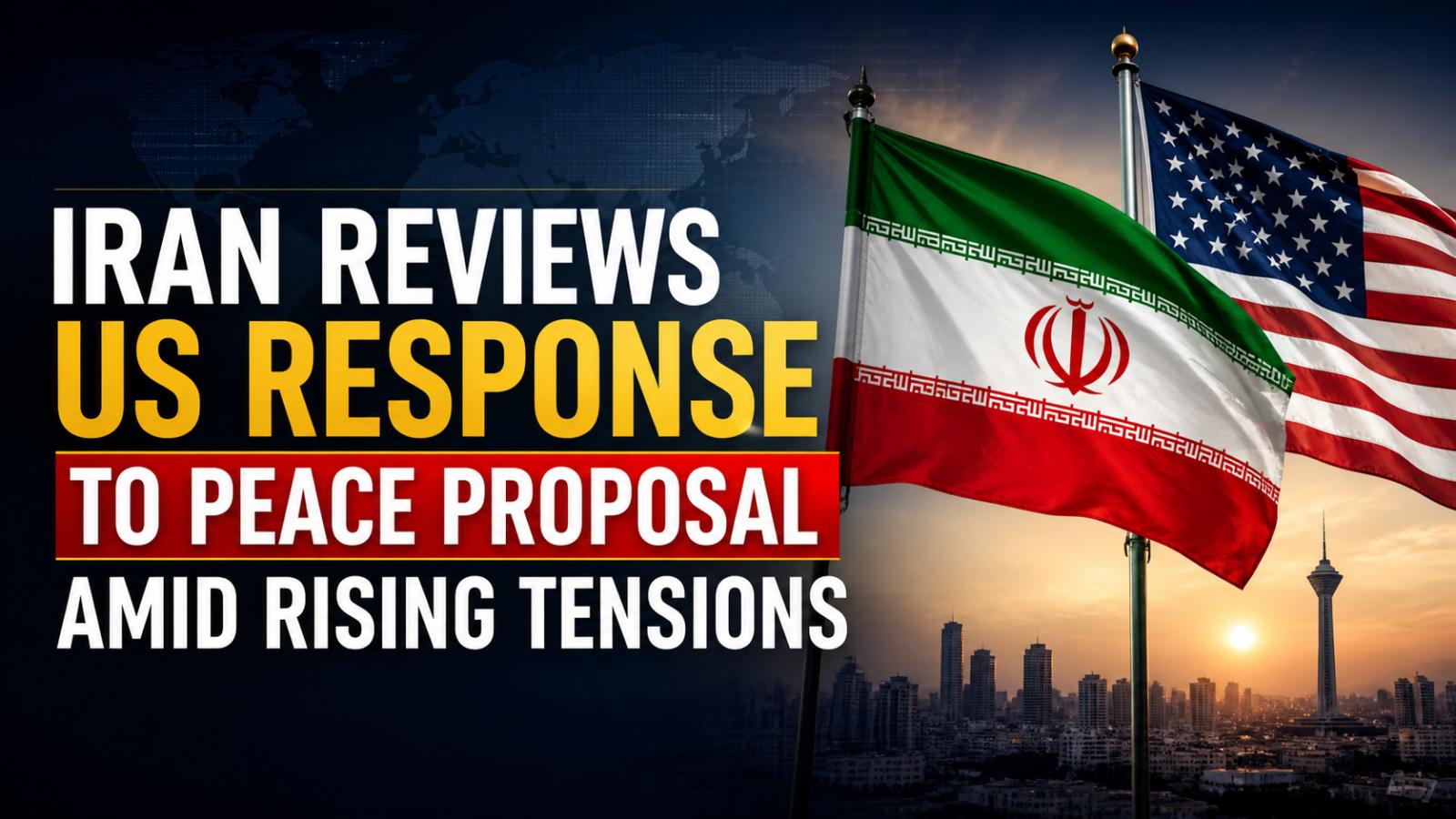
Iran reviews US response to peace proposal as tensions with Washington continue to shape the future of diplomacy and conflict in the region. In a recent press briefing, Iran’s Foreign Ministry confirmed that it has received Washington’s reply to a 14-point peace proposal, but officials say the response includes demands that could complicate progress. The development highlights key areas such as peace negotiations, diplomatic efforts, and the ongoing conflict resolution process.
Iran reviews US response to peace proposal as tensions with Washington continue to shape the future of diplomacy and conflict in the region. In a recent press briefing, Iran’s Foreign Ministry confirmed that it has received Washington’s reply to a 14-point peace proposal, but officials say the response includes demands that could complicate progress. The development highlights key areas such as peace negotiations, diplomatic efforts, and the ongoing conflict resolution process.
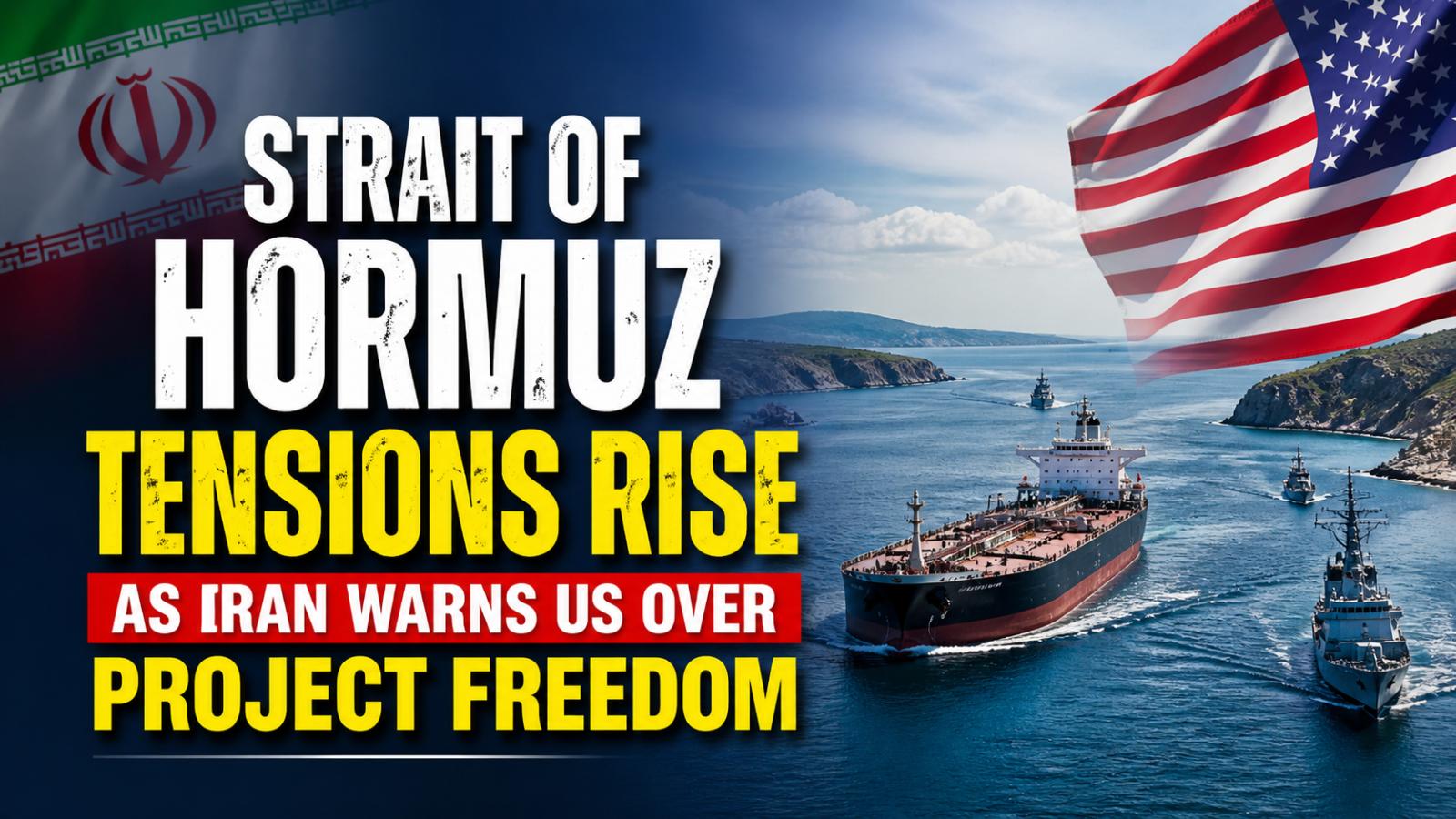
The Strait of Hormuz crisis has intensified after Ebrahim Azizi warned that any US intervention would be treated as a ceasefire violation. His remarks came in response to Donald Trump’s announcement of Project Freedom, a naval initiative aimed at guiding merchant vessels through the strategically vital w
The Strait of Hormuz crisis has intensified after Ebrahim Azizi warned that any US intervention would be treated as a ceasefire violation. His remarks came in response to Donald Trump’s announcement of Project Freedom, a naval initiative aimed at guiding merchant vessels through the strategically vital w
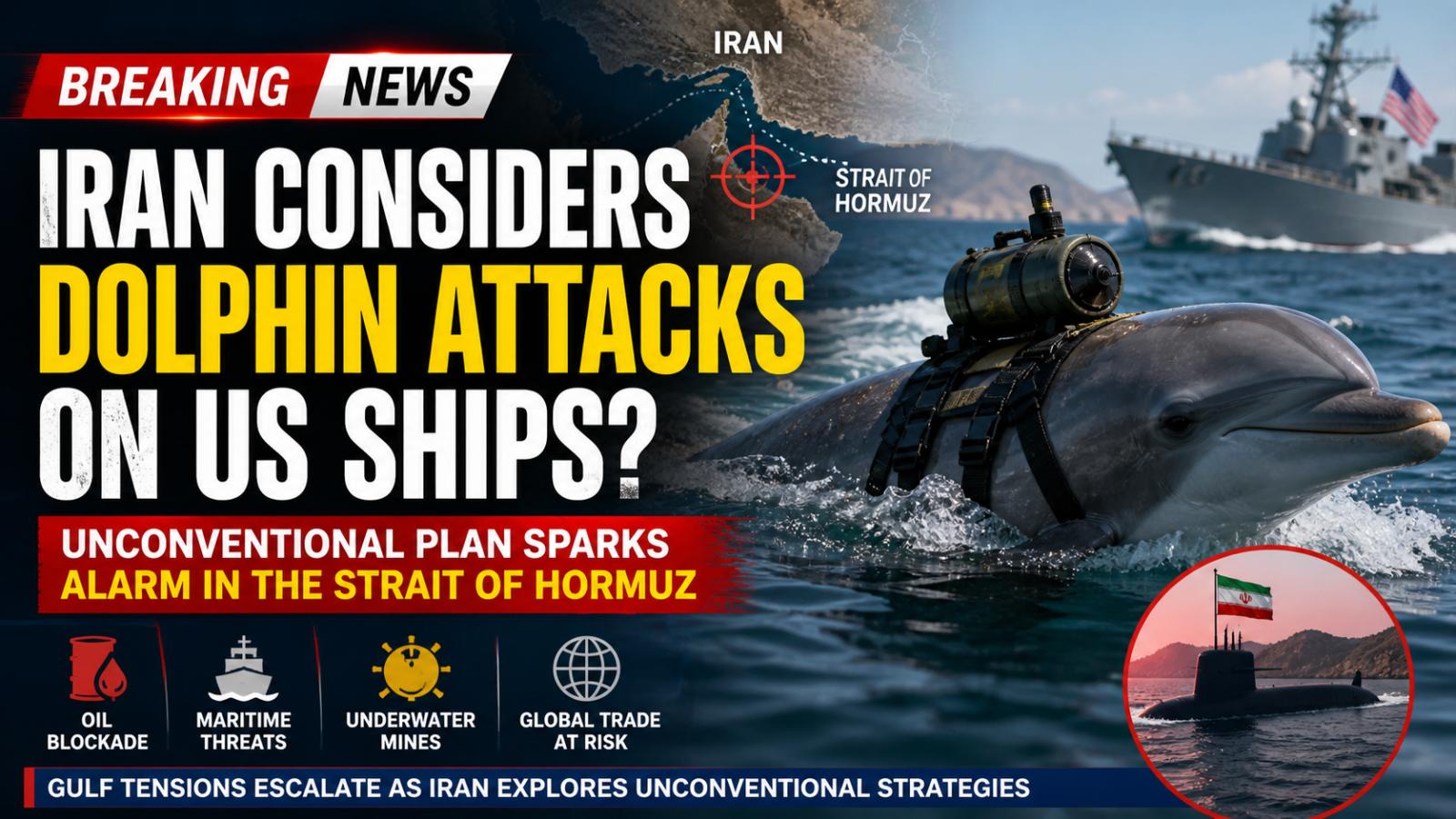
Iran is reportedly evaluating unconventional military approaches as tensions continue in the Gulf, with discussions centered on alternative maritime tactics that could impact security in the Strait of Hormuz. The move comes at a time when economic pressure from ongoing restrictions on oil exports is intensifying internal debate within the country’s leadership.
Officials are said to be considering a range of options that extend beyond traditional naval operations. These deliberations reflect growing frustration among certain factions, which increasingly view the prolonged blockade as a direct threat to national stability. While a fragile ceasefire remains in place, some policymakers argue that the economic consequences of continued restrictions could outweigh the risks of escalation.
Iran has previously explored the use of trained marine animals for defense-related purposes, highlighting a history of experimental approaches within its military planning. Such methods, if pursued, would represent a broader shift toward unconventional strategies aimed at countering perceived disadvantages in conventional naval power.
Alongside these discussions, there are concerns that Iran could deploy submarines or other underwater capabilities within the strategic waterway. Additional threats have included the potential disruption of critical telecommunications infrastructure, which could have far-reaching consequences for global connectivity and trade.
For international shipping, the primary concern remains surface-level disruptions that could directly affect the flow of goods through one of the world’s most vital energy corridors. Security officials continue to monitor developments closely, as any escalation in the region could have immediate implications for global markets and maritime safety.
Iran is reportedly evaluating unconventional military approaches as tensions continue in the Gulf, with discussions centered on alternative maritime tactics that could impact security in the Strait of Hormuz. The move comes at a time when economic pressure from ongoing restrictions on oil exports is intensifying internal debate within the country’s leadership.
Officials are said to be considering a range of options that extend beyond traditional naval operations. These deliberations reflect growing frustration among certain factions, which increasingly view the prolonged blockade as a direct threat to national stability. While a fragile ceasefire remains in place, some policymakers argue that the economic consequences of continued restrictions could outweigh the risks of escalation.
Iran has previously explored the use of trained marine animals for defense-related purposes, highlighting a history of experimental approaches within its military planning. Such methods, if pursued, would represent a broader shift toward unconventional strategies aimed at countering perceived disadvantages in conventional naval power.
Alongside these discussions, there are concerns that Iran could deploy submarines or other underwater capabilities within the strategic waterway. Additional threats have included the potential disruption of critical telecommunications infrastructure, which could have far-reaching consequences for global connectivity and trade.
For international shipping, the primary concern remains surface-level disruptions that could directly affect the flow of goods through one of the world’s most vital energy corridors. Security officials continue to monitor developments closely, as any escalation in the region could have immediate implications for global markets and maritime safety.
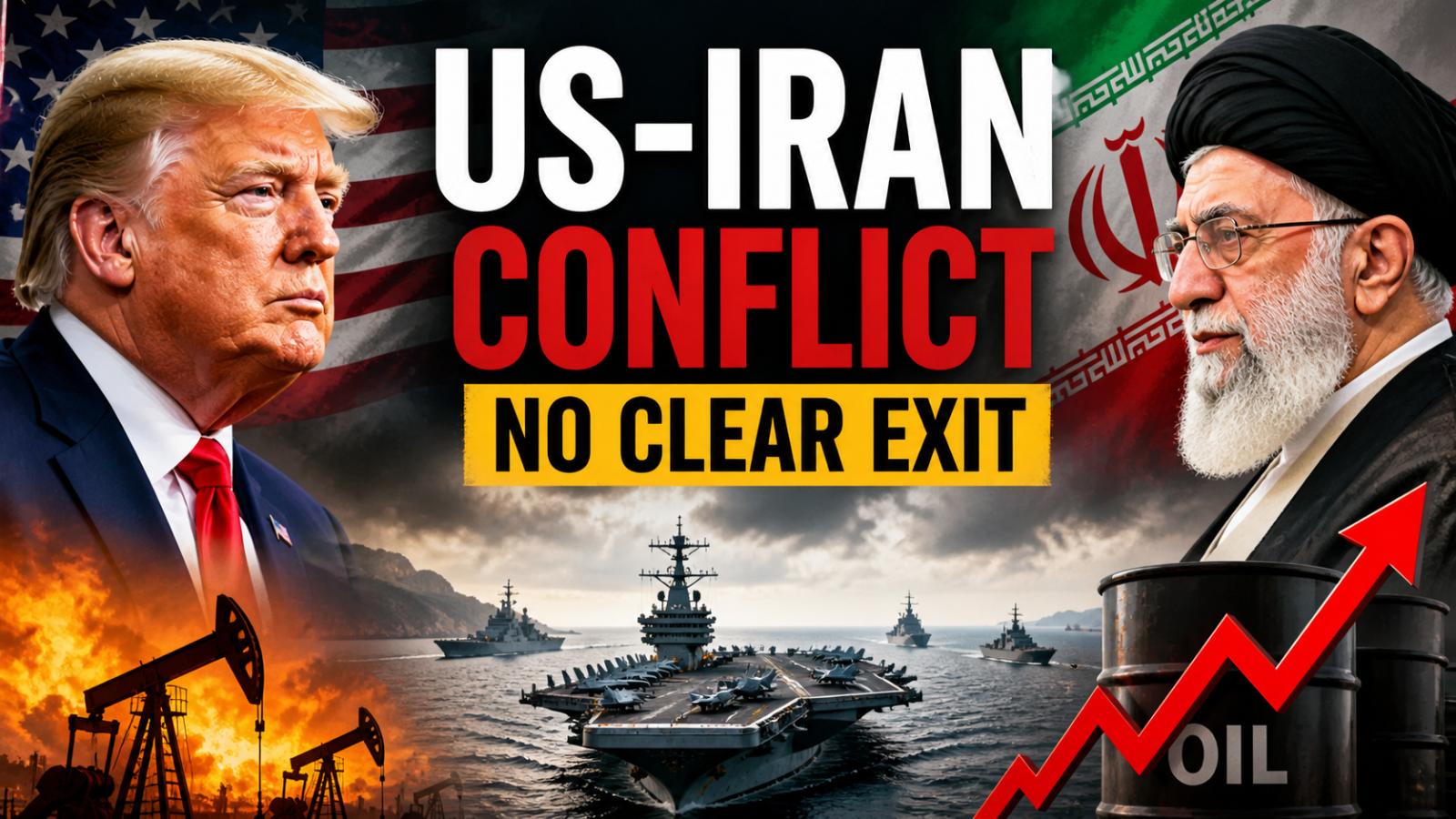
More than two months into military action against Iran, Donald Trump is facing a difficult reality: the conflict is far from over—and there’s no clear way out.
What began as a show of strength has turned into a prolonged standoff, with rising global consequences.
Military Gains, But No Strategic Victory
The United States, alongside Israeli forces, has carried out multiple strikes targeting Iran’s
More than two months into military action against Iran, Donald Trump is facing a difficult reality: the conflict is far from over—and there’s no clear way out.
What began as a show of strength has turned into a prolonged standoff, with rising global consequences.
Military Gains, But No Strategic Victory
The United States, alongside Israeli forces, has carried out multiple strikes targeting Iran’s
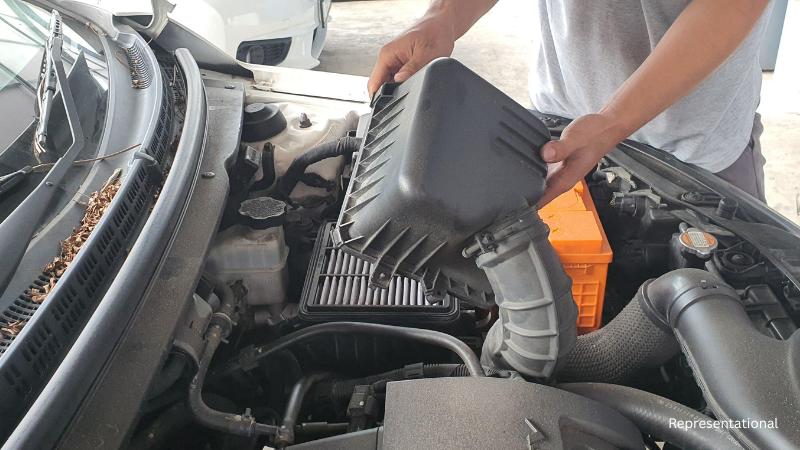
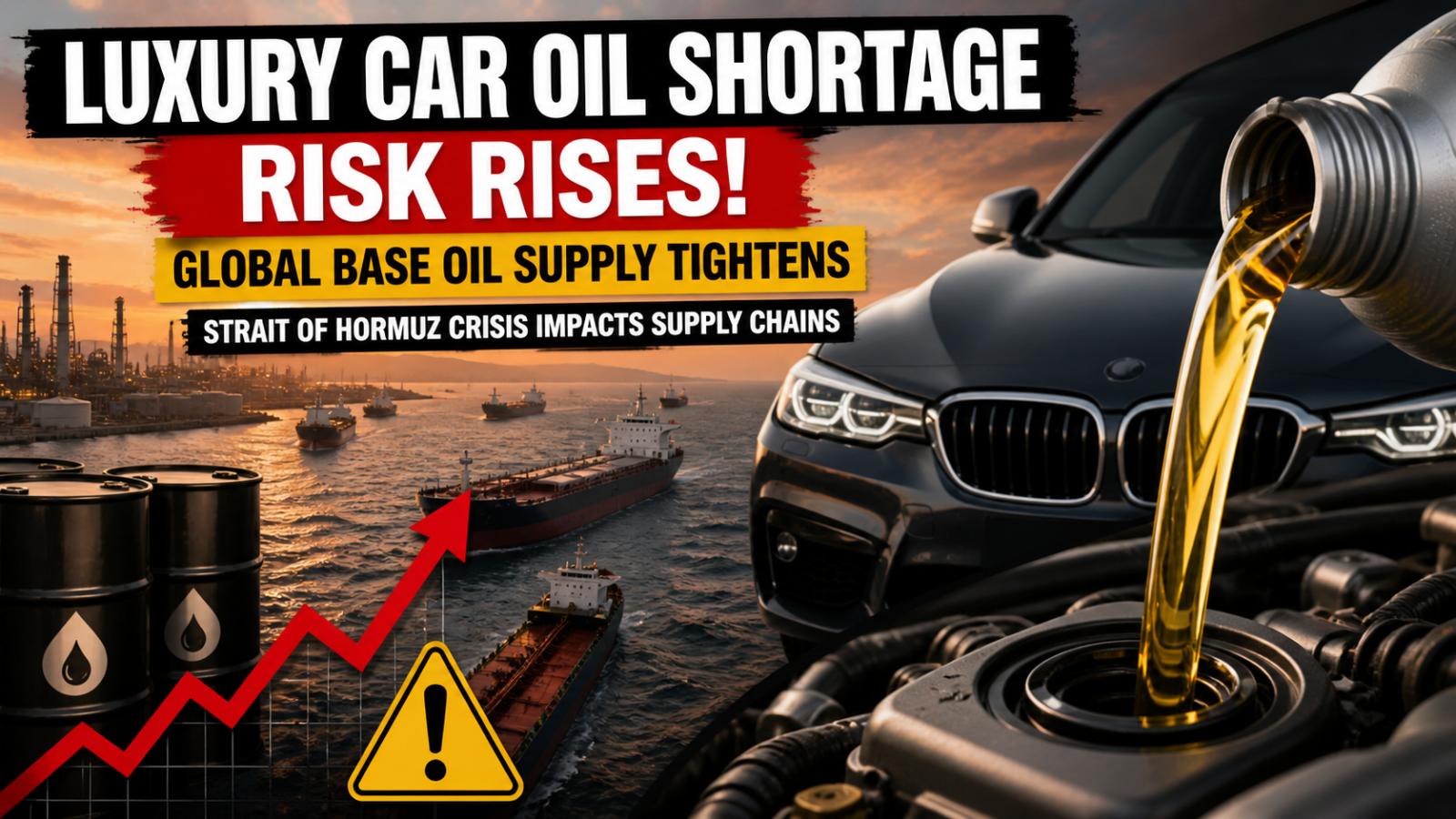
The global base oil shortage is no longer just an industry headline—it’s becoming a real concern for luxury car owners worldwide. As supply chains tighten due to geopolitical tensions around the Strait of Hormuz, the availability of high-performance engine oils used in premium vehicles is under pressure.
For owners of brands like BMW, Mercedes-Benz, and Audi, this could soon translate into higher maintenance costs, limited oil availability, and delayed servicing.
What’s Causing the Global Base Oil Shortage?
At the heart of the issue is the ongoing instability linked to tensions involving Iran and critical oil transit routes. The Strait of Hormuz handles a significant portion of the world’s petroleum shipments—not just crude oil, but also refined products like base oils, which are essential for lubricant production.
Base oils form the foundation of:
Synthetic engine oils
Industrial lubricants
High-performance automotive fluids
With shipping disruptions, delayed tankers, and rising insurance risks, the supply of these materials has tightened globally.
Why Luxury Cars Are Hit Harder
Not all vehicles are affected equally. Luxury and high-performance cars rely heavily on Group III and Group IV base oils, including advanced formulations like polyalphaolefins (PAO). These oils are designed to:
Handle extreme temperatures
Protect high-speed engines
Maintain performance under pressure
Unlike regular vehicles, luxury cars cannot easily switch to cheaper alternatives without risking engine damage or reduced efficiency. That’s why this shortage hits premium segments first—and hardest.
Rising Prices and Supply Pressure
The numbers already show stress in the system:
The Gulf region contributes around 20% of global Group III base oil production
It accounted for nearly half of U.S. imports in recent periods
Prices in some markets have nearly doubled since the crisis began
With inventories shrinking and delivery times increasing, lubricant manufacturers are struggling to keep up.
If disruptions continue, experts warn that:
Oil prices could rise further
Service costs for luxury vehicles may spike
Availability could become inconsistent in certain regions
What This Means for Luxury Car Owners
If you own a premium vehicle, here’s what you might notice in the coming weeks or months:
Higher Maintenance Costs
Synthetic oil changes could become significantly more expensive.
Service Delays
Workshops may face shortages or longer wait times for specific oil grades.
Risk of Substitutes
Some service centers might use alternative oils—potentially affecting performance if not approved.
Should You Be Worried Right Now?
Not immediately—but it’s something to watch closely.
There’s no need to panic or stockpile engine oil. However:
Stick to authorized service centers
Ensure correct oil specifications are used
Avoid delaying essential maintenance
Being proactive now can help you avoid bigger issues later.
A Bigger Energy and Supply Chain Problem
This isn’t just about cars—it reflects a deeper issue in the global energy ecosystem.
Heavy reliance on specific regions like the Persian Gulf makes supply chains vulnerable. Alongside geopolitical tensions, factors like:
Refinery disruptions
Export restrictions
Seasonal risks (like hurricanes in U.S. Gulf Coast)
are amplifying the pressure.
Industry experts see this as a warning sign of long-term structural risks in the oil and automotive sectors.
What Happens Next?
If shipping routes stabilize and production resumes, the situation could ease within months. But if disruptions persist:
Prices may remain elevated
Supply chains could tighten further
Luxury vehicle ownership costs may rise globally
For now, both manufacturers and consumers are bracing for continued uncertainty.
Final Takeaway
The global base oil shortage is quietly building into a significant challenge—especially for luxury car owners. While it may not yet be visible at every service center, the signs are clear: tightening supply, rising costs, and growing dependence on fragile global networks.
Staying informed—and maintaining your vehicle responsibly—will be key in navigating what could become one of the most overlooked automotive disruptions of the year.
The global base oil shortage is no longer just an industry headline—it’s becoming a real concern for luxury car owners worldwide. As supply chains tighten due to geopolitical tensions around the Strait of Hormuz, the availability of high-performance engine oils used in premium vehicles is under pressure.
For owners of brands like BMW, Mercedes-Benz, and Audi, this could soon translate into higher maintenance costs, limited oil availability, and delayed servicing.
What’s Causing the Global Base Oil Shortage?
At the heart of the issue is the ongoing instability linked to tensions involving Iran and critical oil transit routes. The Strait of Hormuz handles a significant portion of the world’s petroleum shipments—not just crude oil, but also refined products like base oils, which are essential for lubricant production.
Base oils form the foundation of:
Synthetic engine oils
Industrial lubricants
High-performance automotive fluids
With shipping disruptions, delayed tankers, and rising insurance risks, the supply of these materials has tightened globally.
Why Luxury Cars Are Hit Harder
Not all vehicles are affected equally. Luxury and high-performance cars rely heavily on Group III and Group IV base oils, including advanced formulations like polyalphaolefins (PAO). These oils are designed to:
Handle extreme temperatures
Protect high-speed engines
Maintain performance under pressure
Unlike regular vehicles, luxury cars cannot easily switch to cheaper alternatives without risking engine damage or reduced efficiency. That’s why this shortage hits premium segments first—and hardest.
Rising Prices and Supply Pressure
The numbers already show stress in the system:
The Gulf region contributes around 20% of global Group III base oil production
It accounted for nearly half of U.S. imports in recent periods
Prices in some markets have nearly doubled since the crisis began
With inventories shrinking and delivery times increasing, lubricant manufacturers are struggling to keep up.
If disruptions continue, experts warn that:
Oil prices could rise further
Service costs for luxury vehicles may spike
Availability could become inconsistent in certain regions
What This Means for Luxury Car Owners
If you own a premium vehicle, here’s what you might notice in the coming weeks or months:
Higher Maintenance Costs
Synthetic oil changes could become significantly more expensive.
Service Delays
Workshops may face shortages or longer wait times for specific oil grades.
Risk of Substitutes
Some service centers might use alternative oils—potentially affecting performance if not approved.
Should You Be Worried Right Now?
Not immediately—but it’s something to watch closely.
There’s no need to panic or stockpile engine oil. However:
Stick to authorized service centers
Ensure correct oil specifications are used
Avoid delaying essential maintenance
Being proactive now can help you avoid bigger issues later.
A Bigger Energy and Supply Chain Problem
This isn’t just about cars—it reflects a deeper issue in the global energy ecosystem.
Heavy reliance on specific regions like the Persian Gulf makes supply chains vulnerable. Alongside geopolitical tensions, factors like:
Refinery disruptions
Export restrictions
Seasonal risks (like hurricanes in U.S. Gulf Coast)
are amplifying the pressure.
Industry experts see this as a warning sign of long-term structural risks in the oil and automotive sectors.
What Happens Next?
If shipping routes stabilize and production resumes, the situation could ease within months. But if disruptions persist:
Prices may remain elevated
Supply chains could tighten further
Luxury vehicle ownership costs may rise globally
For now, both manufacturers and consumers are bracing for continued uncertainty.
Final Takeaway
The global base oil shortage is quietly building into a significant challenge—especially for luxury car owners. While it may not yet be visible at every service center, the signs are clear: tightening supply, rising costs, and growing dependence on fragile global networks.
Staying informed—and maintaining your vehicle responsibly—will be key in navigating what could become one of the most overlooked automotive disruptions of the year.
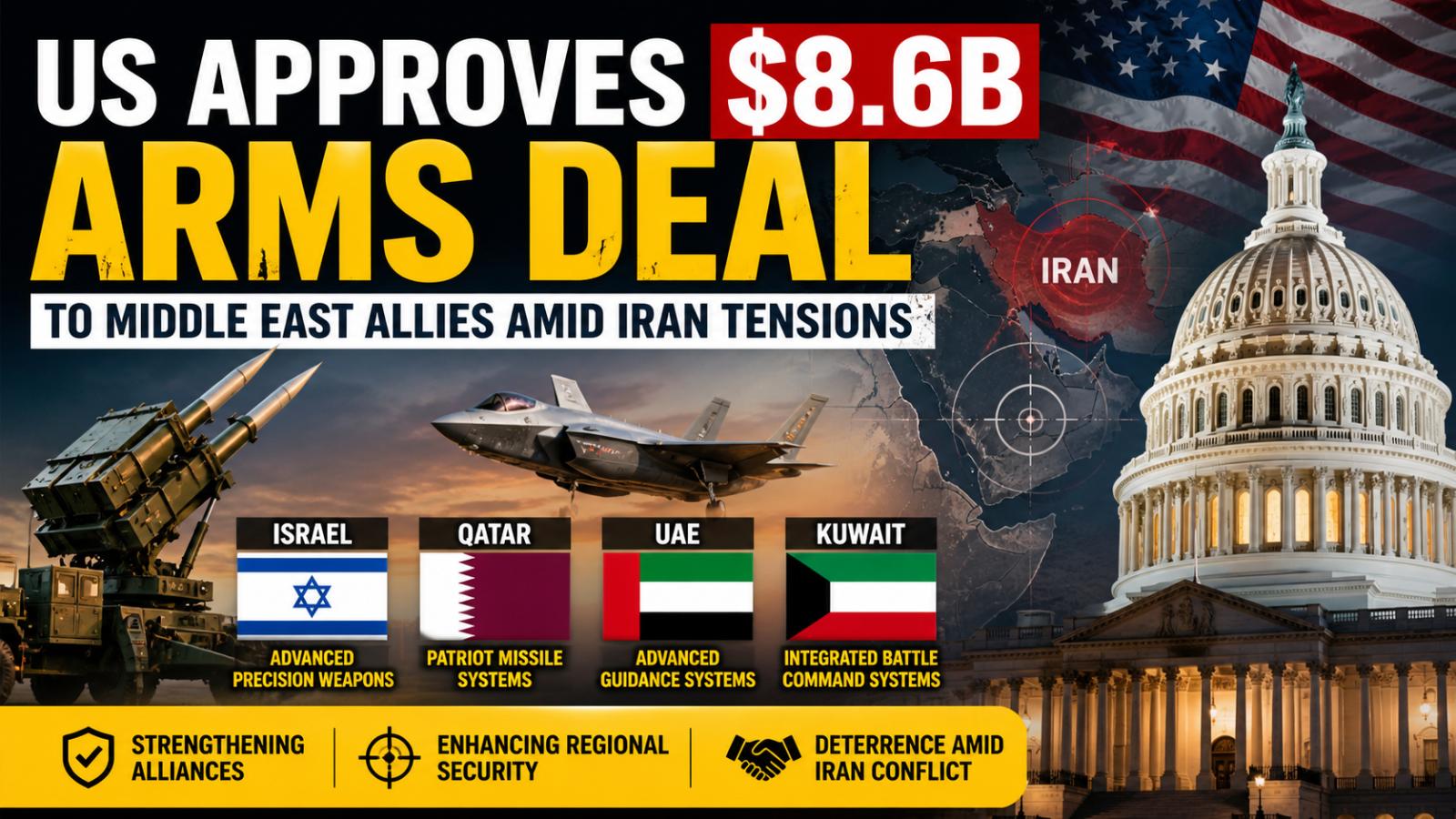
The United States has fast-tracked more than $8.6 billion in arms sales to key Middle East allies, signaling a sharp escalation in its response to rising tensions with Iran. Approved under emergency powers, the move bypasses Congress and reflects Washington’s urgency to strengthen regional defenses as the conflict enters a critical phase.
Emergency Approval Signals Rising Urgency
The decision, issued on Friday, invokes a rarely used em
The United States has fast-tracked more than $8.6 billion in arms sales to key Middle East allies, signaling a sharp escalation in its response to rising tensions with Iran. Approved under emergency powers, the move bypasses Congress and reflects Washington’s urgency to strengthen regional defenses as the conflict enters a critical phase.
Emergency Approval Signals Rising Urgency
The decision, issued on Friday, invokes a rarely used em
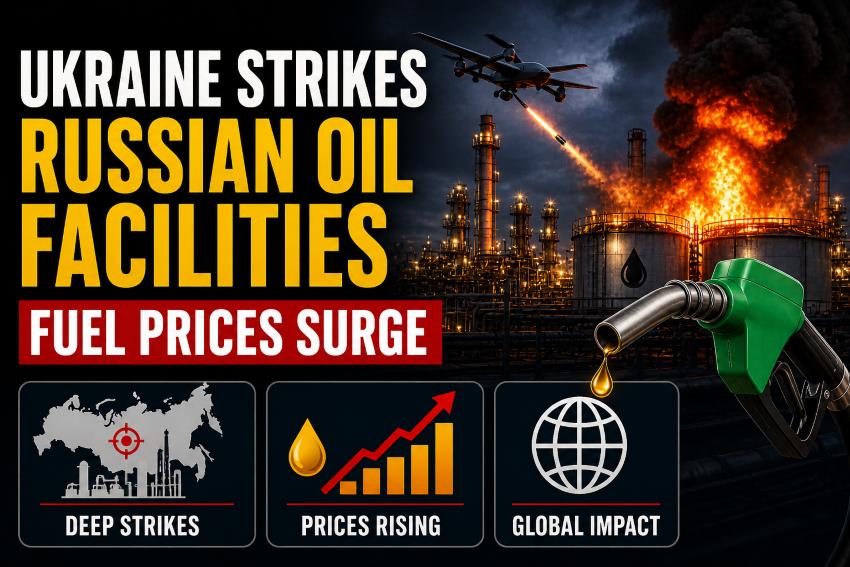
Ukraine has intensified its long-range strikes on energy infrastructure located deep inside Russia, targeting oil refineries, storage depots, and supply routes. These attacks mark a significant escalation in the ongoing
Ukraine has intensified its long-range strikes on energy infrastructure located deep inside Russia, targeting oil refineries, storage depots, and supply routes. These attacks mark a significant escalation in the ongoing
Explosion kills 14 IRGC members in northwestern Iran
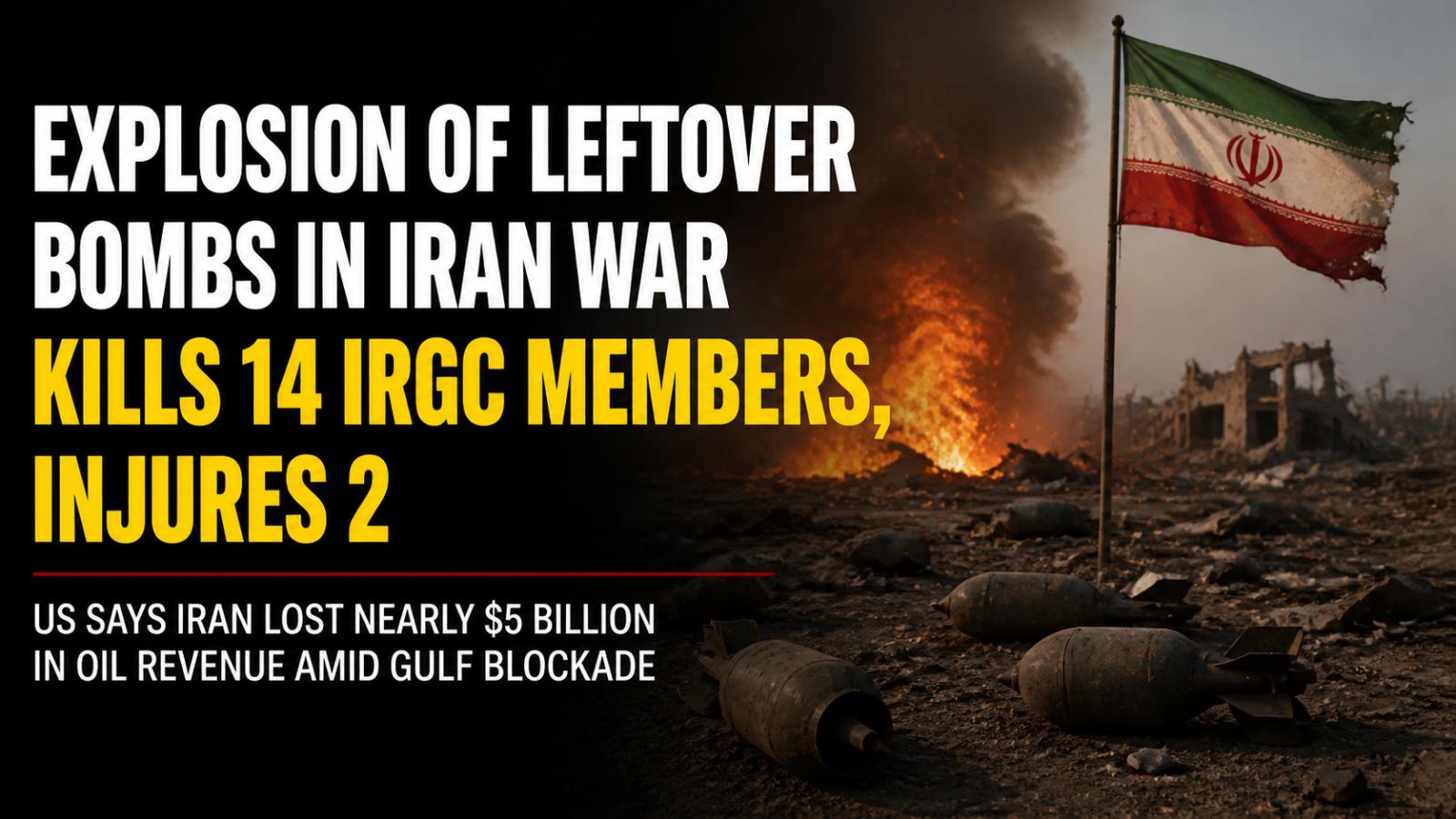
On Friday, May 1, 14 members of Iran's Islamic Revolutionary Guard Corps (IRGC) were killed in an explosion caused by leftover bombs from the ongoing war. The explosion took place in Zanjan Province, a region in northwestern Iran. This incident marks the largest number of casualties for the IRGC since the US-Iran ceasefi
Explosion kills 14 IRGC members in northwestern Iran
On Friday, May 1, 14 members of Iran's Islamic Revolutionary Guard Corps (IRGC) were killed in an explosion caused by leftover bombs from the ongoing war. The explosion took place in Zanjan Province, a region in northwestern Iran. This incident marks the largest number of casualties for the IRGC since the US-Iran ceasefi