Married couples across the United States face an important decision each tax season: whether to file taxes jointly or separately. That choice could have new implications for the 2025 tax year following recent policy changes introduced under former President Donald Trump’s legislation.
In most cases, the tax system favors married filing jointly, which allows couples to combine income, deductions, and credits into a single return. This approach typically results in lower overall incom
Married couples across the United States face an important decision each tax season: whether to file taxes jointly or separately. That choice could have new implications for the 2025 tax year following recent policy changes introduced under former President Donald Trump’s legislation.
In most cases, the tax system favors married filing jointly, which allows couples to combine income, deductions, and credits into a single return. This approach typically results in lower overall incom
A California lawmaker is seeking federal action to reverse recent labor policy changes that could significantly reduce wages for seasonal agricultural workers across the United States. On Wednesday, March 26, 2026, Representative Zoe Lofgren introduced a resolution aimed at blocking new wage rules implemented by the
A California lawmaker is seeking federal action to reverse recent labor policy changes that could significantly reduce wages for seasonal agricultural workers across the United States. On Wednesday, March 26, 2026, Representative Zoe Lofgren introduced a resolution aimed at blocking new wage rules implemented by the
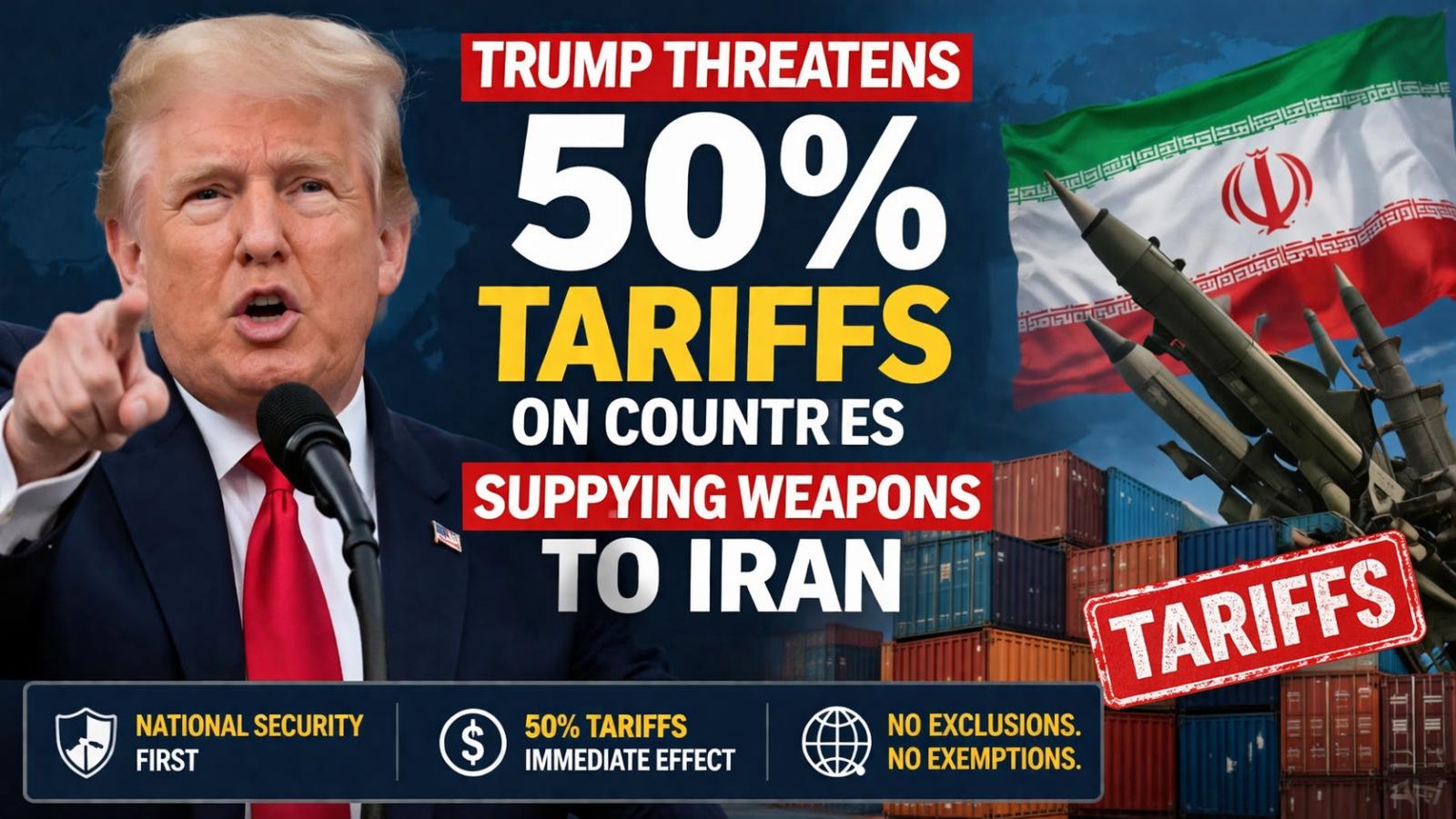
U.S. President Donald Trump announced that the United States will impose tariffs of 50% on goods imported from any country found to be supplying military weapons to Iran, marking a sharp escalation in trade measures tied to geopolitical tensions.
In a statement posted on Wednesday, April 8, 2026 (local U.S. time), Trump said the tariffs would take effect immediately and apply broadly. He emphasized that there would be no “exclusions or exemptions,” warning that “any and all” g
U.S. President Donald Trump announced that the United States will impose tariffs of 50% on goods imported from any country found to be supplying military weapons to Iran, marking a sharp escalation in trade measures tied to geopolitical tensions.
In a statement posted on Wednesday, April 8, 2026 (local U.S. time), Trump said the tariffs would take effect immediately and apply broadly. He emphasized that there would be no “exclusions or exemptions,” warning that “any and all” g
India is expected to remain the central driver of economic growth in South Asia, even as global uncertainties continue to pressure the broader region, according to the latest outlook from the World Bank. The institution has revised India’s growth forecast for the 2026–27 fiscal year upward to 6.6 percent, an increase from its earlier estimate of 6.3 percent, underscoring confidence in the country’s economic resilience.
The updated projection comes amid a challenging global environment shaped by geopolitical tensions, shifting trade dynamics, and volatility in energy markets. These factors have weighed on growth expectations across South Asia, where several economies are projected to experience slower expansion in the coming years. Despite these headwinds, India’s performance continues to stand out, supported by strong domestic demand, policy stability, and ongoing structural reforms.
For U.S.-based observers and global investors, India’s upgraded outlook signals a relatively stable growth engine within emerging markets in Asia. As economic uncertainty persists worldwide, India’s trajectory offers a degree of predictability that contrasts with the broader regional slowdown. Analysts note that while external risks remain significant, including supply chain disruptions and energy price fluctuations, India’s diversified economy positions it to better absorb global shocks.
The World Bank’s revision highlights India’s role as a stabilizing force in South Asia’s economic landscape. While neighboring economies face mounting fiscal and external pressures, India is expected to continue contributing the largest share of regional growth. This dynamic reinforces the country’s importance not only within Asia but also in the context of the global economy, where emerging markets are increasingly influential.
Overall, the revised forecast reflects cautious optimism. While challenges persist, India’s economic fundamentals and growth momentum suggest it will remain a key pillar of regional and global economic stability in the years ahead.
India is expected to remain the central driver of economic growth in South Asia, even as global uncertainties continue to pressure the broader region, according to the latest outlook from the World Bank. The institution has revised India’s growth forecast for the 2026–27 fiscal year upward to 6.6 percent, an increase from its earlier estimate of 6.3 percent, underscoring confidence in the country’s economic resilience.
The updated projection comes amid a challenging global environment shaped by geopolitical tensions, shifting trade dynamics, and volatility in energy markets. These factors have weighed on growth expectations across South Asia, where several economies are projected to experience slower expansion in the coming years. Despite these headwinds, India’s performance continues to stand out, supported by strong domestic demand, policy stability, and ongoing structural reforms.
For U.S.-based observers and global investors, India’s upgraded outlook signals a relatively stable growth engine within emerging markets in Asia. As economic uncertainty persists worldwide, India’s trajectory offers a degree of predictability that contrasts with the broader regional slowdown. Analysts note that while external risks remain significant, including supply chain disruptions and energy price fluctuations, India’s diversified economy positions it to better absorb global shocks.
The World Bank’s revision highlights India’s role as a stabilizing force in South Asia’s economic landscape. While neighboring economies face mounting fiscal and external pressures, India is expected to continue contributing the largest share of regional growth. This dynamic reinforces the country’s importance not only within Asia but also in the context of the global economy, where emerging markets are increasingly influential.
Overall, the revised forecast reflects cautious optimism. While challenges persist, India’s economic fundamentals and growth momentum suggest it will remain a key pillar of regional and global economic stability in the years ahead.
You might be receiving the same CTC as before, but a closer look at your bank account could reveal that your take-home pay has dropped. This change is likely due to the new 50% wage rule, which has been introduced under India's revised Labour Codes. While the Cost to Company (CTC) remains unchanged, this rule is quietly reshaping how salaries are structured, particularly the proportion allocated to basic pay, dearness allowance, and retaining allowance.
Under the new rule, basic pay
You might be receiving the same CTC as before, but a closer look at your bank account could reveal that your take-home pay has dropped. This change is likely due to the new 50% wage rule, which has been introduced under India's revised Labour Codes. While the Cost to Company (CTC) remains unchanged, this rule is quietly reshaping how salaries are structured, particularly the proportion allocated to basic pay, dearness allowance, and retaining allowance.
Under the new rule, basic pay
The Reserve Bank of India (RBI) is expected to introduce incentives for Non-Resident Indian (NRI) deposits in its upcoming April monetary policy review to help stabilize the Indian Rupee. Experts suggest that the RBI may revive the foreign currency non-resident (FCNR B) deposit scheme to attract foreign deposits and address the rupee's volatility. Currently, the UAE accounts for over 40% of FCNR (B) deposits, showing a heavy reliance on the Gulf region.
NRI deposit inflows have seen
The Reserve Bank of India (RBI) is expected to introduce incentives for Non-Resident Indian (NRI) deposits in its upcoming April monetary policy review to help stabilize the Indian Rupee. Experts suggest that the RBI may revive the foreign currency non-resident (FCNR B) deposit scheme to attract foreign deposits and address the rupee's volatility. Currently, the UAE accounts for over 40% of FCNR (B) deposits, showing a heavy reliance on the Gulf region.
NRI deposit inflows have seen
The average tax refund for U.S. filers has increased by roughly $350 during the 2026 tax season, according to the latest data released by the Internal Revenue Service on Friday, March 27, 2026. The IRS reported that the average refund reached $3,521 as of that date, compared with $3,170 during the same period in 2025, reflecting a noticeable rise in payouts to taxpayers.
The data shows that approximately 88.4 million individual tax returns had been received by Friday, March 27, 2026,
The average tax refund for U.S. filers has increased by roughly $350 during the 2026 tax season, according to the latest data released by the Internal Revenue Service on Friday, March 27, 2026. The IRS reported that the average refund reached $3,521 as of that date, compared with $3,170 during the same period in 2025, reflecting a noticeable rise in payouts to taxpayers.
The data shows that approximately 88.4 million individual tax returns had been received by Friday, March 27, 2026,
US President Donald Trump said on Friday, April 3, 2026, that the United States could potentially “open” the Strait of Hormuz and seize oil resources if given additional time, as tensions continue to escalate in the ongoing Iran war. The remarks, posted on his Truth Social platform, come amid growing concerns over global energy security and disruptions to one of the world’s most critical shipping routes.
Trump’s statement suggested a more aggressive approach to the strategic
US President Donald Trump said on Friday, April 3, 2026, that the United States could potentially “open” the Strait of Hormuz and seize oil resources if given additional time, as tensions continue to escalate in the ongoing Iran war. The remarks, posted on his Truth Social platform, come amid growing concerns over global energy security and disruptions to one of the world’s most critical shipping routes.
Trump’s statement suggested a more aggressive approach to the strategic
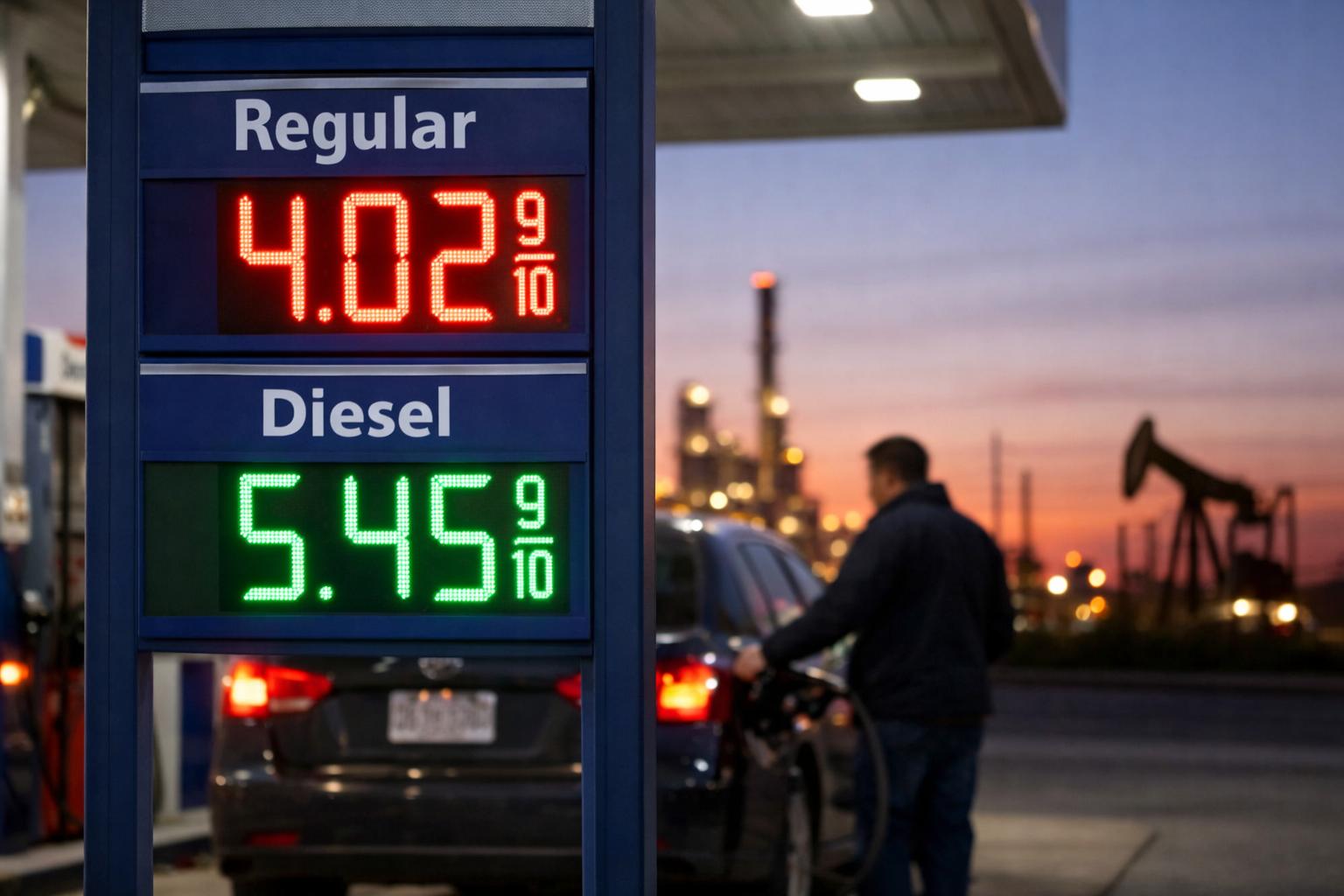
Gas prices across the United States climbed above an average of $4 per gallon on Tuesday, March 31, 2026, marking the first time since 2022 that national fuel costs have reached this level, according to data released by AAA. The national average for regular gasoline rose to $4.02 per gallon, reflecting a sharp increase of more than $1 compared to prices before the ongoing Iran conflict began on Friday, February 28, 2026.
The surge is largely tied to disruptions in global oil markets followin
Gas prices across the United States climbed above an average of $4 per gallon on Tuesday, March 31, 2026, marking the first time since 2022 that national fuel costs have reached this level, according to data released by AAA. The national average for regular gasoline rose to $4.02 per gallon, reflecting a sharp increase of more than $1 compared to prices before the ongoing Iran conflict began on Friday, February 28, 2026.
The surge is largely tied to disruptions in global oil markets followin
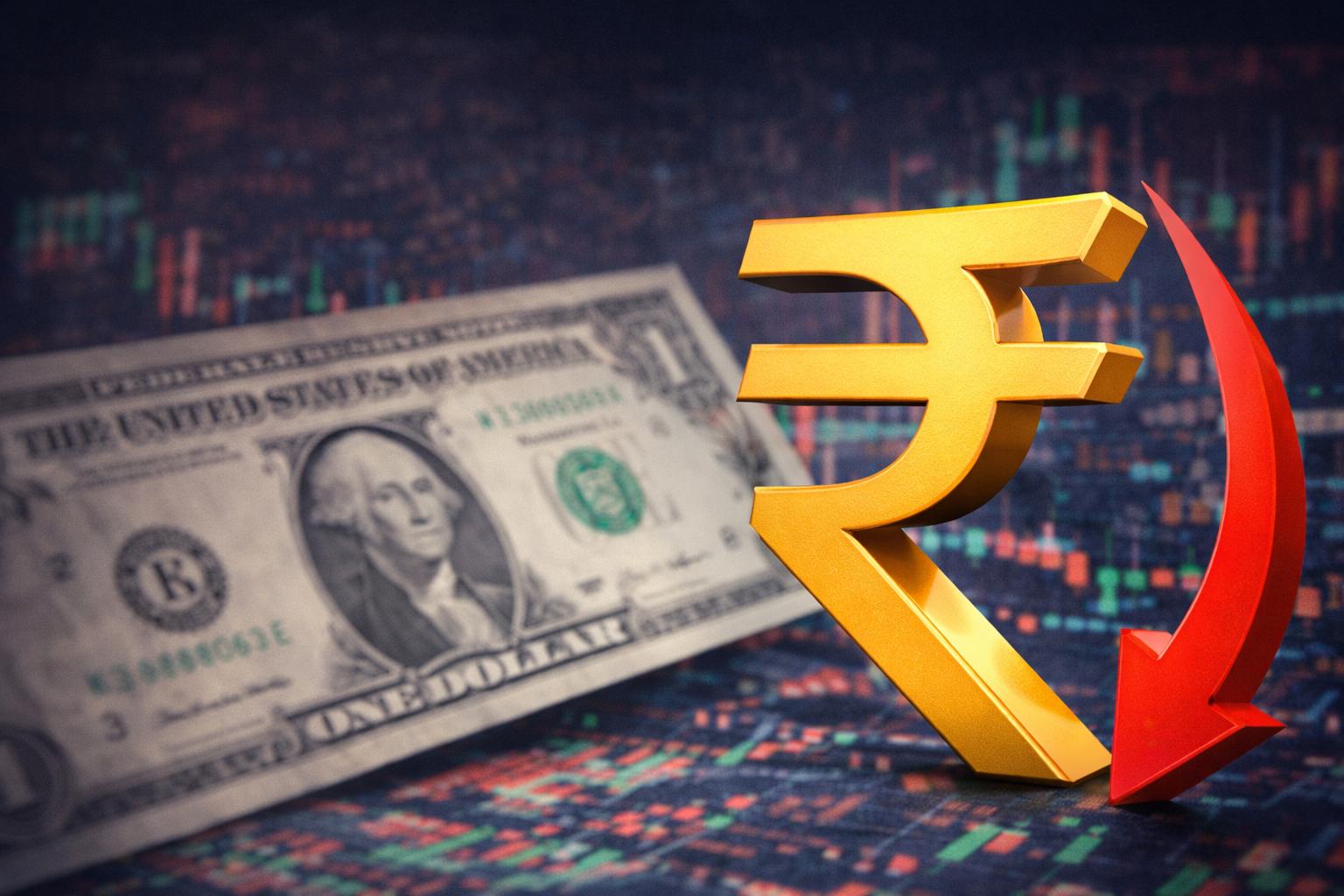
The Indian rupee slipped past the 95 mark against the US dollar on March 30, 2026, hitting an all-time low of 95.20 per dollar, a decline of 0.3% for the day. This drop occurred despite the Reserve Bank of India's (RBI) recent intervention aimed at curbing currency volatility. The currency has been under pressure from a mix of global factors, sustained foreign outflows, and rising oil prices.
The RBI had introduced measures to support the rupee by tightening limits on banks' foreign exchange positions. As of late Friday, the central bank directed banks to cap their net open rupee positions in the foreign exchange market at $100 million by the end of each business day, with compliance required by April 10. While this move offered temporary relief, the impact was limited as analysts pointed out that underlying factors, such as persistent foreign outflows and high crude oil prices, continued to weigh on the rupee.
Foreign portfolio outflows have been one of the major contributors to the rupee's weakness. These outflows, coupled with high global oil prices, have put pressure on India’s current account deficit, thus exerting more pressure on the currency. The rising oil prices are linked to geopolitical tensions, such as the ongoing conflict in Iran, which has exacerbated market volatility. Additionally, the wider spread between the onshore and non-deliverable forward (NDF) markets, due to increasing volatility, has contributed to the rupee’s decline.
Despite the RBI’s directive, the rupee continued its downward spiral, reflecting broader economic challenges. The currency has fallen over 4% in March alone, marking its worst monthly performance in over seven years. The Nifty 50 index also reflected the market's overall weakness, dropping by about 2% on Monday, with a looming risk of its worst monthly decline since March 2020.
In this uncertain climate, analysts predict that unless there is a significant drop in oil prices or a reversal in foreign fund flows, the pressure on the rupee is likely to persist. The continued outflows from emerging markets and heightened global uncertainty have created a negative sentiment surrounding India’s economic outlook, which, in turn, has kept the rupee under significant pressure.
The Indian rupee slipped past the 95 mark against the US dollar on March 30, 2026, hitting an all-time low of 95.20 per dollar, a decline of 0.3% for the day. This drop occurred despite the Reserve Bank of India's (RBI) recent intervention aimed at curbing currency volatility. The currency has been under pressure from a mix of global factors, sustained foreign outflows, and rising oil prices.
The RBI had introduced measures to support the rupee by tightening limits on banks' foreign exchange positions. As of late Friday, the central bank directed banks to cap their net open rupee positions in the foreign exchange market at $100 million by the end of each business day, with compliance required by April 10. While this move offered temporary relief, the impact was limited as analysts pointed out that underlying factors, such as persistent foreign outflows and high crude oil prices, continued to weigh on the rupee.
Foreign portfolio outflows have been one of the major contributors to the rupee's weakness. These outflows, coupled with high global oil prices, have put pressure on India’s current account deficit, thus exerting more pressure on the currency. The rising oil prices are linked to geopolitical tensions, such as the ongoing conflict in Iran, which has exacerbated market volatility. Additionally, the wider spread between the onshore and non-deliverable forward (NDF) markets, due to increasing volatility, has contributed to the rupee’s decline.
Despite the RBI’s directive, the rupee continued its downward spiral, reflecting broader economic challenges. The currency has fallen over 4% in March alone, marking its worst monthly performance in over seven years. The Nifty 50 index also reflected the market's overall weakness, dropping by about 2% on Monday, with a looming risk of its worst monthly decline since March 2020.
In this uncertain climate, analysts predict that unless there is a significant drop in oil prices or a reversal in foreign fund flows, the pressure on the rupee is likely to persist. The continued outflows from emerging markets and heightened global uncertainty have created a negative sentiment surrounding India’s economic outlook, which, in turn, has kept the rupee under significant pressure.
The central government has retained the 4% retail inflation target for the next five years, from April 1, 2026, to March 31, 2031, with a tolerance band of 2–6%. This decision, made in consultation with the Reserve Bank of India (RBI), continues the inflation-targeting framework that was first introduced in 2016. The move aims to maintain price stability while allowing some flexibility in the target, accommodating short-term volatility.
The government’s inflation target, outline
The central government has retained the 4% retail inflation target for the next five years, from April 1, 2026, to March 31, 2031, with a tolerance band of 2–6%. This decision, made in consultation with the Reserve Bank of India (RBI), continues the inflation-targeting framework that was first introduced in 2016. The move aims to maintain price stability while allowing some flexibility in the target, accommodating short-term volatility.
The government’s inflation target, outline
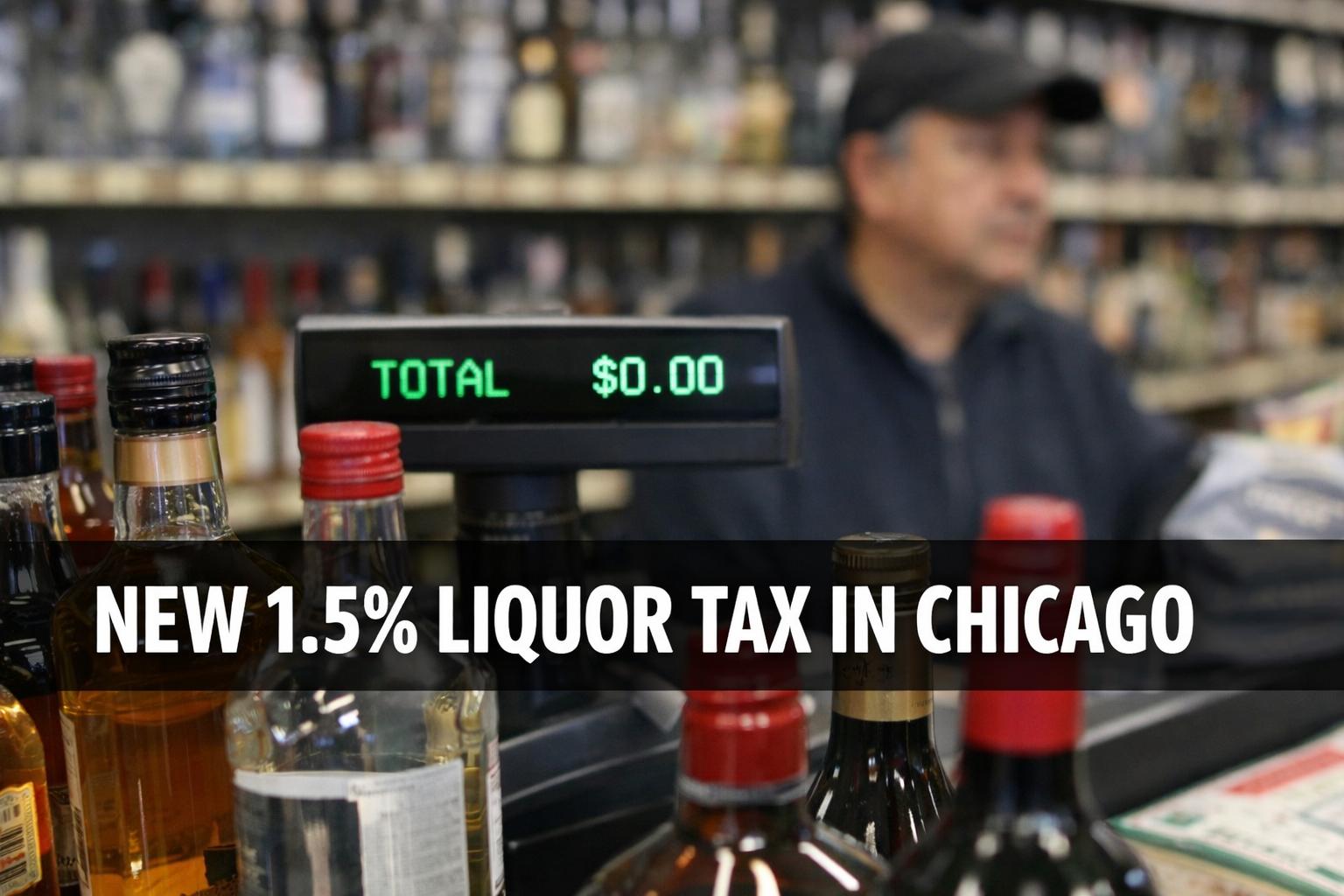
Chicago residents purchasing alcohol from local liquor stores will see a new tax added to their bills starting Sunday, as the city implements a revised taxation system on retail liquor sales. The Chicago Department of Finance confirmed that a 1.5 percent liquor tax will officially take effect after a two-month delay that was granted to allow retailers additional time to update billing systems and prepare for the change.
The new Chicago liquor tax replaces the previous structure that
Chicago residents purchasing alcohol from local liquor stores will see a new tax added to their bills starting Sunday, as the city implements a revised taxation system on retail liquor sales. The Chicago Department of Finance confirmed that a 1.5 percent liquor tax will officially take effect after a two-month delay that was granted to allow retailers additional time to update billing systems and prepare for the change.
The new Chicago liquor tax replaces the previous structure that
India’s financial sector has been grappling with the persistent issue of mis-selling, especially in the realm of banking and insurance products. In a recent statement, Finance Minister Nirmala Sitharaman addressed the ongoing concern, declaring that banks cannot treat mis-selling as a routine part of their business. She went as far as to say that mis-selling is an "offence," sending a clear message to financial institutions that such practices will not be tolerated. Her remarks came at a pr
India’s financial sector has been grappling with the persistent issue of mis-selling, especially in the realm of banking and insurance products. In a recent statement, Finance Minister Nirmala Sitharaman addressed the ongoing concern, declaring that banks cannot treat mis-selling as a routine part of their business. She went as far as to say that mis-selling is an "offence," sending a clear message to financial institutions that such practices will not be tolerated. Her remarks came at a pr
The Indian government has decided to reschedule a planned visit by its trade delegation to Washington, DC, following fresh uncertainty triggered by the US Supreme Court’s decision to strike down former president Donald Trump’s “Liberation Day” tariffs. Officials indicated that the move reflects a cautious approach as both sides assess the legal and strategic implications of the ruling on the ongoing India-US trade deal discussions.
The Indian delegation, led by chief negotiator Darpa
The Indian government has decided to reschedule a planned visit by its trade delegation to Washington, DC, following fresh uncertainty triggered by the US Supreme Court’s decision to strike down former president Donald Trump’s “Liberation Day” tariffs. Officials indicated that the move reflects a cautious approach as both sides assess the legal and strategic implications of the ruling on the ongoing India-US trade deal discussions.
The Indian delegation, led by chief negotiator Darpa
Eligible U.S. taxpayers will be able to deduct up to $10,000 in auto loan interest for the 2025 tax year under a temporary tax provision created through President Donald Trump’s One Big Beautiful Bill Act, but financial analysts say the actual benefit for most car buyers will be far smaller than the headline figure suggests. While the deduction may appear generous at first glance, typical loan structures and interest payments mean that most borrowers are unlikely to approach the maximum all
Eligible U.S. taxpayers will be able to deduct up to $10,000 in auto loan interest for the 2025 tax year under a temporary tax provision created through President Donald Trump’s One Big Beautiful Bill Act, but financial analysts say the actual benefit for most car buyers will be far smaller than the headline figure suggests. While the deduction may appear generous at first glance, typical loan structures and interest payments mean that most borrowers are unlikely to approach the maximum all
A proposal to create a new income tax bracket for Virginia’s highest earners is advancing through the General Assembly, with supporters arguing that the measure could generate significant new revenue for public schools, child care programs and affordable housing initiatives across the state.
House Bill 188, introduced by Del. Kelly Convirs-Fowler, who represents Virginia Beach’s 96th House District, would establish a higher tax rate beginning in the 2026 tax year. Under the proposal, individuals earning more than $1 million annually would pay a 10 percent tax on income exceeding that threshold. Lawmakers backing the bill say the change would modernize Virginia’s tax structure and target additional contributions from the state’s wealthiest residents.
Currently, Virginia uses a relatively flat income tax system in which all income above $17,000 is taxed at a rate of 5.75 percent. Advocates for the legislation contend that the structure places a proportionally heavier burden on middle-income families while allowing top earners to pay the same marginal rate. By creating a new bracket, they argue, the state can make its tax policy more progressive while securing funds for critical public needs.
The bill specifies how revenue from the higher tax rate would be distributed. Half of the additional funds would go toward increased basic aid for public schools, a move intended to help districts address teacher shortages, classroom resources and rising operational costs. Thirty percent of the new revenue would be directed to the Child Care Subsidy Program, which assists working families with the cost of care and aims to expand access for low- and moderate-income households. The remaining 20 percent would be allocated to the Virginia Housing Trust Fund to support affordable housing development and homelessness prevention efforts.
Supporters say the targeted investments could strengthen education, improve workforce participation and address housing shortages that have affected communities statewide. Critics, however, have raised concerns about potential impacts on business competitiveness and the possibility that higher-income residents could relocate, affecting overall tax collections. Those debates are expected to continue as the measure moves through committee review.
In addition to the new tax bracket, HB 188 includes several technical amendments intended to align existing statutes with the proposed changes. The bill remains under consideration in committee, where lawmakers will determine whether it advances to a full vote in the House and Senate. If approved, the policy would mark one of the most significant adjustments to Virginia’s income tax system in decades and could reshape how the state funds key services tied to education, child care and housing.
A proposal to create a new income tax bracket for Virginia’s highest earners is advancing through the General Assembly, with supporters arguing that the measure could generate significant new revenue for public schools, child care programs and affordable housing initiatives across the state.
House Bill 188, introduced by Del. Kelly Convirs-Fowler, who represents Virginia Beach’s 96th House District, would establish a higher tax rate beginning in the 2026 tax year. Under the proposal, individuals earning more than $1 million annually would pay a 10 percent tax on income exceeding that threshold. Lawmakers backing the bill say the change would modernize Virginia’s tax structure and target additional contributions from the state’s wealthiest residents.
Currently, Virginia uses a relatively flat income tax system in which all income above $17,000 is taxed at a rate of 5.75 percent. Advocates for the legislation contend that the structure places a proportionally heavier burden on middle-income families while allowing top earners to pay the same marginal rate. By creating a new bracket, they argue, the state can make its tax policy more progressive while securing funds for critical public needs.
The bill specifies how revenue from the higher tax rate would be distributed. Half of the additional funds would go toward increased basic aid for public schools, a move intended to help districts address teacher shortages, classroom resources and rising operational costs. Thirty percent of the new revenue would be directed to the Child Care Subsidy Program, which assists working families with the cost of care and aims to expand access for low- and moderate-income households. The remaining 20 percent would be allocated to the Virginia Housing Trust Fund to support affordable housing development and homelessness prevention efforts.
Supporters say the targeted investments could strengthen education, improve workforce participation and address housing shortages that have affected communities statewide. Critics, however, have raised concerns about potential impacts on business competitiveness and the possibility that higher-income residents could relocate, affecting overall tax collections. Those debates are expected to continue as the measure moves through committee review.
In addition to the new tax bracket, HB 188 includes several technical amendments intended to align existing statutes with the proposed changes. The bill remains under consideration in committee, where lawmakers will determine whether it advances to a full vote in the House and Senate. If approved, the policy would mark one of the most significant adjustments to Virginia’s income tax system in decades and could reshape how the state funds key services tied to education, child care and housing.
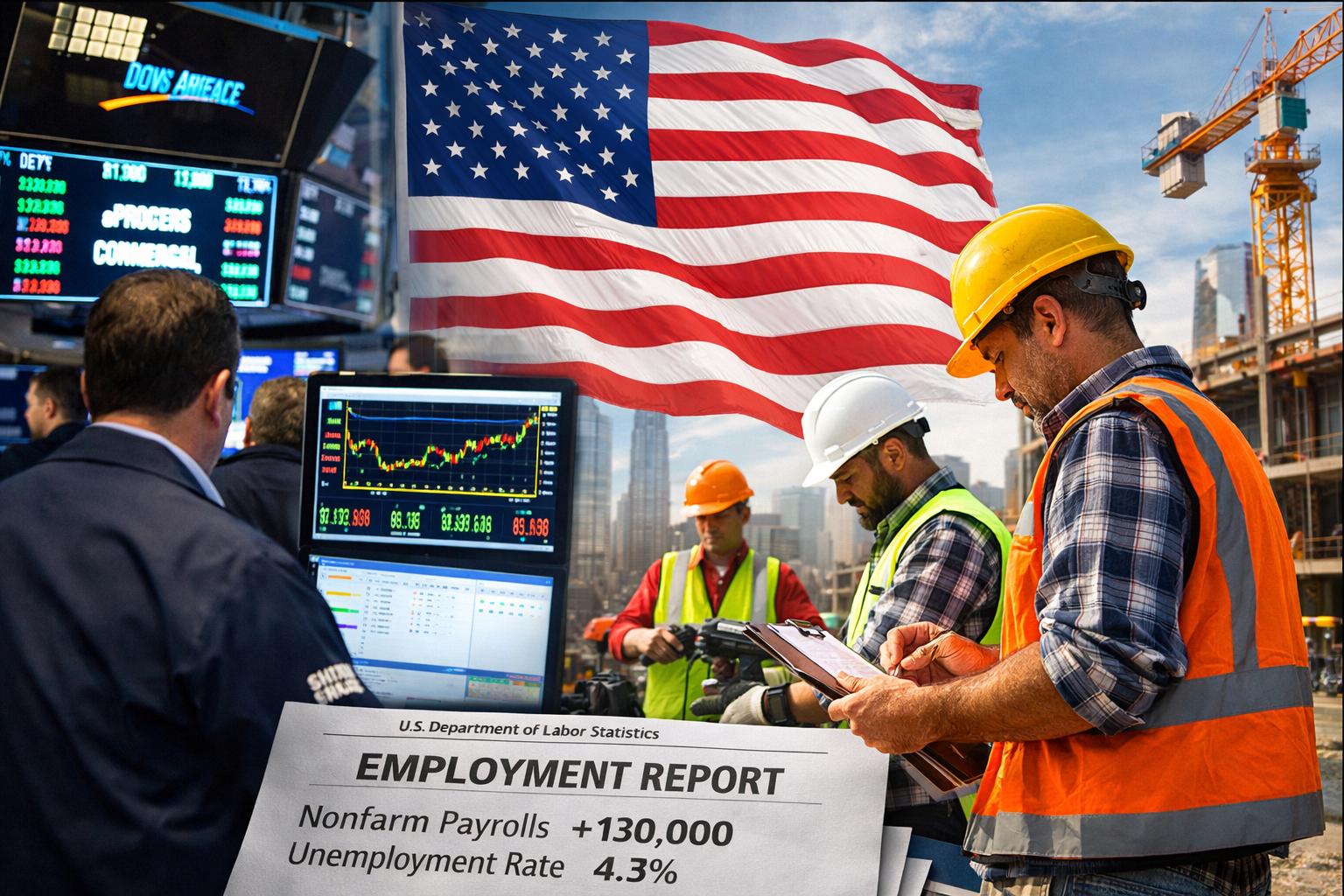
Job growth at the start of 2026 exceeded expectations, offering reassurance that the U.S. labor market remains resilient despite months of subdued hiring and broader economic uncertainty. Fresh data from the Bureau of Labor Statistics showed nonfarm payrolls increased by 130,000 in January, well above economists’ forecasts of 55,000 and marking a notable improvement from December’s revised gain of 48,000.
The stronger hiring figures were accompanied by a modest decline in the un
Job growth at the start of 2026 exceeded expectations, offering reassurance that the U.S. labor market remains resilient despite months of subdued hiring and broader economic uncertainty. Fresh data from the Bureau of Labor Statistics showed nonfarm payrolls increased by 130,000 in January, well above economists’ forecasts of 55,000 and marking a notable improvement from December’s revised gain of 48,000.
The stronger hiring figures were accompanied by a modest decline in the un