





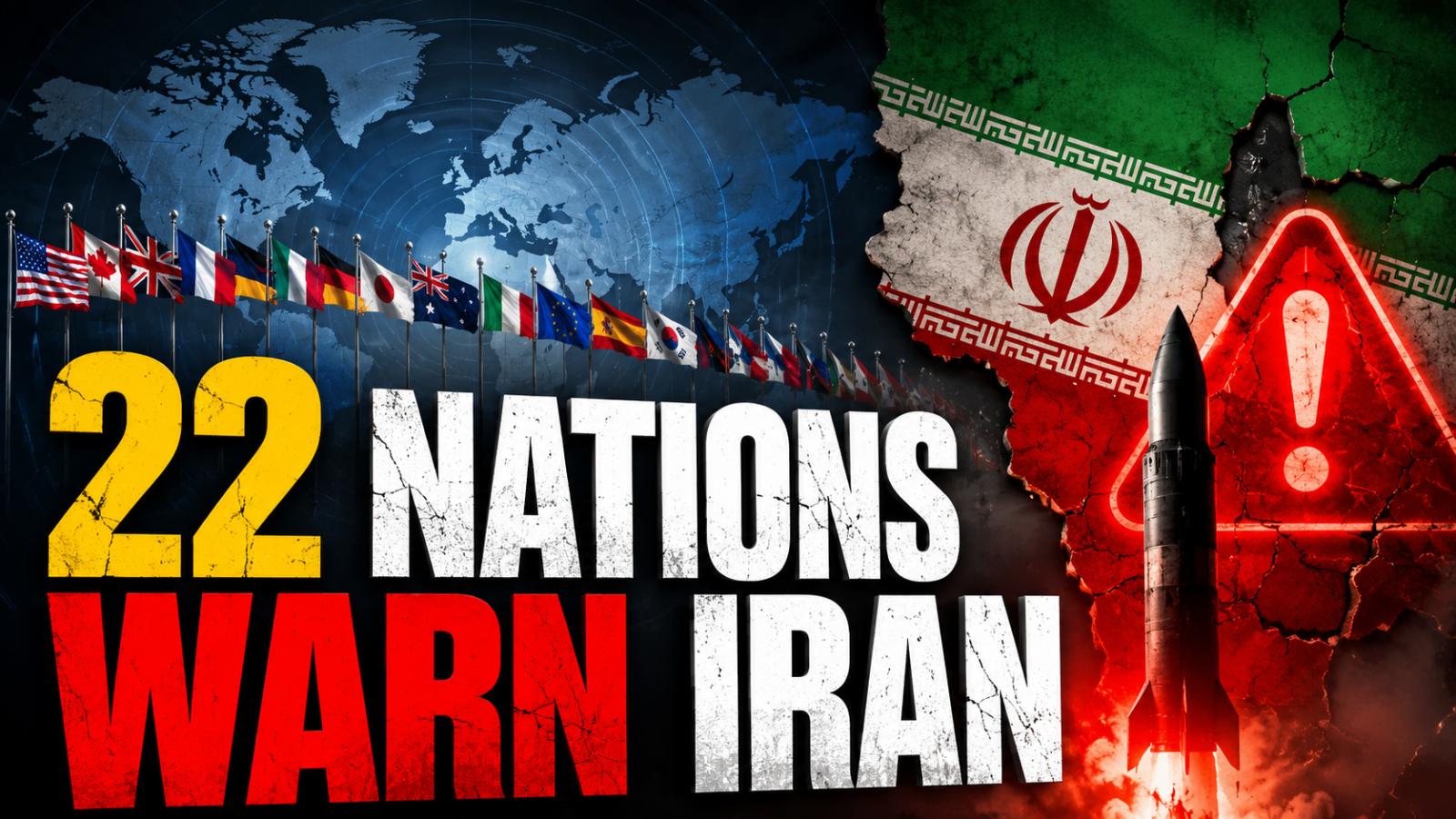
22 nations urge Iran to stop overseas attacks
22 Countries Issue Joint Warning to Iran Twenty-two countries, including the United States, the United Kingdom and several European allies, issued a joint statement on Thursday urging Iran to immediately stop alleged overseas attacks, intimidation campaigns and assassination plots. The statement accused Iranian security agencies of using local and international criminal networks to target dissidents, journalists and Jewish and Israeli communi
22 nations urge Iran to stop overseas attacks
22 Countries Issue Joint Warning to Iran Twenty-two countries, including the United States, the United Kingdom and several European allies, issued a joint statement on Thursday urging Iran to immediately stop alleged overseas attacks, intimidation campaigns and assassination plots. The statement accused Iranian security agencies of using local and international criminal networks to target dissidents, journalists and Jewish and Israeli communi
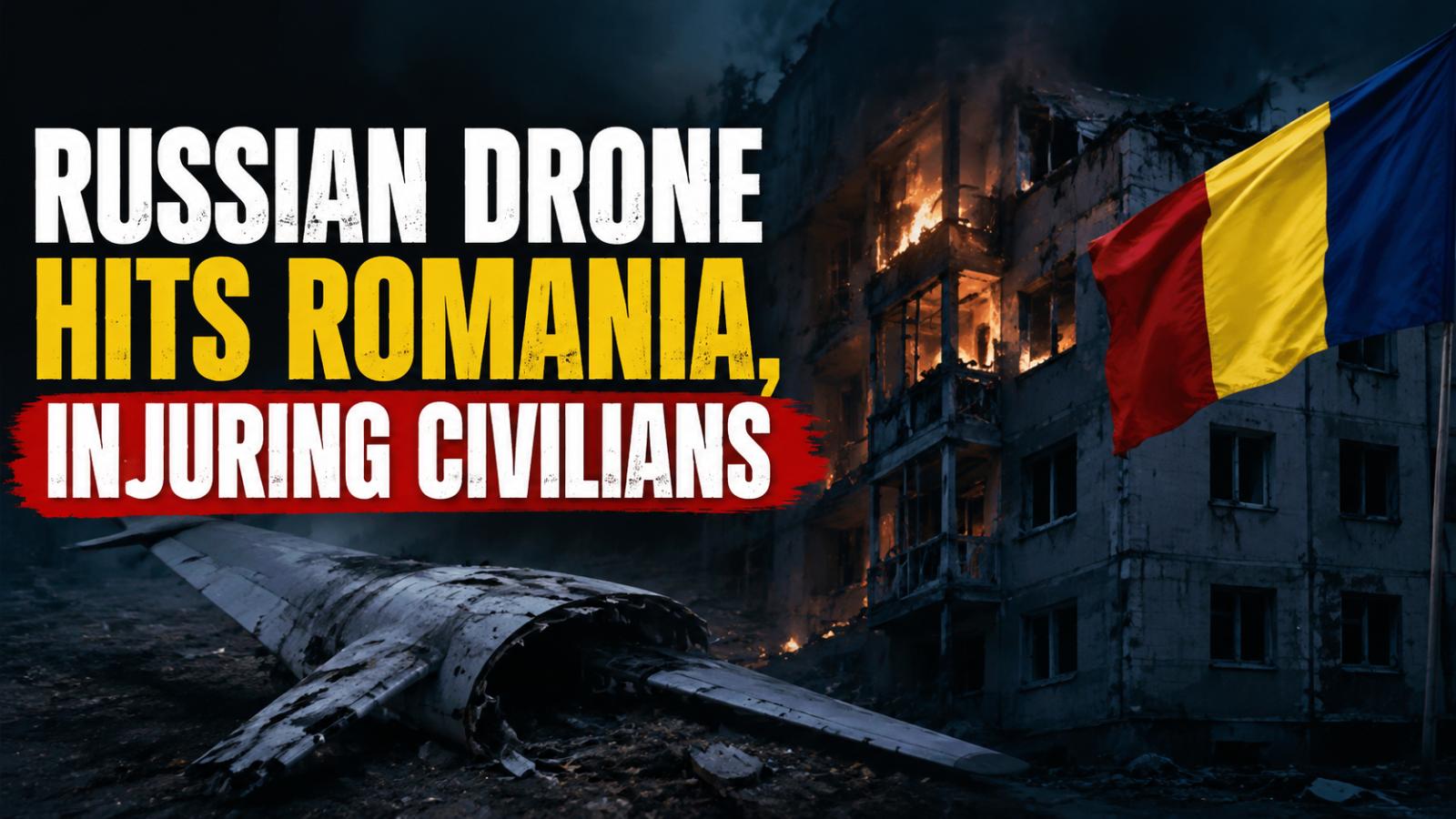
Romanian Residents Injured in Cross-Border Drone Attack
Late on May 28-29, a Russian drone struck a residential building in Galati, Romania, causing a fire and injuring two civilians. Romanian authorities described the event as extremely serious and summoned the Russian ambassador for explanation. The strike marks a notable escalation of regional tensions and highlights risks to civilian areas in Eastern Europe. Romanian Government Response President Nicusor Dan convened the
Romanian Residents Injured in Cross-Border Drone Attack
Late on May 28-29, a Russian drone struck a residential building in Galati, Romania, causing a fire and injuring two civilians. Romanian authorities described the event as extremely serious and summoned the Russian ambassador for explanation. The strike marks a notable escalation of regional tensions and highlights risks to civilian areas in Eastern Europe. Romanian Government Response President Nicusor Dan convened the

UK, Ireland, France Break Temperature Records
Record-Breaking Heat Across Europe A severe heatwave swept across Europe on Monday, May 25, with Britain, Ireland, and France experiencing unprecedented temperatures for May. Meteorologists attributed the extreme heat to a ‘heat dome’, a mass of hot air traveling from northern Africa and trapped beneath a high-pressure system over western Europe. In Spain, temperatures are forecast to reach 38 °C later
UK, Ireland, France Break Temperature Records
Record-Breaking Heat Across Europe A severe heatwave swept across Europe on Monday, May 25, with Britain, Ireland, and France experiencing unprecedented temperatures for May. Meteorologists attributed the extreme heat to a ‘heat dome’, a mass of hot air traveling from northern Africa and trapped beneath a high-pressure system over western Europe. In Spain, temperatures are forecast to reach 38 °C later
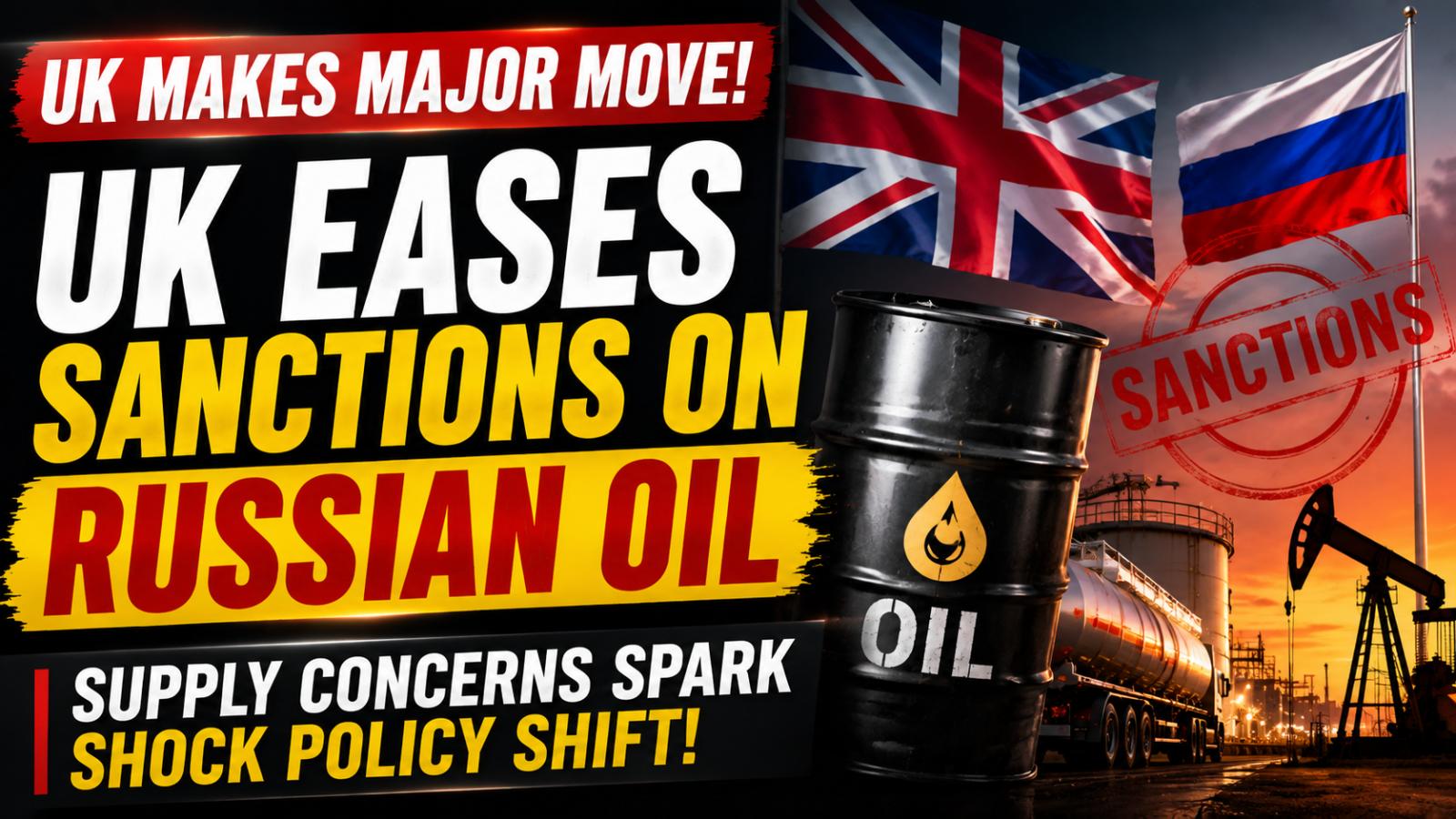
UK Eases Russian Oil Sanctions Amid Fuel Supply Concerns
UK Loosens Russian Oil Restrictions On May 19, the United Kingdom announced it is easing restrictions on importing diesel and jet fuel refined from Russian crude in third countries. The move comes after the G7 reaffirmed commitment to imposing severe costs on Russia for its war in Ukraine. The UK government cited concerns about fuel supply disruptions caused by the closure of the Strait of Hormuz since the US-Israel operations against Iran in late February.
UK Eases Russian Oil Sanctions Amid Fuel Supply Concerns
UK Loosens Russian Oil Restrictions On May 19, the United Kingdom announced it is easing restrictions on importing diesel and jet fuel refined from Russian crude in third countries. The move comes after the G7 reaffirmed commitment to imposing severe costs on Russia for its war in Ukraine. The UK government cited concerns about fuel supply disruptions caused by the closure of the Strait of Hormuz since the US-Israel operations against Iran in late February.
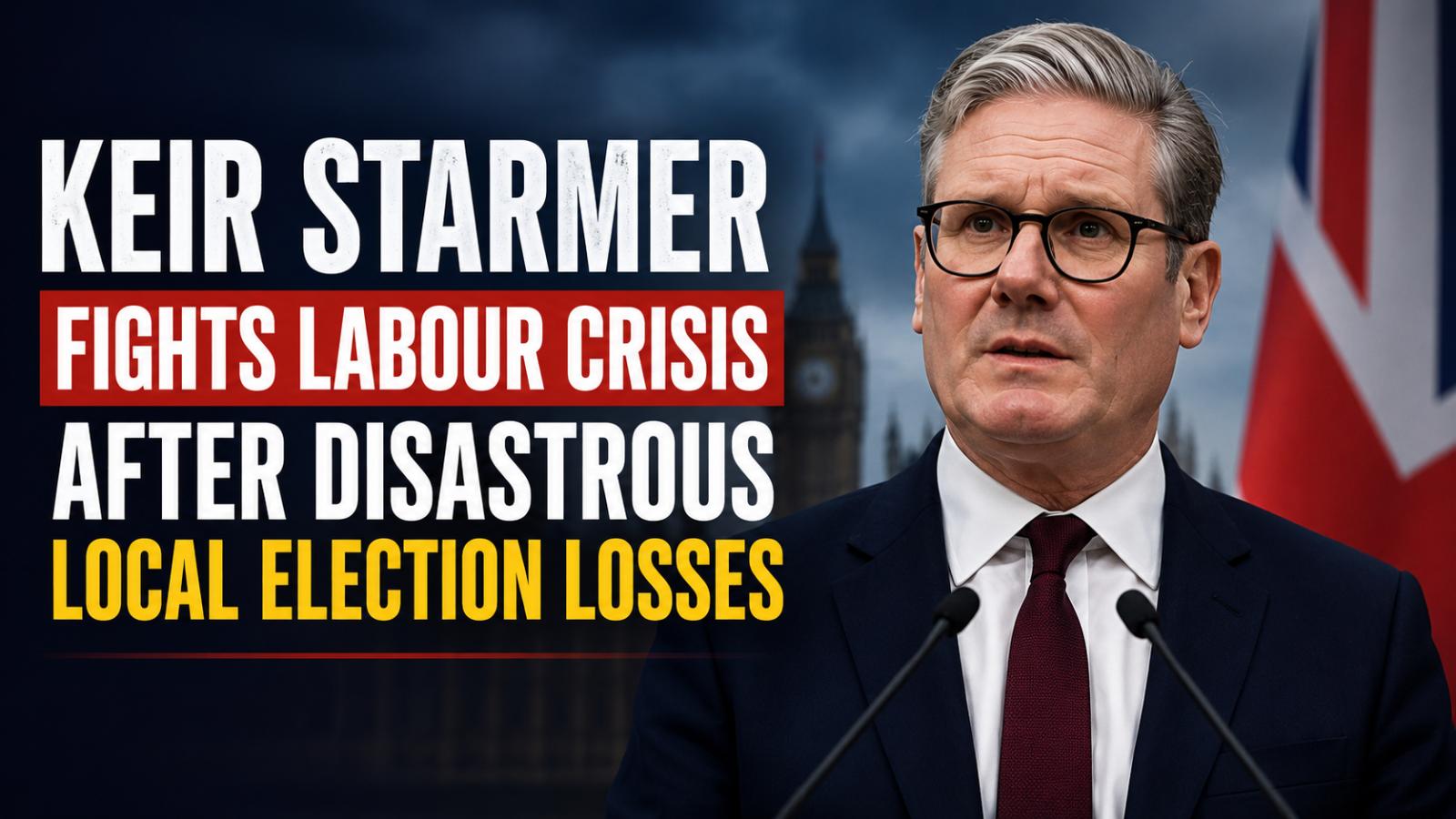
UK PM Keir Starmer announces British Steel plan during Labour revolt
United Kingdom Prime Minister Keir Starmer is facing one of the toughest moments of his political career after Labour suffered major defeats in local elections across England and Wales. In a major speech aimed at calming angry Labour MPs, Starmer admitted the election results were “tough” and accepted responsibility for the setback. At the same time, he promised to rebuild trust, strengthen the UK economy, improve ties with Europe, and protect Britain from being pulled into a war with Ira
UK PM Keir Starmer announces British Steel plan during Labour revolt
United Kingdom Prime Minister Keir Starmer is facing one of the toughest moments of his political career after Labour suffered major defeats in local elections across England and Wales. In a major speech aimed at calming angry Labour MPs, Starmer admitted the election results were “tough” and accepted responsibility for the setback. At the same time, he promised to rebuild trust, strengthen the UK economy, improve ties with Europe, and protect Britain from being pulled into a war with Ira
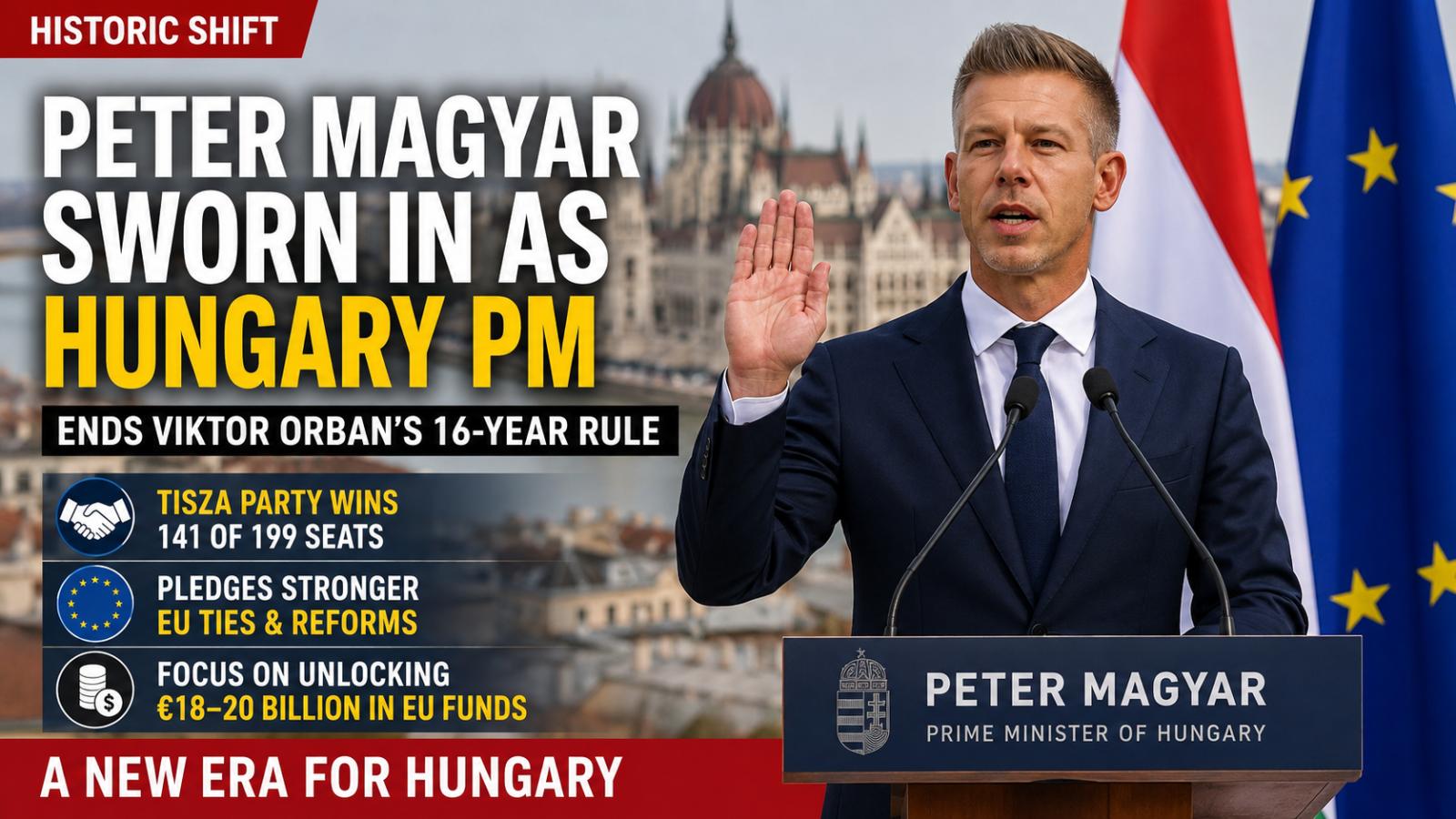
Peter Magyar Sworn In as Hungary PM, Ending Viktor Orban’s 16-Year Rule
Peter Magyar Becomes Hungary PM After Historic Orban Defeat Peter Magyar was sworn in as Hungary’s new prime minister in Budapest on Saturday, May 9, 2026, ending Viktor Orban’s 16-year rule and opening one of Hungary’s biggest political shifts since the fall of communism. Magyar’s centre-right Tisza Party won 141 of 199 parliamentary seats, giving it a powerful two-thirds majority and a mandate to reshape Hungary’s political system. Why Magyar’s Victory Matters The result marks a sharp turn for Hungary after years of tension with the European Union over rule of law, corruption concerns and democratic checks. Magyar has pledged to rebuild trust with Brussels, strengthen institutions and unlock billions in frozen EU funds. The EU flag’s return inside Hungary’s parliament added symbolic weight to the transition, signaling a possible reset in Budapest’s relationship with Europe. Major Challenges Ahead Magyar inherits a strained economy, a widening budget deficit and deep political divisions after the Orban era. He has also urged several Orban-appointed officials, including President Tamás Sulyok, to resign before the end of May 2026. In his inaugural message, Magyar framed the election as more than a change of government, calling it a public demand for reform, accountability and a more hopeful future for Hungary.
Peter Magyar Sworn In as Hungary PM, Ending Viktor Orban’s 16-Year Rule
Peter Magyar Becomes Hungary PM After Historic Orban Defeat Peter Magyar was sworn in as Hungary’s new prime minister in Budapest on Saturday, May 9, 2026, ending Viktor Orban’s 16-year rule and opening one of Hungary’s biggest political shifts since the fall of communism. Magyar’s centre-right Tisza Party won 141 of 199 parliamentary seats, giving it a powerful two-thirds majority and a mandate to reshape Hungary’s political system. Why Magyar’s Victory Matters The result marks a sharp turn for Hungary after years of tension with the European Union over rule of law, corruption concerns and democratic checks. Magyar has pledged to rebuild trust with Brussels, strengthen institutions and unlock billions in frozen EU funds. The EU flag’s return inside Hungary’s parliament added symbolic weight to the transition, signaling a possible reset in Budapest’s relationship with Europe. Major Challenges Ahead Magyar inherits a strained economy, a widening budget deficit and deep political divisions after the Orban era. He has also urged several Orban-appointed officials, including President Tamás Sulyok, to resign before the end of May 2026. In his inaugural message, Magyar framed the election as more than a change of government, calling it a public demand for reform, accountability and a more hopeful future for Hungary.
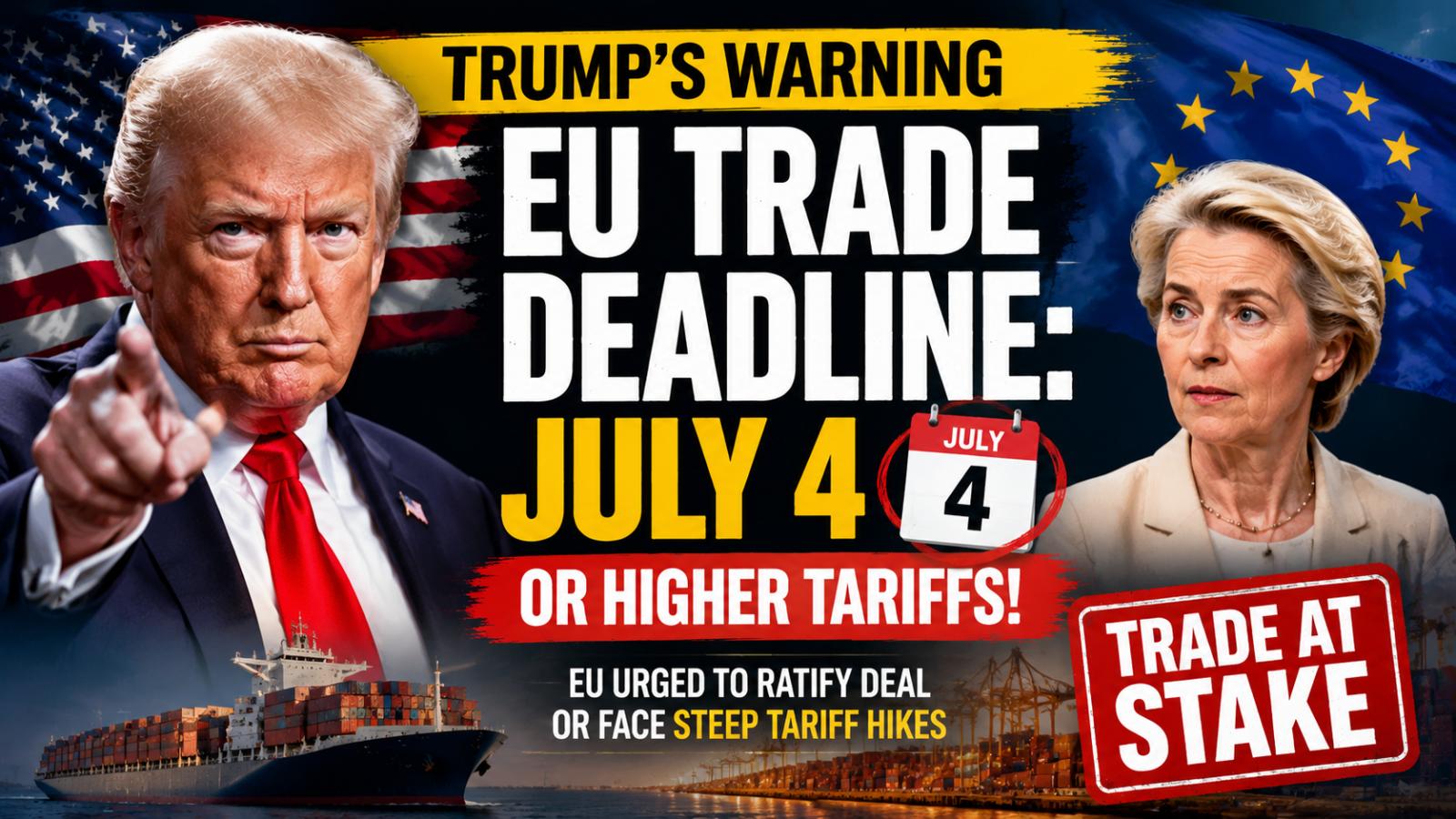
Trump Warns EU of Higher Tariffs if Trade Agreement Isn't Finalized by July 4
President Donald Trump issued a firm ultimatum on Thursday (May 7) to the European Union (EU), demanding that the 27-member bloc finalize and ratify its trade agreement with the United States by July 4, or face significantly higher tariffs. Trump’s statement followed a recent conversation with European Commission President Ursula von der Leyen, during which they discussed delays in approving the trade agreement. Trump set a deadline for the deal to be finalized by the U.S. Independenc
Trump Warns EU of Higher Tariffs if Trade Agreement Isn't Finalized by July 4
President Donald Trump issued a firm ultimatum on Thursday (May 7) to the European Union (EU), demanding that the 27-member bloc finalize and ratify its trade agreement with the United States by July 4, or face significantly higher tariffs. Trump’s statement followed a recent conversation with European Commission President Ursula von der Leyen, during which they discussed delays in approving the trade agreement. Trump set a deadline for the deal to be finalized by the U.S. Independenc
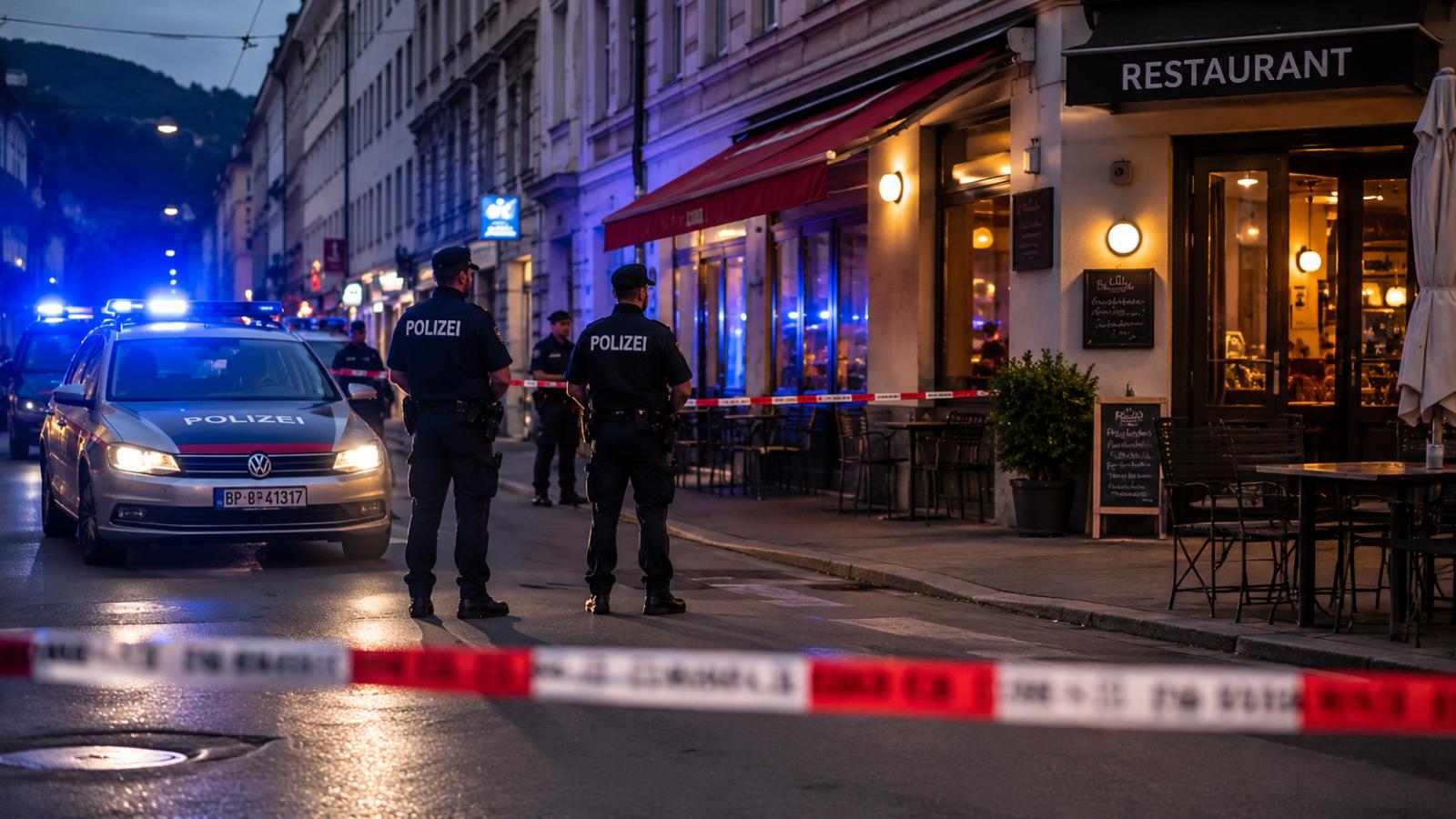
Three dead in shooting outside restaurant in Linz, Austria; police recover weapon
LINZ, Austria, May 7 — Three people were killed in a shooting outside a restaurant in the Austrian city of Linz on Thursday, police said, adding that the weapon used has been recovered. Emergency services responded shortly after the incident was reported in a public area, where multiple fatalities were confirmed at the scene, a police spokesperson said. Authorities have not released full details of how the shooting unfolded. Local media, including Kronen Zeitung, reported that a man shot two women before killing himself. Police said the suspected attacker is among the dead but have not fully confirmed the sequence of events. The area was secured as officers began investigations to identify those involved and determine the circumstances surrounding the incident. Officials said there is no indication of an ongoing threat to the public. Police have urged witnesses to come forward as inquiries continue.
Three dead in shooting outside restaurant in Linz, Austria; police recover weapon
LINZ, Austria, May 7 — Three people were killed in a shooting outside a restaurant in the Austrian city of Linz on Thursday, police said, adding that the weapon used has been recovered. Emergency services responded shortly after the incident was reported in a public area, where multiple fatalities were confirmed at the scene, a police spokesperson said. Authorities have not released full details of how the shooting unfolded. Local media, including Kronen Zeitung, reported that a man shot two women before killing himself. Police said the suspected attacker is among the dead but have not fully confirmed the sequence of events. The area was secured as officers began investigations to identify those involved and determine the circumstances surrounding the incident. Officials said there is no indication of an ongoing threat to the public. Police have urged witnesses to come forward as inquiries continue.
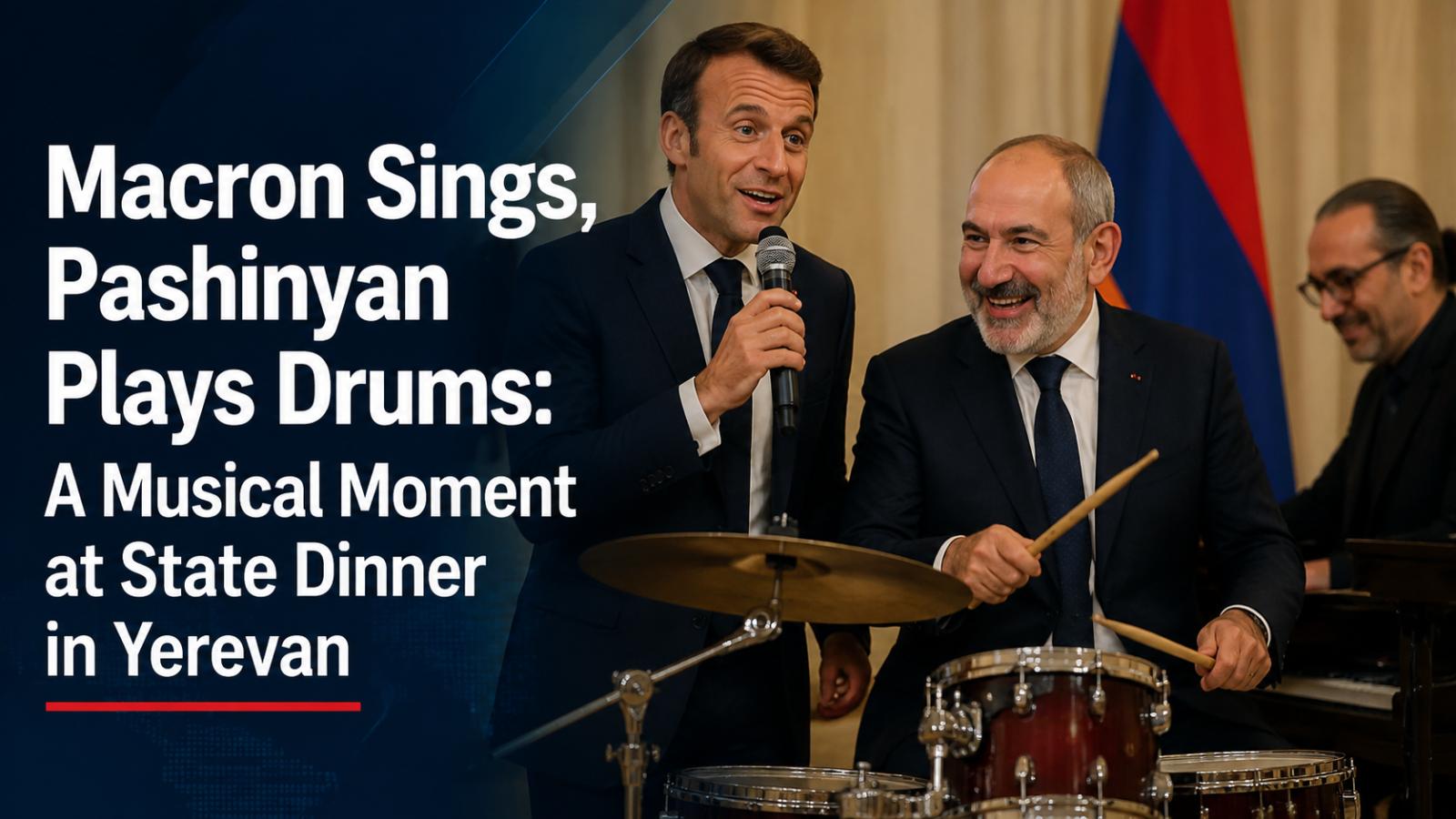
French President Macron performs with Armenian Prime Minister at state dinner
At the state dinner in Armenia’s capital, Yerevan, French President Emmanuel Macron and Armenian Prime Minister Nikol Pashinyan captured the world’s attention with an impromptu musical duet. The performance took place on Monday at Armenia’s presidential residence, where Macron’s heartfelt renditions of classic French songs, including "La Bohème" and "Les Feuilles Mortes," were accompanied by Pashinyan on drums and jazz pianist Vahagn Hayrapetyan. The crowd was captivated as Macron no
French President Macron performs with Armenian Prime Minister at state dinner
At the state dinner in Armenia’s capital, Yerevan, French President Emmanuel Macron and Armenian Prime Minister Nikol Pashinyan captured the world’s attention with an impromptu musical duet. The performance took place on Monday at Armenia’s presidential residence, where Macron’s heartfelt renditions of classic French songs, including "La Bohème" and "Les Feuilles Mortes," were accompanied by Pashinyan on drums and jazz pianist Vahagn Hayrapetyan. The crowd was captivated as Macron no

Oscar statuette recovered after going missing on flight from New York to Frankfurt
An Oscar statuette belonging to Russian director Pavel Talankin was recovered after going missing on a Lufthansa flight from New York to Frankfurt. The incident followed a TSA security check that required the award to be placed in checked luggage, prompting an internal review. Oscar statuette recovered after going missing on flight from New York to Frankfurt blends into a broader aviation and security incident that raised concerns over airport screeni
Oscar statuette recovered after going missing on flight from New York to Frankfurt
An Oscar statuette belonging to Russian director Pavel Talankin was recovered after going missing on a Lufthansa flight from New York to Frankfurt. The incident followed a TSA security check that required the award to be placed in checked luggage, prompting an internal review. Oscar statuette recovered after going missing on flight from New York to Frankfurt blends into a broader aviation and security incident that raised concerns over airport screeni
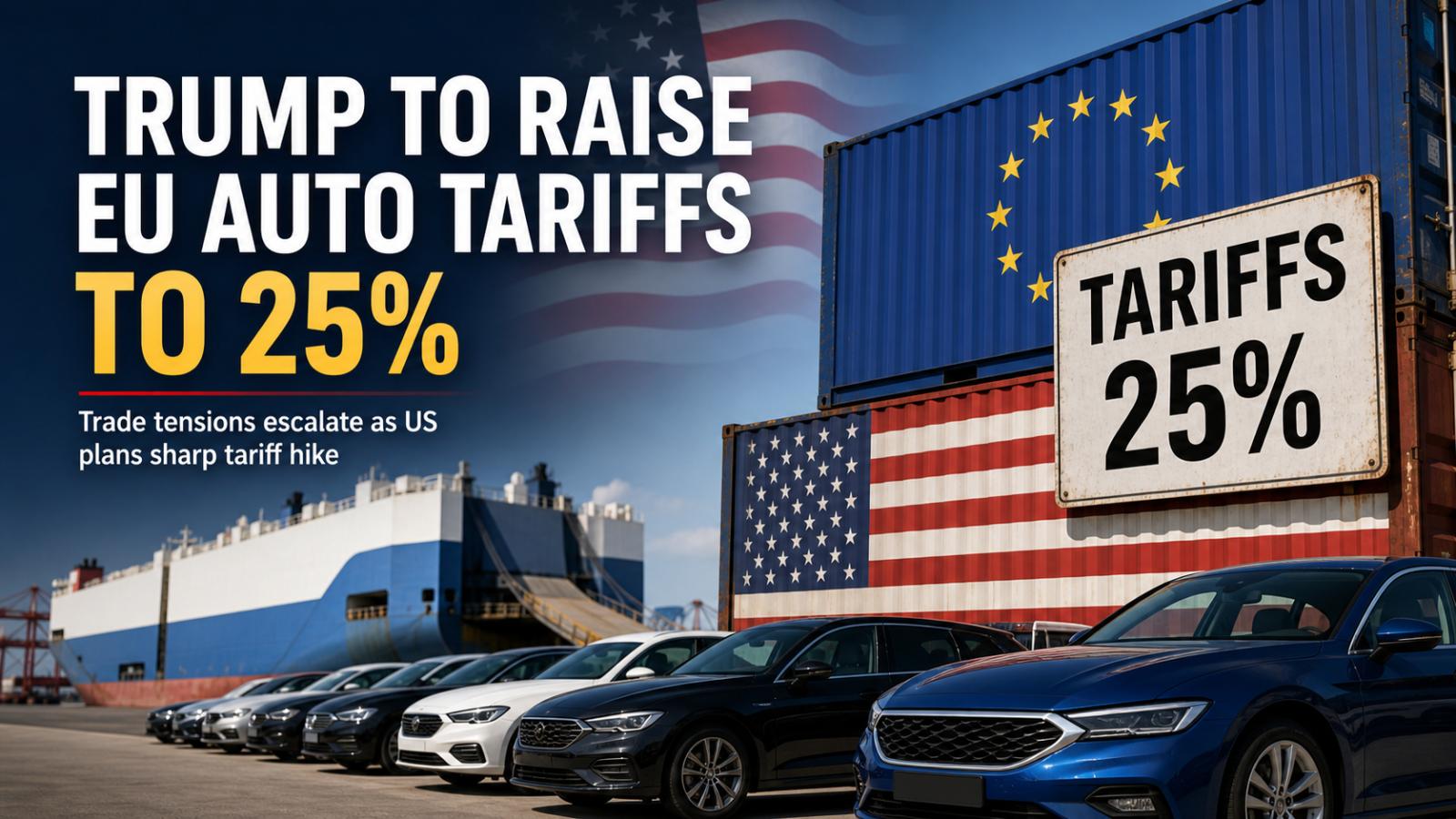
Will Trump raise EU auto tariffs to 25%? Yes, escalation risks trade tensions
Trump signals sharp increase in tariffs on EU vehicles WASHINGTON — On Friday, May 1, 2026, U.S. President Donald Trump announced plans to raise tariffs on cars and trucks imported from the European Union to 25%, signaling a significant shift in U.S.-EU trade policy. The move, shared publicly in a statement, comes at a time when global markets remain sensitive to policy changes and could trigger broader economic repercussions. Trump stated that the European Union was “not complying” with the previously agreed trade deal, though he did not provide specific details regarding the alleged violations. The announcement marks a departure from the earlier tariff framework negotiated between both sides. Background of the US-EU Turnberry trade framework The current dispute traces back to a bilateral agreement reached in July 2025 between Trump and Ursula von der Leyen, which set a 15% tariff ceiling on most traded goods. Known as the Turnberry Agreement, the arrangement aimed to stabilize trade relations and reduce uncertainty for industries on both sides of the Atlantic. Both the United States and the European Union had reaffirmed their commitment to maintaining this framework even after legal and policy challenges emerged earlier in 2026. Legal challenges reshape tariff authority The agreement’s stability was called into question after a ruling by the U.S. Supreme Court, which determined that the president lacked authority to impose tariffs under an economic emergency declaration. Following the ruling, tariff limits were effectively reduced, prompting the administration to explore alternative legal pathways to implement new import taxes. Ongoing investigations into trade imbalances and national security concerns have since been cited by the administration as justification for a revised tariff strategy, potentially putting the original agreement at risk. Economic stakes for EU and global markets The European Union has consistently emphasized the importance of maintaining agreed tariff limits, noting that the deal was expected to save its automotive sector between €500 million and €600 million monthly. Trade between the U.S. and EU reached approximately €1.7 trillion ($2 trillion) in 2024, highlighting the scale of economic interdependence. European officials have reiterated that commitments under the agreement should be upheld, stressing that EU exports must continue to benefit from competitive tariff treatment without unexpected increases. Rising tensions threaten trade stability The proposed tariff increase introduces fresh uncertainty into one of the world’s largest trading relationships. Analysts warn that such measures could disrupt supply chains, increase costs for manufacturers and consumers, and strain diplomatic ties. As the administration moves forward with its trade investigations, the future of the U.S.-EU trade framework remains uncertain, with potential implications extending beyond the automotive sector into the broader global economy.
Will Trump raise EU auto tariffs to 25%? Yes, escalation risks trade tensions
Trump signals sharp increase in tariffs on EU vehicles WASHINGTON — On Friday, May 1, 2026, U.S. President Donald Trump announced plans to raise tariffs on cars and trucks imported from the European Union to 25%, signaling a significant shift in U.S.-EU trade policy. The move, shared publicly in a statement, comes at a time when global markets remain sensitive to policy changes and could trigger broader economic repercussions. Trump stated that the European Union was “not complying” with the previously agreed trade deal, though he did not provide specific details regarding the alleged violations. The announcement marks a departure from the earlier tariff framework negotiated between both sides. Background of the US-EU Turnberry trade framework The current dispute traces back to a bilateral agreement reached in July 2025 between Trump and Ursula von der Leyen, which set a 15% tariff ceiling on most traded goods. Known as the Turnberry Agreement, the arrangement aimed to stabilize trade relations and reduce uncertainty for industries on both sides of the Atlantic. Both the United States and the European Union had reaffirmed their commitment to maintaining this framework even after legal and policy challenges emerged earlier in 2026. Legal challenges reshape tariff authority The agreement’s stability was called into question after a ruling by the U.S. Supreme Court, which determined that the president lacked authority to impose tariffs under an economic emergency declaration. Following the ruling, tariff limits were effectively reduced, prompting the administration to explore alternative legal pathways to implement new import taxes. Ongoing investigations into trade imbalances and national security concerns have since been cited by the administration as justification for a revised tariff strategy, potentially putting the original agreement at risk. Economic stakes for EU and global markets The European Union has consistently emphasized the importance of maintaining agreed tariff limits, noting that the deal was expected to save its automotive sector between €500 million and €600 million monthly. Trade between the U.S. and EU reached approximately €1.7 trillion ($2 trillion) in 2024, highlighting the scale of economic interdependence. European officials have reiterated that commitments under the agreement should be upheld, stressing that EU exports must continue to benefit from competitive tariff treatment without unexpected increases. Rising tensions threaten trade stability The proposed tariff increase introduces fresh uncertainty into one of the world’s largest trading relationships. Analysts warn that such measures could disrupt supply chains, increase costs for manufacturers and consumers, and strain diplomatic ties. As the administration moves forward with its trade investigations, the future of the U.S.-EU trade framework remains uncertain, with potential implications extending beyond the automotive sector into the broader global economy.
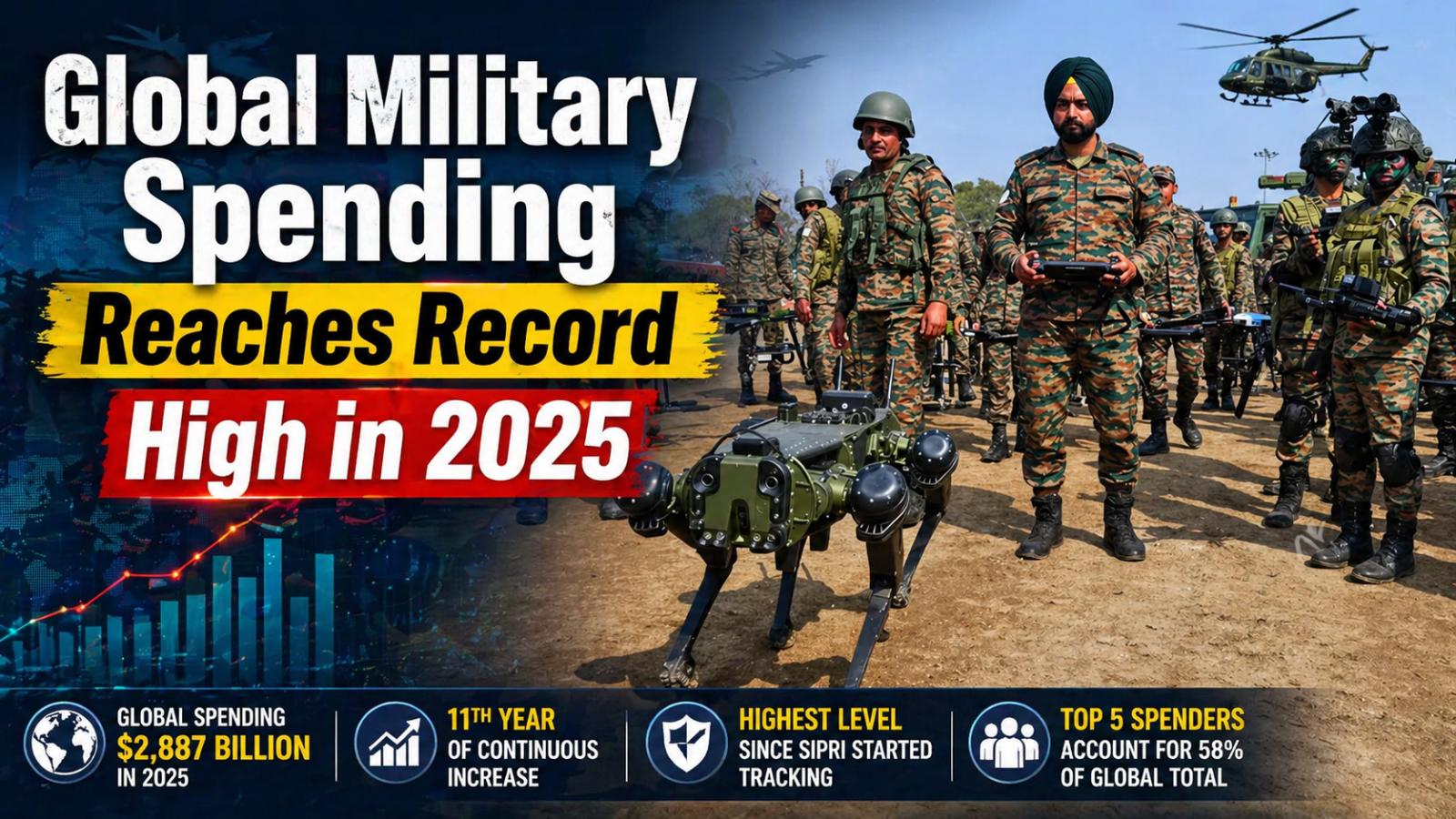
India Enters Top Five as Global Defense Spending Surge
Global military spending reached a record $2,887 billion in 2025, marking the eleventh consecutive year of growth and the highest level ever recorded. According to the latest SIPRI report, the increase reflects rising geopolitical tensions, ongoing conflicts, and a shifting global security environment that has prompted governments to expand their defense budgets. India emerged as one of the world’s top military spenders, entering the top five for the first time with total expenditure of $92.1 billion. The country’s defense spending rose by 8.9 percent, reflecting heightened security concerns and operational demands. The report noted that this increase coincided with armed tensions involving Pakistan in May 2025, during which India deployed a range of military assets including aircraft, drones, and missile systems. The five largest spenders—the United States, China, Russia, Germany, and India—collectively accounted for 58 percent of global military expenditure, totaling $1,686 billion. Pakistan also increased its defense budget by 11 percent to $11.9 billion, driven largely by procurement activities and ongoing modernization efforts following regional tensions. Europe was identified as the primary contributor to the global rise in military spending, with a 14 percent increase bringing the region’s total to $864 billion. This marked the fastest growth in Central and Western Europe since the Cold War, as countries accelerated rearmament programs in response to security concerns, particularly the ongoing conflict involving Russia and Ukraine. The United States remained the largest military spender globally, allocating $954 billion in 2025. However, this represented a 7.5 percent decline compared to the previous year. The decrease was attributed mainly to reduced financial assistance to Ukraine, contrasting with higher levels of support in earlier years. Overall, the data highlights a continued global trend toward increased defense investment, driven by evolving security challenges and shifting geopolitical dynamics.
India Enters Top Five as Global Defense Spending Surge
Global military spending reached a record $2,887 billion in 2025, marking the eleventh consecutive year of growth and the highest level ever recorded. According to the latest SIPRI report, the increase reflects rising geopolitical tensions, ongoing conflicts, and a shifting global security environment that has prompted governments to expand their defense budgets. India emerged as one of the world’s top military spenders, entering the top five for the first time with total expenditure of $92.1 billion. The country’s defense spending rose by 8.9 percent, reflecting heightened security concerns and operational demands. The report noted that this increase coincided with armed tensions involving Pakistan in May 2025, during which India deployed a range of military assets including aircraft, drones, and missile systems. The five largest spenders—the United States, China, Russia, Germany, and India—collectively accounted for 58 percent of global military expenditure, totaling $1,686 billion. Pakistan also increased its defense budget by 11 percent to $11.9 billion, driven largely by procurement activities and ongoing modernization efforts following regional tensions. Europe was identified as the primary contributor to the global rise in military spending, with a 14 percent increase bringing the region’s total to $864 billion. This marked the fastest growth in Central and Western Europe since the Cold War, as countries accelerated rearmament programs in response to security concerns, particularly the ongoing conflict involving Russia and Ukraine. The United States remained the largest military spender globally, allocating $954 billion in 2025. However, this represented a 7.5 percent decline compared to the previous year. The decrease was attributed mainly to reduced financial assistance to Ukraine, contrasting with higher levels of support in earlier years. Overall, the data highlights a continued global trend toward increased defense investment, driven by evolving security challenges and shifting geopolitical dynamics.
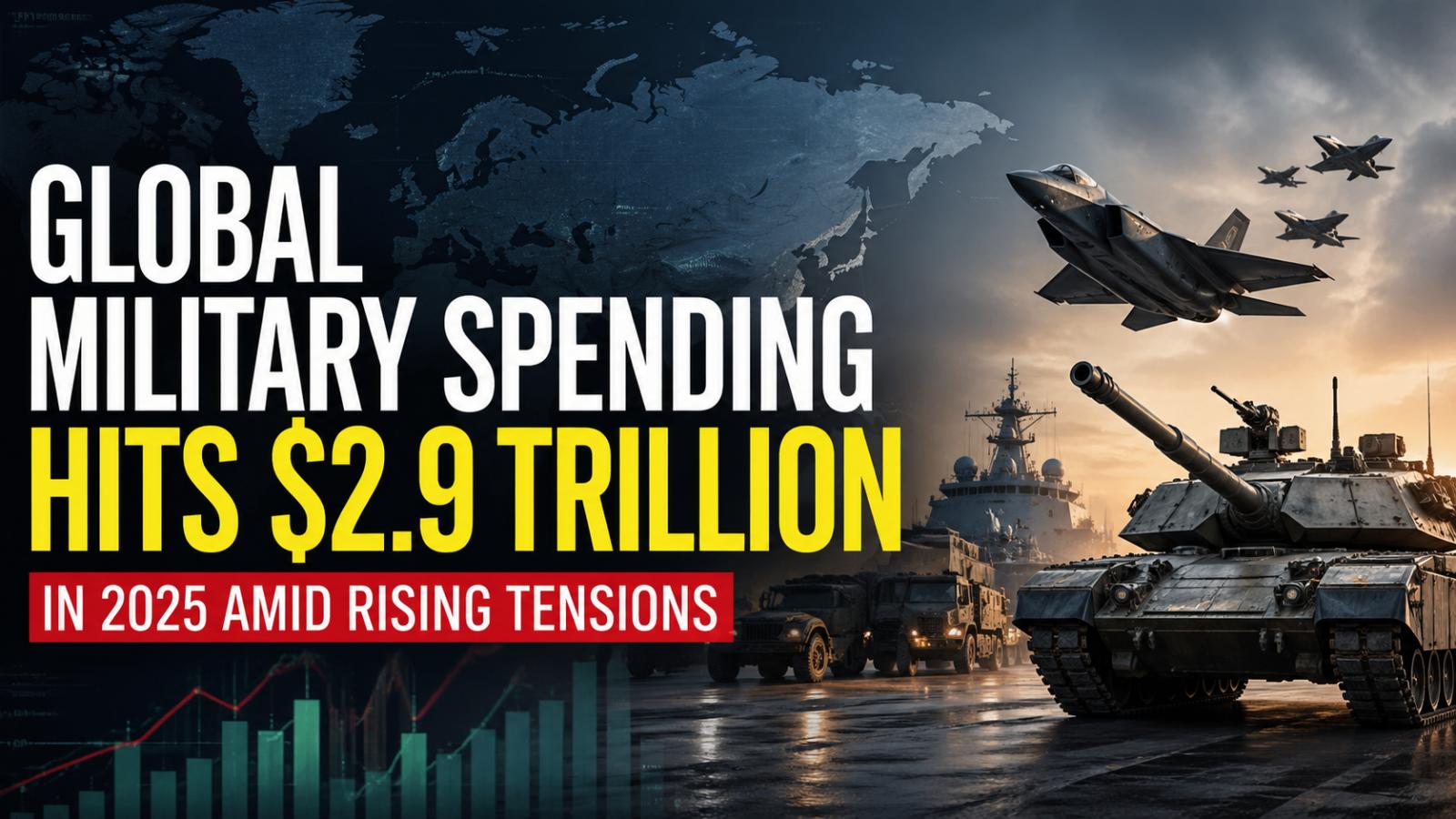
Global military spending hits $2.9 trillion in 2025 amid rising tensions
Global military spending 2025 overview Global military spending in 2025 has reached nearly $2.9 trillion, clearly showing how countries are increasing defence budgets as global tensions continue to rise. The total spending stood at $2887 billion in 2025, marking a 2.9 per cent increase from 2024, highlighting a steady rise in military expenditure trends worldwide. This reflects a world becoming less secure, with nations investing more in defence to protect themselves. The United States, Russia, and China remained the top three military spenders, with a combined total of $1.48 trillion. These nations continue to dominate global defence spending, shaping international security dynamics. Experts say this rise in defence budget growth shows that countries are preparing for both current conflicts and future uncertainties. Europe witnessed a major surge, with military spending increasing by 14 per cent to $864 billion in 2025. This sharp rise is mainly driven by the ongoing Russia-Ukraine war and reduced dependence on the United States for security. Countries like Germany increased spending by 24 per cent to $114 billion, while Spain recorded a significant 50 per cent jump to $40.2 billion, crossing two per cent of GDP for the first time in decades. The United States remained the largest spender despite a decline of 7.5 per cent, bringing its total to $954 billion in 2025. The decrease is linked to reduced financial aid approvals for Ukraine, although future budgets suggest spending could exceed $1 trillion in 2026, indicating a possible rebound. In Eastern Europe, Russia increased its military expenditure by 5.9 per cent to $190 billion, while Ukraine saw a sharp rise of 20 per cent to $84.1 billion. Ukraine’s defence spending now accounts for a large share of its GDP, showing the intensity of the ongoing conflict. Asia and Oceania recorded one of the fastest growth rates, with spending reaching $681 billion in 2025, an 8.5 per cent increase. China led the region with $336 billion, followed by Japan and India. India increased its defence budget by 8.9 per cent to $92.1 billion, making it the fifth-largest military spender globally. This growth highlights rising security concerns across the region. In the Middle East, spending patterns were mixed. Iran’s defence expenditure fell by 5.6 per cent to $7.4 billion, mainly due to high inflation. Israel also saw a decline of 4.9 per cent to $48.3 billion after reducing military operations following a ceasefire in early 2025, although its spending remains significantly higher compared to earlier years. Regional tensions continue to influence defence strategies across the Middle East. Overall, the SIPRI report shows that global military spending is steadily increasing as countries respond to rising geopolitical tensions and conflicts. The trend highlights a shift toward stronger military preparedness, reflecting uncertainty in the global security environment.
Global military spending hits $2.9 trillion in 2025 amid rising tensions
Global military spending 2025 overview Global military spending in 2025 has reached nearly $2.9 trillion, clearly showing how countries are increasing defence budgets as global tensions continue to rise. The total spending stood at $2887 billion in 2025, marking a 2.9 per cent increase from 2024, highlighting a steady rise in military expenditure trends worldwide. This reflects a world becoming less secure, with nations investing more in defence to protect themselves. The United States, Russia, and China remained the top three military spenders, with a combined total of $1.48 trillion. These nations continue to dominate global defence spending, shaping international security dynamics. Experts say this rise in defence budget growth shows that countries are preparing for both current conflicts and future uncertainties. Europe witnessed a major surge, with military spending increasing by 14 per cent to $864 billion in 2025. This sharp rise is mainly driven by the ongoing Russia-Ukraine war and reduced dependence on the United States for security. Countries like Germany increased spending by 24 per cent to $114 billion, while Spain recorded a significant 50 per cent jump to $40.2 billion, crossing two per cent of GDP for the first time in decades. The United States remained the largest spender despite a decline of 7.5 per cent, bringing its total to $954 billion in 2025. The decrease is linked to reduced financial aid approvals for Ukraine, although future budgets suggest spending could exceed $1 trillion in 2026, indicating a possible rebound. In Eastern Europe, Russia increased its military expenditure by 5.9 per cent to $190 billion, while Ukraine saw a sharp rise of 20 per cent to $84.1 billion. Ukraine’s defence spending now accounts for a large share of its GDP, showing the intensity of the ongoing conflict. Asia and Oceania recorded one of the fastest growth rates, with spending reaching $681 billion in 2025, an 8.5 per cent increase. China led the region with $336 billion, followed by Japan and India. India increased its defence budget by 8.9 per cent to $92.1 billion, making it the fifth-largest military spender globally. This growth highlights rising security concerns across the region. In the Middle East, spending patterns were mixed. Iran’s defence expenditure fell by 5.6 per cent to $7.4 billion, mainly due to high inflation. Israel also saw a decline of 4.9 per cent to $48.3 billion after reducing military operations following a ceasefire in early 2025, although its spending remains significantly higher compared to earlier years. Regional tensions continue to influence defence strategies across the Middle East. Overall, the SIPRI report shows that global military spending is steadily increasing as countries respond to rising geopolitical tensions and conflicts. The trend highlights a shift toward stronger military preparedness, reflecting uncertainty in the global security environment.
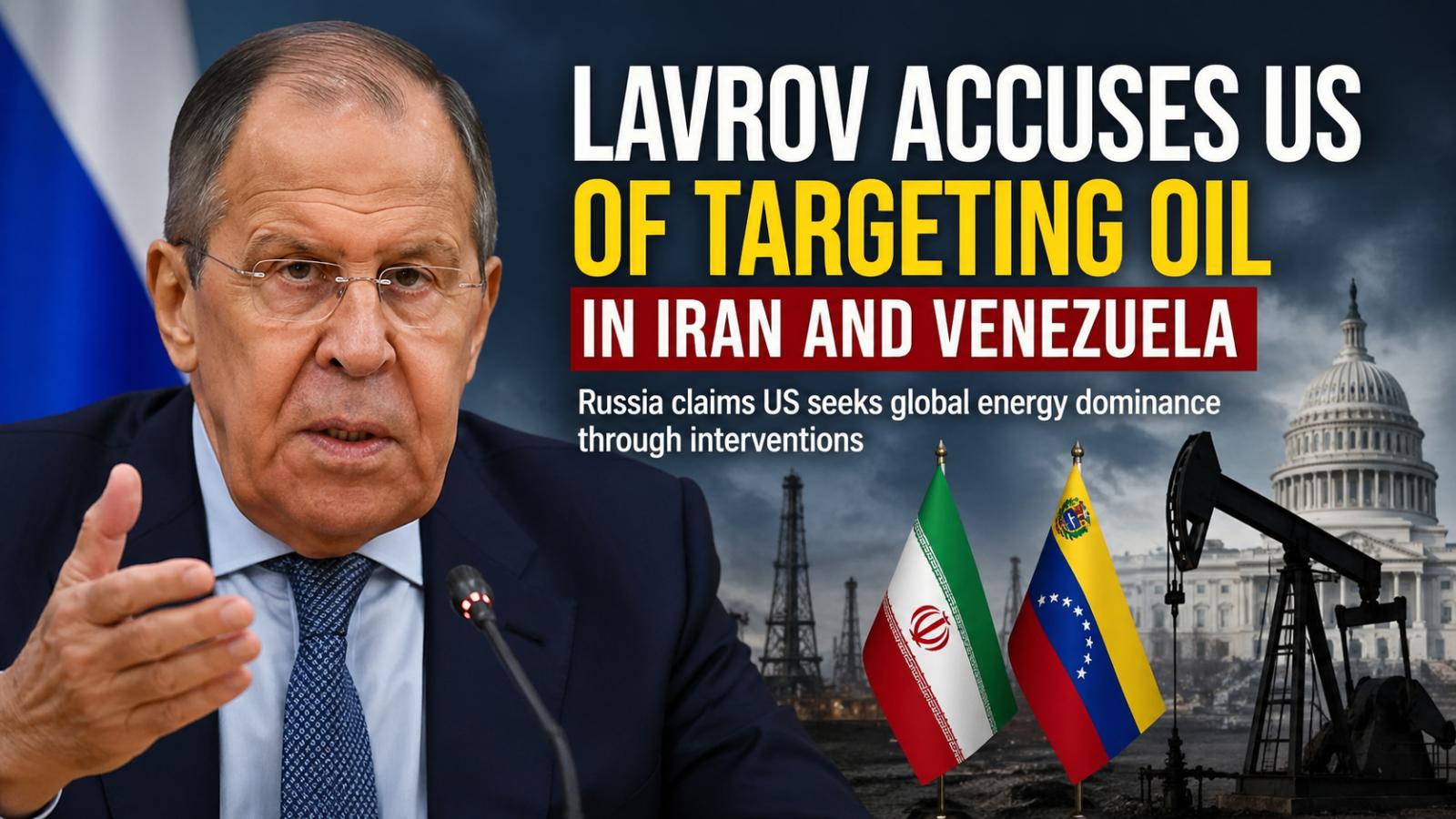
Lavrov criticizes US foreign policy over oil and energy dominance
Russian Foreign Minister Sergei Lavrov has accused the United States of pursuing oil-driven policies in Iran and Venezuela, claiming that control over global energy resources is a central goal of Washington’s foreign strategy. Speaking in a televised interview, Lavrov said the US focuses primarily on its own interests and is willing to use extreme methods to secure access to oil and energy assets in resource-rich nations. Lavrov alleged that US actions in countries such as Iran and Venezuela are not hidden, but openly tied to securing influence over energy markets. According to him, Washington’s approach reflects a broader ambition to dominate global energy supply chains. He argued that such policies show a shift away from international legal norms, suggesting that decisions are increasingly shaped by power rather than agreed rules. The Russian minister also criticized the US for what he described as inconsistent diplomacy. He urged Washington to prioritize dialogue, stating that the US has a pattern of withdrawing from agreements instead of maintaining stable international commitments. His remarks come as American envoys prepare for discussions in Pakistan, signaling ongoing diplomatic engagement in the region. The White House has indicated openness to negotiations with Iran, while maintaining that it will not act under pressure. Meanwhile, Iran’s Foreign Minister Abbas Araghchi has begun a regional visit, adding to the ongoing diplomatic activity surrounding the issue. Lavrov further linked US foreign policy to developments in Europe, particularly in the context of the Ukraine conflict. He accused Washington of encouraging European nations to reduce dependence on Russian gas, framing this as part of a broader geopolitical strategy. According to Lavrov, such moves resemble attempts to reshape global energy dynamics in a way that benefits US interests, raising concerns about a return to power-based international relations.
Lavrov criticizes US foreign policy over oil and energy dominance
Russian Foreign Minister Sergei Lavrov has accused the United States of pursuing oil-driven policies in Iran and Venezuela, claiming that control over global energy resources is a central goal of Washington’s foreign strategy. Speaking in a televised interview, Lavrov said the US focuses primarily on its own interests and is willing to use extreme methods to secure access to oil and energy assets in resource-rich nations. Lavrov alleged that US actions in countries such as Iran and Venezuela are not hidden, but openly tied to securing influence over energy markets. According to him, Washington’s approach reflects a broader ambition to dominate global energy supply chains. He argued that such policies show a shift away from international legal norms, suggesting that decisions are increasingly shaped by power rather than agreed rules. The Russian minister also criticized the US for what he described as inconsistent diplomacy. He urged Washington to prioritize dialogue, stating that the US has a pattern of withdrawing from agreements instead of maintaining stable international commitments. His remarks come as American envoys prepare for discussions in Pakistan, signaling ongoing diplomatic engagement in the region. The White House has indicated openness to negotiations with Iran, while maintaining that it will not act under pressure. Meanwhile, Iran’s Foreign Minister Abbas Araghchi has begun a regional visit, adding to the ongoing diplomatic activity surrounding the issue. Lavrov further linked US foreign policy to developments in Europe, particularly in the context of the Ukraine conflict. He accused Washington of encouraging European nations to reduce dependence on Russian gas, framing this as part of a broader geopolitical strategy. According to Lavrov, such moves resemble attempts to reshape global energy dynamics in a way that benefits US interests, raising concerns about a return to power-based international relations.

Indian Men Shot Dead In Italy During Vaisakhi Gathering
Two Indian nationals were shot dead in northern Italy in a late-night incident outside a place of worship, raising serious concerns within the local community and prompting an active investigation by authorities. The shooting occurred in Covo, a town in Bergamo province, shortly before midnight on Friday, as individuals were leaving a warehouse that had been used for religious gatherings associated with the Vaisakhi festival. The victims have been identified as Raginder Singh, 48, w
Indian Men Shot Dead In Italy During Vaisakhi Gathering
Two Indian nationals were shot dead in northern Italy in a late-night incident outside a place of worship, raising serious concerns within the local community and prompting an active investigation by authorities. The shooting occurred in Covo, a town in Bergamo province, shortly before midnight on Friday, as individuals were leaving a warehouse that had been used for religious gatherings associated with the Vaisakhi festival. The victims have been identified as Raginder Singh, 48, w
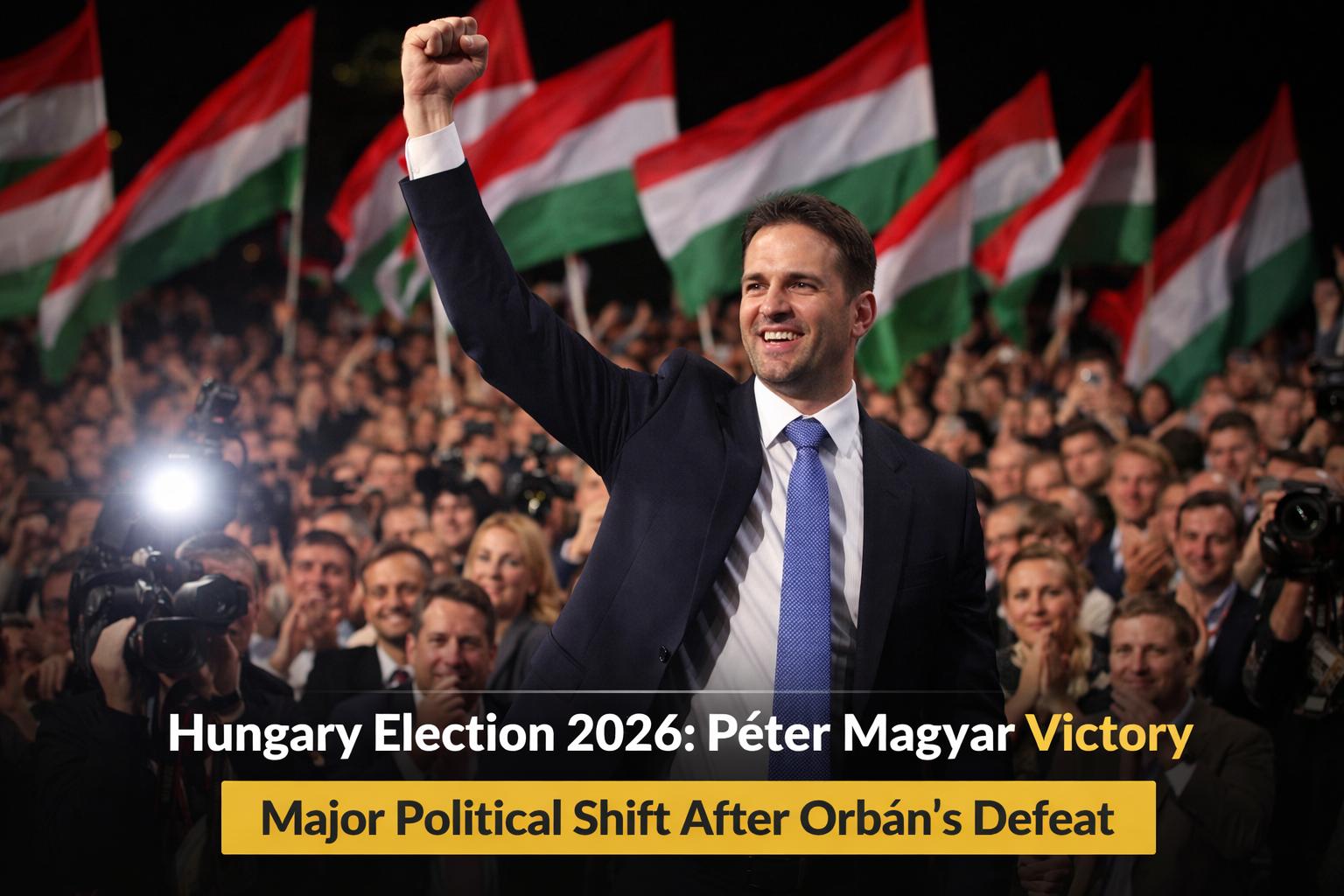
Hungary election results 2026: what Péter Magyar’s win means for Europe and beyond
Hungary election results 2026 Péter Magyar victory reshapes power Hungary’s political landscape has undergone a dramatic shift after Péter Magyar secured a sweeping victory, ending Viktor Orbán’s long-standing rule. The Hungary election results 2026 mark one of the most significant polit
Hungary election results 2026: what Péter Magyar’s win means for Europe and beyond
Hungary election results 2026 Péter Magyar victory reshapes power Hungary’s political landscape has undergone a dramatic shift after Péter Magyar secured a sweeping victory, ending Viktor Orbán’s long-standing rule. The Hungary election results 2026 mark one of the most significant polit
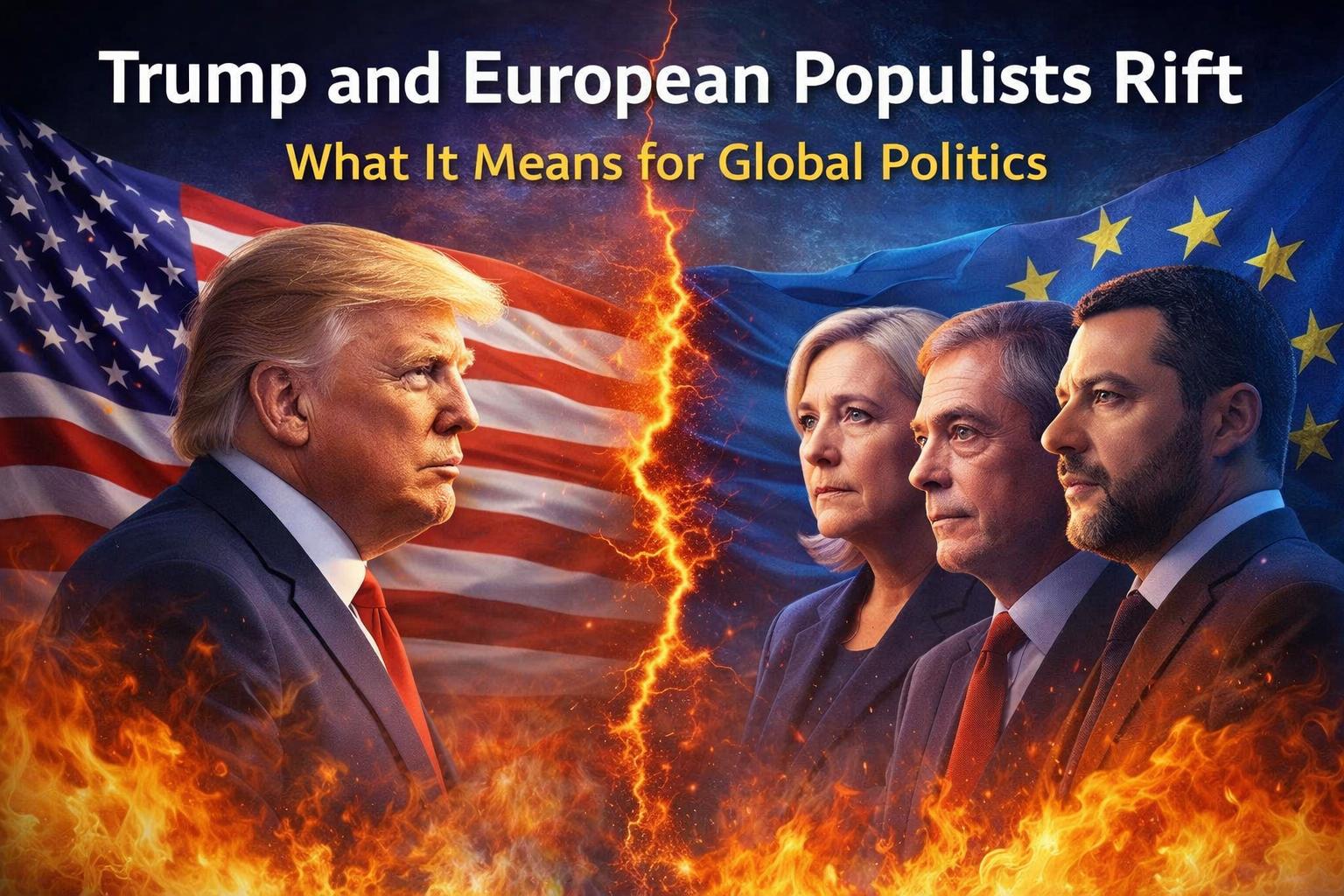
Trump and European populists divide: What the growing rift means for global politics
Trump European populist rift deepens over war and policy tensions The relationship between former U.S. President Donald Trump and Europe’s nationalist leaders is showing signs of strain, raising questions about the future of global political alliances. Once seen as natural allies, the growing divide reflects disagreements over foreign policy, particularly the Iran conflict, and shifting public opinion across Europe. European leaders step back from Trump alliances In recent months, several prominent European populist figures who once openly supported Trump have begun to distance themselves. Leaders across the United Kingdom, France, Germany, and Italy are reconsidering their alignment as criticism of U.S. actions abroad intensifies. Policies linked to military interventions and controversial rhetoric have sparked backlash among European voters. This has put pressure on nationalist leaders who had previously embraced Trump’s political style and agenda. In some cases, declining poll numbers suggest that close ties to Trump are becoming a political liability. Why this political shift matters globally The evolving rift highlights a broader shift in global politics. For years, Trump’s “America First” approach aligned with European nationalist movements advocating for stricter borders and reduced international cooperation. Now, disagreements over foreign interventions and economic consequences—such as rising fuel prices—are changing that dynamic. European leaders must balance domestic public opinion with their political alliances, especially as voters express concerns about economic stability and international conflicts. This shift could weaken transatlantic cooperation among right-leaning political movements and reshape political strategies across the continent. From strong alignment to growing tensions Initially, Trump’s leadership energized nationalist parties across Europe. His stance on immigration, trade, and sovereignty resonated with leaders seeking similar policies in their own countries. However, recent developments—including military actions and disputes with global institutions—have exposed differences. Some European leaders have criticized these moves as inconsistent with their own national interests, while others worry about long-term geopolitical consequences. Public opinion has also played a major role. Surveys across Europe indicate high levels of skepticism toward Trump’s policies, forcing politicians to adjust their positions ahead of elections. What happens next for US-Europe political ties Looking ahead, the relationship between Trump-aligned politics and European populism may continue to evolve. Analysts suggest that nationalist leaders will increasingly focus on domestic priorities rather than relying on alignment with U.S. leadership. Future elections across Europe will likely test whether distancing from Trump helps these leaders regain public support. At the same time, ongoing global conflicts and economic pressures could further influence political strategies. A turning point in global populist politics The growing divide between Trump and European populists marks a significant moment in international politics. What was once a strong ideological partnership is now facing real challenges. As political landscapes shift, leaders on both sides of the Atlantic will need to adapt. The outcome of this rift could redefine alliances, influence elections, and shape the future direction of populist movements worldwide.
Trump and European populists divide: What the growing rift means for global politics
Trump European populist rift deepens over war and policy tensions The relationship between former U.S. President Donald Trump and Europe’s nationalist leaders is showing signs of strain, raising questions about the future of global political alliances. Once seen as natural allies, the growing divide reflects disagreements over foreign policy, particularly the Iran conflict, and shifting public opinion across Europe. European leaders step back from Trump alliances In recent months, several prominent European populist figures who once openly supported Trump have begun to distance themselves. Leaders across the United Kingdom, France, Germany, and Italy are reconsidering their alignment as criticism of U.S. actions abroad intensifies. Policies linked to military interventions and controversial rhetoric have sparked backlash among European voters. This has put pressure on nationalist leaders who had previously embraced Trump’s political style and agenda. In some cases, declining poll numbers suggest that close ties to Trump are becoming a political liability. Why this political shift matters globally The evolving rift highlights a broader shift in global politics. For years, Trump’s “America First” approach aligned with European nationalist movements advocating for stricter borders and reduced international cooperation. Now, disagreements over foreign interventions and economic consequences—such as rising fuel prices—are changing that dynamic. European leaders must balance domestic public opinion with their political alliances, especially as voters express concerns about economic stability and international conflicts. This shift could weaken transatlantic cooperation among right-leaning political movements and reshape political strategies across the continent. From strong alignment to growing tensions Initially, Trump’s leadership energized nationalist parties across Europe. His stance on immigration, trade, and sovereignty resonated with leaders seeking similar policies in their own countries. However, recent developments—including military actions and disputes with global institutions—have exposed differences. Some European leaders have criticized these moves as inconsistent with their own national interests, while others worry about long-term geopolitical consequences. Public opinion has also played a major role. Surveys across Europe indicate high levels of skepticism toward Trump’s policies, forcing politicians to adjust their positions ahead of elections. What happens next for US-Europe political ties Looking ahead, the relationship between Trump-aligned politics and European populism may continue to evolve. Analysts suggest that nationalist leaders will increasingly focus on domestic priorities rather than relying on alignment with U.S. leadership. Future elections across Europe will likely test whether distancing from Trump helps these leaders regain public support. At the same time, ongoing global conflicts and economic pressures could further influence political strategies. A turning point in global populist politics The growing divide between Trump and European populists marks a significant moment in international politics. What was once a strong ideological partnership is now facing real challenges. As political landscapes shift, leaders on both sides of the Atlantic will need to adapt. The outcome of this rift could redefine alliances, influence elections, and shape the future direction of populist movements worldwide.
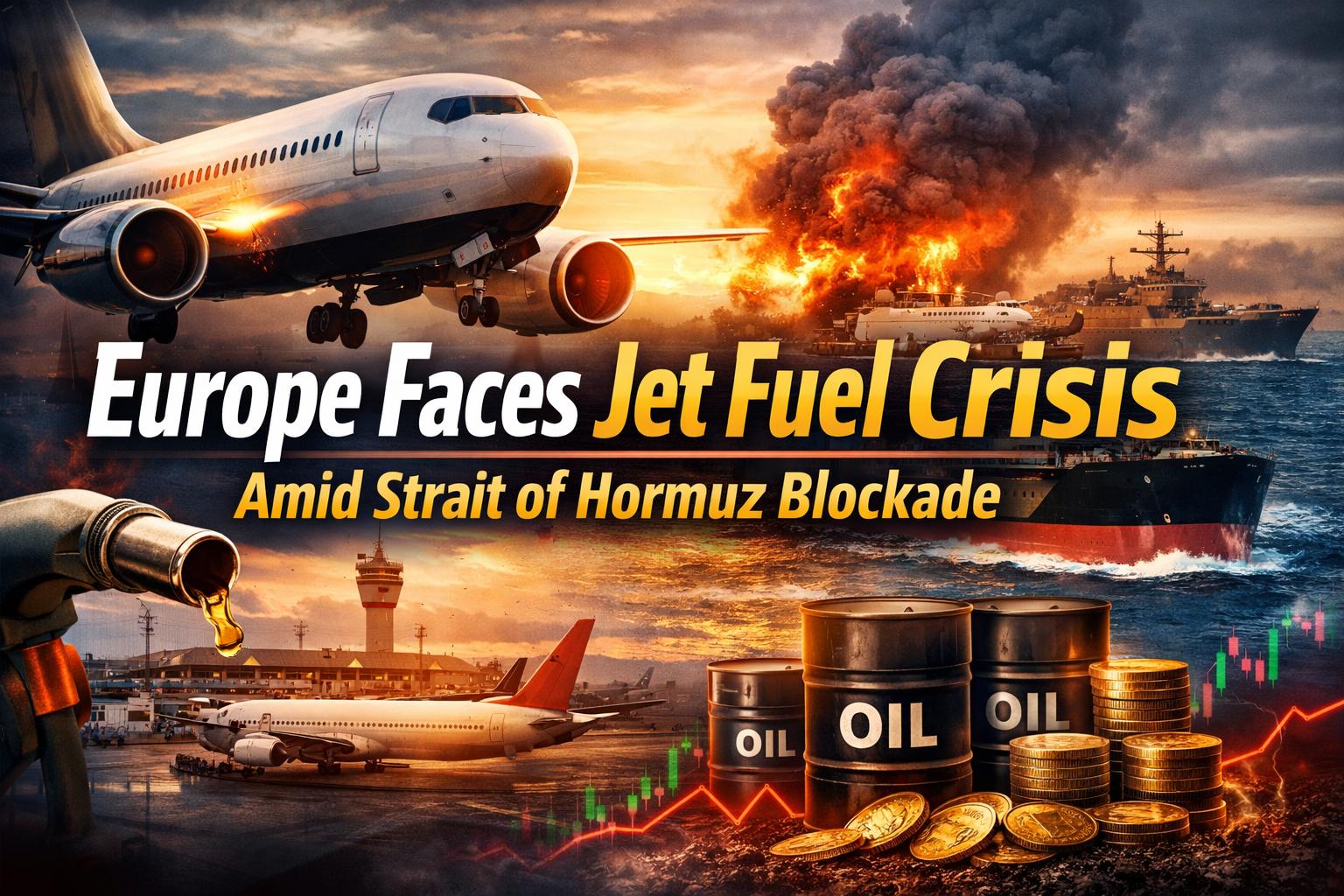
Airline disruptions loom as oil supply crisis threatens Europe flights
Europe’s airline industry is facing the risk of a widespread jet fuel shortage within weeks as disruptions in the Strait of Hormuz continue to strain global oil supply chains, according to energy analysts and aviation experts. The situation has intensified following escalating tensions involving the United States, Iran, and Israel, raising concerns about significant flight reductions across the region during the upcoming peak travel season. Claudio Galimberti, chief economist at
Airline disruptions loom as oil supply crisis threatens Europe flights
Europe’s airline industry is facing the risk of a widespread jet fuel shortage within weeks as disruptions in the Strait of Hormuz continue to strain global oil supply chains, according to energy analysts and aviation experts. The situation has intensified following escalating tensions involving the United States, Iran, and Israel, raising concerns about significant flight reductions across the region during the upcoming peak travel season. Claudio Galimberti, chief economist at
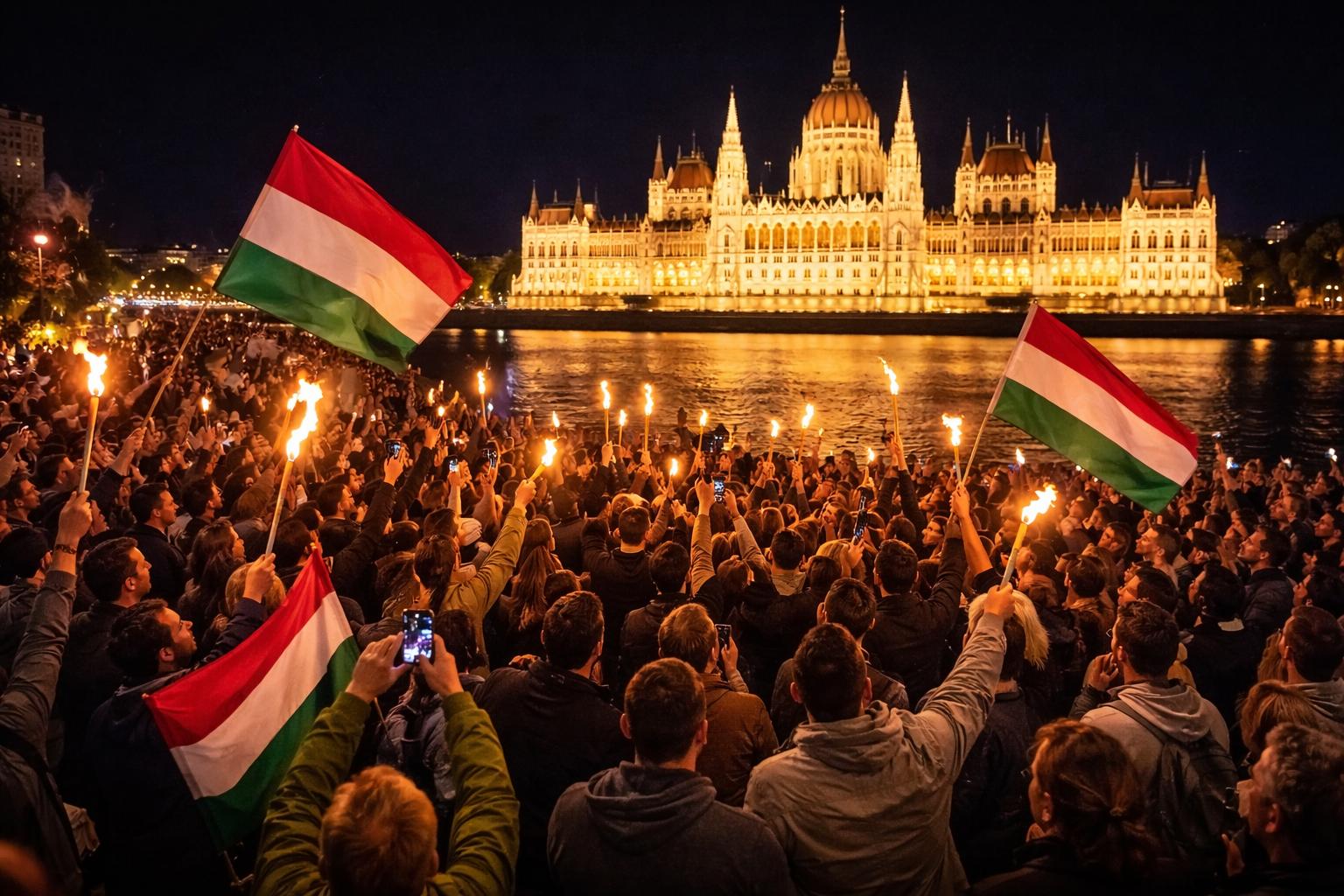
Hungary voters deliver surprise win to opposition leader Peter Magyar
Hungary experienced a dramatic political shift following its national elections held on Sunday, as Prime Minister Viktor Orban conceded defeat after a decisive loss to opposition leader Peter Magyar. The outcome triggered widespread celebrations across the capital, Budapest, with large crowds gathering along
Hungary voters deliver surprise win to opposition leader Peter Magyar
Hungary experienced a dramatic political shift following its national elections held on Sunday, as Prime Minister Viktor Orban conceded defeat after a decisive loss to opposition leader Peter Magyar. The outcome triggered widespread celebrations across the capital, Budapest, with large crowds gathering along
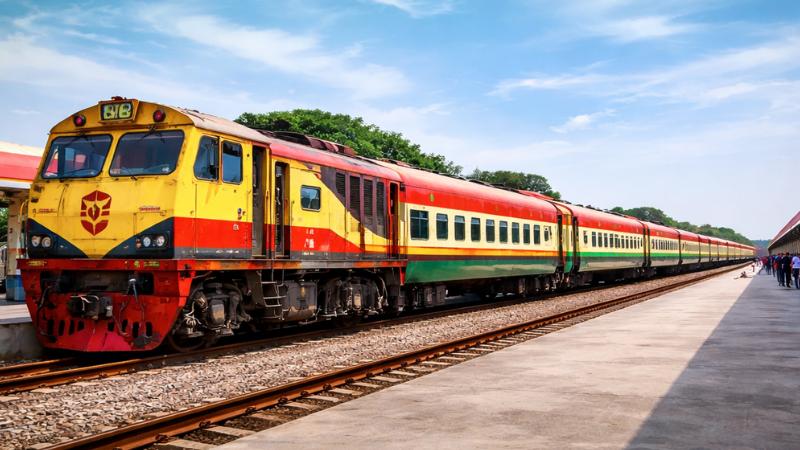
Bangladesh Railways Expanding Fleet with 200 Coaches from India by 2027
Bangladesh Railways is planning to enhance its fleet with 200 broad-gauge coaches from India, with the first deliveries expected to begin in 2026 and complete by December 2027. Railways Minister Shaikh Rabiul Alam shared this information in Parliament, stating that the project is backed by financing from the European Investment Bank. This significant addition to the rail network is expected to improve the quality and capacity of the railway services across Bangladesh. The new coache
Bangladesh Railways Expanding Fleet with 200 Coaches from India by 2027
Bangladesh Railways is planning to enhance its fleet with 200 broad-gauge coaches from India, with the first deliveries expected to begin in 2026 and complete by December 2027. Railways Minister Shaikh Rabiul Alam shared this information in Parliament, stating that the project is backed by financing from the European Investment Bank. This significant addition to the rail network is expected to improve the quality and capacity of the railway services across Bangladesh. The new coache










