









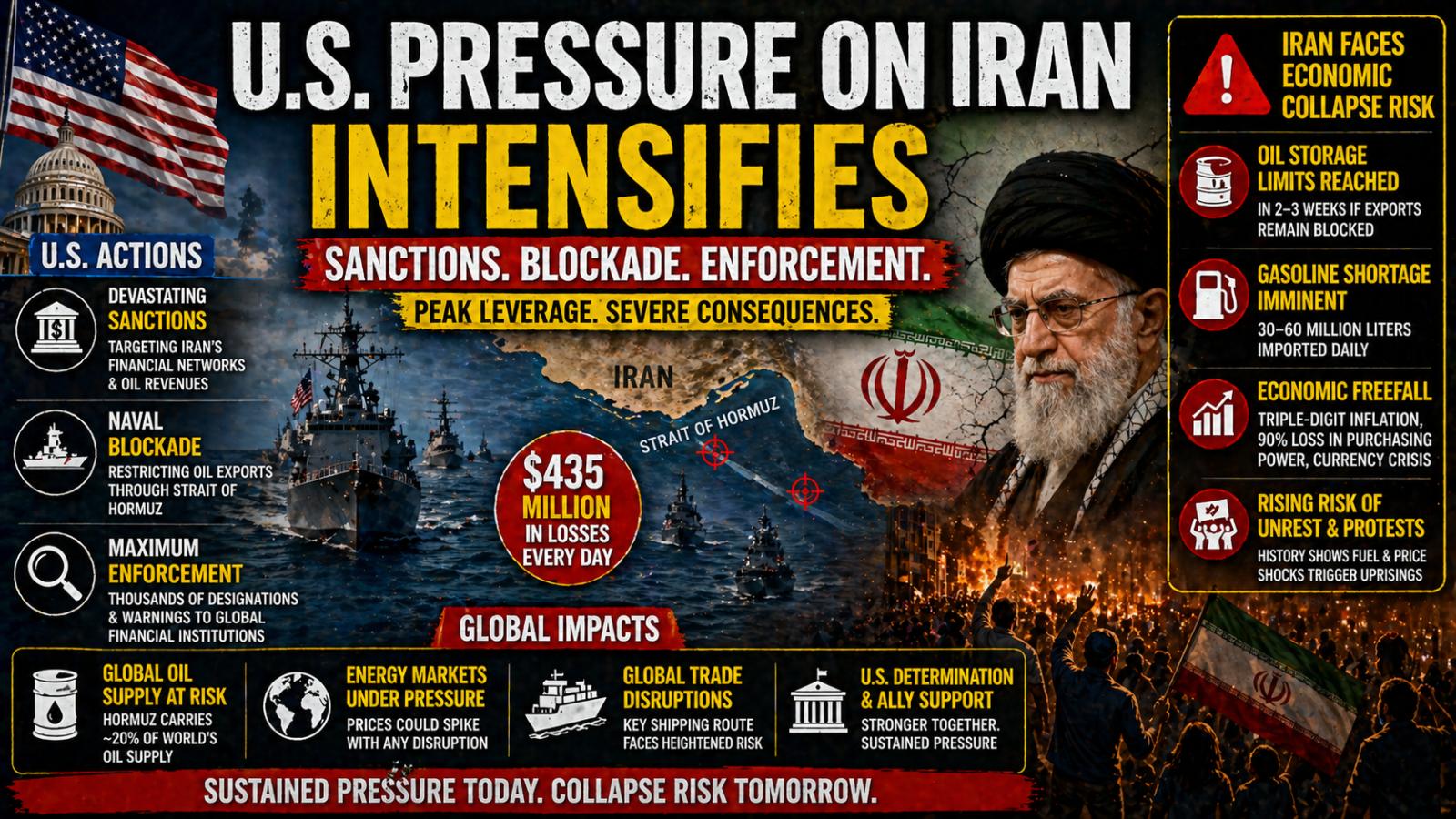
























How is U.S. pressure on Iran intensifying? It combines sanctions, blockade, and enforcement
How is U.S. pressure on Iran intensifying? It combines sanctions, blockade, and enforcement as economic and geopolitical forces converge to place unprecedented strain on Tehran, according to a former U.S. Treasury sanctions expert who described the current moment as a rare alignment of leverage. Converging tools create peak economic pressure Miad Maleki, a former Treasury Department sanctions specialist, said the United States is applying multiple pressu
How is U.S. pressure on Iran intensifying? It combines sanctions, blockade, and enforcement
How is U.S. pressure on Iran intensifying? It combines sanctions, blockade, and enforcement as economic and geopolitical forces converge to place unprecedented strain on Tehran, according to a former U.S. Treasury sanctions expert who described the current moment as a rare alignment of leverage. Converging tools create peak economic pressure Miad Maleki, a former Treasury Department sanctions specialist, said the United States is applying multiple pressu
Why are AI firms hiring software executives? Talent shift accelerates enterprise push
Why are AI firms hiring software executives? Talent shift accelerates enterprise push is becoming a defining question across the technology sector as artificial intelligence companies aggressively recruit senior leaders from traditional software firms, signaling a strategic shift toward enterprise growth and customer expansion. AI companies target enterprise expertise from software leaders Executives from companies including Salesforce, Snowflake, and Datadog have recently joined AI firms such as OpenAI and Anthropic, according to multiple industry sources. These hires are often driven by lucrative compensation packages and the ability to leverage long-standing corporate relationships in enterprise markets. Among the most prominent moves, Denise Dresser transitioned to OpenAI as chief revenue officer after previously serving as CEO of Slack under Salesforce. Jennifer Majlessi also joined OpenAI in a go-to-market leadership role, reflecting a broader trend of AI firms strengthening their sales and commercialization capabilities. Enterprise growth becomes central to AI business strategy The hiring surge highlights a shift in priorities for AI companies, where enterprise adoption is increasingly seen as a key revenue driver. Corporate clients tend to offer more stable, long-term contracts, making them a “sticky” and profitable segment. OpenAI has indicated that enterprise customers already account for roughly 40% of its business, with expectations to grow that share further. AI firms are also recruiting specialized talent such as forward-deployed engineers from Palantir Technologies, professionals known for implementing complex software solutions directly within client organizations. Software sector faces mounting pressure from AI disruption The talent migration comes at a challenging time for traditional software companies, which are already facing investor concerns about AI-driven disruption to subscription-based cloud models. Industry tracking funds have recorded significant declines, reflecting uncertainty about long-term competitiveness. At the same time, layoffs across major tech companies underscore a broader workforce transition. Firms like Oracle, Meta Platforms, and Microsoft have announced workforce reductions while reallocating resources toward AI initiatives. Workforce shifts reshape career paths in technology The evolving landscape is prompting professionals to reassess career trajectories, with many seeking roles aligned with AI innovation. However, integrating talent from traditional software firms into fast-paced AI environments can present challenges, particularly around culture and expectations for long working hours. Still, the movement of experienced executives into AI companies signals a broader structural shift in the tech industry, where enterprise-focused growth and advanced AI capabilities are rapidly redefining competitive dynamics.
Why are AI firms hiring software executives? Talent shift accelerates enterprise push
Why are AI firms hiring software executives? Talent shift accelerates enterprise push is becoming a defining question across the technology sector as artificial intelligence companies aggressively recruit senior leaders from traditional software firms, signaling a strategic shift toward enterprise growth and customer expansion. AI companies target enterprise expertise from software leaders Executives from companies including Salesforce, Snowflake, and Datadog have recently joined AI firms such as OpenAI and Anthropic, according to multiple industry sources. These hires are often driven by lucrative compensation packages and the ability to leverage long-standing corporate relationships in enterprise markets. Among the most prominent moves, Denise Dresser transitioned to OpenAI as chief revenue officer after previously serving as CEO of Slack under Salesforce. Jennifer Majlessi also joined OpenAI in a go-to-market leadership role, reflecting a broader trend of AI firms strengthening their sales and commercialization capabilities. Enterprise growth becomes central to AI business strategy The hiring surge highlights a shift in priorities for AI companies, where enterprise adoption is increasingly seen as a key revenue driver. Corporate clients tend to offer more stable, long-term contracts, making them a “sticky” and profitable segment. OpenAI has indicated that enterprise customers already account for roughly 40% of its business, with expectations to grow that share further. AI firms are also recruiting specialized talent such as forward-deployed engineers from Palantir Technologies, professionals known for implementing complex software solutions directly within client organizations. Software sector faces mounting pressure from AI disruption The talent migration comes at a challenging time for traditional software companies, which are already facing investor concerns about AI-driven disruption to subscription-based cloud models. Industry tracking funds have recorded significant declines, reflecting uncertainty about long-term competitiveness. At the same time, layoffs across major tech companies underscore a broader workforce transition. Firms like Oracle, Meta Platforms, and Microsoft have announced workforce reductions while reallocating resources toward AI initiatives. Workforce shifts reshape career paths in technology The evolving landscape is prompting professionals to reassess career trajectories, with many seeking roles aligned with AI innovation. However, integrating talent from traditional software firms into fast-paced AI environments can present challenges, particularly around culture and expectations for long working hours. Still, the movement of experienced executives into AI companies signals a broader structural shift in the tech industry, where enterprise-focused growth and advanced AI capabilities are rapidly redefining competitive dynamics.
India’s renewable energy growth reduces impact of global oil shocks
As geopolitical tensions in West Asia continue to disrupt global oil and gas markets, India is showing greater structural resilience compared with past crises, driven by a steady shift in how it produces and consumes energy. Data published in the Reserve Bank of India’s March Bulletin indicates that renewable sources accounted for 26.4 percent of India’s total electricity generation as of January 2026, rising from 22.1 percent in January 2025. This increase reflects a broader tran
India’s renewable energy growth reduces impact of global oil shocks
As geopolitical tensions in West Asia continue to disrupt global oil and gas markets, India is showing greater structural resilience compared with past crises, driven by a steady shift in how it produces and consumes energy. Data published in the Reserve Bank of India’s March Bulletin indicates that renewable sources accounted for 26.4 percent of India’s total electricity generation as of January 2026, rising from 22.1 percent in January 2025. This increase reflects a broader tran
MK Stalin Burns Delimitation Bill, Launches Statewide Protest Against Centre’s Proposal
MK Stalin, the Chief Minister of Tamil Nadu, has intensified his protests against the Centre’s proposed delimitation move, burning a copy of the bill and hoisting a black flag. This move is part of a broader statewide agitation initiated by Stalin, who has termed the proposed delimitation as a direct attack on Tamil rights and federalism. In a symbolic gesture of defiance, Stalin called the bill a "black law" and urged widespread resistance across Tamil Nadu. The protest was spark
MK Stalin Burns Delimitation Bill, Launches Statewide Protest Against Centre’s Proposal
MK Stalin, the Chief Minister of Tamil Nadu, has intensified his protests against the Centre’s proposed delimitation move, burning a copy of the bill and hoisting a black flag. This move is part of a broader statewide agitation initiated by Stalin, who has termed the proposed delimitation as a direct attack on Tamil rights and federalism. In a symbolic gesture of defiance, Stalin called the bill a "black law" and urged widespread resistance across Tamil Nadu. The protest was spark
US corporate profits remain strong despite global tensions and rising costs
From the early 2020s through 2026, U.S. corporations have demonstrated a remarkable ability to sustain and expand profits despite a series of economic shocks, including the COVID-19 pandemic, rising inflation, tariffs, and ongoing geopolitical conflicts. Recent data indicate that corporate profits have reached a record share of gross domestic product, while profit margins—measuring the gap between input costs and final selling prices—remain near historic highs. Executives across m
US corporate profits remain strong despite global tensions and rising costs
From the early 2020s through 2026, U.S. corporations have demonstrated a remarkable ability to sustain and expand profits despite a series of economic shocks, including the COVID-19 pandemic, rising inflation, tariffs, and ongoing geopolitical conflicts. Recent data indicate that corporate profits have reached a record share of gross domestic product, while profit margins—measuring the gap between input costs and final selling prices—remain near historic highs. Executives across m
India’s Growth Outlook Remains Strong at 6.5% in 2026, Says IMF Report
The International Monetary Fund (IMF) has revised its growth projections for India, forecasting a robust 6.5% growth for both 2026 and 2027, despite the global economic disruptions caused by the ongoing war in West Asia. India remains the fastest-growing major economy, although the IMF's global growth forecast has been downgraded to 3.1% for 2026, a decline from its January projection. The IMF report highlights the toll the war has taken on global markets and supply chains, especially in sect
India’s Growth Outlook Remains Strong at 6.5% in 2026, Says IMF Report
The International Monetary Fund (IMF) has revised its growth projections for India, forecasting a robust 6.5% growth for both 2026 and 2027, despite the global economic disruptions caused by the ongoing war in West Asia. India remains the fastest-growing major economy, although the IMF's global growth forecast has been downgraded to 3.1% for 2026, a decline from its January projection. The IMF report highlights the toll the war has taken on global markets and supply chains, especially in sect
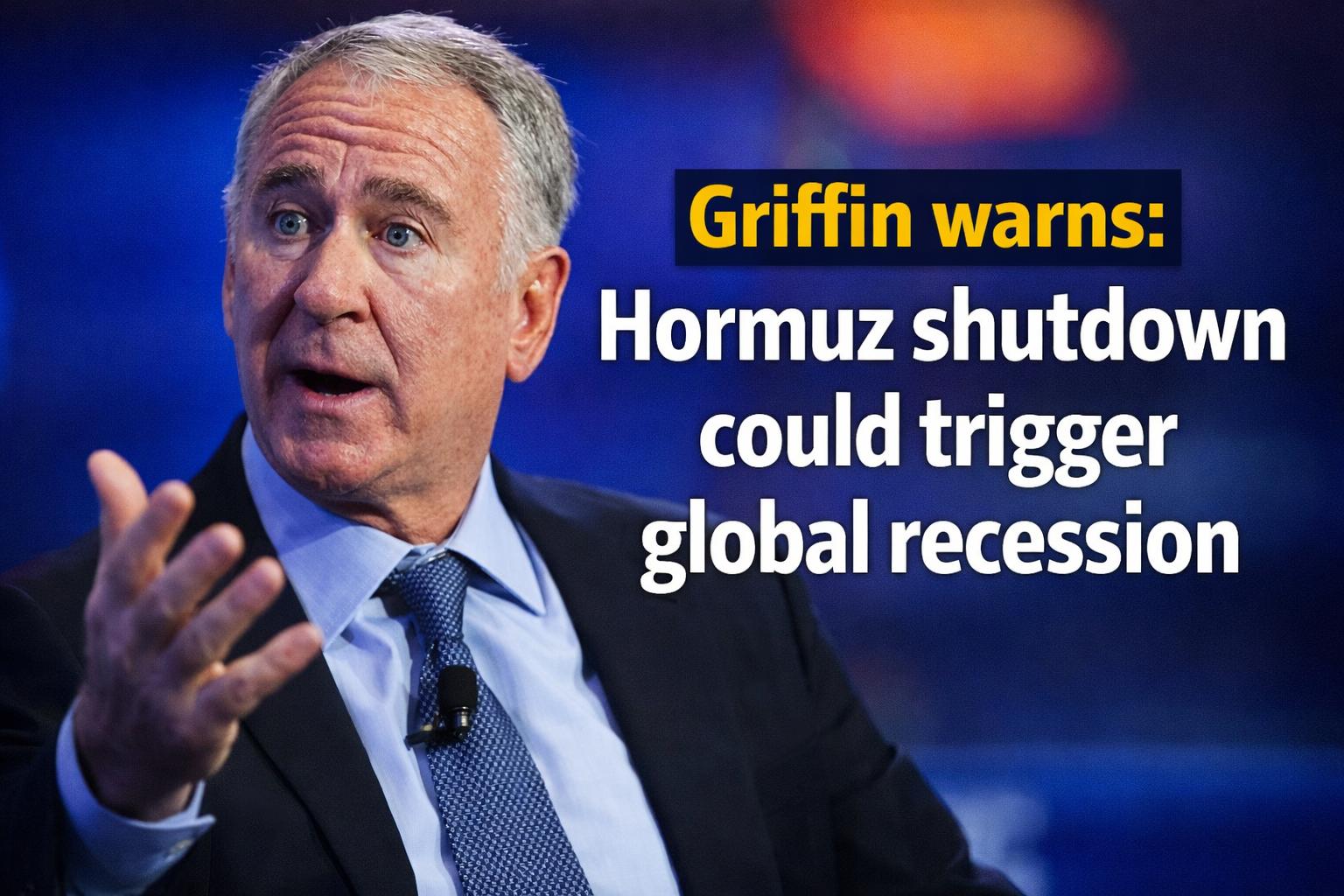
Ken Griffin warns prolonged Hormuz closure could trigger global recession
Ken Griffin, founder and chief executive of Citadel, warned that a prolonged closure of the Strait of Hormuz could push the global economy into a recession, underscoring the fragile balance of energy markets and geopolitical stability. Speaking at the Semafor World Economy conference in Washington, D.C., on Tuesday, April 14, 2026, Griffin said that if the critical shipping route remains shut for an extended period, the economic consequences would be unavoidable. He noted that a disruption lasting between six and 12 months would almost certainly result in a global downturn, given the strait’s importance as a key transit point for oil shipments. The Strait of Hormuz handles a significant portion of the world’s crude oil supply, and any sustained blockage would likely drive oil prices higher, intensifying inflationary pressures across major economies. While oil prices have eased slightly from peak levels reached during recent tensions, they remain elevated at around $100 per barrel, compared to under $70 before the conflict began. Griffin emphasized that global markets have so far shown resilience, with stock prices recovering to levels seen prior to earlier U.S. military actions in the region. However, he cautioned that investor confidence remains highly dependent on the duration and scope of the conflict. Many market participants, he said, may be underestimating the risk of further escalation and its potential impact on global growth. He also pointed to heightened vulnerability in Asian economies, which rely heavily on energy imports and are particularly sensitive to oil price fluctuations. A sustained increase in fuel costs could slow industrial output and consumer demand across the region. At the same time, Griffin suggested that prolonged disruption could accelerate a structural shift toward alternative energy sources, including wind, solar, and nuclear power, as countries seek to reduce reliance on volatile supply routes. His remarks highlight growing concerns among financial leaders that geopolitical instability in critical energy corridors could have far-reaching consequences for global economic stability.
Ken Griffin warns prolonged Hormuz closure could trigger global recession
Ken Griffin, founder and chief executive of Citadel, warned that a prolonged closure of the Strait of Hormuz could push the global economy into a recession, underscoring the fragile balance of energy markets and geopolitical stability. Speaking at the Semafor World Economy conference in Washington, D.C., on Tuesday, April 14, 2026, Griffin said that if the critical shipping route remains shut for an extended period, the economic consequences would be unavoidable. He noted that a disruption lasting between six and 12 months would almost certainly result in a global downturn, given the strait’s importance as a key transit point for oil shipments. The Strait of Hormuz handles a significant portion of the world’s crude oil supply, and any sustained blockage would likely drive oil prices higher, intensifying inflationary pressures across major economies. While oil prices have eased slightly from peak levels reached during recent tensions, they remain elevated at around $100 per barrel, compared to under $70 before the conflict began. Griffin emphasized that global markets have so far shown resilience, with stock prices recovering to levels seen prior to earlier U.S. military actions in the region. However, he cautioned that investor confidence remains highly dependent on the duration and scope of the conflict. Many market participants, he said, may be underestimating the risk of further escalation and its potential impact on global growth. He also pointed to heightened vulnerability in Asian economies, which rely heavily on energy imports and are particularly sensitive to oil price fluctuations. A sustained increase in fuel costs could slow industrial output and consumer demand across the region. At the same time, Griffin suggested that prolonged disruption could accelerate a structural shift toward alternative energy sources, including wind, solar, and nuclear power, as countries seek to reduce reliance on volatile supply routes. His remarks highlight growing concerns among financial leaders that geopolitical instability in critical energy corridors could have far-reaching consequences for global economic stability.
Trump administration reverses Pride flag removal at Stonewall monument
NEW YORK — The Trump administration has agreed to continue flying a rainbow Pride flag at the Stonewall National Monument, reversing a February decision that had sparked legal challenges and public criticism. The agreement was disclosed in court filings on Monday, February 2026, as part of an effort to resolve a lawsuit brought by LGBTQ+ advocacy and historic preservation groups. The settlement remains subject to approval by a federal judge. According to the filing, the Department o
Trump administration reverses Pride flag removal at Stonewall monument
NEW YORK — The Trump administration has agreed to continue flying a rainbow Pride flag at the Stonewall National Monument, reversing a February decision that had sparked legal challenges and public criticism. The agreement was disclosed in court filings on Monday, February 2026, as part of an effort to resolve a lawsuit brought by LGBTQ+ advocacy and historic preservation groups. The settlement remains subject to approval by a federal judge. According to the filing, the Department o
US consumer confidence hits record low amid Iran conflict and rising energy prices
Consumer confidence in the United States fell sharply in April, reaching its lowest level on record as concerns over rising energy prices and the economic impact of the Iran conflict intensified, according to survey data released on Friday, April 11, 2026. The University of Michigan’s closely watched consumer sentiment index dropped to 47.6, marking a 10.7% decline from March and setting a new historic low. Both the current economic conditions index and the expectations index also p
US consumer confidence hits record low amid Iran conflict and rising energy prices
Consumer confidence in the United States fell sharply in April, reaching its lowest level on record as concerns over rising energy prices and the economic impact of the Iran conflict intensified, according to survey data released on Friday, April 11, 2026. The University of Michigan’s closely watched consumer sentiment index dropped to 47.6, marking a 10.7% decline from March and setting a new historic low. Both the current economic conditions index and the expectations index also p
Dining costs surge in Houston as restaurants adjust pricing strategies
HOUSTON – The cost of dining out in Houston is increasing at a pace that outstrips many other major cities across the United States, reflecting broader economic pressures affecting both consumers and the food service industry. Recent industry data indicates that restaurant prices in Houston have risen by approximately 4.6% over the past year. This increase is placing additional strain on household budgets, particularly for individuals already managing tight financial conditions. What was once considered an affordable leisure activity is becoming more difficult for many residents to justify as everyday expenses continue to climb. The impact is being felt across the restaurant sector, from established businesses to newly launched ventures. Rising operational expenses, including rent, labor, and supply costs, are forcing business owners to rethink pricing strategies and overall operations. Many are working to balance the need to remain competitive with the necessity of maintaining profitability in a challenging market environment. For newer establishments, the financial burden can be especially significant. Initial cost projections for launching and maintaining a restaurant have increased sharply compared to previous years, making it more difficult for entrepreneurs to enter the market or sustain early operations. Higher monthly overheads are now a common concern, often exceeding earlier expectations by a substantial margin. Despite these challenges, restaurant operators are exploring ways to adapt. Adjustments may include revising menus, optimizing supply chains, and implementing cost-control measures aimed at preserving customer demand while managing expenses. However, the continued rise in prices suggests that both businesses and consumers will need to navigate ongoing economic uncertainty in the months ahead. As Houston’s dining landscape evolves, the interplay between rising costs and consumer spending habits will likely shape the future of the city’s restaurant industry.
Dining costs surge in Houston as restaurants adjust pricing strategies
HOUSTON – The cost of dining out in Houston is increasing at a pace that outstrips many other major cities across the United States, reflecting broader economic pressures affecting both consumers and the food service industry. Recent industry data indicates that restaurant prices in Houston have risen by approximately 4.6% over the past year. This increase is placing additional strain on household budgets, particularly for individuals already managing tight financial conditions. What was once considered an affordable leisure activity is becoming more difficult for many residents to justify as everyday expenses continue to climb. The impact is being felt across the restaurant sector, from established businesses to newly launched ventures. Rising operational expenses, including rent, labor, and supply costs, are forcing business owners to rethink pricing strategies and overall operations. Many are working to balance the need to remain competitive with the necessity of maintaining profitability in a challenging market environment. For newer establishments, the financial burden can be especially significant. Initial cost projections for launching and maintaining a restaurant have increased sharply compared to previous years, making it more difficult for entrepreneurs to enter the market or sustain early operations. Higher monthly overheads are now a common concern, often exceeding earlier expectations by a substantial margin. Despite these challenges, restaurant operators are exploring ways to adapt. Adjustments may include revising menus, optimizing supply chains, and implementing cost-control measures aimed at preserving customer demand while managing expenses. However, the continued rise in prices suggests that both businesses and consumers will need to navigate ongoing economic uncertainty in the months ahead. As Houston’s dining landscape evolves, the interplay between rising costs and consumer spending habits will likely shape the future of the city’s restaurant industry.
New brown bear cub JJ debuts at Six Flags Wild Safari in New Jersey
A new attraction has arrived at Six Flags Great Adventure, where a 2-month-old brown bear cub named JJ has made his public debut at the park’s Wild Safari. Park officials confirmed that the cub is currently residing in a dedicated habitat alongside his mother, Hollywood, offering visitors an opportunity to observe early-stage wildlife development in a controlled environment. JJ’s introdu
New brown bear cub JJ debuts at Six Flags Wild Safari in New Jersey
A new attraction has arrived at Six Flags Great Adventure, where a 2-month-old brown bear cub named JJ has made his public debut at the park’s Wild Safari. Park officials confirmed that the cub is currently residing in a dedicated habitat alongside his mother, Hollywood, offering visitors an opportunity to observe early-stage wildlife development in a controlled environment. JJ’s introdu
RBI Keeps Repo Rate Steady at 5.25% in First FY27 Monetary Policy
The Reserve Bank of India has kept the policy repo rate unchanged at 5.25% in its first monetary policy announcement for the financial year 2026–27. The decision was announced by RBI Governor Sanjay Malhotra following a detaile
RBI Keeps Repo Rate Steady at 5.25% in First FY27 Monetary Policy
The Reserve Bank of India has kept the policy repo rate unchanged at 5.25% in its first monetary policy announcement for the financial year 2026–27. The decision was announced by RBI Governor Sanjay Malhotra following a detaile
The Impact of Global Tensions and Falling Crude Prices on India’s Sensex Surge
On April 8, 2026, India’s stock markets experienced a remarkable surge, with the BSE Sensex climbing over 2,700 points, marking a 3.66% increase, and the Nifty rising by more than 3.4%. Investor wealth swelled by over Rs 14 lakh crore during the early trade, signaling a sharp recovery after a period of volatility. This rally was fueled by multiple factors, including easing global geopolitical tensions, softer crude prices, and an increase in investor confidence. The biggest trigge
The Impact of Global Tensions and Falling Crude Prices on India’s Sensex Surge
On April 8, 2026, India’s stock markets experienced a remarkable surge, with the BSE Sensex climbing over 2,700 points, marking a 3.66% increase, and the Nifty rising by more than 3.4%. Investor wealth swelled by over Rs 14 lakh crore during the early trade, signaling a sharp recovery after a period of volatility. This rally was fueled by multiple factors, including easing global geopolitical tensions, softer crude prices, and an increase in investor confidence. The biggest trigge
RBI Plans Incentives for NRI Deposits to Stabilize Indian Rupee
The Reserve Bank of India (RBI) is expected to introduce incentives for Non-Resident Indian (NRI) deposits in its upcoming April monetary policy review to help stabilize the Indian Rupee. Experts suggest that the RBI may revive the foreign currency non-resident (FCNR B) deposit scheme to attract foreign deposits and address the rupee's volatility. Currently, the UAE accounts for over 40% of FCNR (B) deposits, showing a heavy reliance on the Gulf region. NRI deposit inflows have seen
RBI Plans Incentives for NRI Deposits to Stabilize Indian Rupee
The Reserve Bank of India (RBI) is expected to introduce incentives for Non-Resident Indian (NRI) deposits in its upcoming April monetary policy review to help stabilize the Indian Rupee. Experts suggest that the RBI may revive the foreign currency non-resident (FCNR B) deposit scheme to attract foreign deposits and address the rupee's volatility. Currently, the UAE accounts for over 40% of FCNR (B) deposits, showing a heavy reliance on the Gulf region. NRI deposit inflows have seen
U.S. adds 178,000 jobs in March, but labor market signals remain mixed
The U.S. labor market showed signs of recovery on Friday, April 4, 2026, as new data revealed stronger-than-expected job creation in March, even as broader indicators pointed to continued fragility in hiring conditions. According to the Bureau of Labor Statistics, nonfarm payrolls increased by 178,000 in March, surpassing expectations of 59,000 and rebounding from a revised decline of 133,000 in Feb
U.S. adds 178,000 jobs in March, but labor market signals remain mixed
The U.S. labor market showed signs of recovery on Friday, April 4, 2026, as new data revealed stronger-than-expected job creation in March, even as broader indicators pointed to continued fragility in hiring conditions. According to the Bureau of Labor Statistics, nonfarm payrolls increased by 178,000 in March, surpassing expectations of 59,000 and rebounding from a revised decline of 133,000 in Feb
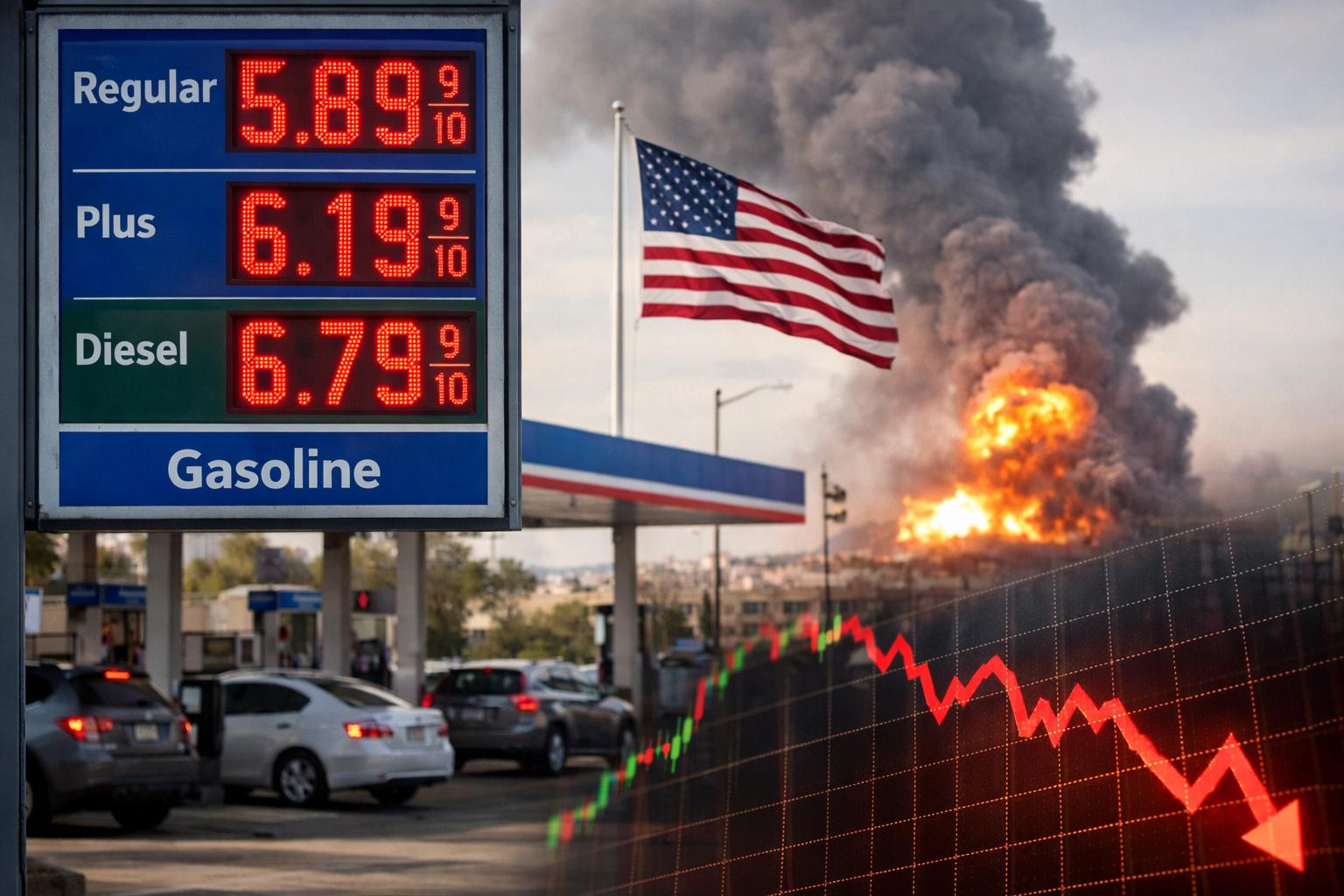
Rising oil costs push US gas above $4 for first time since 2022
Gas prices across the United States climbed above an average of $4 per gallon on Tuesday, March 31, 2026, marking the first time since 2022 that national fuel costs have reached this level, according to data released by AAA. The national average for regular gasoline rose to $4.02 per gallon, reflecting a sharp increase of more than $1 compared to prices before the ongoing Iran conflict began on Friday, February 28, 2026. The surge is largely tied to disruptions in global oil markets followin
Rising oil costs push US gas above $4 for first time since 2022
Gas prices across the United States climbed above an average of $4 per gallon on Tuesday, March 31, 2026, marking the first time since 2022 that national fuel costs have reached this level, according to data released by AAA. The national average for regular gasoline rose to $4.02 per gallon, reflecting a sharp increase of more than $1 compared to prices before the ongoing Iran conflict began on Friday, February 28, 2026. The surge is largely tied to disruptions in global oil markets followin
Rupee Hits Record Low as It Slips Past 94 Mark Against US Dollar Amid Global Tensions
The Indian rupee has slipped to a new record low, falling to 94.1575 per US dollar, surpassing its previous all-time low of 93.98 set earlier this week. The continued decline is being attributed to growing concerns over the ongoing conflict in the Middle East, which has placed significant pressure on global markets, including the Indian currency. Since the war broke out late last month, the rupee has weakened by about 3.5%, reflecting the heightened uncertainty in international mark
Rupee Hits Record Low as It Slips Past 94 Mark Against US Dollar Amid Global Tensions
The Indian rupee has slipped to a new record low, falling to 94.1575 per US dollar, surpassing its previous all-time low of 93.98 set earlier this week. The continued decline is being attributed to growing concerns over the ongoing conflict in the Middle East, which has placed significant pressure on global markets, including the Indian currency. Since the war broke out late last month, the rupee has weakened by about 3.5%, reflecting the heightened uncertainty in international mark
Trump claims Iran gifted oil shipments, cites talks progress
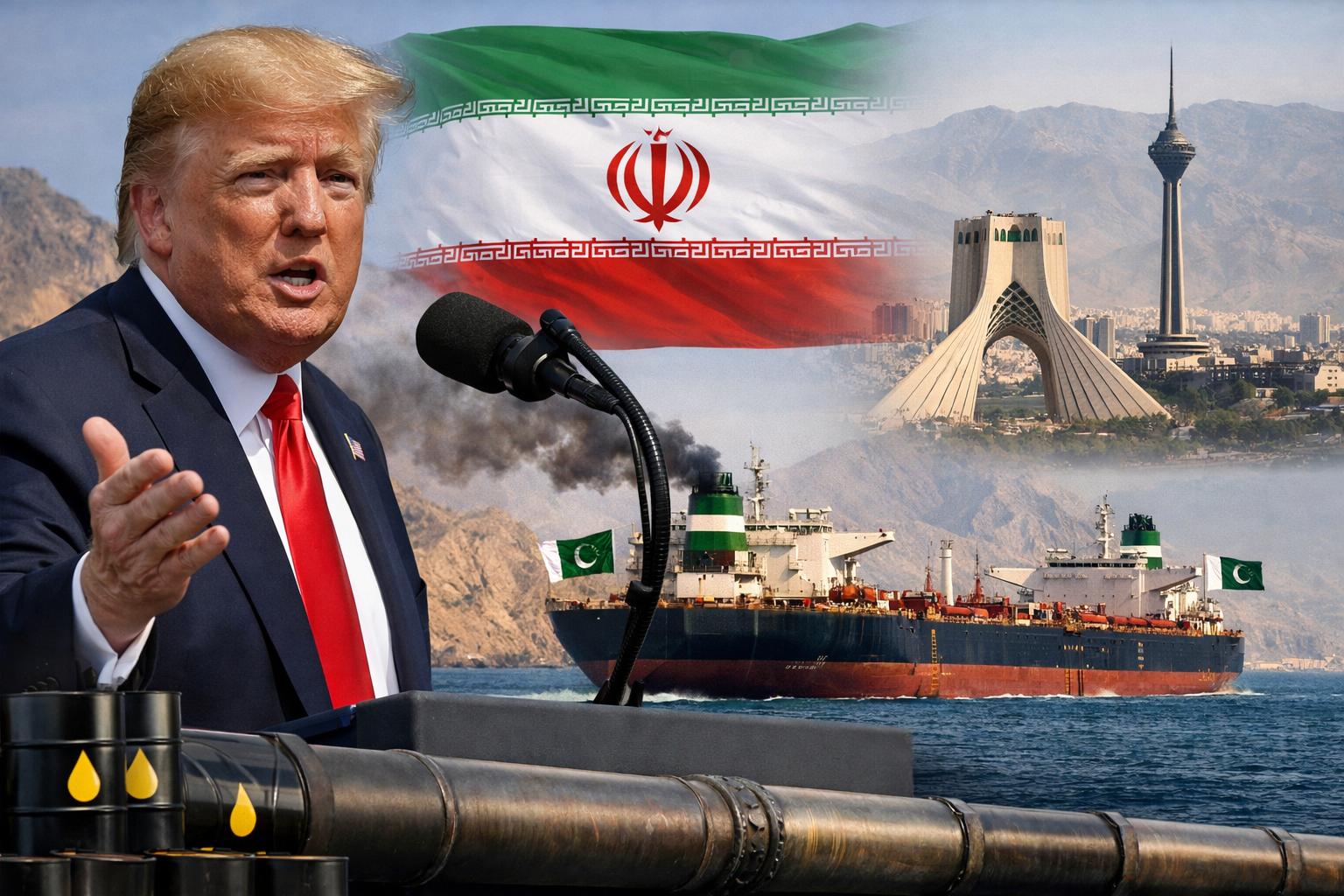
WASHINGTON — Donald Trump said Iran had sent multiple oil shipments as a goodwill gesture to demonstrate seriousness in ongoing indirect talks, describing the move as a significant signal amid heightened tensions between the two countries. Speaking as diplomatic efforts continue behind the scenes, Trump claimed that Iran provided what he characterised as “10 boats of oil,” framing the shipments as a gesture intended to advance negotiations. He suggested the tankers were operatin
Trump claims Iran gifted oil shipments, cites talks progress
WASHINGTON — Donald Trump said Iran had sent multiple oil shipments as a goodwill gesture to demonstrate seriousness in ongoing indirect talks, describing the move as a significant signal amid heightened tensions between the two countries. Speaking as diplomatic efforts continue behind the scenes, Trump claimed that Iran provided what he characterised as “10 boats of oil,” framing the shipments as a gesture intended to advance negotiations. He suggested the tankers were operatin
Modi warns of energy crisis, outlines India’s response to global conflict
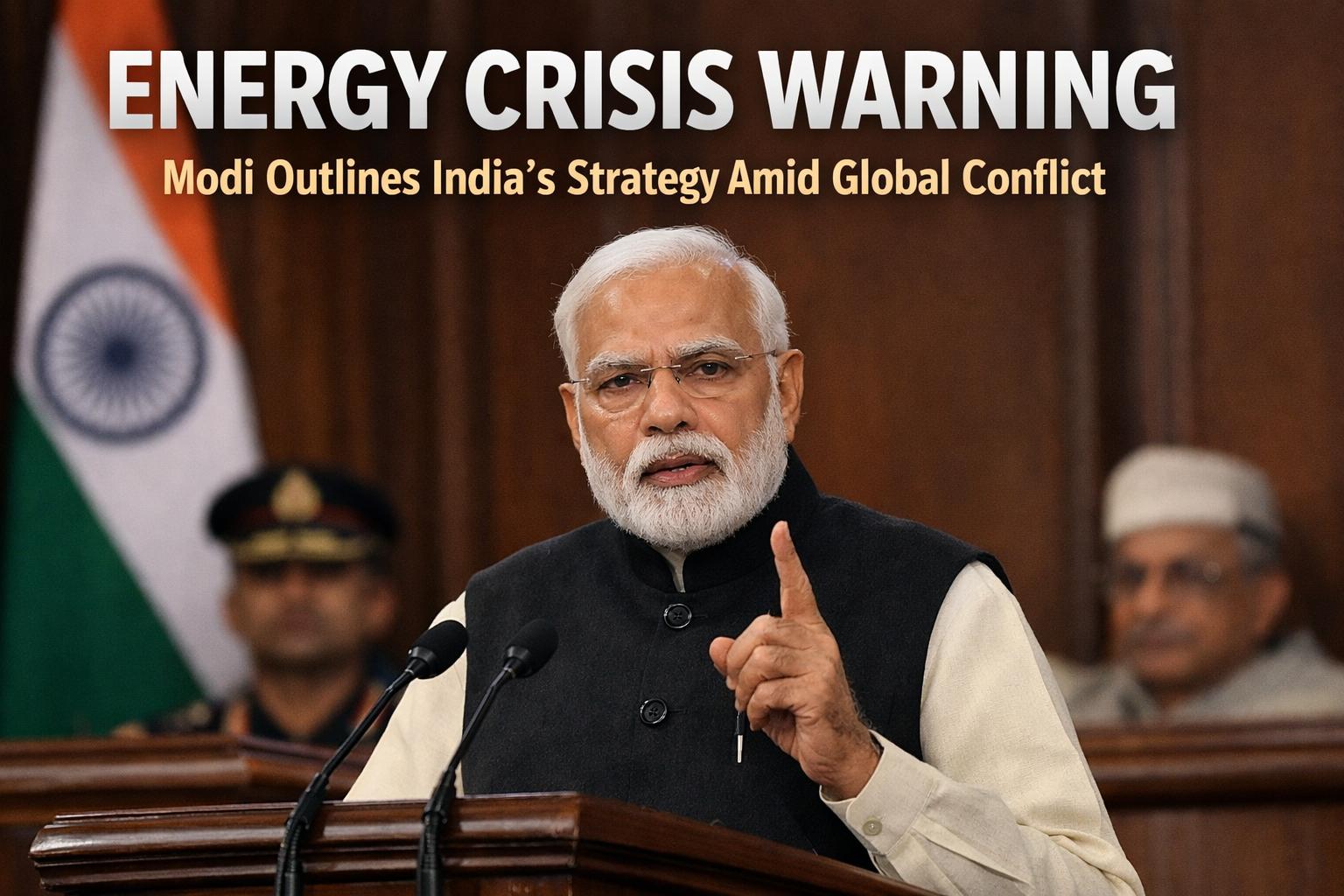
NEW DELHI, India, March 26, 2026 — Narendra Modi on Thursday warned that ongoing global conflicts could trigger a prolonged energy crisis, posing significant risks to economies worldwide, including India. Addressing Parliament, Modi struck a balanced yet firm tone, cautioning that continued geopolitical tensions may disrupt global energy markets and supply chains. He sai
Modi warns of energy crisis, outlines India’s response to global conflict
NEW DELHI, India, March 26, 2026 — Narendra Modi on Thursday warned that ongoing global conflicts could trigger a prolonged energy crisis, posing significant risks to economies worldwide, including India. Addressing Parliament, Modi struck a balanced yet firm tone, cautioning that continued geopolitical tensions may disrupt global energy markets and supply chains. He sai
Government Retains 4% Retail Inflation Target Till 2031 in Consultation with RBI
The central government has retained the 4% retail inflation target for the next five years, from April 1, 2026, to March 31, 2031, with a tolerance band of 2–6%. This decision, made in consultation with the Reserve Bank of India (RBI), continues the inflation-targeting framework that was first introduced in 2016. The move aims to maintain price stability while allowing some flexibility in the target, accommodating short-term volatility. The government’s inflation target, outline
Government Retains 4% Retail Inflation Target Till 2031 in Consultation with RBI
The central government has retained the 4% retail inflation target for the next five years, from April 1, 2026, to March 31, 2031, with a tolerance band of 2–6%. This decision, made in consultation with the Reserve Bank of India (RBI), continues the inflation-targeting framework that was first introduced in 2016. The move aims to maintain price stability while allowing some flexibility in the target, accommodating short-term volatility. The government’s inflation target, outline


