






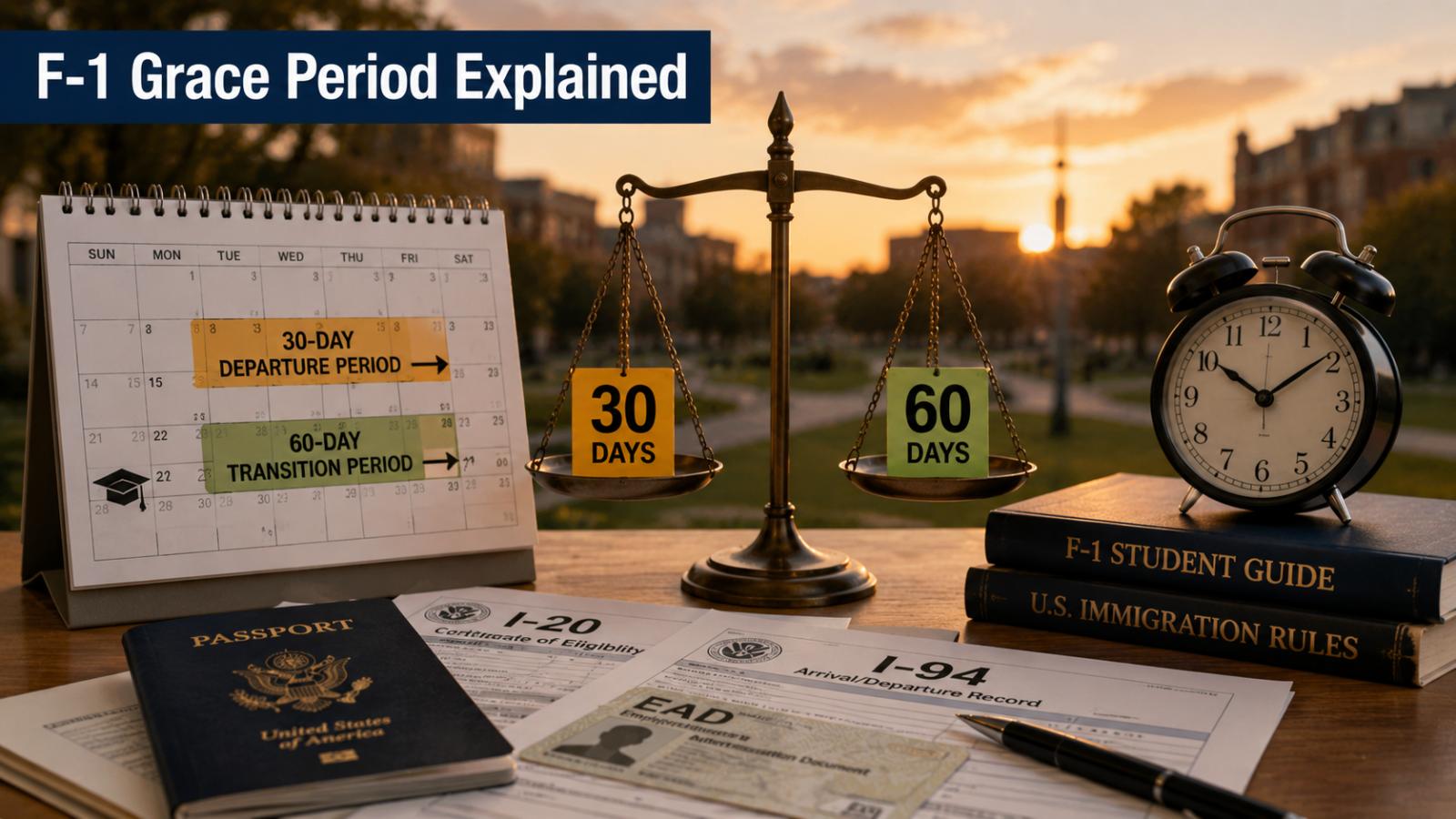












The F-1 grace period will generally fall from 60 days to 30 days under the DHS fixed-stay rule effective September 15, 2026. Qualifying students protected by the transition provisions may retain 60 days after their Form I-20 or EAD end date, subject to the rule’s limits. The Department of Homeland Security’s final fixed-stay rule will reduce the standard F-1 departure period from 60 days to 30 days for students admitted un
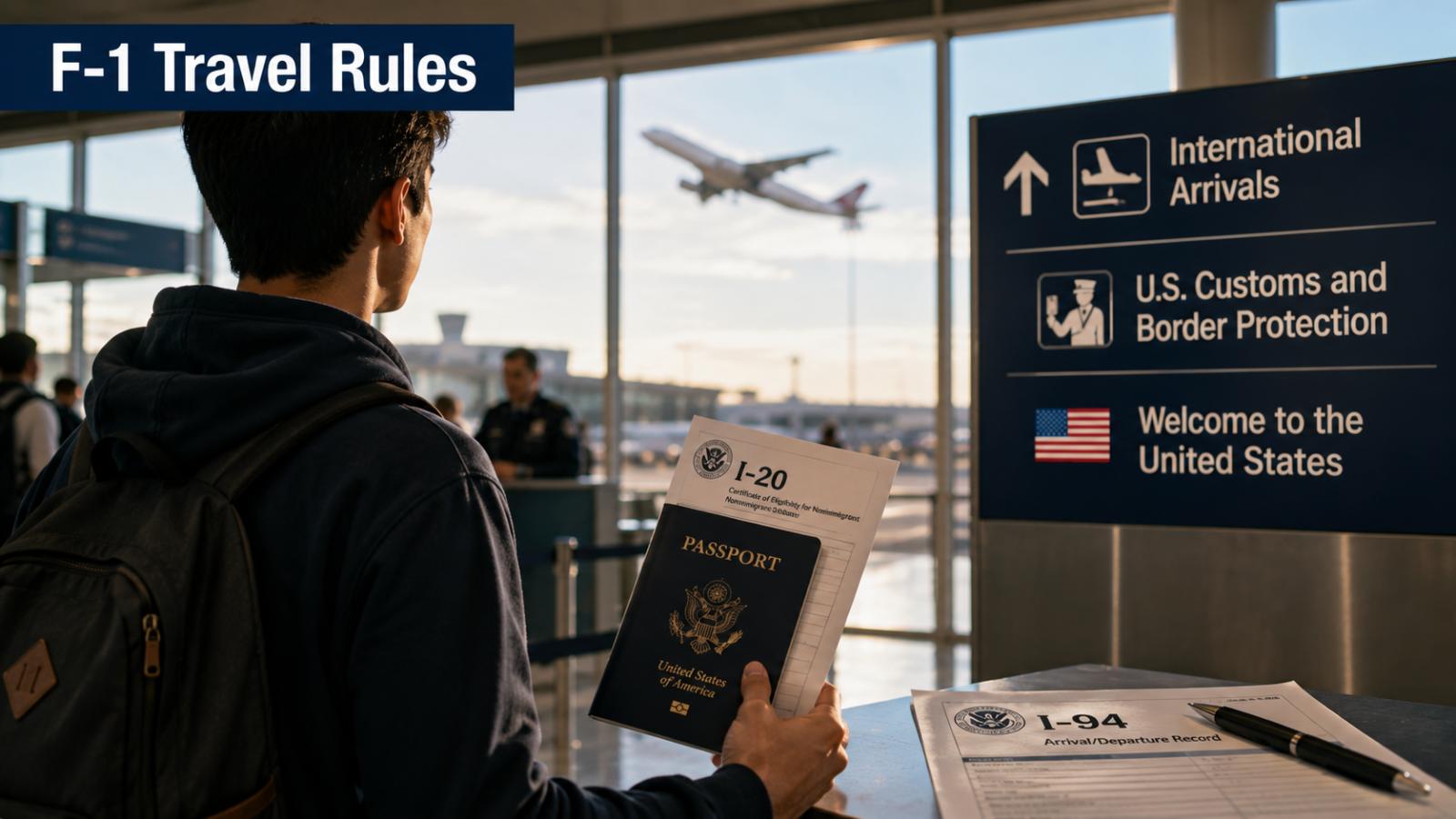
F-1 student travel after September 15, 2026, may lead to a fixed admission period at reentry. Students should check the new Form I-94, understand how travel affects transition protection, and review risks involving OPT, STEM OPT and pending extension applications. The Department of Homeland Security’s final fixed-stay rule will change what happens when some F-1 students return to the United States after international travel. Published on Friday, July 17, 2026, it
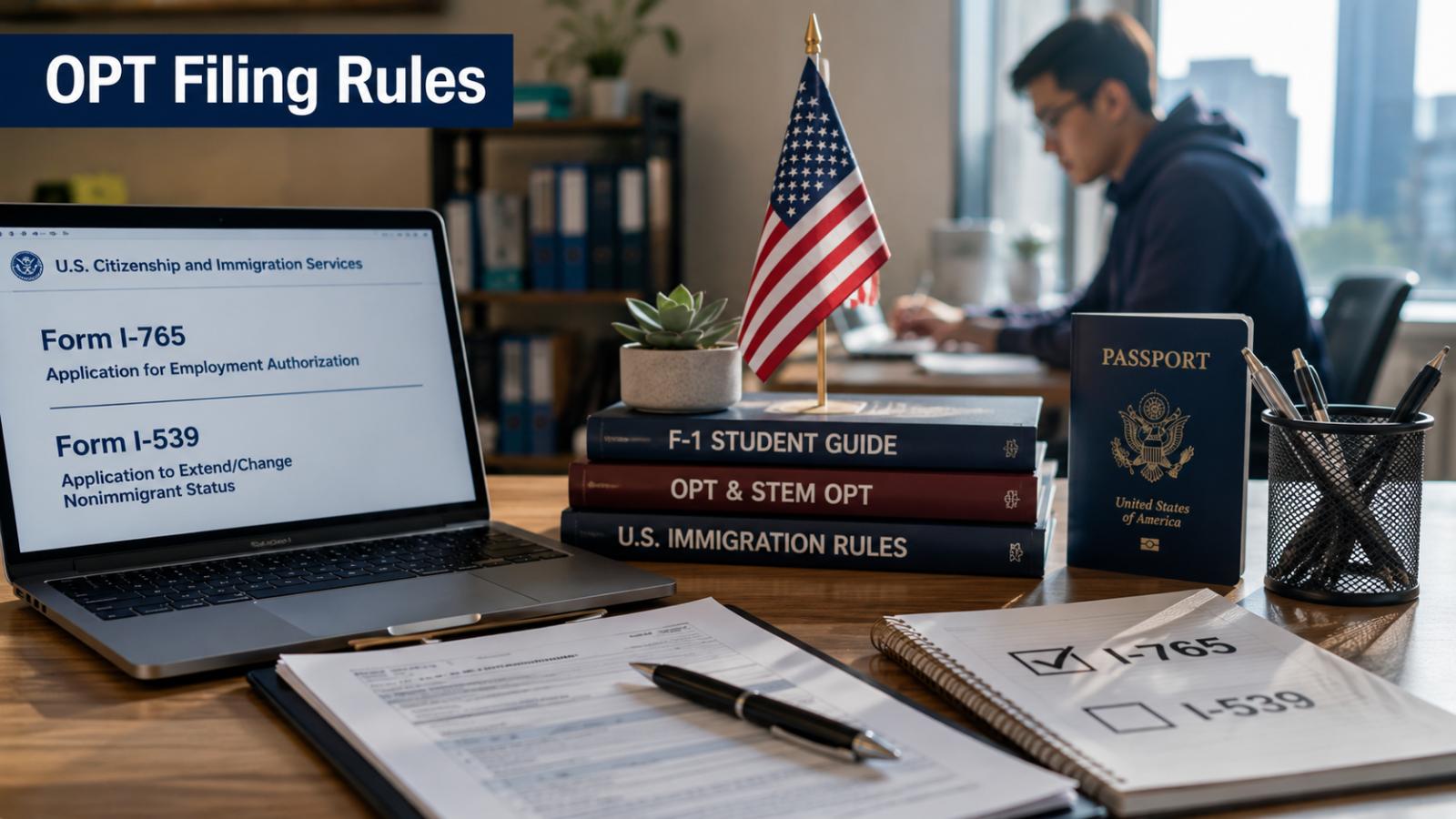
The OPT under new F-1 rule creates a temporary Form I-539 exemption for qualifying students who file Form I-765 by March 18, 2027. Other post-completion OPT and STEM OPT applicants may need separate employment authorization and extension-of-stay filings. The Department of Homeland Security’s fixed-stay rule changes how some F-1 students will request post-completion Optional Practical Training and STEM OPT. Published on Friday, July 17, 2026, it takes effect on Tue
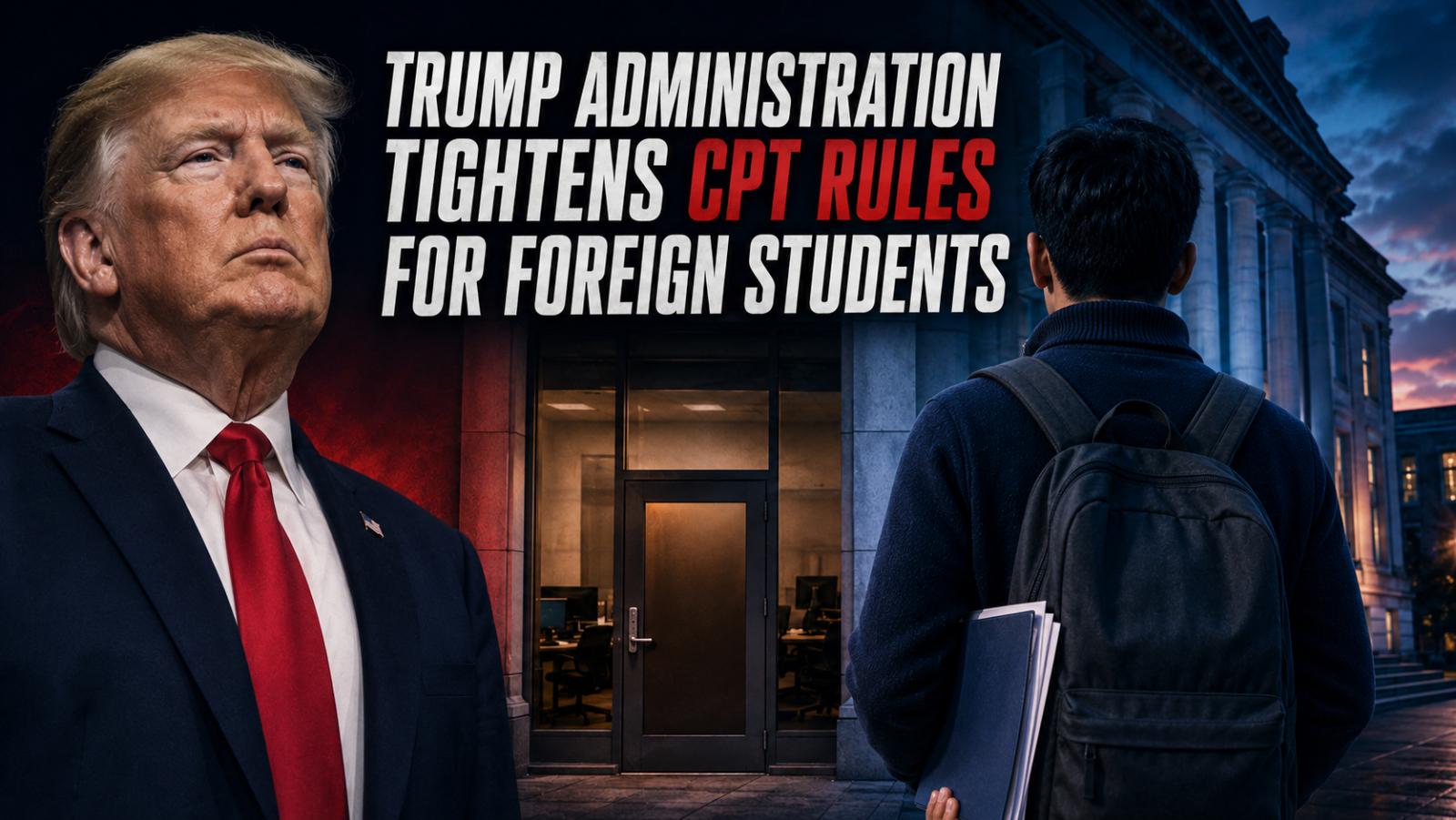
The F-1 transition rules allow many students maintaining D/S status in the United States on September 15, 2026, to remain through their current Form I-20 or EAD end date, subject to a four-year cap. Travel, program changes or additional study time may require new action. The Department of Homeland Security published its final fixed-stay rule on Friday, July 17, 2026. It is scheduled to take effect on Tuesday, September 15, 2026, and includes a transition period for
The DHS F-1 duration of status rule takes effect September 15, 2026, replacing open-ended D/S admission with fixed stays. New students may receive up to four years, while eligible students already in the U.S. receive transition protection and new extension filing requirements. The Department of Homeland Security has finalized a rule ending the “duration of status,” or D/S, admission system for F-1 students. Published on Friday, July 17, 2026, the rule takes effe
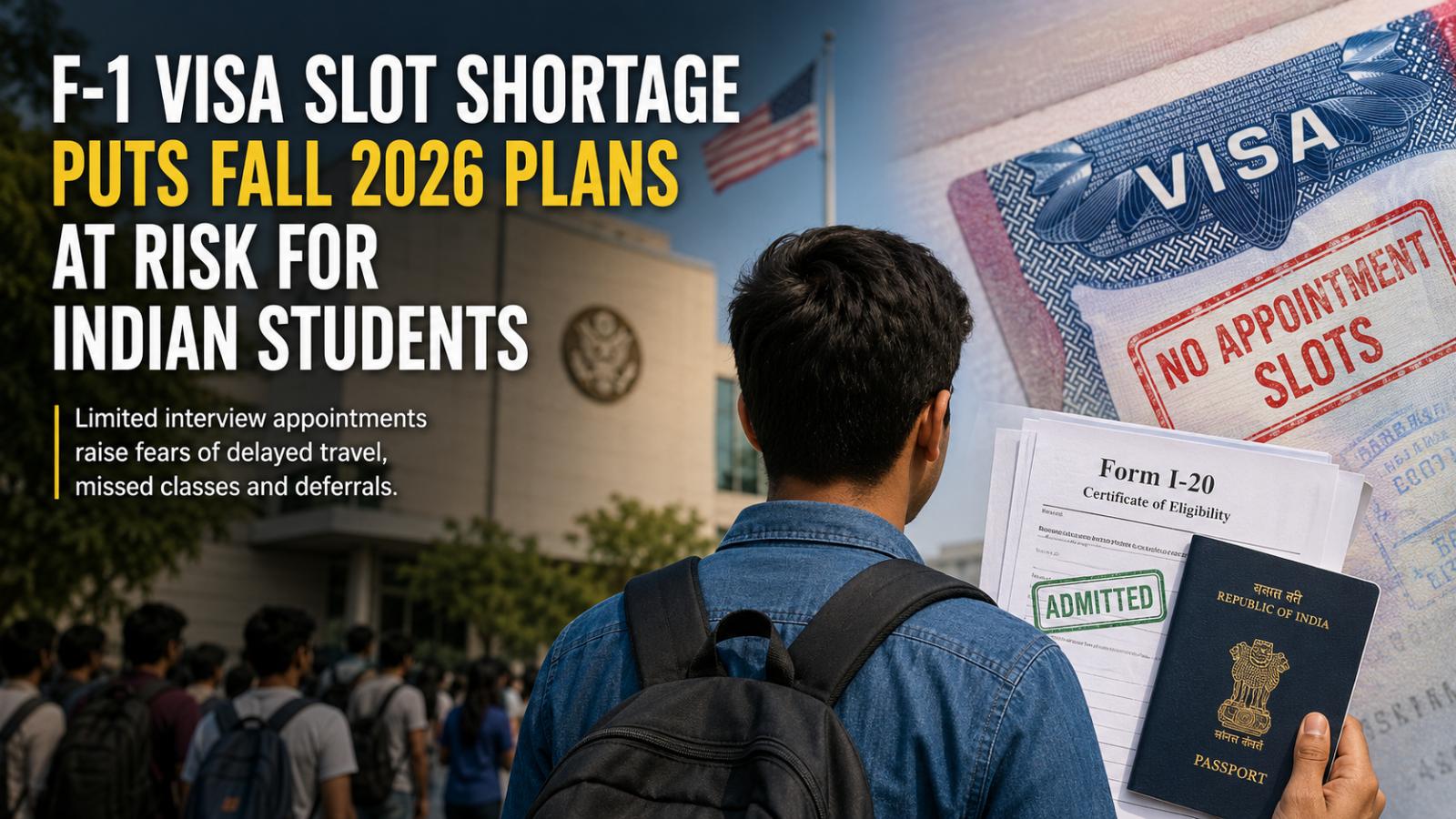
Indian students admitted to U.S. universities for Fall 2026 are facing a shortage of F-1 visa appointment slots, raising concerns that some may miss August program start dates or be forced to defer enrollment. Many applicants have already completed admissions requirements and received Form I-20 from their universities. However, students say the U.S. visa scheduling portal has shown few or no available interview appointments for weeks.
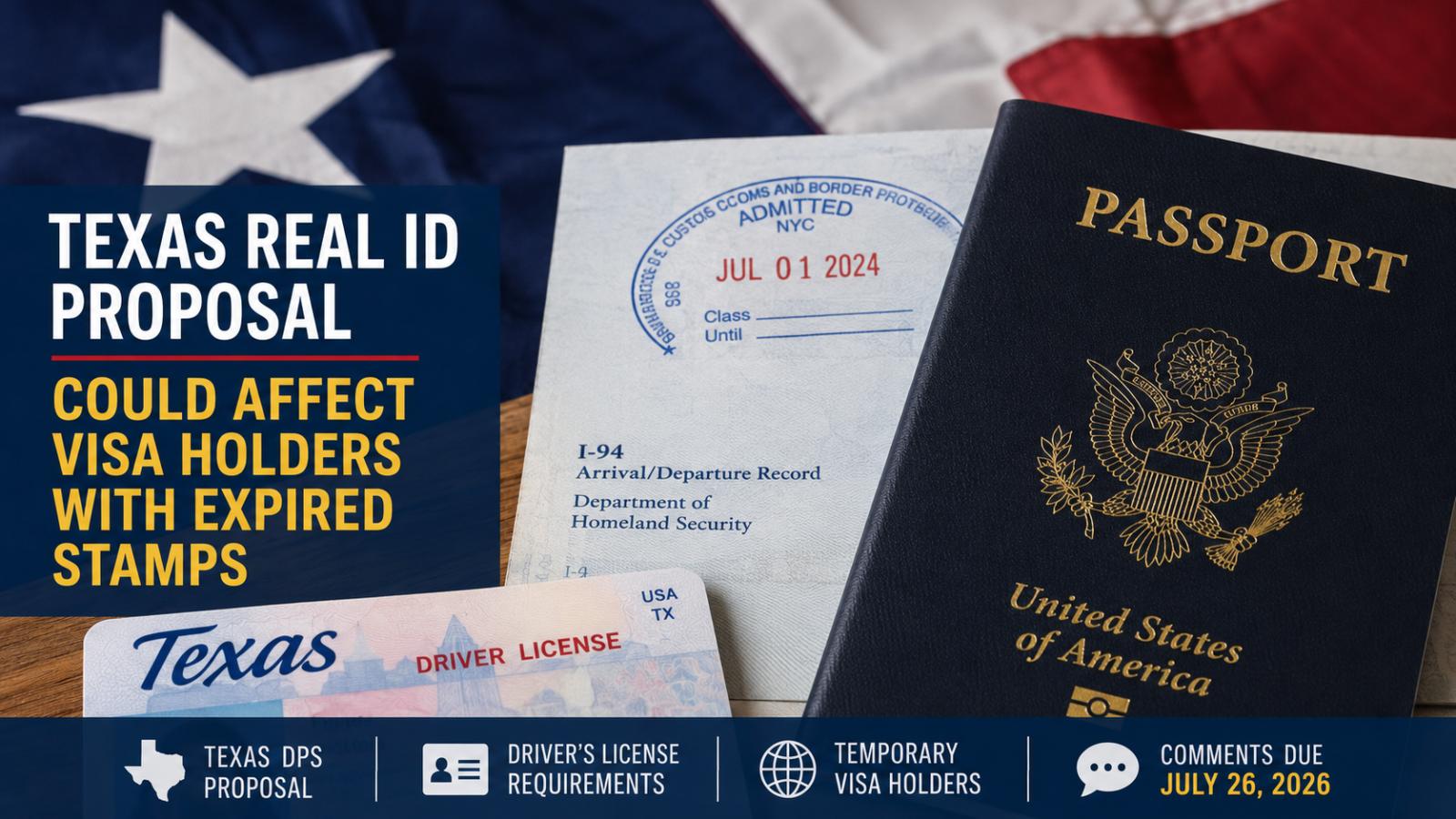
Texas is considering a Texas REAL ID rule change that could make it harder for some lawful temporary visa holders to obtain a driver’s license or state identification card. The proposal from the Texas Department of Public Safety would require a foreign passport submitted with a REAL ID application to contain a valid U.S. visa. Public comments are open through Sunday, July 26, 2026. How the Texas REAL ID Rule Change Would Work Current Texas ru
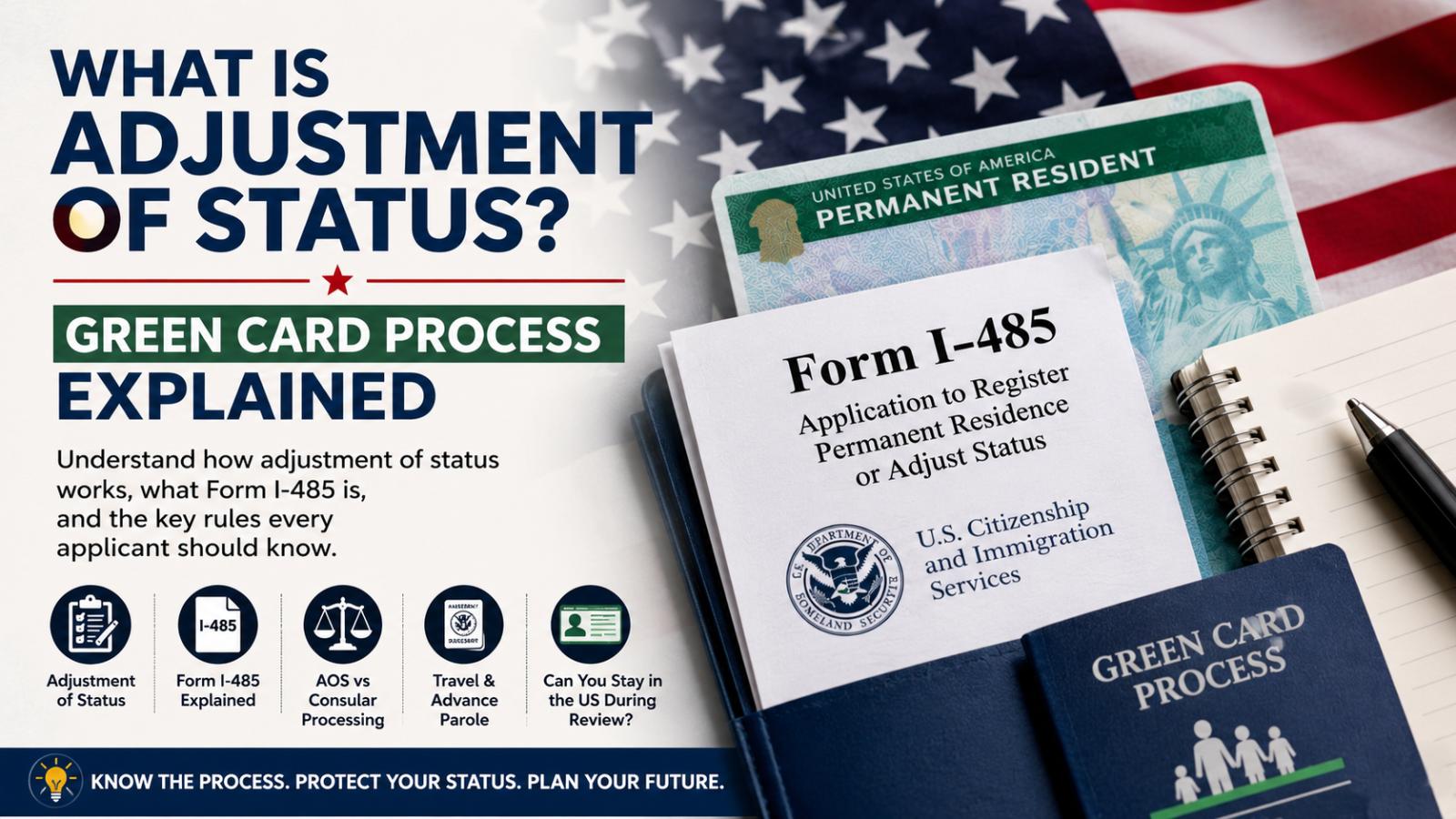
Adjustment of status is an important green card process for eligible applicants who are already living inside the United States. It allows certain applicants to apply for lawful permanent residence without leaving the country for consular processing abroad. The topic has gained attention after recent confusion over whether green card applicants must leave the US while their cases are reviewed. For many applicants, understanding adjustment of status, Form I-485, and travel rules is n
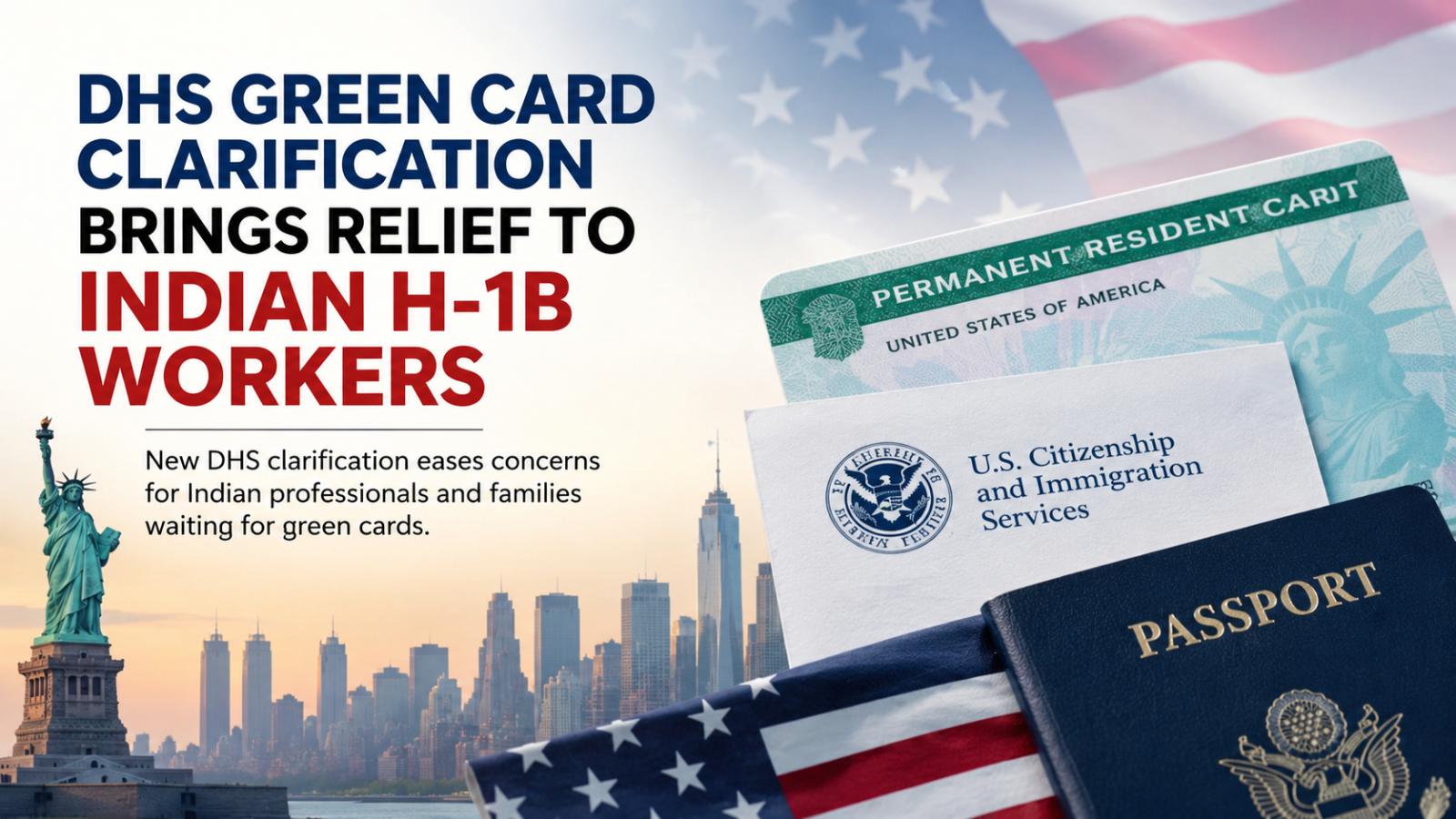
The Department of Homeland Security’s latest green card clarification has brought relief to many Indian H-1B workers, students, and families waiting for permanent residency in the United States. The clarification came after a USCIS announcement on Friday, May 22, 2026, created concern that many green card applicants may have to leave the United States and complete processing through US consulates abroad. DHS later clarified that most applicants will not automatically be required t
A newly introduced $250 "visa integrity fee" for non-immigrant visa applicants to the United States is raising significant concerns among travelers, students, and immigration professionals. Passed as part of the One Big Beautiful Bill Act, this fee is scheduled to take effect during the United States fiscal year 2025, spanning from October 1, 2024, to September 30, 2025. Although the legislative framework is already in place, the exact implementation date and detailed administrative pr
The U nonimmigrant visa, commonly known as the U visa, is a special immigration benefit offered by the United States to noncitizens who have been victims of certain serious crimes and are willing to assist law enforcement or government agencies in the investigation or prosecution of those crimes. Established under the Victims of Trafficking and Violence Protection Act of 2000, the primary goal of the U visa program is to support both public safety and humanitarian needs. It provides a way for