China Coast Guard Deploys Water Cannons
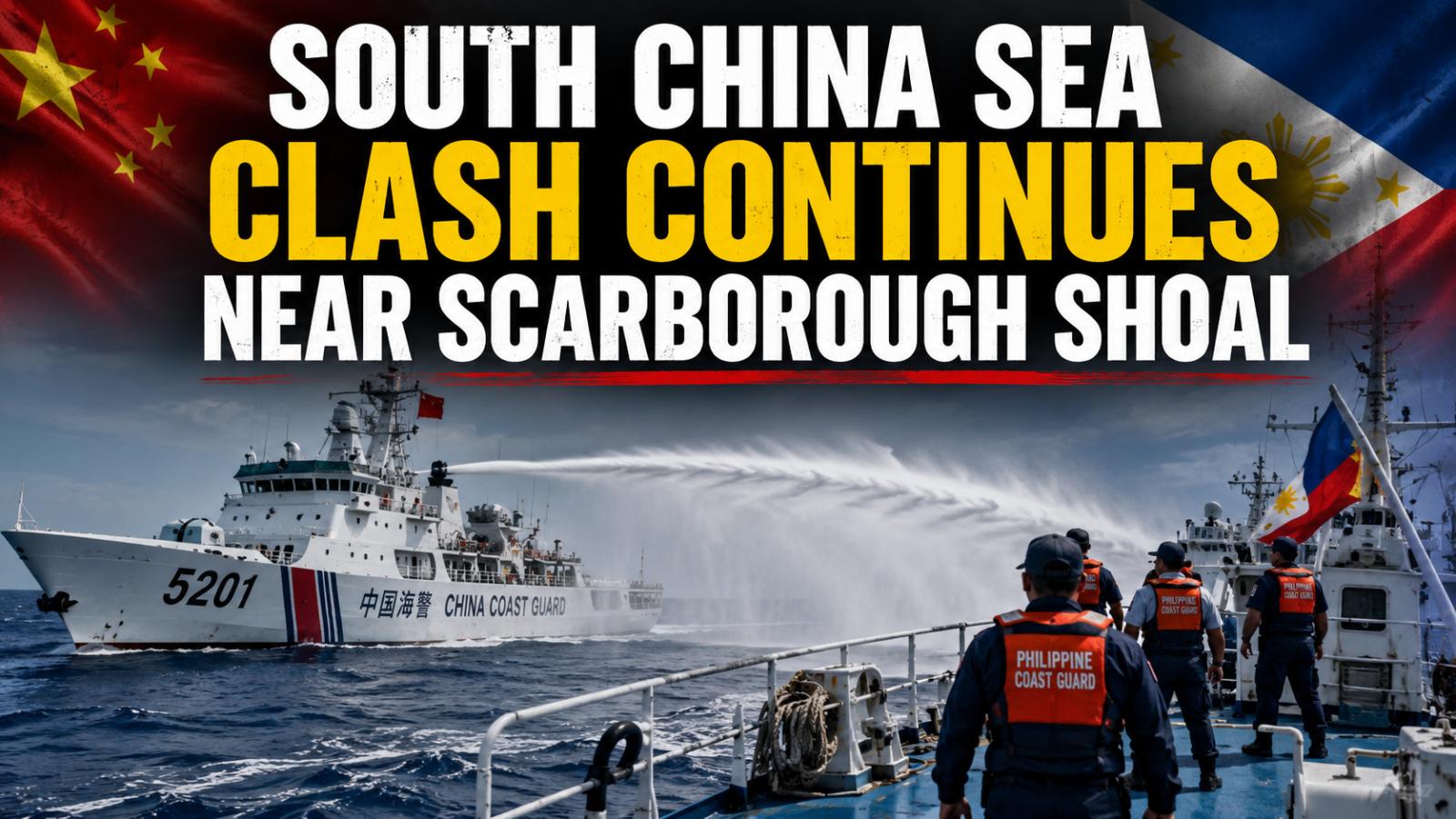
The South China Sea clash near Scarborough Shoal intensified for a second consecutive day after the China Coast Guard used water cannons and carried out what Philippine authorities described as dangerous blocking maneuvers against government and fisheries vessels. The latest confrontation highlights the continuing maritime dis
China Coast Guard Deploys Water Cannons
The South China Sea clash near Scarborough Shoal intensified for a second consecutive day after the China Coast Guard used water cannons and carried out what Philippine authorities described as dangerous blocking maneuvers against government and fisheries vessels. The latest confrontation highlights the continuing maritime dis
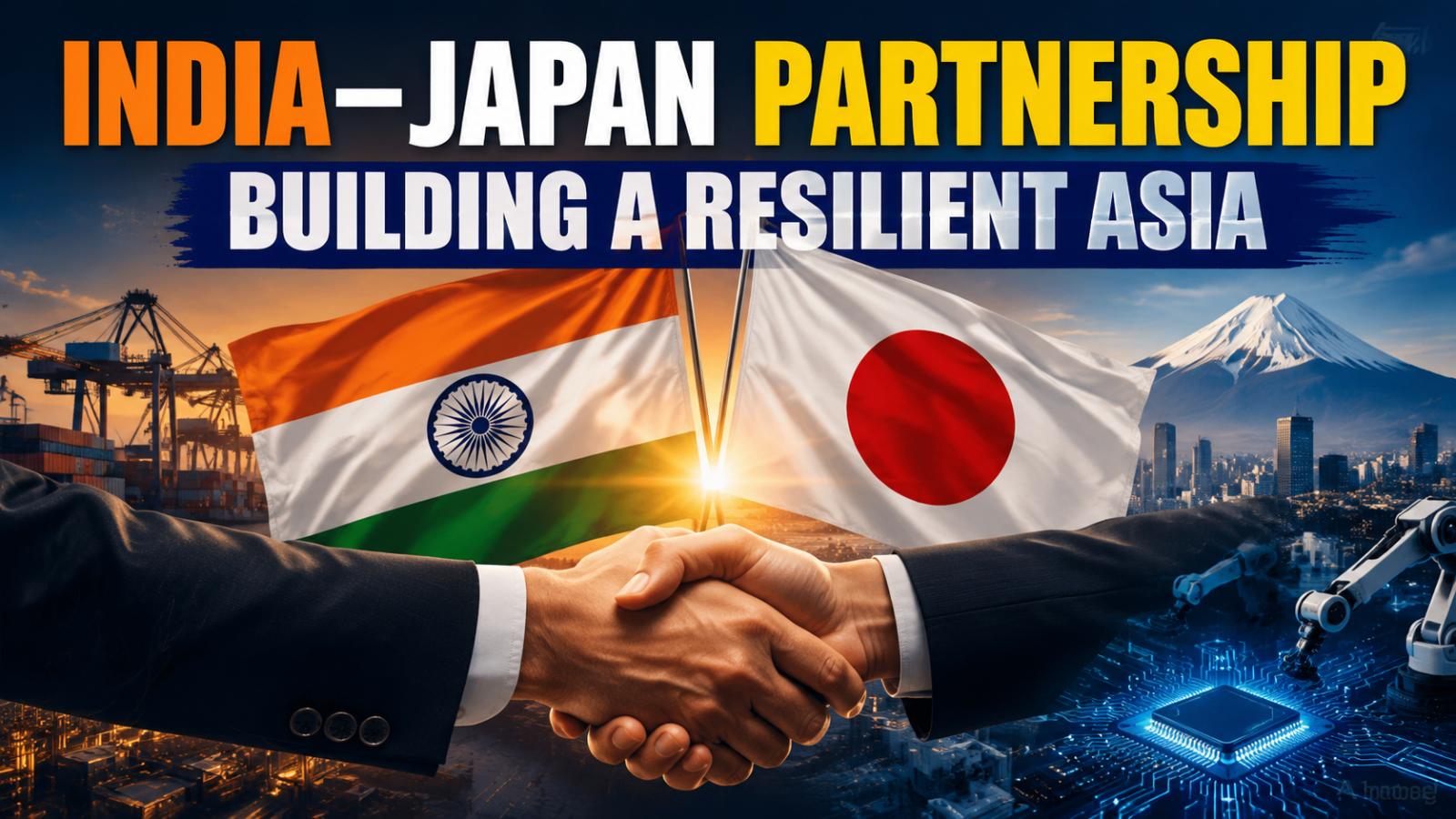
India and Japan are steadily moving their partnership beyond routine trade discussions into a broader realignment shaped by global risk and industrial restructuring. What looks like increased investment flows is actually part of a deeper repositioning of how both countries want to secure long-term economic stability in an uncertain global environment.
Investment growth driven by risk recalibration
Japanese companies are expanding their footprint in India not only for growth but also to reduce exposure to concentrated supply networks in East Asia. Rising geopolitical friction and periodic trade restrictions have forced firms to reconsider how dependent they are on single-country manufacturing systems. India is increasingly viewed as a viable diversification hub due to its scale, labor availability, and expanding industrial base.
Supply chain restructuring becomes the core driver
The most significant shift is happening in supply chains rather than headline investment figures. Japanese manufacturers are gradually redesigning sourcing and production models to reduce vulnerabilities in electronics, automotive components, and precision engineering. India fits into this transition as an alternative production and assembly base, especially for sectors where demand is growing but diversification is still limited.
Technology and industrial cooperation deepen
Cooperation is also expanding into advanced sectors such as semiconductors, digital systems, and artificial intelligence. These areas are no longer treated as purely commercial exchanges but as strategic capabilities. Both countries are aligning on technology resilience, where production continuity and security of supply matter as much as cost efficiency.
Rare earths and critical materials gain importance
Another emerging focus is critical minerals and rare earth supply chains. These materials are essential for electronics, renewable energy systems, and defence manufacturing. Dependence on concentrated suppliers has pushed both India and Japan to explore alternative sourcing strategies and joint development frameworks to reduce long-term risk.
Financial flows signal long-term positioning
Japanese capital inflows into Indian financial institutions and industrial projects suggest more than short-term investment interest. Financial participation typically indicates long-term confidence in policy stability and market expansion. However, the real test will be whether this capital flow expands into deeper manufacturing integration rather than remaining portfolio-based exposure.
Economic security becomes the defining theme
At the core of this evolving relationship is economic security. Trade decisions are increasingly shaped by geopolitical uncertainty rather than pure cost advantage. This marks a shift from efficiency-driven globalization to resilience-driven partnerships, where countries prioritize stability over optimization.
A cautious but strategic realignment
The India–Japan partnership is gradually becoming a case study in how middle and advanced economies adjust to global fragmentation. While the direction is clear—greater cooperation in technology, investment, and supply chains—the pace will depend on regulatory alignment, infrastructure readiness, and how effectively both sides manage external geopolitical pressures.
India and Japan are steadily moving their partnership beyond routine trade discussions into a broader realignment shaped by global risk and industrial restructuring. What looks like increased investment flows is actually part of a deeper repositioning of how both countries want to secure long-term economic stability in an uncertain global environment.
Investment growth driven by risk recalibration
Japanese companies are expanding their footprint in India not only for growth but also to reduce exposure to concentrated supply networks in East Asia. Rising geopolitical friction and periodic trade restrictions have forced firms to reconsider how dependent they are on single-country manufacturing systems. India is increasingly viewed as a viable diversification hub due to its scale, labor availability, and expanding industrial base.
Supply chain restructuring becomes the core driver
The most significant shift is happening in supply chains rather than headline investment figures. Japanese manufacturers are gradually redesigning sourcing and production models to reduce vulnerabilities in electronics, automotive components, and precision engineering. India fits into this transition as an alternative production and assembly base, especially for sectors where demand is growing but diversification is still limited.
Technology and industrial cooperation deepen
Cooperation is also expanding into advanced sectors such as semiconductors, digital systems, and artificial intelligence. These areas are no longer treated as purely commercial exchanges but as strategic capabilities. Both countries are aligning on technology resilience, where production continuity and security of supply matter as much as cost efficiency.
Rare earths and critical materials gain importance
Another emerging focus is critical minerals and rare earth supply chains. These materials are essential for electronics, renewable energy systems, and defence manufacturing. Dependence on concentrated suppliers has pushed both India and Japan to explore alternative sourcing strategies and joint development frameworks to reduce long-term risk.
Financial flows signal long-term positioning
Japanese capital inflows into Indian financial institutions and industrial projects suggest more than short-term investment interest. Financial participation typically indicates long-term confidence in policy stability and market expansion. However, the real test will be whether this capital flow expands into deeper manufacturing integration rather than remaining portfolio-based exposure.
Economic security becomes the defining theme
At the core of this evolving relationship is economic security. Trade decisions are increasingly shaped by geopolitical uncertainty rather than pure cost advantage. This marks a shift from efficiency-driven globalization to resilience-driven partnerships, where countries prioritize stability over optimization.
A cautious but strategic realignment
The India–Japan partnership is gradually becoming a case study in how middle and advanced economies adjust to global fragmentation. While the direction is clear—greater cooperation in technology, investment, and supply chains—the pace will depend on regulatory alignment, infrastructure readiness, and how effectively both sides manage external geopolitical pressures.
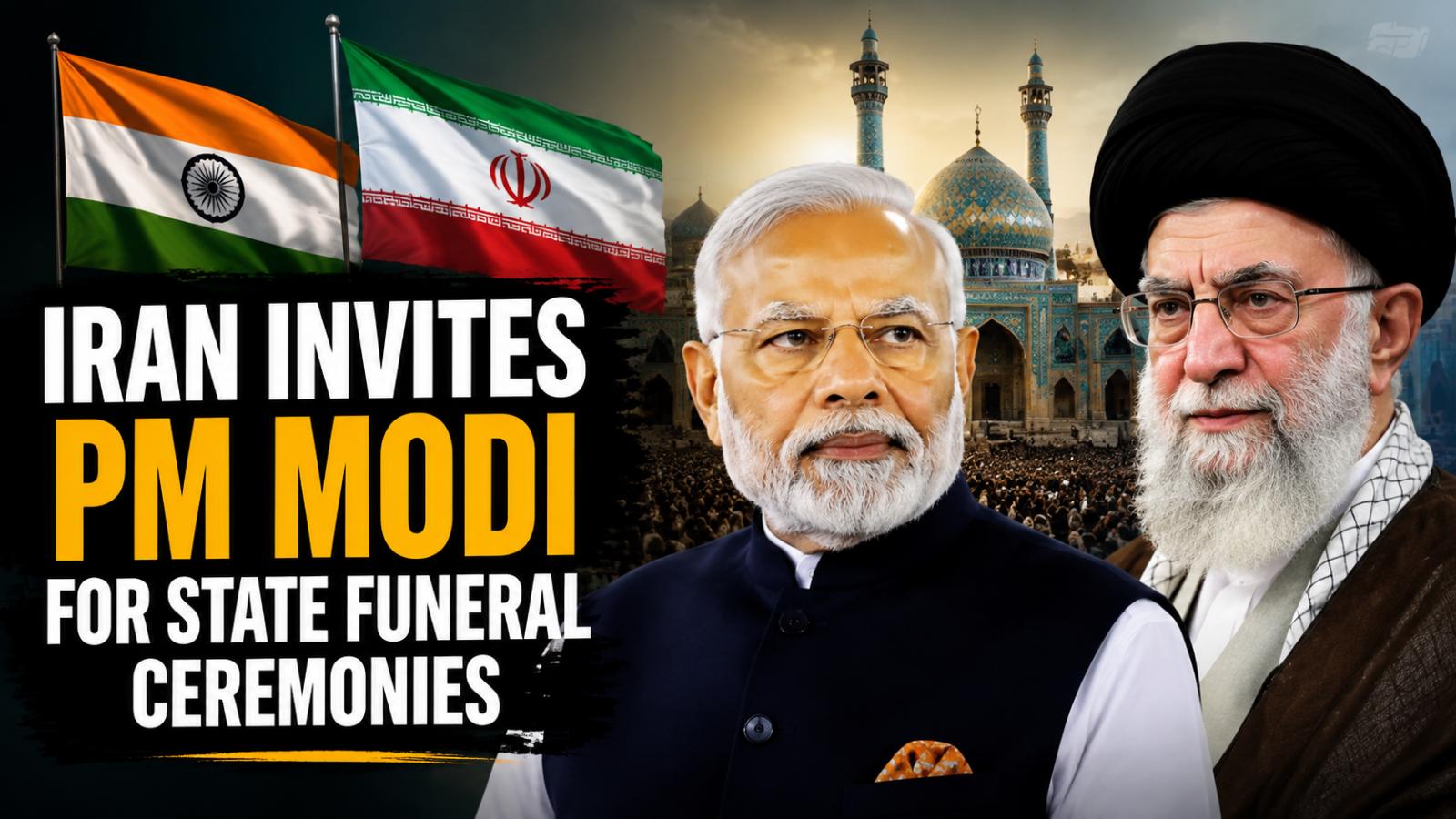
Reports emerging from diplomatic channels suggest that Iran has extended formal communication to India regarding participation in upcoming state-level funeral and memorial ceremonies linked to its top leadership structure. While official confirmation from either government remains limited, the development is being viewed as part of ongoing West Asia diplomatic engagement.
India reviews representation strategy
Reports emerging from diplomatic channels suggest that Iran has extended formal communication to India regarding participation in upcoming state-level funeral and memorial ceremonies linked to its top leadership structure. While official confirmation from either government remains limited, the development is being viewed as part of ongoing West Asia diplomatic engagement.
India reviews representation strategy
US Restores Pacific Command Name in Symbolic Military Rebranding
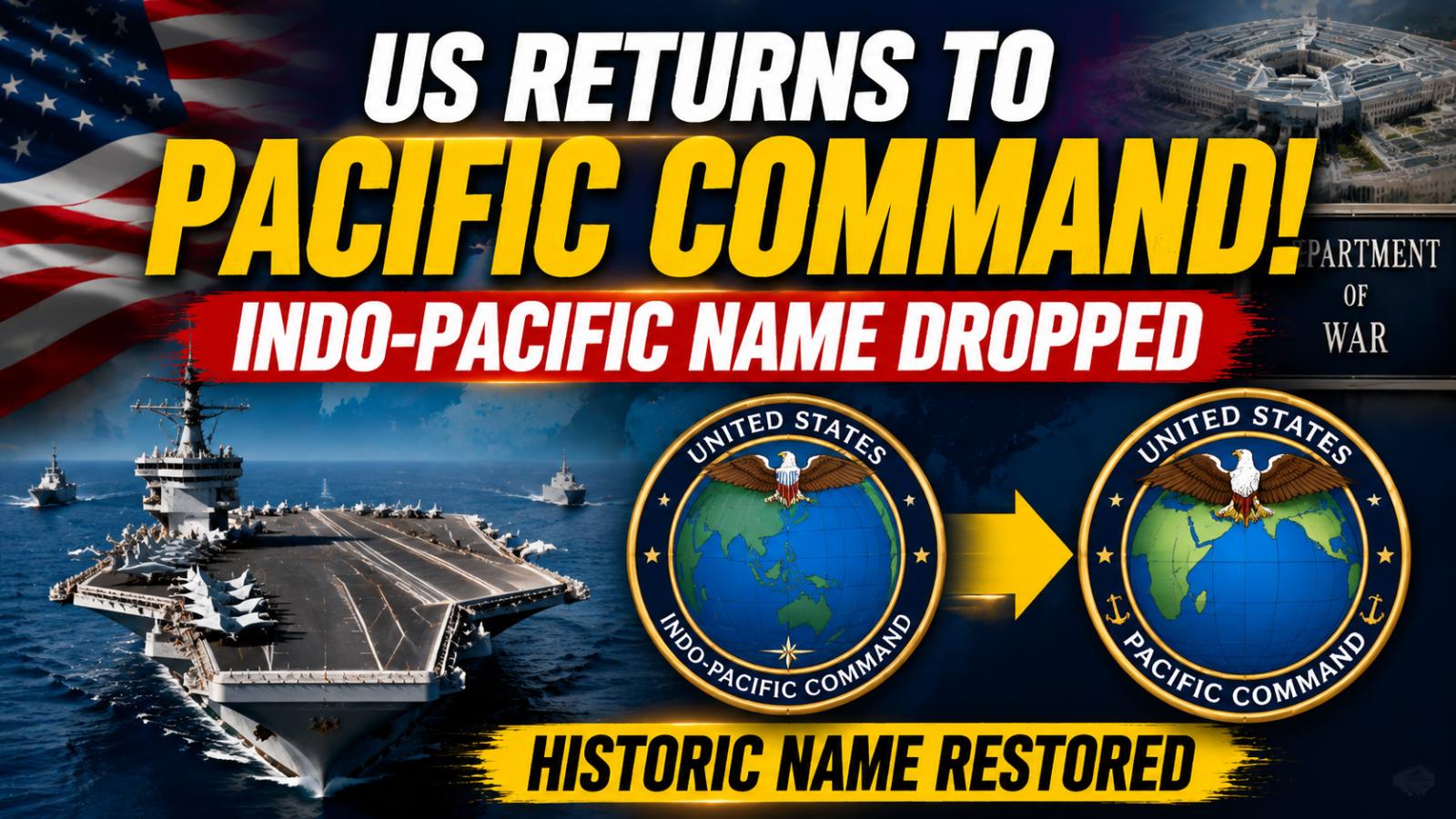
The United States Department of War has officially renamed its largest military command, reverting the Indo-Pacific Command back to its original designation, US Pacific Command. The announcement was made on Tuesday, June 16,2026 with officials confirming that the change is symbolic and will not alter operational responsibilities, deployment st
US Restores Pacific Command Name in Symbolic Military Rebranding
The United States Department of War has officially renamed its largest military command, reverting the Indo-Pacific Command back to its original designation, US Pacific Command. The announcement was made on Tuesday, June 16,2026 with officials confirming that the change is symbolic and will not alter operational responsibilities, deployment st
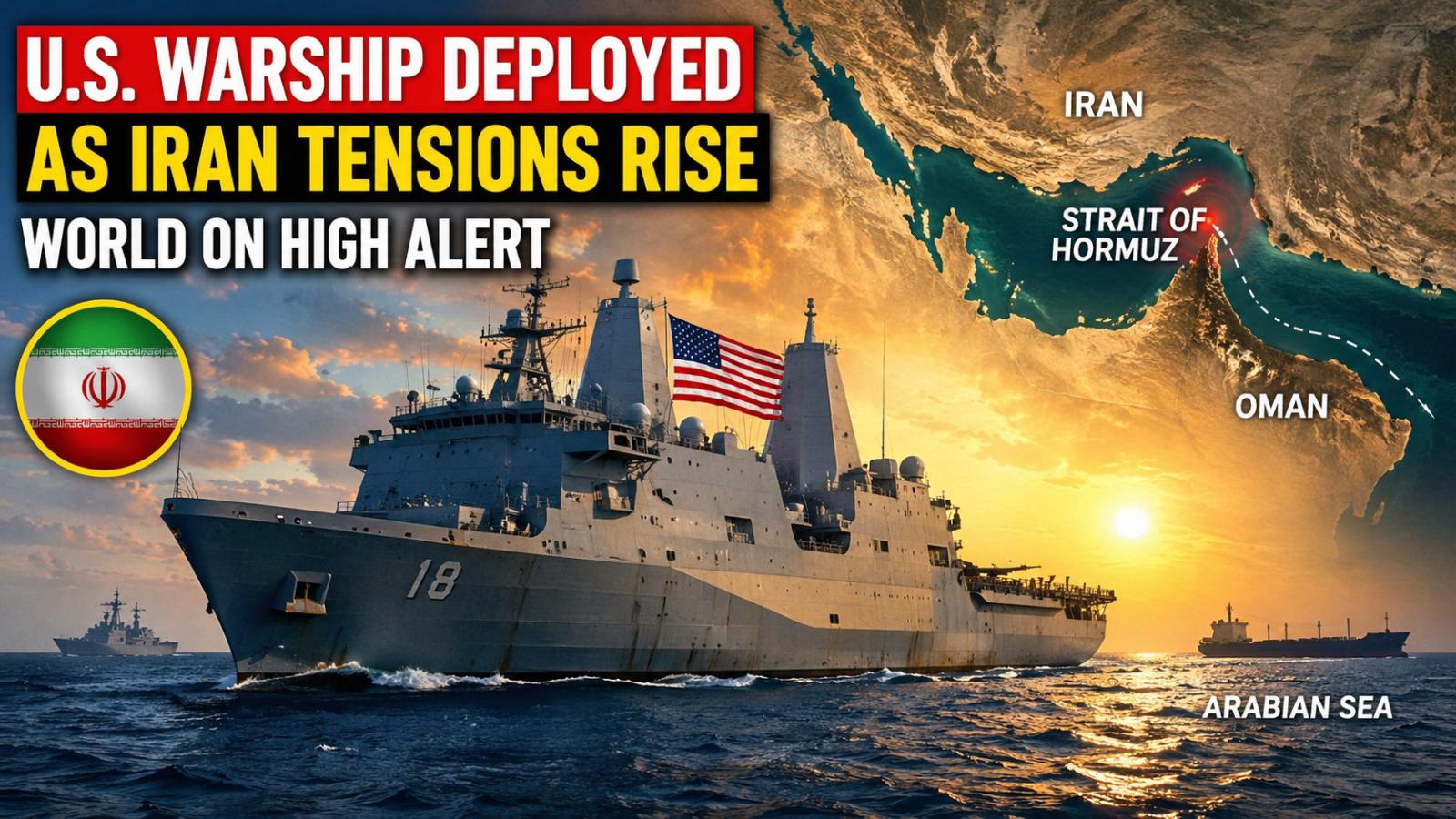
The deployment of the USS New Orleans (LPD-18) in the Arabian Sea is drawing global attention as tensions between the United States and Iran continue to escalate.
According to the U.S. Central Command, the warship has been actively involved in maritime patrol operations aimed at enforcing restrictions linked to Iran. Images released on May 2, 2026, show the vessel operatin
The deployment of the USS New Orleans (LPD-18) in the Arabian Sea is drawing global attention as tensions between the United States and Iran continue to escalate.
According to the U.S. Central Command, the warship has been actively involved in maritime patrol operations aimed at enforcing restrictions linked to Iran. Images released on May 2, 2026, show the vessel operatin
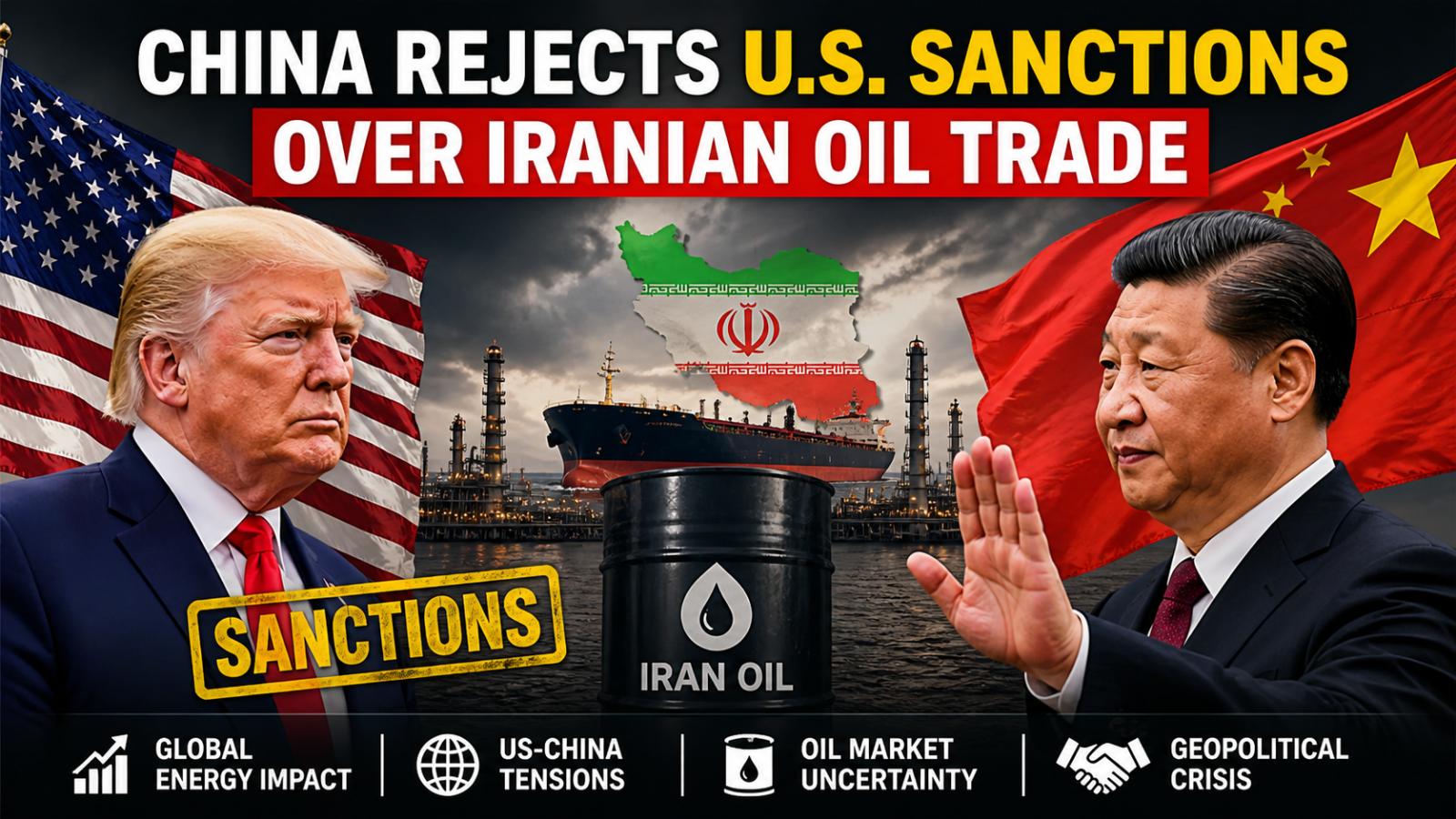
China has strongly rejected new sanctions imposed by the United States on Chinese firms accused of purchasing Iranian oil, calling the measures “unlawful” and a violation of international trade norms. The move marks a fresh escalation in tensions between China and Washington, with potential ripple effe
China has strongly rejected new sanctions imposed by the United States on Chinese firms accused of purchasing Iranian oil, calling the measures “unlawful” and a violation of international trade norms. The move marks a fresh escalation in tensions between China and Washington, with potential ripple effe
Why are North Korean troops reportedly taking their own lives? Kim Jong Un calls it battlefield honor has drawn international scrutiny after reports emerged that North Korean soldiers fighting alongside Russia in the war in Ukraine may be taking their own lives to avoid capture. The claims
Why are North Korean troops reportedly taking their own lives? Kim Jong Un calls it battlefield honor has drawn international scrutiny after reports emerged that North Korean soldiers fighting alongside Russia in the war in Ukraine may be taking their own lives to avoid capture. The claims
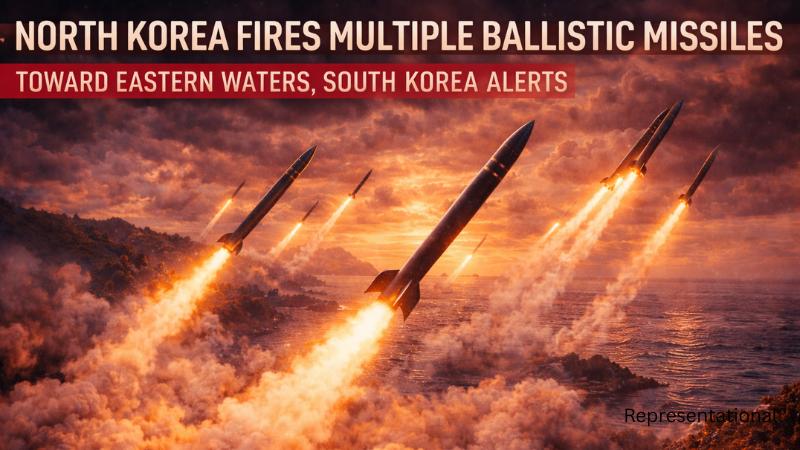
Tensions on the Korean Peninsula have escalated once again after North Korea launched multiple ballistic missiles toward its eastern waters, according to officials from South Korea. The launches, which were detected and tracked by South Korea’s military, have raised fresh concerns over regional security
Tensions on the Korean Peninsula have escalated once again after North Korea launched multiple ballistic missiles toward its eastern waters, according to officials from South Korea. The launches, which were detected and tracked by South Korea’s military, have raised fresh concerns over regional security
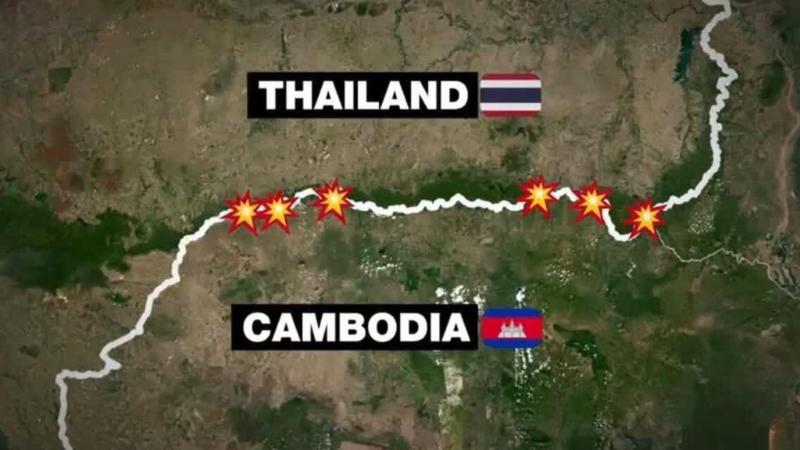
Thailand has defended its military’s decision to remove a Hindu statue located along its border with Cambodia, stating that the action was necessary to establish control over a disputed frontier area. The move, which took place on December 25, has sparked criticism and renewed debate over border management and cultural sensitivity in the region.
According to Thai authorities, the statue was situated in an area that remains contested between Thailand and Cambodia. Officials said th
Thailand has defended its military’s decision to remove a Hindu statue located along its border with Cambodia, stating that the action was necessary to establish control over a disputed frontier area. The move, which took place on December 25, has sparked criticism and renewed debate over border management and cultural sensitivity in the region.
According to Thai authorities, the statue was situated in an area that remains contested between Thailand and Cambodia. Officials said th
A fresh political controversy has erupted in South Asia after a leader from Pakistan’s ruling party issued a direct warning to India over Bangladesh. Pakistan Muslim League youth wing leader Kamran Saeed Usmani released a video statement on Tuesday, threatening a strong military respo
A fresh political controversy has erupted in South Asia after a leader from Pakistan’s ruling party issued a direct warning to India over Bangladesh. Pakistan Muslim League youth wing leader Kamran Saeed Usmani released a video statement on Tuesday, threatening a strong military respo