India Japan summit 2026 reshapes Indo Pacific alignment
The latest round of strategic talks between India and Japan signals a shift from broad diplomatic alignment to project-driven cooperation. The visit by Japanese Prime Minister Sanae Takaichi marks a renewed focus on infrastructure delivery, supply chain redesign, and
India Japan summit 2026 reshapes Indo Pacific alignment
The latest round of strategic talks between India and Japan signals a shift from broad diplomatic alignment to project-driven cooperation. The visit by Japanese Prime Minister Sanae Takaichi marks a renewed focus on infrastructure delivery, supply chain redesign, and
India Japan summit to review 10-year joint vision roadmap cooperation
India-Japan Summit to Review Long-Term Strategic Roadmap India is set to host Japanese Prime Minister Sanae Takaichi from July 1 to 3 for the 16th India-Japan Annual Summit, where both sides are expected to review progress under the Japan-India Joint Vision for the Next Decade. The framework, signed in Tokyo in August 2025, outlines a long-term roadmap aimed at streng
India Japan summit to review 10-year joint vision roadmap cooperation
India-Japan Summit to Review Long-Term Strategic Roadmap India is set to host Japanese Prime Minister Sanae Takaichi from July 1 to 3 for the 16th India-Japan Annual Summit, where both sides are expected to review progress under the Japan-India Joint Vision for the Next Decade. The framework, signed in Tokyo in August 2025, outlines a long-term roadmap aimed at streng
India-US defence ties remain stable amid Indo-Pacific changes
India and the United States continue to maintain stable defence cooperation despite recent adjustments in how Washington refers to its Indo-Pacific military structure. US Ambassador Sergio Gor reiterated that operational collaboration between the two countries is unaffected by the change in terminology, stressing continuity over symbolism. Military engagement remains active According to Gor, defence interaction between both nations is not only ongoing but expanding. Joint exercises, training programs, and coordinated operational planning continue across multiple domains. He noted that India remains one of the most frequently engaged partners in US military exercises globally, reflecting long-term strategic alignment rather than short-term political messaging. Indo-Pacific command terminology shift The discussion gained attention after the US reverted from the “Indo-Pacific Command” branding to its earlier designation. While the naming change sparked speculation about shifting priorities, officials clarified that command responsibilities and regional engagement remain unchanged. The operational scope still spans a vast area covering key maritime and security corridors in Asia-Pacific. Interpretation and political reactions The naming adjustment has been interpreted in different ways across policy circles, with some viewing it as symbolic recalibration. However, US officials have consistently pushed back on that narrative, arguing that defence cooperation with India is driven by shared strategic interests rather than administrative labels. Leadership relations and diplomatic tone Gor also highlighted the working relationship between former US President Donald Trump and Indian Prime Minister Narendra Modi, describing it as direct and pragmatic. He pointed to informal diplomatic interactions as evidence of sustained trust and coordination between leadership levels, which continues to influence broader strategic engagement. Long-term partnership outlook Despite periodic debates over terminology and diplomatic optics, both nations continue to prioritize defence, technology collaboration, and regional security coordination. The emphasis remains on sustained engagement in the Indo-Pacific region, where shared concerns over maritime security and strategic balance continue to drive cooperation rather than divergence.
India-US defence ties remain stable amid Indo-Pacific changes
India and the United States continue to maintain stable defence cooperation despite recent adjustments in how Washington refers to its Indo-Pacific military structure. US Ambassador Sergio Gor reiterated that operational collaboration between the two countries is unaffected by the change in terminology, stressing continuity over symbolism. Military engagement remains active According to Gor, defence interaction between both nations is not only ongoing but expanding. Joint exercises, training programs, and coordinated operational planning continue across multiple domains. He noted that India remains one of the most frequently engaged partners in US military exercises globally, reflecting long-term strategic alignment rather than short-term political messaging. Indo-Pacific command terminology shift The discussion gained attention after the US reverted from the “Indo-Pacific Command” branding to its earlier designation. While the naming change sparked speculation about shifting priorities, officials clarified that command responsibilities and regional engagement remain unchanged. The operational scope still spans a vast area covering key maritime and security corridors in Asia-Pacific. Interpretation and political reactions The naming adjustment has been interpreted in different ways across policy circles, with some viewing it as symbolic recalibration. However, US officials have consistently pushed back on that narrative, arguing that defence cooperation with India is driven by shared strategic interests rather than administrative labels. Leadership relations and diplomatic tone Gor also highlighted the working relationship between former US President Donald Trump and Indian Prime Minister Narendra Modi, describing it as direct and pragmatic. He pointed to informal diplomatic interactions as evidence of sustained trust and coordination between leadership levels, which continues to influence broader strategic engagement. Long-term partnership outlook Despite periodic debates over terminology and diplomatic optics, both nations continue to prioritize defence, technology collaboration, and regional security coordination. The emphasis remains on sustained engagement in the Indo-Pacific region, where shared concerns over maritime security and strategic balance continue to drive cooperation rather than divergence.
Japan PM visit pushes India Japan tech and defence cooperation
India and Japan have taken another step toward strengthening their long-term strategic relationship as high-level discussions were held in New Delhi focused on expanding cooperation across trade, defence, technology, and infrastructure. The engagement reflects a broader effort by both nations to build resilience in supply chains and increase coordination in the Indo-Pacific region amid shifting global economic and security dynamics. Rather than treating the relationship as routine diplomacy, both sides are increasingly positioning it as a structured partnership tied to economic security, innovation, and regional stability. Trade and investment becoming the core growth driver Economic cooperation continues to act as the backbone of the relationship. Japan remains one of India’s key foreign investors, with long-term commitments spread across manufacturing, transport, and urban development sectors. Japanese companies continue to expand their presence in India, particularly in automotive, electronics, and industrial technology. Infrastructure development remains a central pillar, with ongoing support for metro systems, freight corridors, and high-speed rail projects. Financial and institutional backing through Japanese development agencies has played a major role in shaping large-scale connectivity projects across Indian cities. However, both sides still face structural challenges such as slow project execution timelines and regulatory bottlenecks, which limit the speed of capital deployment despite strong political alignment. Defence cooperation expands beyond symbolic engagement Security collaboration between India and Japan has gradually shifted from occasional exercises to more consistent operational coordination. Joint drills such as maritime exercises and regional security training programs have strengthened interoperability between the two defence forces. The focus is increasingly on maritime domain awareness, especially in the Indo-Pacific region where strategic sea lanes remain critical for global trade. Both countries are also exploring ways to improve defence technology exchange, although this area remains sensitive due to regulatory and strategic constraints. Despite progress, defence cooperation is still relatively cautious compared to economic engagement, reflecting differing strategic thresholds and domestic policy considerations. Northeast India emerges as a strategic connectivity zone One of the most notable areas of cooperation is India’s northeastern region, which has gained attention as a key connectivity and development corridor. Japanese-supported infrastructure projects have contributed to road development, bridge construction, and logistics improvement in the region. Beyond physical infrastructure, skill development initiatives are also being introduced to improve employment readiness and cross-border workforce mobility. The region is increasingly being viewed as a bridge between South Asia and Southeast Asia, aligning with broader Indo-Pacific connectivity goals. Still, the region continues to face challenges including terrain constraints, limited industrial base, and slower private sector participation. Technology, AI and future-oriented collaboration Both countries are expanding cooperation in advanced technologies including artificial intelligence, clean energy systems, and digital infrastructure. Joint initiatives are being explored in areas such as smart manufacturing, automation, and next-generation communication systems. There is also growing interest in building more resilient supply chains for critical sectors like semiconductors and green energy technologies. This reflects a shared concern over global supply disruptions and overdependence on concentrated manufacturing hubs. While ambitions are high, actual implementation will depend on regulatory alignment and private sector participation, which remain uneven across sectors. Strategic outlook for the partnership The India–Japan relationship is increasingly being shaped by long-term geopolitical and economic considerations rather than short-term diplomatic exchanges. Both countries appear aligned on maintaining stability in the Indo-Pacific while expanding economic integration. However, the partnership is still evolving and remains uneven across sectors—strong in trade and infrastructure, moderate in defence, and still developing in advanced technology cooperation. The next phase will depend on execution efficiency and the ability to convert policy agreements into large-scale operational outcomes.
Japan PM visit pushes India Japan tech and defence cooperation
India and Japan have taken another step toward strengthening their long-term strategic relationship as high-level discussions were held in New Delhi focused on expanding cooperation across trade, defence, technology, and infrastructure. The engagement reflects a broader effort by both nations to build resilience in supply chains and increase coordination in the Indo-Pacific region amid shifting global economic and security dynamics. Rather than treating the relationship as routine diplomacy, both sides are increasingly positioning it as a structured partnership tied to economic security, innovation, and regional stability. Trade and investment becoming the core growth driver Economic cooperation continues to act as the backbone of the relationship. Japan remains one of India’s key foreign investors, with long-term commitments spread across manufacturing, transport, and urban development sectors. Japanese companies continue to expand their presence in India, particularly in automotive, electronics, and industrial technology. Infrastructure development remains a central pillar, with ongoing support for metro systems, freight corridors, and high-speed rail projects. Financial and institutional backing through Japanese development agencies has played a major role in shaping large-scale connectivity projects across Indian cities. However, both sides still face structural challenges such as slow project execution timelines and regulatory bottlenecks, which limit the speed of capital deployment despite strong political alignment. Defence cooperation expands beyond symbolic engagement Security collaboration between India and Japan has gradually shifted from occasional exercises to more consistent operational coordination. Joint drills such as maritime exercises and regional security training programs have strengthened interoperability between the two defence forces. The focus is increasingly on maritime domain awareness, especially in the Indo-Pacific region where strategic sea lanes remain critical for global trade. Both countries are also exploring ways to improve defence technology exchange, although this area remains sensitive due to regulatory and strategic constraints. Despite progress, defence cooperation is still relatively cautious compared to economic engagement, reflecting differing strategic thresholds and domestic policy considerations. Northeast India emerges as a strategic connectivity zone One of the most notable areas of cooperation is India’s northeastern region, which has gained attention as a key connectivity and development corridor. Japanese-supported infrastructure projects have contributed to road development, bridge construction, and logistics improvement in the region. Beyond physical infrastructure, skill development initiatives are also being introduced to improve employment readiness and cross-border workforce mobility. The region is increasingly being viewed as a bridge between South Asia and Southeast Asia, aligning with broader Indo-Pacific connectivity goals. Still, the region continues to face challenges including terrain constraints, limited industrial base, and slower private sector participation. Technology, AI and future-oriented collaboration Both countries are expanding cooperation in advanced technologies including artificial intelligence, clean energy systems, and digital infrastructure. Joint initiatives are being explored in areas such as smart manufacturing, automation, and next-generation communication systems. There is also growing interest in building more resilient supply chains for critical sectors like semiconductors and green energy technologies. This reflects a shared concern over global supply disruptions and overdependence on concentrated manufacturing hubs. While ambitions are high, actual implementation will depend on regulatory alignment and private sector participation, which remain uneven across sectors. Strategic outlook for the partnership The India–Japan relationship is increasingly being shaped by long-term geopolitical and economic considerations rather than short-term diplomatic exchanges. Both countries appear aligned on maintaining stability in the Indo-Pacific while expanding economic integration. However, the partnership is still evolving and remains uneven across sectors—strong in trade and infrastructure, moderate in defence, and still developing in advanced technology cooperation. The next phase will depend on execution efficiency and the ability to convert policy agreements into large-scale operational outcomes.
EU India trade talks near final approval stage
The proposed free trade agreement between the European Union and India has moved into its last procedural stage after years of negotiation. Both sides have already agreed on the core framework, and the current focus is on legal refinement and institutional clearance before formal approval. Officials describe this phase as technical but decisive, as even small wording changes can affect implementation across sectors. The agreement is being revi
EU India trade talks near final approval stage
The proposed free trade agreement between the European Union and India has moved into its last procedural stage after years of negotiation. Both sides have already agreed on the core framework, and the current focus is on legal refinement and institutional clearance before formal approval. Officials describe this phase as technical but decisive, as even small wording changes can affect implementation across sectors. The agreement is being revi
Cuba unveils major reforms to expand private sector
Cuba proposes major shift in economic policy Cuban Prime Minister Manuel Marrero has presented lawmakers with a sweeping economic reform package aimed at reshaping parts of the island’s tightly controlled economy. The proposals, backed by the Communist Party and former leader Raúl Castro, come as Cuba faces rising pressure from US sanctions, a fuel blockade and worsening shortages of basic goods. The package still requires approval from th
Cuba unveils major reforms to expand private sector
Cuba proposes major shift in economic policy Cuban Prime Minister Manuel Marrero has presented lawmakers with a sweeping economic reform package aimed at reshaping parts of the island’s tightly controlled economy. The proposals, backed by the Communist Party and former leader Raúl Castro, come as Cuba faces rising pressure from US sanctions, a fuel blockade and worsening shortages of basic goods. The package still requires approval from th
US-India trade deal enters final stage ahead of Modi-Trump meeting
US-India Trade Deal Nears Final Stage The United States and India are approaching the final phase of a long-anticipated trade agreement, with officials indicating that negotiations are now in their “last mile” and could conclude within weeks. The development comes just ahead of a high-profile bilateral meeting between Prime Minister Narendra Modi and US President Donald Trump on the sidelines of the G7 s
US-India trade deal enters final stage ahead of Modi-Trump meeting
US-India Trade Deal Nears Final Stage The United States and India are approaching the final phase of a long-anticipated trade agreement, with officials indicating that negotiations are now in their “last mile” and could conclude within weeks. The development comes just ahead of a high-profile bilateral meeting between Prime Minister Narendra Modi and US President Donald Trump on the sidelines of the G7 s
INNOPROM India 2026 to boost Russia-India trade ties
India and Russia are preparing to host the first INNOPROM International Industrial Technology Exhibition in India, marking a fresh push in their expanding economic and industrial partnership. The event is scheduled to take place from September 9 to 11 at Bharat Mandapam Exhibition and Convention Centre in New Delhi, bringing together manufacturers, investors, technology companies, industrial buyers and government representatives. The exhib
INNOPROM India 2026 to boost Russia-India trade ties
India and Russia are preparing to host the first INNOPROM International Industrial Technology Exhibition in India, marking a fresh push in their expanding economic and industrial partnership. The event is scheduled to take place from September 9 to 11 at Bharat Mandapam Exhibition and Convention Centre in New Delhi, bringing together manufacturers, investors, technology companies, industrial buyers and government representatives. The exhib
PM Modi Meets Venezuela Acting President to Boost Bilateral Ties
Strengthening India-Venezuela Relations Prime Minister Narendra Modi held a high-level meeting with Venezuela's Acting President Delcy Rodriguez in New Delhi on Thursday. The meeting took place at Hyderabad House, where both leaders discussed the full spectrum of India-Venezuela relations. Key focus areas included energy security, trade and investment, pharmaceuticals, healthcare, transportation, and renewabl
PM Modi Meets Venezuela Acting President to Boost Bilateral Ties
Strengthening India-Venezuela Relations Prime Minister Narendra Modi held a high-level meeting with Venezuela's Acting President Delcy Rodriguez in New Delhi on Thursday. The meeting took place at Hyderabad House, where both leaders discussed the full spectrum of India-Venezuela relations. Key focus areas included energy security, trade and investment, pharmaceuticals, healthcare, transportation, and renewabl
India-South Africa trade ties deepen as Mashatile courts firms
South Africa’s Deputy President Shipokosa Paulus Mashatile said India remains a reliable partner as he pushed for deeper India-South Africa trade ties during a working visit to New Delhi. Mashatile used the New Delhi leg of his six-day visit to invite Indian companies to expand investment in South Africa, especially in clean energy, pharmaceuticals, ICT, automotive components, infrastructure, agriculture and agro-processing. Mashatile seeks stronger India-South
India-South Africa trade ties deepen as Mashatile courts firms
South Africa’s Deputy President Shipokosa Paulus Mashatile said India remains a reliable partner as he pushed for deeper India-South Africa trade ties during a working visit to New Delhi. Mashatile used the New Delhi leg of his six-day visit to invite Indian companies to expand investment in South Africa, especially in clean energy, pharmaceuticals, ICT, automotive components, infrastructure, agriculture and agro-processing. Mashatile seeks stronger India-South
Piyush Goyal Canada Visit To Push $50 Billion Trade Goal
India-Canada Trade Talks Gain Momentum In May 2026 Union Commerce and Industry Minister Piyush Goyal is set to visit Canada from May 25 to May 27, 2026, as India and Canada work to rebuild economic confidence and push bilateral trade toward a $50 billion target by 2030. The visit comes at an important time because both countries are trying to move beyond recent diplomatic strain and focus on business, investment, energy, and technology cooperation. Goyal w
Piyush Goyal Canada Visit To Push $50 Billion Trade Goal
India-Canada Trade Talks Gain Momentum In May 2026 Union Commerce and Industry Minister Piyush Goyal is set to visit Canada from May 25 to May 27, 2026, as India and Canada work to rebuild economic confidence and push bilateral trade toward a $50 billion target by 2030. The visit comes at an important time because both countries are trying to move beyond recent diplomatic strain and focus on business, investment, energy, and technology cooperation. Goyal w
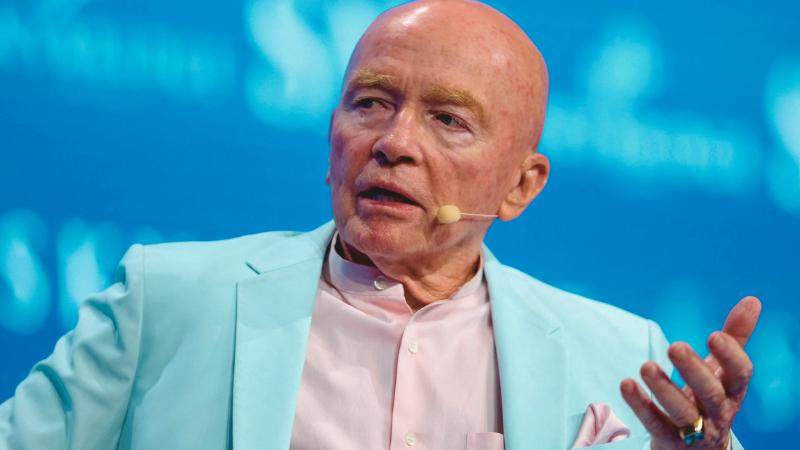
Mark Mobius, Pioneer of Emerging Markets Investing, Dies at 89
Mark Mobius, a pioneer in global investing and a key figure in emerging markets, passed away on April 16, 2026, at the age of 89. Widely regarded for transforming investment strategies in developing economies, Mobius played a crucial role in directing billions of dollars into markets across Asia, Africa, Latin America, and Eastern Europe. Over a caree
Mark Mobius, Pioneer of Emerging Markets Investing, Dies at 89
Mark Mobius, a pioneer in global investing and a key figure in emerging markets, passed away on April 16, 2026, at the age of 89. Widely regarded for transforming investment strategies in developing economies, Mobius played a crucial role in directing billions of dollars into markets across Asia, Africa, Latin America, and Eastern Europe. Over a caree
NRI term insurance demand doubles as younger buyers drive growth
A new report from Policybazaar highlights a significant rise in term insurance purchases by non-resident Indians (NRIs), with overall demand doubling over the past two years and younger buyers playing an increasingly central role in the trend. According to the findings, individuals between the ages of 25 and 35 now account for 54% of total demand, up from 44% in 2024. This shift underscor
NRI term insurance demand doubles as younger buyers drive growth
A new report from Policybazaar highlights a significant rise in term insurance purchases by non-resident Indians (NRIs), with overall demand doubling over the past two years and younger buyers playing an increasingly central role in the trend. According to the findings, individuals between the ages of 25 and 35 now account for 54% of total demand, up from 44% in 2024. This shift underscor
India, New Zealand to sign free trade agreement on April 24
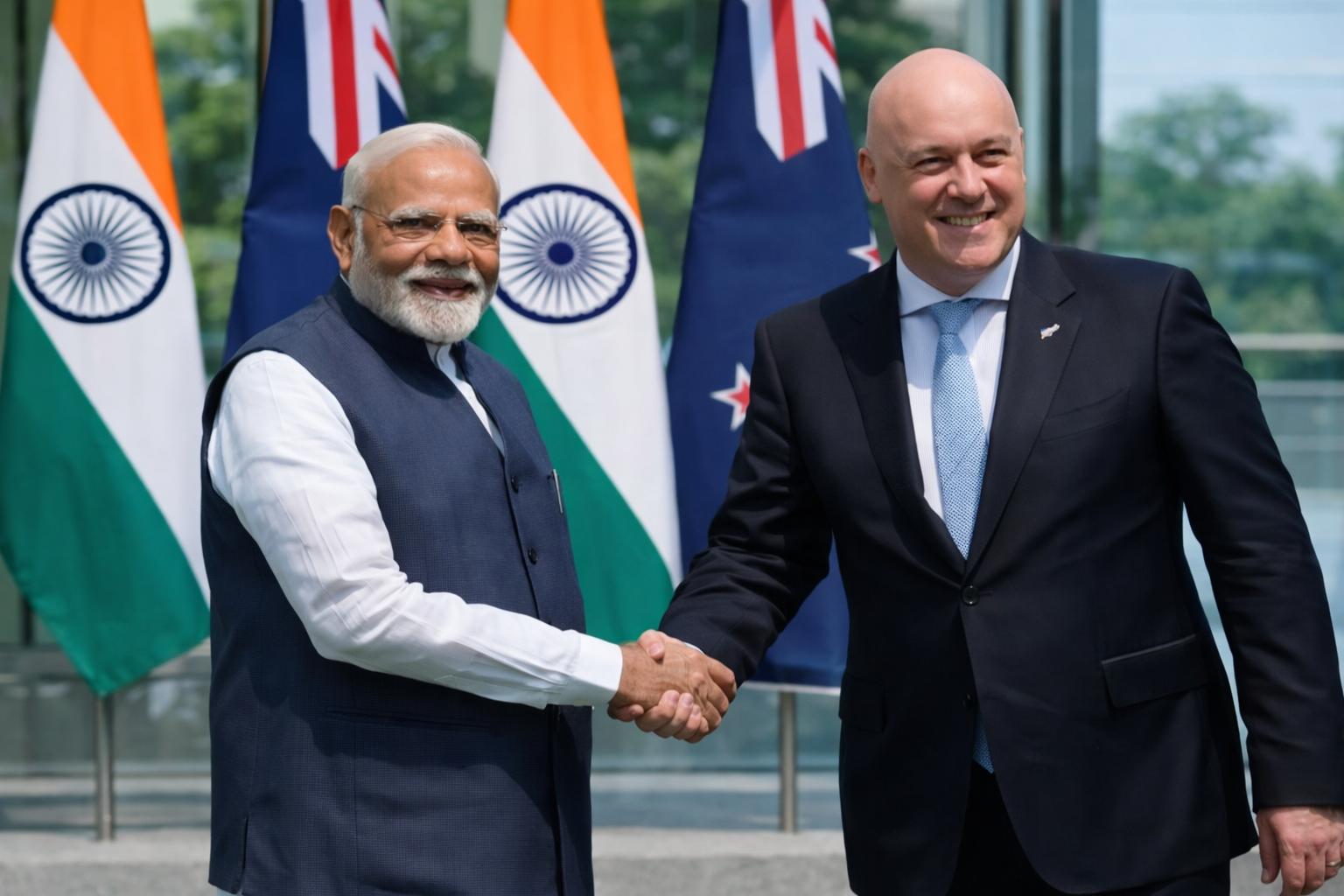
India and New Zealand are expected to sign a Free Trade Agreement (FTA) on Thursday, April 24, 2026, in India, marking a significant step toward strengthening bilateral trade and economic cooperation. The agreement, which follows the conclusion of negotiations announced on Sunday, December 22, 2025, is expected to provide tariff-free access for Indian exporters to the New Zealand market while attracting an estimated $20 billion in investment over the next 15 years. According to offi
India, New Zealand to sign free trade agreement on April 24
India and New Zealand are expected to sign a Free Trade Agreement (FTA) on Thursday, April 24, 2026, in India, marking a significant step toward strengthening bilateral trade and economic cooperation. The agreement, which follows the conclusion of negotiations announced on Sunday, December 22, 2025, is expected to provide tariff-free access for Indian exporters to the New Zealand market while attracting an estimated $20 billion in investment over the next 15 years. According to offi
Syria and Saudi Arabia sign major investment deals to boost reconstruction
Syria and Saudi Arabia have signed a series of major economic and infrastructure agreements aimed at accelerating Syria’s post-war reconstruction and strengthening bilateral ties, marking one of the most significant rounds of cooperation between the two countries in recent years. Officials said the deals span aviation, telecommunications, energy, and development projects, with billions of dollars expected to flow into key sectors of the Syrian economy. The agreements include the l
Syria and Saudi Arabia sign major investment deals to boost reconstruction
Syria and Saudi Arabia have signed a series of major economic and infrastructure agreements aimed at accelerating Syria’s post-war reconstruction and strengthening bilateral ties, marking one of the most significant rounds of cooperation between the two countries in recent years. Officials said the deals span aviation, telecommunications, energy, and development projects, with billions of dollars expected to flow into key sectors of the Syrian economy. The agreements include the l
Global gold wealth mapped as seven nations dominate trillion-dollar reserves
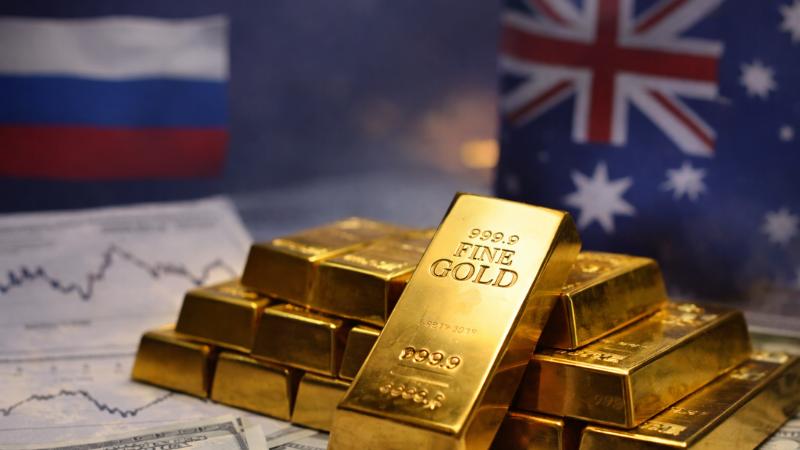
Global gold reserves have come under renewed scrutiny as bullion prices climb to historic levels, strengthening the strategic and economic significance of mineral-rich nations. Gold is currently trading at approximately $4,290 an ounce in the international market, sharply raising the value of unmined deposits and drawing attention from investors, governments and mining companies seeking long-term supply security. Against this backdrop, geological estimates highlight a small group of countries
Global gold wealth mapped as seven nations dominate trillion-dollar reserves
Global gold reserves have come under renewed scrutiny as bullion prices climb to historic levels, strengthening the strategic and economic significance of mineral-rich nations. Gold is currently trading at approximately $4,290 an ounce in the international market, sharply raising the value of unmined deposits and drawing attention from investors, governments and mining companies seeking long-term supply security. Against this backdrop, geological estimates highlight a small group of countries
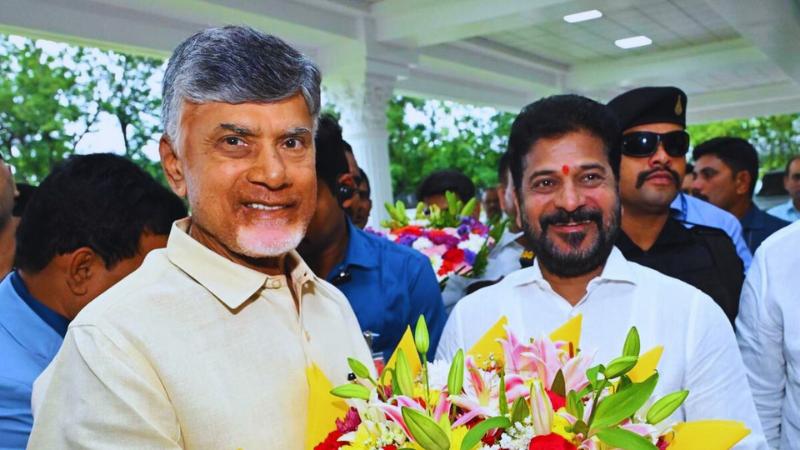
Telangana Signs Key Global Partnerships at Davos Summit to Boost Economy and Innovation
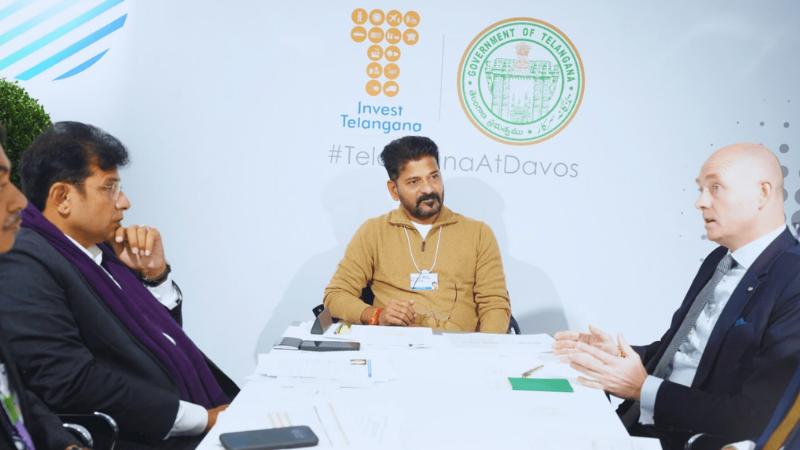
Telangana made a significant splash at the 2026 World Economic Forum (WEF) in Davos, Switzerland, showcasing its ambition to become a global hub for innovation, technology, and sustainable development. Led by Chief Minister A. Revanth Reddy, the Telangana delegation secured several key partnerships and investments aimed at propelling the state’s economy to new heights. One of the most notable agreements was with Blaize, a US-based company specializing in energy-efficient AI hardware and sof
Telangana Signs Key Global Partnerships at Davos Summit to Boost Economy and Innovation
Telangana made a significant splash at the 2026 World Economic Forum (WEF) in Davos, Switzerland, showcasing its ambition to become a global hub for innovation, technology, and sustainable development. Led by Chief Minister A. Revanth Reddy, the Telangana delegation secured several key partnerships and investments aimed at propelling the state’s economy to new heights. One of the most notable agreements was with Blaize, a US-based company specializing in energy-efficient AI hardware and sof
Gold hits fresh all-time high above $4,500: Reasons behind rally and key levels to watch
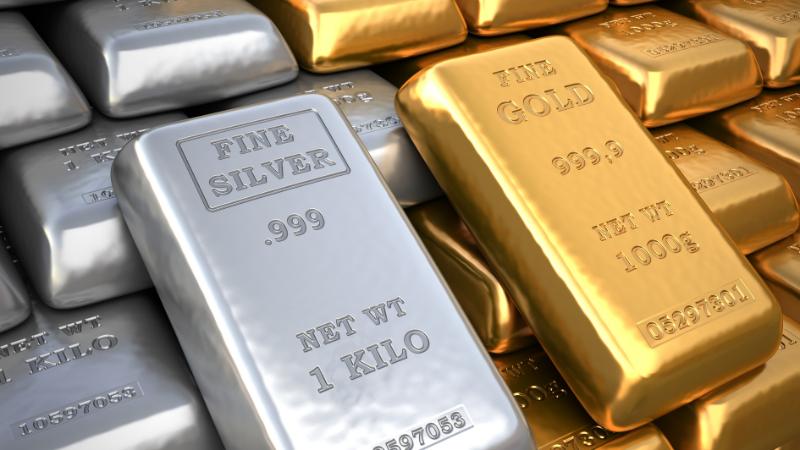
Gold prices have surged to a new all-time high as 2025 approaches its final days, marking one of the strongest rallies ever seen in the precious metals market. Spot gold climbed to a record level above $4,500 per ounce in early Asian trade, extending a remarkable year-long run that has delivered gains of more than 70 percent so far this year. Silver and platinum have also joined the rally, underlining that the momentum is not limited to gold alone but reflects broader strength across precious
Gold hits fresh all-time high above $4,500: Reasons behind rally and key levels to watch
Gold prices have surged to a new all-time high as 2025 approaches its final days, marking one of the strongest rallies ever seen in the precious metals market. Spot gold climbed to a record level above $4,500 per ounce in early Asian trade, extending a remarkable year-long run that has delivered gains of more than 70 percent so far this year. Silver and platinum have also joined the rally, underlining that the momentum is not limited to gold alone but reflects broader strength across precious
Gold And Silver Hit Record Highs: What’s Fueling The Rally And Should You Buy Now
Gold and silver prices have surged to record highs as investors rush back to precious metals, turning them into one of the strongest signals of global economic anxiety. A year that began cautiously is ending with aggressive buying, driven by inflation concerns, interest rate expectations, geopolitical tensions, and fears emerging from global bond markets. On Tuesday, gold prices climbed sharply, with spot gold rising to fresh all-time highs and futures also posting strong gains. Sil
Gold And Silver Hit Record Highs: What’s Fueling The Rally And Should You Buy Now
Gold and silver prices have surged to record highs as investors rush back to precious metals, turning them into one of the strongest signals of global economic anxiety. A year that began cautiously is ending with aggressive buying, driven by inflation concerns, interest rate expectations, geopolitical tensions, and fears emerging from global bond markets. On Tuesday, gold prices climbed sharply, with spot gold rising to fresh all-time highs and futures also posting strong gains. Sil
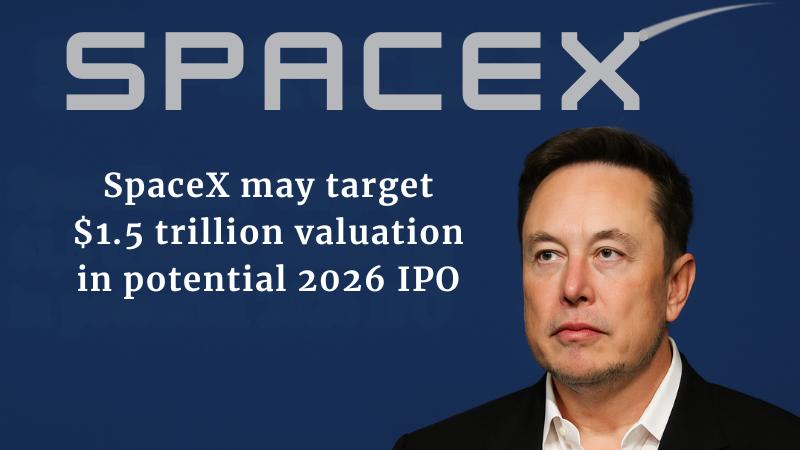
Spacex may target $1.5 trillion valuation in potential 2026 ipo
A recent report has indicated that SpaceX, the aerospace company led by Elon Musk, could be poised for one of the largest public listings in history, with a potential valuation approaching $1.5 trillion. The report, based on information attributed to individuals familiar with ongoing internal discussions, suggests that the company may consider launching an initial public offering in 2026, depending on overall market stability and strategic readiness. If pursued at the scale projected, the listing would position SpaceX among the highest-valued companies ever to enter public markets, reflecting widespread investor confidence in the growing commercial space sector and in the company’s expanding operational footprint. The report indicated that SpaceX is exploring the possibility of raising more than $30 billion through the offering, a figure notably higher than earlier expectations. Such a fundraising effort would place the company’s valuation close to levels only seen in a few landmark listings, including major energy and technology offerings of previous years. Sources cited in the report noted that the company may adjust the timeline, potentially moving the offering into 2027, should financial or regulatory conditions make a delay more favourable. The expected proceeds would support the expansion of space-based data centres, a growing area of interest for SpaceX as it works to increase global connectivity and strengthen the infrastructure supporting its satellite-driven services. Financial projections referenced in the report show that SpaceX may generate around $15 billion in revenue during 2025, with estimates rising to between $22 billion and $24 billion in 2026. Much of this anticipated growth is attributed to Starlink, the satellite-internet service that has rapidly expanded its global user base. The company is also conducting a secondary share sale that allows employees to sell stock at a price suggesting a valuation exceeding $800 billion, demonstrating continued private-market demand for SpaceX shares. Previous internal transactions have placed the company’s value near the $800 billion level, but the higher valuation discussed in the latest report reflects expectations tied specifically to an eventual public listing. Musk has commented in the past that some earlier valuation figures were inaccurate, although he acknowledged that employee share sales have occurred periodically. He has not yet addressed the newly reported projections regarding a possible IPO. Musk has often expressed caution about taking SpaceX public, emphasising that the company’s long-term ambitions, including advancing human exploration of Mars, require flexibility that may not always align with public-market demands. Despite this reluctance, the company has maintained strong cash flow, according to Musk’s earlier statements, and has been able to conduct internal share buybacks without seeking external funding. As of now, neither Musk nor SpaceX has confirmed any details related to the potential listing. The timeline, valuation and structure of the offering remain subject to change, and any future decision will likely depend on economic conditions, regulatory considerations and the company’s strategic priorities. Nonetheless, the prospect of a record-setting valuation continues to draw significant attention, underscoring SpaceX’s influence within the global space economy and the broader technology landscape.
Spacex may target $1.5 trillion valuation in potential 2026 ipo
A recent report has indicated that SpaceX, the aerospace company led by Elon Musk, could be poised for one of the largest public listings in history, with a potential valuation approaching $1.5 trillion. The report, based on information attributed to individuals familiar with ongoing internal discussions, suggests that the company may consider launching an initial public offering in 2026, depending on overall market stability and strategic readiness. If pursued at the scale projected, the listing would position SpaceX among the highest-valued companies ever to enter public markets, reflecting widespread investor confidence in the growing commercial space sector and in the company’s expanding operational footprint. The report indicated that SpaceX is exploring the possibility of raising more than $30 billion through the offering, a figure notably higher than earlier expectations. Such a fundraising effort would place the company’s valuation close to levels only seen in a few landmark listings, including major energy and technology offerings of previous years. Sources cited in the report noted that the company may adjust the timeline, potentially moving the offering into 2027, should financial or regulatory conditions make a delay more favourable. The expected proceeds would support the expansion of space-based data centres, a growing area of interest for SpaceX as it works to increase global connectivity and strengthen the infrastructure supporting its satellite-driven services. Financial projections referenced in the report show that SpaceX may generate around $15 billion in revenue during 2025, with estimates rising to between $22 billion and $24 billion in 2026. Much of this anticipated growth is attributed to Starlink, the satellite-internet service that has rapidly expanded its global user base. The company is also conducting a secondary share sale that allows employees to sell stock at a price suggesting a valuation exceeding $800 billion, demonstrating continued private-market demand for SpaceX shares. Previous internal transactions have placed the company’s value near the $800 billion level, but the higher valuation discussed in the latest report reflects expectations tied specifically to an eventual public listing. Musk has commented in the past that some earlier valuation figures were inaccurate, although he acknowledged that employee share sales have occurred periodically. He has not yet addressed the newly reported projections regarding a possible IPO. Musk has often expressed caution about taking SpaceX public, emphasising that the company’s long-term ambitions, including advancing human exploration of Mars, require flexibility that may not always align with public-market demands. Despite this reluctance, the company has maintained strong cash flow, according to Musk’s earlier statements, and has been able to conduct internal share buybacks without seeking external funding. As of now, neither Musk nor SpaceX has confirmed any details related to the potential listing. The timeline, valuation and structure of the offering remain subject to change, and any future decision will likely depend on economic conditions, regulatory considerations and the company’s strategic priorities. Nonetheless, the prospect of a record-setting valuation continues to draw significant attention, underscoring SpaceX’s influence within the global space economy and the broader technology landscape.