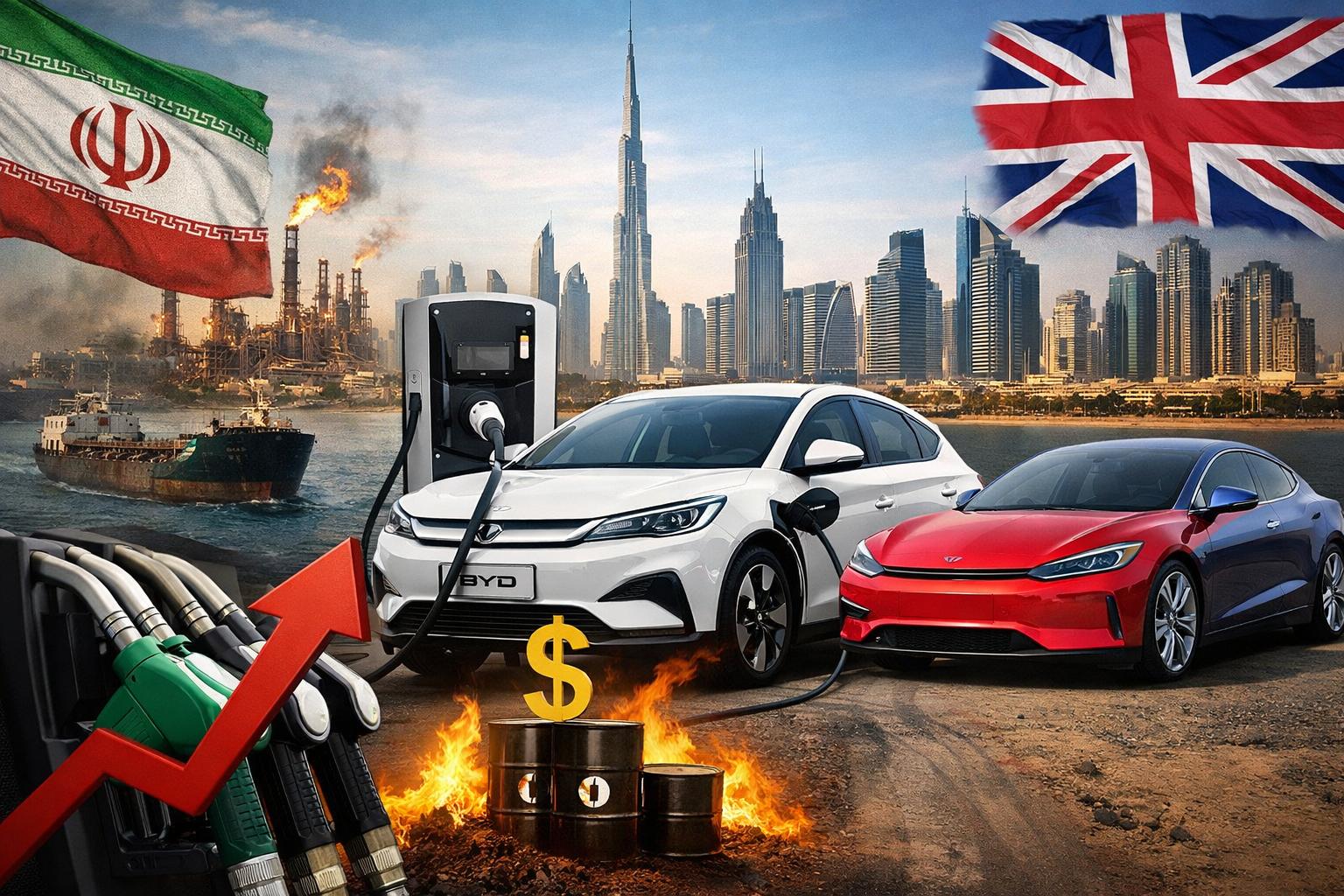
Rising fuel costs push UAE and UK consumers toward electric cars
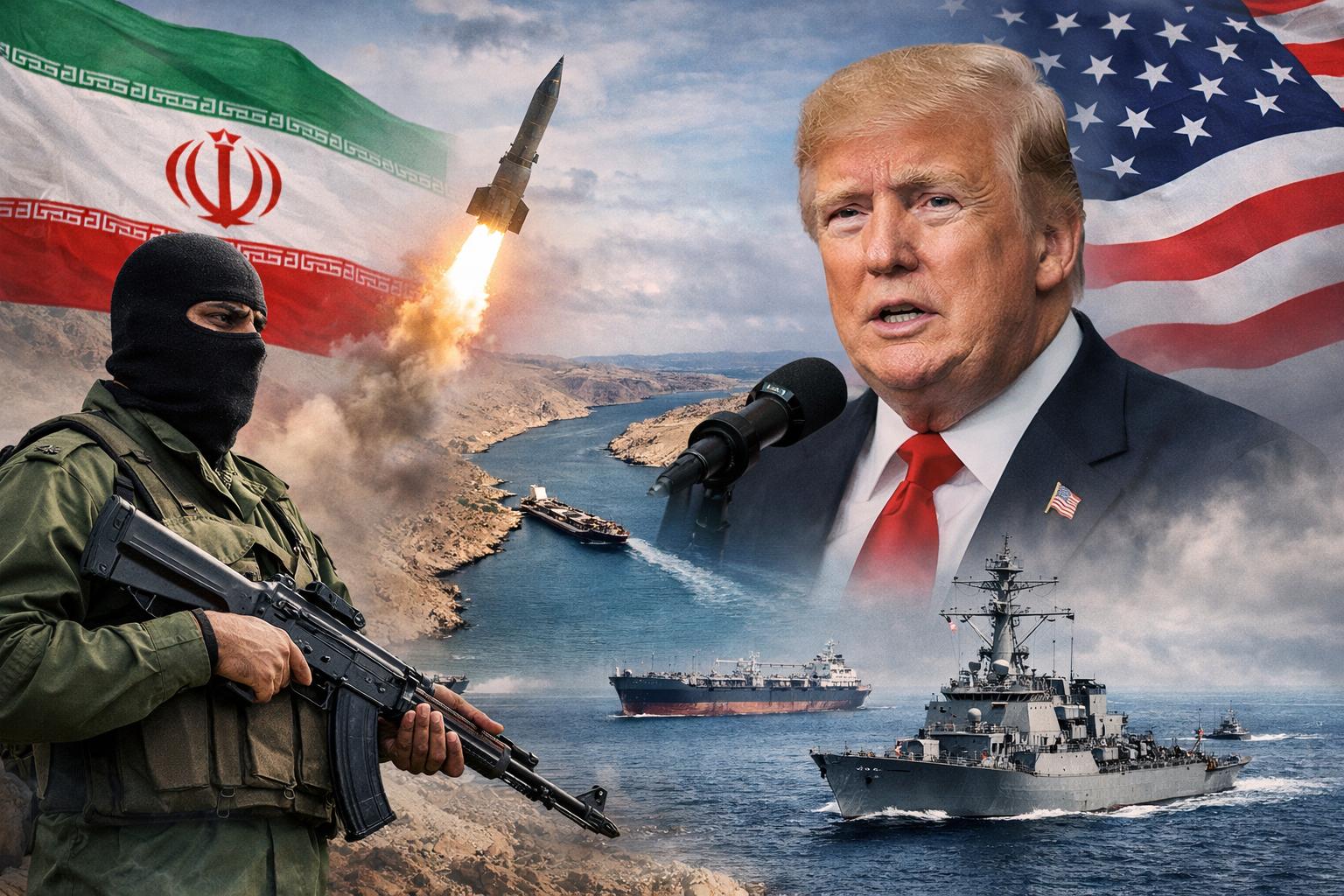
Tensions involving Iran and disruptions in the Strait of Hormuz, a critical shipping route connecting the Persian Gulf to the Gulf of Oman, have placed significant strain on the global economy. The obstruction of oil tanker traffic has led to a sharp rise in oil prices worldwide, increasing transportation costs and placing added financial pressure on both businesses and private vehicle owners reliant on fuel. While the broader economic impact has been negative, the situation has creat
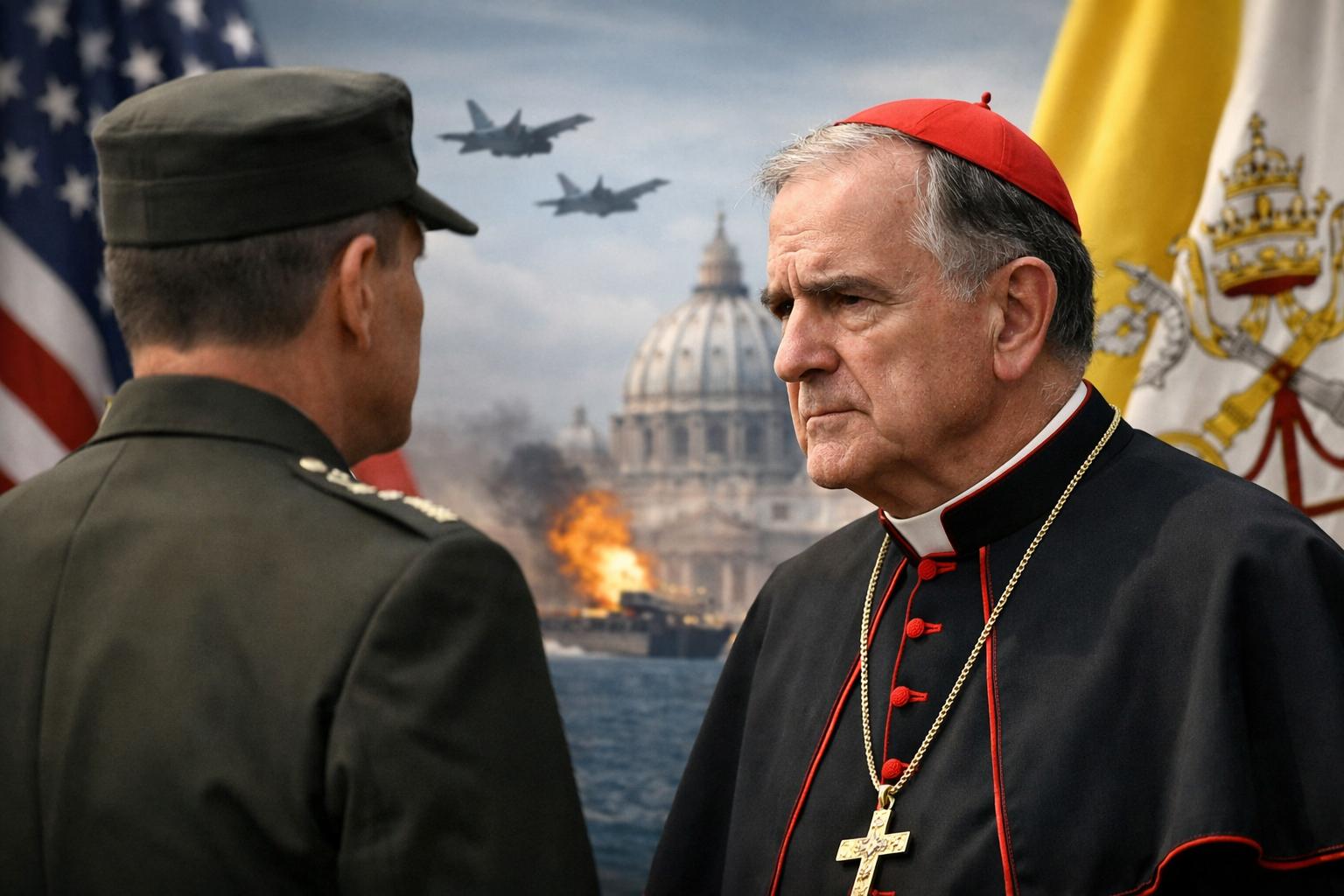
Pentagon and Vatican clash over disputed meeting amid Iran war tensions
A meeting between officials from the U.S. Department of Defense and the Vatican has drawn scrutiny after sharply conflicting accounts emerged, raising questions about diplomatic tensions between Washington and the Holy See during an escalating global crisis. According to a source close to Pope Leo XIV, the meeting involving Cardinal Christophe Pierre was described as confrontational. Separate reports characterized the exchange as a stern warning emphasizing U.S. military strength and urging alignment with American policy. However, Pentagon officials strongly disputed that portrayal, stating the discussion was respectful and constructive, underscoring a commitment to continued dialogue with the Vatican. Adding to the conflicting narratives, Vatican ambassador Brian Burch stated on Thursday that Cardinal Pierre rejected media reports describing the meeting as hostile, calling them fabricated. He said the meeting, which occurred two months earlier, was “frank and cordial,” suggesting that accounts of tension may have been overstated. The dispute comes amid increasingly pointed remarks from Pope Leo XIV, the first U.S.-born pontiff from Chicago, who has taken an unusually direct stance on the ongoing conflict involving Iran. On Tuesday, the pope criticized U.S. President Donald Trump’s warning of severe consequences for Iran, calling such rhetoric “truly unacceptable” and warning that attacks on civilian infrastructure violate international law. In recent appeals, Leo has urged global leaders and citizens to pursue peace and avoid further escalation, particularly in a conflict he described as unjust and destabilizing. He also encouraged individuals to contact political leaders and advocate against actions targeting civilians, emphasizing the moral and legal implications of such strategies. The Vatican’s concerns extend beyond Iran, particularly to Lebanon, where renewed fighting involving Israeli forces and Hezbollah has intensified instability. Church officials have expressed alarm over the impact on Christian communities in southern Lebanon, which hold significant importance for the region’s religious presence. The broader geopolitical situation remains fragile. A ceasefire related to the Iran conflict appeared uncertain after Iran moved to close the Strait of Hormuz following Israeli strikes in Lebanon, prompting renewed calls from the White House to maintain open waterways and continue peace negotiations. While both the Pentagon and Vatican have emphasized the importance of ongoing dialogue, the divergence in accounts surrounding their recent meeting highlights the complexity of diplomatic relations during a period of heightened global tension.
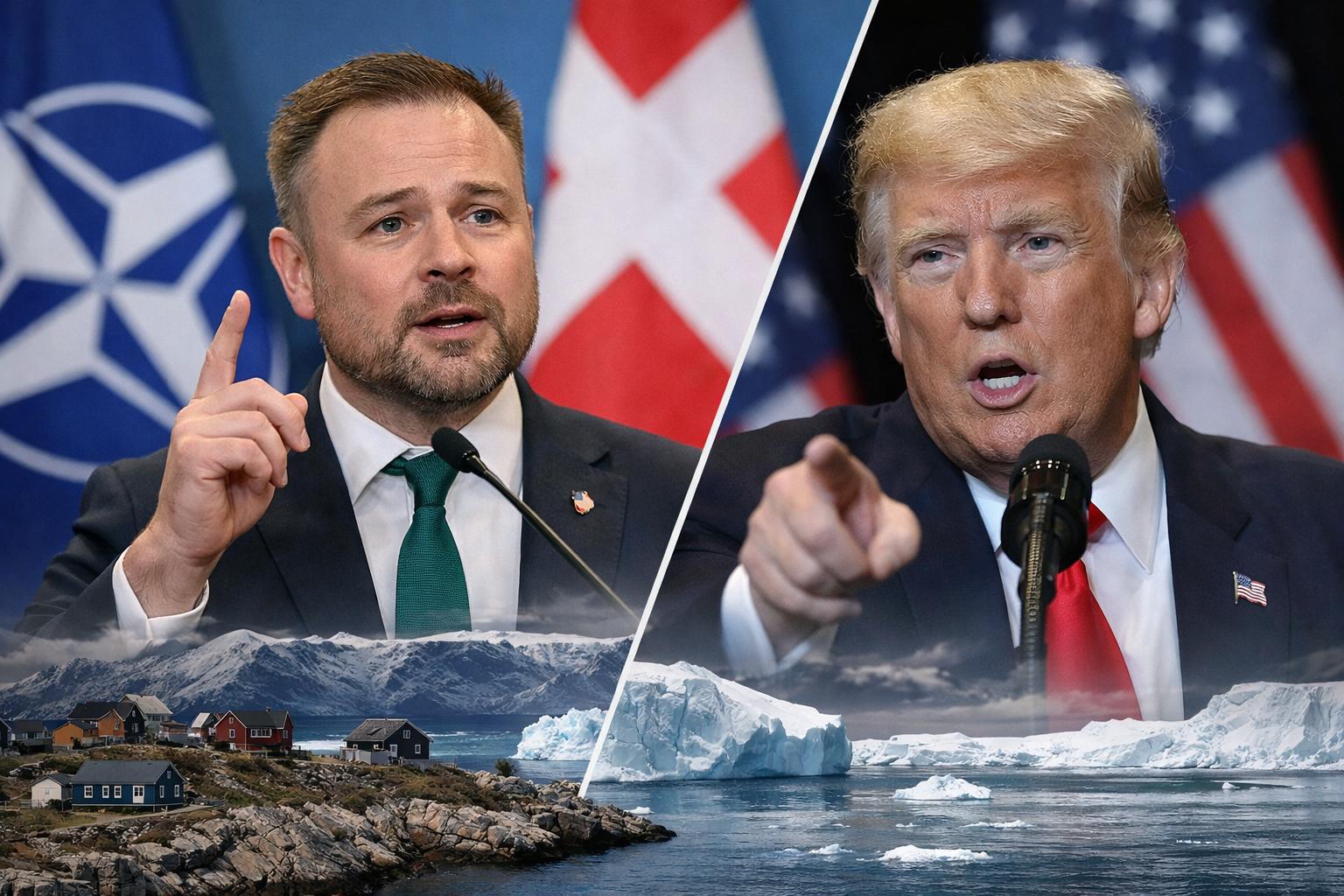
Greenland rejects Trump comments, calls for NATO support on international law
Greenland’s Prime Minister Jens-Frederik Nielsen called on allies within NATO to stand united in defense of international law following renewed remarks by U.S. President Donald Trump regarding the Arctic island. Speaking on Thursday, Nielsen emphasized the importance of maintaining global alliances and post-war geopolitical norms amid rising tensions. The statement followed Trump’s criticism of NATO’s role in recent international conflicts, including its perceived lack of support during U.S. military actions involving Iran. In a social media post, Trump expressed frustration with the alliance and referenced Greenland in dismissive terms, prompting a swift response from Greenland’s leadership. Nielsen rejected the characterization, stating that Greenland is “not some piece of ice,” but a community of approximately 57,000 people committed to international cooperation and respect for allies. He stressed that institutions such as NATO and established international law are increasingly under pressure and require collective defense from member nations. Concerns about U.S. intentions toward Greenland have persisted since earlier in the year, when Trump renewed interest in asserting control over the island, which is an autonomous territory within the Kingdom of Denmark. In January, U.S. officials signaled that military options had not been ruled out, prompting European allies, including Germany and France, to deploy limited forces to Greenland as a precautionary measure. Subsequent discussions between Trump and NATO Secretary General Mark Rutte led to a shift toward diplomatic engagement. Ongoing talks between Greenland, Denmark, and the United States began in late January and continue, with further meetings expected. The United States maintains a military presence in Greenland under a 1951 agreement and has the option to expand operations. Trump and his supporters argue that control of Greenland is strategically important to counter growing influence from Russia and China in the Arctic region. Despite ongoing negotiations, Nielsen indicated skepticism about U.S. intentions, stating that he does not believe the possibility of U.S. control over Greenland has been removed from consideration. He reiterated that any future cooperation must respect Greenland’s autonomy and align with international law.


Greenland rejects Trump comments, calls for NATO support on international law
Greenland’s Prime Minister Jens-Frederik Nielsen called on allies within NATO to stand united in defense of international law following renewed remarks by U.S. President Donald Trump regarding the Arctic island. Speaking on Thursday, Nielsen emphasized the importance of maintaining global alliances and post-war geopolitical norms amid rising tensions. The statement followed Trump’s criticism of NATO’s role in recent international conflicts, including its perceived lack of support during U.S. military actions involving Iran. In a social media post, Trump expressed frustration with the alliance and referenced Greenland in dismissive terms, prompting a swift response from Greenland’s leadership. Nielsen rejected the characterization, stating that Greenland is “not some piece of ice,” but a community of approximately 57,000 people committed to international cooperation and respect for allies. He stressed that institutions such as NATO and established international law are increasingly under pressure and require collective defense from member nations. Concerns about U.S. intentions toward Greenland have persisted since earlier in the year, when Trump renewed interest in asserting control over the island, which is an autonomous territory within the Kingdom of Denmark. In January, U.S. officials signaled that military options had not been ruled out, prompting European allies, including Germany and France, to deploy limited forces to Greenland as a precautionary measure. Subsequent discussions between Trump and NATO Secretary General Mark Rutte led to a shift toward diplomatic engagement. Ongoing talks between Greenland, Denmark, and the United States began in late January and continue, with further meetings expected. The United States maintains a military presence in Greenland under a 1951 agreement and has the option to expand operations. Trump and his supporters argue that control of Greenland is strategically important to counter growing influence from Russia and China in the Arctic region. Despite ongoing negotiations, Nielsen indicated skepticism about U.S. intentions, stating that he does not believe the possibility of U.S. control over Greenland has been removed from consideration. He reiterated that any future cooperation must respect Greenland’s autonomy and align with international law.


Mojtaba Khamenei threatens retaliation, calls for regional support
Iran’s leadership signaled a hardening stance on
Mojtaba Khamenei threatens retaliation, calls for regional support
Iran’s leadership signaled a hardening stance on
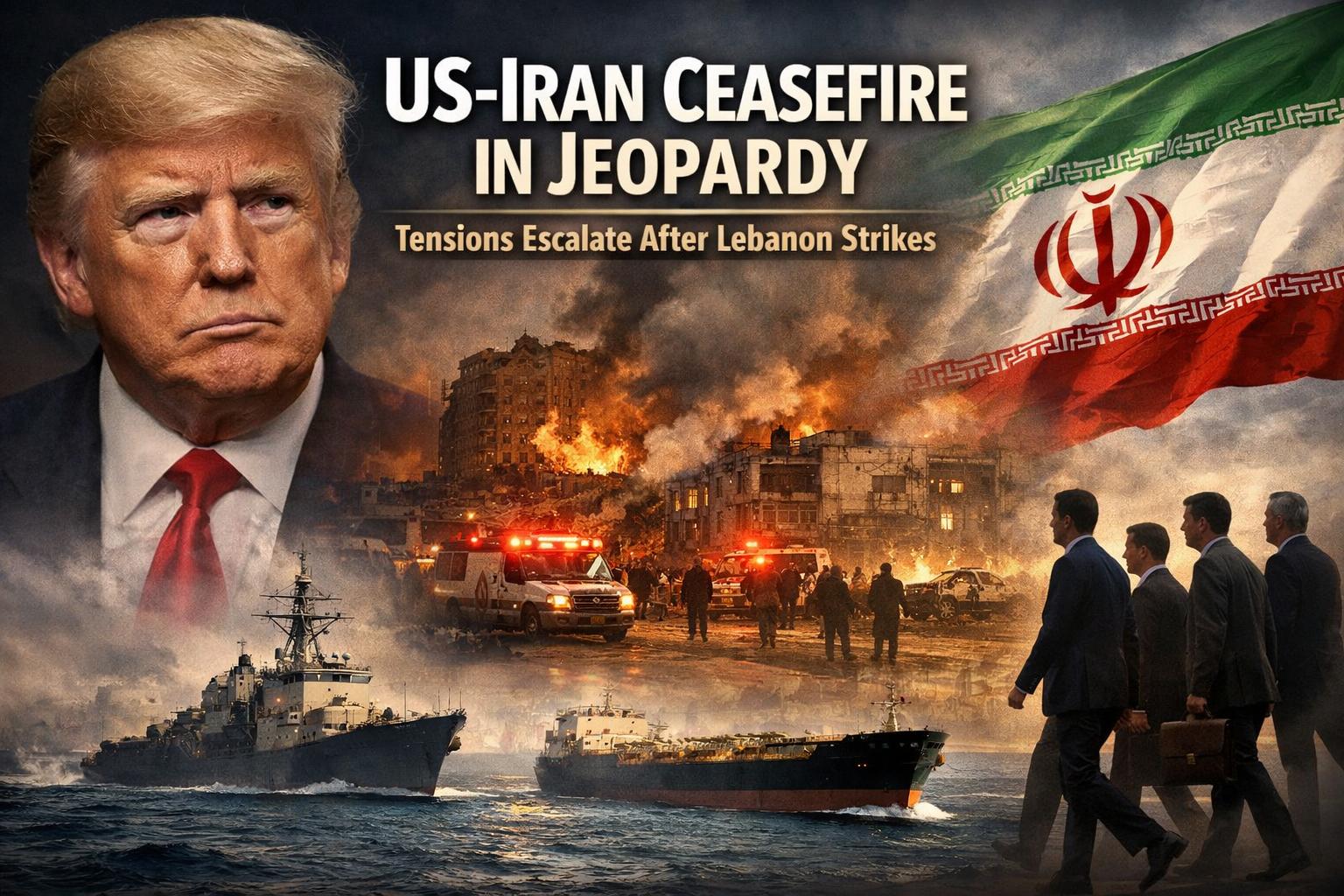
Trump warns Iran amid fragile ceasefire and renewed Middle East strikes
A fragile ceasefire between the United States and Iran is facing renewed uncertainty after escalating regional tensions and conflicting interpretations of the agreement. President Donald Trump issued a warning to Tehran, signaling that U.S. military assets remain on standby if the terms of what he describe
Iran accepts two-week ceasefire amid US pressure on Hormuz Strait
Iran has agreed to a proposed two-week ceasefire amid escalating tensions in the Middle East, following a statement by Donald Trump indicating that the United States would suspend further military action if Tehran fully reopens the strategically critical Strait of Hormuz. The announcement signals a potential pause in hostilities linked to ongoing Iran-Israel tensions, while also highlighting the broader geopolitical stakes tied to global energy security and maritime access. The Strait of Hormuz, a vital passage for a significant portion of the world’s oil supply, has remained at the center of international concern. US officials have made it clear that maintaining open navigation through the waterway is a key condition for de-escalation. The ceasefire agreement is being viewed as a temporary but important step toward reducing immediate risks in the region, particularly for global oil markets and allied economies. At the same time, Washington has underscored that any long-term easing of economic sanctions on Iran will depend on a complete halt to its uranium enrichment activities. The proposed framework reflects a broader US foreign policy approach that links economic relief directly to nuclear compliance, requiring Iran to scale back its nuclear program in exchange for reduced tariffs and sanctions. This conditional strategy is expected to shape the next phase of diplomatic negotiations. The development follows diplomatic outreach from Shehbaz Sharif, who urged an extension of the negotiation timeline and called on Iran to ensure uninterrupted access through the Strait of Hormuz. Pakistan’s involvement underscores the wider regional implications of the crisis and the importance of multilateral engagement. Meanwhile, Iran’s Islamic Revolutionary Guard Corps has issued a strong warning, stating that any US strikes on civilian infrastructure would provoke a response extending beyond the immediate region. The group cautioned that such actions could disrupt oil and gas supplies to the United States and its allies for an extended period, further raising concerns about global energy stability. While the ceasefire offers a temporary reprieve, the situation remains fluid, with key issues surrounding nuclear policy, sanctions, and regional security still unresolved.
US stocks rally as ceasefire with Iran lifts market sentiment
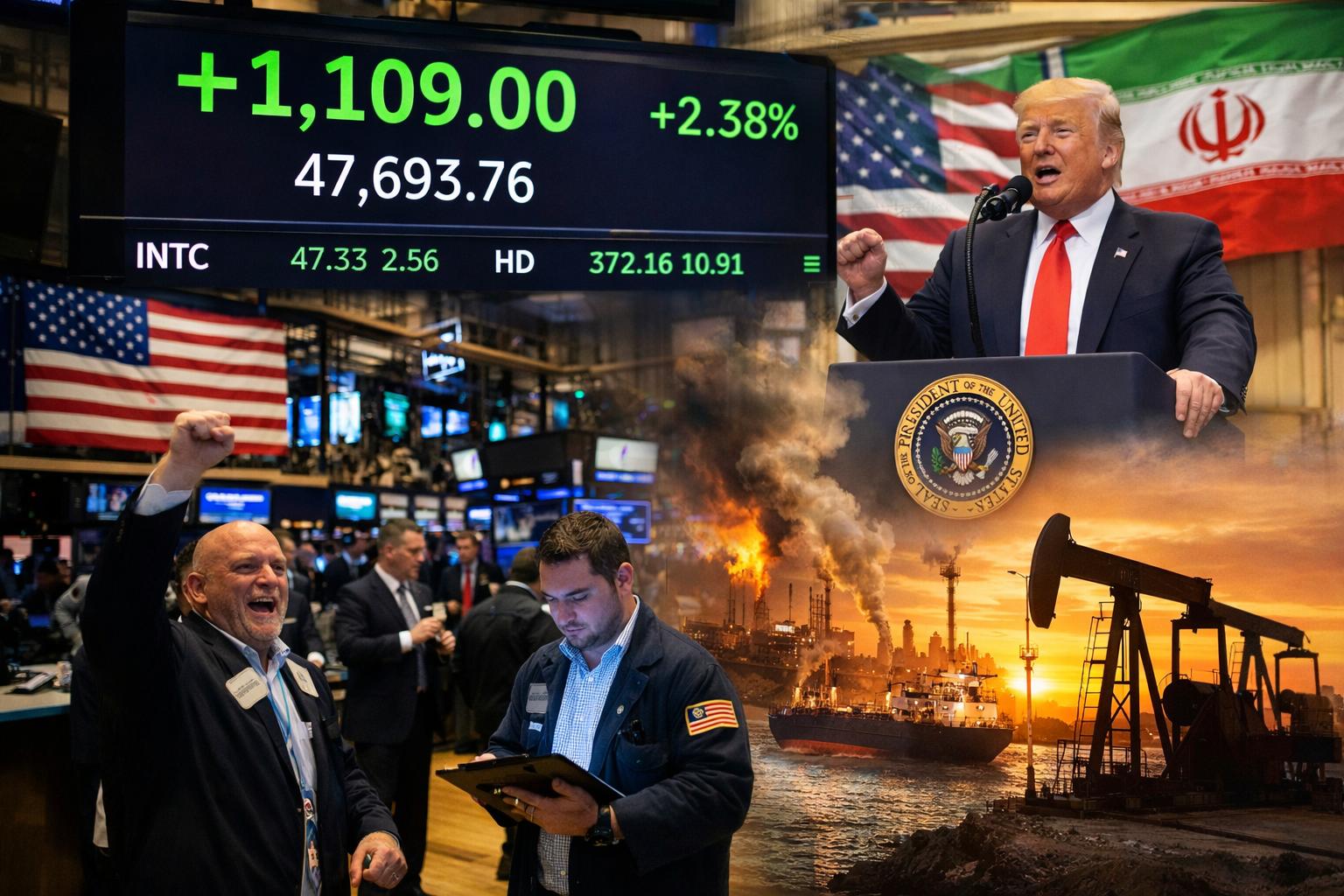
US equities surged sharply on Wednesday as investor sentiment improved following President Donald Trump’s announcement of a temporary two-week ceasefire with Iran. The development eased fears of a prolonged conflict in the Middle East, triggering a broad rally across major indexes and sectors while simultaneously pushing oil prices lower. The Dow Jones Industrial Average climbed 1,109 points to close at 47,693.76, driven by gains in technology, industrial, and financial stocks. Companies such as Intel, Home Depot, and Caterpillar contributed significantly to the upward momentum, reflecting renewed confidence among investors. The S&P 500 rose 2.21%, supported by widespread gains across both growth and cyclical sectors, although energy stocks lagged due to declining crude prices. The Nasdaq Composite advanced 2.48%, led by strong performance in semiconductor and technology stocks, signaling optimism around artificial intelligence and chip demand. The NYSE Composite also gained 1.79%, highlighting strength in large-cap industrial and financial shares. Market sentiment shifted notably after the ceasefire announcement, as earlier concerns about escalating tensions had driven oil prices higher and weighed on equities. Investors responded positively to the prospect of reduced geopolitical risk and the potential reopening of the Strait of Hormuz, a critical shipping route responsible for roughly 20% of global oil supply. Oil prices fell sharply in response, easing inflation concerns. West Texas Intermediate crude declined 17% to $93.42 per barrel, while Brent crude dropped 16% to $91.65 per barrel. The decline in energy costs provided additional support to equities, reinforcing expectations of reduced inflationary pressure and improved economic stability. Overall, the ceasefire announcement acted as a key catalyst for markets, with investors viewing it as a step toward stabilizing global energy flows and reducing geopolitical uncertainty.
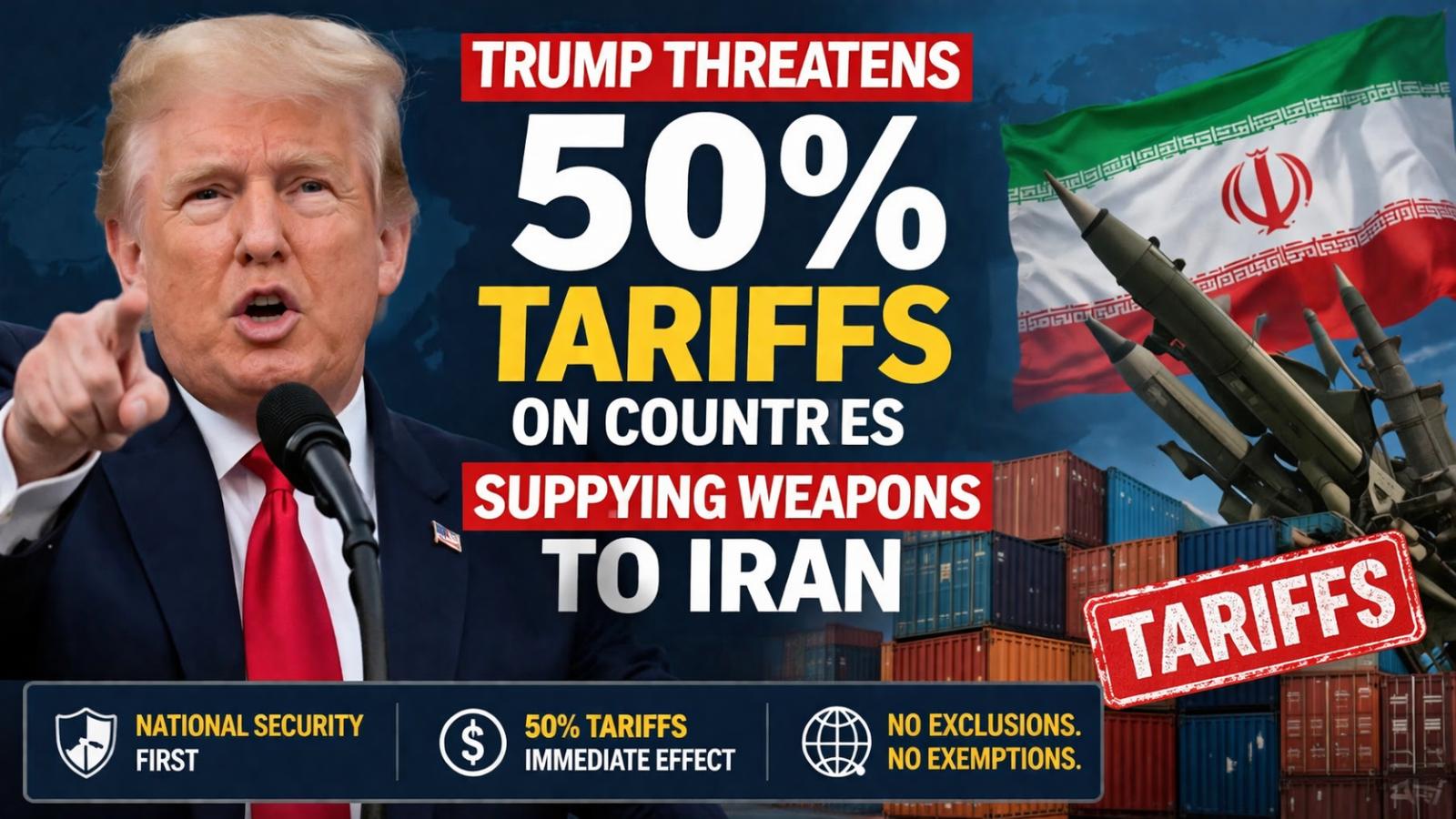
Trump threatens 50% tariffs on countries supplying weapons to Iran
U.S. President Donald Trump announced that the United States will impose tariffs of 50% on goods imported from any country found to be supplying military weapons to Iran, marking a sharp escalation in trade measures tied to geopolitical tensions. In a statement posted on Wednesday, April 8, 2026 (local U.S. time), Trump said the tariffs would take effect immediately and apply broadly. He emphasized that there would be no “exclusions or exemptions,” warning that “any and all” g
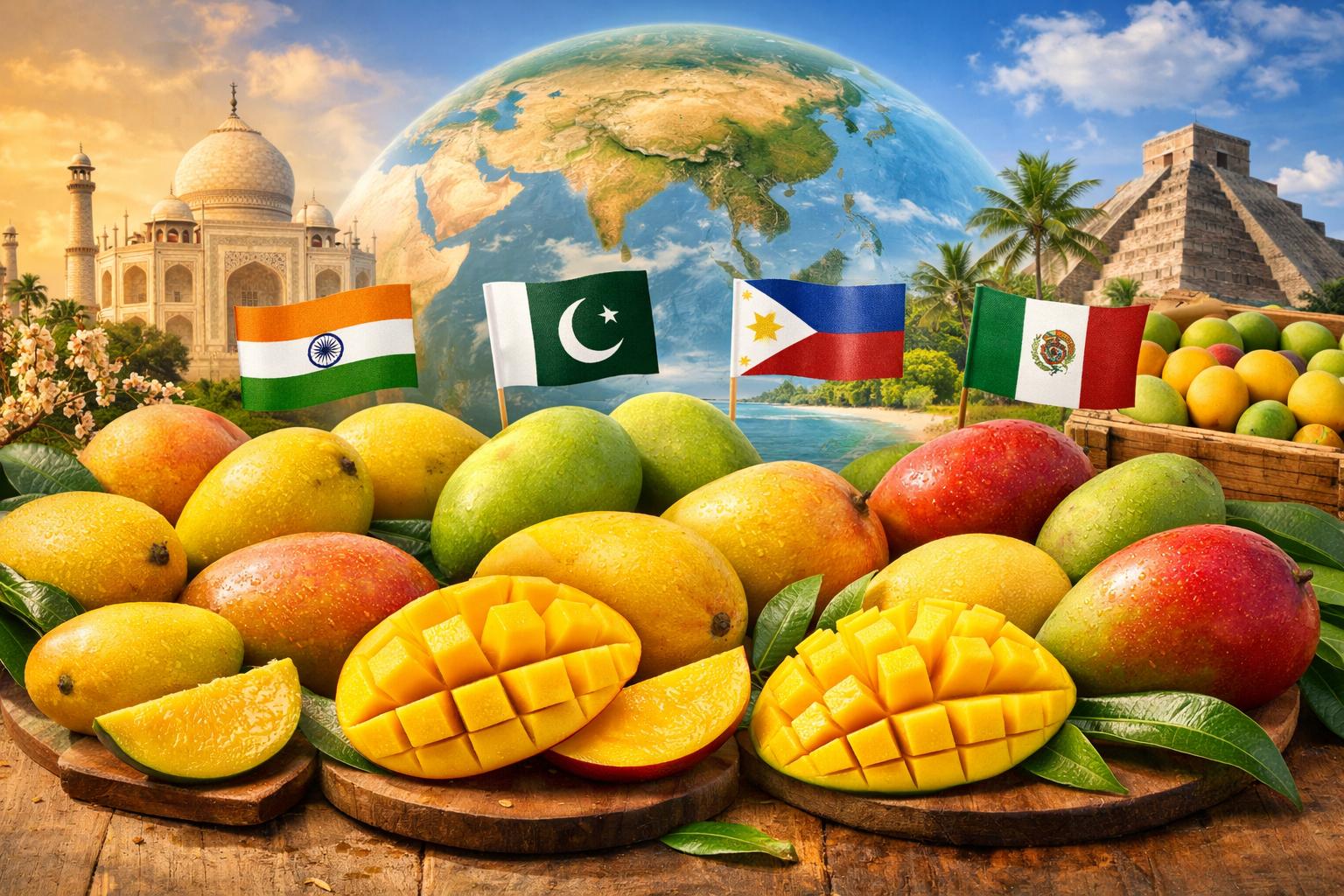
Which country has the best mangoes? A global look at taste and tradition
The question of which country produces the best mangoes may seem simple, but it rarely leads to a clear or universal answer. Across the world’s tropical regions, mangoes are not only a fruit but also a reflection of local climate, soil, and cultural preference. What defines the “best” mango varies widely depending on where it is grown and who is tasting it. India – The Land of Alphonso and Kesar India, one of the largest mango producers in the worl
Saudi oil pipeline hit in Iranian attack, raising global energy concerns
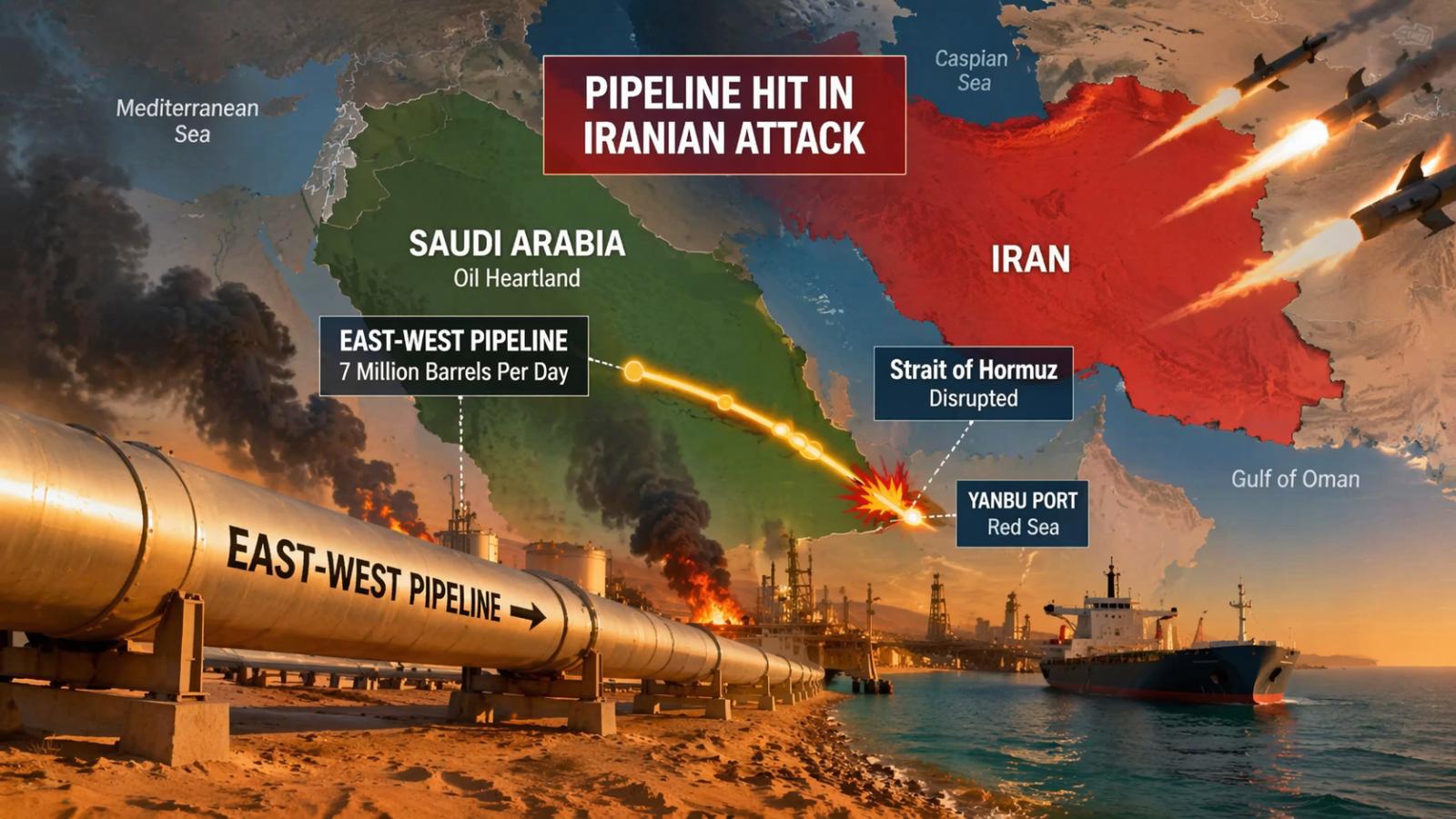
Saudi Arabia’s critical East-West oil pipeline, a key route for crude exports, was struck in an Iranian attack, according to an industry source on Wednesday. The pipeline, currently serving as the kingdom’s primary export outlet after disruptions in the Strait of Hormuz, was among several oil-related facilities targeted across the country. The East-West pipeline plays a central role in maintaining Saudi Arabia’s oil supply chain, transporting approximately 7 million barrels per
India growth forecast raised to 6.6% as South Asia faces economic uncertainty
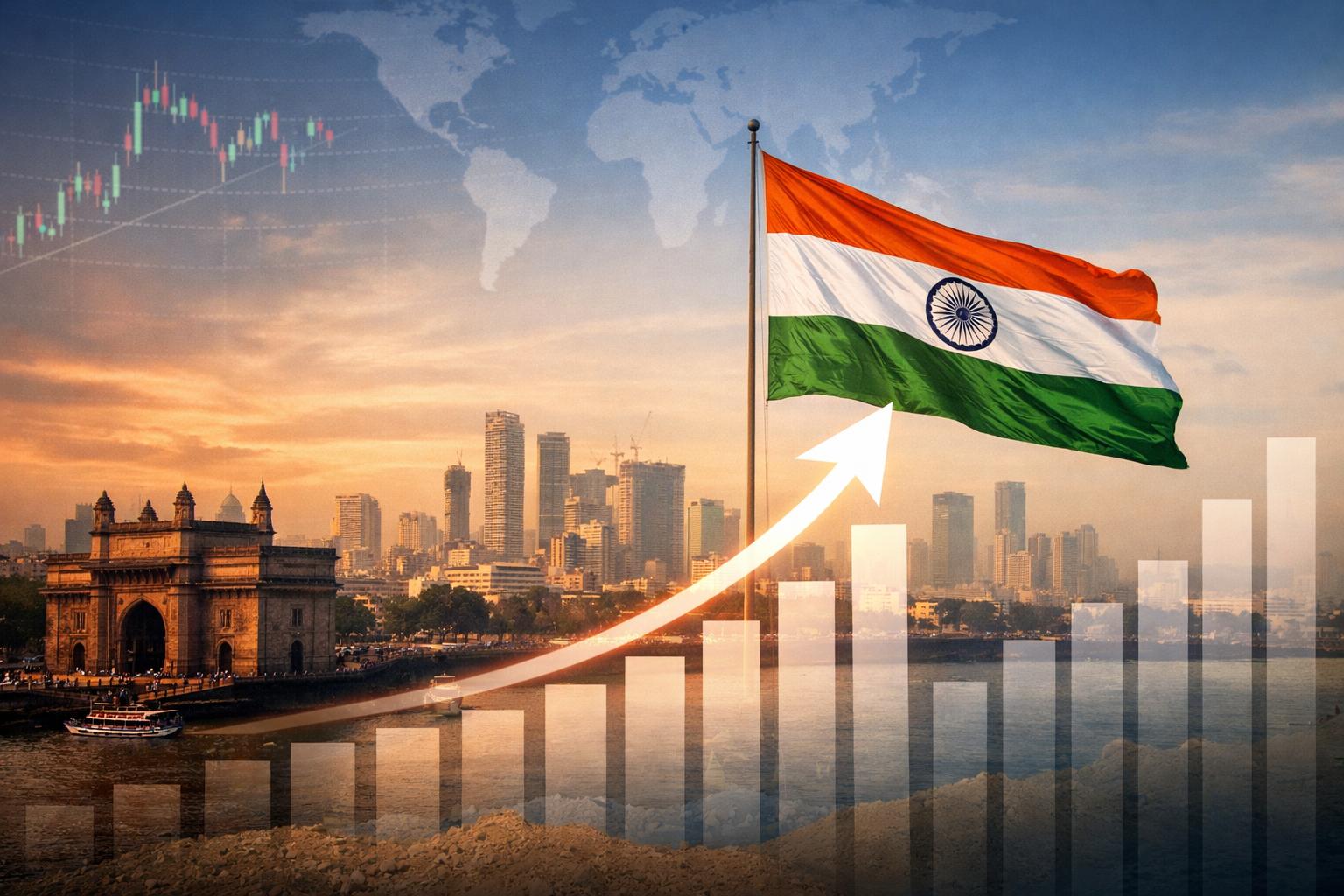
India is expected to remain the central driver of economic growth in South Asia, even as global uncertainties continue to pressure the broader region, according to the latest outlook from the World Bank. The institution has revised India’s growth forecast for the 2026–27 fiscal year upward to 6.6 percent, an increase from its earlier estimate of 6.3 percent, underscoring confidence in the country’s economic resilience. The updated projection comes amid a challenging global environment shaped by geopolitical tensions, shifting trade dynamics, and volatility in energy markets. These factors have weighed on growth expectations across South Asia, where several economies are projected to experience slower expansion in the coming years. Despite these headwinds, India’s performance continues to stand out, supported by strong domestic demand, policy stability, and ongoing structural reforms. For U.S.-based observers and global investors, India’s upgraded outlook signals a relatively stable growth engine within emerging markets in Asia. As economic uncertainty persists worldwide, India’s trajectory offers a degree of predictability that contrasts with the broader regional slowdown. Analysts note that while external risks remain significant, including supply chain disruptions and energy price fluctuations, India’s diversified economy positions it to better absorb global shocks. The World Bank’s revision highlights India’s role as a stabilizing force in South Asia’s economic landscape. While neighboring economies face mounting fiscal and external pressures, India is expected to continue contributing the largest share of regional growth. This dynamic reinforces the country’s importance not only within Asia but also in the context of the global economy, where emerging markets are increasingly influential. Overall, the revised forecast reflects cautious optimism. While challenges persist, India’s economic fundamentals and growth momentum suggest it will remain a key pillar of regional and global economic stability in the years ahead.
US, Iran, Israel agree to fragile two-week ceasefire amid new strikes
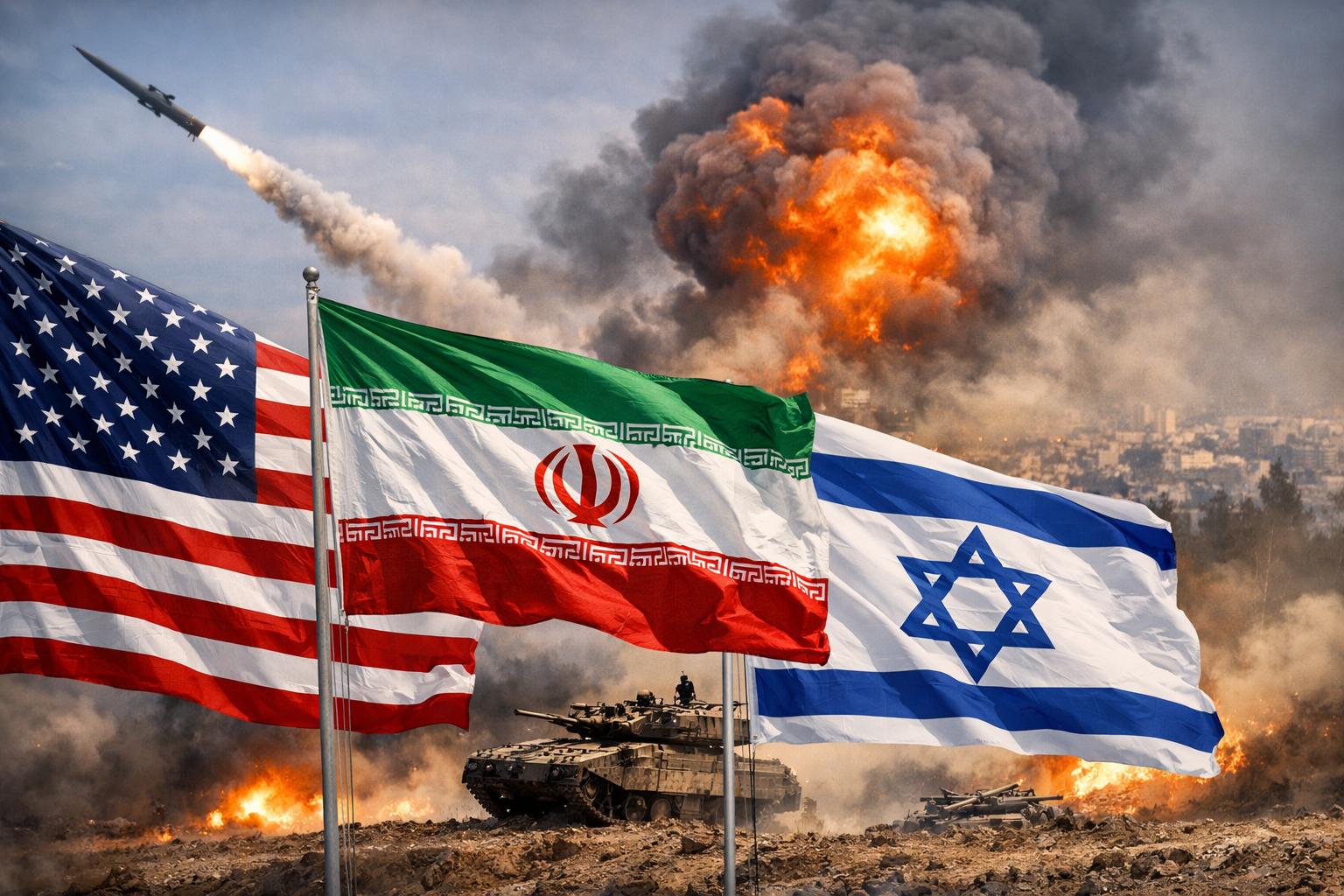
TEHRAN, Iran — Iran, the United States, and Israel agreed to a two-week ceasefire on Wednesday, April 8, 2026 (Iran Standard Time), in a last-minute effort to halt escalating hostilities that had raised fears of a broader regional war. The agreement, described by U.S. Vice President JD Vance as “fragile,” came just hours before the United States was expected to launch a major bombing campaign against Iran. Despite the announcement, reports of renewed missile and drone attacks
RBI Keeps Repo Rate Steady at 5.25% in First FY27 Monetary Policy
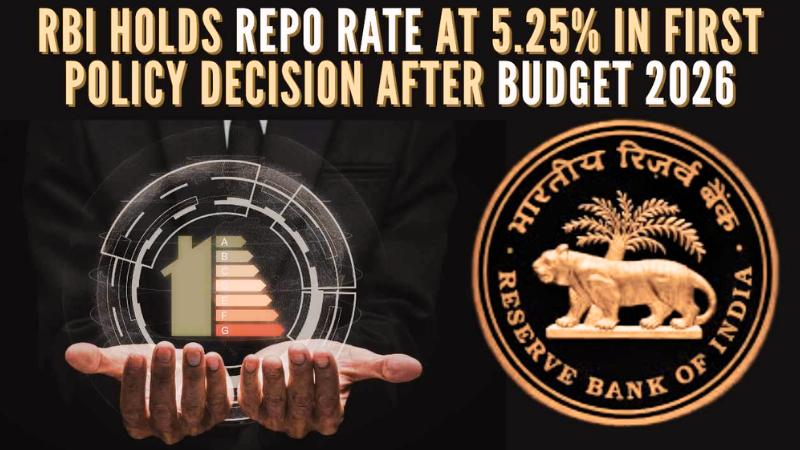
The Reserve Bank of India has kept the policy repo rate unchanged at 5.25% in its first monetary policy announcement for the financial year 2026–27. The decision was announced by RBI Governor Sanjay Malhotra following a detaile
RBI Keeps Repo Rate Steady at 5.25% in First FY27 Monetary Policy
The Reserve Bank of India has kept the policy repo rate unchanged at 5.25% in its first monetary policy announcement for the financial year 2026–27. The decision was announced by RBI Governor Sanjay Malhotra following a detaile
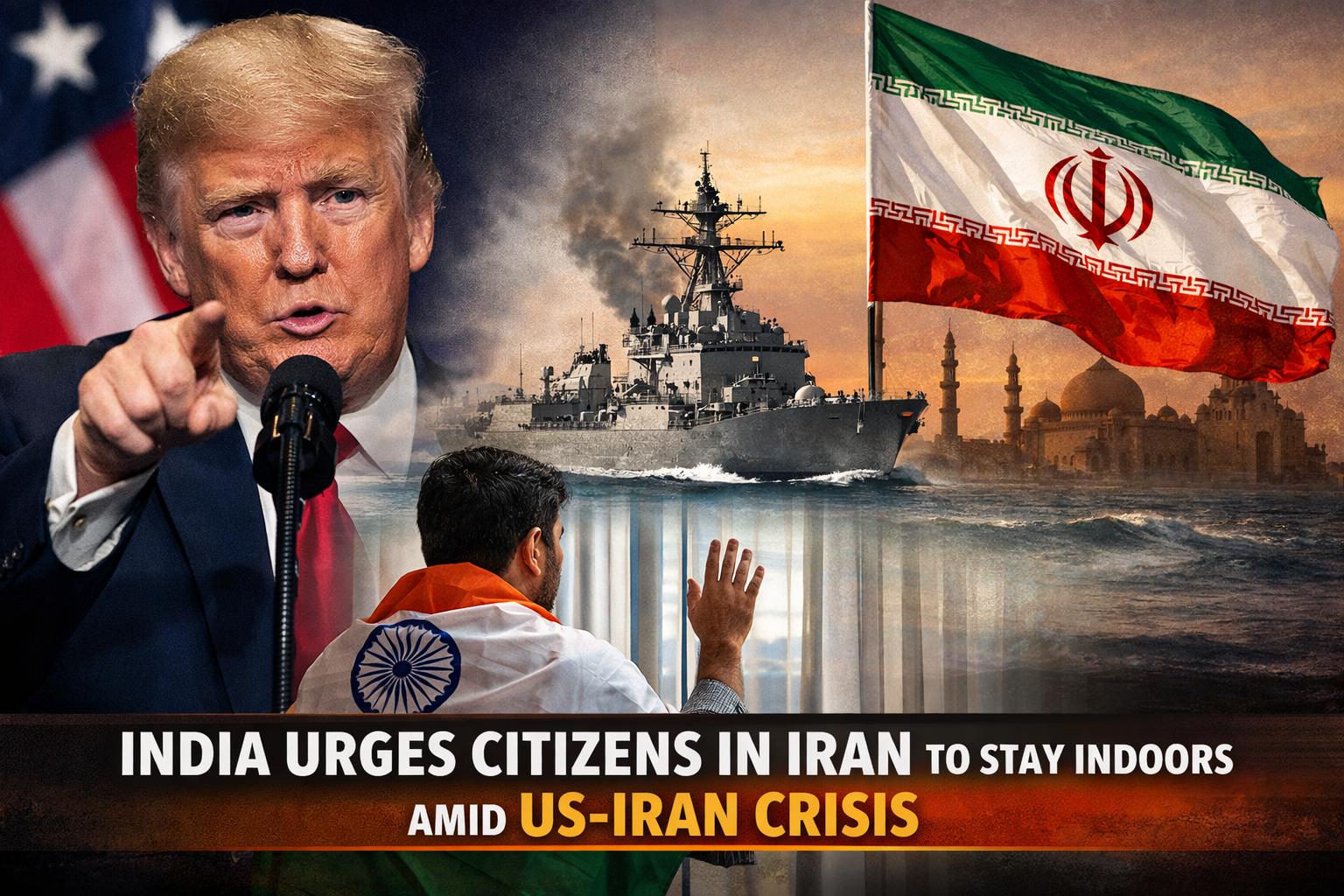
Indian embassy issues 48-hour advisory in Iran as Trump deadline nears
The Indian embassy in Iran issued a security advisory on Tuesday, April 7, 2026, urging Indian nationals across the country to remain indoors for the next 48 hours as geopolitical tensions intensify between the United States and Iran. The advisory comes amid heightened uncertainty surrounding a deadline set by US President Donald Trump related to reopening the Strait of Hormuz, a critical global shipping route. In its official statement released from Tehran, the embassy instructed
Oil prices rise as Trump warns Iran ahead of Hormuz deadline
Oil prices climbed sharply on Tuesday (date not sp
Oil prices rise as Trump warns Iran ahead of Hormuz deadline
Oil prices climbed sharply on Tuesday (date not sp
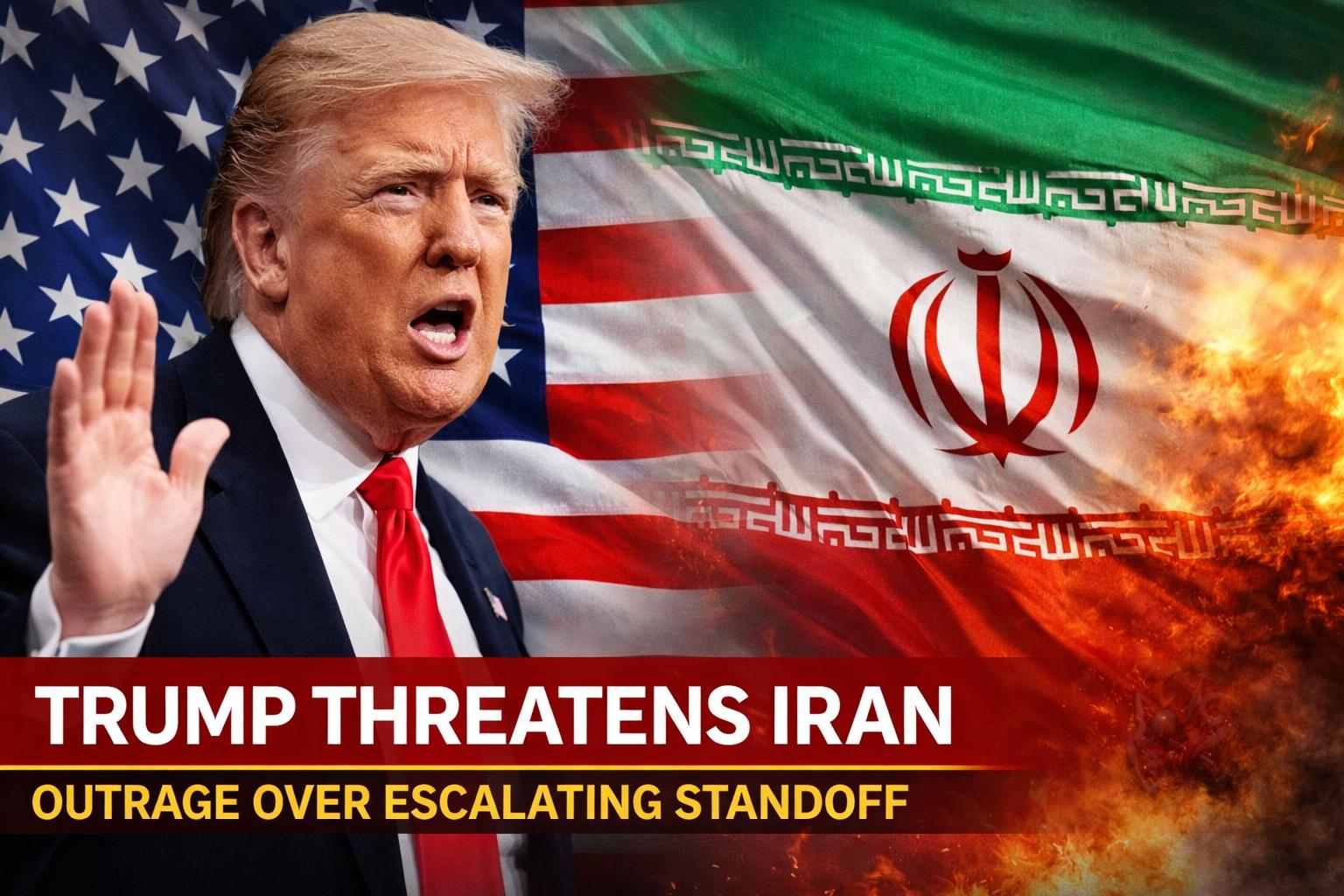
Trump faces backlash over threat against Iran amid rising tensions
President Donald Trump faced widespread criticism after issuing a stark warning toward Iran, threatening the destruction of the country’s civilization if it failed to meet U.S. demands by 8:00 PM on Tuesday, though the exact date was not specified. The remarks, posted on social media, intensified already heightened tensions between the United States and Iran. Iran responded by suspending direct communications with Washington, while continuing indirect discussions through cease-fir
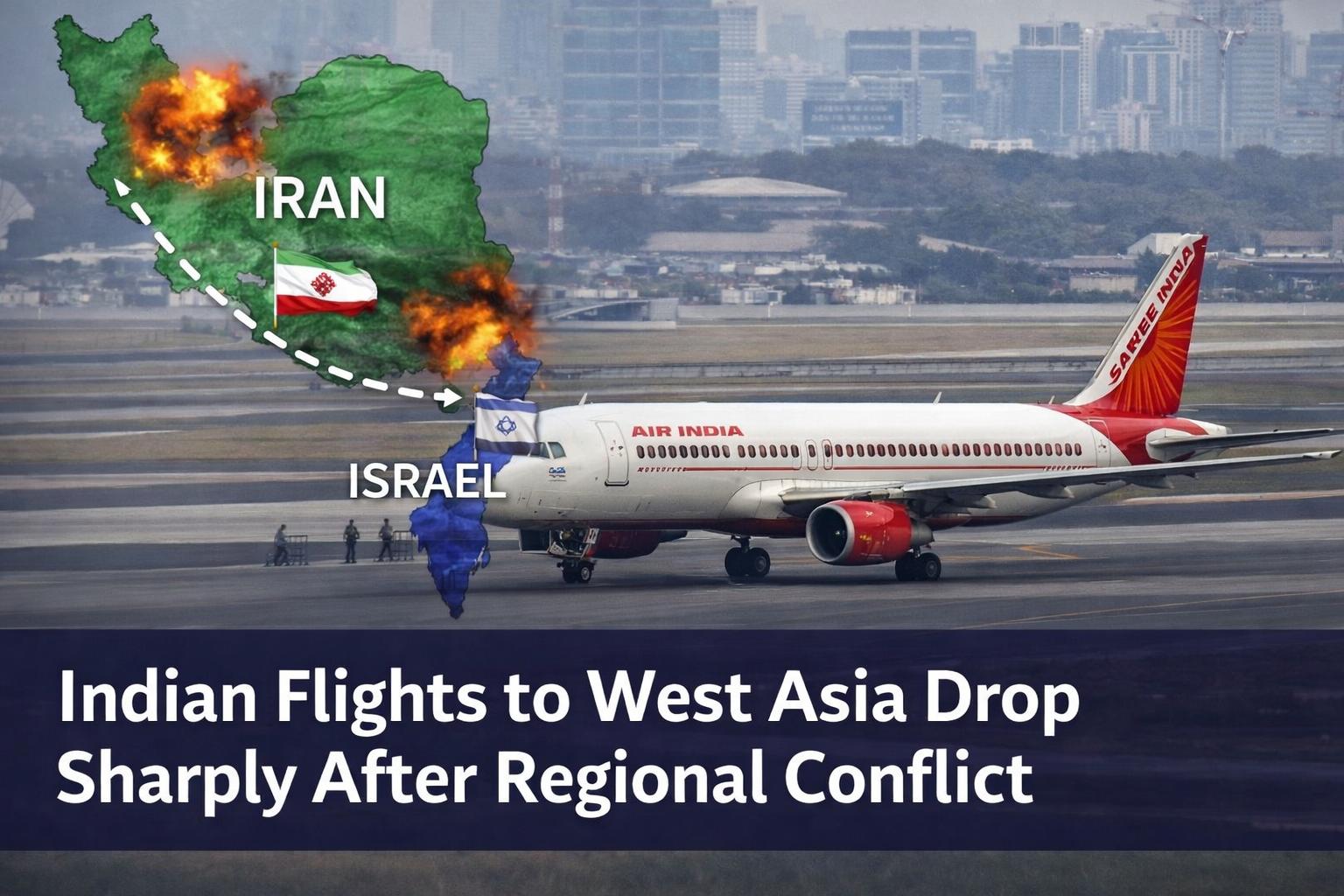
Over 10,000 flights canceled as West Asia war disrupts Indian carriers
More than 10,000 flights operated by Indian carrie
Over 10,000 flights canceled as West Asia war disrupts Indian carriers
More than 10,000 flights operated by Indian carrie
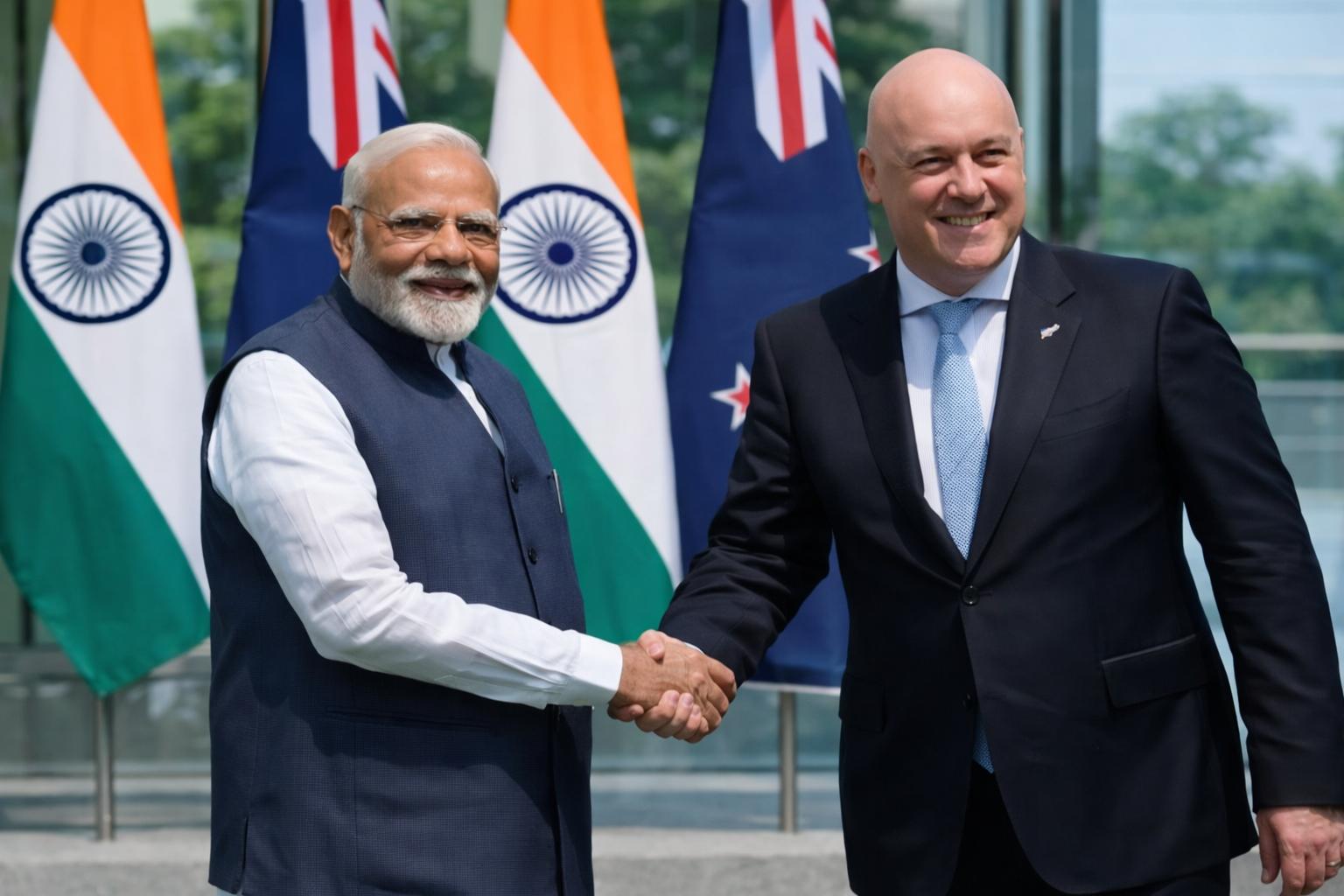
India, New Zealand to sign free trade agreement on April 24
India and New Zealand are expected to sign a Free Trade Agreement (FTA) on Thursday, April 24, 2026, in India, marking a significant step toward strengthening bilateral trade and economic cooperation. The agreement, which follows the conclusion of negotiations announced on Sunday, December 22, 2025, is expected to provide tariff-free access for Indian exporters to the New Zealand market while attracting an estimated $20 billion in investment over the next 15 years. According to offi
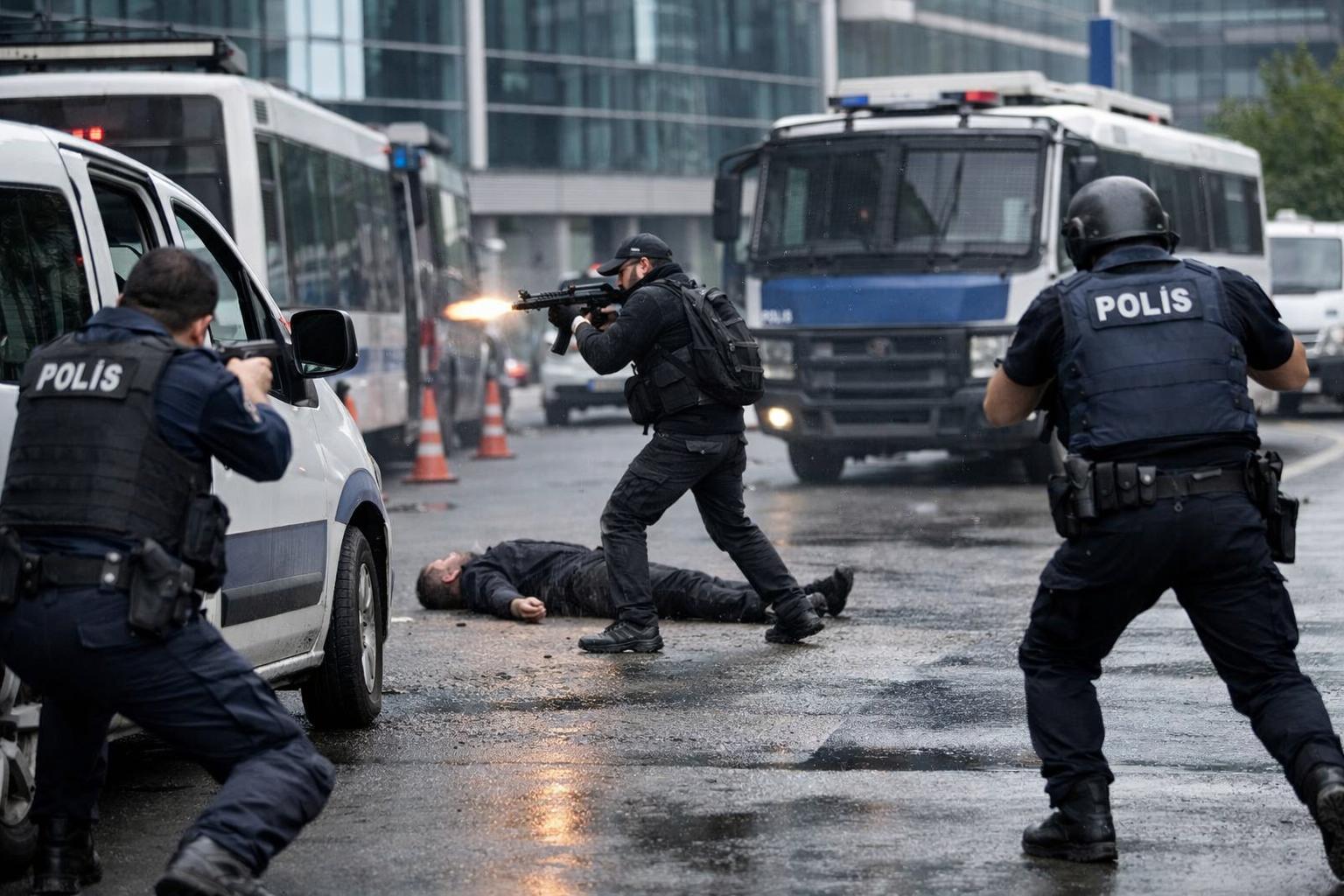
Gun battle near Israeli consulate in Istanbul leaves one attacker dead
A prolonged gun battle outside a high-rise building housing the Israeli consulate in Istanbul left one attacker dead and two others wounded on Tuesday, April 7, 2026, Turkish authorities said. The exchange of gunfire, which lasted approximately 10 minutes, unfolded just after midday local time (IST equivalent), in a densely populated financial district marked by office towers and heavy security presence. According to officials and eyewitness accounts, police stationed at a permanent c
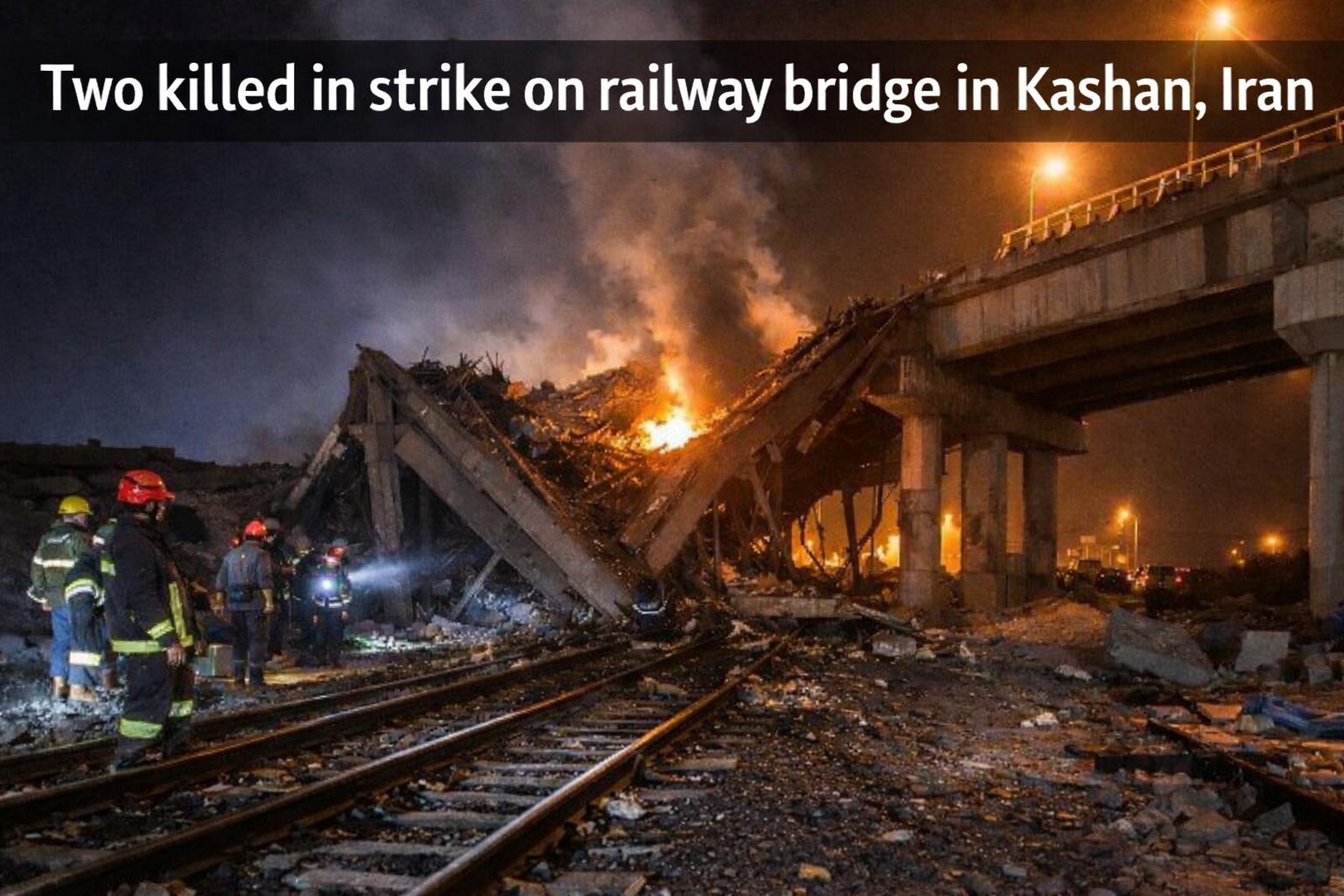
Two killed in strike on railway bridge in Iran’s Kashan, officials say
Two people were killed and three others injured in a strike on a railway bridge in the central Iranian city of Kashan, according to regional authorities. The incident occurred at approximately 4:52 PM IST on Tuesday, April 7, 2026 (which was early morning, Tuesday, April 7, 2026, in the United States), based on available live updates. Akbar Salehi, a senior security official in Isfahan province, said the Yahya Abad railway bridge in Kashan was targeted in what he described as an attack involving U.S. and Israeli forces. He stated that the strike resulted in civilian casualties, confirming two fatalities and three injuries. Authorities reported disruptions to transportation infrastructure following the incident. A key highway in northern Iran was closed after the strike, though officials did not immediately provide details on the extent of the damage or how long the closure would remain in effect. No independent confirmation of the attack or its attribution has been released. The situation remains fluid as officials continue to assess the damage and broader security implications in the region.