





































US Strikes Iranian Tankers as Strait of Hormuz Tensions Surge
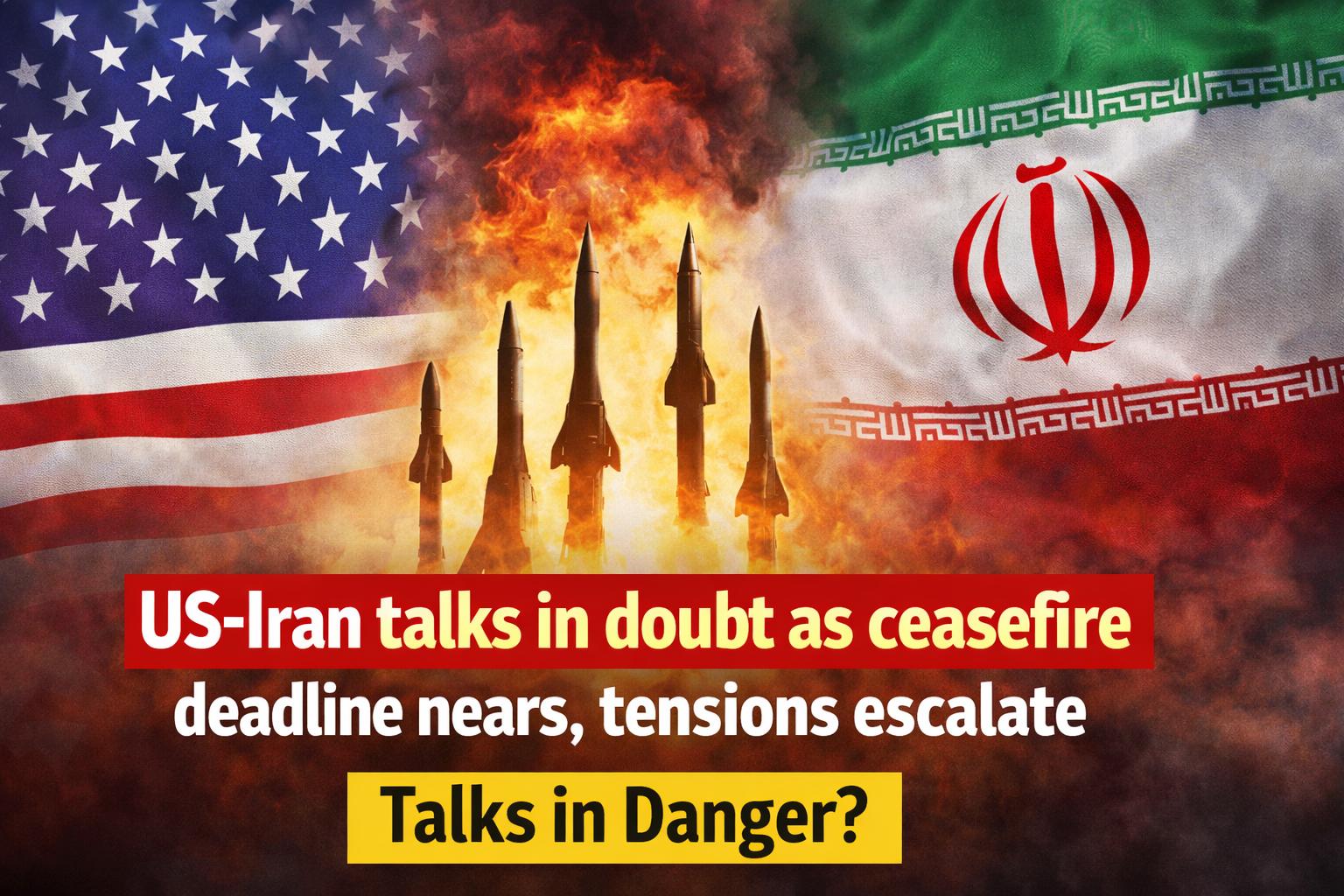
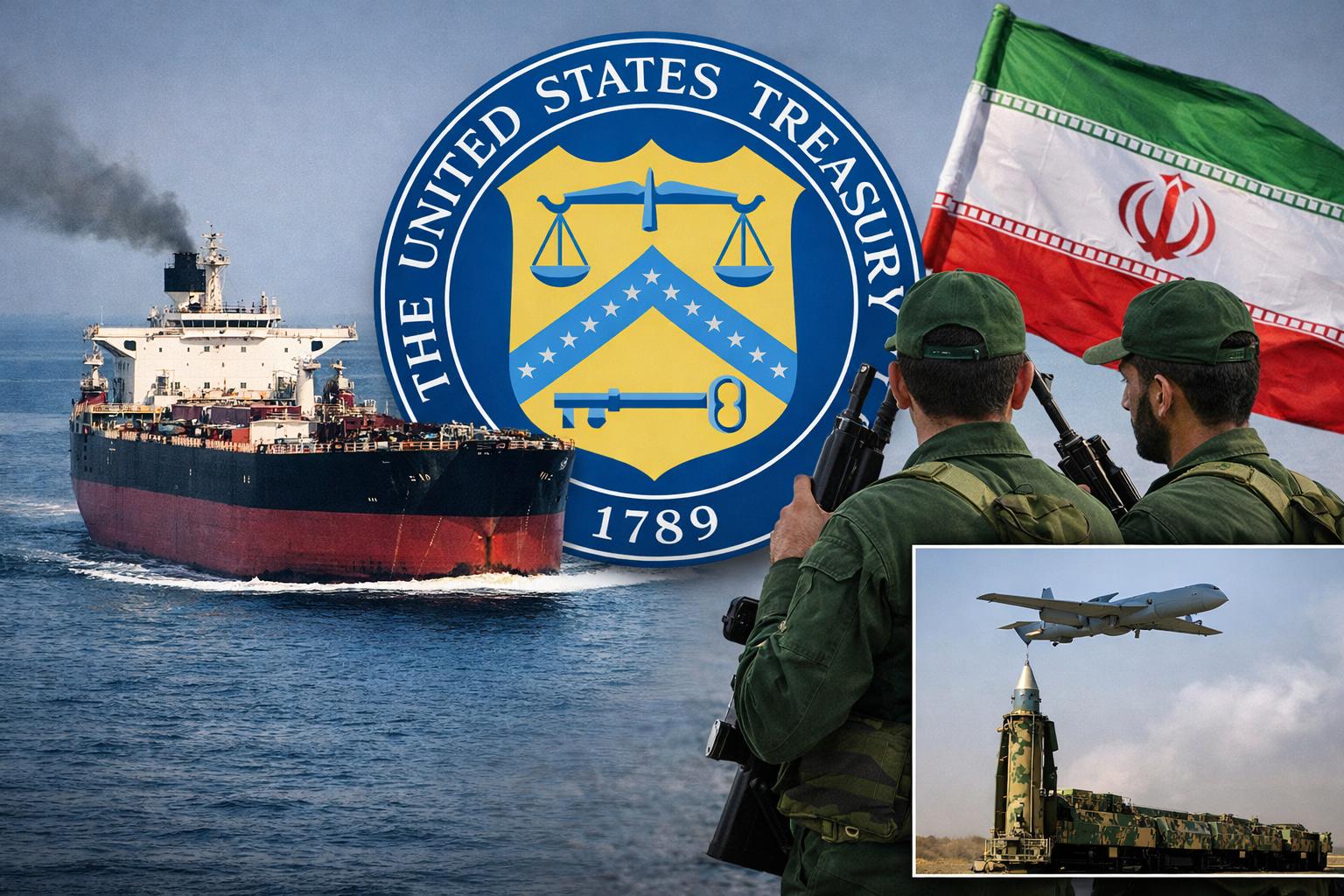
US Iran Tanker Strike Raises Gulf Tensions US forces disabled two Iranian-flagged tankers near the Gulf of Oman on Friday, May 8, 2026, after CENTCOM said the vessels violated an ongoing maritime blockade. The tankers, identified as M/T Sea Star III and M/T Sevda, were stopped before entering an Iranian port. US Central Command said both vessels were empty at the time and were no longer heading toward Iran after the strike. CENTCOM Says Blockade Enforcement Is Continuing Officials said the operation was carried out as part of wider US efforts to enforce maritime restrictions around Iranian ports. The action follows a similar incident earlier in the week, when another Iranian-linked vessel was disabled while attempting to reach Iran. The latest strike comes as US Navy assets remain active across the Gulf region, including carrier-based aircraft supporting blockade enforcement and maritime security operations. Why the Strait of Hormuz Matters The Strait of Hormuz is one of the world’s most important energy corridors, making any military escalation there a direct concern for oil markets, shipping companies, and regional governments. Reports of sporadic clashes and rising naval activity have increased fears of wider disruption. While US officials describe the strikes as limited enforcement action, the incident adds fresh pressure to already fragile diplomatic efforts between Washington and Tehran. For global markets, the key question is whether the confrontation remains contained—or turns into a longer Gulf shipping crisis.
US Strikes Iranian Tankers as Strait of Hormuz Tensions Surge
US Iran Tanker Strike Raises Gulf Tensions US forces disabled two Iranian-flagged tankers near the Gulf of Oman on Friday, May 8, 2026, after CENTCOM said the vessels violated an ongoing maritime blockade. The tankers, identified as M/T Sea Star III and M/T Sevda, were stopped before entering an Iranian port. US Central Command said both vessels were empty at the time and were no longer heading toward Iran after the strike. CENTCOM Says Blockade Enforcement Is Continuing Officials said the operation was carried out as part of wider US efforts to enforce maritime restrictions around Iranian ports. The action follows a similar incident earlier in the week, when another Iranian-linked vessel was disabled while attempting to reach Iran. The latest strike comes as US Navy assets remain active across the Gulf region, including carrier-based aircraft supporting blockade enforcement and maritime security operations. Why the Strait of Hormuz Matters The Strait of Hormuz is one of the world’s most important energy corridors, making any military escalation there a direct concern for oil markets, shipping companies, and regional governments. Reports of sporadic clashes and rising naval activity have increased fears of wider disruption. While US officials describe the strikes as limited enforcement action, the incident adds fresh pressure to already fragile diplomatic efforts between Washington and Tehran. For global markets, the key question is whether the confrontation remains contained—or turns into a longer Gulf shipping crisis.
Israel Envoy Highlights Deep India-Israel Ties at Delhi Event
India-Israel Ties Take Cultural Spotlight In New Delhi India-Israel ties were in focus in New Delhi as Israeli Ambassador Reuven Azar highlighted India’s Jewish heritage, cultural openness and growing people-to-people connection during a mural event linked to Zubin Mehta and the Israel Philharmonic Orchestra. The newly commissioned mural at the Israeli Embassy celebrates Mehta’s long association with the Israel Philharmonic, which is marking its 90th
Israel Envoy Highlights Deep India-Israel Ties at Delhi Event
India-Israel Ties Take Cultural Spotlight In New Delhi India-Israel ties were in focus in New Delhi as Israeli Ambassador Reuven Azar highlighted India’s Jewish heritage, cultural openness and growing people-to-people connection during a mural event linked to Zubin Mehta and the Israel Philharmonic Orchestra. The newly commissioned mural at the Israeli Embassy celebrates Mehta’s long association with the Israel Philharmonic, which is marking its 90th
US Strikes Iranian Tankers Near Hormuz as Gulf Ceasefire Talks Face Breaking Point
US-Iran Hormuz Tanker Strike Deepens Gulf Crisis US forces struck two Iranian tankers near the Strait of Hormuz on May 8, 2026, as fragile Gulf ceasefire talks stalled. The move has raised fresh fears over oil shipping, regional security and the next step in Washington-Tehran diplomacy. What Happened Near the Strait of Hormuz? US Central Command said American forces d
US Strikes Iranian Tankers Near Hormuz as Gulf Ceasefire Talks Face Breaking Point
US-Iran Hormuz Tanker Strike Deepens Gulf Crisis US forces struck two Iranian tankers near the Strait of Hormuz on May 8, 2026, as fragile Gulf ceasefire talks stalled. The move has raised fresh fears over oil shipping, regional security and the next step in Washington-Tehran diplomacy. What Happened Near the Strait of Hormuz? US Central Command said American forces d
Iran launches missile and drone attacks on UAE as US forces strike Iranian targets
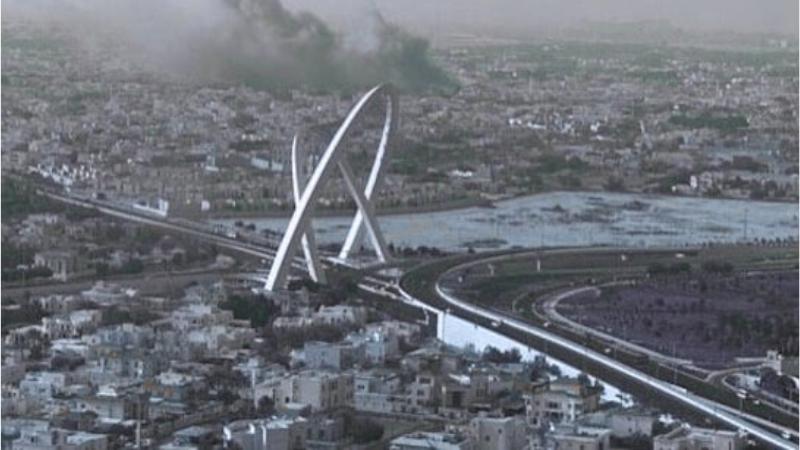
On May 8, Iran launched missile and drone attacks targeting the United Arab Emirates (UAE), hours after American forces destroyed Iranian attackers targeting US Navy destroyers in the Strait of Hormuz. The UAE Ministry of Defense confirmed that the country’s air defense systems were actively engaging the incoming threats. The attack prompted authorities to issue a public advisory, urging the public not to approach, photograph, or touch any debris from the successful interceptions.
Iran launches missile and drone attacks on UAE as US forces strike Iranian targets
On May 8, Iran launched missile and drone attacks targeting the United Arab Emirates (UAE), hours after American forces destroyed Iranian attackers targeting US Navy destroyers in the Strait of Hormuz. The UAE Ministry of Defense confirmed that the country’s air defense systems were actively engaging the incoming threats. The attack prompted authorities to issue a public advisory, urging the public not to approach, photograph, or touch any debris from the successful interceptions.
Trump dismisses Iran's attacks on US warships as 'a trifle' amid ongoing ceasefire
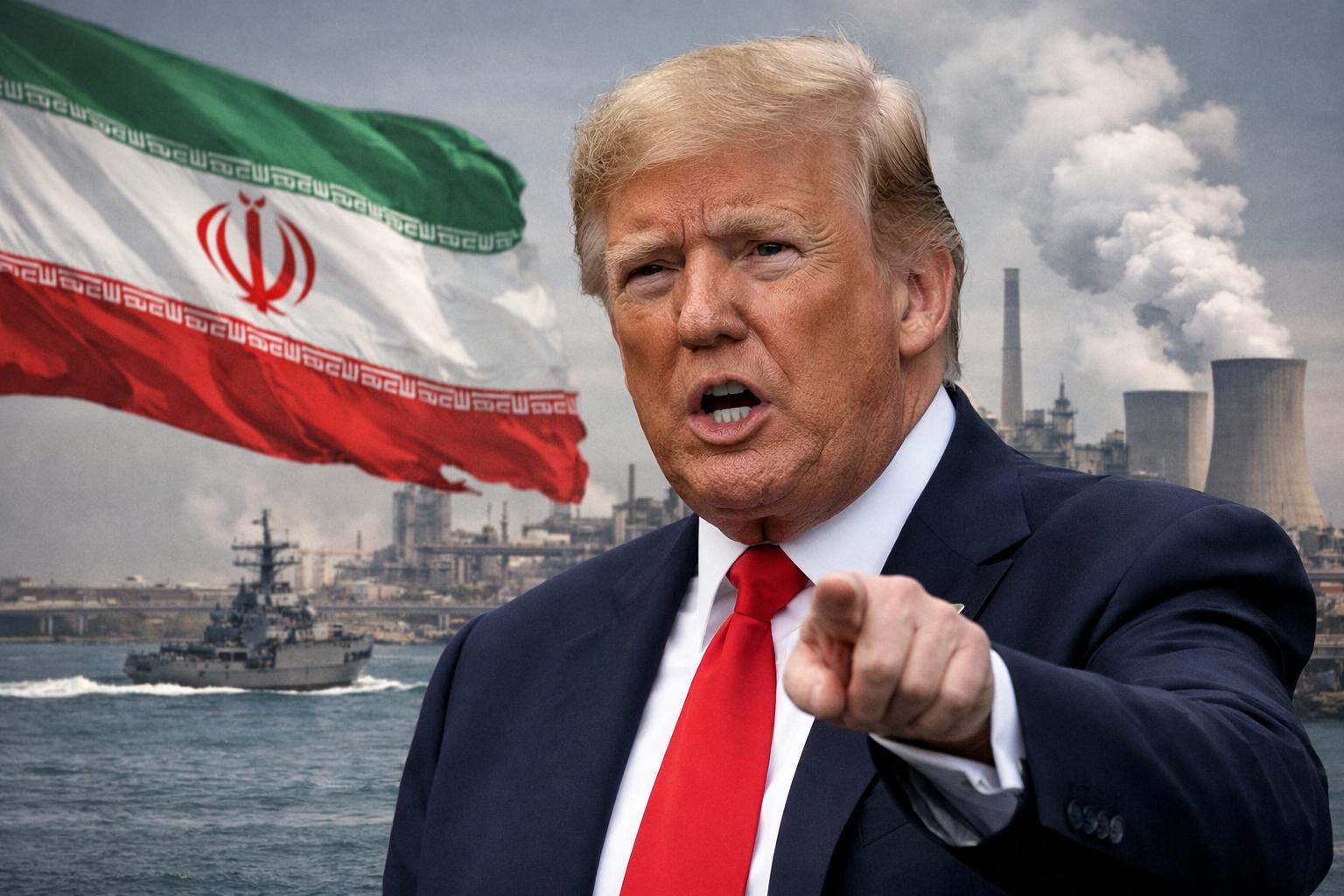
On May 7, 2026, President Donald Trump responded dismissively to recent Iranian attacks on three American warships, calling the incident "a trifle" and maintaining that the ceasefire between the two nations remained intact. During a visit to the Lincoln Memorial Reflecting Pool renovations, Trump told reporters, "They trifled with us today. We blew them away. They trifled. I call that a trifle." Despite the missile and drone strikes launched by Iranian forces, Trump assured the press that the
Trump dismisses Iran's attacks on US warships as 'a trifle' amid ongoing ceasefire
On May 7, 2026, President Donald Trump responded dismissively to recent Iranian attacks on three American warships, calling the incident "a trifle" and maintaining that the ceasefire between the two nations remained intact. During a visit to the Lincoln Memorial Reflecting Pool renovations, Trump told reporters, "They trifled with us today. We blew them away. They trifled. I call that a trifle." Despite the missile and drone strikes launched by Iranian forces, Trump assured the press that the
Trump Claims US Forces Destroy Iranian Attackers in Strait of Hormuz
On May 7, President Donald Trump claimed that U.S. forces successfully destroyed Iranian attackers targeting three U.S. Navy destroyers as they transited the Strait of Hormuz. Trump, in a post on Truth Social, reported that the American destroyers were under fire but sustained no damage. He further stated that the Iranian attackers, along with several small boats used by the attackers, were completely destroyed. According to Trump, Iranian missiles fired at the U.S. destroyers were easi
Trump Claims US Forces Destroy Iranian Attackers in Strait of Hormuz
On May 7, President Donald Trump claimed that U.S. forces successfully destroyed Iranian attackers targeting three U.S. Navy destroyers as they transited the Strait of Hormuz. Trump, in a post on Truth Social, reported that the American destroyers were under fire but sustained no damage. He further stated that the Iranian attackers, along with several small boats used by the attackers, were completely destroyed. According to Trump, Iranian missiles fired at the U.S. destroyers were easi
Trump Warns EU of Higher Tariffs if Trade Agreement Isn't Finalized by July 4
President Donald Trump issued a firm ultimatum on Thursday (May 7) to the European Union (EU), demanding that the 27-member bloc finalize and ratify its trade agreement with the United States by July 4, or face significantly higher tariffs. Trump’s statement followed a recent conversation with European Commission President Ursula von der Leyen, during which they discussed delays in approving the trade agreement. Trump set a deadline for the deal to be finalized by the U.S. Independenc
Trump Warns EU of Higher Tariffs if Trade Agreement Isn't Finalized by July 4
President Donald Trump issued a firm ultimatum on Thursday (May 7) to the European Union (EU), demanding that the 27-member bloc finalize and ratify its trade agreement with the United States by July 4, or face significantly higher tariffs. Trump’s statement followed a recent conversation with European Commission President Ursula von der Leyen, during which they discussed delays in approving the trade agreement. Trump set a deadline for the deal to be finalized by the U.S. Independenc
Iran and US Accuse Each Other of Violating Ceasefire in Strait of Hormuz
In a dramatic escalation of tensions in the Middle East, Iran's central military command has accused the United States of violating a ceasefire agreement by launching attacks on vessels in the Strait of Hormuz. According to a statement from the Khatam Al Anbiya headquarters, Iranian forces retaliated by targeting U.S. military ships. The statement, broadcasted on Iranian state television, claimed that the U.S. had attacked an Iranian oil tanker traveling from Iran's Jask region toward t
Iran and US Accuse Each Other of Violating Ceasefire in Strait of Hormuz
In a dramatic escalation of tensions in the Middle East, Iran's central military command has accused the United States of violating a ceasefire agreement by launching attacks on vessels in the Strait of Hormuz. According to a statement from the Khatam Al Anbiya headquarters, Iranian forces retaliated by targeting U.S. military ships. The statement, broadcasted on Iranian state television, claimed that the U.S. had attacked an Iranian oil tanker traveling from Iran's Jask region toward t
Trump’s 10% Global Tariffs Face Legal Setback, Court Orders Refunds
The Trump administration had introduced the 10% tariff in February, following a Supreme Court decision that struck down many of his earlier tariffs. The administration argued that the new measure was necessary to address balance-of-payments deficits, citing Section 122 of the Trade Act of 1974. However, the court found that this legal justification was not applicable to the current situation. The U.S. trade court's ruling has implications for the administrat
Trump’s 10% Global Tariffs Face Legal Setback, Court Orders Refunds
The Trump administration had introduced the 10% tariff in February, following a Supreme Court decision that struck down many of his earlier tariffs. The administration argued that the new measure was necessary to address balance-of-payments deficits, citing Section 122 of the Trade Act of 1974. However, the court found that this legal justification was not applicable to the current situation. The U.S. trade court's ruling has implications for the administrat
EU-India FTA Could Start Within A Year: What The Landmark Trade Deal Means For Exporters
EU-India FTA May Begin Within A Year The EU-India FTA could come into force within a year, potentially by early 2027, after both sides concluded negotiations on January 27, 2026. European Union Ambassador to India Hervé Delphin said the landmark free trade agreement is now moving through legal and procedural steps before ratification. The process includes legal vetting of the final text, followed by approvals in India and the European Union.
EU-India FTA Could Start Within A Year: What The Landmark Trade Deal Means For Exporters
EU-India FTA May Begin Within A Year The EU-India FTA could come into force within a year, potentially by early 2027, after both sides concluded negotiations on January 27, 2026. European Union Ambassador to India Hervé Delphin said the landmark free trade agreement is now moving through legal and procedural steps before ratification. The process includes legal vetting of the final text, followed by approvals in India and the European Union.
Chinese Tanker Attack Near Strait of Hormuz Sparks Oil Route Alarm Amid Iran-US Tensions
Chinese Tanker Attack Near Strait of Hormuz Raises Global Oil Fears A Chinese-owned oil tanker was attacked near the Strait of Hormuz, intensifying fears over oil shipping safety as Iran-US tensions deepen across Gulf waters. The vessel, identified in reports as JV Innovation, was reportedly hit off UAE’s Al Jeer port on May 4, with images showing flames on deck and markings reading “CHINA OWNER & CREW.”
Chinese Tanker Attack Near Strait of Hormuz Sparks Oil Route Alarm Amid Iran-US Tensions
Chinese Tanker Attack Near Strait of Hormuz Raises Global Oil Fears A Chinese-owned oil tanker was attacked near the Strait of Hormuz, intensifying fears over oil shipping safety as Iran-US tensions deepen across Gulf waters. The vessel, identified in reports as JV Innovation, was reportedly hit off UAE’s Al Jeer port on May 4, with images showing flames on deck and markings reading “CHINA OWNER & CREW.”
Iran Supreme Leader Mojtaba Khamenei Meets President Pezeshkian for First Time — What It Reveals About Iran’s Power Shift
Iran Leadership Transition: First Meeting Confirmed Iran’s new supreme leader Mojtaba Khamenei has held his first known in-person meeting with President Masoud Pezeshkian, signaling stability in Iran’s leadership transition. Pezeshkian confirmed the two-and-a-half-hour discussion, describing it as “constructive and based on trust,” offering the clearest sign yet of internal unity after months of uncertainty.
Iran Supreme Leader Mojtaba Khamenei Meets President Pezeshkian for First Time — What It Reveals About Iran’s Power Shift
Iran Leadership Transition: First Meeting Confirmed Iran’s new supreme leader Mojtaba Khamenei has held his first known in-person meeting with President Masoud Pezeshkian, signaling stability in Iran’s leadership transition. Pezeshkian confirmed the two-and-a-half-hour discussion, describing it as “constructive and based on trust,” offering the clearest sign yet of internal unity after months of uncertainty.
Could Alberta Leave Canada? Inside the Rising Independence Movement and 2026 Referendum Push
Alberta’s independence movement is gaining momentum—but can Alberta actually leave Canada? The short answer: not easily. Yet a new referendum push is forcing the question back into national debate. Alberta referendum gains traction A pro-independence group has submitted over 300,000 signatures—far above the ~178,000 required—to trigger a potential Alberta referendum in 2026. Officials say th
Could Alberta Leave Canada? Inside the Rising Independence Movement and 2026 Referendum Push
Alberta’s independence movement is gaining momentum—but can Alberta actually leave Canada? The short answer: not easily. Yet a new referendum push is forcing the question back into national debate. Alberta referendum gains traction A pro-independence group has submitted over 300,000 signatures—far above the ~178,000 required—to trigger a potential Alberta referendum in 2026. Officials say th
China Sentences Ex-Defence Ministers Wei Fenghe, Li Shangfu to Suspended Death in PLA Corruption Purge
China Hands Suspended Death Sentences to Former Defence Ministers China has sentenced former defence ministers Wei Fenghe and Li Shangfu to death with a two-year reprieve in a major PLA corruption case, state media reported Thursday. The ruling marks one of the harshest punishments against senior Chinese military figures in years and signals that President Xi Jinping’s anti-graft campaign
China Sentences Ex-Defence Ministers Wei Fenghe, Li Shangfu to Suspended Death in PLA Corruption Purge
China Hands Suspended Death Sentences to Former Defence Ministers China has sentenced former defence ministers Wei Fenghe and Li Shangfu to death with a two-year reprieve in a major PLA corruption case, state media reported Thursday. The ruling marks one of the harshest punishments against senior Chinese military figures in years and signals that President Xi Jinping’s anti-graft campaign
Israel Says Hezbollah Commander Killed in Beirut Strike, First Since Ceasefire
Israeli forces killed a senior Hezbollah commander in an airstrike in Beirut on May 6, Israeli Prime Minister Benjamin Netanyahu said on Thursday, marking the first strike on the Lebanese capital since an April ceasefire. The Israeli military said the target was a commander from Hezbollah’s elite Radwan unit, struck in Beirut’s southern suburbs, an area known for Hezbollah presence. The military did not name the individual. Hezbollah had not confirmed the death as of Thursday, leaving the claim unverified. Netanyahu said the operation was part of Israel’s ongoing efforts to counter threats, warning that those involved in attacks against Israel would be targeted. The strike was announced jointly by Netanyahu and Defence Minister Israel Katz a day earlier, amid rising tensions despite the ceasefire agreement reached in April. The development comes as diplomatic efforts continue, including attempts by the administration of Donald Trump to facilitate talks between Israel and Lebanon. Lebanese President Joseph Aoun has said negotiations depend on Israel halting military actions. The incident highlights the fragility of the ceasefire and raises concerns of renewed escalation along the Israel-Lebanon front.
Israel Says Hezbollah Commander Killed in Beirut Strike, First Since Ceasefire
Israeli forces killed a senior Hezbollah commander in an airstrike in Beirut on May 6, Israeli Prime Minister Benjamin Netanyahu said on Thursday, marking the first strike on the Lebanese capital since an April ceasefire. The Israeli military said the target was a commander from Hezbollah’s elite Radwan unit, struck in Beirut’s southern suburbs, an area known for Hezbollah presence. The military did not name the individual. Hezbollah had not confirmed the death as of Thursday, leaving the claim unverified. Netanyahu said the operation was part of Israel’s ongoing efforts to counter threats, warning that those involved in attacks against Israel would be targeted. The strike was announced jointly by Netanyahu and Defence Minister Israel Katz a day earlier, amid rising tensions despite the ceasefire agreement reached in April. The development comes as diplomatic efforts continue, including attempts by the administration of Donald Trump to facilitate talks between Israel and Lebanon. Lebanese President Joseph Aoun has said negotiations depend on Israel halting military actions. The incident highlights the fragility of the ceasefire and raises concerns of renewed escalation along the Israel-Lebanon front.
Iranian Airstrikes Damage 228 U.S. Military Sites Across the Gulf
The Washington Post has reported, based on satellite imagery analysis, that Iranian airstrikes have severely damaged or destroyed at least 228 structures and pieces of equipment at U.S. military sites across the Gulf region since the conflict began on February 28. This number far exceeds the figures acknowledged by the U.S. government. The strikes affected 15 U.S. military sites in Kuwait, Bahrain, Qatar, Saudi Arabia, Jordan, and the UAE. Satellite images from Iranian state-affiliated media, along with 109 images from the EU's Copernicus satellite system and commercial sources, provided evidence of the scale of the damage. The investigation uncovered damage to 217 structures and 11 pieces of equipment, including hangars, barracks, fuel depots, aircraft, radar systems, and air defense equipment. In total, seven U.S. service members were killed in attacks on regional bases, six in Kuwait and one in Saudi Arabia, while more than 400 troops were injured by late April. Of the injured, 12 sustained serious injuries. More than half of the documented damage occurred at the U.S. 5th Fleet headquarters in Bahrain and major U.S. facilities in Kuwait. Iranian forces targeted critical infrastructure, including fuel bladders and Patriot missile defense systems at Ali al-Salem Air Base in Kuwait. Attacks also hit barracks, power infrastructure, and operational facilities at Camp Arifjan and Camp Buehring in Kuwait. Other U.S. sites, such as Al-Udeid Air Base in Qatar and naval facilities in Bahrain, saw significant damage to satellite communications infrastructure. Iran’s airstrikes have demonstrated a higher degree of precision than expected. Mark Cancian of the Center for Strategic and International Studies noted that "there are no random craters indicating misses," suggesting that the attacks were highly targeted. This precision has placed considerable strain on U.S.-made defense systems in the Gulf. Between February 28 and April 8, U.S. forces used at least 190 THAAD interceptors, nearly 53% of their pre-war inventory, and 1,060 Patriot interceptors, about 43% of their pre-war stock. Despite these efforts, U.S. air defenses have struggled to cope with modern drone warfare, where one-way attack drones are difficult to intercept yet highly accurate. The strikes have forced U.S. commanders to relocate personnel from bases at risk, with some U.S. officials describing the damage at the Naval Support Activity Bahrain as “extensive.” Personnel from the site have been relocated to MacDill Air Force Base in Tampa, Florida. The U.S. Central Command declined to provide further counter-assessments, citing the need for a complete evaluation after the conflict ends. This extensive damage underscores the ongoing challenges faced by U.S. forces in the Gulf and highlights the evolving nature of modern warfare.
Iranian Airstrikes Damage 228 U.S. Military Sites Across the Gulf
The Washington Post has reported, based on satellite imagery analysis, that Iranian airstrikes have severely damaged or destroyed at least 228 structures and pieces of equipment at U.S. military sites across the Gulf region since the conflict began on February 28. This number far exceeds the figures acknowledged by the U.S. government. The strikes affected 15 U.S. military sites in Kuwait, Bahrain, Qatar, Saudi Arabia, Jordan, and the UAE. Satellite images from Iranian state-affiliated media, along with 109 images from the EU's Copernicus satellite system and commercial sources, provided evidence of the scale of the damage. The investigation uncovered damage to 217 structures and 11 pieces of equipment, including hangars, barracks, fuel depots, aircraft, radar systems, and air defense equipment. In total, seven U.S. service members were killed in attacks on regional bases, six in Kuwait and one in Saudi Arabia, while more than 400 troops were injured by late April. Of the injured, 12 sustained serious injuries. More than half of the documented damage occurred at the U.S. 5th Fleet headquarters in Bahrain and major U.S. facilities in Kuwait. Iranian forces targeted critical infrastructure, including fuel bladders and Patriot missile defense systems at Ali al-Salem Air Base in Kuwait. Attacks also hit barracks, power infrastructure, and operational facilities at Camp Arifjan and Camp Buehring in Kuwait. Other U.S. sites, such as Al-Udeid Air Base in Qatar and naval facilities in Bahrain, saw significant damage to satellite communications infrastructure. Iran’s airstrikes have demonstrated a higher degree of precision than expected. Mark Cancian of the Center for Strategic and International Studies noted that "there are no random craters indicating misses," suggesting that the attacks were highly targeted. This precision has placed considerable strain on U.S.-made defense systems in the Gulf. Between February 28 and April 8, U.S. forces used at least 190 THAAD interceptors, nearly 53% of their pre-war inventory, and 1,060 Patriot interceptors, about 43% of their pre-war stock. Despite these efforts, U.S. air defenses have struggled to cope with modern drone warfare, where one-way attack drones are difficult to intercept yet highly accurate. The strikes have forced U.S. commanders to relocate personnel from bases at risk, with some U.S. officials describing the damage at the Naval Support Activity Bahrain as “extensive.” Personnel from the site have been relocated to MacDill Air Force Base in Tampa, Florida. The U.S. Central Command declined to provide further counter-assessments, citing the need for a complete evaluation after the conflict ends. This extensive damage underscores the ongoing challenges faced by U.S. forces in the Gulf and highlights the evolving nature of modern warfare.
US Closes Consulate in Peshawar, Prioritizes Diplomatic Safety in Pakistan
The United States announced on May 6 that it will close its consulate in Peshawar, Pakistan, citing safety concerns for its diplomats. The U.S. State Department released a notice explaining that the decision was made in response to the region's security conditions. The embassy in Islamabad will now handle all diplomatic engagements with Khyber Pakhtunkhwa province, where Peshawar is the capital. This shift reflects the United States' commitment to the safety of its diplomatic personnel while optimizing resources. The State Department clarified that the closure is only related to the physical presence in Peshawar. U.S. policy priorities in Pakistan, however, remain unchanged. The U.S. will continue to engage with the people and officials of Khyber Pakhtunkhwa to enhance economic ties, promote regional security, and advance American interests in the region. Despite the consulate closure, the U.S. Mission to Pakistan will maintain a strong presence and continue to foster relations through its remaining diplomatic posts in Islamabad, Karachi, and Lahore. Khyber Pakhtunkhwa, which borders Afghanistan, has seen numerous security incidents due to ongoing conflicts between Pakistan's military forces and Afghan-backed militants. These tensions have heightened security concerns in the area. Additionally, protests occurred outside the U.S. consulate in Karachi following the death of Iranian Supreme Leader Ayatollah Ali Khamenei in U.S.-Israeli airstrikes. The incident led to the deaths of at least ten people in Pakistan, prompting President Asif Ali Zardari to express Pakistan's solidarity with Iran in this time of grief. Despite this, Pakistan has taken on the role of mediator in the ongoing conflict between Iran and the United States. The shift in U.S. diplomatic presence in Pakistan is part of a broader strategy to ensure safety while continuing to support strategic relationships in the region.
US Closes Consulate in Peshawar, Prioritizes Diplomatic Safety in Pakistan
The United States announced on May 6 that it will close its consulate in Peshawar, Pakistan, citing safety concerns for its diplomats. The U.S. State Department released a notice explaining that the decision was made in response to the region's security conditions. The embassy in Islamabad will now handle all diplomatic engagements with Khyber Pakhtunkhwa province, where Peshawar is the capital. This shift reflects the United States' commitment to the safety of its diplomatic personnel while optimizing resources. The State Department clarified that the closure is only related to the physical presence in Peshawar. U.S. policy priorities in Pakistan, however, remain unchanged. The U.S. will continue to engage with the people and officials of Khyber Pakhtunkhwa to enhance economic ties, promote regional security, and advance American interests in the region. Despite the consulate closure, the U.S. Mission to Pakistan will maintain a strong presence and continue to foster relations through its remaining diplomatic posts in Islamabad, Karachi, and Lahore. Khyber Pakhtunkhwa, which borders Afghanistan, has seen numerous security incidents due to ongoing conflicts between Pakistan's military forces and Afghan-backed militants. These tensions have heightened security concerns in the area. Additionally, protests occurred outside the U.S. consulate in Karachi following the death of Iranian Supreme Leader Ayatollah Ali Khamenei in U.S.-Israeli airstrikes. The incident led to the deaths of at least ten people in Pakistan, prompting President Asif Ali Zardari to express Pakistan's solidarity with Iran in this time of grief. Despite this, Pakistan has taken on the role of mediator in the ongoing conflict between Iran and the United States. The shift in U.S. diplomatic presence in Pakistan is part of a broader strategy to ensure safety while continuing to support strategic relationships in the region.
Trump confident of deal with Iran to end war, nuclear weapon discussions ongoing
President Donald Trump stated on May 6 that he has been involved in "good talks" with Iran over the past 24 hours and suggested that a deal to end the ongoing war between the two countries is "very possible." Trump emphasized that the discussions centered on Iran's nuclear program, which remains a critical point of concern for the United States. The president stated, “Iran cannot have a nuclear weapon, and they won’t.” He added that this is a point the Iranian government has already agreed to, alongside other key terms. Trump's statements come after a recent warning to Iran that the United States would escalate its military action if a deal is not reached. "If they don’t agree, the bombing starts, and it will be, sadly, at a much higher level and intensity than it was before,” Trump wrote in a post on Truth Social on May 6. This aggressive stance reflects the president’s resolve to prevent Iran from advancing its nuclear capabilities. In the wake of these talks, Israeli political officials have indicated that there are signs of progress in negotiations between Trump and Iranian Foreign Minister Abbas Araghchi. According to sources, Israel sees this as an opportunity for diplomatic progress. However, the Israeli officials also warned that internal divisions within Iran’s leadership could potentially jeopardize the long-term stability of any agreement. As of now, the future of US-Iran relations remains uncertain, but Trump’s recent comments suggest that both sides are exploring avenues for negotiation. If a deal is reached, it could have significant implications for regional stability, particularly regarding the security of the Strait of Hormuz. This strategic waterway has long been a focal point of tensions in the Middle East due to its role in global oil shipments. The president’s assurance that the Hormuz Strait would be “OPEN TO ALL, including Iran” if an agreement is reached suggests that economic and geopolitical interests are also being considered alongside security concerns. While the talks between Trump and Iran hold promise, the situation remains volatile. Both the US and Iranian governments face internal and external pressures that could complicate efforts to reach a lasting peace agreement. With the threat of military action still on the table, the world watches closely as the two nations navigate these delicate negotiations.
Trump confident of deal with Iran to end war, nuclear weapon discussions ongoing
President Donald Trump stated on May 6 that he has been involved in "good talks" with Iran over the past 24 hours and suggested that a deal to end the ongoing war between the two countries is "very possible." Trump emphasized that the discussions centered on Iran's nuclear program, which remains a critical point of concern for the United States. The president stated, “Iran cannot have a nuclear weapon, and they won’t.” He added that this is a point the Iranian government has already agreed to, alongside other key terms. Trump's statements come after a recent warning to Iran that the United States would escalate its military action if a deal is not reached. "If they don’t agree, the bombing starts, and it will be, sadly, at a much higher level and intensity than it was before,” Trump wrote in a post on Truth Social on May 6. This aggressive stance reflects the president’s resolve to prevent Iran from advancing its nuclear capabilities. In the wake of these talks, Israeli political officials have indicated that there are signs of progress in negotiations between Trump and Iranian Foreign Minister Abbas Araghchi. According to sources, Israel sees this as an opportunity for diplomatic progress. However, the Israeli officials also warned that internal divisions within Iran’s leadership could potentially jeopardize the long-term stability of any agreement. As of now, the future of US-Iran relations remains uncertain, but Trump’s recent comments suggest that both sides are exploring avenues for negotiation. If a deal is reached, it could have significant implications for regional stability, particularly regarding the security of the Strait of Hormuz. This strategic waterway has long been a focal point of tensions in the Middle East due to its role in global oil shipments. The president’s assurance that the Hormuz Strait would be “OPEN TO ALL, including Iran” if an agreement is reached suggests that economic and geopolitical interests are also being considered alongside security concerns. While the talks between Trump and Iran hold promise, the situation remains volatile. Both the US and Iranian governments face internal and external pressures that could complicate efforts to reach a lasting peace agreement. With the threat of military action still on the table, the world watches closely as the two nations navigate these delicate negotiations.
US Navy targets oil tanker violating blockade on Iranian ports
On May 6, the US military announced that a US Navy warplane disabled an Iranian oil tanker after it attempted to breach Washington’s blockade on Iranian ports. This marks the second time US forces have fired on a vessel accused of violating the blockade, which has been in place since April 13. The Iranian-flagged vessel, M/T Hasna, was reportedly not carrying any cargo when it was warned by US forces. When the crew failed to respond, a US F/A-18 Super Hornet opened fire, disabling the tanke
US Navy targets oil tanker violating blockade on Iranian ports
On May 6, the US military announced that a US Navy warplane disabled an Iranian oil tanker after it attempted to breach Washington’s blockade on Iranian ports. This marks the second time US forces have fired on a vessel accused of violating the blockade, which has been in place since April 13. The Iranian-flagged vessel, M/T Hasna, was reportedly not carrying any cargo when it was warned by US forces. When the crew failed to respond, a US F/A-18 Super Hornet opened fire, disabling the tanke
Israeli soldier filmed desecrating Virgin Mary statue in southern Lebanon
A photo circulating on social media has sparked outrage after it reportedly shows an Israeli soldier placing a cigarette into the mouth of a Virgin Mary statue in the Christian village of Debel, located in southern Lebanon. This shocking image comes just a month after another soldier was photographed in the same village, smashing a statue of Jesus, which had already triggered widespread condemnation, especially among Christian communities. The Israeli military, known as the IDF, has
Israeli soldier filmed desecrating Virgin Mary statue in southern Lebanon
A photo circulating on social media has sparked outrage after it reportedly shows an Israeli soldier placing a cigarette into the mouth of a Virgin Mary statue in the Christian village of Debel, located in southern Lebanon. This shocking image comes just a month after another soldier was photographed in the same village, smashing a statue of Jesus, which had already triggered widespread condemnation, especially among Christian communities. The Israeli military, known as the IDF, has


