










Argentina Comes to India's Aid Amid LPG Shortage, Strengthening Energy Ties
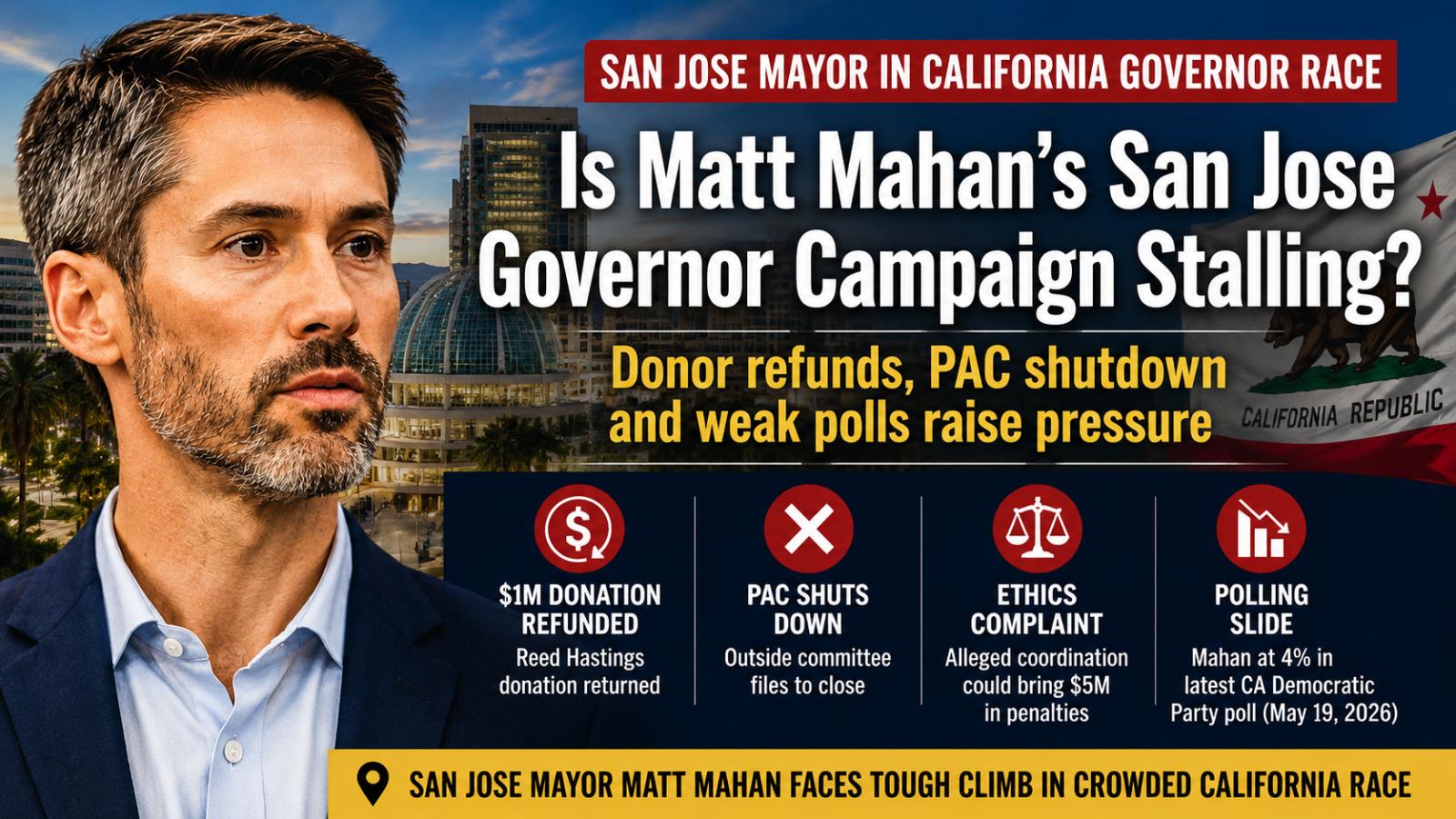
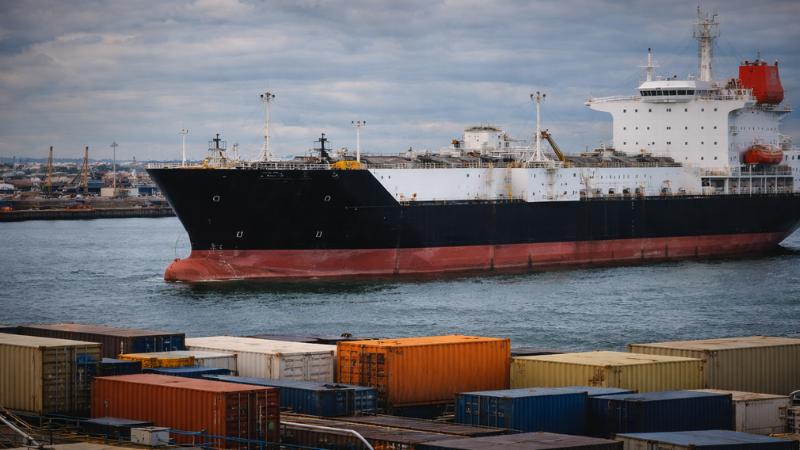
As India faces a severe liquefied petroleum gas (LPG) shortage due to the disruption of maritime traffic through the Strait of Hormuz, which affects nearly 60% of the country’s LPG imports, Argentina has stepped in to provide vital support. The South American country, previously not a key supplier to India, has rapidly become a crucial energy partner, delivering over 50,000 tonnes of LPG in the first quarter of 2026 alone—more than double the amount it shipped in all of 2025. Th
Argentina Comes to India's Aid Amid LPG Shortage, Strengthening Energy Ties
As India faces a severe liquefied petroleum gas (LPG) shortage due to the disruption of maritime traffic through the Strait of Hormuz, which affects nearly 60% of the country’s LPG imports, Argentina has stepped in to provide vital support. The South American country, previously not a key supplier to India, has rapidly become a crucial energy partner, delivering over 50,000 tonnes of LPG in the first quarter of 2026 alone—more than double the amount it shipped in all of 2025. Th
Iran Reviews US Proposal but Insists No Talks with Washington Amid Ongoing War
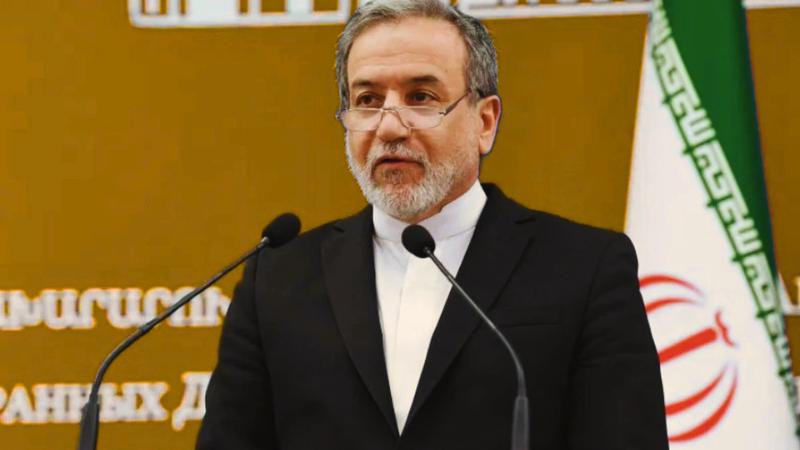
Iran’s Foreign Minister Abbas Araghchi confirmed that Tehran is reviewing a US proposal aimed at ending the ongoing conflict, but made it clear that this does not signify formal negotiations with Washington. In an interview with state television, Araghchi emphasized that while messages have been exchanged through intermediaries, they do not equate to talks with the US government. "There are no talks with the US," Araghchi bluntly stated, reiterating Iran's stance of no direct engagement wit
Iran Reviews US Proposal but Insists No Talks with Washington Amid Ongoing War
Iran’s Foreign Minister Abbas Araghchi confirmed that Tehran is reviewing a US proposal aimed at ending the ongoing conflict, but made it clear that this does not signify formal negotiations with Washington. In an interview with state television, Araghchi emphasized that while messages have been exchanged through intermediaries, they do not equate to talks with the US government. "There are no talks with the US," Araghchi bluntly stated, reiterating Iran's stance of no direct engagement wit
Tarique Rahman’s Genocide Day Message: A Shift in Bangladesh’s Foreign Policy
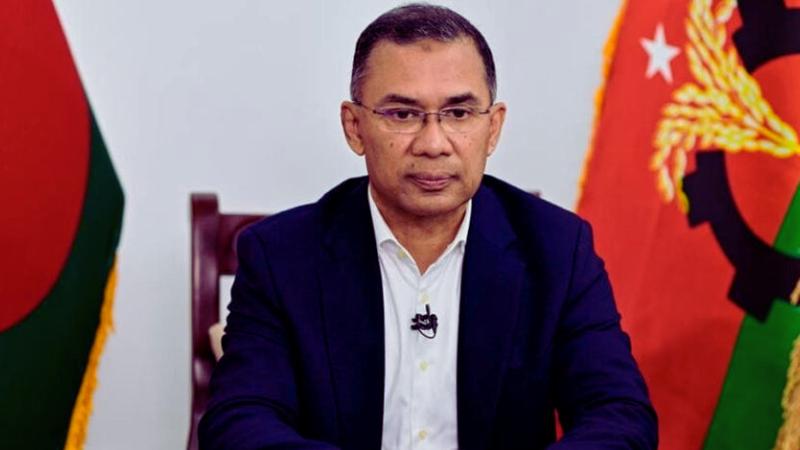
On March 25, 2026, Bangladesh Prime Minister Tarique Rahman marked Genocide Day with a powerful message that signaled a clear shift from the softer approach to Pakistan observed during the previous interim government under Muhammad Yunus. Rahman’s remarks were made on social media, describing March 25, 1971, as "one of the most disgraceful and brutal days" in the country's history, highlighting the atrocities carried out by Pakistani forces during Operation Searchlight. Rahman recounted how
Tarique Rahman’s Genocide Day Message: A Shift in Bangladesh’s Foreign Policy
On March 25, 2026, Bangladesh Prime Minister Tarique Rahman marked Genocide Day with a powerful message that signaled a clear shift from the softer approach to Pakistan observed during the previous interim government under Muhammad Yunus. Rahman’s remarks were made on social media, describing March 25, 1971, as "one of the most disgraceful and brutal days" in the country's history, highlighting the atrocities carried out by Pakistani forces during Operation Searchlight. Rahman recounted how
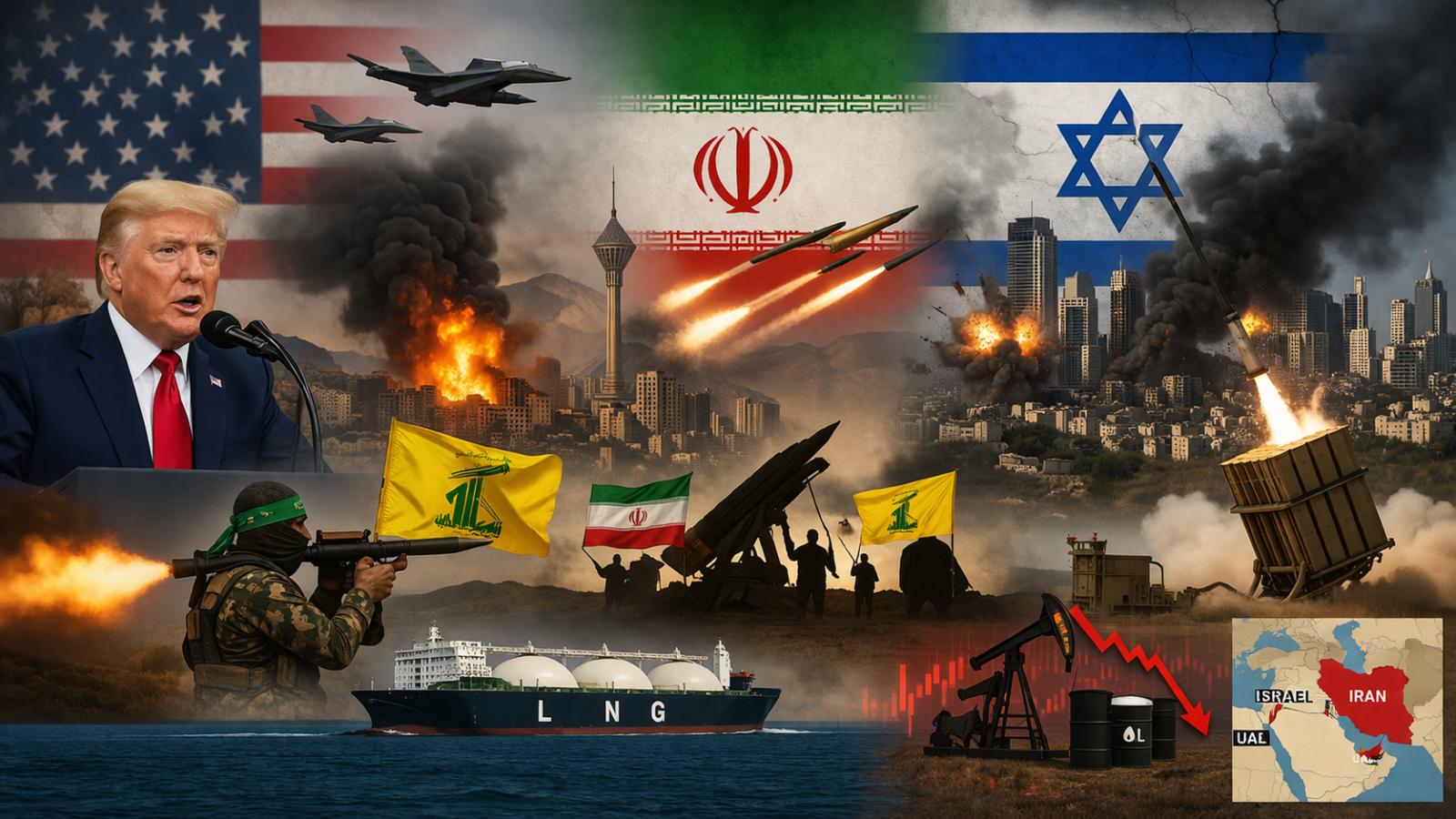
US-Israel-Iran conflict escalates as strikes intensify and diplomacy falters
The ongoing conflict involving the United States, Israel, and Iran is nearing the one-month mark, with hostilities continuing to escalate across multiple fronts. Despite renewed claims of diplomatic engagement, military operations remain active, contributing to rising casualties and increasing uncertainty across the region. US President Donald Trump recently stated that discussions with Iran are ongoing, suggesting the possibility of a diplomatic breakthrough. However, Iranian authorities have dismissed such claims, describing reports of negotiations as misleading and intended to influence global oil and financial markets. The conflicting narratives have further complicated the geopolitical landscape, as both sides continue to pursue military strategies alongside public statements on diplomacy. Recent strikes have intensified within Iran, including an attack in southern Tehran that resulted in at least 12 fatalities and left 28 others injured. These developments underscore the continued volatility within Iranian territory, as Israeli and US operations target strategic locations amid the broader confrontation. In response, Iran and its ally Hezbollah have launched a fresh wave of missile attacks targeting Israeli cities, including Tel Aviv and areas in the north. The strikes have caused civilian casualties, with at least one reported death and multiple injuries. Israel has simultaneously expanded its military operations in southern Lebanon, following indications of a plan to establish control up to the Litani River. Reports indicate that at least 33 people have been killed in recent bombardments in the region. The conflict has also extended beyond immediate battle zones, affecting regional stability and international economic interests. The United Arab Emirates confirmed that a Moroccan national working with its armed forces in Bahrain was killed during an Iranian attack, with additional personnel reported injured. Meanwhile, QatarEnergy has declared force majeure on several liquefied natural gas contracts, impacting supply agreements with countries including Italy, Belgium, South Korea, and China. As military actions continue alongside disputed diplomatic signals, the conflict is increasingly influencing global energy markets and geopolitical dynamics, raising concerns about further escalation and broader economic consequences.
US-Israel-Iran conflict escalates as strikes intensify and diplomacy falters
The ongoing conflict involving the United States, Israel, and Iran is nearing the one-month mark, with hostilities continuing to escalate across multiple fronts. Despite renewed claims of diplomatic engagement, military operations remain active, contributing to rising casualties and increasing uncertainty across the region. US President Donald Trump recently stated that discussions with Iran are ongoing, suggesting the possibility of a diplomatic breakthrough. However, Iranian authorities have dismissed such claims, describing reports of negotiations as misleading and intended to influence global oil and financial markets. The conflicting narratives have further complicated the geopolitical landscape, as both sides continue to pursue military strategies alongside public statements on diplomacy. Recent strikes have intensified within Iran, including an attack in southern Tehran that resulted in at least 12 fatalities and left 28 others injured. These developments underscore the continued volatility within Iranian territory, as Israeli and US operations target strategic locations amid the broader confrontation. In response, Iran and its ally Hezbollah have launched a fresh wave of missile attacks targeting Israeli cities, including Tel Aviv and areas in the north. The strikes have caused civilian casualties, with at least one reported death and multiple injuries. Israel has simultaneously expanded its military operations in southern Lebanon, following indications of a plan to establish control up to the Litani River. Reports indicate that at least 33 people have been killed in recent bombardments in the region. The conflict has also extended beyond immediate battle zones, affecting regional stability and international economic interests. The United Arab Emirates confirmed that a Moroccan national working with its armed forces in Bahrain was killed during an Iranian attack, with additional personnel reported injured. Meanwhile, QatarEnergy has declared force majeure on several liquefied natural gas contracts, impacting supply agreements with countries including Italy, Belgium, South Korea, and China. As military actions continue alongside disputed diplomatic signals, the conflict is increasingly influencing global energy markets and geopolitical dynamics, raising concerns about further escalation and broader economic consequences.
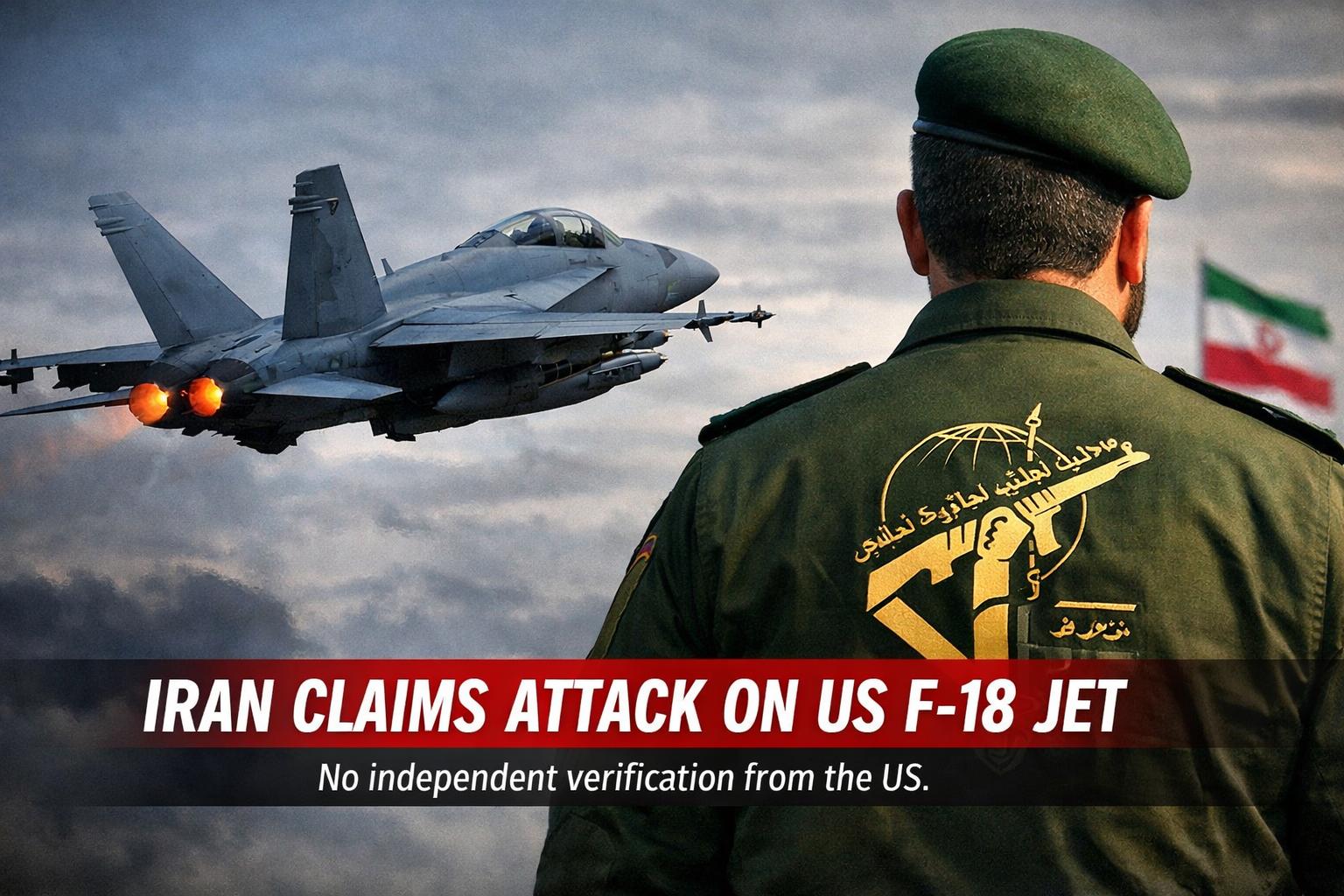
US–Israel–Iran War | Iran claims it targeted US F-18 jet amid rising tensions
Iran’s Islamic Revolutionary Guard Corps (IRGC) has claimed that it successfully targeted a United States F-18 fighter jet, signaling a potential escalation in the already strained relations between Tehran and Washington. The statement, released through official channels, asserted that the military operation achieved its objective, though it stopped short of providing critical details regarding the location of the incident, the extent of damage inflicted, or the condition of the aircraft’s p
US–Israel–Iran War | Iran claims it targeted US F-18 jet amid rising tensions
Iran’s Islamic Revolutionary Guard Corps (IRGC) has claimed that it successfully targeted a United States F-18 fighter jet, signaling a potential escalation in the already strained relations between Tehran and Washington. The statement, released through official channels, asserted that the military operation achieved its objective, though it stopped short of providing critical details regarding the location of the incident, the extent of damage inflicted, or the condition of the aircraft’s p
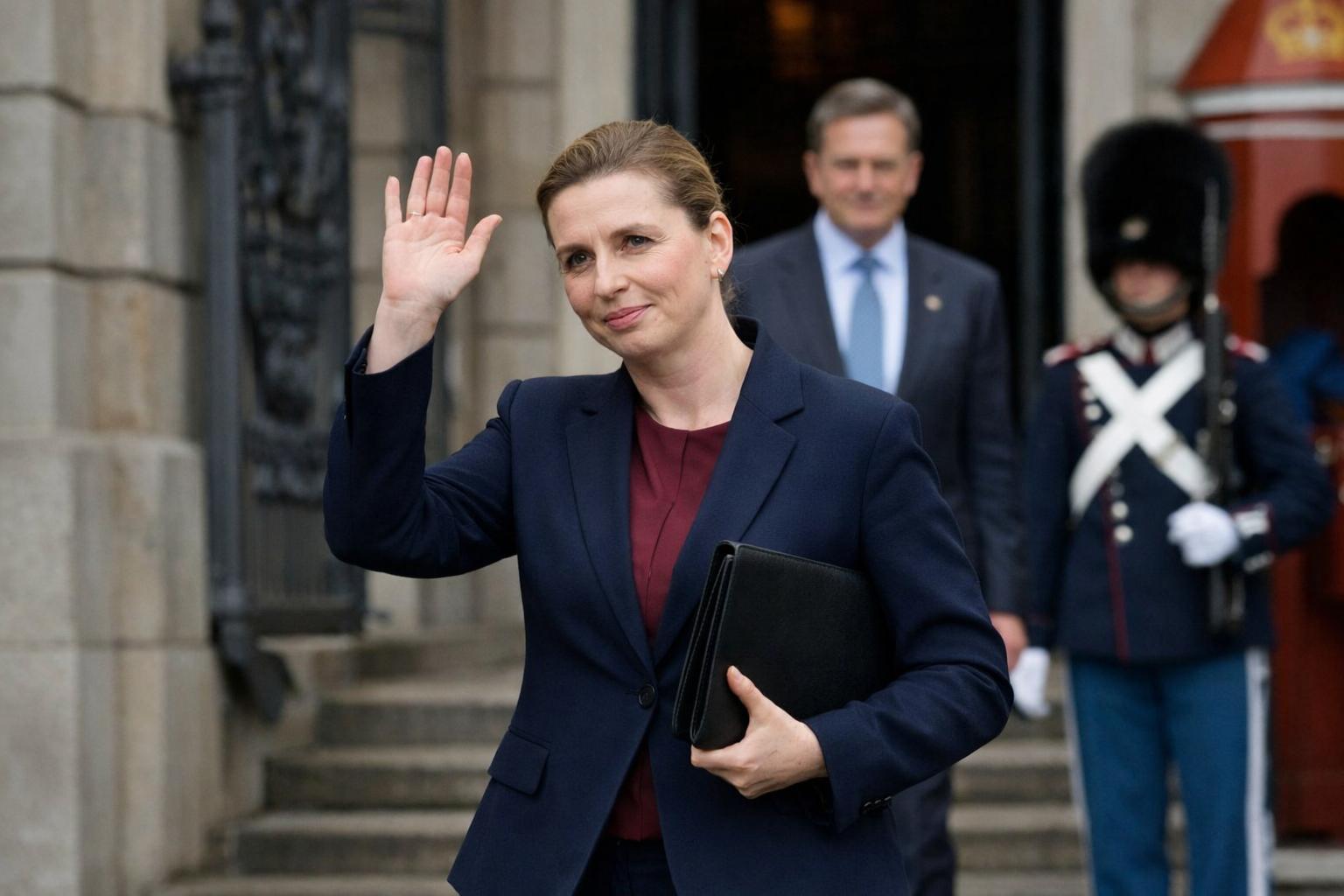
Denmark PM resigns as election results force coalition talks
Denmark’s Prime Minister Mette Frederiksen formally resigned on Wednesday following the outcome of the country’s general election, initiating the process of forming a new government after no political bloc secured a clear majority. The resignation was submitted to King Frederik at the Royal Palace, in line with constitutional practice when an incumbent administration loses its parliamentary majority. Frederiksen’s Social Democrats emerged as the largest party, securing 21.9% of the vote and retaining the highest number of seats in parliament. However, the result marked the party’s weakest performance in more than a century, significantly undermining its governing position. The left-leaning “red bloc,” led by the Social Democrats, secured 84 seats, falling short of the 90 required for a majority in the 179-seat Folketing. Despite the setback, Frederiksen signaled her intention to remain politically active and potentially lead the next government. She will continue in a caretaker role until coalition negotiations conclude. Addressing supporters, she acknowledged disappointment over the vote share but emphasized that her party remains the largest political force in Denmark. The opposition “blue bloc” also failed to secure a governing majority, collectively winning 77 seats. The Liberal Party Venstre recorded one of its poorest results, securing just 10.1% of the vote and trailing behind the Green Left party. With neither bloc able to form a government independently, attention has shifted to the Moderates party, led by former prime minister Lars Løkke Rasmussen, which secured 14 seats and is expected to play a decisive role in coalition talks. The election, called earlier than anticipated, was initially influenced by international tensions, including debates over Greenland. However, domestic policy issues dominated the campaign, reshaping voter priorities. Political negotiations are expected to continue for several days or weeks as parties attempt to build a stable governing coalition.
Denmark PM resigns as election results force coalition talks
Denmark’s Prime Minister Mette Frederiksen formally resigned on Wednesday following the outcome of the country’s general election, initiating the process of forming a new government after no political bloc secured a clear majority. The resignation was submitted to King Frederik at the Royal Palace, in line with constitutional practice when an incumbent administration loses its parliamentary majority. Frederiksen’s Social Democrats emerged as the largest party, securing 21.9% of the vote and retaining the highest number of seats in parliament. However, the result marked the party’s weakest performance in more than a century, significantly undermining its governing position. The left-leaning “red bloc,” led by the Social Democrats, secured 84 seats, falling short of the 90 required for a majority in the 179-seat Folketing. Despite the setback, Frederiksen signaled her intention to remain politically active and potentially lead the next government. She will continue in a caretaker role until coalition negotiations conclude. Addressing supporters, she acknowledged disappointment over the vote share but emphasized that her party remains the largest political force in Denmark. The opposition “blue bloc” also failed to secure a governing majority, collectively winning 77 seats. The Liberal Party Venstre recorded one of its poorest results, securing just 10.1% of the vote and trailing behind the Green Left party. With neither bloc able to form a government independently, attention has shifted to the Moderates party, led by former prime minister Lars Løkke Rasmussen, which secured 14 seats and is expected to play a decisive role in coalition talks. The election, called earlier than anticipated, was initially influenced by international tensions, including debates over Greenland. However, domestic policy issues dominated the campaign, reshaping voter priorities. Political negotiations are expected to continue for several days or weeks as parties attempt to build a stable governing coalition.
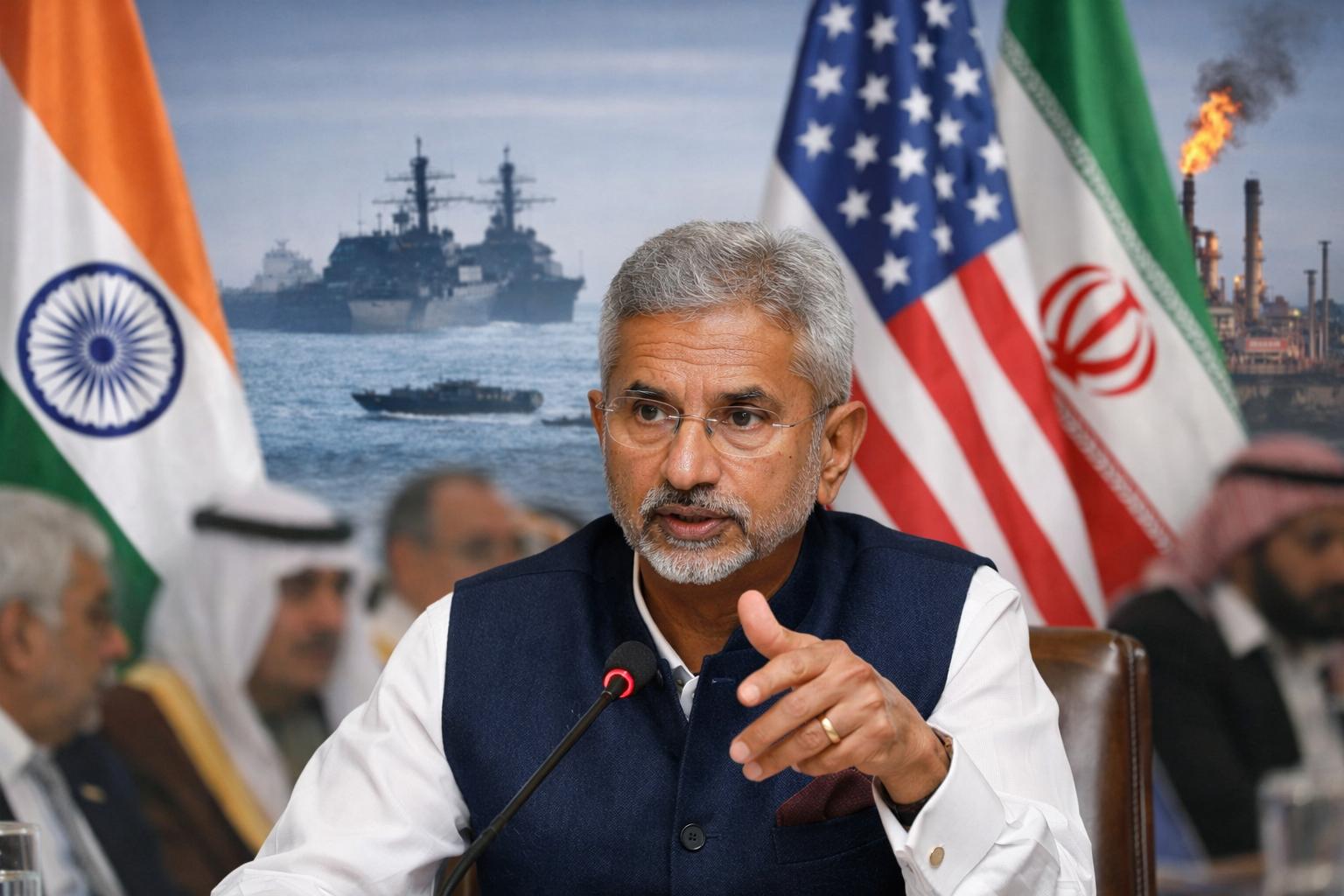
India rejects mediation role amid US-Iran tensions, Jaishankar clarifies stance
India has firmly ruled out any role as a mediator in the ongoing tensions between the United States and Iran, with External Affairs Minister S Jaishankar stating that New Delhi does not engage in diplomatic brokerage. His remarks came during an all-party meeting convened to brief political leaders on the government’s approach to the escalating West Asia crisis and its implications for India’s strategic interests. Addressing concerns raised by opposition leaders, Jaishankar clarified that India’s foreign policy is guided by its national priorities rather than intermediary roles. He noted that attempts by countries such as Pakistan to position themselves as mediators are not new, adding that such efforts have historically aligned with external interests. Government sources emphasized that India has been actively responding to developments in the region and rejected claims that it has remained silent. The meeting also focused on India’s preparedness in ensuring energy security and safeguarding its citizens in the Gulf region. Officials highlighted that maintaining stable crude oil supplies remains a key priority, particularly as tensions threaten critical shipping routes such as the Strait of Hormuz. The government informed leaders that advance procurement measures have been taken and that India is currently sourcing oil and gas from a diversified network of 41 countries to mitigate risks. Participants were also briefed on maritime developments, including the safe passage of several India-bound vessels carrying petroleum products through the Strait of Hormuz, while others remain in the vicinity awaiting clearance. The government described these developments as a reflection of effective coordination and diplomatic engagement. On diplomatic outreach, the government reiterated that India maintains balanced relations with all major stakeholders in the region, including the United States, Iran, and Israel. It also underscored steps taken to convey condolences following recent developments in Iran, indicating continued engagement at the diplomatic level. Despite these assurances, opposition leaders expressed dissatisfaction with the government’s responses and called for a detailed discussion in Parliament. The government, however, maintained that the situation is under control and there is no immediate cause for concern, reiterating its commitment to protecting national interests amid evolving geopolitical challenges.
India rejects mediation role amid US-Iran tensions, Jaishankar clarifies stance
India has firmly ruled out any role as a mediator in the ongoing tensions between the United States and Iran, with External Affairs Minister S Jaishankar stating that New Delhi does not engage in diplomatic brokerage. His remarks came during an all-party meeting convened to brief political leaders on the government’s approach to the escalating West Asia crisis and its implications for India’s strategic interests. Addressing concerns raised by opposition leaders, Jaishankar clarified that India’s foreign policy is guided by its national priorities rather than intermediary roles. He noted that attempts by countries such as Pakistan to position themselves as mediators are not new, adding that such efforts have historically aligned with external interests. Government sources emphasized that India has been actively responding to developments in the region and rejected claims that it has remained silent. The meeting also focused on India’s preparedness in ensuring energy security and safeguarding its citizens in the Gulf region. Officials highlighted that maintaining stable crude oil supplies remains a key priority, particularly as tensions threaten critical shipping routes such as the Strait of Hormuz. The government informed leaders that advance procurement measures have been taken and that India is currently sourcing oil and gas from a diversified network of 41 countries to mitigate risks. Participants were also briefed on maritime developments, including the safe passage of several India-bound vessels carrying petroleum products through the Strait of Hormuz, while others remain in the vicinity awaiting clearance. The government described these developments as a reflection of effective coordination and diplomatic engagement. On diplomatic outreach, the government reiterated that India maintains balanced relations with all major stakeholders in the region, including the United States, Iran, and Israel. It also underscored steps taken to convey condolences following recent developments in Iran, indicating continued engagement at the diplomatic level. Despite these assurances, opposition leaders expressed dissatisfaction with the government’s responses and called for a detailed discussion in Parliament. The government, however, maintained that the situation is under control and there is no immediate cause for concern, reiterating its commitment to protecting national interests amid evolving geopolitical challenges.
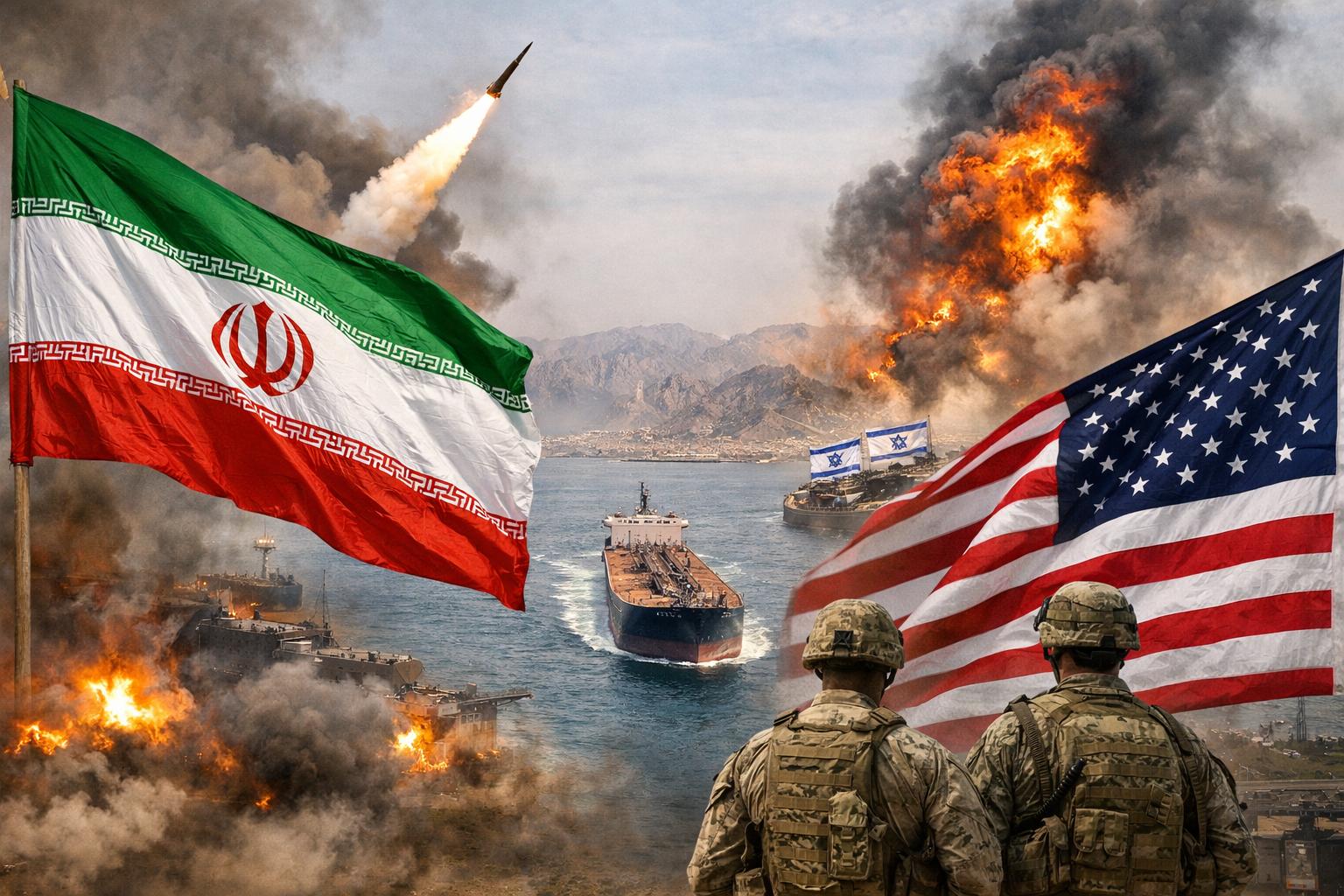
US–Israel–Iran War | Iran rejects US ceasefire plan, outlines conditions amid escalating Middle East conflict
Iran has rejected a United States-backed proposal to pause the ongoing conflict in the Middle East, instead presenting its own set of conditions for ending hostilities, according to statements broadcast by the country’s state-run English-language network. The development comes amid continued military escalation, with Tehran reportedly launching further attacks targeting Israel and parts of the Gulf region. An unnamed Iranian official was quoted as confirming that Tehran had formally declin
US–Israel–Iran War | Iran rejects US ceasefire plan, outlines conditions amid escalating Middle East conflict
Iran has rejected a United States-backed proposal to pause the ongoing conflict in the Middle East, instead presenting its own set of conditions for ending hostilities, according to statements broadcast by the country’s state-run English-language network. The development comes amid continued military escalation, with Tehran reportedly launching further attacks targeting Israel and parts of the Gulf region. An unnamed Iranian official was quoted as confirming that Tehran had formally declin
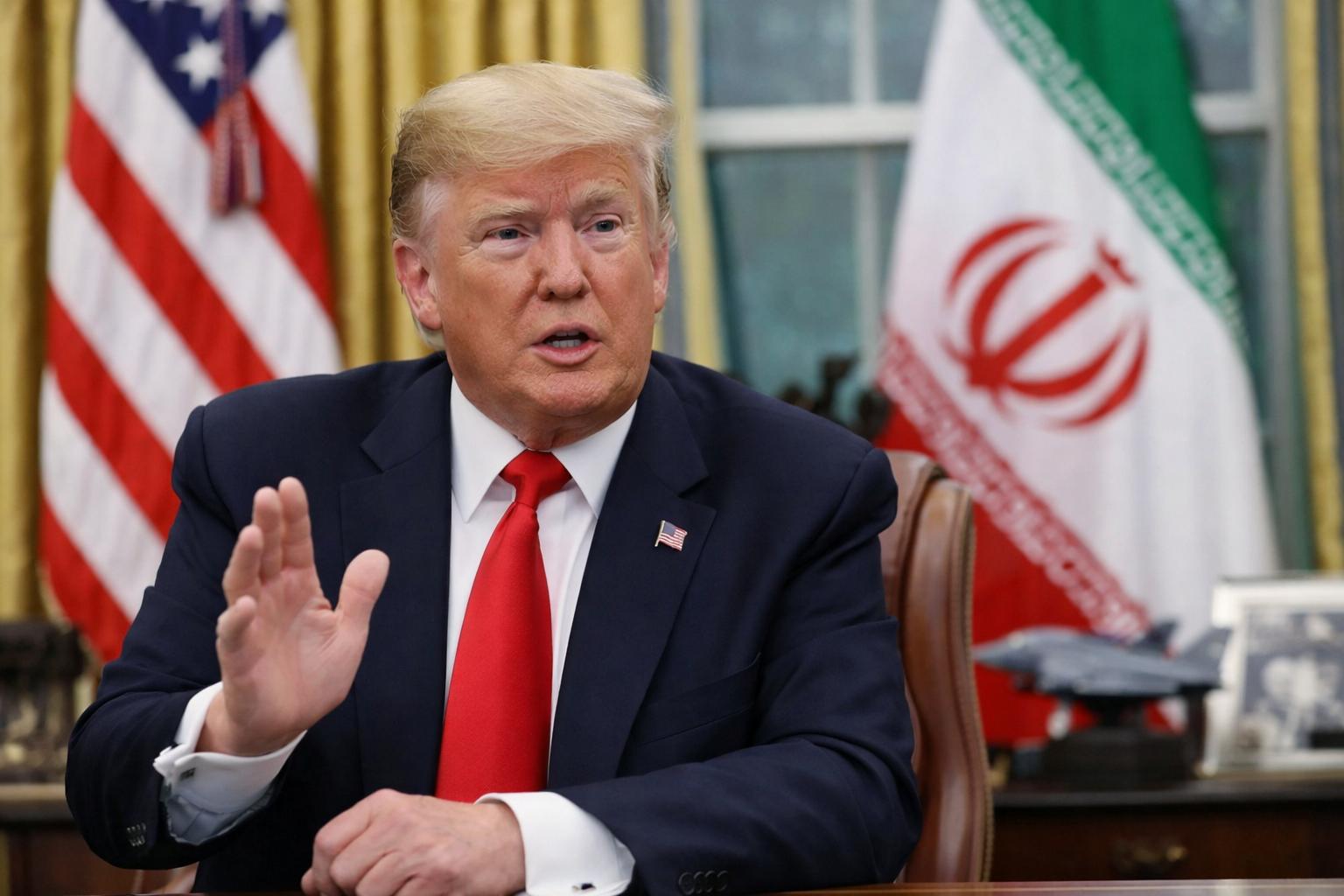
US–Israel–Iran War |Trump says Iran agrees to never develop nuclear weapons amid ongoing conflict
US President Donald Trump has stated that Iran has agreed to never develop nuclear weapons, describing the development as a sign of progress in ongoing diplomatic engagement between the two countries. His remarks come at a time when tensions in the Middle East remain high, with regional conflict continuing to shape the broader geopolitical landscape. Speaking to reporters at the Oval Office, Trump adopted an optimistic tone, indicating that backchannel communicati
US–Israel–Iran War |Trump says Iran agrees to never develop nuclear weapons amid ongoing conflict
US President Donald Trump has stated that Iran has agreed to never develop nuclear weapons, describing the development as a sign of progress in ongoing diplomatic engagement between the two countries. His remarks come at a time when tensions in the Middle East remain high, with regional conflict continuing to shape the broader geopolitical landscape. Speaking to reporters at the Oval Office, Trump adopted an optimistic tone, indicating that backchannel communicati
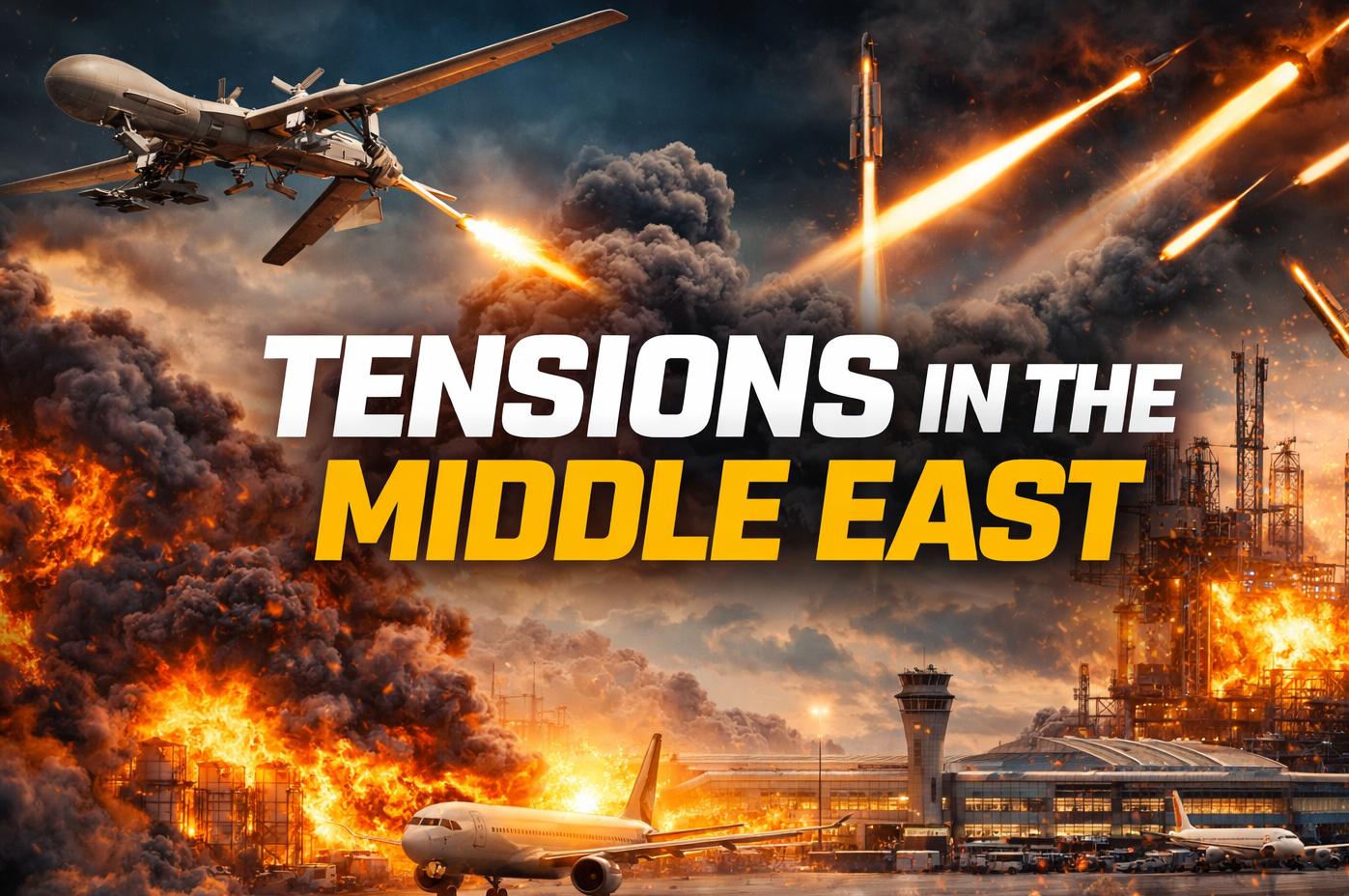
Rising Tensions: Kuwait, Bahrain, Saudi Arabia, UAE Targeted by Drones and Missiles
Tensions in the Middle East are escalating as multiple nations, including Kuwait, Bahrain, Saudi Arabia, and the UAE, face a series of drone and missile attacks. At Kuwait International Airport, a fuel tank was targeted, sparking a fire, but no casualties were reported. Bahrain also suffered a fire at a company facility due to missile strikes, allegedly launched by Iran. Kuwait’s military and other regional air defense systems have been actively intercepting these threats, with explosion so
Rising Tensions: Kuwait, Bahrain, Saudi Arabia, UAE Targeted by Drones and Missiles
Tensions in the Middle East are escalating as multiple nations, including Kuwait, Bahrain, Saudi Arabia, and the UAE, face a series of drone and missile attacks. At Kuwait International Airport, a fuel tank was targeted, sparking a fire, but no casualties were reported. Bahrain also suffered a fire at a company facility due to missile strikes, allegedly launched by Iran. Kuwait’s military and other regional air defense systems have been actively intercepting these threats, with explosion so
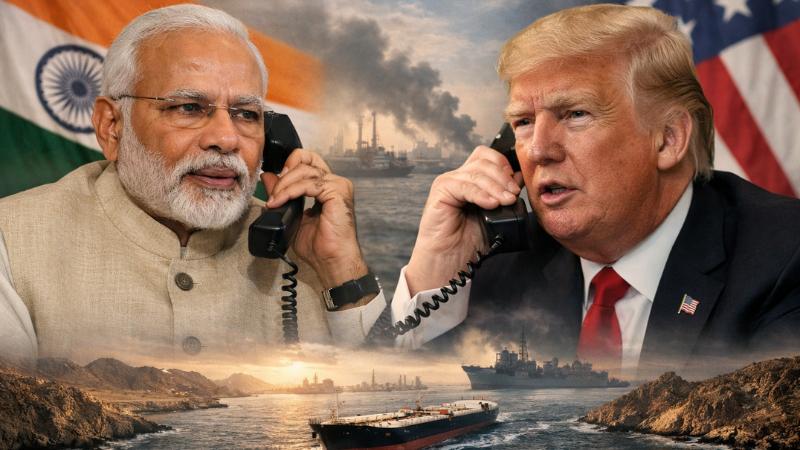
India Supports De-Escalation and Strait of Hormuz Access After Call with Trump
Amid rising tensions in the Middle East, U.S. President Donald Trump and Indian Prime Minister Narendra Modi held a significant conversation. The two leaders highlighted the necessity of keeping the Strait of Hormuz open and accessible for global trade. In a post on social media, Modi mentioned having a "useful exchange" with Trump. He emphasized India’s firm stance on de-escalation and peace, recognizing that the Strait of Hormuz is crucial for global stability due to its role in oil shipm
India Supports De-Escalation and Strait of Hormuz Access After Call with Trump
Amid rising tensions in the Middle East, U.S. President Donald Trump and Indian Prime Minister Narendra Modi held a significant conversation. The two leaders highlighted the necessity of keeping the Strait of Hormuz open and accessible for global trade. In a post on social media, Modi mentioned having a "useful exchange" with Trump. He emphasized India’s firm stance on de-escalation and peace, recognizing that the Strait of Hormuz is crucial for global stability due to its role in oil shipm
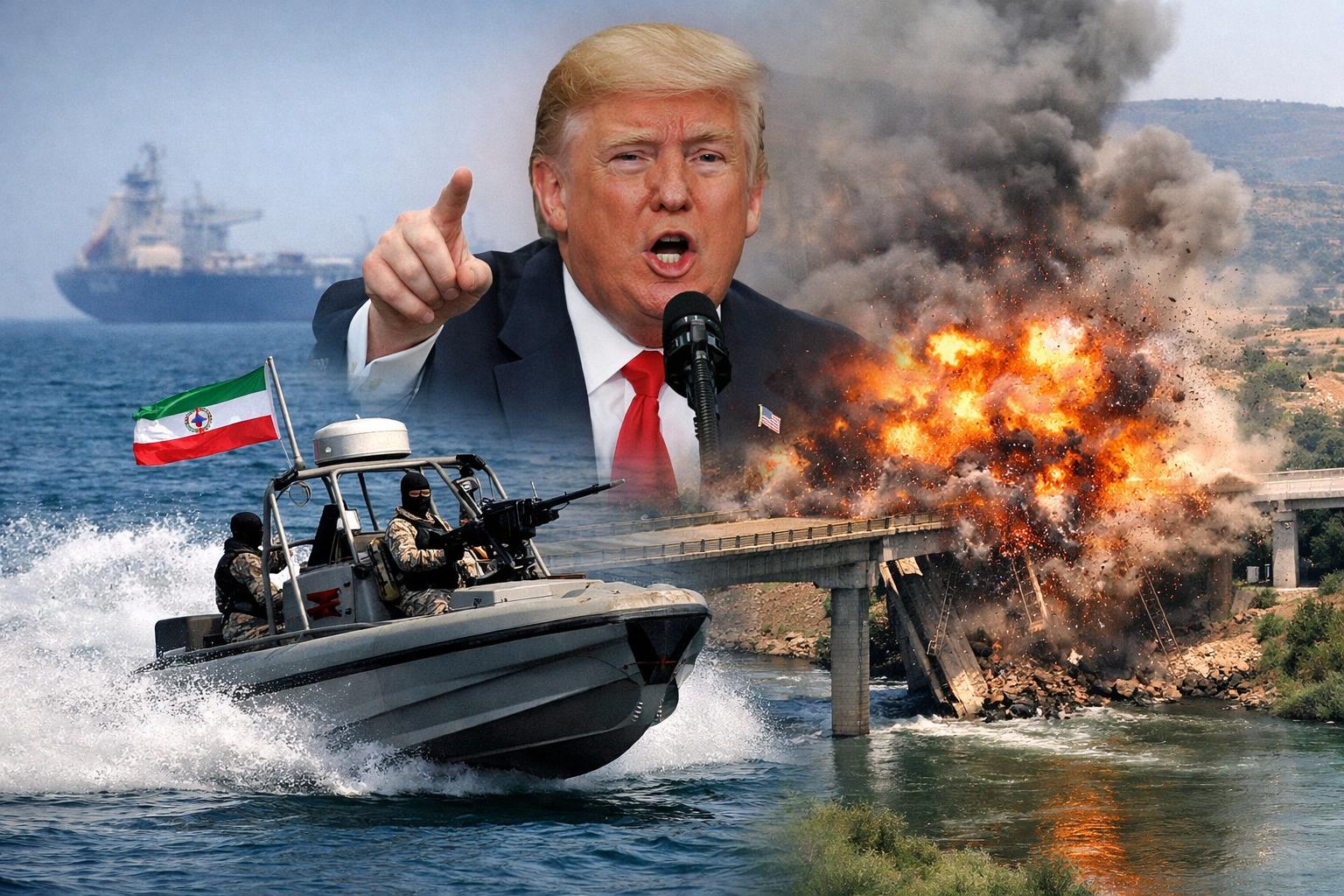
US–Israel–Iran War | Iran denies talks with US as Gulf tensions escalate and Strait deadline expires
As the conflict in the Middle East enters its fourth week, Iran has firmly denied engaging in any negotiations or discussions with the United States since the hostilities began, contradicting recent remarks by US President Donald Trump. The Iranian government’s statement comes after Trump publicly claimed that Washington and Tehran had held “very good and productive conversations” aimed at achieving a comprehensive resolution to the ongoing crisis. Iranian officials dismissed the assertion
US–Israel–Iran War | Iran denies talks with US as Gulf tensions escalate and Strait deadline expires
As the conflict in the Middle East enters its fourth week, Iran has firmly denied engaging in any negotiations or discussions with the United States since the hostilities began, contradicting recent remarks by US President Donald Trump. The Iranian government’s statement comes after Trump publicly claimed that Washington and Tehran had held “very good and productive conversations” aimed at achieving a comprehensive resolution to the ongoing crisis. Iranian officials dismissed the assertion
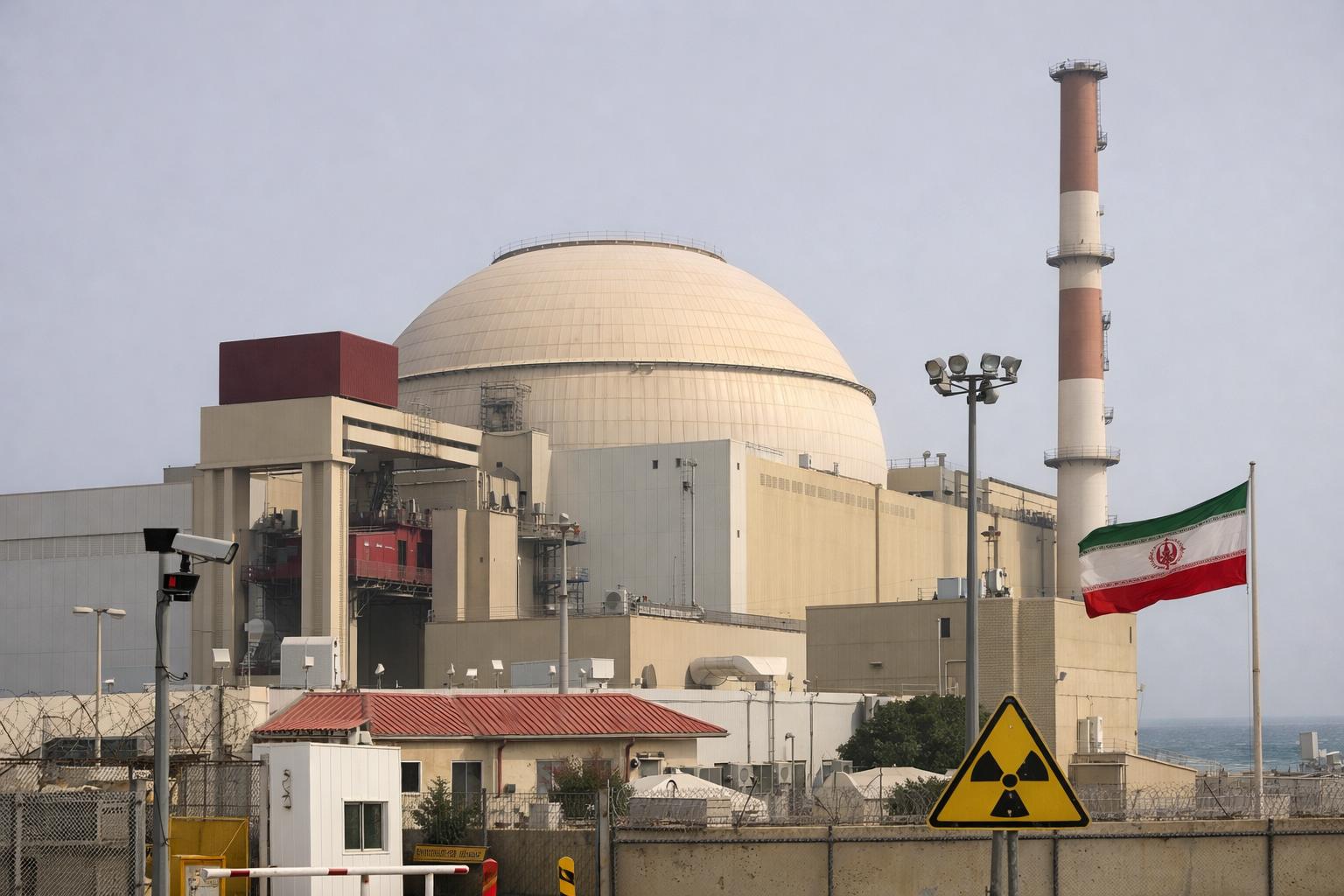
US–Israel–Iran War | Iran alleges strike near Bushehr nuclear plant amid rising tensions
Iran’s Atomic Energy Organization on Tuesday reported that a projectile struck within the perimeter of the Bushehr nuclear power plant, alleging that the attack was carried out by the United States and Israel. In an official statement, the agency described the incident as part of continued aggression by what it termed the “American-Zionist enemy.” Authorities said the projectile landed inside the facility’s enclosure but confirmed that initial assessments found no financial losses, techn
US–Israel–Iran War | Iran alleges strike near Bushehr nuclear plant amid rising tensions
Iran’s Atomic Energy Organization on Tuesday reported that a projectile struck within the perimeter of the Bushehr nuclear power plant, alleging that the attack was carried out by the United States and Israel. In an official statement, the agency described the incident as part of continued aggression by what it termed the “American-Zionist enemy.” Authorities said the projectile landed inside the facility’s enclosure but confirmed that initial assessments found no financial losses, techn
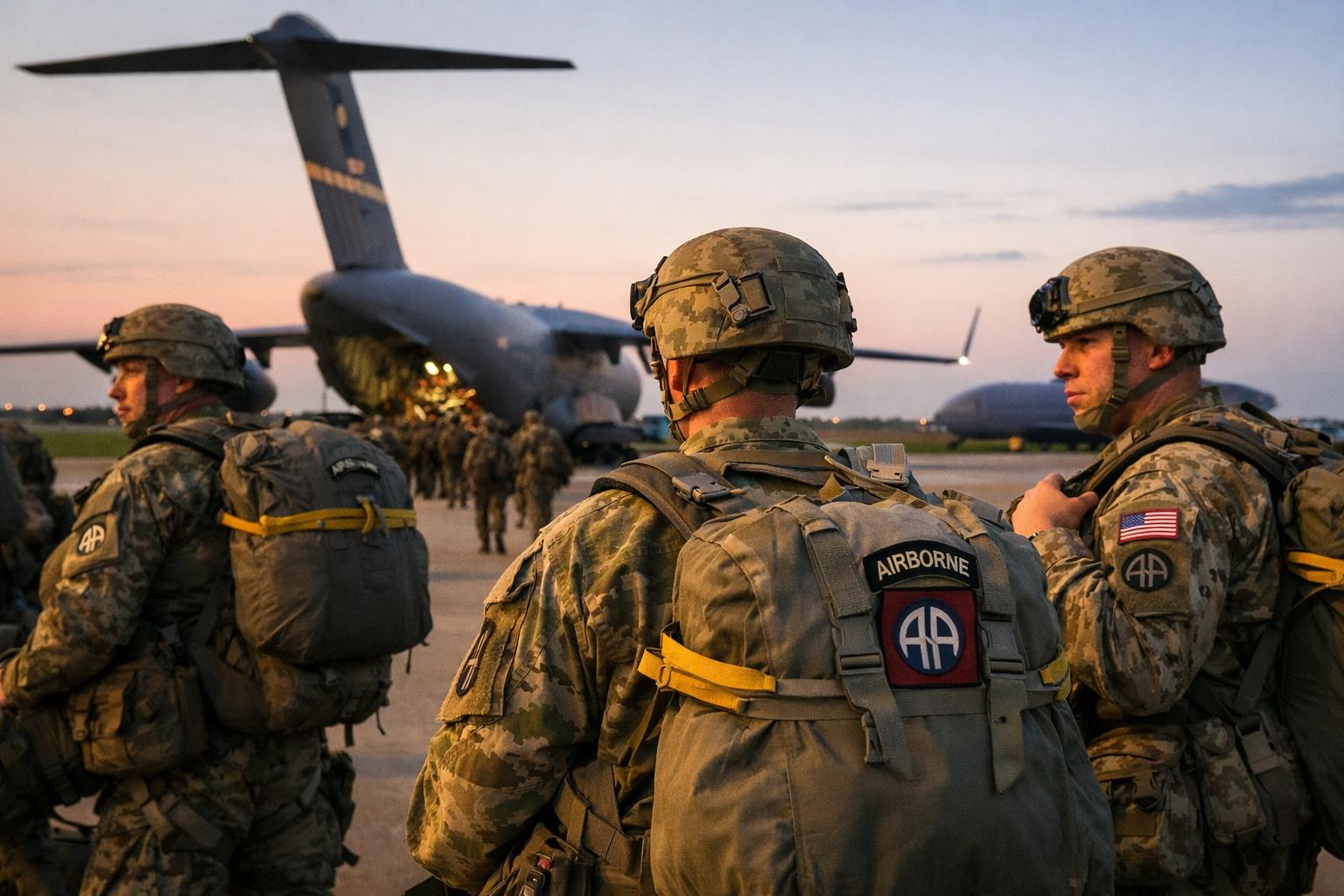
Pentagon plans 82nd Airborne deployment amid rising Iran tensions
The Pentagon is preparing to deploy approximately 3,000 troops from the 82nd Airborne Division as part of Operation Epic Fury, according to officials familiar with the matter. A formal deployment order is expected to be issued shortly, outlining potential military options without confirming any immediate decision to send ground forces into Iran. The move reflects heightened vigilance within the United States military as tensions in the Middle East continue to evolve. Officials indicated that the planned deployment would include a combat brigade along with its headquarters unit, both of which are integral to rapid-response operations. The 82nd Airborne Division, based at Fort Bragg, is recognized for its ability to mobilize forces quickly, with a capability to deploy thousands of troops globally within 18 hours. The division has previously demonstrated even faster mobilization timelines, underscoring its strategic importance in crisis situations. The development follows the recent cancellation of a major training exercise involving the unit, a decision that had already sparked speculation about a possible redeployment to the Middle East. While authorities have emphasized that diplomatic channels with Tehran remain open, the preparation of troops signals growing concern in Washington over the trajectory of regional tensions. If executed, the deployment would mark a notable shift in US military posture, strengthening both deterrence and operational readiness in the region. The 82nd Airborne Division is trained to handle a wide range of missions, including securing critical infrastructure such as airfields, reinforcing US diplomatic facilities, and supporting emergency evacuations when necessary. Its headquarters unit plays a central role in planning and coordinating these complex operations. The potential move highlights the balance the administration is attempting to maintain between diplomatic engagement and military preparedness. While no final decision on ground operations has been announced, the readiness of rapid response forces suggests that the United States is positioning itself to respond swiftly to any escalation.
Pentagon plans 82nd Airborne deployment amid rising Iran tensions
The Pentagon is preparing to deploy approximately 3,000 troops from the 82nd Airborne Division as part of Operation Epic Fury, according to officials familiar with the matter. A formal deployment order is expected to be issued shortly, outlining potential military options without confirming any immediate decision to send ground forces into Iran. The move reflects heightened vigilance within the United States military as tensions in the Middle East continue to evolve. Officials indicated that the planned deployment would include a combat brigade along with its headquarters unit, both of which are integral to rapid-response operations. The 82nd Airborne Division, based at Fort Bragg, is recognized for its ability to mobilize forces quickly, with a capability to deploy thousands of troops globally within 18 hours. The division has previously demonstrated even faster mobilization timelines, underscoring its strategic importance in crisis situations. The development follows the recent cancellation of a major training exercise involving the unit, a decision that had already sparked speculation about a possible redeployment to the Middle East. While authorities have emphasized that diplomatic channels with Tehran remain open, the preparation of troops signals growing concern in Washington over the trajectory of regional tensions. If executed, the deployment would mark a notable shift in US military posture, strengthening both deterrence and operational readiness in the region. The 82nd Airborne Division is trained to handle a wide range of missions, including securing critical infrastructure such as airfields, reinforcing US diplomatic facilities, and supporting emergency evacuations when necessary. Its headquarters unit plays a central role in planning and coordinating these complex operations. The potential move highlights the balance the administration is attempting to maintain between diplomatic engagement and military preparedness. While no final decision on ground operations has been announced, the readiness of rapid response forces suggests that the United States is positioning itself to respond swiftly to any escalation.
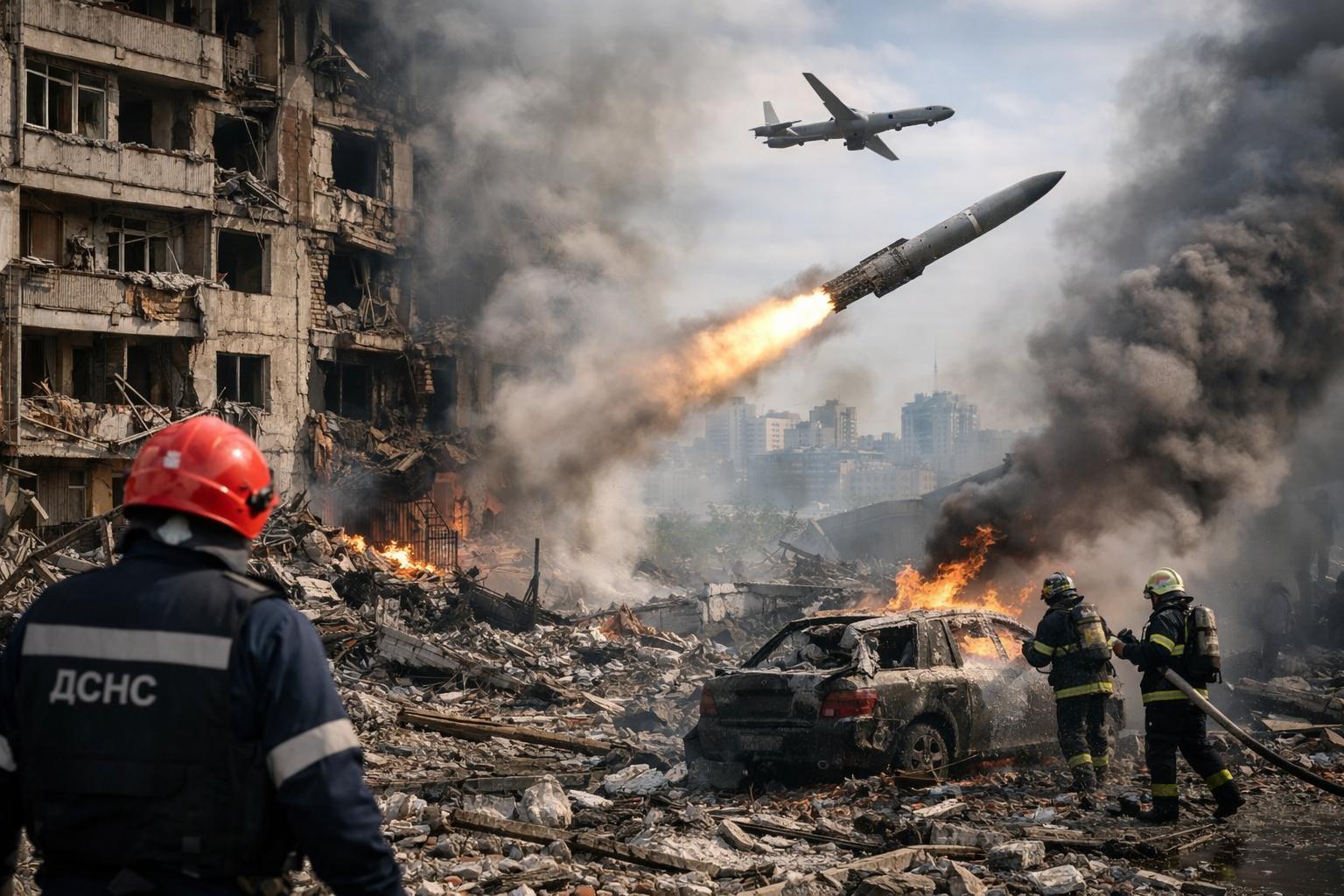
US-Israel strike on Iran followed urgent call between Netanyahu and Trump
Less than 48 hours before a joint US-Israeli military operation targeting Iran, Israeli Prime Minister Benjamin Netanyahu made a final appeal to US President Donald Trump, urging swift action as intelligence indicated a narrowing operational window. According to officials, briefings suggested that Iran’s Supreme Leader Ayatollah Ali Khamenei and senior leadership were expected to gather in Tehran, presenting what was described as a rare strategic opportunity. Updated intelligence reportedly showed the meeting had been moved earlier, intensifying the urgency of the decision. Although Trump had already approved military action in principle, the exact timing and scale remained under review. Netanyahu’s call was seen as a decisive moment, reinforcing arguments that delays could result in a missed opportunity. The operation followed months of escalating tensions and unsuccessful diplomatic efforts aimed at addressing Iran’s nuclear programme, which had reached a stalemate. Earlier military actions in June, involving strikes on Iranian nuclear and missile infrastructure, had already heightened hostilities. While US forces later joined Israeli operations in a 12-day campaign, Israeli officials continued to push for a more comprehensive response. Strategic discussions, including high-level meetings, focused on Iran’s advancing missile capabilities and perceived regional threat. Additional geopolitical developments influenced Washington’s approach, including a successful US-backed operation in Venezuela and widespread unrest within Iran, which was met with force by security agencies. US officials had anticipated escalation, warning that any Israeli action could provoke retaliation against American assets and allies in the region. The coordinated strikes began on February 28 after Trump gave final approval. The White House stated that the objective was to weaken Iran’s military infrastructure, curb its missile capabilities, and prevent nuclear weapon development. Trump later announced that Khamenei had been killed during the operation. The aftermath saw immediate retaliation from Iran, disruptions in key shipping routes, and a surge in global oil prices. Reports indicated significant casualties, including Iranian civilians and US personnel. Despite expectations of political change, intelligence assessments had warned that leadership shifts might not moderate Iran’s stance. Khamenei’s son, Mojtaba Khamenei, has since assumed leadership, while security forces continue to maintain control. Both leaders have defended their roles in the decision, with Trump asserting sole responsibility and Netanyahu denying claims of influencing US involvement. However, accounts suggest that the combination of intelligence updates and diplomatic pressure played a critical role in shaping a decision that has significantly altered regional dynamics.
US-Israel strike on Iran followed urgent call between Netanyahu and Trump
Less than 48 hours before a joint US-Israeli military operation targeting Iran, Israeli Prime Minister Benjamin Netanyahu made a final appeal to US President Donald Trump, urging swift action as intelligence indicated a narrowing operational window. According to officials, briefings suggested that Iran’s Supreme Leader Ayatollah Ali Khamenei and senior leadership were expected to gather in Tehran, presenting what was described as a rare strategic opportunity. Updated intelligence reportedly showed the meeting had been moved earlier, intensifying the urgency of the decision. Although Trump had already approved military action in principle, the exact timing and scale remained under review. Netanyahu’s call was seen as a decisive moment, reinforcing arguments that delays could result in a missed opportunity. The operation followed months of escalating tensions and unsuccessful diplomatic efforts aimed at addressing Iran’s nuclear programme, which had reached a stalemate. Earlier military actions in June, involving strikes on Iranian nuclear and missile infrastructure, had already heightened hostilities. While US forces later joined Israeli operations in a 12-day campaign, Israeli officials continued to push for a more comprehensive response. Strategic discussions, including high-level meetings, focused on Iran’s advancing missile capabilities and perceived regional threat. Additional geopolitical developments influenced Washington’s approach, including a successful US-backed operation in Venezuela and widespread unrest within Iran, which was met with force by security agencies. US officials had anticipated escalation, warning that any Israeli action could provoke retaliation against American assets and allies in the region. The coordinated strikes began on February 28 after Trump gave final approval. The White House stated that the objective was to weaken Iran’s military infrastructure, curb its missile capabilities, and prevent nuclear weapon development. Trump later announced that Khamenei had been killed during the operation. The aftermath saw immediate retaliation from Iran, disruptions in key shipping routes, and a surge in global oil prices. Reports indicated significant casualties, including Iranian civilians and US personnel. Despite expectations of political change, intelligence assessments had warned that leadership shifts might not moderate Iran’s stance. Khamenei’s son, Mojtaba Khamenei, has since assumed leadership, while security forces continue to maintain control. Both leaders have defended their roles in the decision, with Trump asserting sole responsibility and Netanyahu denying claims of influencing US involvement. However, accounts suggest that the combination of intelligence updates and diplomatic pressure played a critical role in shaping a decision that has significantly altered regional dynamics.
Russian drone and missile strikes kill four in Ukraine amid renewed offensive
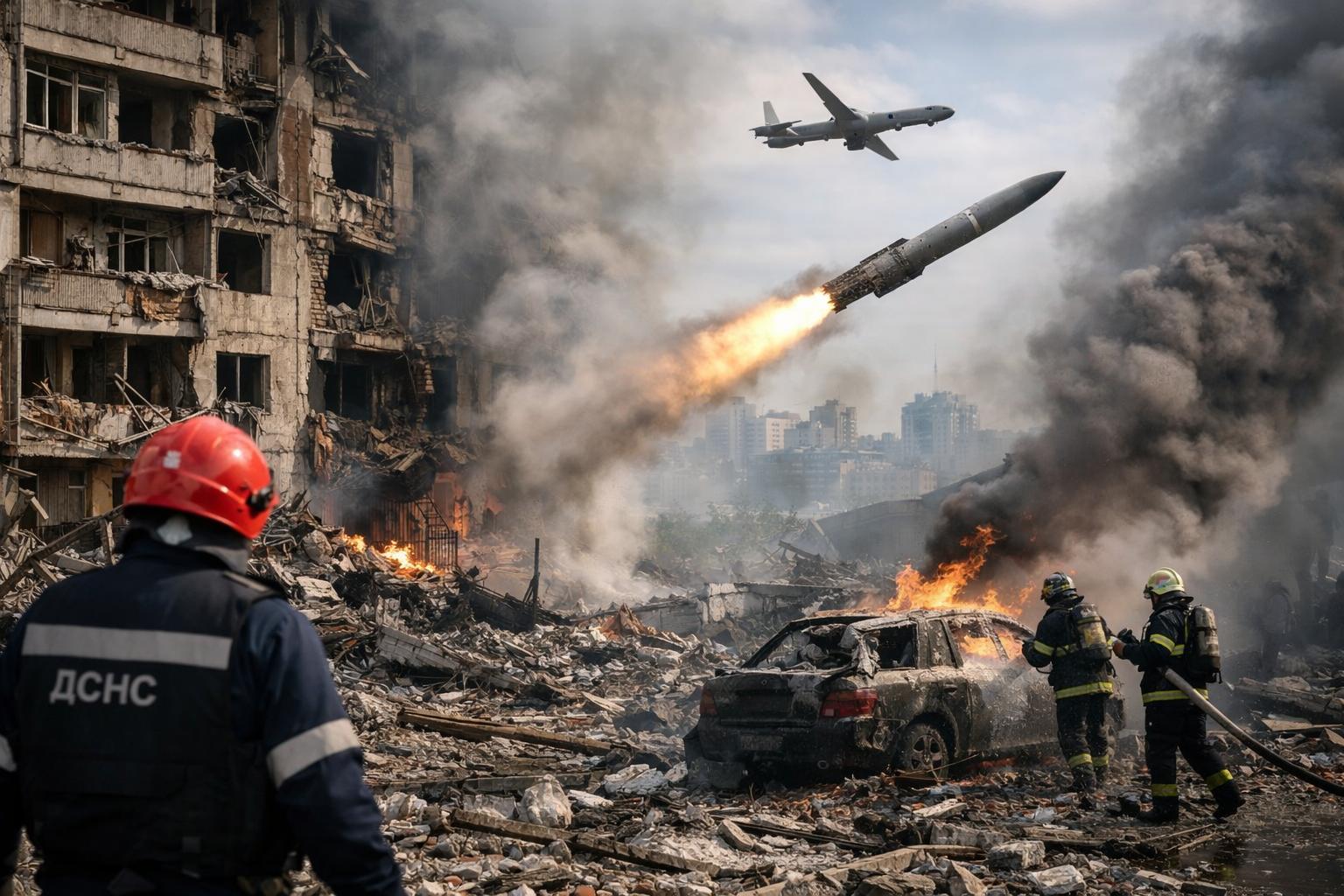
On March 24, 2026, Russia launched a large-scale drone and missile assault targeting civilian areas across Ukraine, killing at least four people and injuring more than 35, according to Ukrainian officials. The attack marked one of the most intense aerial offensives in recent weeks and coincided with increased Russian efforts along front-line positions, raising concerns about the start of a broader spring offensive. Ukraine’s air force reported that nearly 400 long-range drones were d
Russian drone and missile strikes kill four in Ukraine amid renewed offensive
On March 24, 2026, Russia launched a large-scale drone and missile assault targeting civilian areas across Ukraine, killing at least four people and injuring more than 35, according to Ukrainian officials. The attack marked one of the most intense aerial offensives in recent weeks and coincided with increased Russian efforts along front-line positions, raising concerns about the start of a broader spring offensive. Ukraine’s air force reported that nearly 400 long-range drones were d
LaGuardia crash and Texas refinery blast on March 23 raise safety concerns
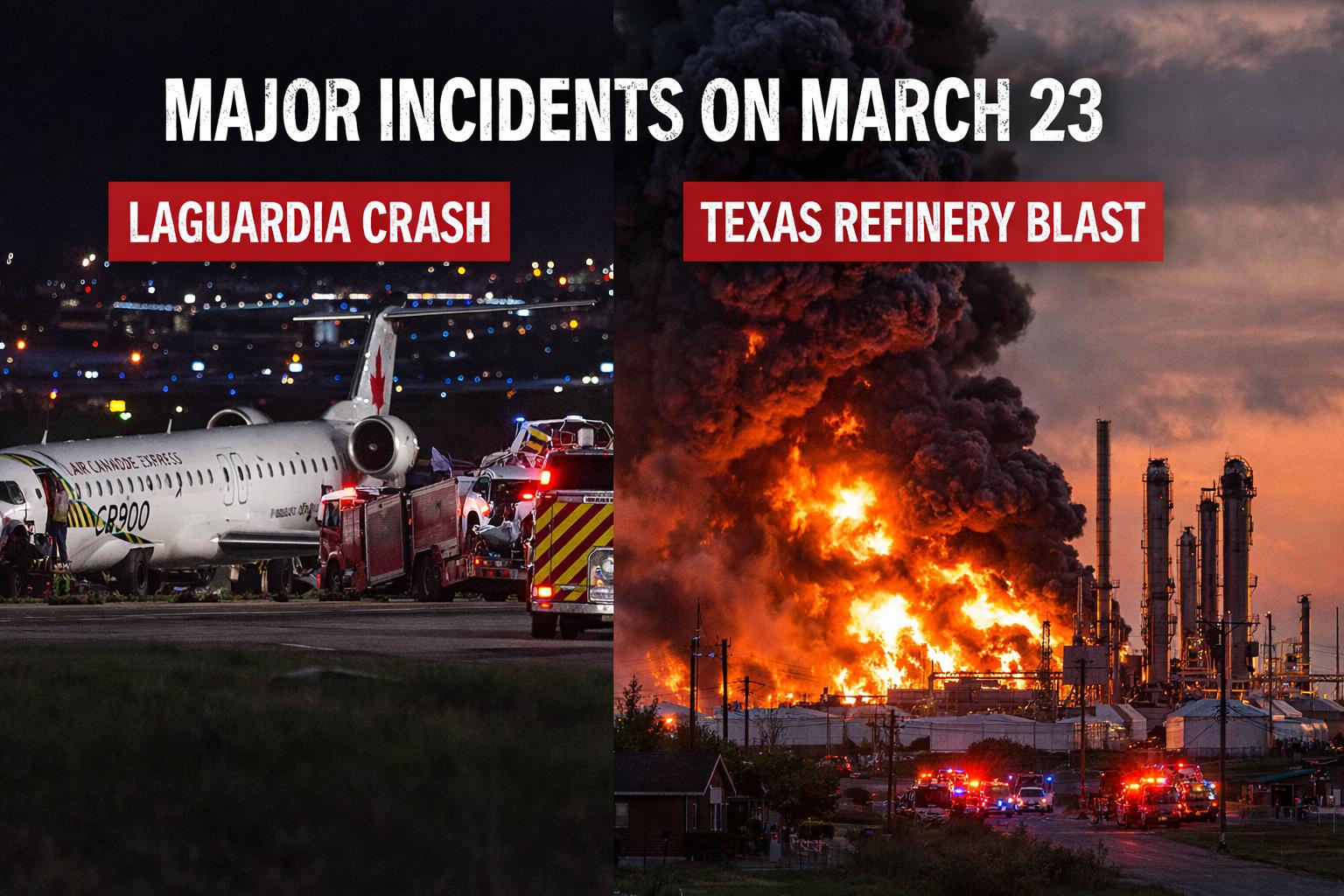
Two major incidents on March 23 have drawn national attention in the United States, as authorities investigate a fatal aircraft collision at LaGuardia Airport and a massive refinery explosion in Texas that has raised concerns over energy supply and safety. Late Sunday night, just before midnight on March 23, an Air Canada Express flight collided with a fire rescue vehicle while landing at LaGuardia Airport in New York. The aircraft, a CRJ900 operated by Jazz Aviation, was carrying 72 passeng
LaGuardia crash and Texas refinery blast on March 23 raise safety concerns
Two major incidents on March 23 have drawn national attention in the United States, as authorities investigate a fatal aircraft collision at LaGuardia Airport and a massive refinery explosion in Texas that has raised concerns over energy supply and safety. Late Sunday night, just before midnight on March 23, an Air Canada Express flight collided with a fire rescue vehicle while landing at LaGuardia Airport in New York. The aircraft, a CRJ900 operated by Jazz Aviation, was carrying 72 passeng
Texas refinery explosion triggers emergency lockdown and oil supply concerns
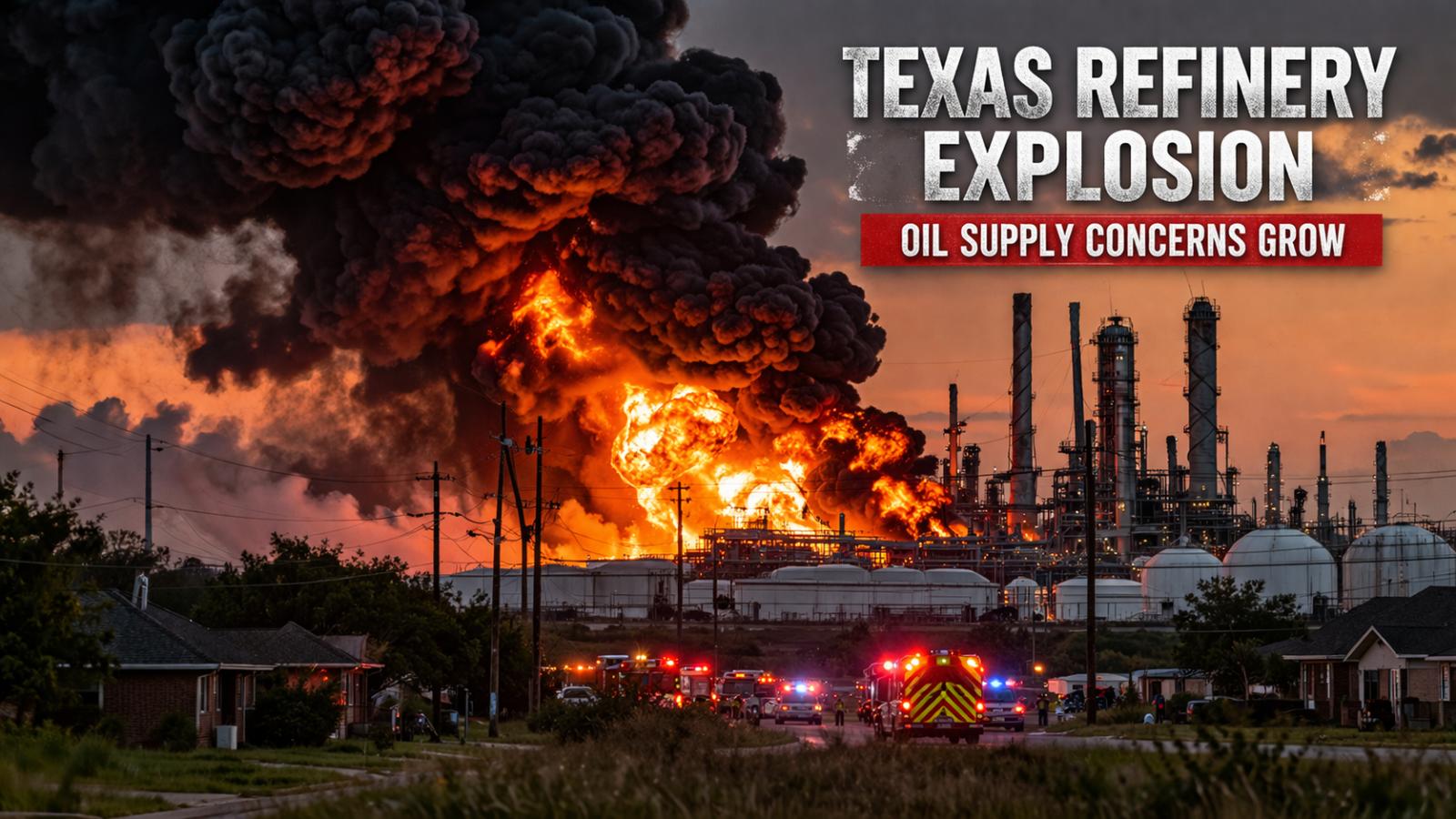
A massive explosion at the Valero Port Arthur refinery in Texas on Monday (March 23) has triggered an emergency response and raised fresh concerns over fuel supply stability in the United States. The incident sent flames and thick black smoke into the sky, prompting authorities to issue a shelter-in-place order for nearby residents. Local emergency officials urged people in surrounding areas to remain indoors as a precaution, citing potential risks from hazardous smoke. The refinery
Texas refinery explosion triggers emergency lockdown and oil supply concerns
A massive explosion at the Valero Port Arthur refinery in Texas on Monday (March 23) has triggered an emergency response and raised fresh concerns over fuel supply stability in the United States. The incident sent flames and thick black smoke into the sky, prompting authorities to issue a shelter-in-place order for nearby residents. Local emergency officials urged people in surrounding areas to remain indoors as a precaution, citing potential risks from hazardous smoke. The refinery
North Korea declares nuclear status irreversible, Kim Jong Un warns of expansion
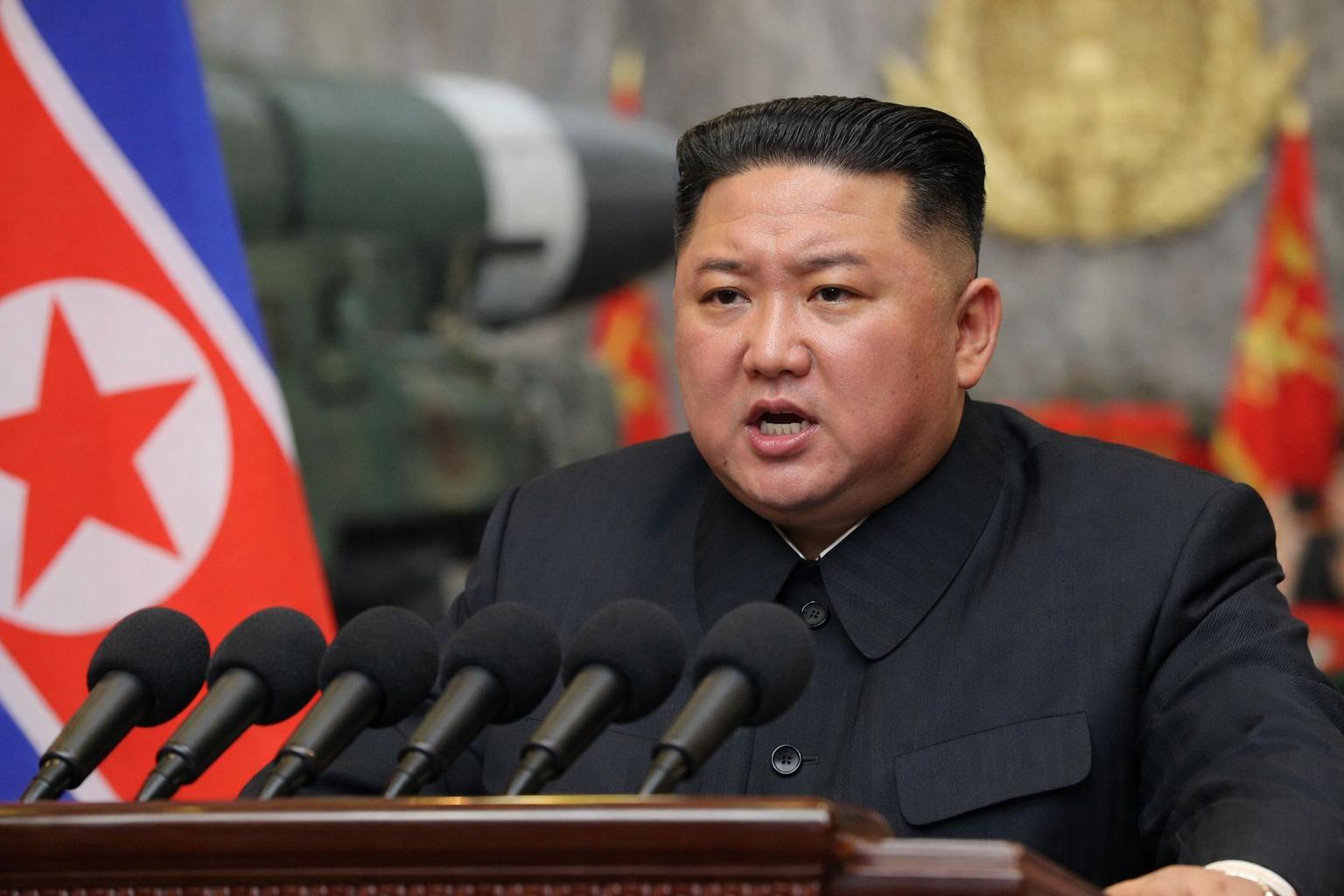
North Korean leader Kim Jong Un has reaffirmed that his country will not abandon its nuclear weapons programme, declaring its status as a nuclear-armed state “irreversible” in a strongly worded address delivered to the nation’s legislature. The remarks came shortly after his reappointment as chairman of the State Affairs Commission, consolidating his leadership over the country’s highest decision-making body. According to official reports released on March 24, Kim outlined an intensified strategy to expand North Korea’s nuclear arsenal, framing the move as essential for national security and constitutional responsibility. He stated that Pyongyang would continue to strengthen its nuclear deterrent and advance its capabilities in response to what he described as ongoing threats from hostile forces. The leader emphasized that maintaining and enhancing nuclear readiness was a key priority, ensuring that the country remains prepared to counter strategic challenges. Kim portrayed the development of nuclear weapons as a justified and defensive measure, asserting that the programme aligns with the country’s long-term security goals. He indicated that North Korea would pursue both quantitative and qualitative improvements in its nuclear forces, underscoring a commitment to sustained military advancement amid rising geopolitical tensions in the region. The speech also included sharp criticism of South Korea, which Kim labelled as the “most hostile state.” He warned that any perceived provocation or infringement on North Korea’s sovereignty would be met with a decisive and uncompromising response. The language used signalled a continuation of strained inter-Korean relations, with little indication of near-term diplomatic engagement. Kim’s address covered broader policy areas, including defence, economic priorities, and relations with the United States, though nuclear policy remained the central focus. His remarks highlight an ongoing shift toward a more assertive security posture, raising concerns among regional and global observers about the future trajectory of East Asia’s security environment.
North Korea declares nuclear status irreversible, Kim Jong Un warns of expansion
North Korean leader Kim Jong Un has reaffirmed that his country will not abandon its nuclear weapons programme, declaring its status as a nuclear-armed state “irreversible” in a strongly worded address delivered to the nation’s legislature. The remarks came shortly after his reappointment as chairman of the State Affairs Commission, consolidating his leadership over the country’s highest decision-making body. According to official reports released on March 24, Kim outlined an intensified strategy to expand North Korea’s nuclear arsenal, framing the move as essential for national security and constitutional responsibility. He stated that Pyongyang would continue to strengthen its nuclear deterrent and advance its capabilities in response to what he described as ongoing threats from hostile forces. The leader emphasized that maintaining and enhancing nuclear readiness was a key priority, ensuring that the country remains prepared to counter strategic challenges. Kim portrayed the development of nuclear weapons as a justified and defensive measure, asserting that the programme aligns with the country’s long-term security goals. He indicated that North Korea would pursue both quantitative and qualitative improvements in its nuclear forces, underscoring a commitment to sustained military advancement amid rising geopolitical tensions in the region. The speech also included sharp criticism of South Korea, which Kim labelled as the “most hostile state.” He warned that any perceived provocation or infringement on North Korea’s sovereignty would be met with a decisive and uncompromising response. The language used signalled a continuation of strained inter-Korean relations, with little indication of near-term diplomatic engagement. Kim’s address covered broader policy areas, including defence, economic priorities, and relations with the United States, though nuclear policy remained the central focus. His remarks highlight an ongoing shift toward a more assertive security posture, raising concerns among regional and global observers about the future trajectory of East Asia’s security environment.
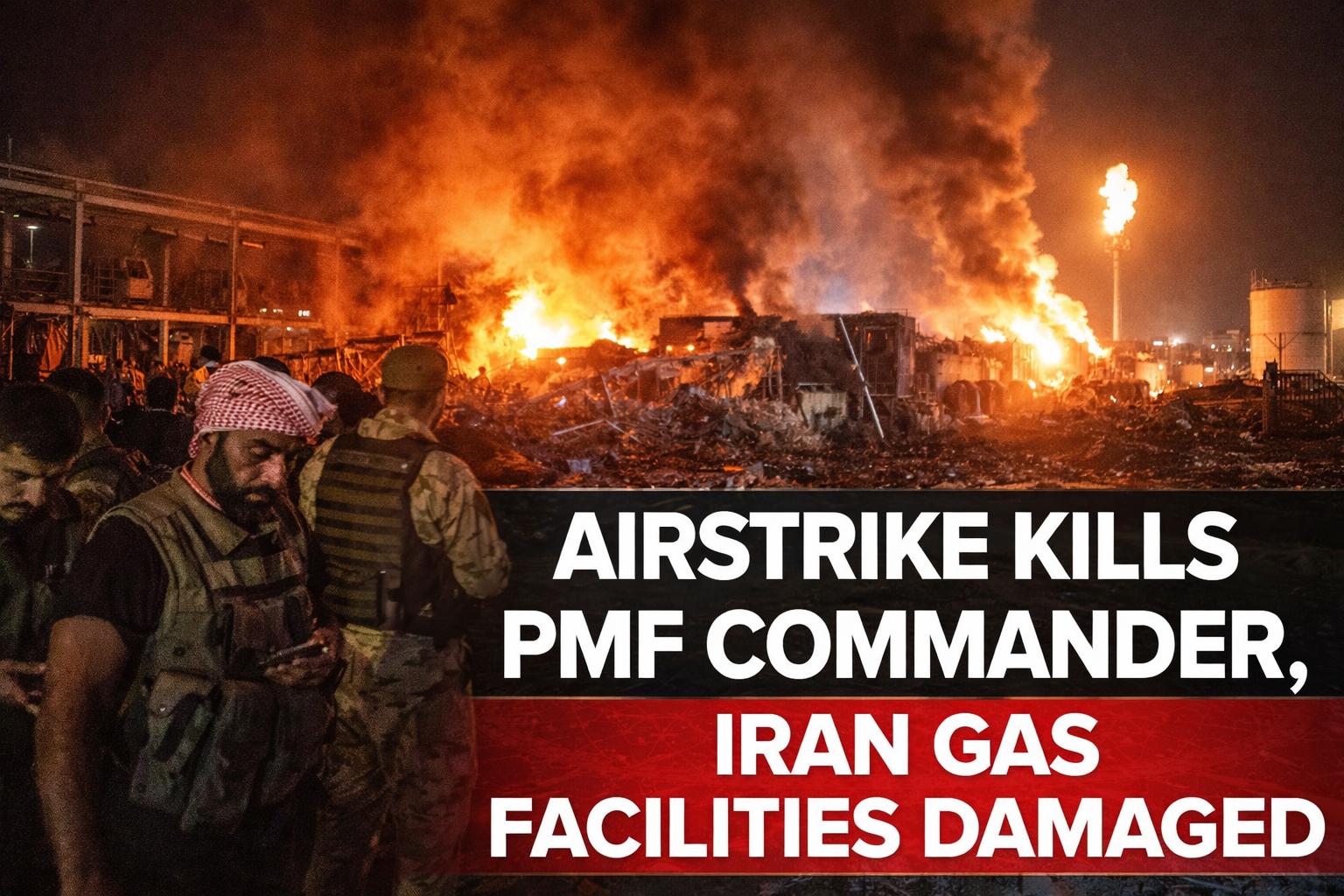
US–Israel–Iran War | Airstrike kills PMF commander in Iraq as Iran gas facilities suffer damage
An airstrike targeting a military installation used by the Popular Mobilisation Forces (PMF) in Iraq’s Anbar province has resulted in multiple fatalities, including a senior commander, amid rising regional tensions. The Iran-aligned group confirmed that Saad Duwai al-Baiji, its Anbar commander, was among those killed in the strike. Initial reports indicated that at least seven PMF fighters were killed and 13 others injured when the strike hit the base during what sources described
US–Israel–Iran War | Airstrike kills PMF commander in Iraq as Iran gas facilities suffer damage
An airstrike targeting a military installation used by the Popular Mobilisation Forces (PMF) in Iraq’s Anbar province has resulted in multiple fatalities, including a senior commander, amid rising regional tensions. The Iran-aligned group confirmed that Saad Duwai al-Baiji, its Anbar commander, was among those killed in the strike. Initial reports indicated that at least seven PMF fighters were killed and 13 others injured when the strike hit the base during what sources described










