US-Israel-Iran tensions escalate as troop levels rise in Middle East
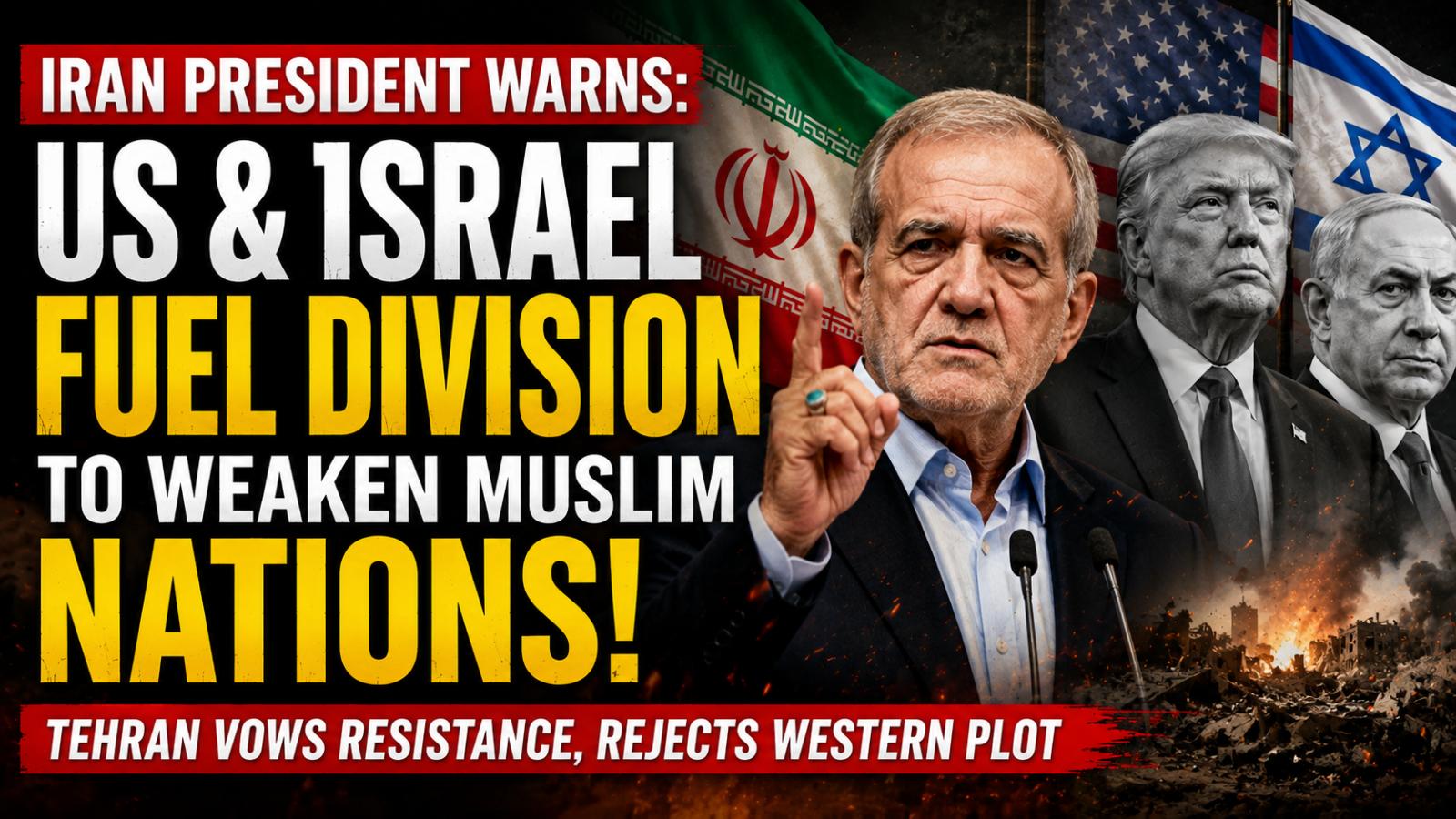
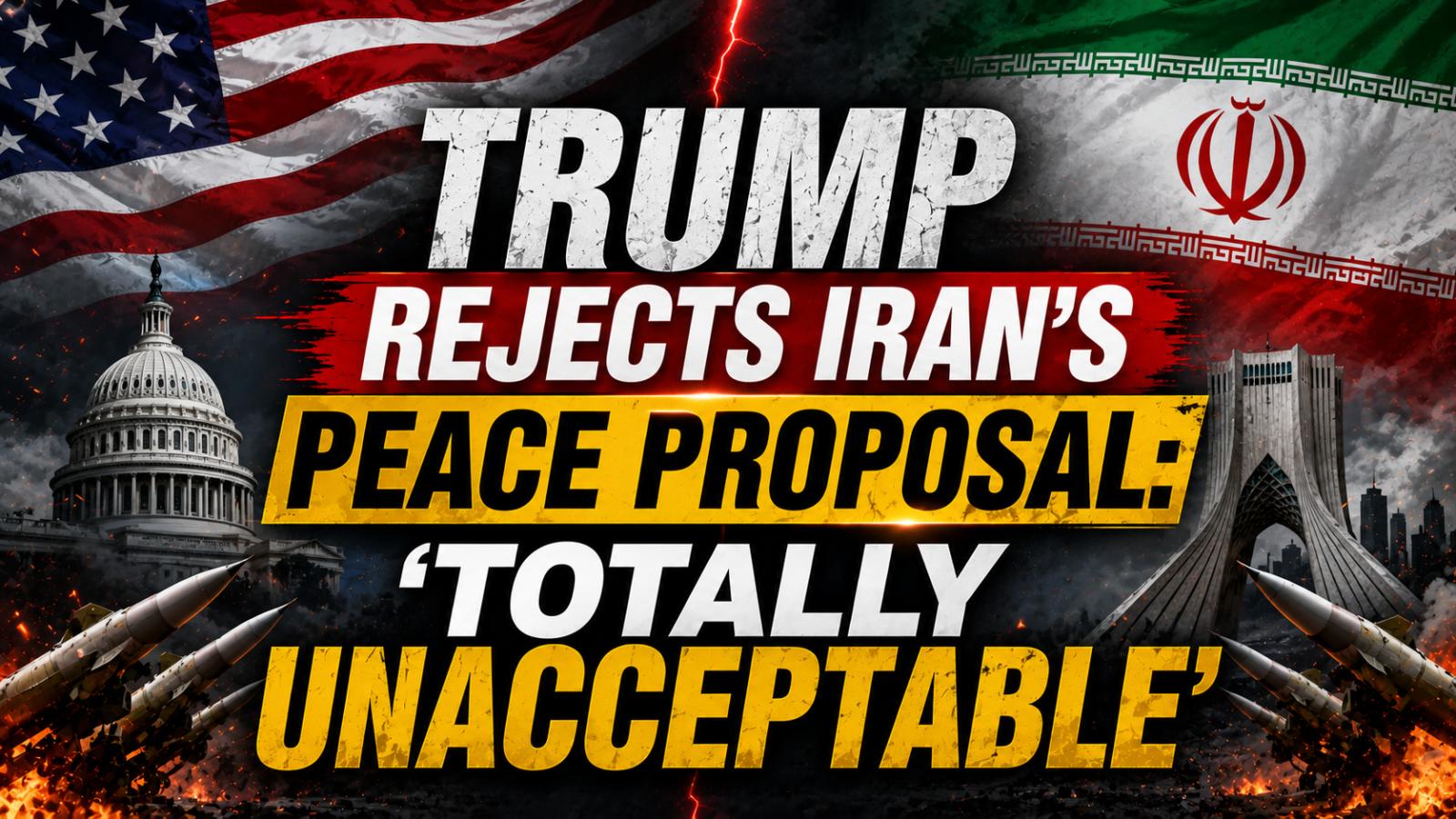
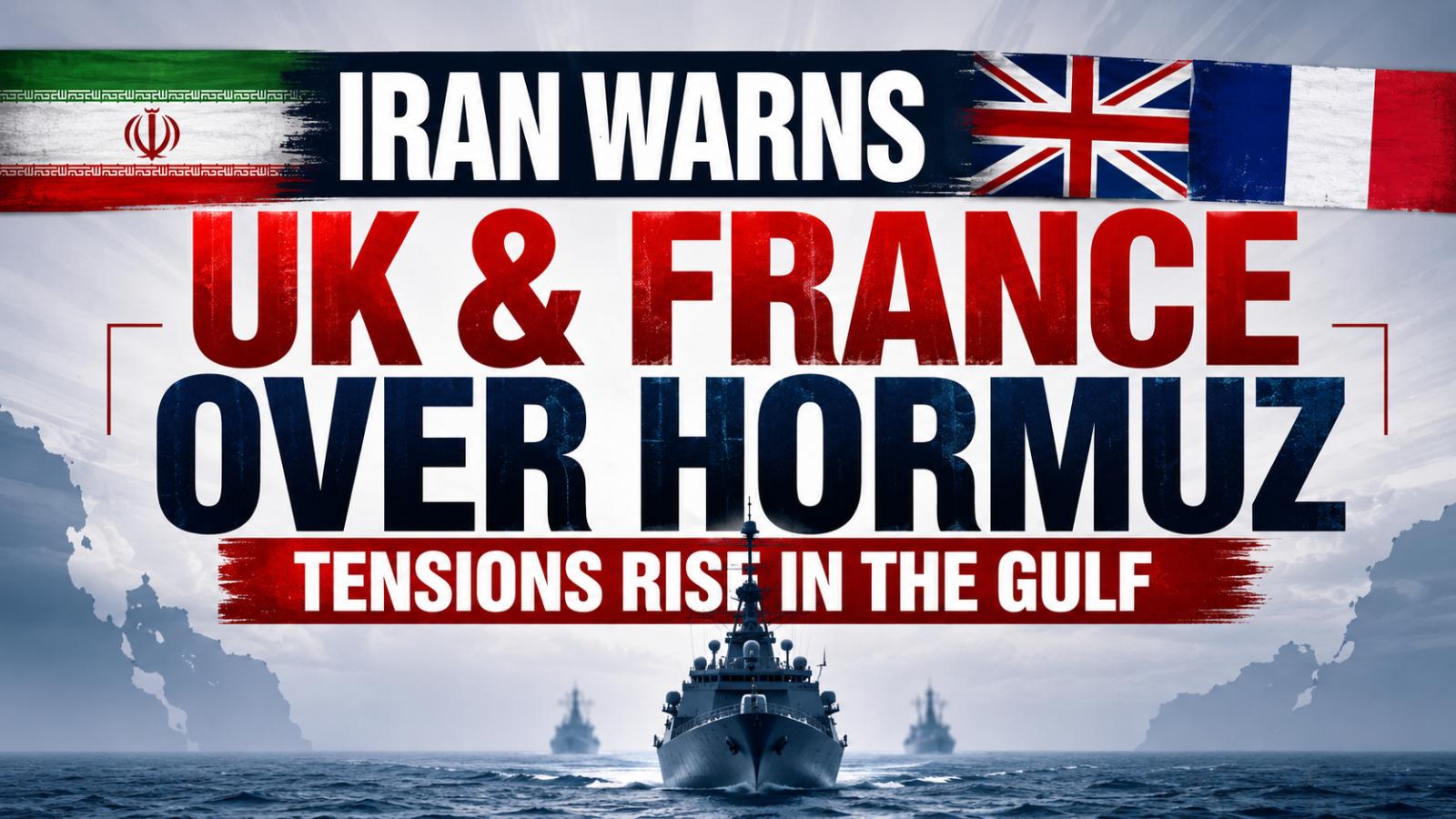
Tensions between the United States, Israel, and Iran are intensifying, with multiple developments across the Middle East signaling a potentially dangerous escalation in the ongoing conflict. The situation has drawn increased global attention as military activity expands and diplomatic efforts continue behind the scenes. Hundreds of US Special Operations forces have recently been deployed to the region, pushing total American troop levels beyond 50,000. The expanded presence reflects growing concerns in Washington over regional stability and the need to safeguard critical maritime routes, including the strategically vital Strait of Hormuz. US officials are also weighing a range of military and strategic options, including potential actions targeting Iran’s nuclear capabilities and energy infrastructure. Amid these developments, discussions have reportedly included the possibility of securing or seizing Iranian oil facilities and enriched uranium assets. At the same time, diplomatic channels remain active, with regional intermediaries attempting to ease tensions and prevent further escalation. Uncertainty surrounding Iran’s leadership has added another layer of complexity. Supreme Leader Mojtaba Khamenei has not appeared publicly in recent days, fueling speculation about his health and control over internal decision-making during a critical period. The conflict is also beginning to extend beyond traditional battle zones. A recent Iranian strike in Kuwait resulted in the death of an Indian worker, underscoring the growing risks to civilians and foreign nationals in the region. Analysts warn that such incidents highlight the vulnerability of critical infrastructure and the potential for unintended consequences as hostilities widen. Security experts caution that the situation remains highly volatile, with the possibility of broader regional fallout if tensions continue to rise. As military posturing increases alongside fragile diplomatic efforts, the coming days are expected to be crucial in determining whether the conflict can be contained or escalates further.
US-Israel-Iran tensions escalate as troop levels rise in Middle East
Tensions between the United States, Israel, and Iran are intensifying, with multiple developments across the Middle East signaling a potentially dangerous escalation in the ongoing conflict. The situation has drawn increased global attention as military activity expands and diplomatic efforts continue behind the scenes. Hundreds of US Special Operations forces have recently been deployed to the region, pushing total American troop levels beyond 50,000. The expanded presence reflects growing concerns in Washington over regional stability and the need to safeguard critical maritime routes, including the strategically vital Strait of Hormuz. US officials are also weighing a range of military and strategic options, including potential actions targeting Iran’s nuclear capabilities and energy infrastructure. Amid these developments, discussions have reportedly included the possibility of securing or seizing Iranian oil facilities and enriched uranium assets. At the same time, diplomatic channels remain active, with regional intermediaries attempting to ease tensions and prevent further escalation. Uncertainty surrounding Iran’s leadership has added another layer of complexity. Supreme Leader Mojtaba Khamenei has not appeared publicly in recent days, fueling speculation about his health and control over internal decision-making during a critical period. The conflict is also beginning to extend beyond traditional battle zones. A recent Iranian strike in Kuwait resulted in the death of an Indian worker, underscoring the growing risks to civilians and foreign nationals in the region. Analysts warn that such incidents highlight the vulnerability of critical infrastructure and the potential for unintended consequences as hostilities widen. Security experts caution that the situation remains highly volatile, with the possibility of broader regional fallout if tensions continue to rise. As military posturing increases alongside fragile diplomatic efforts, the coming days are expected to be crucial in determining whether the conflict can be contained or escalates further.
Amaravati Capital Bill Moves Forward as Centre Prepares for Final Approval
The Andhra Pradesh government has officially completed the process of declaring Amaravati as the permanent capital of the state. The resolution was formalized in the Assembly in the presence of Chief Minister N. Chandrababu Naidu and Deputy Chief Minister Pawan Kalyan, while Y.S. Jagan Mohan Reddy remained absent during the proceedings. In a significant development, sources from New Delhi indicate that discussions are actively underway at the central level regarding legislation for
Amaravati Capital Bill Moves Forward as Centre Prepares for Final Approval
The Andhra Pradesh government has officially completed the process of declaring Amaravati as the permanent capital of the state. The resolution was formalized in the Assembly in the presence of Chief Minister N. Chandrababu Naidu and Deputy Chief Minister Pawan Kalyan, while Y.S. Jagan Mohan Reddy remained absent during the proceedings. In a significant development, sources from New Delhi indicate that discussions are actively underway at the central level regarding legislation for
TDP Celebrates 44 Years: A Legacy of Resilience and Future Growth in Andhra Pradesh
The Telugu Desam Party (TDP) has celebrated 44 years of existence, marking a rich legacy in the political history of Andhra Pradesh and Telangana. Founded by the legendary N. T. Rama Rao, the party has overcome numerous challenges and emerged resilient, notably bouncing back from its defeat in 2019, when it won just 23 seats. Under the leadership of N. Chandrababu Naidu, TDP revitalized itself and formed an alliance with Janasena and BJP, becoming one of the most popular political forces in I
TDP Celebrates 44 Years: A Legacy of Resilience and Future Growth in Andhra Pradesh
The Telugu Desam Party (TDP) has celebrated 44 years of existence, marking a rich legacy in the political history of Andhra Pradesh and Telangana. Founded by the legendary N. T. Rama Rao, the party has overcome numerous challenges and emerged resilient, notably bouncing back from its defeat in 2019, when it won just 23 seats. Under the leadership of N. Chandrababu Naidu, TDP revitalized itself and formed an alliance with Janasena and BJP, becoming one of the most popular political forces in I
Andhra Pradesh Assembly Officially Notifies Amaravati as the Permanent Capital
In a historic move today, the Andhra Pradesh Assembly officially notified Amaravati as the permanent capital of the state. This crucial step comes after extensive lobbying from the Andhra Pradesh government and a request from the Union Government for a written statement. The announcement was made by Chief Minister Chandrababu Naidu, marking a significant development in the state’s ongoing political journey. The
Andhra Pradesh Assembly Officially Notifies Amaravati as the Permanent Capital
In a historic move today, the Andhra Pradesh Assembly officially notified Amaravati as the permanent capital of the state. This crucial step comes after extensive lobbying from the Andhra Pradesh government and a request from the Union Government for a written statement. The announcement was made by Chief Minister Chandrababu Naidu, marking a significant development in the state’s ongoing political journey. The
US-Israel-Iran conflict escalates as strikes intensify and diplomacy falters
The ongoing conflict involving the United States, Israel, and Iran is nearing the one-month mark, with hostilities continuing to escalate across multiple fronts. Despite renewed claims of diplomatic engagement, military operations remain active, contributing to rising casualties and increasing uncertainty across the region. US President Donald Trump recently stated that discussions with Iran are ongoing, suggesting the possibility of a diplomatic breakthrough. However, Iranian authorities have dismissed such claims, describing reports of negotiations as misleading and intended to influence global oil and financial markets. The conflicting narratives have further complicated the geopolitical landscape, as both sides continue to pursue military strategies alongside public statements on diplomacy. Recent strikes have intensified within Iran, including an attack in southern Tehran that resulted in at least 12 fatalities and left 28 others injured. These developments underscore the continued volatility within Iranian territory, as Israeli and US operations target strategic locations amid the broader confrontation. In response, Iran and its ally Hezbollah have launched a fresh wave of missile attacks targeting Israeli cities, including Tel Aviv and areas in the north. The strikes have caused civilian casualties, with at least one reported death and multiple injuries. Israel has simultaneously expanded its military operations in southern Lebanon, following indications of a plan to establish control up to the Litani River. Reports indicate that at least 33 people have been killed in recent bombardments in the region. The conflict has also extended beyond immediate battle zones, affecting regional stability and international economic interests. The United Arab Emirates confirmed that a Moroccan national working with its armed forces in Bahrain was killed during an Iranian attack, with additional personnel reported injured. Meanwhile, QatarEnergy has declared force majeure on several liquefied natural gas contracts, impacting supply agreements with countries including Italy, Belgium, South Korea, and China. As military actions continue alongside disputed diplomatic signals, the conflict is increasingly influencing global energy markets and geopolitical dynamics, raising concerns about further escalation and broader economic consequences.
US-Israel-Iran conflict escalates as strikes intensify and diplomacy falters
The ongoing conflict involving the United States, Israel, and Iran is nearing the one-month mark, with hostilities continuing to escalate across multiple fronts. Despite renewed claims of diplomatic engagement, military operations remain active, contributing to rising casualties and increasing uncertainty across the region. US President Donald Trump recently stated that discussions with Iran are ongoing, suggesting the possibility of a diplomatic breakthrough. However, Iranian authorities have dismissed such claims, describing reports of negotiations as misleading and intended to influence global oil and financial markets. The conflicting narratives have further complicated the geopolitical landscape, as both sides continue to pursue military strategies alongside public statements on diplomacy. Recent strikes have intensified within Iran, including an attack in southern Tehran that resulted in at least 12 fatalities and left 28 others injured. These developments underscore the continued volatility within Iranian territory, as Israeli and US operations target strategic locations amid the broader confrontation. In response, Iran and its ally Hezbollah have launched a fresh wave of missile attacks targeting Israeli cities, including Tel Aviv and areas in the north. The strikes have caused civilian casualties, with at least one reported death and multiple injuries. Israel has simultaneously expanded its military operations in southern Lebanon, following indications of a plan to establish control up to the Litani River. Reports indicate that at least 33 people have been killed in recent bombardments in the region. The conflict has also extended beyond immediate battle zones, affecting regional stability and international economic interests. The United Arab Emirates confirmed that a Moroccan national working with its armed forces in Bahrain was killed during an Iranian attack, with additional personnel reported injured. Meanwhile, QatarEnergy has declared force majeure on several liquefied natural gas contracts, impacting supply agreements with countries including Italy, Belgium, South Korea, and China. As military actions continue alongside disputed diplomatic signals, the conflict is increasingly influencing global energy markets and geopolitical dynamics, raising concerns about further escalation and broader economic consequences.
Claude Now Controls Your Computer, Anthropic Unveils New AI Feature for Automation
In a groundbreaking development, Anthropic has introduced a new feature for Claude, its powerful AI assistant, enabling it to gain full control of your computer. This update takes Claude beyond simply responding to commands—it now has the capability to operate your mouse, keyboard, and even access apps, effectively transforming it into a remote personal assistant capable of completing tasks on your behalf. The new functionality is designed to streamline productivity by allowing Claude to handle tasks like opening applications, managing spreadsheets, navigating browsers, and more—all without you needing to be present at your computer. With this feature, Anthropic envisions a future where you can rely on AI to do the work while you are away, with minimal interaction required on your part. Alex Albert, a researcher at Anthropic, shared on X (formerly Twitter), "The future where I never have to open up my laptop to get work done is becoming real very fast." The integration with the Dispatch feature, which allows users to remotely control Claude, enhances the AI’s capabilities, making it a versatile tool for both personal and professional use. Claude's access to your computer is seamless, initially starting with apps like Slack or Calendar. With permission, it can extend access to other applications needed for the task at hand. Once set up, you can prompt Claude remotely through its mobile or desktop app, and when you return, the AI will have completed your tasks. Currently, this feature is available only to paid users of Claude Cowork and Claude Code, and is limited to macOS users. Both the Claude desktop and mobile apps need to be updated and paired for the full functionality to work. This shift towards AI-powered automation, allowing AI agents like Claude to manage tasks and workflows independently, marks a significant step forward in the development of agentic AI, positioning Anthropic as a leader in this field. With competitors like Nvidia’s NemoClaw, OpenAI, and Meta developing similar AI systems, the race to bring seamless, autonomous task management to everyday users is gaining momentum.
Claude Now Controls Your Computer, Anthropic Unveils New AI Feature for Automation
In a groundbreaking development, Anthropic has introduced a new feature for Claude, its powerful AI assistant, enabling it to gain full control of your computer. This update takes Claude beyond simply responding to commands—it now has the capability to operate your mouse, keyboard, and even access apps, effectively transforming it into a remote personal assistant capable of completing tasks on your behalf. The new functionality is designed to streamline productivity by allowing Claude to handle tasks like opening applications, managing spreadsheets, navigating browsers, and more—all without you needing to be present at your computer. With this feature, Anthropic envisions a future where you can rely on AI to do the work while you are away, with minimal interaction required on your part. Alex Albert, a researcher at Anthropic, shared on X (formerly Twitter), "The future where I never have to open up my laptop to get work done is becoming real very fast." The integration with the Dispatch feature, which allows users to remotely control Claude, enhances the AI’s capabilities, making it a versatile tool for both personal and professional use. Claude's access to your computer is seamless, initially starting with apps like Slack or Calendar. With permission, it can extend access to other applications needed for the task at hand. Once set up, you can prompt Claude remotely through its mobile or desktop app, and when you return, the AI will have completed your tasks. Currently, this feature is available only to paid users of Claude Cowork and Claude Code, and is limited to macOS users. Both the Claude desktop and mobile apps need to be updated and paired for the full functionality to work. This shift towards AI-powered automation, allowing AI agents like Claude to manage tasks and workflows independently, marks a significant step forward in the development of agentic AI, positioning Anthropic as a leader in this field. With competitors like Nvidia’s NemoClaw, OpenAI, and Meta developing similar AI systems, the race to bring seamless, autonomous task management to everyday users is gaining momentum.
Jagan Depressed Over Family Dispute With Sharmila: Spokesperson's Statement
The YSR family, once the epitome of political unity, has been embroiled in a public dispute since the 2019 elections, with Sharmila accusing her brother, YS Jagan, of grabbing their family properties. This family matter, initially intended to be private, has now escalated into a highly publicized issue with tribunal cases and open letters exchanged between the siblings, as well as their mother, Vijayamma. In a recent statement, YSR Congress spokesperson, Rachamallu Siva Prasad Reddy, shed light on Jagan's emotional state regarding the ongoing family conflict. According to Reddy, Jagan is not avoiding the issue due to a lack of courage but is instead deeply pained by the situation. He expressed that Jagan values family ties and his affection for his sister, which has kept him from responding publicly to Sharmila’s accusations. Reddy stated, “Jagan is not scared to speak up but is upset over the impact of this family dispute on their bond. If Sharmila thinks Jagan lacks integrity, she can see for herself who has survived the political battles in AP without alliances.” This statement adds another layer to the complex issue, as many argue that Jagan should address the matter directly, especially given that Sharmila and Vijayamma have publicly claimed that he is at fault in the property dispute. However, instead of directly confronting the issue, Jagan continues to leave responses to his party spokespersons, raising more questions about his stance on the matter. Sharmila’s supporters, however, disagree with Reddy's perspective. They argue that if Jagan truly valued family ties, he would take concrete steps to redistribute the properties in a fair and legal manner. They point out that Jagan cannot claim to respect family values while his mother and sister continue to accuse him of withholding YSR’s properties from them. The accusations have caused significant rifts, and the lack of a direct resolution from Jagan only adds fuel to the fire. While politicians are accustomed to handling public disputes and political adversaries, Jagan's challenge seems more personal, as he is now forced to address tensions not only with political rivals but with his own family. Yet, Jagan’s silence on the matter has left many questioning whether he will ever publicly resolve this issue, especially as his mother and sister continue to voice their grievances in public. The ongoing dispute is far from over, and with each passing day, the stakes in this family drama grow higher, both in political and emotional terms. The public's interest in this matter is unlikely to fade anytime soon, and it remains to be seen whether Jagan will finally take a stand and clear the air on this long-running issue.
Jagan Depressed Over Family Dispute With Sharmila: Spokesperson's Statement
The YSR family, once the epitome of political unity, has been embroiled in a public dispute since the 2019 elections, with Sharmila accusing her brother, YS Jagan, of grabbing their family properties. This family matter, initially intended to be private, has now escalated into a highly publicized issue with tribunal cases and open letters exchanged between the siblings, as well as their mother, Vijayamma. In a recent statement, YSR Congress spokesperson, Rachamallu Siva Prasad Reddy, shed light on Jagan's emotional state regarding the ongoing family conflict. According to Reddy, Jagan is not avoiding the issue due to a lack of courage but is instead deeply pained by the situation. He expressed that Jagan values family ties and his affection for his sister, which has kept him from responding publicly to Sharmila’s accusations. Reddy stated, “Jagan is not scared to speak up but is upset over the impact of this family dispute on their bond. If Sharmila thinks Jagan lacks integrity, she can see for herself who has survived the political battles in AP without alliances.” This statement adds another layer to the complex issue, as many argue that Jagan should address the matter directly, especially given that Sharmila and Vijayamma have publicly claimed that he is at fault in the property dispute. However, instead of directly confronting the issue, Jagan continues to leave responses to his party spokespersons, raising more questions about his stance on the matter. Sharmila’s supporters, however, disagree with Reddy's perspective. They argue that if Jagan truly valued family ties, he would take concrete steps to redistribute the properties in a fair and legal manner. They point out that Jagan cannot claim to respect family values while his mother and sister continue to accuse him of withholding YSR’s properties from them. The accusations have caused significant rifts, and the lack of a direct resolution from Jagan only adds fuel to the fire. While politicians are accustomed to handling public disputes and political adversaries, Jagan's challenge seems more personal, as he is now forced to address tensions not only with political rivals but with his own family. Yet, Jagan’s silence on the matter has left many questioning whether he will ever publicly resolve this issue, especially as his mother and sister continue to voice their grievances in public. The ongoing dispute is far from over, and with each passing day, the stakes in this family drama grow higher, both in political and emotional terms. The public's interest in this matter is unlikely to fade anytime soon, and it remains to be seen whether Jagan will finally take a stand and clear the air on this long-running issue.
Rising Tensions: Kuwait, Bahrain, Saudi Arabia, UAE Targeted by Drones and Missiles
Tensions in the Middle East are escalating as multiple nations, including Kuwait, Bahrain, Saudi Arabia, and the UAE, face a series of drone and missile attacks. At Kuwait International Airport, a fuel tank was targeted, sparking a fire, but no casualties were reported. Bahrain also suffered a fire at a company facility due to missile strikes, allegedly launched by Iran. Kuwait’s military and other regional air defense systems have been actively intercepting these threats, with explosion so
Rising Tensions: Kuwait, Bahrain, Saudi Arabia, UAE Targeted by Drones and Missiles
Tensions in the Middle East are escalating as multiple nations, including Kuwait, Bahrain, Saudi Arabia, and the UAE, face a series of drone and missile attacks. At Kuwait International Airport, a fuel tank was targeted, sparking a fire, but no casualties were reported. Bahrain also suffered a fire at a company facility due to missile strikes, allegedly launched by Iran. Kuwait’s military and other regional air defense systems have been actively intercepting these threats, with explosion so
US–Israel–Iran War | Iran alleges strike near Bushehr nuclear plant amid rising tensions
Iran’s Atomic Energy Organization on Tuesday reported that a projectile struck within the perimeter of the Bushehr nuclear power plant, alleging that the attack was carried out by the United States and Israel. In an official statement, the agency described the incident as part of continued aggression by what it termed the “American-Zionist enemy.” Authorities said the projectile landed inside the facility’s enclosure but confirmed that initial assessments found no financial losses, techn
US–Israel–Iran War | Iran alleges strike near Bushehr nuclear plant amid rising tensions
Iran’s Atomic Energy Organization on Tuesday reported that a projectile struck within the perimeter of the Bushehr nuclear power plant, alleging that the attack was carried out by the United States and Israel. In an official statement, the agency described the incident as part of continued aggression by what it termed the “American-Zionist enemy.” Authorities said the projectile landed inside the facility’s enclosure but confirmed that initial assessments found no financial losses, techn
US-Israel strike on Iran followed urgent call between Netanyahu and Trump
Less than 48 hours before a joint US-Israeli military operation targeting Iran, Israeli Prime Minister Benjamin Netanyahu made a final appeal to US President Donald Trump, urging swift action as intelligence indicated a narrowing operational window. According to officials, briefings suggested that Iran’s Supreme Leader Ayatollah Ali Khamenei and senior leadership were expected to gather in Tehran, presenting what was described as a rare strategic opportunity. Updated intelligence reportedly showed the meeting had been moved earlier, intensifying the urgency of the decision. Although Trump had already approved military action in principle, the exact timing and scale remained under review. Netanyahu’s call was seen as a decisive moment, reinforcing arguments that delays could result in a missed opportunity. The operation followed months of escalating tensions and unsuccessful diplomatic efforts aimed at addressing Iran’s nuclear programme, which had reached a stalemate. Earlier military actions in June, involving strikes on Iranian nuclear and missile infrastructure, had already heightened hostilities. While US forces later joined Israeli operations in a 12-day campaign, Israeli officials continued to push for a more comprehensive response. Strategic discussions, including high-level meetings, focused on Iran’s advancing missile capabilities and perceived regional threat. Additional geopolitical developments influenced Washington’s approach, including a successful US-backed operation in Venezuela and widespread unrest within Iran, which was met with force by security agencies. US officials had anticipated escalation, warning that any Israeli action could provoke retaliation against American assets and allies in the region. The coordinated strikes began on February 28 after Trump gave final approval. The White House stated that the objective was to weaken Iran’s military infrastructure, curb its missile capabilities, and prevent nuclear weapon development. Trump later announced that Khamenei had been killed during the operation. The aftermath saw immediate retaliation from Iran, disruptions in key shipping routes, and a surge in global oil prices. Reports indicated significant casualties, including Iranian civilians and US personnel. Despite expectations of political change, intelligence assessments had warned that leadership shifts might not moderate Iran’s stance. Khamenei’s son, Mojtaba Khamenei, has since assumed leadership, while security forces continue to maintain control. Both leaders have defended their roles in the decision, with Trump asserting sole responsibility and Netanyahu denying claims of influencing US involvement. However, accounts suggest that the combination of intelligence updates and diplomatic pressure played a critical role in shaping a decision that has significantly altered regional dynamics.
US-Israel strike on Iran followed urgent call between Netanyahu and Trump
Less than 48 hours before a joint US-Israeli military operation targeting Iran, Israeli Prime Minister Benjamin Netanyahu made a final appeal to US President Donald Trump, urging swift action as intelligence indicated a narrowing operational window. According to officials, briefings suggested that Iran’s Supreme Leader Ayatollah Ali Khamenei and senior leadership were expected to gather in Tehran, presenting what was described as a rare strategic opportunity. Updated intelligence reportedly showed the meeting had been moved earlier, intensifying the urgency of the decision. Although Trump had already approved military action in principle, the exact timing and scale remained under review. Netanyahu’s call was seen as a decisive moment, reinforcing arguments that delays could result in a missed opportunity. The operation followed months of escalating tensions and unsuccessful diplomatic efforts aimed at addressing Iran’s nuclear programme, which had reached a stalemate. Earlier military actions in June, involving strikes on Iranian nuclear and missile infrastructure, had already heightened hostilities. While US forces later joined Israeli operations in a 12-day campaign, Israeli officials continued to push for a more comprehensive response. Strategic discussions, including high-level meetings, focused on Iran’s advancing missile capabilities and perceived regional threat. Additional geopolitical developments influenced Washington’s approach, including a successful US-backed operation in Venezuela and widespread unrest within Iran, which was met with force by security agencies. US officials had anticipated escalation, warning that any Israeli action could provoke retaliation against American assets and allies in the region. The coordinated strikes began on February 28 after Trump gave final approval. The White House stated that the objective was to weaken Iran’s military infrastructure, curb its missile capabilities, and prevent nuclear weapon development. Trump later announced that Khamenei had been killed during the operation. The aftermath saw immediate retaliation from Iran, disruptions in key shipping routes, and a surge in global oil prices. Reports indicated significant casualties, including Iranian civilians and US personnel. Despite expectations of political change, intelligence assessments had warned that leadership shifts might not moderate Iran’s stance. Khamenei’s son, Mojtaba Khamenei, has since assumed leadership, while security forces continue to maintain control. Both leaders have defended their roles in the decision, with Trump asserting sole responsibility and Netanyahu denying claims of influencing US involvement. However, accounts suggest that the combination of intelligence updates and diplomatic pressure played a critical role in shaping a decision that has significantly altered regional dynamics.
7.6 Magnitude Earthquake Rocks Tonga: Could It Trigger Another 2022-Like Eruption?
A powerful 7.6 magnitude earthquake recently struck near Tonga, located at a considerable depth of 238 km beneath the Earth’s surface. While the depth of the quake has reduced the immediate risk of damage or a tsunami, the event is still drawing attention from scientists, as it is part of an unsettling pattern of seismic activity in the region. The epicenter, located over 150 km from the town of Neiafu, lies along the Tonga Trench, one of the most tectonically active areas in the world.
7.6 Magnitude Earthquake Rocks Tonga: Could It Trigger Another 2022-Like Eruption?
A powerful 7.6 magnitude earthquake recently struck near Tonga, located at a considerable depth of 238 km beneath the Earth’s surface. While the depth of the quake has reduced the immediate risk of damage or a tsunami, the event is still drawing attention from scientists, as it is part of an unsettling pattern of seismic activity in the region. The epicenter, located over 150 km from the town of Neiafu, lies along the Tonga Trench, one of the most tectonically active areas in the world.
Pakistan Armed Group Threatens PSL 2026 Players: David Warner, Steve Smith Warned
The 2026 Pakistan Super League (PSL) faces growing uncertainty following threats issued by the Pakistan-based armed group Jamaat-ul-Ahrar. In a chilling statement, the group has warned high-profile international players, including Australia’s David Warner and Steve Smith, urging them to withdraw from the tournament due to the volatile security situation in Pakistan. The group further stated that the players' safety could not be guaranteed if they proceeded with their participation.
Pakistan Armed Group Threatens PSL 2026 Players: David Warner, Steve Smith Warned
The 2026 Pakistan Super League (PSL) faces growing uncertainty following threats issued by the Pakistan-based armed group Jamaat-ul-Ahrar. In a chilling statement, the group has warned high-profile international players, including Australia’s David Warner and Steve Smith, urging them to withdraw from the tournament due to the volatile security situation in Pakistan. The group further stated that the players' safety could not be guaranteed if they proceeded with their participation.
Trump claims major US military success against Iran at White House event
US President Donald Trump on Friday said the United States was “doing extremely well in Iran,” making a series of sweeping claims about the country’s military capabilities during a ceremony at the White House. Speaking while presenting the Commander-in-Chief’s Trophy, Trump asserted that Iran’s naval forces had effectively been neutralised, stating that the country now has “no navy anymo
Trump claims major US military success against Iran at White House event
US President Donald Trump on Friday said the United States was “doing extremely well in Iran,” making a series of sweeping claims about the country’s military capabilities during a ceremony at the White House. Speaking while presenting the Commander-in-Chief’s Trophy, Trump asserted that Iran’s naval forces had effectively been neutralised, stating that the country now has “no navy anymo
US–Israel–Iran War | Iran confirms intelligence chief killed in Israeli airstrike amid rising tensions
Iranian President Masoud Pezeshkian has confirmed the death of Intelligence Minister Esmail Khatib following an Israeli airstrike in Tehran, describing the incident as a “cowardly assassination” that has intensified tensions in an already volatile Middle East conflict. The confirmation came on Wednesday,
US–Israel–Iran War | Iran confirms intelligence chief killed in Israeli airstrike amid rising tensions
Iranian President Masoud Pezeshkian has confirmed the death of Intelligence Minister Esmail Khatib following an Israeli airstrike in Tehran, describing the incident as a “cowardly assassination” that has intensified tensions in an already volatile Middle East conflict. The confirmation came on Wednesday,
Midtown Manhattan fire sends smoke across skyline before St Patrick’s Day parade
A major fire broke out in a high-rise building in Midtown Manhattan on Tuesday morning, sending thick plumes of black smoke across the New York skyline just hours before the city’s St Patrick’s Day parade. Authorities said the incident began shortly before 10 am near East 43rd Street and Madison Avenue, a busy area close to Grand Central Terminal. Emergency crews from the Fire Department of New York responded swiftly, dispatching multiple fire engines and ladder companies to the scene. D
Midtown Manhattan fire sends smoke across skyline before St Patrick’s Day parade
A major fire broke out in a high-rise building in Midtown Manhattan on Tuesday morning, sending thick plumes of black smoke across the New York skyline just hours before the city’s St Patrick’s Day parade. Authorities said the incident began shortly before 10 am near East 43rd Street and Madison Avenue, a busy area close to Grand Central Terminal. Emergency crews from the Fire Department of New York responded swiftly, dispatching multiple fire engines and ladder companies to the scene. D
Ugadi 2026: Celebrate New Beginnings with Traditions
Ugadi, the Hindu New Year festival, will be celebrated on Thursday, March 19, 2026. This auspicious day, falling during the Chaitra month of the Hindu lunar calendar, marks the arrival of the spring season and the beginning of the harvest period. Celebrated with immense enthusiasm and devotion, particularly in Karnataka, Ugadi is a time for renewal, spiritual growth, and emotional well-being. Ugadi Timings (I

Ugadi 2026: Celebrate New Beginnings with Traditions
Ugadi, the Hindu New Year festival, will be celebrated on Thursday, March 19, 2026. This auspicious day, falling during the Chaitra month of the Hindu lunar calendar, marks the arrival of the spring season and the beginning of the harvest period. Celebrated with immense enthusiasm and devotion, particularly in Karnataka, Ugadi is a time for renewal, spiritual growth, and emotional well-being. Ugadi Timings (I

US–Israel–Iran War | Iran claims missile strike near Netanyahu office amid rising Israel tensions
Iran on Tuesday claimed responsibility for a missile strike that it said landed near the office of Israeli Prime Minister Benjamin Netanyahu in Jerusalem, marking a sharp escalation in tensions between the two regional rivals. The claim, reported by state-affiliated media, comes amid heightened hostilities and conflicting narratives surrounding recent military developments between Israel and Iran. Israeli authorities reported that missile fragments fell across parts of Jerusalem, including areas within the Old City, prompting air raid sirens in the capital and several central regions. While debris was said to have landed near prominent religious landmarks, officials confirmed that the Prime Minister’s office did not sustain any damage. Emergency response teams were deployed to assess the impact and ensure public safety in affected zones. According to multiple reports, shrapnel from the strike caused minor damage near significant religious sites, including the Church of the Holy Sepulchre and areas close to the Temple Mount. These locations, revered by multiple faiths, heightened concerns over the broader implications of the incident and the risk of further escalation in a sensitive region. The developments follow Israeli claims that Ali Larijani, described as Iran’s national security chief, was killed in a targeted operation. Tehran has not confirmed his death, adding uncertainty to the situation. In a televised statement, Netanyahu asserted that the operation was part of a broader effort to weaken Iran’s leadership structure and encourage internal change. He stated that sustained pressure could create conditions for citizens to determine their own political future. Earlier in the day, the Israeli Prime Minister’s Office released images showing Netanyahu inside a military command centre, appearing to oversee ongoing operations. The move was seen as a response to widespread speculation circulating on social media regarding his status, as authorities sought to reinforce confidence and counter misinformation during a period of heightened tension. The exchange of claims and counterclaims underscores the fragile security environment in the region, with both sides maintaining assertive positions as the situation continues to evolve.

US–Israel–Iran War | Iran claims missile strike near Netanyahu office amid rising Israel tensions
Iran on Tuesday claimed responsibility for a missile strike that it said landed near the office of Israeli Prime Minister Benjamin Netanyahu in Jerusalem, marking a sharp escalation in tensions between the two regional rivals. The claim, reported by state-affiliated media, comes amid heightened hostilities and conflicting narratives surrounding recent military developments between Israel and Iran. Israeli authorities reported that missile fragments fell across parts of Jerusalem, including areas within the Old City, prompting air raid sirens in the capital and several central regions. While debris was said to have landed near prominent religious landmarks, officials confirmed that the Prime Minister’s office did not sustain any damage. Emergency response teams were deployed to assess the impact and ensure public safety in affected zones. According to multiple reports, shrapnel from the strike caused minor damage near significant religious sites, including the Church of the Holy Sepulchre and areas close to the Temple Mount. These locations, revered by multiple faiths, heightened concerns over the broader implications of the incident and the risk of further escalation in a sensitive region. The developments follow Israeli claims that Ali Larijani, described as Iran’s national security chief, was killed in a targeted operation. Tehran has not confirmed his death, adding uncertainty to the situation. In a televised statement, Netanyahu asserted that the operation was part of a broader effort to weaken Iran’s leadership structure and encourage internal change. He stated that sustained pressure could create conditions for citizens to determine their own political future. Earlier in the day, the Israeli Prime Minister’s Office released images showing Netanyahu inside a military command centre, appearing to oversee ongoing operations. The move was seen as a response to widespread speculation circulating on social media regarding his status, as authorities sought to reinforce confidence and counter misinformation during a period of heightened tension. The exchange of claims and counterclaims underscores the fragile security environment in the region, with both sides maintaining assertive positions as the situation continues to evolve.
₹341 Crore Additional Aid for Andhra Pradesh from Centre to Support Relief and Recovery
In a significant move, the Centre has sanctioned ₹341 crore as additional disaster assistancefor Andhra Pradesh.
₹341 Crore Additional Aid for Andhra Pradesh from Centre to Support Relief and Recovery
In a significant move, the Centre has sanctioned ₹341 crore as additional disaster assistancefor Andhra Pradesh.
Revanth Reddy’s Vision for a Global Telugu Film Industry: Allu Arjun to Lead the Charge
During the inauguration of Allu Cinemas in Hyderabad, Telangana Chief Minister Revan
Revanth Reddy’s Vision for a Global Telugu Film Industry: Allu Arjun to Lead the Charge
During the inauguration of Allu Cinemas in Hyderabad, Telangana Chief Minister Revan
US–Israel–Iran War | Middle East tensions rise amid Iran drone strikes and Israeli air defence alerts
Tensions across the Middle East escalated sharply on Thursday as the ongoing Iran-Israel conflict intensified with new drone and missile attacks reported across several locations in the region. Iranian authorities claimed responsibility for launching drone strikes targeting Israel’s Shin Bet headquarters in Tel Aviv as well as the Palmachim and Ovda air bases, signalling a significant escalation in hostilities between the two countries. Israeli officials confirmed that missiles we
US–Israel–Iran War | Middle East tensions rise amid Iran drone strikes and Israeli air defence alerts
Tensions across the Middle East escalated sharply on Thursday as the ongoing Iran-Israel conflict intensified with new drone and missile attacks reported across several locations in the region. Iranian authorities claimed responsibility for launching drone strikes targeting Israel’s Shin Bet headquarters in Tel Aviv as well as the Palmachim and Ovda air bases, signalling a significant escalation in hostilities between the two countries. Israeli officials confirmed that missiles we