Modi New Zealand visit puts trade ties in focus
Prime Minister Narendra Modi’s upcoming New Zealand visit is being seen as an important step in strengthening India New Zealand relations after a long gap in high-level outreach. The visit is expected to focus on trade, defence, education, technology, tourism, sports and people-to-people ties. It also comes after New Zealand Prime Minister Christopher Luxon’s India visit, which gave both sides fresh momentum to expand cooperation beyond traditional diplomatic exchang
Modi New Zealand visit puts trade ties in focus
Prime Minister Narendra Modi’s upcoming New Zealand visit is being seen as an important step in strengthening India New Zealand relations after a long gap in high-level outreach. The visit is expected to focus on trade, defence, education, technology, tourism, sports and people-to-people ties. It also comes after New Zealand Prime Minister Christopher Luxon’s India visit, which gave both sides fresh momentum to expand cooperation beyond traditional diplomatic exchang
Indian Army refutes claims of PLA presence in Arunachal sector
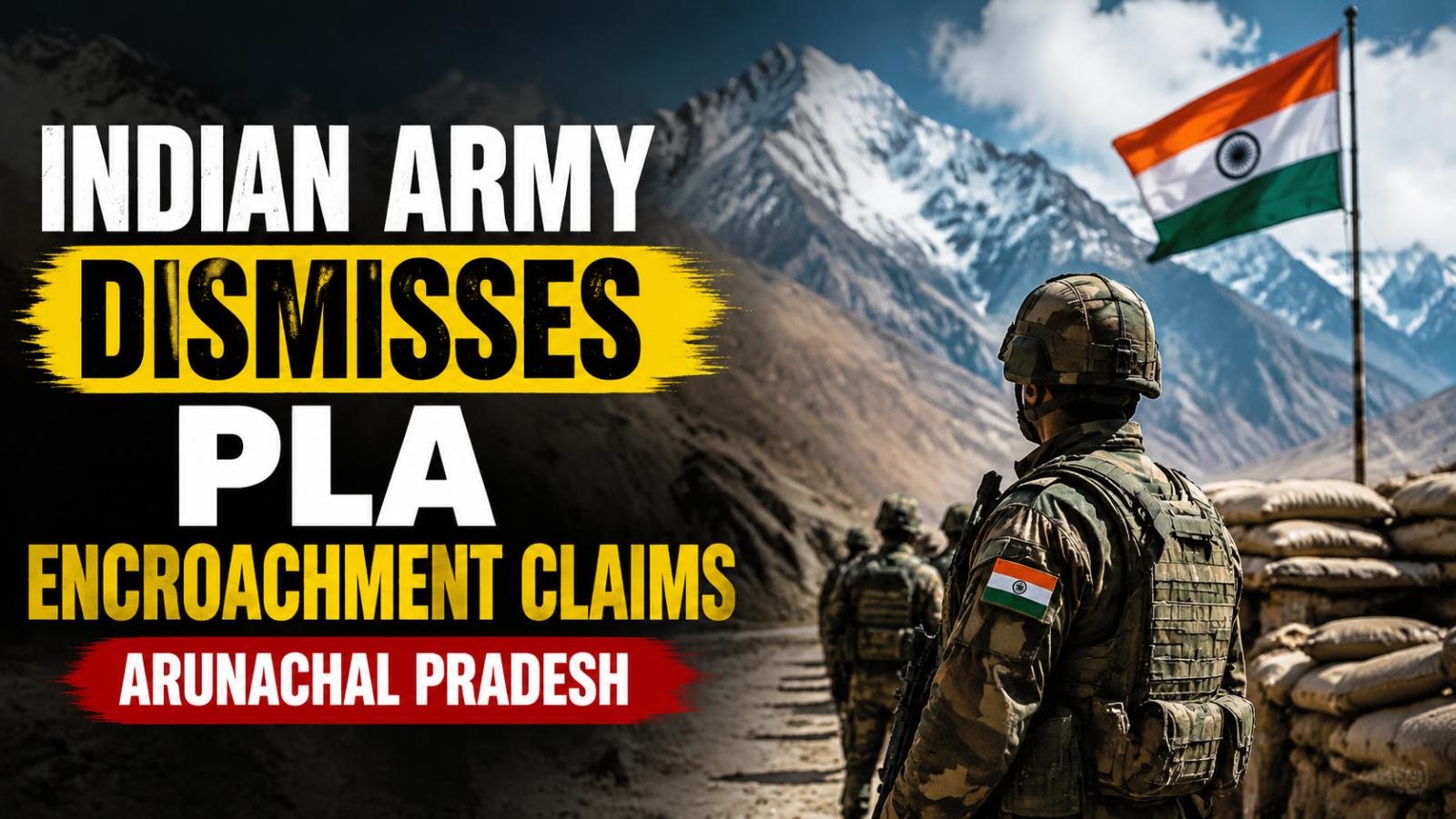
The Indian Army has firmly rejected recent reports suggesting any presence of Chinese PLA forces inside the Taksing sector of Arunachal Pradesh. Officials clarified that routine surveillance along the India-China border continues without interruption and no unusual movement or establishment of camps has been detected within Indian territory. Ground monitoring confirms stable situation Security personnel engaged in border management confirmed that the Upper Subansiri region, including forward areas near Taksing, remains under continuous observation. According to defence inputs, patrol patterns and monitoring systems have shown no indicators of encroachment or escalation. The Army emphasized that operational readiness in the region remains unchanged and fully active. Local concerns over land access claims Separate concerns were raised by local community representatives regarding traditional grazing areas and access to ancestral land in parts of the border belt. These concerns include regions such as Oying, Paniar, Marpan, Potrang Lake, and Tindingtang. While these issues reflect long-standing livelihood sensitivities in remote tribal zones, officials have not confirmed any link between these claims and cross-border military activity. Authorities urge caution over unverified reports Officials have urged restraint in circulating unverified information related to sensitive border zones. Defence sources noted that misinformation can easily create unnecessary tension in strategically important areas like Arunachal Pradesh, where geography and accessibility already complicate communication and verification. Citizens have been advised to rely on authenticated updates from official defence channels. Border status remains unchanged At present, there is no verified evidence supporting claims of PLA encroachment or permanent presence in the reported areas. The Army reiterated that the situation along the eastern frontier remains stable, with established protocols in place for surveillance and response. Continuous monitoring and coordination with civil administration continue to ensure security across the region.
Indian Army refutes claims of PLA presence in Arunachal sector
The Indian Army has firmly rejected recent reports suggesting any presence of Chinese PLA forces inside the Taksing sector of Arunachal Pradesh. Officials clarified that routine surveillance along the India-China border continues without interruption and no unusual movement or establishment of camps has been detected within Indian territory. Ground monitoring confirms stable situation Security personnel engaged in border management confirmed that the Upper Subansiri region, including forward areas near Taksing, remains under continuous observation. According to defence inputs, patrol patterns and monitoring systems have shown no indicators of encroachment or escalation. The Army emphasized that operational readiness in the region remains unchanged and fully active. Local concerns over land access claims Separate concerns were raised by local community representatives regarding traditional grazing areas and access to ancestral land in parts of the border belt. These concerns include regions such as Oying, Paniar, Marpan, Potrang Lake, and Tindingtang. While these issues reflect long-standing livelihood sensitivities in remote tribal zones, officials have not confirmed any link between these claims and cross-border military activity. Authorities urge caution over unverified reports Officials have urged restraint in circulating unverified information related to sensitive border zones. Defence sources noted that misinformation can easily create unnecessary tension in strategically important areas like Arunachal Pradesh, where geography and accessibility already complicate communication and verification. Citizens have been advised to rely on authenticated updates from official defence channels. Border status remains unchanged At present, there is no verified evidence supporting claims of PLA encroachment or permanent presence in the reported areas. The Army reiterated that the situation along the eastern frontier remains stable, with established protocols in place for surveillance and response. Continuous monitoring and coordination with civil administration continue to ensure security across the region.
Indian Space Startups Build NavIC Support Layer For Defence And Navigation
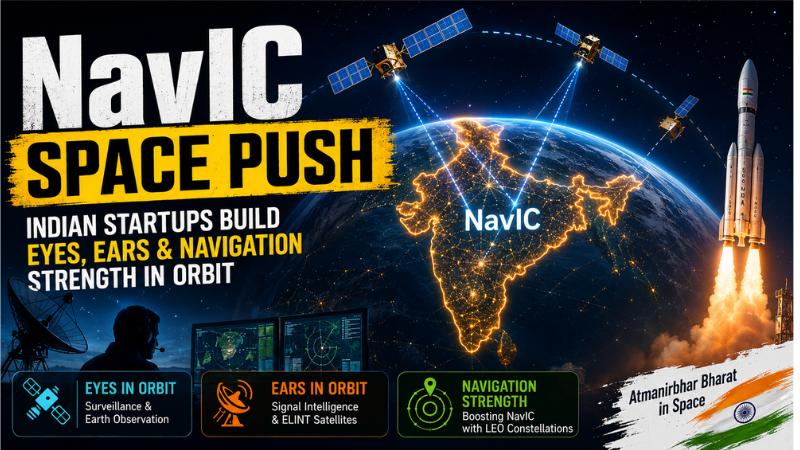
Indian Space Startups Strengthen NavIC Push With Eyes And Ears In Orbit India’s private space companies are no longer just supporting Isro — they are building satellites that could help the country watch borders, track signals, and strengthen NavIC. At the India Space Congress 2026 in New Delhi, several Indian firms showcased satellite technologies focused on surveillance, si
Indian Space Startups Build NavIC Support Layer For Defence And Navigation
Indian Space Startups Strengthen NavIC Push With Eyes And Ears In Orbit India’s private space companies are no longer just supporting Isro — they are building satellites that could help the country watch borders, track signals, and strengthen NavIC. At the India Space Congress 2026 in New Delhi, several Indian firms showcased satellite technologies focused on surveillance, si
Indian Army Negev LMGs to get MEPRO X6 sights
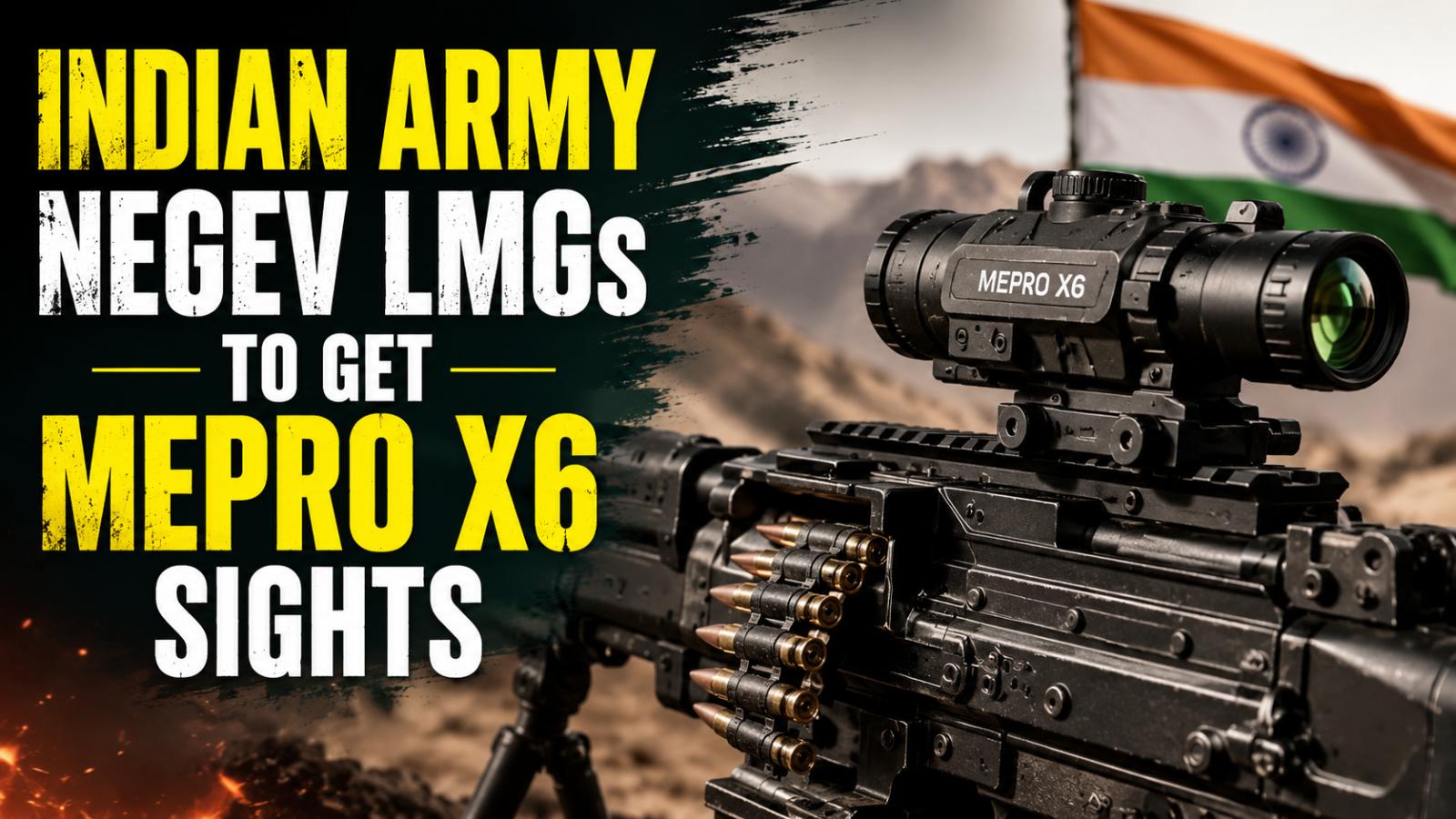
The Indian Army’s Negev light machine guns are set for an optics upgrade with the addition of MEPRO X6 daytime sights. The move is expected to improve aiming, target visibility and firing confidence for soldiers using the weapon in field conditions. The Negev LMG, originally developed by Israel Weapon Industries, is already part of the Indian Army’s infantry firepower. The new sighting system will help troops use the weapon more effectively at longer distances, especially in open terrain, border areas and demanding operational zones. Why the MEPRO X6 sight matters A light machine gun is not just used for rapid fire. It must also deliver controlled and accurate fire when troops need to engage targets at extended ranges. That is where a reliable optic becomes important. The MEPRO X6 gives the soldier a clearer view of the target during daytime operations. Compared with basic aiming methods, a magnified sight helps improve target identification and reduces guesswork while firing. In difficult environments, this can make the weapon more useful and consistent. Tested for army requirements The Indian Army selected the MEPRO X6 after field assessments and environmental testing. Such trials are important because military equipment has to perform in heat, dust, rough movement and high-pressure combat situations. The focus was not only on accuracy but also on durability, ease of use and reliability. For soldiers, an optic must be simple to operate and strong enough to handle regular field deployment. Made in India push The order includes more than 10,000 MEPRO X6 sights, with deliveries expected during 2026 and 2027. The project also supports India’s defence manufacturing goals through local production. Meprolight has signed a Transfer of Technology agreement with RRP Defense. Under this arrangement, RRP Defense will manufacture the sights in Mumbai and supply them to Bharat Electronics Limited, which is expected to act as the main contractor for the Indian Army. Bigger demand may follow The current order covers only part of the wider Negev LMG requirement. Since the Indian Army has ordered around 41,000 Negev guns, more optics may be needed as additional weapons are delivered and deployed. The upgrade also shows the continued defence cooperation between India and Israel. At the same time, local manufacturing of the sights supports India’s effort to reduce dependence on imported defence equipment. For the soldier on the ground, the real value is simple: better visibility, better aim and better control during operations.
Indian Army Negev LMGs to get MEPRO X6 sights
The Indian Army’s Negev light machine guns are set for an optics upgrade with the addition of MEPRO X6 daytime sights. The move is expected to improve aiming, target visibility and firing confidence for soldiers using the weapon in field conditions. The Negev LMG, originally developed by Israel Weapon Industries, is already part of the Indian Army’s infantry firepower. The new sighting system will help troops use the weapon more effectively at longer distances, especially in open terrain, border areas and demanding operational zones. Why the MEPRO X6 sight matters A light machine gun is not just used for rapid fire. It must also deliver controlled and accurate fire when troops need to engage targets at extended ranges. That is where a reliable optic becomes important. The MEPRO X6 gives the soldier a clearer view of the target during daytime operations. Compared with basic aiming methods, a magnified sight helps improve target identification and reduces guesswork while firing. In difficult environments, this can make the weapon more useful and consistent. Tested for army requirements The Indian Army selected the MEPRO X6 after field assessments and environmental testing. Such trials are important because military equipment has to perform in heat, dust, rough movement and high-pressure combat situations. The focus was not only on accuracy but also on durability, ease of use and reliability. For soldiers, an optic must be simple to operate and strong enough to handle regular field deployment. Made in India push The order includes more than 10,000 MEPRO X6 sights, with deliveries expected during 2026 and 2027. The project also supports India’s defence manufacturing goals through local production. Meprolight has signed a Transfer of Technology agreement with RRP Defense. Under this arrangement, RRP Defense will manufacture the sights in Mumbai and supply them to Bharat Electronics Limited, which is expected to act as the main contractor for the Indian Army. Bigger demand may follow The current order covers only part of the wider Negev LMG requirement. Since the Indian Army has ordered around 41,000 Negev guns, more optics may be needed as additional weapons are delivered and deployed. The upgrade also shows the continued defence cooperation between India and Israel. At the same time, local manufacturing of the sights supports India’s effort to reduce dependence on imported defence equipment. For the soldier on the ground, the real value is simple: better visibility, better aim and better control during operations.
IAF AN-32 Meets With Accident At Assam Airbase
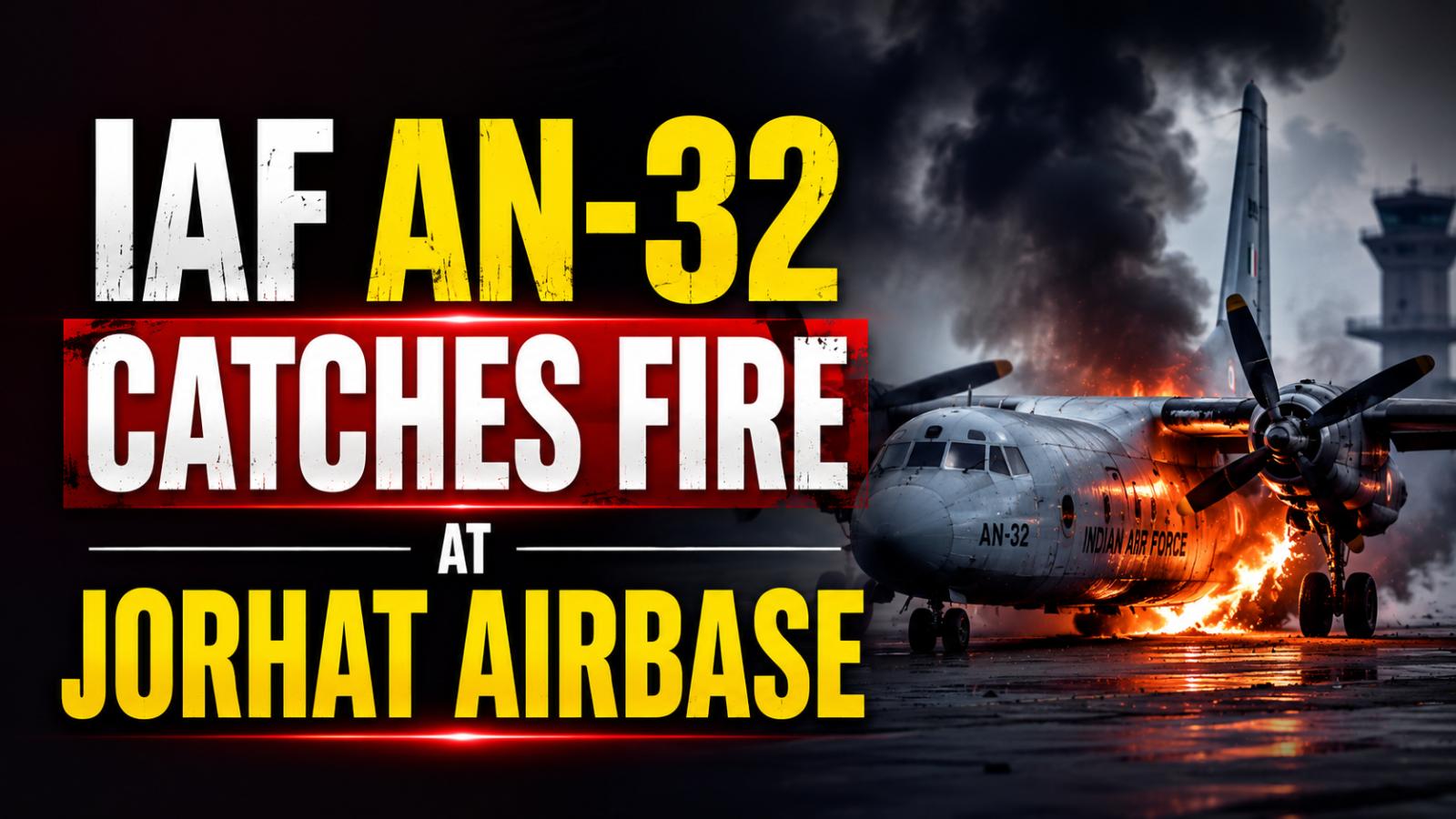
An Indian Air Force AN-32 transport aircraft met with an accident at Air Force Station Jorhat in Assam on Saturday, triggering an emergency response inside the military facility. Initial reports said the aircraft may have caught fire after landing, but officials have not yet confirmed the exact cause of the incident. The Indian Air Force issued a brief statement confirming the accident. It said an AN-32 aircraft of the IAF met with an acci
IAF AN-32 Meets With Accident At Assam Airbase
An Indian Air Force AN-32 transport aircraft met with an accident at Air Force Station Jorhat in Assam on Saturday, triggering an emergency response inside the military facility. Initial reports said the aircraft may have caught fire after landing, but officials have not yet confirmed the exact cause of the incident. The Indian Air Force issued a brief statement confirming the accident. It said an AN-32 aircraft of the IAF met with an acci
DRDO Tests BMD Shield And Naval Strike Missile
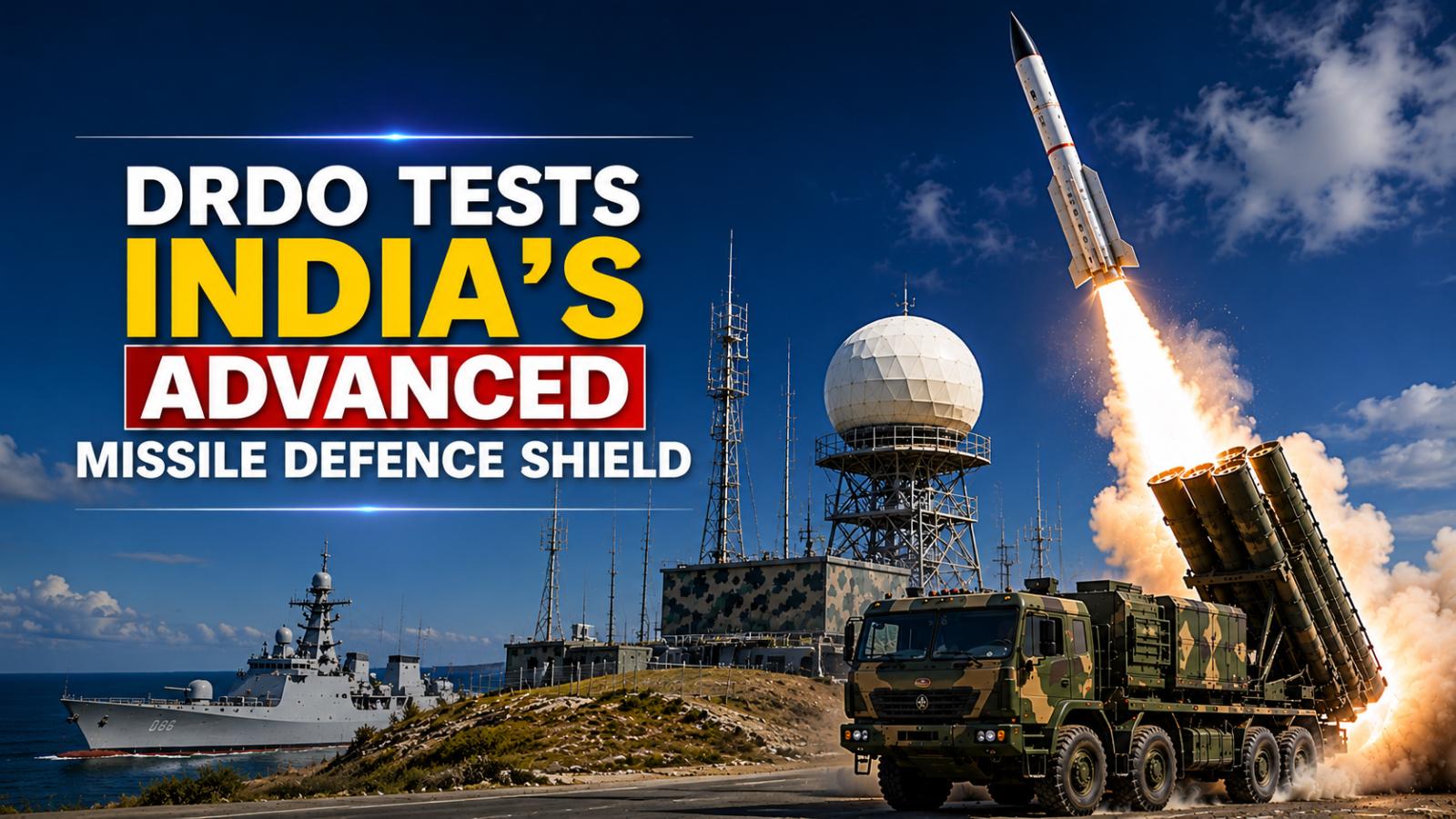
India has achieved a major milestone in defence technology after the Defence Research and Development Organisation successfully tested a multi-layered Ballistic Missile Defence system and conducted the maiden flight test of the Naval Anti-Ship Missile-Medium Range. The successful trials are being seen as a strong boost to India’s indigenous defence programme and long-term strategic preparedness. According to the Ministry of Defence, the
DRDO Tests BMD Shield And Naval Strike Missile
India has achieved a major milestone in defence technology after the Defence Research and Development Organisation successfully tested a multi-layered Ballistic Missile Defence system and conducted the maiden flight test of the Naval Anti-Ship Missile-Medium Range. The successful trials are being seen as a strong boost to India’s indigenous defence programme and long-term strategic preparedness. According to the Ministry of Defence, the
India-Russia Su-57E jet deal moves to advanced production stage
Negotiations between India and Russia for the Su-57E fighter jet have reached a critical stage. The agreement envisions a combination of ready-to-fly aircraft and licensed local production at Hindustan Aeronautics Limited (HAL). A customized two-seater version for India is included, alongside integration of Indian-made systems and local production of Russian aerial weapons. This deal aims to modernize the Indian Air Force and strengthen domestic aerospace capabilities.
India-Russia Su-57E jet deal moves to advanced production stage
Negotiations between India and Russia for the Su-57E fighter jet have reached a critical stage. The agreement envisions a combination of ready-to-fly aircraft and licensed local production at Hindustan Aeronautics Limited (HAL). A customized two-seater version for India is included, alongside integration of Indian-made systems and local production of Russian aerial weapons. This deal aims to modernize the Indian Air Force and strengthen domestic aerospace capabilities.
Operation Sindoor Anniversary: How India’s Battlefield Success Sparked a Defence Export Boom
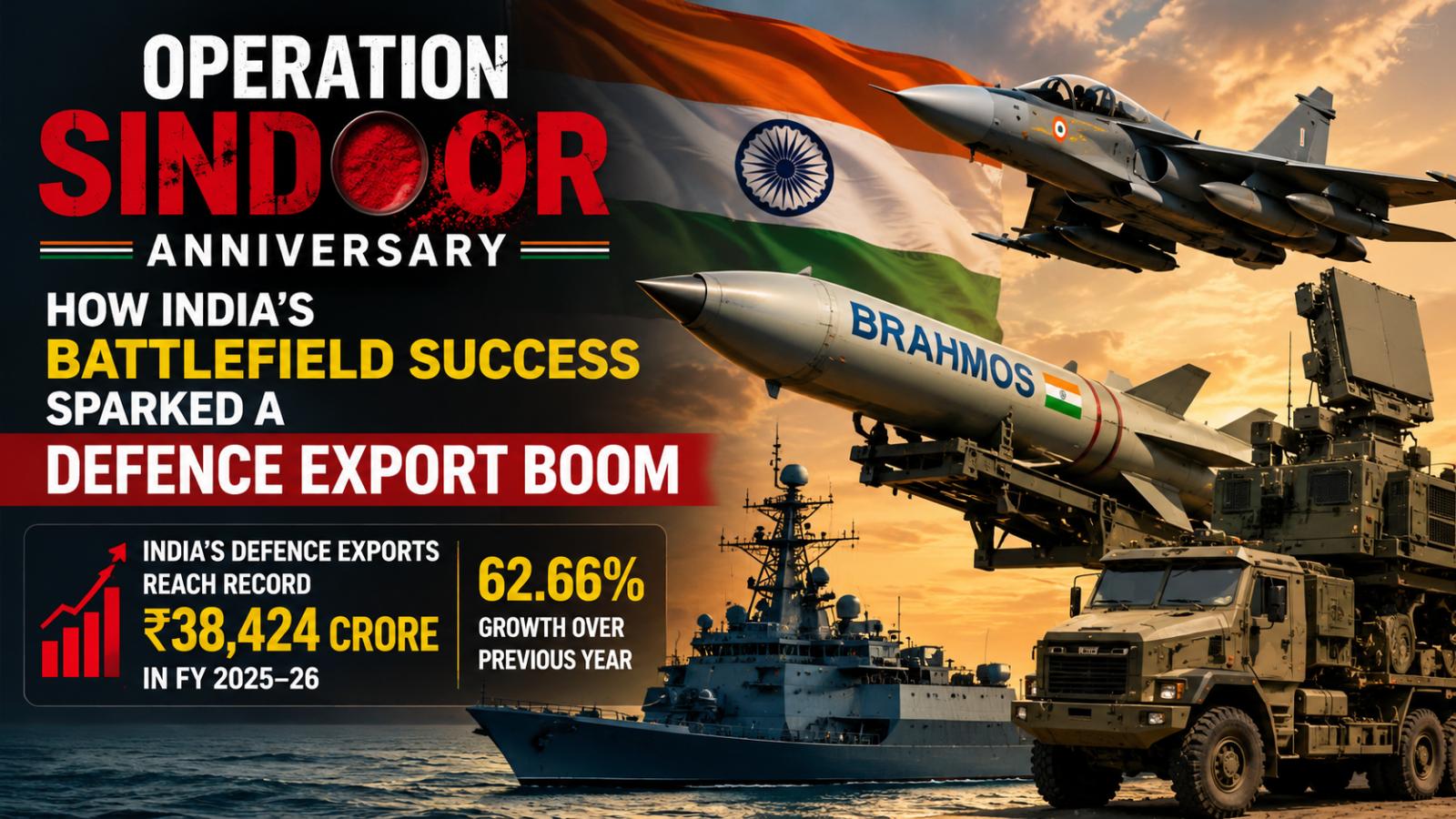
Operation Sindoor Anniversary Puts India’s Defence Exports in Focus Operation Sindoor anniversary has placed India’s defence export boom back in the spotlight, with official data showing exports touched a record Rs 38,424 crore in FY 2025–26. The May 7–10, 2025 conflict, described by officials as a focused military response, has now become more than a battlefield milestone. It is being viewed as a turning point for India’s defence industry.
Operation Sindoor Anniversary: How India’s Battlefield Success Sparked a Defence Export Boom
Operation Sindoor Anniversary Puts India’s Defence Exports in Focus Operation Sindoor anniversary has placed India’s defence export boom back in the spotlight, with official data showing exports touched a record Rs 38,424 crore in FY 2025–26. The May 7–10, 2025 conflict, described by officials as a focused military response, has now become more than a battlefield milestone. It is being viewed as a turning point for India’s defence industry.
India Must Prepare for Future Op Sindoor: Anil Chauhan Calls for Unity
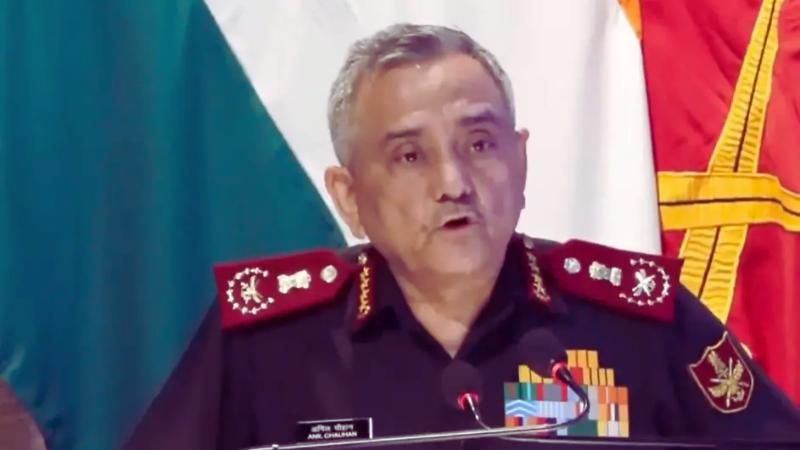
Anil Chauhan has stressed the need for India’s armed forces to enhance coordination and prepare for future challenges, drawing lessons from ‘Operation Sindoor’. He noted that the military must move beyond replicating past strategies and instead adapt to evolving threats and new forms of warfare. Referring to ‘Operation Sindoor’, Chauhan desc
India Must Prepare for Future Op Sindoor: Anil Chauhan Calls for Unity
Anil Chauhan has stressed the need for India’s armed forces to enhance coordination and prepare for future challenges, drawing lessons from ‘Operation Sindoor’. He noted that the military must move beyond replicating past strategies and instead adapt to evolving threats and new forms of warfare. Referring to ‘Operation Sindoor’, Chauhan desc
Inside India’s Naval Operations During the 1971 War with Pakistan
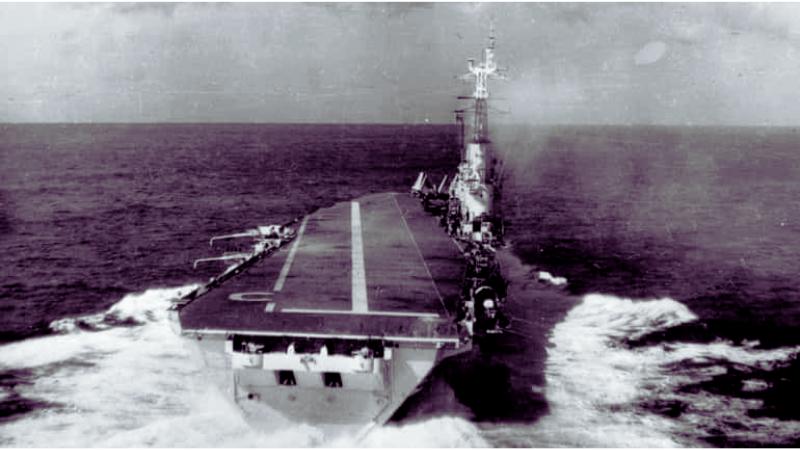
During the Indo-Pakistani War of 1971, India’s naval strategy played a significant role in shaping the outcome of the conflict. While much of the attention remained on ground operations, a strong Indian naval presence in the Bay of Bengal effectively restricted maritime movement and added pressure on Pakistani forces in East Pakistan (now
Inside India’s Naval Operations During the 1971 War with Pakistan
During the Indo-Pakistani War of 1971, India’s naval strategy played a significant role in shaping the outcome of the conflict. While much of the attention remained on ground operations, a strong Indian naval presence in the Bay of Bengal effectively restricted maritime movement and added pressure on Pakistani forces in East Pakistan (now
India Developing Low Cost Kamikaze Drones Like Iran’s Shahed For Modern Warfare
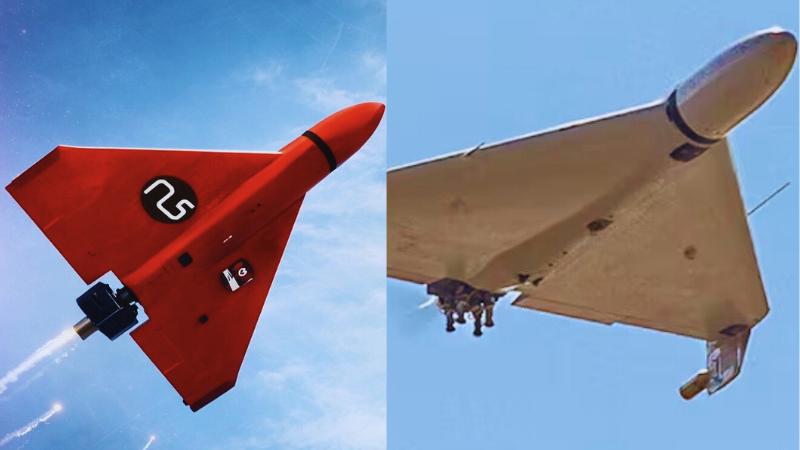
Low cost drones are rapidly transforming modern warfare across the world. Recent conflicts such as the Russia Ukraine war and the ongoing tensions in the Middle East have shown how inexpensive loitering drones can challenge powerful military systems. Iran’s Shahed 136 drone has become one of the most talked about examples of this new form of warfare because of its ability to strike targets at long distances while costing only a fraction of traditional military aircraft. These dron
India Developing Low Cost Kamikaze Drones Like Iran’s Shahed For Modern Warfare
Low cost drones are rapidly transforming modern warfare across the world. Recent conflicts such as the Russia Ukraine war and the ongoing tensions in the Middle East have shown how inexpensive loitering drones can challenge powerful military systems. Iran’s Shahed 136 drone has become one of the most talked about examples of this new form of warfare because of its ability to strike targets at long distances while costing only a fraction of traditional military aircraft. These dron
ISRO rules out sabotage amid repeated strategic mission failures
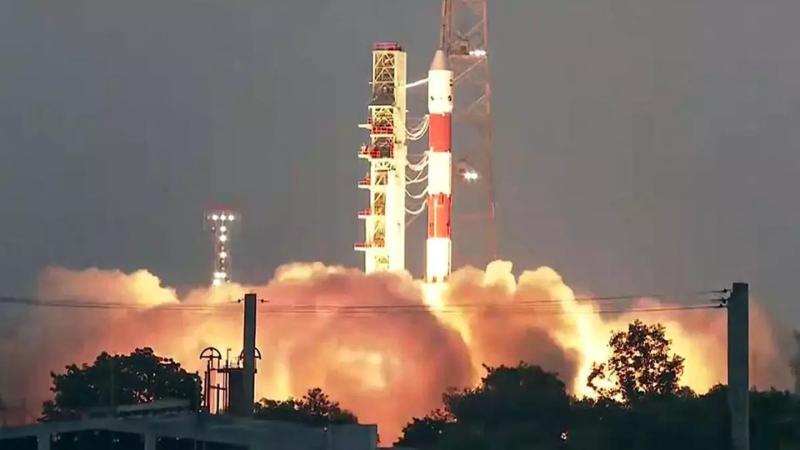
India’s Space Minister Dr. Jitendra Singh has said that there is no indication of sabotage behind a series of recent failures involving the Indian Space Research Organisation, even as repeated setbacks to strategic missions have triggered concern within policy and defence circles. The remarks come after three out of six ISRO missions launched from Indian soil over the past year failed, all of them linked to national security and strategic objectives. Speaking at a press briefing in New Delhi, Dr. Singh said that no report pointing to sabotage has been received so far. He clarified that while he is responsible for overseeing space launches, investigations related to sabotage or hostile interference fall under the purview of other ministries such as defence, home affairs, or external affairs. The minister added that, as of now, there is no information to suggest external interference in the recent launch failures. The comments follow two rare back-to-back mid-flight failures of ISRO’s Polar Satellite Launch Vehicle, a rocket that has long been considered the agency’s most dependable platform. Over a 33-year operational history, the PSLV had suffered only four major failures prior to 2025. The failures in May 2025 and January 2026, both occurring during the third stage of flight, have therefore raised serious questions about reliability and corrective action. Dr. Singh addressed public speculation that ISRO may have failed to rectify earlier faults, stating that the two PSLV failures had different technical causes despite occurring at the same stage. He expressed confidence in ISRO’s internal failure appraisal process, describing it as thorough and analytical. Traditionally, ISRO has publicly released summaries of mission failure analyses, contributing to its image as a transparent space agency. However, in recent cases, that practice has not been consistently followed. The failure analysis report of the PSLV-C61 mission in May 2025 was submitted to the Prime Minister’s Office but not released publicly. Similarly, no detailed technical update has been shared regarding the PSLV-C62 failure in January 2026 beyond ministerial statements. January 2026 – PSLV-C62 / EOS-N1 The PSLV-C62 mission on January 12, 2026, was ISRO’s first launch of the year and marked the PSLV’s return to flight after a setback in May 2025. The primary payload was EOS-N1, also known as Anvesha, a hyperspectral Earth observation satellite developed by the Defence Research and Development Organisation. The satellite was designed to operate at an altitude of 511 kilometres and provide advanced material identification capabilities by analysing reflected light across multiple wavelengths. The mission also carried 15 co-passenger satellites. A mid-flight failure during the third stage of the PSLV resulted in the loss of the rocket and all onboard satellites, ending the mission prematurely. May 2025 – PSLV-C61 / EOS-09 On May 18, 2025, ISRO’s PSLV-C61 mission failed approximately six minutes after liftoff. According to ISRO officials, performance was normal up to the second stage before an anomaly was observed during third-stage operation. The EOS-09 satellite, a radar imaging platform capable of all-weather, day-and-night surveillance, was lost along with the launch vehicle. Despite the strategic importance of the mission, ISRO did not release a public failure analysis, a departure from past practice. January 2025 – GSLV-F15 / NVS-02 On January 29, 2025, ISRO launched the NVS-02 navigation satellite aboard the GSLV-F15 rocket during the 100th launch from the Sriharikota spaceport. While the rocket successfully placed the satellite into its initial orbit, the satellite failed to fire its onboard engines, preventing it from reaching its designated operational orbit. The failure rendered NVS-02 unusable for its intended role within India’s NAVIC regional navigation system, which serves both civilian agencies and the armed forces. August 2021 – GSLV-F10 / EOS-03 In August 2021, ISRO launched the EOS-03 satellite, previously known as GISAT-1, aboard the GSLV-F10 rocket. Designed for near real-time Earth observation and disaster monitoring, the mission failed due to a malfunction in the cryogenic upper stage. ISRO later identified a valve leak in the liquid hydrogen tank as the cause of the failure. August 2017 – PSLV-C39 / IRNSS-1H The PSLV-C39 mission in August 2017 failed after the satellite remained trapped inside the rocket’s heat shield due to a separation failure. Although all other flight events proceeded as planned, the navigation satellite could not be deployed, resulting in the loss of a critical component of the Indian Regional Navigation Satellite System. The cumulative impact of these strategic mission failures over the past nine years is significant. Financial estimates suggest losses amounting to several hundred million dollars, excluding the cost of rebuilding and relaunching replacement missions. Beyond monetary loss, delays in deploying indigenous navigation and surveillance satellites force greater reliance on foreign systems, affecting strategic autonomy. ISRO has indicated that each failure was caused by a different subsystem or component, reinforcing the reality that spaceflight is a zero-error domain where even minor defects can have catastrophic consequences. While each failure contributes valuable lessons, the repeated setbacks have slowed the deployment of key space-based capabilities developed by Indian scientists, placing renewed focus on reliability, transparency, and long-term mission planning.
ISRO rules out sabotage amid repeated strategic mission failures
India’s Space Minister Dr. Jitendra Singh has said that there is no indication of sabotage behind a series of recent failures involving the Indian Space Research Organisation, even as repeated setbacks to strategic missions have triggered concern within policy and defence circles. The remarks come after three out of six ISRO missions launched from Indian soil over the past year failed, all of them linked to national security and strategic objectives. Speaking at a press briefing in New Delhi, Dr. Singh said that no report pointing to sabotage has been received so far. He clarified that while he is responsible for overseeing space launches, investigations related to sabotage or hostile interference fall under the purview of other ministries such as defence, home affairs, or external affairs. The minister added that, as of now, there is no information to suggest external interference in the recent launch failures. The comments follow two rare back-to-back mid-flight failures of ISRO’s Polar Satellite Launch Vehicle, a rocket that has long been considered the agency’s most dependable platform. Over a 33-year operational history, the PSLV had suffered only four major failures prior to 2025. The failures in May 2025 and January 2026, both occurring during the third stage of flight, have therefore raised serious questions about reliability and corrective action. Dr. Singh addressed public speculation that ISRO may have failed to rectify earlier faults, stating that the two PSLV failures had different technical causes despite occurring at the same stage. He expressed confidence in ISRO’s internal failure appraisal process, describing it as thorough and analytical. Traditionally, ISRO has publicly released summaries of mission failure analyses, contributing to its image as a transparent space agency. However, in recent cases, that practice has not been consistently followed. The failure analysis report of the PSLV-C61 mission in May 2025 was submitted to the Prime Minister’s Office but not released publicly. Similarly, no detailed technical update has been shared regarding the PSLV-C62 failure in January 2026 beyond ministerial statements. January 2026 – PSLV-C62 / EOS-N1 The PSLV-C62 mission on January 12, 2026, was ISRO’s first launch of the year and marked the PSLV’s return to flight after a setback in May 2025. The primary payload was EOS-N1, also known as Anvesha, a hyperspectral Earth observation satellite developed by the Defence Research and Development Organisation. The satellite was designed to operate at an altitude of 511 kilometres and provide advanced material identification capabilities by analysing reflected light across multiple wavelengths. The mission also carried 15 co-passenger satellites. A mid-flight failure during the third stage of the PSLV resulted in the loss of the rocket and all onboard satellites, ending the mission prematurely. May 2025 – PSLV-C61 / EOS-09 On May 18, 2025, ISRO’s PSLV-C61 mission failed approximately six minutes after liftoff. According to ISRO officials, performance was normal up to the second stage before an anomaly was observed during third-stage operation. The EOS-09 satellite, a radar imaging platform capable of all-weather, day-and-night surveillance, was lost along with the launch vehicle. Despite the strategic importance of the mission, ISRO did not release a public failure analysis, a departure from past practice. January 2025 – GSLV-F15 / NVS-02 On January 29, 2025, ISRO launched the NVS-02 navigation satellite aboard the GSLV-F15 rocket during the 100th launch from the Sriharikota spaceport. While the rocket successfully placed the satellite into its initial orbit, the satellite failed to fire its onboard engines, preventing it from reaching its designated operational orbit. The failure rendered NVS-02 unusable for its intended role within India’s NAVIC regional navigation system, which serves both civilian agencies and the armed forces. August 2021 – GSLV-F10 / EOS-03 In August 2021, ISRO launched the EOS-03 satellite, previously known as GISAT-1, aboard the GSLV-F10 rocket. Designed for near real-time Earth observation and disaster monitoring, the mission failed due to a malfunction in the cryogenic upper stage. ISRO later identified a valve leak in the liquid hydrogen tank as the cause of the failure. August 2017 – PSLV-C39 / IRNSS-1H The PSLV-C39 mission in August 2017 failed after the satellite remained trapped inside the rocket’s heat shield due to a separation failure. Although all other flight events proceeded as planned, the navigation satellite could not be deployed, resulting in the loss of a critical component of the Indian Regional Navigation Satellite System. The cumulative impact of these strategic mission failures over the past nine years is significant. Financial estimates suggest losses amounting to several hundred million dollars, excluding the cost of rebuilding and relaunching replacement missions. Beyond monetary loss, delays in deploying indigenous navigation and surveillance satellites force greater reliance on foreign systems, affecting strategic autonomy. ISRO has indicated that each failure was caused by a different subsystem or component, reinforcing the reality that spaceflight is a zero-error domain where even minor defects can have catastrophic consequences. While each failure contributes valuable lessons, the repeated setbacks have slowed the deployment of key space-based capabilities developed by Indian scientists, placing renewed focus on reliability, transparency, and long-term mission planning.
Jaishankar meets US envoy Sergio Gor ahead of Washington visit on critical minerals
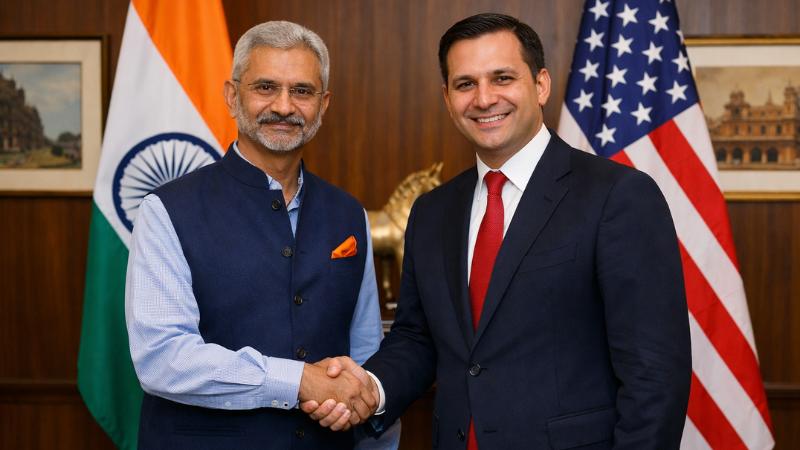
External Affairs Minister S Jaishankar on Wednesday held talks with United States Ambassador to India Sergio Gor in New Delhi, days ahead of his scheduled visit to Washington, D.C., for a high-level engagement on critical minerals. The meeting focused on multiple aspects of the India-US relationship, reflecting the breadth and depth of cooperation between the two countries across strategic, economic and defence domains. Following the meeting, Jaishankar said the discussions covered

Jaishankar meets US envoy Sergio Gor ahead of Washington visit on critical minerals
External Affairs Minister S Jaishankar on Wednesday held talks with United States Ambassador to India Sergio Gor in New Delhi, days ahead of his scheduled visit to Washington, D.C., for a high-level engagement on critical minerals. The meeting focused on multiple aspects of the India-US relationship, reflecting the breadth and depth of cooperation between the two countries across strategic, economic and defence domains. Following the meeting, Jaishankar said the discussions covered
Defence panel clears key step for 114 Rafale fighter aircraft for Indian Air Force
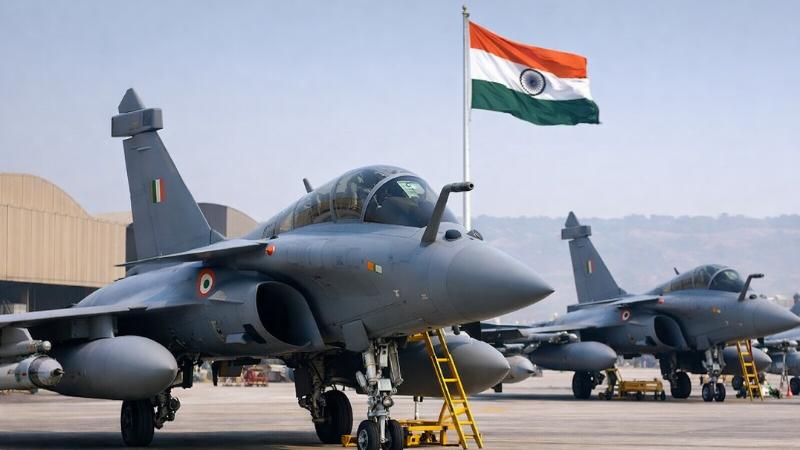
The Defence Procurement Board has cleared a proposal to acquire 114 additional Rafale fighter aircraft, marking a major step forward in India’s effort to strengthen its air combat capabilities. The clearance, granted after an initial examination of the case, advances one of the Indian Air Force’s most significant modernisation plans aimed at addressing long-standing operational gaps and preparing for future security challenges. The proposal is intended to narrow the difference b
Defence panel clears key step for 114 Rafale fighter aircraft for Indian Air Force
The Defence Procurement Board has cleared a proposal to acquire 114 additional Rafale fighter aircraft, marking a major step forward in India’s effort to strengthen its air combat capabilities. The clearance, granted after an initial examination of the case, advances one of the Indian Air Force’s most significant modernisation plans aimed at addressing long-standing operational gaps and preparing for future security challenges. The proposal is intended to narrow the difference b
Pakistan Admits Indian Drone Strikes Hit Nur Khan Airbase During Op Sindoor
Pakistan has, for the first time, publicly acknowledged that Indian drone strikes caused damage at the strategically sensitive Nur Khan airbase in Rawalpindi during Operation Sindoor, marking a significant shift from its earlier attempts to downplay or deny the impact of the attacks. The admission came during a year-end press briefing on December 27, when Pakistan’s Deputy Prime Minister and Foreign Minister
Pakistan Admits Indian Drone Strikes Hit Nur Khan Airbase During Op Sindoor
Pakistan has, for the first time, publicly acknowledged that Indian drone strikes caused damage at the strategically sensitive Nur Khan airbase in Rawalpindi during Operation Sindoor, marking a significant shift from its earlier attempts to downplay or deny the impact of the attacks. The admission came during a year-end press briefing on December 27, when Pakistan’s Deputy Prime Minister and Foreign Minister
Putin In Delhi Today: BrahMos, S-500 Defence Talks And Big Trade Deals On The Table
Russian President Vladimir Putin lands in Delhi this evening for a crucial two-day state visit, his first trip to India since the Ukraine war and the first since 2021. The visit comes at the invitation of Prime Minister Narendra Modi as both nations celebrate 25 years of the India-Russia strategic partnership along with the 23rd bilateral summit. The leaders last met during the SCO Summit in Tianjin on September 1, and this visit is expected to see multiple agreements aimed at strengthening l
Putin In Delhi Today: BrahMos, S-500 Defence Talks And Big Trade Deals On The Table
Russian President Vladimir Putin lands in Delhi this evening for a crucial two-day state visit, his first trip to India since the Ukraine war and the first since 2021. The visit comes at the invitation of Prime Minister Narendra Modi as both nations celebrate 25 years of the India-Russia strategic partnership along with the 23rd bilateral summit. The leaders last met during the SCO Summit in Tianjin on September 1, and this visit is expected to see multiple agreements aimed at strengthening l
Tejas fighter jet crashes during performance at Dubai Air Show
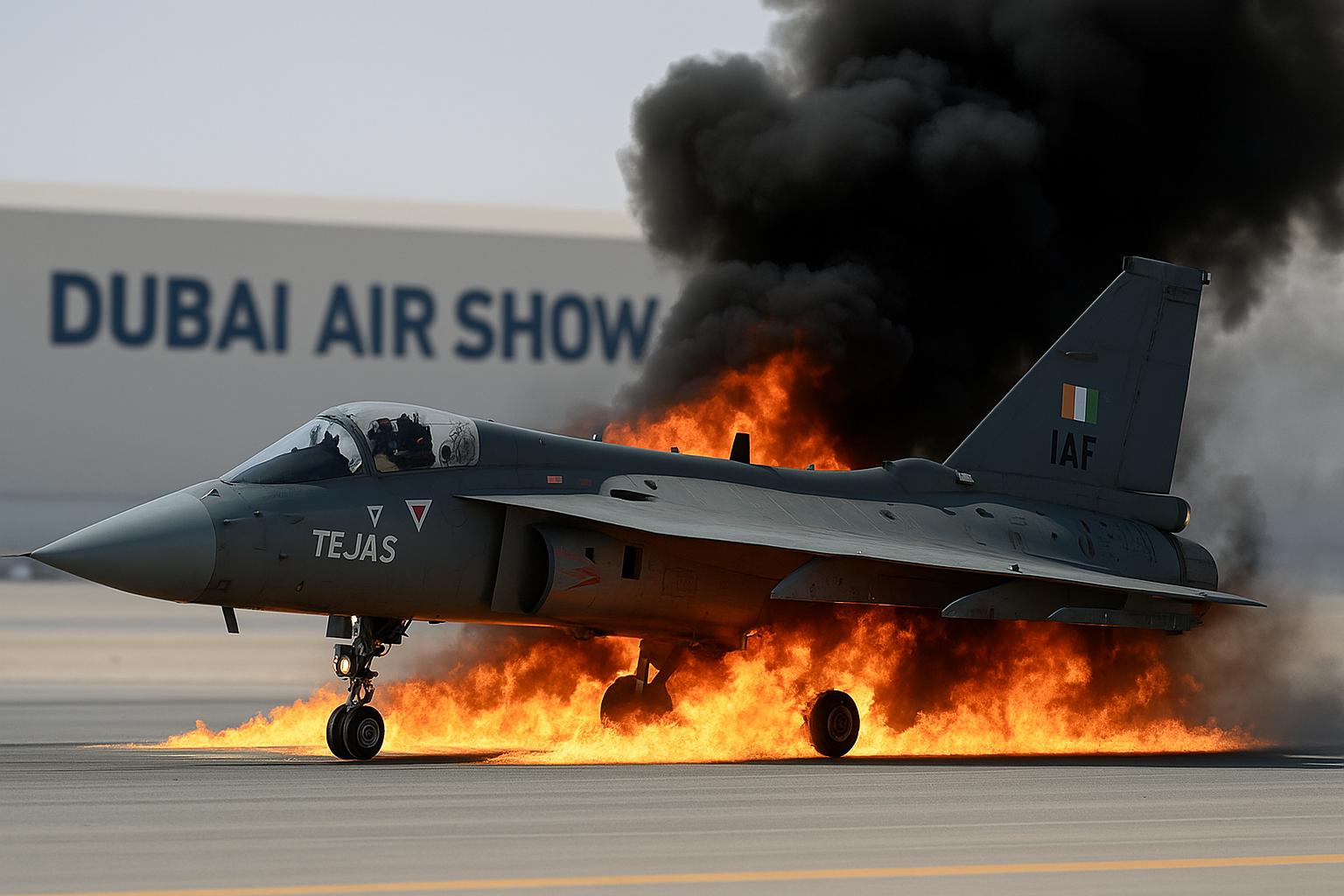
A Tejas fighter aircraft of the Indian Air Force crashed on Friday during its scheduled performance at the Dubai Air Show, prompting an immediate investigation into the cause of the aviation accident. The incident occurred while the indigenous light combat aircraft was taking part in an aerobatic display at one of the world’s most prominent aerospace events, drawing attention from global defence and aviation observers. The air show, known for showcasing advanced fighter jets and emerging ae
Tejas fighter jet crashes during performance at Dubai Air Show
A Tejas fighter aircraft of the Indian Air Force crashed on Friday during its scheduled performance at the Dubai Air Show, prompting an immediate investigation into the cause of the aviation accident. The incident occurred while the indigenous light combat aircraft was taking part in an aerobatic display at one of the world’s most prominent aerospace events, drawing attention from global defence and aviation observers. The air show, known for showcasing advanced fighter jets and emerging ae
Why Gujarat Marked the Pakistan Navy’s Pearl Harbour
In 2025, as the Indian Navy launches Exercise Trishul off the coast of Gujarat, history echoes across the Arabian Sea. The large-scale tri-services drill, featuring warships, fighter jets, tanks, and helicopters, is designed to test India’s combat readiness along its south-western frontier. This very coastline holds immense historical significance — it was here, sixty years ago, that the Pakistan Navy attempted a bold attack on the temple town of Dwarka during the Indo-Pak War of 1965, an
Why Gujarat Marked the Pakistan Navy’s Pearl Harbour
In 2025, as the Indian Navy launches Exercise Trishul off the coast of Gujarat, history echoes across the Arabian Sea. The large-scale tri-services drill, featuring warships, fighter jets, tanks, and helicopters, is designed to test India’s combat readiness along its south-western frontier. This very coastline holds immense historical significance — it was here, sixty years ago, that the Pakistan Navy attempted a bold attack on the temple town of Dwarka during the Indo-Pak War of 1965, an
J&K police and army engage militants in fierce gunfights across two districts
Security forces in Jammu and Kashmir have launched multiple counter-terrorism operations aimed at neutralising militant threats across the Union Territory. The operations, currently underway in the Rajouri and Udhampur districts, reflect an intensified effort by security agencies to maintain peace and stability in the region amid a recent uptick in infiltration and terror-related incidents. The first major operation began late Tuesday night in the Beeranthub area of Rajouri district
J&K police and army engage militants in fierce gunfights across two districts
Security forces in Jammu and Kashmir have launched multiple counter-terrorism operations aimed at neutralising militant threats across the Union Territory. The operations, currently underway in the Rajouri and Udhampur districts, reflect an intensified effort by security agencies to maintain peace and stability in the region amid a recent uptick in infiltration and terror-related incidents. The first major operation began late Tuesday night in the Beeranthub area of Rajouri district
Indian Navy Commissions INS Himgiri & Udaygiri: Boost to Nilgiri-Class Frigate Power
In a landmark ceremony attended by Defence Minister Rajnath Singh, the Indian Navy commissioned two Nilgiri-class stealth frigates, INS Himgiri and INS Udaygiri, on Tuesday. The warships, built under Project 17 Alpha (P-17A), mark a major milestone in India’s indigenous shipbuilding program with over 75 percent homegrown content. This is the first instance where two major warships from separate premier shipyard
Indian Navy Commissions INS Himgiri & Udaygiri: Boost to Nilgiri-Class Frigate Power
In a landmark ceremony attended by Defence Minister Rajnath Singh, the Indian Navy commissioned two Nilgiri-class stealth frigates, INS Himgiri and INS Udaygiri, on Tuesday. The warships, built under Project 17 Alpha (P-17A), mark a major milestone in India’s indigenous shipbuilding program with over 75 percent homegrown content. This is the first instance where two major warships from separate premier shipyard