


























India Defends Indus Waters Treaty Suspension: Kwatra Explains
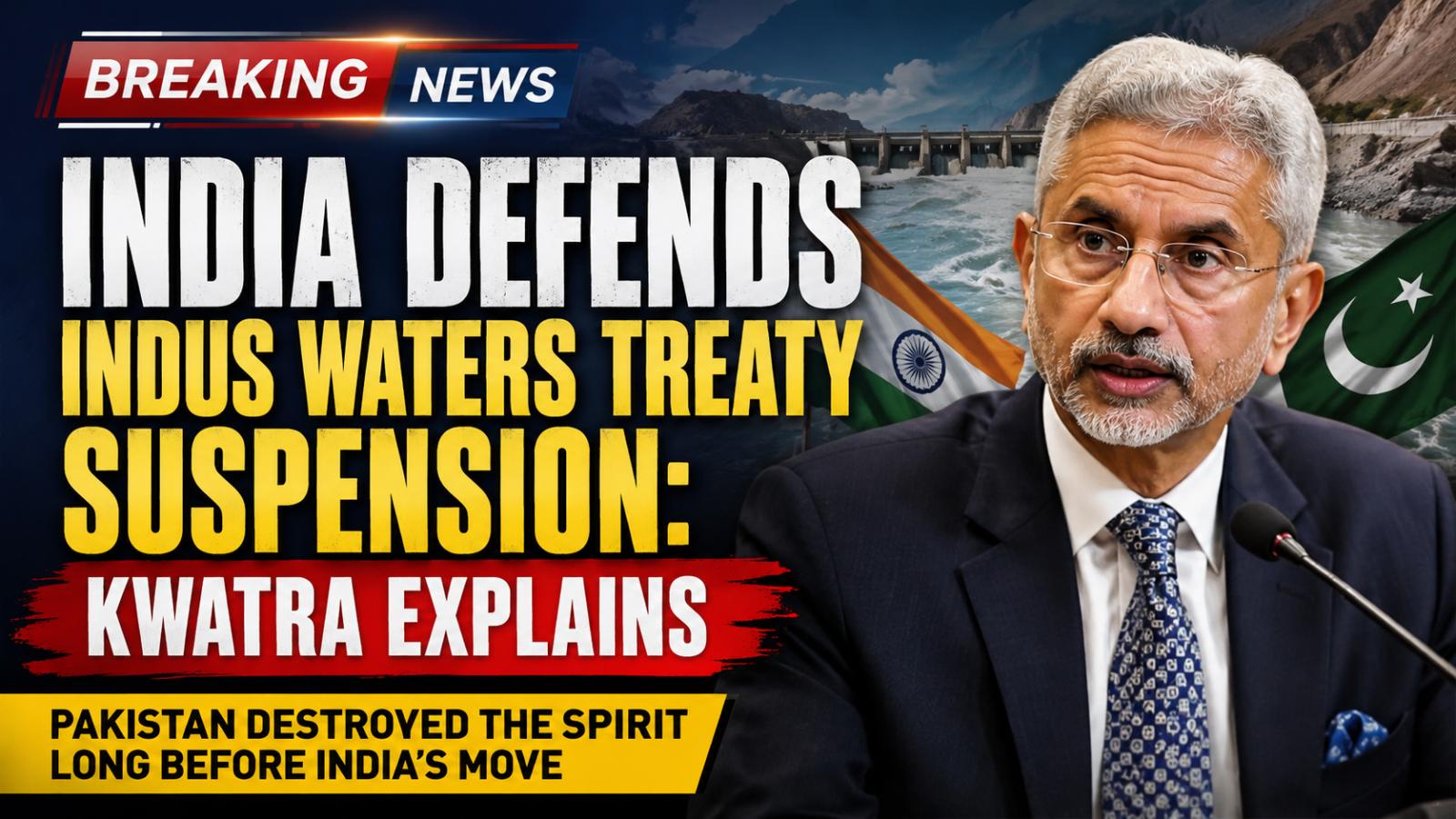
India defends Indus Waters Treaty suspension as Ambassador Vinay Mohan Kwatra says Pakistan gradually destroyed the agreement's spirit through terrorism, conflict and repeated treaty disputes. The decision follows the 2025 Pahalgam terror attack and reflects New Delhi's security concerns and long-standing objections. India Defends Indus Waters Treaty Suspen
India Defends Indus Waters Treaty Suspension: Kwatra Explains
India defends Indus Waters Treaty suspension as Ambassador Vinay Mohan Kwatra says Pakistan gradually destroyed the agreement's spirit through terrorism, conflict and repeated treaty disputes. The decision follows the 2025 Pahalgam terror attack and reflects New Delhi's security concerns and long-standing objections. India Defends Indus Waters Treaty Suspen
India Rebukes Pakistan at UN Over Cross-Border Terrorism
India rebukes Pakistan at the United Nations over cross-border terrorism, rejects Islamabad's statements on Jammu and Kashmir and reiterates that the Union Territory remains an integral part of India. The remarks also reaffirm New Delhi's position on the Indus Water Treaty and regional security. India UN statement on Kashmir India strongly criticised Pakistan during a high-level debate at the U
India Rebukes Pakistan at UN Over Cross-Border Terrorism
India rebukes Pakistan at the United Nations over cross-border terrorism, rejects Islamabad's statements on Jammu and Kashmir and reiterates that the Union Territory remains an integral part of India. The remarks also reaffirm New Delhi's position on the Indus Water Treaty and regional security. India UN statement on Kashmir India strongly criticised Pakistan during a high-level debate at the U
Tamil Nadu factory blast kills worker, injures sevennu sure
A boiler explosion at a private steel melting unit in Gummidipoondi SIPCOT killed Bihar worker Ravi Ranjan and injured seven migrant workers. Firefighters controlled the blaze, while police began investigating the cause of the industrial accident. A 26-year-old worker was killed and seven others suffered severe burn injuries after a boiler exploded at a private steel melting unit in Tamil Nadu’s Tiruvallur district early on Tuesday, July 1
Tamil Nadu factory blast kills worker, injures sevennu sure
A boiler explosion at a private steel melting unit in Gummidipoondi SIPCOT killed Bihar worker Ravi Ranjan and injured seven migrant workers. Firefighters controlled the blaze, while police began investigating the cause of the industrial accident. A 26-year-old worker was killed and seven others suffered severe burn injuries after a boiler exploded at a private steel melting unit in Tamil Nadu’s Tiruvallur district early on Tuesday, July 1
Fujian Shoe Factory Fire Kills 28 in Major Rescue Operation
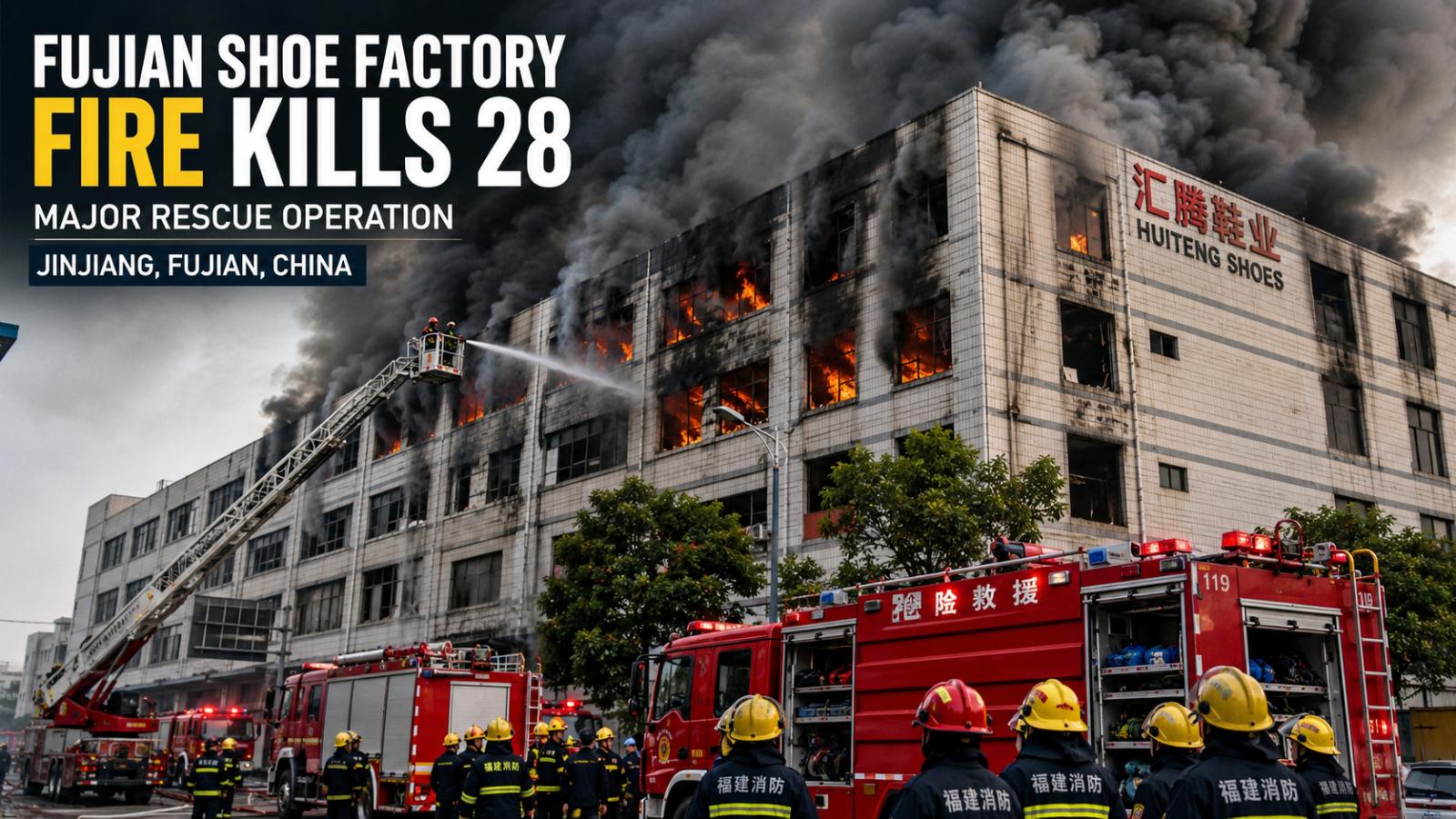
A Fujian shoe factory fire in Jinjiang killed at least 28 people after flames spread through the Huiteng Shoes facility. Firefighters launched a major rescue operation as officials investigated the cause and reviewed safety risks tied to flammable shoe-making materials. A major fire at a shoe factory in Jinjiang, Fujian province, killed at least 28 people and triggered a large rescue operation in southeastern China on Thursday, July 9, 2026. Jinj
Fujian Shoe Factory Fire Kills 28 in Major Rescue Operation
A Fujian shoe factory fire in Jinjiang killed at least 28 people after flames spread through the Huiteng Shoes facility. Firefighters launched a major rescue operation as officials investigated the cause and reviewed safety risks tied to flammable shoe-making materials. A major fire at a shoe factory in Jinjiang, Fujian province, killed at least 28 people and triggered a large rescue operation in southeastern China on Thursday, July 9, 2026. Jinj
Nara Lokesh takes AP investment mission to South Korea
Nara Lokesh takes Andhra Pradesh investment pitch to Seoul Andhra Pradesh Minister Nara Lokesh has taken the state’s investment outreach campaign to South Korea, holding discussions with business leaders and pitching Andhra Pradesh as a destination for new projects in technology, electronics, manufacturing and other major industrial sectors. Lokesh’s six-day official visit to South Korea, scheduled from July 5 to
Nara Lokesh takes AP investment mission to South Korea
Nara Lokesh takes Andhra Pradesh investment pitch to Seoul Andhra Pradesh Minister Nara Lokesh has taken the state’s investment outreach campaign to South Korea, holding discussions with business leaders and pitching Andhra Pradesh as a destination for new projects in technology, electronics, manufacturing and other major industrial sectors. Lokesh’s six-day official visit to South Korea, scheduled from July 5 to
Nara Lokesh pitches Andhra Pradesh footwear hub to Boo Young Group
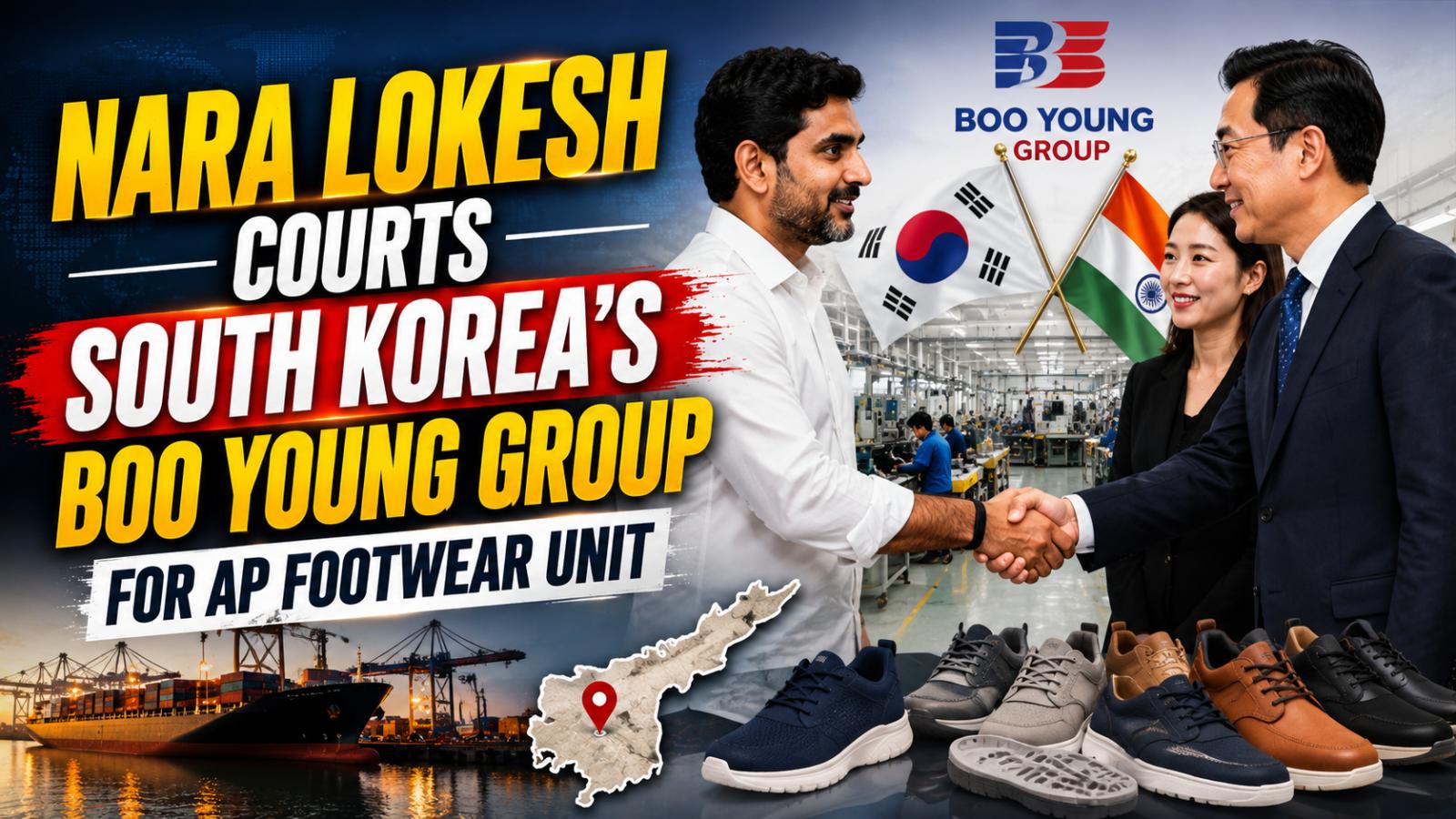
Andhra Pradesh Minister Nara Lokesh has stepped up efforts to attract fresh manufacturing investment to the state, holding talks with South Korea’s Boo Young Group over a proposed footwear and components production facility. Continuing his South Korea visit on its fourth day, Lokesh met Boo Young Group CEO and President Director Ryan Kang and Business Strategy and Planning Manager Millie Richardson. During the discussions, he invited the company to examine investment opportunities in A
Nara Lokesh pitches Andhra Pradesh footwear hub to Boo Young Group
Andhra Pradesh Minister Nara Lokesh has stepped up efforts to attract fresh manufacturing investment to the state, holding talks with South Korea’s Boo Young Group over a proposed footwear and components production facility. Continuing his South Korea visit on its fourth day, Lokesh met Boo Young Group CEO and President Director Ryan Kang and Business Strategy and Planning Manager Millie Richardson. During the discussions, he invited the company to examine investment opportunities in A
Pakistan army vows action on Indus water share
Pakistan military raises Indus water issue Pakistan’s top military leadership has said it will take “all measures necessary” to secure the country’s water share under the Indus Waters Treaty, months after India placed the decades-old pact in abeyance following the April 22, 2025, Pahalgam terror attack. The statement was issued after the 276th Corps Commanders’ Conference in Rawalpindi, chaired by
Pakistan army vows action on Indus water share
Pakistan military raises Indus water issue Pakistan’s top military leadership has said it will take “all measures necessary” to secure the country’s water share under the Indus Waters Treaty, months after India placed the decades-old pact in abeyance following the April 22, 2025, Pahalgam terror attack. The statement was issued after the 276th Corps Commanders’ Conference in Rawalpindi, chaired by
13 Killed in Qatar Gas Blast; Indian Nationals Among Victims
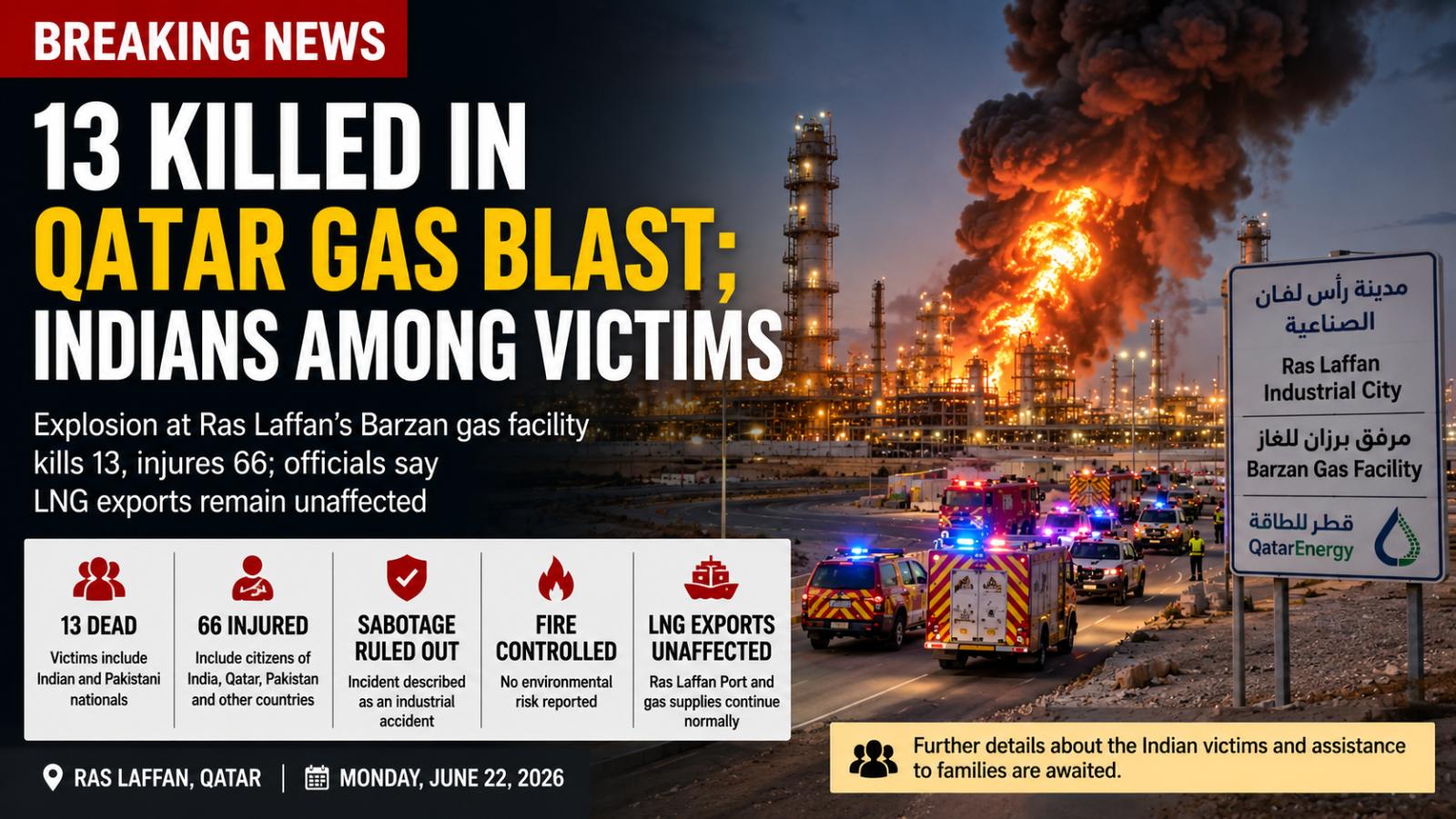
Thirteen people were killed and 66 others were injured in an explosion at a gas facility in Qatar’s Ras Laffan Industrial City on Sunday, June 21, 2026. According to preliminary information released by authorities, the people killed included Indian and Pakistani nationals. Officials have not disclosed how many victims were from India or provided a complete nationality-wise breakdown of the deaths. Indians Injured in Ras Laffan Gas Facility Explosion
13 Killed in Qatar Gas Blast; Indian Nationals Among Victims
Thirteen people were killed and 66 others were injured in an explosion at a gas facility in Qatar’s Ras Laffan Industrial City on Sunday, June 21, 2026. According to preliminary information released by authorities, the people killed included Indian and Pakistani nationals. Officials have not disclosed how many victims were from India or provided a complete nationality-wise breakdown of the deaths. Indians Injured in Ras Laffan Gas Facility Explosion
Qatar factory blast leaves 54 injured, 18 missing
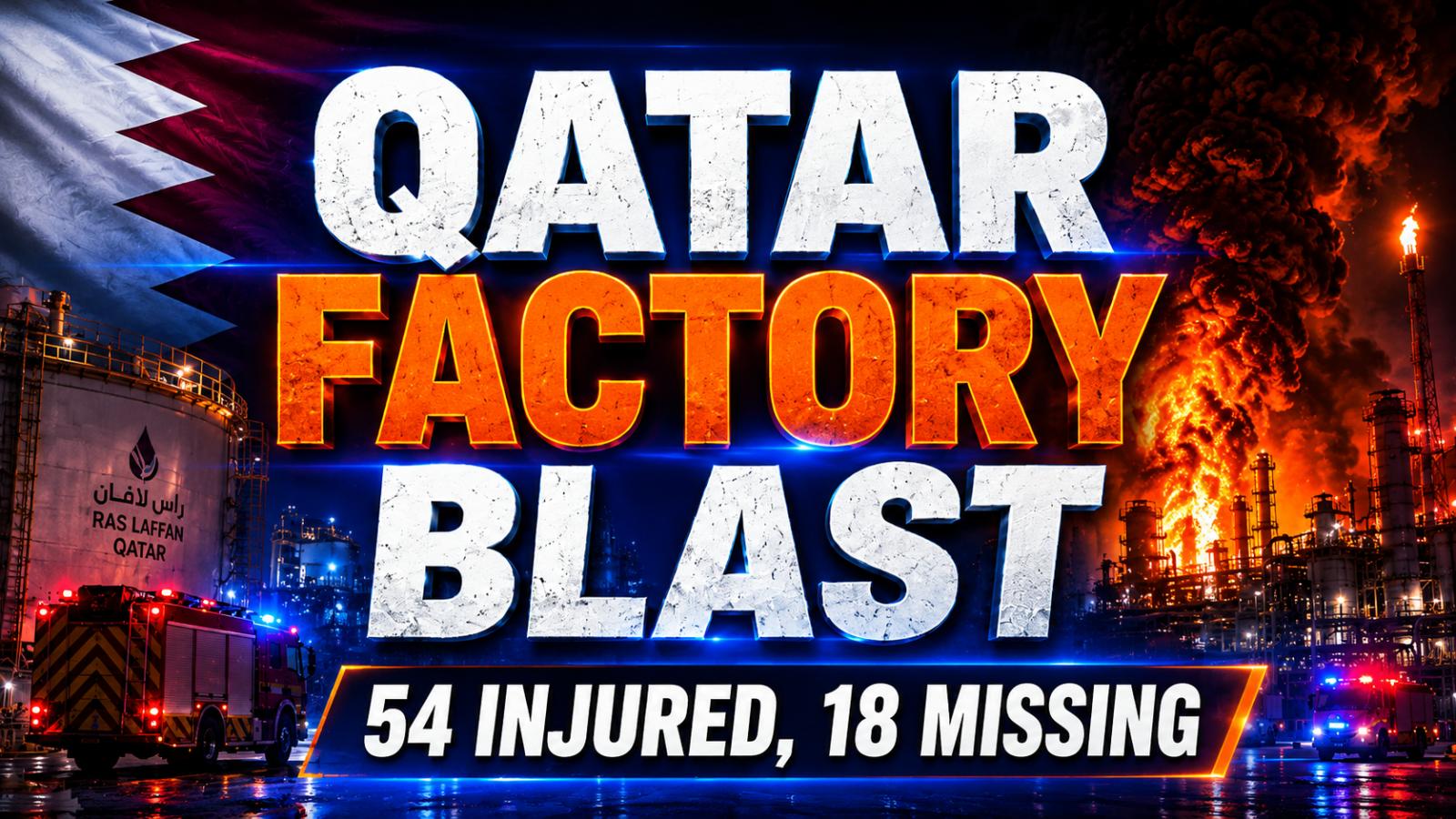
Qatar factory blast triggers search operation An explosion at a factory in Qatar’s Ras Laffan industrial zone injured 54 people and left 18 others missing, the country’s interior ministry said Monday, June 22. Authorities described the blast as the result of a technical incident and said emergency teams were continuing search and response operations at the site. The ministry did not immediately provide further details on the condition of
Qatar factory blast leaves 54 injured, 18 missing
Qatar factory blast triggers search operation An explosion at a factory in Qatar’s Ras Laffan industrial zone injured 54 people and left 18 others missing, the country’s interior ministry said Monday, June 22. Authorities described the blast as the result of a technical incident and said emergency teams were continuing search and response operations at the site. The ministry did not immediately provide further details on the condition of
INNOPROM India 2026 to boost Russia-India trade ties
India and Russia are preparing to host the first INNOPROM International Industrial Technology Exhibition in India, marking a fresh push in their expanding economic and industrial partnership. The event is scheduled to take place from September 9 to 11 at Bharat Mandapam Exhibition and Convention Centre in New Delhi, bringing together manufacturers, investors, technology companies, industrial buyers and government representatives. The exhib
INNOPROM India 2026 to boost Russia-India trade ties
India and Russia are preparing to host the first INNOPROM International Industrial Technology Exhibition in India, marking a fresh push in their expanding economic and industrial partnership. The event is scheduled to take place from September 9 to 11 at Bharat Mandapam Exhibition and Convention Centre in New Delhi, bringing together manufacturers, investors, technology companies, industrial buyers and government representatives. The exhib
Tragic Explosion at Vizag Steel Plant Kills Eight Workers, Several Injured
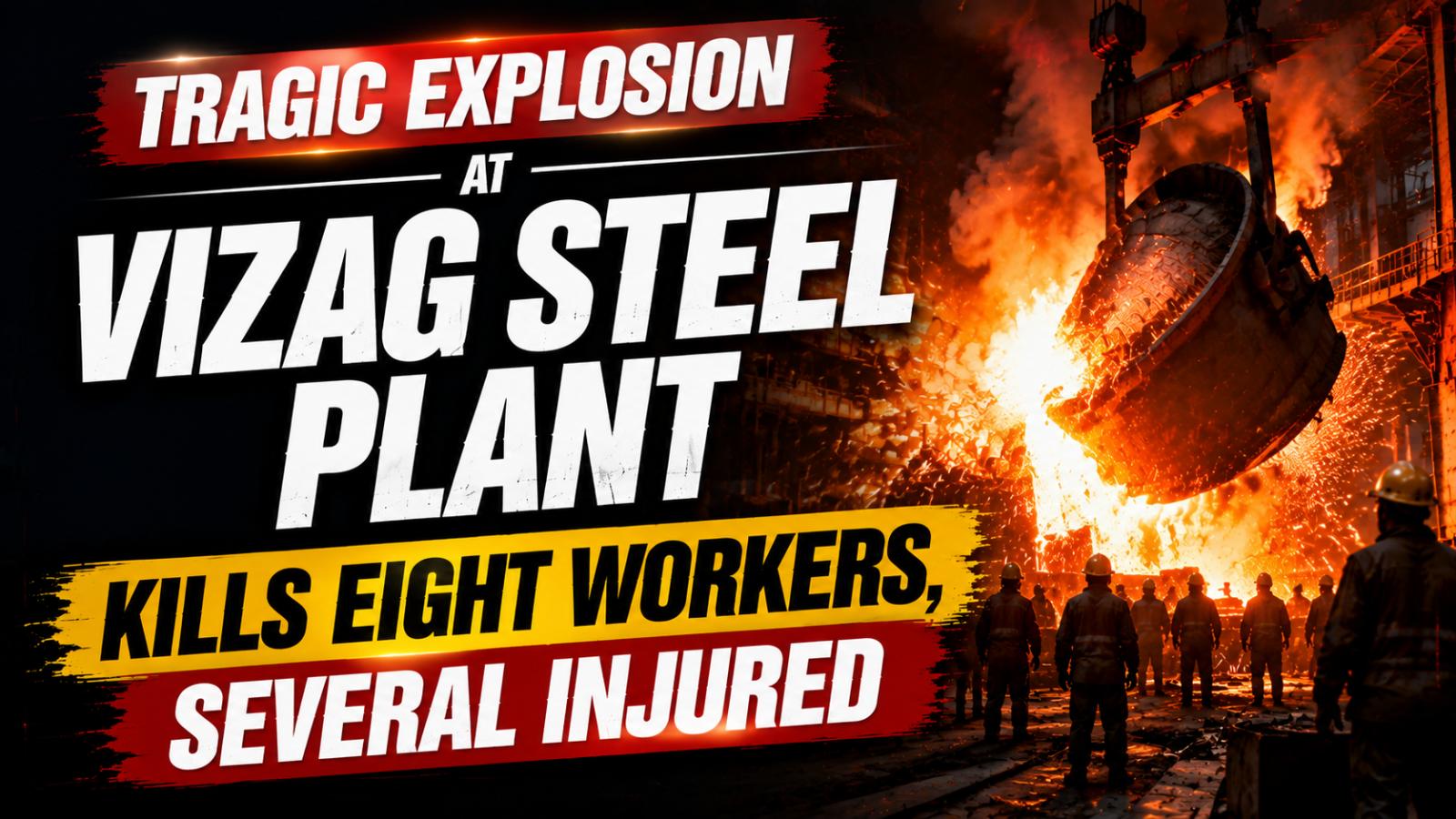
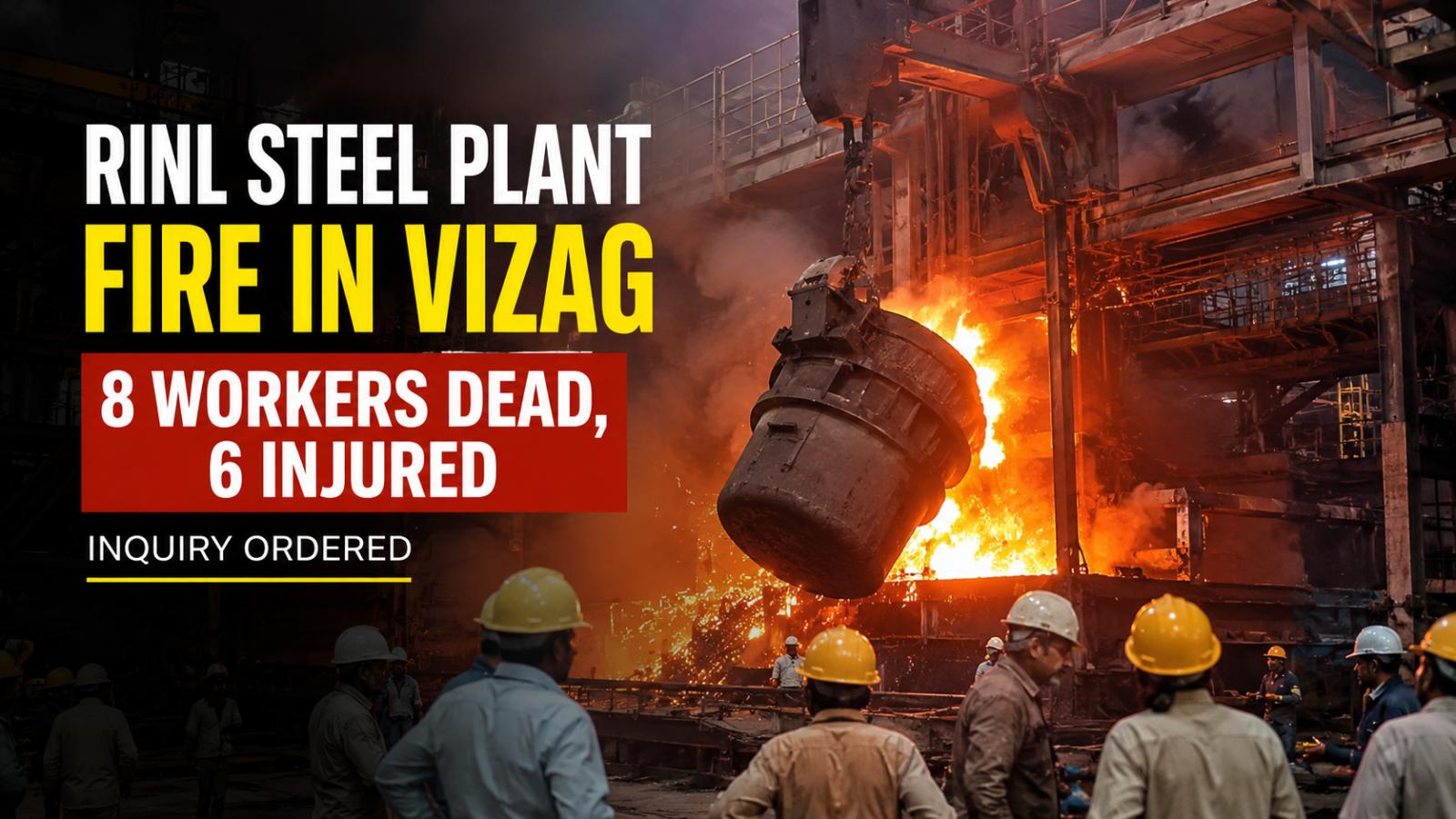
Tragic Explosion at Vizag Steel Plant A devastating accident occurred at the Visakhapatnam Steel Plant on June 8, 2026, when a ladle carrying molten steel exploded at the SMS-2 and STC-3 heat facilities. The explosion resulted in the immediate deaths of eight workers and caused injuries to several others, while also triggering a major fire and panic among employees. Workers scrambled for safety as molten st
Tragic Explosion at Vizag Steel Plant Kills Eight Workers, Several Injured
Tragic Explosion at Vizag Steel Plant A devastating accident occurred at the Visakhapatnam Steel Plant on June 8, 2026, when a ladle carrying molten steel exploded at the SMS-2 and STC-3 heat facilities. The explosion resulted in the immediate deaths of eight workers and caused injuries to several others, while also triggering a major fire and panic among employees. Workers scrambled for safety as molten st
RINL Molten Steel Ladle Accident in Vizag Kills Eight Workers
A RINL molten steel ladle accident in Vizag killed eight workers and injured six others at the Visakhapatnam Steel Plant in Andhra Pradesh, officials said. The accident occurred at about 4:15 PM IST on Monday, June 8, 2026, during operations at the Rashtriya Ispat Nigam Ltd facility, also known as Visakhapatnam Steel Plant. Molten Steel Ladle Accident Triggers Fire Officials said a ladle carrying hot
RINL Molten Steel Ladle Accident in Vizag Kills Eight Workers
A RINL molten steel ladle accident in Vizag killed eight workers and injured six others at the Visakhapatnam Steel Plant in Andhra Pradesh, officials said. The accident occurred at about 4:15 PM IST on Monday, June 8, 2026, during operations at the Rashtriya Ispat Nigam Ltd facility, also known as Visakhapatnam Steel Plant. Molten Steel Ladle Accident Triggers Fire Officials said a ladle carrying hot
China’s Robotic Dominance in Global Factory Automation
China robotic dominance is becoming one of the most important shifts in global manufacturing. Factories are no longer depending only on human labor, traditional machines, and manual production lines. Industrial robots are now helping companies produce goods faster, reduce errors, improve safety, and stay competitive in a market where speed and precision matter. According to the International Federation of Robotics, China accounted for 54% of global industrial robot installat
China’s Robotic Dominance in Global Factory Automation
China robotic dominance is becoming one of the most important shifts in global manufacturing. Factories are no longer depending only on human labor, traditional machines, and manual production lines. Industrial robots are now helping companies produce goods faster, reduce errors, improve safety, and stay competitive in a market where speed and precision matter. According to the International Federation of Robotics, China accounted for 54% of global industrial robot installat
Washington Paper Mill Chemical Tank Rupture Leaves One Dead
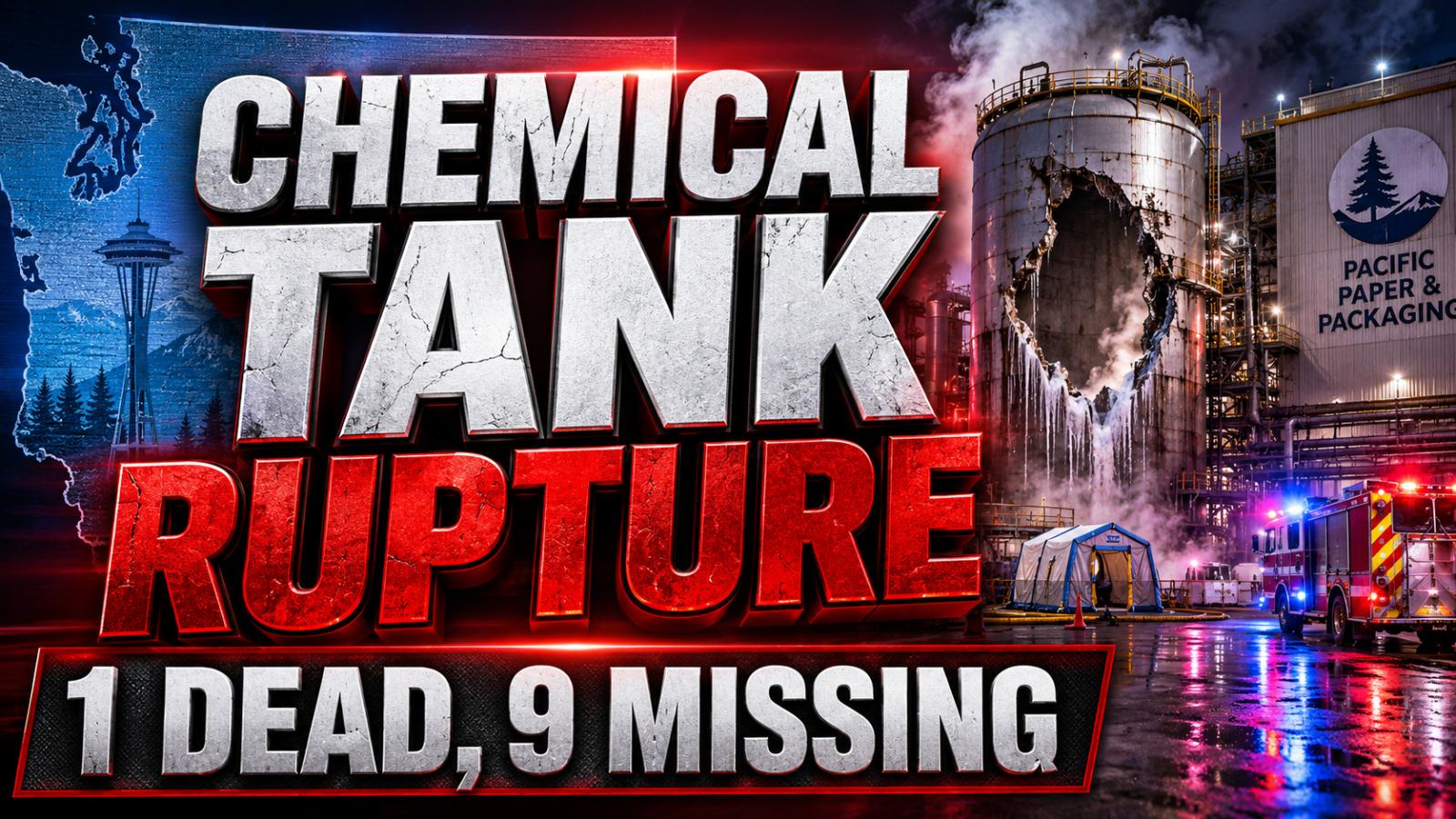
Chemical Tank Rupture Hits Washington Mill At least one person has died, nine people were injured and nine employees remain unaccounted for after a chemical tank ruptured at a paper and packaging facility in Longview, Washington. The incident occurred Tuesday morning at the Nippon Dynawave Packaging Co. facility, where a tank containing white liquor, a hazardous chemical mixture used in the paper-making pro
Washington Paper Mill Chemical Tank Rupture Leaves One Dead
Chemical Tank Rupture Hits Washington Mill At least one person has died, nine people were injured and nine employees remain unaccounted for after a chemical tank ruptured at a paper and packaging facility in Longview, Washington. The incident occurred Tuesday morning at the Nippon Dynawave Packaging Co. facility, where a tank containing white liquor, a hazardous chemical mixture used in the paper-making pro
Noida Workers Protest Case Sparks NSA Debate In UP
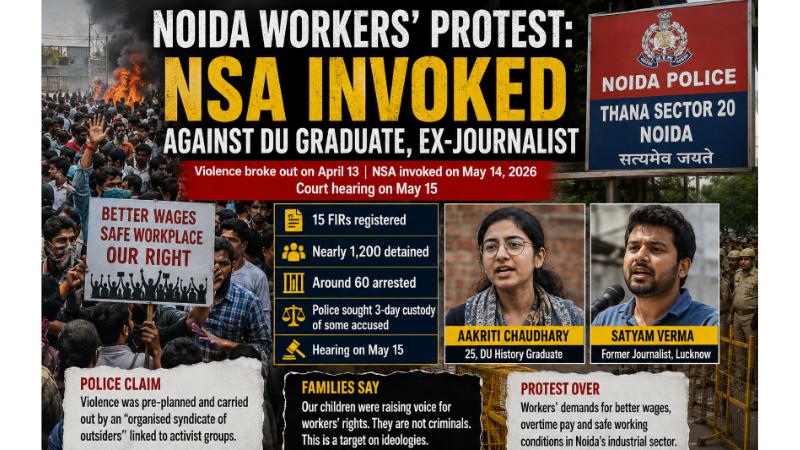
The Noida workers’ protest case intensified on May 14, 2026, exactly one month after violence broke out during labour demonstrations in the industrial hub on April 13. Uttar Pradesh Police invoked the stringent National Security Act (NSA) against Delhi University history graduate Aakriti Chaudhary, 25, and former journalist Satyam Verma, alleging their involvement in organising unrest, arson, and public disorder during the protests. Police claimed the violence was not spontaneous but part of a pre-planned operation carried out by an “organised syndicate of outsiders” linked to labour activist groups, an allegation strongly denied by the families of those arrested. The protests initially began over workers’ demands for better wages, overtime payments, and safer working conditions in Noida’s industrial sector before escalating into clashes and police action. Authorities registered 15 FIRs, detained nearly 1,200 people, and jailed around 60 accused under charges ranging from rioting to attempted murder. Police also sought a three-day custody of several accused, while the court scheduled the hearing for May 15. Along with Chaudhary and Verma, several students, labour activists, and workers from different states were arrested, including NIT graduates, research aspirants, and daily wage earners accused of supporting the demonstrations. Families of the accused alleged that many were targeted for supporting workers’ rights and labour movements. Chaudhary’s father defended her activism and questioned how she could be blamed for violence that allegedly occurred after she was detained. Friends and supporters of Verma highlighted his background in journalism, translation work, and social activism. Human rights groups, labour unions, and opposition leaders have meanwhile criticized the use of NSA in a labour protest case, raising concerns over freedom of expression, preventive detention laws, and the treatment of labour activists in India. The controversy has triggered nationwide political and legal debate over balancing public order with democratic rights during industrial unrest. Security has been tightened across sensitive industrial zones in Noida as investigations continue. Analysts believe the case could have long-term implications for labour movements, workers’ rights campaigns, and the future use of stringent security laws during protests across India.
Noida Workers Protest Case Sparks NSA Debate In UP
The Noida workers’ protest case intensified on May 14, 2026, exactly one month after violence broke out during labour demonstrations in the industrial hub on April 13. Uttar Pradesh Police invoked the stringent National Security Act (NSA) against Delhi University history graduate Aakriti Chaudhary, 25, and former journalist Satyam Verma, alleging their involvement in organising unrest, arson, and public disorder during the protests. Police claimed the violence was not spontaneous but part of a pre-planned operation carried out by an “organised syndicate of outsiders” linked to labour activist groups, an allegation strongly denied by the families of those arrested. The protests initially began over workers’ demands for better wages, overtime payments, and safer working conditions in Noida’s industrial sector before escalating into clashes and police action. Authorities registered 15 FIRs, detained nearly 1,200 people, and jailed around 60 accused under charges ranging from rioting to attempted murder. Police also sought a three-day custody of several accused, while the court scheduled the hearing for May 15. Along with Chaudhary and Verma, several students, labour activists, and workers from different states were arrested, including NIT graduates, research aspirants, and daily wage earners accused of supporting the demonstrations. Families of the accused alleged that many were targeted for supporting workers’ rights and labour movements. Chaudhary’s father defended her activism and questioned how she could be blamed for violence that allegedly occurred after she was detained. Friends and supporters of Verma highlighted his background in journalism, translation work, and social activism. Human rights groups, labour unions, and opposition leaders have meanwhile criticized the use of NSA in a labour protest case, raising concerns over freedom of expression, preventive detention laws, and the treatment of labour activists in India. The controversy has triggered nationwide political and legal debate over balancing public order with democratic rights during industrial unrest. Security has been tightened across sensitive industrial zones in Noida as investigations continue. Analysts believe the case could have long-term implications for labour movements, workers’ rights campaigns, and the future use of stringent security laws during protests across India.
Massive Investments Pour Into Andhra Pradesh, Boosting Industrial Growth and Employment
Andhra Pradesh has emerged as a hotspot for fresh investments, as evidenced by the announcements made during the 17th State Investment Promotion Board (SIPB) meeting. The state continues to attract national and international investors across various sectors, such as renewable energy, green hydrogen, bio CNG, manufacturing, and data infrastructure, bringing an unprecedented boost to its industrial and employment landscape.
Massive Investments Pour Into Andhra Pradesh, Boosting Industrial Growth and Employment
Andhra Pradesh has emerged as a hotspot for fresh investments, as evidenced by the announcements made during the 17th State Investment Promotion Board (SIPB) meeting. The state continues to attract national and international investors across various sectors, such as renewable energy, green hydrogen, bio CNG, manufacturing, and data infrastructure, bringing an unprecedented boost to its industrial and employment landscape.
Trump Drug Pricing Plan Could Cut $529B: Will Your Costs Drop?
The White House says aligning U.S. drug prices with global rates may slash costs—but experts remain divided. What the $529 Billion Savings Really Means According to White House economists, Trump’s drug pricing strategy—often called the “most favored nation” model—could reduce prescription drug costs by up to $529 billion over 10 years. The idea is simple: Americans s
Trump Drug Pricing Plan Could Cut $529B: Will Your Costs Drop?
The White House says aligning U.S. drug prices with global rates may slash costs—but experts remain divided. What the $529 Billion Savings Really Means According to White House economists, Trump’s drug pricing strategy—often called the “most favored nation” model—could reduce prescription drug costs by up to $529 billion over 10 years. The idea is simple: Americans s
Luxury Car Oil Shortage Could Hit Soon: What the Global Base Oil Crisis Means for You
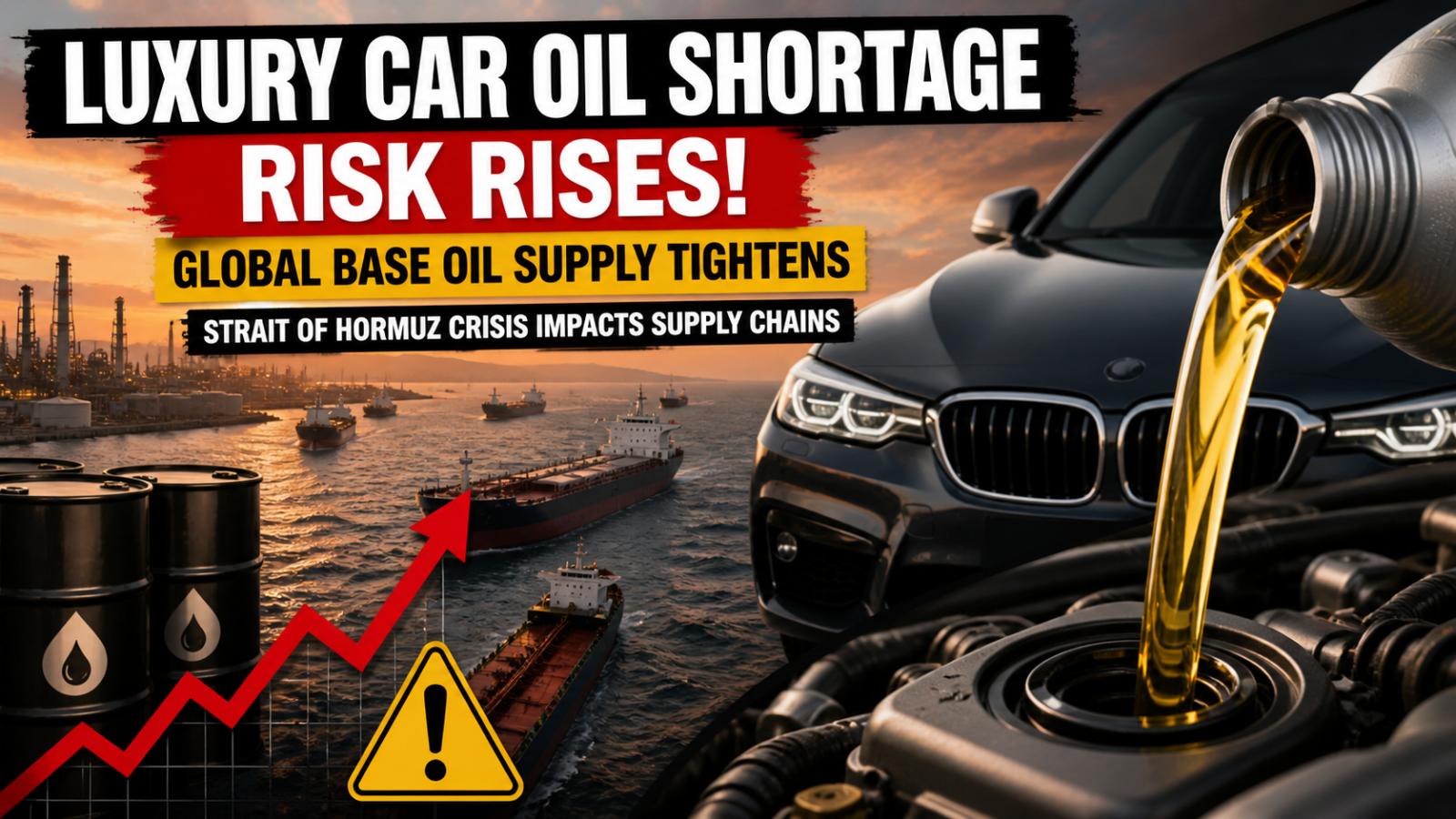
The global base oil shortage is no longer just an industry headline—it’s becoming a real concern for luxury car owners worldwide. As supply chains tighten due to geopolitical tensions around the Strait of Hormuz, the availability of high-performance engine oils used in premium vehicles is under pressure. For owners of brands like BMW, Mercedes-Benz, and Audi, this could soon translate into higher maintenance costs, limited oil availability, and delayed servicing. What’s Causing the Global Base Oil Shortage? At the heart of the issue is the ongoing instability linked to tensions involving Iran and critical oil transit routes. The Strait of Hormuz handles a significant portion of the world’s petroleum shipments—not just crude oil, but also refined products like base oils, which are essential for lubricant production. Base oils form the foundation of: Synthetic engine oils Industrial lubricants High-performance automotive fluids With shipping disruptions, delayed tankers, and rising insurance risks, the supply of these materials has tightened globally. Why Luxury Cars Are Hit Harder Not all vehicles are affected equally. Luxury and high-performance cars rely heavily on Group III and Group IV base oils, including advanced formulations like polyalphaolefins (PAO). These oils are designed to: Handle extreme temperatures Protect high-speed engines Maintain performance under pressure Unlike regular vehicles, luxury cars cannot easily switch to cheaper alternatives without risking engine damage or reduced efficiency. That’s why this shortage hits premium segments first—and hardest. Rising Prices and Supply Pressure The numbers already show stress in the system: The Gulf region contributes around 20% of global Group III base oil production It accounted for nearly half of U.S. imports in recent periods Prices in some markets have nearly doubled since the crisis began With inventories shrinking and delivery times increasing, lubricant manufacturers are struggling to keep up. If disruptions continue, experts warn that: Oil prices could rise further Service costs for luxury vehicles may spike Availability could become inconsistent in certain regions What This Means for Luxury Car Owners If you own a premium vehicle, here’s what you might notice in the coming weeks or months: Higher Maintenance Costs Synthetic oil changes could become significantly more expensive. Service Delays Workshops may face shortages or longer wait times for specific oil grades. Risk of Substitutes Some service centers might use alternative oils—potentially affecting performance if not approved. Should You Be Worried Right Now? Not immediately—but it’s something to watch closely. There’s no need to panic or stockpile engine oil. However: Stick to authorized service centers Ensure correct oil specifications are used Avoid delaying essential maintenance Being proactive now can help you avoid bigger issues later. A Bigger Energy and Supply Chain Problem This isn’t just about cars—it reflects a deeper issue in the global energy ecosystem. Heavy reliance on specific regions like the Persian Gulf makes supply chains vulnerable. Alongside geopolitical tensions, factors like: Refinery disruptions Export restrictions Seasonal risks (like hurricanes in U.S. Gulf Coast) are amplifying the pressure. Industry experts see this as a warning sign of long-term structural risks in the oil and automotive sectors. What Happens Next? If shipping routes stabilize and production resumes, the situation could ease within months. But if disruptions persist: Prices may remain elevated Supply chains could tighten further Luxury vehicle ownership costs may rise globally For now, both manufacturers and consumers are bracing for continued uncertainty. Final Takeaway The global base oil shortage is quietly building into a significant challenge—especially for luxury car owners. While it may not yet be visible at every service center, the signs are clear: tightening supply, rising costs, and growing dependence on fragile global networks. Staying informed—and maintaining your vehicle responsibly—will be key in navigating what could become one of the most overlooked automotive disruptions of the year.
Luxury Car Oil Shortage Could Hit Soon: What the Global Base Oil Crisis Means for You
The global base oil shortage is no longer just an industry headline—it’s becoming a real concern for luxury car owners worldwide. As supply chains tighten due to geopolitical tensions around the Strait of Hormuz, the availability of high-performance engine oils used in premium vehicles is under pressure. For owners of brands like BMW, Mercedes-Benz, and Audi, this could soon translate into higher maintenance costs, limited oil availability, and delayed servicing. What’s Causing the Global Base Oil Shortage? At the heart of the issue is the ongoing instability linked to tensions involving Iran and critical oil transit routes. The Strait of Hormuz handles a significant portion of the world’s petroleum shipments—not just crude oil, but also refined products like base oils, which are essential for lubricant production. Base oils form the foundation of: Synthetic engine oils Industrial lubricants High-performance automotive fluids With shipping disruptions, delayed tankers, and rising insurance risks, the supply of these materials has tightened globally. Why Luxury Cars Are Hit Harder Not all vehicles are affected equally. Luxury and high-performance cars rely heavily on Group III and Group IV base oils, including advanced formulations like polyalphaolefins (PAO). These oils are designed to: Handle extreme temperatures Protect high-speed engines Maintain performance under pressure Unlike regular vehicles, luxury cars cannot easily switch to cheaper alternatives without risking engine damage or reduced efficiency. That’s why this shortage hits premium segments first—and hardest. Rising Prices and Supply Pressure The numbers already show stress in the system: The Gulf region contributes around 20% of global Group III base oil production It accounted for nearly half of U.S. imports in recent periods Prices in some markets have nearly doubled since the crisis began With inventories shrinking and delivery times increasing, lubricant manufacturers are struggling to keep up. If disruptions continue, experts warn that: Oil prices could rise further Service costs for luxury vehicles may spike Availability could become inconsistent in certain regions What This Means for Luxury Car Owners If you own a premium vehicle, here’s what you might notice in the coming weeks or months: Higher Maintenance Costs Synthetic oil changes could become significantly more expensive. Service Delays Workshops may face shortages or longer wait times for specific oil grades. Risk of Substitutes Some service centers might use alternative oils—potentially affecting performance if not approved. Should You Be Worried Right Now? Not immediately—but it’s something to watch closely. There’s no need to panic or stockpile engine oil. However: Stick to authorized service centers Ensure correct oil specifications are used Avoid delaying essential maintenance Being proactive now can help you avoid bigger issues later. A Bigger Energy and Supply Chain Problem This isn’t just about cars—it reflects a deeper issue in the global energy ecosystem. Heavy reliance on specific regions like the Persian Gulf makes supply chains vulnerable. Alongside geopolitical tensions, factors like: Refinery disruptions Export restrictions Seasonal risks (like hurricanes in U.S. Gulf Coast) are amplifying the pressure. Industry experts see this as a warning sign of long-term structural risks in the oil and automotive sectors. What Happens Next? If shipping routes stabilize and production resumes, the situation could ease within months. But if disruptions persist: Prices may remain elevated Supply chains could tighten further Luxury vehicle ownership costs may rise globally For now, both manufacturers and consumers are bracing for continued uncertainty. Final Takeaway The global base oil shortage is quietly building into a significant challenge—especially for luxury car owners. While it may not yet be visible at every service center, the signs are clear: tightening supply, rising costs, and growing dependence on fragile global networks. Staying informed—and maintaining your vehicle responsibly—will be key in navigating what could become one of the most overlooked automotive disruptions of the year.
Air India Cuts International Schedules As Aviation Costs Soar
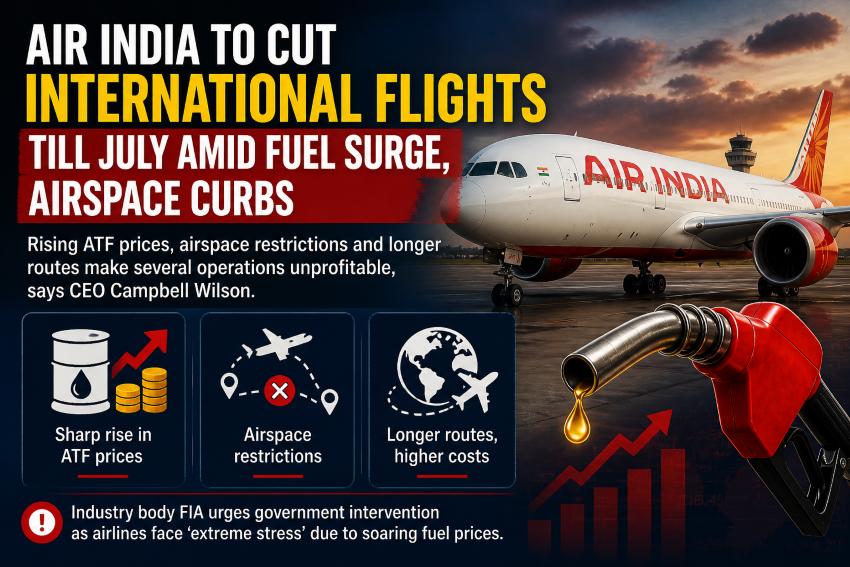
Air India’s decision to scale back its international flight operations reflects the growing pressure on the aviation sector as fuel prices continue to rise sharply. According to internal communication, CEO and Managing Director Campbell Wilson informed employees that the airline has little choice but to reduce schedules during June and July. The move follows earlier cuts in April and May, indicating a prolonged period of operational challenges driven by external factors beyond the airline’s control. The primary concern remains the steep increase in aviation turbine fuel prices, which constitute a major portion of airline operating costs. As fuel prices surge, airlines are finding it increasingly difficult to maintain profitability on long-haul international routes. Adding to the challenge are airspace restrictions in certain regions, forcing aircraft to take longer alternative paths. These extended routes not only increase fuel consumption but also lead to higher operational expenses and longer travel times for passengers. Industry Impact and Government Concerns The situation is not limited to a single airline, as the broader aviation industry in India is also feeling the strain. The Federation of Indian Airlines, representing major carriers like IndiGo and SpiceJet, has raised concerns with the government regarding the unsustainable rise in fuel costs. In a recent communication to the Civil Aviation Ministry, the industry body highlighted the extreme financial stress being faced by airlines, urging immediate intervention to stabilize operations and prevent further disruptions. Passenger Impact and Future Outlook For passengers, the reduction in international flights may lead to limited availability of seats, higher ticket prices, and potential changes in travel schedules. Travelers planning trips during the peak summer months may need to book tickets in advance or consider flexible travel plans. Despite these challenges, airlines are expected to closely monitor fuel price trends and regulatory developments before making further operational decisions. As the aviation sector navigates these turbulent conditions, the coming months will be crucial in determining how airlines adapt to rising costs and evolving geopolitical factors. The balance between maintaining connectivity and ensuring financial sustainability will remain a key focus for Air India and the wider airline industry.
Air India Cuts International Schedules As Aviation Costs Soar
Air India’s decision to scale back its international flight operations reflects the growing pressure on the aviation sector as fuel prices continue to rise sharply. According to internal communication, CEO and Managing Director Campbell Wilson informed employees that the airline has little choice but to reduce schedules during June and July. The move follows earlier cuts in April and May, indicating a prolonged period of operational challenges driven by external factors beyond the airline’s control. The primary concern remains the steep increase in aviation turbine fuel prices, which constitute a major portion of airline operating costs. As fuel prices surge, airlines are finding it increasingly difficult to maintain profitability on long-haul international routes. Adding to the challenge are airspace restrictions in certain regions, forcing aircraft to take longer alternative paths. These extended routes not only increase fuel consumption but also lead to higher operational expenses and longer travel times for passengers. Industry Impact and Government Concerns The situation is not limited to a single airline, as the broader aviation industry in India is also feeling the strain. The Federation of Indian Airlines, representing major carriers like IndiGo and SpiceJet, has raised concerns with the government regarding the unsustainable rise in fuel costs. In a recent communication to the Civil Aviation Ministry, the industry body highlighted the extreme financial stress being faced by airlines, urging immediate intervention to stabilize operations and prevent further disruptions. Passenger Impact and Future Outlook For passengers, the reduction in international flights may lead to limited availability of seats, higher ticket prices, and potential changes in travel schedules. Travelers planning trips during the peak summer months may need to book tickets in advance or consider flexible travel plans. Despite these challenges, airlines are expected to closely monitor fuel price trends and regulatory developments before making further operational decisions. As the aviation sector navigates these turbulent conditions, the coming months will be crucial in determining how airlines adapt to rising costs and evolving geopolitical factors. The balance between maintaining connectivity and ensuring financial sustainability will remain a key focus for Air India and the wider airline industry.
What defines JRD Tata’s legacy? A life of service over ownership
A life of service over ownership JRD Tata’s legacy offers a striking contrast to modern perceptions of wealth and leadership. As one of India’s most influential industrialists, he led the Tata Group for over five decades, yet chose to live in a rented residence rather than accumulate personal assets. His approach reflected a philosophy that prioritized responsibility, ethics, and long-term impact over visible displays of success. Leadership that expanded an industrial empire Under JRD Tata’s leadership, the Tata Group evolved into one of India’s most significant industrial conglomerates, spanning sectors such as steel, aviation, power, and chemicals. His tenure marked a period of sustained growth and modernization, contributing to the country’s economic development. Rather than focusing on personal gain, he emphasized institutional strength, innovation, and employee welfare, setting standards that influenced corporate governance across industries. Simplicity as a leadership principle JRD Tata’s personal lifestyle remained notably modest despite his professional stature. He lived in a rented bungalow in Mumbai for decades, demonstrating that leadership did not require material excess. His daily life reflected discipline and humility, reinforcing the idea that influence comes from actions and values rather than possessions. This approach continues to resonate in discussions about ethical leadership and sustainable success. Impact measured beyond wealth The scale of JRD Tata’s impact is reflected not only in business expansion but also in the opportunities created for thousands of employees and communities. His leadership helped build institutions that continue to operate globally, shaping industries and contributing to economic stability. For many observers, his legacy represents a model where success is defined by contribution rather than ownership. A lasting example for global audiences For audiences in the United States and beyond, JRD Taa’s story provides a broader perspective on leadership in a global context. His life underscores the importance of purpose-driven decision-making and challenges assumptions about the relationship between wealth and success. In an era where corporate influence is closely examined, his example remains relevant as a benchmark for integrity and long-term vision.
What defines JRD Tata’s legacy? A life of service over ownership
A life of service over ownership JRD Tata’s legacy offers a striking contrast to modern perceptions of wealth and leadership. As one of India’s most influential industrialists, he led the Tata Group for over five decades, yet chose to live in a rented residence rather than accumulate personal assets. His approach reflected a philosophy that prioritized responsibility, ethics, and long-term impact over visible displays of success. Leadership that expanded an industrial empire Under JRD Tata’s leadership, the Tata Group evolved into one of India’s most significant industrial conglomerates, spanning sectors such as steel, aviation, power, and chemicals. His tenure marked a period of sustained growth and modernization, contributing to the country’s economic development. Rather than focusing on personal gain, he emphasized institutional strength, innovation, and employee welfare, setting standards that influenced corporate governance across industries. Simplicity as a leadership principle JRD Tata’s personal lifestyle remained notably modest despite his professional stature. He lived in a rented bungalow in Mumbai for decades, demonstrating that leadership did not require material excess. His daily life reflected discipline and humility, reinforcing the idea that influence comes from actions and values rather than possessions. This approach continues to resonate in discussions about ethical leadership and sustainable success. Impact measured beyond wealth The scale of JRD Tata’s impact is reflected not only in business expansion but also in the opportunities created for thousands of employees and communities. His leadership helped build institutions that continue to operate globally, shaping industries and contributing to economic stability. For many observers, his legacy represents a model where success is defined by contribution rather than ownership. A lasting example for global audiences For audiences in the United States and beyond, JRD Taa’s story provides a broader perspective on leadership in a global context. His life underscores the importance of purpose-driven decision-making and challenges assumptions about the relationship between wealth and success. In an era where corporate influence is closely examined, his example remains relevant as a benchmark for integrity and long-term vision.


