Trump Finalizes Iran Peace Deal Terms Amid Rising Tensions
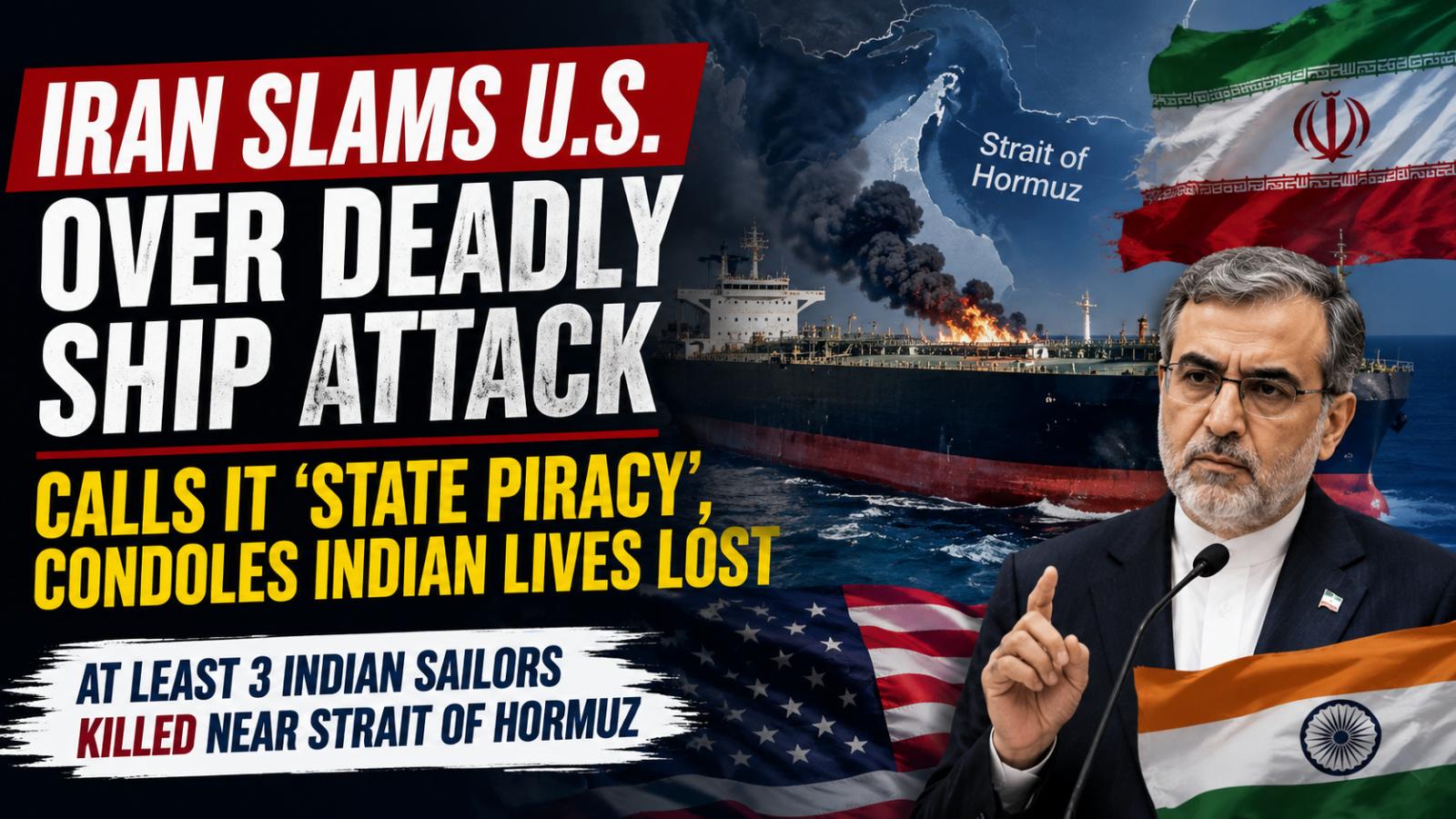
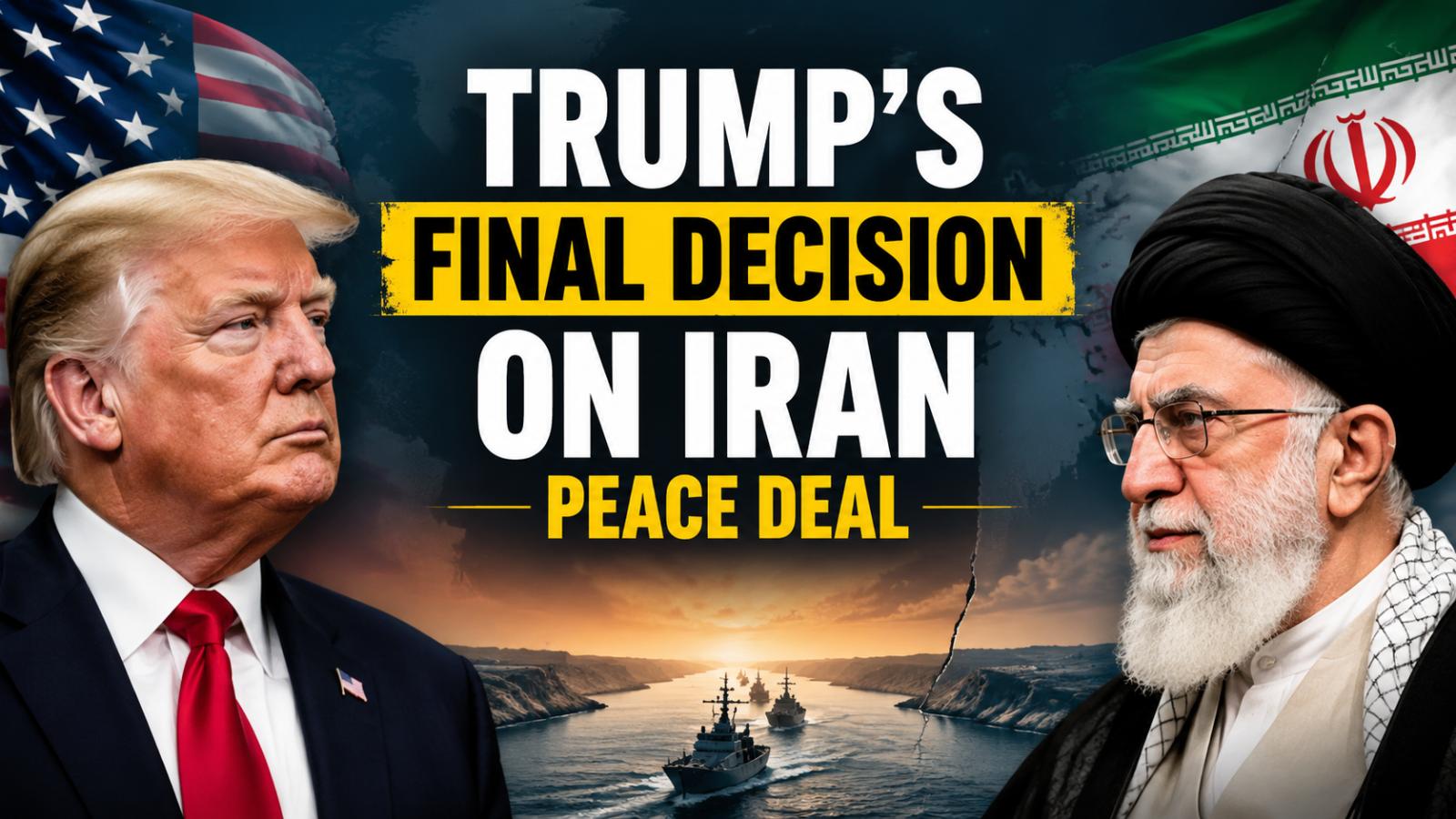
United States President Donald Trump has declared his final terms for a potential peace agreement with Iran. The proposal emphasizes strict nuclear compliance and guarantees for uninterrupted shipping through the strategic Hormuz Strait. This announcement has sparked strong reactions from Iranian officials, signaling potential hurdles in diplomatic negotiations. Iran Responds to US Demands
Trump Finalizes Iran Peace Deal Terms Amid Rising Tensions
United States President Donald Trump has declared his final terms for a potential peace agreement with Iran. The proposal emphasizes strict nuclear compliance and guarantees for uninterrupted shipping through the strategic Hormuz Strait. This announcement has sparked strong reactions from Iranian officials, signaling potential hurdles in diplomatic negotiations. Iran Responds to US Demands
Japan and Philippines Begin Maritime Boundary Talks Amid China Tension
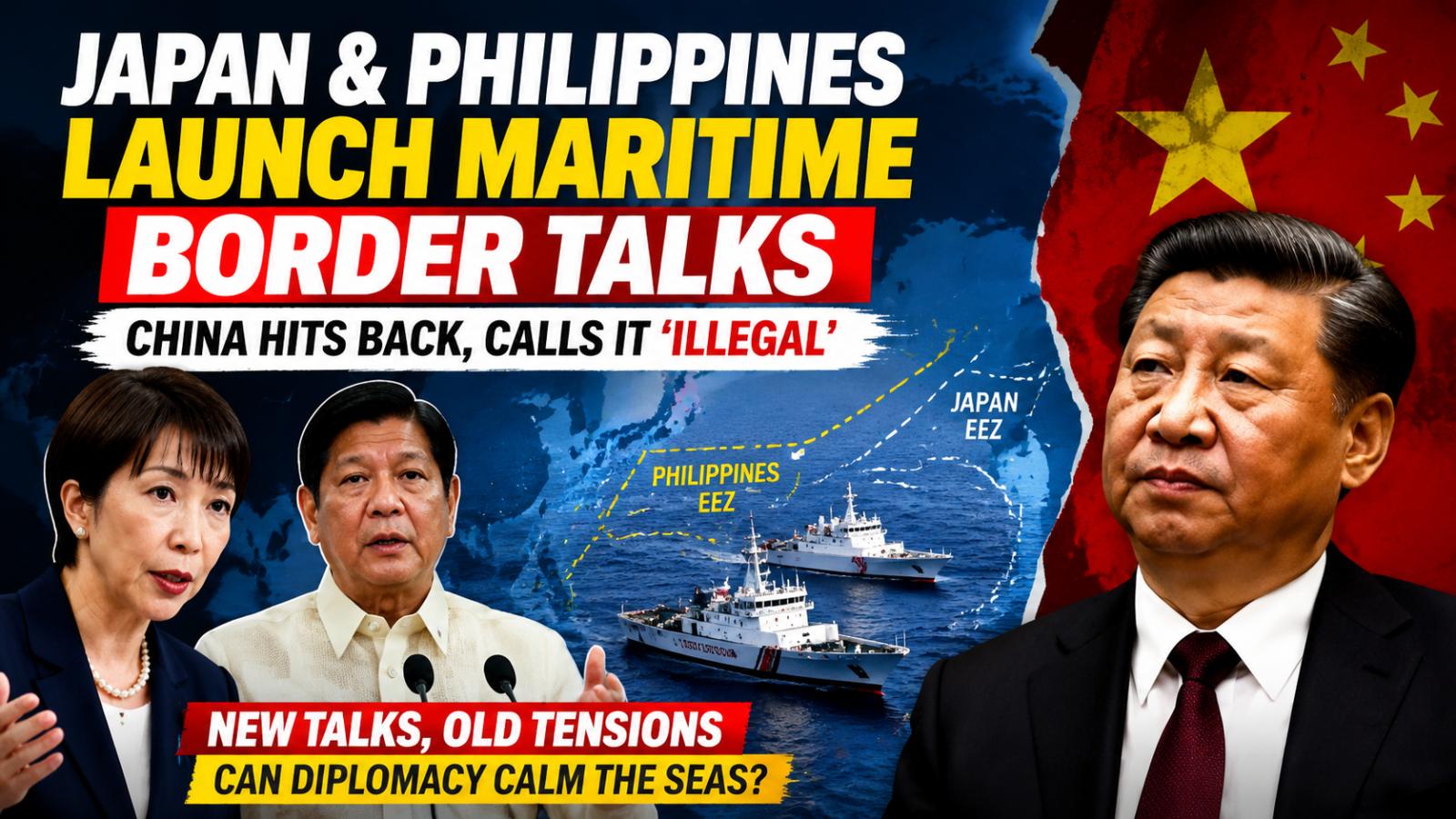
Japan and the Philippines have officially started discussions to define their maritime boundaries in areas where economic zones and continental shelves overlap. This follows Philippine President Ferdinand Marcos’ diplomatic visit to Japan, where he met Prime Minister Sanae Takaichi. The goal is to clarify boundaries while securing trade, fisheries, and energy interests. China Voices Strong Objection
Japan and Philippines Begin Maritime Boundary Talks Amid China Tension
Japan and the Philippines have officially started discussions to define their maritime boundaries in areas where economic zones and continental shelves overlap. This follows Philippine President Ferdinand Marcos’ diplomatic visit to Japan, where he met Prime Minister Sanae Takaichi. The goal is to clarify boundaries while securing trade, fisheries, and energy interests. China Voices Strong Objection
Russia and Taliban Strengthen Military Cooperation in Afghanistan
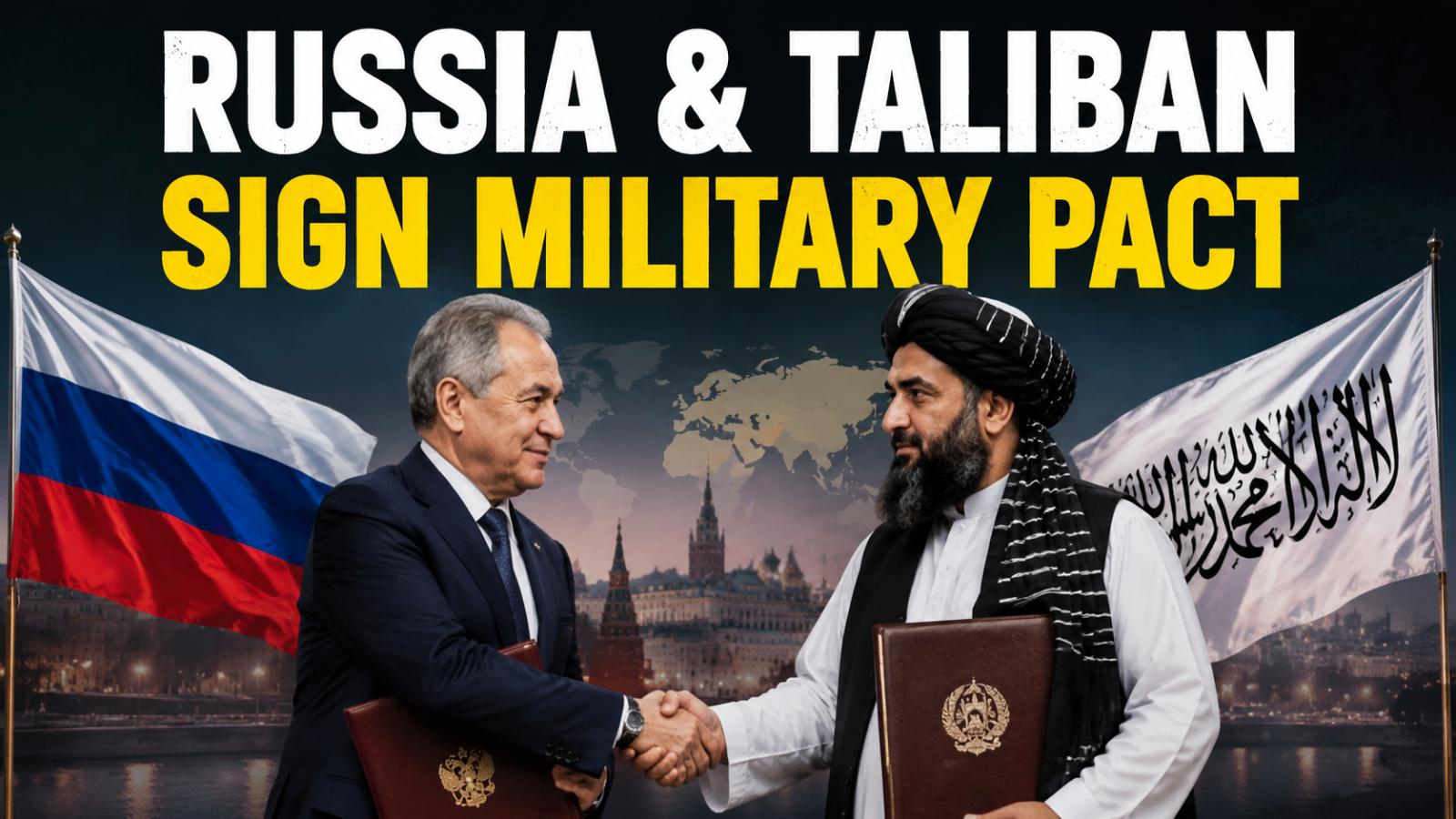
Russia and Taliban Formalize Military Pact Russia and the Taliban have officially signed a military cooperation agreement, aiming to enhance defense collaboration and regional stability in Afghanistan. The deal was finalized during the International Security Forum in Moscow, held from May 26 to May 29. Taliban Defence Minister Mullah Yaqoob emphasized that this pact strengthens Afghanistan’s military capabilities while recognizing Russia
Russia and Taliban Strengthen Military Cooperation in Afghanistan
Russia and Taliban Formalize Military Pact Russia and the Taliban have officially signed a military cooperation agreement, aiming to enhance defense collaboration and regional stability in Afghanistan. The deal was finalized during the International Security Forum in Moscow, held from May 26 to May 29. Taliban Defence Minister Mullah Yaqoob emphasized that this pact strengthens Afghanistan’s military capabilities while recognizing Russia
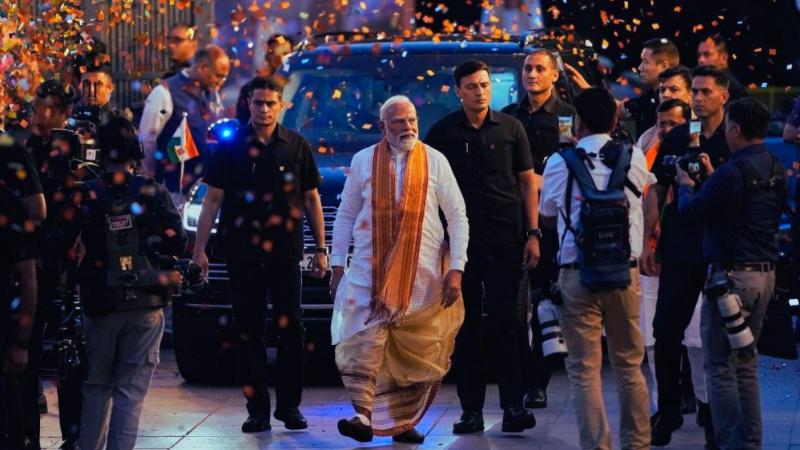
PM Modi’s 31 Global Honours Spark Fresh Political Buzz
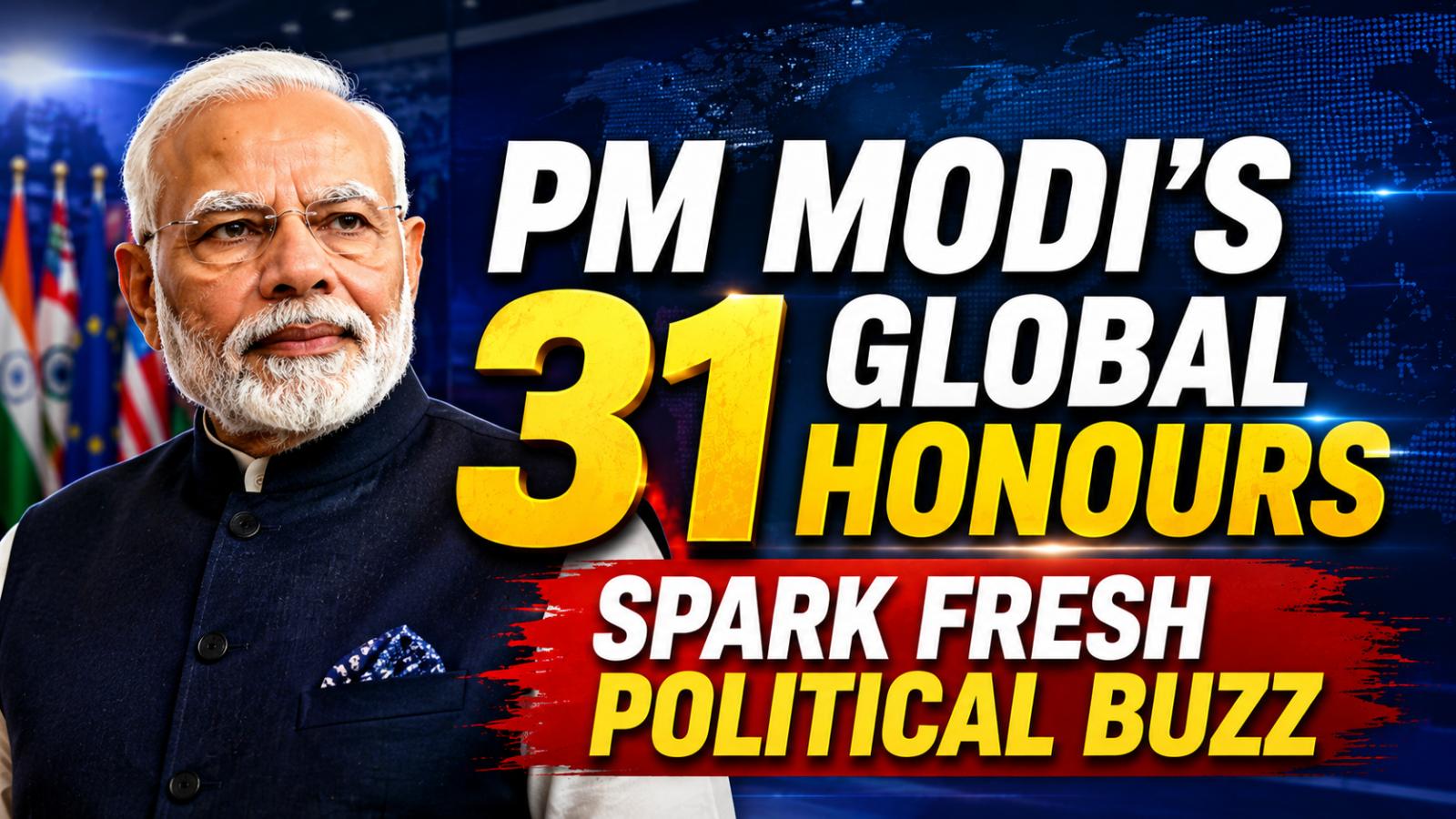
PM Modi received Sweden’s Royal Order of the Polar Star, taking his total global honours count to 31. The recognition highlights India-Sweden ties and adds a fresh milestone to Modi’s international award list. Prime Minister Narendra Modi received Sweden’s Royal Order of the Polar Star, Degree Commander Grand Cross, during his visit to Gothenburg on May 17, 2026. With this award, PM Modi’s 31 global honours list has again come into focus. The honour wa
PM Modi’s 31 Global Honours Spark Fresh Political Buzz
PM Modi received Sweden’s Royal Order of the Polar Star, taking his total global honours count to 31. The recognition highlights India-Sweden ties and adds a fresh milestone to Modi’s international award list. Prime Minister Narendra Modi received Sweden’s Royal Order of the Polar Star, Degree Commander Grand Cross, during his visit to Gothenburg on May 17, 2026. With this award, PM Modi’s 31 global honours list has again come into focus. The honour wa
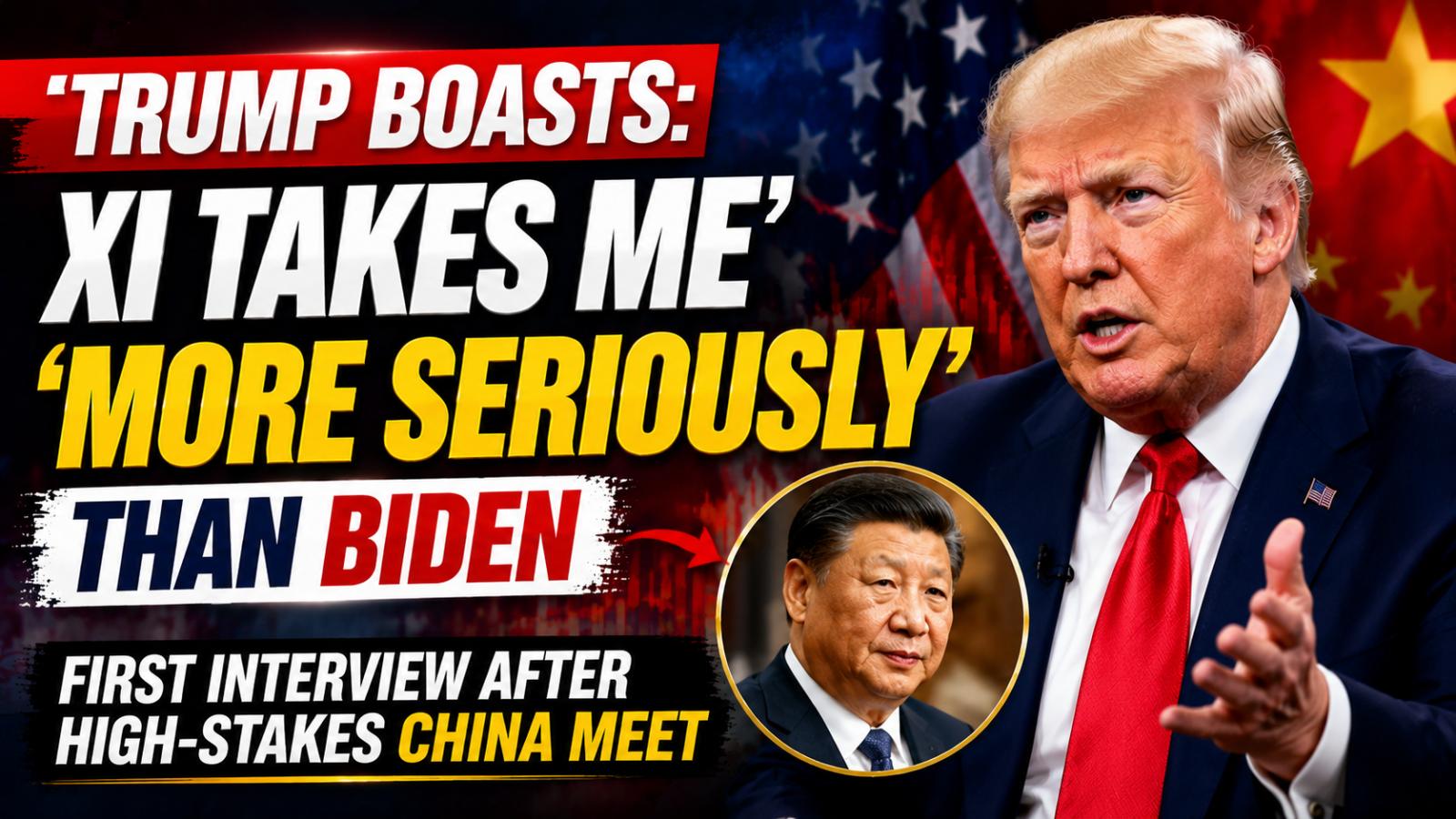
Trump Highlights Xi Meeting as Key Diplomatic Win
Trump Discusses Meeting with Xi Jinping US President Donald Trump spoke on Thursday, May 14, in his first interview following a high-stakes meeting with Chinese President Xi Jinping. The President described the discussion as a significant diplomatic achievement, asserting that his administration is treated with a heightened level of seriousness by the Chinese leadership. He contrasted his approach to foreign relations with
Trump Highlights Xi Meeting as Key Diplomatic Win
Trump Discusses Meeting with Xi Jinping US President Donald Trump spoke on Thursday, May 14, in his first interview following a high-stakes meeting with Chinese President Xi Jinping. The President described the discussion as a significant diplomatic achievement, asserting that his administration is treated with a heightened level of seriousness by the Chinese leadership. He contrasted his approach to foreign relations with
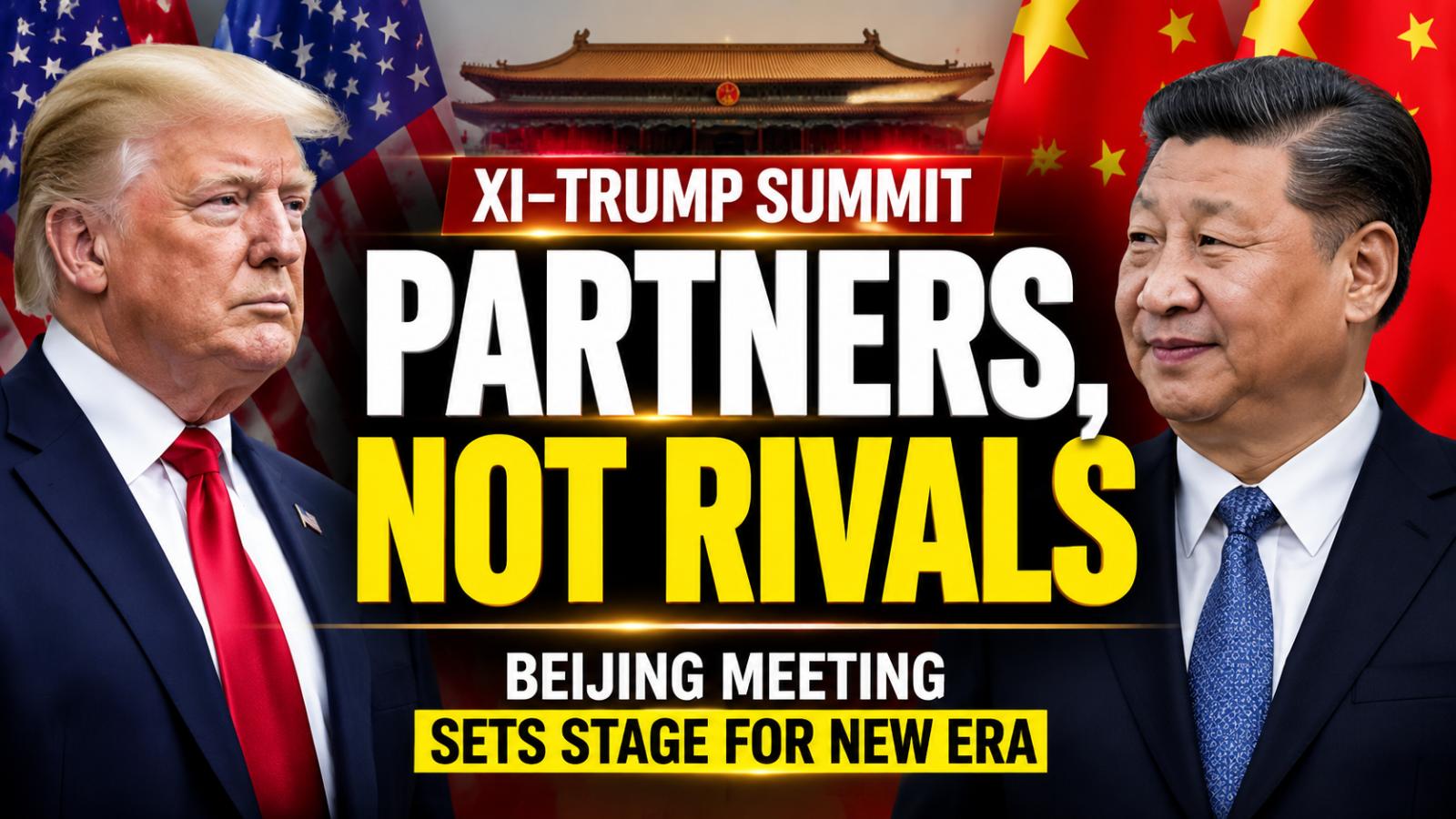
Xi and Trump Summit at Beijing
Historic Summit Marks a New Phase for US-China Relations On Thursday, May 14, 2026, Chinese President Xi Jinping welcomed US President Donald Trump to Beijing for a high-stakes summit, marking a critical moment in the evolving relationship between the two global powers. Xi set the tone for the summit by stressing the importance of cooperation over confrontation, calling for a stable US-China relationship as a foundation for global stability. “A stable China-US relationship is a
Xi and Trump Summit at Beijing
Historic Summit Marks a New Phase for US-China Relations On Thursday, May 14, 2026, Chinese President Xi Jinping welcomed US President Donald Trump to Beijing for a high-stakes summit, marking a critical moment in the evolving relationship between the two global powers. Xi set the tone for the summit by stressing the importance of cooperation over confrontation, calling for a stable US-China relationship as a foundation for global stability. “A stable China-US relationship is a
Chef Vikas Khanna Becomes First Indian To Receive Special Citation In New York
Celebrity chef and filmmaker Vikas Khanna has created history by becoming the first Indian to receive a special citation honour from New York State during AAPI Heritage Month celebrations. The recognition was presented in appreciation of his remarkable contribution to the culinary world and his efforts in promoting Indian cuisine internationally. The achievement has been widely celebrated by fans, celebrities and members of the Indian community across the globe. Originally from Amritsar in Punjab, Vikas Khanna has earned worldwide recognition through his restaurants, cookbooks, television appearances and humanitarian activities. His New York-based restaurant has become popular among food lovers for offering authentic Indian flavours with a modern global touch. Apart from his culinary success, Khanna is also admired for his charity initiatives and food relief efforts during difficult times, which further strengthened his reputation internationally. After receiving the honour, Khanna expressed gratitude and described the moment as a proud achievement for India. He emphasized the importance of cultural connection through food and said Indian cuisine continues to unite people from different backgrounds around the world. The recognition during AAPI Heritage Month highlights the growing influence of Indian talent globally and further establishes Vikas Khanna as one of the most respected Indian chefs on the international stage.
Chef Vikas Khanna Becomes First Indian To Receive Special Citation In New York
Celebrity chef and filmmaker Vikas Khanna has created history by becoming the first Indian to receive a special citation honour from New York State during AAPI Heritage Month celebrations. The recognition was presented in appreciation of his remarkable contribution to the culinary world and his efforts in promoting Indian cuisine internationally. The achievement has been widely celebrated by fans, celebrities and members of the Indian community across the globe. Originally from Amritsar in Punjab, Vikas Khanna has earned worldwide recognition through his restaurants, cookbooks, television appearances and humanitarian activities. His New York-based restaurant has become popular among food lovers for offering authentic Indian flavours with a modern global touch. Apart from his culinary success, Khanna is also admired for his charity initiatives and food relief efforts during difficult times, which further strengthened his reputation internationally. After receiving the honour, Khanna expressed gratitude and described the moment as a proud achievement for India. He emphasized the importance of cultural connection through food and said Indian cuisine continues to unite people from different backgrounds around the world. The recognition during AAPI Heritage Month highlights the growing influence of Indian talent globally and further establishes Vikas Khanna as one of the most respected Indian chefs on the international stage.
International Media Highlights BJP's Historic Victory in Bengal and Vijay's Tamil Nadu Surprise
The 2026 Indian assembly elections have garnered international attention, with global publications reporting on the significant victory of the Bharatiya Janata Party (BJP) in West Bengal, alongside a political shock in Tamil Nadu. The international media spotlighted the BJP’s historic win in West Bengal, a state that had been under the control of Mamata Banerjee’s Trinamool Congress (TMC) for 15 years. This result has significant implications for India's political landscape, with many pub
International Media Highlights BJP's Historic Victory in Bengal and Vijay's Tamil Nadu Surprise
The 2026 Indian assembly elections have garnered international attention, with global publications reporting on the significant victory of the Bharatiya Janata Party (BJP) in West Bengal, alongside a political shock in Tamil Nadu. The international media spotlighted the BJP’s historic win in West Bengal, a state that had been under the control of Mamata Banerjee’s Trinamool Congress (TMC) for 15 years. This result has significant implications for India's political landscape, with many pub
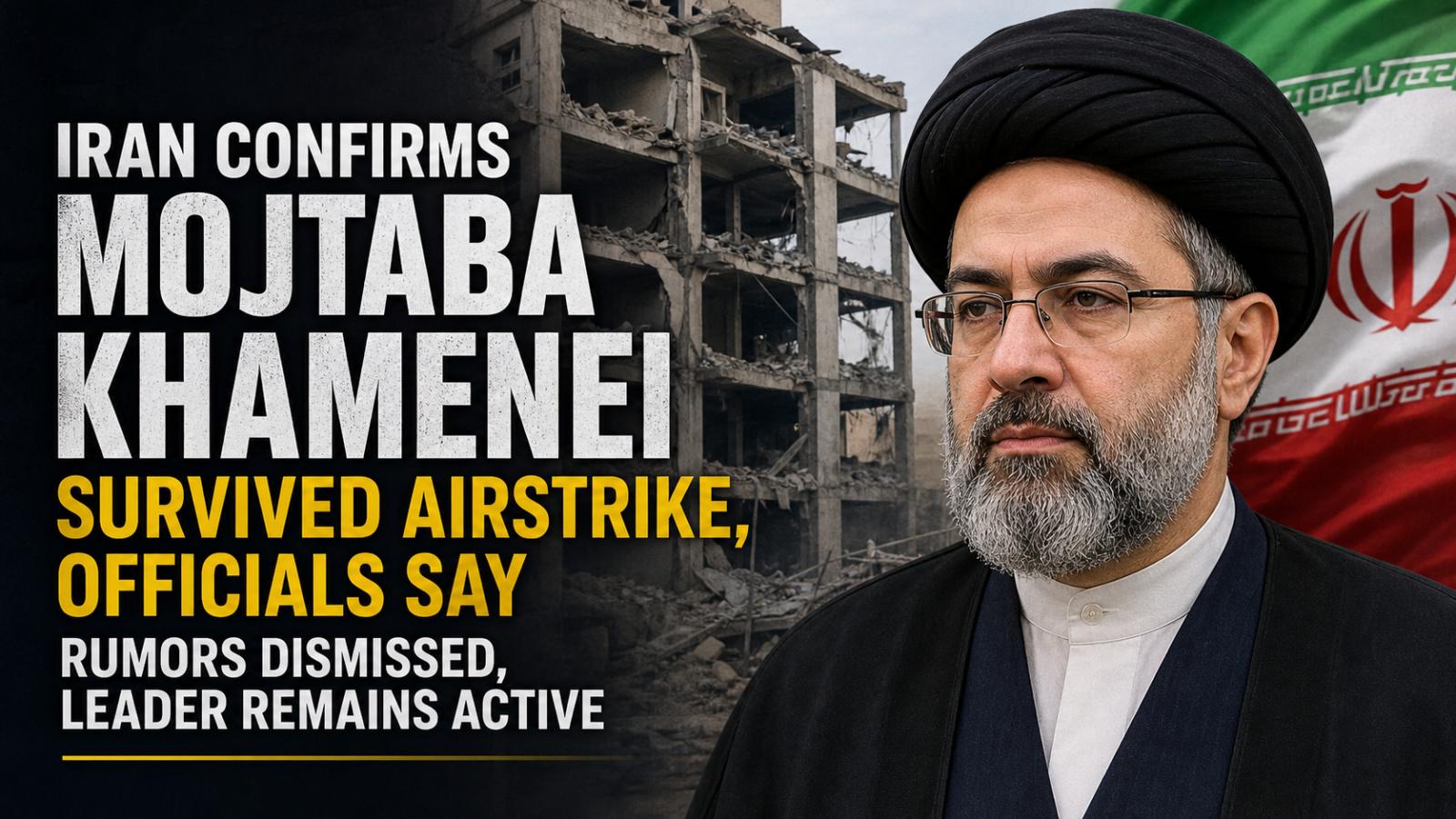
What happened to Mojtaba Khamenei during the Iran conflict? He survived an airstrike, officials say
Iranian authorities on Friday, May 1, confirmed that Mojtaba Khamenei was present in a building that was later destroyed in an airstrike during the ongoing Iran conflict, which began on February 28. Officials stated that he survived the attack and remains in active control of key state matters, while also dismissing widespread speculation about his health and absence from public appearances. Senior official details narrow escape during bombing Ayatollah Mohsen Qomi, a senior member of Iran’s Assembly of Experts and Deputy for International Affairs in the Supreme Leader’s office, said that Mojtaba Khamenei had been inside the targeted building shortly before it was struck. According to Qomi, Khamenei moved into the courtyard just minutes before the explosion, avoiding the fatal impact that reportedly killed others inside. Qomi described the survival as a matter of timing, emphasizing that the leader’s presence in the building had been confirmed but that his movement moments before the strike ultimately ensured his safety. The airstrike was part of ongoing hostilities that have escalated since late February. Officials assert leader remains in control of national affairs Despite rumors circulating internationally, Iranian officials maintained that Mojtaba Khamenei is in good health and continues to oversee both diplomatic and operational matters. Qomi stated that Khamenei is directly supervising negotiations and military-related decisions, including providing guidance to negotiating teams under varying conditions. The comments appear aimed at reinforcing internal stability and projecting continuity in leadership during a period of heightened geopolitical tension. Iranian officials emphasized that decision-making authority remains firmly centralized under Khamenei’s direction. Iran dismisses Western speculation as strategic pressure Qomi also addressed claims from Western sources regarding the leader’s health, characterizing them as deliberate attempts to provoke a response from Tehran. He suggested that questions about Khamenei’s public absence are part of a broader strategy to create uncertainty and apply psychological pressure. According to Qomi, such narratives are intended to push Iranian officials into reactive communication, which could be leveraged for strategic advantage by adversaries. Acknowledgment of injuries and focus on protection While firmly denying claims of serious health concerns, Qomi indicated that Mojtaba Khamenei may have sustained injuries during the incident. He stated that ensuring the leader’s safety has become a top priority for Iranian authorities, underscoring the importance of preserving leadership continuity amid the conflict. Officials reiterated that despite any injuries, Khamenei remains active and engaged in directing national policy, reinforcing the government’s position that leadership stability has not been compromised.
What happened to Mojtaba Khamenei during the Iran conflict? He survived an airstrike, officials say
Iranian authorities on Friday, May 1, confirmed that Mojtaba Khamenei was present in a building that was later destroyed in an airstrike during the ongoing Iran conflict, which began on February 28. Officials stated that he survived the attack and remains in active control of key state matters, while also dismissing widespread speculation about his health and absence from public appearances. Senior official details narrow escape during bombing Ayatollah Mohsen Qomi, a senior member of Iran’s Assembly of Experts and Deputy for International Affairs in the Supreme Leader’s office, said that Mojtaba Khamenei had been inside the targeted building shortly before it was struck. According to Qomi, Khamenei moved into the courtyard just minutes before the explosion, avoiding the fatal impact that reportedly killed others inside. Qomi described the survival as a matter of timing, emphasizing that the leader’s presence in the building had been confirmed but that his movement moments before the strike ultimately ensured his safety. The airstrike was part of ongoing hostilities that have escalated since late February. Officials assert leader remains in control of national affairs Despite rumors circulating internationally, Iranian officials maintained that Mojtaba Khamenei is in good health and continues to oversee both diplomatic and operational matters. Qomi stated that Khamenei is directly supervising negotiations and military-related decisions, including providing guidance to negotiating teams under varying conditions. The comments appear aimed at reinforcing internal stability and projecting continuity in leadership during a period of heightened geopolitical tension. Iranian officials emphasized that decision-making authority remains firmly centralized under Khamenei’s direction. Iran dismisses Western speculation as strategic pressure Qomi also addressed claims from Western sources regarding the leader’s health, characterizing them as deliberate attempts to provoke a response from Tehran. He suggested that questions about Khamenei’s public absence are part of a broader strategy to create uncertainty and apply psychological pressure. According to Qomi, such narratives are intended to push Iranian officials into reactive communication, which could be leveraged for strategic advantage by adversaries. Acknowledgment of injuries and focus on protection While firmly denying claims of serious health concerns, Qomi indicated that Mojtaba Khamenei may have sustained injuries during the incident. He stated that ensuring the leader’s safety has become a top priority for Iranian authorities, underscoring the importance of preserving leadership continuity amid the conflict. Officials reiterated that despite any injuries, Khamenei remains active and engaged in directing national policy, reinforcing the government’s position that leadership stability has not been compromised.
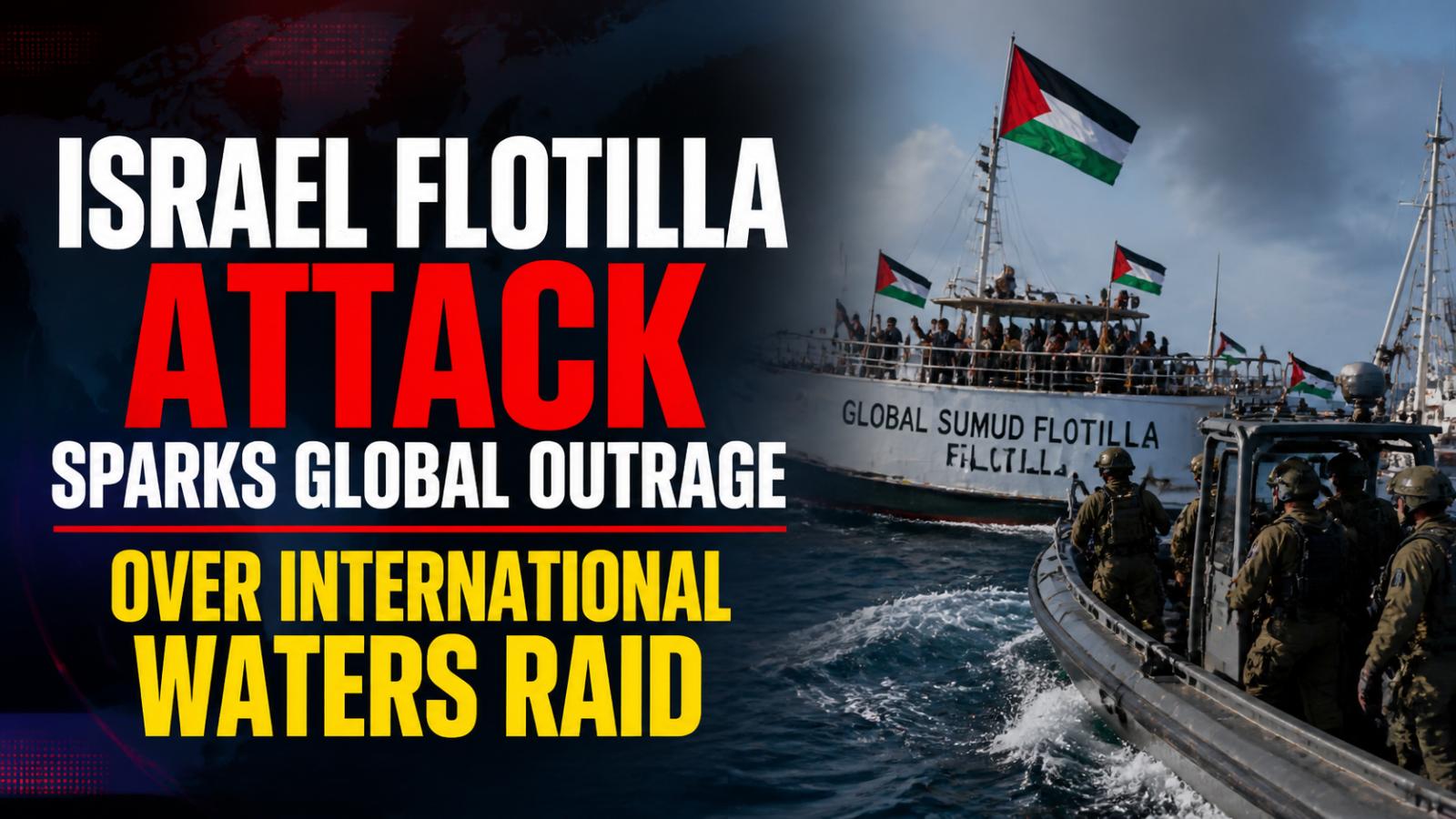
Iran condemns Israeli flotilla raid as piracy amid global protests
Israel flotilla attack triggers global outrage The Israel flotilla attack has sparked widespread international condemnation after Israeli naval forces intercepted vessels from the Global Sumud flotilla in international waters nearly 1,000 km from Israel near Crete. The operation led to the detention of hundreds of activists and seizure of aid ships, raising serious concerns about legality, human rights, and humanita
Iran condemns Israeli flotilla raid as piracy amid global protests
Israel flotilla attack triggers global outrage The Israel flotilla attack has sparked widespread international condemnation after Israeli naval forces intercepted vessels from the Global Sumud flotilla in international waters nearly 1,000 km from Israel near Crete. The operation led to the detention of hundreds of activists and seizure of aid ships, raising serious concerns about legality, human rights, and humanita
May Day 2026 Theme, History and Significance of International Labour Day Explained
May Day 2026, also known as International Labour Day, is observed globally on May 1 to recognize the contribution of workers in building economies and societies. It is not just a symbolic celebration but a reminder of the struggles, sacrifices, and ongoing demands of the working class. In India, the day is marked by rallies, union meetings, and public discussions focusing on fair wages, safe working conditions, and social justice. While many treat it as a holiday, the deeper purpose lies in evaluating whether workers today are truly benefiting from the progress they helped create. Historical Background and Global Relevance The roots of May Day go back to the Haymarket Affair in Chicago, where workers protested for an eight-hour workday. That movement reshaped labor laws worldwide and laid the foundation for modern worker rights. Over time, May Day evolved into a global platform for workers to demand dignity, equality, and legal protection. Despite these historical gains, many of the original issues—long hours, unsafe conditions, and unfair pay—still persist in different forms across countries, especially in developing economies. May Day 2026 Theme and Its Meaning The International Labour Organization has declared the 2026 theme as “Ensuring a Healthy Psychosocial Working Environment.” This reflects a major shift in focus from physical safety alone to mental well-being in workplaces. Emphasis on reducing stress, burnout, and workplace anxiety Need for policies addressing harassment and discrimination Encouragement of work-life balance and flexible work structures Recognition that productivity should not come at the cost of mental health This theme exposes a critical gap—while companies talk about employee wellness, many still operate in ways that increase pressure and reduce job satisfaction. Importance of May Day in India In India, May Day carries unique significance due to the size of its informal workforce. Millions of workers in sectors like construction, agriculture, and domestic work lack job security and legal protection. Informal workers often do not receive minimum wages or benefits Migrant workers face unstable employment and poor living conditions Social security systems are limited or inaccessible for many Awareness exists, but enforcement of labour laws remains weak This highlights a hard truth: progress in labour rights is uneven, and large sections of the workforce are still left behind. How May Day is Celebrated May Day celebrations in India and across the world are a mix of awareness and activism. Trade unions organize marches and protests Public speeches highlight labour issues and policy gaps Campaigns are run to support worker welfare and rights Governments announce reforms or initiatives, though impact varies These activities create visibility, but without consistent follow-through, they risk becoming routine rather than impactful. Key Challenges Workers Still Face Despite decades of labour reforms, several critical issues remain unresolved: Wage inequality across sectors and regions Lack of mental health support in workplaces Job insecurity due to contract and gig-based employment Poor enforcement of safety regulations Exploitation in unorganized sectors These challenges suggest that while the nature of work has evolved, worker struggles have simply taken new forms. Why May Day Still Matters Today May Day is no longer just about celebrating workers—it is about questioning systems. It forces governments, businesses, and society to examine whether economic growth is inclusive or exploitative. The 2026 theme makes it clear that worker well-being is not limited to physical safety but includes emotional and psychological health. The uncomfortable reality is this: awareness alone does not change conditions. Unless policies are enforced and accountability is maintained, May Day risks becoming symbolic rather than transformative. The real value of this day lies in pushing for measurable change, not just repeating familiar slogans.
May Day 2026 Theme, History and Significance of International Labour Day Explained
May Day 2026, also known as International Labour Day, is observed globally on May 1 to recognize the contribution of workers in building economies and societies. It is not just a symbolic celebration but a reminder of the struggles, sacrifices, and ongoing demands of the working class. In India, the day is marked by rallies, union meetings, and public discussions focusing on fair wages, safe working conditions, and social justice. While many treat it as a holiday, the deeper purpose lies in evaluating whether workers today are truly benefiting from the progress they helped create. Historical Background and Global Relevance The roots of May Day go back to the Haymarket Affair in Chicago, where workers protested for an eight-hour workday. That movement reshaped labor laws worldwide and laid the foundation for modern worker rights. Over time, May Day evolved into a global platform for workers to demand dignity, equality, and legal protection. Despite these historical gains, many of the original issues—long hours, unsafe conditions, and unfair pay—still persist in different forms across countries, especially in developing economies. May Day 2026 Theme and Its Meaning The International Labour Organization has declared the 2026 theme as “Ensuring a Healthy Psychosocial Working Environment.” This reflects a major shift in focus from physical safety alone to mental well-being in workplaces. Emphasis on reducing stress, burnout, and workplace anxiety Need for policies addressing harassment and discrimination Encouragement of work-life balance and flexible work structures Recognition that productivity should not come at the cost of mental health This theme exposes a critical gap—while companies talk about employee wellness, many still operate in ways that increase pressure and reduce job satisfaction. Importance of May Day in India In India, May Day carries unique significance due to the size of its informal workforce. Millions of workers in sectors like construction, agriculture, and domestic work lack job security and legal protection. Informal workers often do not receive minimum wages or benefits Migrant workers face unstable employment and poor living conditions Social security systems are limited or inaccessible for many Awareness exists, but enforcement of labour laws remains weak This highlights a hard truth: progress in labour rights is uneven, and large sections of the workforce are still left behind. How May Day is Celebrated May Day celebrations in India and across the world are a mix of awareness and activism. Trade unions organize marches and protests Public speeches highlight labour issues and policy gaps Campaigns are run to support worker welfare and rights Governments announce reforms or initiatives, though impact varies These activities create visibility, but without consistent follow-through, they risk becoming routine rather than impactful. Key Challenges Workers Still Face Despite decades of labour reforms, several critical issues remain unresolved: Wage inequality across sectors and regions Lack of mental health support in workplaces Job insecurity due to contract and gig-based employment Poor enforcement of safety regulations Exploitation in unorganized sectors These challenges suggest that while the nature of work has evolved, worker struggles have simply taken new forms. Why May Day Still Matters Today May Day is no longer just about celebrating workers—it is about questioning systems. It forces governments, businesses, and society to examine whether economic growth is inclusive or exploitative. The 2026 theme makes it clear that worker well-being is not limited to physical safety but includes emotional and psychological health. The uncomfortable reality is this: awareness alone does not change conditions. Unless policies are enforced and accountability is maintained, May Day risks becoming symbolic rather than transformative. The real value of this day lies in pushing for measurable change, not just repeating familiar slogans.
Tehran Raises Doubts Over Pakistan Role in US-Iran Negotiations
Iran has raised concerns about Pakistan’s role as a mediator in ongoing diplomatic efforts with the United States, with officials questioning Islamabad’s neutrality. Ebrahim Rezaei, spokesperson for Iran’s National Security and Foreign Policy Commission, said Pakistan lacks the credibility required to act as an impartial intermediary in sensitive negotiations. Rezaei argued that Paki
Tehran Raises Doubts Over Pakistan Role in US-Iran Negotiations
Iran has raised concerns about Pakistan’s role as a mediator in ongoing diplomatic efforts with the United States, with officials questioning Islamabad’s neutrality. Ebrahim Rezaei, spokesperson for Iran’s National Security and Foreign Policy Commission, said Pakistan lacks the credibility required to act as an impartial intermediary in sensitive negotiations. Rezaei argued that Paki
World leaders denounce shooting targeting Trump, stress rejection of violence
Global leaders condemn shooting incident involving President Trump as a wave of international reactions underscored a shared rejection of political violence and relief that the former U.S. president and other attendees were unharmed. The incident prompted swift responses from leaders across continents, reflecting concern over rising threats to public figures and democratic processes. Narendra Modi Indian Prime Minister

World leaders denounce shooting targeting Trump, stress rejection of violence
Global leaders condemn shooting incident involving President Trump as a wave of international reactions underscored a shared rejection of political violence and relief that the former U.S. president and other attendees were unharmed. The incident prompted swift responses from leaders across continents, reflecting concern over rising threats to public figures and democratic processes. Narendra Modi Indian Prime Minister


What does Tehran airport reopening signal? It marks easing regional tensions
What does Tehran airport reopening signal? It marks easing regional tensions, Tehran’s primary international gateway is preparing to resume global flight operations on Saturday, April 25, 2026, according to Iranian aviation authorities, marking a significant step toward restoring stability after a week-long suspension tied to heightened regional tensions. Airport reopening follows week-long aviation shutdown Imam Khomeini International
What does Tehran airport reopening signal? It marks easing regional tensions
What does Tehran airport reopening signal? It marks easing regional tensions, Tehran’s primary international gateway is preparing to resume global flight operations on Saturday, April 25, 2026, according to Iranian aviation authorities, marking a significant step toward restoring stability after a week-long suspension tied to heightened regional tensions. Airport reopening follows week-long aviation shutdown Imam Khomeini International
Khamenei Praises National Cohesion Amid Rising US-Iran Tensions
Mojtaba Khamenei has emphasized national unity in Iran, stating that collective cohesion among citizens has strengthened the country’s position amid ongoing tensions with the United States. In a public message, he described unity as a decisive factor in countering external pressure, urging continued commitment to national solidarity. Khamenei’s remarks come as
Khamenei Praises National Cohesion Amid Rising US-Iran Tensions
Mojtaba Khamenei has emphasized national unity in Iran, stating that collective cohesion among citizens has strengthened the country’s position amid ongoing tensions with the United States. In a public message, he described unity as a decisive factor in countering external pressure, urging continued commitment to national solidarity. Khamenei’s remarks come as
US President Says No Plans for Nuclear Strike on Iran
Donald Trump stated that the United States currently has no intention of using nuclear weapons against Iran, offering clarity on a key concern amid ongoing geopolitical tensions. Speaking to reporters at the White House, Trump emphasized that conventional military actions had already achieved significant results without the need for nuclear escalation. Addressing recent speculation, Trump said there was no justification for deploying nuclear weapons, noting that existing strategies had been effective. His remarks come after earlier statements that had drawn international attention, where strong rhetoric raised concerns about the potential use of extreme measures during the conflict that began earlier this year. The president reiterated that nuclear weapons should not be used by any nation, signaling a shift toward a more restrained public stance. At the same time, he underscored the administration’s objective of preventing Iran from developing nuclear capabilities that could pose a threat to regional and global security. Comments from senior officials have also contributed to the broader discussion. JD Vance had previously indicated that the United States was prepared to escalate its response if necessary, though the White House clarified that such remarks did not imply nuclear action. Trump’s latest statement appears to balance deterrence with reassurance, highlighting a focus on maintaining pressure through conventional means while avoiding the risks associated with nuclear engagement. As tensions persist, the administration continues to stress its commitment to preventing further escalation while safeguarding national interests and stability in the region.
US President Says No Plans for Nuclear Strike on Iran
Donald Trump stated that the United States currently has no intention of using nuclear weapons against Iran, offering clarity on a key concern amid ongoing geopolitical tensions. Speaking to reporters at the White House, Trump emphasized that conventional military actions had already achieved significant results without the need for nuclear escalation. Addressing recent speculation, Trump said there was no justification for deploying nuclear weapons, noting that existing strategies had been effective. His remarks come after earlier statements that had drawn international attention, where strong rhetoric raised concerns about the potential use of extreme measures during the conflict that began earlier this year. The president reiterated that nuclear weapons should not be used by any nation, signaling a shift toward a more restrained public stance. At the same time, he underscored the administration’s objective of preventing Iran from developing nuclear capabilities that could pose a threat to regional and global security. Comments from senior officials have also contributed to the broader discussion. JD Vance had previously indicated that the United States was prepared to escalate its response if necessary, though the White House clarified that such remarks did not imply nuclear action. Trump’s latest statement appears to balance deterrence with reassurance, highlighting a focus on maintaining pressure through conventional means while avoiding the risks associated with nuclear engagement. As tensions persist, the administration continues to stress its commitment to preventing further escalation while safeguarding national interests and stability in the region.
US Maintains Pressure on Iran as Talks Remain Uncertain Amid Ceasefire
The United States has maintained pressure on Iran despite a formal agreement to extend a ceasefire aimed at creating space for diplomacy. President Donald Trump has ordered the continuation of a military blockade targeting Iranian ports, a move designed to restrict Tehran’s financial resources. The administration has indicated that Iran’s economy is under significant strain, citing limited cash reserves and increasing pressure on oil storage facilities, particularly at Kharg Island. While the ceasefire extension was initially viewed as an opportunity to advance negotiations, diplomatic progress remains uncertain. Reports of a possible summit in Islamabad have been challenged by Iranian officials, who state that no delegation has departed for Pakistan. Iranian state authorities have dismissed claims of imminent talks, emphasizing that key preconditions have not been met. Tehran has maintained that any formal negotiations would require a complete halt to Israeli military actions in Lebanon. Without such assurances, Iranian leaders have expressed reluctance to engage in further discussions. Officials have also accused the United States of pursuing a strategy focused on coercion rather than constructive dialogue, raising concerns about the credibility of ongoing diplomatic efforts. Senior Iranian figures have issued strong warnings about the potential consequences of continued pressure. Parliamentary speaker Mohammad Baqer Ghalibaf suggested that Iran could explore alternative responses if tensions escalate further. Foreign Minister Abbas Araghchi criticized what he described as repeated violations of the ceasefire, while President Masoud Pezeshkian underscored the importance of trust and consistency in any negotiation process. Pakistan has emerged as a potential mediator, preparing to host talks in Islamabad in an effort to bridge differences between the two sides. The United States is expected to send Vice President JD Vance to participate in discussions, although Iran has yet to confirm its involvement. As both diplomatic and military dynamics continue to unfold, the path toward resolution remains uncertain.
US Maintains Pressure on Iran as Talks Remain Uncertain Amid Ceasefire
The United States has maintained pressure on Iran despite a formal agreement to extend a ceasefire aimed at creating space for diplomacy. President Donald Trump has ordered the continuation of a military blockade targeting Iranian ports, a move designed to restrict Tehran’s financial resources. The administration has indicated that Iran’s economy is under significant strain, citing limited cash reserves and increasing pressure on oil storage facilities, particularly at Kharg Island. While the ceasefire extension was initially viewed as an opportunity to advance negotiations, diplomatic progress remains uncertain. Reports of a possible summit in Islamabad have been challenged by Iranian officials, who state that no delegation has departed for Pakistan. Iranian state authorities have dismissed claims of imminent talks, emphasizing that key preconditions have not been met. Tehran has maintained that any formal negotiations would require a complete halt to Israeli military actions in Lebanon. Without such assurances, Iranian leaders have expressed reluctance to engage in further discussions. Officials have also accused the United States of pursuing a strategy focused on coercion rather than constructive dialogue, raising concerns about the credibility of ongoing diplomatic efforts. Senior Iranian figures have issued strong warnings about the potential consequences of continued pressure. Parliamentary speaker Mohammad Baqer Ghalibaf suggested that Iran could explore alternative responses if tensions escalate further. Foreign Minister Abbas Araghchi criticized what he described as repeated violations of the ceasefire, while President Masoud Pezeshkian underscored the importance of trust and consistency in any negotiation process. Pakistan has emerged as a potential mediator, preparing to host talks in Islamabad in an effort to bridge differences between the two sides. The United States is expected to send Vice President JD Vance to participate in discussions, although Iran has yet to confirm its involvement. As both diplomatic and military dynamics continue to unfold, the path toward resolution remains uncertain.
Diplomatic Rift Sparks Debate Over Iran’s Spot in FIFA World Cup 2026
A proposal suggesting that Iran be replaced by Italy in the upcoming FIFA World Cup 2026 has drawn attention amid ongoing diplomatic tensions between the United States and Iran. The tournament, scheduled to be held primarily in the United States, is already under scrutiny due to the broader geopolitical climate, which could impact participation and logistics. The suggestion reportedly came from Paolo Zampolli, a senior envoy connected to U.S. President Donald Trump. He is said to ha
Diplomatic Rift Sparks Debate Over Iran’s Spot in FIFA World Cup 2026
A proposal suggesting that Iran be replaced by Italy in the upcoming FIFA World Cup 2026 has drawn attention amid ongoing diplomatic tensions between the United States and Iran. The tournament, scheduled to be held primarily in the United States, is already under scrutiny due to the broader geopolitical climate, which could impact participation and logistics. The suggestion reportedly came from Paolo Zampolli, a senior envoy connected to U.S. President Donald Trump. He is said to ha
Iran disputes Trump’s claim on halted executions of women protesters
U.S. President Donald Trump said on Wednesday, April 22, 2026, that Iranian authorities had agreed to halt the execution of eight women following his direct intervention, describing the development as a humanitarian success amid rising tensions between Washington and Tehran. In a public statement issued later that day, Trump said he had been informed that the women, identified as protesters,
Iran disputes Trump’s claim on halted executions of women protesters
U.S. President Donald Trump said on Wednesday, April 22, 2026, that Iranian authorities had agreed to halt the execution of eight women following his direct intervention, describing the development as a humanitarian success amid rising tensions between Washington and Tehran. In a public statement issued later that day, Trump said he had been informed that the women, identified as protesters,
Indian among deportees sent to Costa Rica under U.S. third-country policy
Costa Rica received a second group of migrants deported from the United States on Friday as part of a bilateral agreement that allows the Central American nation to accept third-country nationals expelled under U.S. immigration policy. The group notably included one Indian national among deportees from multiple countries, underscoring the global scope of the program. Under the agreement, signed in March by Costa Rican President Rodrigo Chaves and U.S. Special Envoy Kristi Noem, Costa
Indian among deportees sent to Costa Rica under U.S. third-country policy
Costa Rica received a second group of migrants deported from the United States on Friday as part of a bilateral agreement that allows the Central American nation to accept third-country nationals expelled under U.S. immigration policy. The group notably included one Indian national among deportees from multiple countries, underscoring the global scope of the program. Under the agreement, signed in March by Costa Rican President Rodrigo Chaves and U.S. Special Envoy Kristi Noem, Costa