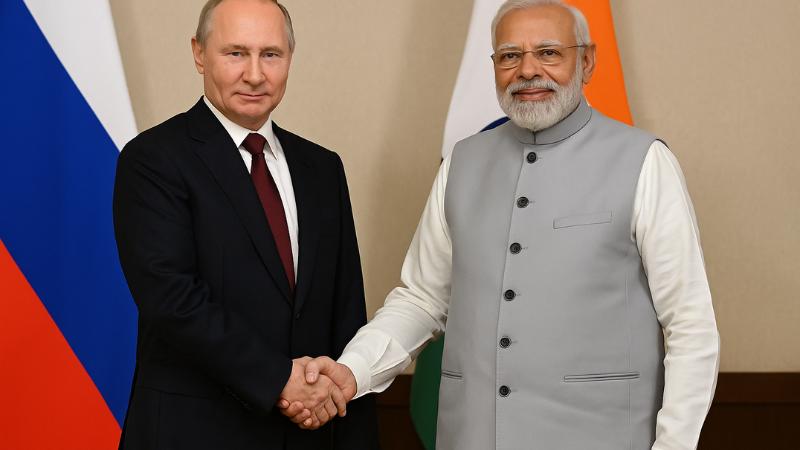
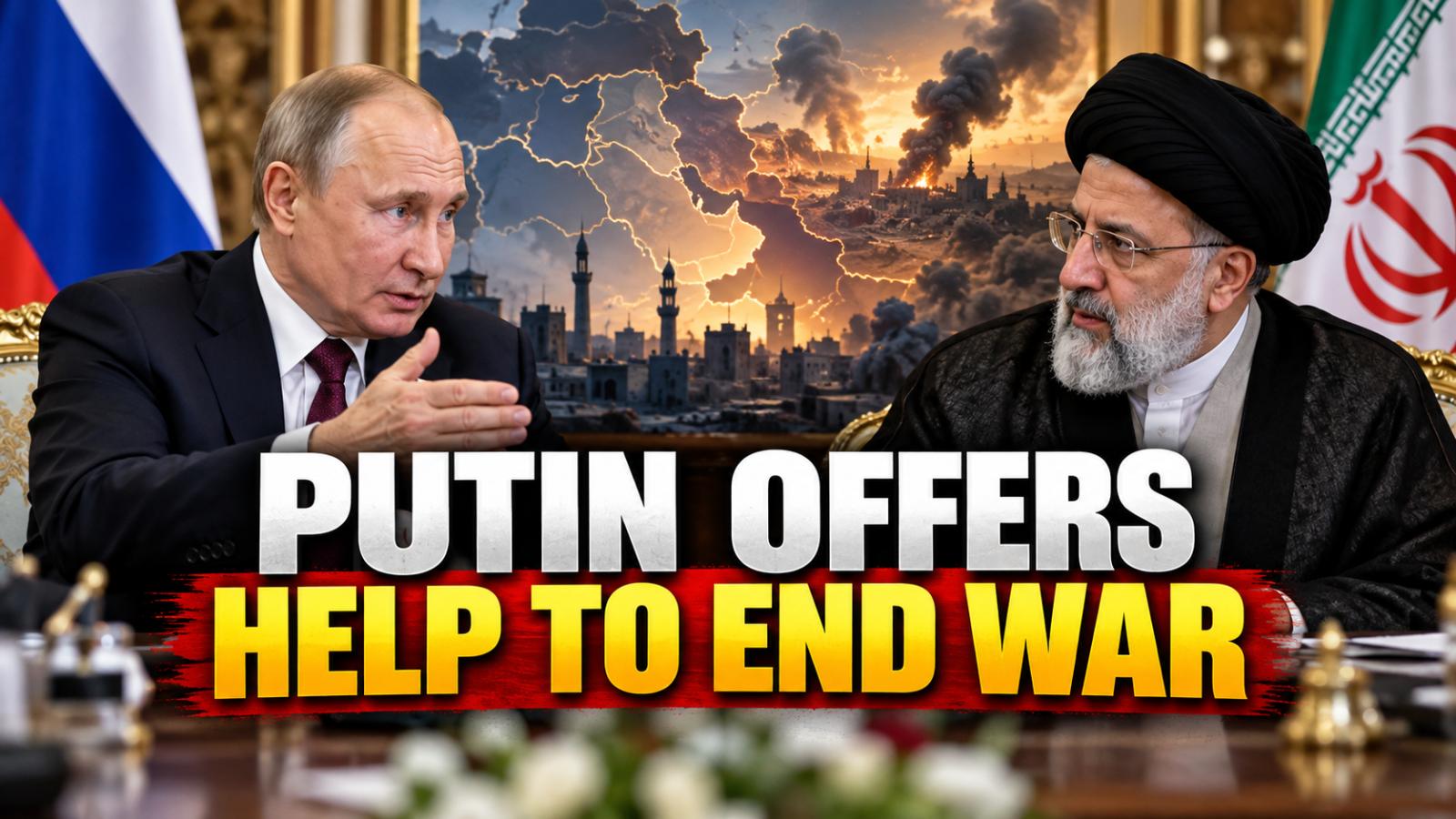
Putin Iran peace talks moved into focus after Vladimir Putin told Masoud Pezeshkian that Russia was ready to help end the Middle East conflict. Their meeting also highlighted stronger Tehran ties, stalled US talks, drone claims and wider diplomacy at the CIS meet.
Putin pledges Russian support to help end Middle East conflict
Russian President Vladimir Putin has told Iranian President Masoud Pezeshkian that Moscow is ready to use its i
Putin Iran peace talks moved into focus after Vladimir Putin told Masoud Pezeshkian that Russia was ready to help end the Middle East conflict. Their meeting also highlighted stronger Tehran ties, stalled US talks, drone claims and wider diplomacy at the CIS meet.
Putin pledges Russian support to help end Middle East conflict
Russian President Vladimir Putin has told Iranian President Masoud Pezeshkian that Moscow is ready to use its i
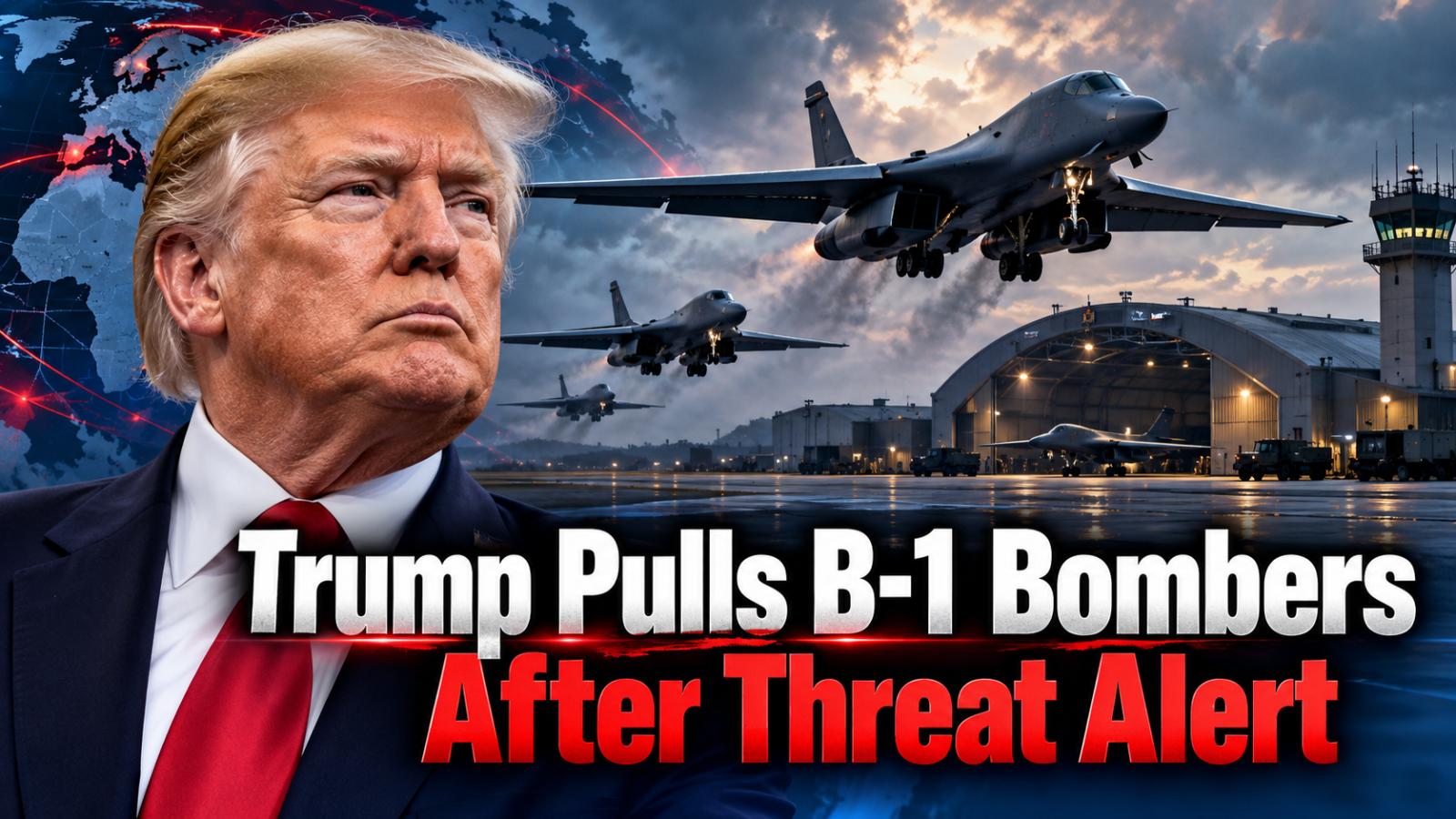
The Trump RAF shift came amid security concerns surrounding RAF Fairford, while the B1 move and Fairford risk remain under investigation. Trump also addressed the Russia plague reports, praised the Flavio vote result and reacted as the Brazil runoff approaches.
B1 move follows threat concerns
US President Donald Trump said on October 5 that American B-1 bombers had been moved from RAF Fairford in Britain after what he described as “som
The Trump RAF shift came amid security concerns surrounding RAF Fairford, while the B1 move and Fairford risk remain under investigation. Trump also addressed the Russia plague reports, praised the Flavio vote result and reacted as the Brazil runoff approaches.
B1 move follows threat concerns
US President Donald Trump said on October 5 that American B-1 bombers had been moved from RAF Fairford in Britain after what he described as “som
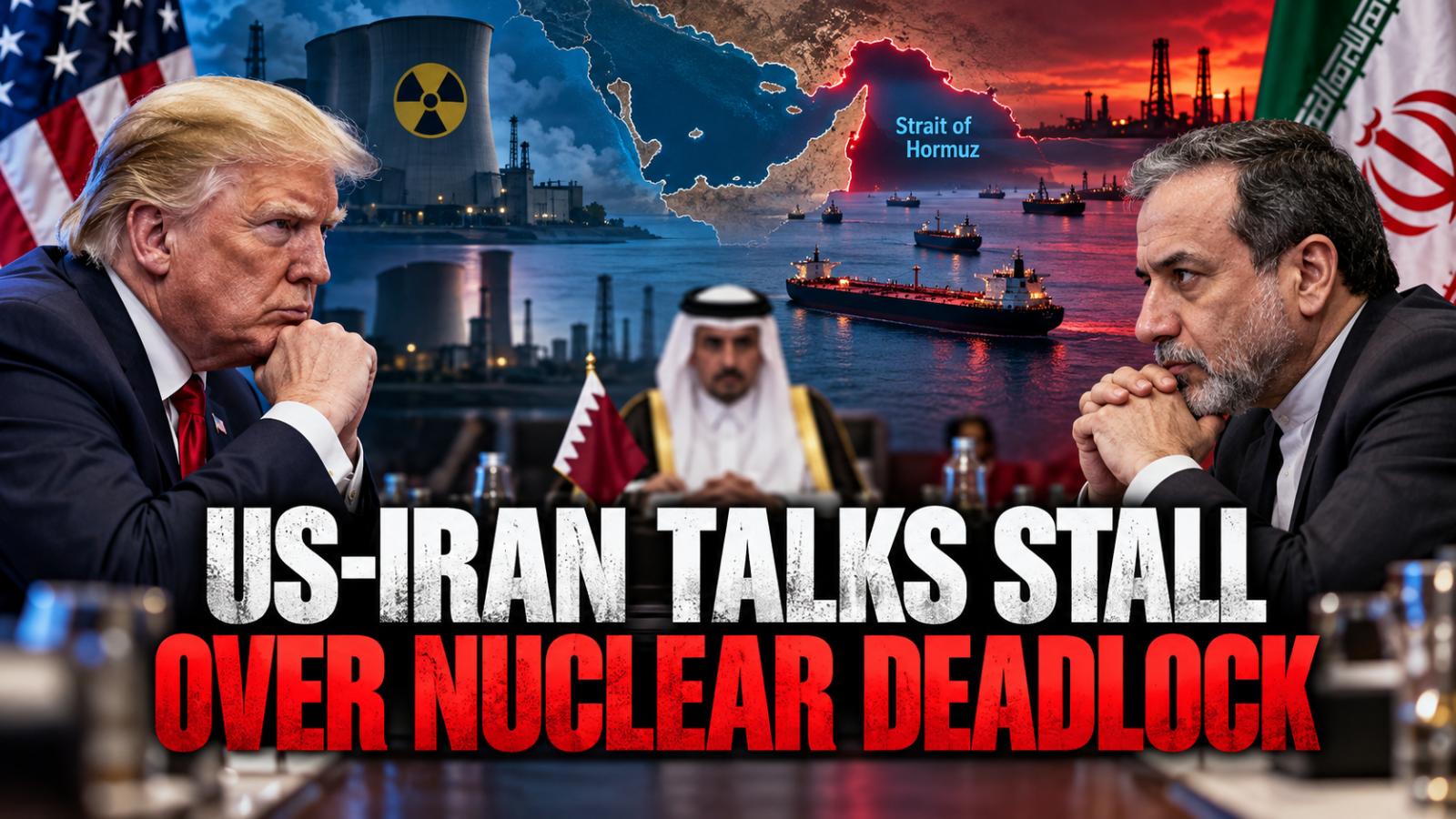
US-Iran peace talks have entered another critical phase as Qatari mediators shuttle messages between Washington and Tehran. Both governments say diplomacy remains possible, but deep disagreements over the Strait of Hormuz, sanctions and Iran’s nuclear programme continue to block a broader settlement.
Qatar mediation
Iranian Foreign Minister Abbas Araghchi has been engaging Qatari mediators while US officials hold separate discussions w
US-Iran peace talks have entered another critical phase as Qatari mediators shuttle messages between Washington and Tehran. Both governments say diplomacy remains possible, but deep disagreements over the Strait of Hormuz, sanctions and Iran’s nuclear programme continue to block a broader settlement.
Qatar mediation
Iranian Foreign Minister Abbas Araghchi has been engaging Qatari mediators while US officials hold separate discussions w
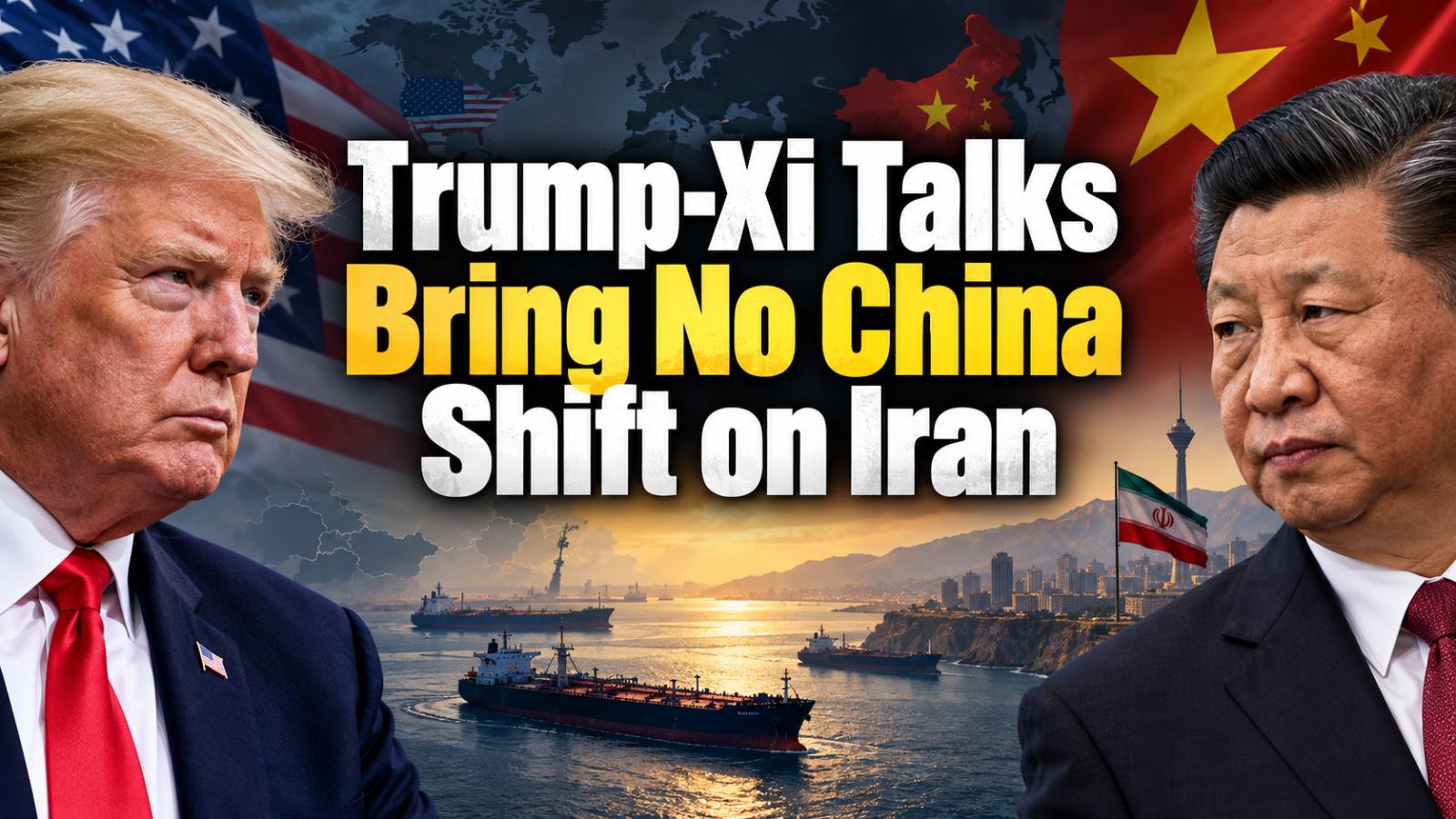
Trump Xi Iran talks have again highlighted the limits of Washington’s ability to secure Chinese cooperation over Tehran. The September summit produced agreement on Iran’s nuclear program and international waterways, but no public Chinese commitment to halt oil trade, impose economic pressure or change Beijing’s broader Iran policy.
China Iran
President Donald Trump and Chinese President Xi Jinping met in Washington during Xi’s Se
Trump Xi Iran talks have again highlighted the limits of Washington’s ability to secure Chinese cooperation over Tehran. The September summit produced agreement on Iran’s nuclear program and international waterways, but no public Chinese commitment to halt oil trade, impose economic pressure or change Beijing’s broader Iran policy.
China Iran
President Donald Trump and Chinese President Xi Jinping met in Washington during Xi’s Se
The latest Iran casualty update shows the Pentagon’s public wounded count rising by 37 service members, taking the recorded total to 861. The additions include Navy and Marine personnel, while the DCAS data does not publicly explain when or how the newly listed injuries occurred.
Navy toll rises with 29 sailors added
The latest change includes 29 Navy sailors. A Navy official said the sailors
The latest Iran casualty update shows the Pentagon’s public wounded count rising by 37 service members, taking the recorded total to 861. The additions include Navy and Marine personnel, while the DCAS data does not publicly explain when or how the newly listed injuries occurred.
Navy toll rises with 29 sailors added
The latest change includes 29 Navy sailors. A Navy official said the sailors
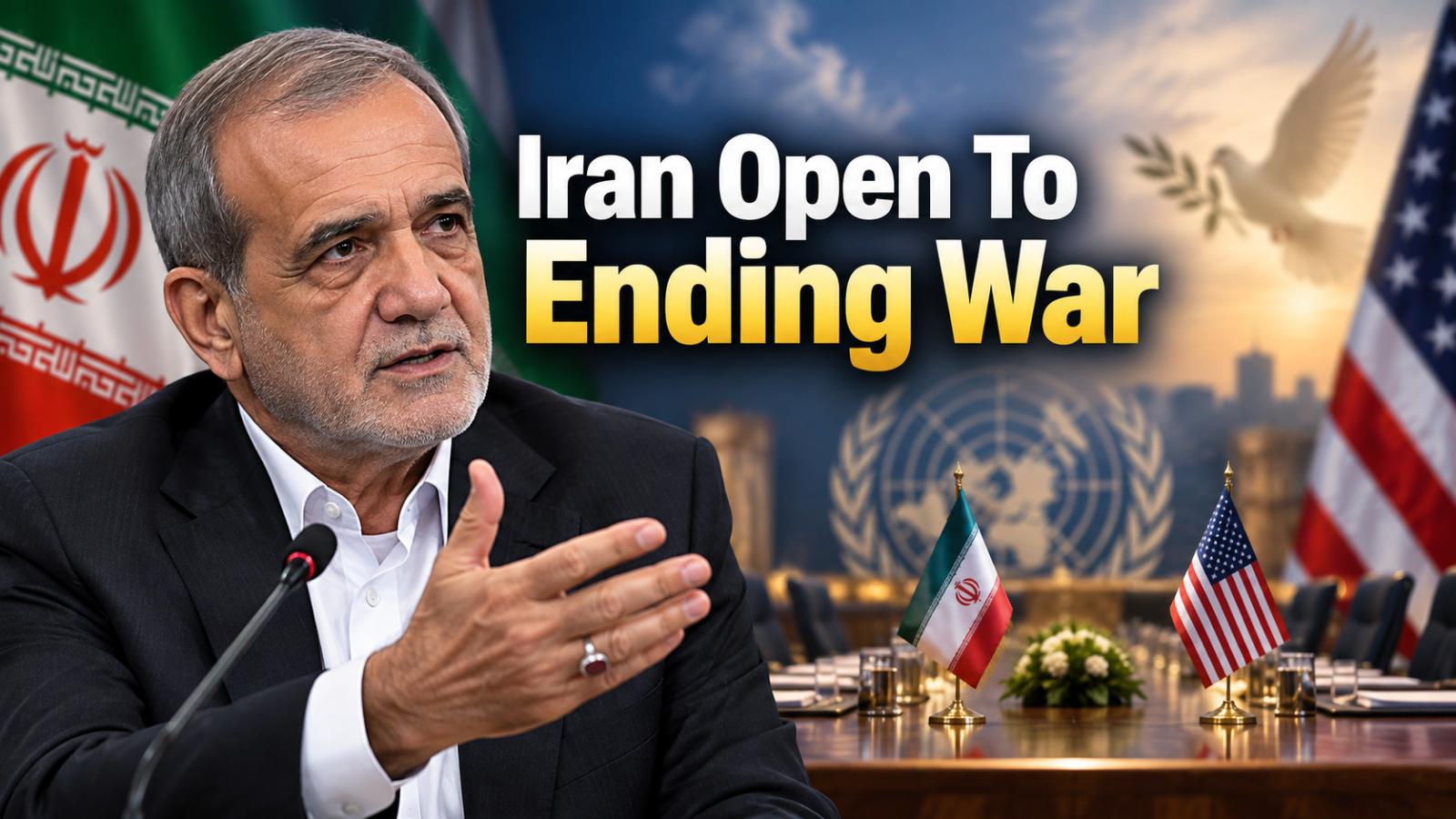
Iranian President Masoud Pezeshkian says Tehran does not want its conflict with the United States to continue and remains open to negotiations. His remarks came as Iranian and US officials held talks in New York, although the discussions produced no immediate breakthrough and major disagreements remain.
US deal remains possible, Pezeshkian says
In an interview aired Thursday, Pezeshkian said di
Iranian President Masoud Pezeshkian says Tehran does not want its conflict with the United States to continue and remains open to negotiations. His remarks came as Iranian and US officials held talks in New York, although the discussions produced no immediate breakthrough and major disagreements remain.
US deal remains possible, Pezeshkian says
In an interview aired Thursday, Pezeshkian said di
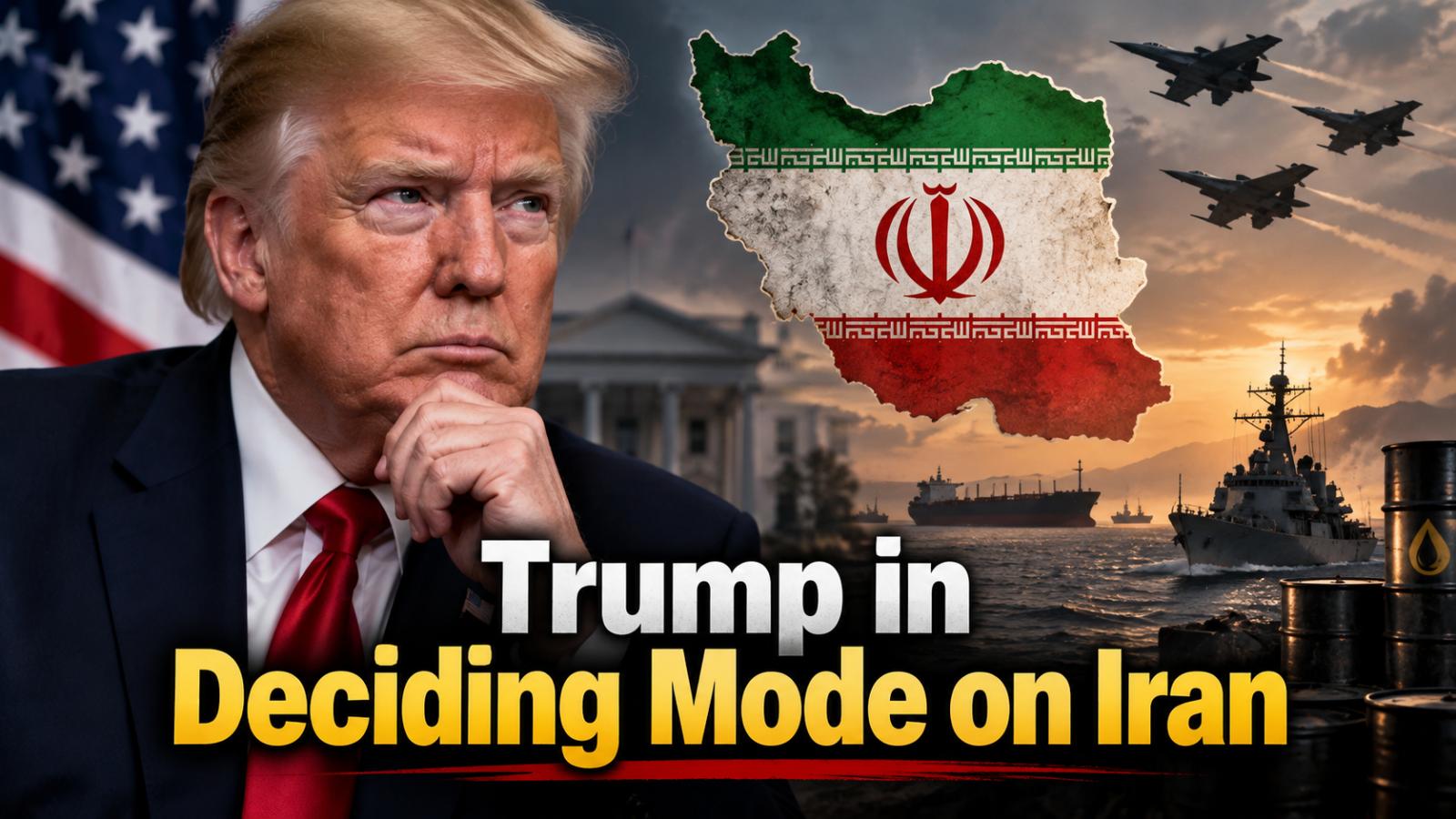
US President Donald Trump says he is in a “deciding mode” over Iran as Washington weighs military action, economic pressure and possible diplomacy. His comments come as Tehran sets conditions for renewed negotiations, Houthi attacks heighten regional tensions and the Strait of Hormuz remains central to the dispute.
Trump weighs Iran m
US President Donald Trump says he is in a “deciding mode” over Iran as Washington weighs military action, economic pressure and possible diplomacy. His comments come as Tehran sets conditions for renewed negotiations, Houthi attacks heighten regional tensions and the Strait of Hormuz remains central to the dispute.
Trump weighs Iran m
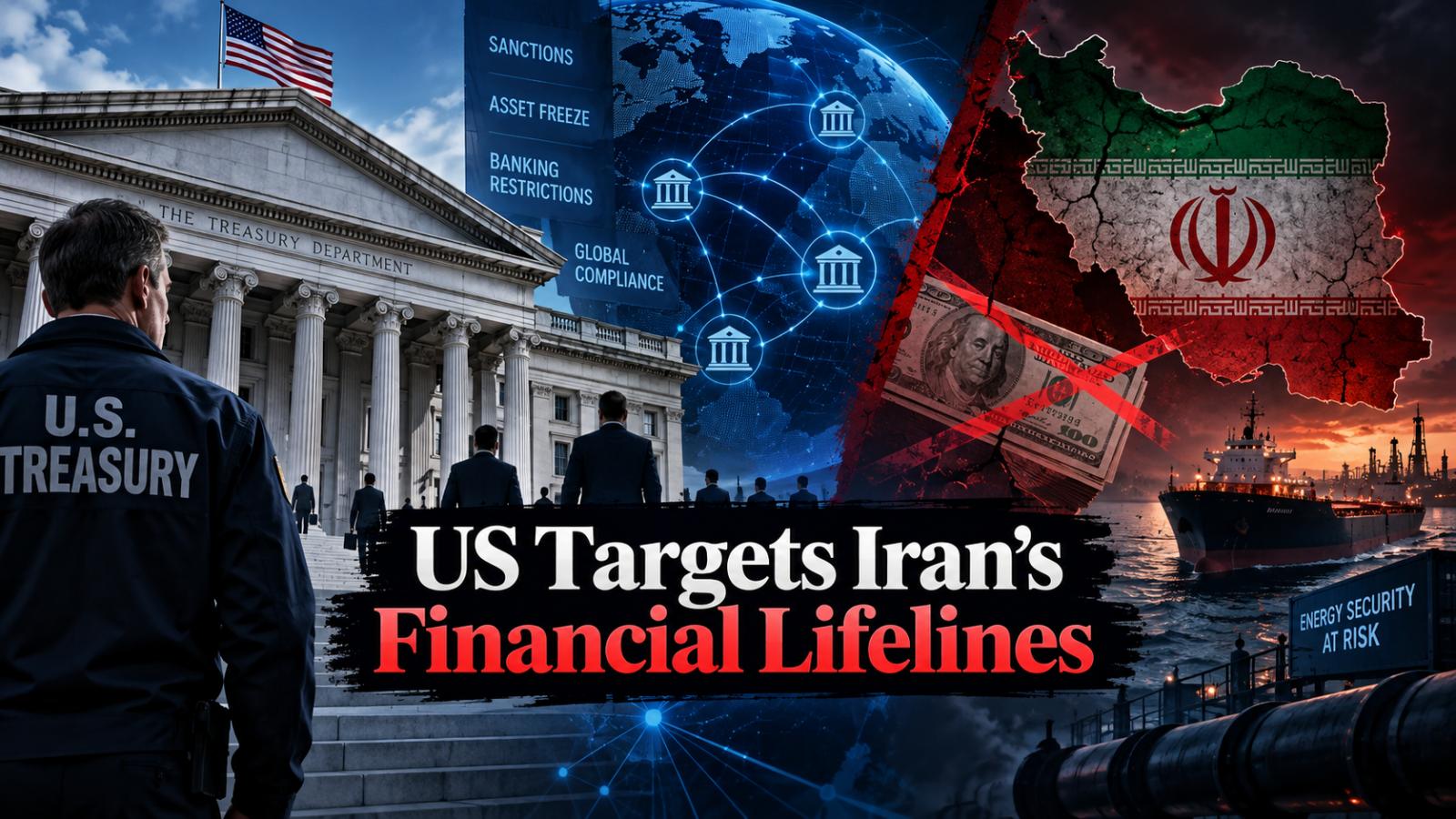
Operation Economic Outcast is expanding as the US Treasury works with global financial institutions to identify and disrupt revenue, banking and procurement networks linked to Iran. The campaign comes as Washington also warns that instability in the region could threaten global energy supplies.
Operation Economic Outcast targets Iran finance
The US Treasury said its Financial Crimes Enforcement Network convened global financial instituti
Operation Economic Outcast is expanding as the US Treasury works with global financial institutions to identify and disrupt revenue, banking and procurement networks linked to Iran. The campaign comes as Washington also warns that instability in the region could threaten global energy supplies.
Operation Economic Outcast targets Iran finance
The US Treasury said its Financial Crimes Enforcement Network convened global financial instituti
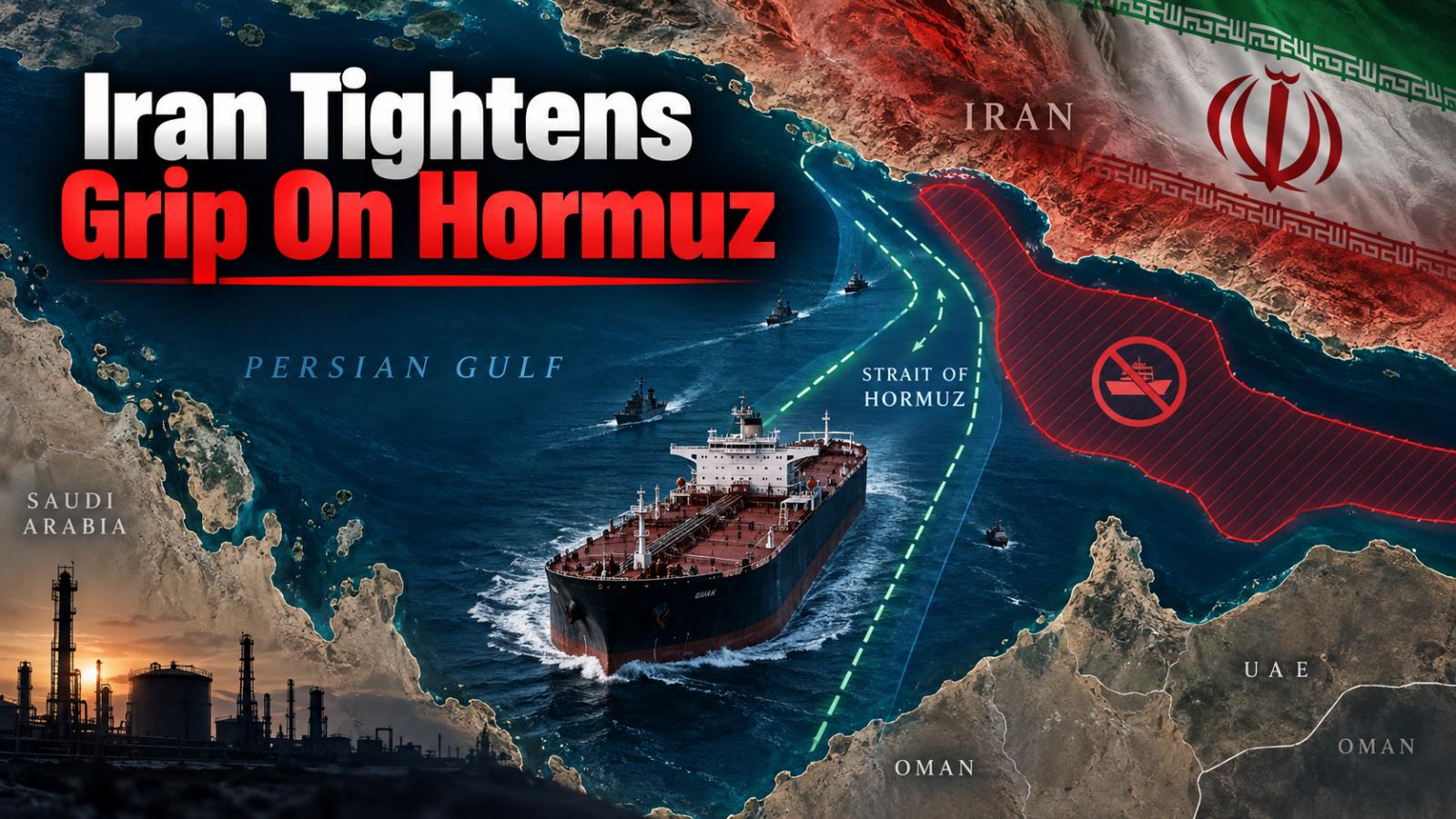
Iran says an Iran-Oman Hormuz shipping corridor could be formalized within days as Tehran prepares a new restricted maritime zone around the strategic waterway. The proposals could reshape Gulf shipping while tensions with the United States continue to disrupt commercial traffic.
Iran Oman Hormuz Shipping Corridor Nears Agreement
Iranian officials say Tehran and Muscat have agreed on maps for a
Iran says an Iran-Oman Hormuz shipping corridor could be formalized within days as Tehran prepares a new restricted maritime zone around the strategic waterway. The proposals could reshape Gulf shipping while tensions with the United States continue to disrupt commercial traffic.
Iran Oman Hormuz Shipping Corridor Nears Agreement
Iranian officials say Tehran and Muscat have agreed on maps for a
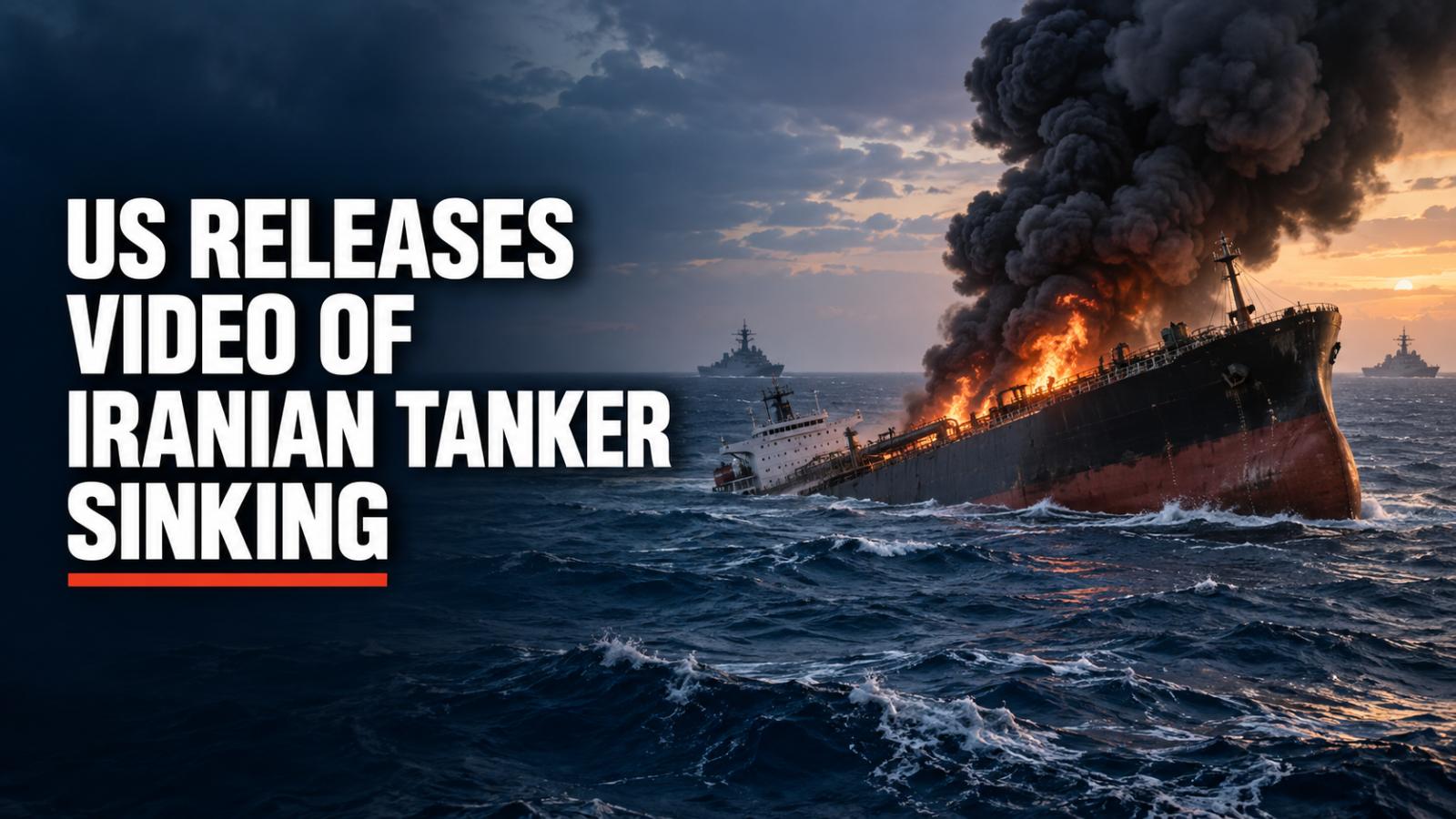
CENTCOM released footage on Sunday, September 6, 2026, showing the M/T Kylo burning and sinking in the Gulf of Oman after a US strike. The incident followed US attacks on three Iranian tankers and intensified fears over regional shipping and oil trade.
United States Central Command has released video showing the M/T Kylo, an Iranian-linked oil tanker also known as the Noxen, burning and sinking in the Gulf of Oman followi
CENTCOM released footage on Sunday, September 6, 2026, showing the M/T Kylo burning and sinking in the Gulf of Oman after a US strike. The incident followed US attacks on three Iranian tankers and intensified fears over regional shipping and oil trade.
United States Central Command has released video showing the M/T Kylo, an Iranian-linked oil tanker also known as the Noxen, burning and sinking in the Gulf of Oman followi
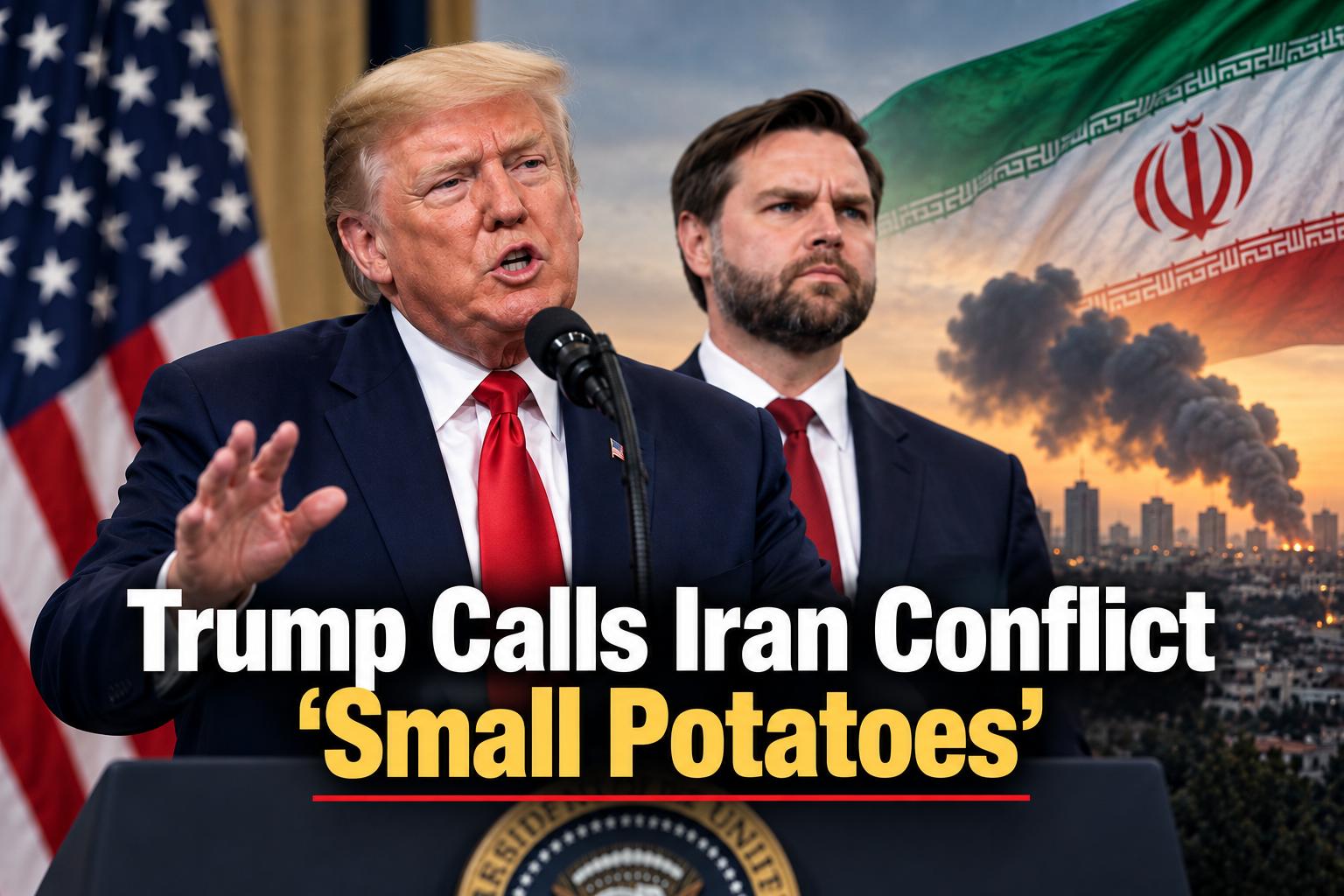
U.S. President Donald Trump has played down the six-month conflict with Iran, calling it “small potatoes” for the United States while backing Vice President JD Vance’s view that the continuing hostilities should not necessarily be described as a war.
Trump Calls Iran Conflict ‘Small Potatoes’
Speaking to reporters in the Oval Office on September 4, Trump said he
U.S. President Donald Trump has played down the six-month conflict with Iran, calling it “small potatoes” for the United States while backing Vice President JD Vance’s view that the continuing hostilities should not necessarily be described as a war.
Trump Calls Iran Conflict ‘Small Potatoes’
Speaking to reporters in the Oval Office on September 4, Trump said he
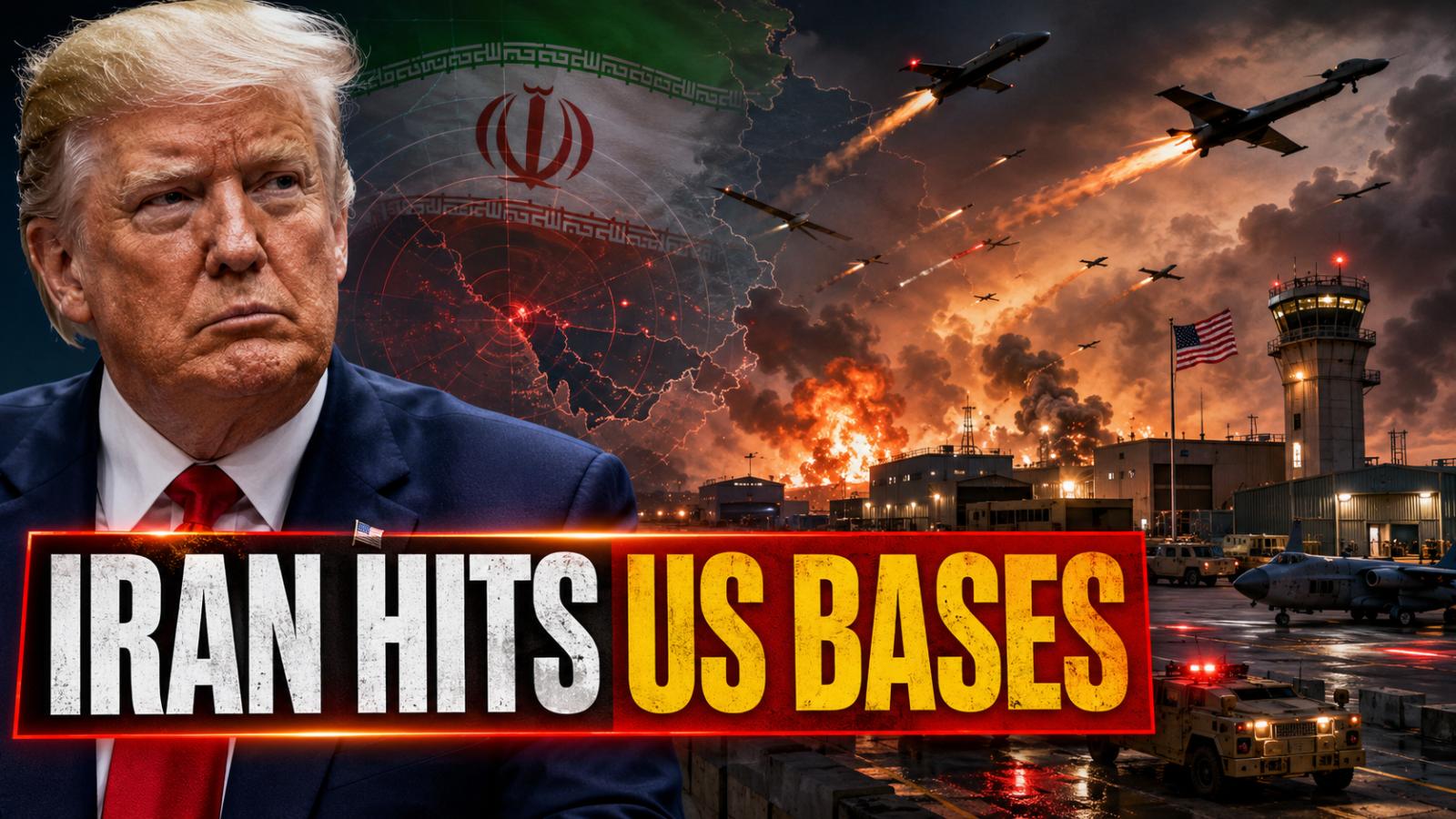
The US-Iran conflict has entered another dangerous phase after Tehran launched a fresh wave of missile and drone attacks against American-linked military facilities across the Gulf. The retaliation followed renewed US strikes on Iranian military targets, while President Donald Trump warned that Washington remains ready to attack again.
Iran strikes US bases after renewed American attacks
Iran l
The US-Iran conflict has entered another dangerous phase after Tehran launched a fresh wave of missile and drone attacks against American-linked military facilities across the Gulf. The retaliation followed renewed US strikes on Iranian military targets, while President Donald Trump warned that Washington remains ready to attack again.
Iran strikes US bases after renewed American attacks
Iran l
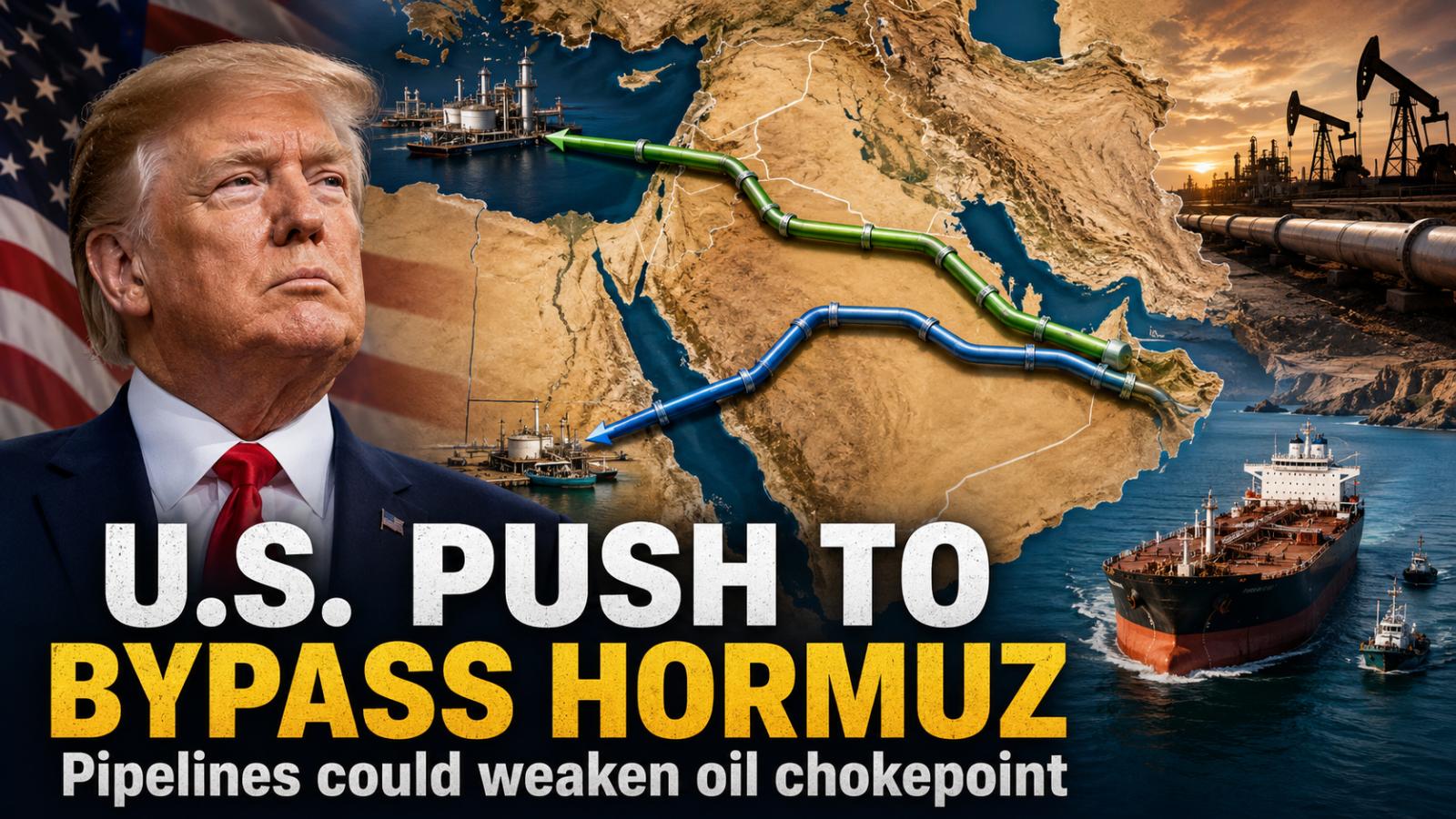
For decades, the Strait of Hormuz has been one of the world’s most important energy chokepoints. Now, Washington and Gulf producers are accelerating plans for pipelines and alternative export routes that could sharply reduce dependence on the narrow waterway. The goal is not necessarily to eliminate Hormuz, but to weaken its ability to disrupt global oil markets.
Strait of Hormuz bypass becomes US strategy
For decades, the Strait of Hormuz has been one of the world’s most important energy chokepoints. Now, Washington and Gulf producers are accelerating plans for pipelines and alternative export routes that could sharply reduce dependence on the narrow waterway. The goal is not necessarily to eliminate Hormuz, but to weaken its ability to disrupt global oil markets.
Strait of Hormuz bypass becomes US strategy
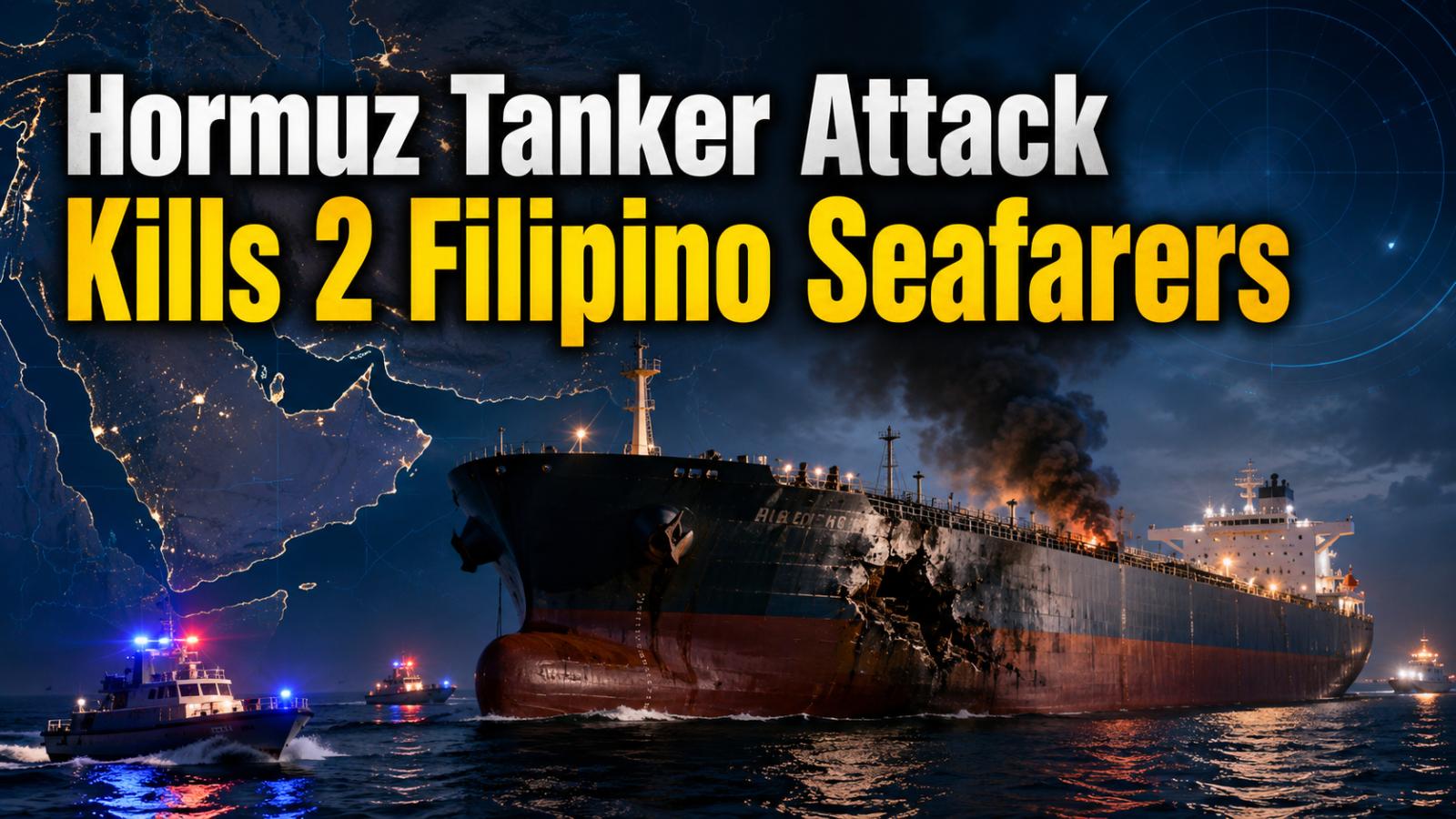
A Strait of Hormuz tanker attack has left two Filipino seafarers dead aboard the Saudi-operated SIDR, intensifying concerns over maritime security in one of the world’s most important oil routes. Bahri confirmed the deaths as US-Iran tensions again escalated across the Gulf.
Strait of Hormuz tanker attack kills two sailors
Saudi Arabia’s national shipping company Bahri confirmed that two Fi
A Strait of Hormuz tanker attack has left two Filipino seafarers dead aboard the Saudi-operated SIDR, intensifying concerns over maritime security in one of the world’s most important oil routes. Bahri confirmed the deaths as US-Iran tensions again escalated across the Gulf.
Strait of Hormuz tanker attack kills two sailors
Saudi Arabia’s national shipping company Bahri confirmed that two Fi
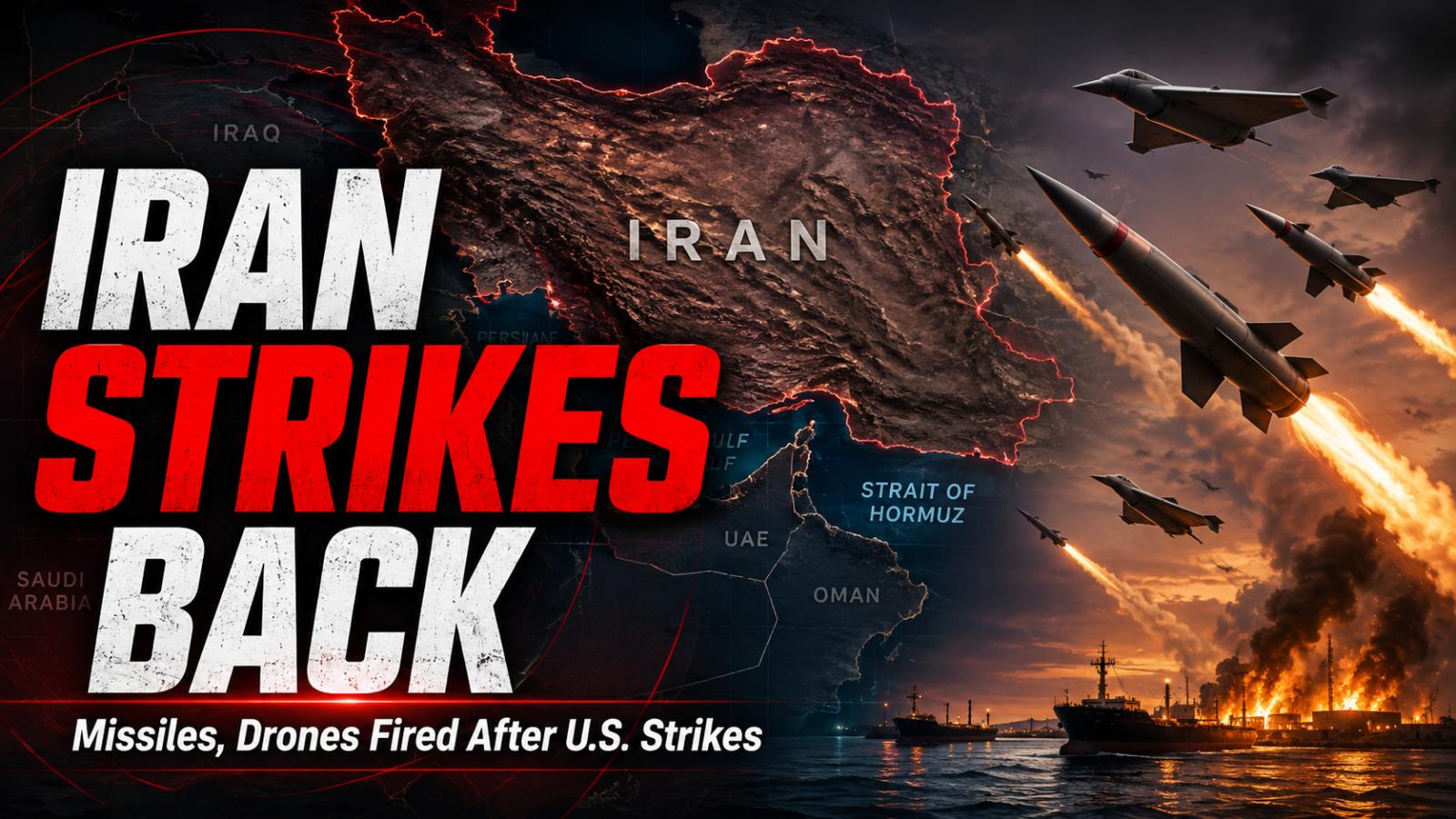
Iran launched missile and drone attacks against US-linked military targets after American forces carried out a new wave of strikes on Islamic Revolutionary Guard Corps facilities across southern Iran. The Iran retaliation marks the sharpest escalation in weeks and has again placed the Strait of Hormuz and regional US bases at the centre of the conflict.
US Iran Strikes
US Central Command confirmed that American forces carried out coordinated strikes on September 1 against IRGC military targets. CENTCOM said the operation hit air-defence sites, radar systems, maritime assets, mine-laying capabilities and communications facilities. The command said the strikes followed attempted Iranian attacks against commercial shipping in the Strait of Hormuz and American service members in the region.
The strikes were concentrated around southern Iran and the strategically important Hormuz region. Separate reporting said Iranian areas including Bandar Abbas, Qeshm, Jask and other coastal locations were among those affected as the conflict returned to a more intense phase.
IRGC Response
Iranian forces responded with missiles and drones aimed at US assets across the region. Iranian state-linked media described the attacks as retaliation for the latest American operation, while the IRGC promised what it called severe punishment for further strikes.
Jordan and Bahrain reported intercepting Iranian missiles and drones, while Iranian sources also claimed strikes against US positions in Iraq. Claims of American casualties made by Tehran had not been independently confirmed by US officials at the time of reporting.
The renewed exchanges show that both sides remain willing to use direct military force despite earlier efforts to reduce hostilities.
Hormuz Crisis
The Strait of Hormuz remains the most sensitive flashpoint. Washington says its latest operation followed Iranian attempts to threaten commercial shipping and deploy mine-laying capabilities near the waterway. CENTCOM has repeatedly described freedom of navigation through the strait as a key US military objective.
The escalation immediately affected energy markets. Brent crude rose toward $96 a barrel as traders reacted to the possibility of renewed disruption in a route responsible for a major share of global oil exports.
Any sustained attacks on shipping, ports or energy infrastructure could therefore have economic consequences far beyond the Middle East.
Trump Warns Iran
President Donald Trump defended the latest US strikes and warned Tehran that further retaliation could trigger an even stronger American response. He said the operation was justified by Iranian attempts to place mines in the Strait of Hormuz and previous attacks directed at US forces.
Trump’s warning came even as Iranian officials insisted they would continue responding to attacks on their territory. The competing threats have sharply reduced hopes that the current exchange will quickly return to the relative calm seen during parts of August.
Regional Escalation Risk
The latest fighting follows the August 30 US strike on two Iranian launchers on Larak Island, which American officials said were preparing to deploy sea mines. Iran answered that operation with ballistic missile attacks against US forces in Jordan.
With fresh American strikes now followed by a broader Iranian missile and drone response, the conflict appears to be entering another dangerous phase. The immediate question is whether both governments contain the exchanges or allow retaliation to expand across US bases, Iranian military facilities and shipping routes around the Strait of Hormuz.
Iran launched missile and drone attacks against US-linked military targets after American forces carried out a new wave of strikes on Islamic Revolutionary Guard Corps facilities across southern Iran. The Iran retaliation marks the sharpest escalation in weeks and has again placed the Strait of Hormuz and regional US bases at the centre of the conflict.
US Iran Strikes
US Central Command confirmed that American forces carried out coordinated strikes on September 1 against IRGC military targets. CENTCOM said the operation hit air-defence sites, radar systems, maritime assets, mine-laying capabilities and communications facilities. The command said the strikes followed attempted Iranian attacks against commercial shipping in the Strait of Hormuz and American service members in the region.
The strikes were concentrated around southern Iran and the strategically important Hormuz region. Separate reporting said Iranian areas including Bandar Abbas, Qeshm, Jask and other coastal locations were among those affected as the conflict returned to a more intense phase.
IRGC Response
Iranian forces responded with missiles and drones aimed at US assets across the region. Iranian state-linked media described the attacks as retaliation for the latest American operation, while the IRGC promised what it called severe punishment for further strikes.
Jordan and Bahrain reported intercepting Iranian missiles and drones, while Iranian sources also claimed strikes against US positions in Iraq. Claims of American casualties made by Tehran had not been independently confirmed by US officials at the time of reporting.
The renewed exchanges show that both sides remain willing to use direct military force despite earlier efforts to reduce hostilities.
Hormuz Crisis
The Strait of Hormuz remains the most sensitive flashpoint. Washington says its latest operation followed Iranian attempts to threaten commercial shipping and deploy mine-laying capabilities near the waterway. CENTCOM has repeatedly described freedom of navigation through the strait as a key US military objective.
The escalation immediately affected energy markets. Brent crude rose toward $96 a barrel as traders reacted to the possibility of renewed disruption in a route responsible for a major share of global oil exports.
Any sustained attacks on shipping, ports or energy infrastructure could therefore have economic consequences far beyond the Middle East.
Trump Warns Iran
President Donald Trump defended the latest US strikes and warned Tehran that further retaliation could trigger an even stronger American response. He said the operation was justified by Iranian attempts to place mines in the Strait of Hormuz and previous attacks directed at US forces.
Trump’s warning came even as Iranian officials insisted they would continue responding to attacks on their territory. The competing threats have sharply reduced hopes that the current exchange will quickly return to the relative calm seen during parts of August.
Regional Escalation Risk
The latest fighting follows the August 30 US strike on two Iranian launchers on Larak Island, which American officials said were preparing to deploy sea mines. Iran answered that operation with ballistic missile attacks against US forces in Jordan.
With fresh American strikes now followed by a broader Iranian missile and drone response, the conflict appears to be entering another dangerous phase. The immediate question is whether both governments contain the exchanges or allow retaliation to expand across US bases, Iranian military facilities and shipping routes around the Strait of Hormuz.
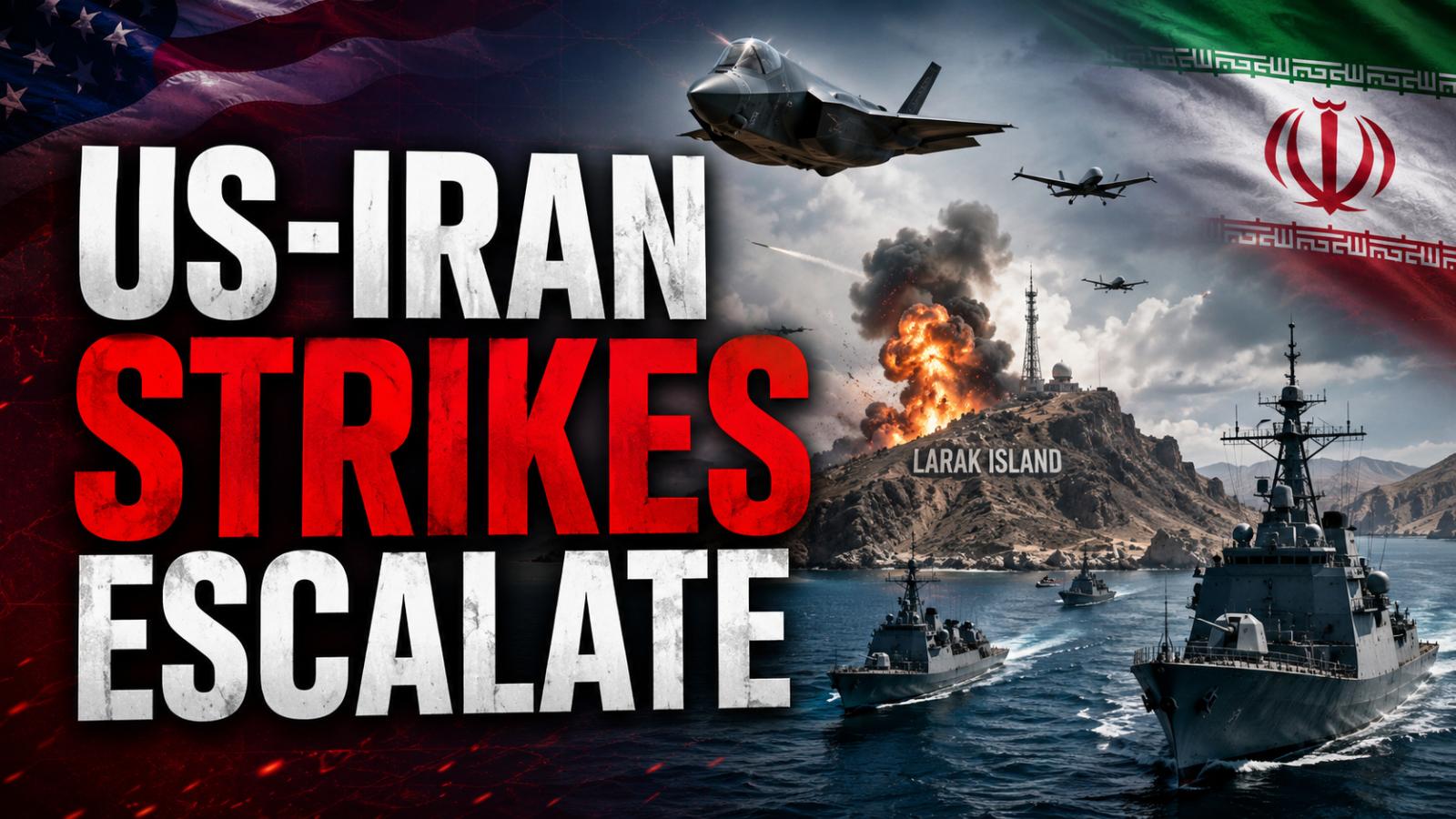
The US-Iran confrontation has entered another tense phase after American forces struck Iranian launchers on Larak Island near the Strait of Hormuz. Iran responded with claims of attacks on US-linked bases in the region, while diplomatic efforts continued in Bishkek, where Prime Minister Narendra Modi met Iranian President Masoud Pezeshkian.
Larak Island Strike
The US-Iran confrontation has entered another tense phase after American forces struck Iranian launchers on Larak Island near the Strait of Hormuz. Iran responded with claims of attacks on US-linked bases in the region, while diplomatic efforts continued in Bishkek, where Prime Minister Narendra Modi met Iranian President Masoud Pezeshkian.
Larak Island Strike
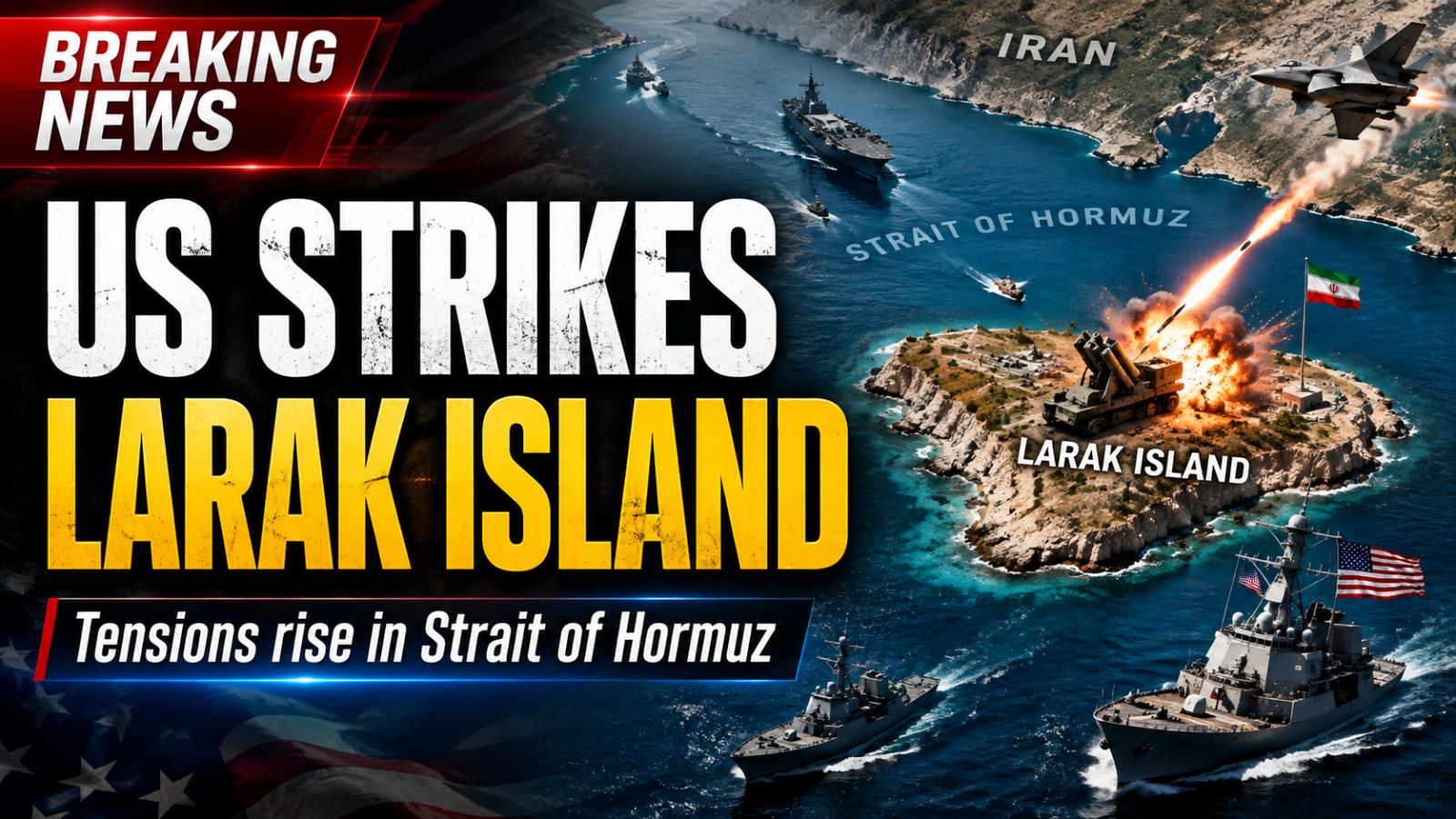
US forces struck two Iranian rocket launchers on Larak Island near the Strait of Hormuz on Sunday, according to reports citing American officials. The US strike on Larak Island marked the first known American attack inside Iran in more than a month and immediately raised fears of renewed escalation around the vital shipping route.
Iran Rocket Launchers
US officials said Islamic Revolutionary Guard Corps forces had been observed preparing rocket systems that could be used to deploy sea mines into the Strait of Hormuz. The alleged activity prompted American forces to target two launchers on Larak Island before they could be used.
Iranian media also reported an explosion near the island, although initial accounts differed over the scale and method of the attack. Larak sits near Bandar Abbas and close to several islands controlling access to the strait, giving it strategic importance for both Iran and international shipping.
Strait of Hormuz Mine Threat
The strike came shortly after US Central Command completed an operation aimed at clearing sea mines from international shipping lanes in the Strait of Hormuz. American officials said forces remained prepared to protect commercial traffic through the waterway.
The strait is one of the world’s most important energy corridors. Any renewed mine activity could threaten tankers, disrupt insurance and shipping schedules, and raise energy-market concerns far beyond the Gulf.
President Donald Trump had previously warned that any vessel involved in laying new mines would be targeted. He described the policy as one of “zero tolerance” toward additional mine placement.
IRGC Response
Iran’s Revolutionary Guards responded sharply after the attack. Iranian reports said the strike killed two people and wounded two others, while the IRGC later said Iranian fighters and civilians had been killed or injured.
The Guards promised retaliation, saying those responsible for the attack would face punishment. The statement signalled that Tehran does not view the Larak strike as a limited tactical incident, raising concern that the confrontation could trigger another cycle of attacks and counterattacks.
Hormuz Strike After Month-Long Pause
The attack was described in the source material as the first known US strike inside Iran since late July, when Washington paused an earlier military campaign around the Strait of Hormuz. That pause had reduced direct exchanges, but tensions over mining activity and freedom of navigation remained unresolved.
The latest strike therefore carries significance beyond the destruction of two launchers. It shows that Washington is prepared to resume direct military action if it believes Iranian forces are preparing to threaten shipping lanes.
Shipping Security in Focus
For global markets, the immediate question is whether the incident remains contained. The Strait of Hormuz connects Gulf energy exporters with world markets, and even a limited military confrontation can affect oil prices, tanker movements and freight costs.
US forces say they are monitoring the area closely, while Iran has warned of retaliation. Until either side signals restraint, the Larak Island strike is likely to keep military planners, shipping companies and energy traders focused on the risk of renewed disruption in the Strait of Hormuz.
US forces struck two Iranian rocket launchers on Larak Island near the Strait of Hormuz on Sunday, according to reports citing American officials. The US strike on Larak Island marked the first known American attack inside Iran in more than a month and immediately raised fears of renewed escalation around the vital shipping route.
Iran Rocket Launchers
US officials said Islamic Revolutionary Guard Corps forces had been observed preparing rocket systems that could be used to deploy sea mines into the Strait of Hormuz. The alleged activity prompted American forces to target two launchers on Larak Island before they could be used.
Iranian media also reported an explosion near the island, although initial accounts differed over the scale and method of the attack. Larak sits near Bandar Abbas and close to several islands controlling access to the strait, giving it strategic importance for both Iran and international shipping.
Strait of Hormuz Mine Threat
The strike came shortly after US Central Command completed an operation aimed at clearing sea mines from international shipping lanes in the Strait of Hormuz. American officials said forces remained prepared to protect commercial traffic through the waterway.
The strait is one of the world’s most important energy corridors. Any renewed mine activity could threaten tankers, disrupt insurance and shipping schedules, and raise energy-market concerns far beyond the Gulf.
President Donald Trump had previously warned that any vessel involved in laying new mines would be targeted. He described the policy as one of “zero tolerance” toward additional mine placement.
IRGC Response
Iran’s Revolutionary Guards responded sharply after the attack. Iranian reports said the strike killed two people and wounded two others, while the IRGC later said Iranian fighters and civilians had been killed or injured.
The Guards promised retaliation, saying those responsible for the attack would face punishment. The statement signalled that Tehran does not view the Larak strike as a limited tactical incident, raising concern that the confrontation could trigger another cycle of attacks and counterattacks.
Hormuz Strike After Month-Long Pause
The attack was described in the source material as the first known US strike inside Iran since late July, when Washington paused an earlier military campaign around the Strait of Hormuz. That pause had reduced direct exchanges, but tensions over mining activity and freedom of navigation remained unresolved.
The latest strike therefore carries significance beyond the destruction of two launchers. It shows that Washington is prepared to resume direct military action if it believes Iranian forces are preparing to threaten shipping lanes.
Shipping Security in Focus
For global markets, the immediate question is whether the incident remains contained. The Strait of Hormuz connects Gulf energy exporters with world markets, and even a limited military confrontation can affect oil prices, tanker movements and freight costs.
US forces say they are monitoring the area closely, while Iran has warned of retaliation. Until either side signals restraint, the Larak Island strike is likely to keep military planners, shipping companies and energy traders focused on the risk of renewed disruption in the Strait of Hormuz.
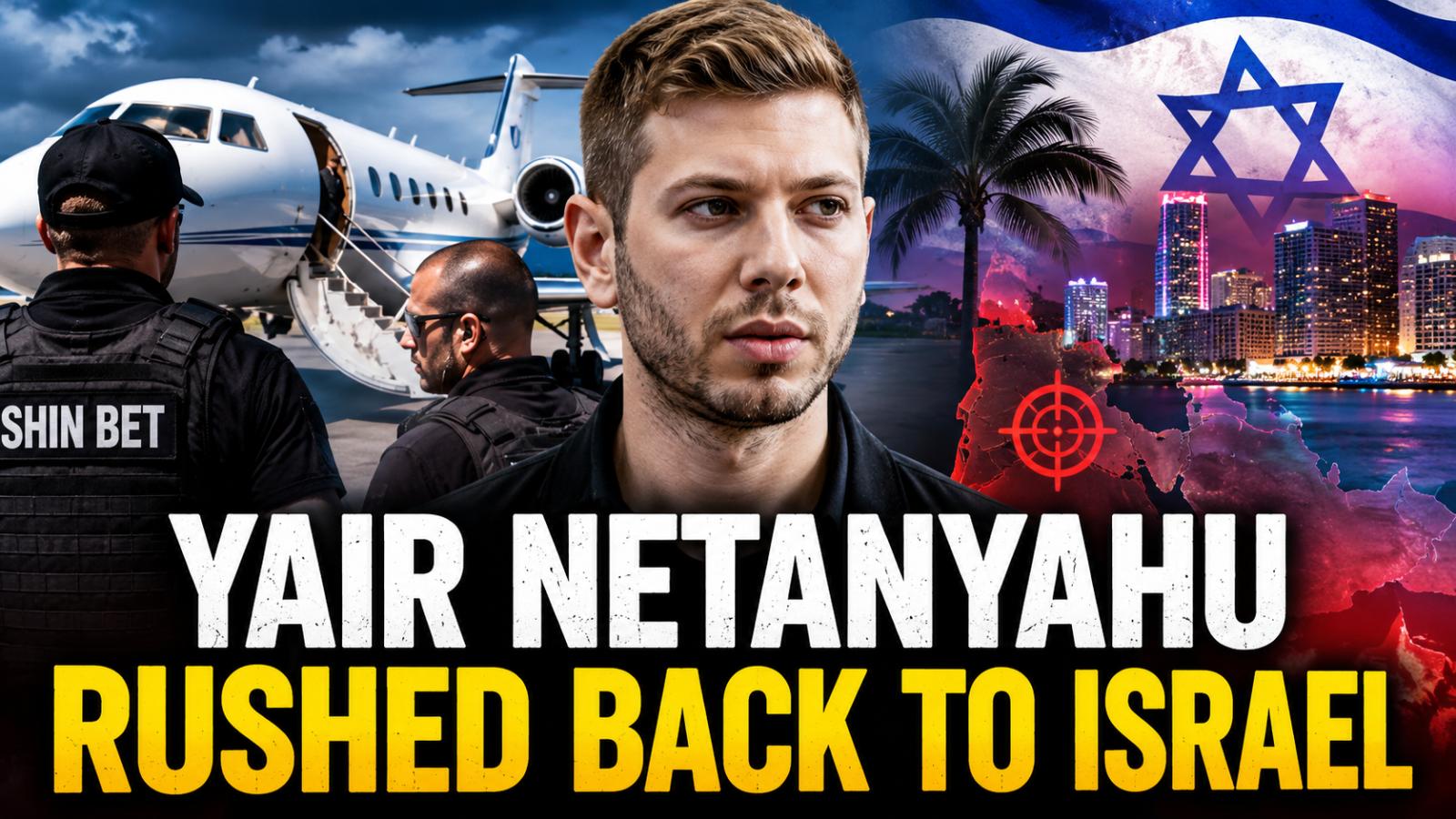
Israeli security agency Shin Bet has confirmed that a serious Yair Netanyahu threat prompted the urgent extraction of Prime Minister Benjamin Netanyahu’s eldest son from Miami and his return to Israel. The agency confirmed the security threat but did not publicly identify who was behind it.
Shin Bet Alert
The Shin Bet said on August 29 that authorities had identified a “significant threat??
Israeli security agency Shin Bet has confirmed that a serious Yair Netanyahu threat prompted the urgent extraction of Prime Minister Benjamin Netanyahu’s eldest son from Miami and his return to Israel. The agency confirmed the security threat but did not publicly identify who was behind it.
Shin Bet Alert
The Shin Bet said on August 29 that authorities had identified a “significant threat??
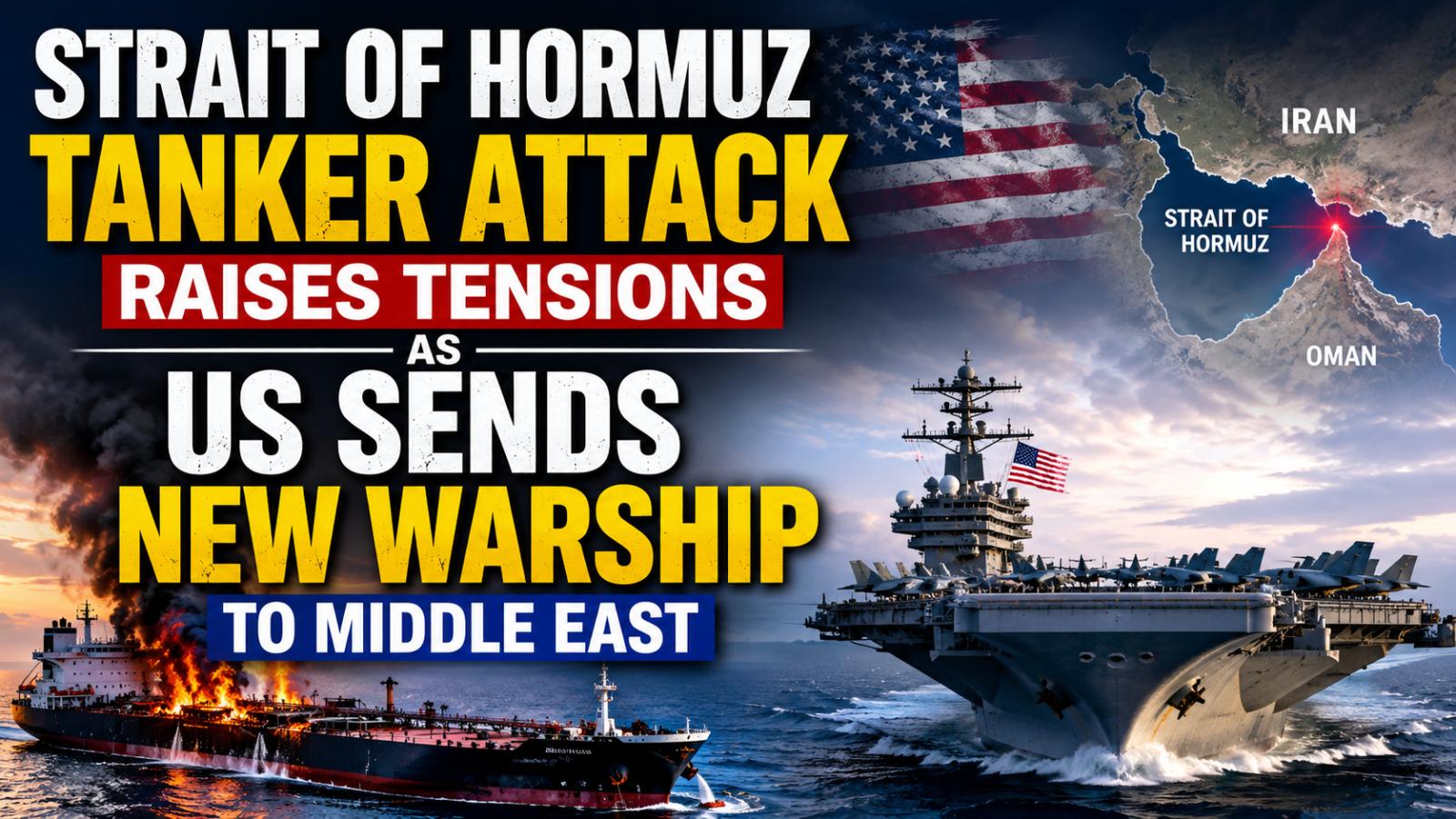
Tensions in the Strait of Hormuz have intensified after another commercial tanker was struck while moving through the strategic waterway, as the United States prepares to deploy an additional aircraft carrier strike group to the Middle East.
The latest incident has added to concerns over the safety of commercial shipping between Iran and Oman. The vessel reportedly caught fire after being hit, but the crew was said to be safe. Responsibility for the attack has not been independently
Tensions in the Strait of Hormuz have intensified after another commercial tanker was struck while moving through the strategic waterway, as the United States prepares to deploy an additional aircraft carrier strike group to the Middle East.
The latest incident has added to concerns over the safety of commercial shipping between Iran and Oman. The vessel reportedly caught fire after being hit, but the crew was said to be safe. Responsibility for the attack has not been independently
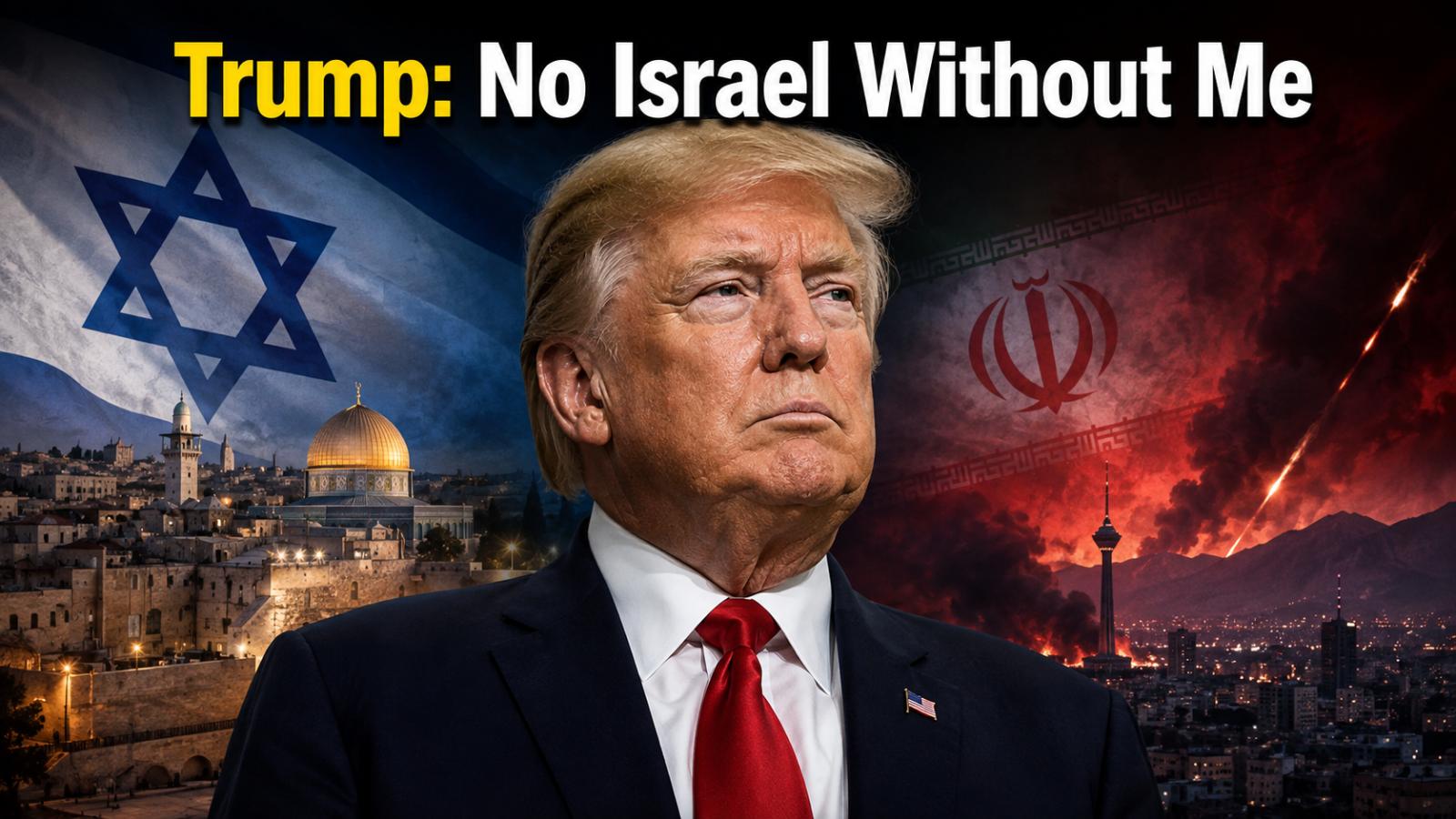
US President Donald Trump has again claimed that Israel would not exist today without his policies toward Iran. In a wide-ranging interview, he defended withdrawing from the JCPOA, discussed Mojtaba Khamenei’s condition and said the Strait of Hormuz was functioning despite continuing attacks.
JCPOA exit returns to center of Trump Israel claim
US President Donald Trump has again claimed that Israel would not exist today without his policies toward Iran. In a wide-ranging interview, he defended withdrawing from the JCPOA, discussed Mojtaba Khamenei’s condition and said the Strait of Hormuz was functioning despite continuing attacks.
JCPOA exit returns to center of Trump Israel claim