Iran Slams US Officials Over Contradictory Nuclear and Trade Claims
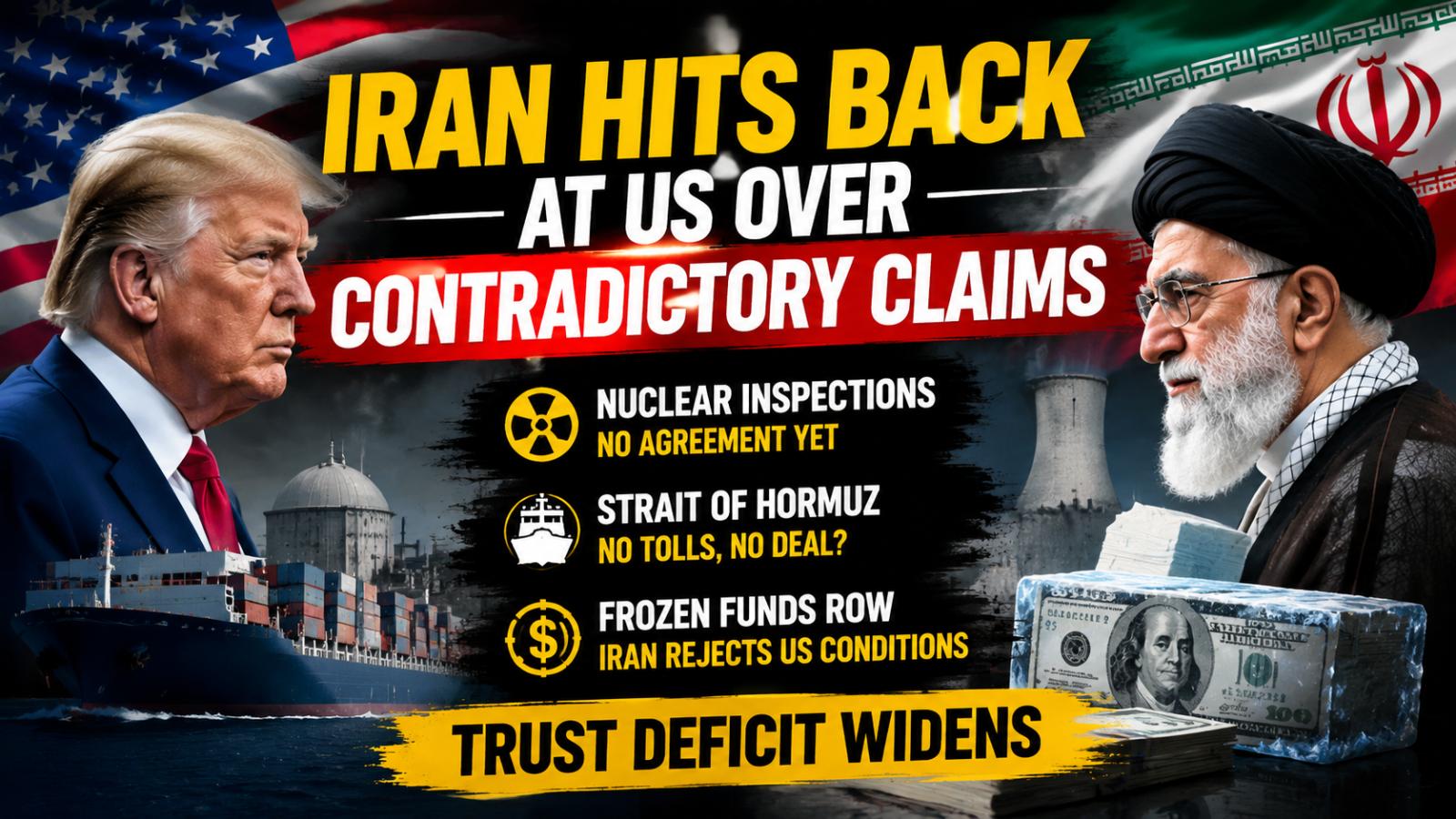
Iran Criticises Contradictory US Statements on MoU Iran’s Foreign Ministry has raised concerns over what it described as inconsistent statements from US officials regarding a memorandum of understanding aimed at ending recent conflict-related tensions. According to Foreign Ministry spokesperson Esmaeil Baghaei, the differing positions from Washington are reinforcing
Iran Slams US Officials Over Contradictory Nuclear and Trade Claims
Iran Criticises Contradictory US Statements on MoU Iran’s Foreign Ministry has raised concerns over what it described as inconsistent statements from US officials regarding a memorandum of understanding aimed at ending recent conflict-related tensions. According to Foreign Ministry spokesperson Esmaeil Baghaei, the differing positions from Washington are reinforcing
India weighs response to iran funeral invite for khamenei
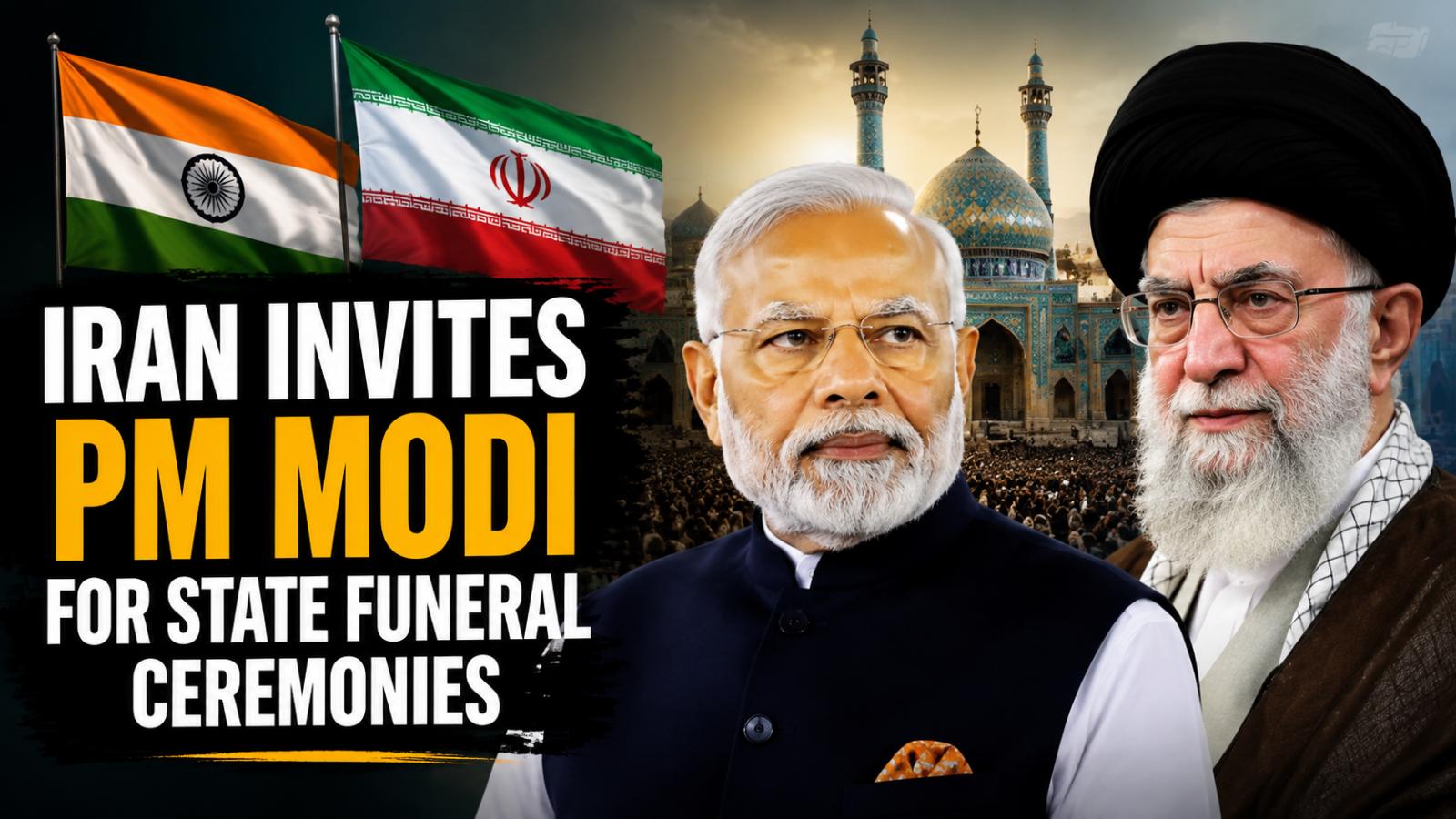
Reports emerging from diplomatic channels suggest that Iran has extended formal communication to India regarding participation in upcoming state-level funeral and memorial ceremonies linked to its top leadership structure. While official confirmation from either government remains limited, the development is being viewed as part of ongoing West Asia diplomatic engagement. India reviews representation strategy
India weighs response to iran funeral invite for khamenei
Reports emerging from diplomatic channels suggest that Iran has extended formal communication to India regarding participation in upcoming state-level funeral and memorial ceremonies linked to its top leadership structure. While official confirmation from either government remains limited, the development is being viewed as part of ongoing West Asia diplomatic engagement. India reviews representation strategy
US Iran dispute deepens after Pakistan clarifies missile claims
Confusion over alleged discussions involving Iran’s missile capabilities in US–Iran diplomatic engagement was addressed by Pakistan after multiple conflicting interpretations surfaced from international officials. Prime Minister Shehbaz Sharif clarified that no such subject was included in any current structured understanding between Washington and Tehran, pushing back against circulating claims that had gained attention in diplomatic circles.
US Iran dispute deepens after Pakistan clarifies missile claims
Confusion over alleged discussions involving Iran’s missile capabilities in US–Iran diplomatic engagement was addressed by Pakistan after multiple conflicting interpretations surfaced from international officials. Prime Minister Shehbaz Sharif clarified that no such subject was included in any current structured understanding between Washington and Tehran, pushing back against circulating claims that had gained attention in diplomatic circles.
US–Iran tensions rise as Trump demands full IAEA inspection access
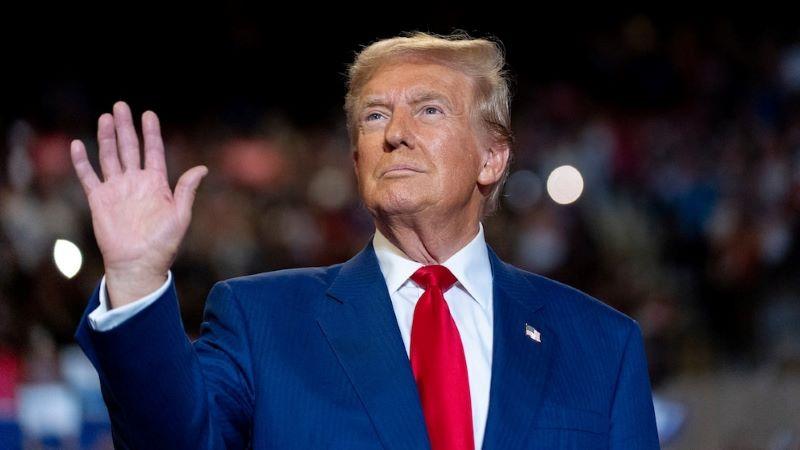
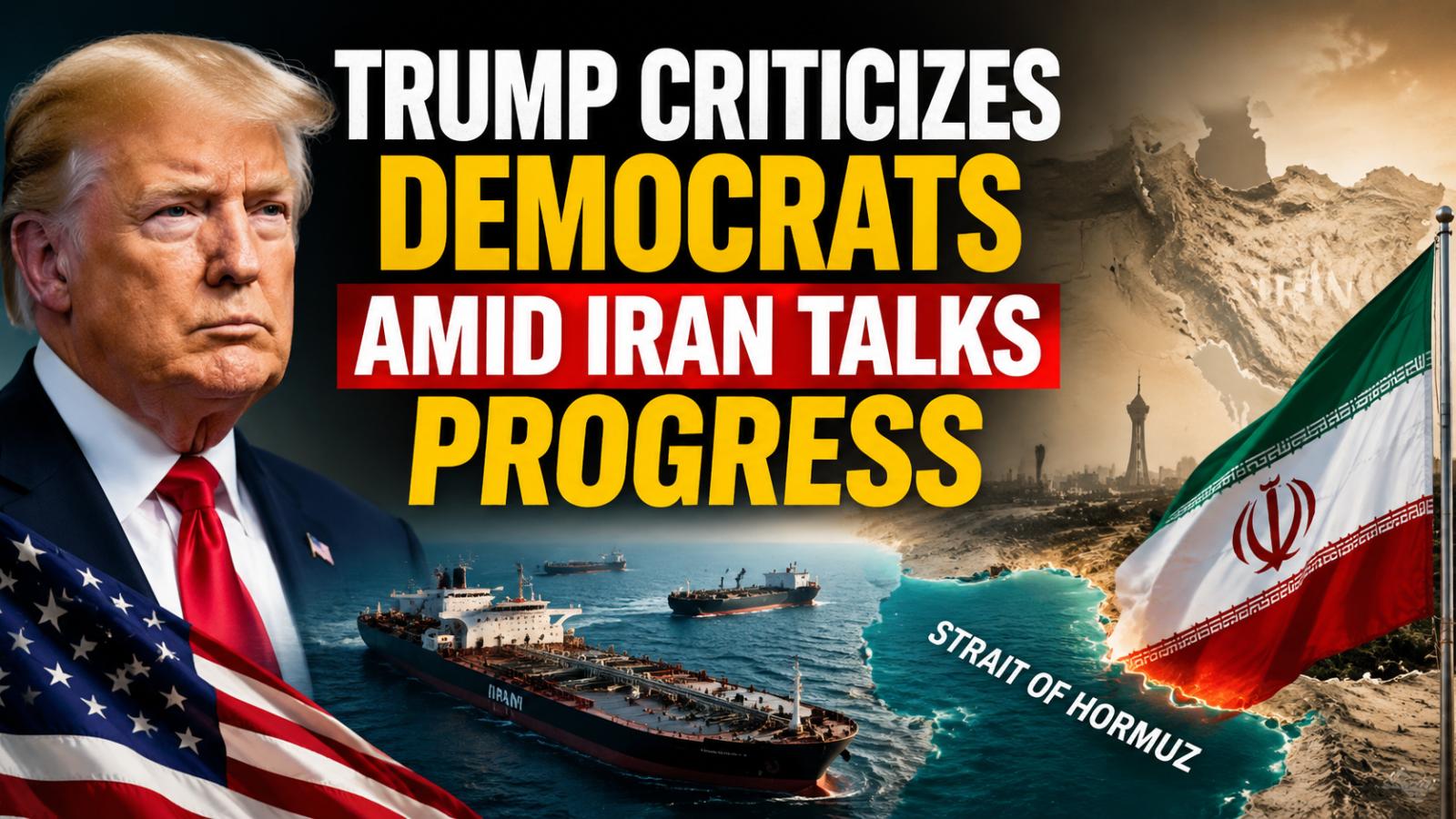
Trump signals pressure over nuclear inspections US President Donald Trump has stated that he is prepared to cancel ongoing technical discussions with Iran if Tehran refuses to allow full inspections by the International Atomic Energy Agency. He emphasized that Washington already believes an agreement on inspection access has been reached and dismissed concerns raised about Iran’s willingness to comply with
US–Iran tensions rise as Trump demands full IAEA inspection access
Trump signals pressure over nuclear inspections US President Donald Trump has stated that he is prepared to cancel ongoing technical discussions with Iran if Tehran refuses to allow full inspections by the International Atomic Energy Agency. He emphasized that Washington already believes an agreement on inspection access has been reached and dismissed concerns raised about Iran’s willingness to comply with
Strait of Hormuz crisis and Iran ceasefire spark global political debate
Ceasefire agreement raises human rights concerns The recent ceasefire understanding between the United States and Iran has triggered debate over its wider political and humanitarian implications. While the agreement aims to stabilize relations after months of conflict, critics argue that its language on non-interference could limit external pressure on Iran’s internal human rights situation. The inclusion of sovereignty clauses has been interpreted by analysts as a significant shift in diplomatic posture compared to earlier US positions. Debate over sovereignty and internal affairs The memorandum reportedly emphasizes mutual respect for sovereignty and non-interference in domestic matters. Observers note that this marks a departure from previous rhetoric that supported political change within Iran through public pressure and international condemnation. Human rights groups have expressed concern that such provisions may reduce accountability mechanisms at a time when reports of arrests, executions, and suppression of dissent continue to emerge. Humanitarian impact and ongoing instability Independent reports referenced in international discussions point to continued unrest and a heavy human cost during and after the conflict period. Allegations of mass detentions and restrictions on civil liberties have further intensified scrutiny of the ceasefire framework. Advocacy organizations warn that stabilizing military conditions without parallel human rights safeguards risks entrenching existing governance structures without addressing underlying grievances. Regional conflict and global economic disruption The broader conflict, including disruptions in the Strait of Hormuz, has had significant consequences for global energy flows and maritime trade. Temporary closure of key shipping routes led to economic pressure across multiple regions dependent on oil and liquefied natural gas supplies. While diplomatic mediation involving regional actors helped establish a pathway toward de-escalation, analysts caution that long-term stability will depend on sustained negotiations and enforcement clarity within the agreement framework.


Strait of Hormuz crisis and Iran ceasefire spark global political debate
Ceasefire agreement raises human rights concerns The recent ceasefire understanding between the United States and Iran has triggered debate over its wider political and humanitarian implications. While the agreement aims to stabilize relations after months of conflict, critics argue that its language on non-interference could limit external pressure on Iran’s internal human rights situation. The inclusion of sovereignty clauses has been interpreted by analysts as a significant shift in diplomatic posture compared to earlier US positions. Debate over sovereignty and internal affairs The memorandum reportedly emphasizes mutual respect for sovereignty and non-interference in domestic matters. Observers note that this marks a departure from previous rhetoric that supported political change within Iran through public pressure and international condemnation. Human rights groups have expressed concern that such provisions may reduce accountability mechanisms at a time when reports of arrests, executions, and suppression of dissent continue to emerge. Humanitarian impact and ongoing instability Independent reports referenced in international discussions point to continued unrest and a heavy human cost during and after the conflict period. Allegations of mass detentions and restrictions on civil liberties have further intensified scrutiny of the ceasefire framework. Advocacy organizations warn that stabilizing military conditions without parallel human rights safeguards risks entrenching existing governance structures without addressing underlying grievances. Regional conflict and global economic disruption The broader conflict, including disruptions in the Strait of Hormuz, has had significant consequences for global energy flows and maritime trade. Temporary closure of key shipping routes led to economic pressure across multiple regions dependent on oil and liquefied natural gas supplies. While diplomatic mediation involving regional actors helped establish a pathway toward de-escalation, analysts caution that long-term stability will depend on sustained negotiations and enforcement clarity within the agreement framework.


Iran UAE row escalates at BRICS NSA meeting in New Delhi
A BRICS National Security Advisers meeting in New Delhi turned tense after Iran and the United Arab Emirates exchanged strong political accusations over regional security concerns. The discussion, chaired by India’s National Security Advisor Ajit Doval, was intended to focus on cooperation in maritime safety and counterterrorism, but quickly exposed deep disagreements within the group on West Asia dynamics. Iran raises concerns over regional strikes and external involvement Iran’s delegation raised allegations linking recent regional strikes to external military coordination, suggesting that operations affecting Iranian interests were enabled through logistical and strategic support networks in the Gulf region. Tehran argued that such developments have increased risks for civilians and undermined stability across key transit zones. Strait of Hormuz remains central pressure point The Strait of Hormuz once again emerged as the most sensitive flashpoint in the discussion. Iranian representatives warned that continued military escalation near the waterway threatens global energy flows and could destabilize shipping routes that carry a significant share of the world’s oil supply. The issue highlighted how maritime security concerns are increasingly tied to broader geopolitical rivalries in the region. UAE pushes back and defends its position The UAE rejected the allegations and reiterated that it does not support or participate in hostile operations against any state. Emirati officials maintained that the country itself remains exposed to regional security threats and emphasized the need for de-escalation rather than blame-based diplomacy. Past BRICS discussions had already seen similar disagreements without consensus outcomes. BRICS unity tested by West Asia fault lines The confrontation underscored growing strain within BRICS as it expands its membership and geopolitical scope. While India has pushed for the bloc to act as a platform for dialogue and stability, persistent conflicts between member and partner states are limiting progress on unified security statements. The Iran–UAE exchange reflected how regional rivalries are increasingly shaping multilateral forums meant for cooperation rather than confrontation.



Iran UAE row escalates at BRICS NSA meeting in New Delhi
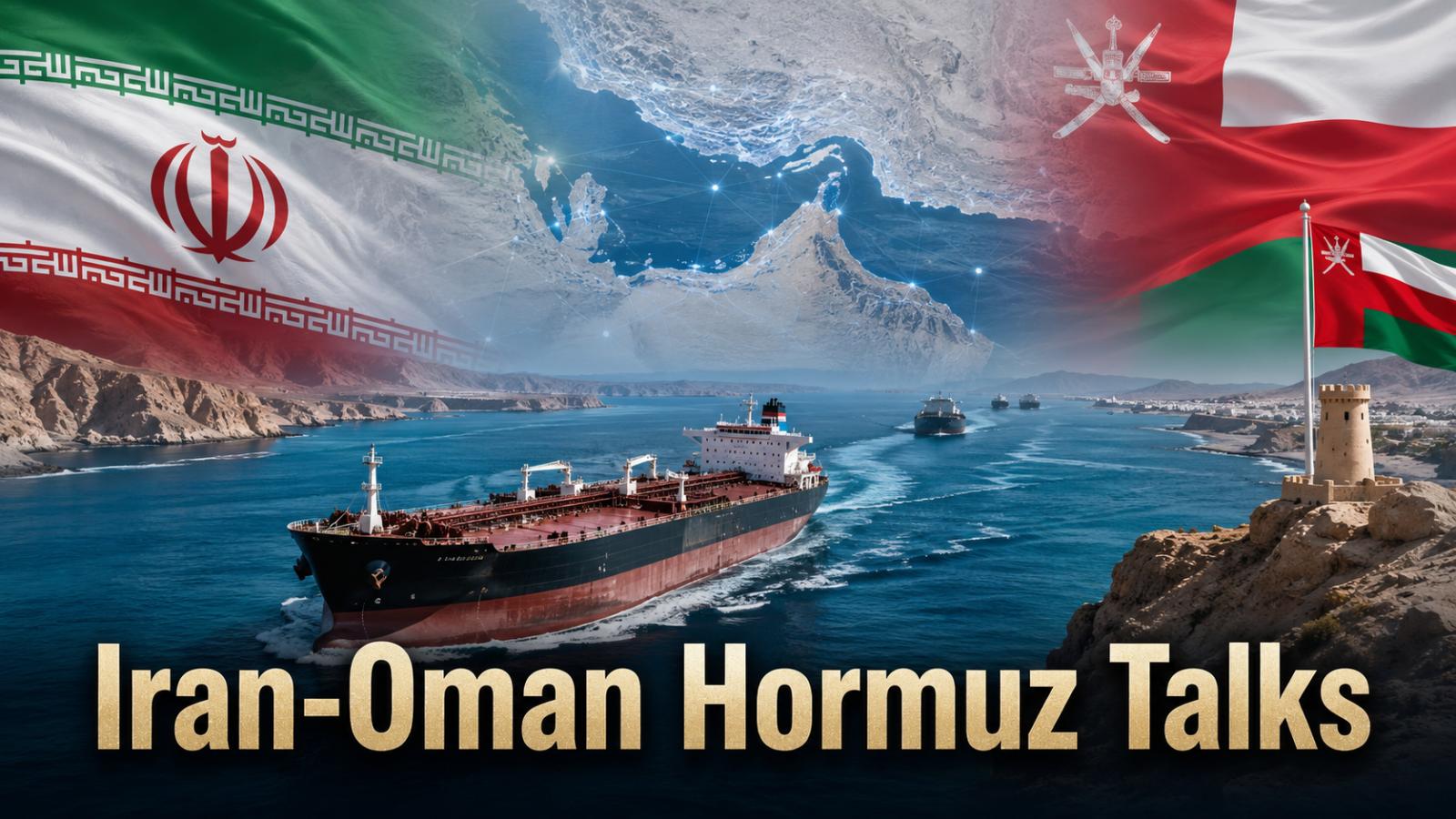
A BRICS National Security Advisers meeting in New Delhi turned tense after Iran and the United Arab Emirates exchanged strong political accusations over regional security concerns. The discussion, chaired by India’s National Security Advisor Ajit Doval, was intended to focus on cooperation in maritime safety and counterterrorism, but quickly exposed deep disagreements within the group on West Asia dynamics. Iran raises concerns over regional strikes and external involvement Iran’s delegation raised allegations linking recent regional strikes to external military coordination, suggesting that operations affecting Iranian interests were enabled through logistical and strategic support networks in the Gulf region. Tehran argued that such developments have increased risks for civilians and undermined stability across key transit zones. Strait of Hormuz remains central pressure point The Strait of Hormuz once again emerged as the most sensitive flashpoint in the discussion. Iranian representatives warned that continued military escalation near the waterway threatens global energy flows and could destabilize shipping routes that carry a significant share of the world’s oil supply. The issue highlighted how maritime security concerns are increasingly tied to broader geopolitical rivalries in the region. UAE pushes back and defends its position The UAE rejected the allegations and reiterated that it does not support or participate in hostile operations against any state. Emirati officials maintained that the country itself remains exposed to regional security threats and emphasized the need for de-escalation rather than blame-based diplomacy. Past BRICS discussions had already seen similar disagreements without consensus outcomes. BRICS unity tested by West Asia fault lines The confrontation underscored growing strain within BRICS as it expands its membership and geopolitical scope. While India has pushed for the bloc to act as a platform for dialogue and stability, persistent conflicts between member and partner states are limiting progress on unified security statements. The Iran–UAE exchange reflected how regional rivalries are increasingly shaping multilateral forums meant for cooperation rather than confrontation.
Iran–US talks stall as Lebanon crisis deepens over Hezbollah role
Negotiations between Iran and the United States are increasingly being shaped by events in Lebanon, where Hezbollah’s presence has turned a local conflict into a regional negotiation barrier. What was once a narrow security issue has evolved into a wider political and military deadlock involving multiple state and non-state actors. Hezbollah’s dual structure complicates negotiations Hezbolla
Iran–US talks stall as Lebanon crisis deepens over Hezbollah role
Negotiations between Iran and the United States are increasingly being shaped by events in Lebanon, where Hezbollah’s presence has turned a local conflict into a regional negotiation barrier. What was once a narrow security issue has evolved into a wider political and military deadlock involving multiple state and non-state actors. Hezbollah’s dual structure complicates negotiations Hezbolla
US Iran talks in Switzerland focus on Qatar, Pakistan role
US Iran peace talks in Switzerland have drawn fresh attention as Qatar and Pakistan take a more visible role in efforts to reduce regional tensions. The discussions, held near Lake Lucerne, brought together senior representatives linked to Washington, Tehran, Doha and Islamabad at a time when the Middle East remains under pressure from nuclear concerns, shipping risks and ceasefire disputes. The talks are being watched closely because they
US Iran talks in Switzerland focus on Qatar, Pakistan role
US Iran peace talks in Switzerland have drawn fresh attention as Qatar and Pakistan take a more visible role in efforts to reduce regional tensions. The discussions, held near Lake Lucerne, brought together senior representatives linked to Washington, Tehran, Doha and Islamabad at a time when the Middle East remains under pressure from nuclear concerns, shipping risks and ceasefire disputes. The talks are being watched closely because they
Us Iran diplomatic framework signed at Versailles sparks debate
A high-level diplomatic engagement involving the United States and Iran, held in Versailles, has triggered widespread discussion across international policy circles. The meeting, attended by senior representatives including Donald Trump and Emmanuel Macron, focused on a proposed framework addressing Iran’s nuclear activities, sanctions policy, and regional stability concerns. Rather than being presented as a finalized agreement, officials described the discussions as an early-stag
Us Iran diplomatic framework signed at Versailles sparks debate
A high-level diplomatic engagement involving the United States and Iran, held in Versailles, has triggered widespread discussion across international policy circles. The meeting, attended by senior representatives including Donald Trump and Emmanuel Macron, focused on a proposed framework addressing Iran’s nuclear activities, sanctions policy, and regional stability concerns. Rather than being presented as a finalized agreement, officials described the discussions as an early-stag
US VP Vance tells Israel to “wake up” amid Iran agreement disputes
US VP Vance Confronts Israeli Critics on Iran Deal US Vice President JD Vance delivered a sharp warning to Israeli cabinet ministers on Thursday, June 18,2026 regarding their public criticisms of the US-Iran agreement. Speaking at a White House briefing, Vance underscored that the United States remains Israel’s primary ally and cautioned that attacking Washington could undermine national interests. Alleged Misreading of US Support Vance em
US VP Vance tells Israel to “wake up” amid Iran agreement disputes
US VP Vance Confronts Israeli Critics on Iran Deal US Vice President JD Vance delivered a sharp warning to Israeli cabinet ministers on Thursday, June 18,2026 regarding their public criticisms of the US-Iran agreement. Speaking at a White House briefing, Vance underscored that the United States remains Israel’s primary ally and cautioned that attacking Washington could undermine national interests. Alleged Misreading of US Support Vance em
US Iran talks signal cautious diplomatic reset
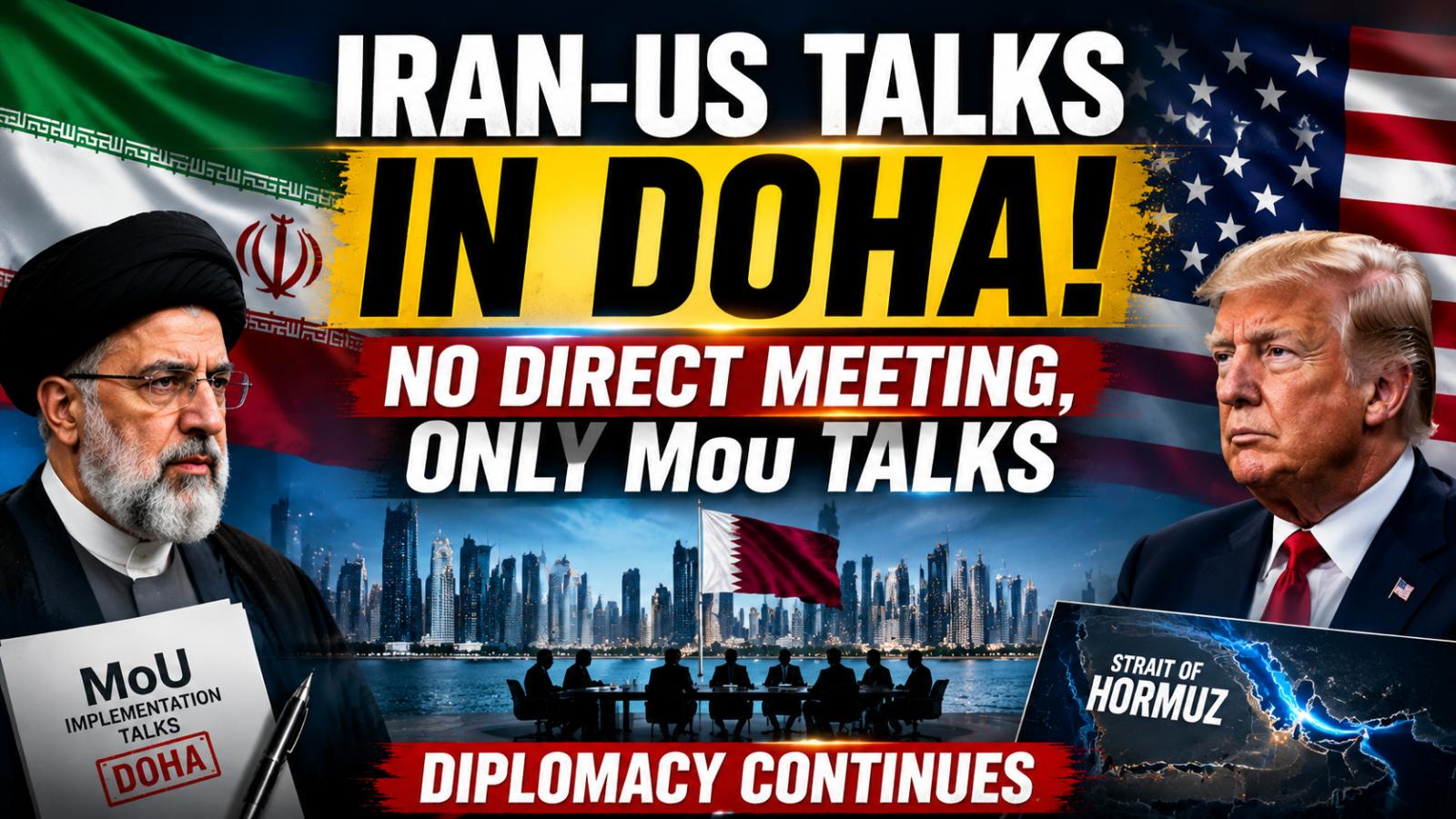
A new round of communication between the United States and Iran has drawn international attention, with both sides indicating a willingness to reopen structured dialogue after a prolonged period of tension. The engagement is being described by officials as an early-stage memorandum-style understanding aimed at reducing immediate escalation risks rather than finalizing a comprehensive agreement. While no detailed treaty framework has been released, the move signals a shift toward man
US Iran talks signal cautious diplomatic reset
A new round of communication between the United States and Iran has drawn international attention, with both sides indicating a willingness to reopen structured dialogue after a prolonged period of tension. The engagement is being described by officials as an early-stage memorandum-style understanding aimed at reducing immediate escalation risks rather than finalizing a comprehensive agreement. While no detailed treaty framework has been released, the move signals a shift toward man
G7 leaders confront iran conflict and global energy shock
The G7 summit in France unfolded under the shadow of growing instability linked to tensions involving Iran and wider regional security concerns. While political disagreements remained in the background, the more immediate concern for leaders was the economic impact spreading across global energy markets. Rising uncertainty around shipping routes and oil supply quickly turned the discussions toward inflation, fuel pricing, and trade resilience.
G7 leaders confront iran conflict and global energy shock
The G7 summit in France unfolded under the shadow of growing instability linked to tensions involving Iran and wider regional security concerns. While political disagreements remained in the background, the more immediate concern for leaders was the economic impact spreading across global energy markets. Rising uncertainty around shipping routes and oil supply quickly turned the discussions toward inflation, fuel pricing, and trade resilience.
Trump-Pezeshkian MoU ends conflict with Hormuz reopening plan
US-Iran Memorandum Sets Framework to End Conflict A new US-Iran memorandum of understanding aimed at ending the Middle East conflict will lead to the immediate reopening of the Strait of Hormuz and the lifting of the US blockade on Iranian ports, according to Pakistan Prime Minister Shehbaz Sharif. The announcement was made in a post on social media, where he confirmed that the agreement had entered into force with immediate effect. Sharif Says Agreement Signed at Highest Level Sharif stated that the memorandum was signed by the presidents of both the United States and Iran and formally endorsed through mediation efforts led by Pakistan. He described the development as a significant diplomatic breakthrough, emphasizing that both sides had committed to resolving tensions through negotiation rather than continued military confrontation. According to Sharif, the agreement outlines immediate steps that include reopening critical maritime routes and easing restrictions on Iranian shipping access. He added that the signing reflects a mutual intent to stabilize regional security and restore trade flows through key waterways. Role of Mediation and International Support The Pakistani prime minister also highlighted the role of mediators and international stakeholders involved in facilitating the agreement. He thanked officials from both negotiating teams, noting contributions from US political figures as well as Iranian leadership representatives involved in the talks. Qatar is also expected to support follow-up diplomatic processes as implementation discussions progress. Sharif further confirmed that a formal ceremony is planned in Switzerland, where participating parties will mark the agreement and initiate technical-level discussions on its execution. The meeting is expected to focus on practical mechanisms for reopening maritime routes and ensuring compliance with the memorandum’s provisions. Strait of Hormuz Central to Agreement At the center of the agreement is the Strait of Hormuz, one of the world’s most strategic energy corridors. The memorandum reportedly includes provisions ensuring its immediate reopening, which would restore oil and commercial shipping movement across the Gulf region. The US is also expected to begin lifting its blockade on Iranian ports in line with the phased implementation of the deal. Diplomatic Phase of Conflict Resolution Begins Officials involved in the process described the agreement as the beginning of a broader diplomatic phase aimed at reducing tensions and preventing future escalation. The next stage will focus on technical implementation, verification measures, and continued dialogue between the two sides. While details of enforcement and long-term guarantees remain limited, the memorandum signals a shift from military confrontation toward structured negotiation, with regional and international actors playing a key role in maintaining stability.
Trump-Pezeshkian MoU ends conflict with Hormuz reopening plan
US-Iran Memorandum Sets Framework to End Conflict A new US-Iran memorandum of understanding aimed at ending the Middle East conflict will lead to the immediate reopening of the Strait of Hormuz and the lifting of the US blockade on Iranian ports, according to Pakistan Prime Minister Shehbaz Sharif. The announcement was made in a post on social media, where he confirmed that the agreement had entered into force with immediate effect. Sharif Says Agreement Signed at Highest Level Sharif stated that the memorandum was signed by the presidents of both the United States and Iran and formally endorsed through mediation efforts led by Pakistan. He described the development as a significant diplomatic breakthrough, emphasizing that both sides had committed to resolving tensions through negotiation rather than continued military confrontation. According to Sharif, the agreement outlines immediate steps that include reopening critical maritime routes and easing restrictions on Iranian shipping access. He added that the signing reflects a mutual intent to stabilize regional security and restore trade flows through key waterways. Role of Mediation and International Support The Pakistani prime minister also highlighted the role of mediators and international stakeholders involved in facilitating the agreement. He thanked officials from both negotiating teams, noting contributions from US political figures as well as Iranian leadership representatives involved in the talks. Qatar is also expected to support follow-up diplomatic processes as implementation discussions progress. Sharif further confirmed that a formal ceremony is planned in Switzerland, where participating parties will mark the agreement and initiate technical-level discussions on its execution. The meeting is expected to focus on practical mechanisms for reopening maritime routes and ensuring compliance with the memorandum’s provisions. Strait of Hormuz Central to Agreement At the center of the agreement is the Strait of Hormuz, one of the world’s most strategic energy corridors. The memorandum reportedly includes provisions ensuring its immediate reopening, which would restore oil and commercial shipping movement across the Gulf region. The US is also expected to begin lifting its blockade on Iranian ports in line with the phased implementation of the deal. Diplomatic Phase of Conflict Resolution Begins Officials involved in the process described the agreement as the beginning of a broader diplomatic phase aimed at reducing tensions and preventing future escalation. The next stage will focus on technical implementation, verification measures, and continued dialogue between the two sides. While details of enforcement and long-term guarantees remain limited, the memorandum signals a shift from military confrontation toward structured negotiation, with regional and international actors playing a key role in maintaining stability.
US-Iran sign deal to end conflict and restart Hormuz shipping route
US-Iran Agreement Marks Shift Toward Diplomatic Resolution US President Donald Trump and Iranian President Masoud Pezeshkian have signed a memorandum of understanding aimed at ending months of conflict between Washington and Tehran. The agreement is designed to ease tensions across the Middle East and establish a structured pathway toward renewed diplomatic engagement between the two nations.
US-Iran sign deal to end conflict and restart Hormuz shipping route
US-Iran Agreement Marks Shift Toward Diplomatic Resolution US President Donald Trump and Iranian President Masoud Pezeshkian have signed a memorandum of understanding aimed at ending months of conflict between Washington and Tehran. The agreement is designed to ease tensions across the Middle East and establish a structured pathway toward renewed diplomatic engagement between the two nations.
Trump says US and Iran could sign agreement within 48 hours amid G7 talks
Trump Signals Imminent US–Iran Agreement US President Donald Trump has stated that Washington and Tehran could finalize and sign an agreement within the next 48 hours, signaling that negotiations aimed at ending nearly four months of conflict are approaching a critical conclusion. Speaking to reporters in Paris during the G7 summit in France, Trump said the deal could be signed “tomorrow, maybe the next
Trump says US and Iran could sign agreement within 48 hours amid G7 talks
Trump Signals Imminent US–Iran Agreement US President Donald Trump has stated that Washington and Tehran could finalize and sign an agreement within the next 48 hours, signaling that negotiations aimed at ending nearly four months of conflict are approaching a critical conclusion. Speaking to reporters in Paris during the G7 summit in France, Trump said the deal could be signed “tomorrow, maybe the next
Iran Signals New Strait of Hormuz Fee After US Deal Dispute
Iran Reaffirms Post-Deal Position on Strait of Hormuz Iran has indicated that it will proceed with plans to impose charges on vessels passing through the Strait of Hormuz after the 60-day fee-free period outlined in its memorandum of understanding with the United States. The announcement comes amid growing uncertainty over the interpretation of the recently signed agreement aimed at stabilising maritime mov
Iran Signals New Strait of Hormuz Fee After US Deal Dispute
Iran Reaffirms Post-Deal Position on Strait of Hormuz Iran has indicated that it will proceed with plans to impose charges on vessels passing through the Strait of Hormuz after the 60-day fee-free period outlined in its memorandum of understanding with the United States. The announcement comes amid growing uncertainty over the interpretation of the recently signed agreement aimed at stabilising maritime mov
CIA raises concerns over Iran nuclear deal enforcement risks
US intelligence officials have reportedly raised fresh concerns over the durability of a recently discussed nuclear understanding with Iran, warning that the framework may not be strong enough to ensure long-term compliance. The assessment, attributed to CIA Director John Ratcliffe, suggests that while the agreement is designed to reduce immediate tensions, its enforcement structure could leave significant gaps in verification and oversight.
CIA raises concerns over Iran nuclear deal enforcement risks
US intelligence officials have reportedly raised fresh concerns over the durability of a recently discussed nuclear understanding with Iran, warning that the framework may not be strong enough to ensure long-term compliance. The assessment, attributed to CIA Director John Ratcliffe, suggests that while the agreement is designed to reduce immediate tensions, its enforcement structure could leave significant gaps in verification and oversight.
US Iran nuclear talks stall over uranium and inspections
Talks between the United States and Iran remain unsettled as both sides continue to disagree on how far uranium enrichment should be restricted and how compliance should be verified. Washington is pressing for tighter monitoring and clearer limits on enrichment activities, while Tehran insists that any restrictions must respect its sovereign control over its nuclear programme. The gap between both positions is preventing movement toward a structured agreement.
US Iran nuclear talks stall over uranium and inspections
Talks between the United States and Iran remain unsettled as both sides continue to disagree on how far uranium enrichment should be restricted and how compliance should be verified. Washington is pressing for tighter monitoring and clearer limits on enrichment activities, while Tehran insists that any restrictions must respect its sovereign control over its nuclear programme. The gap between both positions is preventing movement toward a structured agreement.
G7 Summit Sidelines Become Key Stage for Global Deals
As leaders gather for the 52nd G7 Summit in Évian-les-Bains, France, from June 15 to 17, much of the real diplomatic movement is expected to happen away from the formal summit sessions. The official agenda provides a platform for cooperation on global economic and security challenges, but the highest-impact conversations often take place in smaller bilateral meetings where leaders can speak directly, test compromises and address urgent national priorities without the limits of public stateme
G7 Summit Sidelines Become Key Stage for Global Deals
As leaders gather for the 52nd G7 Summit in Évian-les-Bains, France, from June 15 to 17, much of the real diplomatic movement is expected to happen away from the formal summit sessions. The official agenda provides a platform for cooperation on global economic and security challenges, but the highest-impact conversations often take place in smaller bilateral meetings where leaders can speak directly, test compromises and address urgent national priorities without the limits of public stateme
22 nations urge Iran to stop overseas attacks
22 Countries Issue Joint Warning to Iran Twenty-two countries, including the United States, the United Kingdom and several European allies, issued a joint statement on Thursday urging Iran to immediately stop alleged overseas attacks, intimidation campaigns and assassination plots. The statement accused Iranian security agencies of using local and international criminal networks to target dissidents, journalists and Jewish and Israeli communi
22 nations urge Iran to stop overseas attacks
22 Countries Issue Joint Warning to Iran Twenty-two countries, including the United States, the United Kingdom and several European allies, issued a joint statement on Thursday urging Iran to immediately stop alleged overseas attacks, intimidation campaigns and assassination plots. The statement accused Iranian security agencies of using local and international criminal networks to target dissidents, journalists and Jewish and Israeli communi