CBI Arrests NEET Paper Leak Accused Biology Lecturer
The Central Bureau of Investigation (CBI) on Saturday arrested Manisha Mandhare, a Botany professor and member of the National Testing Agency’s (NTA) paper-setting committee for the 2026 NEET-UG exam held on May 3. Mandhare was taken into custody in Delhi after interrogation at the CBI headquarters. According to the CBI, Mandhare was a key source behind the leak of the NEET-UG 2026 Biology questions, acting as a “mastermind” following information obtained from retired Chemistr

CBI Arrests NEET Paper Leak Accused Biology Lecturer
The Central Bureau of Investigation (CBI) on Saturday arrested Manisha Mandhare, a Botany professor and member of the National Testing Agency’s (NTA) paper-setting committee for the 2026 NEET-UG exam held on May 3. Mandhare was taken into custody in Delhi after interrogation at the CBI headquarters. According to the CBI, Mandhare was a key source behind the leak of the NEET-UG 2026 Biology questions, acting as a “mastermind” following information obtained from retired Chemistr
Trump Taiwan Arms Sale Explained After China Trip
President Donald Trump left Beijing on Friday, May 15, 2026, without a final decision on a major U.S. arms sale to Taiwan, keeping one of the most sensitive issues in U.S.-China relations unresolved. The Trump Taiwan arms sale decision became a central focus after his three-day China visit, where talks with Chinese President Xi Jinping covered Taiwan, Iran, trade, Boeing aircraft and wider efforts to stabilize relations between Washington and Beijing. Trump-Xi Tai
Trump Taiwan Arms Sale Explained After China Trip
President Donald Trump left Beijing on Friday, May 15, 2026, without a final decision on a major U.S. arms sale to Taiwan, keeping one of the most sensitive issues in U.S.-China relations unresolved. The Trump Taiwan arms sale decision became a central focus after his three-day China visit, where talks with Chinese President Xi Jinping covered Taiwan, Iran, trade, Boeing aircraft and wider efforts to stabilize relations between Washington and Beijing. Trump-Xi Tai
Iran says strait of hormuz open for global shipping
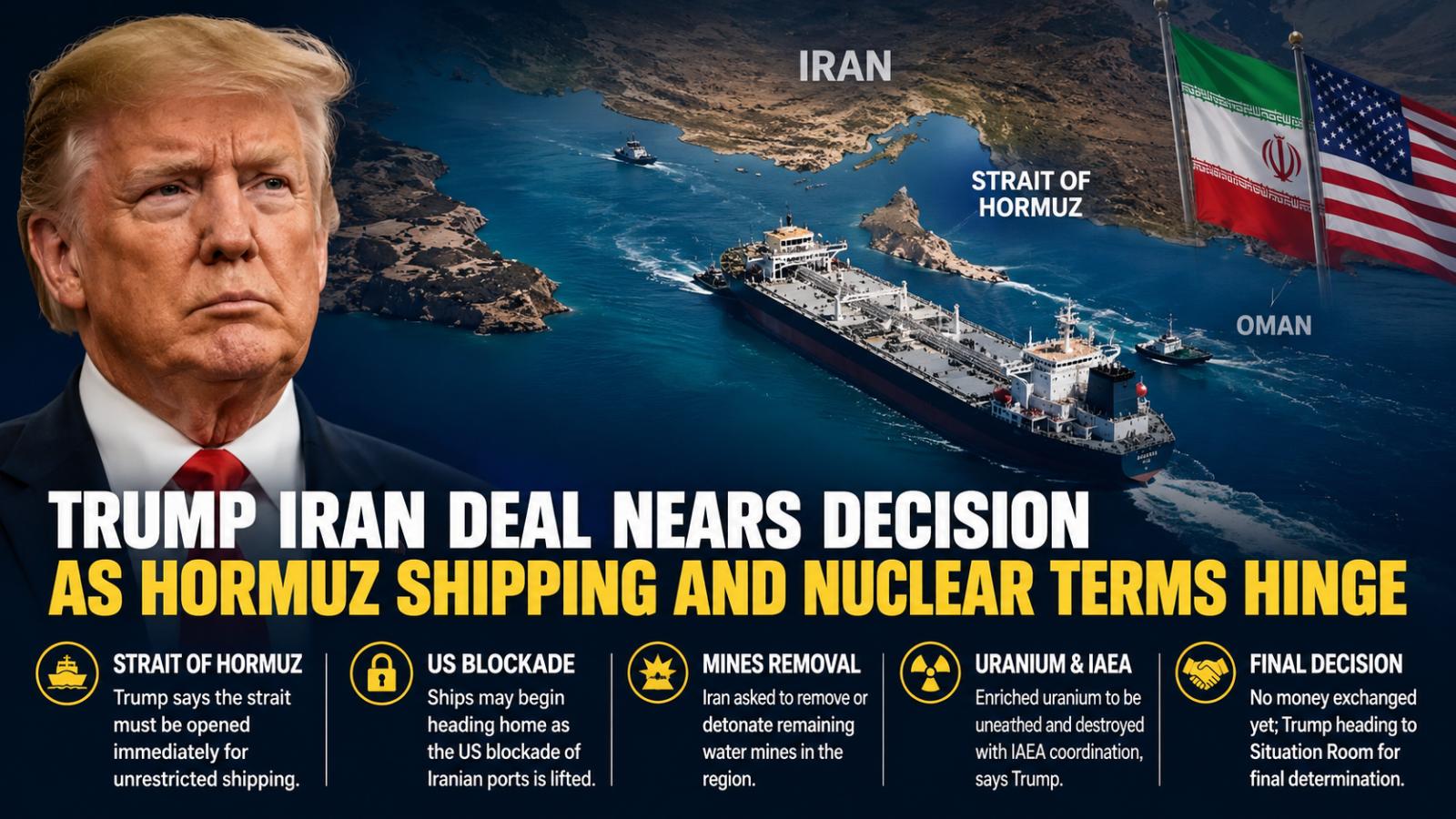
Iranian Foreign Minister Seyyed Abbas Araghchi confirmed that the Strait of Hormuz remains open to international shipping, except for vessels from countries currently at war with Iran. Speaking in New Delhi, Araghchi emphasized that Tehran prioritizes safe navigation through this vital maritime corridor. Strategic Importance of the Strait The minister highlighted the strait’s significance for oil, gas, and global trade. With a substantial share of worl
Iran says strait of hormuz open for global shipping
Iranian Foreign Minister Seyyed Abbas Araghchi confirmed that the Strait of Hormuz remains open to international shipping, except for vessels from countries currently at war with Iran. Speaking in New Delhi, Araghchi emphasized that Tehran prioritizes safe navigation through this vital maritime corridor. Strategic Importance of the Strait The minister highlighted the strait’s significance for oil, gas, and global trade. With a substantial share of worl
Obama Defends Diplomacy with Iran on Nuclear Deal
Obama Highlights JCPOA Success President Barack Obama spoke on The Late Show with Stephen Colbert about his administration’s efforts to curb Iran’s nuclear ambitions through diplomacy. He pointed to the 2015 Joint Comprehensive Plan of Action (JCPOA), asserting that the agreement successfully restricted Iran’s enriched uranium stockpile without resorting to military action. Obama explained that the deal included stric
Obama Defends Diplomacy with Iran on Nuclear Deal
Obama Highlights JCPOA Success President Barack Obama spoke on The Late Show with Stephen Colbert about his administration’s efforts to curb Iran’s nuclear ambitions through diplomacy. He pointed to the 2015 Joint Comprehensive Plan of Action (JCPOA), asserting that the agreement successfully restricted Iran’s enriched uranium stockpile without resorting to military action. Obama explained that the deal included stric
US Vice President JD Vance updates on Iran negotiations and challenges
On May 13, US Vice President JD Vance opened up about the ongoing negotiations with Iran and the hurdles the US has faced as these talks progress. While the US continues its diplomatic outreach to Tehran, Vance acknowledged the growing frustration due to unsatisfactory responses from the Iranian side. This has raised questions about whether a comprehensive deal is truly within reach. Diplomacy Amid Rising Tensions In a recent press briefing, Vance shed l
US Vice President JD Vance updates on Iran negotiations and challenges
On May 13, US Vice President JD Vance opened up about the ongoing negotiations with Iran and the hurdles the US has faced as these talks progress. While the US continues its diplomatic outreach to Tehran, Vance acknowledged the growing frustration due to unsatisfactory responses from the Iranian side. This has raised questions about whether a comprehensive deal is truly within reach. Diplomacy Amid Rising Tensions In a recent press briefing, Vance shed l
US-China Summit: Trump and Xi Discuss Trade, Taiwan, and Iran
On May 14, US President Donald Trump will meet Chinese President Xi Jinping in Beijing for an important summit that could reshape the US-China relationship. This high-level meeting comes after years of trade disputes, rising tensions over Taiwan, and concerns about Iran’s nuclear ambitions. The two leaders are expected to tackle these critical issues head-on, with major global implications. This marks Trump’s first visit to China since 2017, and the atmosphere surrounding the trip is tense, yet optimistic. Alongside the president, top business leaders, including Nvidia’s Jensen Huang and Tesla’s Elon Musk, will be part of the delegation, emphasizing the US’s desire to push for commercial deals that strengthen trade ties with China. The summit is taking place against the backdrop of escalating tensions, including the ongoing trade war between the two powers, China’s rare earth restrictions, and the fierce competition in artificial intelligence (AI). Trade Tensions: A Fragile Truce One of the central issues on the table is trade. The US and China have been at odds for years, with both countries imposing tariffs on each other's goods. While last year saw a brief period of truce, many unresolved issues remain. President Trump is expected to press China for further trade reforms and better deals for American businesses, especially in the face of high tariffs and economic uncertainty.Both sides are aware that the trade dynamics have far-reaching consequences for the global economy, so finding common ground will be critical. Taiwan: A Stubborn Point of Contention Another major issue will be Taiwan, which has long been a flashpoint between the two nations. China views Taiwan as an inseparable part of its territory, while the US has shown strong support for the island’s autonomy. With tensions rising, especially after China increased military activity near Taiwan, the US's stance on Taiwan remains a key area of friction. Trump’s administration has been vocal about its support for Taiwan, and it remains to be seen how this will affect the overall talks. How the two leaders address this issue will set the tone for future interactions between the two countries, especially considering the delicate balance the US must strike between its relationship with China and its support for Taiwan. Iran: A Strategic Challenge Trump is also expected to address the situation in Iran, seeking China’s cooperation on curbing Iran’s nuclear ambitions. With China’s significant economic ties to Iran, Trump hopes Beijing can use its influence to help rein in Tehran’s nuclear program and reduce instability in the Middle East. China’s role in global diplomacy has been growing, and this summit could serve as a turning point for its involvement in international peace efforts. The Stakes of the Summit Both leaders face high stakes at this summit. Trump’s goal is clear: to secure deals that will benefit American businesses and address concerns about China’s rising influence in global trade and AI. For China, maintaining its geopolitical power while ensuring economic growth is paramount. Despite the challenging topics, both leaders know the importance of maintaining a functional relationship for global stability. As the summit unfolds, eyes will be on whether the two leaders can navigate their differences and strike a deal that addresses the critical issues of trade, Taiwan, and Iran. The outcome will not just shape US-China relations, but could influence global geopolitics for years to come. This meeting is more than just diplomacy; it's a chance to shape the future of international relations, with consequences that reach far beyond the negotiating table.
US-China Summit: Trump and Xi Discuss Trade, Taiwan, and Iran
On May 14, US President Donald Trump will meet Chinese President Xi Jinping in Beijing for an important summit that could reshape the US-China relationship. This high-level meeting comes after years of trade disputes, rising tensions over Taiwan, and concerns about Iran’s nuclear ambitions. The two leaders are expected to tackle these critical issues head-on, with major global implications. This marks Trump’s first visit to China since 2017, and the atmosphere surrounding the trip is tense, yet optimistic. Alongside the president, top business leaders, including Nvidia’s Jensen Huang and Tesla’s Elon Musk, will be part of the delegation, emphasizing the US’s desire to push for commercial deals that strengthen trade ties with China. The summit is taking place against the backdrop of escalating tensions, including the ongoing trade war between the two powers, China’s rare earth restrictions, and the fierce competition in artificial intelligence (AI). Trade Tensions: A Fragile Truce One of the central issues on the table is trade. The US and China have been at odds for years, with both countries imposing tariffs on each other's goods. While last year saw a brief period of truce, many unresolved issues remain. President Trump is expected to press China for further trade reforms and better deals for American businesses, especially in the face of high tariffs and economic uncertainty.Both sides are aware that the trade dynamics have far-reaching consequences for the global economy, so finding common ground will be critical. Taiwan: A Stubborn Point of Contention Another major issue will be Taiwan, which has long been a flashpoint between the two nations. China views Taiwan as an inseparable part of its territory, while the US has shown strong support for the island’s autonomy. With tensions rising, especially after China increased military activity near Taiwan, the US's stance on Taiwan remains a key area of friction. Trump’s administration has been vocal about its support for Taiwan, and it remains to be seen how this will affect the overall talks. How the two leaders address this issue will set the tone for future interactions between the two countries, especially considering the delicate balance the US must strike between its relationship with China and its support for Taiwan. Iran: A Strategic Challenge Trump is also expected to address the situation in Iran, seeking China’s cooperation on curbing Iran’s nuclear ambitions. With China’s significant economic ties to Iran, Trump hopes Beijing can use its influence to help rein in Tehran’s nuclear program and reduce instability in the Middle East. China’s role in global diplomacy has been growing, and this summit could serve as a turning point for its involvement in international peace efforts. The Stakes of the Summit Both leaders face high stakes at this summit. Trump’s goal is clear: to secure deals that will benefit American businesses and address concerns about China’s rising influence in global trade and AI. For China, maintaining its geopolitical power while ensuring economic growth is paramount. Despite the challenging topics, both leaders know the importance of maintaining a functional relationship for global stability. As the summit unfolds, eyes will be on whether the two leaders can navigate their differences and strike a deal that addresses the critical issues of trade, Taiwan, and Iran. The outcome will not just shape US-China relations, but could influence global geopolitics for years to come. This meeting is more than just diplomacy; it's a chance to shape the future of international relations, with consequences that reach far beyond the negotiating table.
US Investigates Possible Chinese Arms Sales to Iran Amid Middle East Tensions
Amid rising tensions in the Middle East, US intelligence agencies are investigating whether China has been supplying military support to Iran. Sources familiar with the ongoing probe suggest that Chinese companies may have been negotiating arms transfers with Iranian officials. These weapons, believed to be funneled through third-party nations, are reportedly being used to mask their origin. However, it remains uncertain if any shipments have been completed or whether China’s government has given its official approval. This investigation unfolds as President Donald Trump is scheduled to meet with Chinese President Xi Jinping in Beijing, where the topic of military cooperation is expected to be high on the agenda. US officials are pushing for a strong stance, as reports suggest that China might have provided Iran with sophisticated military equipment, including shoulder-fired anti-aircraft missile systems known as MANPADS. These missiles could target low-flying aircraft, which would be a major security threat in the region. How is the US responding? The United States has called on China to end any military support to Iran, stressing that such actions are unacceptable, especially with ongoing diplomatic efforts to stabilize relations. Despite attempts to smooth over tensions with China, the US administration has been vocal about its concerns, citing intelligence reports that point to a potential arms shipment route passing through an African nation. So far, there is no clear evidence that any weapons have been successfully transferred. Has China already provided military aid to Iran? While the situation remains ambiguous, reports indicate that China has been providing Iran with other forms of assistance, such as intelligence support and satellite surveillance technology. These resources have significantly boosted Iran’s ability to monitor US military positions in the region. Furthermore, China is believed to have supplied dual-use technology, including semiconductors and sensors, which have both civilian and military applications. These components are often harder to trace, raising concerns that China may be covertly aiding Iran’s military capabilities. What does China gain from supporting Iran? China has strategic interests in maintaining a strong partnership with Iran. As one of Iran's top economic allies, China imports a significant portion of Iran's oil, with estimates suggesting that 80% of Iranian oil exports are bound for China. Beijing’s involvement in the region is also driven by its need to safeguard energy shipments that pass through the Strait of Hormuz, a critical maritime trade route. With the ongoing conflict affecting global shipping, China’s role in ensuring the stability of this region has become more crucial. However, the uncertainty surrounding the Middle East conflict is putting pressure on China, as well as on the broader global market. As the investigation into possible Chinese arms sales to Iran continues, the US is maintaining its vigilance, closely monitoring China’s actions in the Middle East. The growing influence of these geopolitical dynamics on the region’s stability suggests that the US will keep up its scrutiny of China’s role in Iran’s military affairs, especially as tensions continue to rise in this strategic part of the world.
US Investigates Possible Chinese Arms Sales to Iran Amid Middle East Tensions
Amid rising tensions in the Middle East, US intelligence agencies are investigating whether China has been supplying military support to Iran. Sources familiar with the ongoing probe suggest that Chinese companies may have been negotiating arms transfers with Iranian officials. These weapons, believed to be funneled through third-party nations, are reportedly being used to mask their origin. However, it remains uncertain if any shipments have been completed or whether China’s government has given its official approval. This investigation unfolds as President Donald Trump is scheduled to meet with Chinese President Xi Jinping in Beijing, where the topic of military cooperation is expected to be high on the agenda. US officials are pushing for a strong stance, as reports suggest that China might have provided Iran with sophisticated military equipment, including shoulder-fired anti-aircraft missile systems known as MANPADS. These missiles could target low-flying aircraft, which would be a major security threat in the region. How is the US responding? The United States has called on China to end any military support to Iran, stressing that such actions are unacceptable, especially with ongoing diplomatic efforts to stabilize relations. Despite attempts to smooth over tensions with China, the US administration has been vocal about its concerns, citing intelligence reports that point to a potential arms shipment route passing through an African nation. So far, there is no clear evidence that any weapons have been successfully transferred. Has China already provided military aid to Iran? While the situation remains ambiguous, reports indicate that China has been providing Iran with other forms of assistance, such as intelligence support and satellite surveillance technology. These resources have significantly boosted Iran’s ability to monitor US military positions in the region. Furthermore, China is believed to have supplied dual-use technology, including semiconductors and sensors, which have both civilian and military applications. These components are often harder to trace, raising concerns that China may be covertly aiding Iran’s military capabilities. What does China gain from supporting Iran? China has strategic interests in maintaining a strong partnership with Iran. As one of Iran's top economic allies, China imports a significant portion of Iran's oil, with estimates suggesting that 80% of Iranian oil exports are bound for China. Beijing’s involvement in the region is also driven by its need to safeguard energy shipments that pass through the Strait of Hormuz, a critical maritime trade route. With the ongoing conflict affecting global shipping, China’s role in ensuring the stability of this region has become more crucial. However, the uncertainty surrounding the Middle East conflict is putting pressure on China, as well as on the broader global market. As the investigation into possible Chinese arms sales to Iran continues, the US is maintaining its vigilance, closely monitoring China’s actions in the Middle East. The growing influence of these geopolitical dynamics on the region’s stability suggests that the US will keep up its scrutiny of China’s role in Iran’s military affairs, especially as tensions continue to rise in this strategic part of the world.
UAE denies Netanyahu’s ‘secret visit’ amid rising tensions with Iran
The United Arab Emirates (UAE) has officially denied reports claiming that Israeli Prime Minister Benjamin Netanyahu secretly visited the country amid escalating tensions in the Middle East, particularly with Iran. These claims initially surfaced from Netanyahu's office, which stated that the Israeli leader traveled to the UAE to strengthen military and diplomatic ties during a period of heightened regional conflict. Netanyahu’s office had described the alleged visit as a “histo
UAE denies Netanyahu’s ‘secret visit’ amid rising tensions with Iran
The United Arab Emirates (UAE) has officially denied reports claiming that Israeli Prime Minister Benjamin Netanyahu secretly visited the country amid escalating tensions in the Middle East, particularly with Iran. These claims initially surfaced from Netanyahu's office, which stated that the Israeli leader traveled to the UAE to strengthen military and diplomatic ties during a period of heightened regional conflict. Netanyahu’s office had described the alleged visit as a “histo
India Escorts LPG Carriers Through Strait of Hormuz as Gulf Tensions Rise
India LPG Carriers Move Through Strait of Hormuz India has moved nearly all of its LPG carriers out of the Strait of Hormuz with support from the Indian Navy as tensions continue to affect shipping security in the Persian Gulf region. Government sources said on Thursday, May 14, 2026, that the 14th Indian liquefied petroleum gas carrier had crossed the strategic waterway, while one final vessel remained in the process of crossing under close monitoring.
India Escorts LPG Carriers Through Strait of Hormuz as Gulf Tensions Rise
India LPG Carriers Move Through Strait of Hormuz India has moved nearly all of its LPG carriers out of the Strait of Hormuz with support from the Indian Navy as tensions continue to affect shipping security in the Persian Gulf region. Government sources said on Thursday, May 14, 2026, that the 14th Indian liquefied petroleum gas carrier had crossed the strategic waterway, while one final vessel remained in the process of crossing under close monitoring.
Israel-Iran Ceasefire Tested as Trump Warning Raises Gulf Fears
Israel-Iran War Ceasefire Faces New Pressure The Israel-Iran war ceasefire is under fresh strain after US President Donald Trump warned Iran that Washington would prevail “peacefully or otherwise,” while Tehran insisted its latest peace plan must be accepted. The exchange sharpened doubts over whether the truce can hold as Gulf governments warn that the conflict is spilling into shipping, energy security and regional diplomacy. Hor
Israel-Iran Ceasefire Tested as Trump Warning Raises Gulf Fears
Israel-Iran War Ceasefire Faces New Pressure The Israel-Iran war ceasefire is under fresh strain after US President Donald Trump warned Iran that Washington would prevail “peacefully or otherwise,” while Tehran insisted its latest peace plan must be accepted. The exchange sharpened doubts over whether the truce can hold as Gulf governments warn that the conflict is spilling into shipping, energy security and regional diplomacy. Hor
Trump-Xi summit: Key issues, trade talks, and Iran conflict to be addressed
US President Donald Trump is set to visit China from May 13 to 15, marking the first visit to the country by an American president in nearly nine years. The invitation comes from Chinese President Xi Jinping amid growing tensions between the two nations over issues such as trade, technology, and defense. This visit comes at a critical time for global politics, with the ongoing Iran conflict impacting both economic stability and energy prices. The timing of Trump’s visit coincides with a volatile situation in the Strait of Hormuz, where a dual blockade has significantly disrupted global oil trade, driving up energy prices. These disruptions have the potential to harm global economic growth, as the Strait is a vital shipping route for the world’s oil supply. Trump’s administration has placed significant pressure on Iran over its nuclear program, and in recent remarks, he stated that the US would “finish the job” if Iran did not agree to the terms aimed at halting the conflict. While tensions remain high, the US continues to press for a diplomatic resolution to the situation, with President Trump asserting that Iran must meet specific demands regarding its nuclear ambitions. Despite these pressures, Trump maintains that the US does not need China’s assistance to resolve the issue, suggesting that the conflict could be settled with or without China’s involvement. Iran, for its part, has signaled its intention to pursue peace, with chief negotiator Mohammad Bagher Ghalibaf issuing an ultimatum to the US. According to Ghalibaf, Washington must accept Iran’s recent peace proposal or face further failure in negotiations. He emphasized that there was no alternative but to acknowledge the rights of the Iranian people as outlined in Tehran’s 14-point proposal. Beyond the Iran conflict, the upcoming Trump-Xi summit is expected to address several key issues affecting US-China relations. Trade discussions will likely focus on extending a temporary truce in the ongoing trade dispute, particularly concerning rare earth minerals. Both leaders are expected to explore agreements related to Boeing aircraft purchases, as well as expanding trade and investment ties. Additionally, China is anticipated to announce purchases in the US agricultural and energy sectors. Another significant topic of discussion will be Taiwan, with Xi expressing frustration over the US’s continued support for the island nation, which China claims as part of its territory. Trump’s administration has reiterated its commitment to Taiwan, despite escalating military activities in the region by China. The summit will also cover the rapid development of artificial intelligence (AI) in both countries, with US officials highlighting concerns about the potential military and economic implications of AI advancements. With both nations at the forefront of technological innovation, there is a growing need for open communication to avoid misunderstandings or potential conflicts arising from the use of AI. This high-stakes summit between the US and China is poised to shape the future of global trade, energy security, and technological development, with both sides seeking to manage their differences while addressing urgent geopolitical challenges. As the world watches, the outcome of these talks could have far-reaching implications for international relations.
Trump-Xi summit: Key issues, trade talks, and Iran conflict to be addressed
US President Donald Trump is set to visit China from May 13 to 15, marking the first visit to the country by an American president in nearly nine years. The invitation comes from Chinese President Xi Jinping amid growing tensions between the two nations over issues such as trade, technology, and defense. This visit comes at a critical time for global politics, with the ongoing Iran conflict impacting both economic stability and energy prices. The timing of Trump’s visit coincides with a volatile situation in the Strait of Hormuz, where a dual blockade has significantly disrupted global oil trade, driving up energy prices. These disruptions have the potential to harm global economic growth, as the Strait is a vital shipping route for the world’s oil supply. Trump’s administration has placed significant pressure on Iran over its nuclear program, and in recent remarks, he stated that the US would “finish the job” if Iran did not agree to the terms aimed at halting the conflict. While tensions remain high, the US continues to press for a diplomatic resolution to the situation, with President Trump asserting that Iran must meet specific demands regarding its nuclear ambitions. Despite these pressures, Trump maintains that the US does not need China’s assistance to resolve the issue, suggesting that the conflict could be settled with or without China’s involvement. Iran, for its part, has signaled its intention to pursue peace, with chief negotiator Mohammad Bagher Ghalibaf issuing an ultimatum to the US. According to Ghalibaf, Washington must accept Iran’s recent peace proposal or face further failure in negotiations. He emphasized that there was no alternative but to acknowledge the rights of the Iranian people as outlined in Tehran’s 14-point proposal. Beyond the Iran conflict, the upcoming Trump-Xi summit is expected to address several key issues affecting US-China relations. Trade discussions will likely focus on extending a temporary truce in the ongoing trade dispute, particularly concerning rare earth minerals. Both leaders are expected to explore agreements related to Boeing aircraft purchases, as well as expanding trade and investment ties. Additionally, China is anticipated to announce purchases in the US agricultural and energy sectors. Another significant topic of discussion will be Taiwan, with Xi expressing frustration over the US’s continued support for the island nation, which China claims as part of its territory. Trump’s administration has reiterated its commitment to Taiwan, despite escalating military activities in the region by China. The summit will also cover the rapid development of artificial intelligence (AI) in both countries, with US officials highlighting concerns about the potential military and economic implications of AI advancements. With both nations at the forefront of technological innovation, there is a growing need for open communication to avoid misunderstandings or potential conflicts arising from the use of AI. This high-stakes summit between the US and China is poised to shape the future of global trade, energy security, and technological development, with both sides seeking to manage their differences while addressing urgent geopolitical challenges. As the world watches, the outcome of these talks could have far-reaching implications for international relations.
Satellite images fuel concerns over Pakistan's role in US-Iran diplomacy
Fresh satellite imagery has sparked renewed scrutiny over Pakistan's involvement in the ongoing US-Iran diplomatic talks, with reports suggesting that Islamabad may be housing at least one Iranian military aircraft at the strategically important Nur Khan Airbase, located near Islamabad. These developments come amid heightened tensions between Washington and Tehran, as Pakistan continues to position itself as a mediator between the two nations. The satellite images, which are believe
Satellite images fuel concerns over Pakistan's role in US-Iran diplomacy
Fresh satellite imagery has sparked renewed scrutiny over Pakistan's involvement in the ongoing US-Iran diplomatic talks, with reports suggesting that Islamabad may be housing at least one Iranian military aircraft at the strategically important Nur Khan Airbase, located near Islamabad. These developments come amid heightened tensions between Washington and Tehran, as Pakistan continues to position itself as a mediator between the two nations. The satellite images, which are believe
Historic US-China Summit: Trump and Xi Discuss Iran, Trade, and Taiwan in Beijing
Trump and Xi Jinping Meet in Beijing for Key Summit US President Donald Trump and Chinese President Xi Jinping are set to meet in Beijing for a highly anticipated three-day summit. This is Trump’s first visit to China in nearly a decade, making the meeting particularly significant. The summit is expected to focus on critical global issues, including the ongoing US-Israel war on Iran, trade relations between the two nations, and the status of Taiw
Historic US-China Summit: Trump and Xi Discuss Iran, Trade, and Taiwan in Beijing
Trump and Xi Jinping Meet in Beijing for Key Summit US President Donald Trump and Chinese President Xi Jinping are set to meet in Beijing for a highly anticipated three-day summit. This is Trump’s first visit to China in nearly a decade, making the meeting particularly significant. The summit is expected to focus on critical global issues, including the ongoing US-Israel war on Iran, trade relations between the two nations, and the status of Taiw
Trump Defends Pakistan Amid Iran Mediation Tensions
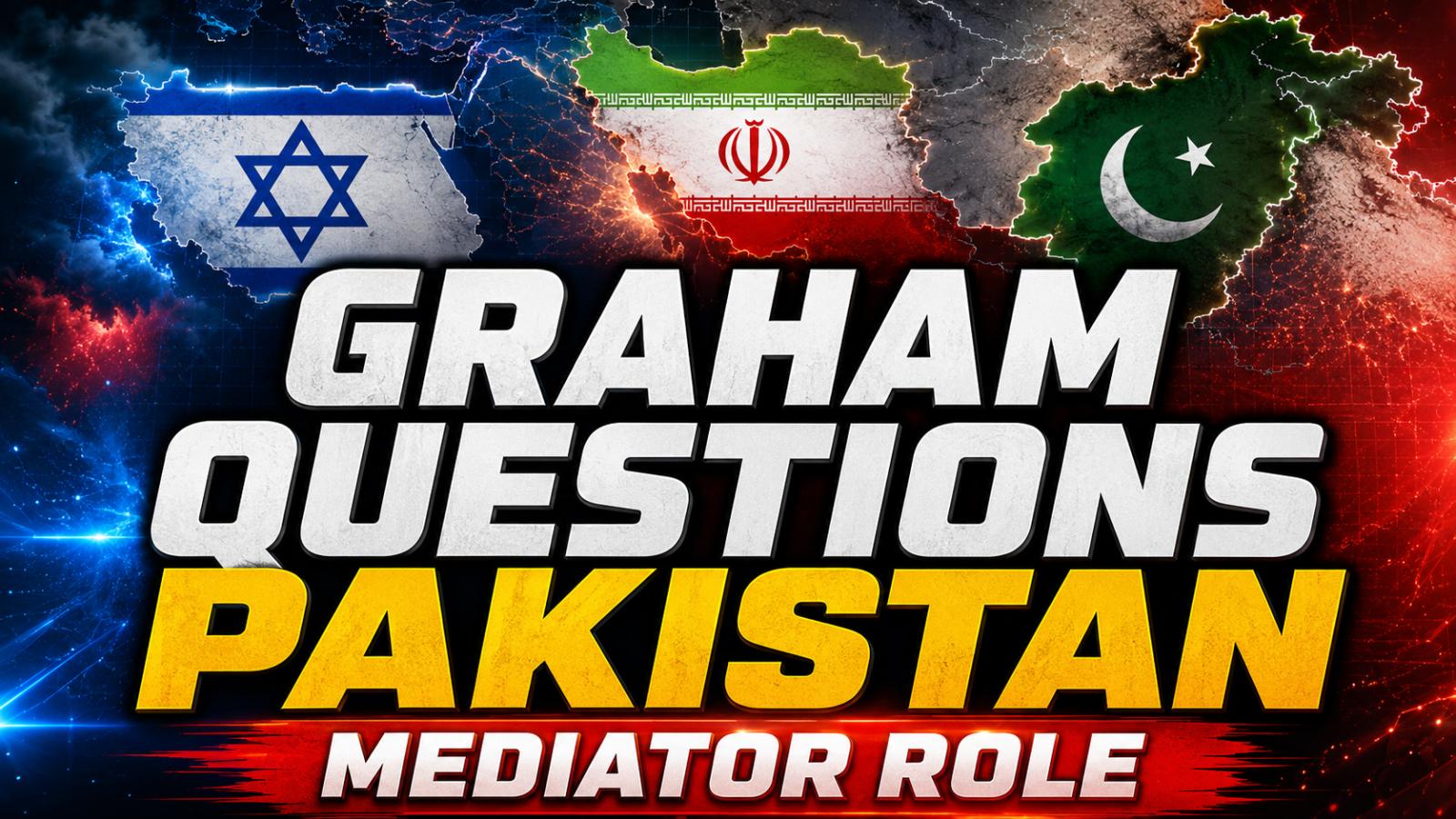
Trump Defends Pakistan's Role in Iran Talks President Donald Trump reaffirmed his trust in Pakistan’s role as a mediator in the ongoing talks with Iran, dismissing concerns raised by Senator Lindsey Graham. Trump praised Prime Minister Shehbaz Sharif and Pakistan's Army Chief, General Asim Munir, calling them “absolutely great” for their efforts in facilitating diplomatic discussions between the United States and Iran. His comments came on Ma
Trump Defends Pakistan Amid Iran Mediation Tensions
Trump Defends Pakistan's Role in Iran Talks President Donald Trump reaffirmed his trust in Pakistan’s role as a mediator in the ongoing talks with Iran, dismissing concerns raised by Senator Lindsey Graham. Trump praised Prime Minister Shehbaz Sharif and Pakistan's Army Chief, General Asim Munir, calling them “absolutely great” for their efforts in facilitating diplomatic discussions between the United States and Iran. His comments came on Ma
Iran Gains Control Over Strait of Hormuz as Iraq and Pakistan Strike Energy Deals
Iraq and Pakistan Secure Oil and Gas Transport Deals Amid the ongoing conflict in the Middle East, Iraq and Pakistan have reached separate agreements with Iran to allow the transport of oil and liquefied natural gas (LNG) through the critical Strait of Hormuz. According to multiple sources, these agreements reflect Iran’s growing control over one of the world’s most important energy corridors, a situation that has intensified due to the ongoing
Iran Gains Control Over Strait of Hormuz as Iraq and Pakistan Strike Energy Deals
Iraq and Pakistan Secure Oil and Gas Transport Deals Amid the ongoing conflict in the Middle East, Iraq and Pakistan have reached separate agreements with Iran to allow the transport of oil and liquefied natural gas (LNG) through the critical Strait of Hormuz. According to multiple sources, these agreements reflect Iran’s growing control over one of the world’s most important energy corridors, a situation that has intensified due to the ongoing
Trump's Satirical Game Mocking Iran and Media
"Operation Epic Furious Strait to Hell" Game Installed at DC War Memorial A new arcade game titled “Operation Epic Furious Strait to Hell” has been installed at the District of Columbia War Memorial in Washington, D.C. The game, which features a ginger-haired Donald Trump, satirizes the U.S. administration’s handling of the Iran conflict and Trump’s often controversial social media presence. The game begins with a humoro
Trump's Satirical Game Mocking Iran and Media
"Operation Epic Furious Strait to Hell" Game Installed at DC War Memorial A new arcade game titled “Operation Epic Furious Strait to Hell” has been installed at the District of Columbia War Memorial in Washington, D.C. The game, which features a ginger-haired Donald Trump, satirizes the U.S. administration’s handling of the Iran conflict and Trump’s often controversial social media presence. The game begins with a humoro
Trump’s Bold Iran Strategy: "We’ll Win Peacefully or Otherwise"
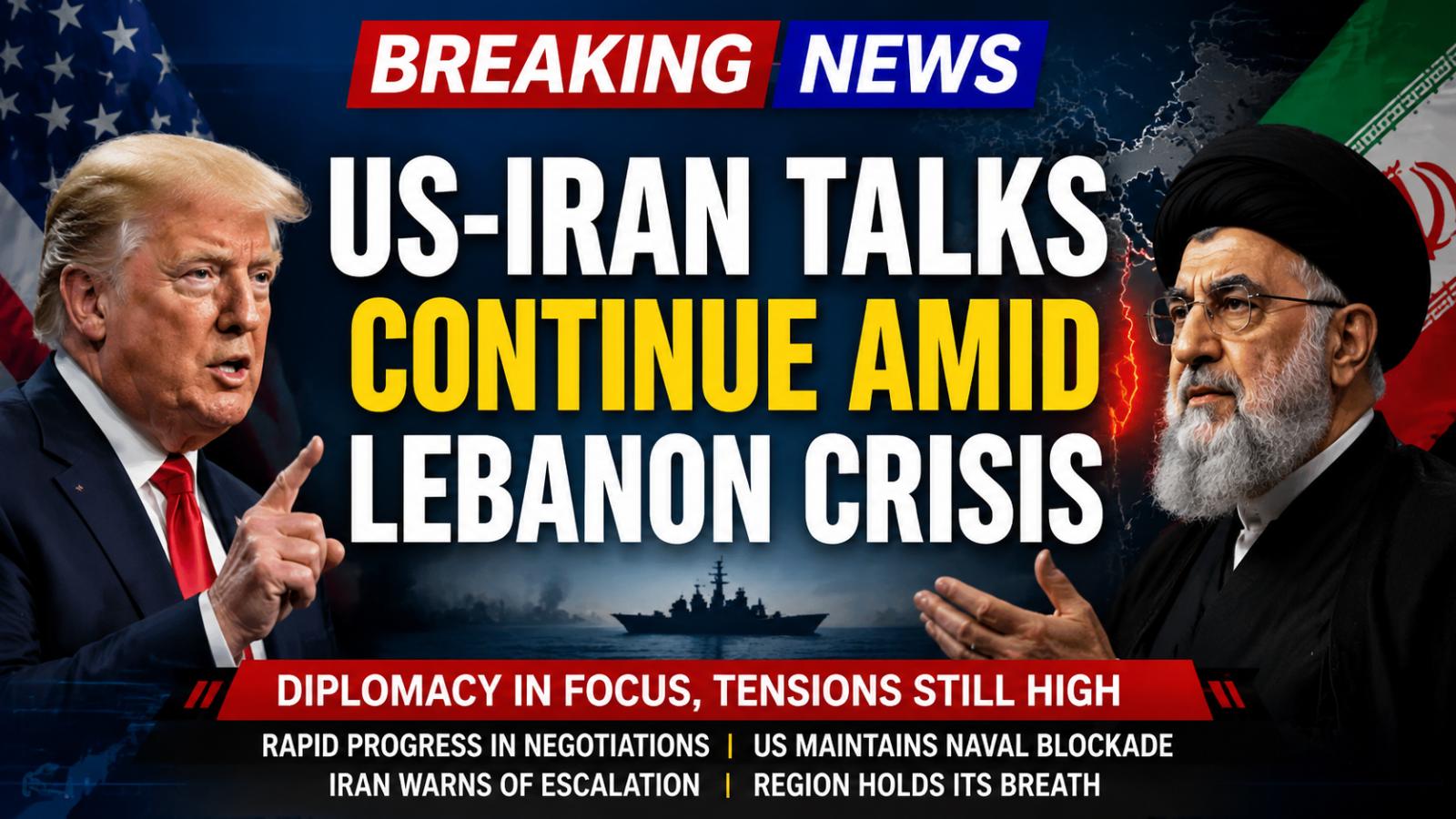
Trump’s Departure for Beijing President Donald Trump left Washington on May 12th for a high-stakes summit with Chinese President Xi Jinping in Beijing. As he boarded Air Force One for the trip, Trump addressed reporters, emphasizing that Iran is "under control" and that the United States either intends to make a deal or "decimate" Iran’s military capabilities. This rhetoric comes amid the ongoing conflict with Iran, with Trump reiterating his u
Trump’s Bold Iran Strategy: "We’ll Win Peacefully or Otherwise"
Trump’s Departure for Beijing President Donald Trump left Washington on May 12th for a high-stakes summit with Chinese President Xi Jinping in Beijing. As he boarded Air Force One for the trip, Trump addressed reporters, emphasizing that Iran is "under control" and that the United States either intends to make a deal or "decimate" Iran’s military capabilities. This rhetoric comes amid the ongoing conflict with Iran, with Trump reiterating his u
Trump Escalates Rhetoric on Iran Conflict, Calls Critics "Traitors"
Trump Accuses Media of Treason On May 12, President Donald Trump expressed outrage over media reports suggesting that Iran is “doing well” militarily in its ongoing conflict with the United States. In a social media post during his flight to China, Trump accused the media of committing treason by spreading false and misleading information. “When the Fake News says that the Iranian enemy is doing well, Militarily, against us, it’s virtual TRE
Trump Escalates Rhetoric on Iran Conflict, Calls Critics "Traitors"
Trump Accuses Media of Treason On May 12, President Donald Trump expressed outrage over media reports suggesting that Iran is “doing well” militarily in its ongoing conflict with the United States. In a social media post during his flight to China, Trump accused the media of committing treason by spreading false and misleading information. “When the Fake News says that the Iranian enemy is doing well, Militarily, against us, it’s virtual TRE
Why PM Modi Asked Indians to Avoid Buying Gold for One Year Amid Iran War
Prime Minister Narendra Modi has urged Indians to avoid buying gold, reduce foreign travel and cut unnecessary fuel usage for at least a year as the ongoing United States-Israel conflict with Iran continues to shake global energy markets. The remarks quickly sparked discussions online because gold is deeply connected to Indian families, savings and traditions. Many people immediately began asking th
Why PM Modi Asked Indians to Avoid Buying Gold for One Year Amid Iran War
Prime Minister Narendra Modi has urged Indians to avoid buying gold, reduce foreign travel and cut unnecessary fuel usage for at least a year as the ongoing United States-Israel conflict with Iran continues to shake global energy markets. The remarks quickly sparked discussions online because gold is deeply connected to Indian families, savings and traditions. Many people immediately began asking th
BTS Mexico City Concert: 40,000 Fans Gather Outside Stadium in Fan Festival
BTS’s long-awaited return to Mexico City for their ARIRANG World Tour has become a fan festival as nearly 40,000 people gathered outside the Estadio GNP Seguros during the second concert of their Mexico City run. The group, which performed on May 7, 9, and 10, brought a wave of excitement with their first concert in the country after almost nine years. Videos from the Day 2 concert went viral online, showcasing an unforgettable live experience for the fans. As part of their ongoing ARIRANG World Tour, BTS performed before a packed stadium, with some reports estimating attendance for the second show at over 100,000, including the fans outside the venue. The energetic crowd of more than 40,000 outside the sold-out venue created a sea of lightsticks, dancing and singing to the group’s iconic hits, further highlighting the powerful connection between BTS and their Mexican fanbase. Many fans had eagerly waited for nearly a decade for the group's return to their city. Before their performances, BTS also took time to meet with the Mexican President, Sheinbaum, at the presidential palace. During their official visit, the President praised the group for promoting values of 'peace, friendship, and hope' through their music. Following the meeting, BTS waved at their adoring fans outside, further deepening the bond between the group and their Mexican followers. The fans showed their appreciation by holding banners and waving lightsticks as the group appeared on the balcony. In addition to the fans' overwhelming enthusiasm, the ticket sales for the concerts were a massive success, with over 2.1 million fans attempting to secure tickets during the pre-sale, while only 150,000 seats were available across all three concerts. According to Ticketmaster, over 136,000 tickets were sold in under an hour, making it one of Mexico’s largest ticket sales events in recent years.
BTS Mexico City Concert: 40,000 Fans Gather Outside Stadium in Fan Festival
BTS’s long-awaited return to Mexico City for their ARIRANG World Tour has become a fan festival as nearly 40,000 people gathered outside the Estadio GNP Seguros during the second concert of their Mexico City run. The group, which performed on May 7, 9, and 10, brought a wave of excitement with their first concert in the country after almost nine years. Videos from the Day 2 concert went viral online, showcasing an unforgettable live experience for the fans. As part of their ongoing ARIRANG World Tour, BTS performed before a packed stadium, with some reports estimating attendance for the second show at over 100,000, including the fans outside the venue. The energetic crowd of more than 40,000 outside the sold-out venue created a sea of lightsticks, dancing and singing to the group’s iconic hits, further highlighting the powerful connection between BTS and their Mexican fanbase. Many fans had eagerly waited for nearly a decade for the group's return to their city. Before their performances, BTS also took time to meet with the Mexican President, Sheinbaum, at the presidential palace. During their official visit, the President praised the group for promoting values of 'peace, friendship, and hope' through their music. Following the meeting, BTS waved at their adoring fans outside, further deepening the bond between the group and their Mexican followers. The fans showed their appreciation by holding banners and waving lightsticks as the group appeared on the balcony. In addition to the fans' overwhelming enthusiasm, the ticket sales for the concerts were a massive success, with over 2.1 million fans attempting to secure tickets during the pre-sale, while only 150,000 seats were available across all three concerts. According to Ticketmaster, over 136,000 tickets were sold in under an hour, making it one of Mexico’s largest ticket sales events in recent years.