The Trump IRS addendum explained in new Justice Department filings shows that the federal government is barred from pursuing existing or past tax-related claims involving President Donald Trump, his family members and affiliated businesses.
Acting Attorney General Todd Blanche signed the one-page addendum on Tuesday, May 19, 2026. The document states that the United States is “forever barred and precluded” from pursuing claims, examinations or reviews that have
The Trump IRS addendum explained in new Justice Department filings shows that the federal government is barred from pursuing existing or past tax-related claims involving President Donald Trump, his family members and affiliated businesses.
Acting Attorney General Todd Blanche signed the one-page addendum on Tuesday, May 19, 2026. The document states that the United States is “forever barred and precluded” from pursuing claims, examinations or reviews that have
The Trump IRS lawsuit settlement is drawing new scrutiny after the Justice Department announced a $1.776 billion DOJ Anti-Weaponization Fund on Monday, May 18, 2026, as part of an agreement resolving President Donald Trump’s lawsuit over leaked tax return information.
The settlement ends Trump’s $10 billion lawsuit against the Internal Revenue Service, which was filed after his confidential tax records were leaked. Under the agreement, Trump and other plaintiffs are expected to receive a formal apology but no monetary damages.
What the DOJ Anti-Weaponization Fund Means
The DOJ Anti-Weaponization Fund is designed to review claims from people who say they were unfairly targeted by politically motivated government investigations or prosecutions. The fund could provide compensation or formal apologies to approved claimants.
The proposal has quickly become a major political and legal issue because the money would come through a federal judgment fund, raising questions over taxpayer money, congressional approval and Justice Department oversight.
Why the Trump IRS Lawsuit Settlement Faces a Congress Challenge
Democrats argue that the Trump IRS lawsuit settlement could allow taxpayer money to benefit political allies of the president. Representative Jamie Raskin, the top Democrat on the House Judiciary Committee, has criticized the plan and argued that Congress did not authorize the fund.
The expected Congress challenge to the Trump settlement fund may focus on whether the executive branch can create such a large compensation program through a lawsuit settlement without direct approval from lawmakers.
Trump Tax Return Leak Remains at the Center
The original case came from the Trump tax return leak, after confidential IRS information was disclosed and later reported by media outlets. A former IRS contractor, Charles Littlejohn, was prosecuted and sentenced to five years in prison for leaking tax records.
The legal fight is now moving beyond the tax leak itself. The larger dispute is over whether the Justice Department can use settlement power to create a politically sensitive compensation fund involving claims of government “weaponization.”
For US readers, the case matters because it could shape future limits on executive authority, federal settlements and how taxpayer-funded legal claims are handled when a sitting president is personally connected to the dispute.
The Trump IRS lawsuit settlement is drawing new scrutiny after the Justice Department announced a $1.776 billion DOJ Anti-Weaponization Fund on Monday, May 18, 2026, as part of an agreement resolving President Donald Trump’s lawsuit over leaked tax return information.
The settlement ends Trump’s $10 billion lawsuit against the Internal Revenue Service, which was filed after his confidential tax records were leaked. Under the agreement, Trump and other plaintiffs are expected to receive a formal apology but no monetary damages.
What the DOJ Anti-Weaponization Fund Means
The DOJ Anti-Weaponization Fund is designed to review claims from people who say they were unfairly targeted by politically motivated government investigations or prosecutions. The fund could provide compensation or formal apologies to approved claimants.
The proposal has quickly become a major political and legal issue because the money would come through a federal judgment fund, raising questions over taxpayer money, congressional approval and Justice Department oversight.
Why the Trump IRS Lawsuit Settlement Faces a Congress Challenge
Democrats argue that the Trump IRS lawsuit settlement could allow taxpayer money to benefit political allies of the president. Representative Jamie Raskin, the top Democrat on the House Judiciary Committee, has criticized the plan and argued that Congress did not authorize the fund.
The expected Congress challenge to the Trump settlement fund may focus on whether the executive branch can create such a large compensation program through a lawsuit settlement without direct approval from lawmakers.
Trump Tax Return Leak Remains at the Center
The original case came from the Trump tax return leak, after confidential IRS information was disclosed and later reported by media outlets. A former IRS contractor, Charles Littlejohn, was prosecuted and sentenced to five years in prison for leaking tax records.
The legal fight is now moving beyond the tax leak itself. The larger dispute is over whether the Justice Department can use settlement power to create a politically sensitive compensation fund involving claims of government “weaponization.”
For US readers, the case matters because it could shape future limits on executive authority, federal settlements and how taxpayer-funded legal claims are handled when a sitting president is personally connected to the dispute.
Midair Collision at Mountain Home Air Force Base
During the Gunfighter Skies Air Show at Mountain Home Air Force Base in Idaho, two US Navy EA-18G Growler jets collided midair, resulting in a fiery crash. All four crew members successfully ejected and were evaluated by medical personnel. The incident occurred around 12:10 p.m. local time on Sunday, May 17, prompting the immediate cancellation of the air show. Emergency respo
Midair Collision at Mountain Home Air Force Base
During the Gunfighter Skies Air Show at Mountain Home Air Force Base in Idaho, two US Navy EA-18G Growler jets collided midair, resulting in a fiery crash. All four crew members successfully ejected and were evaluated by medical personnel. The incident occurred around 12:10 p.m. local time on Sunday, May 17, prompting the immediate cancellation of the air show. Emergency respo
Mid-Air Collision at Mountain Home Air Force Base
Two US Air Force fighter jets collided mid-air during the Gunfighter Skies Air Show on May 17,2026 at Mountain Home Air Force Base in Idaho. The aircraft came crashing down approximately two miles northwest of the base. In response, the base was immediately placed on lockdown to ensure safety and secure the crash site.
Mid-Air Collision at Mountain Home Air Force Base
Two US Air Force fighter jets collided mid-air during the Gunfighter Skies Air Show on May 17,2026 at Mountain Home Air Force Base in Idaho. The aircraft came crashing down approximately two miles northwest of the base. In response, the base was immediately placed on lockdown to ensure safety and secure the crash site.
A visually driven political reel comparing actor-turned-political figures Vijay and Pawan Kalyan is drawing strong engagement across social media platforms. The video, designed in a cinematic format with dramatic color contrasts and symbolic imagery, presents two different leadership journeys while focusing on themes such as public mandate, political alliances, governance, and accountability. The reel uses side-by-side visuals, slogans, and emotionally charged design elements to highlight differences in political perception and public expectations surrounding both leaders.
The content gained traction largely because of its presentation style rather than direct political criticism. Supporters from both Tamil Nadu and Andhra Pradesh have been actively sharing the reel, discussing leadership qualities, ideological consistency, and the role of public trust in politics. Several visuals emphasize the importance of principles, voter respect, and long-term governance, while also reflecting on how political alliances influence public opinion during elections.
The reel avoids direct personal attacks and concludes with a message encouraging viewers to respect different political journeys. That ending appears to have helped the content resonate with a broader audience, especially among younger social media users who engage heavily with political edits, cinematic storytelling, and leadership-focused discussions online. The combination of dramatic visuals, emotionally balanced narration, and a neutral closing statement has contributed to its growing reach.
Vijay, who recently increased his political visibility in Tamil Nadu, and Pawan Kalyan, who remains a significant political figure in Andhra Pradesh, continue to attract large online communities. Their supporters often use digital content, speeches, and edited reels to amplify narratives around leadership and governance. Political content creators are increasingly using short-form video formats to influence public conversations, especially among audiences consuming politics through Instagram Reels, YouTube Shorts, and similar platforms.
The viral reel also reflects a wider trend in Indian political communication where cinematic presentation and emotional storytelling are becoming central tools for online engagement. Rather than relying only on speeches or campaign footage, creators are blending film-style editing with political messaging to increase audience retention and social sharing.
A visually driven political reel comparing actor-turned-political figures Vijay and Pawan Kalyan is drawing strong engagement across social media platforms. The video, designed in a cinematic format with dramatic color contrasts and symbolic imagery, presents two different leadership journeys while focusing on themes such as public mandate, political alliances, governance, and accountability. The reel uses side-by-side visuals, slogans, and emotionally charged design elements to highlight differences in political perception and public expectations surrounding both leaders.
The content gained traction largely because of its presentation style rather than direct political criticism. Supporters from both Tamil Nadu and Andhra Pradesh have been actively sharing the reel, discussing leadership qualities, ideological consistency, and the role of public trust in politics. Several visuals emphasize the importance of principles, voter respect, and long-term governance, while also reflecting on how political alliances influence public opinion during elections.
The reel avoids direct personal attacks and concludes with a message encouraging viewers to respect different political journeys. That ending appears to have helped the content resonate with a broader audience, especially among younger social media users who engage heavily with political edits, cinematic storytelling, and leadership-focused discussions online. The combination of dramatic visuals, emotionally balanced narration, and a neutral closing statement has contributed to its growing reach.
Vijay, who recently increased his political visibility in Tamil Nadu, and Pawan Kalyan, who remains a significant political figure in Andhra Pradesh, continue to attract large online communities. Their supporters often use digital content, speeches, and edited reels to amplify narratives around leadership and governance. Political content creators are increasingly using short-form video formats to influence public conversations, especially among audiences consuming politics through Instagram Reels, YouTube Shorts, and similar platforms.
The viral reel also reflects a wider trend in Indian political communication where cinematic presentation and emotional storytelling are becoming central tools for online engagement. Rather than relying only on speeches or campaign footage, creators are blending film-style editing with political messaging to increase audience retention and social sharing.
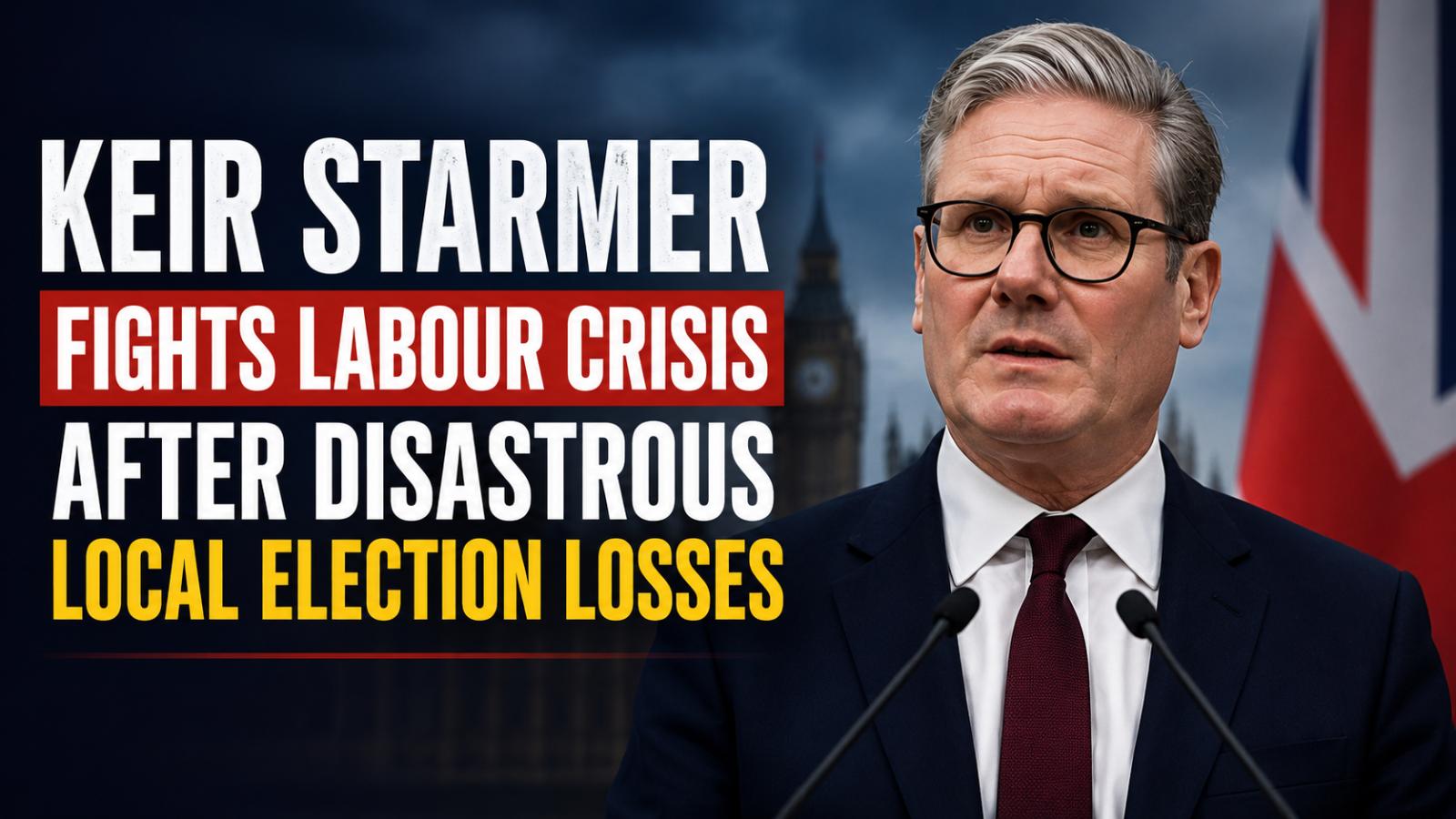
United Kingdom Prime Minister Keir Starmer is facing one of the toughest moments of his political career after Labour suffered major defeats in local elections across England and Wales. In a major speech aimed at calming angry Labour MPs, Starmer admitted the election results were “tough” and accepted responsibility for the setback. At the same time, he promised to rebuild trust, strengthen the UK economy, improve ties with Europe, and protect Britain from being pulled into a war with Ira
United Kingdom Prime Minister Keir Starmer is facing one of the toughest moments of his political career after Labour suffered major defeats in local elections across England and Wales. In a major speech aimed at calming angry Labour MPs, Starmer admitted the election results were “tough” and accepted responsibility for the setback. At the same time, he promised to rebuild trust, strengthen the UK economy, improve ties with Europe, and protect Britain from being pulled into a war with Ira
The Indian Air Force’s famous Surya Kiran Aerobatic Team thrilled thousands of spectators with a grand air show above the Somnath Temple on May 11 during the Somnath Amrut Mahotsav-2026 celebrations. Prime Minister Narendra Modi attended the special event, which marked 75 years since the reconstruction of the historic temple. The colourful flypast and precision aerial formations became one of the biggest highlights of the celebrations in Gujarat, drawing devotees, tourists, and aviation ent
The Indian Air Force’s famous Surya Kiran Aerobatic Team thrilled thousands of spectators with a grand air show above the Somnath Temple on May 11 during the Somnath Amrut Mahotsav-2026 celebrations. Prime Minister Narendra Modi attended the special event, which marked 75 years since the reconstruction of the historic temple. The colourful flypast and precision aerial formations became one of the biggest highlights of the celebrations in Gujarat, drawing devotees, tourists, and aviation ent
United Kingdom Prime Minister Keir Starmer is facing a serious Labour leadership crisis after the party suffered heavy losses in the 2026 local elections across England and Wales. The poor election performance has triggered anger among Labour MPs, with Catherine West warning cabinet ministers that she may begin gathering support for a leadership contest if no one challenges Starmer by Monday. The growing rebellion has raised fresh questions about Starmer’s future as leader of the Labour Par
United Kingdom Prime Minister Keir Starmer is facing a serious Labour leadership crisis after the party suffered heavy losses in the 2026 local elections across England and Wales. The poor election performance has triggered anger among Labour MPs, with Catherine West warning cabinet ministers that she may begin gathering support for a leadership contest if no one challenges Starmer by Monday. The growing rebellion has raised fresh questions about Starmer’s future as leader of the Labour Par
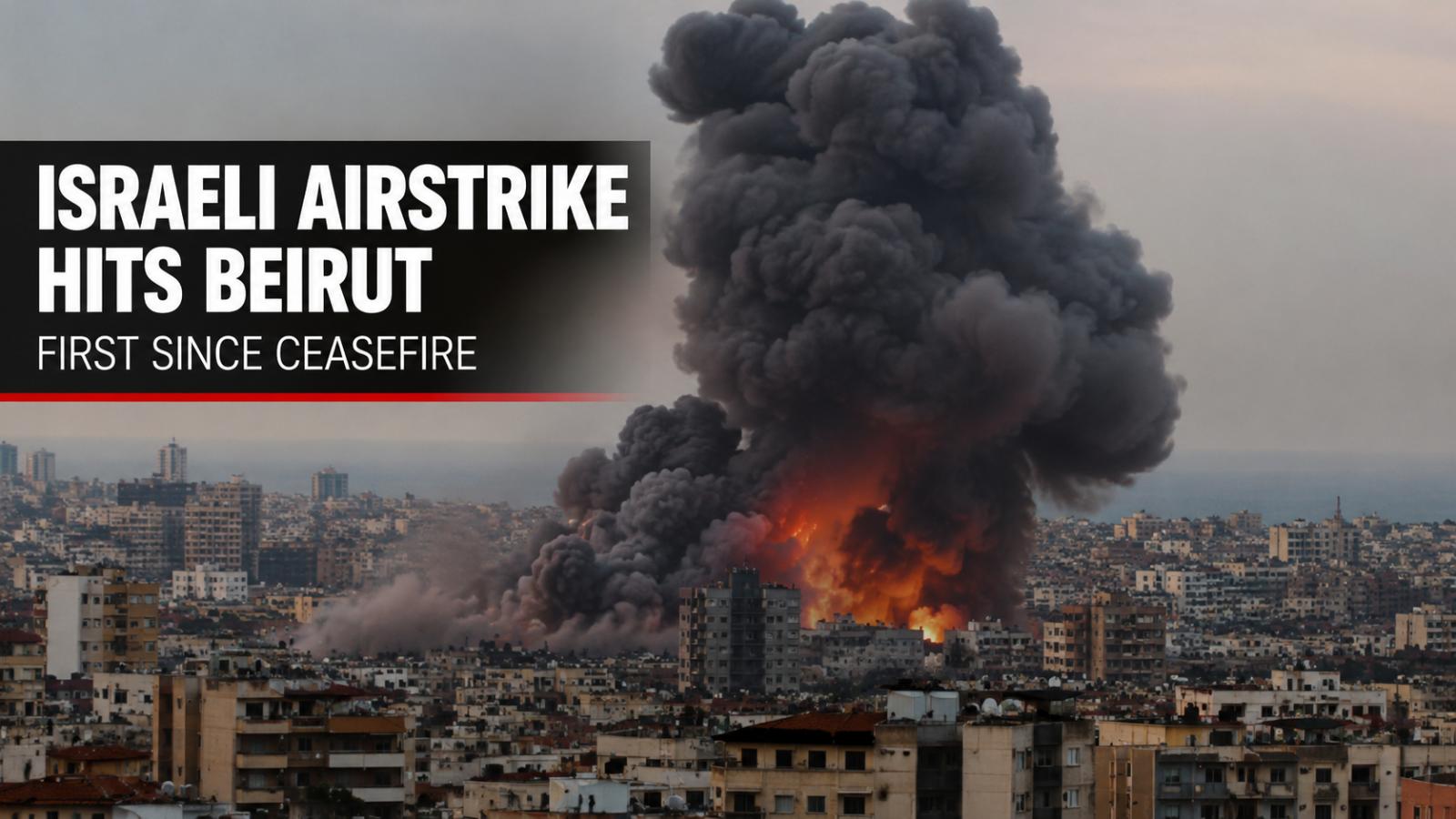
Israeli forces killed a senior Hezbollah commander in an airstrike in Beirut on May 6, Israeli Prime Minister Benjamin Netanyahu said on Thursday, marking the first strike on the Lebanese capital since an April ceasefire.
The Israeli military said the target was a commander from Hezbollah’s elite Radwan unit, struck in Beirut’s southern suburbs, an area known for Hezbollah presence. The military did not name the individual.
Hezbollah had not confirmed the death as of Thursday, leaving the claim unverified.
Netanyahu said the operation was part of Israel’s ongoing efforts to counter threats, warning that those involved in attacks against Israel would be targeted.
The strike was announced jointly by Netanyahu and Defence Minister Israel Katz a day earlier, amid rising tensions despite the ceasefire agreement reached in April.
The development comes as diplomatic efforts continue, including attempts by the administration of Donald Trump to facilitate talks between Israel and Lebanon. Lebanese President Joseph Aoun has said negotiations depend on Israel halting military actions.
The incident highlights the fragility of the ceasefire and raises concerns of renewed escalation along the Israel-Lebanon front.
Israeli forces killed a senior Hezbollah commander in an airstrike in Beirut on May 6, Israeli Prime Minister Benjamin Netanyahu said on Thursday, marking the first strike on the Lebanese capital since an April ceasefire.
The Israeli military said the target was a commander from Hezbollah’s elite Radwan unit, struck in Beirut’s southern suburbs, an area known for Hezbollah presence. The military did not name the individual.
Hezbollah had not confirmed the death as of Thursday, leaving the claim unverified.
Netanyahu said the operation was part of Israel’s ongoing efforts to counter threats, warning that those involved in attacks against Israel would be targeted.
The strike was announced jointly by Netanyahu and Defence Minister Israel Katz a day earlier, amid rising tensions despite the ceasefire agreement reached in April.
The development comes as diplomatic efforts continue, including attempts by the administration of Donald Trump to facilitate talks between Israel and Lebanon. Lebanese President Joseph Aoun has said negotiations depend on Israel halting military actions.
The incident highlights the fragility of the ceasefire and raises concerns of renewed escalation along the Israel-Lebanon front.
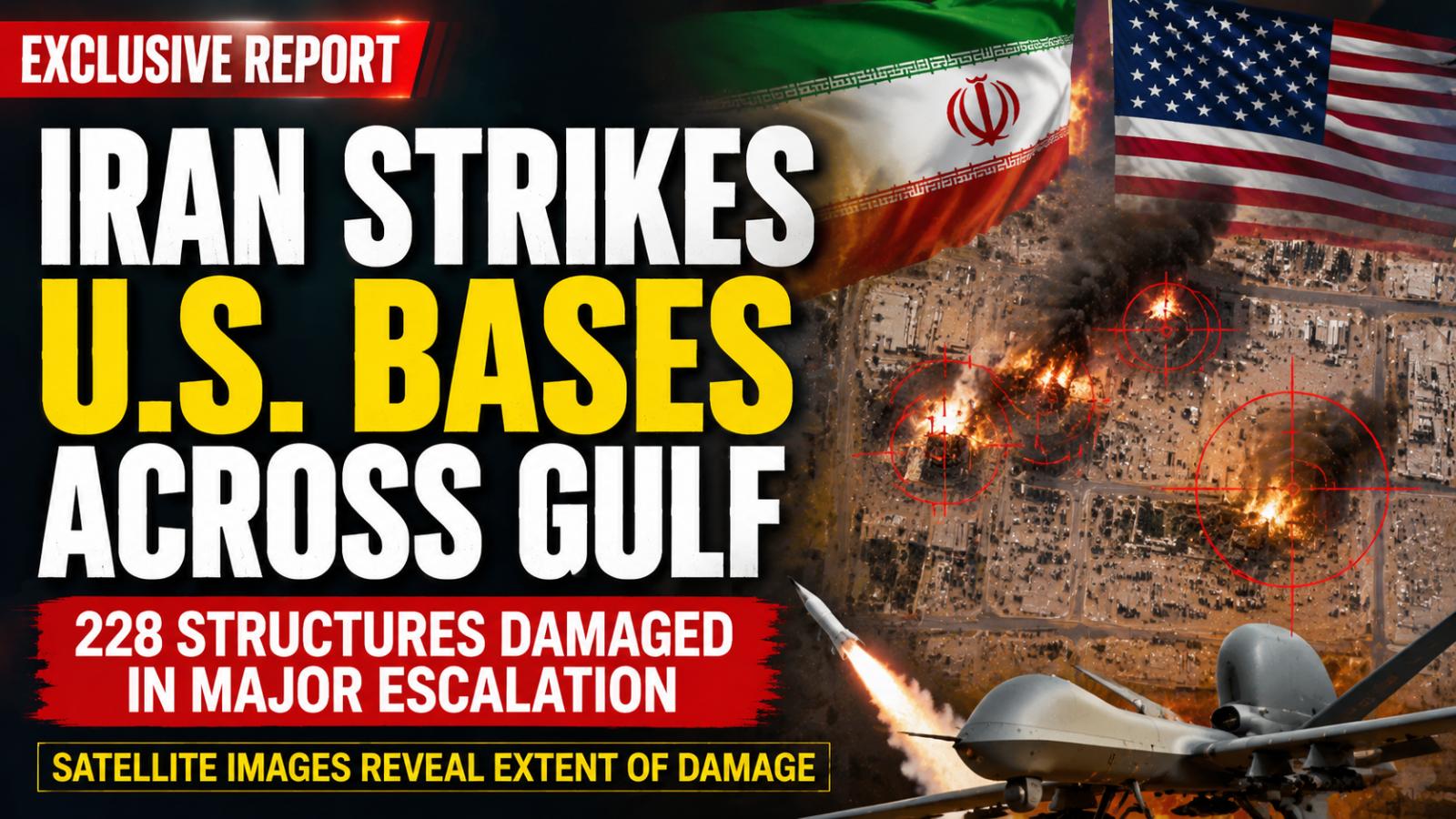
The Washington Post has reported, based on satellite imagery analysis, that Iranian airstrikes have severely damaged or destroyed at least 228 structures and pieces of equipment at U.S. military sites across the Gulf region since the conflict began on February 28. This number far exceeds the figures acknowledged by the U.S. government. The strikes affected 15 U.S. military sites in Kuwait, Bahrain, Qatar, Saudi Arabia, Jordan, and the UAE.
Satellite images from Iranian state-affiliated media, along with 109 images from the EU's Copernicus satellite system and commercial sources, provided evidence of the scale of the damage. The investigation uncovered damage to 217 structures and 11 pieces of equipment, including hangars, barracks, fuel depots, aircraft, radar systems, and air defense equipment. In total, seven U.S. service members were killed in attacks on regional bases, six in Kuwait and one in Saudi Arabia, while more than 400 troops were injured by late April. Of the injured, 12 sustained serious injuries.
More than half of the documented damage occurred at the U.S. 5th Fleet headquarters in Bahrain and major U.S. facilities in Kuwait. Iranian forces targeted critical infrastructure, including fuel bladders and Patriot missile defense systems at Ali al-Salem Air Base in Kuwait. Attacks also hit barracks, power infrastructure, and operational facilities at Camp Arifjan and Camp Buehring in Kuwait. Other U.S. sites, such as Al-Udeid Air Base in Qatar and naval facilities in Bahrain, saw significant damage to satellite communications infrastructure.
Iran’s airstrikes have demonstrated a higher degree of precision than expected. Mark Cancian of the Center for Strategic and International Studies noted that "there are no random craters indicating misses," suggesting that the attacks were highly targeted.
This precision has placed considerable strain on U.S.-made defense systems in the Gulf. Between February 28 and April 8, U.S. forces used at least 190 THAAD interceptors, nearly 53% of their pre-war inventory, and 1,060 Patriot interceptors, about 43% of their pre-war stock. Despite these efforts, U.S. air defenses have struggled to cope with modern drone warfare, where one-way attack drones are difficult to intercept yet highly accurate.
The strikes have forced U.S. commanders to relocate personnel from bases at risk, with some U.S. officials describing the damage at the Naval Support Activity Bahrain as “extensive.” Personnel from the site have been relocated to MacDill Air Force Base in Tampa, Florida. The U.S. Central Command declined to provide further counter-assessments, citing the need for a complete evaluation after the conflict ends.
This extensive damage underscores the ongoing challenges faced by U.S. forces in the Gulf and highlights the evolving nature of modern warfare.
The Washington Post has reported, based on satellite imagery analysis, that Iranian airstrikes have severely damaged or destroyed at least 228 structures and pieces of equipment at U.S. military sites across the Gulf region since the conflict began on February 28. This number far exceeds the figures acknowledged by the U.S. government. The strikes affected 15 U.S. military sites in Kuwait, Bahrain, Qatar, Saudi Arabia, Jordan, and the UAE.
Satellite images from Iranian state-affiliated media, along with 109 images from the EU's Copernicus satellite system and commercial sources, provided evidence of the scale of the damage. The investigation uncovered damage to 217 structures and 11 pieces of equipment, including hangars, barracks, fuel depots, aircraft, radar systems, and air defense equipment. In total, seven U.S. service members were killed in attacks on regional bases, six in Kuwait and one in Saudi Arabia, while more than 400 troops were injured by late April. Of the injured, 12 sustained serious injuries.
More than half of the documented damage occurred at the U.S. 5th Fleet headquarters in Bahrain and major U.S. facilities in Kuwait. Iranian forces targeted critical infrastructure, including fuel bladders and Patriot missile defense systems at Ali al-Salem Air Base in Kuwait. Attacks also hit barracks, power infrastructure, and operational facilities at Camp Arifjan and Camp Buehring in Kuwait. Other U.S. sites, such as Al-Udeid Air Base in Qatar and naval facilities in Bahrain, saw significant damage to satellite communications infrastructure.
Iran’s airstrikes have demonstrated a higher degree of precision than expected. Mark Cancian of the Center for Strategic and International Studies noted that "there are no random craters indicating misses," suggesting that the attacks were highly targeted.
This precision has placed considerable strain on U.S.-made defense systems in the Gulf. Between February 28 and April 8, U.S. forces used at least 190 THAAD interceptors, nearly 53% of their pre-war inventory, and 1,060 Patriot interceptors, about 43% of their pre-war stock. Despite these efforts, U.S. air defenses have struggled to cope with modern drone warfare, where one-way attack drones are difficult to intercept yet highly accurate.
The strikes have forced U.S. commanders to relocate personnel from bases at risk, with some U.S. officials describing the damage at the Naval Support Activity Bahrain as “extensive.” Personnel from the site have been relocated to MacDill Air Force Base in Tampa, Florida. The U.S. Central Command declined to provide further counter-assessments, citing the need for a complete evaluation after the conflict ends.
This extensive damage underscores the ongoing challenges faced by U.S. forces in the Gulf and highlights the evolving nature of modern warfare.
A $12.5M U.S. Treasury check fraud case in New Jersey has led to a major arrest after an IRS alert exposed a suspected bank fraud scheme.
Authorities say a 70-year-old Palisades Park man attempted to deposit a multimillion-dollar Treasury check using forged corporate identities.
IRS Alert Uncovers Fraud Attempt
The Internal Revenue Service
A $12.5M U.S. Treasury check fraud case in New Jersey has led to a major arrest after an IRS alert exposed a suspected bank fraud scheme.
Authorities say a 70-year-old Palisades Park man attempted to deposit a multimillion-dollar Treasury check using forged corporate identities.
IRS Alert Uncovers Fraud Attempt
The Internal Revenue Service
Date: May 2, 2026 | Time: 04:30 PM IST | Place: Southern Lebanon, Lebanon
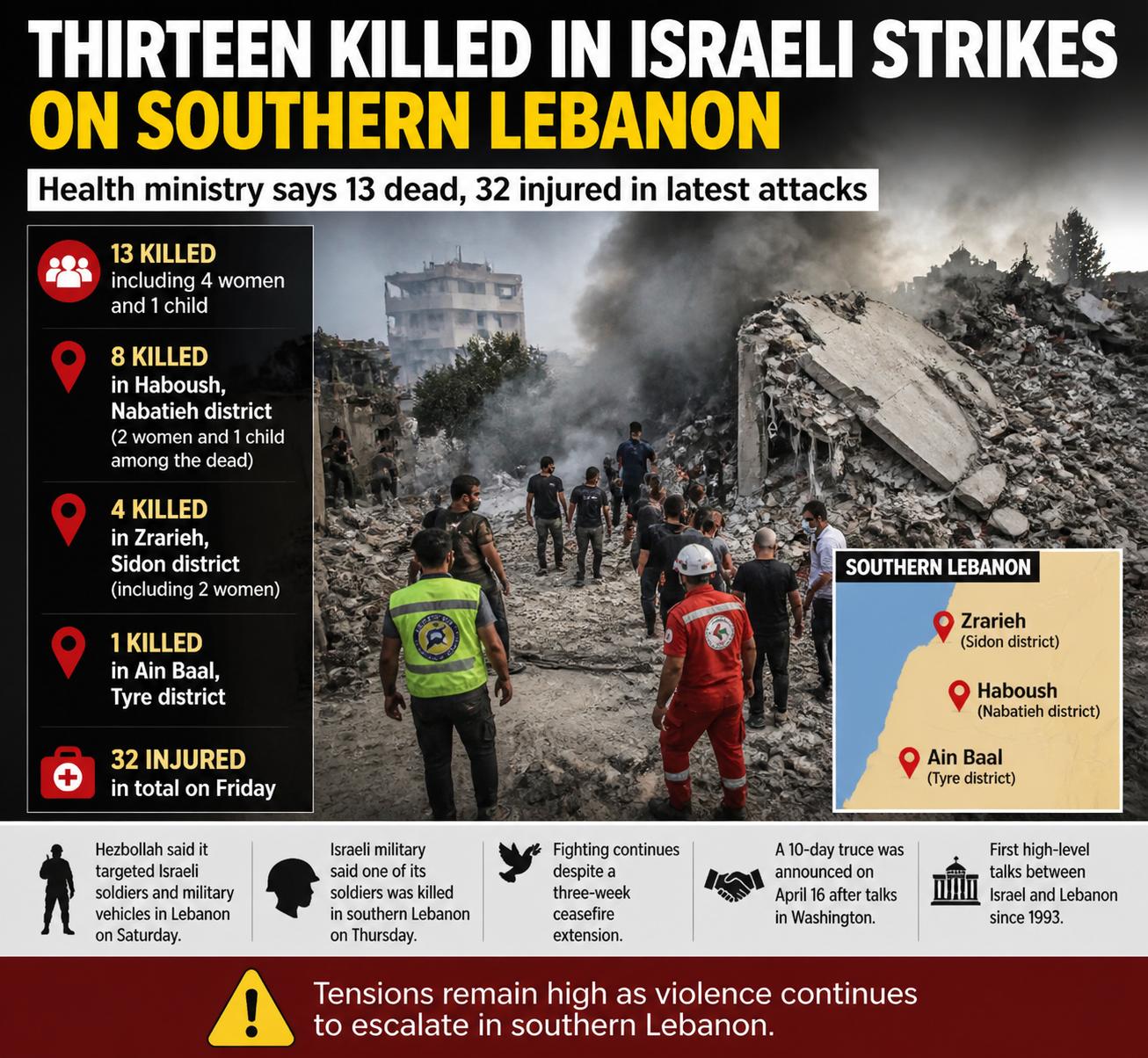
At least 13 people have been killed in Israeli airstrikes on southern Lebanon, according to the Lebanese Health Ministry. The airstrikes targeted multiple areas, with the most significant fatalities reported in Haboush, located in the Nabatieh district, where two women and a child were among the eight killed. The Israel Defense Forces (IDF) had issued an evacuation order for residents in these areas, but th
Date: May 2, 2026 | Time: 04:30 PM IST | Place: Southern Lebanon, Lebanon
At least 13 people have been killed in Israeli airstrikes on southern Lebanon, according to the Lebanese Health Ministry. The airstrikes targeted multiple areas, with the most significant fatalities reported in Haboush, located in the Nabatieh district, where two women and a child were among the eight killed. The Israel Defense Forces (IDF) had issued an evacuation order for residents in these areas, but th
Date: May 2, 2026 | Time: 11:49AM IST | Place: Punjab, India
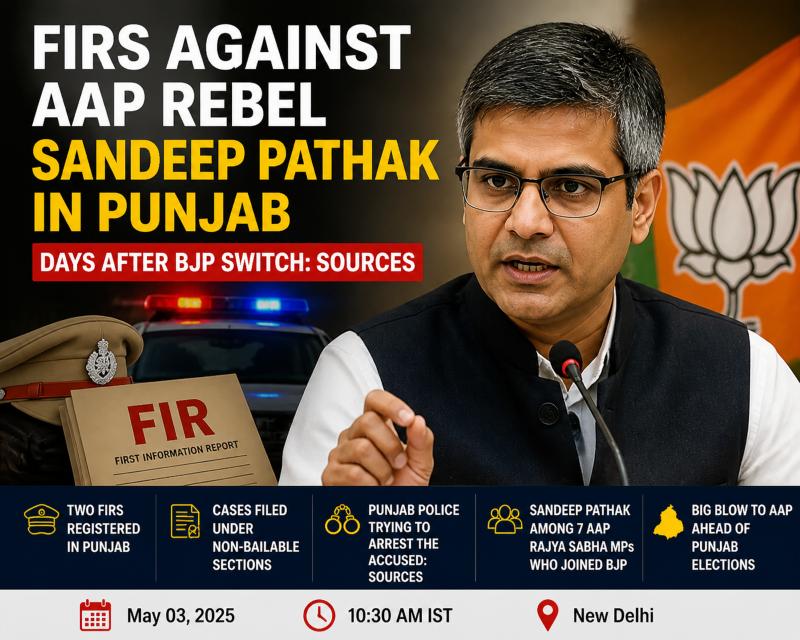
Two FIRs have been filed against Rajya Sabha MP Sandeep Pathak in Punjab days after he switched allegiance from the Aam Aadmi Party (AAP) to the BJP, according to government sources. While the exact reasons behind the cases remain unclear, sources mentioned that the FIRs have been filed under non-bailable sections, making the situation more serious for Pathak. The news comes amid a growing political storm following the
Date: May 2, 2026 | Time: 11:49AM IST | Place: Punjab, India
Two FIRs have been filed against Rajya Sabha MP Sandeep Pathak in Punjab days after he switched allegiance from the Aam Aadmi Party (AAP) to the BJP, according to government sources. While the exact reasons behind the cases remain unclear, sources mentioned that the FIRs have been filed under non-bailable sections, making the situation more serious for Pathak. The news comes amid a growing political storm following the
In a major step toward enhancing disaster preparedness, the Indian government is carrying out a nationwide simulation of its Cell Broadcast Alert System. Managed by the National Disaster Management Authority, the system is designed to send instant emergency notifications directly to mobile phones, even if they are on silent mode or set to do not disturb. This ensures that critical alerts can reach people without delay, potentially saving lives during natural or man-made disasters.
C
In a major step toward enhancing disaster preparedness, the Indian government is carrying out a nationwide simulation of its Cell Broadcast Alert System. Managed by the National Disaster Management Authority, the system is designed to send instant emergency notifications directly to mobile phones, even if they are on silent mode or set to do not disturb. This ensures that critical alerts can reach people without delay, potentially saving lives during natural or man-made disasters.
C
Trump shares Melania's disapproval of his YMCA dance move
Donald Trump recently offered a humorous confession at a rally in The Villages, Florida, revealing that Melania Trump is not a fan of his signature post-rally YMCA dance move. Speaking to a cheering crowd, the former president disclosed that his wife often objects to this routine, which has become synonymous with his rallies.
Melania says the dance is "not presidential"
Trump shares Melania's disapproval of his YMCA dance move
Donald Trump recently offered a humorous confession at a rally in The Villages, Florida, revealing that Melania Trump is not a fan of his signature post-rally YMCA dance move. Speaking to a cheering crowd, the former president disclosed that his wife often objects to this routine, which has become synonymous with his rallies.
Melania says the dance is "not presidential"
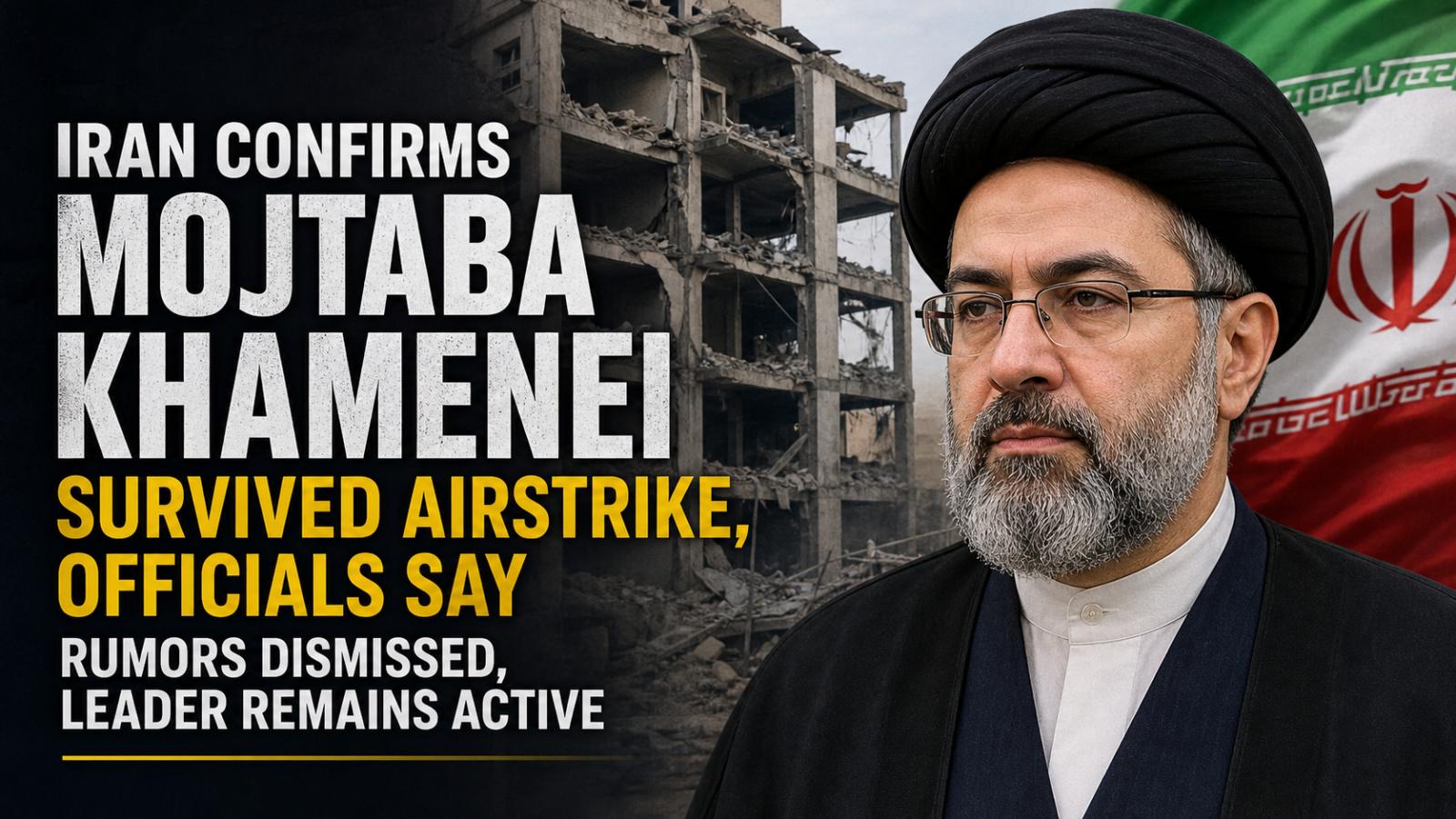
Iranian authorities on Friday, May 1, confirmed that Mojtaba Khamenei was present in a building that was later destroyed in an airstrike during the ongoing Iran conflict, which began on February 28. Officials stated that he survived the attack and remains in active control of key state matters, while also dismissing widespread speculation about his health and absence from public appearances.
Senior official details narrow escape during bombing
Ayatollah Mohsen Qomi, a senior member of Iran’s Assembly of Experts and Deputy for International Affairs in the Supreme Leader’s office, said that Mojtaba Khamenei had been inside the targeted building shortly before it was struck. According to Qomi, Khamenei moved into the courtyard just minutes before the explosion, avoiding the fatal impact that reportedly killed others inside.
Qomi described the survival as a matter of timing, emphasizing that the leader’s presence in the building had been confirmed but that his movement moments before the strike ultimately ensured his safety. The airstrike was part of ongoing hostilities that have escalated since late February.
Officials assert leader remains in control of national affairs
Despite rumors circulating internationally, Iranian officials maintained that Mojtaba Khamenei is in good health and continues to oversee both diplomatic and operational matters. Qomi stated that Khamenei is directly supervising negotiations and military-related decisions, including providing guidance to negotiating teams under varying conditions.
The comments appear aimed at reinforcing internal stability and projecting continuity in leadership during a period of heightened geopolitical tension. Iranian officials emphasized that decision-making authority remains firmly centralized under Khamenei’s direction.
Iran dismisses Western speculation as strategic pressure
Qomi also addressed claims from Western sources regarding the leader’s health, characterizing them as deliberate attempts to provoke a response from Tehran. He suggested that questions about Khamenei’s public absence are part of a broader strategy to create uncertainty and apply psychological pressure.
According to Qomi, such narratives are intended to push Iranian officials into reactive communication, which could be leveraged for strategic advantage by adversaries.
Acknowledgment of injuries and focus on protection
While firmly denying claims of serious health concerns, Qomi indicated that Mojtaba Khamenei may have sustained injuries during the incident. He stated that ensuring the leader’s safety has become a top priority for Iranian authorities, underscoring the importance of preserving leadership continuity amid the conflict.
Officials reiterated that despite any injuries, Khamenei remains active and engaged in directing national policy, reinforcing the government’s position that leadership stability has not been compromised.
Iranian authorities on Friday, May 1, confirmed that Mojtaba Khamenei was present in a building that was later destroyed in an airstrike during the ongoing Iran conflict, which began on February 28. Officials stated that he survived the attack and remains in active control of key state matters, while also dismissing widespread speculation about his health and absence from public appearances.
Senior official details narrow escape during bombing
Ayatollah Mohsen Qomi, a senior member of Iran’s Assembly of Experts and Deputy for International Affairs in the Supreme Leader’s office, said that Mojtaba Khamenei had been inside the targeted building shortly before it was struck. According to Qomi, Khamenei moved into the courtyard just minutes before the explosion, avoiding the fatal impact that reportedly killed others inside.
Qomi described the survival as a matter of timing, emphasizing that the leader’s presence in the building had been confirmed but that his movement moments before the strike ultimately ensured his safety. The airstrike was part of ongoing hostilities that have escalated since late February.
Officials assert leader remains in control of national affairs
Despite rumors circulating internationally, Iranian officials maintained that Mojtaba Khamenei is in good health and continues to oversee both diplomatic and operational matters. Qomi stated that Khamenei is directly supervising negotiations and military-related decisions, including providing guidance to negotiating teams under varying conditions.
The comments appear aimed at reinforcing internal stability and projecting continuity in leadership during a period of heightened geopolitical tension. Iranian officials emphasized that decision-making authority remains firmly centralized under Khamenei’s direction.
Iran dismisses Western speculation as strategic pressure
Qomi also addressed claims from Western sources regarding the leader’s health, characterizing them as deliberate attempts to provoke a response from Tehran. He suggested that questions about Khamenei’s public absence are part of a broader strategy to create uncertainty and apply psychological pressure.
According to Qomi, such narratives are intended to push Iranian officials into reactive communication, which could be leveraged for strategic advantage by adversaries.
Acknowledgment of injuries and focus on protection
While firmly denying claims of serious health concerns, Qomi indicated that Mojtaba Khamenei may have sustained injuries during the incident. He stated that ensuring the leader’s safety has become a top priority for Iranian authorities, underscoring the importance of preserving leadership continuity amid the conflict.
Officials reiterated that despite any injuries, Khamenei remains active and engaged in directing national policy, reinforcing the government’s position that leadership stability has not been compromised.
UK police are investigating a stabbing in north London as a suspected terrorist incident on Apr 29,2026 after two Jewish men were injured in Golders Green, an area known for its large Jewish community. Authorities confirmed that a 45-year-old suspect has been arrested following the attack, which also involved an alleged attempt to assault responding officers. The victims, aged 76 and 34, were taken to hospital and are reported to be in stable condition.
Assistant Commissioner
UK police are investigating a stabbing in north London as a suspected terrorist incident on Apr 29,2026 after two Jewish men were injured in Golders Green, an area known for its large Jewish community. Authorities confirmed that a 45-year-old suspect has been arrested following the attack, which also involved an alleged attempt to assault responding officers. The victims, aged 76 and 34, were taken to hospital and are reported to be in stable condition.
Assistant Commissioner
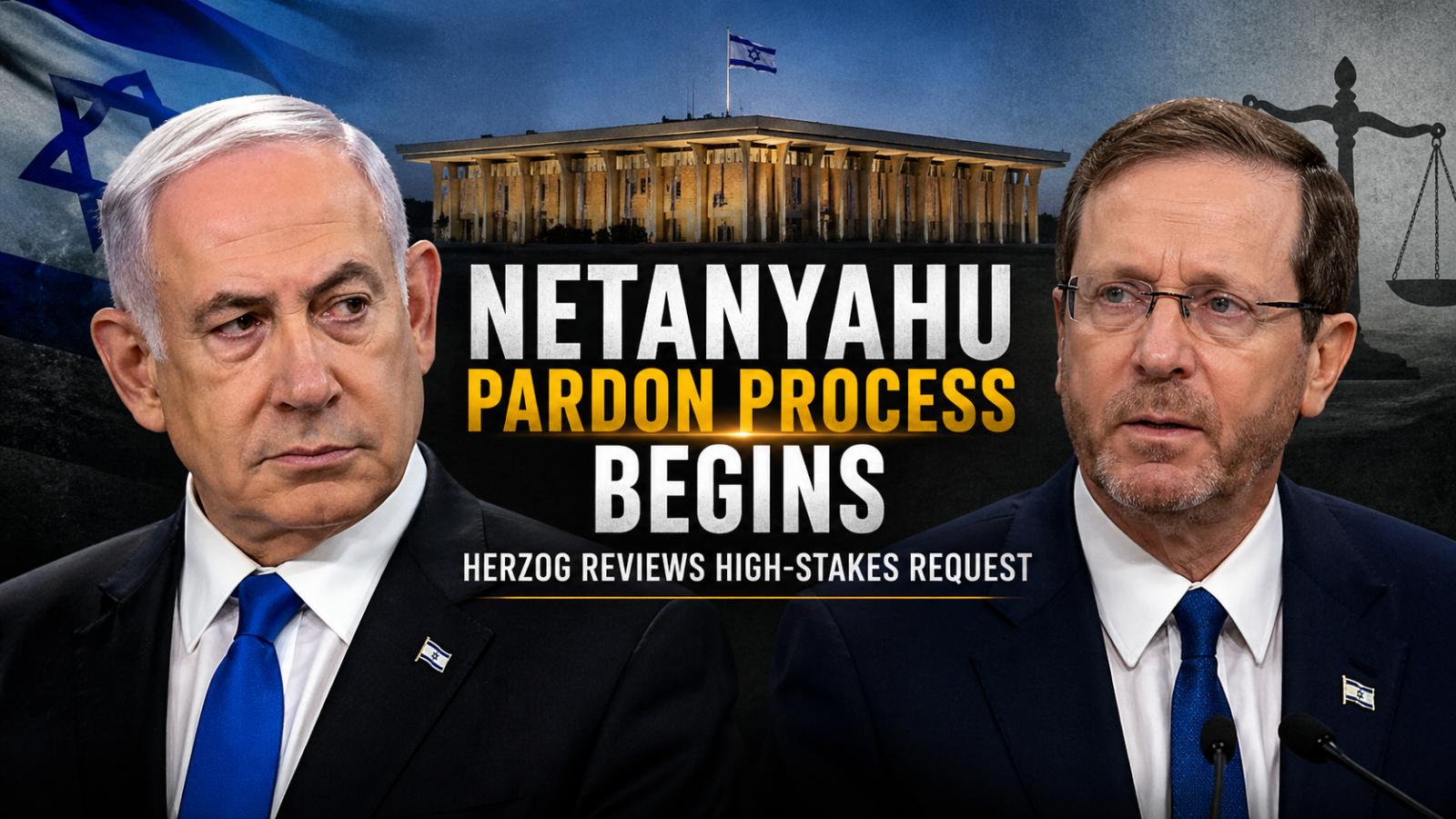
Israel’s president has begun a formal process to consider a potential pardon for Benjamin Netanyahu, holding initial talks with legal teams as the country watches a politically sensitive case unfold.
Netanyahu pardon process begins amid high-stakes legal tensions as Isaac Herzog has formally launched discussions on whether to grant clemency to
Israel’s president has begun a formal process to consider a potential pardon for Benjamin Netanyahu, holding initial talks with legal teams as the country watches a politically sensitive case unfold.
Netanyahu pardon process begins amid high-stakes legal tensions as Isaac Herzog has formally launched discussions on whether to grant clemency to
A historic state visit begins in Washington
King Charles III and Queen Camilla were formally received by Donald Trump at the White House on Monday April 27, 2026 afternoon, marking the
A historic state visit begins in Washington
King Charles III and Queen Camilla were formally received by Donald Trump at the White House on Monday April 27, 2026 afternoon, marking the
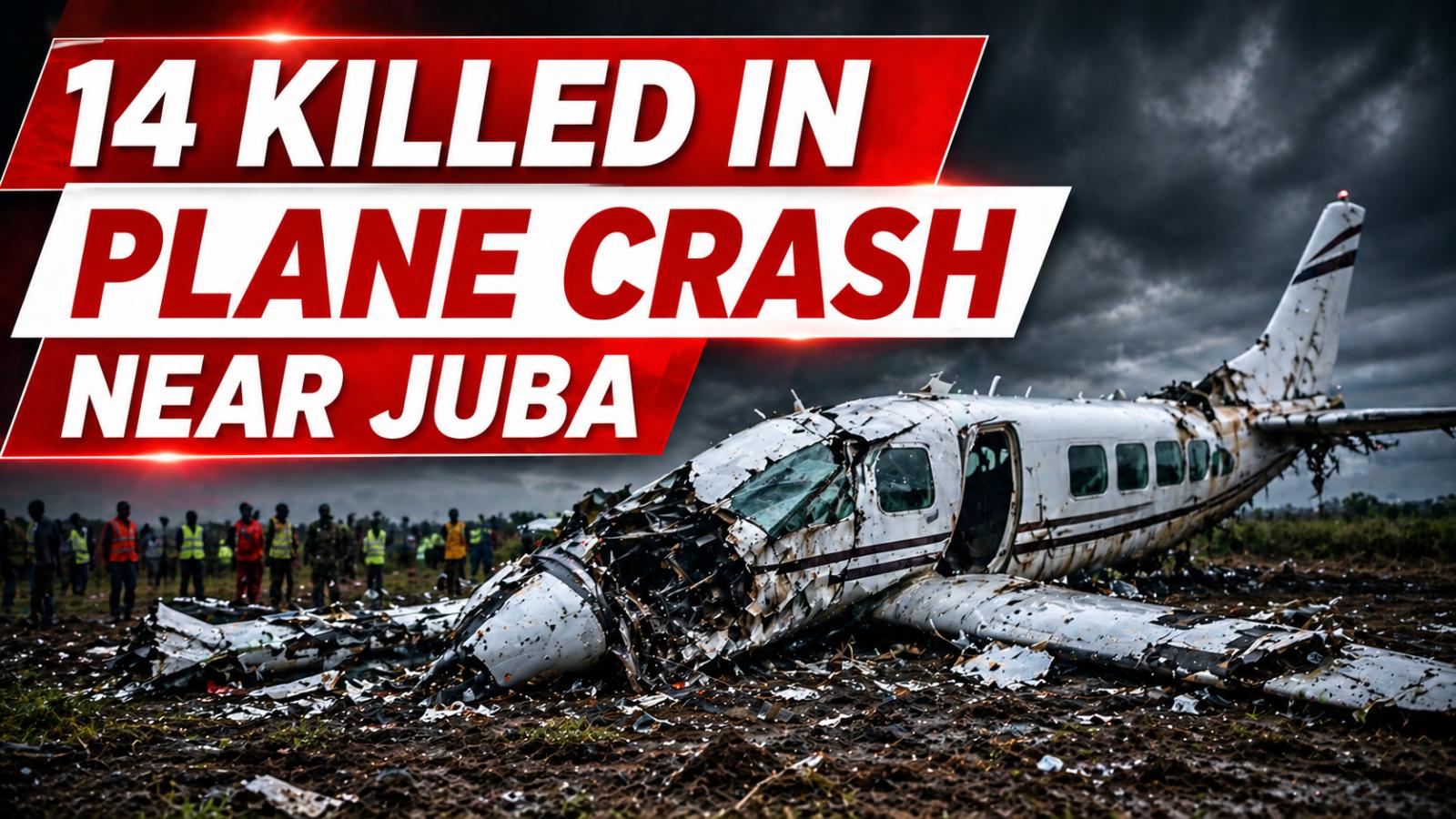
A passenger Cessna 208 Caravan crashed near Juba on April 27, 2026, killing all 14 onboard after losing contact mid-flight. Poor weather is suspected, and authorities have launched an investigation into the fatal accident.
A fatal aviation accident in South Sudan has claimed the li
A passenger Cessna 208 Caravan crashed near Juba on April 27, 2026, killing all 14 onboard after losing contact mid-flight. Poor weather is suspected, and authorities have launched an investigation into the fatal accident.
A fatal aviation accident in South Sudan has claimed the li