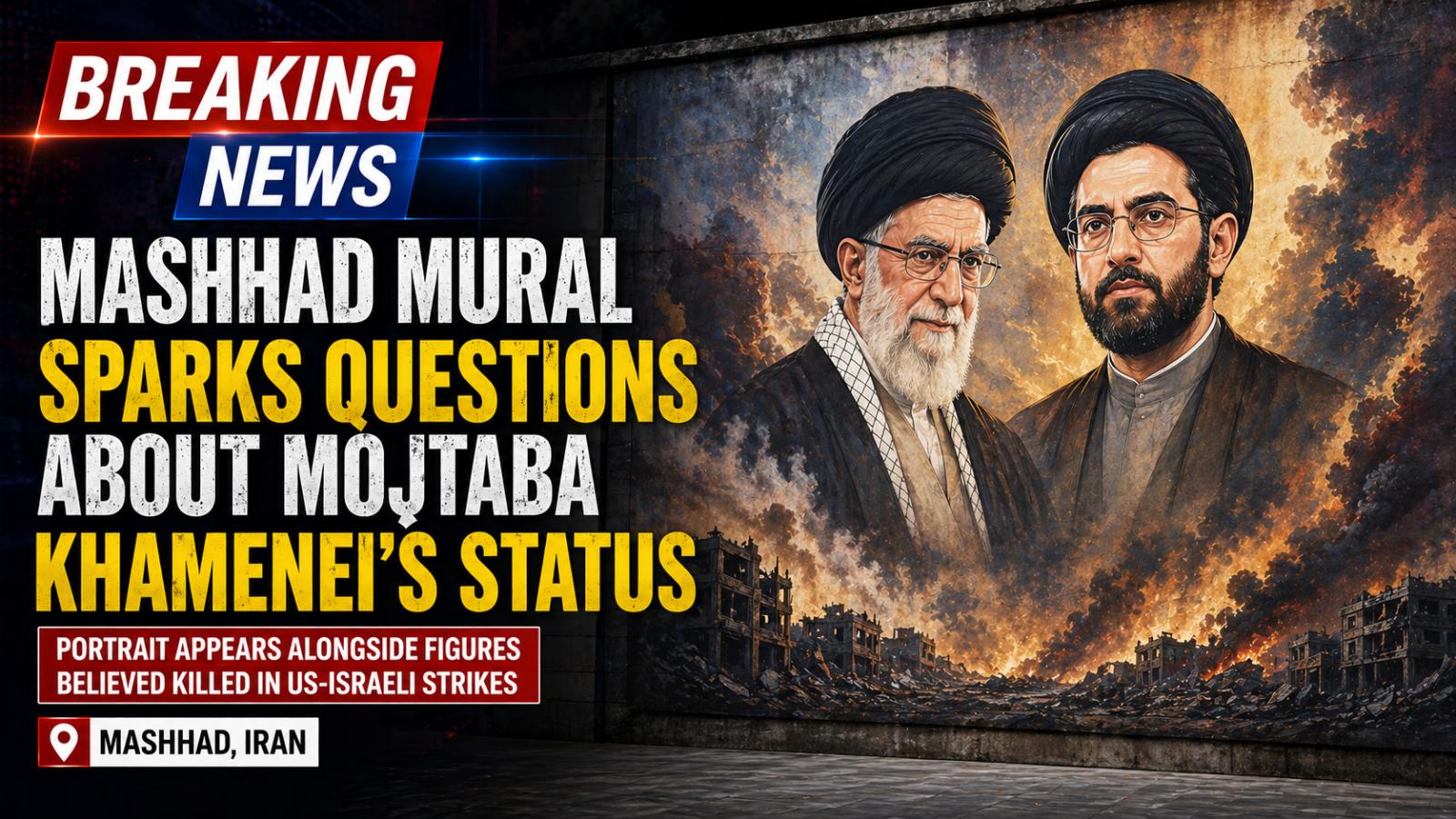
A newly unveiled mural in Mashhad, Iran, has drawn attention and sparked renewed speculation about the status of Mojtaba Khamenei, a key figure in Iran’s leadership. The artwork, revealed during a public ceremony attended by officials, features his portrait alongside several military and political figures believed to have died in recent US-Israeli airstrikes. The inclusion has prompted questions, as such murals in Iran are typically used to honor individuals associated with significan
A newly unveiled mural in Mashhad, Iran, has drawn attention and sparked renewed speculation about the status of Mojtaba Khamenei, a key figure in Iran’s leadership. The artwork, revealed during a public ceremony attended by officials, features his portrait alongside several military and political figures believed to have died in recent US-Israeli airstrikes. The inclusion has prompted questions, as such murals in Iran are typically used to honor individuals associated with significan
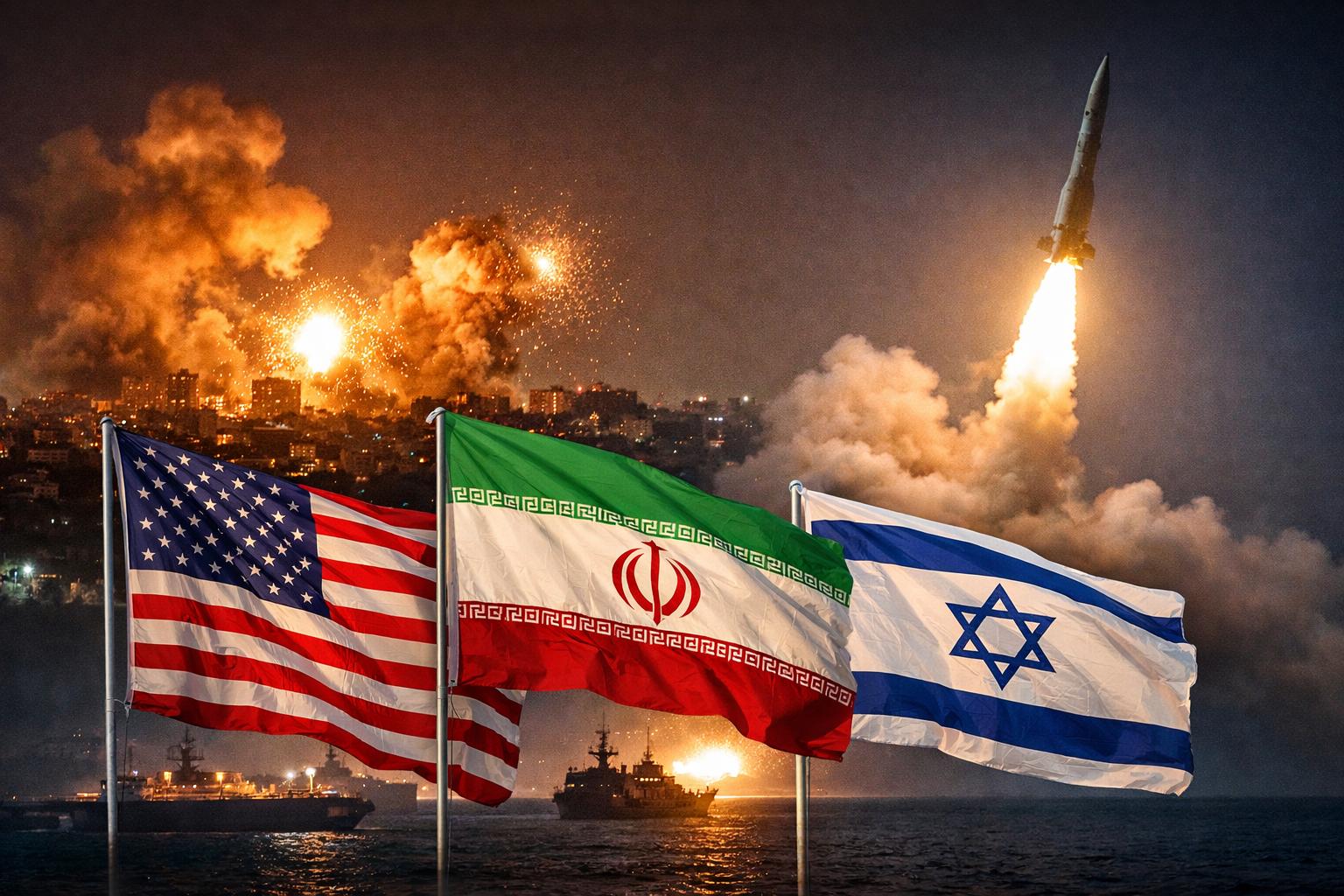
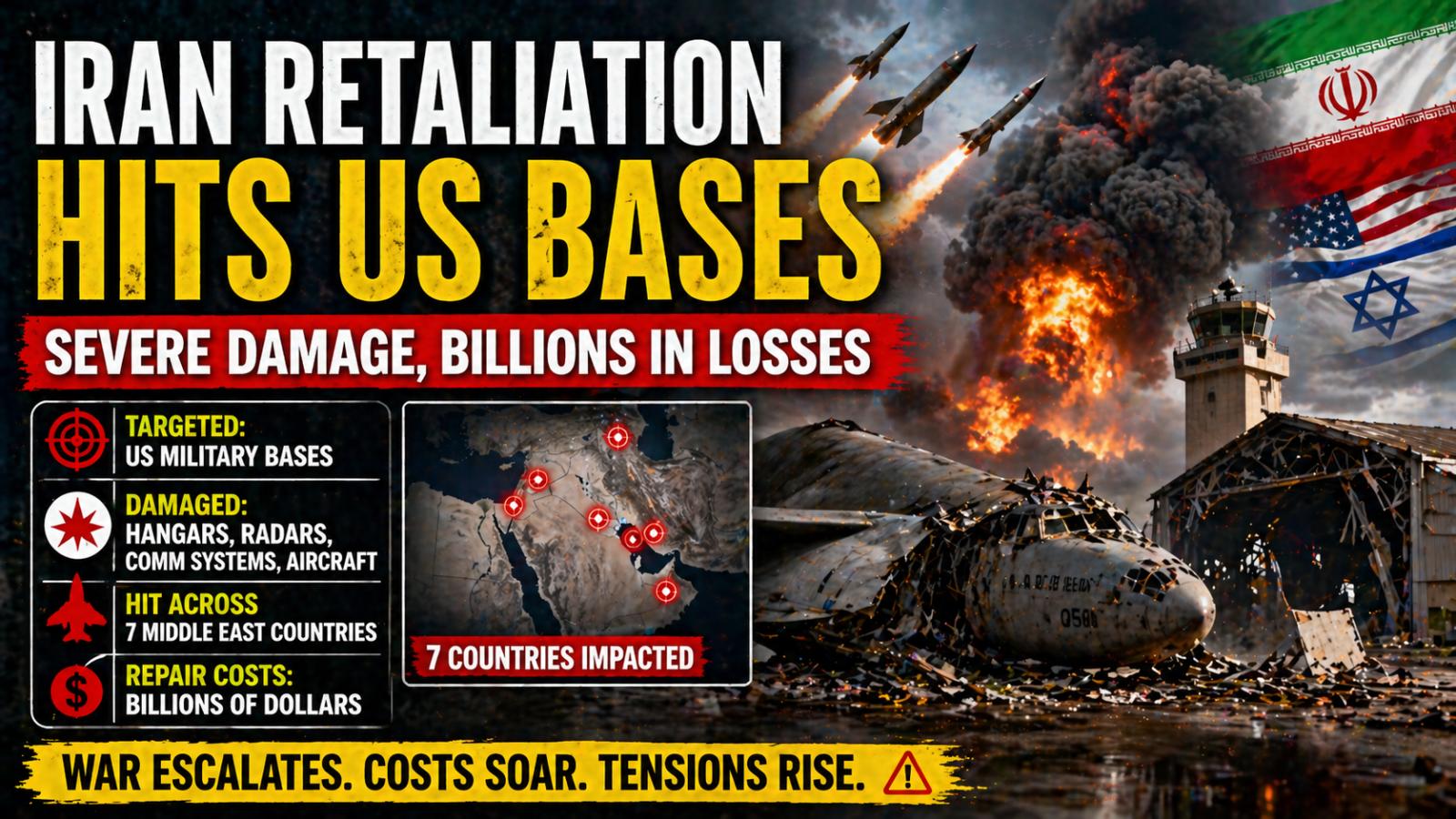
The Iran war, which began on Friday, February 28, 2026, following joint airstrikes by the United States and Israel, has led to widespread infrastructure destruction across Iran while also triggering significant retaliation. New reporting indicates that Iranian counterattacks have caused extensive damage to US military installations across the Middle East, raising concerns about escalating defense costs and regional instability.
Escalation after joint US-Israel airstrikes on
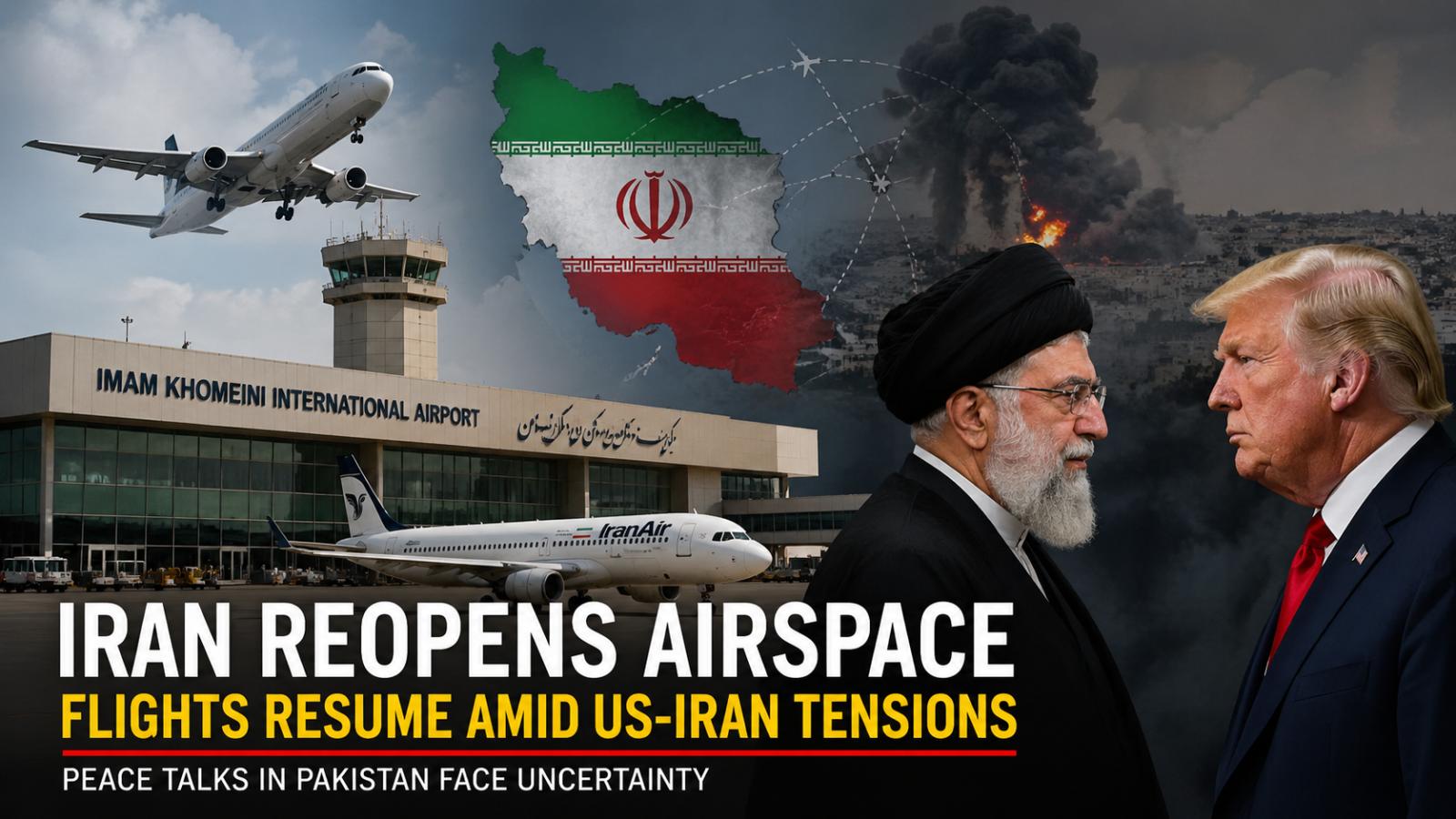
Iran airspace has resumed operations nearly two months after being shut down following joint airstrikes by the United States and Israel, marking a cautious step toward normalcy amid ongoing regional tensions. The reopening of Imam Khomeini International Airport on April 25 signals a gradual recovery in Iran’s aviation sector, even as diplomatic uncertainty continues to cloud the broader US-Iran conflict.
The airspace closure was enforced on February 28 after coordinated military action escalated into a wider confrontation, forcing Iran to halt civilian aviation across the country. With security assessments and operational preparations now underway, authorities have begun restoring flight services in phases. Initial departures from Tehran include routes to Medina, Muscat, and Istanbul, reflecting limited but significant progress in reconnecting international travel corridors.
Iran’s Civil Aviation Authority has indicated that full restoration of aviation services will depend on continued coordination between military and civilian agencies. Earlier, on April 18, Iran reopened its eastern airspace to international flights, allowing transit operations to resume and easing pressure on regional air traffic routes. Officials emphasize that passenger safety remains the top priority during this phased reopening.
At the same time, diplomatic efforts to de-escalate the US-Iran war have encountered fresh complications. A delegation linked to former US President Donald Trump, including envoy Steve Witkoff and adviser Jared Kushner, is currently in Pakistan for a second round of peace talks. However, Iran has clearly denied any direct engagement with US representatives during this visit, raising doubts about the progress of negotiations.
Iran’s Foreign Ministry has clarified that its position will be conveyed through Pakistani intermediaries, with Foreign Minister Abbas Araghchi actively involved in discussions aimed at reducing tensions. Tehran continues to describe the conflict as “an externally imposed war of aggression”, stressing the importance of restoring regional stability and easing sanctions pressure.
Previous negotiations collapsed after Iran strongly objected to US demands to maintain sanctions and naval restrictions during talks. As both sides remain firm in their positions, the reopening of Iran airspace stands as a significant operational step, even as broader geopolitical challenges remain unresolved.
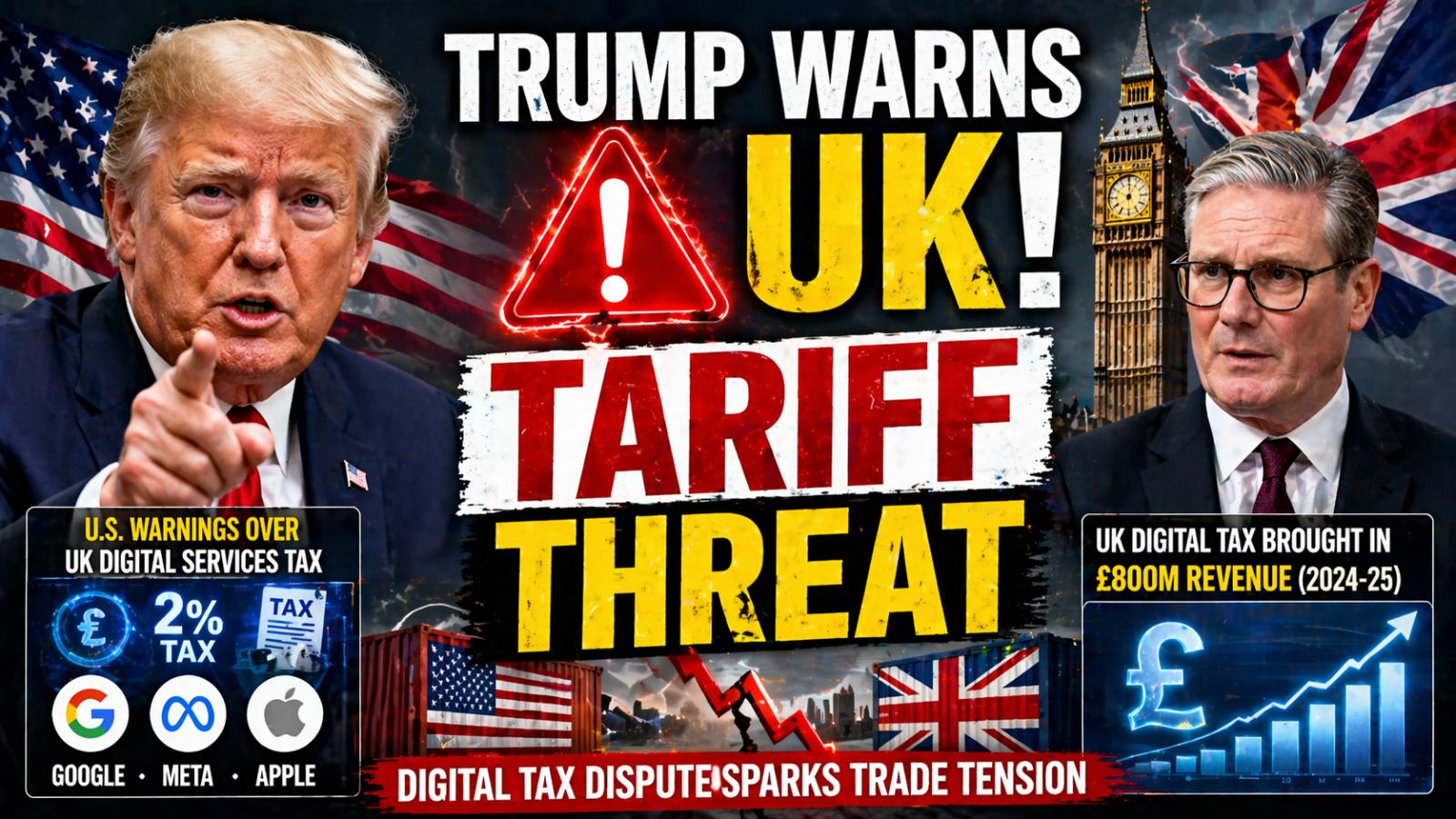
Why did Donald Trump warn the U.K. about tariffs? He cites digital tax concerns — U.S. President Donald Trump issued a strong warning to the United Kingdom, signaling potential tariffs if Britain does not eliminate its digital services tax targeting major American technology firms. Speaking from the Oval Office on Thursday, Trump criticized the policy as an unfair attempt to profit from U.S. companies operating abroad.
The digital services tax, introduced by the
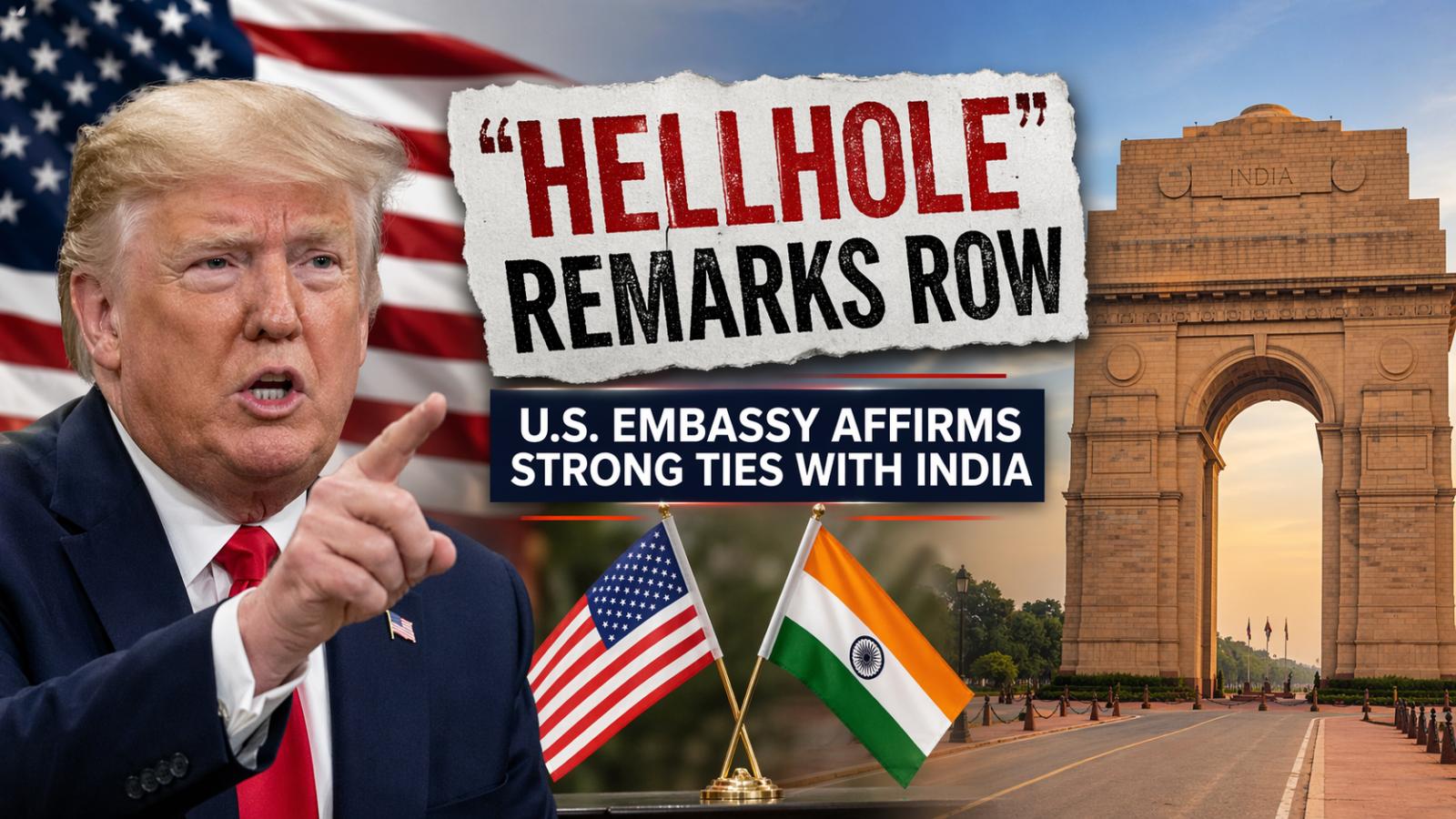
Trump repost triggers diplomatic unease between US and India
A social media post by Donald Trump has drawn criticism in India after he amplified remarks from a podcast that described the country in derogatory terms. The controversy prompted a swift response from U.S. officials seeking to stabilize diplomatic messaging and reaffirm bilateral ties.
Podcast remarks by Michael Savage ignite backlash
The controversy stems from comments made by American radio host Michael Savage, who, during an episode of his “Savage Nation” podcast, criticized U.S. birthright citizenship policies. In his remarks, Savage grouped India and China among nations he labeled negatively while arguing that immigration policies are being exploited.
Trump reposted both a transcript and video clip of the segment, bringing wider attention to the remarks. The repost quickly circulated online, triggering criticism in India and raising concerns about its potential impact on U.S.-India relations.
US Embassy reiterates strong bilateral partnership
In response, the U.S. Embassy in India issued a statement emphasizing the strength of ties between Washington and New Delhi. A spokesperson clarified that Trump has previously described India as “a great country” and referred to its leadership in positive terms, signaling an effort to contain diplomatic fallout.
India responds cautiously through official channels
India’s Ministry of External Affairs reacted with measured restraint. Spokesperson Randhir Jaiswal acknowledged awareness of the reports but declined to elaborate further, reflecting a cautious diplomatic approach while avoiding escalation.
Broader debate on immigration fuels controversy
Savage’s podcast remarks were part of a broader critique of U.S. immigration law, particularly the principle of granting citizenship to children born in the country regardless of parental status. He argued that the system is vulnerable to misuse, specifically referencing immigrants from Asian countries. The episode also included criticism of the U.S. Supreme Court’s role in shaping birthright citizenship policy and called for a national referendum on the issue. However, the language used in describing immigrants and foreign nations drew widespread condemnation, shifting focus from policy debate to diplomatic sensitivity.
The incident highlights how political messaging and media amplification can quickly influence international relations, particularly between longstanding partners like the United States and India.
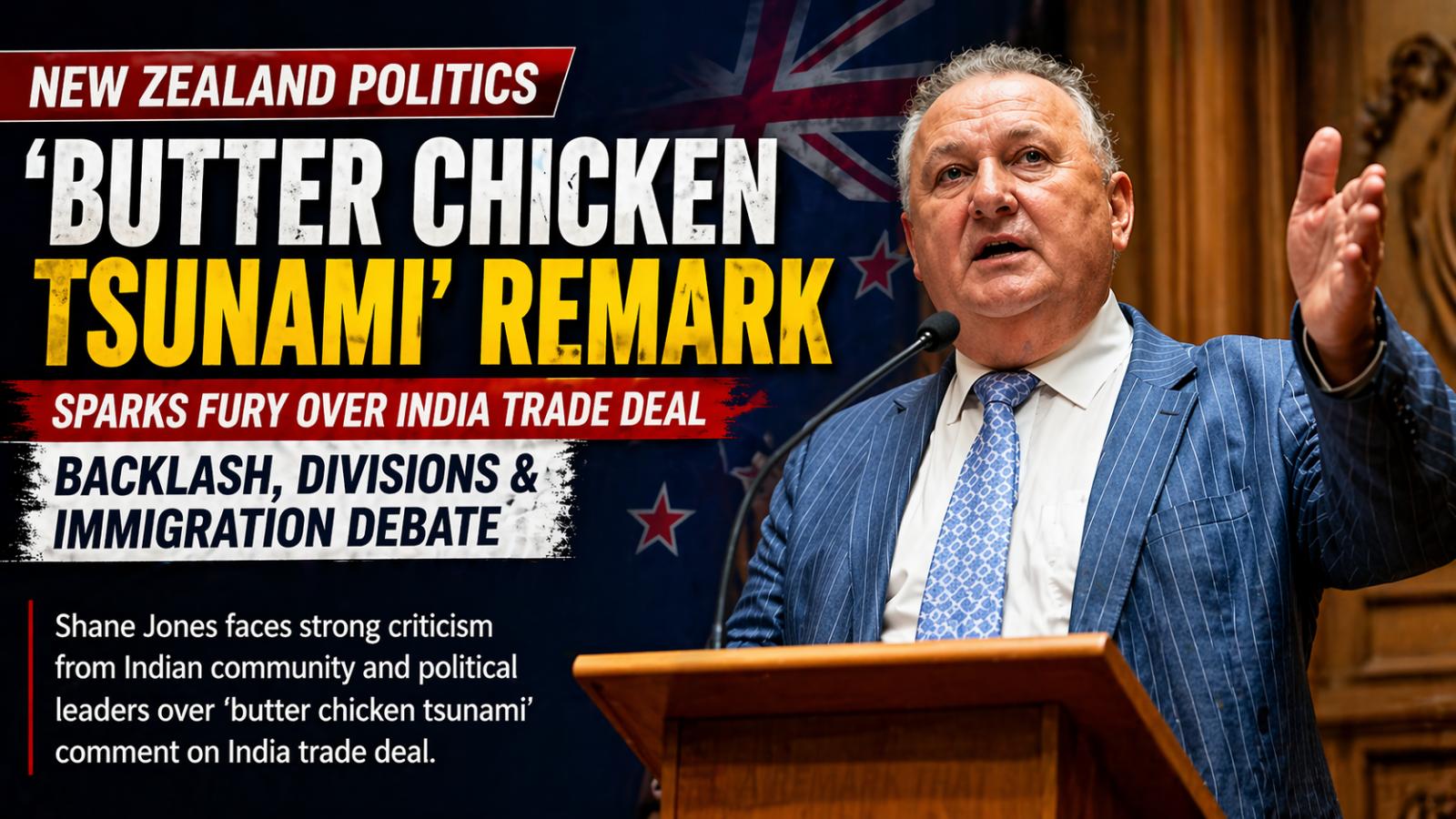
Comments by New Zealand lawmaker Shane Jones have sparked criticism from the Indian community and political leaders, highlighting tensions within the ruling coalition over immigration and a proposed trade agreement with India. Jones referred to the potential deal as a “butter chicken tsunami” during a radio interview, a remark that quickly drew backlash across political and community circles.
Prime Minister Christopher Luxon described the statement as unhelpful but stopped short of labeling it discriminatory. The proposed agreement between New Zealand and India is already facing political hurdles, as Jones’s party, New Zealand First, has voiced opposition. This stance could force the governing party to seek support from the opposition Labour Party to secure parliamentary approval.
Jones defended his position by raising concerns about immigration, arguing that unrestricted inflows could impact wages, infrastructure, and public services. His remarks have reignited broader debates about immigration policy and economic priorities, especially as the country navigates its trade relationships.
Community leaders expressed strong concern over the tone of the comments. Representatives from Indian associations emphasized the contributions of Indians, who form one of the largest ethnic groups in the country. They argued that such rhetoric risks undermining social cohesion and creating unnecessary divisions within a multicultural society.
The controversy has also drawn reactions from political opponents. Labour leader Chris Hipkins criticized the remarks, calling for more responsible discourse from public officials. Business representatives echoed similar sentiments, suggesting that policymakers should focus on constructive dialogue rather than rhetoric that could damage bilateral ties.
Jones later acknowledged that colleagues had advised him to moderate his language, though he maintained that his comments were intended to emphasize concerns. As debate continues, the episode underscores the challenges facing New Zealand’s leadership in balancing trade ambitions, immigration policy, and maintaining unity within a diverse population.
A gruesome murder in South Delhi has sent shockwaves across the city after police revealed chilling details about how a former domestic help allegedly killed the 22-year-old daughter of a senior IRS officer and then attempted to use her fingerprints to unlock a biometric locker. The accused, identified as Rahul Meena, was arrested following an intensive manhunt led by multiple teams of Delhi Police.
According to investigators, the victim, an engineering graduate and UPSC aspirant, w
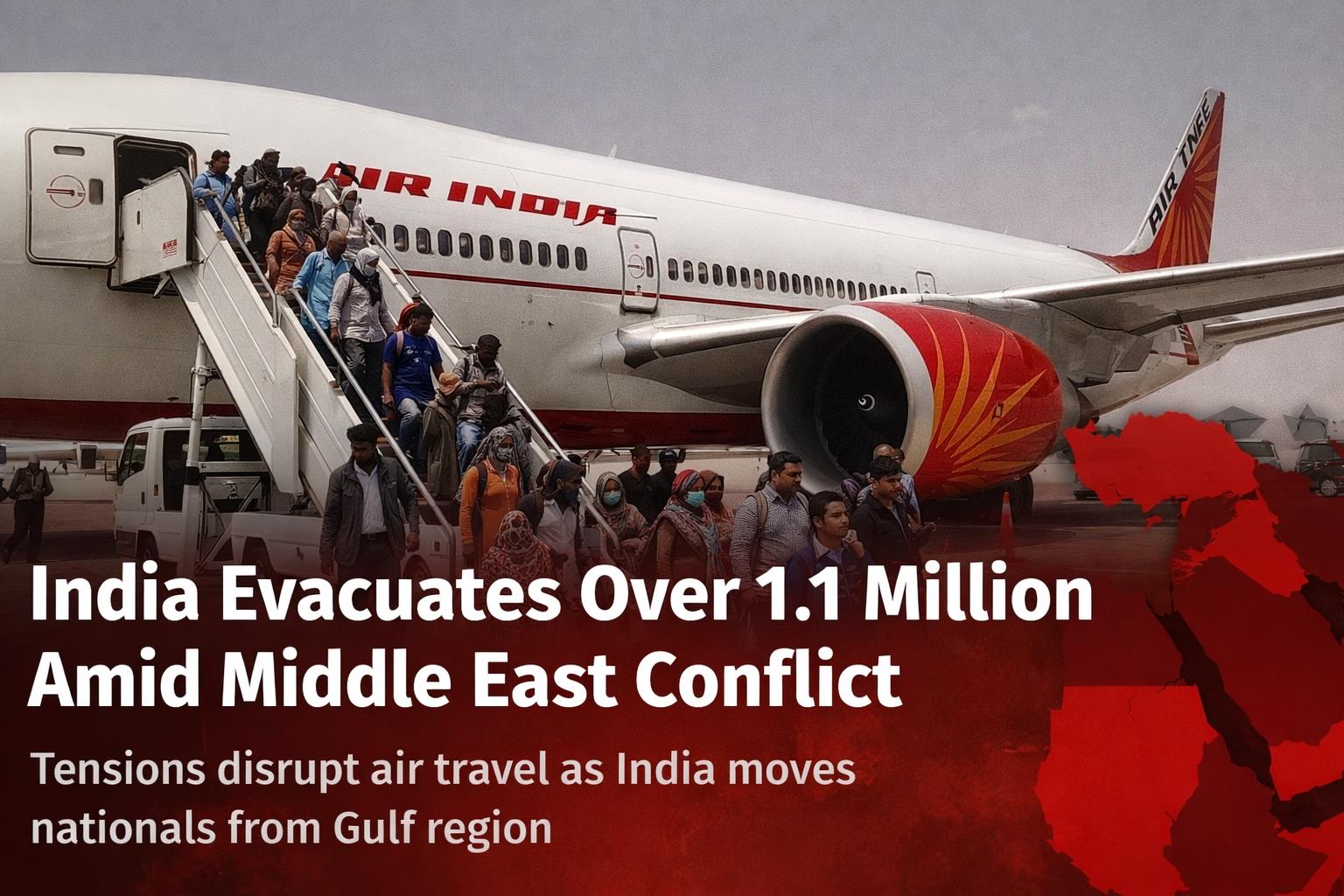
India has evacuated more than 1.1 million people from West Asia as regional tensions and airspace restrictions continue to disrupt commercial travel, officials said during a government briefing in New Delhi. The large-scale movement has been carried out through sustained flight operations from multiple countries, with authorities relying on alternate routes where airspace remains accessible.
Officials said that since February 28, approximately 1,130,000 passengers have traveled fro
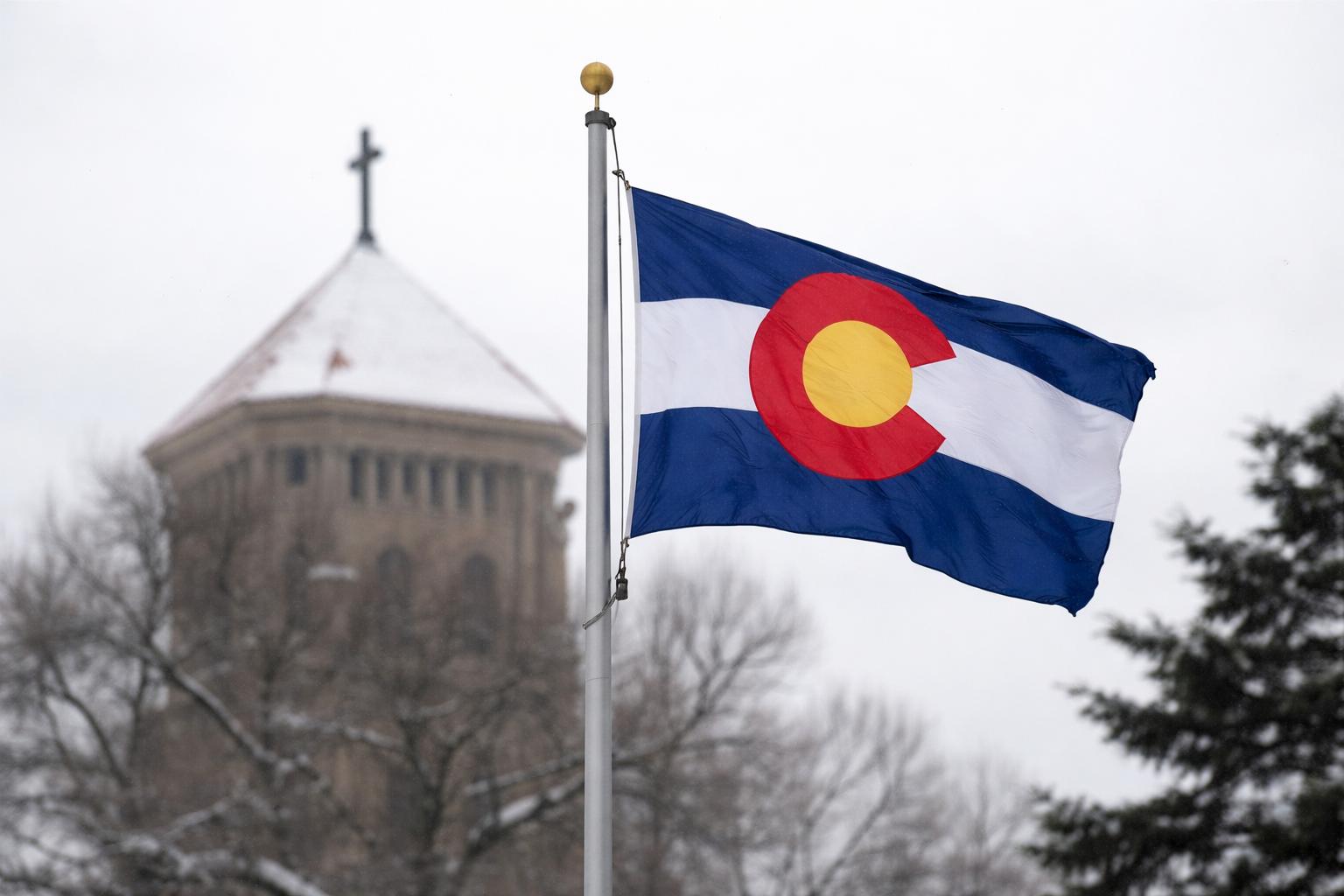
US Supreme Court to hear major case on Catholic preschools and LGBTQ rights
The US Supreme Court has agreed to hear a significant case involving Catholic preschools in Colorado that declined to admit children of same-sex or transgender parents. The case is expected to address the growing conflict between religious freedom and anti-discrimination laws in the United States. The decision could have far-reaching implications f
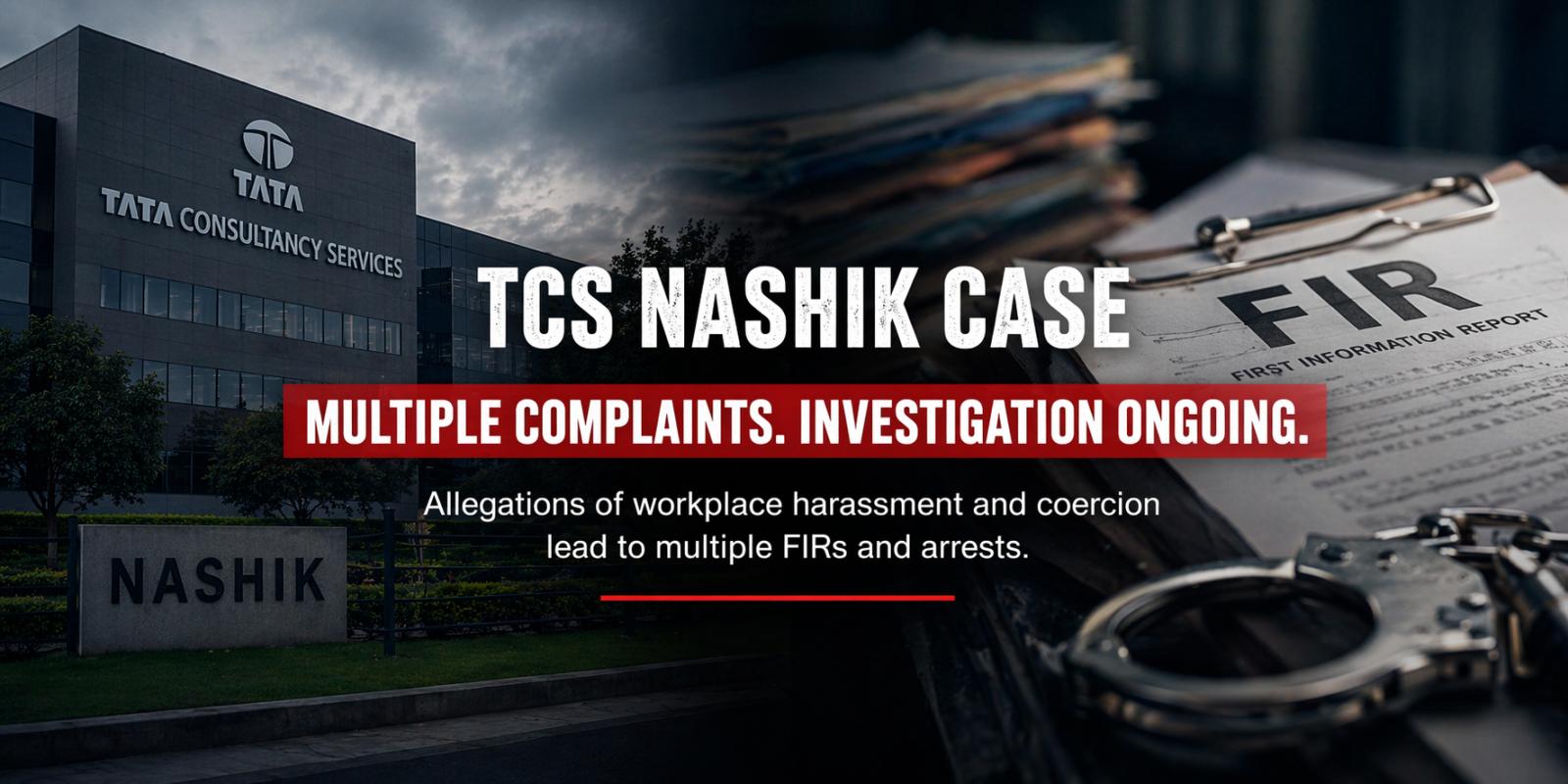
Reports emerging from Nashik, India, have drawn attention to a case involving Tata Consultancy Services (TCS), where multiple complaints have been filed alleging workplace misconduct. The allegations include claims of harassment and coercion within a corporate office environment, prompting legal scrutiny and administrative response.
Allegations of workplace harassment and coercion raise corporate concerns
According to available information, the complaints center around alleged incidents of workplace harassment and coercion. These claims have raised concerns about employee safety and internal workplace culture, particularly within structured corporate environments where reporting mechanisms are expected to function effectively.
Multiple FIRs registered as case moves beyond internal processes
Authorities have registered multiple First Information Reports (FIRs) in connection with the case. Reports indicate that several individuals have been taken into custody as part of the ongoing investigation. The filing of FIRs suggests that the matter has progressed beyond internal handling into formal legal proceedings under Indian law.
Investigation remains active under Indian legal framework
Officials have confirmed that the case is under active investigation, with procedures being carried out in accordance with established legal frameworks. Authorities continue to examine evidence and statements, and no final determination has been made at this stage.
Workplace safety and corporate ethics under increased scrutiny
The case has drawn broader attention to corporate ethics, employee rights, and workplace safety standards. Experts emphasize the importance of transparent grievance systems, employee awareness, and accountability mechanisms to address such issues effectively.
It is important to note that all claims referenced in this report are based on allegations, and the investigation remains ongoing. Further developments are expected as authorities continue their review.
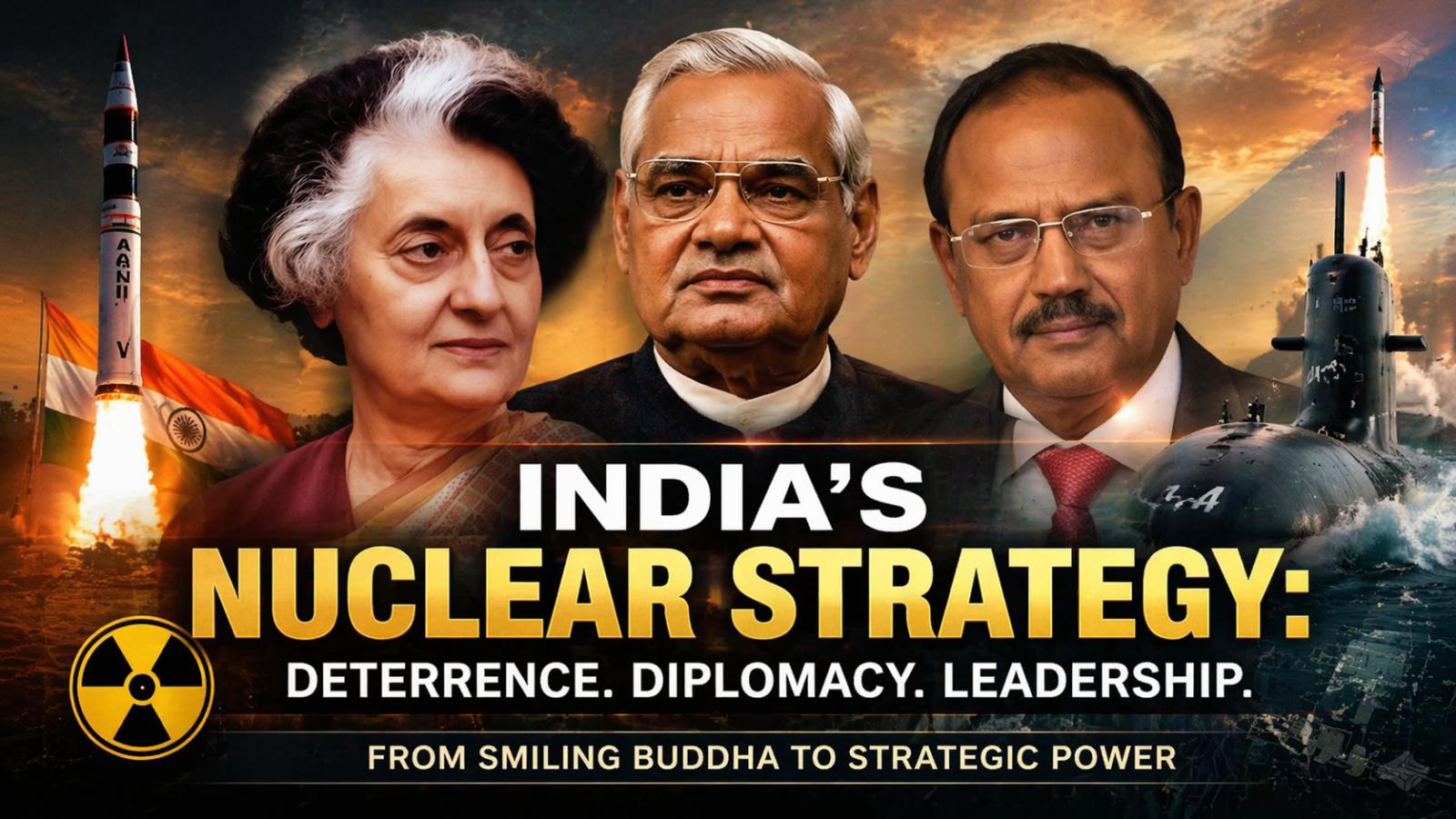
India’s nuclear doctrine has evolved over decades, with a clear emphasis on No First Use (NFU). This defensive posture is grounded in the idea of deterring potential nuclear attacks by assuring a credible second-strike capability. By adopting NFU, India ensures that it will only use nuclear weapons in retaliation, maintaining a strong and defensive stance in global security matters.
As India’s nuclear strategy matured, advancements in its arsenal played a pivotal role in enh
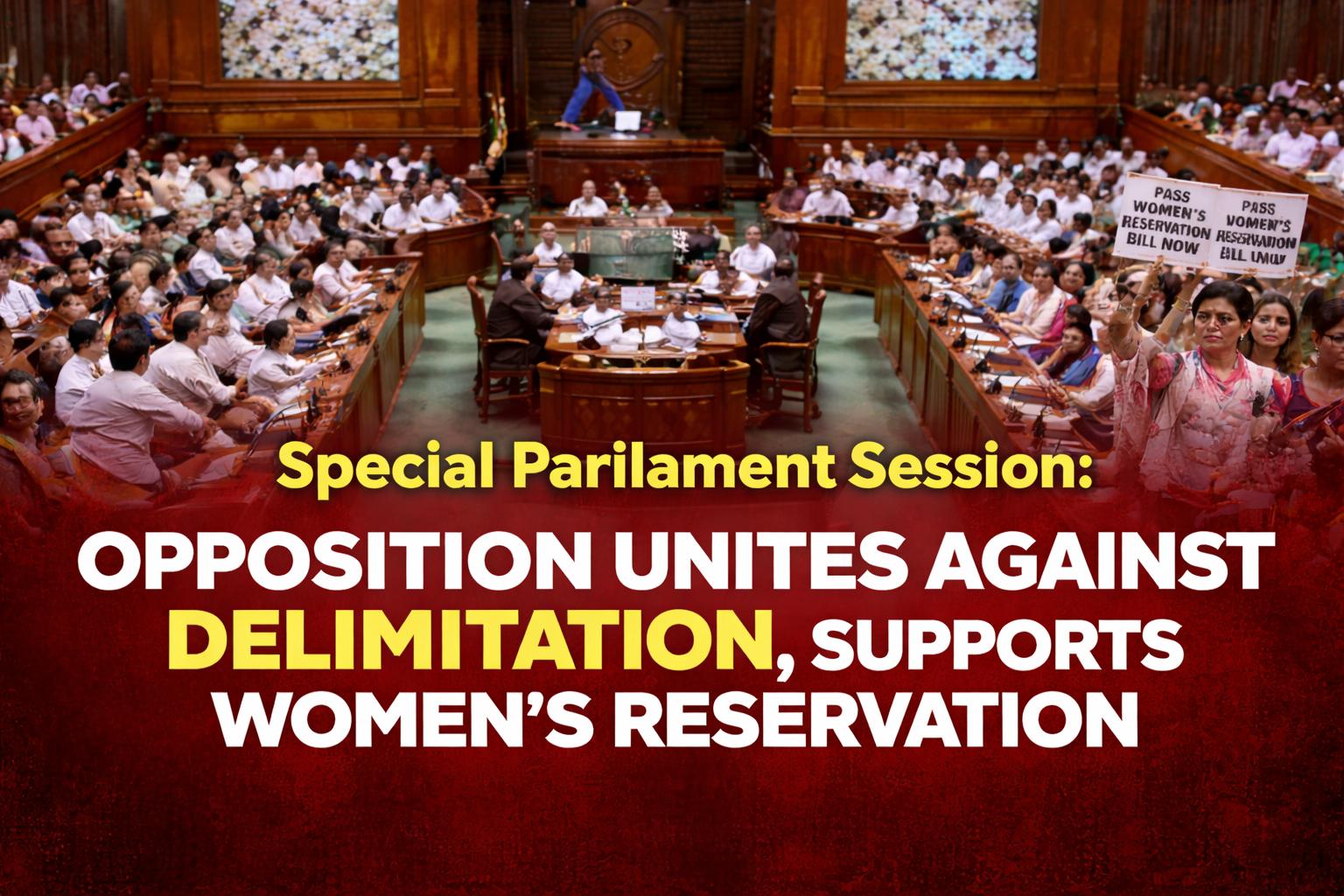
The Special Parliament Session, set to run from April 16 to 18, has kicked off with significant debates surrounding the government’s proposed amendments. One of the most anticipated legislative pieces is the operationalization of the Women’s Reservation Act, which aims to ensure 33% representation for women in both the Lok Sabha and state assemblies by 2029. Alongside this, a Constitution amendment bill will be presented on the first day of the session, marking the beginning of what promi
The Special Parliament Session, set to run from April 16 to 18, has kicked off with significant debates surrounding the government’s proposed amendments. One of the most anticipated legislative pieces is the operationalization of the Women’s Reservation Act, which aims to ensure 33% representation for women in both the Lok Sabha and state assemblies by 2029. Alongside this, a Constitution amendment bill will be presented on the first day of the session, marking the beginning of what promi
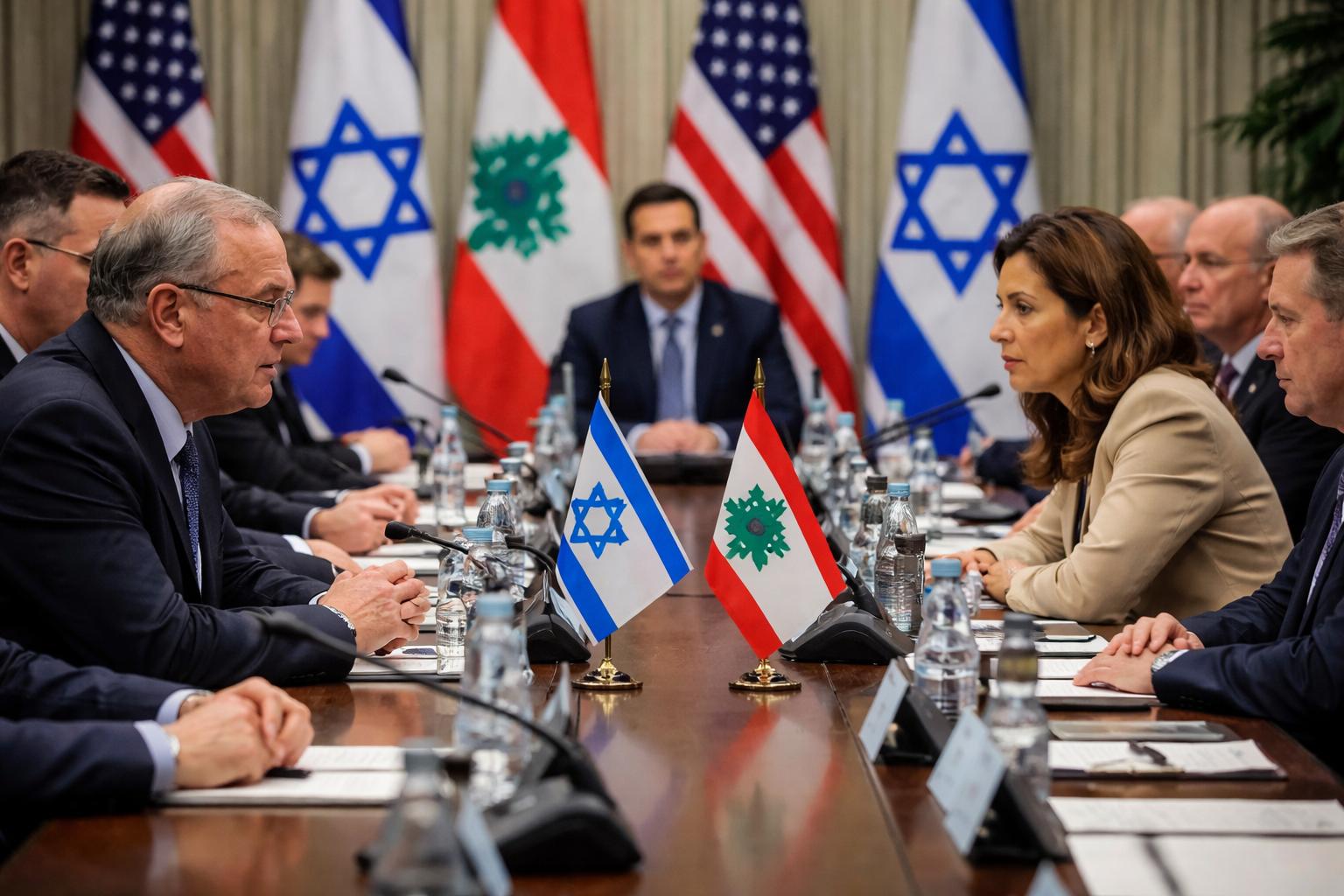
Israeli and Lebanese officials held more than two hours of direct talks in Washington, D.C., on Tuesday, April 14, 2026, marking the first such high-level engagement between the two countries in decades as fighting between Israel and the Iran-backed Hezbollah group continues to escalate.
The meeting, hosted by U.S. Secretary of State Marco Rubio, comes amid a fragile regional environment shaped by ongoing hostilities in Lebanon and broader tensions involving Iran. Rubio described the talks as a long-term diplomatic effort rather than an immediate solution, emphasizing that deeply rooted issues between the two sides would take time to resolve.
Israeli Ambassador Yechiel Leiter said the discussions reflect a shared objective of reducing Hezbollah’s influence in Lebanon, which Israel views as an extension of Iranian power in the region. Lebanese Ambassador Nada Hamadeh Moawad participated in the talks, though public comments from the Lebanese side remained limited immediately afterward.
The talks are notable given that Israel and Lebanon do not maintain formal diplomatic relations and have been technically at war for decades. Despite this, U.S. officials have pushed for dialogue as part of a broader effort to stabilize the region and prevent further escalation tied to the ongoing conflict with Iran and its allies.
The diplomatic engagement comes as Israeli military operations continue across southern Lebanon. The conflict intensified after Hezbollah launched rocket attacks on northern Israel on Sunday, March 2, 2026, prompting a large-scale Israeli response that has included airstrikes and ground operations.
Hezbollah, which is not part of the negotiations and opposes direct talks with Israel, has continued its military activities during the diplomatic effort. The group’s rejection of the talks highlights internal divisions within Lebanon, where the government has limited control over Hezbollah’s armed wing.
Beyond the immediate conflict, the situation has broader global implications. Tensions surrounding Iran, including disputes over its nuclear program and control of the Strait of Hormuz, have raised concerns about disruptions to global energy supplies. Analysts warn that instability in the region could affect oil markets and contribute to economic uncertainty worldwide.
While no immediate breakthroughs are expected, officials describe the Washington meeting as a significant first step toward potential de-escalation, even as violence on the ground and political divisions continue to complicate the path forward.
A key provision in President Donald Trump’s recent tax legislation introduced significant federal deductions on tips and overtime pay, but the changes do not fully eliminate taxation for millions of American workers. As taxpayers finalize their 2025 returns ahead of the federal filing deadline on Wednesday, April 15, 2026, state governments are emphasizing that these earnings may still be subject
A key provision in President Donald Trump’s recent tax legislation introduced significant federal deductions on tips and overtime pay, but the changes do not fully eliminate taxation for millions of American workers. As taxpayers finalize their 2025 returns ahead of the federal filing deadline on Wednesday, April 15, 2026, state governments are emphasizing that these earnings may still be subject
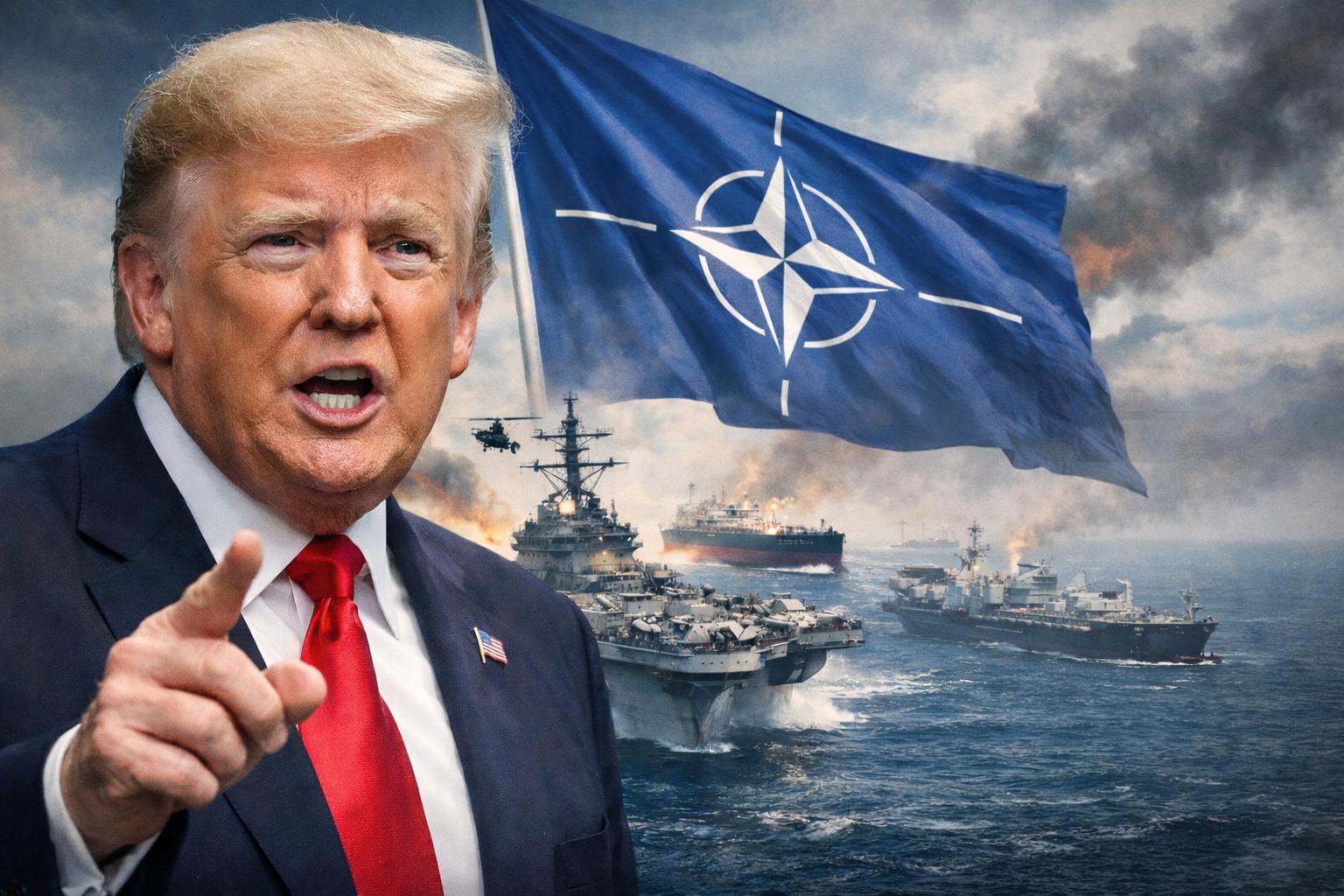
President Donald Trump renewed criticism of NATO on Saturday, April 12, 2026, saying the alliance could face a “very serious examining” after it did not support the United States during its recent conflict with Iran
President Donald Trump renewed criticism of NATO on Saturday, April 12, 2026, saying the alliance could face a “very serious examining” after it did not support the United States during its recent conflict with Iran
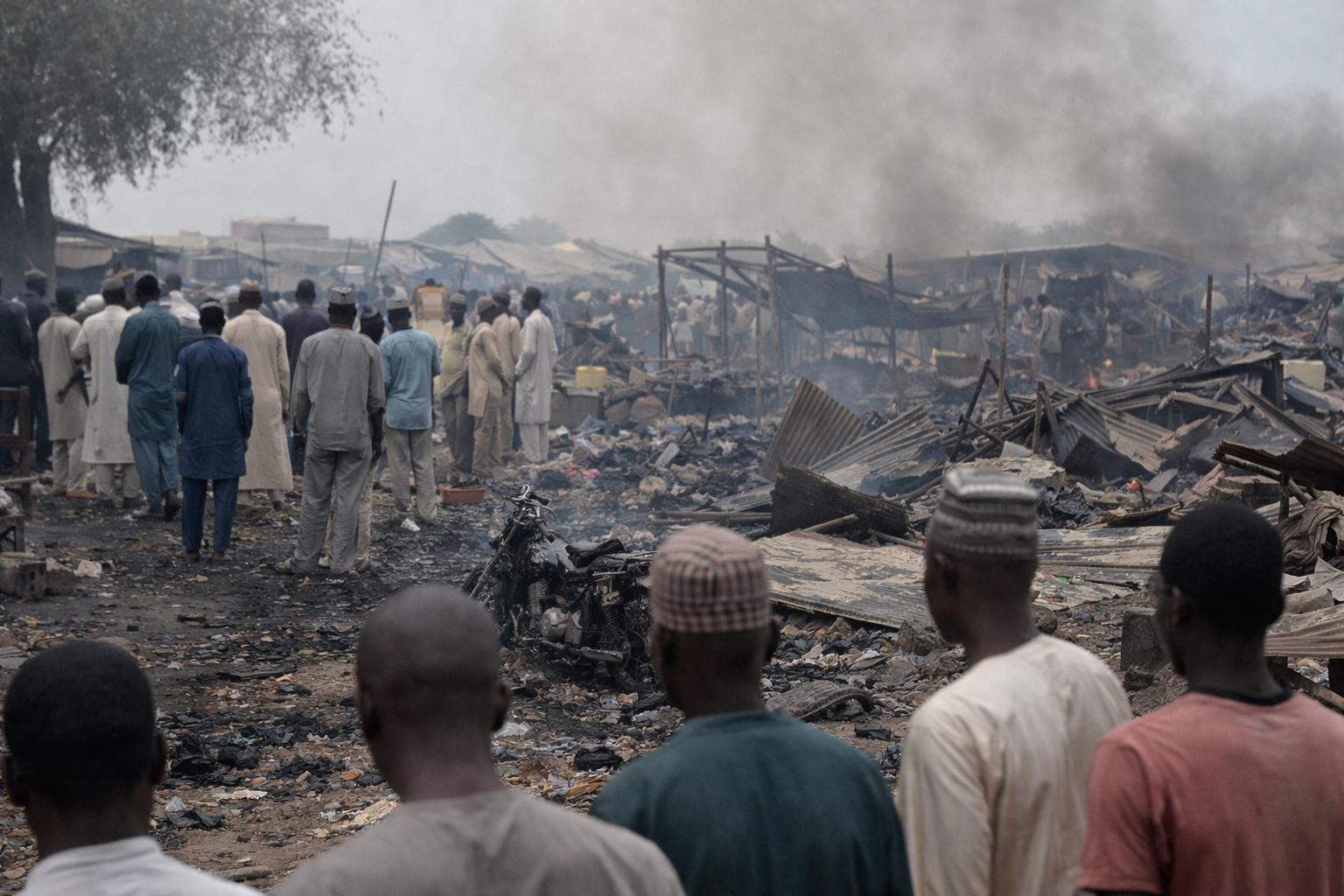
A military air strike in northeastern Nigeria has killed more than 100 civilians after a targeted operation against suspected insurgents struck a crowded marketplace. The incident occurred at approximately 2:46 PM WAT on Saturday, April 11, 2026, in Yobe State near the border with Borno, a region long affected by extremist violence.
Authorities confirmed that the strike, carried out by the Nigerian
The Amarnath Yatra 2026 is one of India’s most important religious events, and its registration process will begin on April 15. The Shri Amarnath Shrine Board has implemented various measures to ensure that the registration process is smoother, more organized, and secure for devotees from across India. With over 550 designated bank branches participating, the registration process has been made more accessible, making it easier for pilgrims to secure their permits.
First-Co
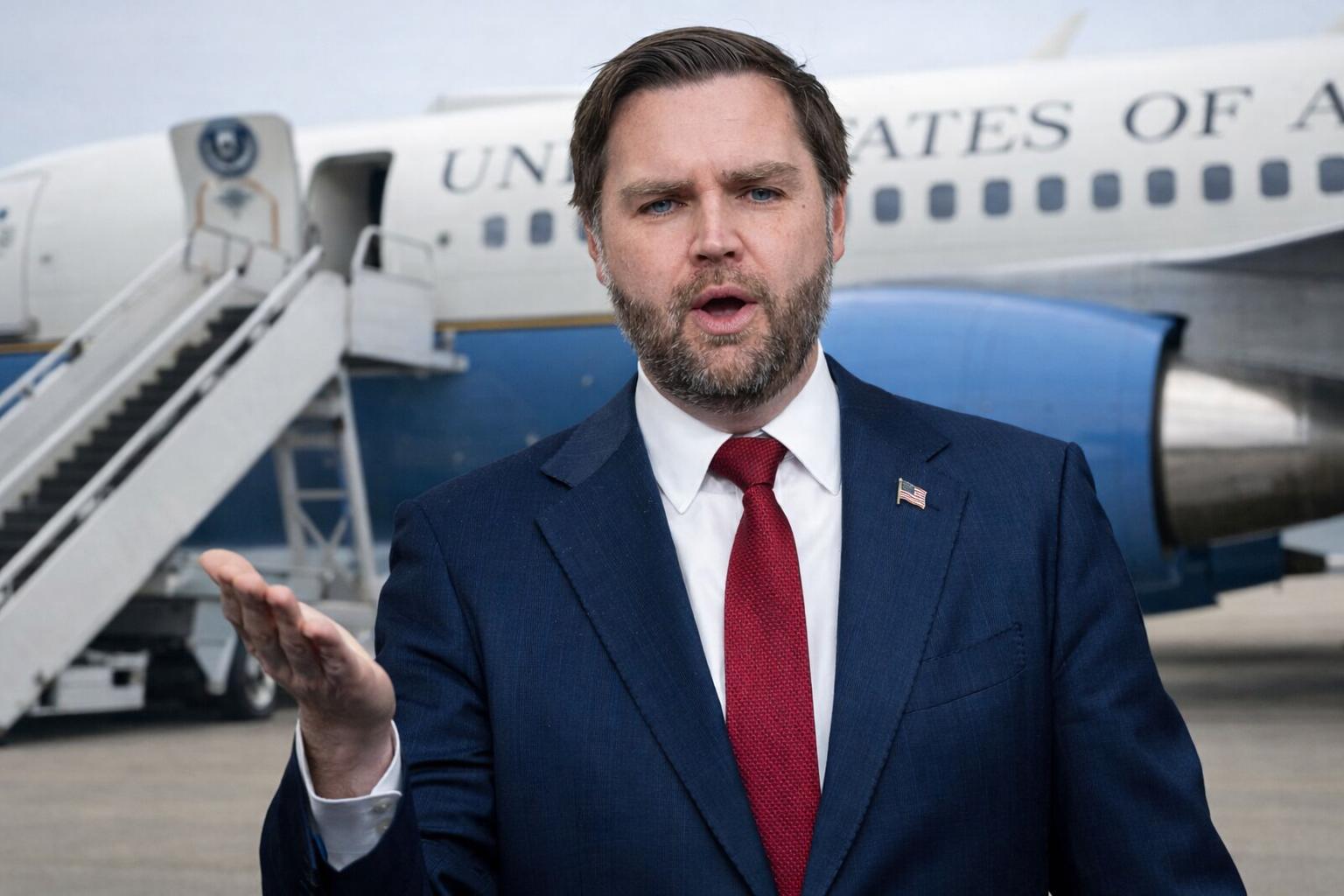
US Vice President JD Vance said Friday he is aiming for a constructive outcome as he departed Washington, D.C., for upcoming peace negotiations with Iran, scheduled to take place in Pakistan. Speaking to reporters before boarding at Joint Base Andrews, Vance emphasized a willingness to engage diplomatically while maintaining a firm stance on accountability.
He stated that the United States is prepared to pursue meaningful dialogue if Iranian representatives approach the talks in good faith. At the same time, he warned that attempts to undermine the process would be met with a less accommodating response from the US negotiating team. The visit comes amid heightened global attention on Middle East tensions, with policymakers closely watching whether diplomatic engagement can reduce friction and advance stability.
Married couples across the United States face an important decision each tax season: whether to file taxes jointly or separately. That choice could have new implications for the 2025 tax year following recent policy changes introduced under former President Donald Trump’s legislation.
In most cases, the tax system favors married filing jointly, which allows couples to combine income, deductions, and credits into a single return. This approach typically results in lower overall incom
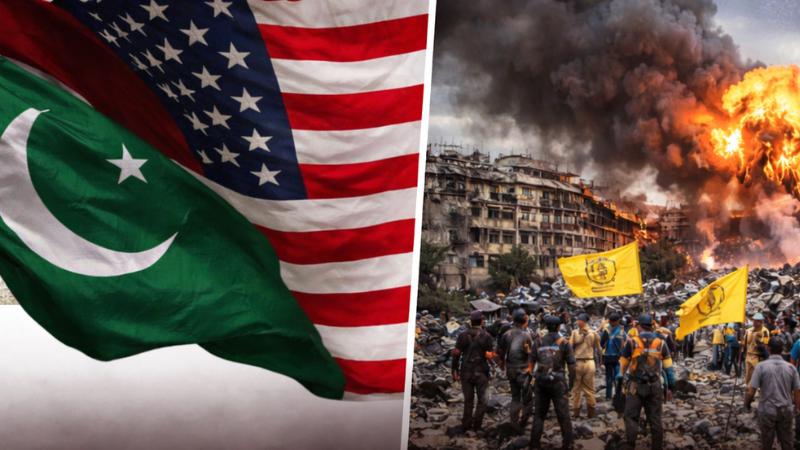
On April 8, 2026, Pakistan secured a major diplomatic win by mediating the US-Iran ceasefire, but within hours, the deal was under strain as Israel launched large airstrikes on Lebanon, an Iranian ally, killing hundreds. The confusion centered around Lebanon’s inclusion in the ceasefire agreement, with Pakistan's interpretation putting it in the heart of the storm. While Pakistani Prime Minister Shehbaz Sharif's announcement claimed that the ceasefire applied to "everywhere, including Leban
On April 8, 2026, Pakistan secured a major diplomatic win by mediating the US-Iran ceasefire, but within hours, the deal was under strain as Israel launched large airstrikes on Lebanon, an Iranian ally, killing hundreds. The confusion centered around Lebanon’s inclusion in the ceasefire agreement, with Pakistan's interpretation putting it in the heart of the storm. While Pakistani Prime Minister Shehbaz Sharif's announcement claimed that the ceasefire applied to "everywhere, including Leban