Why is King Charles III visiting the US? A historic state visit begins in Washington
A historic state visit begins in Washington King Charles III and Queen Camilla were formally received by Donald Trump at the White House on Monday April 27, 2026 afternoon, marking the
Why is King Charles III visiting the US? A historic state visit begins in Washington
A historic state visit begins in Washington King Charles III and Queen Camilla were formally received by Donald Trump at the White House on Monday April 27, 2026 afternoon, marking the
Why is the Strait of Hormuz blockade critical? UN warns of global economic impact
Antonio Guterres, Secretary-General of the United Nations, on Monday, April 27, 2026, appealed to the United Nations Security Council to push for the reopening of the Strait of Hormuz, warning that the ongoing bl
Why is the Strait of Hormuz blockade critical? UN warns of global economic impact
Antonio Guterres, Secretary-General of the United Nations, on Monday, April 27, 2026, appealed to the United Nations Security Council to push for the reopening of the Strait of Hormuz, warning that the ongoing bl
Meta faces setback as China cancels $2B Manus AI startup acquisition
China’s decision to block the acquisition of Manus AI by Meta marks a major shift in global technology deals, as authorities cited concerns over technology transfer and national interests. The country’s top economic planner, the National Development and Reform Commission, ordered the cancellation of th
Meta faces setback as China cancels $2B Manus AI startup acquisition
China’s decision to block the acquisition of Manus AI by Meta marks a major shift in global technology deals, as authorities cited concerns over technology transfer and national interests. The country’s top economic planner, the National Development and Reform Commission, ordered the cancellation of th
Iran Proposes Strait of Hormuz Deal While Delaying Nuclear Talks
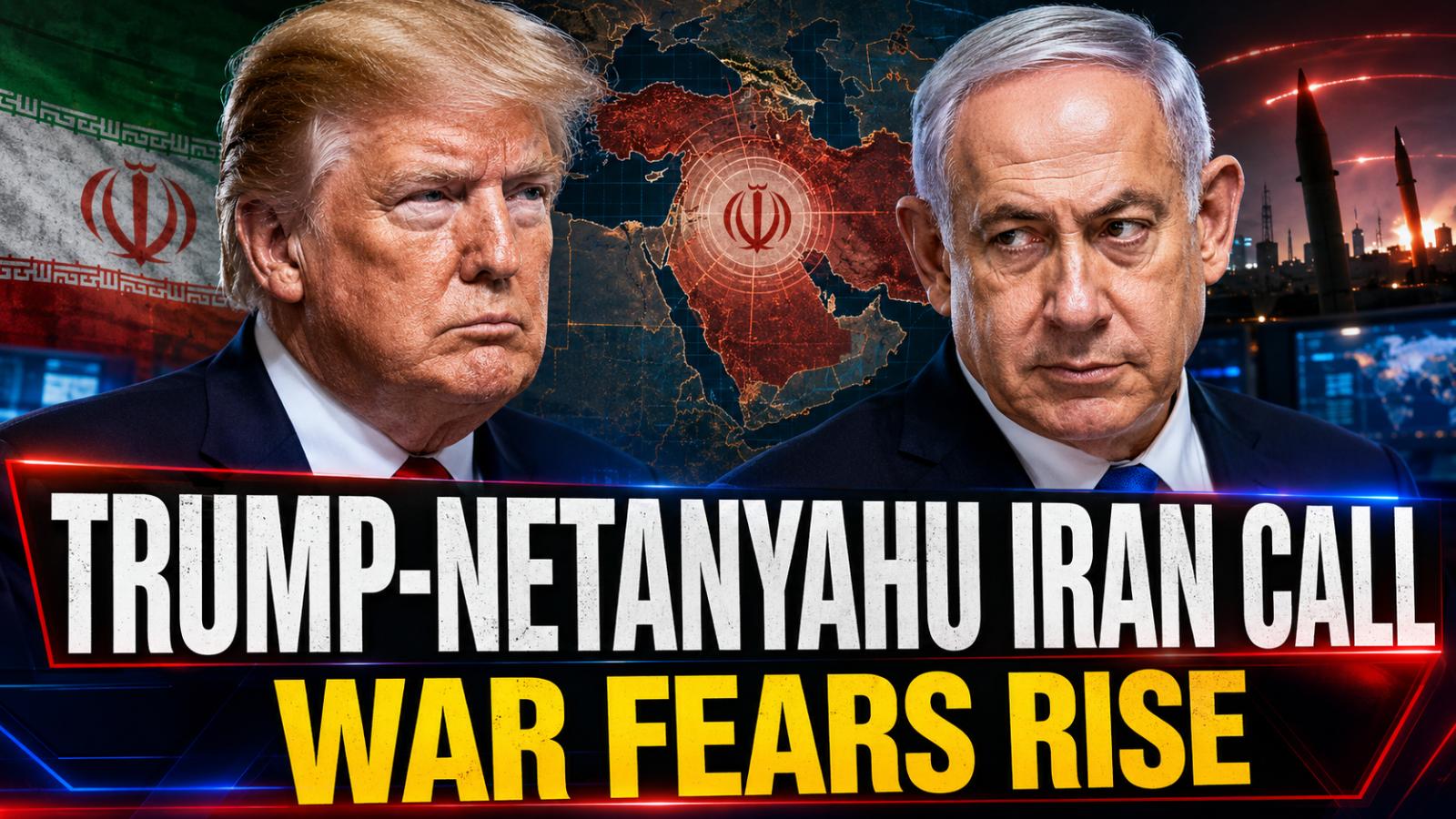
Iran has reportedly put forward a new proposal aimed at reopening the Strait of Hormuz and easing ongoing tensions, while suggesting that nuclear negotiations be postponed. The development comes as US officials review the offer, with President Donald Trump expected to meet with senior national security advisers to assess the situation and determine next steps. According to sources familiar with the discussions, the proposal was conveyed through intermediaries and focuses on de-escalation measures tied to maritime security and regional stability. However, Iranian officials have indicated that broader nuclear negotiations should be deferred until key issues, including economic restrictions and security concerns, are addressed. There has been no official confirmation from either side regarding the specifics of the proposal. The latest diplomatic activity follows a series of engagements by Abbas Araghchi, who recently traveled between Pakistan and Oman in an effort to facilitate dialogue. Iranian authorities emphasized that no direct meetings with US representatives were scheduled during his visit to Islamabad. Earlier, planned discussions involving US envoys were canceled, adding to the uncertainty surrounding the negotiation process. Tensions have been further complicated by differing expectations between Washington and Tehran. US officials have reiterated that any agreement must include strict limitations on Iran’s nuclear capabilities, including restrictions on enrichment activities. Iranian leaders, meanwhile, have maintained that negotiations cannot proceed under pressure, citing concerns over ongoing restrictions and security measures affecting the country. The situation remains fluid as diplomatic channels continue to operate through regional mediators. Iran’s leadership has also engaged with international partners, including Russia, as part of broader efforts to manage the crisis. While the proposal to reopen the Strait of Hormuz signals a potential pathway toward de-escalation, the delay in nuclear talks underscores the challenges that remain in reaching a comprehensive agreement.

Iran Proposes Strait of Hormuz Deal While Delaying Nuclear Talks
Iran has reportedly put forward a new proposal aimed at reopening the Strait of Hormuz and easing ongoing tensions, while suggesting that nuclear negotiations be postponed. The development comes as US officials review the offer, with President Donald Trump expected to meet with senior national security advisers to assess the situation and determine next steps. According to sources familiar with the discussions, the proposal was conveyed through intermediaries and focuses on de-escalation measures tied to maritime security and regional stability. However, Iranian officials have indicated that broader nuclear negotiations should be deferred until key issues, including economic restrictions and security concerns, are addressed. There has been no official confirmation from either side regarding the specifics of the proposal. The latest diplomatic activity follows a series of engagements by Abbas Araghchi, who recently traveled between Pakistan and Oman in an effort to facilitate dialogue. Iranian authorities emphasized that no direct meetings with US representatives were scheduled during his visit to Islamabad. Earlier, planned discussions involving US envoys were canceled, adding to the uncertainty surrounding the negotiation process. Tensions have been further complicated by differing expectations between Washington and Tehran. US officials have reiterated that any agreement must include strict limitations on Iran’s nuclear capabilities, including restrictions on enrichment activities. Iranian leaders, meanwhile, have maintained that negotiations cannot proceed under pressure, citing concerns over ongoing restrictions and security measures affecting the country. The situation remains fluid as diplomatic channels continue to operate through regional mediators. Iran’s leadership has also engaged with international partners, including Russia, as part of broader efforts to manage the crisis. While the proposal to reopen the Strait of Hormuz signals a potential pathway toward de-escalation, the delay in nuclear talks underscores the challenges that remain in reaching a comprehensive agreement.

Royal Visit of King Charles Continues as US Investigates Washington Gala Shooting
King Charles III and Queen Camilla will proceed with their planned state visit to the United States running from April 27 to April 30, 2026, Buckingham Palace confirmed, despite a recent shooting incident in Washington, D.C. The announcement followed consultations between officials in both countries and was made on the advice of the British government. The four-day visit is intended to highlight longstanding ties between the United Kingdom and the United States, coinciding with America’s 250th year of independence. The royal itinerary includes stops in Washington and New York, with events aimed at strengthening diplomatic and cultural relations. The confirmation comes after a security incident at a high-profile media dinner held at the Washington Hilton. Authorities said a suspect, identified as Cole Tomas Allen, attempted to breach a secured screening area while carrying multiple weapons. Law enforcement officials reported that he approached the magnetometer checkpoint armed with a shotgun, a handgun, and knives before being stopped. During the confrontation, a Secret Service agent was shot but survived due to protective gear. Senior officials, including President Donald Trump and Vice President JD Vance, were safely evacuated from the venue as a precaution. Investigators are continuing to review evidence collected at the scene, including written materials, to determine the suspect’s motive. Acting Attorney General Todd Blanche indicated that the attacker may have intended to target high-level officials, though the investigation remains ongoing. Speaking after the incident, Trump described the attacker as a troubled individual and noted that the disrupted event would be rescheduled. Despite the security concerns, both governments have indicated that preparations for the royal visit will continue as planned, with heightened attention to safety measures.
Royal Visit of King Charles Continues as US Investigates Washington Gala Shooting
King Charles III and Queen Camilla will proceed with their planned state visit to the United States running from April 27 to April 30, 2026, Buckingham Palace confirmed, despite a recent shooting incident in Washington, D.C. The announcement followed consultations between officials in both countries and was made on the advice of the British government. The four-day visit is intended to highlight longstanding ties between the United Kingdom and the United States, coinciding with America’s 250th year of independence. The royal itinerary includes stops in Washington and New York, with events aimed at strengthening diplomatic and cultural relations. The confirmation comes after a security incident at a high-profile media dinner held at the Washington Hilton. Authorities said a suspect, identified as Cole Tomas Allen, attempted to breach a secured screening area while carrying multiple weapons. Law enforcement officials reported that he approached the magnetometer checkpoint armed with a shotgun, a handgun, and knives before being stopped. During the confrontation, a Secret Service agent was shot but survived due to protective gear. Senior officials, including President Donald Trump and Vice President JD Vance, were safely evacuated from the venue as a precaution. Investigators are continuing to review evidence collected at the scene, including written materials, to determine the suspect’s motive. Acting Attorney General Todd Blanche indicated that the attacker may have intended to target high-level officials, though the investigation remains ongoing. Speaking after the incident, Trump described the attacker as a troubled individual and noted that the disrupted event would be rescheduled. Despite the security concerns, both governments have indicated that preparations for the royal visit will continue as planned, with heightened attention to safety measures.
What happened in Mali? Defense minister killed in coordinated attacks across regions
Mali’s defense minister Sadio Camara was killed in a coordinated attack as insurgent violence escalates across the country. Camara died alongside family members after a car bomb struck his residence in Kita, a key stronghold of the ruling military junta, according to family sources and officials cited by AFP. The attack formed part of a broader wave of coordinated assaults that targeted multiple regions across Mali, including Kita, Kidal, Gao, and Ségou. Fighting continued into
What happened in Mali? Defense minister killed in coordinated attacks across regions
Mali’s defense minister Sadio Camara was killed in a coordinated attack as insurgent violence escalates across the country. Camara died alongside family members after a car bomb struck his residence in Kita, a key stronghold of the ruling military junta, according to family sources and officials cited by AFP. The attack formed part of a broader wave of coordinated assaults that targeted multiple regions across Mali, including Kita, Kidal, Gao, and Ségou. Fighting continued into
What is driving Iran’s cooking oil trade surge? Inflation and shortages at the border
On Turkey’s bustling border crossing with Iran, inflation and shortages are driving a surge in cooking oil trade as economic pressures deepen inside Iran. At the Kapikoy crossing near Van in eastern Turkey, merchants and travelers described a growing demand for basic goods, particularly cooking oil, as Iranian consumers grapple with soaring prices and limited supply. Shopkeepers at the crossing said demand has risen sharply in recent days, with dozens of individuals carrying multiple large bottles of oil back into Iran. The trade has become a small but vital source of income for both Turkish vendors and Iranian buyers seeking to resell or use the goods domestically. Rising food prices and subsidy reforms reshape consumer behavior Iran’s inflation crisis, projected by the International Monetary Fund to approach 70 percent in 2026, has significantly eroded purchasing power. Cooking oil prices surged after the government removed subsidies on certain essential imports in January, a move intended to reduce state spending amid ongoing sanctions. Iranian officials, including President Masoud Pezeshkian, have defended the policy, arguing that subsidies were being exploited without effectively lowering prices. However, many consumers report difficulty finding affordable cooking oil in local markets, forcing them to look beyond the country’s borders. Border trade becomes a lifeline for struggling households For some Iranians, cross-border trade offers a modest financial cushion. Individuals interviewed at the crossing described buying cooking oil in Turkey for just over $10 per five-liter bottle and reselling it in Iran at slightly lower prices than domestic shops, earning small profits. The Kapikoy crossing has remained one of the few consistent links between Iran and the outside world during recent disruptions, including airspace closures and an ongoing internet shutdown that has limited access to information within the country. Economic strain intensifies amid conflict and job losses Beyond inflation, Iran’s economy is facing additional strain from conflict-related disruptions and layoffs. The country’s minimum wage, roughly $108 per month, has failed to keep pace with rising living costs, leaving many households under severe financial pressure. Recent protests driven by economic discontent have been met with government crackdowns, adding to an atmosphere of uncertainty. While the government has introduced monthly cash payments equivalent to about $7 to offset rising costs, analysts say the measure is unlikely to significantly ease the burden on most families. Limited relief despite growing cross-border activity Although the increase in cross-border trade highlights the resilience of individuals adapting to economic hardship, the overall impact remains limited. The modest profits generated by transporting goods like cooking oil do little to offset the broader challenges posed by inflation, unemployment, and supply shortages. For many Iranians, the scenes at the Turkey-Iran border underscore a deeper economic crisis, where even basic necessities require creative—and often difficult—solutions to obtain.

What is driving Iran’s cooking oil trade surge? Inflation and shortages at the border
On Turkey’s bustling border crossing with Iran, inflation and shortages are driving a surge in cooking oil trade as economic pressures deepen inside Iran. At the Kapikoy crossing near Van in eastern Turkey, merchants and travelers described a growing demand for basic goods, particularly cooking oil, as Iranian consumers grapple with soaring prices and limited supply. Shopkeepers at the crossing said demand has risen sharply in recent days, with dozens of individuals carrying multiple large bottles of oil back into Iran. The trade has become a small but vital source of income for both Turkish vendors and Iranian buyers seeking to resell or use the goods domestically. Rising food prices and subsidy reforms reshape consumer behavior Iran’s inflation crisis, projected by the International Monetary Fund to approach 70 percent in 2026, has significantly eroded purchasing power. Cooking oil prices surged after the government removed subsidies on certain essential imports in January, a move intended to reduce state spending amid ongoing sanctions. Iranian officials, including President Masoud Pezeshkian, have defended the policy, arguing that subsidies were being exploited without effectively lowering prices. However, many consumers report difficulty finding affordable cooking oil in local markets, forcing them to look beyond the country’s borders. Border trade becomes a lifeline for struggling households For some Iranians, cross-border trade offers a modest financial cushion. Individuals interviewed at the crossing described buying cooking oil in Turkey for just over $10 per five-liter bottle and reselling it in Iran at slightly lower prices than domestic shops, earning small profits. The Kapikoy crossing has remained one of the few consistent links between Iran and the outside world during recent disruptions, including airspace closures and an ongoing internet shutdown that has limited access to information within the country. Economic strain intensifies amid conflict and job losses Beyond inflation, Iran’s economy is facing additional strain from conflict-related disruptions and layoffs. The country’s minimum wage, roughly $108 per month, has failed to keep pace with rising living costs, leaving many households under severe financial pressure. Recent protests driven by economic discontent have been met with government crackdowns, adding to an atmosphere of uncertainty. While the government has introduced monthly cash payments equivalent to about $7 to offset rising costs, analysts say the measure is unlikely to significantly ease the burden on most families. Limited relief despite growing cross-border activity Although the increase in cross-border trade highlights the resilience of individuals adapting to economic hardship, the overall impact remains limited. The modest profits generated by transporting goods like cooking oil do little to offset the broader challenges posed by inflation, unemployment, and supply shortages. For many Iranians, the scenes at the Turkey-Iran border underscore a deeper economic crisis, where even basic necessities require creative—and often difficult—solutions to obtain.


What led to the Louisiana store shooting? Husband arrested after accidental discharge injures wife
A meeting inside a convenience store in Bossier City, Louisiana, turned into a life-threatening emergency on Friday, April 4, 2026, when a firearm discharged at close range, leaving a 30-year-old woman critically injured and prompting the arrest of her husband weeks later. Gun discharge during store meeting under investigation Authorities said the incident occurred inside Mezo Grocery and Deli, where Jigisha, also known as Soniya Gajera, and her husband
What led to the Louisiana store shooting? Husband arrested after accidental discharge injures wife
A meeting inside a convenience store in Bossier City, Louisiana, turned into a life-threatening emergency on Friday, April 4, 2026, when a firearm discharged at close range, leaving a 30-year-old woman critically injured and prompting the arrest of her husband weeks later. Gun discharge during store meeting under investigation Authorities said the incident occurred inside Mezo Grocery and Deli, where Jigisha, also known as Soniya Gajera, and her husband
How is U.S. pressure on Iran intensifying? It combines sanctions, blockade, and enforcement
How is U.S. pressure on Iran intensifying? It combines sanctions, blockade, and enforcement as economic and geopolitical forces converge to place unprecedented strain on Tehran, according to a former U.S. Treasury sanctions expert who described the current moment as a rare alignment of leverage. Converging tools create peak economic pressure Miad Maleki, a former Treasury Department sanctions specialist, said the United States is applying multiple pressu
How is U.S. pressure on Iran intensifying? It combines sanctions, blockade, and enforcement
How is U.S. pressure on Iran intensifying? It combines sanctions, blockade, and enforcement as economic and geopolitical forces converge to place unprecedented strain on Tehran, according to a former U.S. Treasury sanctions expert who described the current moment as a rare alignment of leverage. Converging tools create peak economic pressure Miad Maleki, a former Treasury Department sanctions specialist, said the United States is applying multiple pressu
West Asia tensions rise as US envoys head to Pakistan for Iran talks
The US Iran conflict has entered a critical phase as Iran’s Defence Ministry claimed that the United States is seeking a “face-saving” way to exit the war, even as Washington sends a delegation to Pakistan for peace talks. The statement highlights growing diplomatic activity alongside rising military tensions in West Asia, with Pakistan emerging as a key mediator in the crisis. According to Iranian media reports, a defence ministry spokesperson said that Iran’s military strength has become dominant in the region, forcing the United States to look for a way out of what it described as a prolonged and difficult conflict. The remarks come at a time when US envoys Steve Witkoff and Jared Kushner are heading to Pakistan for discussions that the White House said would include talks with Iranian representatives. However, Iran has publicly denied plans for direct negotiations with the United States. Iranian Foreign Minister Abbas Araghchi arrived in Islamabad for an official visit and is scheduled to meet senior Pakistani officials. Iranian Foreign Ministry spokesperson Esmaeil Baqaei clarified that the visit is focused on consultations with Pakistan as part of its mediation efforts and not on direct dialogue with the US. He added that Iran’s position would be communicated through Pakistani channels. The diplomatic developments unfold against a backdrop of intensifying West Asia tensions, particularly around the Strait of Hormuz, a vital global oil route. The United States has significantly increased its military presence in the region, deploying three aircraft carrier strike groups, marking the largest such deployment since the Iraq war in 2003. According to US Central Command, the deployment includes more than 200 aircraft and around 15,000 personnel. As both diplomatic and military activities escalate, uncertainty remains over whether meaningful progress toward de-escalation can be achieved. While Pakistan continues its mediation role, the absence of direct Iran-US talks suggests that a resolution may still be distant, keeping the region on edge.
West Asia tensions rise as US envoys head to Pakistan for Iran talks
The US Iran conflict has entered a critical phase as Iran’s Defence Ministry claimed that the United States is seeking a “face-saving” way to exit the war, even as Washington sends a delegation to Pakistan for peace talks. The statement highlights growing diplomatic activity alongside rising military tensions in West Asia, with Pakistan emerging as a key mediator in the crisis. According to Iranian media reports, a defence ministry spokesperson said that Iran’s military strength has become dominant in the region, forcing the United States to look for a way out of what it described as a prolonged and difficult conflict. The remarks come at a time when US envoys Steve Witkoff and Jared Kushner are heading to Pakistan for discussions that the White House said would include talks with Iranian representatives. However, Iran has publicly denied plans for direct negotiations with the United States. Iranian Foreign Minister Abbas Araghchi arrived in Islamabad for an official visit and is scheduled to meet senior Pakistani officials. Iranian Foreign Ministry spokesperson Esmaeil Baqaei clarified that the visit is focused on consultations with Pakistan as part of its mediation efforts and not on direct dialogue with the US. He added that Iran’s position would be communicated through Pakistani channels. The diplomatic developments unfold against a backdrop of intensifying West Asia tensions, particularly around the Strait of Hormuz, a vital global oil route. The United States has significantly increased its military presence in the region, deploying three aircraft carrier strike groups, marking the largest such deployment since the Iraq war in 2003. According to US Central Command, the deployment includes more than 200 aircraft and around 15,000 personnel. As both diplomatic and military activities escalate, uncertainty remains over whether meaningful progress toward de-escalation can be achieved. While Pakistan continues its mediation role, the absence of direct Iran-US talks suggests that a resolution may still be distant, keeping the region on edge.
Netanyahu accuses Hezbollah of sabotaging Israel-Lebanon peace efforts
Israel strikes Hezbollah targets after rocket fire from Lebanon as tensions persist despite a truce extension, while diplomatic efforts and US energy measures reflect widening regional impact. Iran-Israel war live updates: Israel strikes Hezbollah sites after rocket fire as regional tensions escalated on Friday, April 24, 2026, with the Israeli military confirming strikes on Hezbollah-linked locations in southern Lebanon following cross-border rocket launches. The Israeli military stated that it targeted sites near the town of Deir Aames after rockets were fired toward the Israeli town of Shtula a day earlier. Deir Aames lies outside the designated border buffer zone that Israeli forces have continued to occupy even after a 10-day ceasefire agreement implemented the previous week. Earlier on Friday, April 24, 2026, the military issued evacuation warnings urging residents to leave the area before the strikes. The renewed hostilities come despite diplomatic efforts to maintain calm. U.S. President Donald Trump announced on Thursday, April 23, 2026, a three-week extension of the Israel-Hezbollah truce. However, both sides have continued intermittent exchanges of fire, raising concerns about the durability of the ceasefire. Israeli Prime Minister Benjamin Netanyahu accused Hezbollah of undermining peace efforts, stating on Friday, April 24, 2026, that the group was attempting to “sabotage” negotiations aimed at reaching a long-term agreement between Israel and Lebanon. His remarks marked his first public comments following the truce extension. Meanwhile, diplomatic activity continued across the region. Iranian Foreign Minister Abbas Araghchi said his upcoming visits to Islamabad, Muscat, and Moscow are intended to coordinate with regional partners and discuss evolving developments. While he did not directly address potential talks with the United States, officials in Pakistan have recently intensified efforts to facilitate renewed ceasefire negotiations between Washington and Tehran. In Washington, the White House announced an extension of a waiver to the Jones Act by 90 days on Friday, April 24, 2026. The measure is designed to ease domestic energy supply pressures amid disruptions linked to the broader West Asia conflict. Officials said the extension would help maintain the flow of oil and natural gas within the United States by allowing greater flexibility in maritime transport. The combination of military actions, diplomatic outreach, and economic measures underscores the widening impact of the conflict, with regional instability continuing to influence global security and energy markets.
Netanyahu accuses Hezbollah of sabotaging Israel-Lebanon peace efforts
Israel strikes Hezbollah targets after rocket fire from Lebanon as tensions persist despite a truce extension, while diplomatic efforts and US energy measures reflect widening regional impact. Iran-Israel war live updates: Israel strikes Hezbollah sites after rocket fire as regional tensions escalated on Friday, April 24, 2026, with the Israeli military confirming strikes on Hezbollah-linked locations in southern Lebanon following cross-border rocket launches. The Israeli military stated that it targeted sites near the town of Deir Aames after rockets were fired toward the Israeli town of Shtula a day earlier. Deir Aames lies outside the designated border buffer zone that Israeli forces have continued to occupy even after a 10-day ceasefire agreement implemented the previous week. Earlier on Friday, April 24, 2026, the military issued evacuation warnings urging residents to leave the area before the strikes. The renewed hostilities come despite diplomatic efforts to maintain calm. U.S. President Donald Trump announced on Thursday, April 23, 2026, a three-week extension of the Israel-Hezbollah truce. However, both sides have continued intermittent exchanges of fire, raising concerns about the durability of the ceasefire. Israeli Prime Minister Benjamin Netanyahu accused Hezbollah of undermining peace efforts, stating on Friday, April 24, 2026, that the group was attempting to “sabotage” negotiations aimed at reaching a long-term agreement between Israel and Lebanon. His remarks marked his first public comments following the truce extension. Meanwhile, diplomatic activity continued across the region. Iranian Foreign Minister Abbas Araghchi said his upcoming visits to Islamabad, Muscat, and Moscow are intended to coordinate with regional partners and discuss evolving developments. While he did not directly address potential talks with the United States, officials in Pakistan have recently intensified efforts to facilitate renewed ceasefire negotiations between Washington and Tehran. In Washington, the White House announced an extension of a waiver to the Jones Act by 90 days on Friday, April 24, 2026. The measure is designed to ease domestic energy supply pressures amid disruptions linked to the broader West Asia conflict. Officials said the extension would help maintain the flow of oil and natural gas within the United States by allowing greater flexibility in maritime transport. The combination of military actions, diplomatic outreach, and economic measures underscores the widening impact of the conflict, with regional instability continuing to influence global security and energy markets.
What happened to Paytm Payments Bank? RBI cancels its license after violations
Regulatory action culminates in license cancellation What happened to Paytm Payments Bank? RBI cancels its license after violations forms the central development in India’s financial sector, as the Reserve Bank of India revoked the banking license of Paytm Payments Bank Ltd wi
What happened to Paytm Payments Bank? RBI cancels its license after violations
Regulatory action culminates in license cancellation What happened to Paytm Payments Bank? RBI cancels its license after violations forms the central development in India’s financial sector, as the Reserve Bank of India revoked the banking license of Paytm Payments Bank Ltd wi
West Bengal Records 92.9% Voting: What Historic Turnout Reveals In 2026 Polls
West Bengal recorded an unprecedented 92.9% voter turnout in Phase 1 of the Assembly elections held on Thursday, April 24, 2026, making it the highest polling percentage in the state since Independence. According to Chief Election Commissioner Gyanesh Kumar, this marks a historic milestone, reflecting extraordinary voter participation across constituencies. Out of approximately 3.6 crore registered
West Bengal Records 92.9% Voting: What Historic Turnout Reveals In 2026 Polls
West Bengal recorded an unprecedented 92.9% voter turnout in Phase 1 of the Assembly elections held on Thursday, April 24, 2026, making it the highest polling percentage in the state since Independence. According to Chief Election Commissioner Gyanesh Kumar, this marks a historic milestone, reflecting extraordinary voter participation across constituencies. Out of approximately 3.6 crore registered
US Mall Shooting In Baton Rouge: 1 Dead, 5 Injured After Group Fight
A deadly shooting incident shook the Mall of Louisiana in Baton Rouge city, US, on Thursday, April 24, 2026, around early hours as per official updates at 06:53 IST. At least one person was killed and five others sustained injuries when gunfire broke out inside a busy food court area. The sudden violence created panic among shoppers and staff, forcing authorities to immediately evacuate the premises and initiate emergency response protocols. According to officials, the shooting was
US Mall Shooting In Baton Rouge: 1 Dead, 5 Injured After Group Fight
A deadly shooting incident shook the Mall of Louisiana in Baton Rouge city, US, on Thursday, April 24, 2026, around early hours as per official updates at 06:53 IST. At least one person was killed and five others sustained injuries when gunfire broke out inside a busy food court area. The sudden violence created panic among shoppers and staff, forcing authorities to immediately evacuate the premises and initiate emergency response protocols. According to officials, the shooting was
Iran releases dramatic video of ship seizures in Strait of Hormuz
Iran released footage of naval forces seizing two merchant ships in the Strait of Hormuz, including an India-bound vessel, intensifying regional tensions and raising global shipping concerns. Iranian authorities released a dramatic video on Thursday, April 23, 2026, a day after naval forces seized two merchant vessels in the strategically critical Strait of Hormuz, including one ship bound for India. The footage shows masked commandos in speedboats pursuing the vessels, boarding them, and taking control in an operation that underscores escalating tensions in the region. The seizures occurred on Wednesday, April 22, 2026, shortly after U.S. President Donald Trump announced an extension of a ceasefire. Iranian naval units intercepted the Panama-flagged MSC Francesca and the Liberia-flagged Epaminondas, the latter traveling from Dubai to Mundra Port in Gujarat, India. Both ships were escorted to Iranian waters, marking Tehran’s first such action since the latest conflict began. The released footage shows fast-moving boats approaching the vessels, with armed personnel boarding and conducting searches. U.S. officials attributed the operation to Iran’s “mosquito fleet,” small, agile craft associated with the Islamic Revolutionary Guard Corps. Commandos are seen climbing ladders, sweeping through decks, and entering critical areas such as engine rooms to secure control. The Epaminondas sustained damage to its bridge after Iranian forces reportedly opened fire and used grenades during the boarding. Despite the intensity of the operation, no crew injuries were reported. The MSC Francesca, located about six miles off Iran’s coast, also came under heavy fire during the seizure. Iranian officials stated the vessels lacked proper authorization and had interfered with navigation systems, posing a threat to maritime safety in the Strait of Hormuz. Authorities warned that disruptions in the waterway would be treated as a serious violation.The incident follows a recent U.S. operation targeting an Iranian-linked vessel accused of breaching a maritime blockade. Analysts view the seizures as a potential retaliatory move, raising concerns about further escalation in one of the world’s most vital shipping corridors. The involvement of an India-bound vessel may also complicate diplomatic relations between Tehran and New Delhi as tensions continue to rise.
Iran releases dramatic video of ship seizures in Strait of Hormuz
Iran released footage of naval forces seizing two merchant ships in the Strait of Hormuz, including an India-bound vessel, intensifying regional tensions and raising global shipping concerns. Iranian authorities released a dramatic video on Thursday, April 23, 2026, a day after naval forces seized two merchant vessels in the strategically critical Strait of Hormuz, including one ship bound for India. The footage shows masked commandos in speedboats pursuing the vessels, boarding them, and taking control in an operation that underscores escalating tensions in the region. The seizures occurred on Wednesday, April 22, 2026, shortly after U.S. President Donald Trump announced an extension of a ceasefire. Iranian naval units intercepted the Panama-flagged MSC Francesca and the Liberia-flagged Epaminondas, the latter traveling from Dubai to Mundra Port in Gujarat, India. Both ships were escorted to Iranian waters, marking Tehran’s first such action since the latest conflict began. The released footage shows fast-moving boats approaching the vessels, with armed personnel boarding and conducting searches. U.S. officials attributed the operation to Iran’s “mosquito fleet,” small, agile craft associated with the Islamic Revolutionary Guard Corps. Commandos are seen climbing ladders, sweeping through decks, and entering critical areas such as engine rooms to secure control. The Epaminondas sustained damage to its bridge after Iranian forces reportedly opened fire and used grenades during the boarding. Despite the intensity of the operation, no crew injuries were reported. The MSC Francesca, located about six miles off Iran’s coast, also came under heavy fire during the seizure. Iranian officials stated the vessels lacked proper authorization and had interfered with navigation systems, posing a threat to maritime safety in the Strait of Hormuz. Authorities warned that disruptions in the waterway would be treated as a serious violation.The incident follows a recent U.S. operation targeting an Iranian-linked vessel accused of breaching a maritime blockade. Analysts view the seizures as a potential retaliatory move, raising concerns about further escalation in one of the world’s most vital shipping corridors. The involvement of an India-bound vessel may also complicate diplomatic relations between Tehran and New Delhi as tensions continue to rise.
EU approves $105 billion Ukraine loan and new Russia sanctions after deadlock ends
EU approves major Ukraine aid and new Russia sanctions after resolving internal disputes, strengthening Kyiv’s position and increasing pressure on Moscow amid ongoing war. EU approves $105 billion Ukraine loan and new Russia sanctions after deadlock ends. The European Union on Thursday, April 23, 2026, granted final approval to a €90 billion ($105 billion) loan for Ukraine and endorsed a new round of sanctions against Russia, marking a significant shift
EU approves $105 billion Ukraine loan and new Russia sanctions after deadlock ends
EU approves major Ukraine aid and new Russia sanctions after resolving internal disputes, strengthening Kyiv’s position and increasing pressure on Moscow amid ongoing war. EU approves $105 billion Ukraine loan and new Russia sanctions after deadlock ends. The European Union on Thursday, April 23, 2026, granted final approval to a €90 billion ($105 billion) loan for Ukraine and endorsed a new round of sanctions against Russia, marking a significant shift
US Maintains Pressure on Iran as Talks Remain Uncertain Amid Ceasefire
The United States has maintained pressure on Iran despite a formal agreement to extend a ceasefire aimed at creating space for diplomacy. President Donald Trump has ordered the continuation of a military blockade targeting Iranian ports, a move designed to restrict Tehran’s financial resources. The administration has indicated that Iran’s economy is under significant strain, citing limited cash reserves and increasing pressure on oil storage facilities, particularly at Kharg Island. While the ceasefire extension was initially viewed as an opportunity to advance negotiations, diplomatic progress remains uncertain. Reports of a possible summit in Islamabad have been challenged by Iranian officials, who state that no delegation has departed for Pakistan. Iranian state authorities have dismissed claims of imminent talks, emphasizing that key preconditions have not been met. Tehran has maintained that any formal negotiations would require a complete halt to Israeli military actions in Lebanon. Without such assurances, Iranian leaders have expressed reluctance to engage in further discussions. Officials have also accused the United States of pursuing a strategy focused on coercion rather than constructive dialogue, raising concerns about the credibility of ongoing diplomatic efforts. Senior Iranian figures have issued strong warnings about the potential consequences of continued pressure. Parliamentary speaker Mohammad Baqer Ghalibaf suggested that Iran could explore alternative responses if tensions escalate further. Foreign Minister Abbas Araghchi criticized what he described as repeated violations of the ceasefire, while President Masoud Pezeshkian underscored the importance of trust and consistency in any negotiation process. Pakistan has emerged as a potential mediator, preparing to host talks in Islamabad in an effort to bridge differences between the two sides. The United States is expected to send Vice President JD Vance to participate in discussions, although Iran has yet to confirm its involvement. As both diplomatic and military dynamics continue to unfold, the path toward resolution remains uncertain.
US Maintains Pressure on Iran as Talks Remain Uncertain Amid Ceasefire
The United States has maintained pressure on Iran despite a formal agreement to extend a ceasefire aimed at creating space for diplomacy. President Donald Trump has ordered the continuation of a military blockade targeting Iranian ports, a move designed to restrict Tehran’s financial resources. The administration has indicated that Iran’s economy is under significant strain, citing limited cash reserves and increasing pressure on oil storage facilities, particularly at Kharg Island. While the ceasefire extension was initially viewed as an opportunity to advance negotiations, diplomatic progress remains uncertain. Reports of a possible summit in Islamabad have been challenged by Iranian officials, who state that no delegation has departed for Pakistan. Iranian state authorities have dismissed claims of imminent talks, emphasizing that key preconditions have not been met. Tehran has maintained that any formal negotiations would require a complete halt to Israeli military actions in Lebanon. Without such assurances, Iranian leaders have expressed reluctance to engage in further discussions. Officials have also accused the United States of pursuing a strategy focused on coercion rather than constructive dialogue, raising concerns about the credibility of ongoing diplomatic efforts. Senior Iranian figures have issued strong warnings about the potential consequences of continued pressure. Parliamentary speaker Mohammad Baqer Ghalibaf suggested that Iran could explore alternative responses if tensions escalate further. Foreign Minister Abbas Araghchi criticized what he described as repeated violations of the ceasefire, while President Masoud Pezeshkian underscored the importance of trust and consistency in any negotiation process. Pakistan has emerged as a potential mediator, preparing to host talks in Islamabad in an effort to bridge differences between the two sides. The United States is expected to send Vice President JD Vance to participate in discussions, although Iran has yet to confirm its involvement. As both diplomatic and military dynamics continue to unfold, the path toward resolution remains uncertain.
Deadly Uttar Pradesh crash leaves 11 dead after truck collision and fire
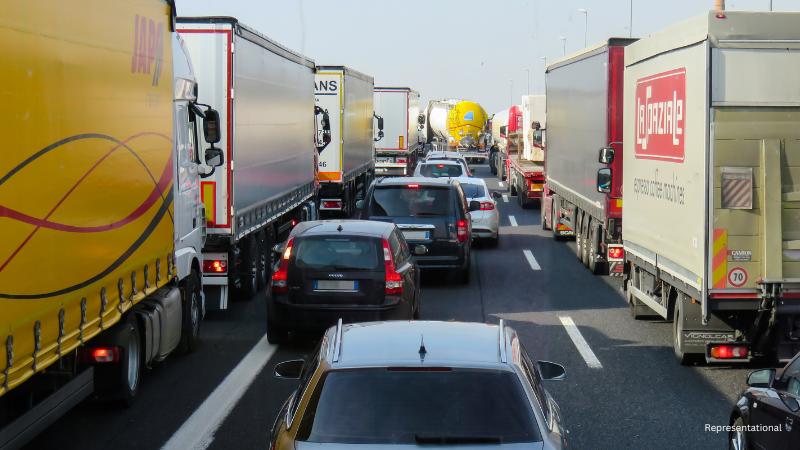
A fatal road accident in Mirzapur district of Uttar Pradesh, India, around 8:00 PM IST on Wednesday, April 22, 2026evening resulted in the deaths of 11 people after a truck collided with multiple vehicles and triggered a fire, authorities confirmed. The incident highlights ongoing concerns about road safety and traffic enforcement in the region. According to police officials, the crash occurred when a speeding truck rammed into a Swift car. The force of the impact pushed the smalle
Deadly Uttar Pradesh crash leaves 11 dead after truck collision and fire
A fatal road accident in Mirzapur district of Uttar Pradesh, India, around 8:00 PM IST on Wednesday, April 22, 2026evening resulted in the deaths of 11 people after a truck collided with multiple vehicles and triggered a fire, authorities confirmed. The incident highlights ongoing concerns about road safety and traffic enforcement in the region. According to police officials, the crash occurred when a speeding truck rammed into a Swift car. The force of the impact pushed the smalle
Wildfires intensify across Georgia and Florida, forcing evacuations
NAHUNTA, Georgia — Wildfires burning across the southeastern United States intensified on Wednesday, April 22, 2026, destroying dozens of homes in Georgia and forcing widespread evacuations, school closures, and emergency responses across multiple communities. Officials reported that nearly 50 homes were destroyed in Georgia, with the most severe damage concentrated in Brantley County. County Manager Joey Cason said the fast-moving fire there expanded roughly sixfold within half a d
Wildfires intensify across Georgia and Florida, forcing evacuations
NAHUNTA, Georgia — Wildfires burning across the southeastern United States intensified on Wednesday, April 22, 2026, destroying dozens of homes in Georgia and forcing widespread evacuations, school closures, and emergency responses across multiple communities. Officials reported that nearly 50 homes were destroyed in Georgia, with the most severe damage concentrated in Brantley County. County Manager Joey Cason said the fast-moving fire there expanded roughly sixfold within half a d
US gives Iran limited window for deal amid reported leadership rift
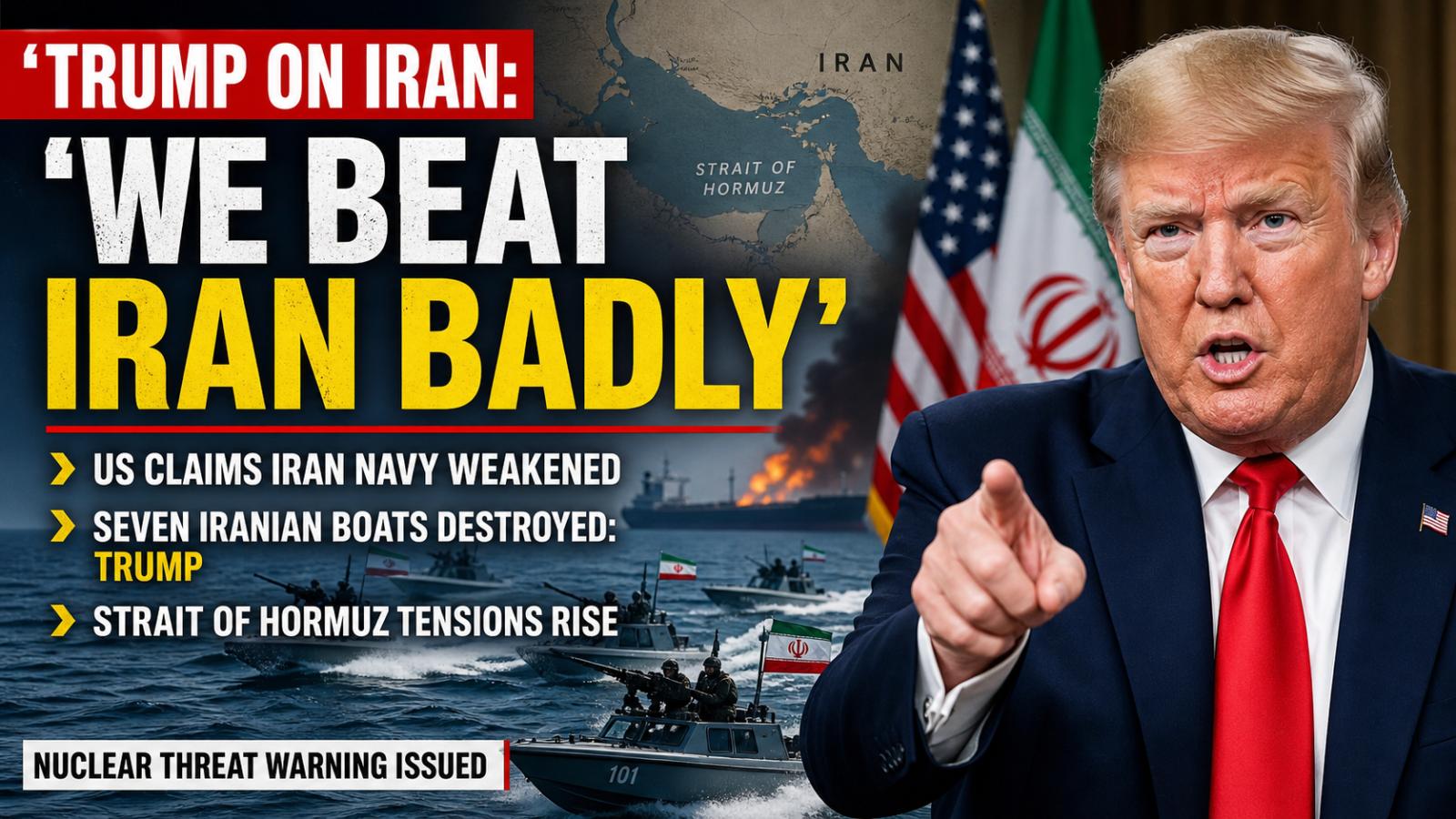
The Trump administration has set a narrow window for Iran to respond to a proposed agreement aimed at sustaining a ceasefire and addressing Tehran’s nuclear program, signaling that the pause in hostilities may soon expire without progress. According to U.S. officials, President Donald Trump is willing to allow only a few additional days for Iranian leadership to present a unified position, underscoring growing impatience in Washington over stalled diplomacy. Officials familiar with internal discussions said the administration still views a negotiated resolution as achievable but is increasingly concerned about what it sees as divisions within Iran’s leadership. Reports indicate tensions between military figures tied to the Islamic Revolutionary Guard Corps and civilian negotiators, complicating Tehran’s ability to respond decisively to U.S. proposals. Disagreements reportedly surfaced after initial talks in Islamabad, where military leaders rejected elements discussed by diplomatic representatives. Iran has yet to formally commit to a second round of negotiations, and a planned U.S. delegation visit—expected to include Vice President JD Vance—was ultimately canceled. The delay has fueled frustration within the White House, where senior officials have debated whether to extend diplomatic efforts or consider renewed military action. Following consultations with top advisers, including Marco Rubio and Pete Hegseth, Trump opted to allow more time for negotiations. Despite U.S. claims of internal fractures in Tehran, some analysts dispute that assessment. Mehran Kamrava of Georgetown University Qatar has argued that Iran’s leadership remains broadly cohesive, even amid leadership transitions and limited public visibility from senior figures. Trump has also emphasized economic pressure as a key lever, pointing to restrictions affecting Iran’s oil exports through the Strait of Hormuz. While he has signaled reluctance to escalate militarily, officials caution that force remains an option if diplomatic efforts fail within the current timeframe.
US gives Iran limited window for deal amid reported leadership rift
The Trump administration has set a narrow window for Iran to respond to a proposed agreement aimed at sustaining a ceasefire and addressing Tehran’s nuclear program, signaling that the pause in hostilities may soon expire without progress. According to U.S. officials, President Donald Trump is willing to allow only a few additional days for Iranian leadership to present a unified position, underscoring growing impatience in Washington over stalled diplomacy. Officials familiar with internal discussions said the administration still views a negotiated resolution as achievable but is increasingly concerned about what it sees as divisions within Iran’s leadership. Reports indicate tensions between military figures tied to the Islamic Revolutionary Guard Corps and civilian negotiators, complicating Tehran’s ability to respond decisively to U.S. proposals. Disagreements reportedly surfaced after initial talks in Islamabad, where military leaders rejected elements discussed by diplomatic representatives. Iran has yet to formally commit to a second round of negotiations, and a planned U.S. delegation visit—expected to include Vice President JD Vance—was ultimately canceled. The delay has fueled frustration within the White House, where senior officials have debated whether to extend diplomatic efforts or consider renewed military action. Following consultations with top advisers, including Marco Rubio and Pete Hegseth, Trump opted to allow more time for negotiations. Despite U.S. claims of internal fractures in Tehran, some analysts dispute that assessment. Mehran Kamrava of Georgetown University Qatar has argued that Iran’s leadership remains broadly cohesive, even amid leadership transitions and limited public visibility from senior figures. Trump has also emphasized economic pressure as a key lever, pointing to restrictions affecting Iran’s oil exports through the Strait of Hormuz. While he has signaled reluctance to escalate militarily, officials caution that force remains an option if diplomatic efforts fail within the current timeframe.