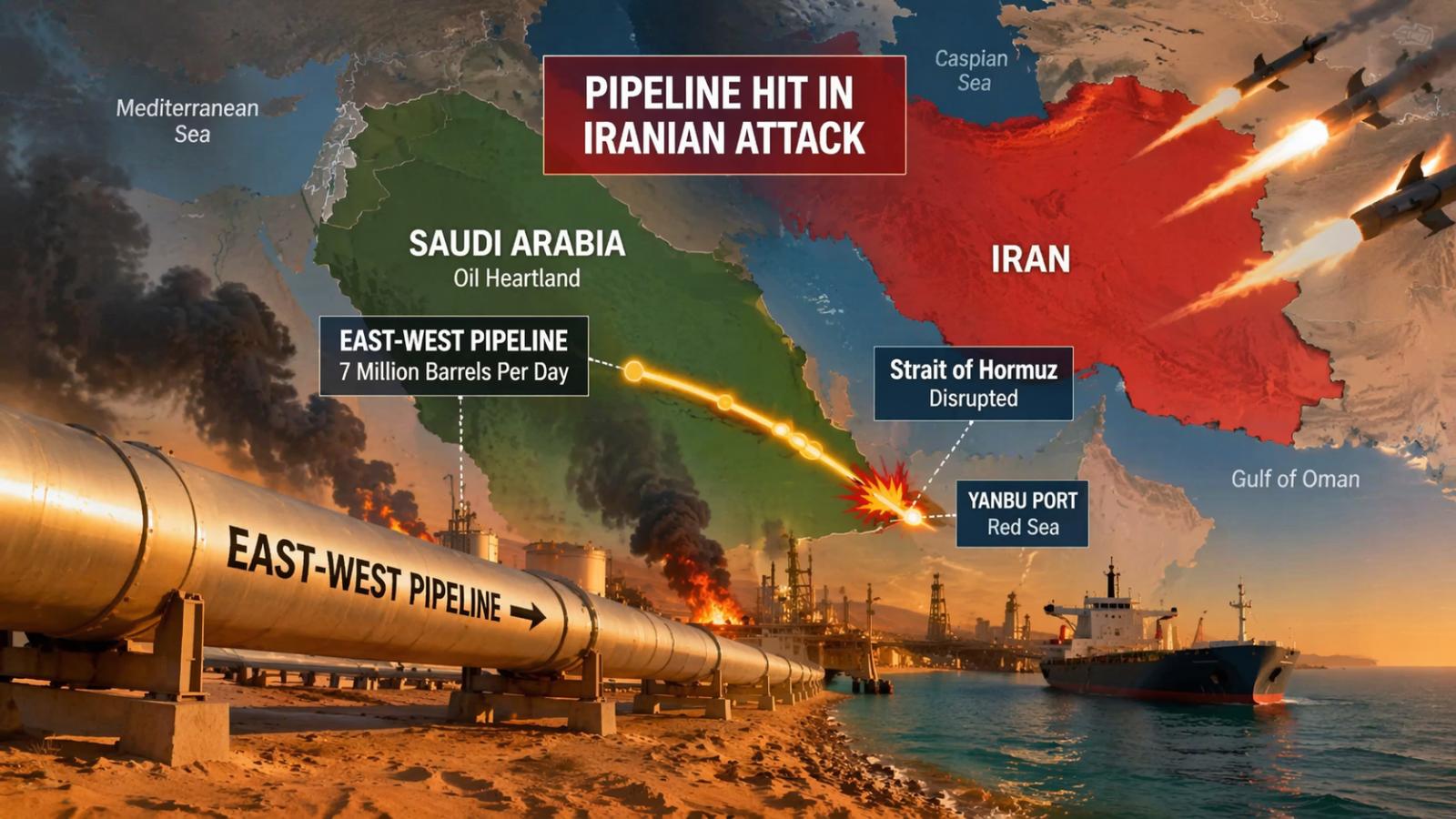
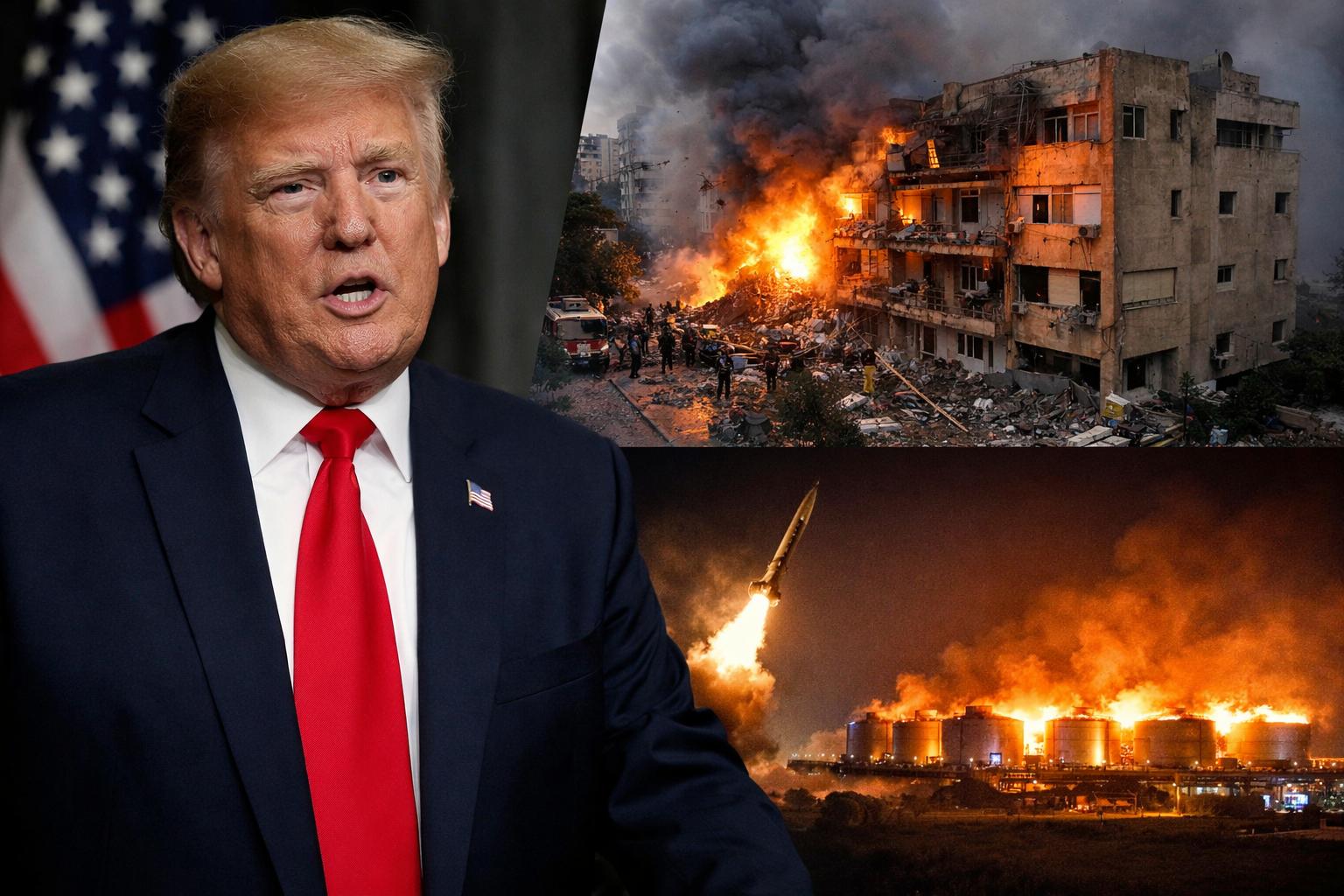
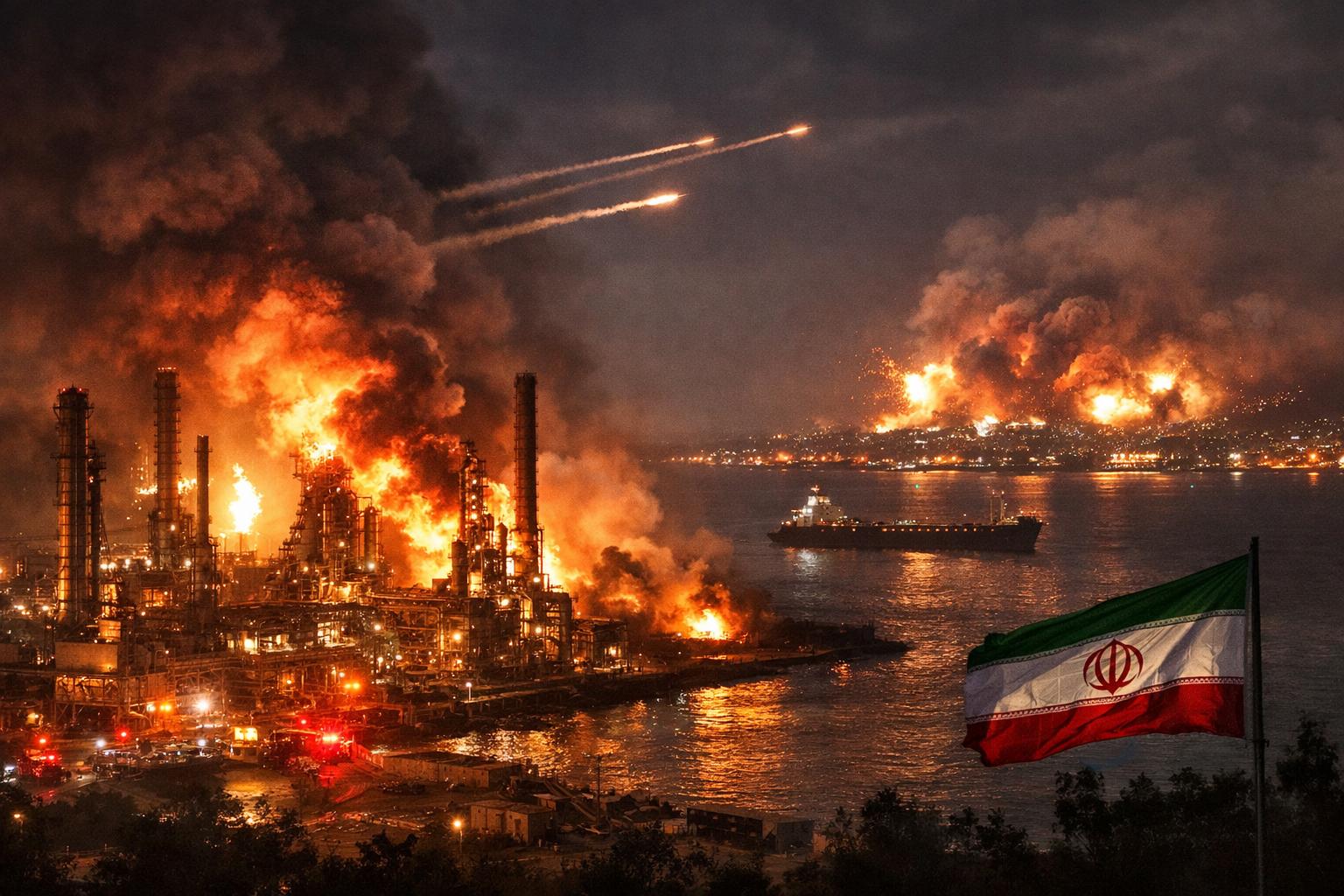
Saudi Arabia’s critical East-West oil pipeline, a key route for crude exports, was struck in an Iranian attack, according to an industry source on Wednesday. The pipeline, currently serving as the kingdom’s primary export outlet after disruptions in the Strait of Hormuz, was among several oil-related facilities targeted across the country.
The East-West pipeline plays a central role in maintaining Saudi Arabia’s oil supply chain, transporting approximately 7 million barrels per
Saudi Arabia’s critical East-West oil pipeline, a key route for crude exports, was struck in an Iranian attack, according to an industry source on Wednesday. The pipeline, currently serving as the kingdom’s primary export outlet after disruptions in the Strait of Hormuz, was among several oil-related facilities targeted across the country.
The East-West pipeline plays a central role in maintaining Saudi Arabia’s oil supply chain, transporting approximately 7 million barrels per
TEHRAN, Iran — Iran, the United States, and Israel agreed to a two-week ceasefire on Wednesday, April 8, 2026 (Iran Standard Time), in a last-minute effort to halt escalating hostilities that had raised fears of a broader regional war. The agreement, described by U.S. Vice President JD Vance as “fragile,” came just hours before the United States was expected to launch a major bombing campaign against Iran.
Despite the announcement, reports of renewed missile and drone attacks
TEHRAN, Iran — Iran, the United States, and Israel agreed to a two-week ceasefire on Wednesday, April 8, 2026 (Iran Standard Time), in a last-minute effort to halt escalating hostilities that had raised fears of a broader regional war. The agreement, described by U.S. Vice President JD Vance as “fragile,” came just hours before the United States was expected to launch a major bombing campaign against Iran.
Despite the announcement, reports of renewed missile and drone attacks
Calls for President Donald Trump’s removal from office intensified among congressional Democrats following a controversial social media post in which he warned that “a whole civilization will die tonight” in reference to Iran. The statement, made on Easter Sunday, has fueled renewed debate in Washington over the use of impeachment or the 25th Amendment, marking a significant shift from earlier reluctance to pursue such measures during his second term.
Democratic lawmakers cite
Calls for President Donald Trump’s removal from office intensified among congressional Democrats following a controversial social media post in which he warned that “a whole civilization will die tonight” in reference to Iran. The statement, made on Easter Sunday, has fueled renewed debate in Washington over the use of impeachment or the 25th Amendment, marking a significant shift from earlier reluctance to pursue such measures during his second term.
Democratic lawmakers cite
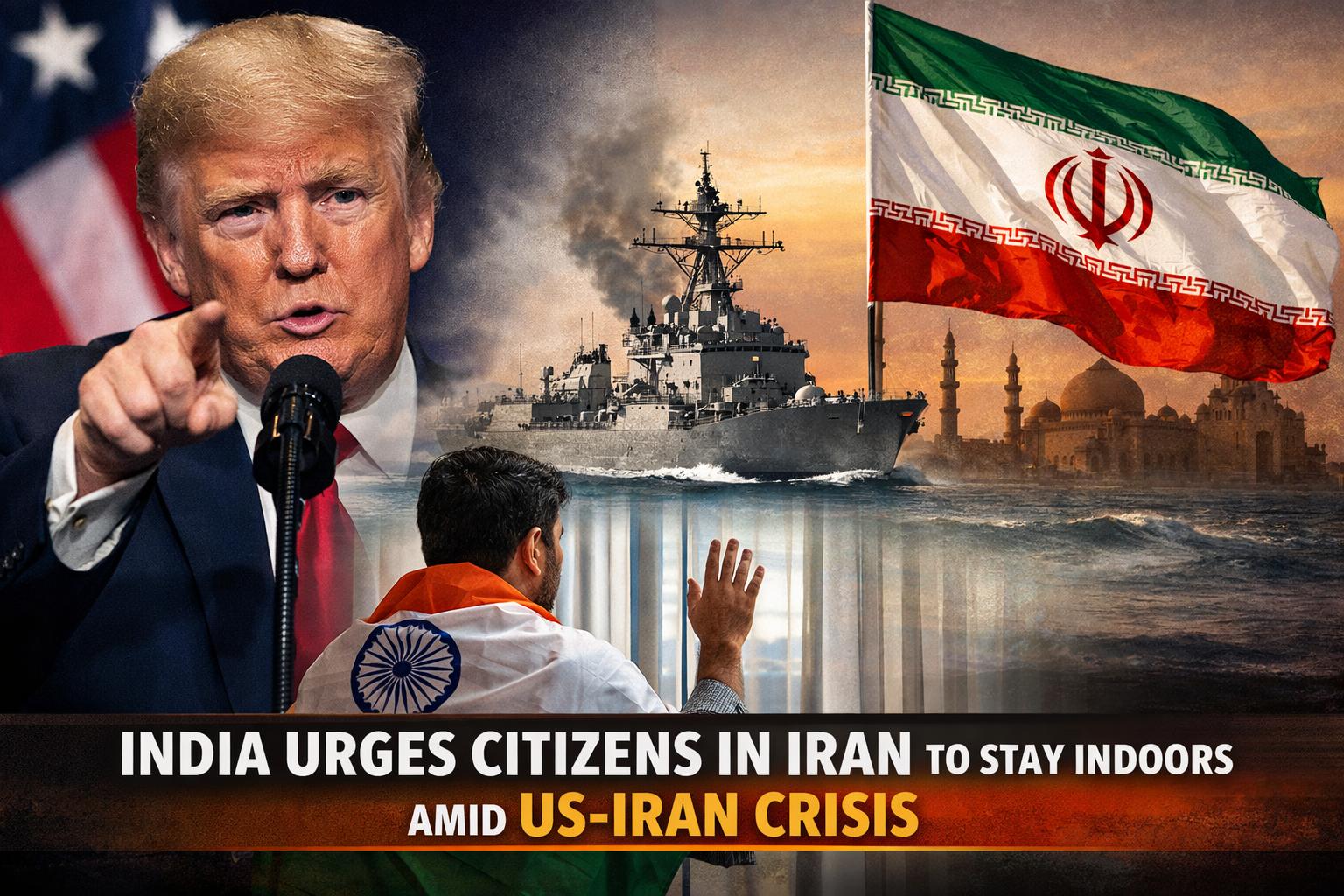
The Indian embassy in Iran issued a security advisory on Tuesday, April 7, 2026, urging Indian nationals across the country to remain indoors for the next 48 hours as geopolitical tensions intensify between the United States and Iran. The advisory comes amid heightened uncertainty surrounding a deadline set by US President Donald Trump related to reopening the Strait of Hormuz, a critical global shipping route.
In its official statement released from Tehran, the embassy instructed
The Indian embassy in Iran issued a security advisory on Tuesday, April 7, 2026, urging Indian nationals across the country to remain indoors for the next 48 hours as geopolitical tensions intensify between the United States and Iran. The advisory comes amid heightened uncertainty surrounding a deadline set by US President Donald Trump related to reopening the Strait of Hormuz, a critical global shipping route.
In its official statement released from Tehran, the embassy instructed
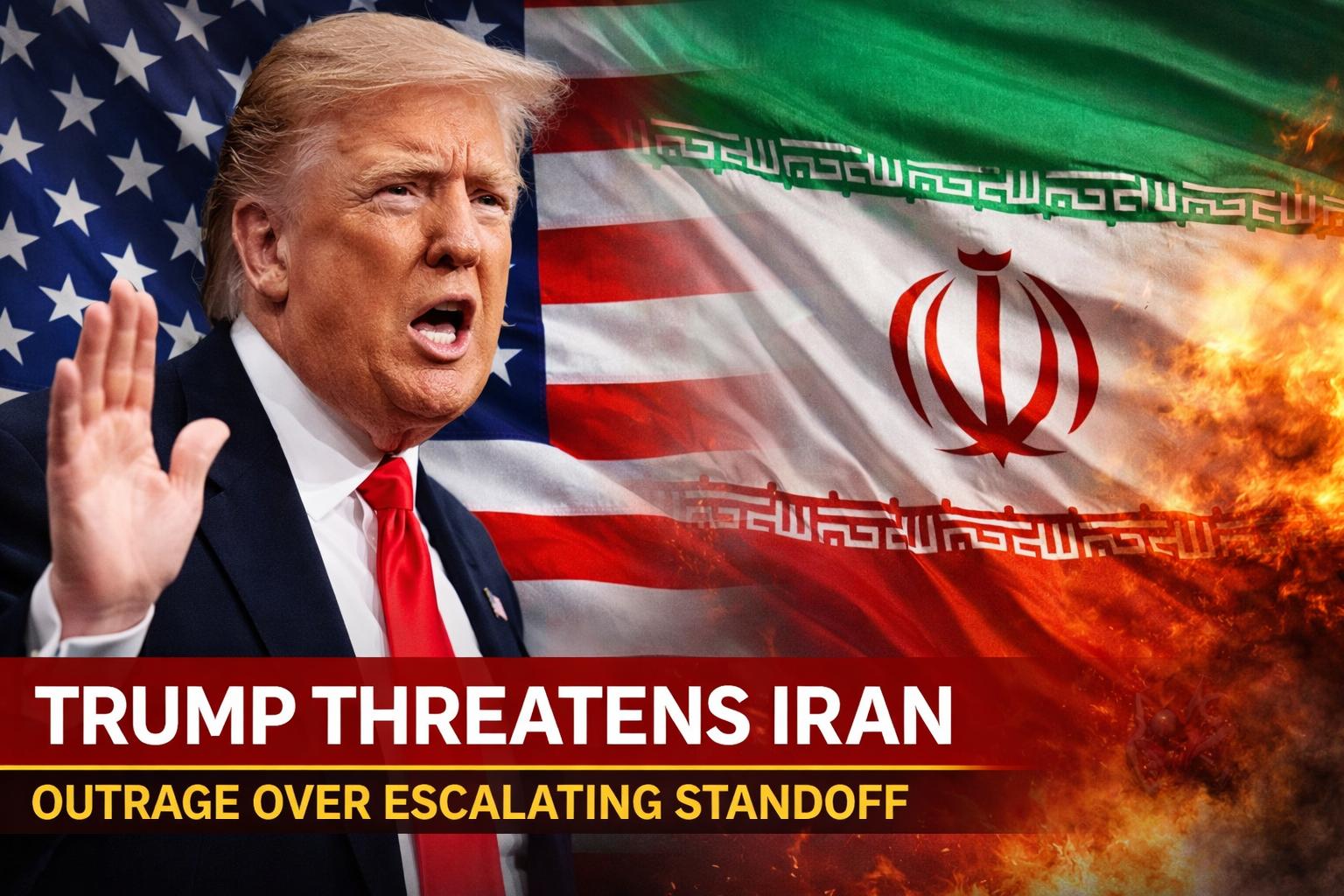
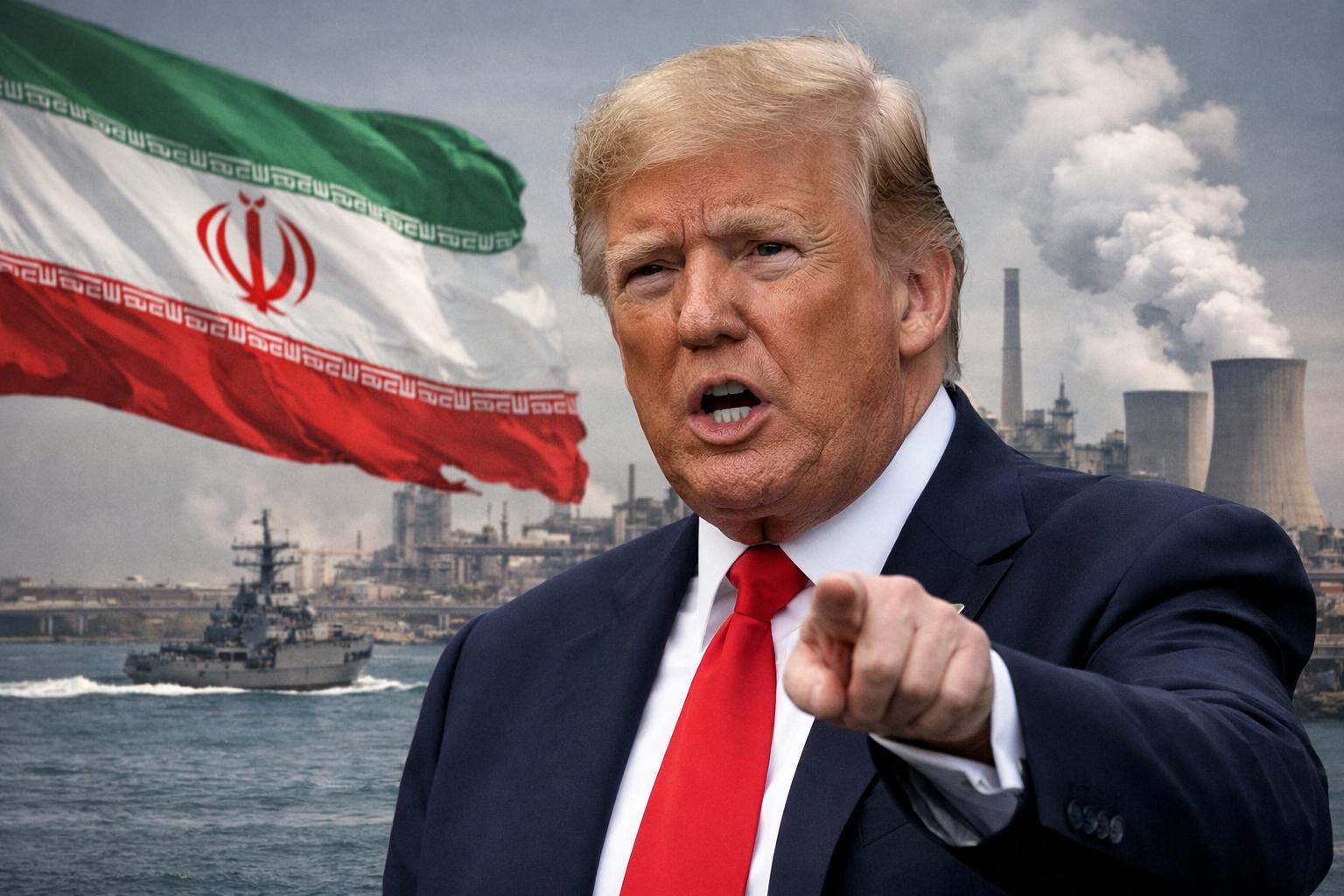
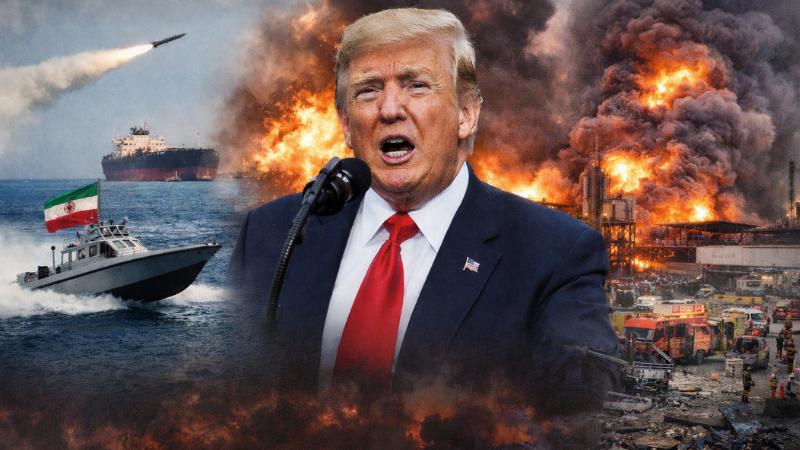
President Donald Trump faced widespread criticism after issuing a stark warning toward Iran, threatening the destruction of the country’s civilization if it failed to meet U.S. demands by 8:00 PM on Tuesday, though the exact date was not specified. The remarks, posted on social media, intensified already heightened tensions between the United States and Iran.
Iran responded by suspending direct communications with Washington, while continuing indirect discussions through cease-fir
President Donald Trump faced widespread criticism after issuing a stark warning toward Iran, threatening the destruction of the country’s civilization if it failed to meet U.S. demands by 8:00 PM on Tuesday, though the exact date was not specified. The remarks, posted on social media, intensified already heightened tensions between the United States and Iran.
Iran responded by suspending direct communications with Washington, while continuing indirect discussions through cease-fir
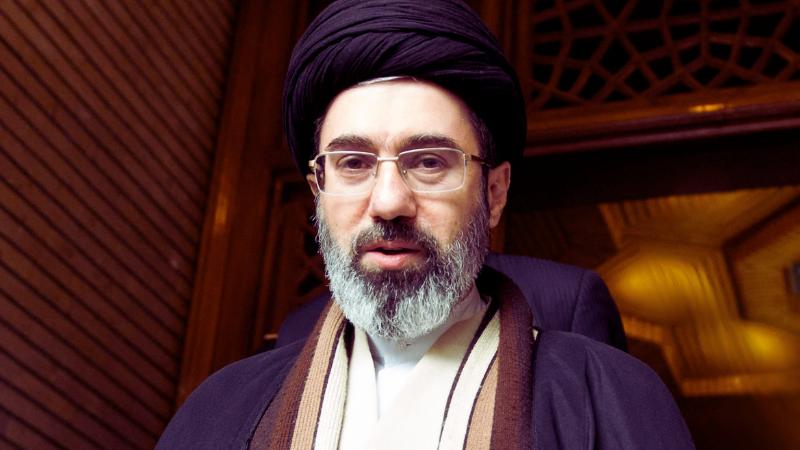
Mojtaba Khamenei, the newly-appointed Supreme Leader of Iran, is currently unconscious and receiving medical treatment in Qom, Iran. The report, based on intelligence sources from the US and Israel, revealed that Khamenei sustained severe injuries in the same airstrike that killed his father, Ayatollah Ali Khamenei, on February 28, 2026. Due to his current condition, Mojtaba Khamenei is unable to be involved in the decision-making process of the country, which has raised concerns regardi
Mojtaba Khamenei, the newly-appointed Supreme Leader of Iran, is currently unconscious and receiving medical treatment in Qom, Iran. The report, based on intelligence sources from the US and Israel, revealed that Khamenei sustained severe injuries in the same airstrike that killed his father, Ayatollah Ali Khamenei, on February 28, 2026. Due to his current condition, Mojtaba Khamenei is unable to be involved in the decision-making process of the country, which has raised concerns regardi
Escalating tensions across the Middle East intensified after US President Donald Trump said Iran’s response to a proposed ceasefire was “substantial” but ultimately “not good enough,” signaling continued diplomatic strain as military exchanges widened across the region.
The remarks came as at least 34 people, including six children, were reported killed in coordinated US-Israeli strikes across Iran. The attacks mark a significant escalation in the ongoing conflict, raisin
Escalating tensions across the Middle East intensified after US President Donald Trump said Iran’s response to a proposed ceasefire was “substantial” but ultimately “not good enough,” signaling continued diplomatic strain as military exchanges widened across the region.
The remarks came as at least 34 people, including six children, were reported killed in coordinated US-Israeli strikes across Iran. The attacks mark a significant escalation in the ongoing conflict, raisin
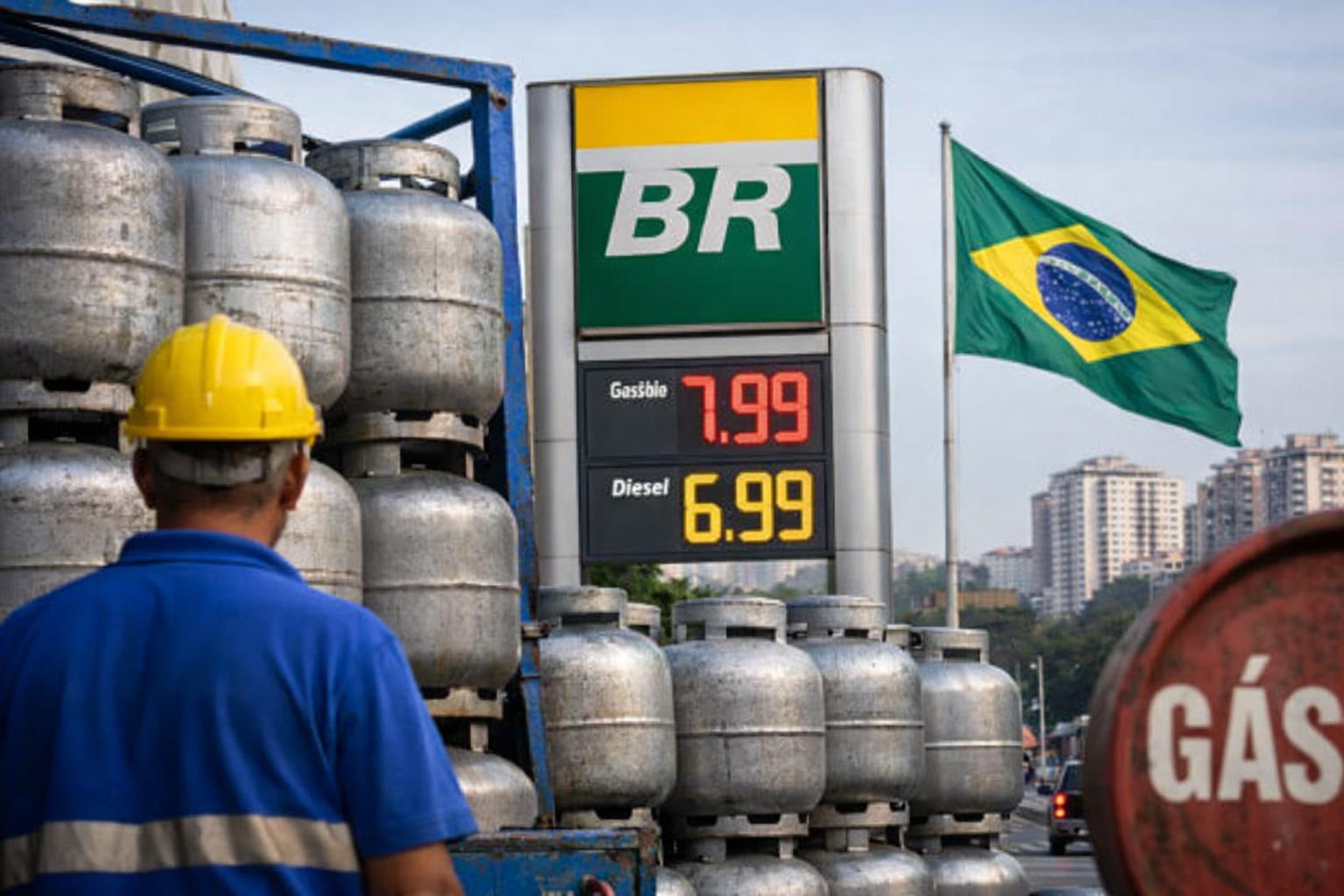
RIO DE JANEIRO — Monday, April 6, 2026 — Surging energy prices linked to global geopolitical tensions are putting pressure on Brazil’s flagship cooking gas subsidy program, raising concerns about its sustainability just months ahead of the country’s presidential election.
The initiative, known as “People’s Gas,” was launched by President Luiz Inacio Lula da Silva in November 2025 as a central component of his energy policy, aiming to provide free liquefied petroleum g
RIO DE JANEIRO — Monday, April 6, 2026 — Surging energy prices linked to global geopolitical tensions are putting pressure on Brazil’s flagship cooking gas subsidy program, raising concerns about its sustainability just months ahead of the country’s presidential election.
The initiative, known as “People’s Gas,” was launched by President Luiz Inacio Lula da Silva in November 2025 as a central component of his energy policy, aiming to provide free liquefied petroleum g
The Strait of Hormuz, a narrow waterway connecting the Persian Gulf to the open ocean, remains one of the most strategically important routes in the global economy. Located between Iran and Oman, this passage serves as a critical channel for transporting oil from major producing countries to markets around the world.
A significant portion of the world’s oil supply moves through this route each day, making it essential for maintaining stable energy markets. Because many countries r
The Strait of Hormuz, a narrow waterway connecting the Persian Gulf to the open ocean, remains one of the most strategically important routes in the global economy. Located between Iran and Oman, this passage serves as a critical channel for transporting oil from major producing countries to markets around the world.
A significant portion of the world’s oil supply moves through this route each day, making it essential for maintaining stable energy markets. Because many countries r
U.S. President Donald Trump on Sunday (exact date not specified in the source) dismissed concerns that potential strikes on Iran’s power plants and civilian infrastructure could constitute a war crime, delivering a series of controversial remarks that further escalated tensions between Washington and Tehran. Speaking to reporters during a public event at the White House, Trump defended his position, stating he was “not worried” about such concerns and using inflammatory language to describ
U.S. President Donald Trump on Sunday (exact date not specified in the source) dismissed concerns that potential strikes on Iran’s power plants and civilian infrastructure could constitute a war crime, delivering a series of controversial remarks that further escalated tensions between Washington and Tehran. Speaking to reporters during a public event at the White House, Trump defended his position, stating he was “not worried” about such concerns and using inflammatory language to describ
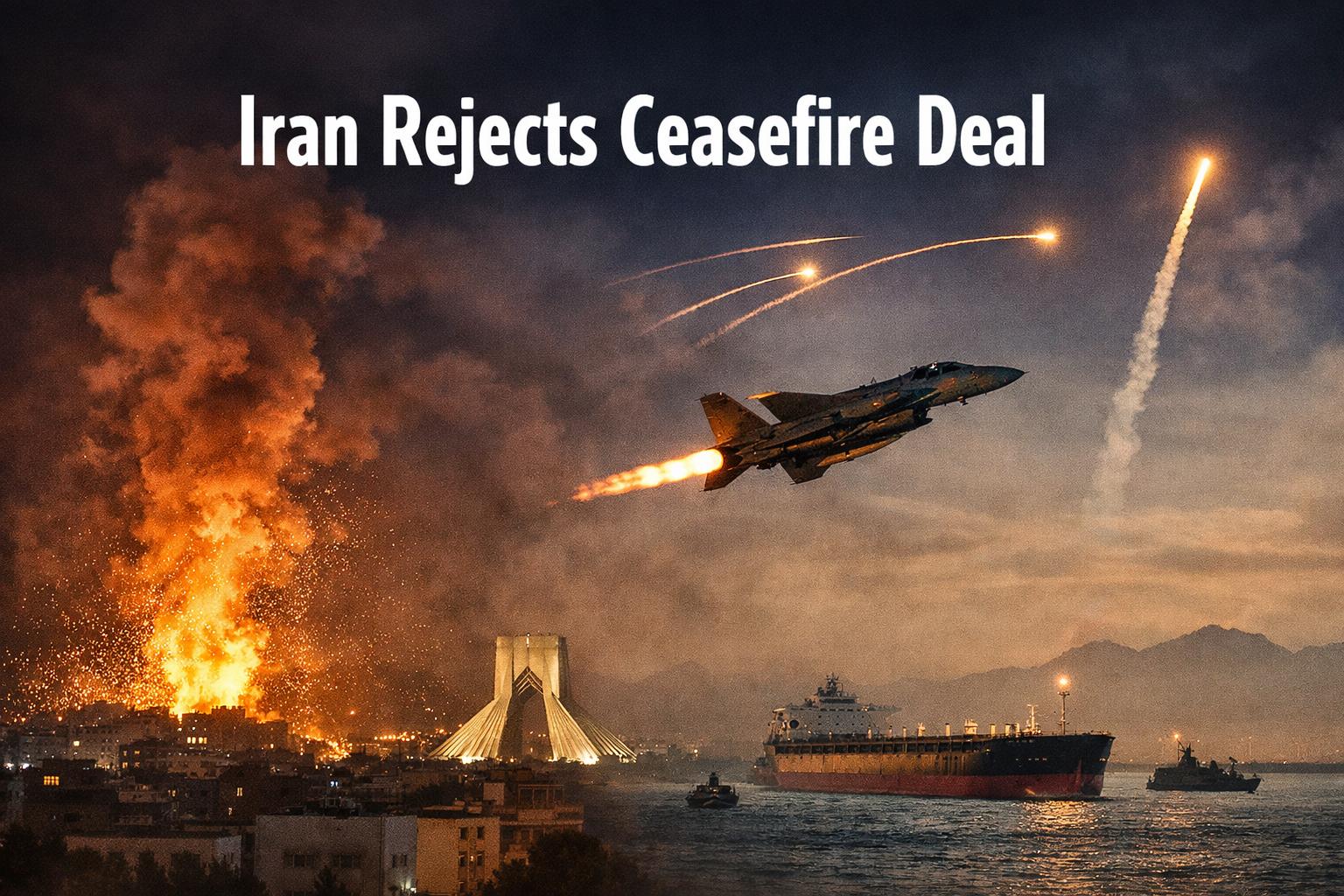
TEHRAN, Iran — Iran has rejected a proposed ceasefire agreement and is instead calling for a permanent end to hostilities, intensifying an already volatile situation in the Middle East. The development was reported on Monday, April 6, 2026, local time in Iran, amid rising pressure from the United States and escalating military actions involving Israel.
Mojtaba Ferdousi Pour, head of Iran’s diplomatic mission in Cairo, stated that Tehran would not agree to a temporary truce without guarantees of long-term security. He emphasized that Iran seeks a definitive end to the conflict with assurances that future attacks would not occur. According to Iranian officials, the country conveyed its position through Pakistan, which has been acting as a key mediator in ongoing diplomatic efforts.
The rejection comes as U.S. President Donald Trump has imposed a deadline tied to the reopening of the Strait of Hormuz, a critical global shipping route through which roughly 20% of the world’s oil supply passes during peacetime. Iranian and Omani officials are reportedly working on a mechanism to manage traffic through the strategic waterway. Disruptions in the strait have already contributed to rising oil prices and heightened concerns about the global economy.
Tensions further escalated following Israeli strikes on Iran’s South Pars natural gas field, a major energy hub shared with Qatar and vital to Iran’s electricity production. The strikes also reportedly killed senior figures within Iran’s Revolutionary Guard, including intelligence chief Maj. Gen. Majid Khademi and a commander linked to the Quds Force. Israeli officials indicated that targeting Iran’s economic and military infrastructure remains a priority.
Simultaneously, explosions were reported across Tehran, with residents describing sustained aerial activity, including drones and low-flying aircraft. Israeli forces also claimed to have struck multiple airports in the Iranian capital, damaging military assets.
Efforts by mediators from Egypt, Pakistan, and Turkey to broker a 45-day ceasefire and reopen the Strait of Hormuz are ongoing, though progress appears uncertain. Iranian officials have reiterated that negotiations cannot proceed under threats or ultimatums.
Regional tensions have also spread to neighboring Gulf countries, with Kuwait, the United Arab Emirates, and Saudi Arabia activating air defenses in response to Iranian missile and drone activity. In Israel, missile strikes reportedly hit residential areas in Haifa, resulting in civilian casualties. The situation continues to evolve, with significant implications for global energy markets and regional stability.
TEHRAN, Iran — Iran has rejected a proposed ceasefire agreement and is instead calling for a permanent end to hostilities, intensifying an already volatile situation in the Middle East. The development was reported on Monday, April 6, 2026, local time in Iran, amid rising pressure from the United States and escalating military actions involving Israel.
Mojtaba Ferdousi Pour, head of Iran’s diplomatic mission in Cairo, stated that Tehran would not agree to a temporary truce without guarantees of long-term security. He emphasized that Iran seeks a definitive end to the conflict with assurances that future attacks would not occur. According to Iranian officials, the country conveyed its position through Pakistan, which has been acting as a key mediator in ongoing diplomatic efforts.
The rejection comes as U.S. President Donald Trump has imposed a deadline tied to the reopening of the Strait of Hormuz, a critical global shipping route through which roughly 20% of the world’s oil supply passes during peacetime. Iranian and Omani officials are reportedly working on a mechanism to manage traffic through the strategic waterway. Disruptions in the strait have already contributed to rising oil prices and heightened concerns about the global economy.
Tensions further escalated following Israeli strikes on Iran’s South Pars natural gas field, a major energy hub shared with Qatar and vital to Iran’s electricity production. The strikes also reportedly killed senior figures within Iran’s Revolutionary Guard, including intelligence chief Maj. Gen. Majid Khademi and a commander linked to the Quds Force. Israeli officials indicated that targeting Iran’s economic and military infrastructure remains a priority.
Simultaneously, explosions were reported across Tehran, with residents describing sustained aerial activity, including drones and low-flying aircraft. Israeli forces also claimed to have struck multiple airports in the Iranian capital, damaging military assets.
Efforts by mediators from Egypt, Pakistan, and Turkey to broker a 45-day ceasefire and reopen the Strait of Hormuz are ongoing, though progress appears uncertain. Iranian officials have reiterated that negotiations cannot proceed under threats or ultimatums.
Regional tensions have also spread to neighboring Gulf countries, with Kuwait, the United Arab Emirates, and Saudi Arabia activating air defenses in response to Iranian missile and drone activity. In Israel, missile strikes reportedly hit residential areas in Haifa, resulting in civilian casualties. The situation continues to evolve, with significant implications for global energy markets and regional stability.
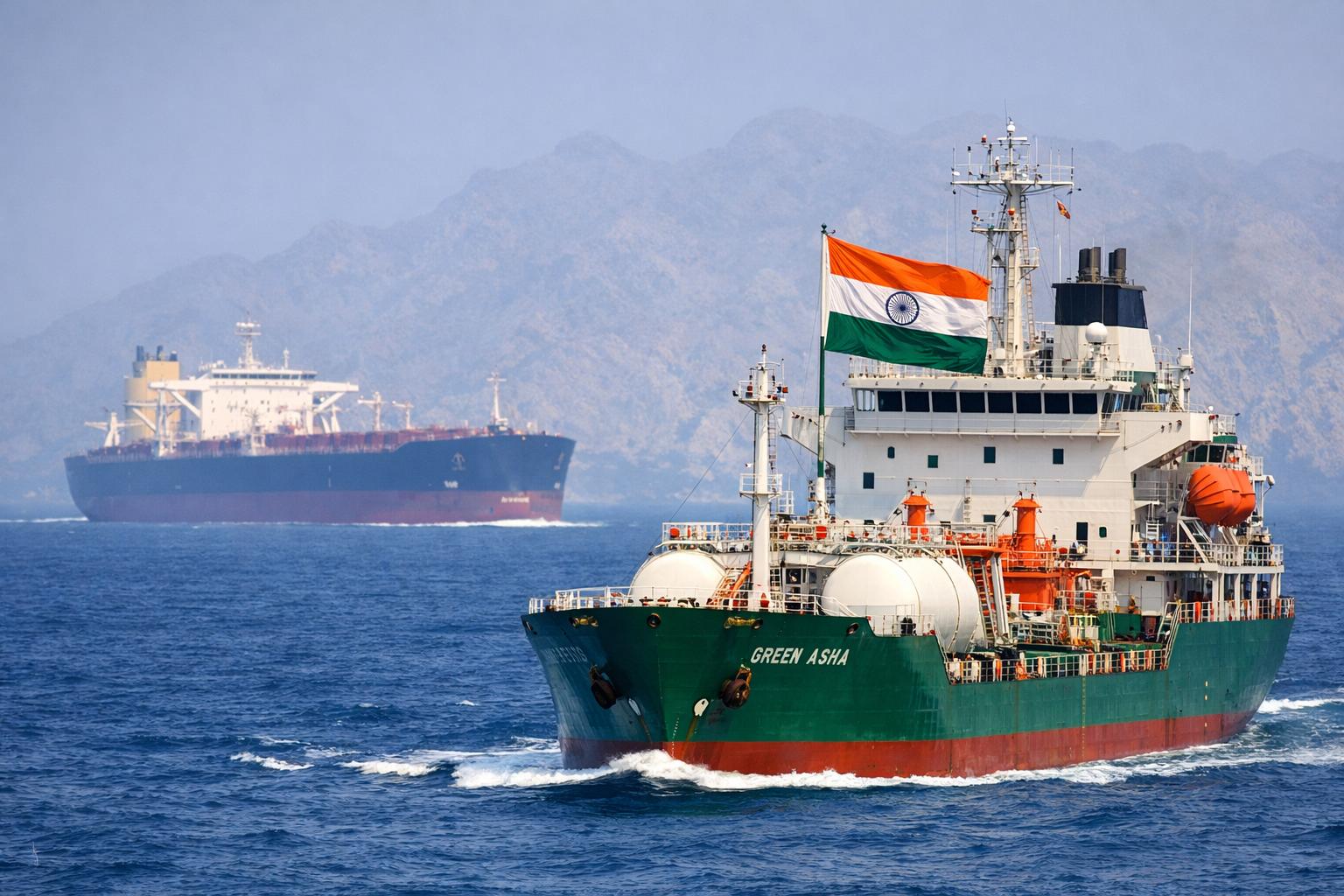
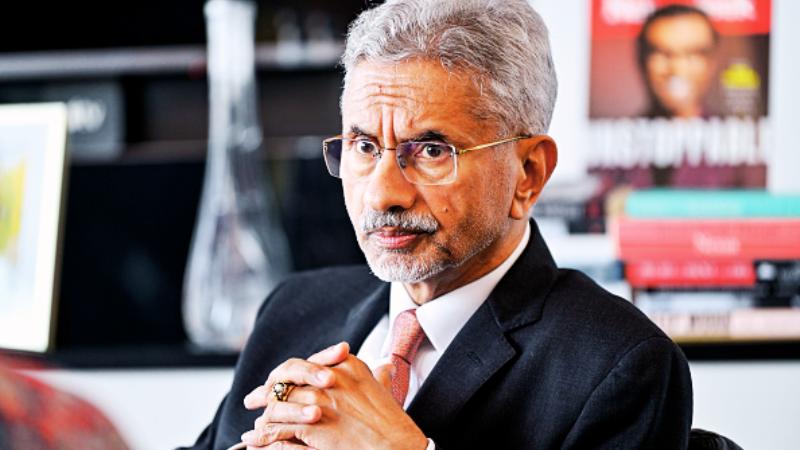
At an inter-ministerial press conference held on Monday, April 6, 2026, in India (IST), Mukesh Mangal, Secretary in the Ministry of Ports, Shipping and Waterways, confirmed that Indian seafarers operating in the conflict-affected West Asia region remain safe, even as escalating geopolitical tensions continue to disrupt global energy markets.
Mangal stated that no incidents involving Indian-flagged vessels had been reported in the preceding 24 hours, underscoring the government’s ong
At an inter-ministerial press conference held on Monday, April 6, 2026, in India (IST), Mukesh Mangal, Secretary in the Ministry of Ports, Shipping and Waterways, confirmed that Indian seafarers operating in the conflict-affected West Asia region remain safe, even as escalating geopolitical tensions continue to disrupt global energy markets.
Mangal stated that no incidents involving Indian-flagged vessels had been reported in the preceding 24 hours, underscoring the government’s ong
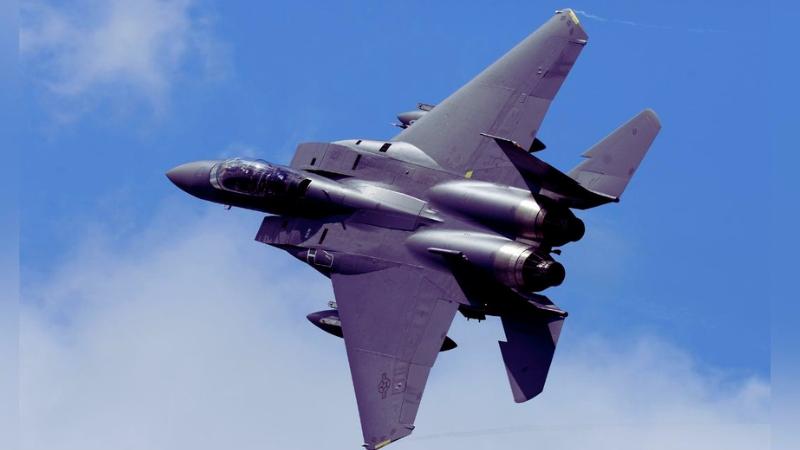
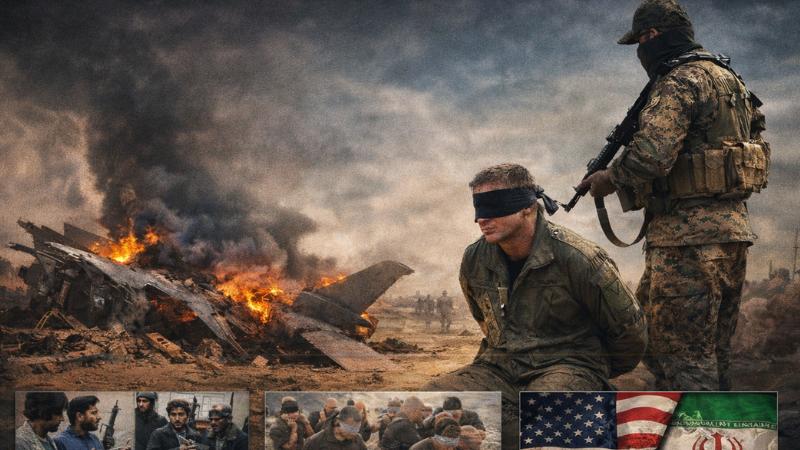
US President Donald Trump recently revealed the three-word radio message sent by a US pilot trapped in Iran, which initially sparked fears of an Iranian trap. The pilot, a weapons system officer, had ejected from his downed F-15E Strike Eagle over southern Iran on April 3, 2026, during the ongoing conflict. After his aircraft was shot down, the first pilot was rescued, but the second remained missing, and both US and Iranian forces raced to locate him.
During the search, Trump expla
US President Donald Trump recently revealed the three-word radio message sent by a US pilot trapped in Iran, which initially sparked fears of an Iranian trap. The pilot, a weapons system officer, had ejected from his downed F-15E Strike Eagle over southern Iran on April 3, 2026, during the ongoing conflict. After his aircraft was shot down, the first pilot was rescued, but the second remained missing, and both US and Iranian forces raced to locate him.
During the search, Trump expla
The Gulf region is facing rising tensions, with a series of drone attacks, fires, and infrastructure damage being reported across multiple countries, including Kuwait, Bahrain, and the UAE. The situation has been exacerbated by a warning from U.S. President Donald Trump, who set a deadline for Iran to reopen the Strait of Hormuz by 7th April 2026 evening. If Iran fails to comply, Trump has indicated that the U.S. will target critical infrastructure in retaliation. This escalation is of global
The Gulf region is facing rising tensions, with a series of drone attacks, fires, and infrastructure damage being reported across multiple countries, including Kuwait, Bahrain, and the UAE. The situation has been exacerbated by a warning from U.S. President Donald Trump, who set a deadline for Iran to reopen the Strait of Hormuz by 7th April 2026 evening. If Iran fails to comply, Trump has indicated that the U.S. will target critical infrastructure in retaliation. This escalation is of global
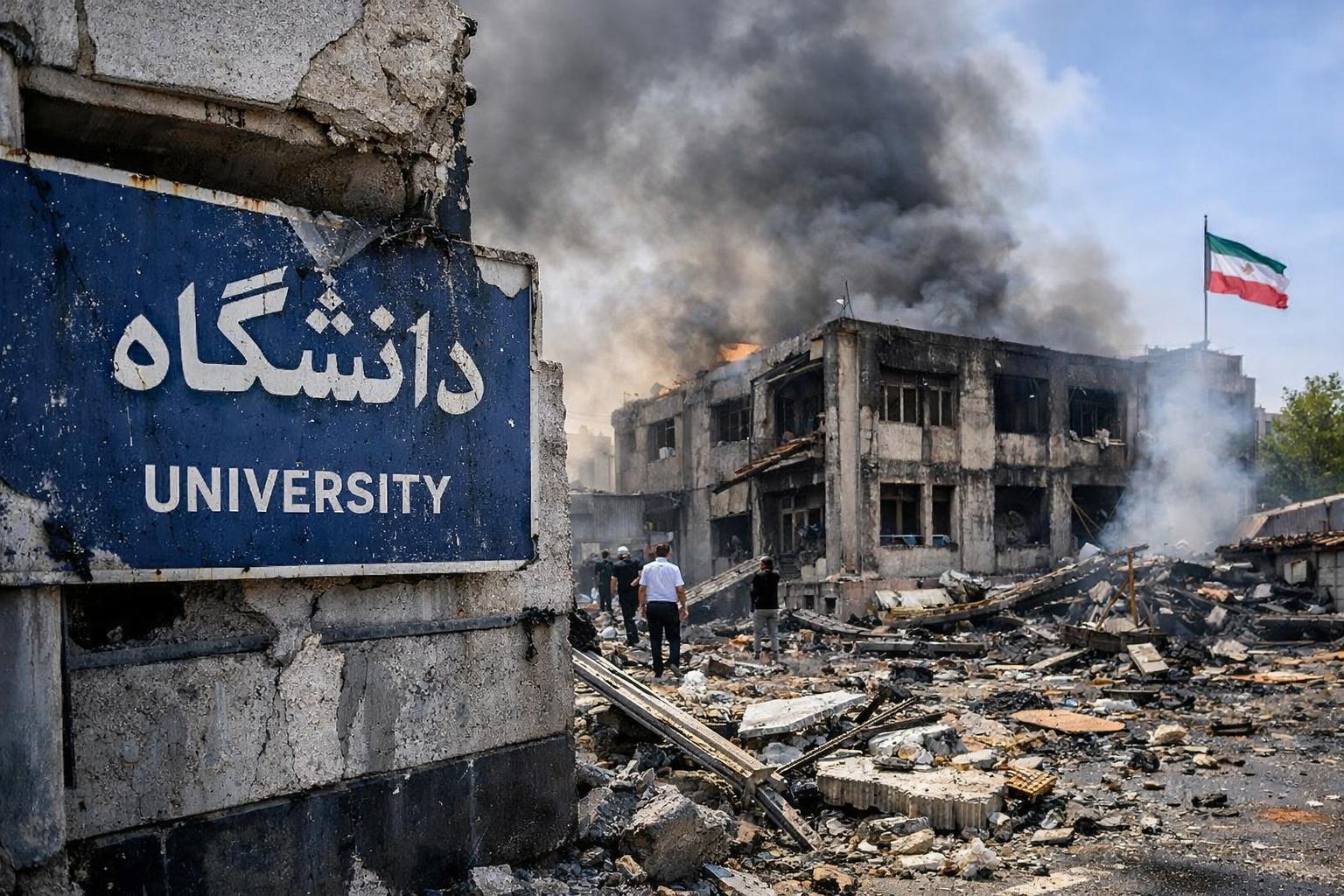
Iranian authorities have stated that at least 30 universities across the country have been damaged since the start of ongoing military strikes involving the United States and Israel, highlighting the widening impact of the conflict on civilian infrastructure.
Officials in Tehran reported that multiple higher education institutions were affected during a series of attacks that have intensified in recent weeks. The strikes, which Iran attributes to coordinated US-Israel military operati
Iranian authorities have stated that at least 30 universities across the country have been damaged since the start of ongoing military strikes involving the United States and Israel, highlighting the widening impact of the conflict on civilian infrastructure.
Officials in Tehran reported that multiple higher education institutions were affected during a series of attacks that have intensified in recent weeks. The strikes, which Iran attributes to coordinated US-Israel military operati
On Saturday, April 4, 2026, a significant event unfolded when Iran shot down a US F-15E fighter jet, marking the first confirmed loss of an American aircraft inside Iranian territory since the war began on February 28, 2026. The downing of the F-15E came as a shocking turn of events in the ongoing tensions between the two nations. The aircraft, which was operated by a two-member crew, resulted in one of the crew members being rescued by US forces, while the other remains missing. The incident
On Saturday, April 4, 2026, a significant event unfolded when Iran shot down a US F-15E fighter jet, marking the first confirmed loss of an American aircraft inside Iranian territory since the war began on February 28, 2026. The downing of the F-15E came as a shocking turn of events in the ongoing tensions between the two nations. The aircraft, which was operated by a two-member crew, resulted in one of the crew members being rescued by US forces, while the other remains missing. The incident
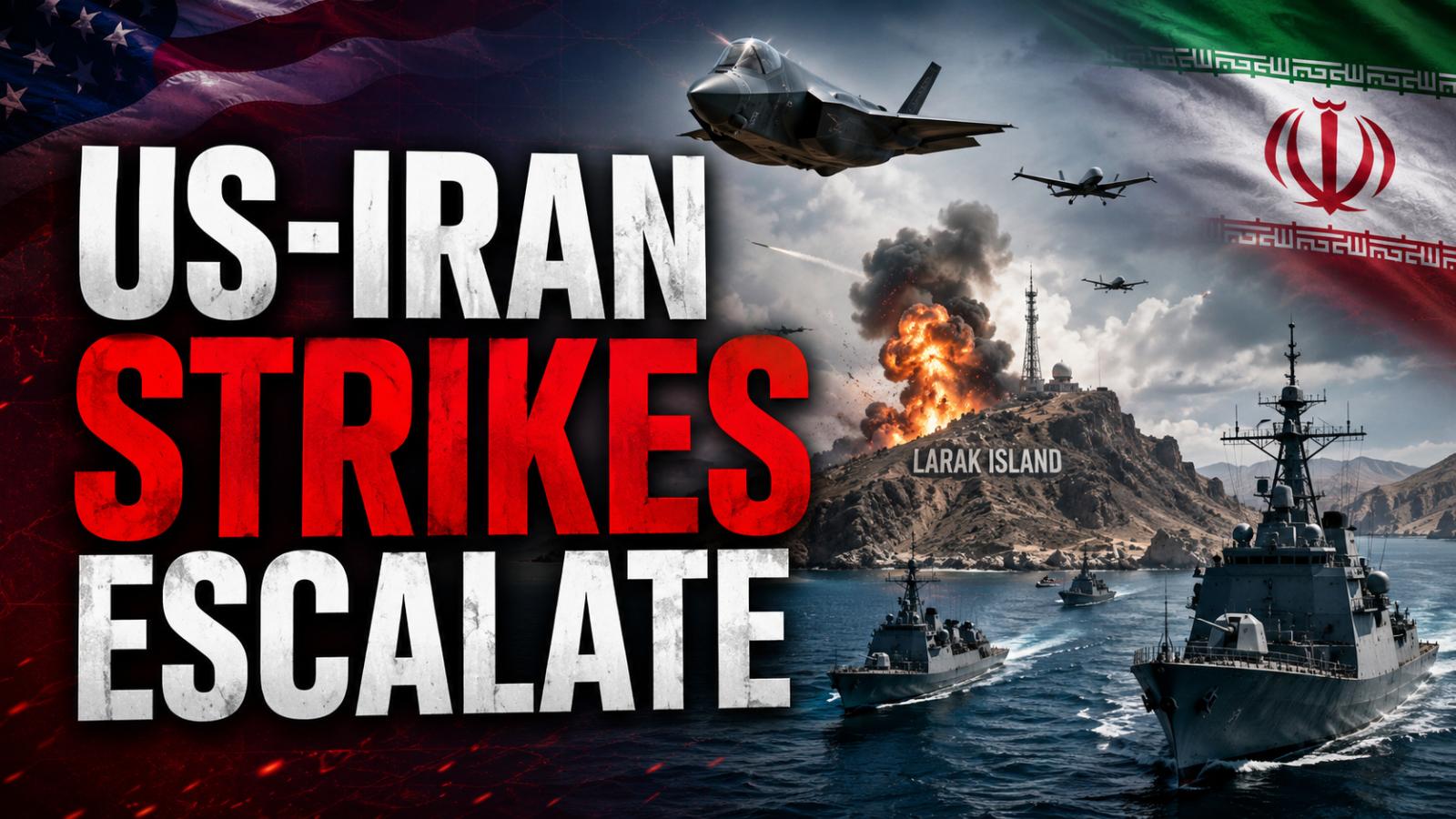
DUBAI, United Arab Emirates — Iran launched coordinated attacks across the Middle East on Friday, April 3, 2026, targeting energy infrastructure and escalating tensions as U.S. and Israeli forces carried out strikes inside Iran. The conflict has now entered its fifth week with no signs of slowing, raising concerns over global energy security and regional stability.
Iranian drone strikes hit Kuwait’s Mina al-Ahmadi oil refinery early Friday, April 3, 2026 (local time in the Midd
DUBAI, United Arab Emirates — Iran launched coordinated attacks across the Middle East on Friday, April 3, 2026, targeting energy infrastructure and escalating tensions as U.S. and Israeli forces carried out strikes inside Iran. The conflict has now entered its fifth week with no signs of slowing, raising concerns over global energy security and regional stability.
Iranian drone strikes hit Kuwait’s Mina al-Ahmadi oil refinery early Friday, April 3, 2026 (local time in the Midd
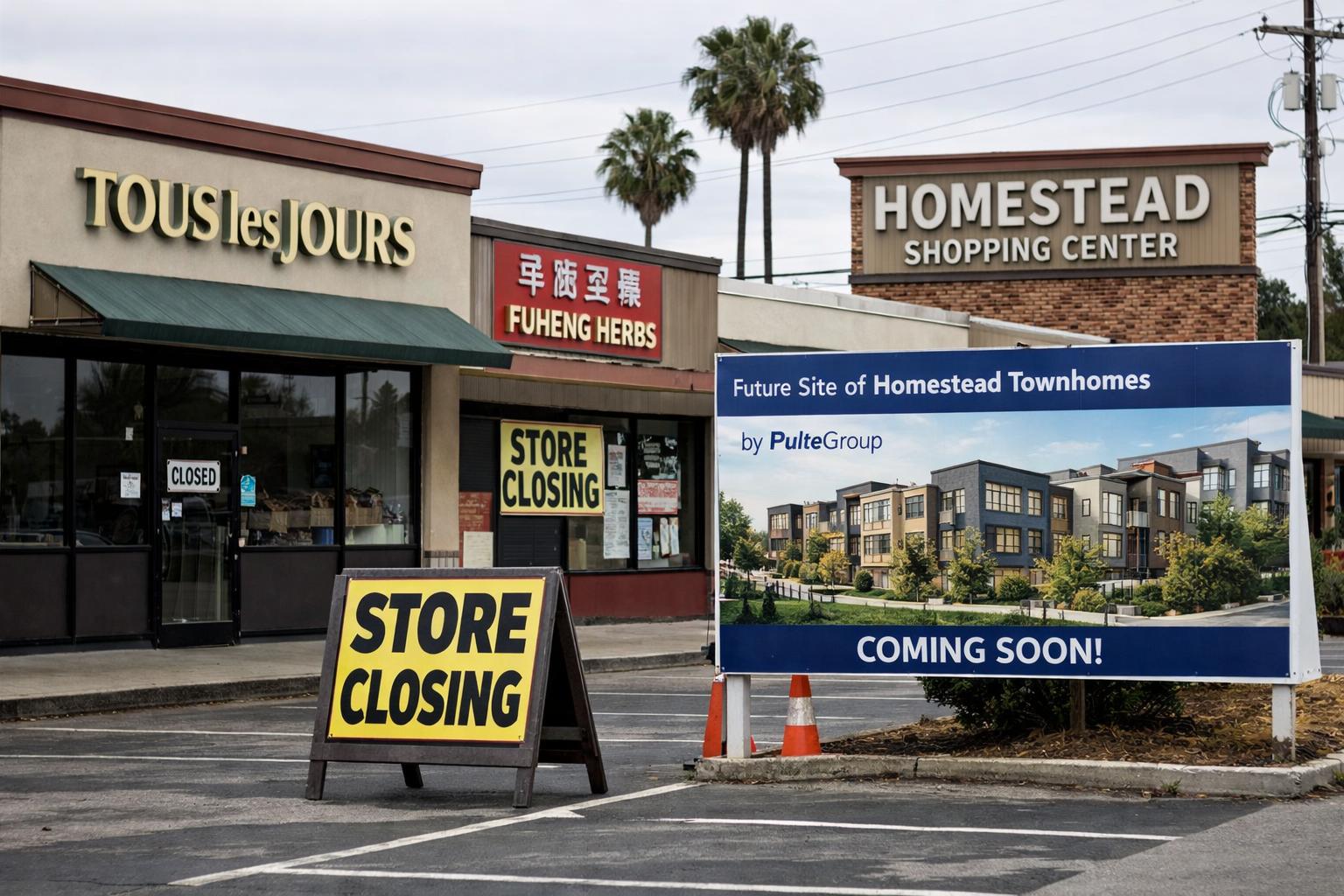
A once-thriving retail hub in Santa Clara, California, is rapidly emptying as redevelopment plans move forward, prompting legal action from displaced business owners who allege unfair treatment by the property’s former landlord.
Two tenants from the Homestead Shopping Center — Tous les Jours bakery and Fuheng Herbs — have filed separate lawsuits against former property owner David Bider and Cypress Investments, claiming they were misled and pressured into leaving prior to the si
A once-thriving retail hub in Santa Clara, California, is rapidly emptying as redevelopment plans move forward, prompting legal action from displaced business owners who allege unfair treatment by the property’s former landlord.
Two tenants from the Homestead Shopping Center — Tous les Jours bakery and Fuheng Herbs — have filed separate lawsuits against former property owner David Bider and Cypress Investments, claiming they were misled and pressured into leaving prior to the si
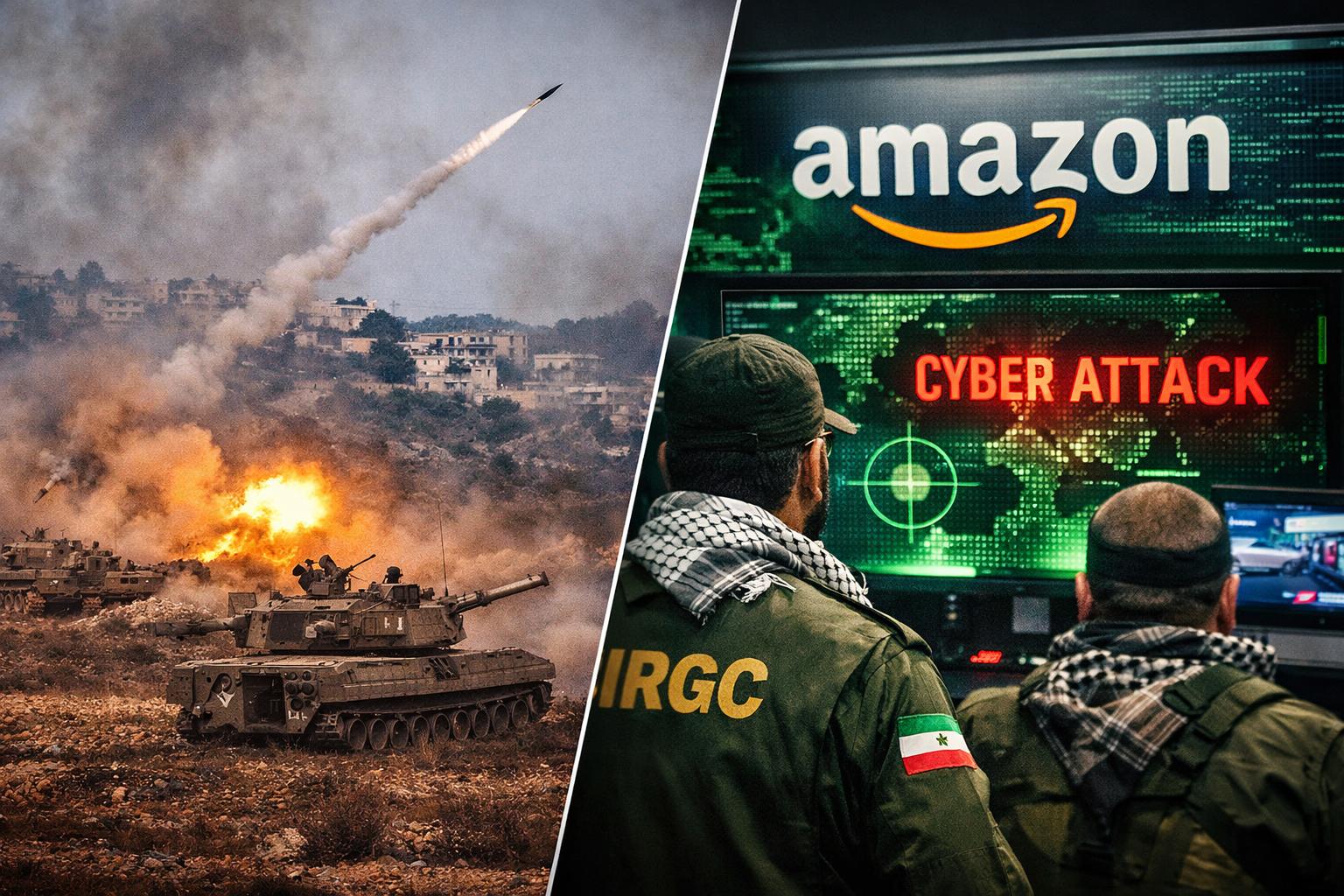
The Israeli military said it has killed approximately 1,000 Hezbollah operatives in Lebanon as hostilities intensify in parallel with escalating tensions involving Iran. The Israel Defense Forces (IDF) stated that the casualties include hundreds of members from Hezbollah’s elite Radwan Force, a key unit within the Iran-backed group.
The announcement was made as cross-border exchanges between Israel and Hezbollah continue to increase in frequency and intensity. According to the IDF, Hezbollah launched around 130 rockets into Israeli territory over the previous 24-hour period. Israeli defense systems intercepted the majority of the projectiles, while others landed in open areas. However, several rockets struck populated areas, causing property damage and leaving multiple individuals with minor injuries.
The developments were reported at 8:59 PM IST on Thursday, April 2, 2026. The situation reflects a broader escalation across the Middle East, with tensions extending beyond Israel and Lebanon.
In a separate development, Iran’s Islamic Revolutionary Guard Corps (IRGC) claimed responsibility for an attack targeting an Amazon cloud computing facility in Bahrain. The claim was reported by Iranian state-affiliated media, which described the operation as part of the third phase of what it called the “90th wave” of Operation True Promise 4.
The reported cyber or infrastructure-related strike comes amid heightened rhetoric from Iran. On Wednesday, April 1, 2026, the IRGC warned that it could target multiple major international companies, including Microsoft, Google, Apple, Intel, IBM, Tesla, and Boeing, citing their regional presence.
These overlapping developments underscore the widening scope of the conflict, raising concerns about regional stability and the potential for broader international implications. While Israel continues military operations against Hezbollah, Iran’s actions and warnings suggest an expanding dimension that could involve both conventional and cyber domains.
The Israeli military said it has killed approximately 1,000 Hezbollah operatives in Lebanon as hostilities intensify in parallel with escalating tensions involving Iran. The Israel Defense Forces (IDF) stated that the casualties include hundreds of members from Hezbollah’s elite Radwan Force, a key unit within the Iran-backed group.
The announcement was made as cross-border exchanges between Israel and Hezbollah continue to increase in frequency and intensity. According to the IDF, Hezbollah launched around 130 rockets into Israeli territory over the previous 24-hour period. Israeli defense systems intercepted the majority of the projectiles, while others landed in open areas. However, several rockets struck populated areas, causing property damage and leaving multiple individuals with minor injuries.
The developments were reported at 8:59 PM IST on Thursday, April 2, 2026. The situation reflects a broader escalation across the Middle East, with tensions extending beyond Israel and Lebanon.
In a separate development, Iran’s Islamic Revolutionary Guard Corps (IRGC) claimed responsibility for an attack targeting an Amazon cloud computing facility in Bahrain. The claim was reported by Iranian state-affiliated media, which described the operation as part of the third phase of what it called the “90th wave” of Operation True Promise 4.
The reported cyber or infrastructure-related strike comes amid heightened rhetoric from Iran. On Wednesday, April 1, 2026, the IRGC warned that it could target multiple major international companies, including Microsoft, Google, Apple, Intel, IBM, Tesla, and Boeing, citing their regional presence.
These overlapping developments underscore the widening scope of the conflict, raising concerns about regional stability and the potential for broader international implications. While Israel continues military operations against Hezbollah, Iran’s actions and warnings suggest an expanding dimension that could involve both conventional and cyber domains.