Iran Targets Ramat David Air Base
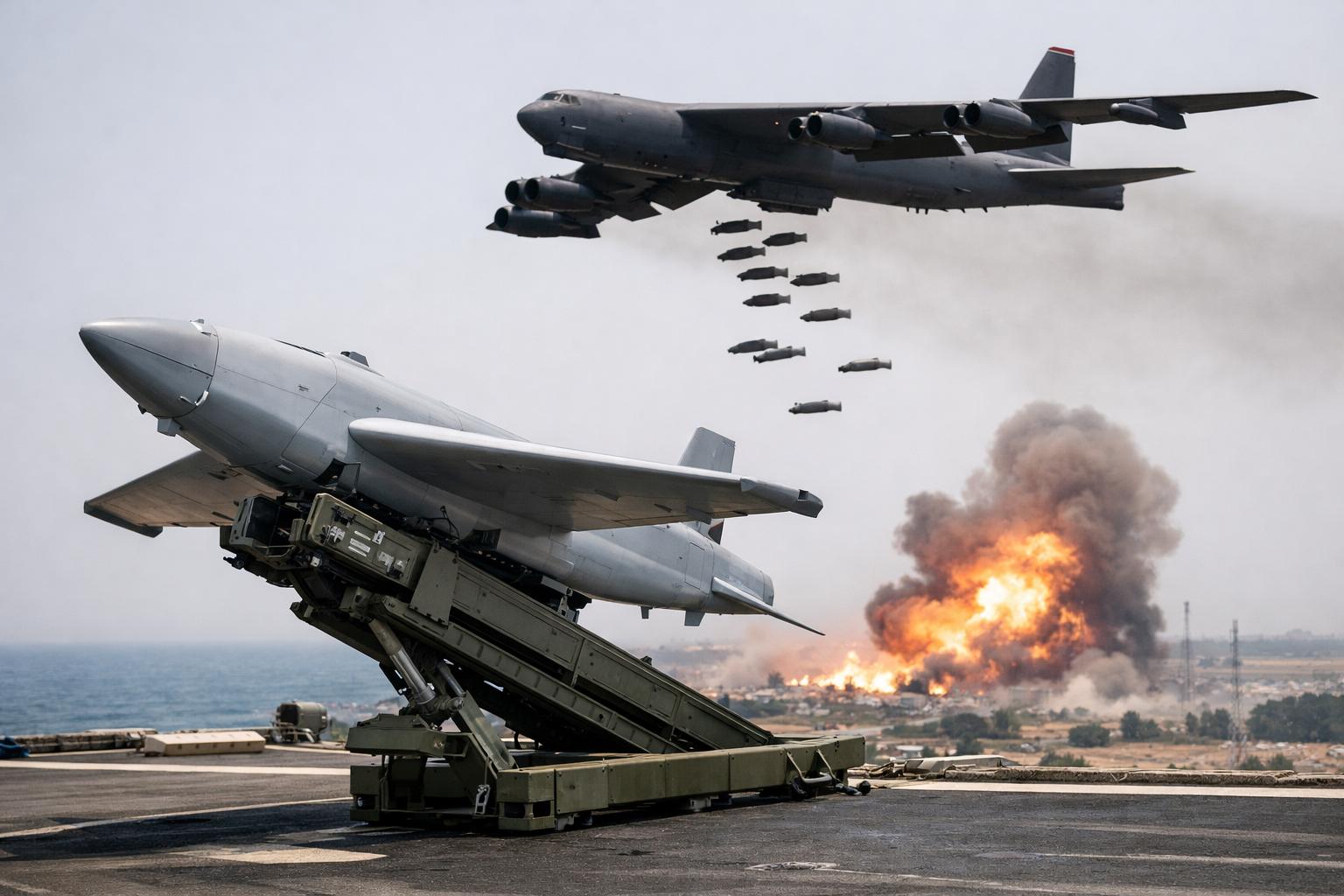
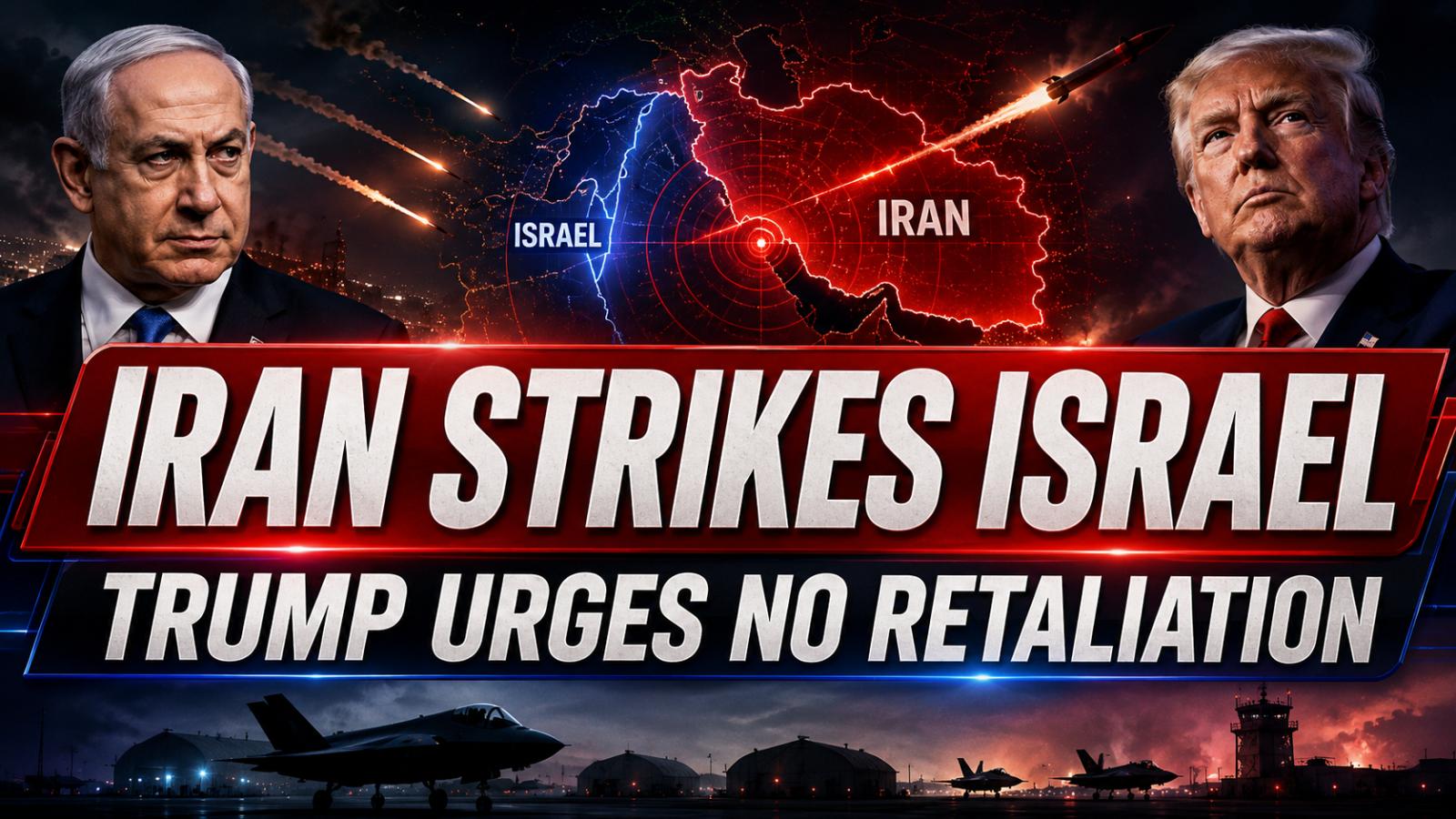
Iran said it launched a major ballistic missile strike on Israel’s Ramat David air base in northern Israel on Sunday, June 7, describing the attack as a response to an earlier strike in Beirut. Iran’s Islamic Revolutionary Guard Corps said the operation was meant as a warning, signaling that Tehran may continue to respond if it believes its regional interests or allies
Iran Targets Ramat David Air Base
Iran said it launched a major ballistic missile strike on Israel’s Ramat David air base in northern Israel on Sunday, June 7, describing the attack as a response to an earlier strike in Beirut. Iran’s Islamic Revolutionary Guard Corps said the operation was meant as a warning, signaling that Tehran may continue to respond if it believes its regional interests or allies
Israel and Lebanon Agree to Ceasefire After US-Led Talks
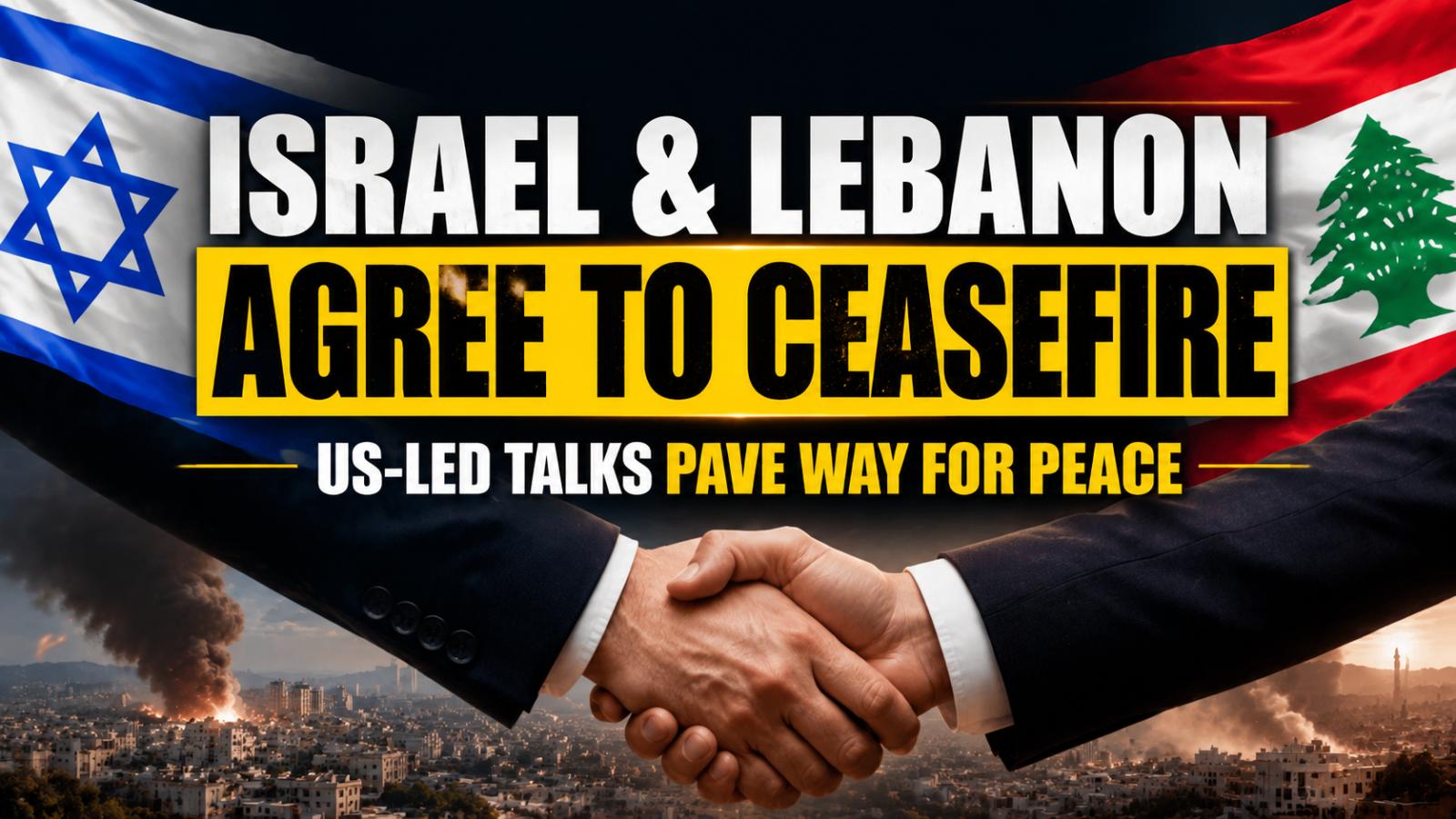
Israel and Lebanon have reached an agreement to work towards a ceasefire following US-led negotiations in Washington on June 4. The ceasefire is contingent on a “complete cessation” of hostilities by Iran-backed Hezbollah, according to a joint statement issued by the United States, Israel, and Lebanon. The deal also requires the evacuation of all H
Israel and Lebanon Agree to Ceasefire After US-Led Talks
Israel and Lebanon have reached an agreement to work towards a ceasefire following US-led negotiations in Washington on June 4. The ceasefire is contingent on a “complete cessation” of hostilities by Iran-backed Hezbollah, according to a joint statement issued by the United States, Israel, and Lebanon. The deal also requires the evacuation of all H
In a recent June 2026 podcast, former President Donald Trump addressed rumors suggesting Israeli Prime Minister Benjamin Netanyahu tricked him regarding Iran. Trump emphasized that discussions with Netanyahu, whom he calls "Bibi," focused on Israel’s operations in Lebanon and were not intended to provoke conflict. “I told Bibi, we have to be careful,” he stated, highlighting a cooperative approach rather than tension. He described their relationship as rooted in mutual respect and strat
In a recent June 2026 podcast, former President Donald Trump addressed rumors suggesting Israeli Prime Minister Benjamin Netanyahu tricked him regarding Iran. Trump emphasized that discussions with Netanyahu, whom he calls "Bibi," focused on Israel’s operations in Lebanon and were not intended to provoke conflict. “I told Bibi, we have to be careful,” he stated, highlighting a cooperative approach rather than tension. He described their relationship as rooted in mutual respect and strat
US President Donald Trump confirmed that Israel and Hezbollah have agreed to temporarily halt attacks, creating a window for possible peace talks in Lebanon. The president highlighted his direct involvement, including discussions with Israeli Prime Minister Benjamin Netanyahu and indirect communication with Hezbollah through intermediaries.
Trump emphasized the ceasefire on his social media, noting that both sides have agreed to suspend operations against each other, while urging ho
US President Donald Trump confirmed that Israel and Hezbollah have agreed to temporarily halt attacks, creating a window for possible peace talks in Lebanon. The president highlighted his direct involvement, including discussions with Israeli Prime Minister Benjamin Netanyahu and indirect communication with Hezbollah through intermediaries.
Trump emphasized the ceasefire on his social media, noting that both sides have agreed to suspend operations against each other, while urging ho
Iran has decided to pause indirect negotiations with the United States in response to ongoing hostilities in Lebanon. Tehran cited repeated breaches of the ceasefire by Israeli forces as a primary reason for halting diplomatic exchanges. Officials emphasized that the suspension is temporary but signals a serious shift in Iran’s diplomatic approach.
Tehran Signals Defensive Measures
Iran’s le
Iran has decided to pause indirect negotiations with the United States in response to ongoing hostilities in Lebanon. Tehran cited repeated breaches of the ceasefire by Israeli forces as a primary reason for halting diplomatic exchanges. Officials emphasized that the suspension is temporary but signals a serious shift in Iran’s diplomatic approach.
Tehran Signals Defensive Measures
Iran’s le
A significant step toward peace emerged as Israel and Hezbollah agreed to halt hostilities, following active diplomacy from the U.S. and Pakistan. President Trump confirmed discussions with Israeli Prime Minister Netanyahu and Hezbollah representatives, resulting in mutual commitments to stop attacks.
Iran Encourages Pakistan’s Mediation Role
Iran requested Pakistan to continue its diplomatic i
A significant step toward peace emerged as Israel and Hezbollah agreed to halt hostilities, following active diplomacy from the U.S. and Pakistan. President Trump confirmed discussions with Israeli Prime Minister Netanyahu and Hezbollah representatives, resulting in mutual commitments to stop attacks.
Iran Encourages Pakistan’s Mediation Role
Iran requested Pakistan to continue its diplomatic i
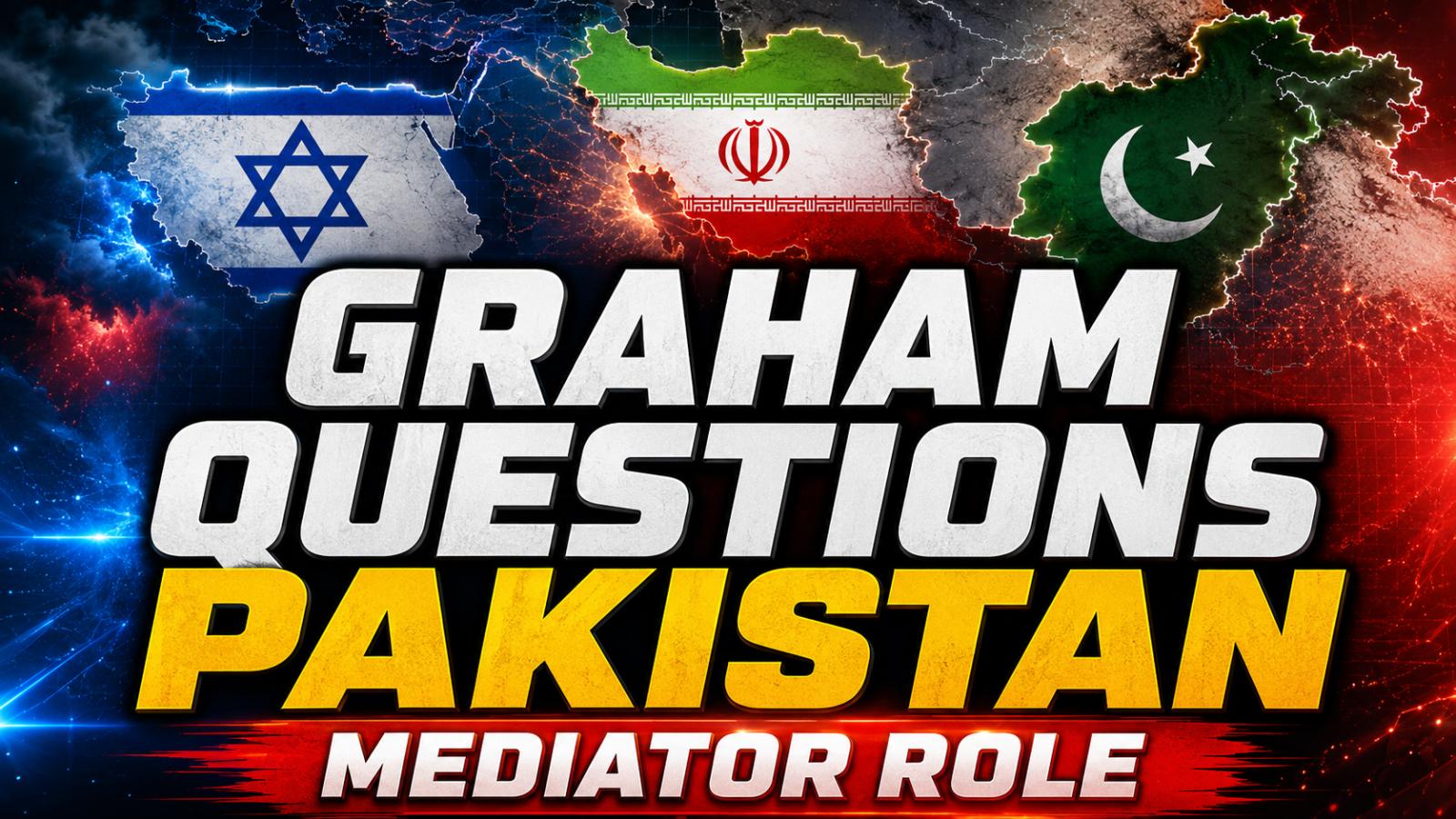
Graham Questions Pakistan’s Role In Iran-Israel Diplomacy
US Senator Lindsey Graham has raised doubts over Pakistan’s credibility as a mediator in the Iran-Israel crisis, arguing that Islamabad’s position toward Israel and its ties with Tehran make its role diplomatically difficult. In a post on X, the Republican senator said Pakistan’s involvement had become “more than problematic,” citing what
Graham Questions Pakistan’s Role In Iran-Israel Diplomacy
US Senator Lindsey Graham has raised doubts over Pakistan’s credibility as a mediator in the Iran-Israel crisis, arguing that Islamabad’s position toward Israel and its ties with Tehran make its role diplomatically difficult. In a post on X, the Republican senator said Pakistan’s involvement had become “more than problematic,” citing what
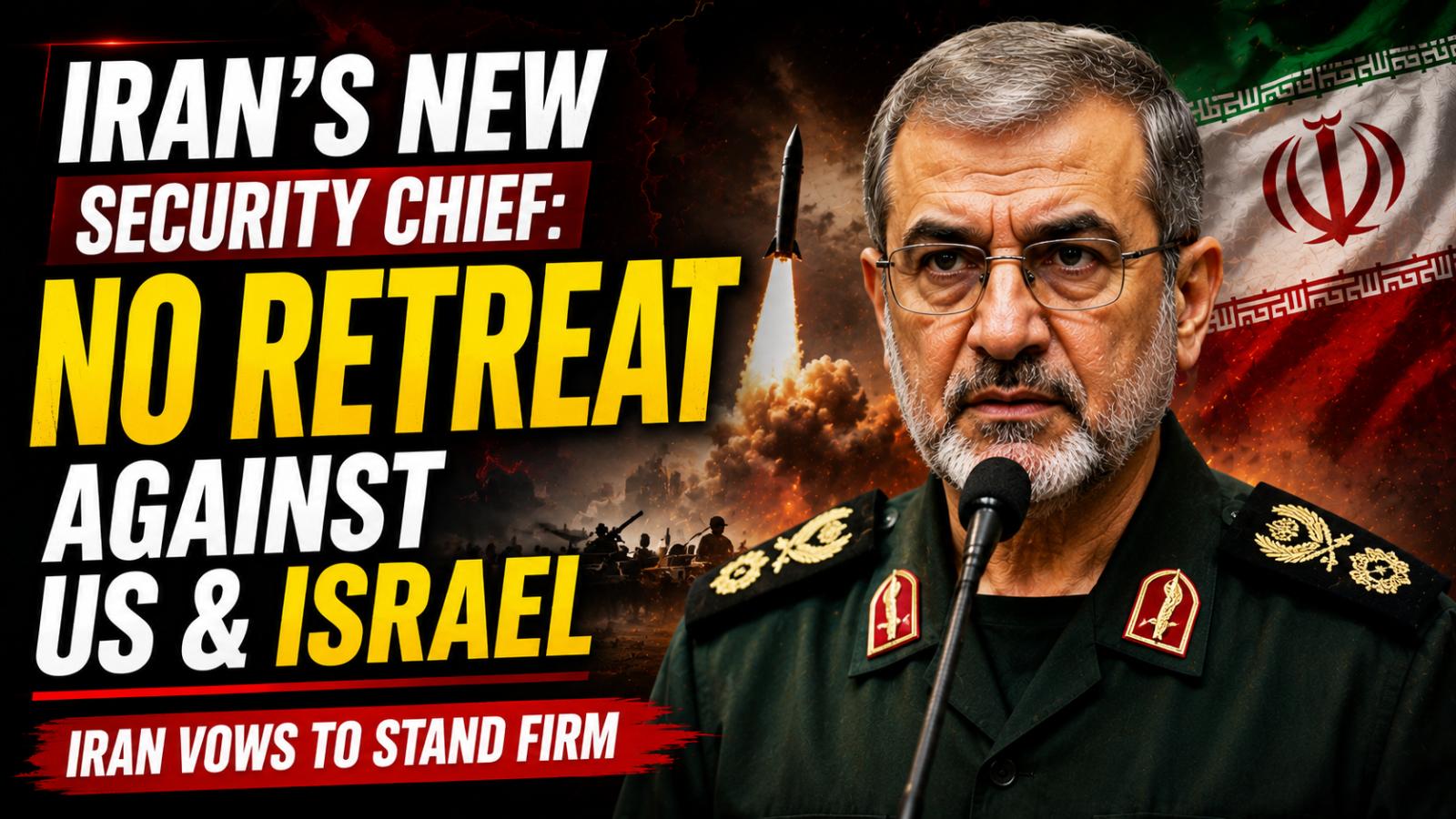
Iran’s New Security Chief Signals Hardline Approach
Mohammad Bagher Zolghadr, recently appointed head of Iran’s Supreme National Security Council, delivered a defiant message in his first public address, asserting that Iran will not back down in its standoff with the United States and Israel. Speaking to a domestic audience, Zolghadr emphasized, “There will be no retreat” in Iran’s fight against t
Iran’s New Security Chief Signals Hardline Approach
Mohammad Bagher Zolghadr, recently appointed head of Iran’s Supreme National Security Council, delivered a defiant message in his first public address, asserting that Iran will not back down in its standoff with the United States and Israel. Speaking to a domestic audience, Zolghadr emphasized, “There will be no retreat” in Iran’s fight against t
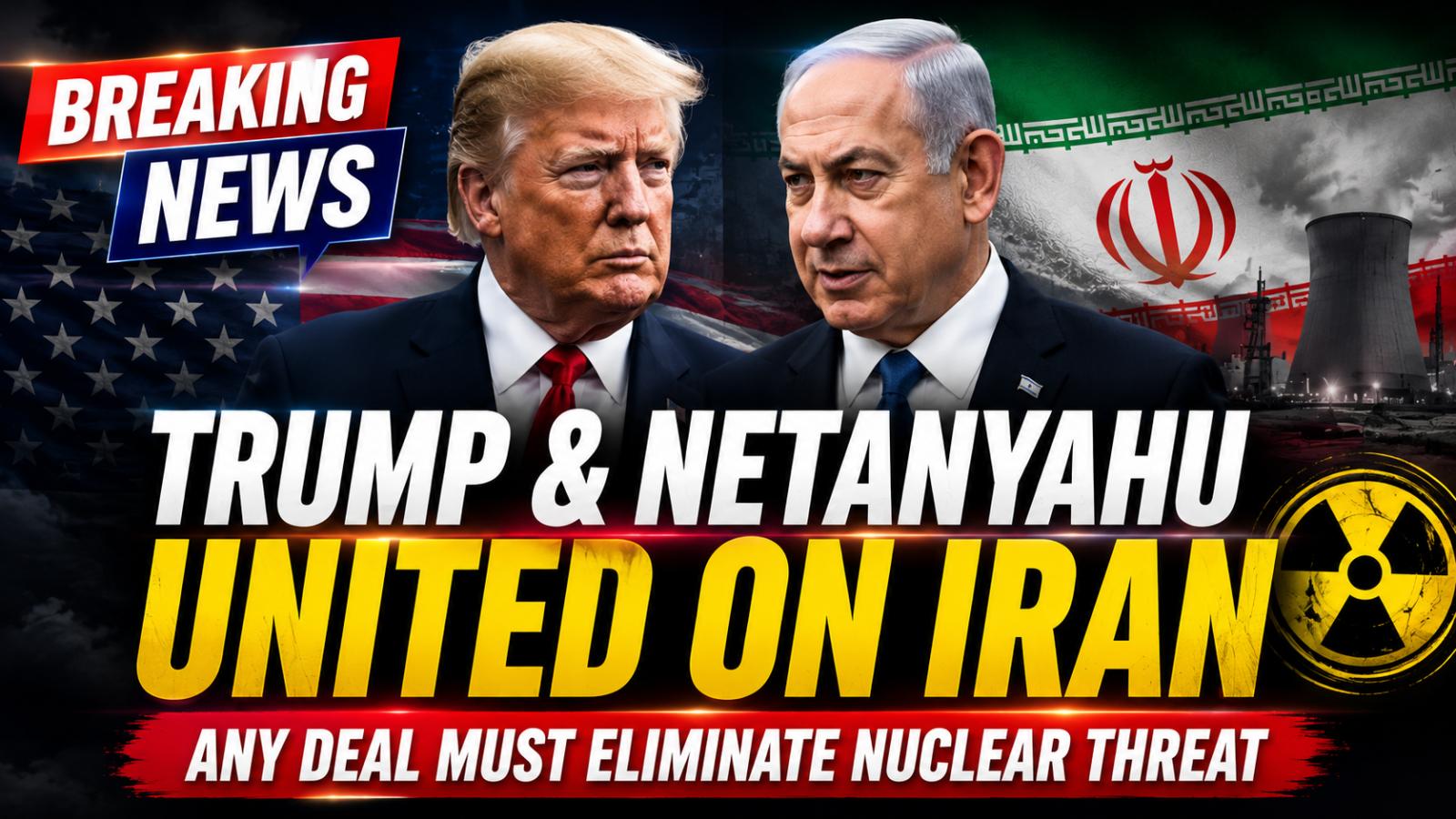
Netanyahu and Trump Reaffirm Iran Nuclear Stance
Israeli Prime Minister Benjamin Netanyahu confirmed that he spoke with US President Donald Trump on Sunday, May 23, 2026, to discuss ongoing negotiations with Iran regarding its nuclear programme. Both leaders agreed that any final deal must eliminate the nuclear threat posed by Iran. Netanyahu highlighted that the agreement must ensure dismantling Iran’s nu
Netanyahu and Trump Reaffirm Iran Nuclear Stance
Israeli Prime Minister Benjamin Netanyahu confirmed that he spoke with US President Donald Trump on Sunday, May 23, 2026, to discuss ongoing negotiations with Iran regarding its nuclear programme. Both leaders agreed that any final deal must eliminate the nuclear threat posed by Iran. Netanyahu highlighted that the agreement must ensure dismantling Iran’s nu
US-Iran Peace Agreement Delayed
Reports indicate that a formal peace agreement between the United States and Iran is unlikely to be signed Sunday, May 23, 2026, as critical details are still under negotiation. A senior administration official noted that finalization of the agreement remains pending, and discussions continue on several unresolved points.
US-Iran Peace Agreement Delayed
Reports indicate that a formal peace agreement between the United States and Iran is unlikely to be signed Sunday, May 23, 2026, as critical details are still under negotiation. A senior administration official noted that finalization of the agreement remains pending, and discussions continue on several unresolved points.
US Targets Hezbollah-Linked Figures
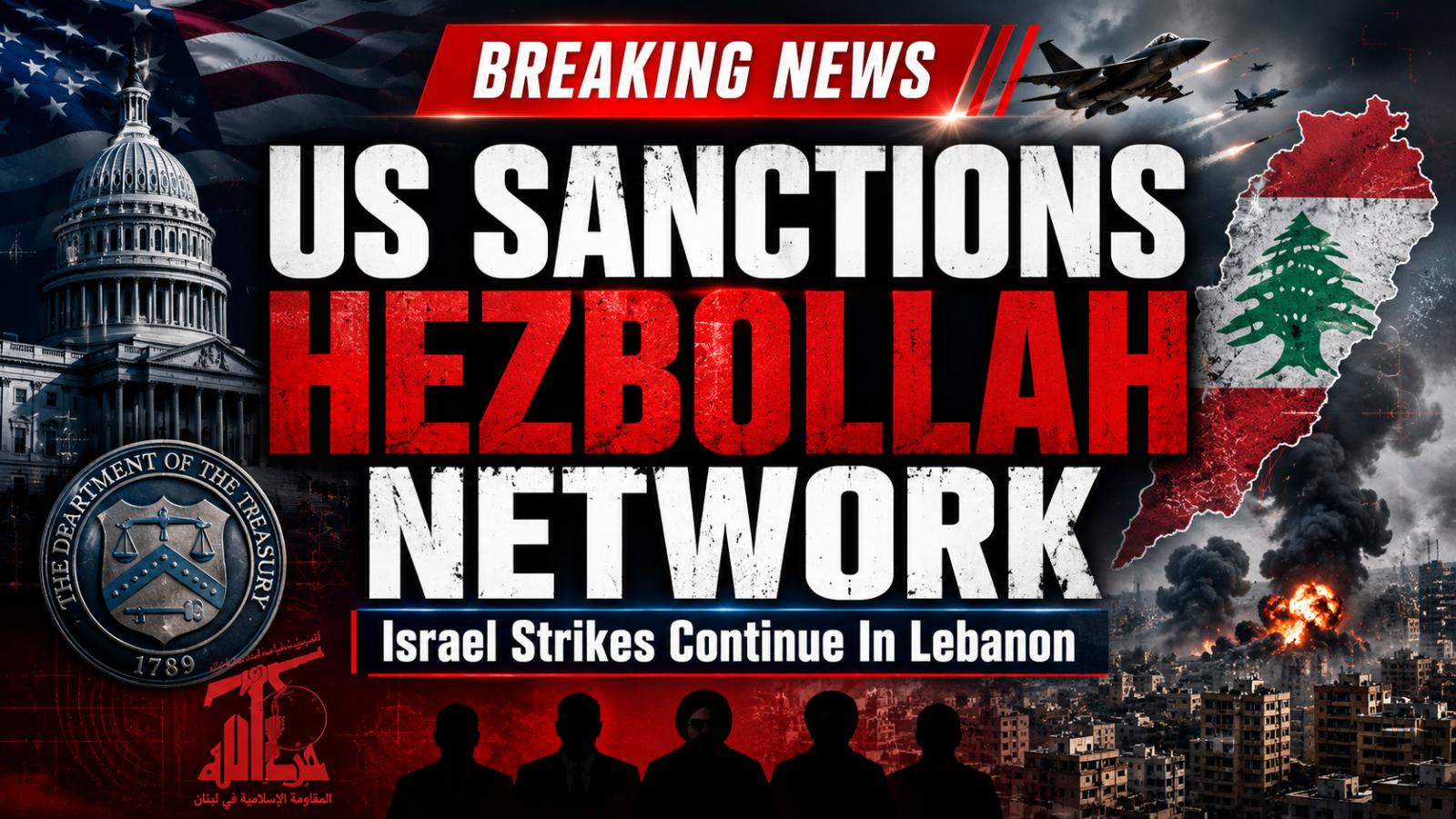
The United States imposed sanctions on nine individuals linked to Hezbollah on Thursday,May 21,2026 accusing them of obstructing the peace process in Lebanon as Israeli airstrikes continued in the country’s south despite an active ceasefire. US officials said Hezbollah must be fully disarmed and accused the group’s network of enabling violence while undermining efforts toward lasting
US Targets Hezbollah-Linked Figures
The United States imposed sanctions on nine individuals linked to Hezbollah on Thursday,May 21,2026 accusing them of obstructing the peace process in Lebanon as Israeli airstrikes continued in the country’s south despite an active ceasefire. US officials said Hezbollah must be fully disarmed and accused the group’s network of enabling violence while undermining efforts toward lasting
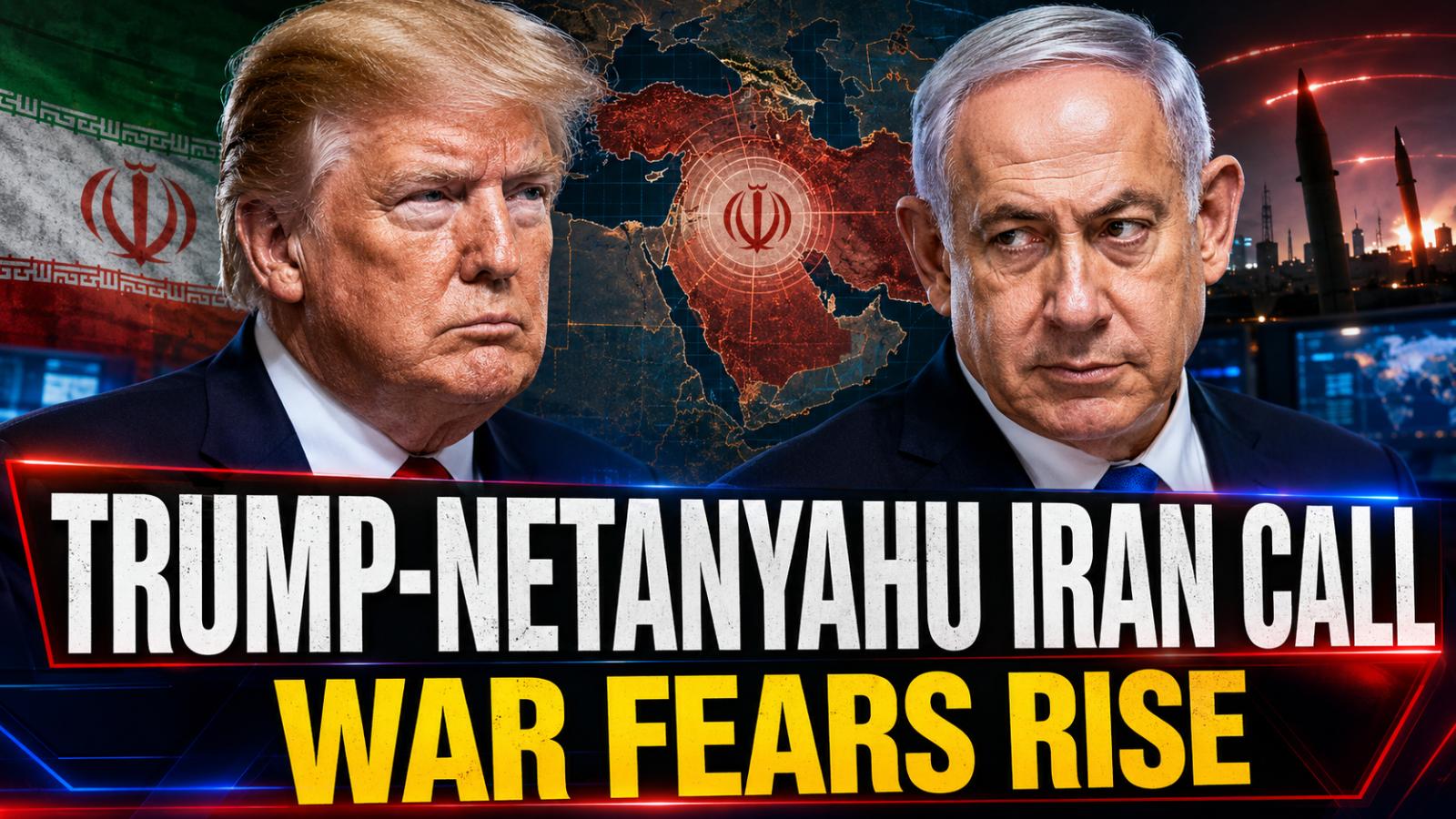
Israeli Prime Minister Benjamin Netanyahu held a phone conversation with US President Donald Trump on Sunday, May 17, as tensions involving Iran remained high and questions continued over the durability of the ceasefire. The discussion reportedly focused on the war with Iran, regional security conditions and the future of diplomatic efforts aimed at preventing another round of escalation. The call came amid reports that Washington and Jerusalem are weighing their next steps after the ceasefir
Israeli Prime Minister Benjamin Netanyahu held a phone conversation with US President Donald Trump on Sunday, May 17, as tensions involving Iran remained high and questions continued over the durability of the ceasefire. The discussion reportedly focused on the war with Iran, regional security conditions and the future of diplomatic efforts aimed at preventing another round of escalation. The call came amid reports that Washington and Jerusalem are weighing their next steps after the ceasefir
Iran Accuses US and Israel of Destabilization
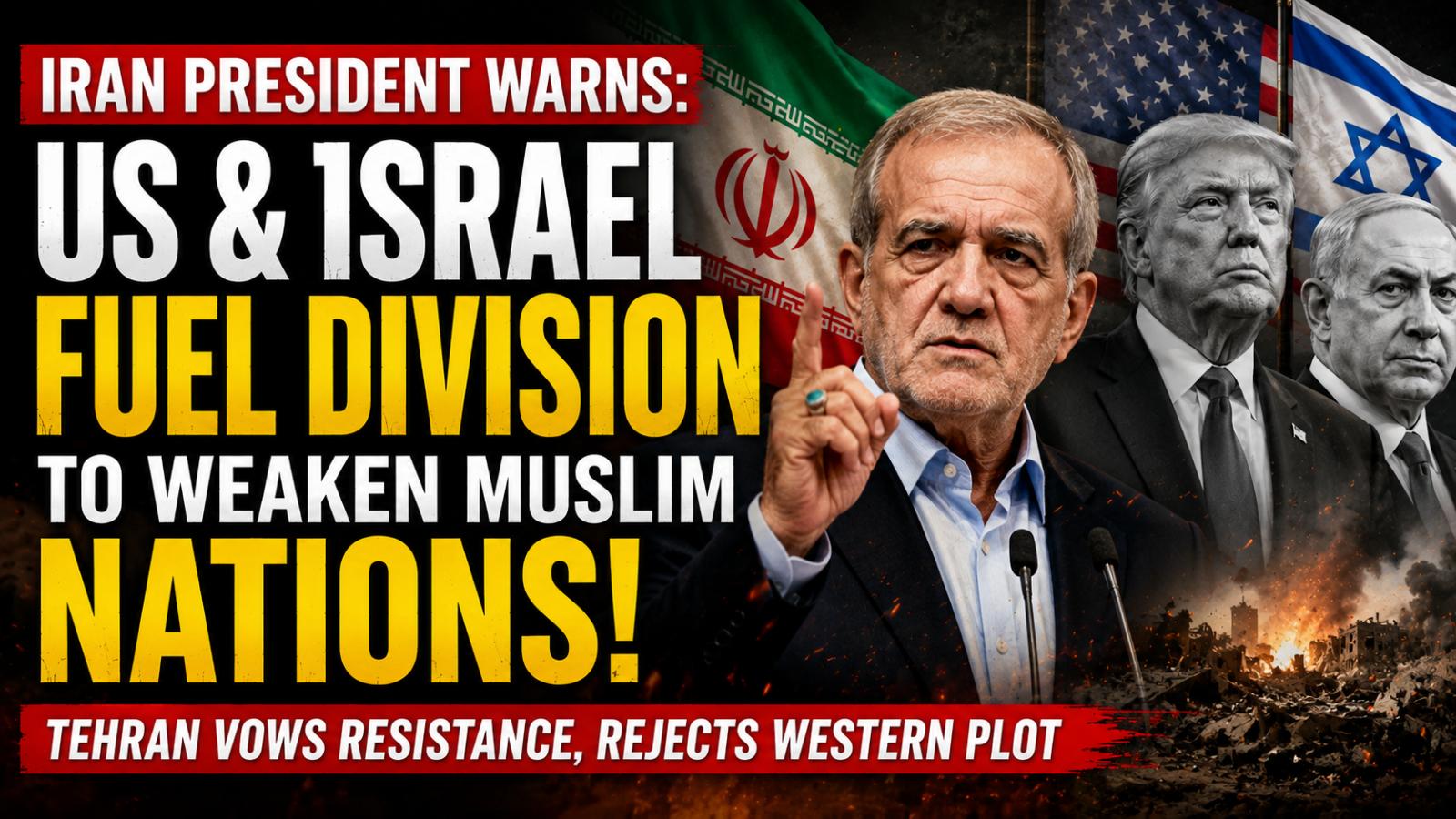
Iranian President Masoud Pezeshkian on May 17,2026 accused the United States and Israel of pursuing divisive politics aimed at creating distrust among Muslim nations. Pezeshkian stated that military actions against Iran were intended to disrupt domestic order and weaken the governing establishment. According to reports, these measures directly threaten Iran’s leadership and the
Iran Accuses US and Israel of Destabilization
Iranian President Masoud Pezeshkian on May 17,2026 accused the United States and Israel of pursuing divisive politics aimed at creating distrust among Muslim nations. Pezeshkian stated that military actions against Iran were intended to disrupt domestic order and weaken the governing establishment. According to reports, these measures directly threaten Iran’s leadership and the
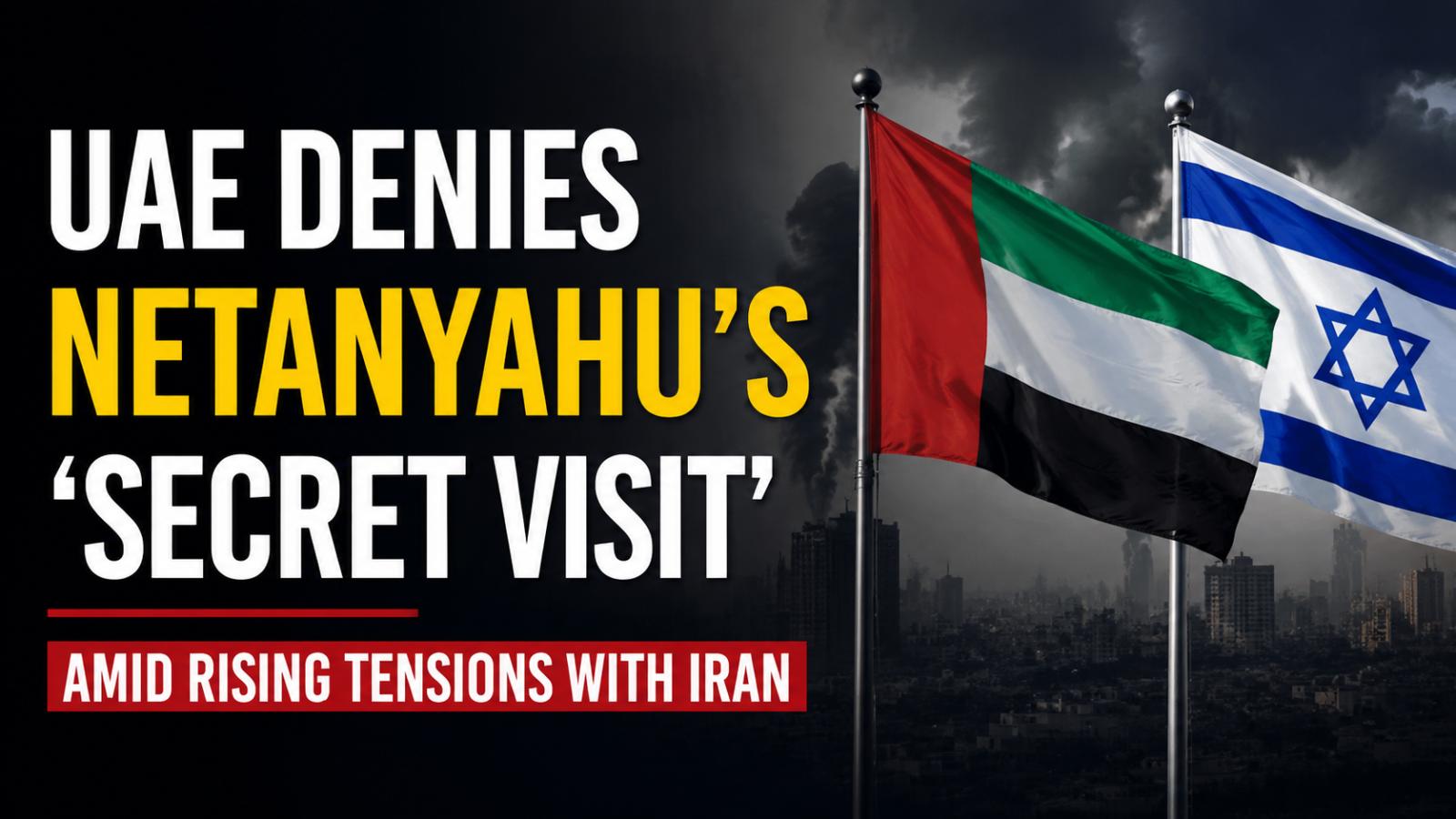
The United Arab Emirates (UAE) has officially denied reports claiming that Israeli Prime Minister Benjamin Netanyahu secretly visited the country amid escalating tensions in the Middle East, particularly with Iran. These claims initially surfaced from Netanyahu's office, which stated that the Israeli leader traveled to the UAE to strengthen military and diplomatic ties during a period of heightened regional conflict.
Netanyahu’s office had described the alleged visit as a “histo
The United Arab Emirates (UAE) has officially denied reports claiming that Israeli Prime Minister Benjamin Netanyahu secretly visited the country amid escalating tensions in the Middle East, particularly with Iran. These claims initially surfaced from Netanyahu's office, which stated that the Israeli leader traveled to the UAE to strengthen military and diplomatic ties during a period of heightened regional conflict.
Netanyahu’s office had described the alleged visit as a “histo
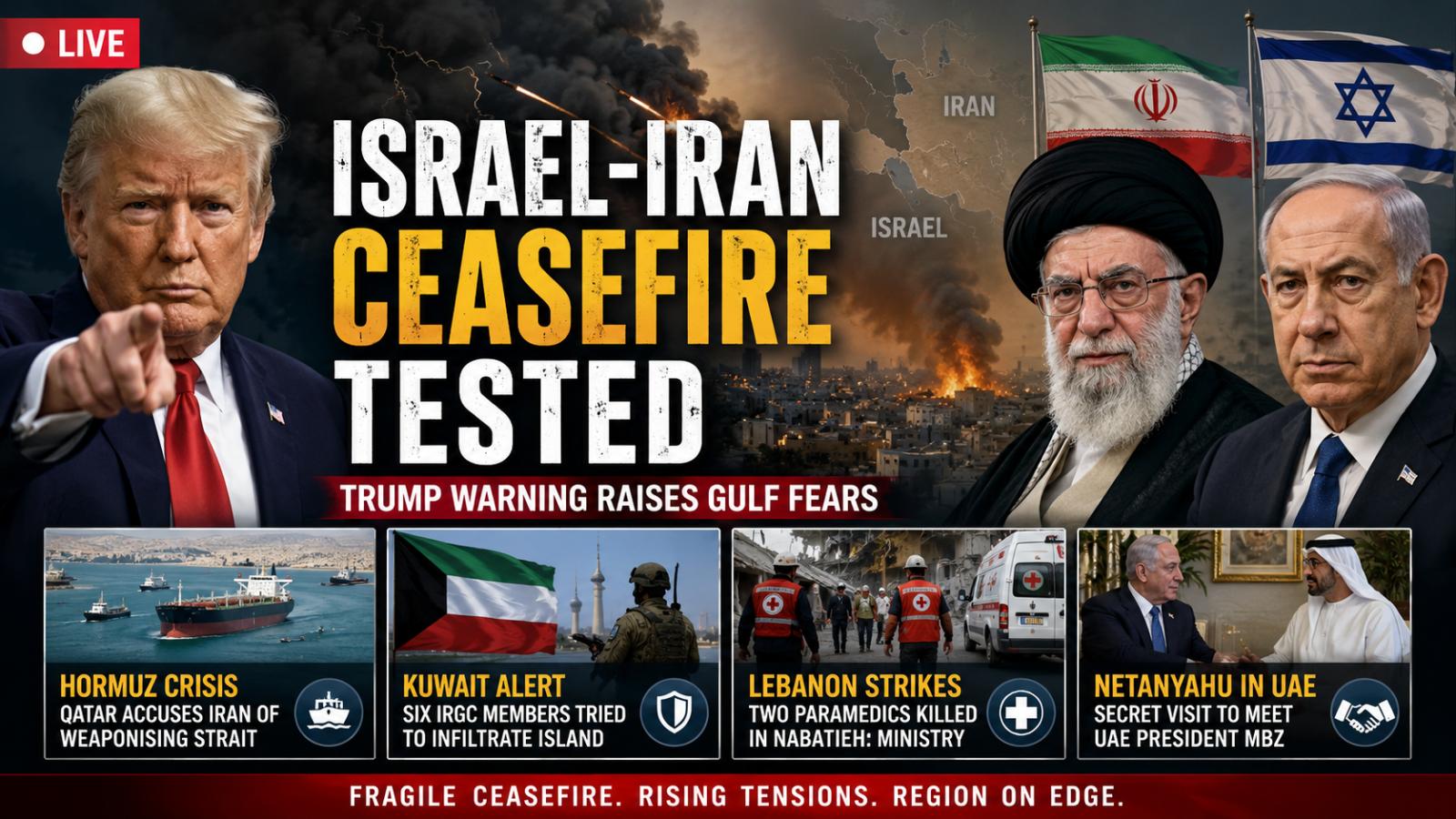
Israel-Iran War Ceasefire Faces New Pressure
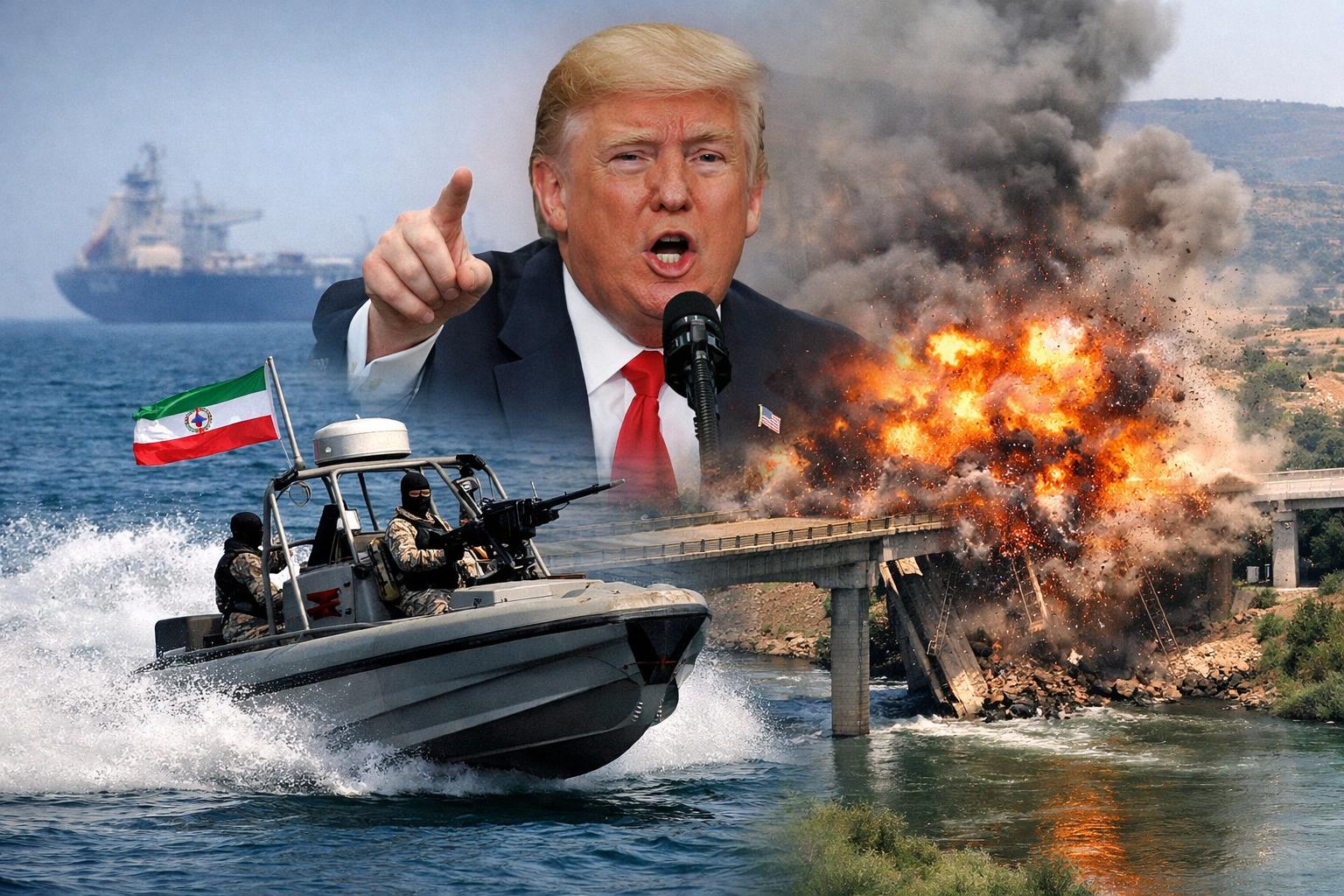
The Israel-Iran war ceasefire is under fresh strain after US President Donald Trump warned Iran that Washington would prevail “peacefully or otherwise,” while Tehran insisted its latest peace plan must be accepted.
The exchange sharpened doubts over whether the truce can hold as Gulf governments warn that the conflict is spilling into shipping, energy security and regional diplomacy.
Hor
Israel-Iran War Ceasefire Faces New Pressure
The Israel-Iran war ceasefire is under fresh strain after US President Donald Trump warned Iran that Washington would prevail “peacefully or otherwise,” while Tehran insisted its latest peace plan must be accepted.
The exchange sharpened doubts over whether the truce can hold as Gulf governments warn that the conflict is spilling into shipping, energy security and regional diplomacy.
Hor
Trump Accuses Media of Treason
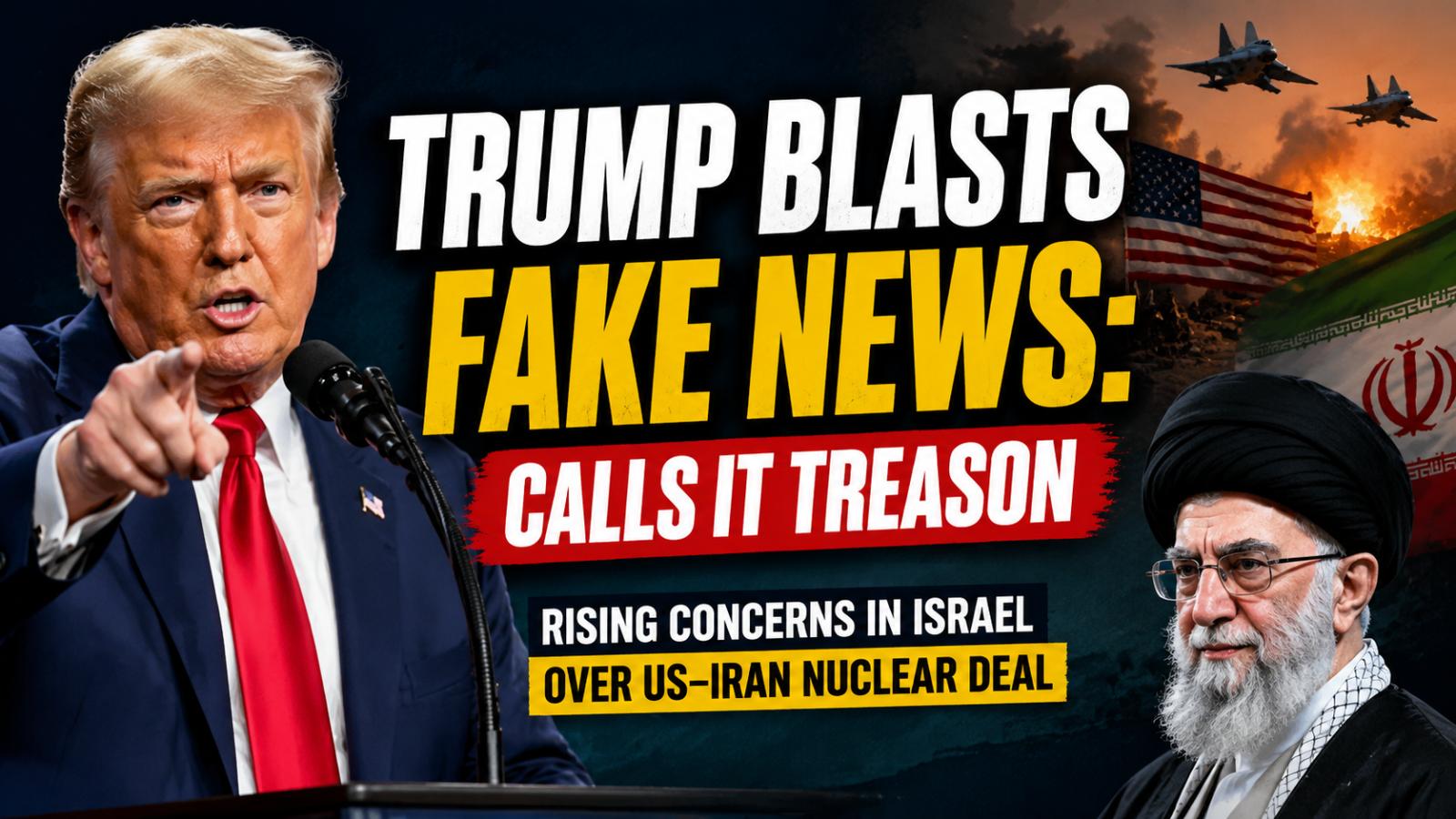
On May 12, President Donald Trump expressed outrage over media reports suggesting that Iran is “doing well” militarily in its ongoing conflict with the United States. In a social media post during his flight to China, Trump accused the media of committing treason by spreading false and misleading information. “When the Fake News says that the Iranian enemy is doing well, Militarily, against us, it’s virtual TRE
Trump Accuses Media of Treason
On May 12, President Donald Trump expressed outrage over media reports suggesting that Iran is “doing well” militarily in its ongoing conflict with the United States. In a social media post during his flight to China, Trump accused the media of committing treason by spreading false and misleading information. “When the Fake News says that the Iranian enemy is doing well, Militarily, against us, it’s virtual TRE
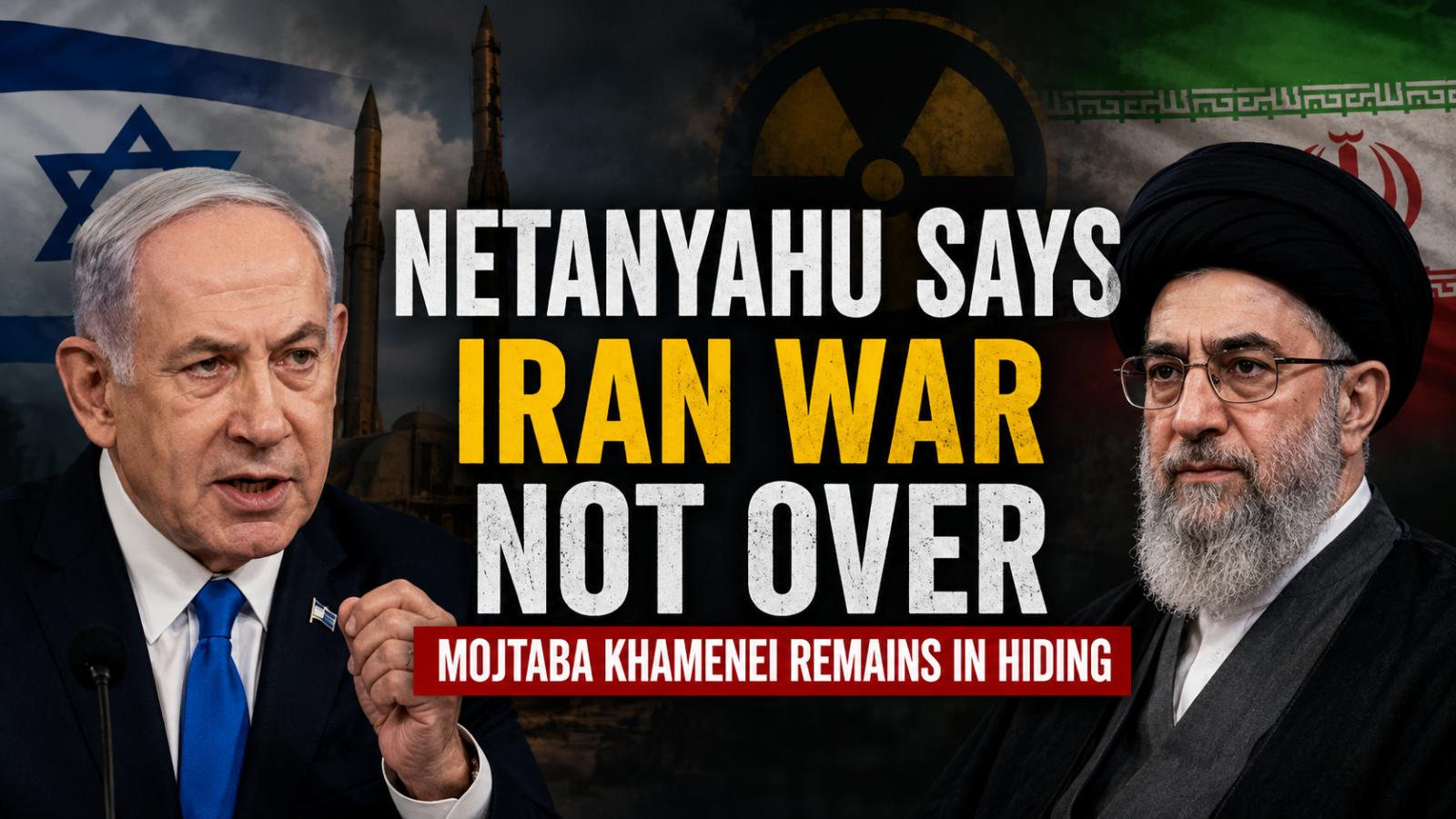
Israeli Prime Minister Benjamin Netanyahu said Iran’s conflict with Israel is still ongoing and warned that Tehran’s nuclear program continues to remain a major concern. Netanyahu also claimed that Iran’s Supreme Leader Mojtaba Khamenei is alive and believed to be hiding in a secret bunker after taking power following the reported death of Ali Khamenei during a US-Israeli airstrike. Netanyahu said Iran still possesses enriched uranium and nuclear facilities that must be dismantled befor
Israeli Prime Minister Benjamin Netanyahu said Iran’s conflict with Israel is still ongoing and warned that Tehran’s nuclear program continues to remain a major concern. Netanyahu also claimed that Iran’s Supreme Leader Mojtaba Khamenei is alive and believed to be hiding in a secret bunker after taking power following the reported death of Ali Khamenei during a US-Israeli airstrike. Netanyahu said Iran still possesses enriched uranium and nuclear facilities that must be dismantled befor
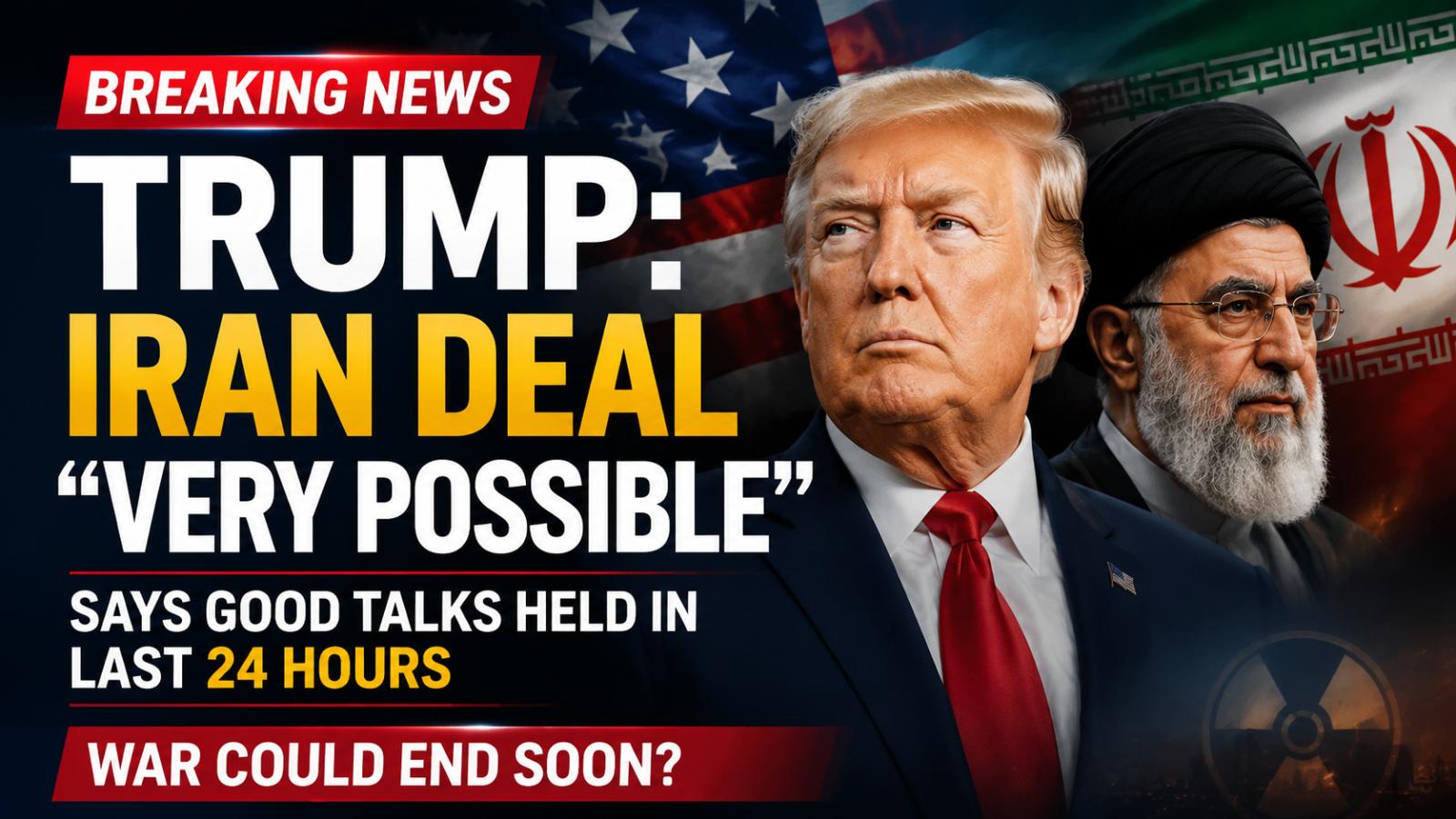
President Donald Trump stated on May 6 that he has been involved in "good talks" with Iran over the past 24 hours and suggested that a deal to end the ongoing war between the two countries is "very possible." Trump emphasized that the discussions centered on Iran's nuclear program, which remains a critical point of concern for the United States. The president stated, “Iran cannot have a nuclear weapon, and they won’t.” He added that this is a point the Iranian government has already agreed to, alongside other key terms.
Trump's statements come after a recent warning to Iran that the United States would escalate its military action if a deal is not reached. "If they don’t agree, the bombing starts, and it will be, sadly, at a much higher level and intensity than it was before,” Trump wrote in a post on Truth Social on May 6. This aggressive stance reflects the president’s resolve to prevent Iran from advancing its nuclear capabilities.
In the wake of these talks, Israeli political officials have indicated that there are signs of progress in negotiations between Trump and Iranian Foreign Minister Abbas Araghchi. According to sources, Israel sees this as an opportunity for diplomatic progress. However, the Israeli officials also warned that internal divisions within Iran’s leadership could potentially jeopardize the long-term stability of any agreement.
As of now, the future of US-Iran relations remains uncertain, but Trump’s recent comments suggest that both sides are exploring avenues for negotiation. If a deal is reached, it could have significant implications for regional stability, particularly regarding the security of the Strait of Hormuz. This strategic waterway has long been a focal point of tensions in the Middle East due to its role in global oil shipments. The president’s assurance that the Hormuz Strait would be “OPEN TO ALL, including Iran” if an agreement is reached suggests that economic and geopolitical interests are also being considered alongside security concerns.
While the talks between Trump and Iran hold promise, the situation remains volatile. Both the US and Iranian governments face internal and external pressures that could complicate efforts to reach a lasting peace agreement. With the threat of military action still on the table, the world watches closely as the two nations navigate these delicate negotiations.
President Donald Trump stated on May 6 that he has been involved in "good talks" with Iran over the past 24 hours and suggested that a deal to end the ongoing war between the two countries is "very possible." Trump emphasized that the discussions centered on Iran's nuclear program, which remains a critical point of concern for the United States. The president stated, “Iran cannot have a nuclear weapon, and they won’t.” He added that this is a point the Iranian government has already agreed to, alongside other key terms.
Trump's statements come after a recent warning to Iran that the United States would escalate its military action if a deal is not reached. "If they don’t agree, the bombing starts, and it will be, sadly, at a much higher level and intensity than it was before,” Trump wrote in a post on Truth Social on May 6. This aggressive stance reflects the president’s resolve to prevent Iran from advancing its nuclear capabilities.
In the wake of these talks, Israeli political officials have indicated that there are signs of progress in negotiations between Trump and Iranian Foreign Minister Abbas Araghchi. According to sources, Israel sees this as an opportunity for diplomatic progress. However, the Israeli officials also warned that internal divisions within Iran’s leadership could potentially jeopardize the long-term stability of any agreement.
As of now, the future of US-Iran relations remains uncertain, but Trump’s recent comments suggest that both sides are exploring avenues for negotiation. If a deal is reached, it could have significant implications for regional stability, particularly regarding the security of the Strait of Hormuz. This strategic waterway has long been a focal point of tensions in the Middle East due to its role in global oil shipments. The president’s assurance that the Hormuz Strait would be “OPEN TO ALL, including Iran” if an agreement is reached suggests that economic and geopolitical interests are also being considered alongside security concerns.
While the talks between Trump and Iran hold promise, the situation remains volatile. Both the US and Iranian governments face internal and external pressures that could complicate efforts to reach a lasting peace agreement. With the threat of military action still on the table, the world watches closely as the two nations navigate these delicate negotiations.
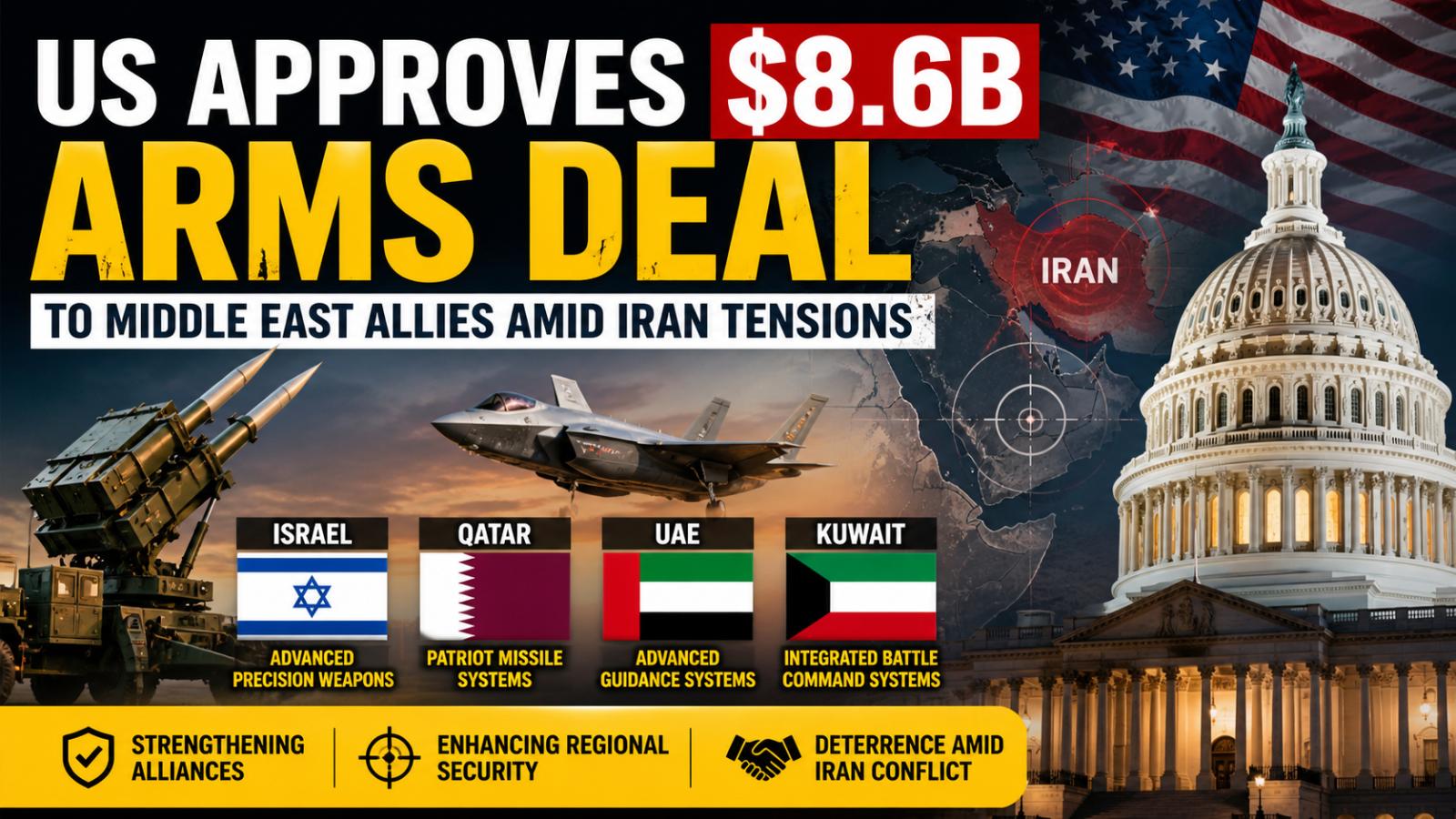
The United States has fast-tracked more than $8.6 billion in arms sales to key Middle East allies, signaling a sharp escalation in its response to rising tensions with Iran. Approved under emergency powers, the move bypasses Congress and reflects Washington’s urgency to strengthen regional defenses as the conflict enters a critical phase.
Emergency Approval Signals Rising Urgency
The decision, issued on Friday, invokes a rarely used em
The United States has fast-tracked more than $8.6 billion in arms sales to key Middle East allies, signaling a sharp escalation in its response to rising tensions with Iran. Approved under emergency powers, the move bypasses Congress and reflects Washington’s urgency to strengthen regional defenses as the conflict enters a critical phase.
Emergency Approval Signals Rising Urgency
The decision, issued on Friday, invokes a rarely used em
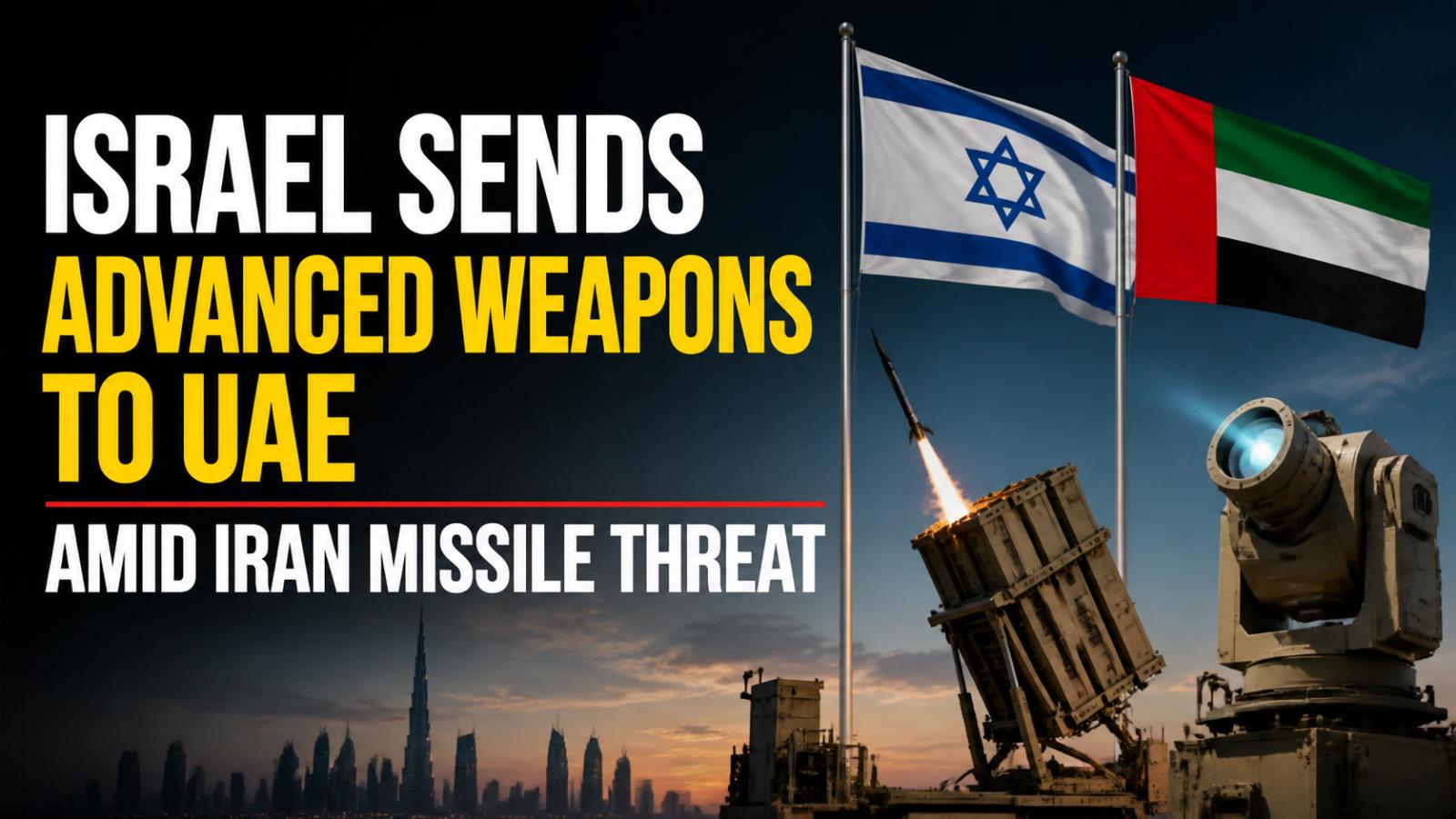
Israel warns UAE of missile threat from Iran, provides air defense systems
Israel has reportedly warned the United Arab Emirates (UAE) of an imminent missile threat from Iran, signaling that short-range missiles could be launched towards the country. In response to this threat, Israel has provided advanced air defense systems to the UAE, including a newly operational laser-based defense system to
Israel warns UAE of missile threat from Iran, provides air defense systems
Israel has reportedly warned the United Arab Emirates (UAE) of an imminent missile threat from Iran, signaling that short-range missiles could be launched towards the country. In response to this threat, Israel has provided advanced air defense systems to the UAE, including a newly operational laser-based defense system to