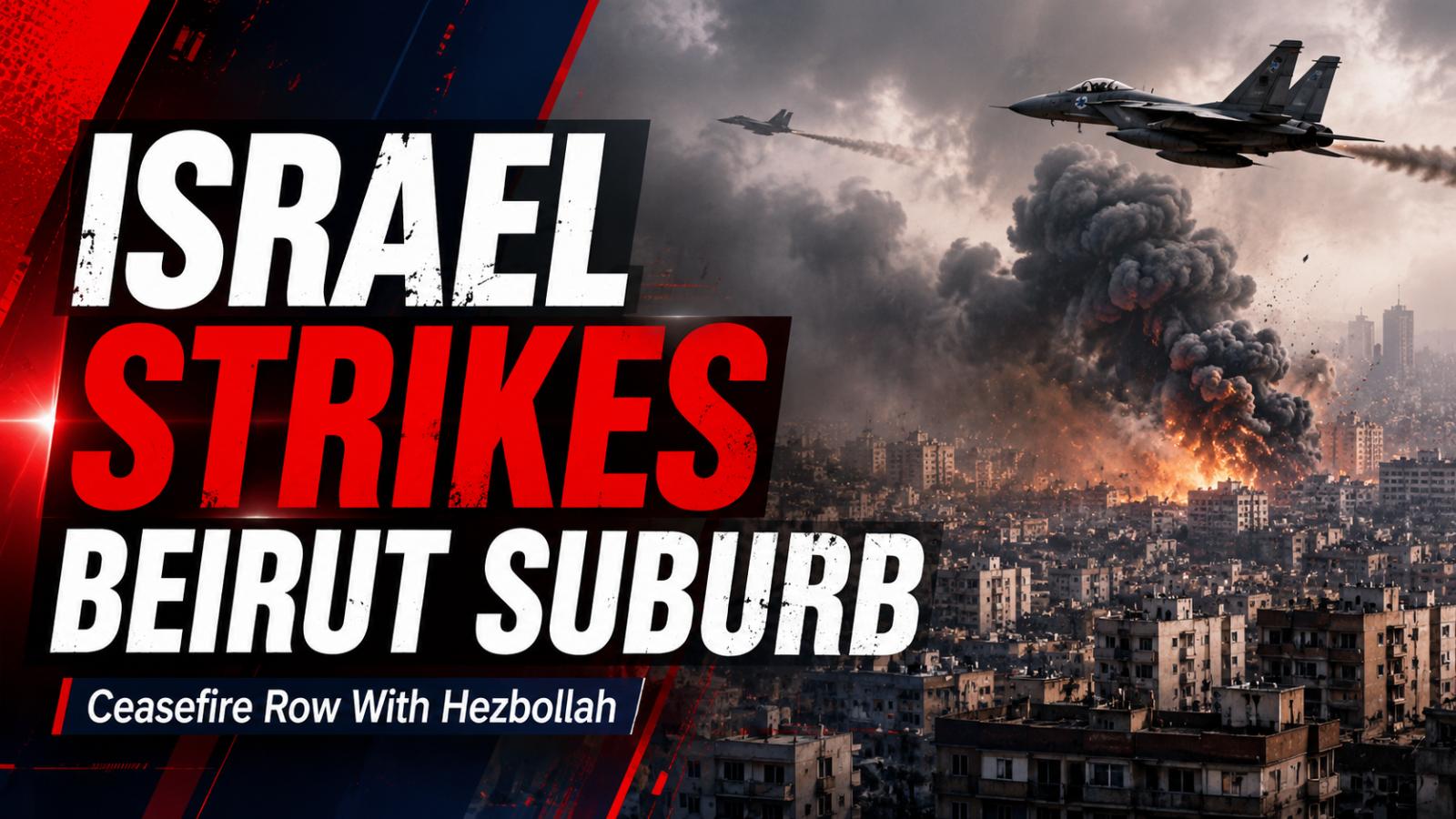
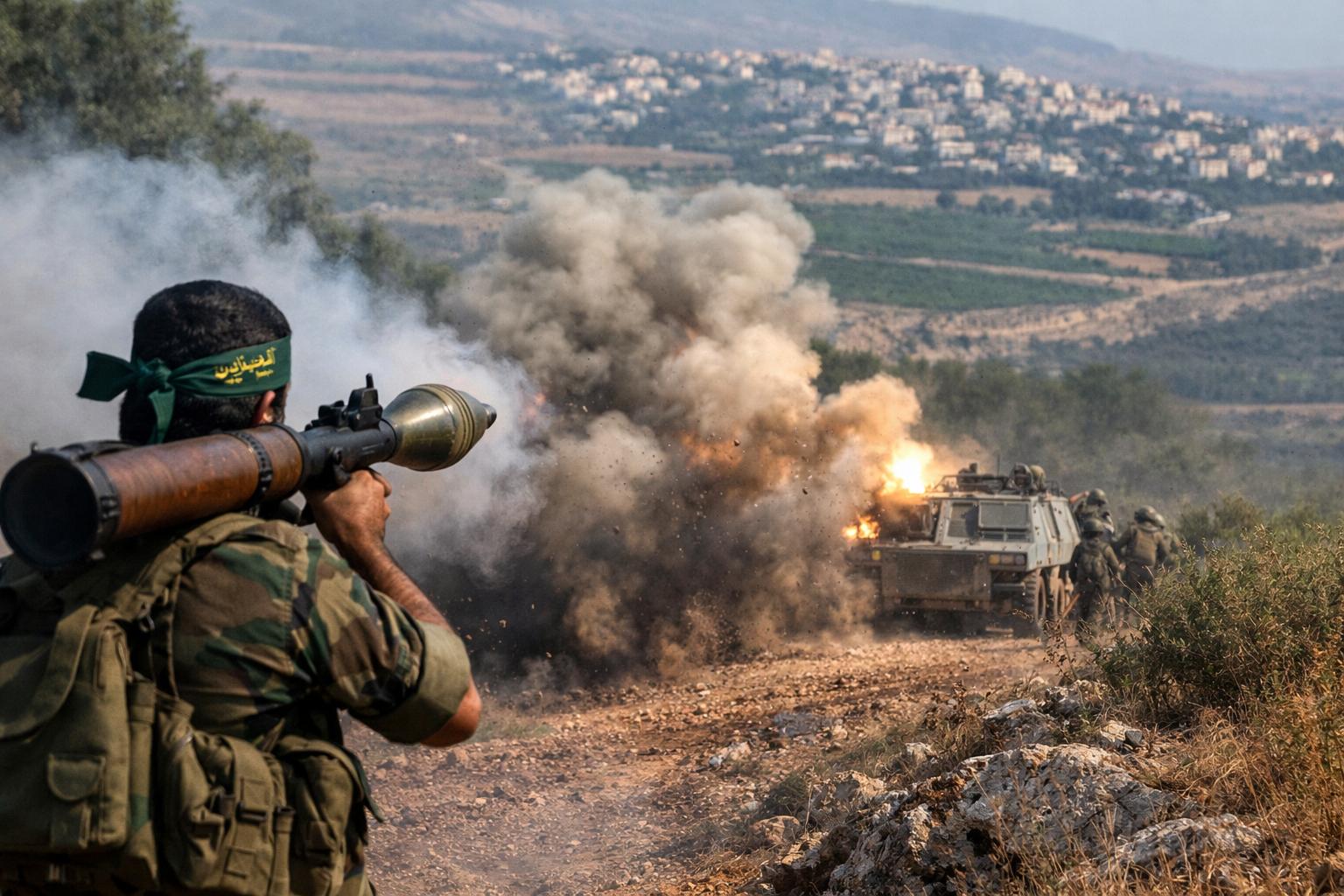
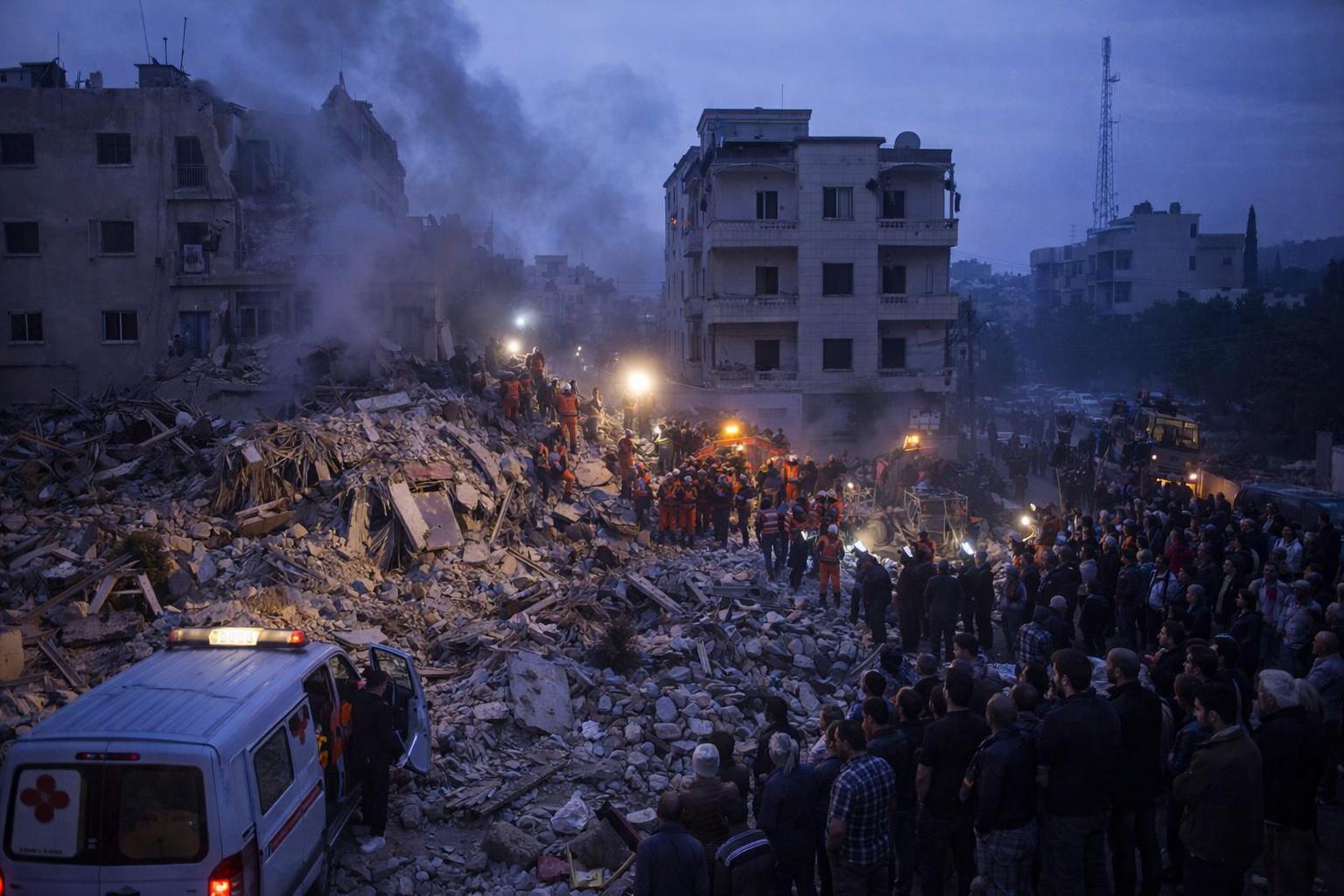
Israel ordered fresh military strikes on Beirut’s southern Dahiyeh suburb on Monday, June 1, after accusing Hezbollah of repeatedly violating the ceasefire in Lebanon. Prime Minister Benjamin Netanyahu and Defence Minister Israel Katz said the Israeli military had been instructed to target Hezbollah-linked sites in the area.
The move has increased concern over the fragile situation between Israel and Hezbollah. Dahiyeh is widely known as a major Hezbollah stronghold, making any st
Israel ordered fresh military strikes on Beirut’s southern Dahiyeh suburb on Monday, June 1, after accusing Hezbollah of repeatedly violating the ceasefire in Lebanon. Prime Minister Benjamin Netanyahu and Defence Minister Israel Katz said the Israeli military had been instructed to target Hezbollah-linked sites in the area.
The move has increased concern over the fragile situation between Israel and Hezbollah. Dahiyeh is widely known as a major Hezbollah stronghold, making any st
Date: May 2, 2026 | Time: 04:30 PM IST | Place: Southern Lebanon, Lebanon
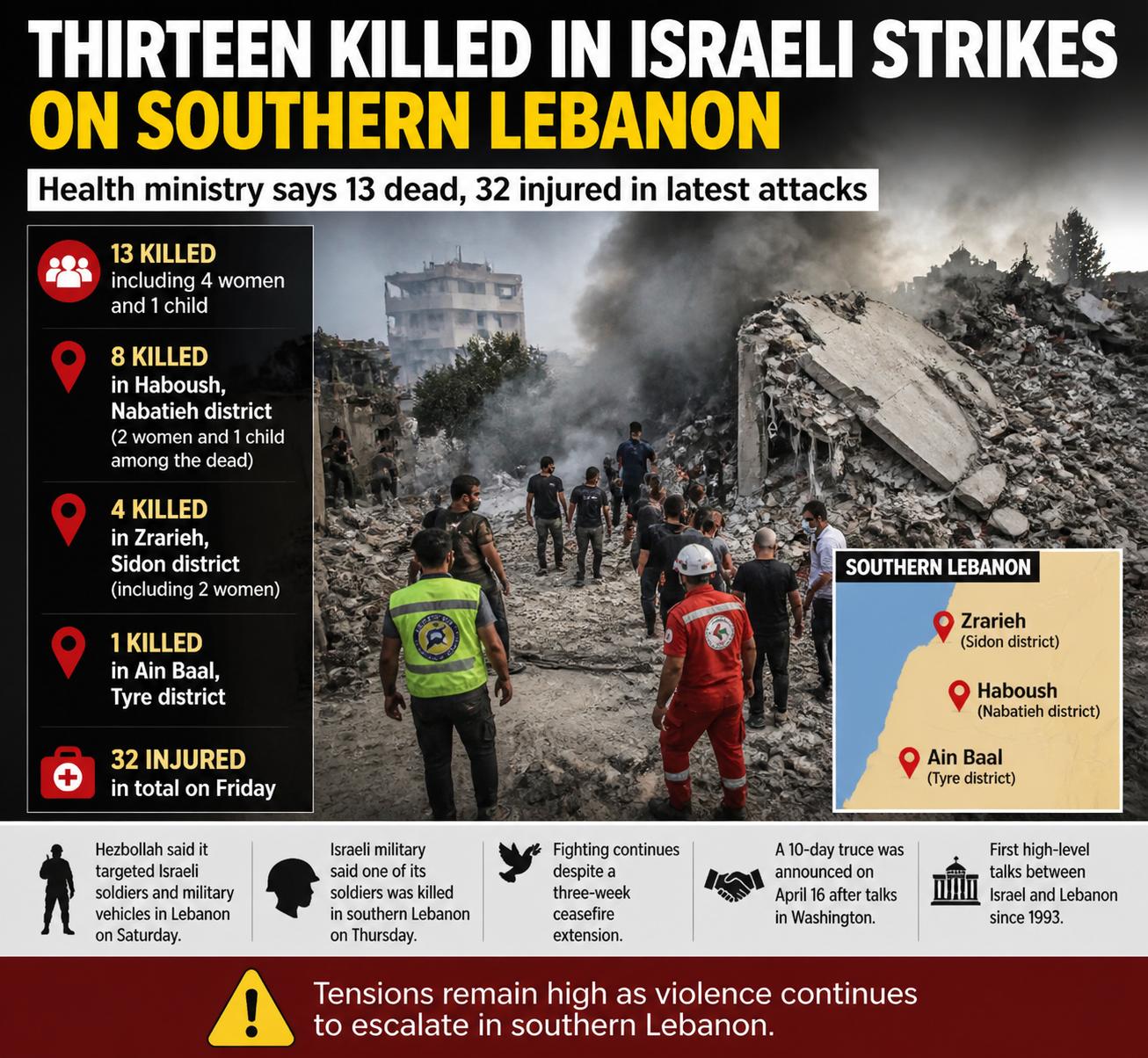
At least 13 people have been killed in Israeli airstrikes on southern Lebanon, according to the Lebanese Health Ministry. The airstrikes targeted multiple areas, with the most significant fatalities reported in Haboush, located in the Nabatieh district, where two women and a child were among the eight killed. The Israel Defense Forces (IDF) had issued an evacuation order for residents in these areas, but th
Date: May 2, 2026 | Time: 04:30 PM IST | Place: Southern Lebanon, Lebanon
At least 13 people have been killed in Israeli airstrikes on southern Lebanon, according to the Lebanese Health Ministry. The airstrikes targeted multiple areas, with the most significant fatalities reported in Haboush, located in the Nabatieh district, where two women and a child were among the eight killed. The Israel Defense Forces (IDF) had issued an evacuation order for residents in these areas, but th
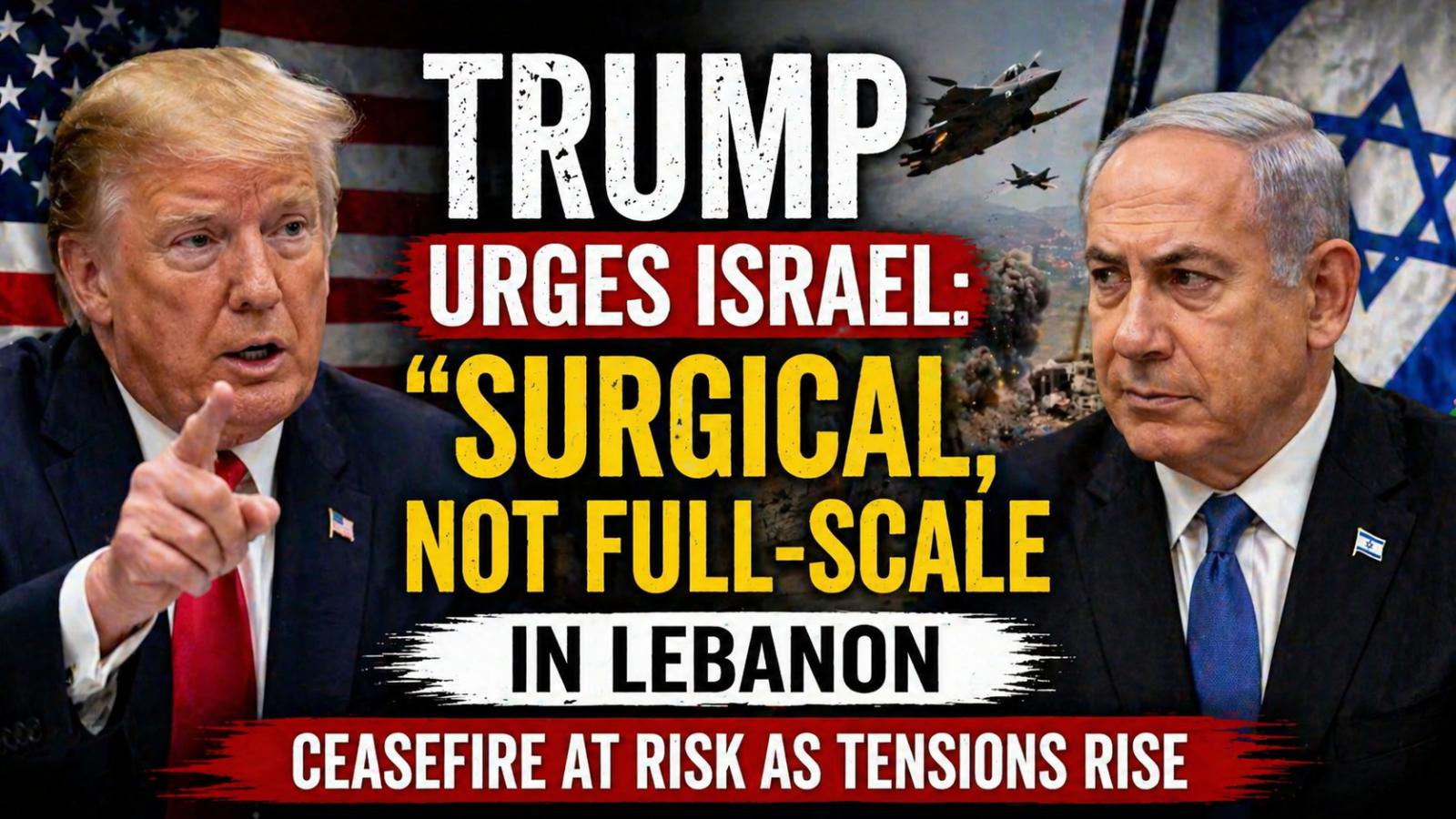
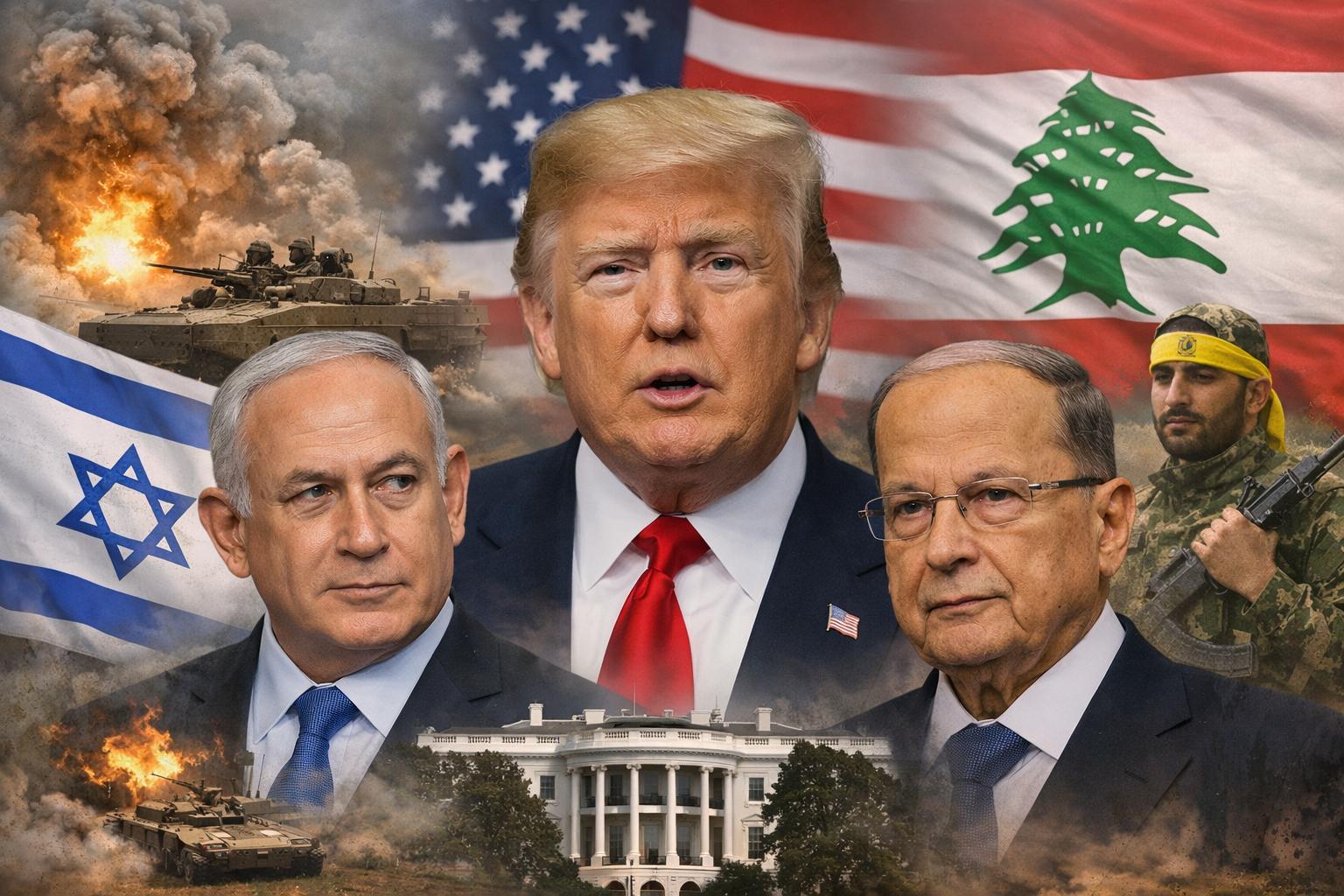
US President Donald Trump has urged Israeli Prime Minister Benjamin Netanyahu to limit military operations in Lebanon to targeted actions, emphasizing restraint as tensions with Hezbollah continue to escalate. According to remarks made during a recent interview, Trump advised against large-scale strikes, stating that extensive destruction risks undermining Israel’s international image. His comments come as a fragile ceasefire between Israel and Lebanon shows signs of weakening ahead of its expected expiration.
Despite ongoing diplomatic efforts, clashes between Israeli forces and Hezbollah have persisted. Hezbollah has continued launching rockets and drones toward Israeli territory, while Israel has responded with expanded airstrikes and maintained a military presence in parts of southern Lebanon. Israeli officials have indicated the need for a stronger response, citing security concerns, while US officials have urged caution to avoid further escalation.
Trump reportedly held frequent discussions with Netanyahu, during which the Israeli leader outlined the challenges of responding to continued attacks. Trump reiterated his position that military actions should remain precise and proportionate, arguing that broader strikes could complicate diplomatic efforts and regional stability. He also expressed a positive view of Lebanon’s leadership, suggesting that the country has the potential to recover despite ongoing instability.
US officials have framed Hezbollah’s actions as an attempt to provoke a wider conflict and disrupt negotiations. Washington has continued to advocate for restraint while pursuing diplomatic channels aimed at reducing tensions. Efforts have included discussions involving Israeli and Lebanese representatives, although progress toward a formal agreement remains limited.
The situation highlights the delicate balance between security concerns and diplomatic engagement in the region. As the ceasefire continues to erode, international pressure is mounting to prevent a broader conflict while maintaining efforts to stabilize relations between Israel and Lebanon.
US President Donald Trump has urged Israeli Prime Minister Benjamin Netanyahu to limit military operations in Lebanon to targeted actions, emphasizing restraint as tensions with Hezbollah continue to escalate. According to remarks made during a recent interview, Trump advised against large-scale strikes, stating that extensive destruction risks undermining Israel’s international image. His comments come as a fragile ceasefire between Israel and Lebanon shows signs of weakening ahead of its expected expiration.
Despite ongoing diplomatic efforts, clashes between Israeli forces and Hezbollah have persisted. Hezbollah has continued launching rockets and drones toward Israeli territory, while Israel has responded with expanded airstrikes and maintained a military presence in parts of southern Lebanon. Israeli officials have indicated the need for a stronger response, citing security concerns, while US officials have urged caution to avoid further escalation.
Trump reportedly held frequent discussions with Netanyahu, during which the Israeli leader outlined the challenges of responding to continued attacks. Trump reiterated his position that military actions should remain precise and proportionate, arguing that broader strikes could complicate diplomatic efforts and regional stability. He also expressed a positive view of Lebanon’s leadership, suggesting that the country has the potential to recover despite ongoing instability.
US officials have framed Hezbollah’s actions as an attempt to provoke a wider conflict and disrupt negotiations. Washington has continued to advocate for restraint while pursuing diplomatic channels aimed at reducing tensions. Efforts have included discussions involving Israeli and Lebanese representatives, although progress toward a formal agreement remains limited.
The situation highlights the delicate balance between security concerns and diplomatic engagement in the region. As the ceasefire continues to erode, international pressure is mounting to prevent a broader conflict while maintaining efforts to stabilize relations between Israel and Lebanon.
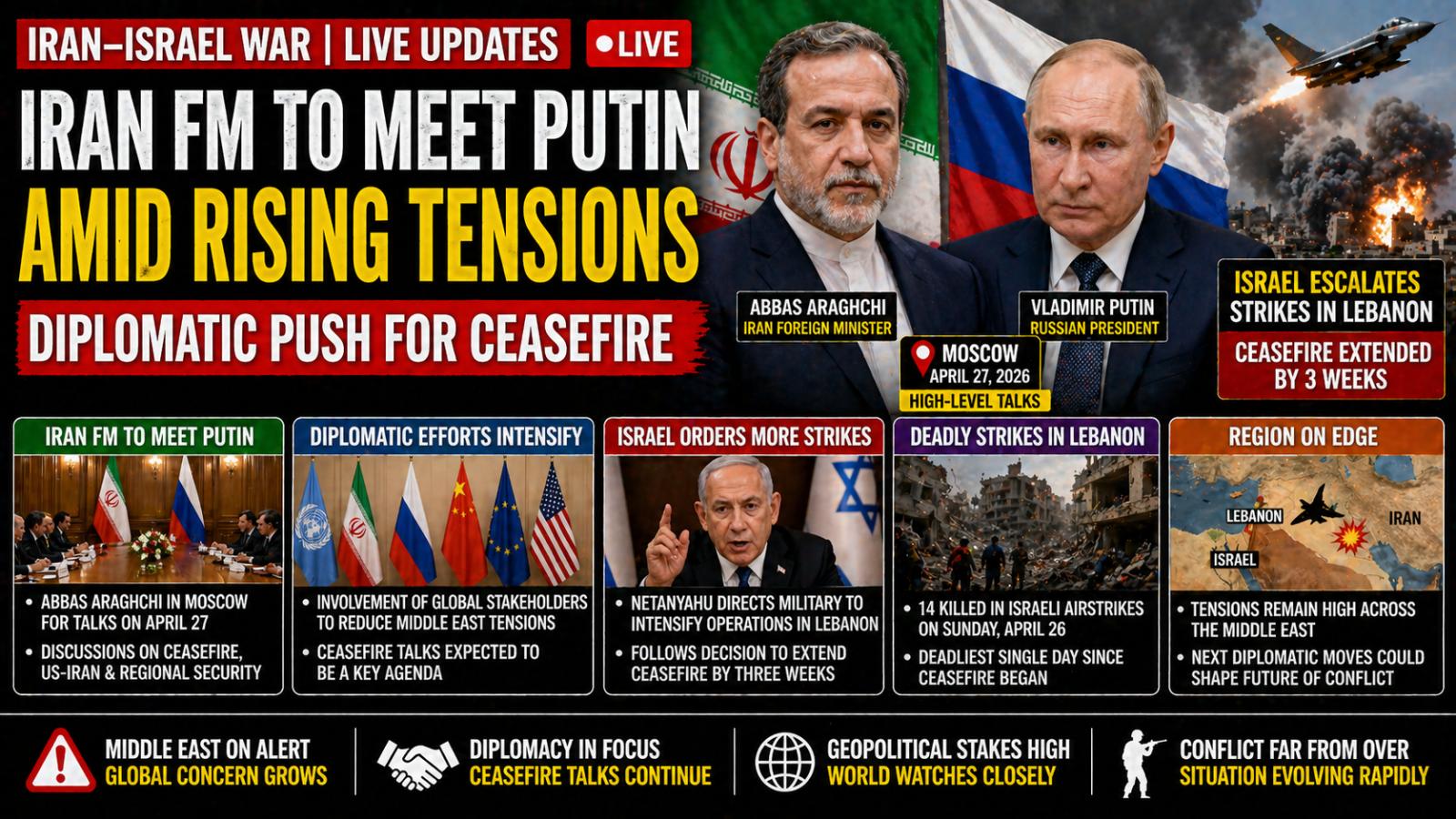
Iran’s foreign minister Abbas Araghchi meets Vladimir Putin in Moscow on Monday, April 27, for ceasefire talks as Israel intensifies strikes on Hezbollah in Lebanon, where 14 were killed Sunday, April 26, marking the deadliest day since the truce began.
Iran-Israel war live updates: Iran FM to meet Putin amid rising tensions as Abbas Araghchi prepares for high-level tal
Iran’s foreign minister Abbas Araghchi meets Vladimir Putin in Moscow on Monday, April 27, for ceasefire talks as Israel intensifies strikes on Hezbollah in Lebanon, where 14 were killed Sunday, April 26, marking the deadliest day since the truce began.
Iran-Israel war live updates: Iran FM to meet Putin amid rising tensions as Abbas Araghchi prepares for high-level tal
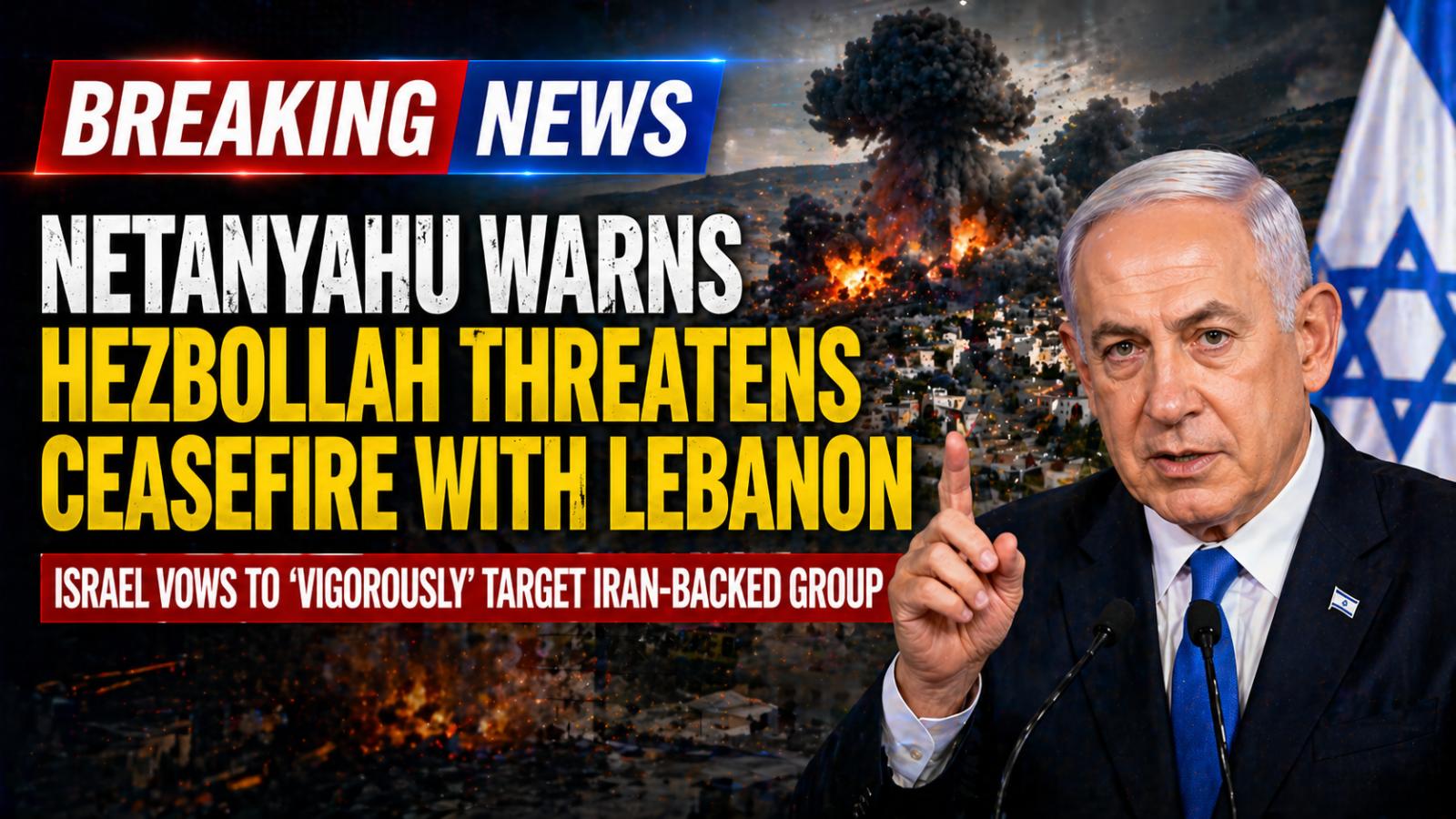
Israeli Prime Minister Benjamin Netanyahu has warned that ongoing actions by Hezbollah are placing the fragile ceasefire between Israel and Lebanon under increasing strain. Speaking during a weekly Cabinet meeting, Netanyahu stated that repeated violations by the Iran-backed group were effectively undermining the agreement intended to reduce hostilities along the border.
In a separate statement, the Israeli military said recent activity attributed to Hezbollah represented a direct breach of ceasefire understandings. The Israel Defense Forces confirmed that it conducted overnight strikes on multiple structures in southern Lebanon, describing them as locations used by Hezbollah for operational purposes. These developments come amid heightened tensions despite ongoing diplomatic efforts to stabilize the region.
The ceasefire arrangement, initially agreed upon for a limited period, was recently extended following discussions in Washington. During those talks, US President Donald Trump described the negotiations as productive, while acknowledging the complexities posed by Hezbollah’s involvement. The agreement aimed to provide additional time for de-escalation and further dialogue between the parties.
Despite these efforts, reports of violations have continued to emerge from both sides since the truce came into effect. The situation remains fluid, with both Israel and Hezbollah accusing each other of actions that could destabilize the agreement. The initial ceasefire period, originally set to expire soon after its implementation, has faced mounting challenges as regional dynamics continue to shift.
Observers note that the involvement of Iran-backed forces and the broader geopolitical context add complexity to maintaining the ceasefire. With both sides remaining on alert, the risk of escalation persists, even as diplomatic channels remain open.
Israeli Prime Minister Benjamin Netanyahu has warned that ongoing actions by Hezbollah are placing the fragile ceasefire between Israel and Lebanon under increasing strain. Speaking during a weekly Cabinet meeting, Netanyahu stated that repeated violations by the Iran-backed group were effectively undermining the agreement intended to reduce hostilities along the border.
In a separate statement, the Israeli military said recent activity attributed to Hezbollah represented a direct breach of ceasefire understandings. The Israel Defense Forces confirmed that it conducted overnight strikes on multiple structures in southern Lebanon, describing them as locations used by Hezbollah for operational purposes. These developments come amid heightened tensions despite ongoing diplomatic efforts to stabilize the region.
The ceasefire arrangement, initially agreed upon for a limited period, was recently extended following discussions in Washington. During those talks, US President Donald Trump described the negotiations as productive, while acknowledging the complexities posed by Hezbollah’s involvement. The agreement aimed to provide additional time for de-escalation and further dialogue between the parties.
Despite these efforts, reports of violations have continued to emerge from both sides since the truce came into effect. The situation remains fluid, with both Israel and Hezbollah accusing each other of actions that could destabilize the agreement. The initial ceasefire period, originally set to expire soon after its implementation, has faced mounting challenges as regional dynamics continue to shift.
Observers note that the involvement of Iran-backed forces and the broader geopolitical context add complexity to maintaining the ceasefire. With both sides remaining on alert, the risk of escalation persists, even as diplomatic channels remain open.
U.S. President Donald Trump announced a 10-day pause in fighting between Israel and Lebanon set to begin at 5:00 PM ET on Thursday, April 16, 2026, following what he described as “excellent” conversations with the leaders of both nations. The announcement comes amid escalating violence tied to Israel’s ongoing conflict with the Iran-backed Hezbollah militant group operating in Lebanon.
U.S. President Donald Trump announced a 10-day pause in fighting between Israel and Lebanon set to begin at 5:00 PM ET on Thursday, April 16, 2026, following what he described as “excellent” conversations with the leaders of both nations. The announcement comes amid escalating violence tied to Israel’s ongoing conflict with the Iran-backed Hezbollah militant group operating in Lebanon.
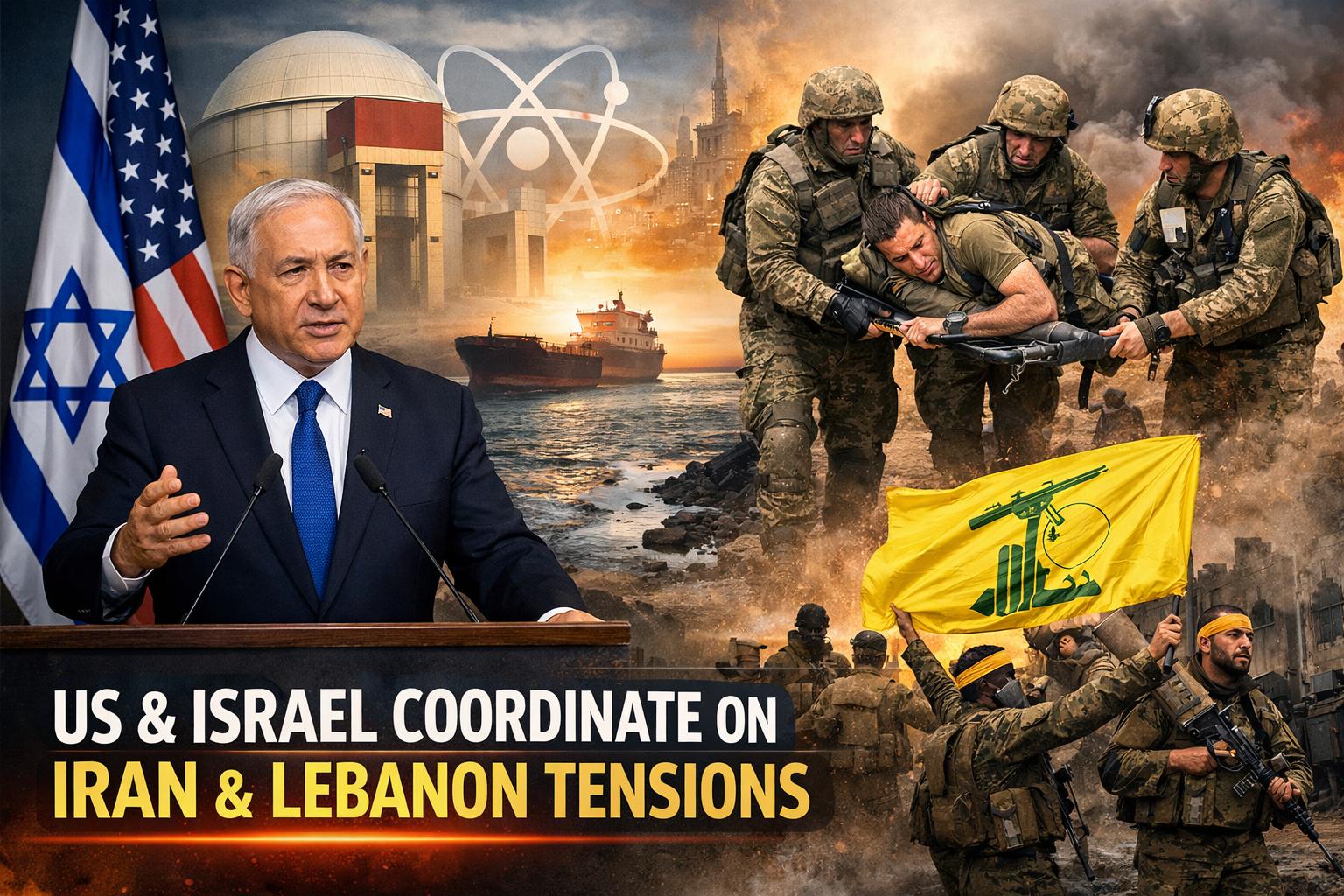
Israeli Prime Minister Benjamin Netanyahu said on Wednesday, April 15, 2026, that Israel and the United States are closely aligned in their approach toward Iran, emphasizing shared strategic objectives and ongoing coordination. In a televised address, Netanyahu stated that U.S. officials continue to keep Israel informed about their diplomatic engagements with Tehran, underscoring the depth of cooperation between the two allies.
“Our American friends keep us constantly updated on the
Israeli Prime Minister Benjamin Netanyahu said on Wednesday, April 15, 2026, that Israel and the United States are closely aligned in their approach toward Iran, emphasizing shared strategic objectives and ongoing coordination. In a televised address, Netanyahu stated that U.S. officials continue to keep Israel informed about their diplomatic engagements with Tehran, underscoring the depth of cooperation between the two allies.
“Our American friends keep us constantly updated on the
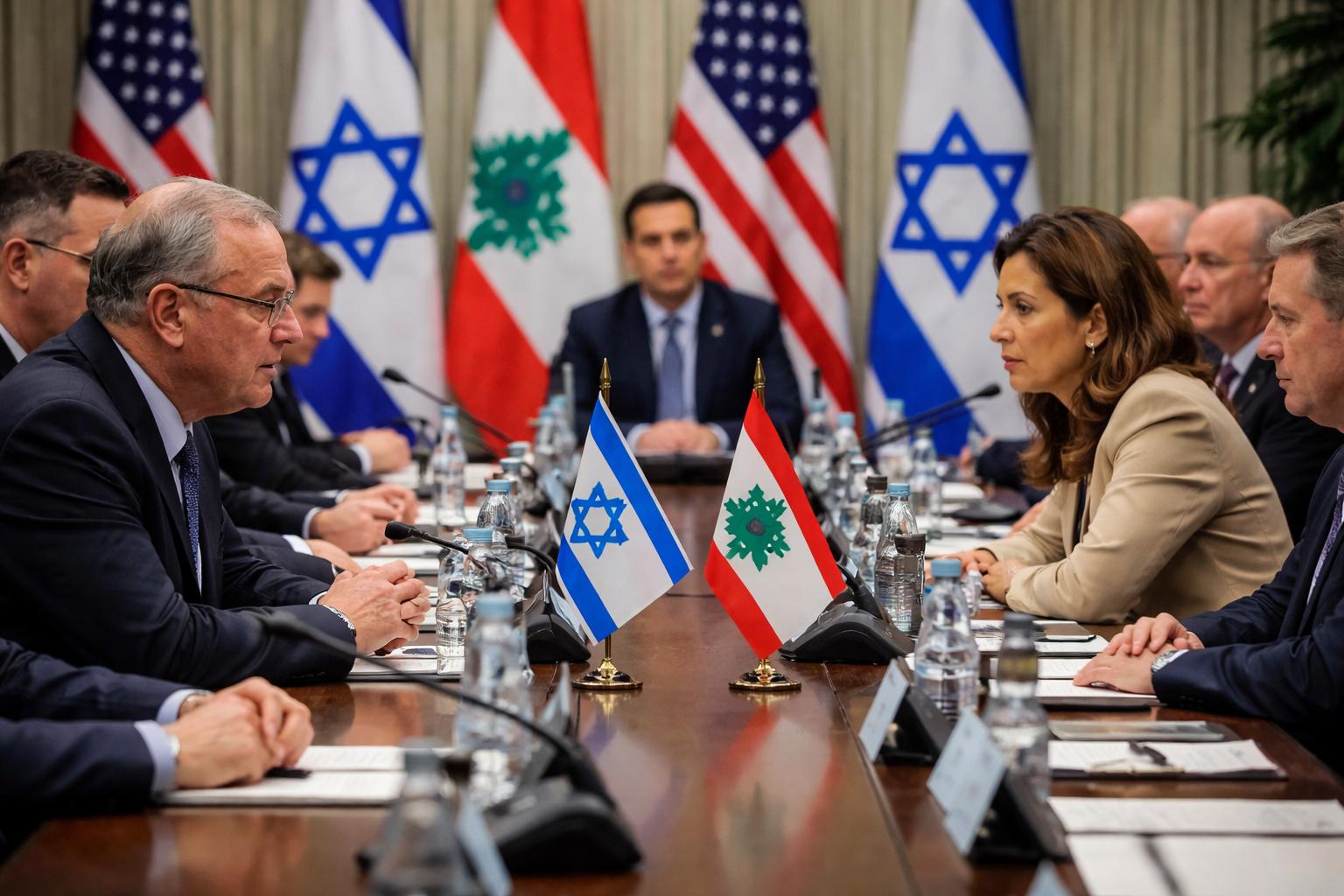
Israeli and Lebanese officials held more than two hours of direct talks in Washington, D.C., on Tuesday, April 14, 2026, marking the first such high-level engagement between the two countries in decades as fighting between Israel and the Iran-backed Hezbollah group continues to escalate.
The meeting, hosted by U.S. Secretary of State Marco Rubio, comes amid a fragile regional environment shaped by ongoing hostilities in Lebanon and broader tensions involving Iran. Rubio described the talks as a long-term diplomatic effort rather than an immediate solution, emphasizing that deeply rooted issues between the two sides would take time to resolve.
Israeli Ambassador Yechiel Leiter said the discussions reflect a shared objective of reducing Hezbollah’s influence in Lebanon, which Israel views as an extension of Iranian power in the region. Lebanese Ambassador Nada Hamadeh Moawad participated in the talks, though public comments from the Lebanese side remained limited immediately afterward.
The talks are notable given that Israel and Lebanon do not maintain formal diplomatic relations and have been technically at war for decades. Despite this, U.S. officials have pushed for dialogue as part of a broader effort to stabilize the region and prevent further escalation tied to the ongoing conflict with Iran and its allies.
The diplomatic engagement comes as Israeli military operations continue across southern Lebanon. The conflict intensified after Hezbollah launched rocket attacks on northern Israel on Sunday, March 2, 2026, prompting a large-scale Israeli response that has included airstrikes and ground operations.
Hezbollah, which is not part of the negotiations and opposes direct talks with Israel, has continued its military activities during the diplomatic effort. The group’s rejection of the talks highlights internal divisions within Lebanon, where the government has limited control over Hezbollah’s armed wing.
Beyond the immediate conflict, the situation has broader global implications. Tensions surrounding Iran, including disputes over its nuclear program and control of the Strait of Hormuz, have raised concerns about disruptions to global energy supplies. Analysts warn that instability in the region could affect oil markets and contribute to economic uncertainty worldwide.
While no immediate breakthroughs are expected, officials describe the Washington meeting as a significant first step toward potential de-escalation, even as violence on the ground and political divisions continue to complicate the path forward.
Israeli and Lebanese officials held more than two hours of direct talks in Washington, D.C., on Tuesday, April 14, 2026, marking the first such high-level engagement between the two countries in decades as fighting between Israel and the Iran-backed Hezbollah group continues to escalate.
The meeting, hosted by U.S. Secretary of State Marco Rubio, comes amid a fragile regional environment shaped by ongoing hostilities in Lebanon and broader tensions involving Iran. Rubio described the talks as a long-term diplomatic effort rather than an immediate solution, emphasizing that deeply rooted issues between the two sides would take time to resolve.
Israeli Ambassador Yechiel Leiter said the discussions reflect a shared objective of reducing Hezbollah’s influence in Lebanon, which Israel views as an extension of Iranian power in the region. Lebanese Ambassador Nada Hamadeh Moawad participated in the talks, though public comments from the Lebanese side remained limited immediately afterward.
The talks are notable given that Israel and Lebanon do not maintain formal diplomatic relations and have been technically at war for decades. Despite this, U.S. officials have pushed for dialogue as part of a broader effort to stabilize the region and prevent further escalation tied to the ongoing conflict with Iran and its allies.
The diplomatic engagement comes as Israeli military operations continue across southern Lebanon. The conflict intensified after Hezbollah launched rocket attacks on northern Israel on Sunday, March 2, 2026, prompting a large-scale Israeli response that has included airstrikes and ground operations.
Hezbollah, which is not part of the negotiations and opposes direct talks with Israel, has continued its military activities during the diplomatic effort. The group’s rejection of the talks highlights internal divisions within Lebanon, where the government has limited control over Hezbollah’s armed wing.
Beyond the immediate conflict, the situation has broader global implications. Tensions surrounding Iran, including disputes over its nuclear program and control of the Strait of Hormuz, have raised concerns about disruptions to global energy supplies. Analysts warn that instability in the region could affect oil markets and contribute to economic uncertainty worldwide.
While no immediate breakthroughs are expected, officials describe the Washington meeting as a significant first step toward potential de-escalation, even as violence on the ground and political divisions continue to complicate the path forward.
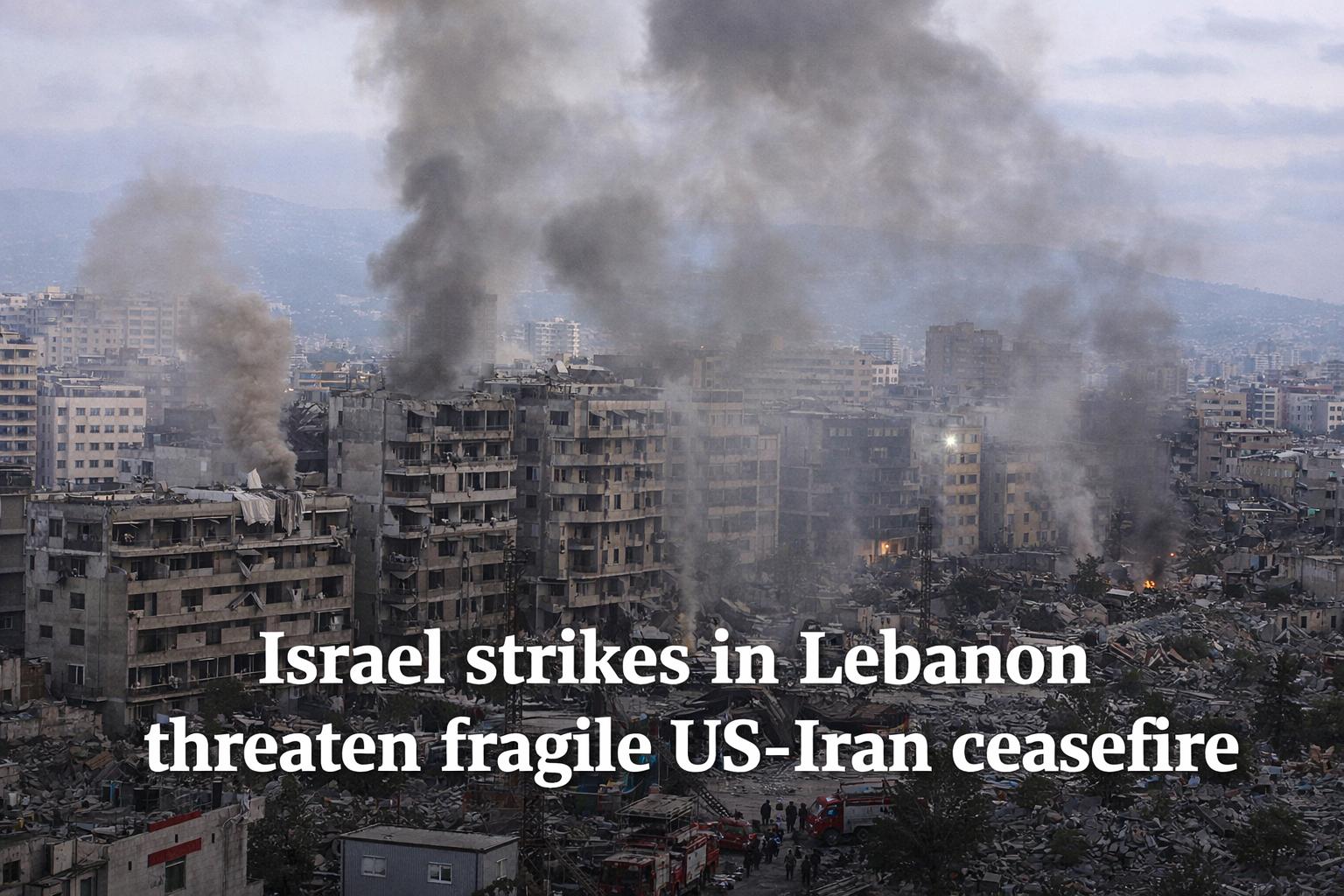
Israel’s intensified military campaign in Lebanon is raising concerns about the stability of a fragile ceasefire between the United States and Iran, with both sides disputing whether Lebanon was included in the agreement. Iranian officials argue that Israeli strikes violate the truce, while U.S. and Israeli authorities maintain the deal does not extend to Lebanon.
The disagreement comes as Israeli airstrikes across Lebanon, including Beirut, caused widespread destruction and signi
Israel’s intensified military campaign in Lebanon is raising concerns about the stability of a fragile ceasefire between the United States and Iran, with both sides disputing whether Lebanon was included in the agreement. Iranian officials argue that Israeli strikes violate the truce, while U.S. and Israeli authorities maintain the deal does not extend to Lebanon.
The disagreement comes as Israeli airstrikes across Lebanon, including Beirut, caused widespread destruction and signi
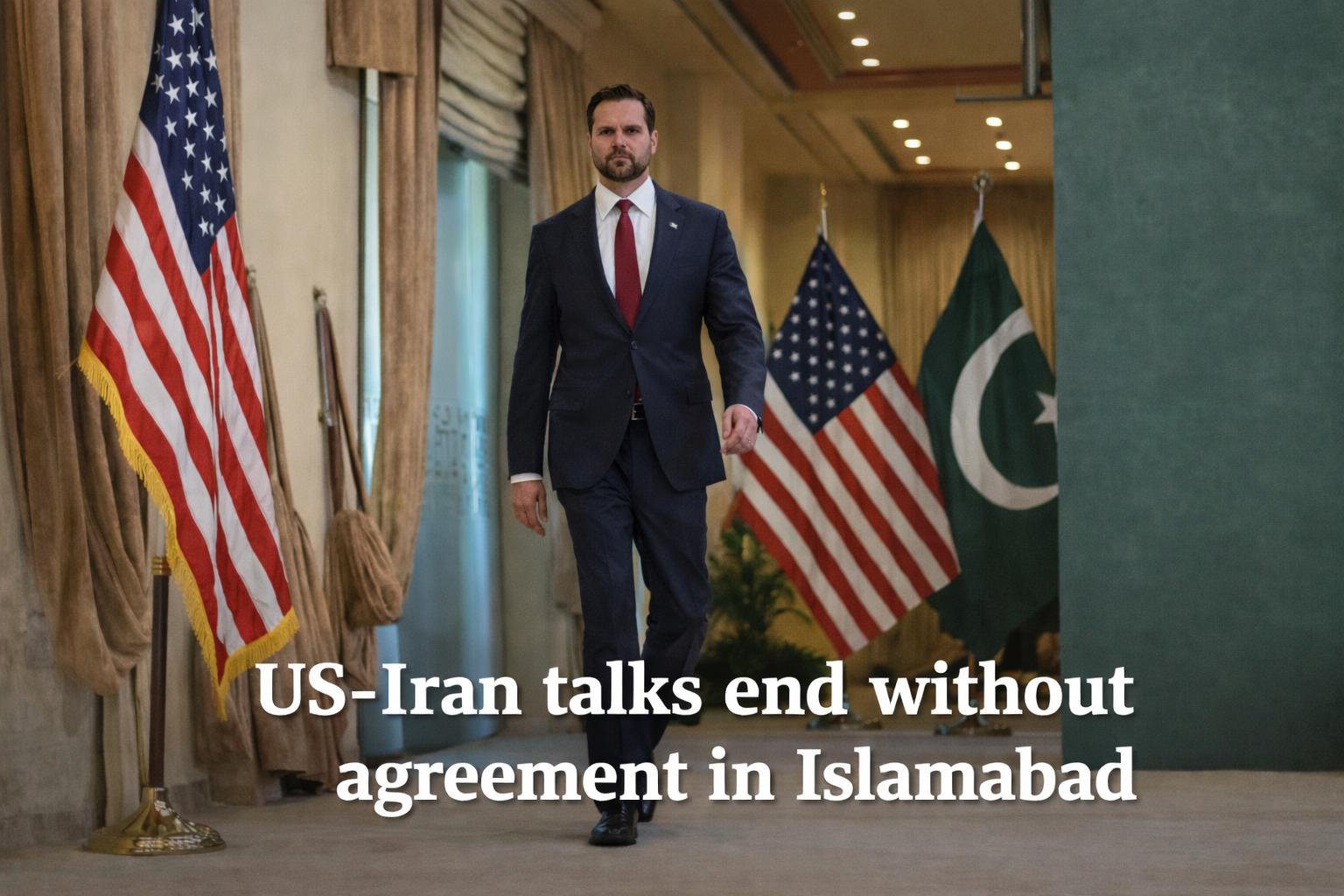
U.S. Vice President JD Vance said no agreement was reached with Iran following extended negotiations held in Pakistan, signaling a setback after Washington presented what it described as its “final and best offer.” Iranian officials also expressed dissatisfaction, with their lead negotiator stating that U.S. representatives failed to build sufficient trust during the discussions.
The outcome leaves significant uncertainty around the fragile ceasefire that began Tuesday, though no specific date was provided for the start of the truce. Without a clear commitment from Iran to reopen the Strait of Hormuz, concerns are growing over continued disruptions to global energy markets, as the strategic waterway remains a critical route for oil shipments.
Regional tensions remain elevated beyond the stalled talks. Diplomatic engagement between Israeli and Lebanese officials is expected in the coming week, even as hostilities persist. Israeli forces reported overnight strikes in southern Lebanon, stating they targeted and destroyed a rocket launcher prepared for imminent use. The strikes reportedly resulted in casualties, underscoring the ongoing volatility in the region.
The lack of progress in negotiations highlights broader challenges in restoring stability, with both diplomatic and military developments shaping an increasingly uncertain outlook.
U.S. Vice President JD Vance said no agreement was reached with Iran following extended negotiations held in Pakistan, signaling a setback after Washington presented what it described as its “final and best offer.” Iranian officials also expressed dissatisfaction, with their lead negotiator stating that U.S. representatives failed to build sufficient trust during the discussions.
The outcome leaves significant uncertainty around the fragile ceasefire that began Tuesday, though no specific date was provided for the start of the truce. Without a clear commitment from Iran to reopen the Strait of Hormuz, concerns are growing over continued disruptions to global energy markets, as the strategic waterway remains a critical route for oil shipments.
Regional tensions remain elevated beyond the stalled talks. Diplomatic engagement between Israeli and Lebanese officials is expected in the coming week, even as hostilities persist. Israeli forces reported overnight strikes in southern Lebanon, stating they targeted and destroyed a rocket launcher prepared for imminent use. The strikes reportedly resulted in casualties, underscoring the ongoing volatility in the region.
The lack of progress in negotiations highlights broader challenges in restoring stability, with both diplomatic and military developments shaping an increasingly uncertain outlook.
As the conflict in the Middle East enters its fourth week, Iran has firmly denied engaging in any negotiations or discussions with the United States since the hostilities began, contradicting recent remarks by US President Donald Trump. The Iranian government’s statement comes after Trump publicly claimed that Washington and Tehran had held “very good and productive conversations” aimed at achieving a comprehensive resolution to the ongoing crisis. Iranian officials dismissed the assertion
As the conflict in the Middle East enters its fourth week, Iran has firmly denied engaging in any negotiations or discussions with the United States since the hostilities began, contradicting recent remarks by US President Donald Trump. The Iranian government’s statement comes after Trump publicly claimed that Washington and Tehran had held “very good and productive conversations” aimed at achieving a comprehensive resolution to the ongoing crisis. Iranian officials dismissed the assertion
Hezbollah has claimed responsibility for a surprise attack targeting Israeli troops operating near the border town of Khiam in southern Lebanon, marking another escalation in the ongoing tensions along the Israel-Lebanon frontier. According to a statement released by the group through its official Telegram channel, fighters carried out what it described as an ambush against Israeli forces early in the morning on the outskirts of the town.
The group said the attack specifically targeted Israeli soldiers who were conducting operations close to the border area. Hezbollah described the strike as a coordinated assault designed to hit troops stationed in the region, though details about the scale of the operation or potential casualties on the Israeli side were not immediately confirmed by the group.
The latest confrontation comes amid a broader cycle of hostilities between Israel and Hezbollah in recent days. Israeli forces had reportedly advanced into parts of southern Lebanon after Hezbollah launched a barrage of rockets into northern Israel earlier in the week, heightening fears of a wider conflict along the volatile border.
Israeli military sources earlier confirmed that two soldiers from the Givati Brigade were moderately wounded during operations inside southern Lebanon on Friday. The injuries were caused by anti-tank fire during an engagement with Hezbollah fighters in the area. The soldiers were evacuated for medical treatment, and their condition was reported to be stable.
The cross-border violence has intensified concerns among regional observers about the potential for further escalation. Southern Lebanon has frequently been the site of clashes between Israeli forces and Hezbollah militants, with both sides accusing each other of initiating attacks.
Security analysts note that the ongoing exchanges of rocket fire, ambushes, and military responses could increase instability in the region if the confrontations continue to expand. While the current clashes remain localized near border areas such as Khiam, the repeated incidents highlight the fragile security situation along the Israel-Lebanon frontier.
Hezbollah has claimed responsibility for a surprise attack targeting Israeli troops operating near the border town of Khiam in southern Lebanon, marking another escalation in the ongoing tensions along the Israel-Lebanon frontier. According to a statement released by the group through its official Telegram channel, fighters carried out what it described as an ambush against Israeli forces early in the morning on the outskirts of the town.
The group said the attack specifically targeted Israeli soldiers who were conducting operations close to the border area. Hezbollah described the strike as a coordinated assault designed to hit troops stationed in the region, though details about the scale of the operation or potential casualties on the Israeli side were not immediately confirmed by the group.
The latest confrontation comes amid a broader cycle of hostilities between Israel and Hezbollah in recent days. Israeli forces had reportedly advanced into parts of southern Lebanon after Hezbollah launched a barrage of rockets into northern Israel earlier in the week, heightening fears of a wider conflict along the volatile border.
Israeli military sources earlier confirmed that two soldiers from the Givati Brigade were moderately wounded during operations inside southern Lebanon on Friday. The injuries were caused by anti-tank fire during an engagement with Hezbollah fighters in the area. The soldiers were evacuated for medical treatment, and their condition was reported to be stable.
The cross-border violence has intensified concerns among regional observers about the potential for further escalation. Southern Lebanon has frequently been the site of clashes between Israeli forces and Hezbollah militants, with both sides accusing each other of initiating attacks.
Security analysts note that the ongoing exchanges of rocket fire, ambushes, and military responses could increase instability in the region if the confrontations continue to expand. While the current clashes remain localized near border areas such as Khiam, the repeated incidents highlight the fragile security situation along the Israel-Lebanon frontier.
At least six people were killed after an Israeli airstrike destroyed a residential building in the town of Jibchit in southern Lebanon early Saturday, according to official reports. Among the victims were four members of the same family, highlighting the growing civilian toll as tensions along the Israel-Lebanon border continue to intensify. The attack was part of a series of overnight Israeli military operations targeting areas in southern Lebanon, where cross-border hostilities have incre
At least six people were killed after an Israeli airstrike destroyed a residential building in the town of Jibchit in southern Lebanon early Saturday, according to official reports. Among the victims were four members of the same family, highlighting the growing civilian toll as tensions along the Israel-Lebanon border continue to intensify. The attack was part of a series of overnight Israeli military operations targeting areas in southern Lebanon, where cross-border hostilities have incre