The Indian government has taken another major step to improve medicine safety by making QR codes mandatory on several categories of critical drugs, including vaccines, anti-cancer medicines, antimicrobials, and narcotic medications. The move is aimed at helping consumers and healthcare providers easily verify the authenticity of medicines and reducing the spread of counterfeit and substandard drugs in the country.
The Union Health Ministry
The Indian government has taken another major step to improve medicine safety by making QR codes mandatory on several categories of critical drugs, including vaccines, anti-cancer medicines, antimicrobials, and narcotic medications. The move is aimed at helping consumers and healthcare providers easily verify the authenticity of medicines and reducing the spread of counterfeit and substandard drugs in the country.
The Union Health Ministry
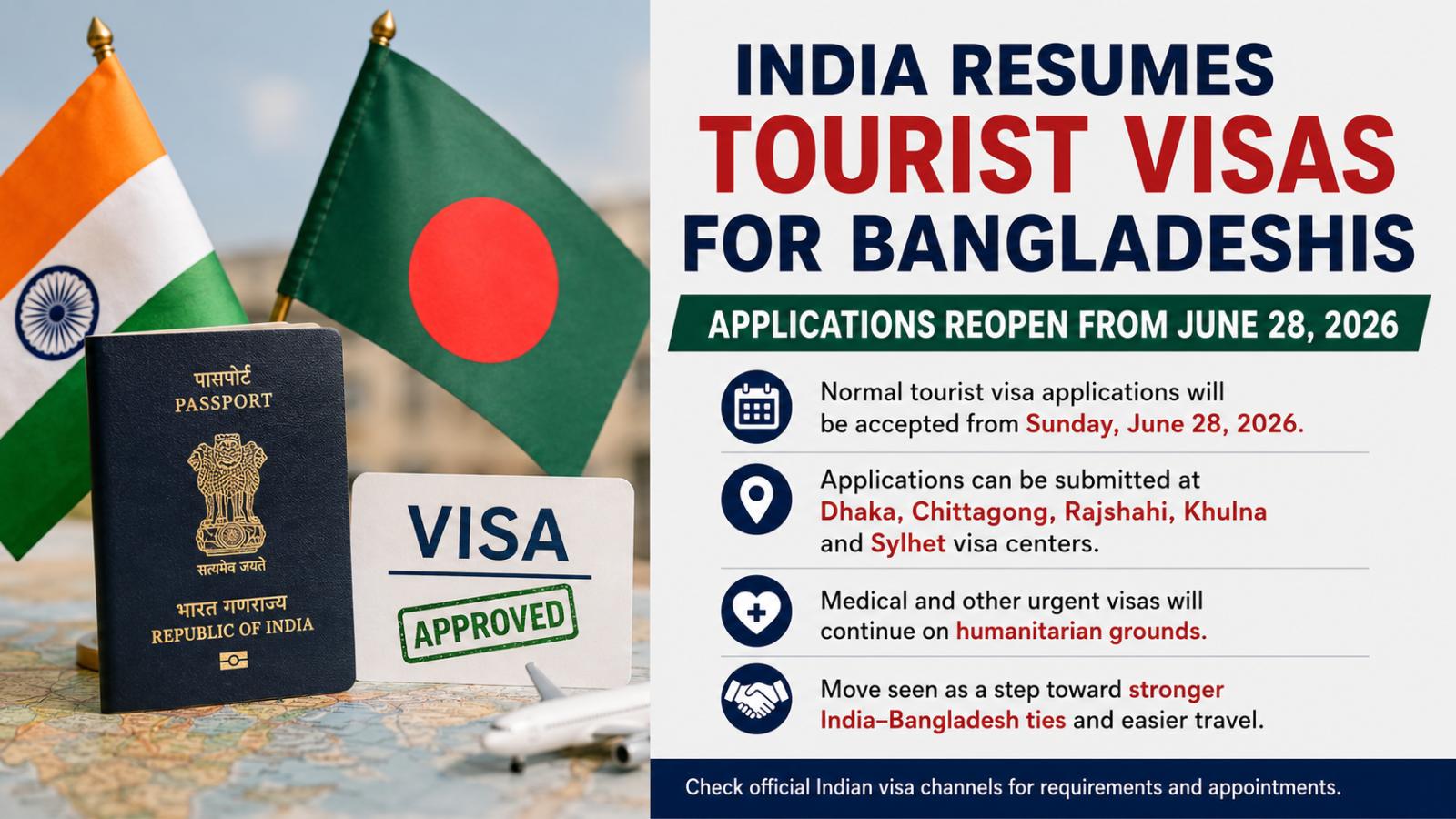
India tourist visas for Bangladeshi citizens will resume on Sunday, June 28, 2026, reopening a major travel channel after a suspension of nearly two years. India’s new High Commissioner to Bangladesh, Dinesh Trivedi, announced the change after formally assuming office in Dhaka.
India Tourist Visas for Bangladeshi Citizens Reopen June 28
Trivedi presented his credentials to Bangladeshi President Mohammed Shahabuddin at Bangabhaban on Th
India tourist visas for Bangladeshi citizens will resume on Sunday, June 28, 2026, reopening a major travel channel after a suspension of nearly two years. India’s new High Commissioner to Bangladesh, Dinesh Trivedi, announced the change after formally assuming office in Dhaka.
India Tourist Visas for Bangladeshi Citizens Reopen June 28
Trivedi presented his credentials to Bangladeshi President Mohammed Shahabuddin at Bangabhaban on Th
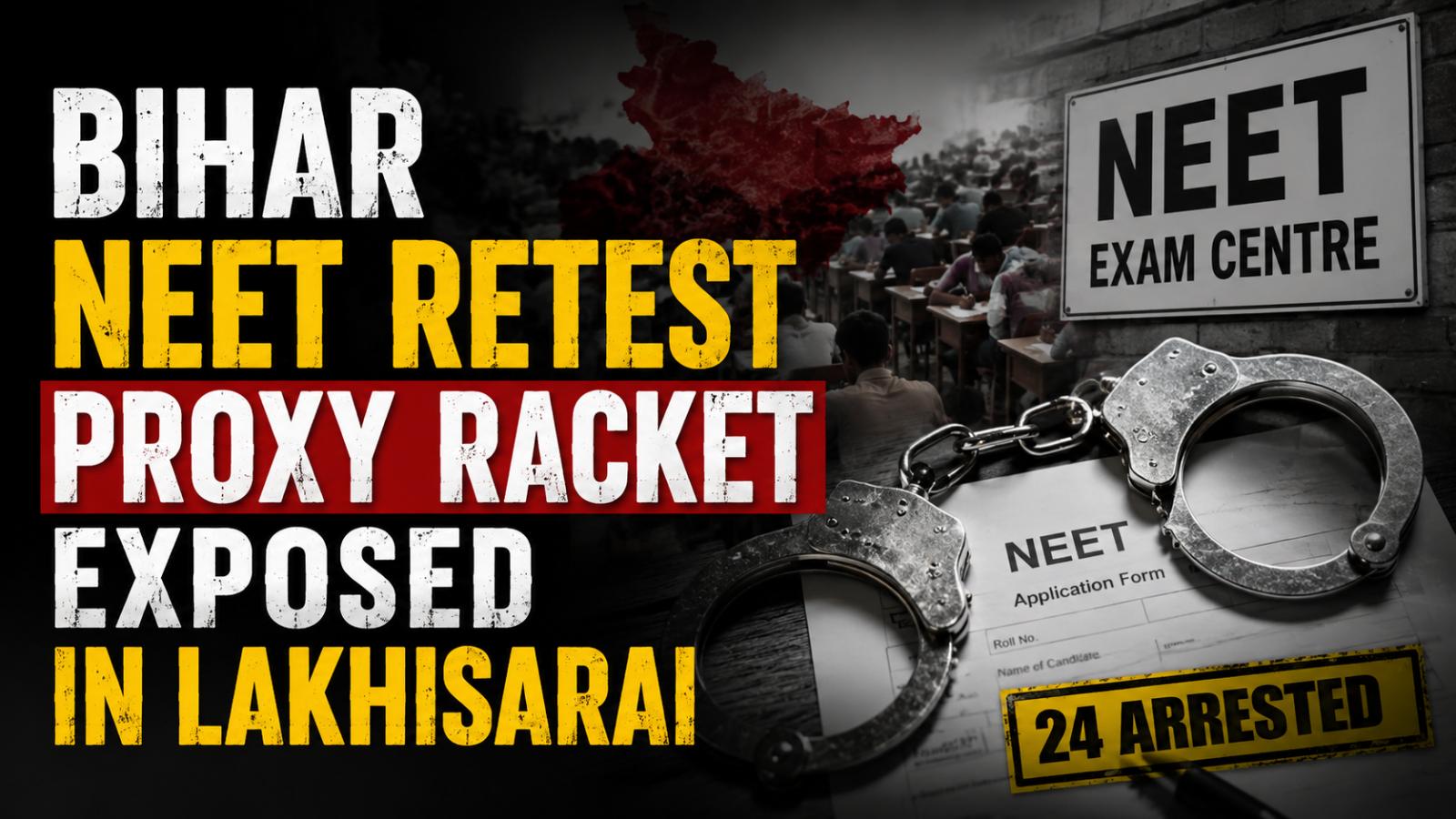
Proxy racket during NEET retest raises fresh concerns
Bihar Police have uncovered an alleged NEET-UG retest proxy racket in Lakhisarai that reportedly took place during Sunday’s NEET-UG retest. The case has triggered fresh concerns over exam centre security, biometric verification and insider access during one of India’s most sensitive entrance tests. At least 24 people were reported arrested in the case, while some reports placed the wid
Proxy racket during NEET retest raises fresh concerns
Bihar Police have uncovered an alleged NEET-UG retest proxy racket in Lakhisarai that reportedly took place during Sunday’s NEET-UG retest. The case has triggered fresh concerns over exam centre security, biometric verification and insider access during one of India’s most sensitive entrance tests. At least 24 people were reported arrested in the case, while some reports placed the wid
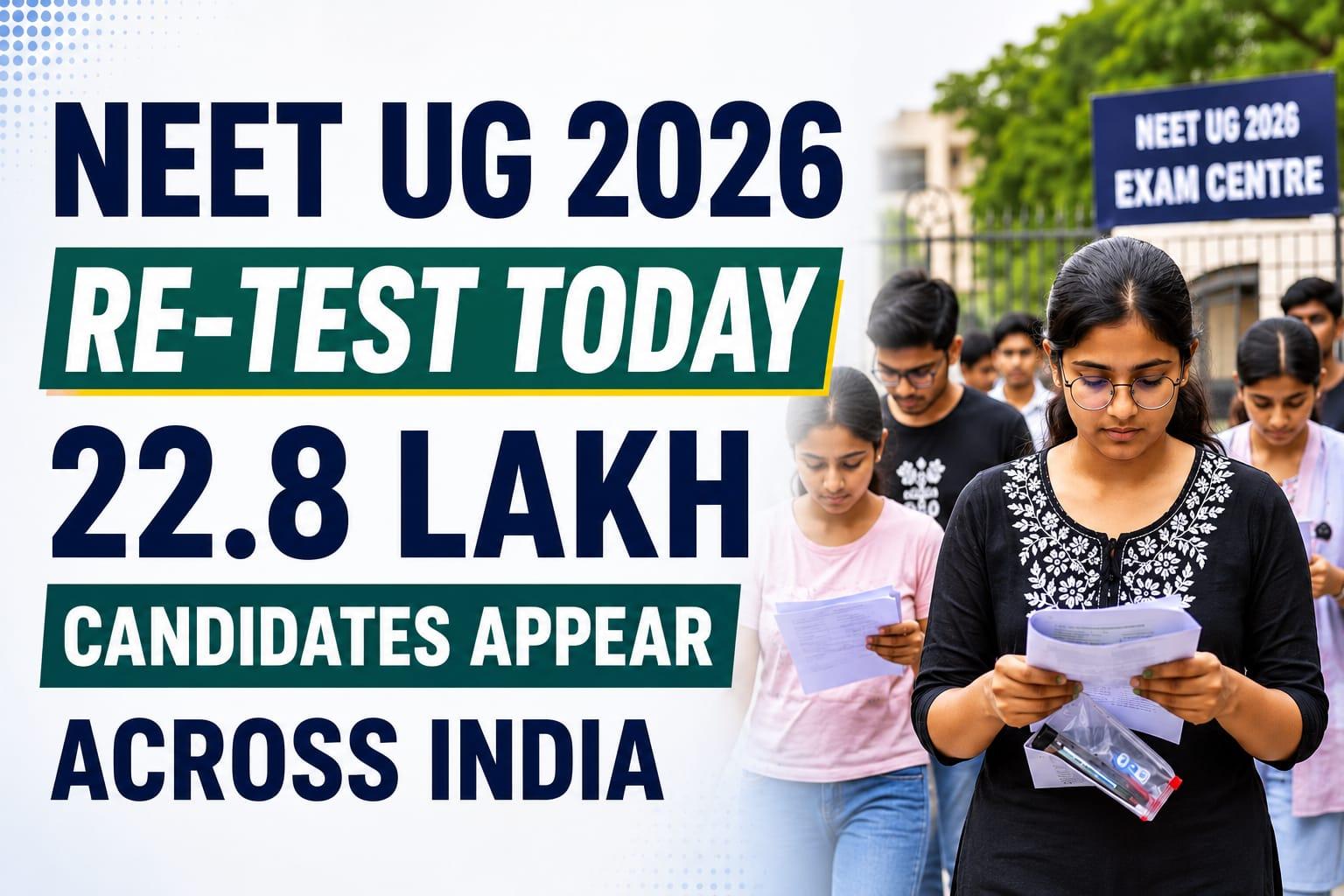
NEET UG 2026 Re-Test Begins Today For 22.8 Lakh Students Across India
The NEET UG 2026 re-test is being conducted across India today, June 21, 2026, with around 22.8 lakh candidates expected to appear for the medical entrance examination. The re-exam is being held for students who were issued fresh hall tickets for the test.
According to available candidate data, a large majority of aspirants are b
NEET UG 2026 Re-Test Begins Today For 22.8 Lakh Students Across India
The NEET UG 2026 re-test is being conducted across India today, June 21, 2026, with around 22.8 lakh candidates expected to appear for the medical entrance examination. The re-exam is being held for students who were issued fresh hall tickets for the test.
According to available candidate data, a large majority of aspirants are b
Content note: This report discusses suicide and student mental health.
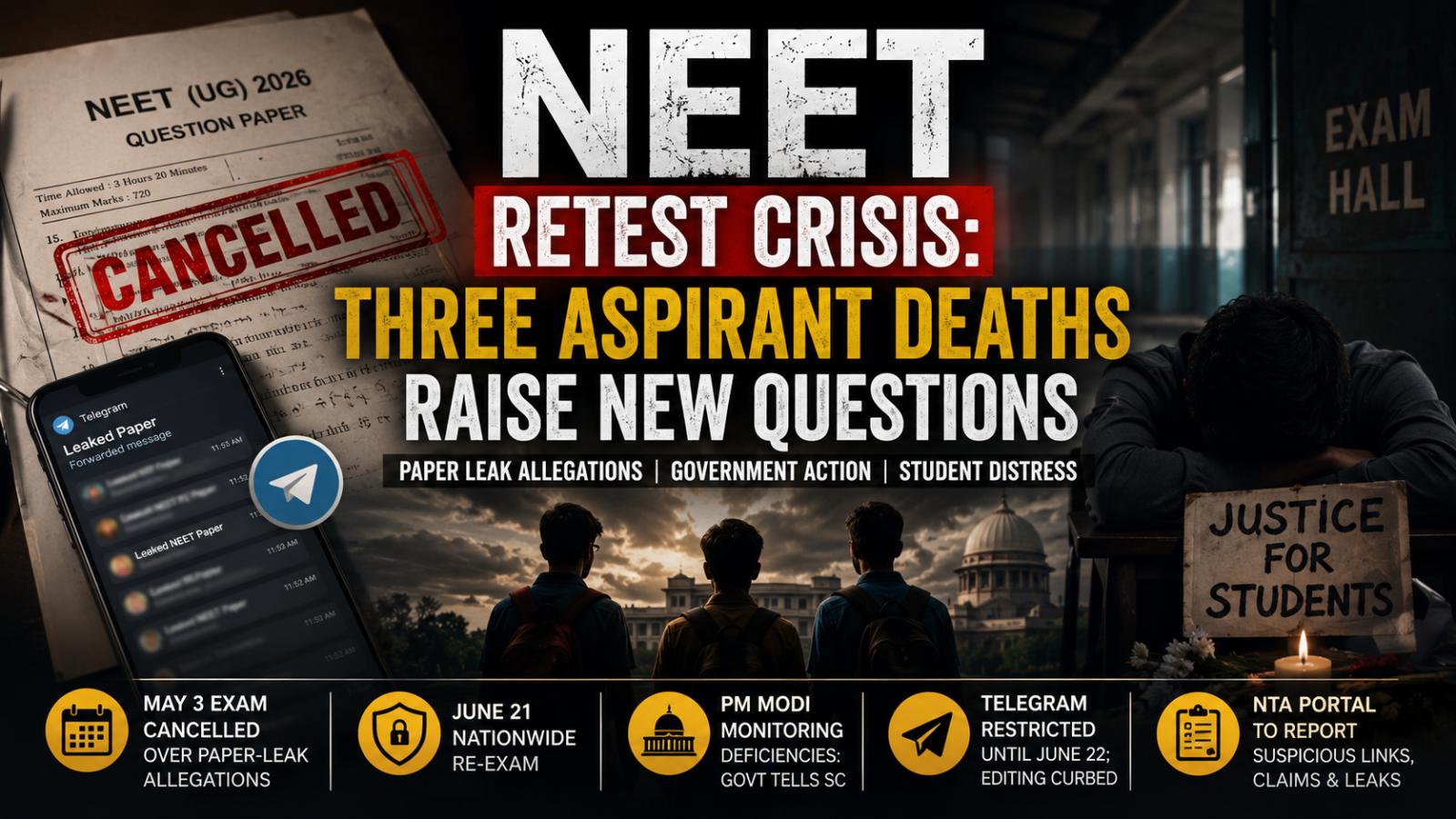
NEW DELHI — The NEET retest crisis deepened after three medical aspirants in Coimbatore, Dehradun and Delhi were rNEET Retest Crisis: Three Aspirant Deaths Raise New Questions
neet ug 2026, neet retest, student mental health, india education, nta, paper leak, pm modi, telegram restriction, medical entrance exameported dead by suicide in the days befor
Content note: This report discusses suicide and student mental health.
NEW DELHI — The NEET retest crisis deepened after three medical aspirants in Coimbatore, Dehradun and Delhi were rNEET Retest Crisis: Three Aspirant Deaths Raise New Questions
neet ug 2026, neet retest, student mental health, india education, nta, paper leak, pm modi, telegram restriction, medical entrance exameported dead by suicide in the days befor
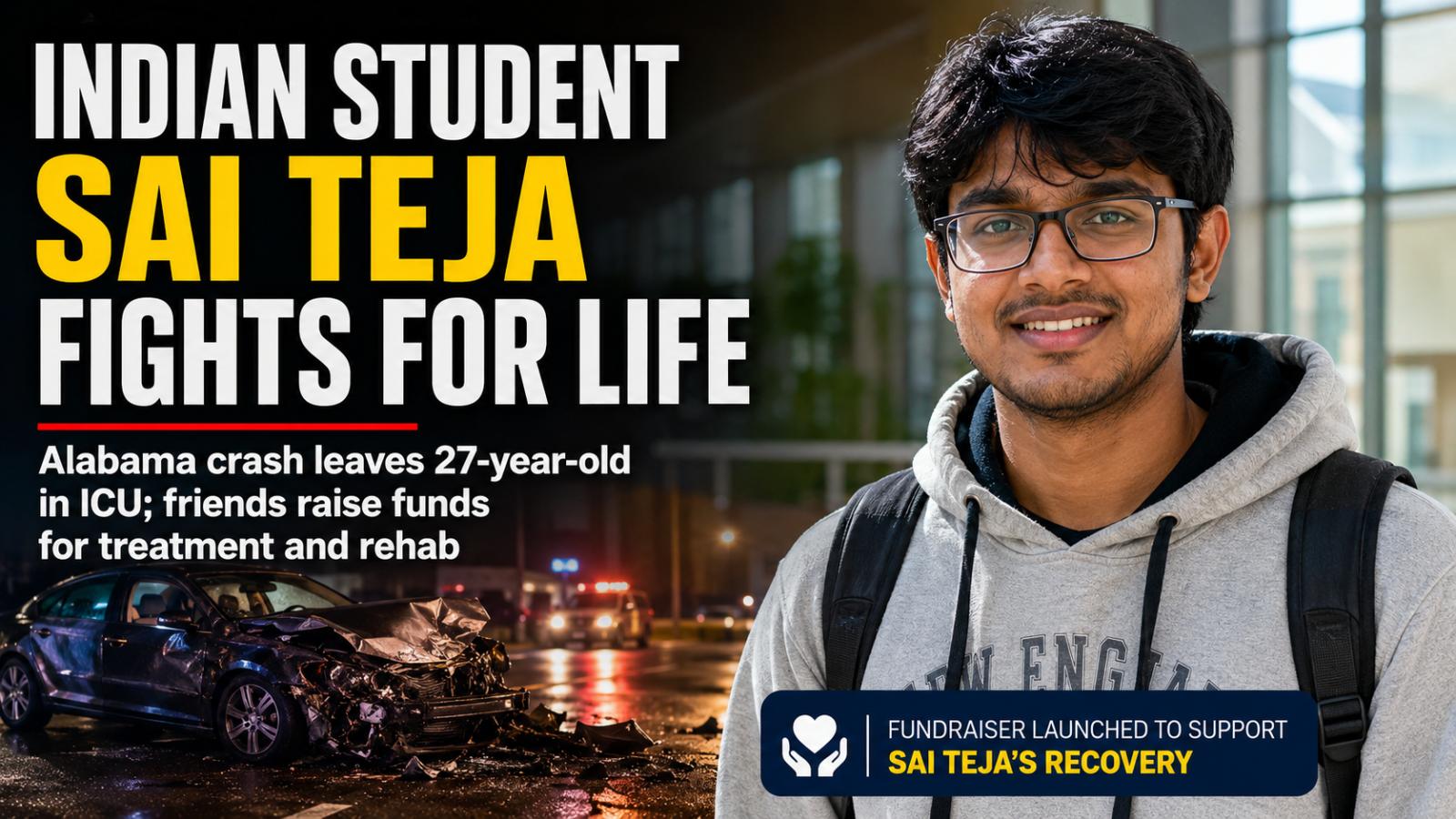
An Indian student injured in a Montgomery crash remains unconscious in an Alabama intensive care unit as friends seek help with treatment and rehabilitation costs.
Sai Teja, 27, is receiving care at Baptist Medical Center South after suffering a severe brain injury, a fractured jaw and a fractured left leg, according to a fundraiser organized by his friend Akhil.
Indian student injured in Montgomery crash faces long recovery
The fundraiser says
An Indian student injured in a Montgomery crash remains unconscious in an Alabama intensive care unit as friends seek help with treatment and rehabilitation costs.
Sai Teja, 27, is receiving care at Baptist Medical Center South after suffering a severe brain injury, a fractured jaw and a fractured left leg, according to a fundraiser organized by his friend Akhil.
Indian student injured in Montgomery crash faces long recovery
The fundraiser says
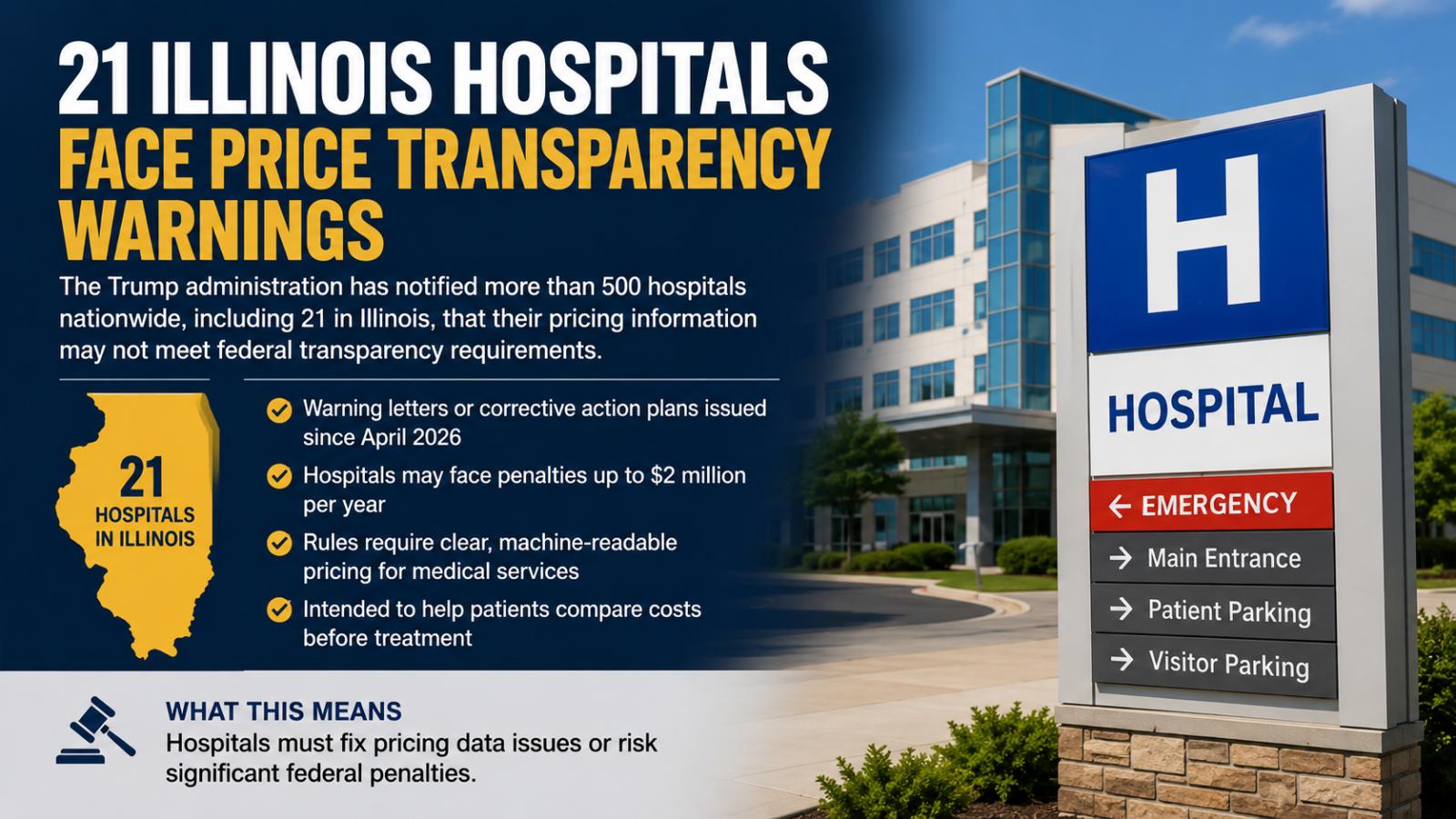
WASHINGTON — Illinois hospital price transparency warnings have been issued to 21 facilities as federal officials intensify enforcement of rules requiring hospitals to publish clear pricing data.
The notices are part of a nationwide action involving more than 500 hospitals, The Associated Press reported on Tuesday, June 9, 2026. Since April 2026, hospitals have received warning letters or, in more serious cases, requests for corrective action plans.
Hospitals that do not
WASHINGTON — Illinois hospital price transparency warnings have been issued to 21 facilities as federal officials intensify enforcement of rules requiring hospitals to publish clear pricing data.
The notices are part of a nationwide action involving more than 500 hospitals, The Associated Press reported on Tuesday, June 9, 2026. Since April 2026, hospitals have received warning letters or, in more serious cases, requests for corrective action plans.
Hospitals that do not
Fatty Liver Lifestyle Tips
Fatty Liver And Lifestyle Changes
Dr Cyriac Abby Philips, popularly known as The Liver Doc, has discussed key liver health myths, including fatty liver lifestyle changes, alcohol's effect on the liver, supplement use, and wellness misinformation in India. His health discussion focused on helping people understand liver risks through scientific awareness instead of viral online claims.
Fatty Liver Lifestyle Tips
Fatty Liver And Lifestyle Changes
Dr Cyriac Abby Philips, popularly known as The Liver Doc, has discussed key liver health myths, including fatty liver lifestyle changes, alcohol's effect on the liver, supplement use, and wellness misinformation in India. His health discussion focused on helping people understand liver risks through scientific awareness instead of viral online claims.
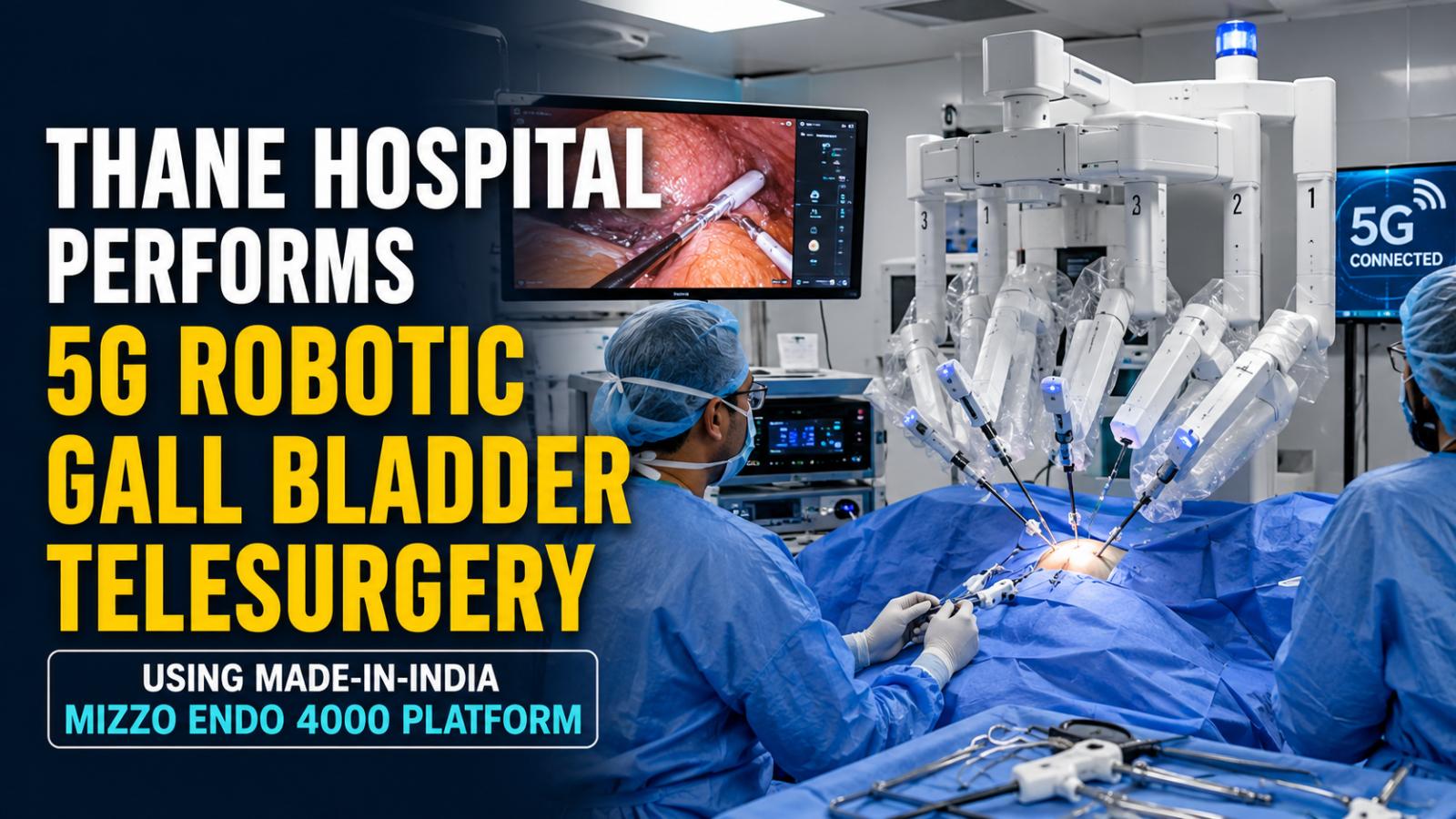
Thane Hospital Performs Robotic Gall Bladder Telesurgery
Tieten Medicity Hospital in Thane has successfully performed one of the city’s first robotic telesurgeries for gall bladder removal, marking an important development in India’s medical technology sector. The procedure, called robotic cholecystectomy, was done using the indigenously developed Mizzo Endo 4000 robotic surgical system. According to the report, the surgery was conducted through a secure 5G-en
Thane Hospital Performs Robotic Gall Bladder Telesurgery
Tieten Medicity Hospital in Thane has successfully performed one of the city’s first robotic telesurgeries for gall bladder removal, marking an important development in India’s medical technology sector. The procedure, called robotic cholecystectomy, was done using the indigenously developed Mizzo Endo 4000 robotic surgical system. According to the report, the surgery was conducted through a secure 5G-en
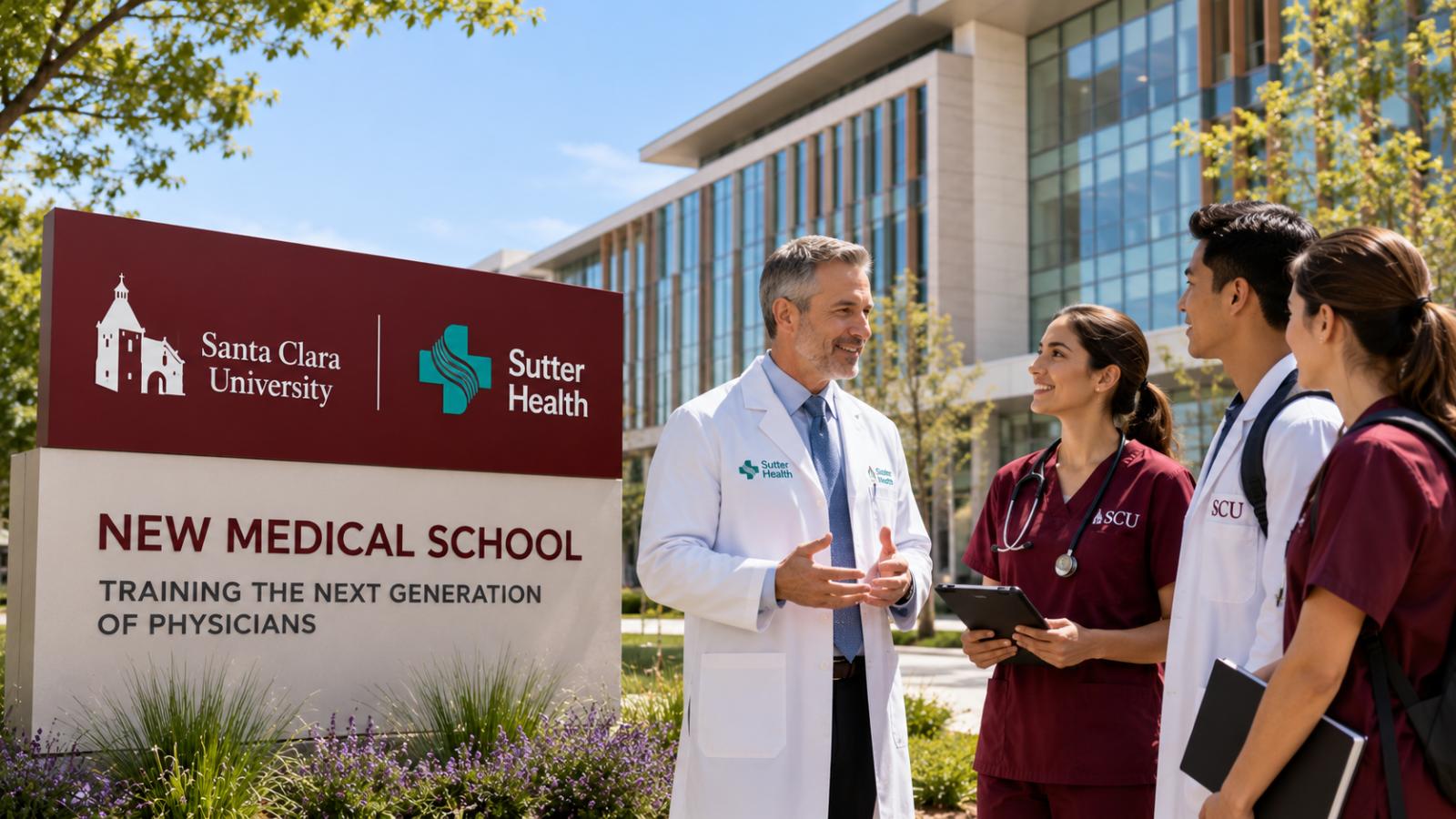
Santa Clara University and Sutter Health announced plans for a new Santa Clara medical school backed by a $175 million gift, aiming to train future physicians in the South Bay.
The Mark & Mary Stevens School of Medicine was announced on Friday, May 15, 2026, at the future campus site in Santa Clara. The school will be housed in an 82,000-square-foot facility under construction at 2431 Mission College Blvd., near Sutter’s East Santa Clara Campu
Santa Clara University and Sutter Health announced plans for a new Santa Clara medical school backed by a $175 million gift, aiming to train future physicians in the South Bay.
The Mark & Mary Stevens School of Medicine was announced on Friday, May 15, 2026, at the future campus site in Santa Clara. The school will be housed in an 82,000-square-foot facility under construction at 2431 Mission College Blvd., near Sutter’s East Santa Clara Campu
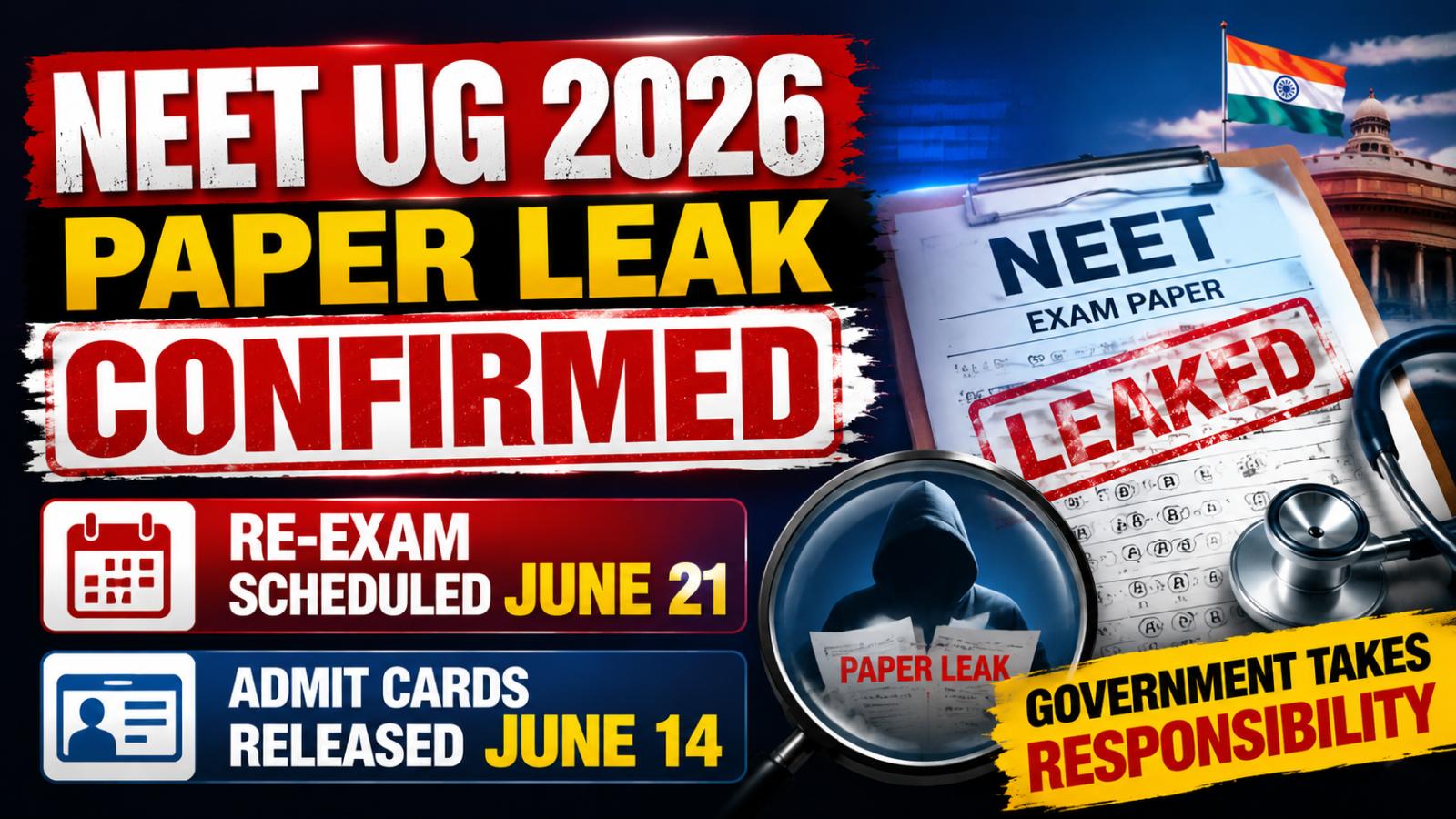
The NEET UG 2026 exam was canceled after a confirmed paper leak, and a re-examination is scheduled for June 21 with admit cards available from June 14. Students can choose their exam city to reduce travel and ensure a fair testing process.
NEET 2026 Paper Leak Confirmed
Union Education Minister Dharmendra Pradhan confirmed that the NEET UG 2026 exam conducted on May 3 was compromised due to a leak facilitated through circulating guess papers. Complaints received by May 7 prompted the National Testing Agency to coordinate with central and state authorities for an immediate investigation. By May 12, officials confirmed that the original question paper had indeed been leaked. Pradhan acknowledged a “breach in the chain of command” and stated that the government is taking full responsibility for the lapse. To protect honest candidates from the effects of an organized network of fraudsters, referred to as the “education mafia,” the May 3 exam was canceled.
Re-Examination Scheduled and Exam City Choice
The NEET UG 2026 re-examination has been scheduled for June 21, 2026. Students will be allowed to select their preferred exam city to reduce travel burdens and ensure smoother logistics for lakhs of candidates. Admit cards will be released on June 14, and candidates can download them using their existing application credentials. Officials clarified that no fresh registration or additional fee is required, and all previous application data and exam center selections remain valid. The decision ensures fairness while maintaining the integrity of the national testing system.
Transition to Computer-Based Testing
From next year, NEET will shift to a computer-based test (CBT) format. This move aims to enhance exam security, reduce the risk of paper leaks, and align the test with other major competitive examinations. Students will need to adapt to digital testing methods, which will affect MBBS, BDS, and allied medical course aspirants.
Investigation and Future Measures
The government has ordered a CBI probe into the paper leak. Investigators are examining possible breaches at the printing and distribution stages, as well as circulation through WhatsApp and other channels. Over 22 lakh students had appeared for the original NEET UG 2026 exam. The Education Ministry emphasized that the re-exam and future digital testing reforms are designed to restore confidence in the competitive examination system and protect the interests of students nationwide. Candidates and parents are advised to monitor official NTA notifications for updates on exam schedules and guidelines.
The NEET UG 2026 exam was canceled after a confirmed paper leak, and a re-examination is scheduled for June 21 with admit cards available from June 14. Students can choose their exam city to reduce travel and ensure a fair testing process.
NEET 2026 Paper Leak Confirmed
Union Education Minister Dharmendra Pradhan confirmed that the NEET UG 2026 exam conducted on May 3 was compromised due to a leak facilitated through circulating guess papers. Complaints received by May 7 prompted the National Testing Agency to coordinate with central and state authorities for an immediate investigation. By May 12, officials confirmed that the original question paper had indeed been leaked. Pradhan acknowledged a “breach in the chain of command” and stated that the government is taking full responsibility for the lapse. To protect honest candidates from the effects of an organized network of fraudsters, referred to as the “education mafia,” the May 3 exam was canceled.
Re-Examination Scheduled and Exam City Choice
The NEET UG 2026 re-examination has been scheduled for June 21, 2026. Students will be allowed to select their preferred exam city to reduce travel burdens and ensure smoother logistics for lakhs of candidates. Admit cards will be released on June 14, and candidates can download them using their existing application credentials. Officials clarified that no fresh registration or additional fee is required, and all previous application data and exam center selections remain valid. The decision ensures fairness while maintaining the integrity of the national testing system.
Transition to Computer-Based Testing
From next year, NEET will shift to a computer-based test (CBT) format. This move aims to enhance exam security, reduce the risk of paper leaks, and align the test with other major competitive examinations. Students will need to adapt to digital testing methods, which will affect MBBS, BDS, and allied medical course aspirants.
Investigation and Future Measures
The government has ordered a CBI probe into the paper leak. Investigators are examining possible breaches at the printing and distribution stages, as well as circulation through WhatsApp and other channels. Over 22 lakh students had appeared for the original NEET UG 2026 exam. The Education Ministry emphasized that the re-exam and future digital testing reforms are designed to restore confidence in the competitive examination system and protect the interests of students nationwide. Candidates and parents are advised to monitor official NTA notifications for updates on exam schedules and guidelines.
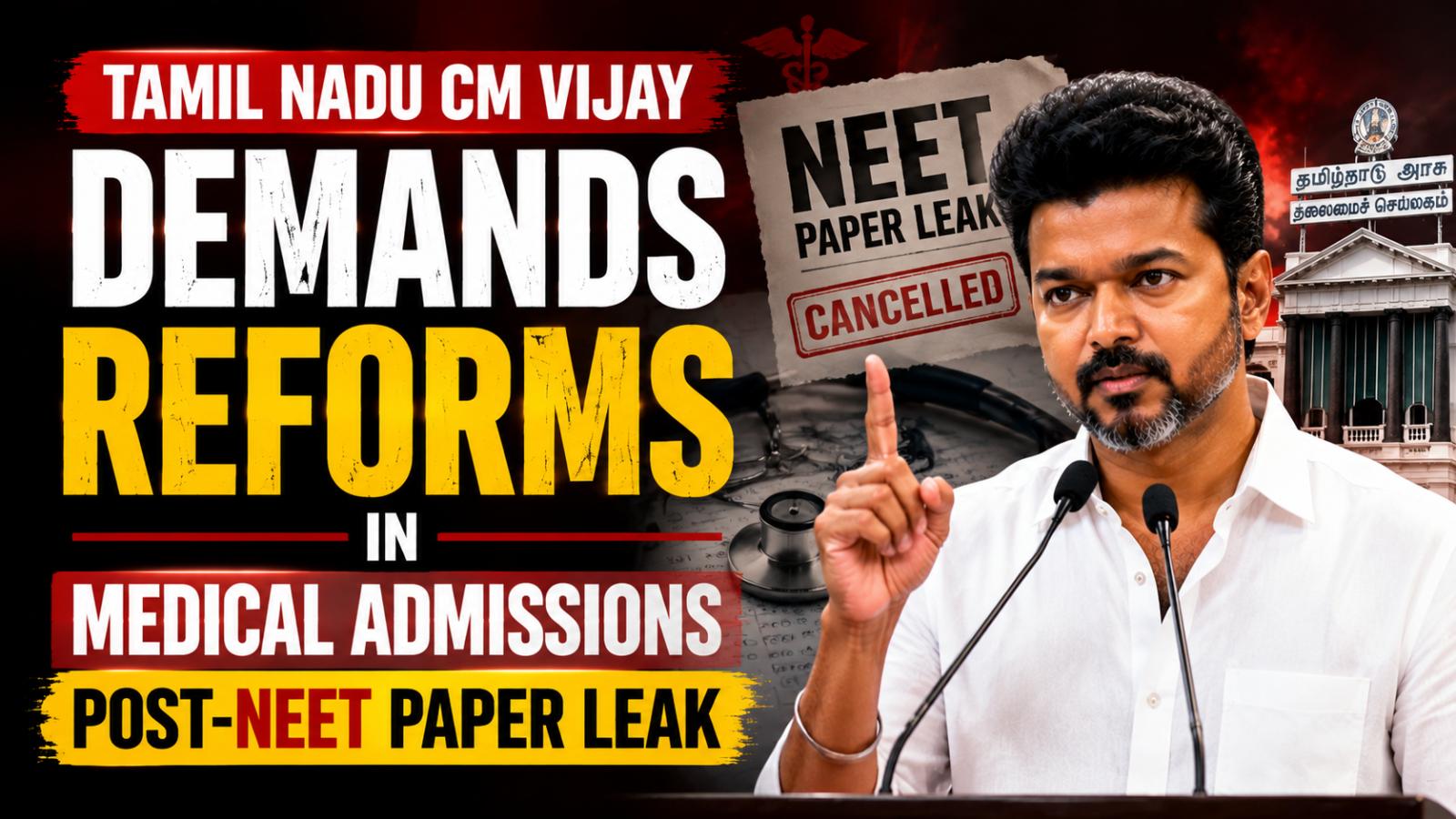
Tamil Nadu Chief Minister C Joseph Vijay has once again demanded the abolition of NEET-based medical admissions, following the controversy surrounding the NEET-UG 2026 paper leak. In a statement posted on X, CM Vijay called for a shift to admissions based on Class 12 marks, emphasizing that the recent paper leak incident exposed NEET’s “structural flaws.” He urged the Union government to allow states to handle medical seat allocations under the state quota using Class 12 scores, an appr
Tamil Nadu Chief Minister C Joseph Vijay has once again demanded the abolition of NEET-based medical admissions, following the controversy surrounding the NEET-UG 2026 paper leak. In a statement posted on X, CM Vijay called for a shift to admissions based on Class 12 marks, emphasizing that the recent paper leak incident exposed NEET’s “structural flaws.” He urged the Union government to allow states to handle medical seat allocations under the state quota using Class 12 scores, an appr
Students Furious After NEET-UG Re-Test Announcement
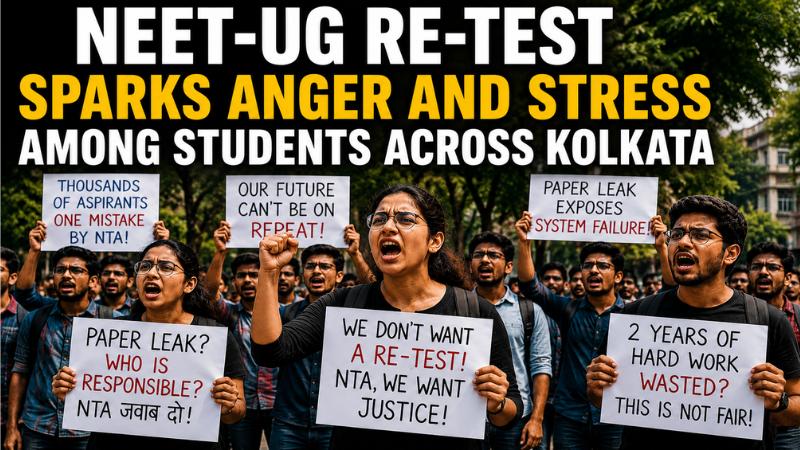
The sudden decision to conduct a re-test for NEET-UG 2026 after an alleged paper leak in Rajasthan has triggered massive outrage among students and parents across Kolkata. Thousands of candidates who appeared for the highly competitive medical entrance examination on May 3 were left shocked after the National Testing Agency (NTA) announced that the examination would be cancelled and conducted again. Students said
Students Furious After NEET-UG Re-Test Announcement
The sudden decision to conduct a re-test for NEET-UG 2026 after an alleged paper leak in Rajasthan has triggered massive outrage among students and parents across Kolkata. Thousands of candidates who appeared for the highly competitive medical entrance examination on May 3 were left shocked after the National Testing Agency (NTA) announced that the examination would be cancelled and conducted again. Students said
The NEET 2026 paper leak case has taken a dramatic turn with investigators now focusing on the involvement of two brothers from Rajasthan and a doctor in Gurugram. The two brothers, Mangilal and Dinesh Biwal, are alleged to have purchased the NEET UG exam paper from a Gurugram doctor for a whopping Rs 30 lakh on April 26, a week before the examination. The paper was initially passed to one of the brother's sons in Sikar, a city in Rajasthan, who then reportedly sold it to various aspirants.
The NEET 2026 paper leak case has taken a dramatic turn with investigators now focusing on the involvement of two brothers from Rajasthan and a doctor in Gurugram. The two brothers, Mangilal and Dinesh Biwal, are alleged to have purchased the NEET UG exam paper from a Gurugram doctor for a whopping Rs 30 lakh on April 26, a week before the examination. The paper was initially passed to one of the brother's sons in Sikar, a city in Rajasthan, who then reportedly sold it to various aspirants.
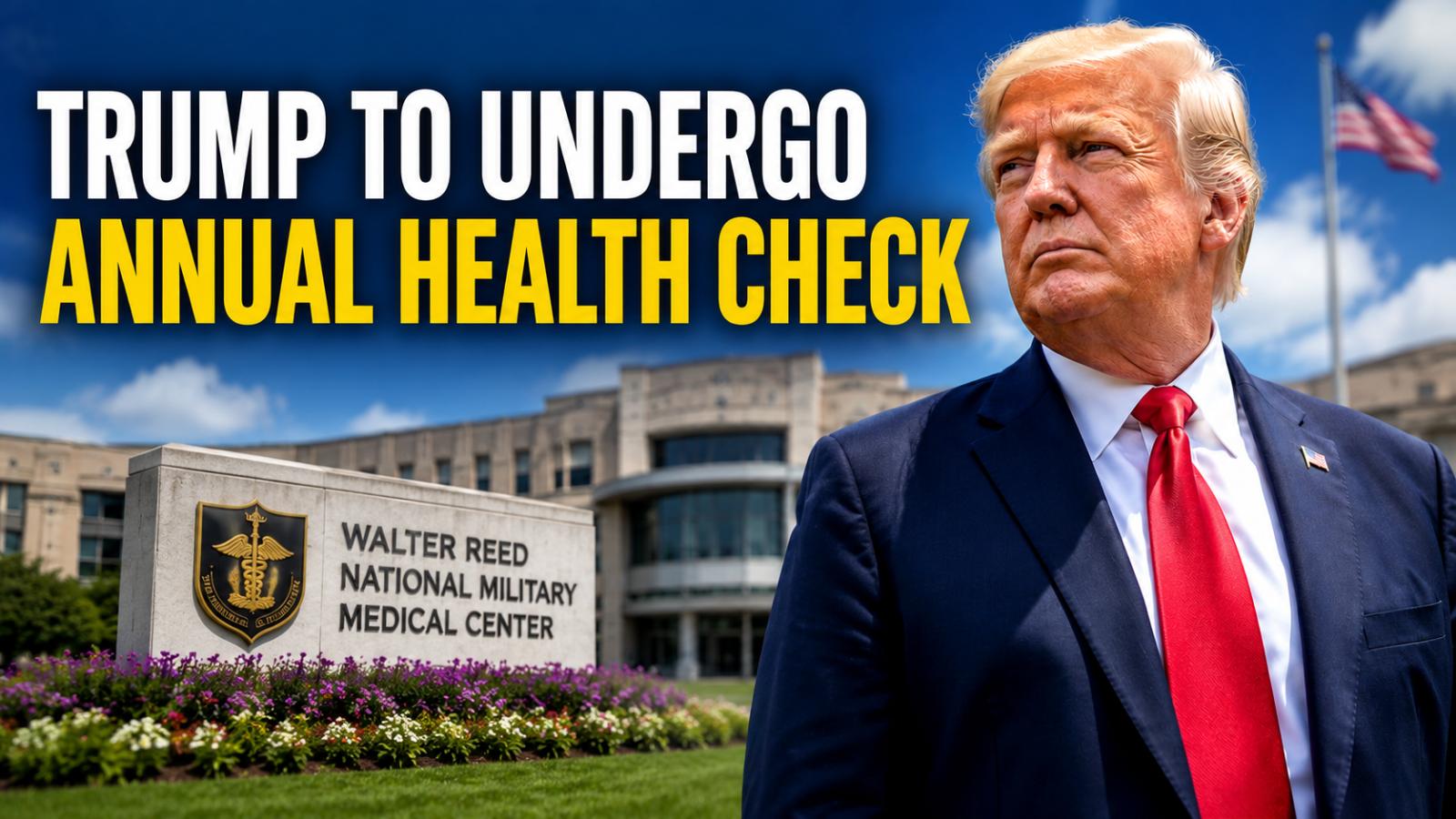
WASHINGTON — President Donald Trump is scheduled to undergo a medical and dental examination at Walter Reed National Military Medical Center on Monday, May 26, as part of his annual preventive health evaluation, the White House said.
The checkup comes as questions surrounding presidential age, fitness and medical transparency continue drawing national attention ahead of the 2026 political season. Trump, who turns 80 next month, remains the oldest person elected president in US history.
Medical Exam Comes Before Beijing Summit
The White House said the evaluation will take place roughly 10 days after Trump returns from a planned summit in Beijing with Chinese President Xi Jinping.
Officials described the appointment as a routine annual physical and dental review. Trump has repeatedly said he feels healthy and energetic despite ongoing public discussion about aging presidents in Washington.
Speaking during an Oval Office appearance on Monday, Trump said he feels “literally the same” as he did decades ago and joked about exercising “about one minute a day.”
Previous Health Reports Drew Public Attention
Trump’s last major physical examination was conducted in April 2025, when White House physician Navy Capt. Sean Barbabella stated the president was “fully fit” to serve as commander in chief. The report also noted Trump had lost nearly 20 pounds compared to his 2020 medical evaluation.
Later in 2025, White House officials disclosed that Trump underwent testing for mild swelling in his lower legs. Doctors diagnosed chronic venous insufficiency, a common condition affecting blood flow in older adults.
Press secretary Karoline Leavitt also addressed visible bruising seen on Trump’s hands, saying it was linked to frequent handshaking and aspirin use. Trump reportedly takes aspirin to reduce the risk of heart attack and stroke.
The president also received a flu shot and COVID-19 booster during a previous medical visit that included preventive heart and abdominal screening tests, according to White House officials.
WASHINGTON — President Donald Trump is scheduled to undergo a medical and dental examination at Walter Reed National Military Medical Center on Monday, May 26, as part of his annual preventive health evaluation, the White House said.
The checkup comes as questions surrounding presidential age, fitness and medical transparency continue drawing national attention ahead of the 2026 political season. Trump, who turns 80 next month, remains the oldest person elected president in US history.
Medical Exam Comes Before Beijing Summit
The White House said the evaluation will take place roughly 10 days after Trump returns from a planned summit in Beijing with Chinese President Xi Jinping.
Officials described the appointment as a routine annual physical and dental review. Trump has repeatedly said he feels healthy and energetic despite ongoing public discussion about aging presidents in Washington.
Speaking during an Oval Office appearance on Monday, Trump said he feels “literally the same” as he did decades ago and joked about exercising “about one minute a day.”
Previous Health Reports Drew Public Attention
Trump’s last major physical examination was conducted in April 2025, when White House physician Navy Capt. Sean Barbabella stated the president was “fully fit” to serve as commander in chief. The report also noted Trump had lost nearly 20 pounds compared to his 2020 medical evaluation.
Later in 2025, White House officials disclosed that Trump underwent testing for mild swelling in his lower legs. Doctors diagnosed chronic venous insufficiency, a common condition affecting blood flow in older adults.
Press secretary Karoline Leavitt also addressed visible bruising seen on Trump’s hands, saying it was linked to frequent handshaking and aspirin use. Trump reportedly takes aspirin to reduce the risk of heart attack and stroke.
The president also received a flu shot and COVID-19 booster during a previous medical visit that included preventive heart and abdominal screening tests, according to White House officials.
Red Cross Day, observed on May 8th every year, marks the anniversary of the birth of Henry Dunant, the founder of the International Red Cross. This day serves as a reminder of his vision and the enduring impact it has had on global humanitarian efforts. Dunant’s efforts during the Battle of Solferino in 1859, where he witnessed the suffering of soldiers and civilians, led him to call for the establishment of neutral organizations to provide medical and humanitarian assistance in times of wa
Red Cross Day, observed on May 8th every year, marks the anniversary of the birth of Henry Dunant, the founder of the International Red Cross. This day serves as a reminder of his vision and the enduring impact it has had on global humanitarian efforts. Dunant’s efforts during the Battle of Solferino in 1859, where he witnessed the suffering of soldiers and civilians, led him to call for the establishment of neutral organizations to provide medical and humanitarian assistance in times of wa
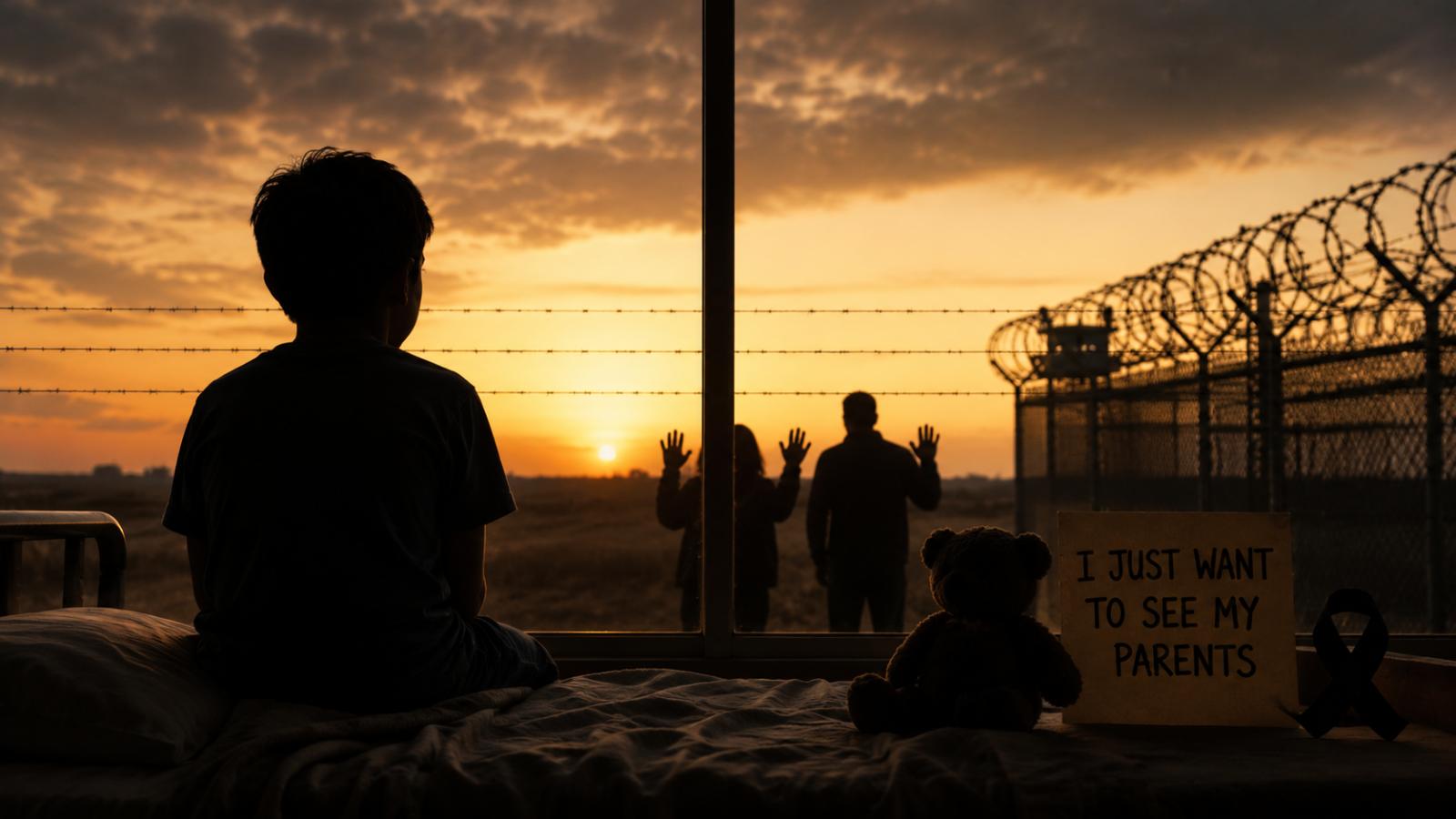
A terminally ill 18-year-old from Chicago is seeking a final reunion with his parents, who are being held in U.S. immigration custody in Arizona, family members and officials said this week.
Kevin Gonzalez, a U.S. citizen receiving end-of-life care in Durango, has stage four colon cancer and has asked authorities to allow his parents’ release so he can see them before he dies.
His parents were detained earlier this year after attempting to reenter the United States without authorization, according to federal officials. Their prior visa applications had been denied due to earlier immigration violations.
The family said they sought humanitarian consideration following Kevin’s diagnosis, but their request was not approved. His condition has since worsened, with the cancer spreading to multiple organs, and doctors have shifted to palliative care.
Kevin had lived in Chicago with relatives after his parents were deported in 2011, the family said. His mother briefly returned to the United States in 2024 before being deported again.
The case has drawn attention from the Mexican consulate and U.S. lawmakers, who have urged authorities to weigh humanitarian factors. The parents are scheduled to appear before an immigration judge in Arizona on Thursday.
Officials said the outcome could determine whether the parents are deported and allowed to reunite with their son in Mexico, or remain in custody pending further proceedings.
Kevin’s request remains under review as his condition continues to deteriorate, relatives said.
A terminally ill 18-year-old from Chicago is seeking a final reunion with his parents, who are being held in U.S. immigration custody in Arizona, family members and officials said this week.
Kevin Gonzalez, a U.S. citizen receiving end-of-life care in Durango, has stage four colon cancer and has asked authorities to allow his parents’ release so he can see them before he dies.
His parents were detained earlier this year after attempting to reenter the United States without authorization, according to federal officials. Their prior visa applications had been denied due to earlier immigration violations.
The family said they sought humanitarian consideration following Kevin’s diagnosis, but their request was not approved. His condition has since worsened, with the cancer spreading to multiple organs, and doctors have shifted to palliative care.
Kevin had lived in Chicago with relatives after his parents were deported in 2011, the family said. His mother briefly returned to the United States in 2024 before being deported again.
The case has drawn attention from the Mexican consulate and U.S. lawmakers, who have urged authorities to weigh humanitarian factors. The parents are scheduled to appear before an immigration judge in Arizona on Thursday.
Officials said the outcome could determine whether the parents are deported and allowed to reunite with their son in Mexico, or remain in custody pending further proceedings.
Kevin’s request remains under review as his condition continues to deteriorate, relatives said.
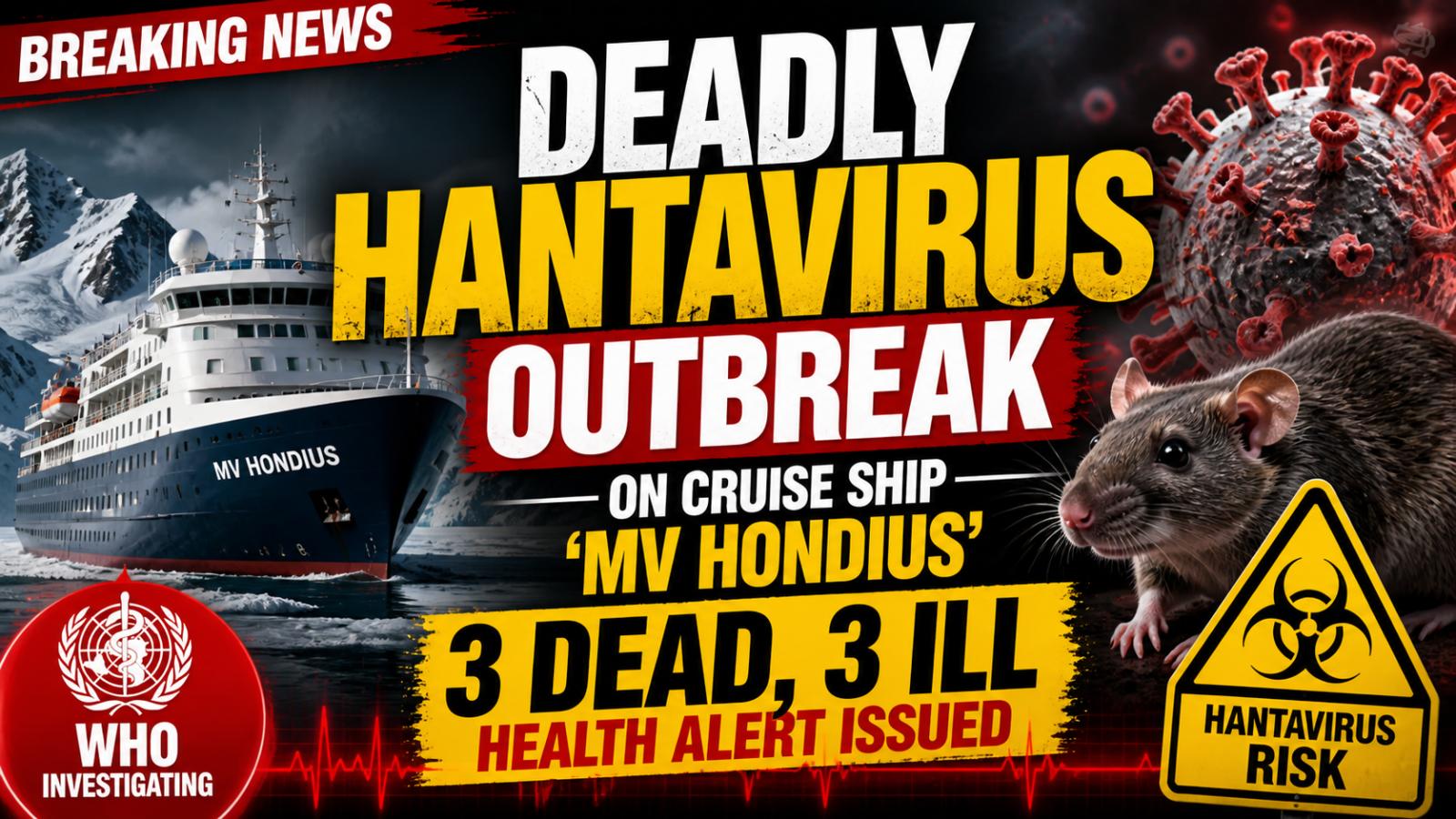
The MV Hondius, a passenger ship operated by Oceanwide Expeditions, is currently undergoing a medical evacuation after a suspected Hantavirus outbreak left several passengers and crew members seriously ill and resulted in the deaths of three passengers in early May 2026. The ship, which has been stranded off the coast of Cape Verde, has been barred from docking, with authorities placing the vessel in isolation. The outbreak has caused alarm, as the virus, typically transmitted by infecte
The MV Hondius, a passenger ship operated by Oceanwide Expeditions, is currently undergoing a medical evacuation after a suspected Hantavirus outbreak left several passengers and crew members seriously ill and resulted in the deaths of three passengers in early May 2026. The ship, which has been stranded off the coast of Cape Verde, has been barred from docking, with authorities placing the vessel in isolation. The outbreak has caused alarm, as the virus, typically transmitted by infecte
A suspected outbreak of hantavirus on board the cruise vessel MV Hondius has resulted in three deaths and several serious illnesses, raising concerns among global health authorities. The ship, operated by a Netherlands-based expedition company, was sailing near Cape Verde when the medical situation emerged, prompting urgent response measures and international coordination.
Officials confirmed that at least three passengers died, while others showed symptoms consistent with a hantavi
A suspected outbreak of hantavirus on board the cruise vessel MV Hondius has resulted in three deaths and several serious illnesses, raising concerns among global health authorities. The ship, operated by a Netherlands-based expedition company, was sailing near Cape Verde when the medical situation emerged, prompting urgent response measures and international coordination.
Officials confirmed that at least three passengers died, while others showed symptoms consistent with a hantavi
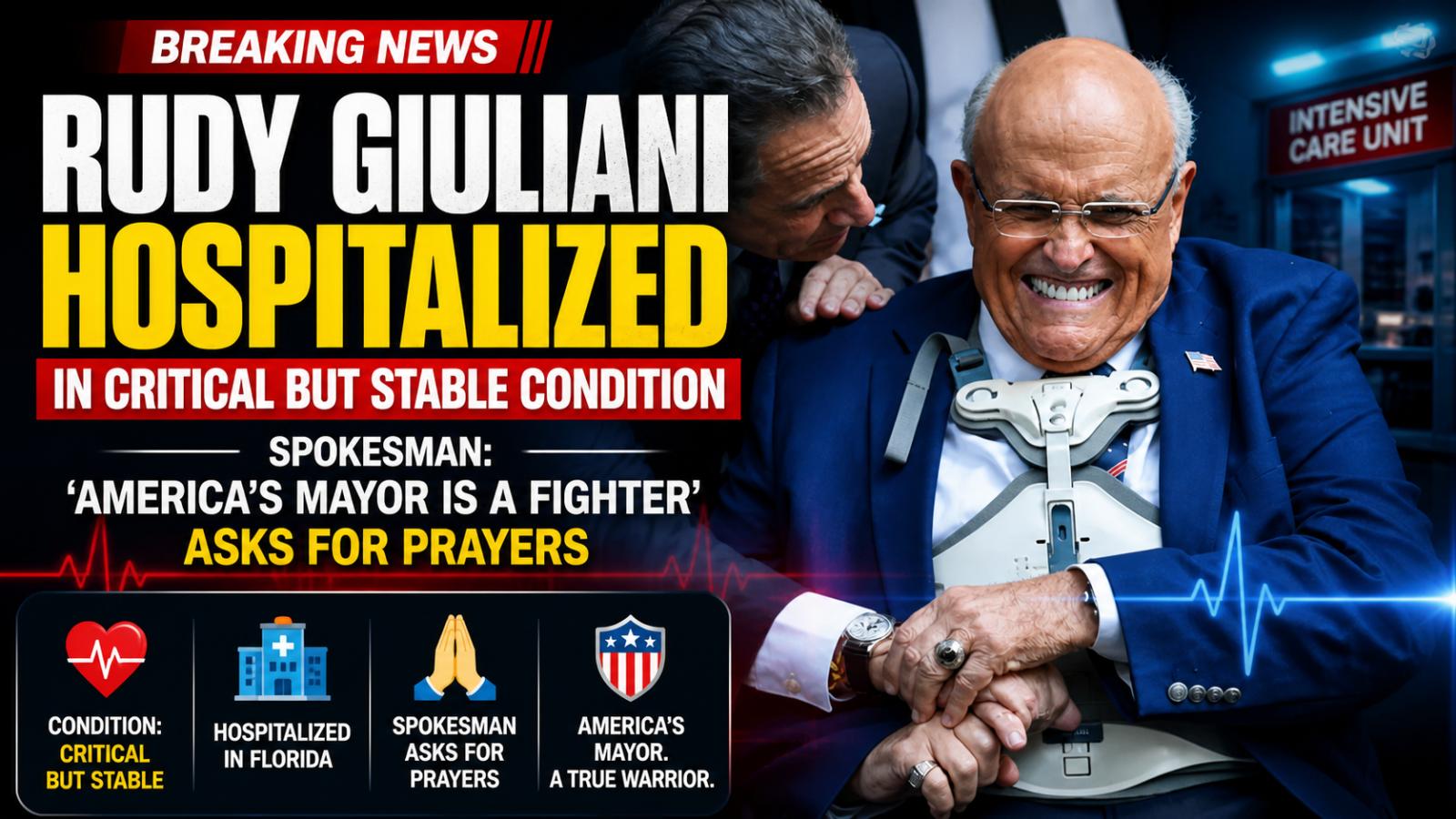
Rudy Giuliani, the former mayor of New York City known for his leadership during the aftermath of the September 11 attacks, has been hospitalized and is reported to be in critical but stable condition. The update was confirmed by his spokesperson, who described him as continuing to fight with resilience while receiving medical care.
Details regarding the cause of his hospitalization, the d
Rudy Giuliani, the former mayor of New York City known for his leadership during the aftermath of the September 11 attacks, has been hospitalized and is reported to be in critical but stable condition. The update was confirmed by his spokesperson, who described him as continuing to fight with resilience while receiving medical care.
Details regarding the cause of his hospitalization, the d