US President Donald Trump has generated significant attention on social media after sharing a proposed logo design for a rebranded version of the US Immigration and Customs Enforcement (ICE). The new design features a prominent eagle with outstretched wings, styled in gold and black, holding arrows and an olive branch. At the center, a shield with stars and stripes is flanked by stars above and below, with the acronym ‘NICE’ boldly displayed in the center. The proposal to rename ICE to th
US President Donald Trump has generated significant attention on social media after sharing a proposed logo design for a rebranded version of the US Immigration and Customs Enforcement (ICE). The new design features a prominent eagle with outstretched wings, styled in gold and black, holding arrows and an olive branch. At the center, a shield with stars and stripes is flanked by stars above and below, with the acronym ‘NICE’ boldly displayed in the center. The proposal to rename ICE to th
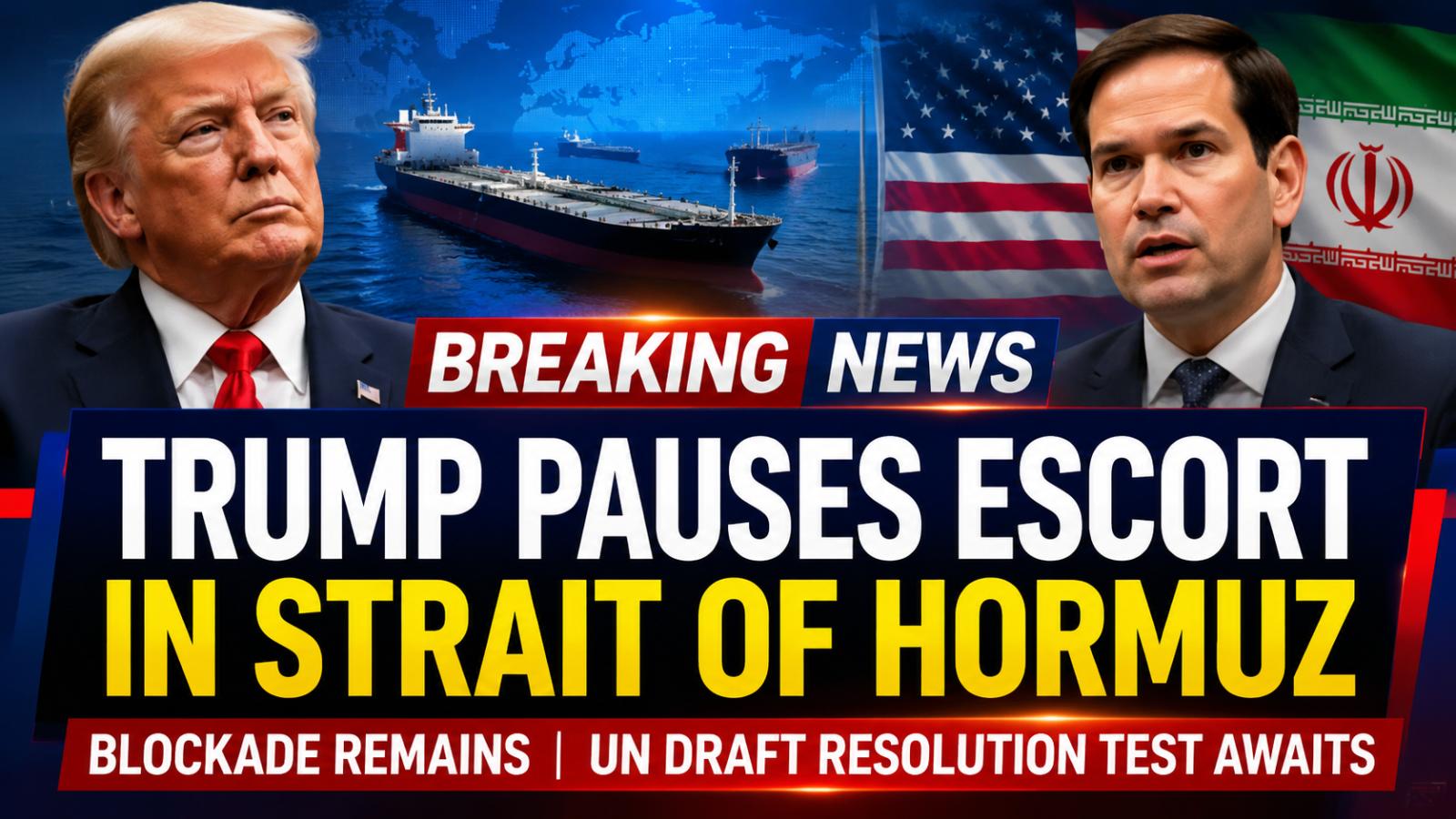
In a recent update, President Donald Trump announced a temporary pause in the United States’ maritime escort operation in the Strait of Hormuz, while confirming the continuation of a blockade. The decision follows progress in diplomatic discussions with Iran, aimed at finalizing an agreement. Trump explained on Truth Social that the blockade would remain active, but the project known as “Project Freedom,” which involves the movement of ships through the Strait of Hormuz, would be paused
In a recent update, President Donald Trump announced a temporary pause in the United States’ maritime escort operation in the Strait of Hormuz, while confirming the continuation of a blockade. The decision follows progress in diplomatic discussions with Iran, aimed at finalizing an agreement. Trump explained on Truth Social that the blockade would remain active, but the project known as “Project Freedom,” which involves the movement of ships through the Strait of Hormuz, would be paused
Trump Iran Conflict Deepens After Oval Office Remarks
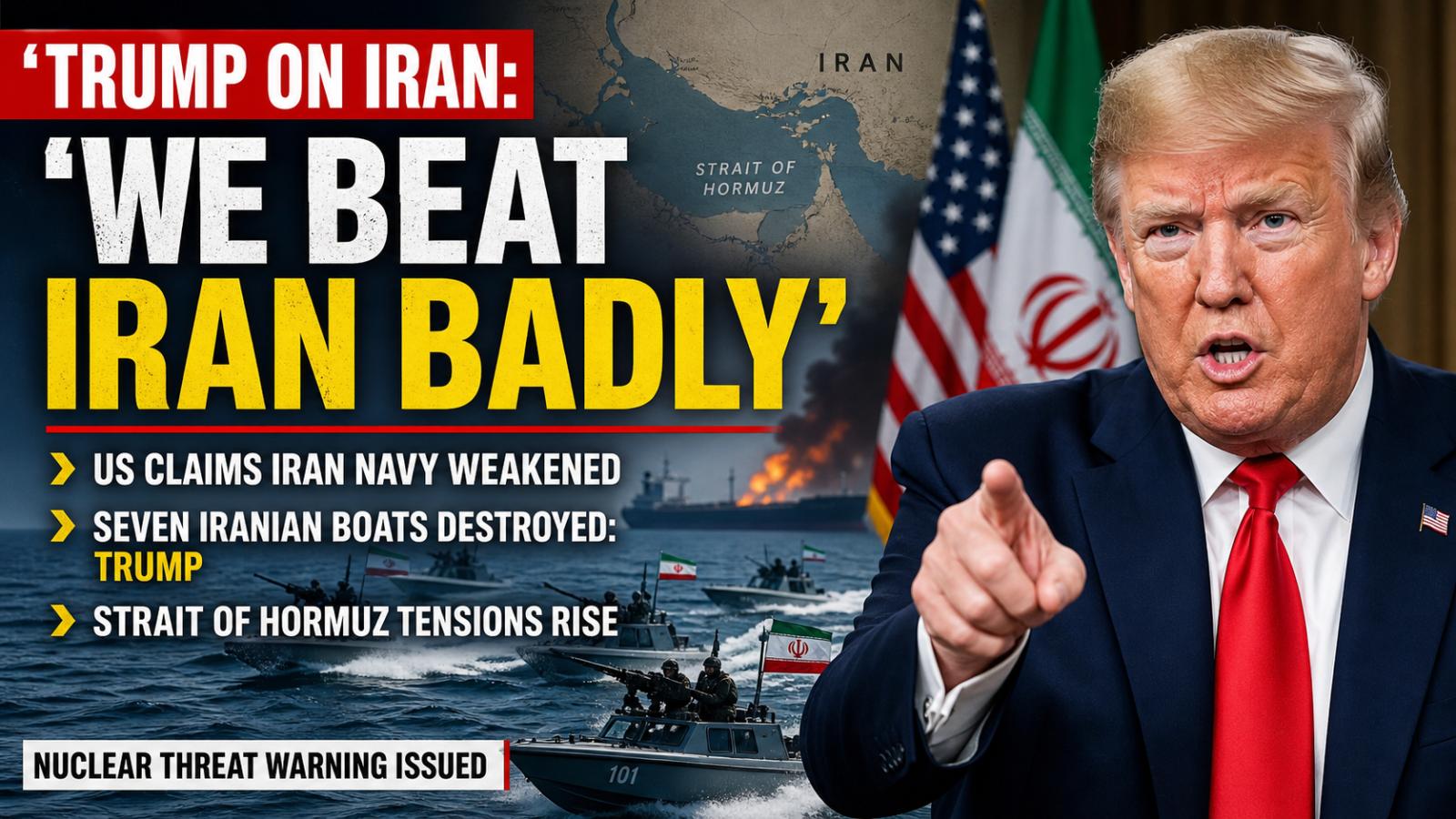
Donald Trump said the United States has “beaten Iran badly,” claiming U.S. military action weakened Iran’s navy and reduced the risk of Tehran developing a nuclear weapon. Speaking from the Oval Office, Trump described the confrontation as a “skirmish,” but his remarks added fresh urgency to rising U.S.-Iran tensions in the Gulf region.
US Claims Iran Navy Severely Weakened
Trump Iran Conflict Deepens After Oval Office Remarks
Donald Trump said the United States has “beaten Iran badly,” claiming U.S. military action weakened Iran’s navy and reduced the risk of Tehran developing a nuclear weapon. Speaking from the Oval Office, Trump described the confrontation as a “skirmish,” but his remarks added fresh urgency to rising U.S.-Iran tensions in the Gulf region.
US Claims Iran Navy Severely Weakened
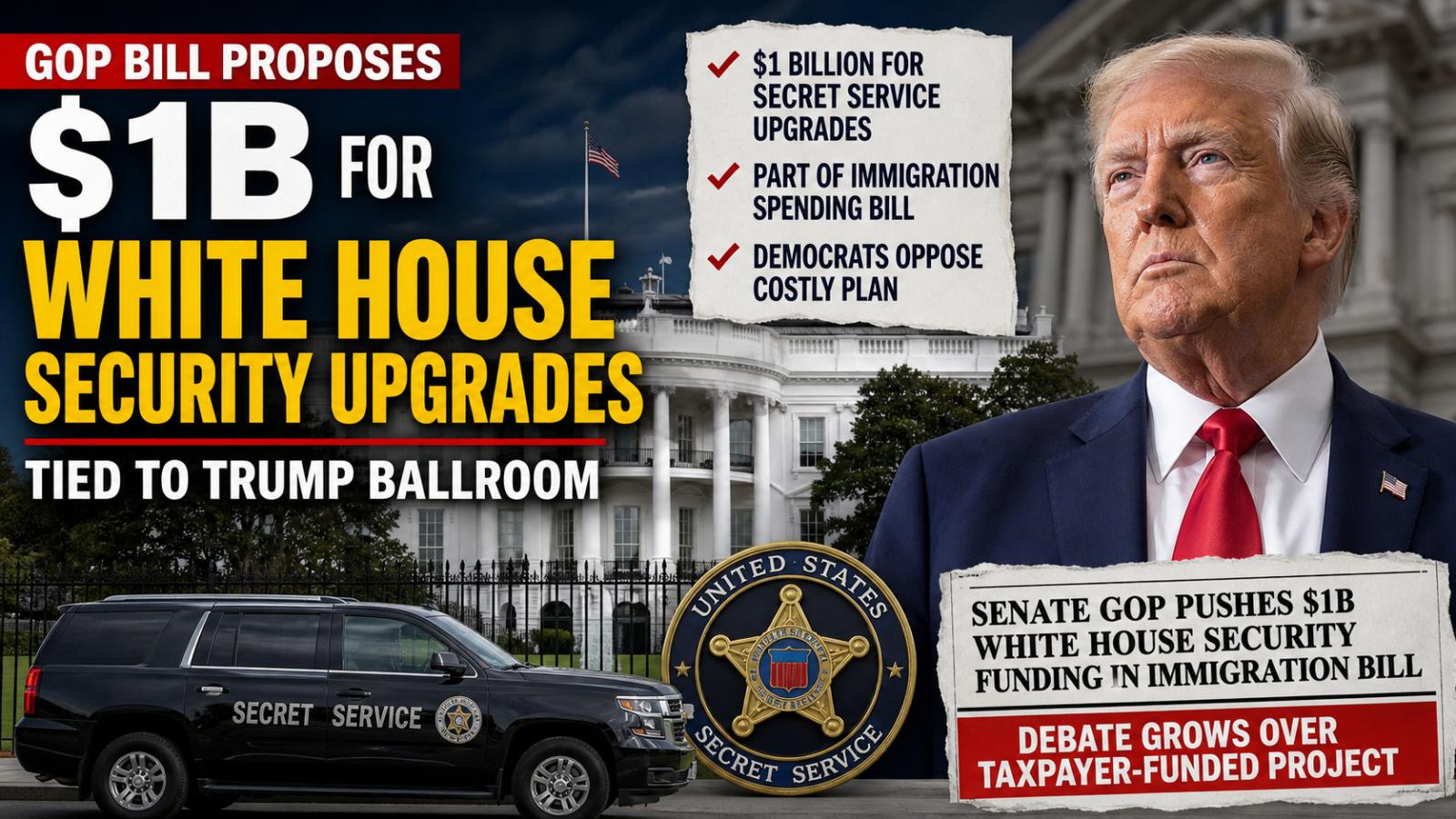
GOP Bill Seeks $1B for White House Security Upgrades
Senate Republicans are pushing a $1 billion White House security funding plan tied to President Donald Trump’s proposed ballroom project, setting up a sharp fight in Congress. The money would go to the U.S. Secret Service for “security adjustments and upgrades” around the White House complex, including above-ground and below-ground protections. Officials said the funding is meant for security work, not bal
GOP Bill Seeks $1B for White House Security Upgrades
Senate Republicans are pushing a $1 billion White House security funding plan tied to President Donald Trump’s proposed ballroom project, setting up a sharp fight in Congress. The money would go to the U.S. Secret Service for “security adjustments and upgrades” around the White House complex, including above-ground and below-ground protections. Officials said the funding is meant for security work, not bal
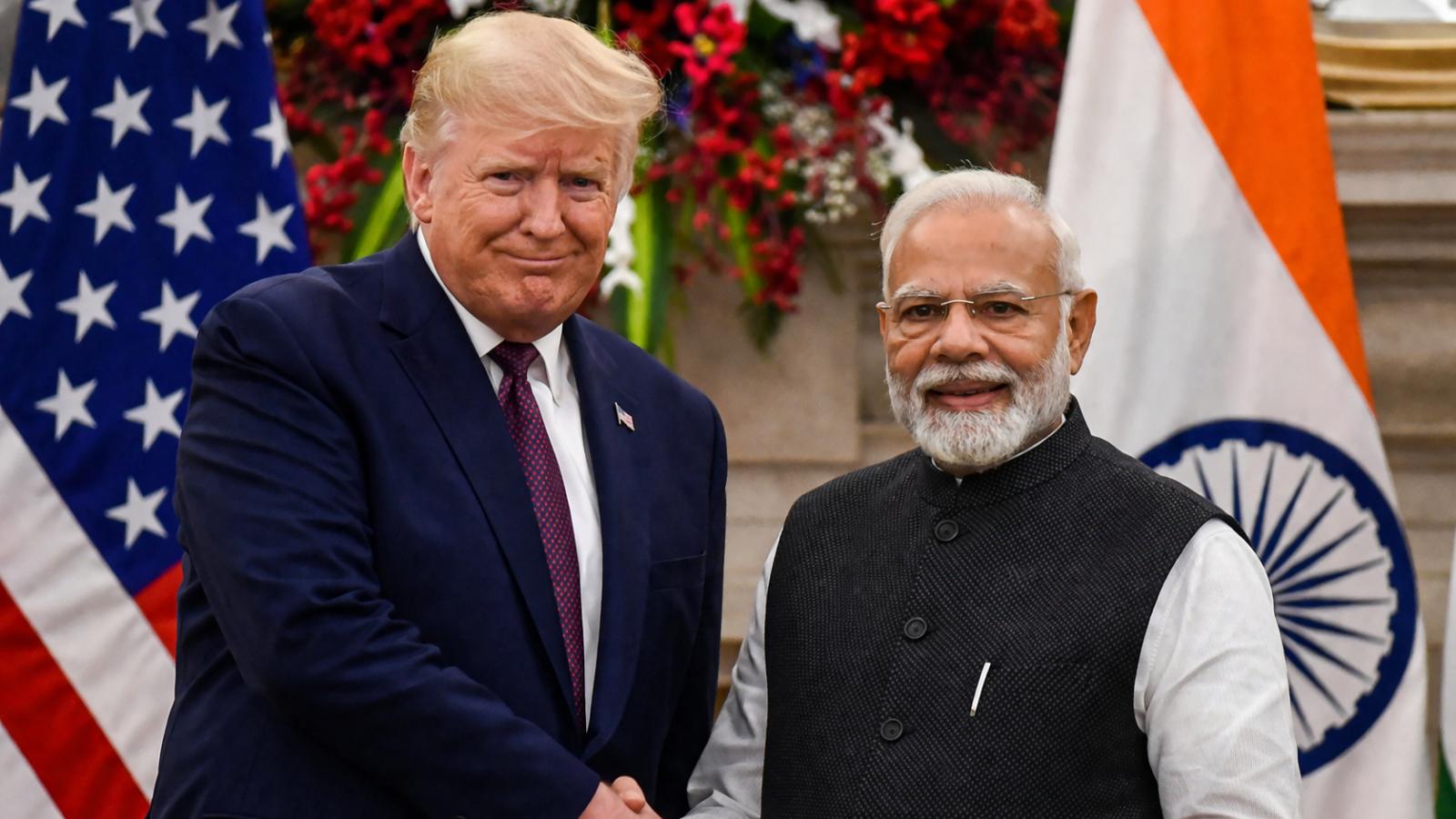
U.S. President Donald Trump congratulated Indian Prime Minister Narendra Modi following the Bharatiya Janata Party’s reported election victory in West Bengal, the White House said. The message came shortly after results indicated the BJP had secured power in the eastern Indian state, ending more than a d
U.S. President Donald Trump congratulated Indian Prime Minister Narendra Modi following the Bharatiya Janata Party’s reported election victory in West Bengal, the White House said. The message came shortly after results indicated the BJP had secured power in the eastern Indian state, ending more than a d
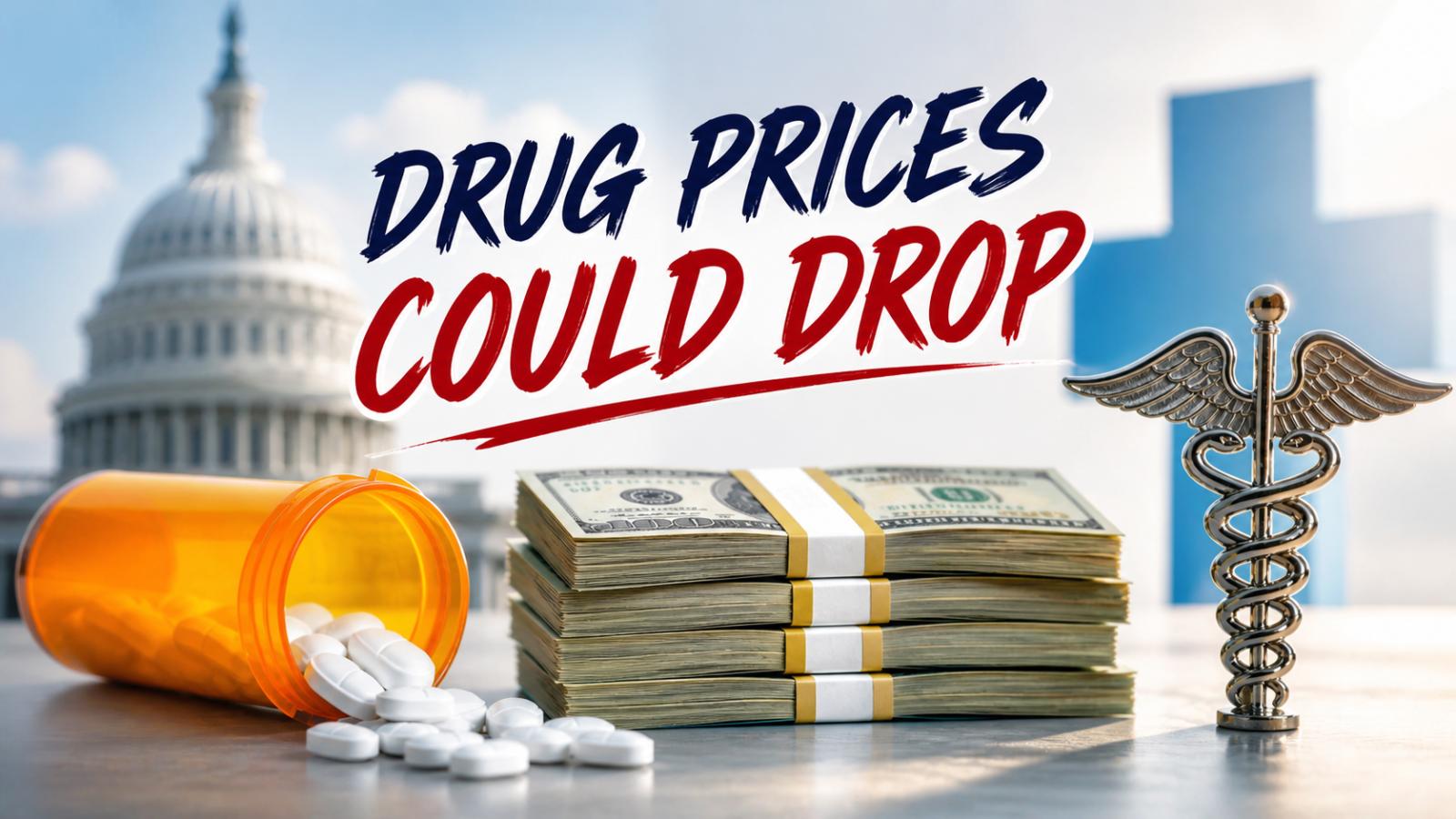
The White House says aligning U.S. drug prices with global rates may slash costs—but experts remain divided.
What the $529 Billion Savings Really Means
According to White House economists, Trump’s drug pricing strategy—often called the “most favored nation” model—could reduce prescription drug costs by up to $529 billion over 10 years. The idea is simple: Americans s
The White House says aligning U.S. drug prices with global rates may slash costs—but experts remain divided.
What the $529 Billion Savings Really Means
According to White House economists, Trump’s drug pricing strategy—often called the “most favored nation” model—could reduce prescription drug costs by up to $529 billion over 10 years. The idea is simple: Americans s
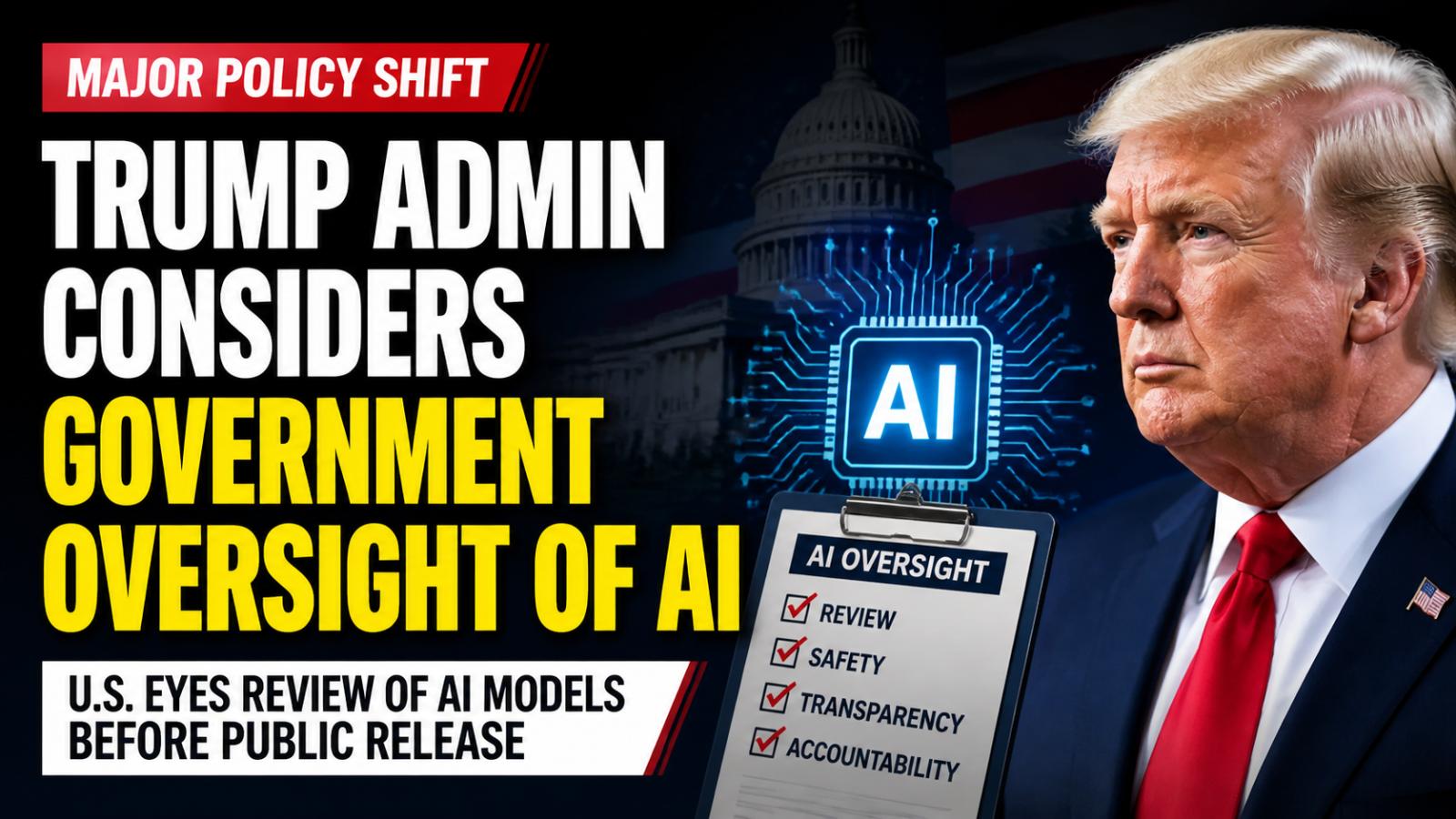
The Trump administration is reversing its previous stance on artificial intelligence oversight, now planning to introduce government review procedures for AI models before they are released to the public. According to reports, the White House is considering an executive order that would establish a working group consisting of both tech executives and government officials to explore potential review procedures for new AI models. This marks a s
The Trump administration is reversing its previous stance on artificial intelligence oversight, now planning to introduce government review procedures for AI models before they are released to the public. According to reports, the White House is considering an executive order that would establish a working group consisting of both tech executives and government officials to explore potential review procedures for new AI models. This marks a s
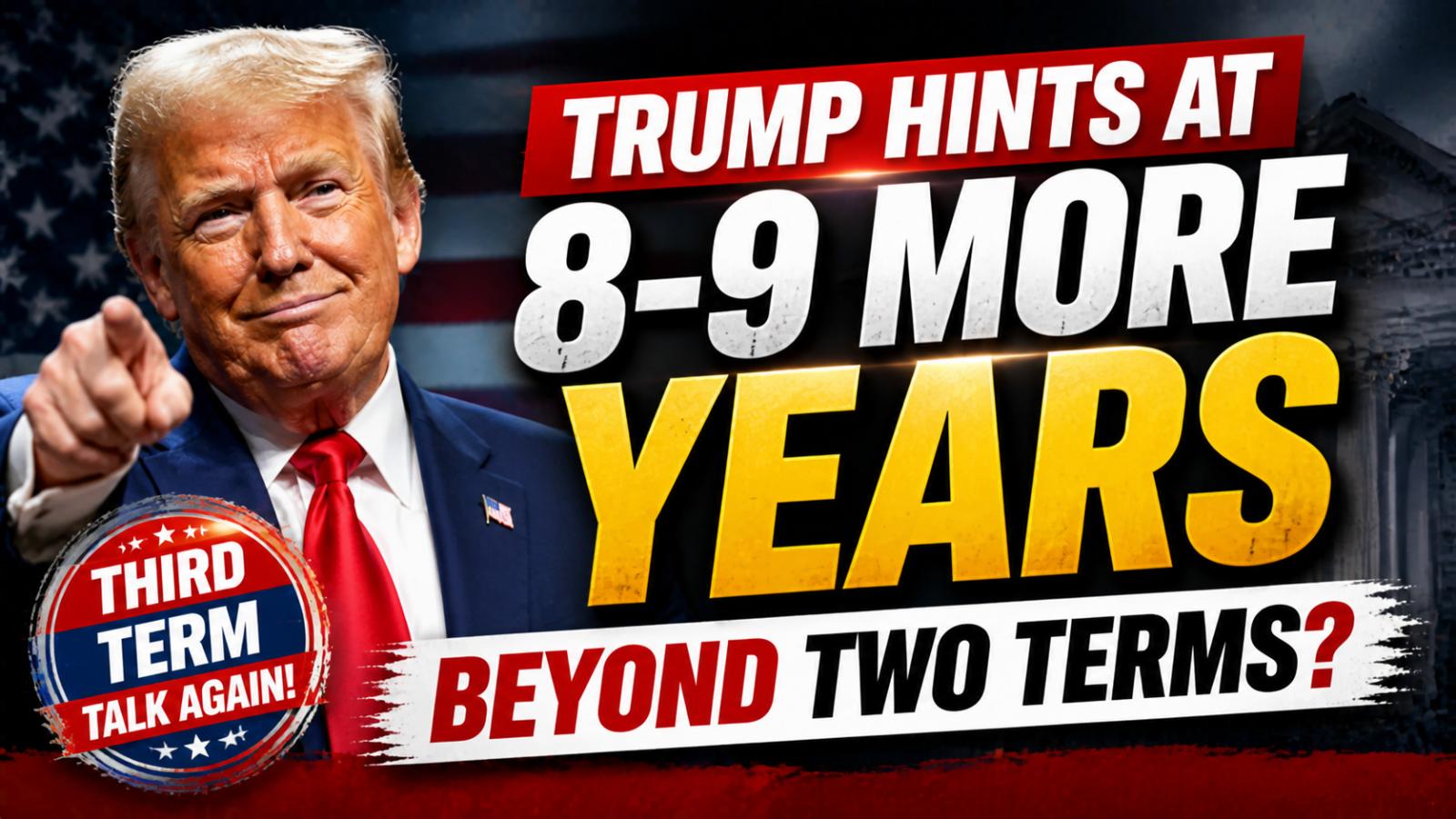
US President Donald Trump sparked renewed discussions on the possibility of serving more than two terms in office, a prospect that is explicitly prohibited by the 22nd Amendment of the US Constitution. Speaking at the White House Small Business Summit on May 4, Trump made a light-hearted remark about potentially staying in power for eight to nine more years, which would equal two additional terms. The comment, delivered with a sense of humor, caused White House officials to burst into laughte
US President Donald Trump sparked renewed discussions on the possibility of serving more than two terms in office, a prospect that is explicitly prohibited by the 22nd Amendment of the US Constitution. Speaking at the White House Small Business Summit on May 4, Trump made a light-hearted remark about potentially staying in power for eight to nine more years, which would equal two additional terms. The comment, delivered with a sense of humor, caused White House officials to burst into laughte
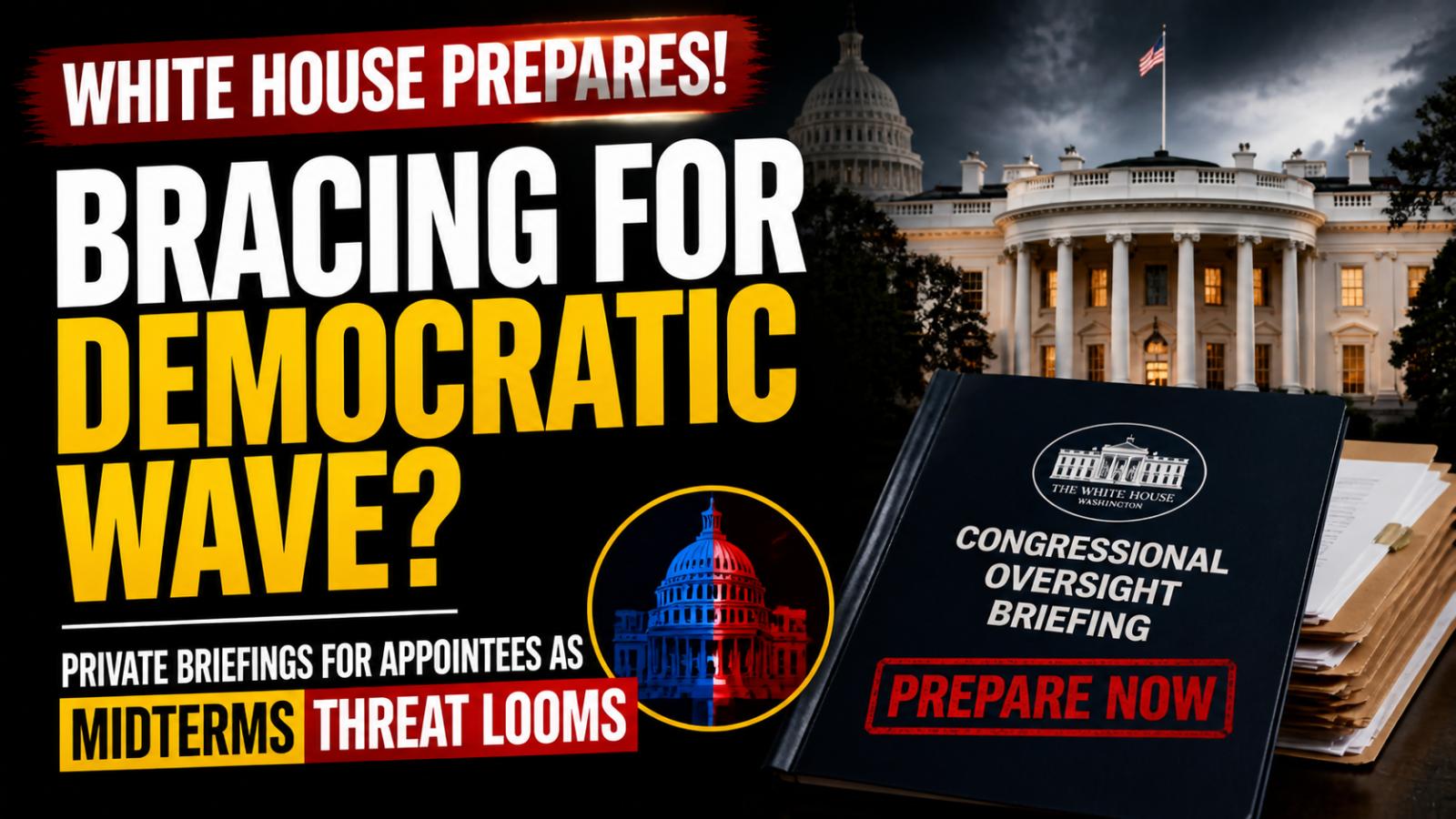
The White House Counsel’s Office is holding private briefings for political appointees to prepare them for potential congressional oversight, amid growing anticipation of Democratic gains in the upcoming November midterm elections. These sessions, which last around 30 minutes, focus on how congressional oversight works and best practices for responding to inquiries, according to sources familiar with the matter. The briefings include a PowerPoint presentation and advice on how to handle written communications, urging appointees to respond quickly to any congressional requests.
As the administration prepares for a potential shift in power, some officials believe that it is increasingly likely that Republicans could lose control of one or both chambers of Congress. One participant described the tone of the discussions as "sober-eyed," reflecting the serious nature of the preparations. A White House official defended the briefings, stating that they are part of ongoing efforts to ensure compliance with regulations, adding that such sessions are not new, but have gained greater emphasis in the context of the upcoming elections.
The focus on the midterm elections reflects growing concerns within the administration, particularly as President Donald Trump’s approval ratings have faced pressure amid economic challenges and international issues, such as the ongoing Iran conflict. Recent polling from a Washington Post-ABC News-Ipsos survey shows Democrats holding a five-point advantage in congressional preference.
During Trump’s first term, his administration faced numerous congressional investigations, many of which were perceived by some as politically motivated. With the potential for a Democratic-controlled Congress, there are fears of renewed impeachment discussions, especially following recent remarks by Trump about the Iran situation. “You’ve got to win the midterms, because if we don’t win the midterms, they’ll find a reason to impeach me,” Trump warned earlier this year.
The White House Counsel’s Office is holding private briefings for political appointees to prepare them for potential congressional oversight, amid growing anticipation of Democratic gains in the upcoming November midterm elections. These sessions, which last around 30 minutes, focus on how congressional oversight works and best practices for responding to inquiries, according to sources familiar with the matter. The briefings include a PowerPoint presentation and advice on how to handle written communications, urging appointees to respond quickly to any congressional requests.
As the administration prepares for a potential shift in power, some officials believe that it is increasingly likely that Republicans could lose control of one or both chambers of Congress. One participant described the tone of the discussions as "sober-eyed," reflecting the serious nature of the preparations. A White House official defended the briefings, stating that they are part of ongoing efforts to ensure compliance with regulations, adding that such sessions are not new, but have gained greater emphasis in the context of the upcoming elections.
The focus on the midterm elections reflects growing concerns within the administration, particularly as President Donald Trump’s approval ratings have faced pressure amid economic challenges and international issues, such as the ongoing Iran conflict. Recent polling from a Washington Post-ABC News-Ipsos survey shows Democrats holding a five-point advantage in congressional preference.
During Trump’s first term, his administration faced numerous congressional investigations, many of which were perceived by some as politically motivated. With the potential for a Democratic-controlled Congress, there are fears of renewed impeachment discussions, especially following recent remarks by Trump about the Iran situation. “You’ve got to win the midterms, because if we don’t win the midterms, they’ll find a reason to impeach me,” Trump warned earlier this year.
DC Judge Questions Jail Treatment in Trump Assassination Case
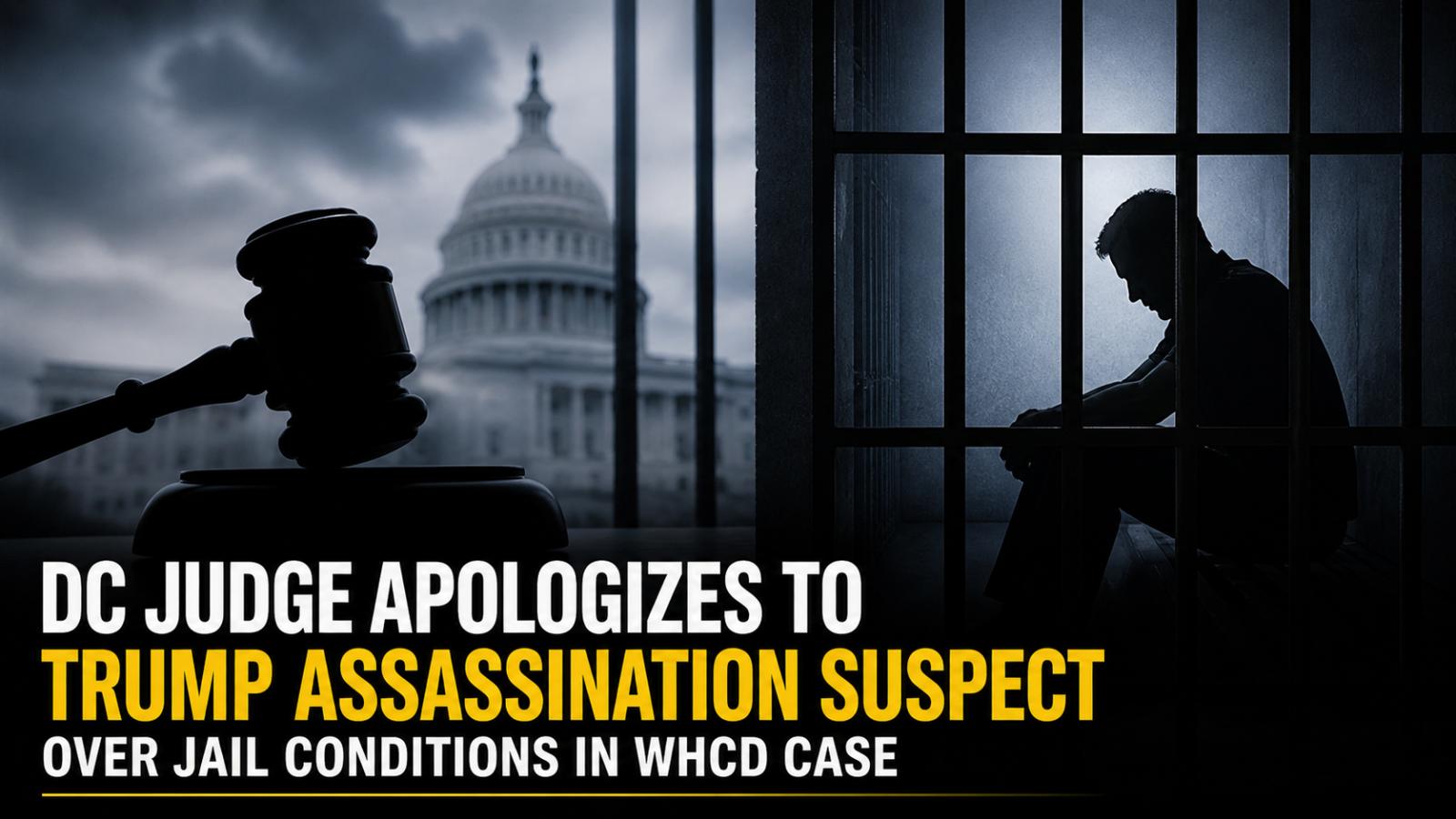
A federal magistrate judge in Washington apologized to Cole Allen, the man accused in an alleged Trump assassination plot, after raising concerns over his jail conditions. U.S. Magistrate Judge Zia M. Faruqui said the court had “grave concerns” about Allen’s treatment after defense lawyers argued he was kept under suicide precautions despite mental health assessments indicating he was not suicidal
DC Judge Questions Jail Treatment in Trump Assassination Case
A federal magistrate judge in Washington apologized to Cole Allen, the man accused in an alleged Trump assassination plot, after raising concerns over his jail conditions. U.S. Magistrate Judge Zia M. Faruqui said the court had “grave concerns” about Allen’s treatment after defense lawyers argued he was kept under suicide precautions despite mental health assessments indicating he was not suicidal
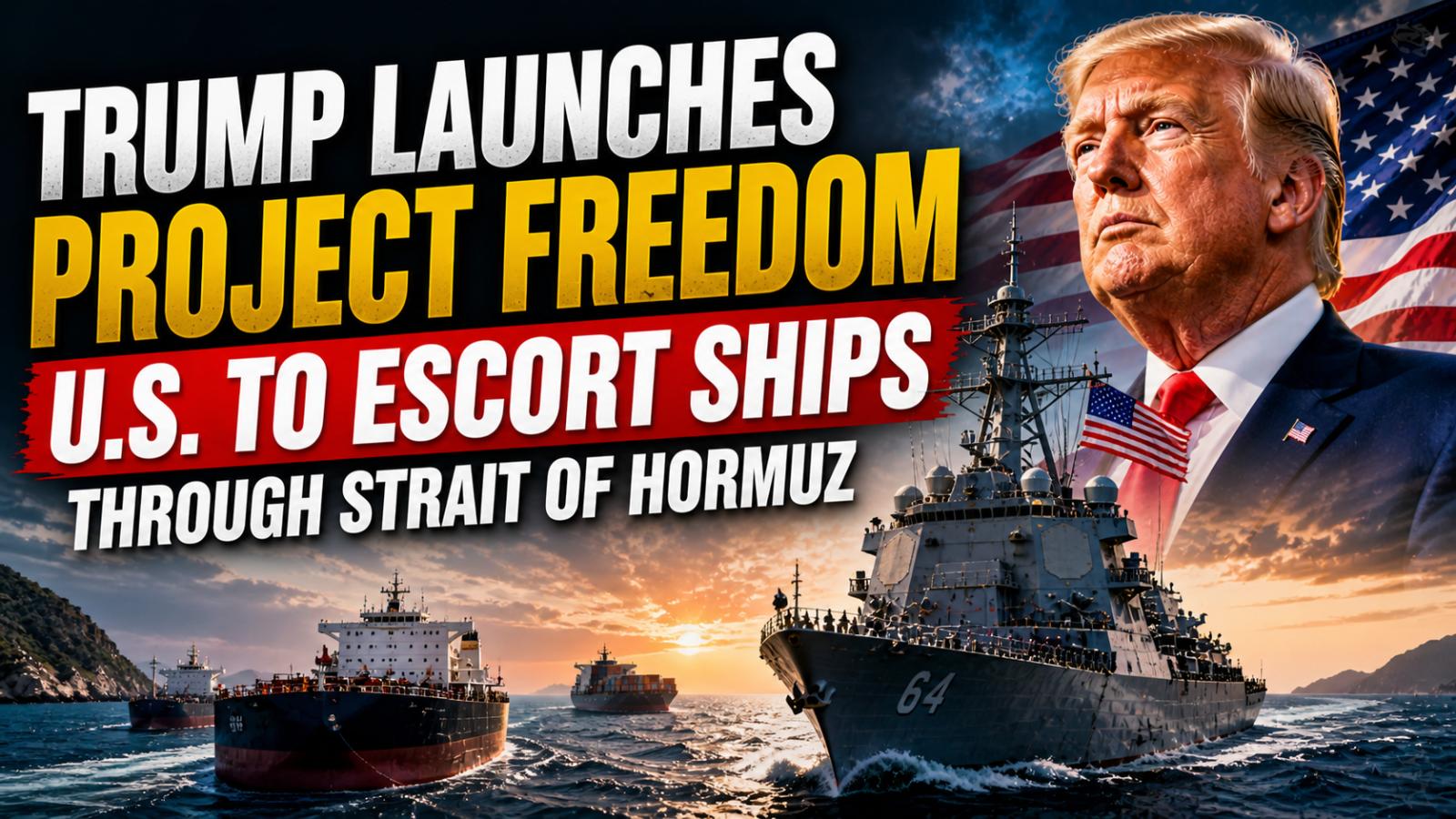
The United States has announced a new maritime initiative aimed at assisting commercial vessels stranded in the Strait of Hormuz, a critical global shipping route impacted by ongoing tensions. The operation, referred to as Project Freedom, is intended to guide ships safely through restricted waters as part of what officials described as a humanitarian effort to stabilize maritime activity in the region.
According to statements from US leadership, the initiative will focus on escorti
The United States has announced a new maritime initiative aimed at assisting commercial vessels stranded in the Strait of Hormuz, a critical global shipping route impacted by ongoing tensions. The operation, referred to as Project Freedom, is intended to guide ships safely through restricted waters as part of what officials described as a humanitarian effort to stabilize maritime activity in the region.
According to statements from US leadership, the initiative will focus on escorti
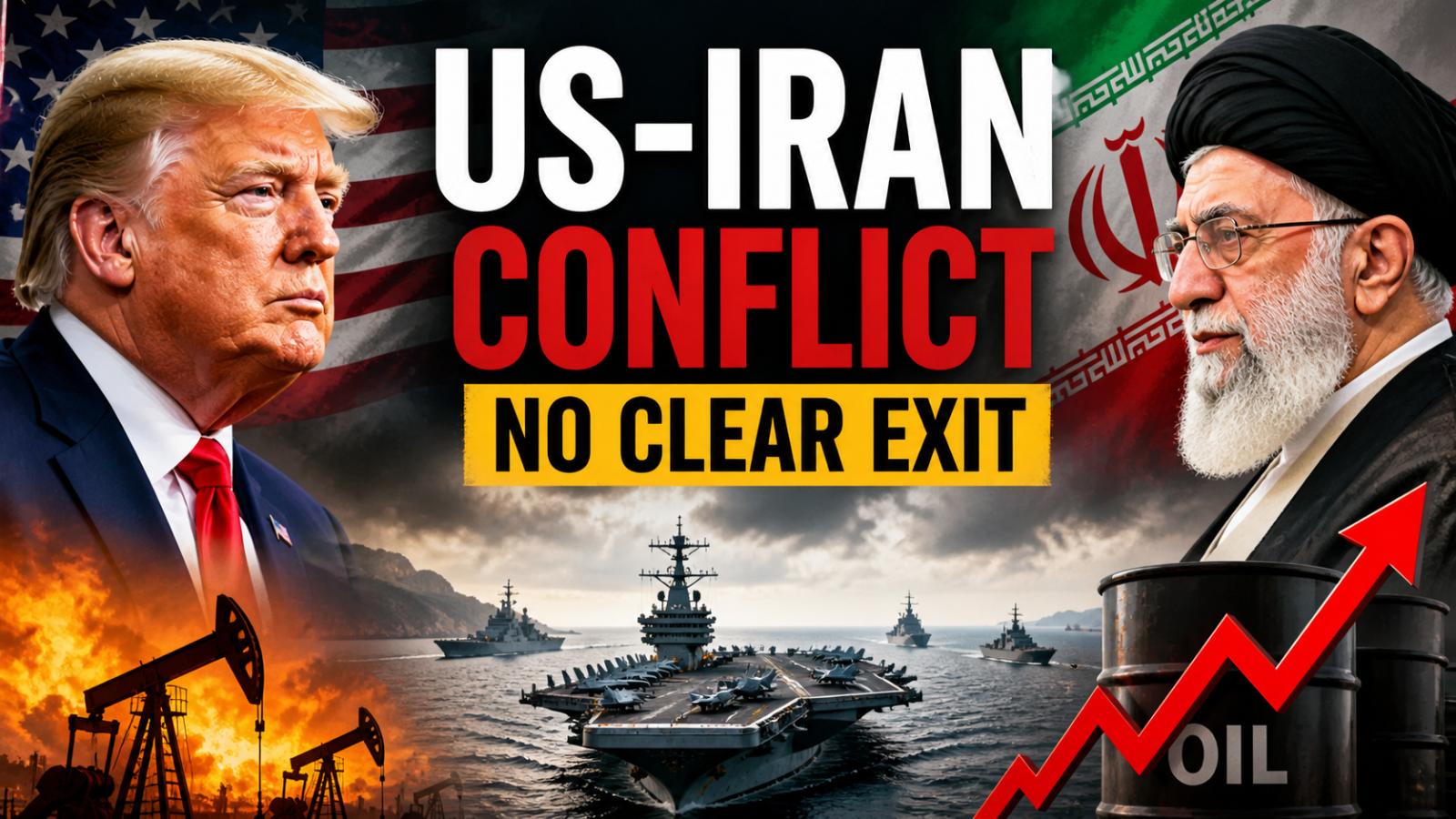
More than two months into military action against Iran, Donald Trump is facing a difficult reality: the conflict is far from over—and there’s no clear way out.
What began as a show of strength has turned into a prolonged standoff, with rising global consequences.
Military Gains, But No Strategic Victory
The United States, alongside Israeli forces, has carried out multiple strikes targeting Iran’s
More than two months into military action against Iran, Donald Trump is facing a difficult reality: the conflict is far from over—and there’s no clear way out.
What began as a show of strength has turned into a prolonged standoff, with rising global consequences.
Military Gains, But No Strategic Victory
The United States, alongside Israeli forces, has carried out multiple strikes targeting Iran’s
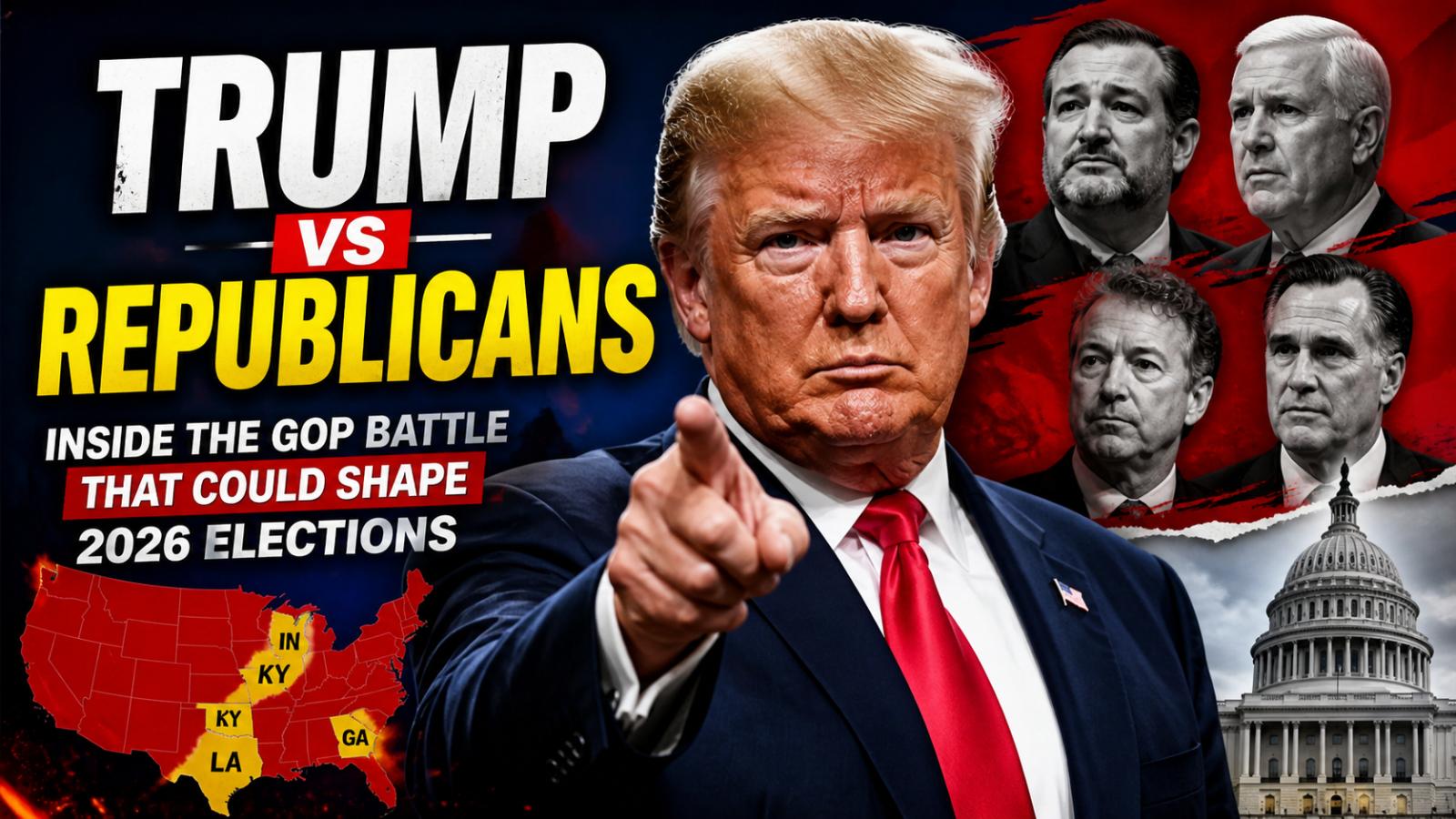
The battle inside the Republican Party is no longer happening behind closed doors. It’s playing out in public — and it’s getting intense.
Across several key states, Donald Trump is backing challengers against fellow Republicans, turning routine primaries into high-stakes political showdowns. These contests are not just about winning seats — they’re about definin
The battle inside the Republican Party is no longer happening behind closed doors. It’s playing out in public — and it’s getting intense.
Across several key states, Donald Trump is backing challengers against fellow Republicans, turning routine primaries into high-stakes political showdowns. These contests are not just about winning seats — they’re about definin
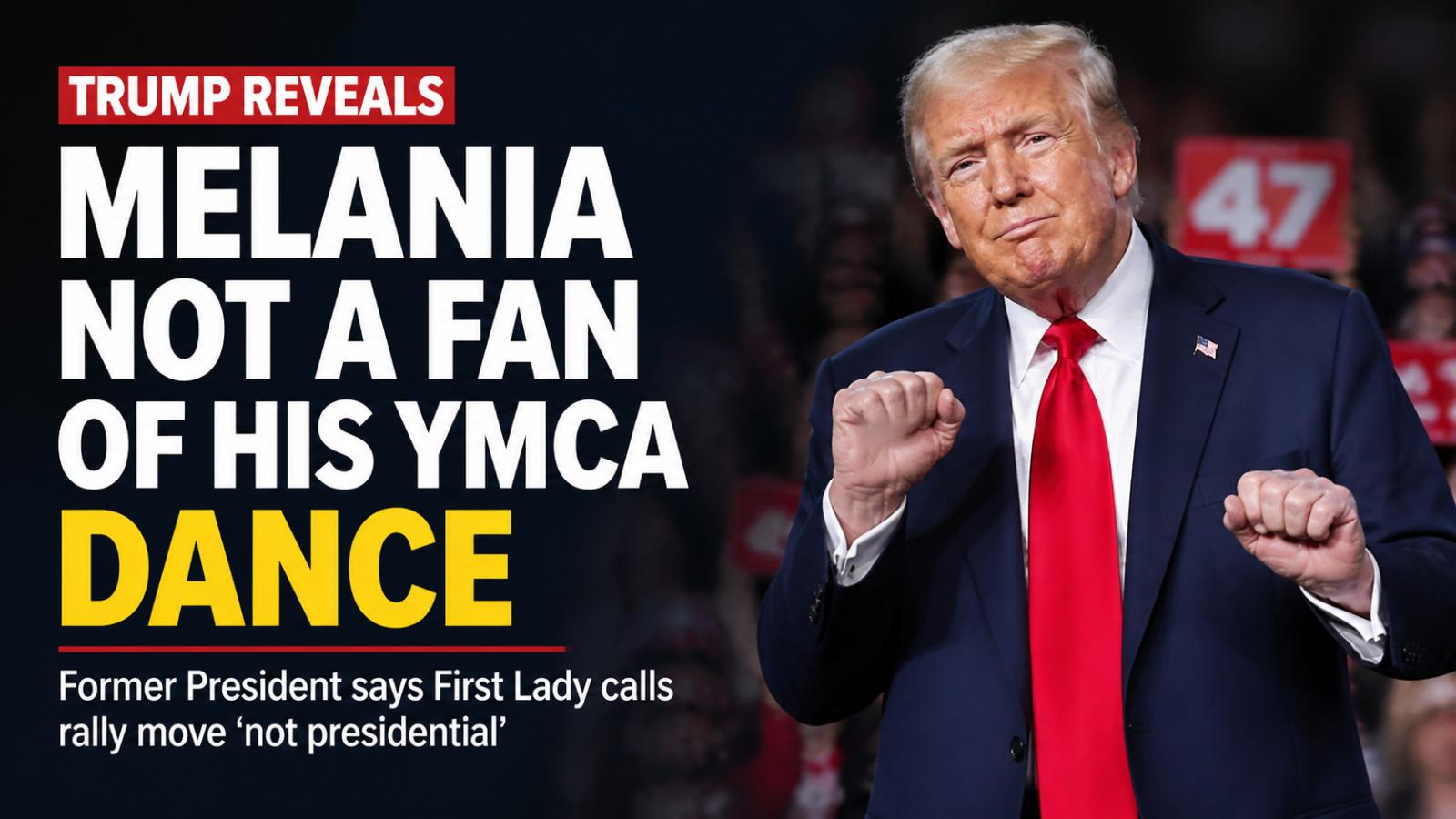
Trump shares Melania's disapproval of his YMCA dance move
Donald Trump recently offered a humorous confession at a rally in The Villages, Florida, revealing that Melania Trump is not a fan of his signature post-rally YMCA dance move. Speaking to a cheering crowd, the former president disclosed that his wife often objects to this routine, which has become synonymous with his rallies.
Melania says the dance is "not presidential"
Trump shares Melania's disapproval of his YMCA dance move
Donald Trump recently offered a humorous confession at a rally in The Villages, Florida, revealing that Melania Trump is not a fan of his signature post-rally YMCA dance move. Speaking to a cheering crowd, the former president disclosed that his wife often objects to this routine, which has become synonymous with his rallies.
Melania says the dance is "not presidential"
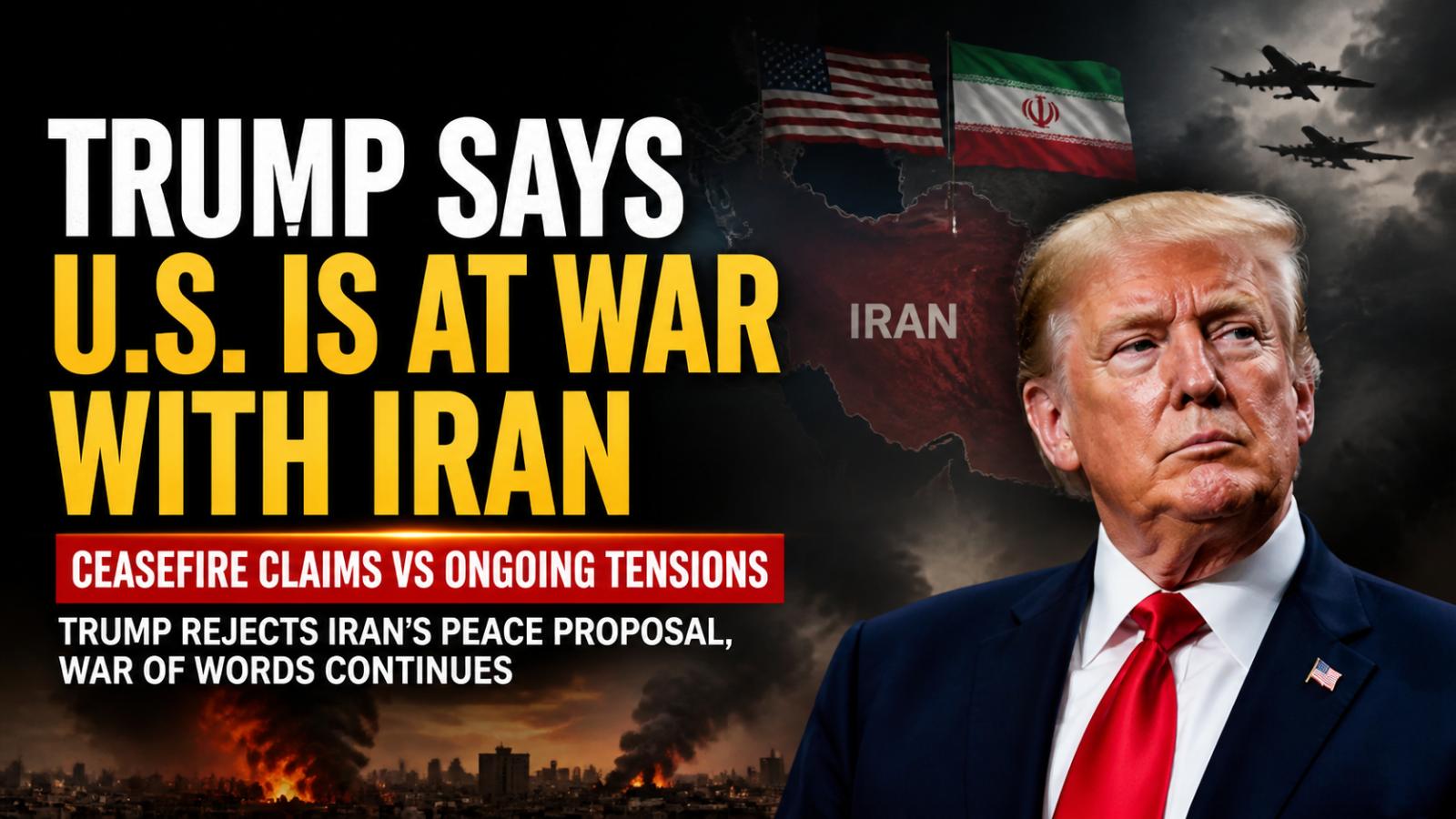
Trump declares war with Iran over nuclear threat
President Donald Trump has reaffirmed his stance on the ongoing US-Iran conflict, declaring that the US is at war with Iran to prevent the country from acquiring nuclear weapons. In a statement made during a Florida event, Trump expressed his belief that Iran’s leadership poses a significant threat to global security, stating that "lunatics can't have a nuclear weapon." His comments come at a time when his administration has informed the US Congress that the war has reached its conclusion, though the situation remains tense.
Trump emphasizes the importance of military action against Iran
Trump explained that the US military action against Iran was crucial in preventing a nuclear-armed nation from destabilizing the Middle East. He credited US airstrikes with B2 bombers for preventing Iran from obtaining a nuclear weapon, which could have led to catastrophic consequences for Israel, the Middle East, and Europe. “If we didn’t do that, they would have had a nuclear weapon,” Trump added, emphasizing the urgency of the situation. He claimed that Iran's military capabilities have been severely diminished, stating that the country no longer has a navy, air force, anti-aircraft systems, or effective radar defenses.
Trump rejects Iran's ceasefire proposal
In a direct response to Iran’s proposal for a ceasefire, Trump made it clear that the US would not end the conflict prematurely. “We’re not going to leave early and have this kind of problem arise in three more years,” he said, reinforcing his position on the need for a strong and comprehensive resolution. Trump blamed Iran's leadership for the ongoing conflict, criticizing their fractured decision-making. “It’s a very disjointed leadership,” he remarked, indicating that despite their willingness to negotiate, Iran’s leaders are unable to reach a viable agreement.
The ceasefire proposal is dismissed
The ceasefire proposal, delivered by Pakistan on behalf of Iran, was quickly dismissed by the US. Despite this, a fragile ceasefire between the two nations has held, albeit with mutual accusations of violations. Tensions remain high, especially in the Strait of Hormuz, where a significant portion of the world’s oil and gas passes through. Trump outlined two potential paths forward: either continuing the conflict to decisively end Iran’s nuclear ambitions, or attempting to secure a deal. “Do we want to go and just blast the hell out of them and finish them forever? Or do we want to try and make a deal?” he questioned.
Iran’s diplomatic efforts and continued tension
Iran’s Foreign Minister, Abbas Araghchi, has been actively engaged in diplomatic efforts to resolve the war. He held discussions with several regional counterparts, including Turkey, Saudi Arabia, and Qatar, to brief them on Iran’s latest peace initiatives. However, the rounds of talks held in Pakistan have yielded no substantial progress. Trump expressed frustration over the lack of direct communication, stating, “No more 18-hour flights” for US envoys.
What lies ahead for US-Iran relations?
As the situation evolves, it remains uncertain whether further diplomatic efforts will lead to a resolution or whether military action will continue to dominate the US-Iran relationship. With both sides unwilling to compromise, the world watches closely, particularly in regard to the ongoing instability in the Strait of Hormuz. Will Iran’s diplomatic efforts succeed, or will the US pursue a more aggressive approach? The answer remains unclear as the two nations continue to grapple with the possibility of conflict or peace.
Trump declares war with Iran over nuclear threat
President Donald Trump has reaffirmed his stance on the ongoing US-Iran conflict, declaring that the US is at war with Iran to prevent the country from acquiring nuclear weapons. In a statement made during a Florida event, Trump expressed his belief that Iran’s leadership poses a significant threat to global security, stating that "lunatics can't have a nuclear weapon." His comments come at a time when his administration has informed the US Congress that the war has reached its conclusion, though the situation remains tense.
Trump emphasizes the importance of military action against Iran
Trump explained that the US military action against Iran was crucial in preventing a nuclear-armed nation from destabilizing the Middle East. He credited US airstrikes with B2 bombers for preventing Iran from obtaining a nuclear weapon, which could have led to catastrophic consequences for Israel, the Middle East, and Europe. “If we didn’t do that, they would have had a nuclear weapon,” Trump added, emphasizing the urgency of the situation. He claimed that Iran's military capabilities have been severely diminished, stating that the country no longer has a navy, air force, anti-aircraft systems, or effective radar defenses.
Trump rejects Iran's ceasefire proposal
In a direct response to Iran’s proposal for a ceasefire, Trump made it clear that the US would not end the conflict prematurely. “We’re not going to leave early and have this kind of problem arise in three more years,” he said, reinforcing his position on the need for a strong and comprehensive resolution. Trump blamed Iran's leadership for the ongoing conflict, criticizing their fractured decision-making. “It’s a very disjointed leadership,” he remarked, indicating that despite their willingness to negotiate, Iran’s leaders are unable to reach a viable agreement.
The ceasefire proposal is dismissed
The ceasefire proposal, delivered by Pakistan on behalf of Iran, was quickly dismissed by the US. Despite this, a fragile ceasefire between the two nations has held, albeit with mutual accusations of violations. Tensions remain high, especially in the Strait of Hormuz, where a significant portion of the world’s oil and gas passes through. Trump outlined two potential paths forward: either continuing the conflict to decisively end Iran’s nuclear ambitions, or attempting to secure a deal. “Do we want to go and just blast the hell out of them and finish them forever? Or do we want to try and make a deal?” he questioned.
Iran’s diplomatic efforts and continued tension
Iran’s Foreign Minister, Abbas Araghchi, has been actively engaged in diplomatic efforts to resolve the war. He held discussions with several regional counterparts, including Turkey, Saudi Arabia, and Qatar, to brief them on Iran’s latest peace initiatives. However, the rounds of talks held in Pakistan have yielded no substantial progress. Trump expressed frustration over the lack of direct communication, stating, “No more 18-hour flights” for US envoys.
What lies ahead for US-Iran relations?
As the situation evolves, it remains uncertain whether further diplomatic efforts will lead to a resolution or whether military action will continue to dominate the US-Iran relationship. With both sides unwilling to compromise, the world watches closely, particularly in regard to the ongoing instability in the Strait of Hormuz. Will Iran’s diplomatic efforts succeed, or will the US pursue a more aggressive approach? The answer remains unclear as the two nations continue to grapple with the possibility of conflict or peace.
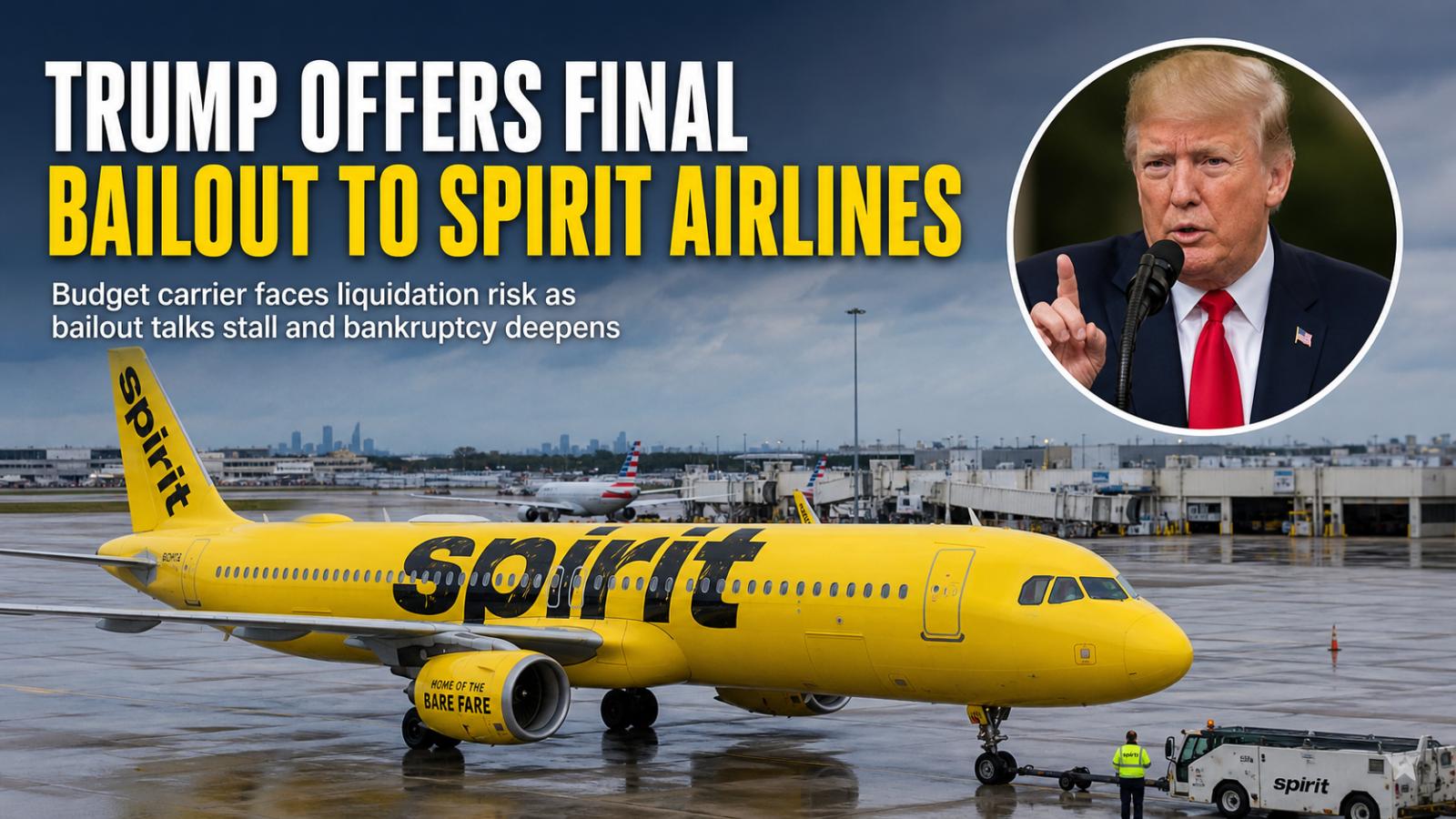
President Donald Trump said on Friday, May 1, 2026, that his administration had delivered a “final” bailout proposal to Spirit Airlines as the budget airline faces the possibility of liquidation without immediate financial su
President Donald Trump said on Friday, May 1, 2026, that his administration had delivered a “final” bailout proposal to Spirit Airlines as the budget airline faces the possibility of liquidation without immediate financial su
Expanding retirement access for underserved workers
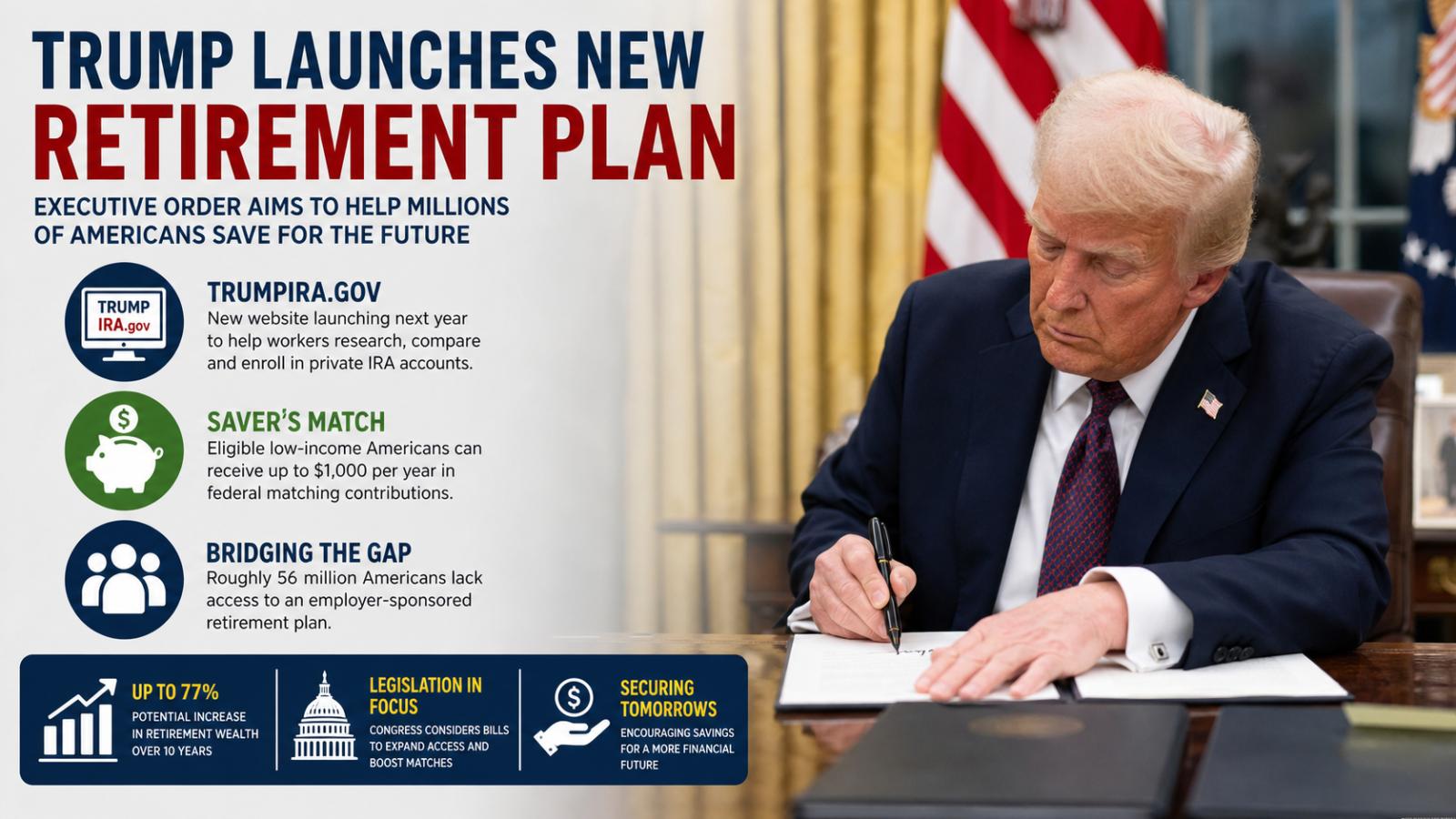
What is Trump’s new retirement plan? It expands savings access for millions, as a new executive order introduces a federal initiative aimed at workers without employer-sponsored retirement options. According to details outlined in the policy , tens of millions of Americans currently lack access to plans such as 401(k)s, creating long-term financial vulnerability. The initiative proposes a centralized platform, T
Expanding retirement access for underserved workers
What is Trump’s new retirement plan? It expands savings access for millions, as a new executive order introduces a federal initiative aimed at workers without employer-sponsored retirement options. According to details outlined in the policy , tens of millions of Americans currently lack access to plans such as 401(k)s, creating long-term financial vulnerability. The initiative proposes a centralized platform, T
The US tightened pressure on Iran with a Strait of Hormuz blockade, disrupting oil trade and worsening Iran’s economic crisis, while internal political divisions grow and tensions with Washington escalate.
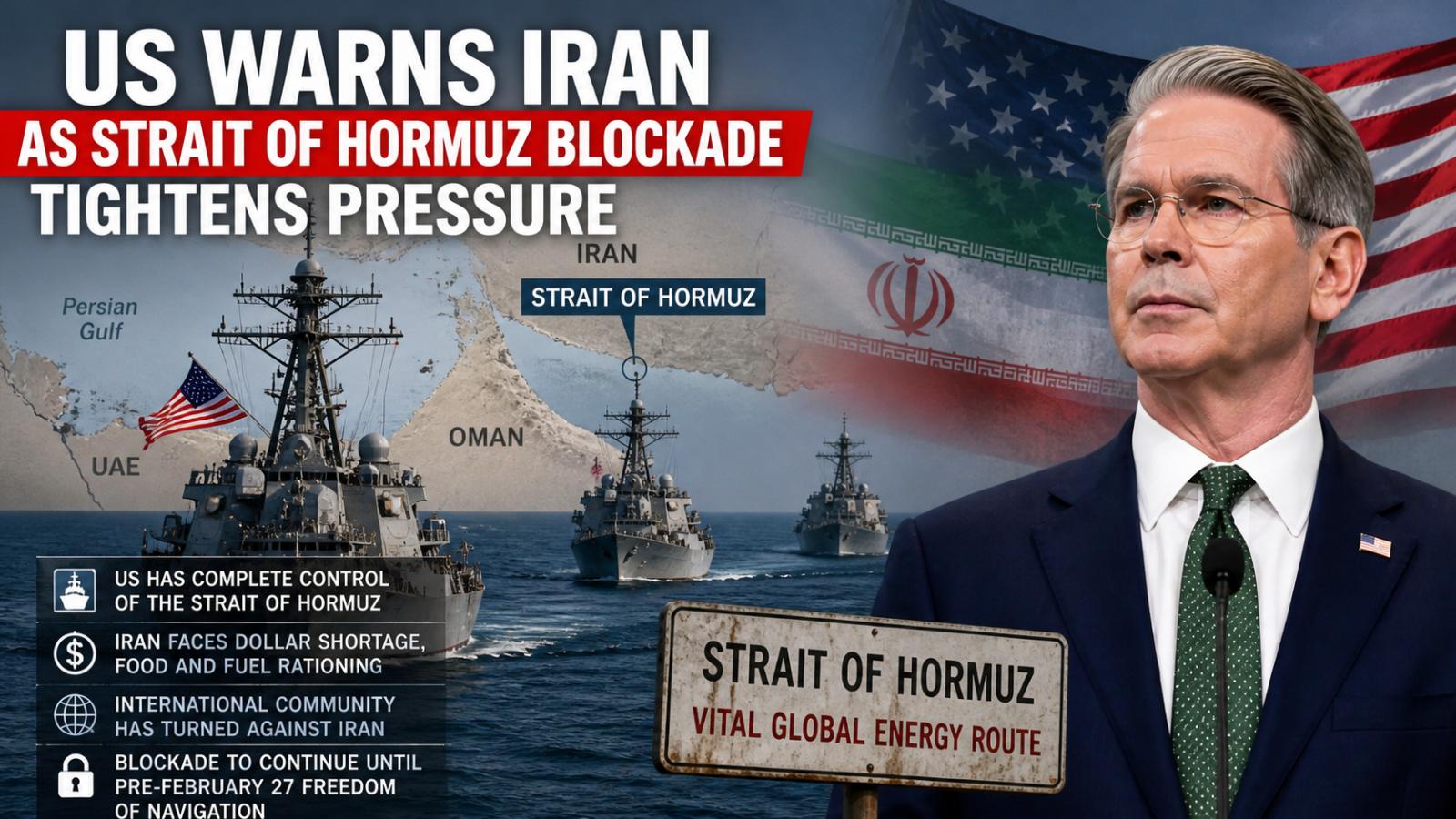
US warns Iran as Strait of Hormuz blockade tightens pressure as tensions escalated following a sharply worded statement by U.S. Treasury Secretary Scott Bessent on Friday, in which he criticized Iran’s leadership and outlined the United States’ strategic position in the ongoing standoff. In a public post, Bessent asserted that the United States maintains full control over the Strait of Hormuz, a critical global energy transit route, and emphasized that a naval blockade would remain in effect until freedom of navigation conditions are restored to levels seen before February 27.
The remarks come amid heightened geopolitical tensions involving Iran and the United States, with Bessent also pointing to economic strain within Iran, including a shortage of U.S. dollars and the implementation of food and gasoline rationing. He further stated that international sentiment has increasingly turned against Tehran, underscoring Washington’s broader diplomatic stance.
The blockade represents a significant shift in pressure tactics. For years, Iran had managed to navigate sanctions by exporting oil through informal channels, particularly to China, using a network of so-called shadow vessels. However, U.S. naval operations have disrupted these routes, preventing tankers from bypassing enforcement measures and, in some cases, pursuing them beyond the Persian Gulf into the Indian Ocean.
The situation escalated after Iran targeted commercial vessels and restricted maritime traffic through the Hormuz corridor, a move that disrupted global oil and liquefied natural gas shipments. In response, the United States deployed naval forces to secure the passage, effectively limiting Iran’s ability to continue its covert export operations.
Internally, the crisis has exposed divisions within Iran’s leadership. President Masoud Pezeshkian is reportedly aligned with moderate factions seeking negotiations, while hardline figures such as Saeed Jalili advocate a more confrontational approach. The divergence reflects broader concerns about the sustainability of the conflict, particularly as economic conditions deteriorate.
President Donald Trump has indicated support for maintaining the blockade, describing it as highly effective and signaling preparedness for a prolonged standoff. According to statements made to reporters, the administration is considering extending the measure until Iran meets specific nuclear-related demands.
The economic impact on Iran has been severe. Reports indicate that unemployment has surged, food prices have risen sharply, and widespread internet disruptions have affected digital commerce. The national currency has weakened significantly over the past year, with the exchange rate reaching approximately 1.81 million rials per U.S. dollar, intensifying concerns about potential economic collapse.
The US tightened pressure on Iran with a Strait of Hormuz blockade, disrupting oil trade and worsening Iran’s economic crisis, while internal political divisions grow and tensions with Washington escalate.
US warns Iran as Strait of Hormuz blockade tightens pressure as tensions escalated following a sharply worded statement by U.S. Treasury Secretary Scott Bessent on Friday, in which he criticized Iran’s leadership and outlined the United States’ strategic position in the ongoing standoff. In a public post, Bessent asserted that the United States maintains full control over the Strait of Hormuz, a critical global energy transit route, and emphasized that a naval blockade would remain in effect until freedom of navigation conditions are restored to levels seen before February 27.
The remarks come amid heightened geopolitical tensions involving Iran and the United States, with Bessent also pointing to economic strain within Iran, including a shortage of U.S. dollars and the implementation of food and gasoline rationing. He further stated that international sentiment has increasingly turned against Tehran, underscoring Washington’s broader diplomatic stance.
The blockade represents a significant shift in pressure tactics. For years, Iran had managed to navigate sanctions by exporting oil through informal channels, particularly to China, using a network of so-called shadow vessels. However, U.S. naval operations have disrupted these routes, preventing tankers from bypassing enforcement measures and, in some cases, pursuing them beyond the Persian Gulf into the Indian Ocean.
The situation escalated after Iran targeted commercial vessels and restricted maritime traffic through the Hormuz corridor, a move that disrupted global oil and liquefied natural gas shipments. In response, the United States deployed naval forces to secure the passage, effectively limiting Iran’s ability to continue its covert export operations.
Internally, the crisis has exposed divisions within Iran’s leadership. President Masoud Pezeshkian is reportedly aligned with moderate factions seeking negotiations, while hardline figures such as Saeed Jalili advocate a more confrontational approach. The divergence reflects broader concerns about the sustainability of the conflict, particularly as economic conditions deteriorate.
President Donald Trump has indicated support for maintaining the blockade, describing it as highly effective and signaling preparedness for a prolonged standoff. According to statements made to reporters, the administration is considering extending the measure until Iran meets specific nuclear-related demands.
The economic impact on Iran has been severe. Reports indicate that unemployment has surged, food prices have risen sharply, and widespread internet disruptions have affected digital commerce. The national currency has weakened significantly over the past year, with the exchange rate reaching approximately 1.81 million rials per U.S. dollar, intensifying concerns about potential economic collapse.
Trump signals sharp increase in tariffs on EU vehicles
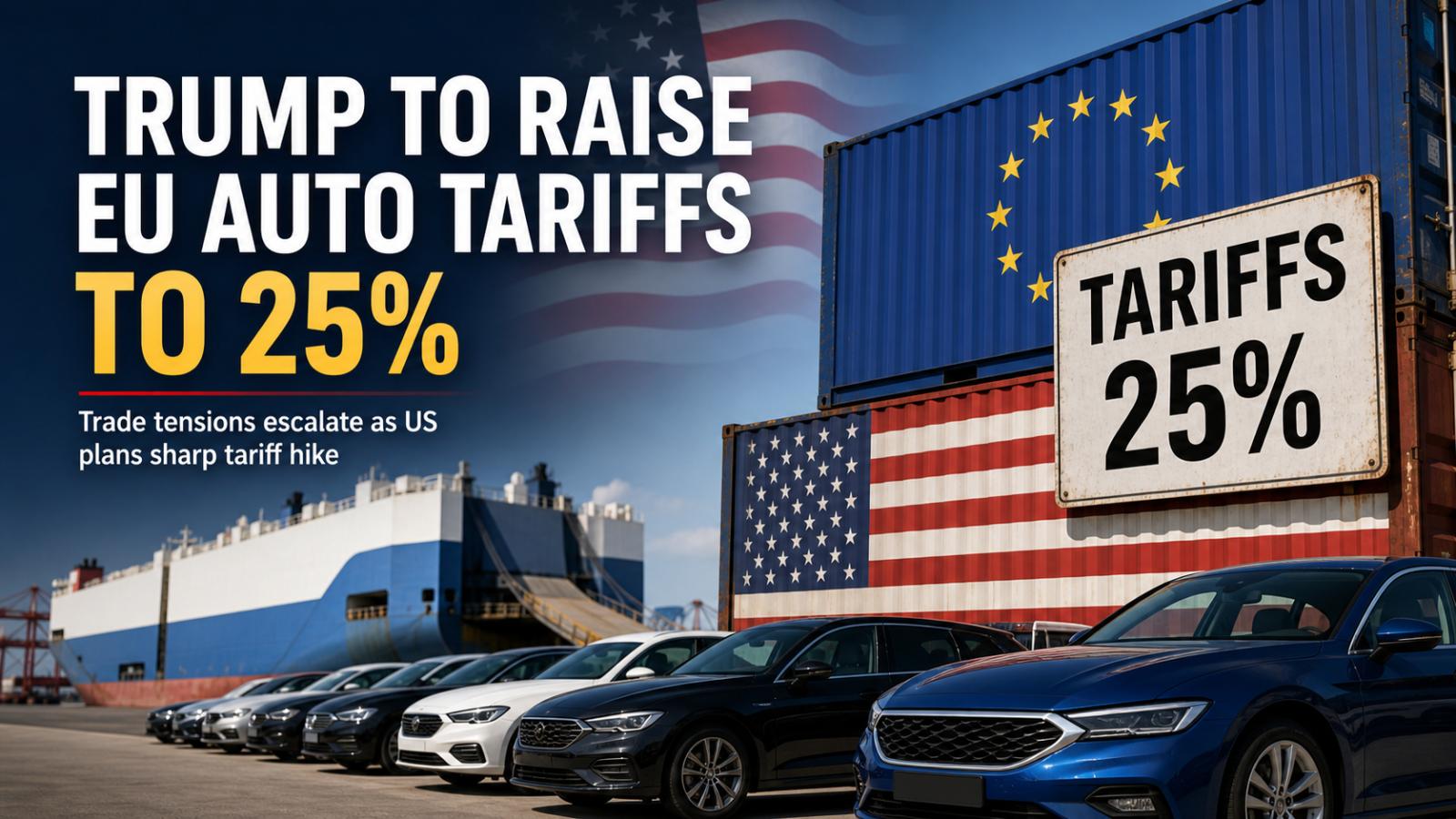
WASHINGTON — On Friday, May 1, 2026, U.S. President Donald Trump announced plans to raise tariffs on cars and trucks imported from the European Union to 25%, signaling a significant shift in U.S.-EU trade policy. The move, shared publicly in a statement, comes at a time when global markets remain sensitive to policy changes and could trigger broader economic repercussions.
Trump stated that the European Union was “not complying” with the previously agreed trade deal, though he did not provide specific details regarding the alleged violations. The announcement marks a departure from the earlier tariff framework negotiated between both sides.
Background of the US-EU Turnberry trade framework
The current dispute traces back to a bilateral agreement reached in July 2025 between Trump and Ursula von der Leyen, which set a 15% tariff ceiling on most traded goods. Known as the Turnberry Agreement, the arrangement aimed to stabilize trade relations and reduce uncertainty for industries on both sides of the Atlantic.
Both the United States and the European Union had reaffirmed their commitment to maintaining this framework even after legal and policy challenges emerged earlier in 2026.
Legal challenges reshape tariff authority
The agreement’s stability was called into question after a ruling by the U.S. Supreme Court, which determined that the president lacked authority to impose tariffs under an economic emergency declaration. Following the ruling, tariff limits were effectively reduced, prompting the administration to explore alternative legal pathways to implement new import taxes.
Ongoing investigations into trade imbalances and national security concerns have since been cited by the administration as justification for a revised tariff strategy, potentially putting the original agreement at risk.
Economic stakes for EU and global markets
The European Union has consistently emphasized the importance of maintaining agreed tariff limits, noting that the deal was expected to save its automotive sector between €500 million and €600 million monthly. Trade between the U.S. and EU reached approximately €1.7 trillion ($2 trillion) in 2024, highlighting the scale of economic interdependence.
European officials have reiterated that commitments under the agreement should be upheld, stressing that EU exports must continue to benefit from competitive tariff treatment without unexpected increases.
Rising tensions threaten trade stability
The proposed tariff increase introduces fresh uncertainty into one of the world’s largest trading relationships. Analysts warn that such measures could disrupt supply chains, increase costs for manufacturers and consumers, and strain diplomatic ties.
As the administration moves forward with its trade investigations, the future of the U.S.-EU trade framework remains uncertain, with potential implications extending beyond the automotive sector into the broader global economy.
Trump signals sharp increase in tariffs on EU vehicles
WASHINGTON — On Friday, May 1, 2026, U.S. President Donald Trump announced plans to raise tariffs on cars and trucks imported from the European Union to 25%, signaling a significant shift in U.S.-EU trade policy. The move, shared publicly in a statement, comes at a time when global markets remain sensitive to policy changes and could trigger broader economic repercussions.
Trump stated that the European Union was “not complying” with the previously agreed trade deal, though he did not provide specific details regarding the alleged violations. The announcement marks a departure from the earlier tariff framework negotiated between both sides.
Background of the US-EU Turnberry trade framework
The current dispute traces back to a bilateral agreement reached in July 2025 between Trump and Ursula von der Leyen, which set a 15% tariff ceiling on most traded goods. Known as the Turnberry Agreement, the arrangement aimed to stabilize trade relations and reduce uncertainty for industries on both sides of the Atlantic.
Both the United States and the European Union had reaffirmed their commitment to maintaining this framework even after legal and policy challenges emerged earlier in 2026.
Legal challenges reshape tariff authority
The agreement’s stability was called into question after a ruling by the U.S. Supreme Court, which determined that the president lacked authority to impose tariffs under an economic emergency declaration. Following the ruling, tariff limits were effectively reduced, prompting the administration to explore alternative legal pathways to implement new import taxes.
Ongoing investigations into trade imbalances and national security concerns have since been cited by the administration as justification for a revised tariff strategy, potentially putting the original agreement at risk.
Economic stakes for EU and global markets
The European Union has consistently emphasized the importance of maintaining agreed tariff limits, noting that the deal was expected to save its automotive sector between €500 million and €600 million monthly. Trade between the U.S. and EU reached approximately €1.7 trillion ($2 trillion) in 2024, highlighting the scale of economic interdependence.
European officials have reiterated that commitments under the agreement should be upheld, stressing that EU exports must continue to benefit from competitive tariff treatment without unexpected increases.
Rising tensions threaten trade stability
The proposed tariff increase introduces fresh uncertainty into one of the world’s largest trading relationships. Analysts warn that such measures could disrupt supply chains, increase costs for manufacturers and consumers, and strain diplomatic ties.
As the administration moves forward with its trade investigations, the future of the U.S.-EU trade framework remains uncertain, with potential implications extending beyond the automotive sector into the broader global economy.
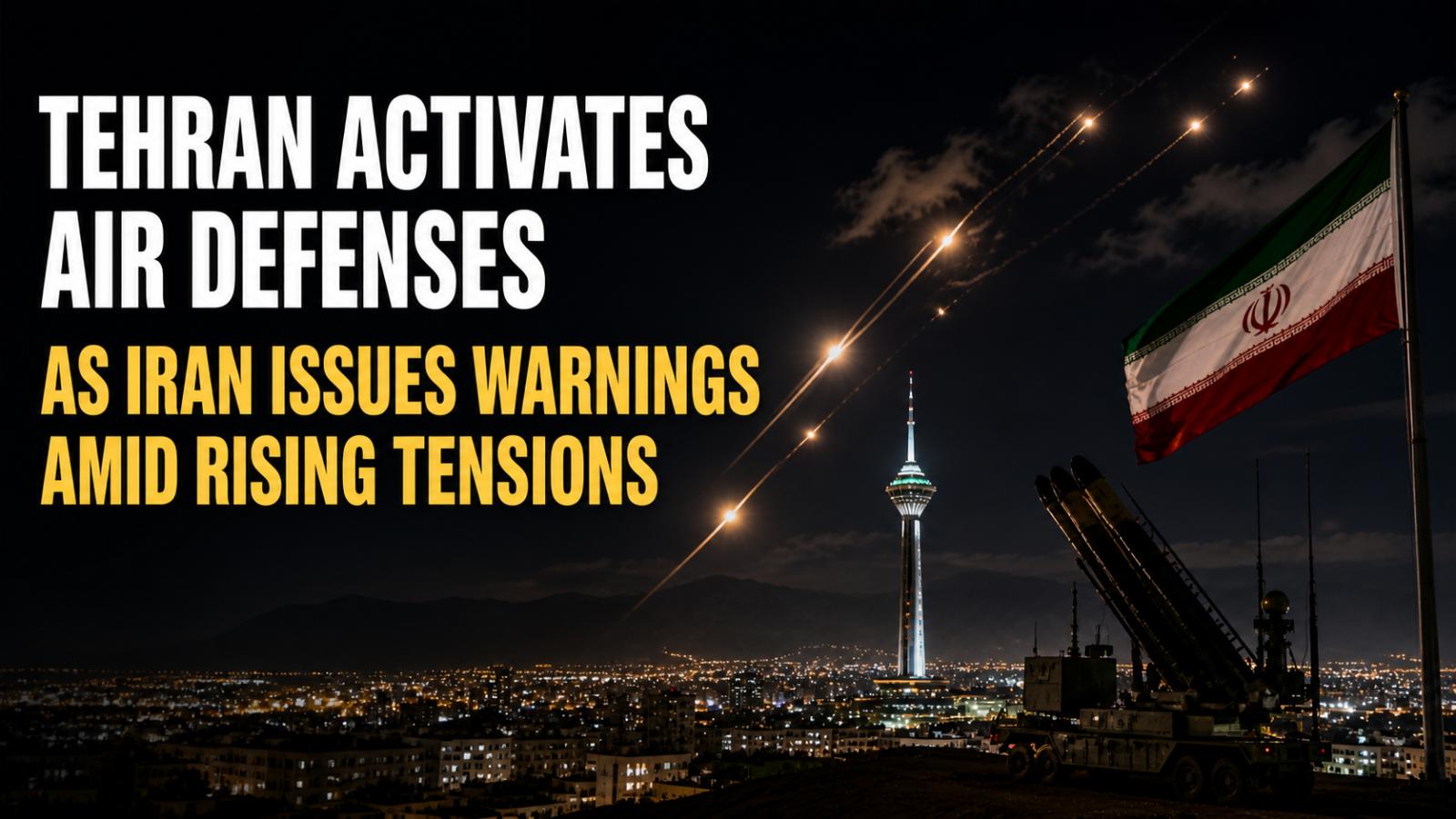
Tehran activated air defenses against drones as Iran warned of retaliation if attacks resume. U.S. officials signaled continued military action, while tensions over the Strait of Hormuz and ceasefire terms highlight ongoing instability.
Tehran activates air defenses as Iran issues warnings amid rising tensions, according to Iranian media reports describing heightened military alertness on Thursday night. Authorities in Tehran said air defense systems were deployed
Tehran activated air defenses against drones as Iran warned of retaliation if attacks resume. U.S. officials signaled continued military action, while tensions over the Strait of Hormuz and ceasefire terms highlight ongoing instability.
Tehran activates air defenses as Iran issues warnings amid rising tensions, according to Iranian media reports describing heightened military alertness on Thursday night. Authorities in Tehran said air defense systems were deployed