





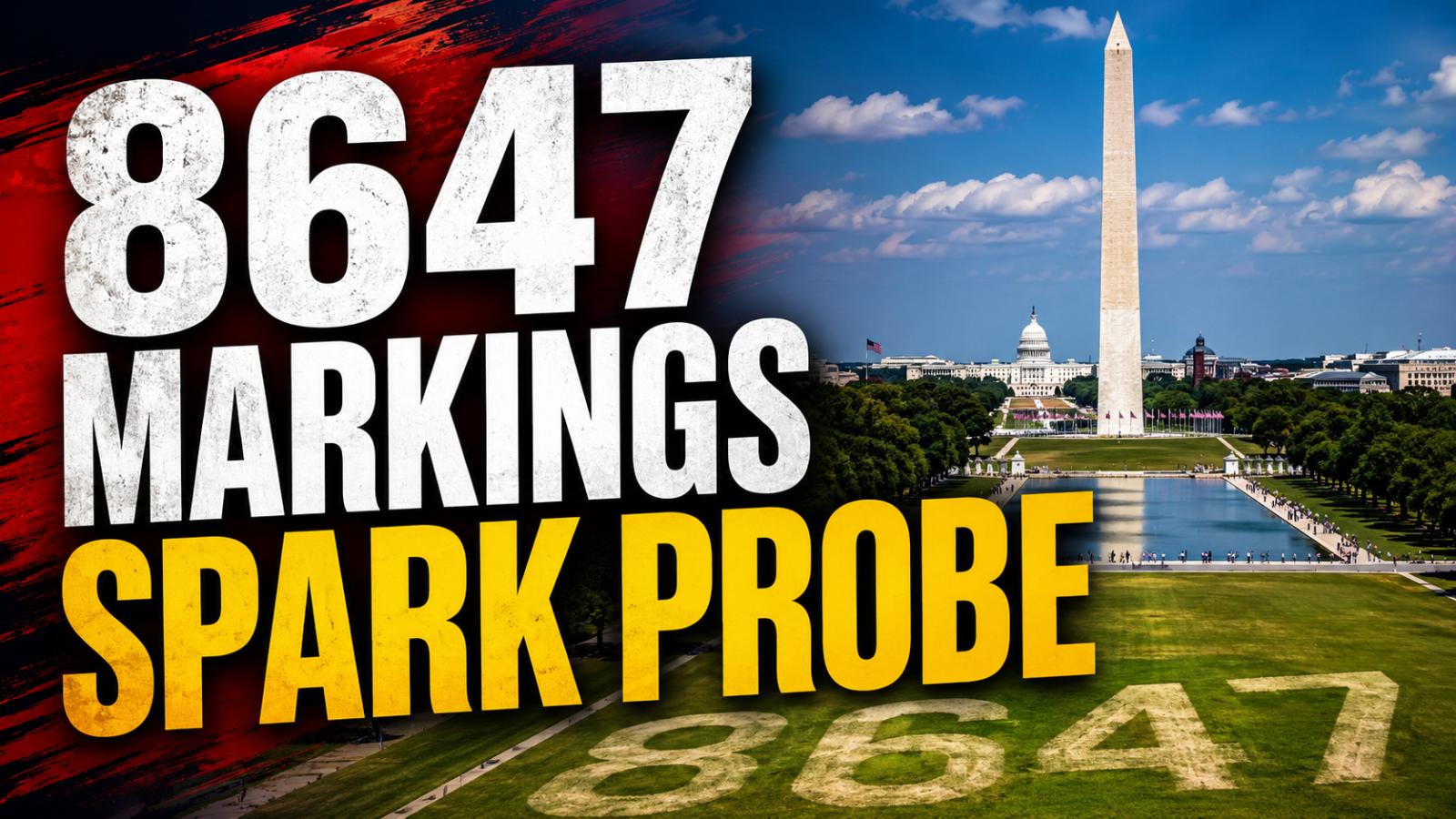
US Park Police investigate 8647 marking on National Mall
National Mall markings trigger federal probe U.S. Park Police have opened an investigation after large “8647” markings appeared on the grass of the National Mall in Washington, D.C., adding a fresh flashpoint to the debate over a number sequence tied to opposition against President Donald Trump. Officials said the markings appeared as brown discoloration on the lawn near the World War II Memorial, with some digits mo
US Park Police investigate 8647 marking on National Mall
National Mall markings trigger federal probe U.S. Park Police have opened an investigation after large “8647” markings appeared on the grass of the National Mall in Washington, D.C., adding a fresh flashpoint to the debate over a number sequence tied to opposition against President Donald Trump. Officials said the markings appeared as brown discoloration on the lawn near the World War II Memorial, with some digits mo
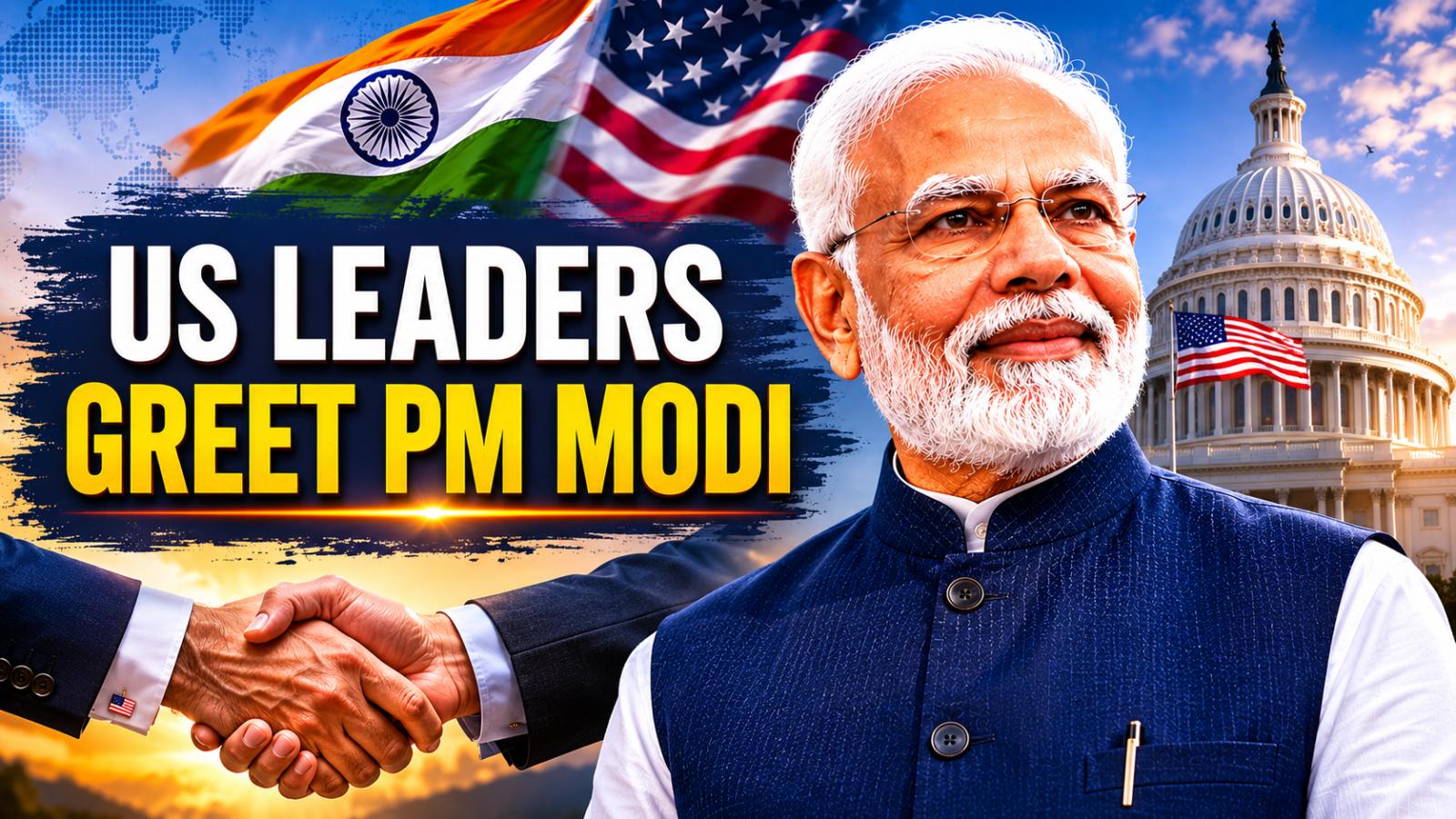
PM Modi 4,399 Days Milestone: US Senators, Business Leaders Send Greetings
Prime Minister Narendra Modi received greetings from US Senators, business leaders and members of the Indian diaspora after he became India’s longest-serving elected Prime Minister with an unbroken tenure of 4,399 days in office. On Wednesday, June 10, 2026, Modi surpassed the elected tenure record of India’s first Prime Minister Jawaharlal Nehru. Nehru, after being elected in 1952, served 4,398 days until May 27, 1964, while Modi crossed that mark during his third consecutive t
PM Modi 4,399 Days Milestone: US Senators, Business Leaders Send Greetings
Prime Minister Narendra Modi received greetings from US Senators, business leaders and members of the Indian diaspora after he became India’s longest-serving elected Prime Minister with an unbroken tenure of 4,399 days in office. On Wednesday, June 10, 2026, Modi surpassed the elected tenure record of India’s first Prime Minister Jawaharlal Nehru. Nehru, after being elected in 1952, served 4,398 days until May 27, 1964, while Modi crossed that mark during his third consecutive t
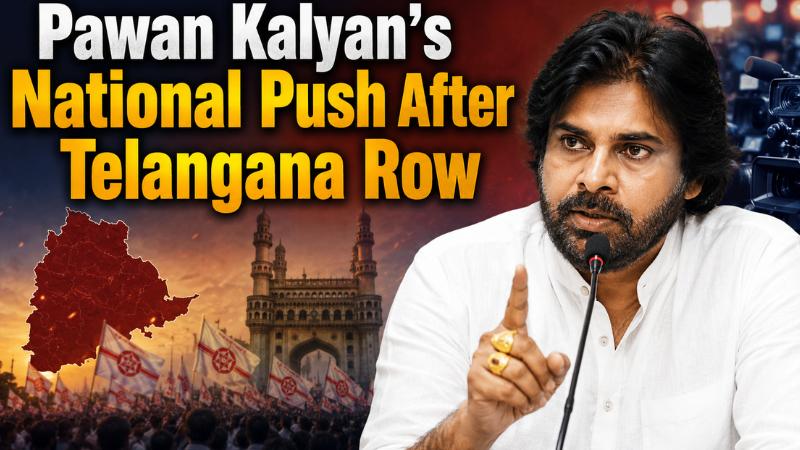
Pawan Kalyan’s National Push After Telangana Row
Pawan Kalyan’s response to the Telangana political row has shifted attention toward his wider national image and Jana Sena’s future plans. Telangana Row Brings Pawan Into Focus Andhra Pradesh Deputy Chief Minister and Jana Sena chief Pawan Kalyan has once again become a major talking point in Telugu politics after the recent Tel
Pawan Kalyan’s National Push After Telangana Row
Pawan Kalyan’s response to the Telangana political row has shifted attention toward his wider national image and Jana Sena’s future plans. Telangana Row Brings Pawan Into Focus Andhra Pradesh Deputy Chief Minister and Jana Sena chief Pawan Kalyan has once again become a major talking point in Telugu politics after the recent Tel
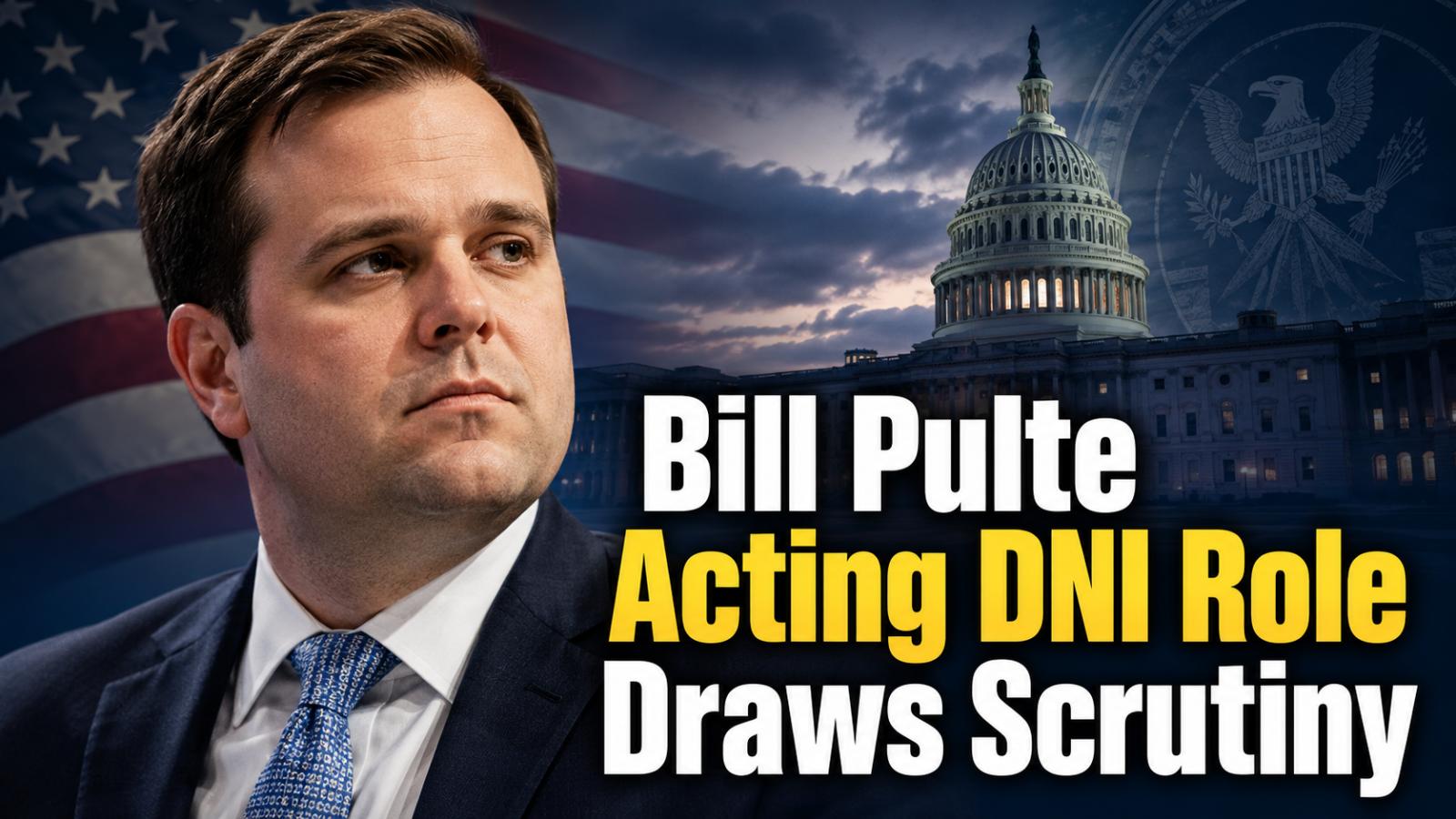
Bill Pulte Acting DNI Role Sparks Debate Over Experience, FHFA Power and Online Past
Bill Pulte’s temporary move into the acting Director of National Intelligence role has quickly become one of the most debated political stories in Washington. President Donald Trump selected Pulte, the head of the Federal Housing Finance Agency, for the acting intelligence post, creating immediate questions about experience, authority and national security judgment. Pulte is not a traditional intelligence figure. His public career has been built around business, housing finance, politics and online influence, not foreign threats, classified briefings or intelligence operations. That contrast is the main reason his appointment is drawing attention from both supporters and critics. Trump has said Pulte will not be nominated for the permanent DNI position, which makes the role temporary. But even a short-term intelligence appointment matters because the office is connected to highly sensitive information, national security decisions and coordination across America’s intelligence agencies. From Housing Regulator to Intelligence Role Before this acting intelligence assignment, Pulte was best known for leading the Federal Housing Finance Agency. The FHFA plays a major role in the U.S. housing market because it oversees important housing finance institutions connected to Fannie Mae and Freddie Mac. That is a powerful financial position, but it is very different from managing intelligence matters. Housing regulation deals with mortgage markets, financial stability and housing policy. The DNI role deals with threats from foreign governments, cyber risks, classified intelligence, terrorism, surveillance and national security strategy. This gap is what makes the appointment controversial. Supporters argue that Pulte has handled sensitive financial responsibilities and understands large institutions. Critics say that financial oversight is not the same as national security leadership. Experience Questions Become the Main Issue The biggest concern around Bill Pulte’s acting DNI role is experience. Lawmakers and national security observers are asking whether someone without a long intelligence background should temporarily lead such a sensitive part of the federal government. The debate is not only about Pulte personally. It is also about the standard expected for intelligence leadership. The U.S. intelligence system depends on trust, professionalism and careful handling of classified material. Any appointment to that space naturally receives closer scrutiny than an ordinary political post. For Trump’s supporters, Pulte represents an outsider who is loyal, energetic and willing to challenge Washington habits. For critics, that same outsider status is the problem. They argue that the intelligence community is not the right place for political experimentation. Online Past Adds Another Layer to the Debate Pulte’s online history is also part of the discussion. Before becoming a major government figure, he built a large public following through social media activity and online philanthropy. He became known for giving money to people online, interacting directly with followers and building a strong digital image. That online presence helped him gain popularity among everyday users and retail investor communities. But in Washington, a large and emotional online following can be viewed in two ways. It can be seen as proof of public connection, or it can raise questions about judgment, influence and political messaging. This is why his online past has returned to the spotlight. The acting DNI role is not just another public-facing job. It is tied to classified information and national security. Public behavior, online statements and political alliances are therefore being examined more closely. Meme Stock and Bed Bath Beyond Links Resurface Another part of Pulte’s public image comes from his connection with retail investor circles, especially communities that followed meme-stock stories. His name became familiar among online groups that discussed companies such as Bed Bath & Beyond after its collapse. Some retail investors continued to believe that the company could return in a new form. Pulte appeared in related discussions and became a known figure among people following that story. Bed Bath & Beyond was not revived in the way many online supporters hoped, but the association remained part of his public profile. This does not automatically disqualify him from public service. But it does shape perception. Critics may use it to question seriousness and judgment, while supporters may argue that it shows he understands ordinary investors and online communities better than traditional Washington insiders. Why National Security Critics Are Concerned The concern around Pulte’s acting DNI role is simple: intelligence leadership carries real consequences. The person in that position may be connected to information about foreign threats, cyberattacks, military risks, surveillance programs and sensitive government operations. Critics worry that a politically loyal figure with limited intelligence experience could weaken public confidence in the office. They also worry about whether sensitive intelligence could become part of political battles. This is where the debate becomes bigger than Pulte. The appointment raises a broader question: should temporary intelligence leaders come from inside the national security world, or can presidents place trusted political allies in those roles for short periods? Supporters See Loyalty and Business Discipline Pulte’s supporters view the issue differently. They argue that Washington often protects insiders and resists outsiders who challenge the system. From their perspective, Pulte’s business background and FHFA leadership show that he can manage complex institutions. They also say Trump wants people he trusts in key government roles. In a temporary acting position, supporters believe Pulte can bring discipline, loyalty and fresh thinking without needing to become a lifelong intelligence professional. This argument may appeal to voters who are tired of traditional Washington appointments. However, it may not fully answer the core concern: intelligence work is specialized, and mistakes in that space can be costly. Political Loyalty Becomes Part of the Story Pulte is widely seen as a Trump ally, and that political connection is central to the controversy. In normal circumstances, presidents often choose people they trust. But intelligence roles are expected to maintain a high level of independence and professionalism. That is why political loyalty becomes sensitive here. If the public sees the intelligence office as too political, trust can fall. If lawmakers believe the role is being used for political purposes, confirmation fights and oversight battles become more intense. Trump’s decision to keep the role temporary may reduce some pressure, but it does not end the debate. Even temporary appointments can influence policy, access information and send a message about how the administration views intelligence leadership. What This Means for Pulte and Trump For Bill Pulte, the acting DNI role brings national attention far beyond housing policy. His FHFA record, online past, meme-stock associations and political loyalty are all now being discussed together. For Trump, the appointment fits a familiar pattern of choosing loyal outsiders for powerful roles. That approach energizes supporters but often creates friction with lawmakers, experts and institutions. The political risk is clear. If Pulte performs quietly and temporarily, the controversy may fade. If he becomes involved in highly political intelligence matters, the scrutiny will grow much stronger. Final Takeaway Bill Pulte’s acting DNI role is not just a personnel story. It is a test of how far political loyalty, business experience and outsider appeal can go in a role traditionally tied to national security expertise. His supporters see a capable Trump ally with financial leadership experience. His critics see a housing regulator with limited intelligence credentials and a complicated online image entering one of the most sensitive areas of government. For now, the role is temporary. But the debate around Bill Pulte, the FHFA, online influence, meme-stock culture and U.S. intelligence leadership is likely to remain a major Washington talking point.
Bill Pulte Acting DNI Role Sparks Debate Over Experience, FHFA Power and Online Past
Bill Pulte’s temporary move into the acting Director of National Intelligence role has quickly become one of the most debated political stories in Washington. President Donald Trump selected Pulte, the head of the Federal Housing Finance Agency, for the acting intelligence post, creating immediate questions about experience, authority and national security judgment. Pulte is not a traditional intelligence figure. His public career has been built around business, housing finance, politics and online influence, not foreign threats, classified briefings or intelligence operations. That contrast is the main reason his appointment is drawing attention from both supporters and critics. Trump has said Pulte will not be nominated for the permanent DNI position, which makes the role temporary. But even a short-term intelligence appointment matters because the office is connected to highly sensitive information, national security decisions and coordination across America’s intelligence agencies. From Housing Regulator to Intelligence Role Before this acting intelligence assignment, Pulte was best known for leading the Federal Housing Finance Agency. The FHFA plays a major role in the U.S. housing market because it oversees important housing finance institutions connected to Fannie Mae and Freddie Mac. That is a powerful financial position, but it is very different from managing intelligence matters. Housing regulation deals with mortgage markets, financial stability and housing policy. The DNI role deals with threats from foreign governments, cyber risks, classified intelligence, terrorism, surveillance and national security strategy. This gap is what makes the appointment controversial. Supporters argue that Pulte has handled sensitive financial responsibilities and understands large institutions. Critics say that financial oversight is not the same as national security leadership. Experience Questions Become the Main Issue The biggest concern around Bill Pulte’s acting DNI role is experience. Lawmakers and national security observers are asking whether someone without a long intelligence background should temporarily lead such a sensitive part of the federal government. The debate is not only about Pulte personally. It is also about the standard expected for intelligence leadership. The U.S. intelligence system depends on trust, professionalism and careful handling of classified material. Any appointment to that space naturally receives closer scrutiny than an ordinary political post. For Trump’s supporters, Pulte represents an outsider who is loyal, energetic and willing to challenge Washington habits. For critics, that same outsider status is the problem. They argue that the intelligence community is not the right place for political experimentation. Online Past Adds Another Layer to the Debate Pulte’s online history is also part of the discussion. Before becoming a major government figure, he built a large public following through social media activity and online philanthropy. He became known for giving money to people online, interacting directly with followers and building a strong digital image. That online presence helped him gain popularity among everyday users and retail investor communities. But in Washington, a large and emotional online following can be viewed in two ways. It can be seen as proof of public connection, or it can raise questions about judgment, influence and political messaging. This is why his online past has returned to the spotlight. The acting DNI role is not just another public-facing job. It is tied to classified information and national security. Public behavior, online statements and political alliances are therefore being examined more closely. Meme Stock and Bed Bath Beyond Links Resurface Another part of Pulte’s public image comes from his connection with retail investor circles, especially communities that followed meme-stock stories. His name became familiar among online groups that discussed companies such as Bed Bath & Beyond after its collapse. Some retail investors continued to believe that the company could return in a new form. Pulte appeared in related discussions and became a known figure among people following that story. Bed Bath & Beyond was not revived in the way many online supporters hoped, but the association remained part of his public profile. This does not automatically disqualify him from public service. But it does shape perception. Critics may use it to question seriousness and judgment, while supporters may argue that it shows he understands ordinary investors and online communities better than traditional Washington insiders. Why National Security Critics Are Concerned The concern around Pulte’s acting DNI role is simple: intelligence leadership carries real consequences. The person in that position may be connected to information about foreign threats, cyberattacks, military risks, surveillance programs and sensitive government operations. Critics worry that a politically loyal figure with limited intelligence experience could weaken public confidence in the office. They also worry about whether sensitive intelligence could become part of political battles. This is where the debate becomes bigger than Pulte. The appointment raises a broader question: should temporary intelligence leaders come from inside the national security world, or can presidents place trusted political allies in those roles for short periods? Supporters See Loyalty and Business Discipline Pulte’s supporters view the issue differently. They argue that Washington often protects insiders and resists outsiders who challenge the system. From their perspective, Pulte’s business background and FHFA leadership show that he can manage complex institutions. They also say Trump wants people he trusts in key government roles. In a temporary acting position, supporters believe Pulte can bring discipline, loyalty and fresh thinking without needing to become a lifelong intelligence professional. This argument may appeal to voters who are tired of traditional Washington appointments. However, it may not fully answer the core concern: intelligence work is specialized, and mistakes in that space can be costly. Political Loyalty Becomes Part of the Story Pulte is widely seen as a Trump ally, and that political connection is central to the controversy. In normal circumstances, presidents often choose people they trust. But intelligence roles are expected to maintain a high level of independence and professionalism. That is why political loyalty becomes sensitive here. If the public sees the intelligence office as too political, trust can fall. If lawmakers believe the role is being used for political purposes, confirmation fights and oversight battles become more intense. Trump’s decision to keep the role temporary may reduce some pressure, but it does not end the debate. Even temporary appointments can influence policy, access information and send a message about how the administration views intelligence leadership. What This Means for Pulte and Trump For Bill Pulte, the acting DNI role brings national attention far beyond housing policy. His FHFA record, online past, meme-stock associations and political loyalty are all now being discussed together. For Trump, the appointment fits a familiar pattern of choosing loyal outsiders for powerful roles. That approach energizes supporters but often creates friction with lawmakers, experts and institutions. The political risk is clear. If Pulte performs quietly and temporarily, the controversy may fade. If he becomes involved in highly political intelligence matters, the scrutiny will grow much stronger. Final Takeaway Bill Pulte’s acting DNI role is not just a personnel story. It is a test of how far political loyalty, business experience and outsider appeal can go in a role traditionally tied to national security expertise. His supporters see a capable Trump ally with financial leadership experience. His critics see a housing regulator with limited intelligence credentials and a complicated online image entering one of the most sensitive areas of government. For now, the role is temporary. But the debate around Bill Pulte, the FHFA, online influence, meme-stock culture and U.S. intelligence leadership is likely to remain a major Washington talking point.
Trump Pushes $700M Coal Expansion Despite Climate Concerns
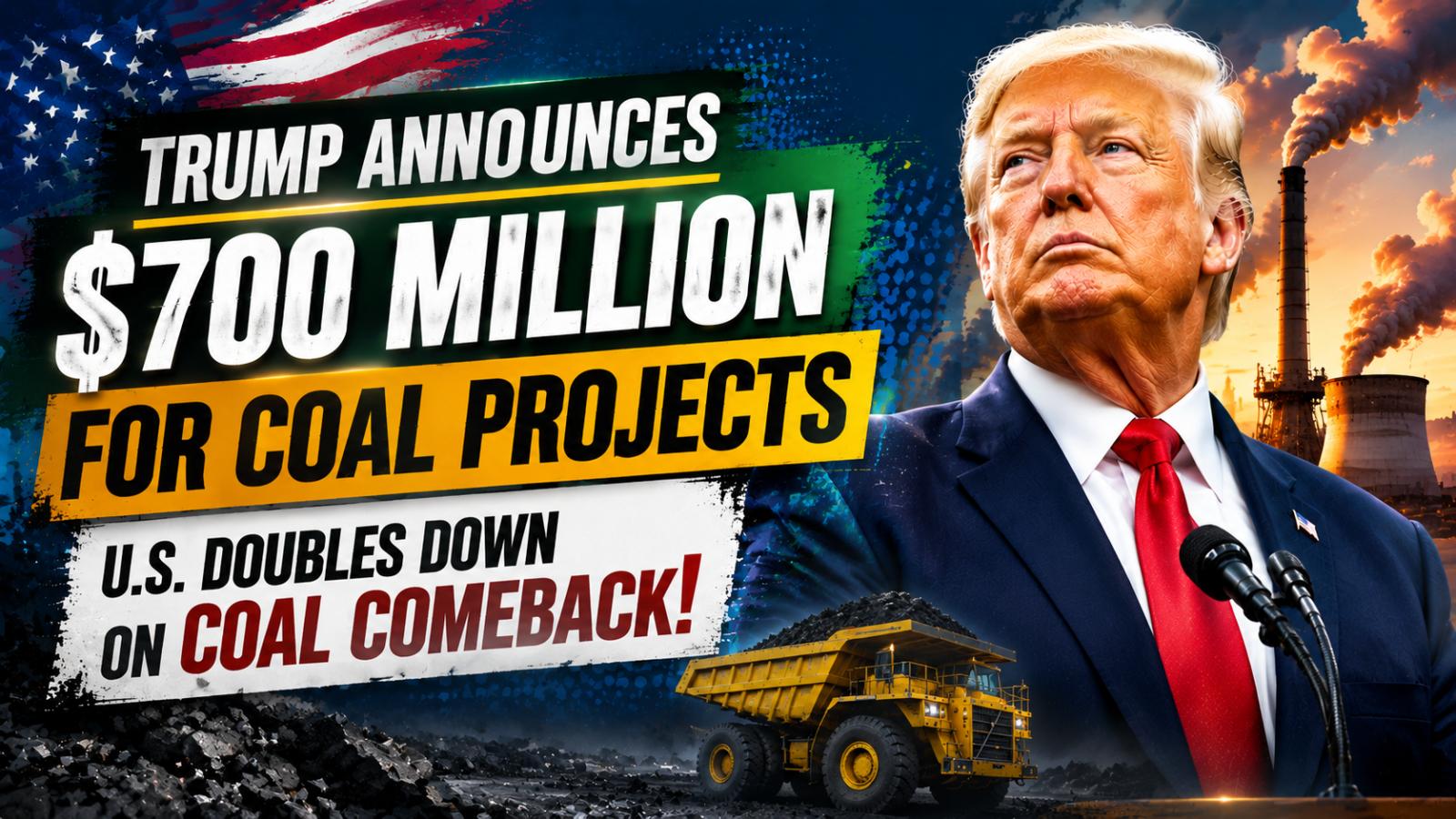
Trump Expands Coal Funding US President Donald Trump has announced a $700 million initiative to expand coal production and support coal-related projects across ten US states. The funding aims to keep over a dozen coal plants operational, support 42 coal mines, build two new coal plants, and develop a coal export terminal. This effort, executed under the Defence Production Act, underscores the administration?
Trump Pushes $700M Coal Expansion Despite Climate Concerns
Trump Expands Coal Funding US President Donald Trump has announced a $700 million initiative to expand coal production and support coal-related projects across ten US states. The funding aims to keep over a dozen coal plants operational, support 42 coal mines, build two new coal plants, and develop a coal export terminal. This effort, executed under the Defence Production Act, underscores the administration?
BJP Hits Back at Rahul Gandhi Over PM Narendra Modi Remarks
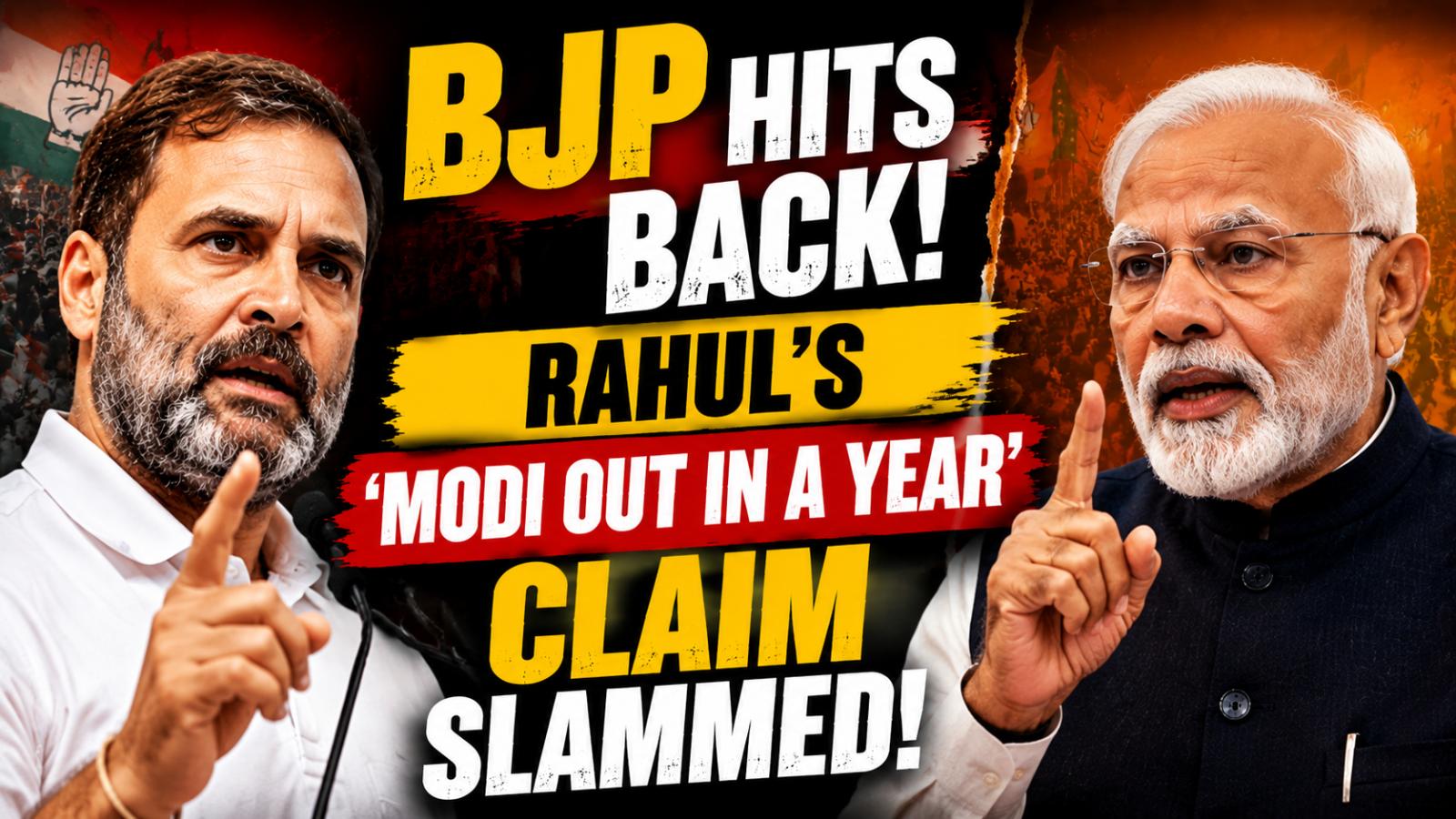
BJP Responds to Rahul Gandhi’s Statement The Bharatiya Janata Party (BJP) sharply criticized Congress leader Rahul Gandhi after he claimed that Prime Minister Narendra Modi will not remain in power in a year. Rahul Gandhi, the Leader of Opposition in the Lok Sabha, stated that the system Modi once controlled is now collapsing internally and suggested that the government may attempt to suppress public pres
BJP Hits Back at Rahul Gandhi Over PM Narendra Modi Remarks
BJP Responds to Rahul Gandhi’s Statement The Bharatiya Janata Party (BJP) sharply criticized Congress leader Rahul Gandhi after he claimed that Prime Minister Narendra Modi will not remain in power in a year. Rahul Gandhi, the Leader of Opposition in the Lok Sabha, stated that the system Modi once controlled is now collapsing internally and suggested that the government may attempt to suppress public pres
US House Votes to End Iran War Amid Trump Tensions
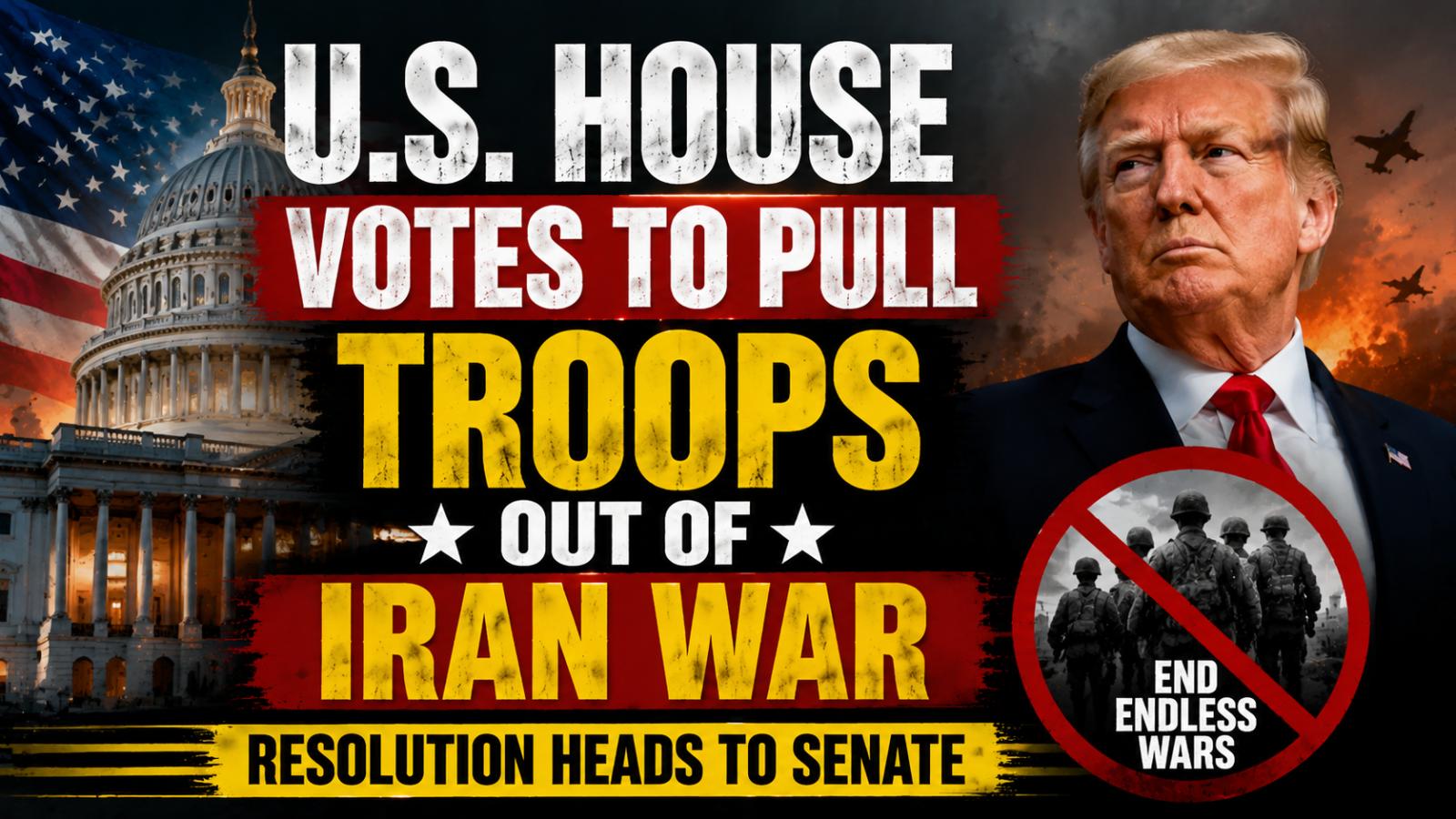
US House Approves Resolution to End Iran War The US House of Representatives on Wednesday, June 4, passed a resolution ordering the withdrawal of American troops from Iran, marking a rare bipartisan move in the Republican-controlled chamber. Four Republican members joined Democrats in backing the measure, which passed 215-208 and now moves to the Senate for debate. The resolution, part of the War Powers Resolution framework, seeks t
US House Votes to End Iran War Amid Trump Tensions
US House Approves Resolution to End Iran War The US House of Representatives on Wednesday, June 4, passed a resolution ordering the withdrawal of American troops from Iran, marking a rare bipartisan move in the Republican-controlled chamber. Four Republican members joined Democrats in backing the measure, which passed 215-208 and now moves to the Senate for debate. The resolution, part of the War Powers Resolution framework, seeks t
Trump to Headline 250th Independence Day Celebration
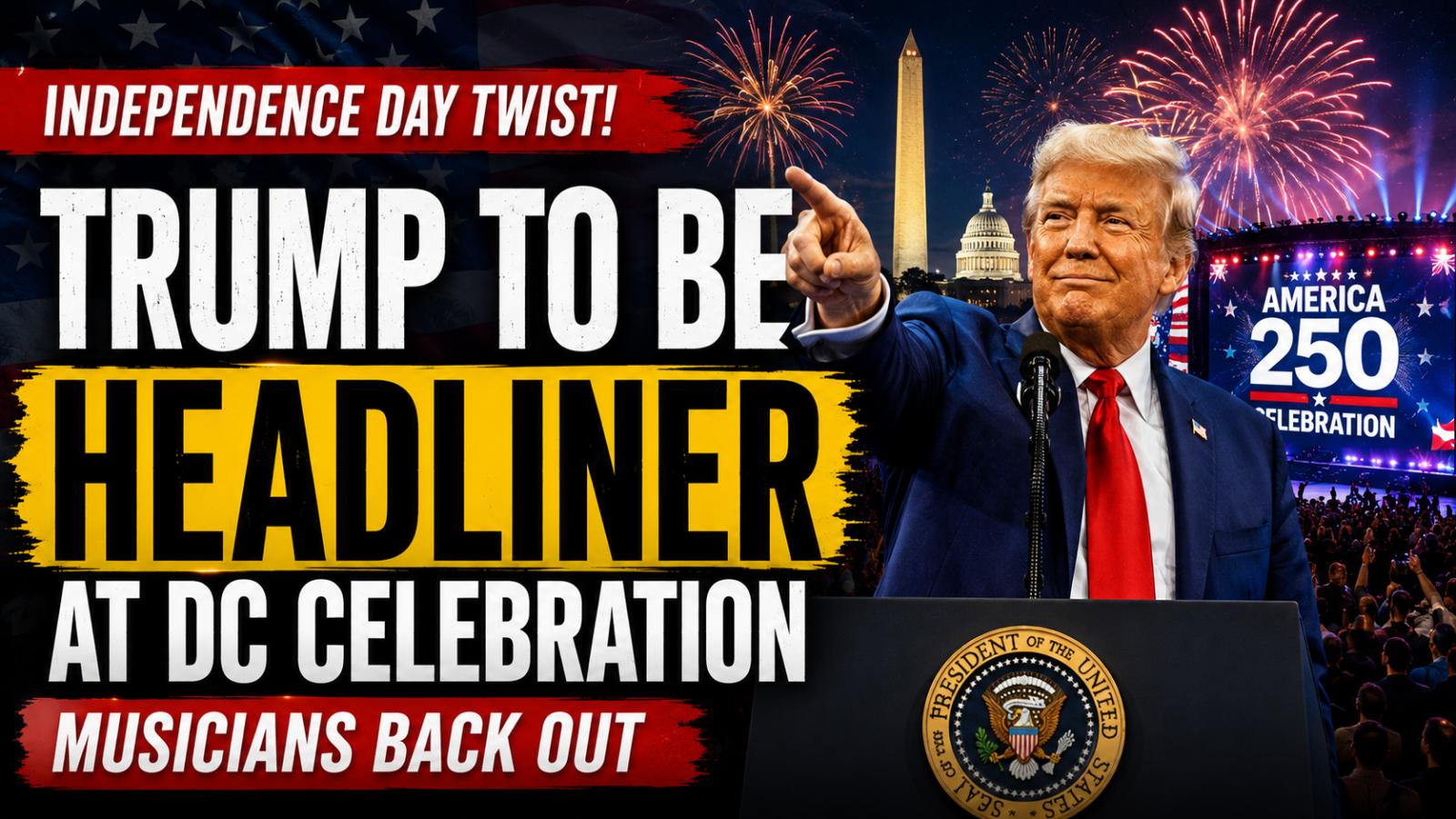
Trump Headlines 250th Independence Day Event US President Donald Trump announced he will serve as the headline attraction for a major Independence Day celebration on the National Mall in Washington, D.C., following the withdrawal of several performers who cited political concerns. The event, part of activities marking the 250th anniversary of American independence, will include speeches, cultural displays f
Trump to Headline 250th Independence Day Celebration
Trump Headlines 250th Independence Day Event US President Donald Trump announced he will serve as the headline attraction for a major Independence Day celebration on the National Mall in Washington, D.C., following the withdrawal of several performers who cited political concerns. The event, part of activities marking the 250th anniversary of American independence, will include speeches, cultural displays f

Romanian Residents Injured in Cross-Border Drone Attack
Late on May 28-29, a Russian drone struck a residential building in Galati, Romania, causing a fire and injuring two civilians. Romanian authorities described the event as extremely serious and summoned the Russian ambassador for explanation. The strike marks a notable escalation of regional tensions and highlights risks to civilian areas in Eastern Europe. Romanian Government Response President Nicusor Dan convened the
Romanian Residents Injured in Cross-Border Drone Attack
Late on May 28-29, a Russian drone struck a residential building in Galati, Romania, causing a fire and injuring two civilians. Romanian authorities described the event as extremely serious and summoned the Russian ambassador for explanation. The strike marks a notable escalation of regional tensions and highlights risks to civilian areas in Eastern Europe. Romanian Government Response President Nicusor Dan convened the
Delhi High Court Keeps Cockroach Janta Party X Account Suspended
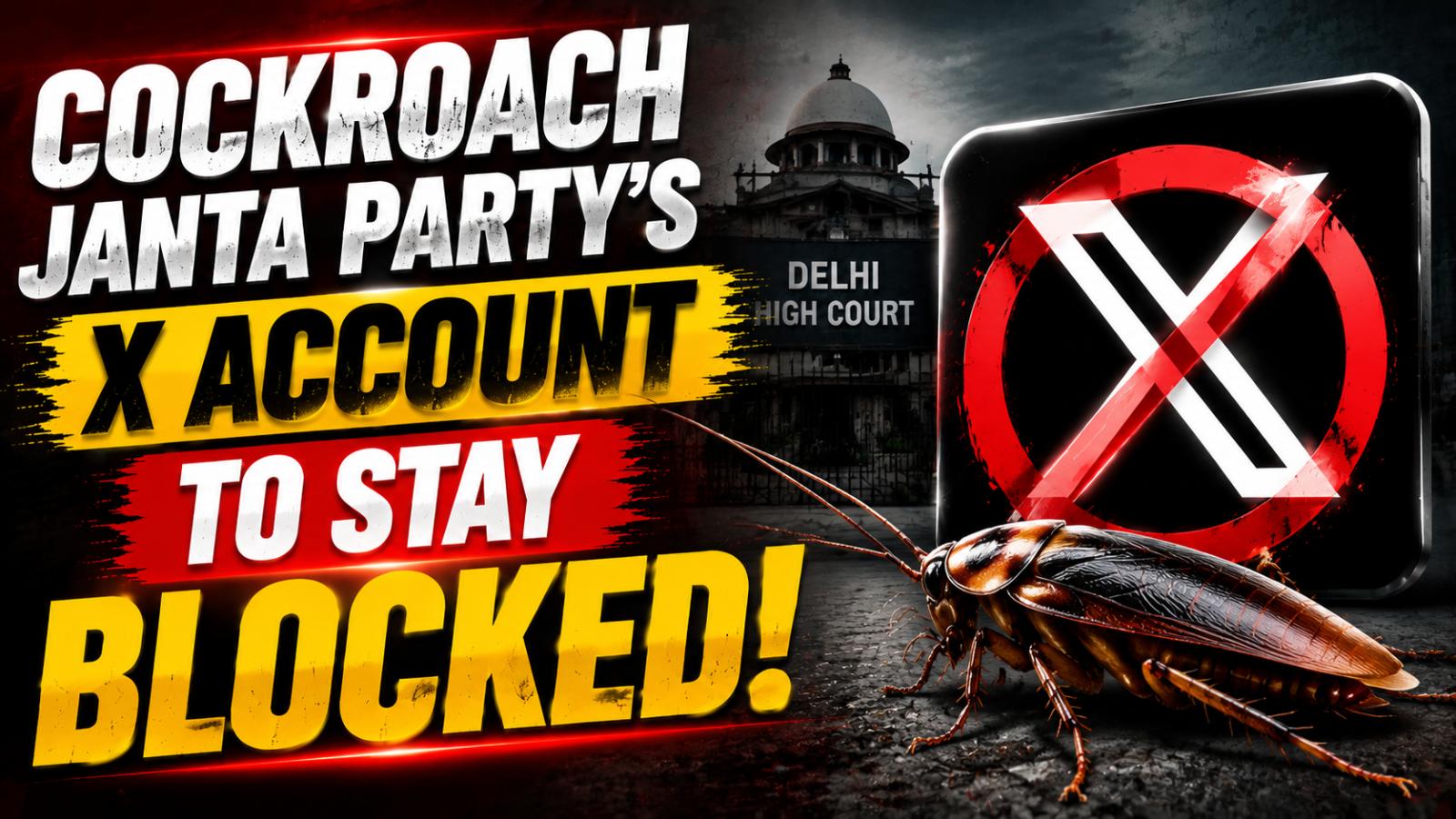
The Delhi High Court on May 29, 2026, decided to keep the Cockroach Janta Party’s X account blocked, declining the urgent plea for immediate restoration submitted by the party’s founder Abhijeet Dipke. The court has referred the matter to a review committee constituted under India’s Information Technology rules to examine the legality of the account suspension. Justice Purushaindra Kumar Kaurav observed that while the case involves national security concerns, it requires careful scrutiny before any restoration order can be granted. The X account of the viral political satire movement remains inactive for now, leaving thousands of followers and content contributors unable to access the party’s updates. The plea filed by Dipke challenged the suspension of the account by the government, citing lack of transparency and procedural fairness. Senior Advocate Akhil Sibal, representing Dipke, argued that authorities could have restricted objectionable posts instead of blocking the entire account. He highlighted the absence of prior notice or a chance for the account holder to respond, pointing out that such actions potentially infringe on freedom of expression. Dipke is currently outside India and his legal team requested permission to participate in future proceedings through video conferencing. The court noted that the review committee will decide how to proceed, in accordance with law, and may consider Dipke’s video participation as part of its evaluation. The government, represented by Solicitor General Tushar Mehta, opposed the plea and emphasized that the suspension was necessary for national security reasons. The court observed that the current case might differ from previous disputes involving social media account blocks because the objection relates to the account’s overall activities rather than individual posts. Furthermore, the court indicated that neither the petitioner nor it had seen the formal blocking order, and additional directions regarding the production of records may be considered in the future. Why The Account Remains Blocked The Cockroach Janta Party’s X account was suspended due to concerns over content that the authorities deemed a threat to national security. While the specific posts causing concern have not been disclosed, the court directed the Review Committee to examine the matter comprehensively. The interim decision ensures that no content from the account is restored until a thorough legal review is completed. Legal experts note that the case reflects evolving challenges in balancing freedom of speech with online content regulation in India. By not granting interim relief, the Delhi High Court has signaled that careful procedural evaluation is necessary before any order affecting national security can be implemented. The outcome of this review has implications for social media governance, online political expression, and the responsibilities of platforms in India. The decision to keep the account blocked may also influence public perception and user engagement, particularly among supporters of the Cockroach Janta Party who use X as a major communication channel. Analysts note that while the legal challenge progresses, authorities and social media platforms are expected to coordinate closely with the review committee to ensure compliance with both national security protocols and principles of transparency. Next Steps In The Legal Process The Delhi High Court has asked the review committee to examine the case and report its findings. Once the committee submits its evaluation, the court will decide whether partial or full restoration of the account is permissible. Meanwhile, the government and the social media platform are required to comply with legal notices and provide records as requested by the review panel. The process will determine not only the immediate status of the Cockroach Janta Party X account but also set a precedent for future cases involving political satire and social media moderation in India. Abhijeet Dipke’s legal team has emphasized that the account is crucial for the party’s communication and that blocking it entirely may set a dangerous precedent for freedom of expression online. The ongoing proceedings are being closely monitored by media outlets, legal experts, and political commentators. Until the review committee completes its report, the account remains inaccessible, and the court has yet to make any decision on partial or temporary access. The case underscores the complex interplay between regulatory authority, judicial oversight, and the rights of online content creators in India. The Delhi High Court’s decision to maintain the block on the Cockroach Janta Party’s X account reflects the seriousness with which national security concerns are treated. While supporters may be frustrated, the court’s insistence on review ensures that any future restoration is grounded in due legal process. The outcome will likely influence not only the party’s online strategy but also broader regulatory approaches toward social media accounts involved in political satire, civic activism, or content deemed sensitive by the authorities.
Delhi High Court Keeps Cockroach Janta Party X Account Suspended
The Delhi High Court on May 29, 2026, decided to keep the Cockroach Janta Party’s X account blocked, declining the urgent plea for immediate restoration submitted by the party’s founder Abhijeet Dipke. The court has referred the matter to a review committee constituted under India’s Information Technology rules to examine the legality of the account suspension. Justice Purushaindra Kumar Kaurav observed that while the case involves national security concerns, it requires careful scrutiny before any restoration order can be granted. The X account of the viral political satire movement remains inactive for now, leaving thousands of followers and content contributors unable to access the party’s updates. The plea filed by Dipke challenged the suspension of the account by the government, citing lack of transparency and procedural fairness. Senior Advocate Akhil Sibal, representing Dipke, argued that authorities could have restricted objectionable posts instead of blocking the entire account. He highlighted the absence of prior notice or a chance for the account holder to respond, pointing out that such actions potentially infringe on freedom of expression. Dipke is currently outside India and his legal team requested permission to participate in future proceedings through video conferencing. The court noted that the review committee will decide how to proceed, in accordance with law, and may consider Dipke’s video participation as part of its evaluation. The government, represented by Solicitor General Tushar Mehta, opposed the plea and emphasized that the suspension was necessary for national security reasons. The court observed that the current case might differ from previous disputes involving social media account blocks because the objection relates to the account’s overall activities rather than individual posts. Furthermore, the court indicated that neither the petitioner nor it had seen the formal blocking order, and additional directions regarding the production of records may be considered in the future. Why The Account Remains Blocked The Cockroach Janta Party’s X account was suspended due to concerns over content that the authorities deemed a threat to national security. While the specific posts causing concern have not been disclosed, the court directed the Review Committee to examine the matter comprehensively. The interim decision ensures that no content from the account is restored until a thorough legal review is completed. Legal experts note that the case reflects evolving challenges in balancing freedom of speech with online content regulation in India. By not granting interim relief, the Delhi High Court has signaled that careful procedural evaluation is necessary before any order affecting national security can be implemented. The outcome of this review has implications for social media governance, online political expression, and the responsibilities of platforms in India. The decision to keep the account blocked may also influence public perception and user engagement, particularly among supporters of the Cockroach Janta Party who use X as a major communication channel. Analysts note that while the legal challenge progresses, authorities and social media platforms are expected to coordinate closely with the review committee to ensure compliance with both national security protocols and principles of transparency. Next Steps In The Legal Process The Delhi High Court has asked the review committee to examine the case and report its findings. Once the committee submits its evaluation, the court will decide whether partial or full restoration of the account is permissible. Meanwhile, the government and the social media platform are required to comply with legal notices and provide records as requested by the review panel. The process will determine not only the immediate status of the Cockroach Janta Party X account but also set a precedent for future cases involving political satire and social media moderation in India. Abhijeet Dipke’s legal team has emphasized that the account is crucial for the party’s communication and that blocking it entirely may set a dangerous precedent for freedom of expression online. The ongoing proceedings are being closely monitored by media outlets, legal experts, and political commentators. Until the review committee completes its report, the account remains inaccessible, and the court has yet to make any decision on partial or temporary access. The case underscores the complex interplay between regulatory authority, judicial oversight, and the rights of online content creators in India. The Delhi High Court’s decision to maintain the block on the Cockroach Janta Party’s X account reflects the seriousness with which national security concerns are treated. While supporters may be frustrated, the court’s insistence on review ensures that any future restoration is grounded in due legal process. The outcome will likely influence not only the party’s online strategy but also broader regulatory approaches toward social media accounts involved in political satire, civic activism, or content deemed sensitive by the authorities.
Venezuela Prison Protest Erupts as Barinas Inmates Allege Abuse and Demand Justice
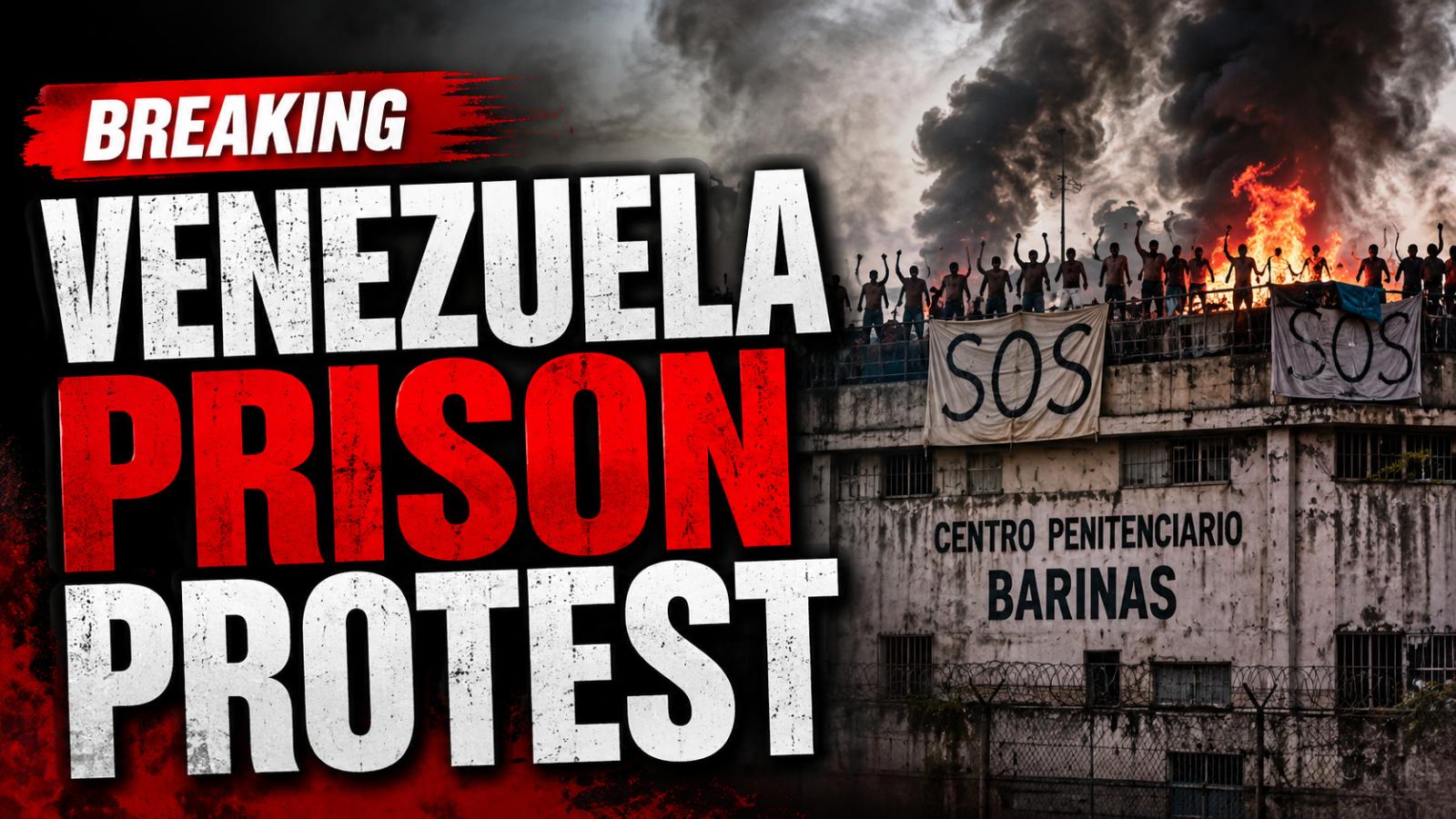
Inmates Take Protest to Prison Roof A major protest broke out at the Barinas Judicial Internment Centre in western Venezuela after inmates accused prison staff of abuse, violence and harsh treatment. Hundreds of prisoners climbed onto the roof of the facility, burned mattresses and sheets, and raised SOS banners asking for help. The protest created a tense scene inside the jail as thick smoke rose from the buildi
Venezuela Prison Protest Erupts as Barinas Inmates Allege Abuse and Demand Justice
Inmates Take Protest to Prison Roof A major protest broke out at the Barinas Judicial Internment Centre in western Venezuela after inmates accused prison staff of abuse, violence and harsh treatment. Hundreds of prisoners climbed onto the roof of the facility, burned mattresses and sheets, and raised SOS banners asking for help. The protest created a tense scene inside the jail as thick smoke rose from the buildi

Veterans Urge Correct Flag Etiquette for Memorial Day
Memorial Day Flag Tradition Often Overlooked As Americans observe Memorial Day weekend, veterans' groups note that many miss a key tradition: the proper display of the U.S. flag. The most common mistake is not lowering the flag to half-staff until noon before raising it to full staff, a symbolic gesture honoring service members who gave their lives for the country.
Veterans Urge Correct Flag Etiquette for Memorial Day
Memorial Day Flag Tradition Often Overlooked As Americans observe Memorial Day weekend, veterans' groups note that many miss a key tradition: the proper display of the U.S. flag. The most common mistake is not lowering the flag to half-staff until noon before raising it to full staff, a symbolic gesture honoring service members who gave their lives for the country.
Federal Judge Upholds Presidential Records Act Against Trump
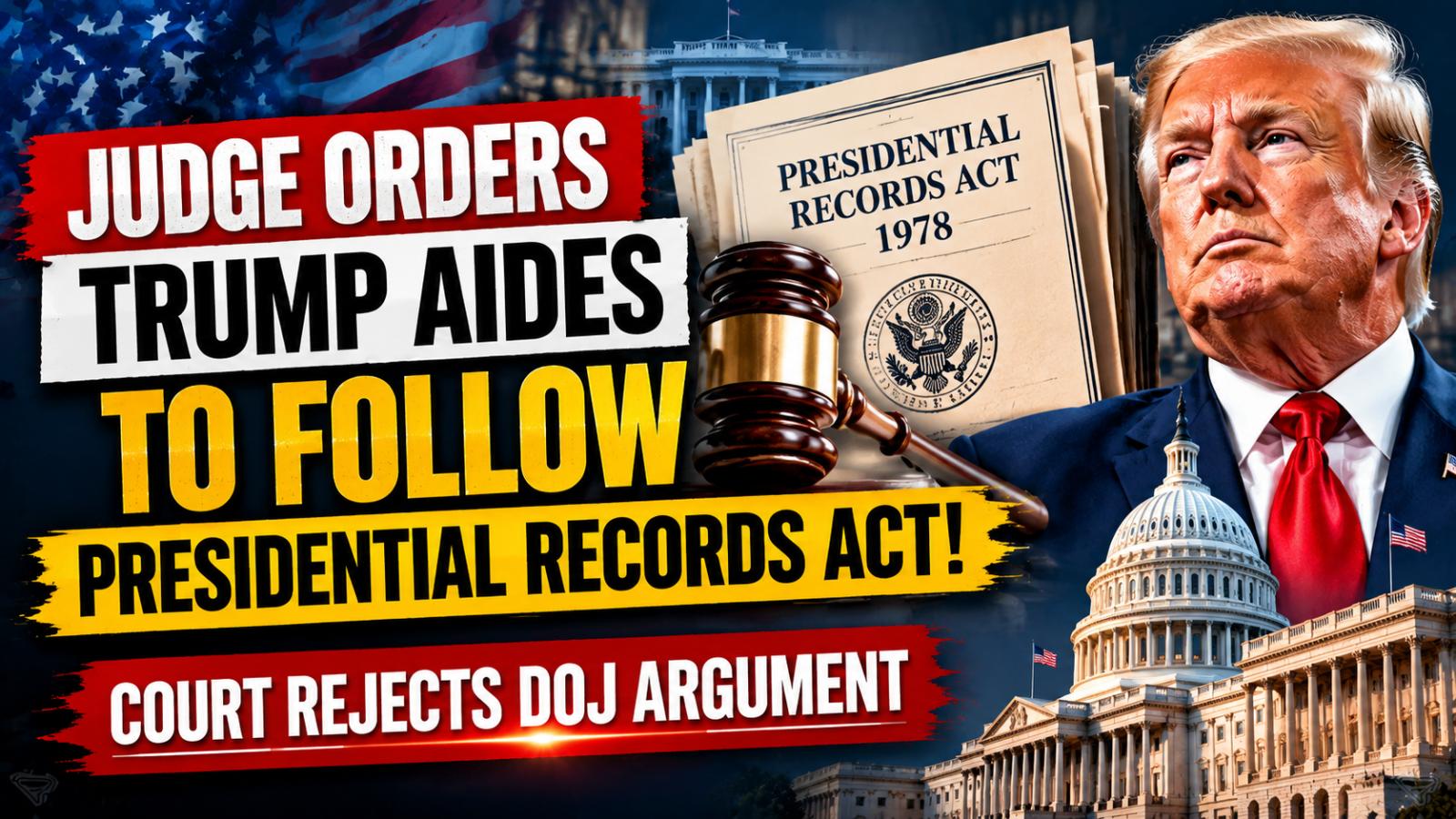
Judge Enforces Compliance With Presidential Records Act A federal judge on May 22,2026 has ruled that aides to President Donald Trump must comply with the Presidential Records Act, rejecting claims that the decades-old law infringes on presidential authority. U.S. District Judge John Bates opened his ruling with a quote from George Orwell’s 1984, emphasizing the importance of government records for accountabi
Federal Judge Upholds Presidential Records Act Against Trump
Judge Enforces Compliance With Presidential Records Act A federal judge on May 22,2026 has ruled that aides to President Donald Trump must comply with the Presidential Records Act, rejecting claims that the decades-old law infringes on presidential authority. U.S. District Judge John Bates opened his ruling with a quote from George Orwell’s 1984, emphasizing the importance of government records for accountabi
Cockroach Janta Party Founder’s Parents Fear Arrest After Viral Rise
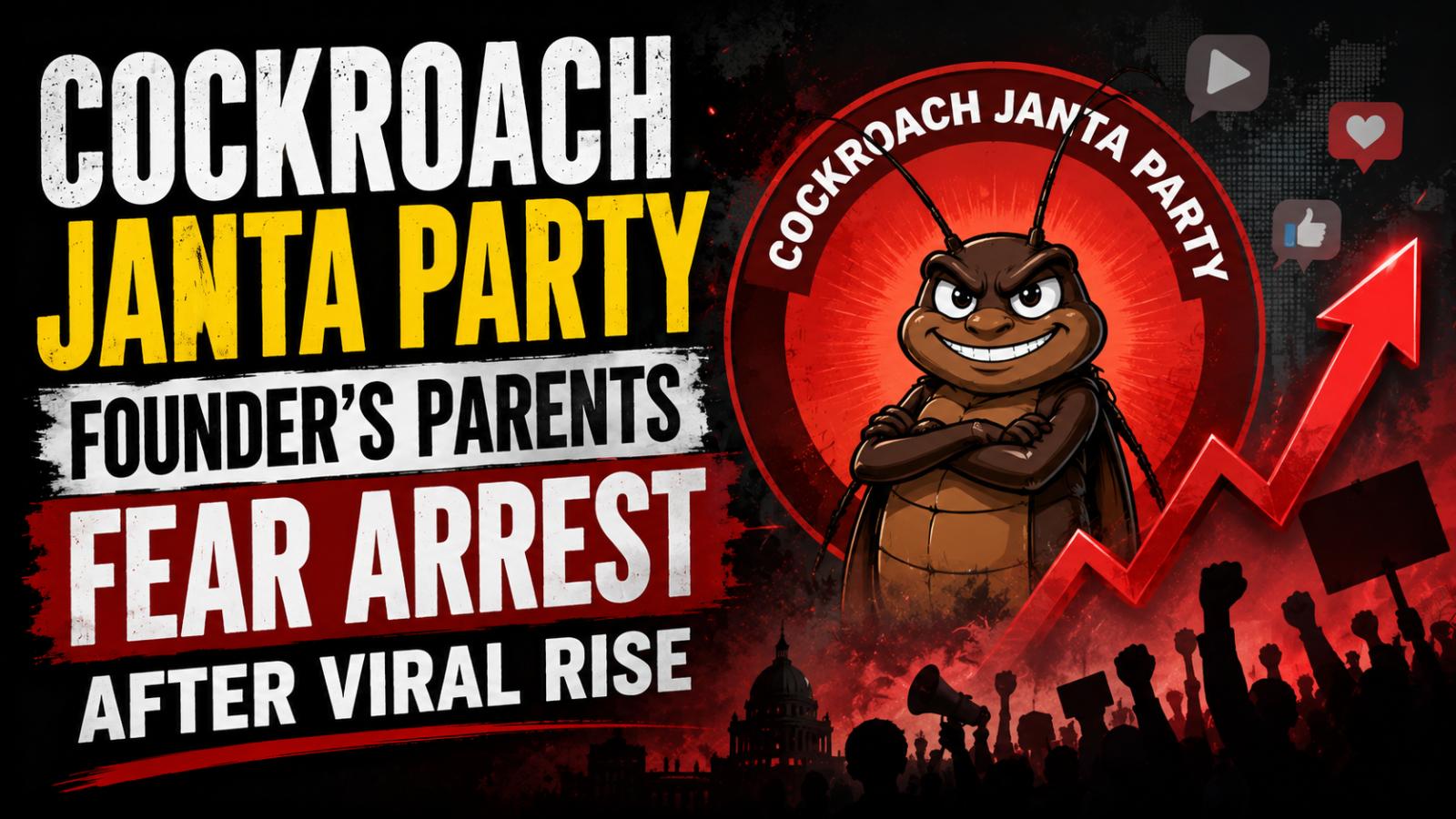
Cockroach Janta Party’s sudden viral rise has made founder Abhijeet Dipke a social media sensation, but his parents fear the political satire platform may land him in trouble. The sudden rise of the satirical digital platform Cockroach Janta Party has turned its founder Abhijeet Dipke into a social media talking point, but back home in Maharashtra, his parents are losing sleep over what this unexpected fame could bring next. The platform, popularly known as CJP,
Cockroach Janta Party Founder’s Parents Fear Arrest After Viral Rise
Cockroach Janta Party’s sudden viral rise has made founder Abhijeet Dipke a social media sensation, but his parents fear the political satire platform may land him in trouble. The sudden rise of the satirical digital platform Cockroach Janta Party has turned its founder Abhijeet Dipke into a social media talking point, but back home in Maharashtra, his parents are losing sleep over what this unexpected fame could bring next. The platform, popularly known as CJP,
250th Independence Day Festivities Highlight Christian Heritage
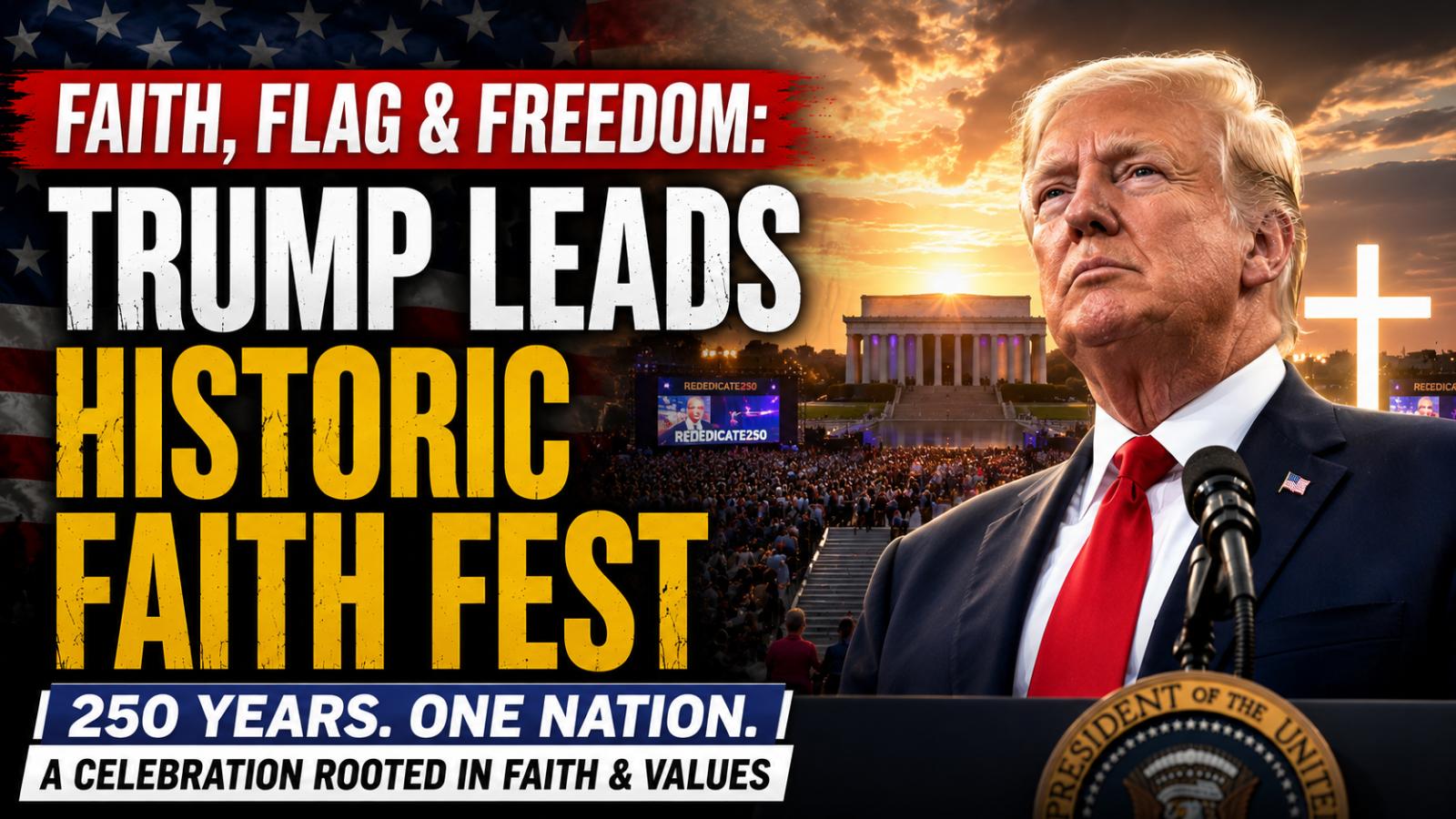
Sunrise Prayer Marks the Semiquincentennial Opening The unofficial opening of the American semiquincentennial on the National Mall began with a prayer at sunrise, followed by a day of hallelujahs and amens on May 17,2026. The “Rededicate 250” program featured a video greeting by President Donald Trump and speeches, in person or recorded, from Secretary of State Marco Rubio, Pentagon chief Pete Hegseth, and House Speaker
250th Independence Day Festivities Highlight Christian Heritage
Sunrise Prayer Marks the Semiquincentennial Opening The unofficial opening of the American semiquincentennial on the National Mall began with a prayer at sunrise, followed by a day of hallelujahs and amens on May 17,2026. The “Rededicate 250” program featured a video greeting by President Donald Trump and speeches, in person or recorded, from Secretary of State Marco Rubio, Pentagon chief Pete Hegseth, and House Speaker
Revanth Reddy: Telangana CM Eyes National Politics
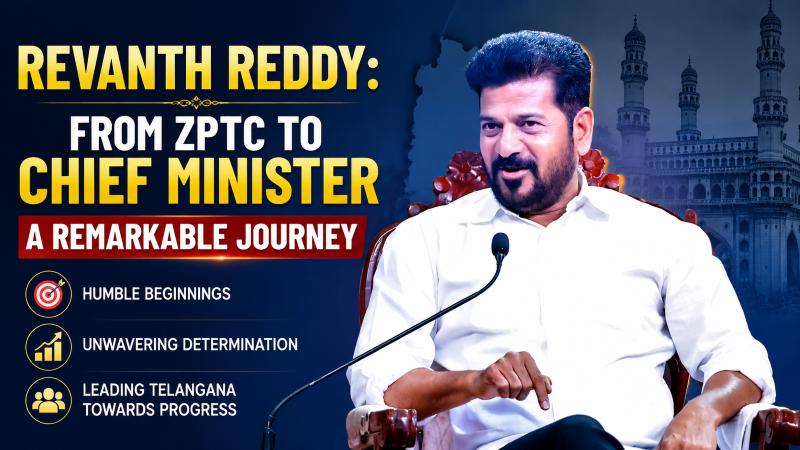
Telangana Chief Minister Revanth Reddy has had a remarkable political journey — from holding a local ZPTC position to becoming the chief minister of Telangana. Yet, his ambitions appear to extend beyond the state. At a recent media conclave, Revanth Reddy candidly shared his aspirations for national politics. “I wish to be the chief minister of Telangana till 2034, and then I have the aspirations of moving to national politics. My journe
Revanth Reddy: Telangana CM Eyes National Politics
Telangana Chief Minister Revanth Reddy has had a remarkable political journey — from holding a local ZPTC position to becoming the chief minister of Telangana. Yet, his ambitions appear to extend beyond the state. At a recent media conclave, Revanth Reddy candidly shared his aspirations for national politics. “I wish to be the chief minister of Telangana till 2034, and then I have the aspirations of moving to national politics. My journe
Trump Campaign Deletes TikTok After ‘President Zi’ Typo
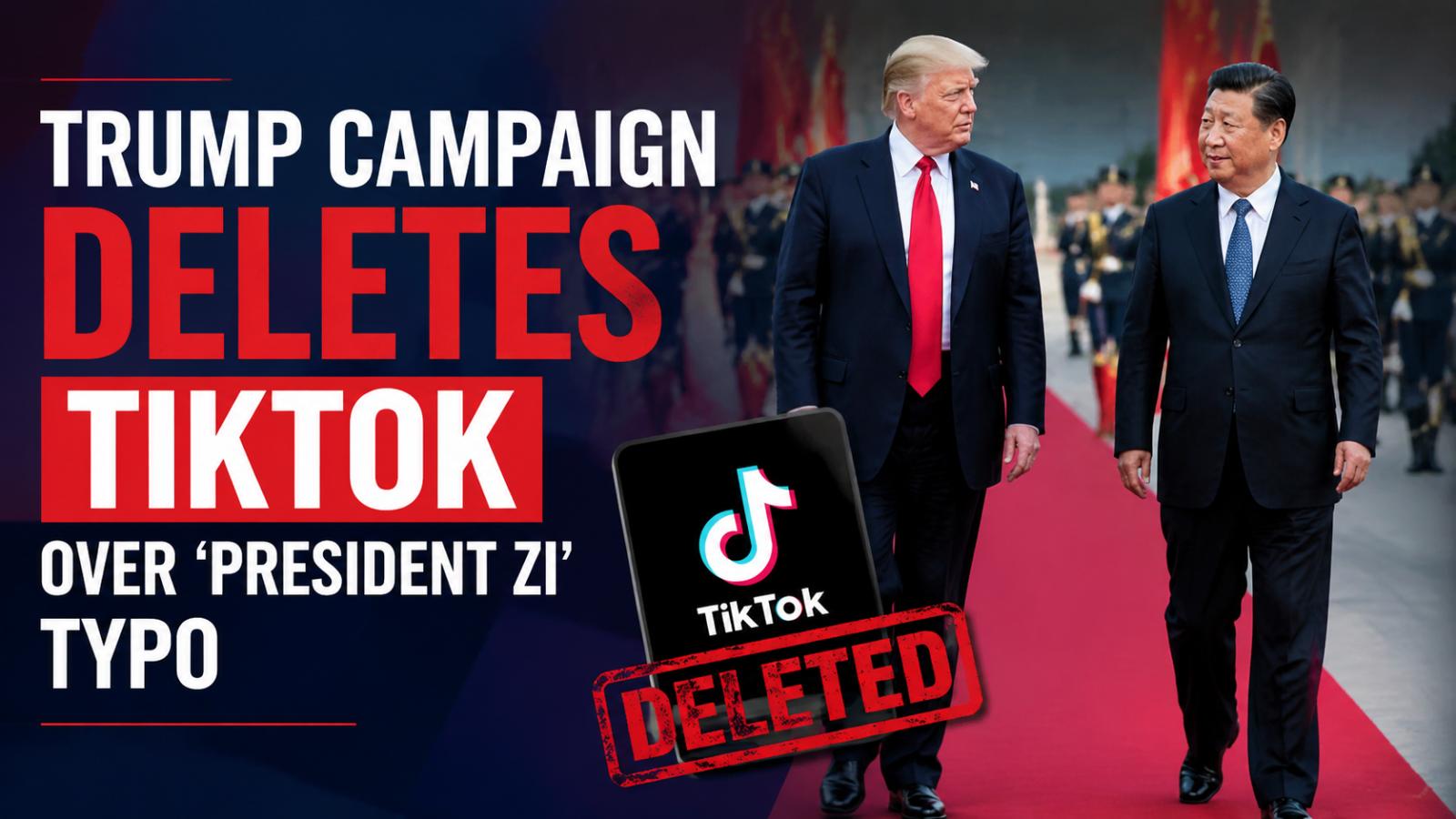
A TikTok video posted by the Donald Trump campaign was quickly deleted after viewers noticed a glaring spelling error. The clip, showing Donald Trump and Chinese President Xi Jinping walking on a red carpet during Trump’s state visit to China, mislabelled Xi as “President Zi” while Trump’s name appeared correctly. Screenshots of the post circulated rapidly across social media, amplifying the mistake. Public Reaction: Criticism and H
Trump Campaign Deletes TikTok After ‘President Zi’ Typo
A TikTok video posted by the Donald Trump campaign was quickly deleted after viewers noticed a glaring spelling error. The clip, showing Donald Trump and Chinese President Xi Jinping walking on a red carpet during Trump’s state visit to China, mislabelled Xi as “President Zi” while Trump’s name appeared correctly. Screenshots of the post circulated rapidly across social media, amplifying the mistake. Public Reaction: Criticism and H

Trump Allies Aim for Record-Breaking July 4 Fireworks
Record-Breaking Fireworks Planned Allies of former President Donald Trump are preparing an ambitious attempt to break the Guinness World Record for the largest fireworks display during America’s 250th Independence Day celebration in Washington, D.C. Organizers plan more than 30 minutes of nonstop fireworks on July 4, nearly doubling the length of last year’s National Mall show. To surpass the current record, set in the
Trump Allies Aim for Record-Breaking July 4 Fireworks
Record-Breaking Fireworks Planned Allies of former President Donald Trump are preparing an ambitious attempt to break the Guinness World Record for the largest fireworks display during America’s 250th Independence Day celebration in Washington, D.C. Organizers plan more than 30 minutes of nonstop fireworks on July 4, nearly doubling the length of last year’s National Mall show. To surpass the current record, set in the
Iran demands fair peace deal amid stalled US naval mission
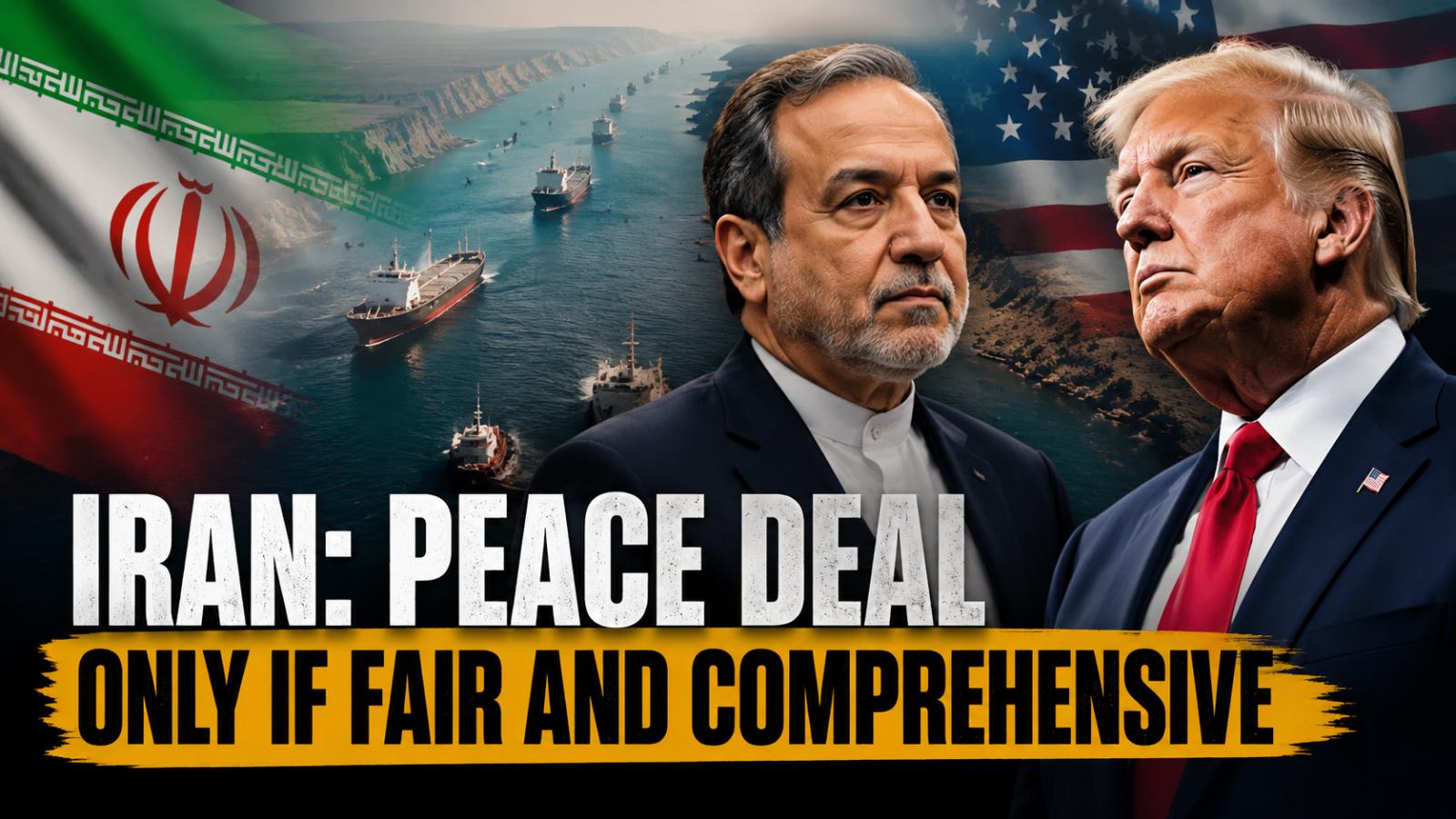
On Wednesday, May 6, Iran made it clear that it would only accept a peace deal with the United States if the agreement is "fair and comprehensive." This statement follows a recent pause in the U.S. naval operation, 'Project Freedom,' which was aimed at reopening the crucial Strait of Hormuz. The operation, which began just days earlier, failed to restore marine traffic through the vital waterway. Iran's response, however, has been one of defiance, with the country carrying out new strikes on
Iran demands fair peace deal amid stalled US naval mission
On Wednesday, May 6, Iran made it clear that it would only accept a peace deal with the United States if the agreement is "fair and comprehensive." This statement follows a recent pause in the U.S. naval operation, 'Project Freedom,' which was aimed at reopening the crucial Strait of Hormuz. The operation, which began just days earlier, failed to restore marine traffic through the vital waterway. Iran's response, however, has been one of defiance, with the country carrying out new strikes on

Punjab on High Alert After Explosions at Military Installations
Punjab was placed on heightened security alert on the night of May 5, IST after two separate explosions rocked military installations within hours of each other, one outside the BSF headquarters in Jalandhar and another near an Army camp in Amritsar. Although no casualties have been reported in either incident, the back-to-back blasts have raised alarms across security agencies, prompting a swift multi-agency response. Authorities are now investigating whether the two incidents are connected,
Punjab on High Alert After Explosions at Military Installations
Punjab was placed on heightened security alert on the night of May 5, IST after two separate explosions rocked military installations within hours of each other, one outside the BSF headquarters in Jalandhar and another near an Army camp in Amritsar. Although no casualties have been reported in either incident, the back-to-back blasts have raised alarms across security agencies, prompting a swift multi-agency response. Authorities are now investigating whether the two incidents are connected,