
















Trump Supports Proposal to Rename ICE to NICE Amid Immigration Debate
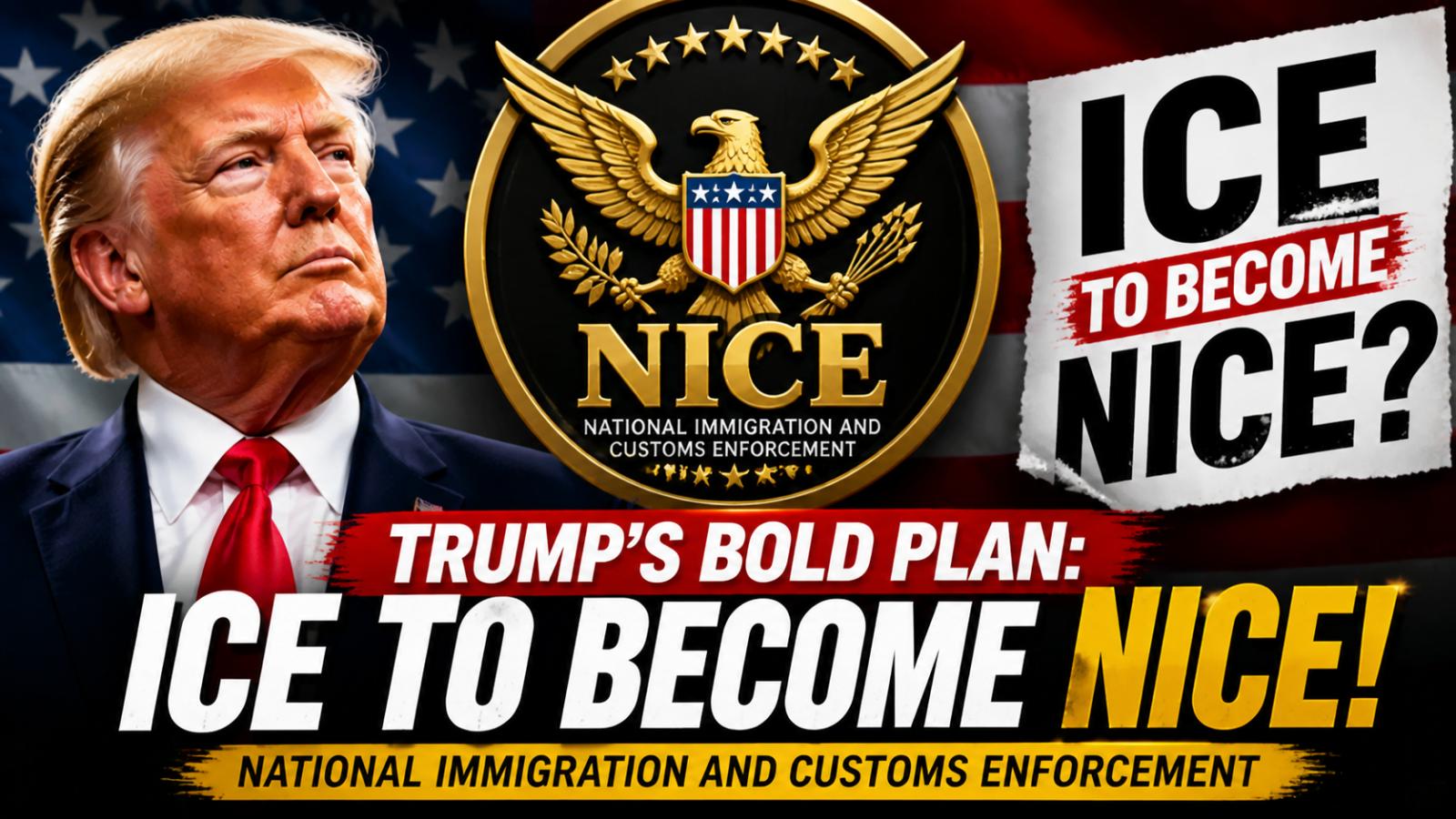
US President Donald Trump has generated significant attention on social media after sharing a proposed logo design for a rebranded version of the US Immigration and Customs Enforcement (ICE). The new design features a prominent eagle with outstretched wings, styled in gold and black, holding arrows and an olive branch. At the center, a shield with stars and stripes is flanked by stars above and below, with the acronym ‘NICE’ boldly displayed in the center. The proposal to rename ICE to th
Why is the Pentagon’s $25 billion war cost estimate questioned? Experts say it may be incomplete
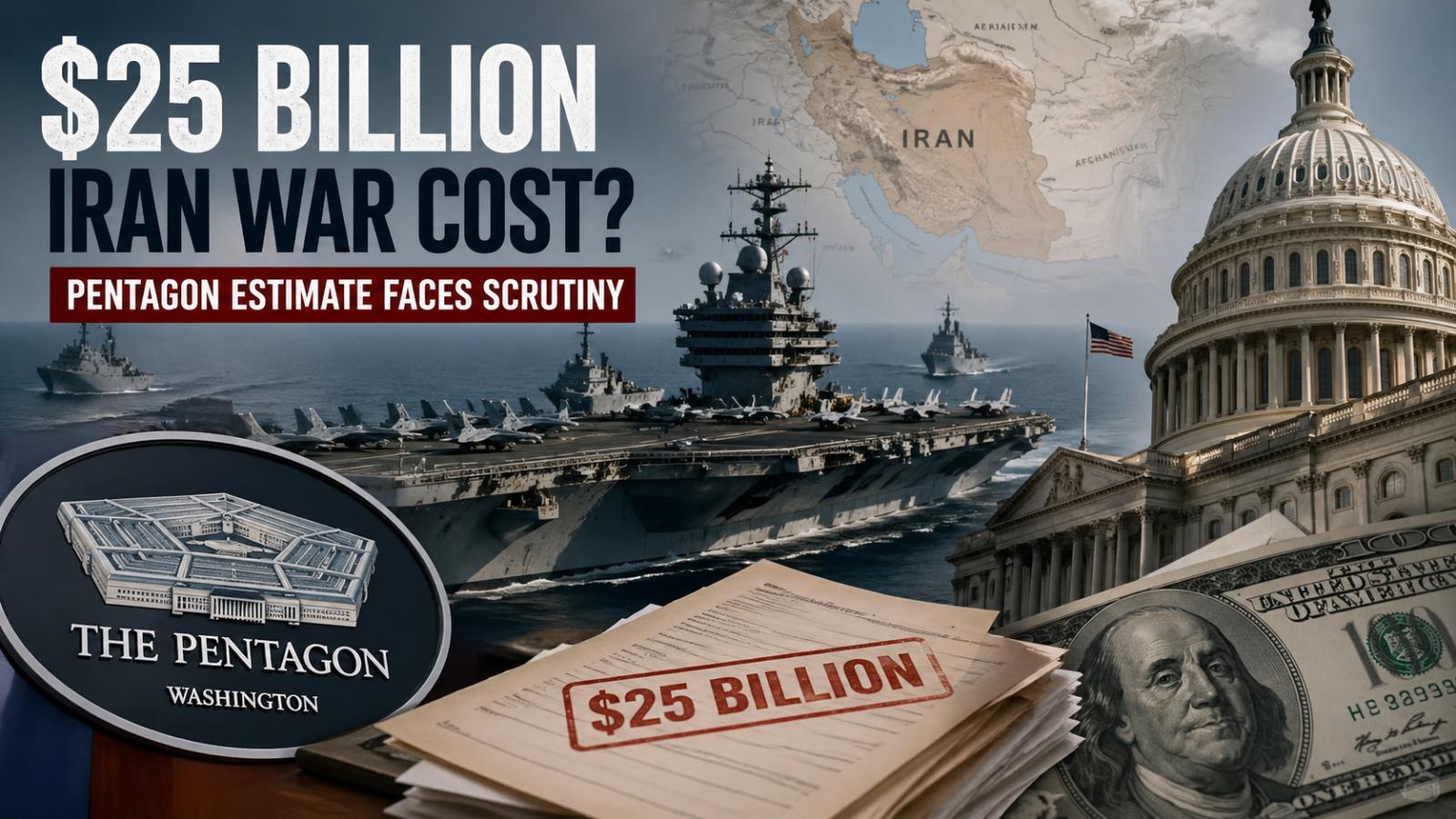
The United States Department of Defense has estimated that its ongoing military conflict with Iran has cost approximately $25 billion, but analysts and lawmakers are raising concerns that the figure may significantly understate the true financial burden. The estimate was presented during a congressional hearing on Tuesday, April 29, 2026, where Pentagon officials outlined current war-related expenditures without offering a detailed breakdown. Congressional hearing reveals l
What happened in the US Marines data breach? Hackers claim to leak thousands of records
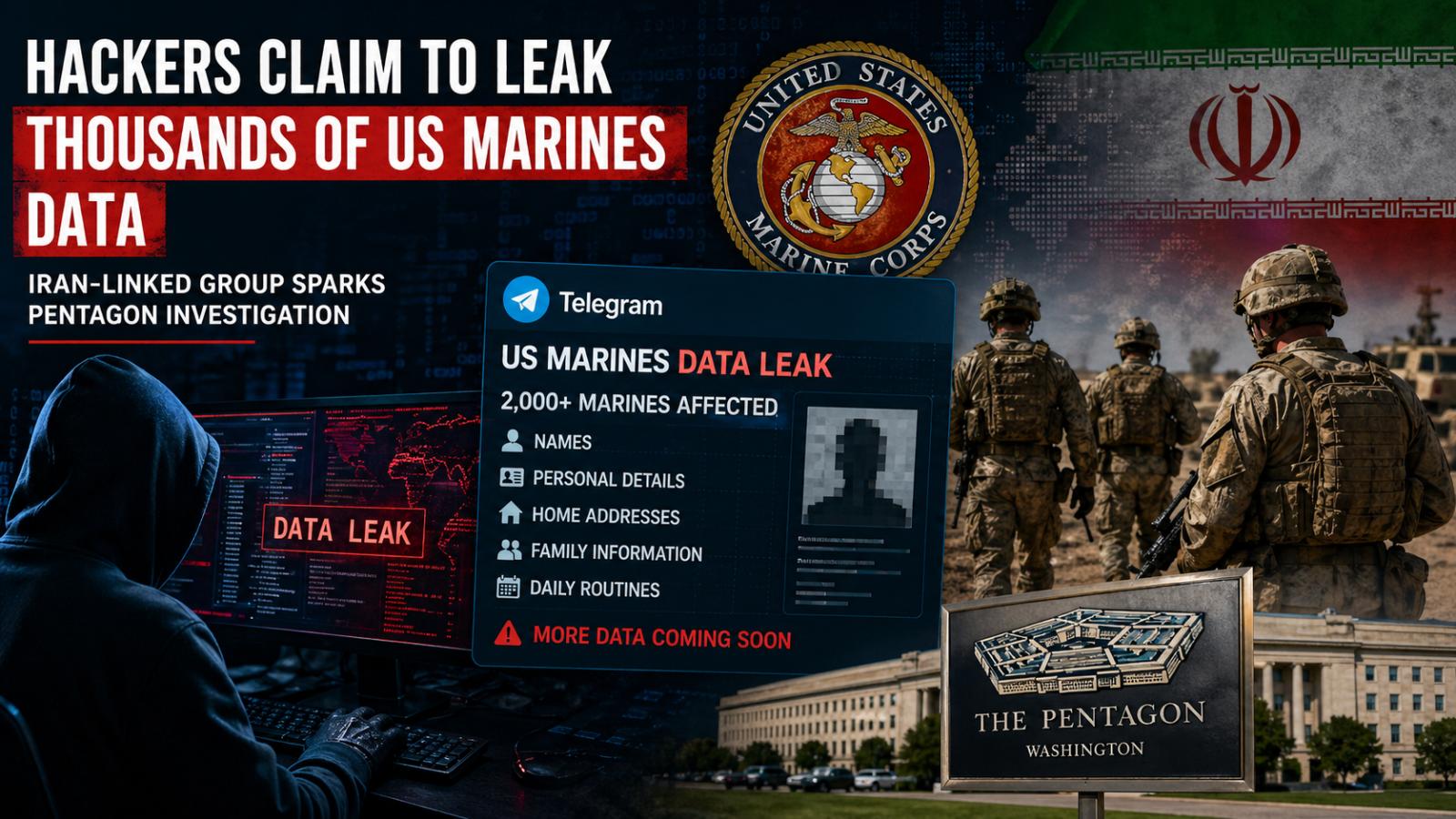
Hackers claim to leak thousands of records A hacker group reportedly linked to Iran has claimed responsibility for leaking sensitive personal data of thousands of US Marines deployed in West Asia, triggering an investigation by the US Department of Defense. Reports indicate that the breach involved the release of names and personal details belonging to more than 2,000 Marines, raising serious concerns about military cybersecurity and operational safety. According to The Wall Street Journal, the leaked dataset included records of over 2,000 personnel, while another report suggested the number could be as high as 2,379. The group claiming responsibility has been identified as Handala, also known as Hanzala, which has previously been associated with cyber activities targeting Western interests. Details of leaked information and surveillance claims The hackers reportedly published the data on a channel on Telegram, presenting it as proof of their surveillance capabilities. The exposed information allegedly includes names and potentially other identifying details of US Marines stationed in the region. Reports also indicate that US troops received warning messages via WhatsApp, claiming they were being monitored and could be targeted. The group further asserted that it possesses additional sensitive data, including home addresses, family details, and daily routines of American personnel. It warned that more information could be released in the future, escalating concerns about the safety of military members and their families. Rising geopolitical tensions amplify cybersecurity risks The reported breach comes amid heightened tensions between the United States and Iran. The incident underscores growing cybersecurity threats tied to geopolitical rivalries, particularly in regions where US forces are actively deployed. Analysts say such cyber operations can serve both as intelligence-gathering efforts and psychological pressure tactics. Trump comments add to diplomatic strain Amid these developments, Donald Trump commented on relations with Iran, stating that the country had reached out to the United States regarding reopening the Strait of Hormuz. In posts on his social media platform, Trump described Iran as being in a “state of collapse” and criticized its handling of negotiations over a non-nuclear agreement. The convergence of cyber threats and diplomatic friction highlights the evolving nature of modern conflict, where digital attacks increasingly accompany traditional geopolitical disputes.
Security Alert at White House Event Raises Concerns Over Rising Political Violence
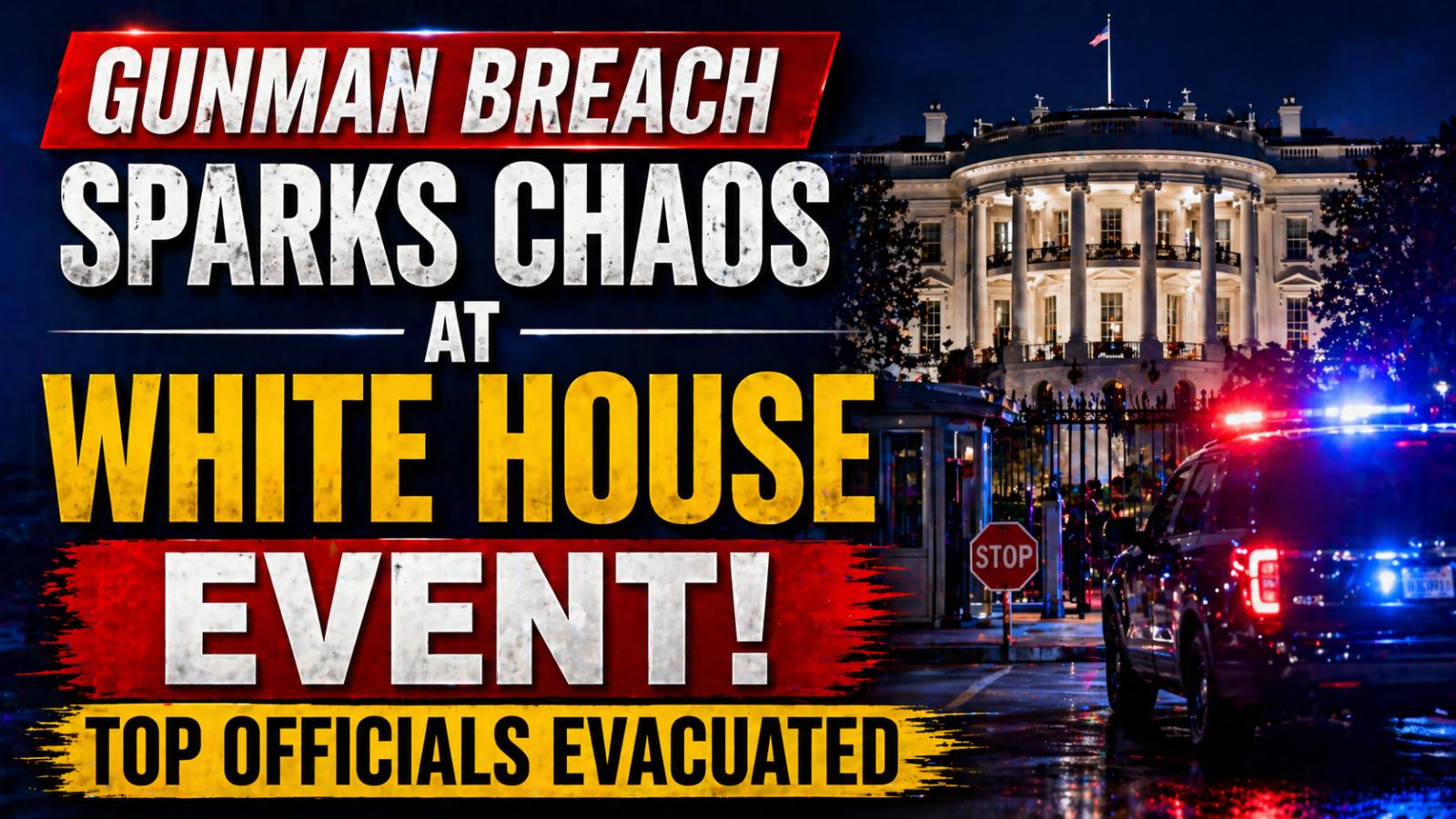
A security incident disrupted a high-profile gathering in Washington, D.C., after a gunman reportedly breached a checkpoint during an event attended by senior US officials on Apr . Authorities confirmed that the situation prompted an immediate evacuation of key figures, including the president, vice president, and senior law enforcement leadership. Secret Service personnel secured the area within minutes and escorted attendees to safety, preventing further escalation. Preliminary in
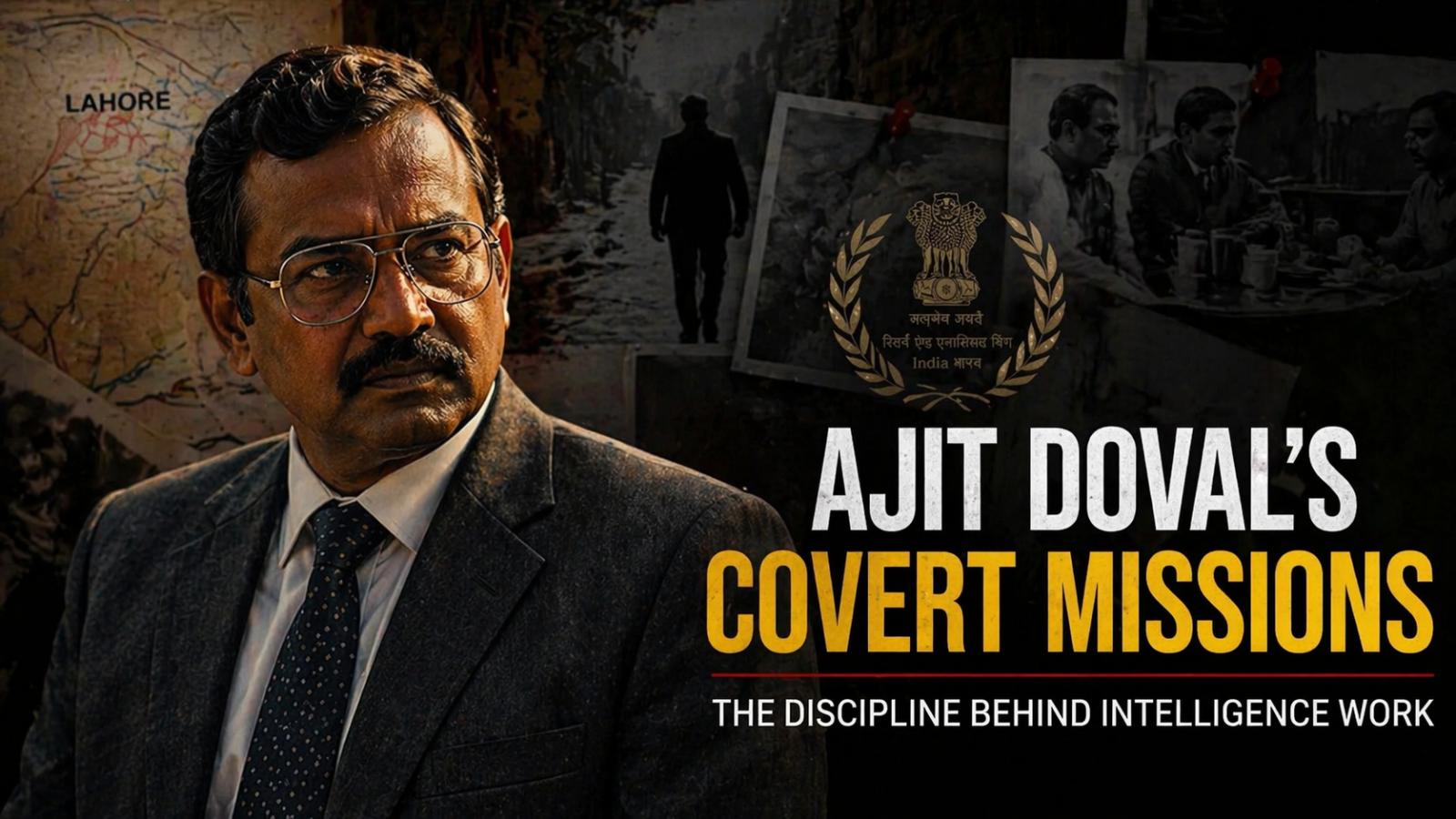
Ajit Doval’s covert operations reveal the discipline behind intelligence work
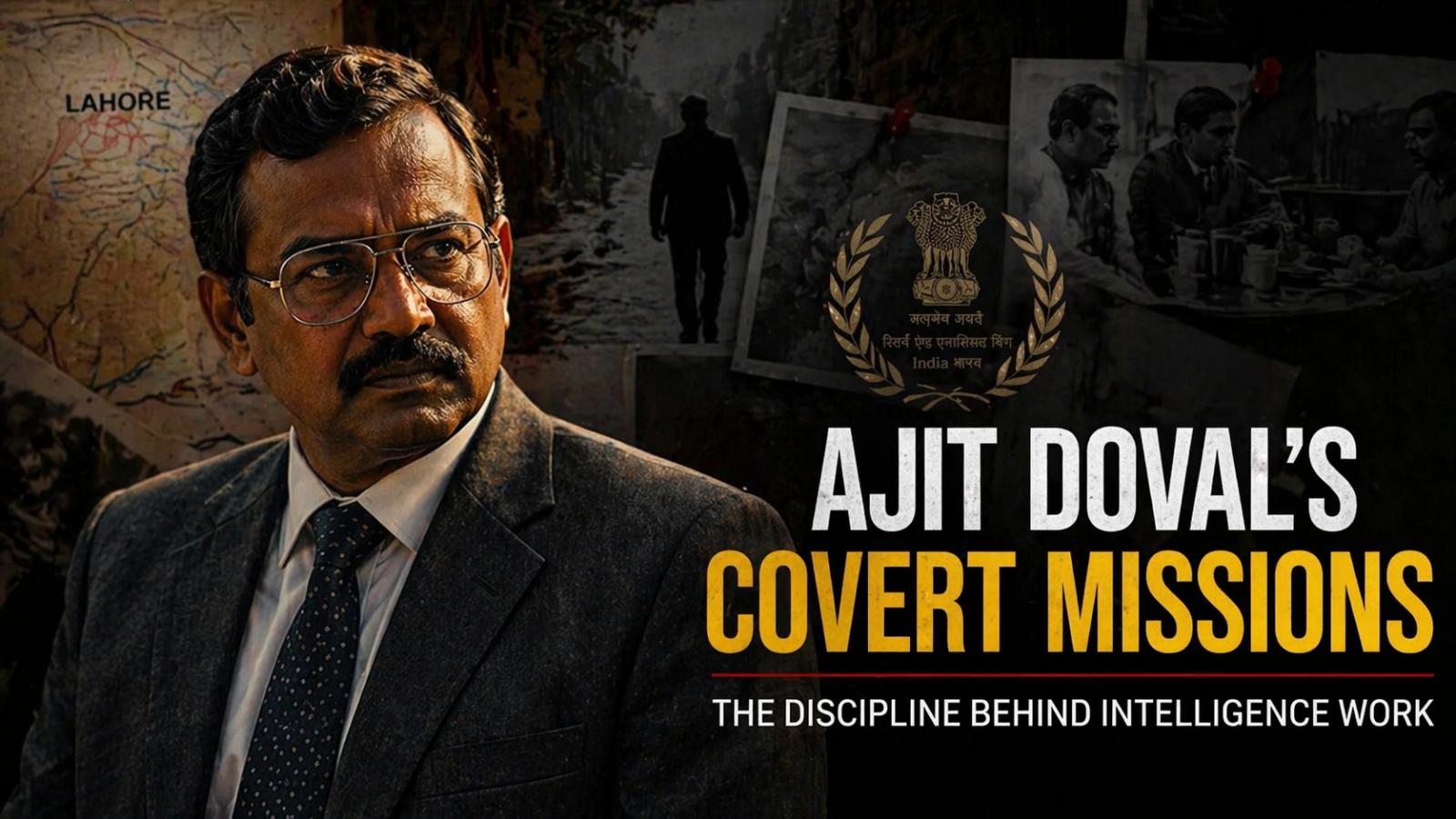
Ajit Doval’s reported deep-cover operations are widely regarded as a study in psychological resilience rather than physical confrontation. Operating within hostile environments, including extended periods in Pakistan, his work required a high degree of composure, adaptability, and continuous situational awareness. Public discussions often reference cities such as Lahore, though specific operational details remain classified. The available accounts suggest that Doval functioned under an assu
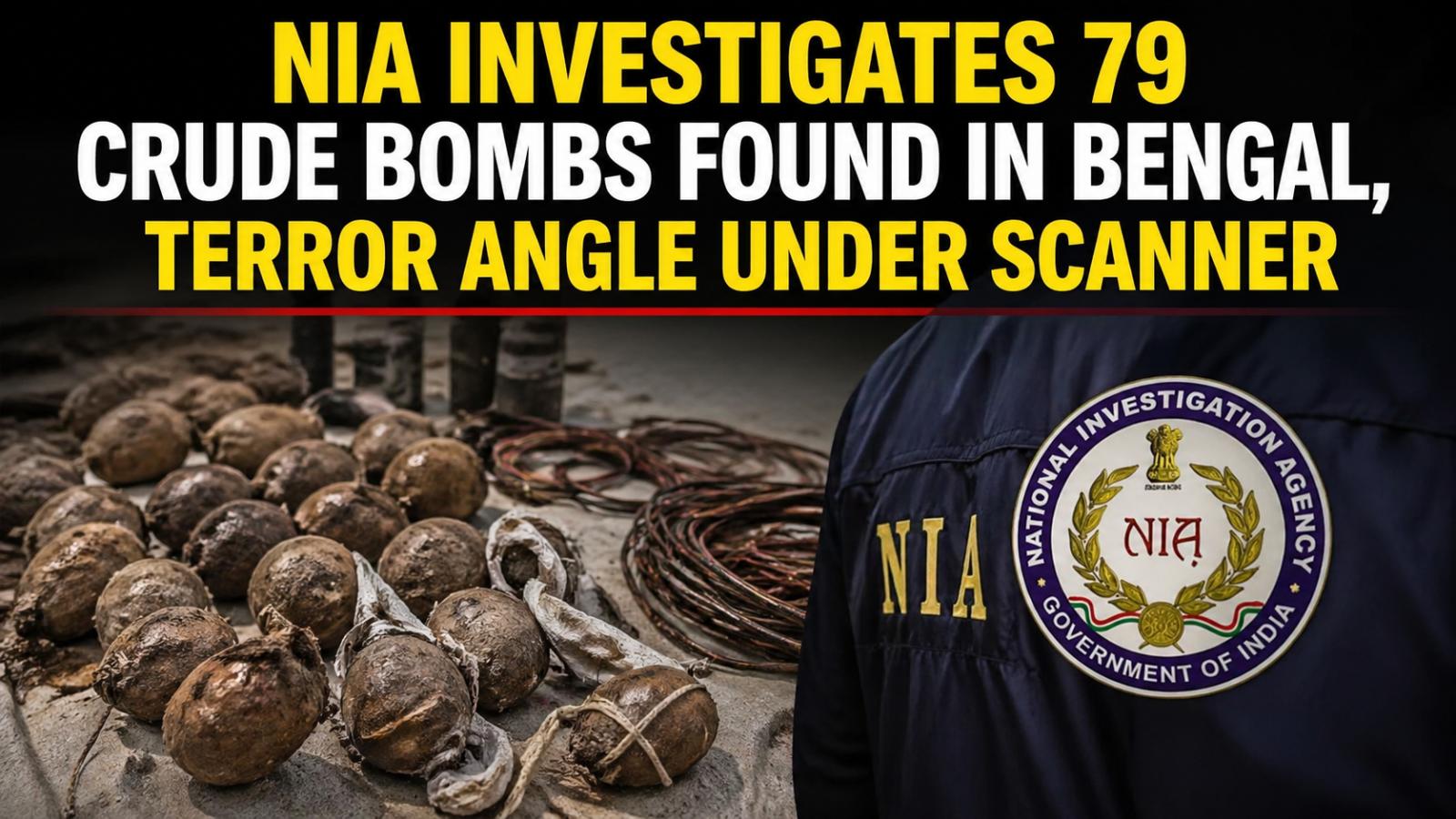
NIA Probes 79 Crude Bombs Found in Bengal, Terror Angle Suspected
On April 25, 2026, 79 crude bombs were recovered from an abandoned house in South 24 Parganas, West Bengal, prompting the National Investigation Agency to register a case on April 26, 2026; the exact time of recovery was not disclosed. The
How One Indian Monk Won the World in 1893!
Swami Vivekananda’s visit to Chicago in 1893 remains a defining moment in the global exchange of spiritual and cultural ideas. He traveled to the United States to participate in the World’s Parliament of Religions, an international gathering held as part of the Columbian Exposition. His address on September 11, 1893, is widely remembered for its message of unity and universal acceptance. Opening his speech with the now-famous greeting, “Brothers and Sisters of America,” Vivekananda immediately connected with the audience, receiving a prolonged standing ovation. His remarks emphasized the shared essence of all religions and advocated for tolerance, mutual respect, and compassion. He presented the principles of Vedanta and Yoga as paths toward understanding humanity’s deeper spiritual nature, highlighting that true religion transcends rigid doctrines. The impact of his speech extended far beyond the event itself. Vivekananda’s ideas resonated strongly with American audiences, introducing many to Indian philosophical traditions for the first time. His teachings contributed to a broader awareness of Hinduism and helped establish a foundation for ongoing cultural and intellectual dialogue between India and the West. In India, his legacy continues to inspire generations, particularly through the observance of National Youth Day on January 12, his birth anniversary. Declared by the Government of India in 1984, the day is marked by educational and cultural activities across schools and institutions. These events reflect Vivekananda’s enduring message of self-confidence, service, and the transformative power of knowledge. Through his writings and lectures, inspired by his guru Ramakrishna Paramahansa, Vivekananda encouraged young people to pursue both personal growth and social responsibility. His influence remains significant today, as his vision of harmony and spiritual awareness continues to shape conversations on global unity and cultural understanding.
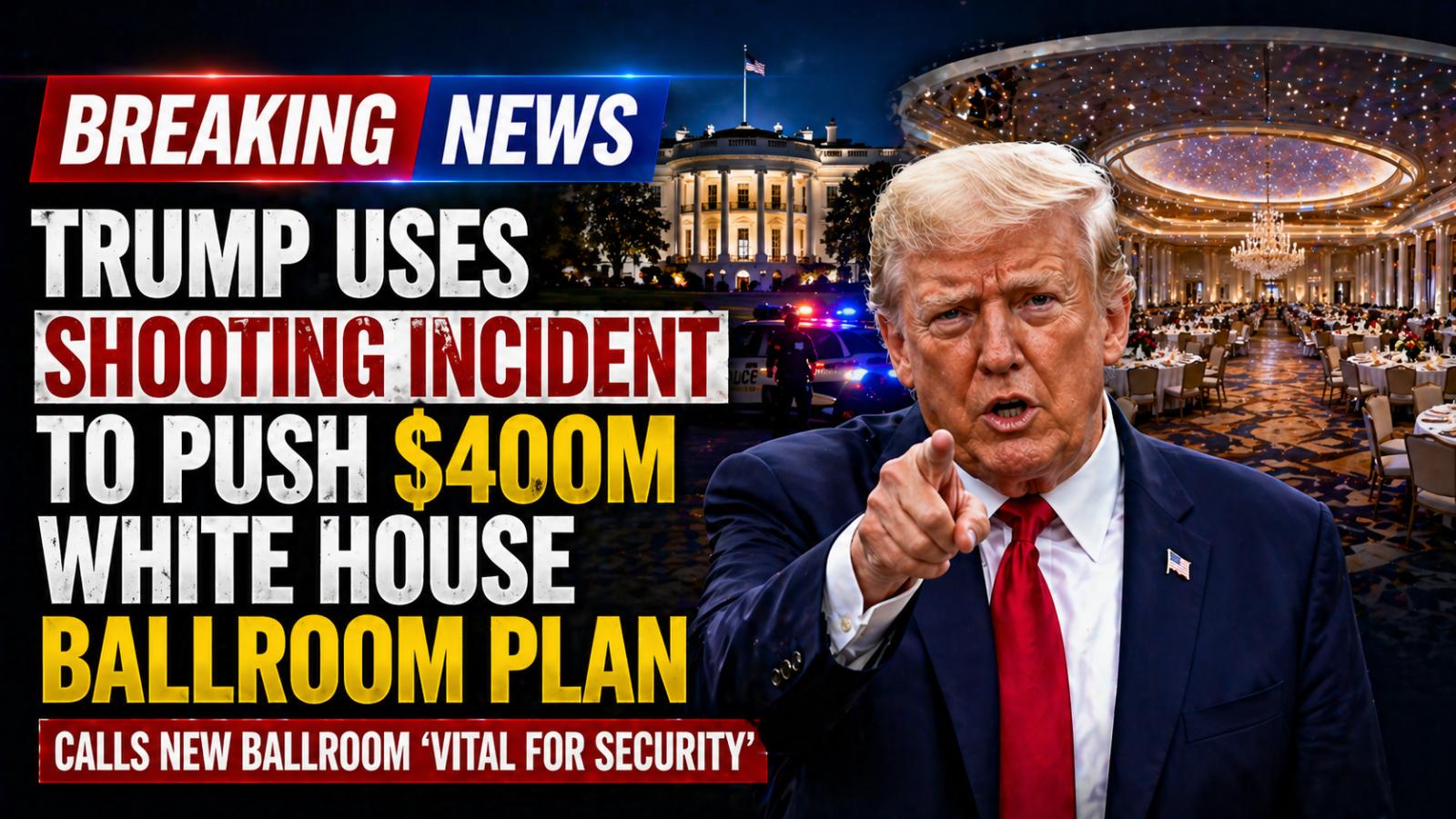
Trump Cites Shooting to Push $400M White House Ballroom Plan
President Donald Trump has pointed to the recent shooting incident at the White House Correspondents’ Dinner as justification for his proposed $400 million ballroom project at the White House, describing it as essential for national security. In a statement shared on social media, Trump argued that the event underscored longstanding concerns about the safety of large gatherings involving senior government officials. According to the president, past administrations have recognized the need for a secure, large-scale event space within the White House complex. He claimed that the proposed ballroom would address vulnerabilities exposed by the recent incident, stating that such an event might have been prevented with enhanced security infrastructure. The project, however, remains under legal scrutiny, with ongoing challenges delaying its progress. The proposal outlines a 22,000-square-foot facility designed to host major events, alongside a reinforced structure featuring advanced security elements. Plans reportedly include a fortified roof, blast-resistant materials, and an expansion of the existing Presidential Emergency Operations Center beneath the site. The administration has described the project as a strategic investment in long-term security. The shooting incident that prompted renewed attention to the plan occurred during a high-profile event attended by government officials. Security personnel responded quickly, escorting attendees, including the president and senior leaders, to safety. Authorities later confirmed that the suspect, identified as Cole Tomas Allen, acted alone and was taken into custody at the scene. Investigators continue to examine the motive behind the attack, noting that the suspect had no prior criminal record. While officials have not confirmed specific details about intent, the case remains under active review. The incident has reignited debate over security measures at major political events, even as questions persist about the timing and feasibility of the proposed ballroom project.
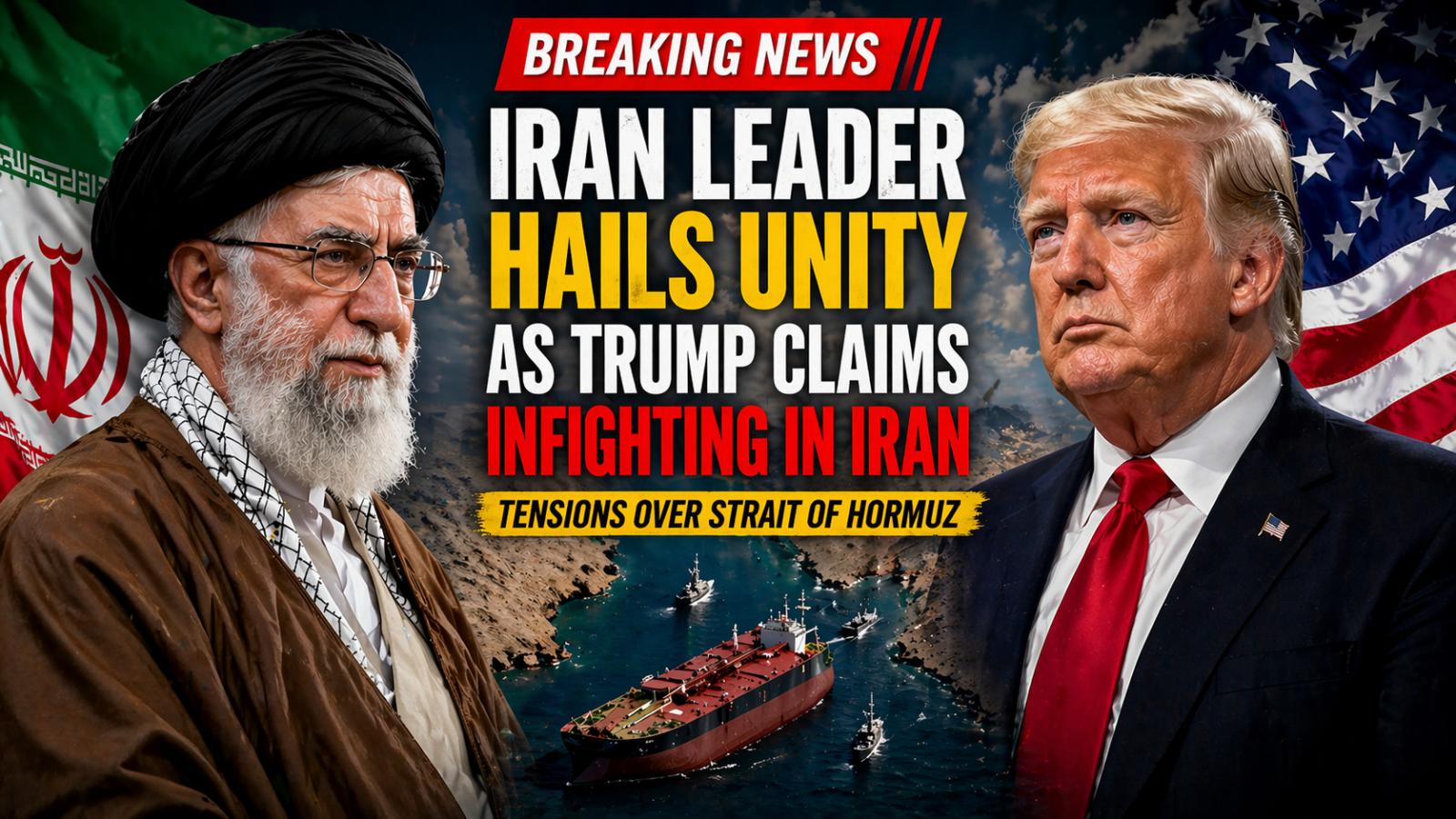
Khamenei Praises National Cohesion Amid Rising US-Iran Tensions
Mojtaba Khamenei has emphasized national unity in Iran, stating that collective cohesion among citizens has strengthened the country’s position amid ongoing tensions with the United States. In a public message, he described unity as a decisive factor in countering external pressure, urging continued commitment to national solidarity. Khamenei’s remarks come as
Lincoln Memorial Reflecting Pool to Get New “American Flag Blue” Surface
In a new infrastructure decision, Donald Trump has announced plans to renovate the Lincoln Memorial Reflecting Pool by applying a specialized coating designed to resemble a swimming pool surface in what he described as “American flag blue.” The project aims to address long-standing concerns about leaka
White House security alert briefly disrupts press operations in Washington
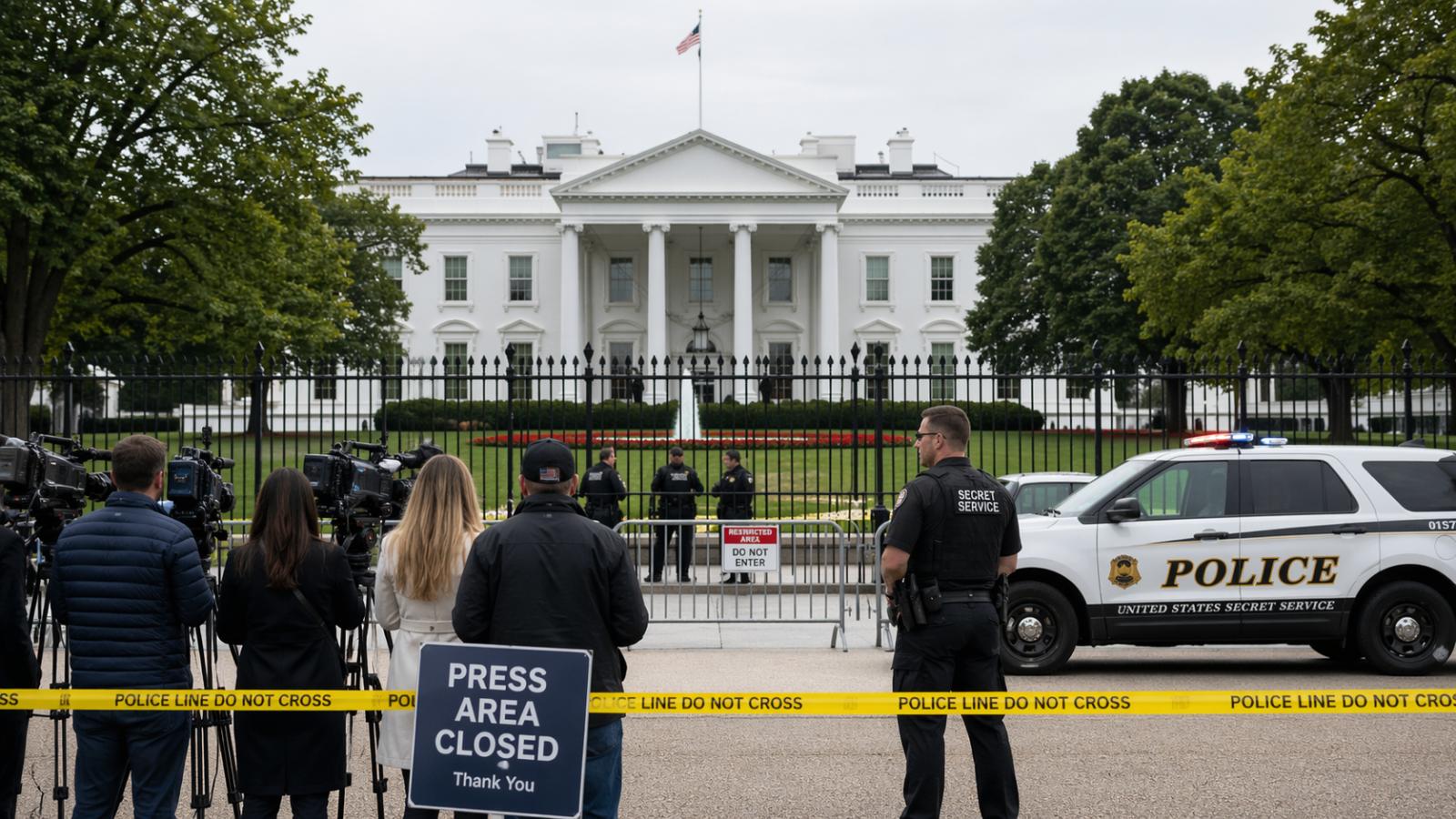
A security alert at the White House on Wednesday, April 22, 2026, briefly disrupted press operations as the United States Secret Service moved quickly to secure the area and relocate journalists. Reporters stationed on the White House grounds were directed indoors and gathered in the briefing room after authorities initiated precautionary measures. Journalists covering the scene shared updates in real time, indicating that members of the press had been asked to leave outdoor positions near the lawn and perimeter areas. One reporter noted that the Secret Service instructed media personnel to move immediately due to an unspecified security alert. Within minutes, an “all clear” was issued, allowing operations to return to normal. Officials did not provide immediate details about the cause of the alert, and requests for clarification from the White House went unanswered at the time. Additional accounts from journalists described visible activity around the White House perimeter during the incident. The lawn press area, commonly used for coverage of presidential events and arrivals, was temporarily cleared as part of standard security protocols. The alert follows a recent security incident near the White House complex. In that case, a man was detained after attempting to breach a barrier near the Treasury Building. According to Anthony Guglielmi, the individual was stopped shortly after 11:30 AM local time by uniformed officers after jumping over a construction bollard on the northeast side of the complex. Security at the White House remains among the most stringent in the United States. Temporary lockdowns and controlled movement of personnel are routinely implemented whenever unusual activity is detected, reflecting the high level of vigilance maintained at the executive residence.
Ajit Doval’s covert operations reveal the discipline behind intelligence work
Ajit Doval’s reported deep-cover operations are widely regarded as a study in psychological resilience rather than physical confrontation. Operating within hostile environments, including extended periods in Pakistan, his work required a high degree of composure, adaptability, and continuous situational awareness. Public discussions often reference cities such as Lahore, though specific operational details remain classified. The available accounts suggest that Doval functioned under an assu
Bal Gangadhar Tilak and Ganesh Chaturthi: How a festival became India’s freedom movement
The Bal Gangadhar Tilak Ganesh Chaturthi history is one of the most powerful examples of how culture and politics came together during India’s freedom struggle. What was once a private religious celebration became a massive public movement that united people against British rule. How Tilak transformed Ganesh Chaturthi In 1893, Bal Gangadhar Tilak, one
Ajit Doval’s journey from IPS officer to covert intelligence operative
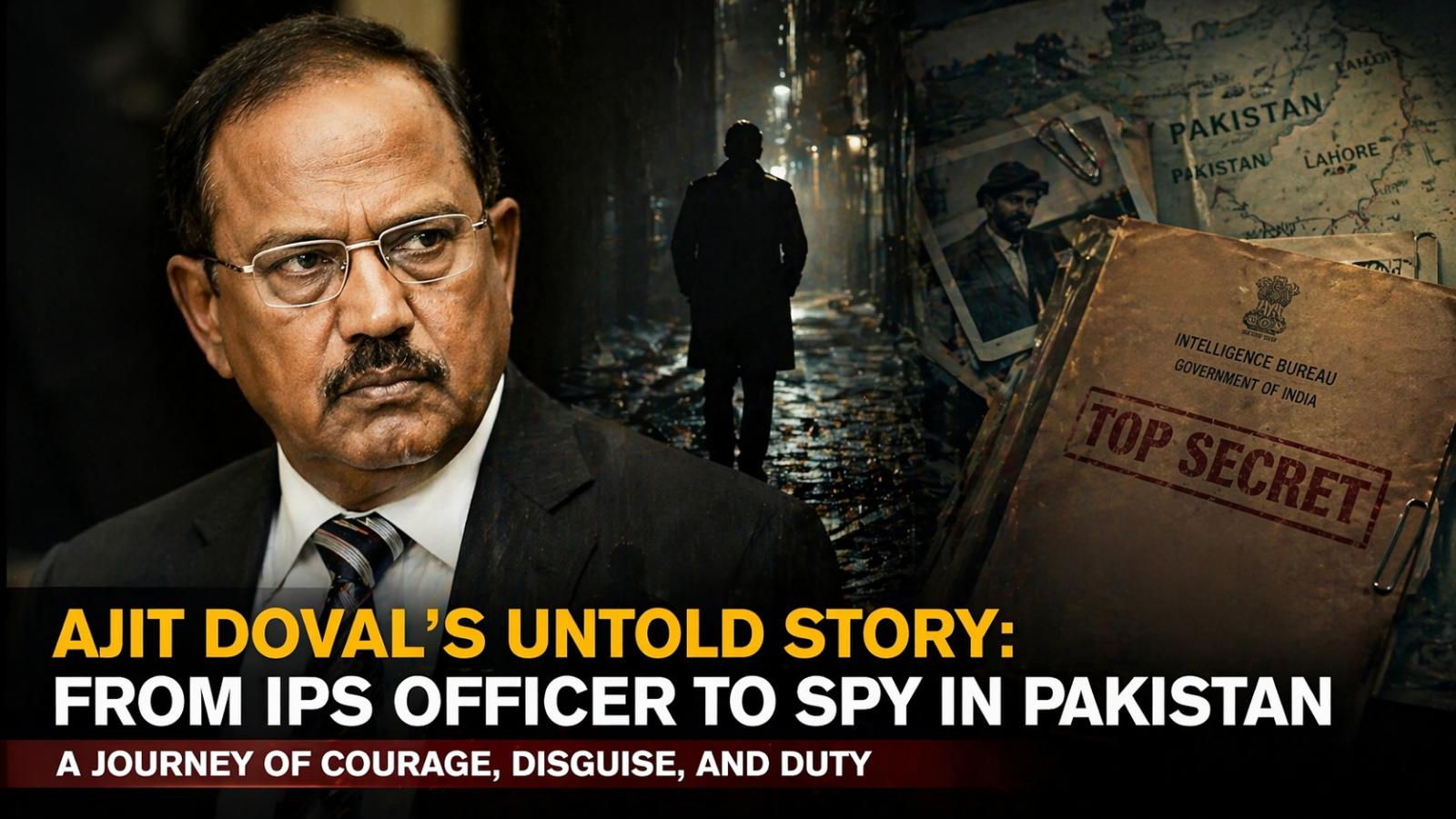
Ajit Doval began his professional journey as an officer in the Indian Police Service in 1968, serving in the Kerala cadre. Over time, he developed a reputation for managing insurgency-related challenges and complex law-and-order situations, which required a combination of tactical decision-making and psychological resilience. Rather than following a conventional policing career, he later transitioned into the Intelligence Bureau, moving into a domain where operational visibility is minimal but strategic impact is significant. During the 1970s, Doval was reportedly assigned to a deep-cover intelligence mission in Pakistan, marking a critical phase in his career. The assignment extended over several years, demanding a sustained and disciplined approach to undercover work. To function effectively, he assumed a complete alternate identity, integrating into local society through language proficiency, cultural understanding, and adherence to social and religious practices. This level of immersion was essential for maintaining credibility and avoiding suspicion in a sensitive environment. Operating in a foreign and potentially hostile setting required the development of a consistent personal narrative and the ability to establish relationships without drawing attention. Such assignments are typically conducted without direct support, placing significant responsibility on the individual operative. The risks associated with exposure are severe, emphasizing the need for precision, restraint, and continuous situational awareness. Intelligence gathering in these conditions often involves incremental efforts, where accurate information is collected over time rather than through rapid or visible actions. The nature of such operations differs considerably from their portrayal in popular media. While films like Dhurandhar often depict espionage through fast-paced sequences and overt action, real-world intelligence work is characterized by patience, discretion, and long-term commitment. Doval’s reported experiences reflect the complexities of covert operations, where outcomes are rarely visible and details remain largely classified, underscoring the contrast between cinematic representation and operational reality.
Trump signs short-term surveillance extension, delaying Section 702 clash
U.S. President Donald Trump on Saturday, April 27, 2026, signed a short-term measure extending a controversial surveillance program under Section 702 of the Foreign Intelligence Surveillance Act until April 30, preventing its imminent expiration while postponing a broader legislative showdown in Congress.
India Must Prepare for Future Op Sindoor: Anil Chauhan Calls for Unity
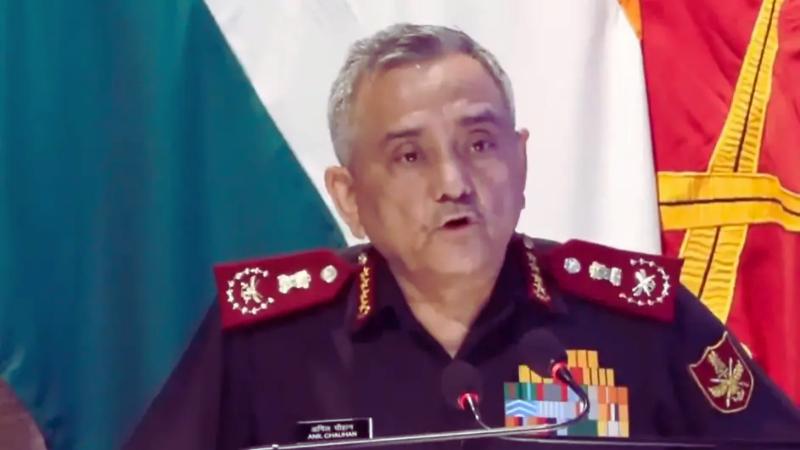
Anil Chauhan has stressed the need for India’s armed forces to enhance coordination and prepare for future challenges, drawing lessons from ‘Operation Sindoor’. He noted that the military must move beyond replicating past strategies and instead adapt to evolving threats and new forms of warfare. Referring to ‘Operation Sindoor’, Chauhan desc
Trump administration reverses Pride flag removal at Stonewall monument
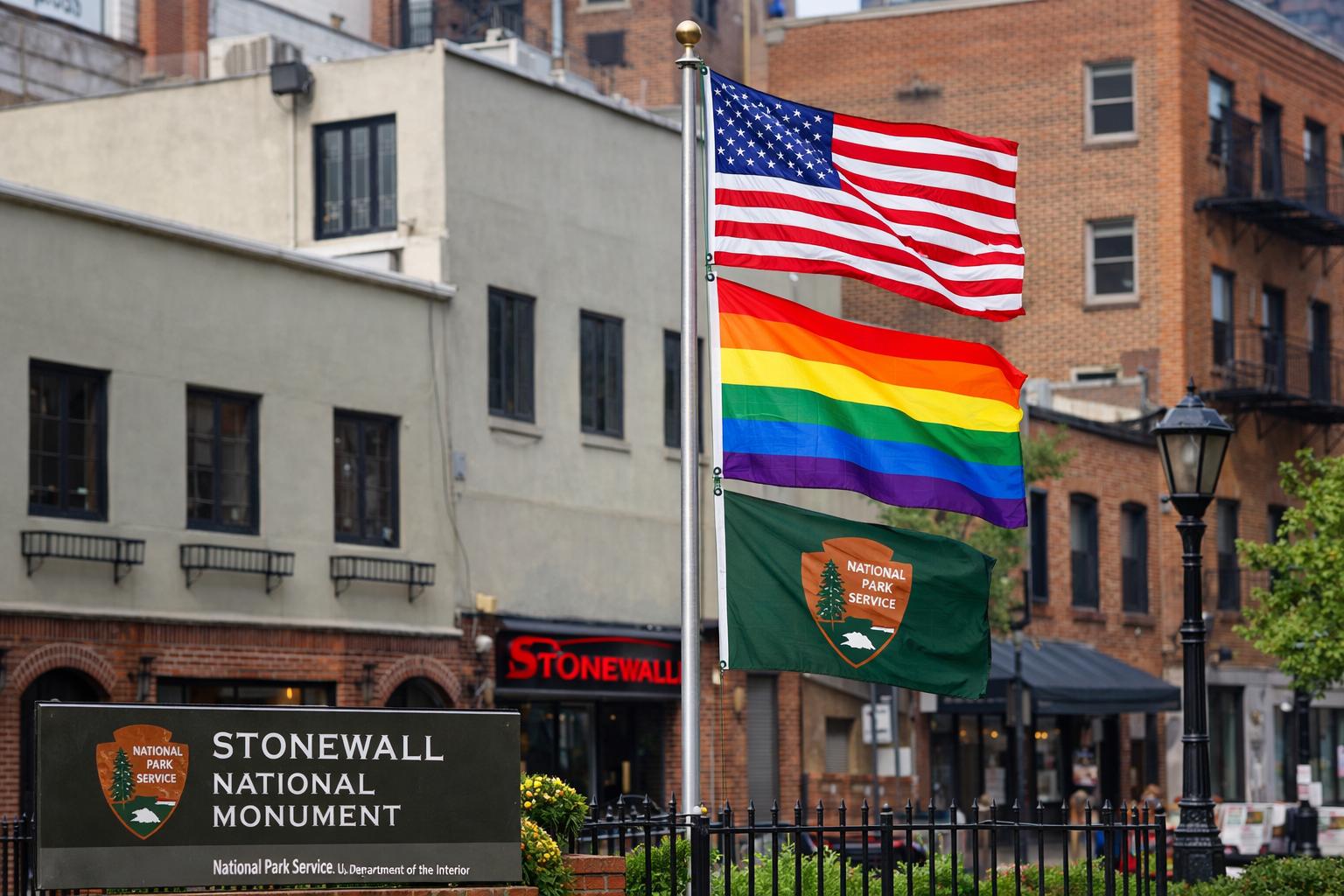
NEW YORK — The Trump administration has agreed to continue flying a rainbow Pride flag at the Stonewall National Monument, reversing a February decision that had sparked legal challenges and public criticism. The agreement was disclosed in court filings on Monday, February 2026, as part of an effort to resolve a lawsuit brought by LGBTQ+ advocacy and historic preservation groups. The settlement remains subject to approval by a federal judge. According to the filing, the Department o
Trump vows action against media after Iran rescue leak controversy
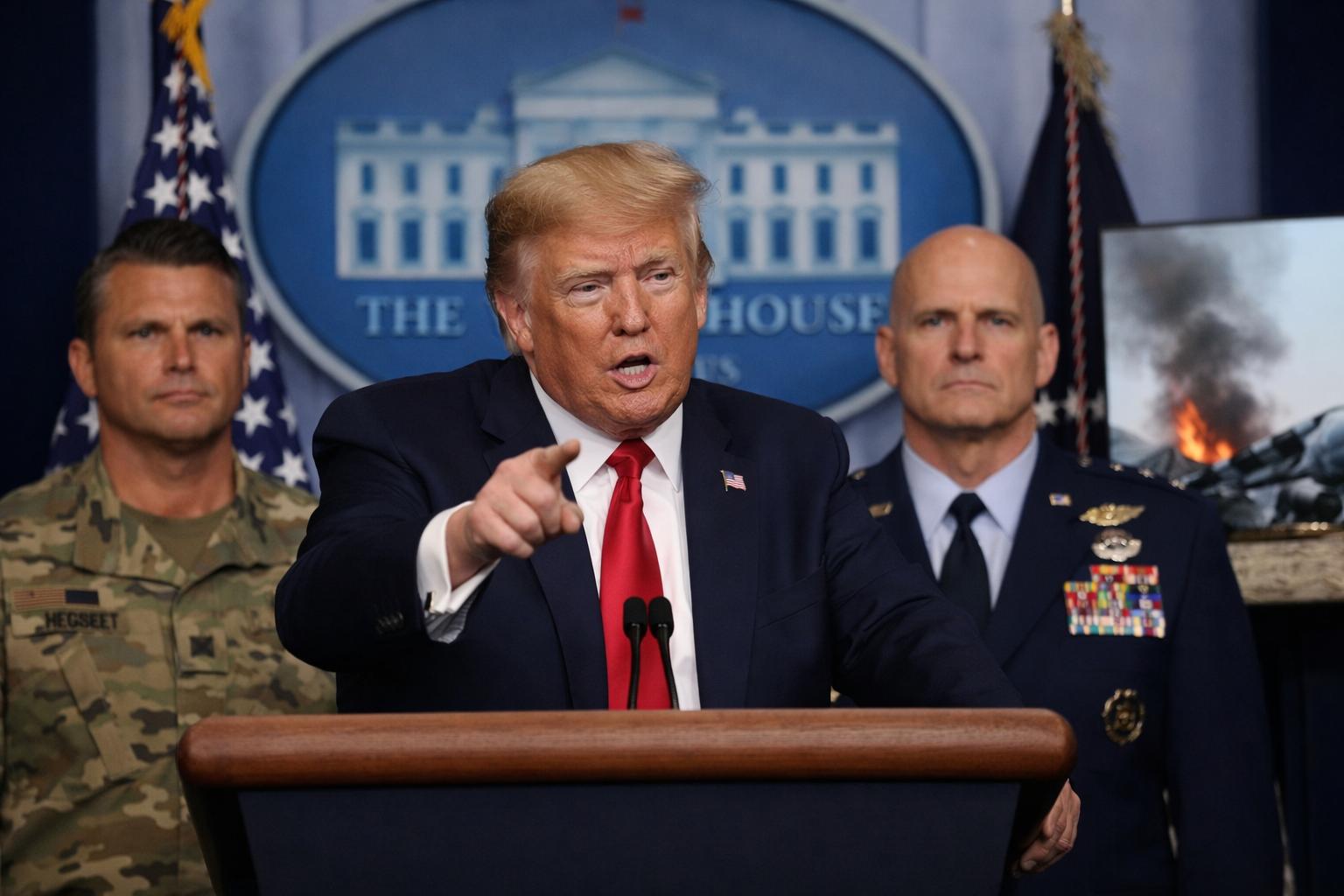
President Donald Trump said he would pursue legal action against journalists and media organizations involved in reporting that a second U.S. airman was missing following the downing of an American fighter jet in Iran last week, calling the leak a threat to national security. Speaking during a White House press conference held on Monday, April 6, 2026, alongside Defense Secretary Pete Hegseth and Joint Chiefs Chairman Dan Caine, Trump confirmed that both crew members had been successfully recovered in separate operations conducted by U.S. forces. The pilot was rescued within hours of the incident, while the second airman remained stranded inside Iranian territory until early Sunday, April 5, 2026, when a rescue team secured his extraction. Trump strongly criticized the disclosure of the second airman’s status, stating that the information had been intentionally withheld by the U.S. government to protect the individual from capture or harm. He warned that his administration would attempt to identify the source of the leak and could compel cooperation from the media outlet that first reported the information. “We are going to find out who leaked it,” Trump said during the briefing. “We will go to the media company and say, ‘This is national security. Provide the information or face legal consequences.’” Officials emphasized that operational secrecy was critical during the mission, as public knowledge of the stranded airman could have increased the risk of interception by Iranian forces. Trump claimed that Iranian authorities had issued a reward for information leading to the capture of the missing servicemember, further complicating rescue efforts. The White House did not specify which media organization initially reported the second airman’s status. The incident has raised renewed concerns about the balance between press freedom and national security, particularly in situations involving active military operations in hostile territory.
US revokes green cards of Iran-linked individuals, detains Soleimani relatives
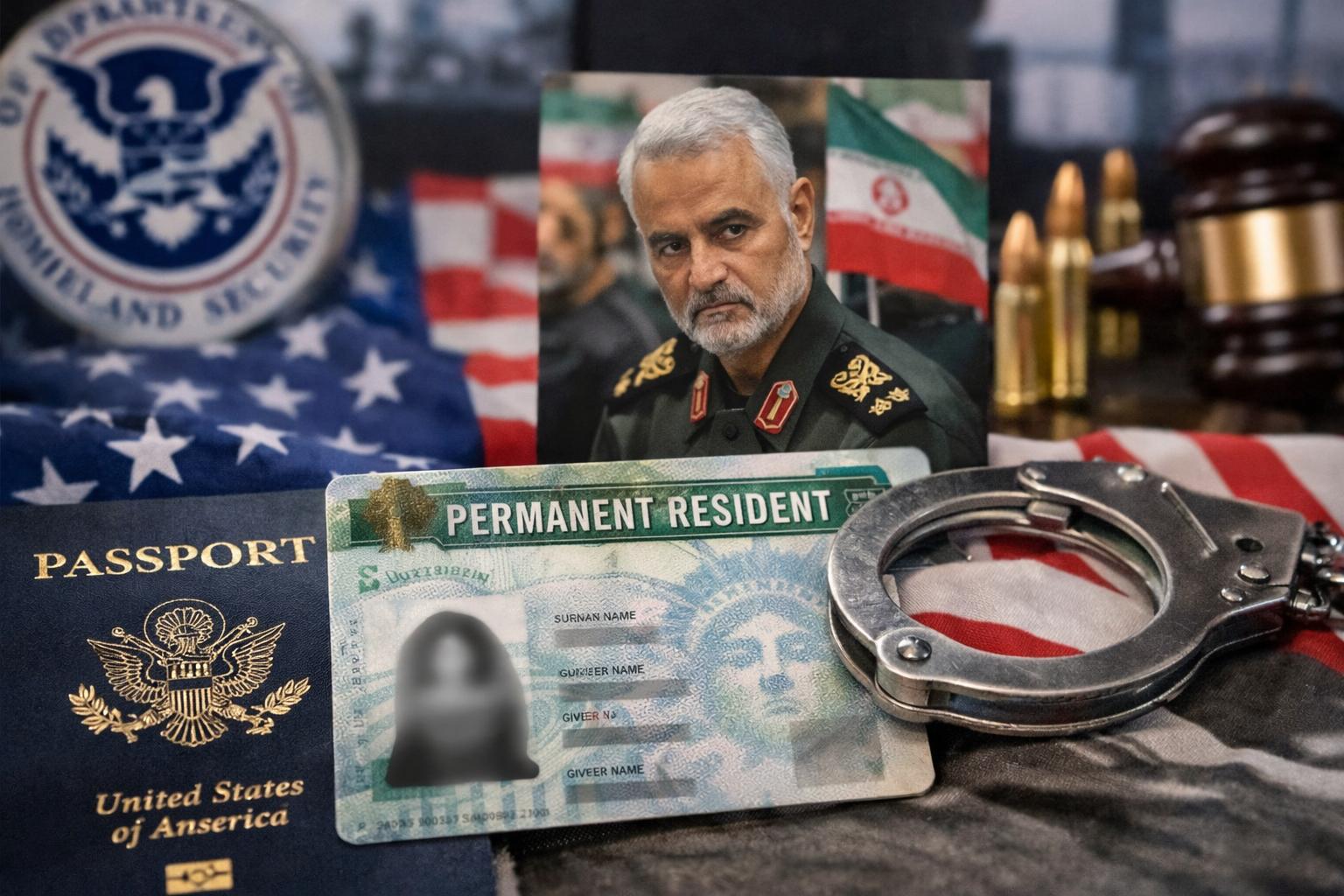
United States authorities have revoked green cards and detained several individuals allegedly linked to Iran, including relatives of former Iranian military commander Qassem Soleimani, in a move reflecting heightened national security scrutiny. According to Reuters, the arrests were carried out on Friday, April 3, 2026 (local US time), with officials publicly confirming the action on Saturday, April 4, 2026. The enforcement actions were conducted under existing immigration and nati
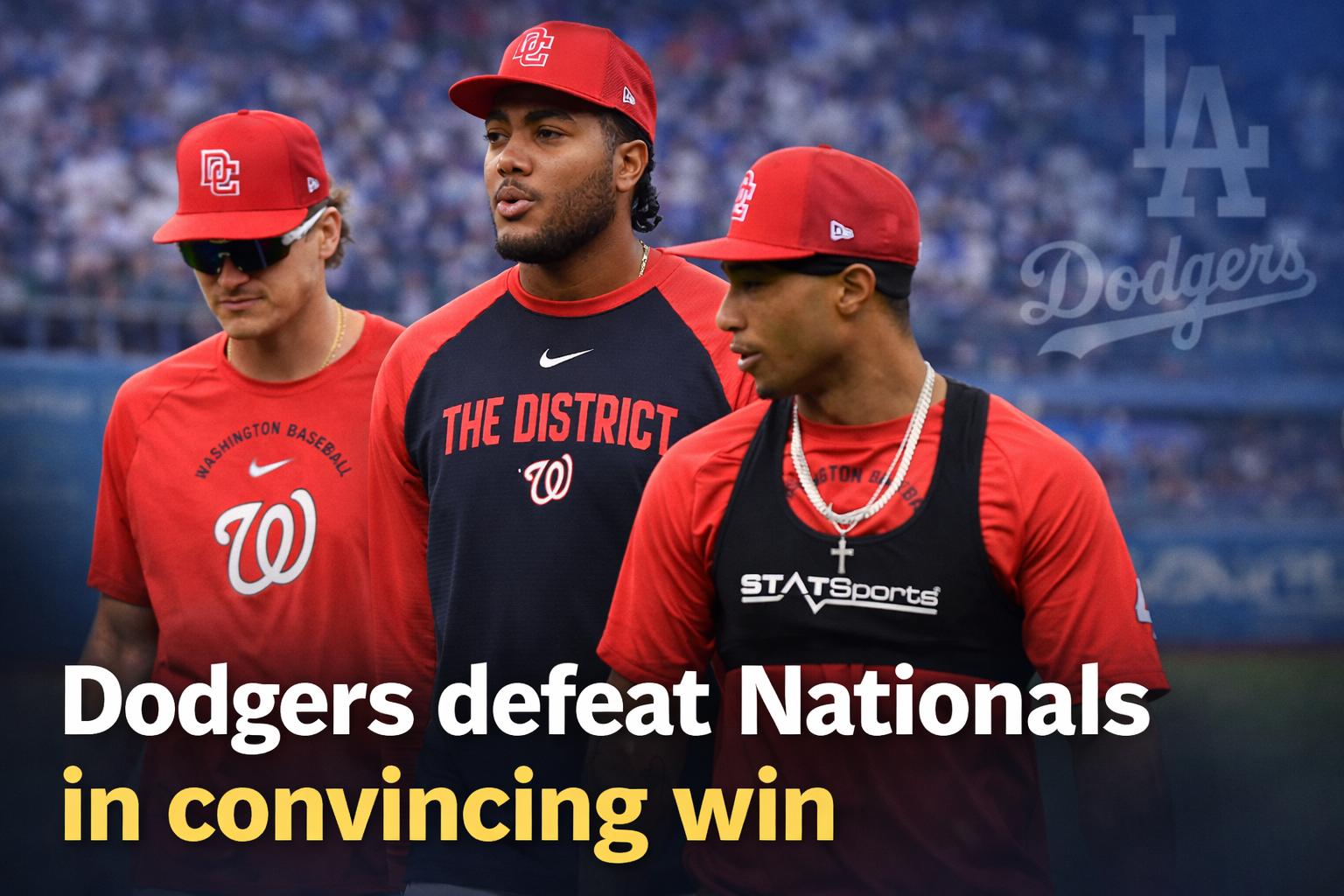
Nationals fall to Dodgers as Los Angeles extends strong start
The Los Angeles Dodgers secured a solid victory over the Washington Nationals in an early-season MLB matchup, showcasing their depth and consistency on both sides of the ball. The Dodgers capitalized on key scoring opportunities while maintaining control throughout the game, limiting Washington’s ability to build momentum. Los Angeles combined timely hitting with effective pitching to keep the Nationals under pressure. Washington showed flashes of competitiveness but struggled to


