






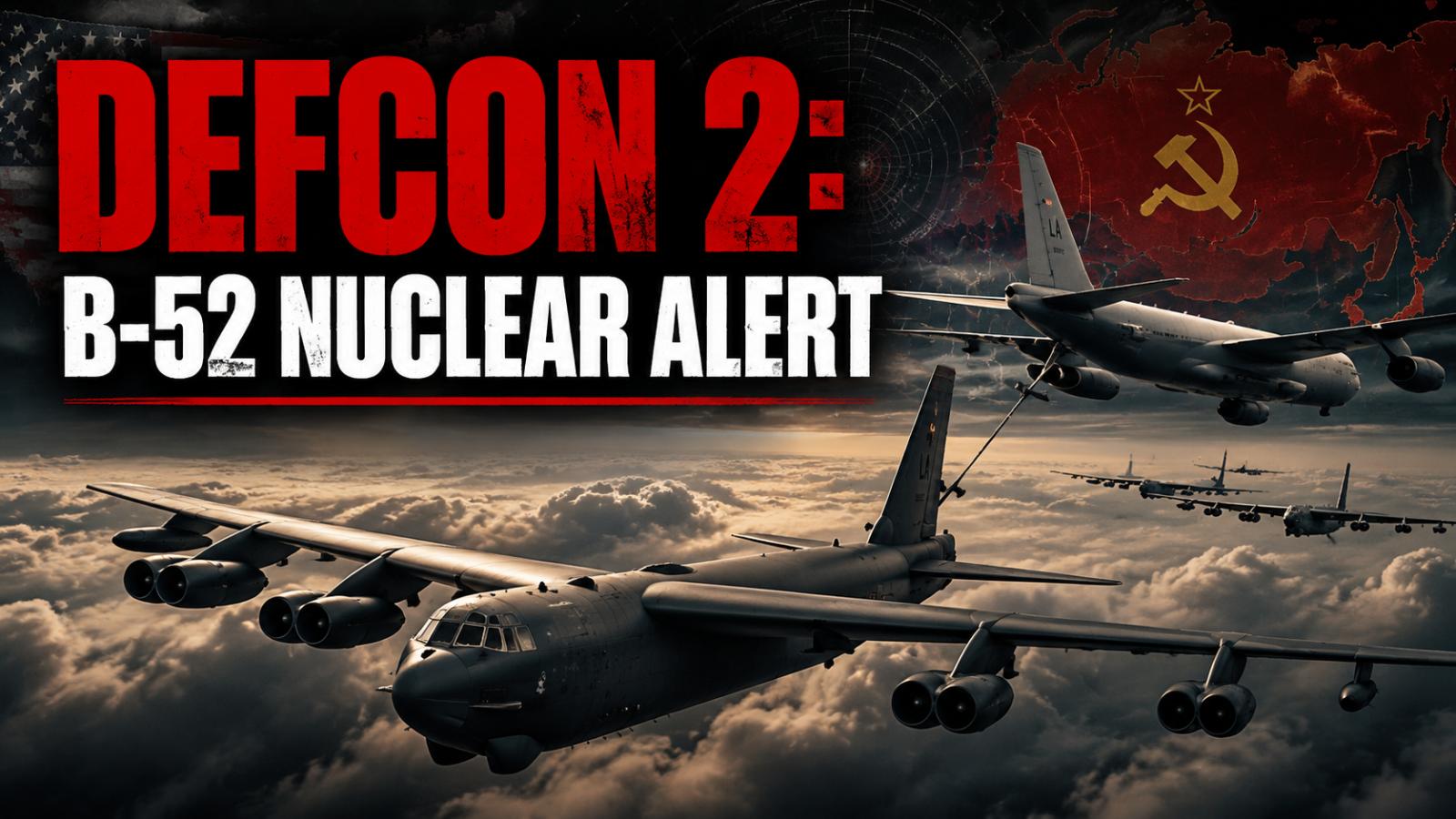











The discovery of Soviet missiles in Cuba pushed the United States and the Soviet Union into a direct nuclear confrontation. With only a short distance separating missile sites from U.S. territory, decision-makers in Washington treated the situation as an immediate existential threat rather than a routine diplomatic crisis. Shift to maximum military readiness As intelligence confirmed missile dep
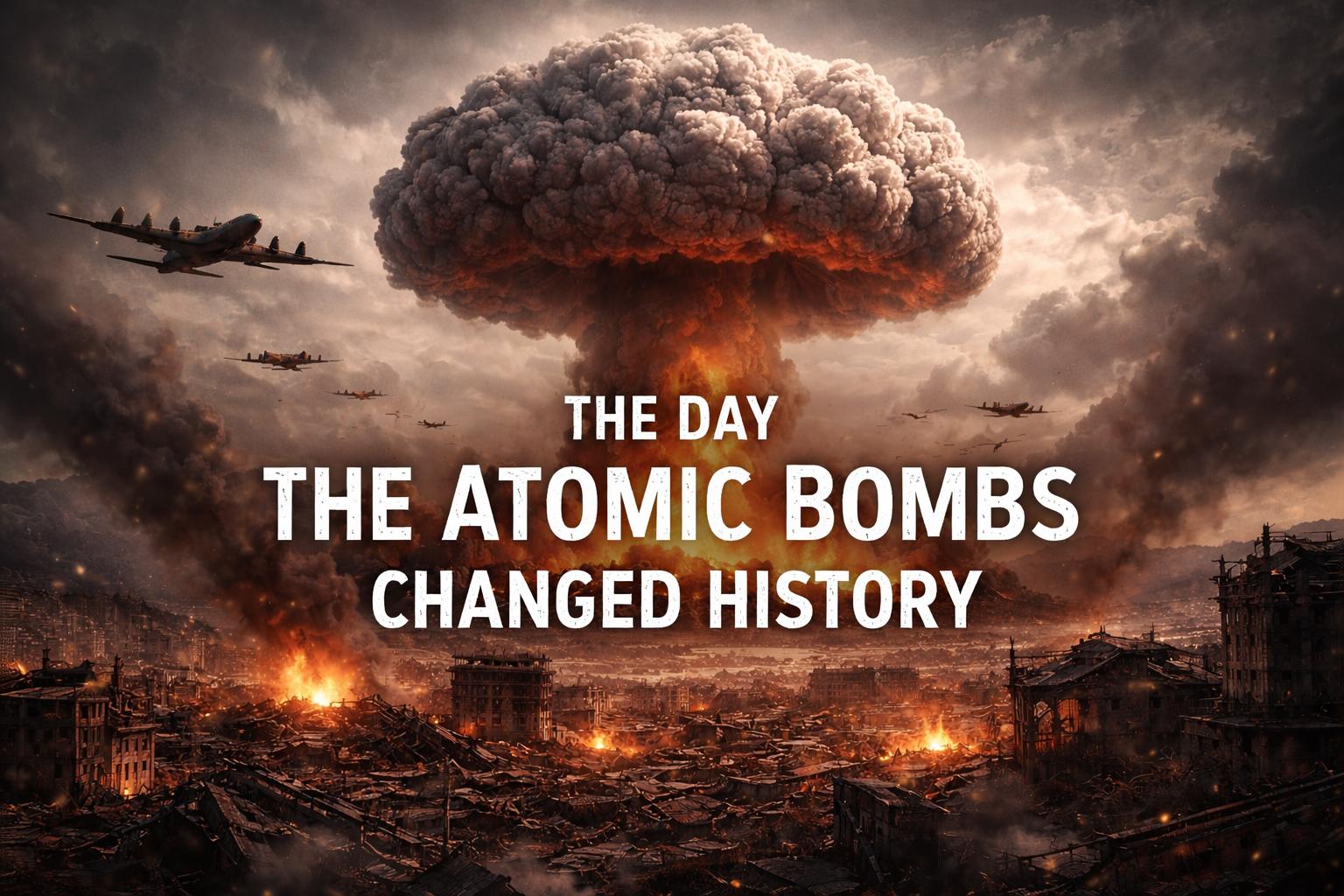
In 1945, the world was on the edge of significant change, driven by the destructive forces of war. The United States and Japan, two powerful nations, found themselves on a path of inevitable conflict, forever altering the course of history. Japan’s imperial ambitions across Asia and the Pacific created rising tensions with the U.S. and Western nations. The United States had long condemned Japan’s expansion, particularly its invasion of China and occupation of Fren