











US lifts restrictions on Anthropic advanced AI models after security review
US Eases Restrictions on Advanced AI Models The United States government has lifted export restrictions on Anthropic’s most advanced artificial intelligence systems, reversing limitations imposed just weeks earlier over national security concerns. The decision allows the company to restore global access to its flagship AI models, Fable 5 and Mythos 5, marking a nota
US lifts restrictions on Anthropic advanced AI models after security review
US Eases Restrictions on Advanced AI Models The United States government has lifted export restrictions on Anthropic’s most advanced artificial intelligence systems, reversing limitations imposed just weeks earlier over national security concerns. The decision allows the company to restore global access to its flagship AI models, Fable 5 and Mythos 5, marking a nota
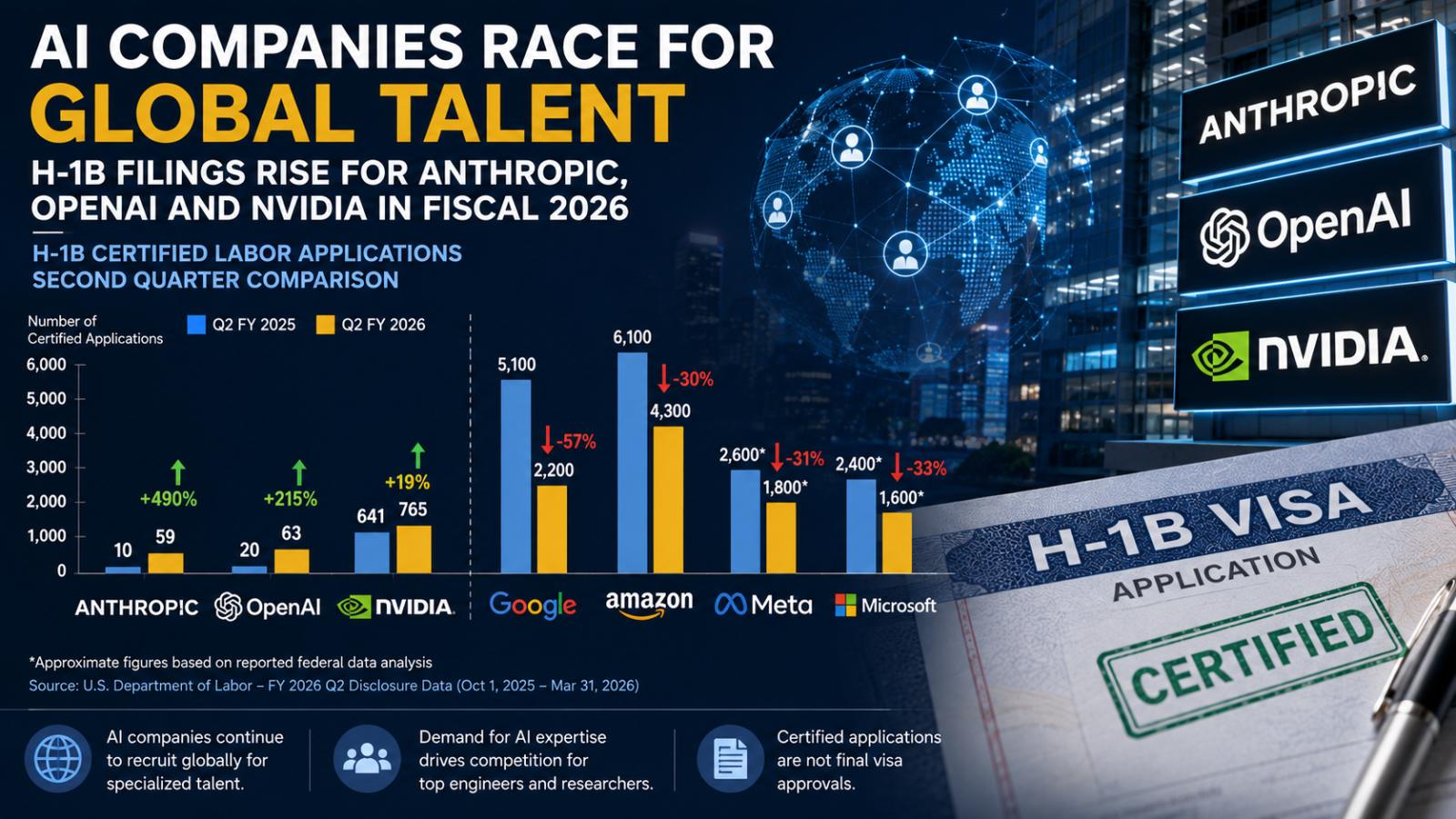
Anthropic, OpenAI and Nvidia Increase H-1B Hiring
Anthropic, OpenAI and Nvidia increased their use of the H-1B program during the second quarter of U.S. fiscal year 2026, even as several larger technology companies reduced certified labor applications. The shift illustrates how aggressively leading artificial intelligence companies are competing for specialized engineers, researchers and infrastructure workers from the global talent pool. AI Companies Increase H-1B Hiring Anthropic recorded 59
Anthropic, OpenAI and Nvidia Increase H-1B Hiring
Anthropic, OpenAI and Nvidia increased their use of the H-1B program during the second quarter of U.S. fiscal year 2026, even as several larger technology companies reduced certified labor applications. The shift illustrates how aggressively leading artificial intelligence companies are competing for specialized engineers, researchers and infrastructure workers from the global talent pool. AI Companies Increase H-1B Hiring Anthropic recorded 59
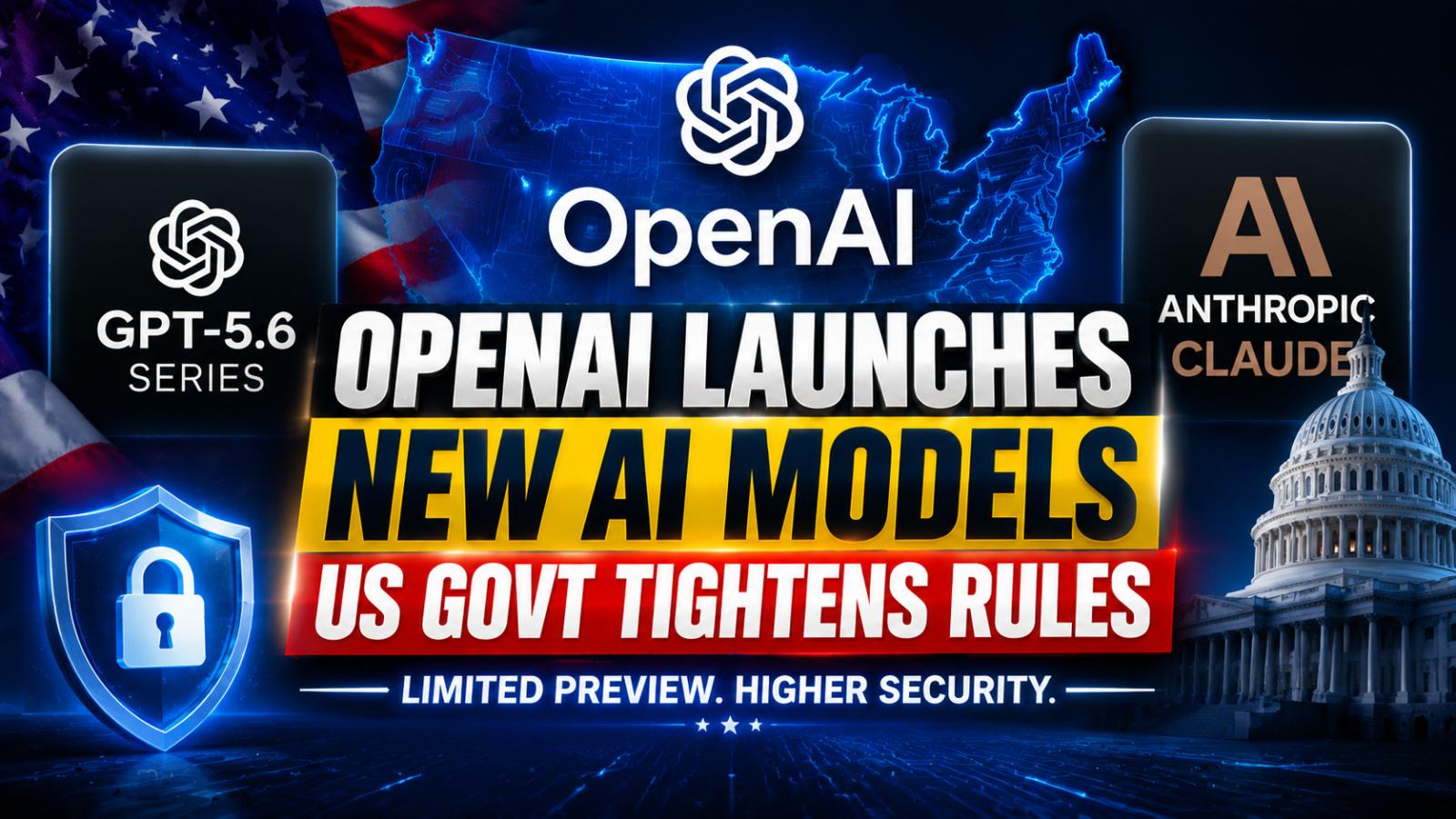
New GPT 5.6 series rollout tied to US government AI security framework
OpenAI begins restricted rollout of new AI model series OpenAI has launched a limited preview of its latest artificial intelligence model series in the United States, restricting access to a small group of trusted partners following coordination with government authorities. The rollout marks one of the most controlled releases in the company’s history, reflecting growing regulatory attention around advanced AI systems and their potential national security implications. Government oversight shapes early deployment strategy The preview follows increased scrutiny from US policymakers, including a recent executive order establishing a voluntary federal review framework for high-capability AI models prior to public release. Under the arrangement, OpenAI briefed government officials on the capabilities of its new models before deployment. Access has been limited to selected US-based organisations, although employees working outside the United States within those organisations may still interact with the system under controlled conditions. The company stated that the decision to restrict access was made in coordination with authorities overseeing AI risk management. GPT 5.6 series introduces tiered model architecture The newly introduced GPT 5.6 series includes three distinct models designed for different use cases. The flagship model, Sol, is positioned for high-performance tasks requiring advanced reasoning capabilities. Terra is optimized for general-purpose applications and everyday workloads, while Luna is designed as a faster and lower-cost alternative for scalable deployment. OpenAI also indicated that once the models are broadly released, Terra will be priced significantly lower than its predecessor, reflecting competitive pressure in the AI sector. Broader US policy shifts impact AI ecosystem The controlled rollout comes amid broader regulatory changes affecting the artificial intelligence industry. In a parallel development, US authorities recently adjusted restrictions on competing AI systems, allowing wider institutional access to previously constrained models following earlier national security concerns. These policy shifts highlight an evolving approach in Washington, balancing innovation in AI development with safeguards intended to reduce misuse risks. The developments also underscore intensifying competition among major AI firms as governments increasingly play a direct role in shaping deployment boundaries.
New GPT 5.6 series rollout tied to US government AI security framework
OpenAI begins restricted rollout of new AI model series OpenAI has launched a limited preview of its latest artificial intelligence model series in the United States, restricting access to a small group of trusted partners following coordination with government authorities. The rollout marks one of the most controlled releases in the company’s history, reflecting growing regulatory attention around advanced AI systems and their potential national security implications. Government oversight shapes early deployment strategy The preview follows increased scrutiny from US policymakers, including a recent executive order establishing a voluntary federal review framework for high-capability AI models prior to public release. Under the arrangement, OpenAI briefed government officials on the capabilities of its new models before deployment. Access has been limited to selected US-based organisations, although employees working outside the United States within those organisations may still interact with the system under controlled conditions. The company stated that the decision to restrict access was made in coordination with authorities overseeing AI risk management. GPT 5.6 series introduces tiered model architecture The newly introduced GPT 5.6 series includes three distinct models designed for different use cases. The flagship model, Sol, is positioned for high-performance tasks requiring advanced reasoning capabilities. Terra is optimized for general-purpose applications and everyday workloads, while Luna is designed as a faster and lower-cost alternative for scalable deployment. OpenAI also indicated that once the models are broadly released, Terra will be priced significantly lower than its predecessor, reflecting competitive pressure in the AI sector. Broader US policy shifts impact AI ecosystem The controlled rollout comes amid broader regulatory changes affecting the artificial intelligence industry. In a parallel development, US authorities recently adjusted restrictions on competing AI systems, allowing wider institutional access to previously constrained models following earlier national security concerns. These policy shifts highlight an evolving approach in Washington, balancing innovation in AI development with safeguards intended to reduce misuse risks. The developments also underscore intensifying competition among major AI firms as governments increasingly play a direct role in shaping deployment boundaries.
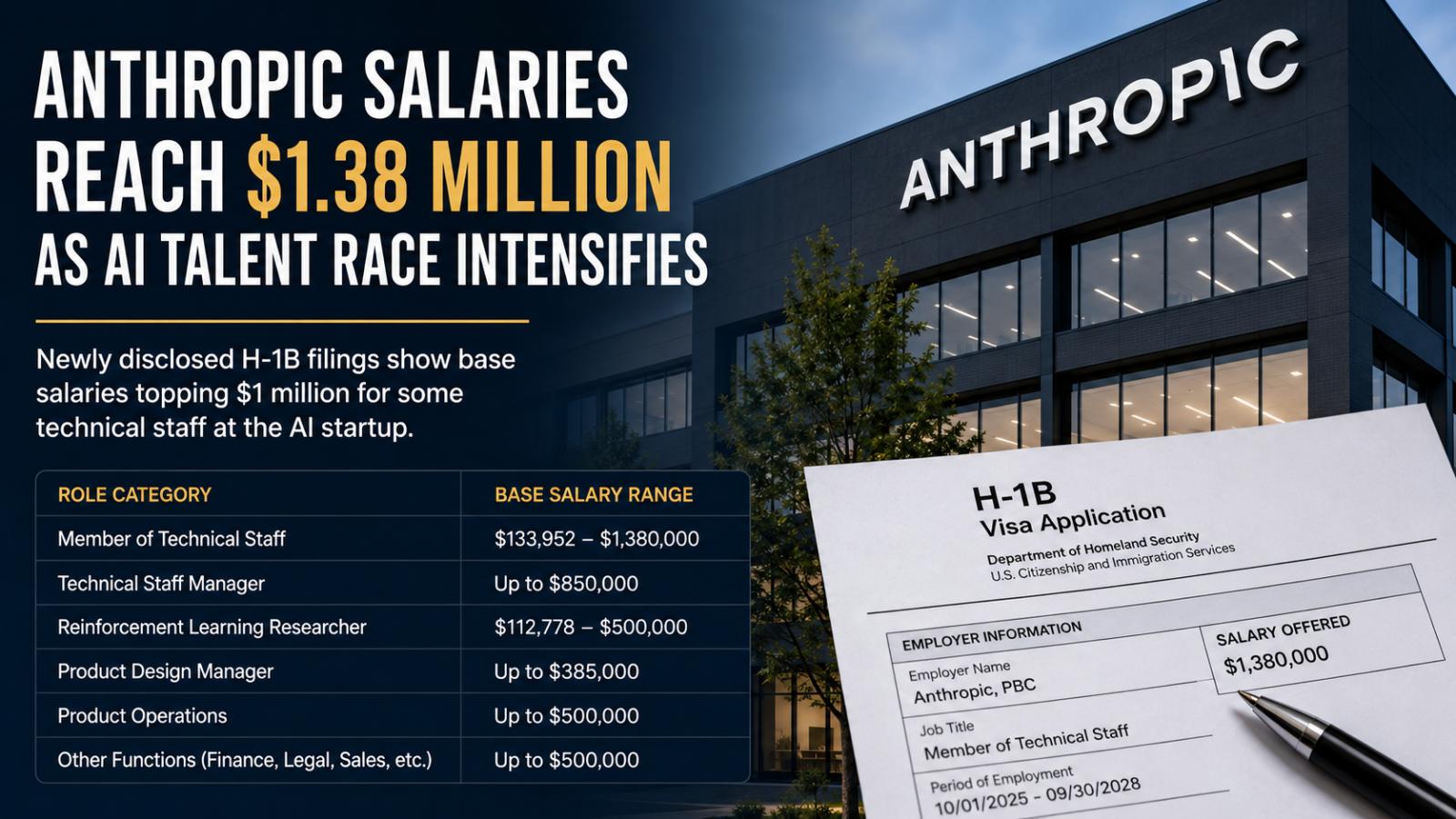
Anthropic H-1B Filings Show AI Base Salaries as High as $1.38 Million
Anthropic salaries reached as high as $1.38 million in newly disclosed federal H-1B visa filings, illustrating how aggressively artificial intelligence companies are competing for specialized technical workers in the United States. The records cover nearly 80 Anthropic positions certified during the first half of US fiscal year 2026. They show fixed annual base salaries offered to foreign workers sponsored through the H-1B program. Bonuses, stock awards and other benefits are not in
Anthropic H-1B Filings Show AI Base Salaries as High as $1.38 Million
Anthropic salaries reached as high as $1.38 million in newly disclosed federal H-1B visa filings, illustrating how aggressively artificial intelligence companies are competing for specialized technical workers in the United States. The records cover nearly 80 Anthropic positions certified during the first half of US fiscal year 2026. They show fixed annual base salaries offered to foreign workers sponsored through the H-1B program. Bonuses, stock awards and other benefits are not in
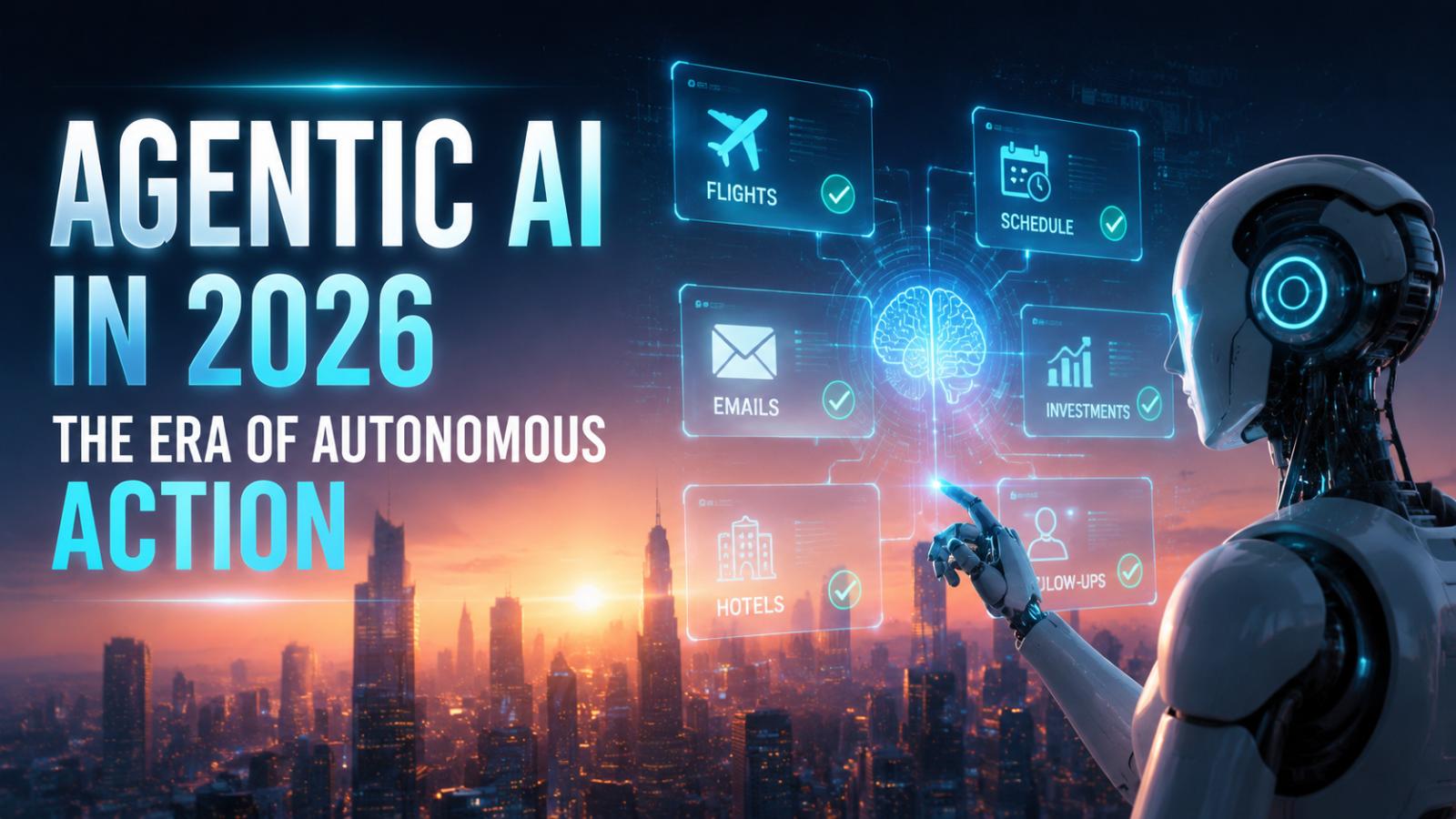
Agentic ai in 2026 reshapes automation and digital work
In 2026, agentic ai is changing how people use technology in daily life. It is a system where AI does not only answer questions but also completes full tasks. This means users can give one simple goal, and the AI handles everything needed to finish it. From booking flights to managing emails and schedules, agentic ai works like a digital worker instead of a simple chatbot. How Agentic AI works Un
Agentic ai in 2026 reshapes automation and digital work
In 2026, agentic ai is changing how people use technology in daily life. It is a system where AI does not only answer questions but also completes full tasks. This means users can give one simple goal, and the AI handles everything needed to finish it. From booking flights to managing emails and schedules, agentic ai works like a digital worker instead of a simple chatbot. How Agentic AI works Un

OpenAI IPO Filing: ChatGPT Maker Moves Closer to Public Market Spotlight
OpenAI has taken an important step toward a possible stock market debut by confidentially filing draft IPO paperwork with U.S. regulators. The move does not mean the company will go public immediately, but it gives the ChatGPT maker the option to prepare for a public listing when market conditions and business plans are ready. The filing has attracted huge attention because OpenAI is no longer seen only as an artificial intelligence resear
OpenAI IPO Filing: ChatGPT Maker Moves Closer to Public Market Spotlight
OpenAI has taken an important step toward a possible stock market debut by confidentially filing draft IPO paperwork with U.S. regulators. The move does not mean the company will go public immediately, but it gives the ChatGPT maker the option to prepare for a public listing when market conditions and business plans are ready. The filing has attracted huge attention because OpenAI is no longer seen only as an artificial intelligence resear

Anthropic Raises $65 Billion As AI Race Intensifies
Anthropic Valuation Climbs Anthropic announced on Thursday, May 28, that it raised $65 billion in a new funding round, lifting its valuation to $965 billion and placing the company ahead of OpenAI in the fast-moving artificial intelligence market. The company, led by former OpenAI executive Dario Amodei, has gained attention for Claude, its advanced AI assistant, and for its growing strength in coding, ente
Anthropic Raises $65 Billion As AI Race Intensifies
Anthropic Valuation Climbs Anthropic announced on Thursday, May 28, that it raised $65 billion in a new funding round, lifting its valuation to $965 billion and placing the company ahead of OpenAI in the fast-moving artificial intelligence market. The company, led by former OpenAI executive Dario Amodei, has gained attention for Claude, its advanced AI assistant, and for its growing strength in coding, ente
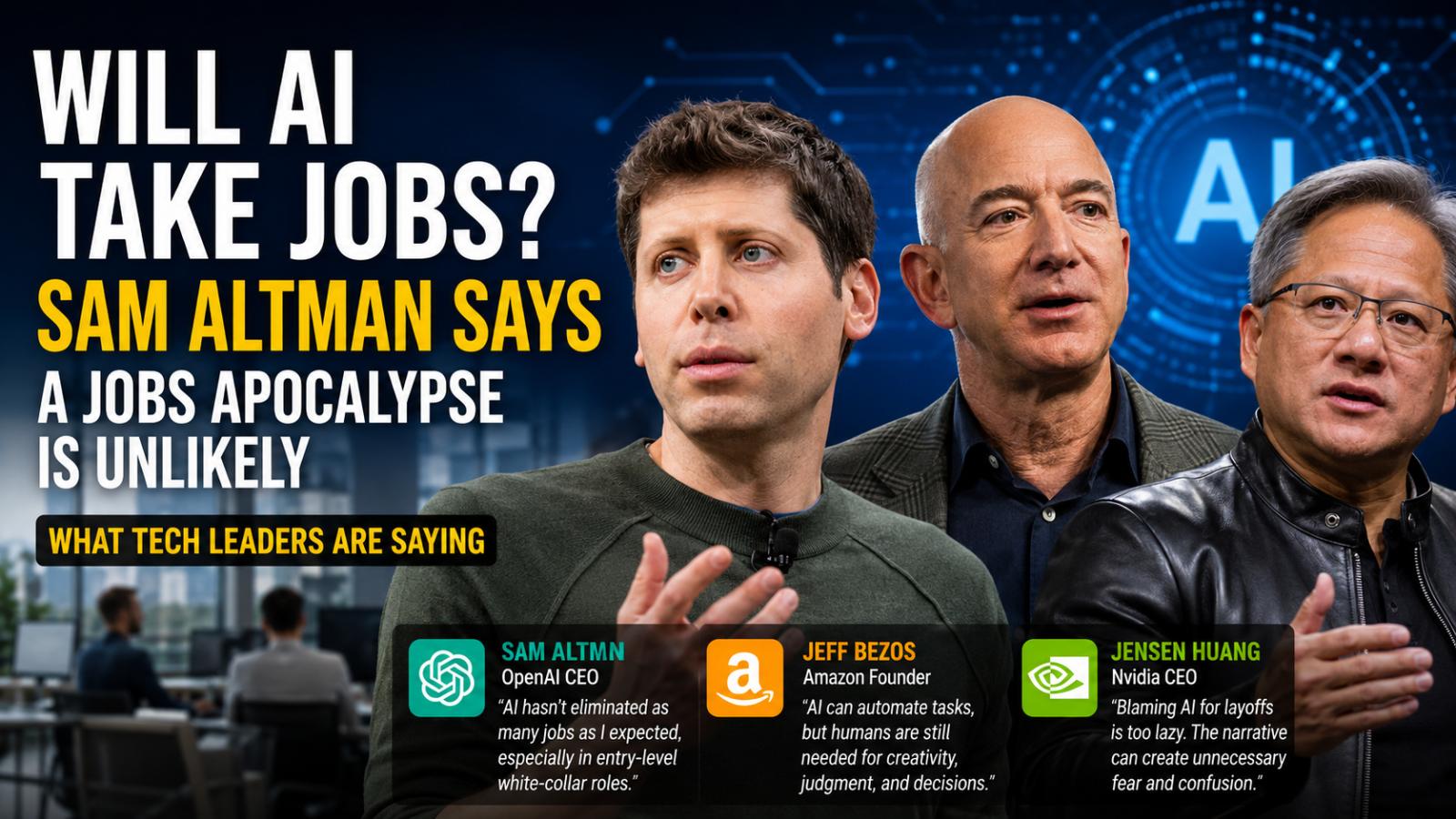
AI Jobs Apocalypse Unlikely, Sam Altman Says as Fear Eases
The AI jobs apocalypse many workers feared may not be unfolding as quickly as expected, according to OpenAI CEO Sam Altman. Speaking virtually at a Commonwealth Bank of Australia conference in Sydney on Tuesday, May 26, 2026, Altman said artificial intelligence has not eliminated as many white-collar jobs as he once feared, especially in entry-level roles. AI Jobs Apocalypse Fears May Be Overstated Altman said
AI Jobs Apocalypse Unlikely, Sam Altman Says as Fear Eases
The AI jobs apocalypse many workers feared may not be unfolding as quickly as expected, according to OpenAI CEO Sam Altman. Speaking virtually at a Commonwealth Bank of Australia conference in Sydney on Tuesday, May 26, 2026, Altman said artificial intelligence has not eliminated as many white-collar jobs as he once feared, especially in entry-level roles. AI Jobs Apocalypse Fears May Be Overstated Altman said
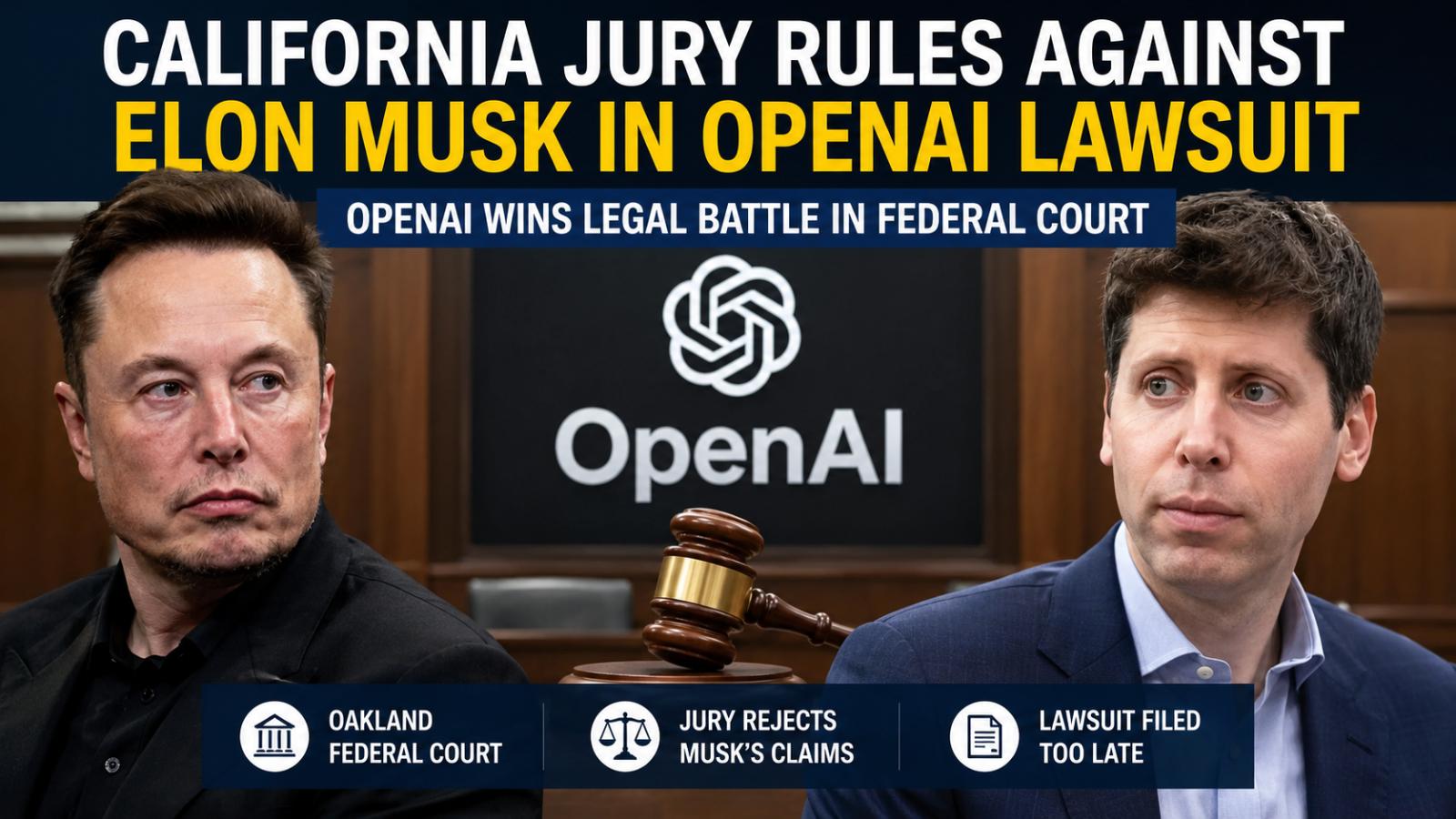
Elon Musk OpenAI Lawsuit Ruling Gives AI Firm Court Win
The Elon Musk OpenAI lawsuit ruling delivered a major courtroom victory for OpenAI after a California jury rejected Musk’s claims in a closely watched artificial intelligence case. A U.S. jury in Oakland, California, ruled against Musk on Monday, May 18, 2026, in his lawsuit against OpenAI, according to Reuters. The case focused on Musk’s claim that OpenAI had moved away from its original mission of developing artificial intelligence for the benefit of humanity.
Elon Musk OpenAI Lawsuit Ruling Gives AI Firm Court Win
The Elon Musk OpenAI lawsuit ruling delivered a major courtroom victory for OpenAI after a California jury rejected Musk’s claims in a closely watched artificial intelligence case. A U.S. jury in Oakland, California, ruled against Musk on Monday, May 18, 2026, in his lawsuit against OpenAI, according to Reuters. The case focused on Musk’s claim that OpenAI had moved away from its original mission of developing artificial intelligence for the benefit of humanity.

Google Warns Hackers Used AI to Plan Massive Zero-Day Cyberattack
Google warned on Monday, May 12, 2026, that hackers attempted to use artificial intelligence tools to plan a large-scale zero-day cyberattack capable of bypassing two-factor authentication systems. The company’s Threat Intelligence Group (GTIG) said it has “high confidence” that cybercriminals used advanced AI models to identify and exploit an undisclosed software vulnerability before developers became aware of it. Officials said Google’s proactive discovery may have stopped what could have become a “mass vulnerability exploitation operation.” AI Security Threats Raise Industry Alarm The report highlights growing fears that AI-powered hacking tools are accelerating cyber threats against businesses, government agencies, and critical digital infrastructure worldwide. Google clarified that its own Gemini AI model was not involved. However, investigators found evidence that hackers were using publicly available AI systems, including OpenClaw, to discover software flaws, develop malware, and automate cyberattacks. Security analysts say AI-driven vulnerability discovery could dramatically reduce the time hackers need to launch sophisticated attacks. OpenAI and Anthropic Also Tighten Security The findings come as major AI companies increase restrictions on powerful cybersecurity-focused models. Last week, OpenAI announced limited access to GPT-5.5-Cyber for vetted security teams, while Anthropic previously delayed the release of its Mythos model over fears criminals could exploit older software vulnerabilities. According to Google, cyber groups linked to China and North Korea showed “significant interest” in using AI for vulnerability discovery and cyber operations, signaling a rapidly evolving global cybersecurity threat landscape.
Google Warns Hackers Used AI to Plan Massive Zero-Day Cyberattack
Google warned on Monday, May 12, 2026, that hackers attempted to use artificial intelligence tools to plan a large-scale zero-day cyberattack capable of bypassing two-factor authentication systems. The company’s Threat Intelligence Group (GTIG) said it has “high confidence” that cybercriminals used advanced AI models to identify and exploit an undisclosed software vulnerability before developers became aware of it. Officials said Google’s proactive discovery may have stopped what could have become a “mass vulnerability exploitation operation.” AI Security Threats Raise Industry Alarm The report highlights growing fears that AI-powered hacking tools are accelerating cyber threats against businesses, government agencies, and critical digital infrastructure worldwide. Google clarified that its own Gemini AI model was not involved. However, investigators found evidence that hackers were using publicly available AI systems, including OpenClaw, to discover software flaws, develop malware, and automate cyberattacks. Security analysts say AI-driven vulnerability discovery could dramatically reduce the time hackers need to launch sophisticated attacks. OpenAI and Anthropic Also Tighten Security The findings come as major AI companies increase restrictions on powerful cybersecurity-focused models. Last week, OpenAI announced limited access to GPT-5.5-Cyber for vetted security teams, while Anthropic previously delayed the release of its Mythos model over fears criminals could exploit older software vulnerabilities. According to Google, cyber groups linked to China and North Korea showed “significant interest” in using AI for vulnerability discovery and cyber operations, signaling a rapidly evolving global cybersecurity threat landscape.
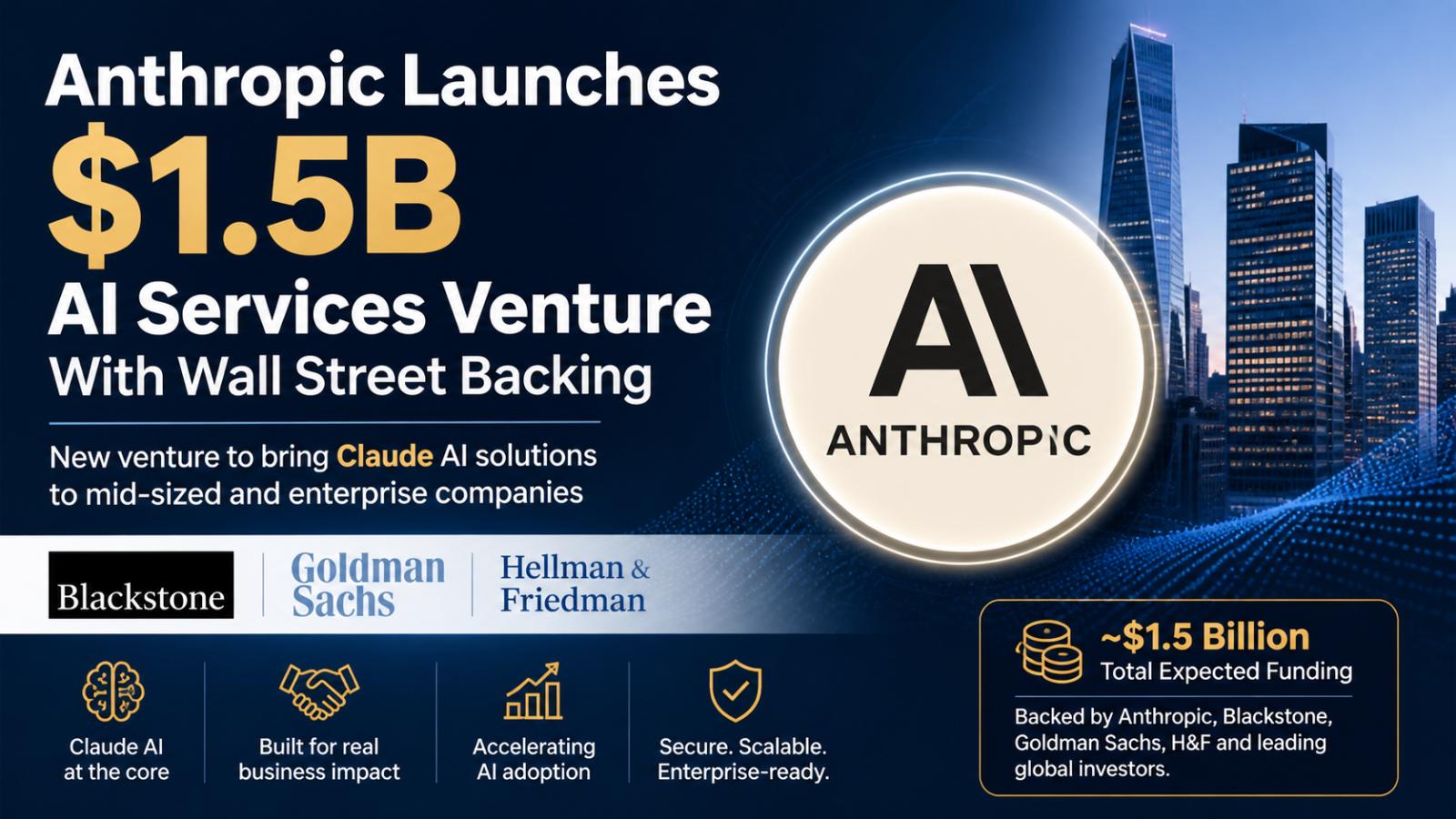
Anthropic Launches $1.5B Claude AI Venture With Wall Street Giants
Anthropic AI Services Venture Targets Enterprise Adoption Anthropic has launched a new AI services venture with Blackstone, Hellman & Friedman and Goldman Sachs to bring Claude deeper into business operations. The Wall Street-backed firm is designed to help mid-sized companies adopt enterprise AI faster, with reported funding expected to reach about $1.5 billion. Claude Moves Beyond Chatbots The new standalone company wil
Anthropic Launches $1.5B Claude AI Venture With Wall Street Giants
Anthropic AI Services Venture Targets Enterprise Adoption Anthropic has launched a new AI services venture with Blackstone, Hellman & Friedman and Goldman Sachs to bring Claude deeper into business operations. The Wall Street-backed firm is designed to help mid-sized companies adopt enterprise AI faster, with reported funding expected to reach about $1.5 billion. Claude Moves Beyond Chatbots The new standalone company wil
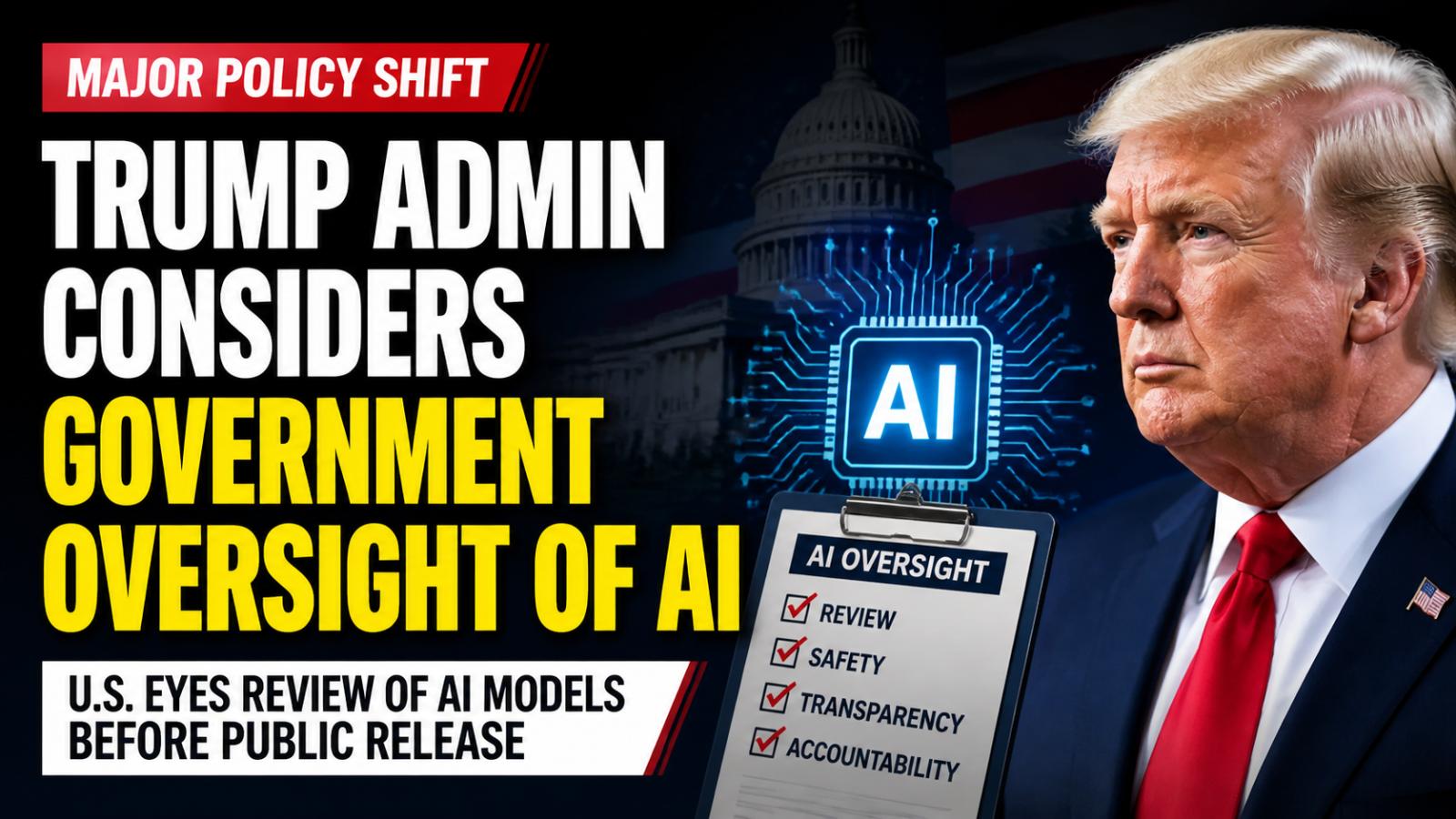
Trump administration to implement AI oversight, reversing earlier stance
The Trump administration is reversing its previous stance on artificial intelligence oversight, now planning to introduce government review procedures for AI models before they are released to the public. According to reports, the White House is considering an executive order that would establish a working group consisting of both tech executives and government officials to explore potential review procedures for new AI models. This marks a s
Trump administration to implement AI oversight, reversing earlier stance
The Trump administration is reversing its previous stance on artificial intelligence oversight, now planning to introduce government review procedures for AI models before they are released to the public. According to reports, the White House is considering an executive order that would establish a working group consisting of both tech executives and government officials to explore potential review procedures for new AI models. This marks a s
Did OpenAI miss growth targets? AI stocks fall as report raises concerns
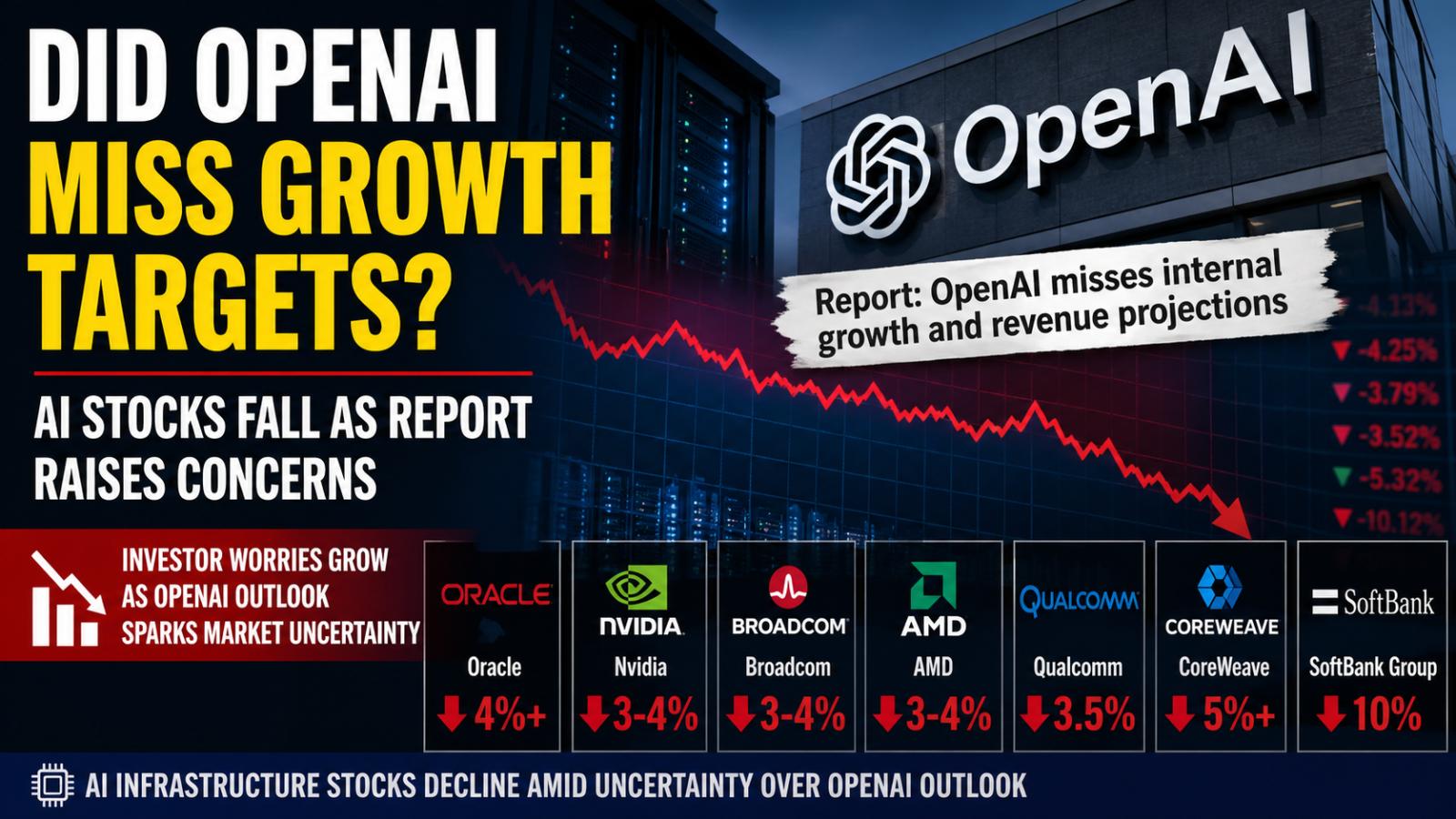
Market reaction to OpenAI growth concerns Did OpenAI miss growth targets? AI stocks fall as report raises concerns, triggering a broad pullback across companies tied to artificial intelligence infrastructure on Tuesday. Shares of Oracle fell more than 4% amid its major partnership to provide computing power for OpenAI’s operations. Chipmakers including Nvidia, Broadcom, and Advanced Micro Devices declined between roughly 3% and 4%, while Qualcomm dropped 3.5%. Global impact reflects investor sensitivity Losses extended beyond the United States, with SoftBank Group, a major OpenAI investor, falling about 10% in Asian markets. The declines followed a report that OpenAI has not met internal projections for user growth and revenue, raising concerns about its ability to sustain the heavy spending required for data center expansion and long-term compute agreements. OpenAI response and financial outlook debate OpenAI pushed back against the claims, stating it remains aligned on expanding compute capacity. The company, which launched ChatGPT in 2022 and helped drive the current AI boom, recently secured a $122 billion funding round at an $852 billion valuation. However, internal discussions reportedly highlighted risks if revenue growth does not accelerate as expected. Competitive pressures reshape AI landscape At the same time, competition in enterprise AI continues to intensify. Rivals such as Anthropic and Google’s Gemini models are gaining traction, prompting companies to diversify across multiple providers. Some analysts interpret OpenAI’s slower growth as a shift in market share rather than a broader slowdown in AI adoption. Investors weigh long-term implications Despite the market reaction, several investors remain cautious about drawing firm conclusions. Industry experts note that forecasting revenue and capital expenditures in the rapidly evolving AI sector remains highly uncertain. While short-term volatility has affected tech stocks, many view the report as part of a broader adjustment rather than a fundamental change in the long-term trajectory of AI infrastructure spending.
Did OpenAI miss growth targets? AI stocks fall as report raises concerns
Market reaction to OpenAI growth concerns Did OpenAI miss growth targets? AI stocks fall as report raises concerns, triggering a broad pullback across companies tied to artificial intelligence infrastructure on Tuesday. Shares of Oracle fell more than 4% amid its major partnership to provide computing power for OpenAI’s operations. Chipmakers including Nvidia, Broadcom, and Advanced Micro Devices declined between roughly 3% and 4%, while Qualcomm dropped 3.5%. Global impact reflects investor sensitivity Losses extended beyond the United States, with SoftBank Group, a major OpenAI investor, falling about 10% in Asian markets. The declines followed a report that OpenAI has not met internal projections for user growth and revenue, raising concerns about its ability to sustain the heavy spending required for data center expansion and long-term compute agreements. OpenAI response and financial outlook debate OpenAI pushed back against the claims, stating it remains aligned on expanding compute capacity. The company, which launched ChatGPT in 2022 and helped drive the current AI boom, recently secured a $122 billion funding round at an $852 billion valuation. However, internal discussions reportedly highlighted risks if revenue growth does not accelerate as expected. Competitive pressures reshape AI landscape At the same time, competition in enterprise AI continues to intensify. Rivals such as Anthropic and Google’s Gemini models are gaining traction, prompting companies to diversify across multiple providers. Some analysts interpret OpenAI’s slower growth as a shift in market share rather than a broader slowdown in AI adoption. Investors weigh long-term implications Despite the market reaction, several investors remain cautious about drawing firm conclusions. Industry experts note that forecasting revenue and capital expenditures in the rapidly evolving AI sector remains highly uncertain. While short-term volatility has affected tech stocks, many view the report as part of a broader adjustment rather than a fundamental change in the long-term trajectory of AI infrastructure spending.
What is Elon Musk alleging against OpenAI? Lawsuit claims mission betrayal
The escalating legal dispute between Elon Musk and Sam Altman has entered a critical discovery phase, intensifying scrutiny over the direction of OpenAI. Musk’s lawsuit, initially filed in early 2024 and recent
What is Elon Musk alleging against OpenAI? Lawsuit claims mission betrayal
The escalating legal dispute between Elon Musk and Sam Altman has entered a critical discovery phase, intensifying scrutiny over the direction of OpenAI. Musk’s lawsuit, initially filed in early 2024 and recent
Why are AI firms hiring software executives? Talent shift accelerates enterprise push
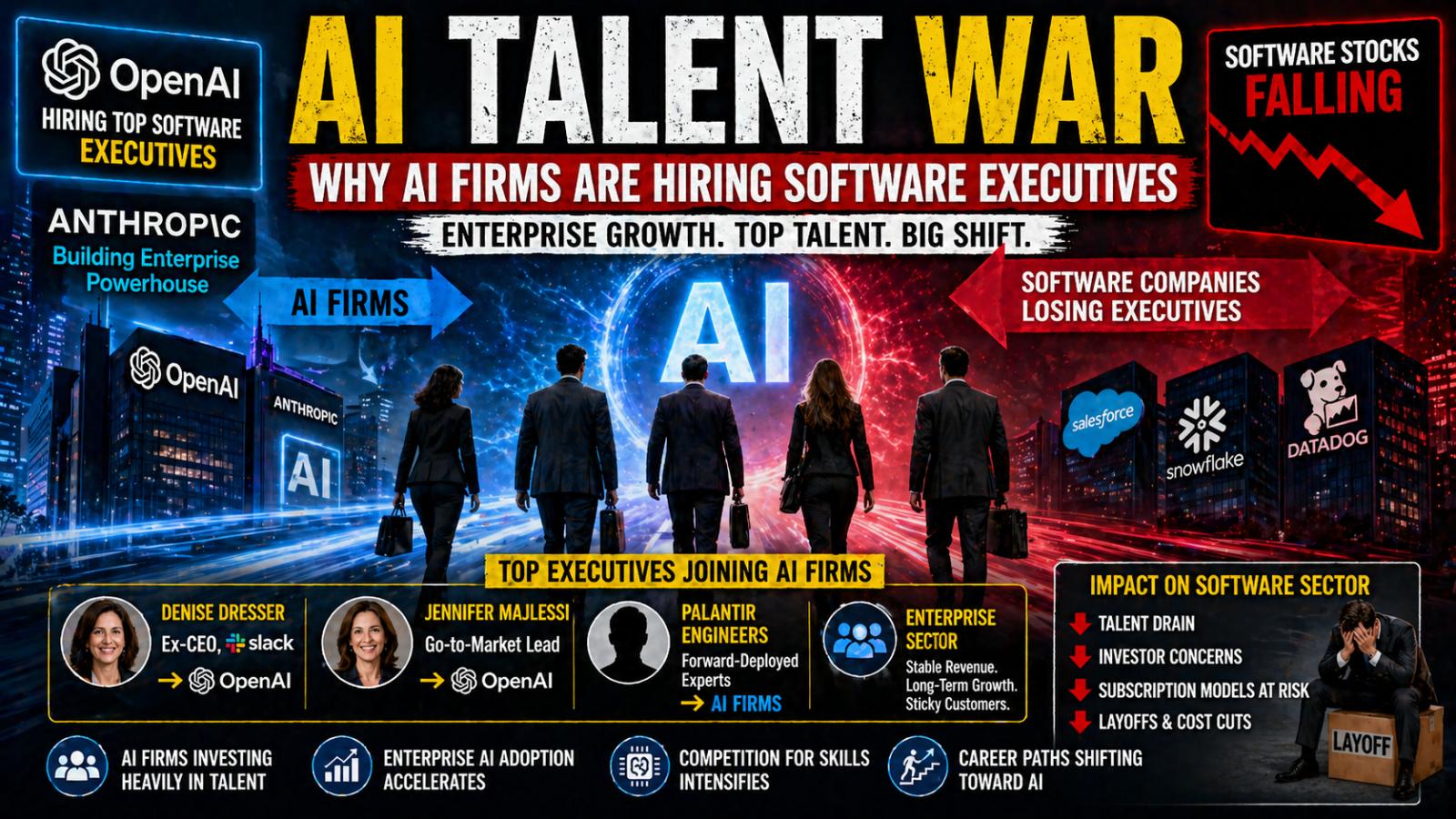
Why are AI firms hiring software executives? Talent shift accelerates enterprise push is becoming a defining question across the technology sector as artificial intelligence companies aggressively recruit senior leaders from traditional software firms, signaling a strategic shift toward enterprise growth and customer expansion. AI companies target enterprise expertise from software leaders Executives from companies including Salesforce, Snowflake, and Datadog have recently joined AI firms such as OpenAI and Anthropic, according to multiple industry sources. These hires are often driven by lucrative compensation packages and the ability to leverage long-standing corporate relationships in enterprise markets. Among the most prominent moves, Denise Dresser transitioned to OpenAI as chief revenue officer after previously serving as CEO of Slack under Salesforce. Jennifer Majlessi also joined OpenAI in a go-to-market leadership role, reflecting a broader trend of AI firms strengthening their sales and commercialization capabilities. Enterprise growth becomes central to AI business strategy The hiring surge highlights a shift in priorities for AI companies, where enterprise adoption is increasingly seen as a key revenue driver. Corporate clients tend to offer more stable, long-term contracts, making them a “sticky” and profitable segment. OpenAI has indicated that enterprise customers already account for roughly 40% of its business, with expectations to grow that share further. AI firms are also recruiting specialized talent such as forward-deployed engineers from Palantir Technologies, professionals known for implementing complex software solutions directly within client organizations. Software sector faces mounting pressure from AI disruption The talent migration comes at a challenging time for traditional software companies, which are already facing investor concerns about AI-driven disruption to subscription-based cloud models. Industry tracking funds have recorded significant declines, reflecting uncertainty about long-term competitiveness. At the same time, layoffs across major tech companies underscore a broader workforce transition. Firms like Oracle, Meta Platforms, and Microsoft have announced workforce reductions while reallocating resources toward AI initiatives. Workforce shifts reshape career paths in technology The evolving landscape is prompting professionals to reassess career trajectories, with many seeking roles aligned with AI innovation. However, integrating talent from traditional software firms into fast-paced AI environments can present challenges, particularly around culture and expectations for long working hours. Still, the movement of experienced executives into AI companies signals a broader structural shift in the tech industry, where enterprise-focused growth and advanced AI capabilities are rapidly redefining competitive dynamics.
Why are AI firms hiring software executives? Talent shift accelerates enterprise push
Why are AI firms hiring software executives? Talent shift accelerates enterprise push is becoming a defining question across the technology sector as artificial intelligence companies aggressively recruit senior leaders from traditional software firms, signaling a strategic shift toward enterprise growth and customer expansion. AI companies target enterprise expertise from software leaders Executives from companies including Salesforce, Snowflake, and Datadog have recently joined AI firms such as OpenAI and Anthropic, according to multiple industry sources. These hires are often driven by lucrative compensation packages and the ability to leverage long-standing corporate relationships in enterprise markets. Among the most prominent moves, Denise Dresser transitioned to OpenAI as chief revenue officer after previously serving as CEO of Slack under Salesforce. Jennifer Majlessi also joined OpenAI in a go-to-market leadership role, reflecting a broader trend of AI firms strengthening their sales and commercialization capabilities. Enterprise growth becomes central to AI business strategy The hiring surge highlights a shift in priorities for AI companies, where enterprise adoption is increasingly seen as a key revenue driver. Corporate clients tend to offer more stable, long-term contracts, making them a “sticky” and profitable segment. OpenAI has indicated that enterprise customers already account for roughly 40% of its business, with expectations to grow that share further. AI firms are also recruiting specialized talent such as forward-deployed engineers from Palantir Technologies, professionals known for implementing complex software solutions directly within client organizations. Software sector faces mounting pressure from AI disruption The talent migration comes at a challenging time for traditional software companies, which are already facing investor concerns about AI-driven disruption to subscription-based cloud models. Industry tracking funds have recorded significant declines, reflecting uncertainty about long-term competitiveness. At the same time, layoffs across major tech companies underscore a broader workforce transition. Firms like Oracle, Meta Platforms, and Microsoft have announced workforce reductions while reallocating resources toward AI initiatives. Workforce shifts reshape career paths in technology The evolving landscape is prompting professionals to reassess career trajectories, with many seeking roles aligned with AI innovation. However, integrating talent from traditional software firms into fast-paced AI environments can present challenges, particularly around culture and expectations for long working hours. Still, the movement of experienced executives into AI companies signals a broader structural shift in the tech industry, where enterprise-focused growth and advanced AI capabilities are rapidly redefining competitive dynamics.
Indian-Origin OpenAI CTO Srinivas Narayanan Resigns To Spend Time With Parents
Srinivas Narayanan, an Indian-origin technology leader and Chief Technology Officer of B2B Applications at OpenAI, has announced his decision to step down from his role after a significant three-year tenure. His departure marks the end of a transformative phase during which he played a key role in scaling some of the company’s most widely used products and platforms. Narayanan shared that he had informed the leadership team earlier this month and would officially leave by the end of next week. Reflecting on his journey, he described his time at OpenAI as an incredible experience, highlighting the rapid pace of innovation and the impact of the work done during this period. He expressed gratitude to key leaders including CEO Sam Altman and co-founder Greg Brockman for their support and leadership. The decision, according to Narayanan, is driven by personal priorities. He stated that he intends to travel to India to spend time with his ageing parents before making any decisions about his next professional move. His announcement reflects a growing trend among senior professionals prioritizing family and personal well-being alongside demanding corporate careers. During his tenure, Narayanan led engineering teams responsible for key offerings such as ChatGPT, enterprise APIs, and applied AI systems used globally. His work focused on bridging advanced research with real-world applications, helping scale products to millions of users worldwide. Before joining OpenAI, Narayanan built an extensive career in the tech industry. He is an alumnus of IIT Madras and holds a master’s degree from the University of Wisconsin-Madison. He began his professional journey at IBM’s Almaden Research Center and later spent over a decade at Meta, where he contributed to major platforms including Facebook Photos and advanced AI-driven systems. His exit represents a notable leadership change in the AI space, especially at a time when the industry continues to expand rapidly. While his next move remains undecided, his contributions to the evolution of applied artificial intelligence are expected to have a lasting impact.
Indian-Origin OpenAI CTO Srinivas Narayanan Resigns To Spend Time With Parents
Srinivas Narayanan, an Indian-origin technology leader and Chief Technology Officer of B2B Applications at OpenAI, has announced his decision to step down from his role after a significant three-year tenure. His departure marks the end of a transformative phase during which he played a key role in scaling some of the company’s most widely used products and platforms. Narayanan shared that he had informed the leadership team earlier this month and would officially leave by the end of next week. Reflecting on his journey, he described his time at OpenAI as an incredible experience, highlighting the rapid pace of innovation and the impact of the work done during this period. He expressed gratitude to key leaders including CEO Sam Altman and co-founder Greg Brockman for their support and leadership. The decision, according to Narayanan, is driven by personal priorities. He stated that he intends to travel to India to spend time with his ageing parents before making any decisions about his next professional move. His announcement reflects a growing trend among senior professionals prioritizing family and personal well-being alongside demanding corporate careers. During his tenure, Narayanan led engineering teams responsible for key offerings such as ChatGPT, enterprise APIs, and applied AI systems used globally. His work focused on bridging advanced research with real-world applications, helping scale products to millions of users worldwide. Before joining OpenAI, Narayanan built an extensive career in the tech industry. He is an alumnus of IIT Madras and holds a master’s degree from the University of Wisconsin-Madison. He began his professional journey at IBM’s Almaden Research Center and later spent over a decade at Meta, where he contributed to major platforms including Facebook Photos and advanced AI-driven systems. His exit represents a notable leadership change in the AI space, especially at a time when the industry continues to expand rapidly. While his next move remains undecided, his contributions to the evolution of applied artificial intelligence are expected to have a lasting impact.
OpenAI flags Microsoft reliance as risk ahead of potential IPO
OpenAI has identified its close relationship with Microsoft as a potential business risk, according to a financial document shared with prospective investors as part of its latest funding round. The disclosure highlights the company’s reliance on Microsoft for a significant portion of its financing and computing infrastructure, raising concerns about concentration risk as it prepares for a possible initial public offering. The document, which includes detailed risk factors related to both
OpenAI flags Microsoft reliance as risk ahead of potential IPO
OpenAI has identified its close relationship with Microsoft as a potential business risk, according to a financial document shared with prospective investors as part of its latest funding round. The disclosure highlights the company’s reliance on Microsoft for a significant portion of its financing and computing infrastructure, raising concerns about concentration risk as it prepares for a possible initial public offering. The document, which includes detailed risk factors related to both

OpenAI shifts strategy from instant checkout to app-based AI shopping
OpenAI is reworking its approach to artificial intelligence-driven shopping, stepping back from its earlier push into instant checkout and shifting toward an app-based retail model within ChatGPT. The move comes months after the company introduced a feature that allowed users to complete purchases directly inside the chatbot, a concept that initially attracted strong interest from major ecommerce players. Retailers such as Etsy, Walmart and Shopify had quickly aligned with the initiative,
OpenAI shifts strategy from instant checkout to app-based AI shopping
OpenAI is reworking its approach to artificial intelligence-driven shopping, stepping back from its earlier push into instant checkout and shifting toward an app-based retail model within ChatGPT. The move comes months after the company introduced a feature that allowed users to complete purchases directly inside the chatbot, a concept that initially attracted strong interest from major ecommerce players. Retailers such as Etsy, Walmart and Shopify had quickly aligned with the initiative,
OpenAI launches GPT-5.4 to power advanced professional AI workflows
OpenAI has announced the launch of GPT-5.4, a new foundation model designed to support complex professional work across a range of industries. The company describes the system as its most capable and efficient frontier model to date, highlighting improvements in performance, reasoning ability and adaptability for real-world applications. The new model arrives as artificial intelligence continues to play a growing role in professional workflows. According to OpenAI, GPT-5.4 is intended to assist users with tasks that require advanced knowledge processing, including software development, financial analysis, research and technical problem solving. The company says the model has been optimized to handle demanding workloads while maintaining efficiency and accuracy. GPT-5.4 has been released in three separate variants, each tailored to different use cases. The standard version is designed to provide balanced performance across a wide range of tasks. A specialized reasoning model, known as GPT-5.4 Thinking, focuses on deeper analytical capabilities and structured problem solving. Meanwhile, GPT-5.4 Pro has been developed as a high-performance version intended for more intensive professional environments that require greater speed and computational power. The launch reflects a broader shift within the artificial intelligence sector as technology companies increasingly build AI systems specifically aimed at professional and enterprise applications. Developers and organizations are adopting advanced AI models to streamline coding processes, improve data analysis and accelerate research workflows. Industry observers note that the development of more specialized AI models could significantly influence how businesses integrate machine learning tools into everyday operations. As companies continue to explore the potential of generative AI and large language models, systems such as GPT-5.4 are expected to play a central role in shaping the next phase of AI-driven productivity and innovation.
OpenAI launches GPT-5.4 to power advanced professional AI workflows
OpenAI has announced the launch of GPT-5.4, a new foundation model designed to support complex professional work across a range of industries. The company describes the system as its most capable and efficient frontier model to date, highlighting improvements in performance, reasoning ability and adaptability for real-world applications. The new model arrives as artificial intelligence continues to play a growing role in professional workflows. According to OpenAI, GPT-5.4 is intended to assist users with tasks that require advanced knowledge processing, including software development, financial analysis, research and technical problem solving. The company says the model has been optimized to handle demanding workloads while maintaining efficiency and accuracy. GPT-5.4 has been released in three separate variants, each tailored to different use cases. The standard version is designed to provide balanced performance across a wide range of tasks. A specialized reasoning model, known as GPT-5.4 Thinking, focuses on deeper analytical capabilities and structured problem solving. Meanwhile, GPT-5.4 Pro has been developed as a high-performance version intended for more intensive professional environments that require greater speed and computational power. The launch reflects a broader shift within the artificial intelligence sector as technology companies increasingly build AI systems specifically aimed at professional and enterprise applications. Developers and organizations are adopting advanced AI models to streamline coding processes, improve data analysis and accelerate research workflows. Industry observers note that the development of more specialized AI models could significantly influence how businesses integrate machine learning tools into everyday operations. As companies continue to explore the potential of generative AI and large language models, systems such as GPT-5.4 are expected to play a central role in shaping the next phase of AI-driven productivity and innovation.
Nvidia shares dip as uncertainty clouds potential OpenAI investment plans
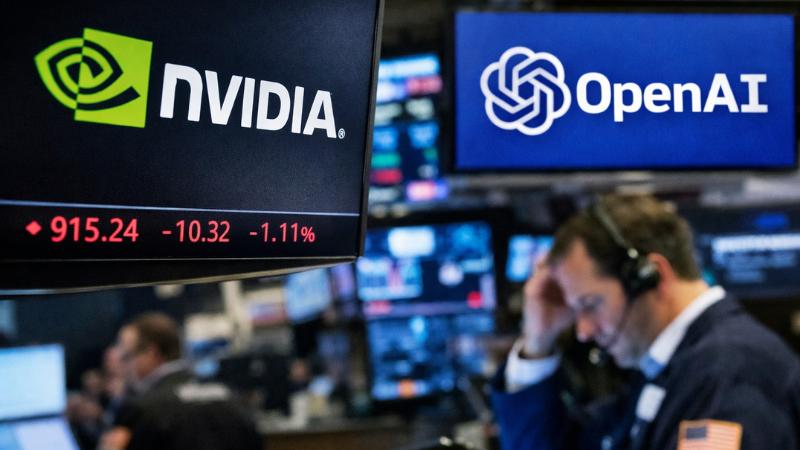
Nvidia shares declined on Monday as uncertainty surrounding the chipmaker’s potential investment in OpenAI weighed on investor sentiment. The stock slipped in early trading after reports suggested that previously announced plans involving a massive financial commitment to the artificial intelligence company may not yet be finalized. The market reaction underscored growing sensitivity around large-scale AI investments and the evolving relationships among major technology players. T
Nvidia shares dip as uncertainty clouds potential OpenAI investment plans
Nvidia shares declined on Monday as uncertainty surrounding the chipmaker’s potential investment in OpenAI weighed on investor sentiment. The stock slipped in early trading after reports suggested that previously announced plans involving a massive financial commitment to the artificial intelligence company may not yet be finalized. The market reaction underscored growing sensitivity around large-scale AI investments and the evolving relationships among major technology players. T










