India rejects mediation role amid US-Iran tensions, Jaishankar clarifies stance
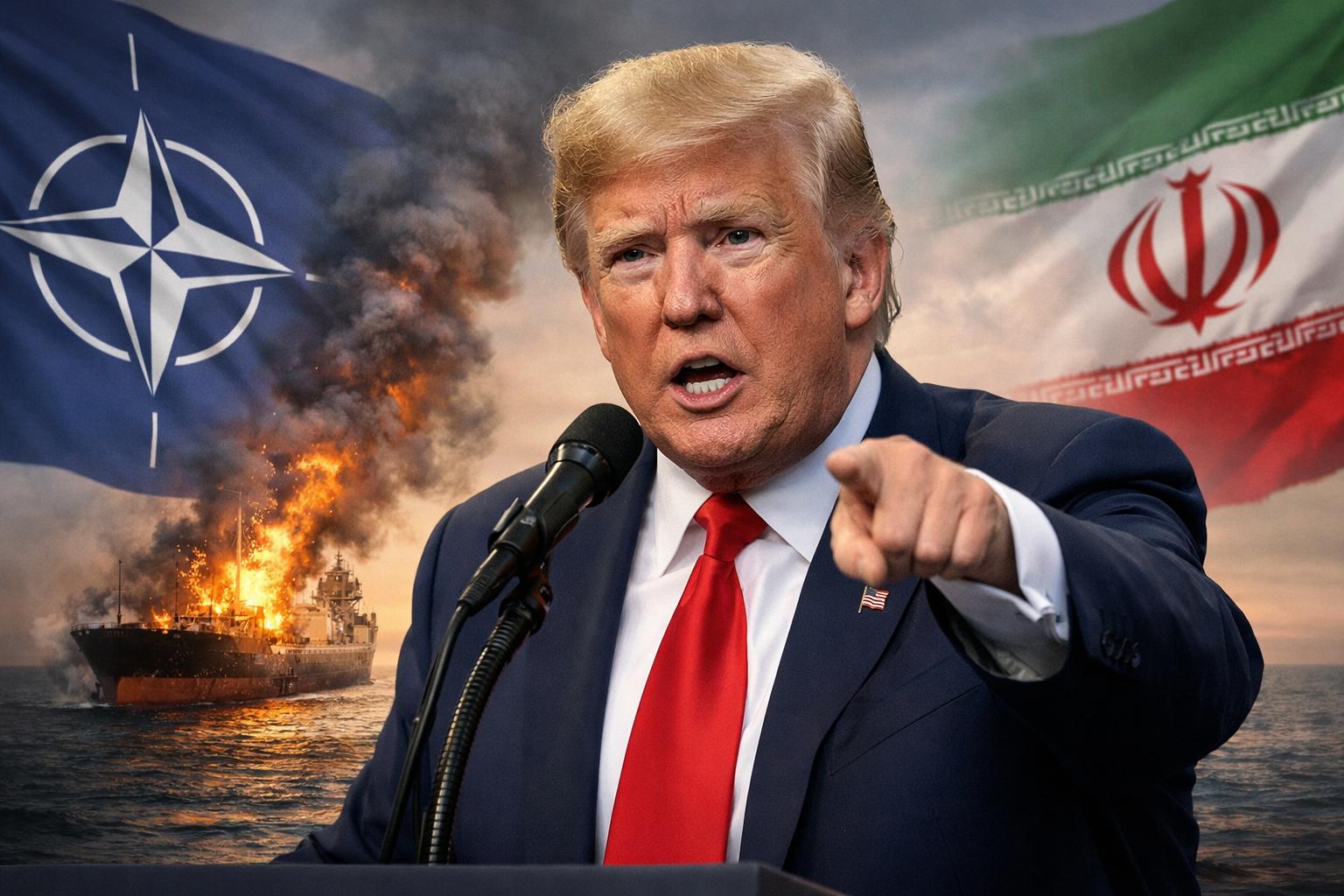
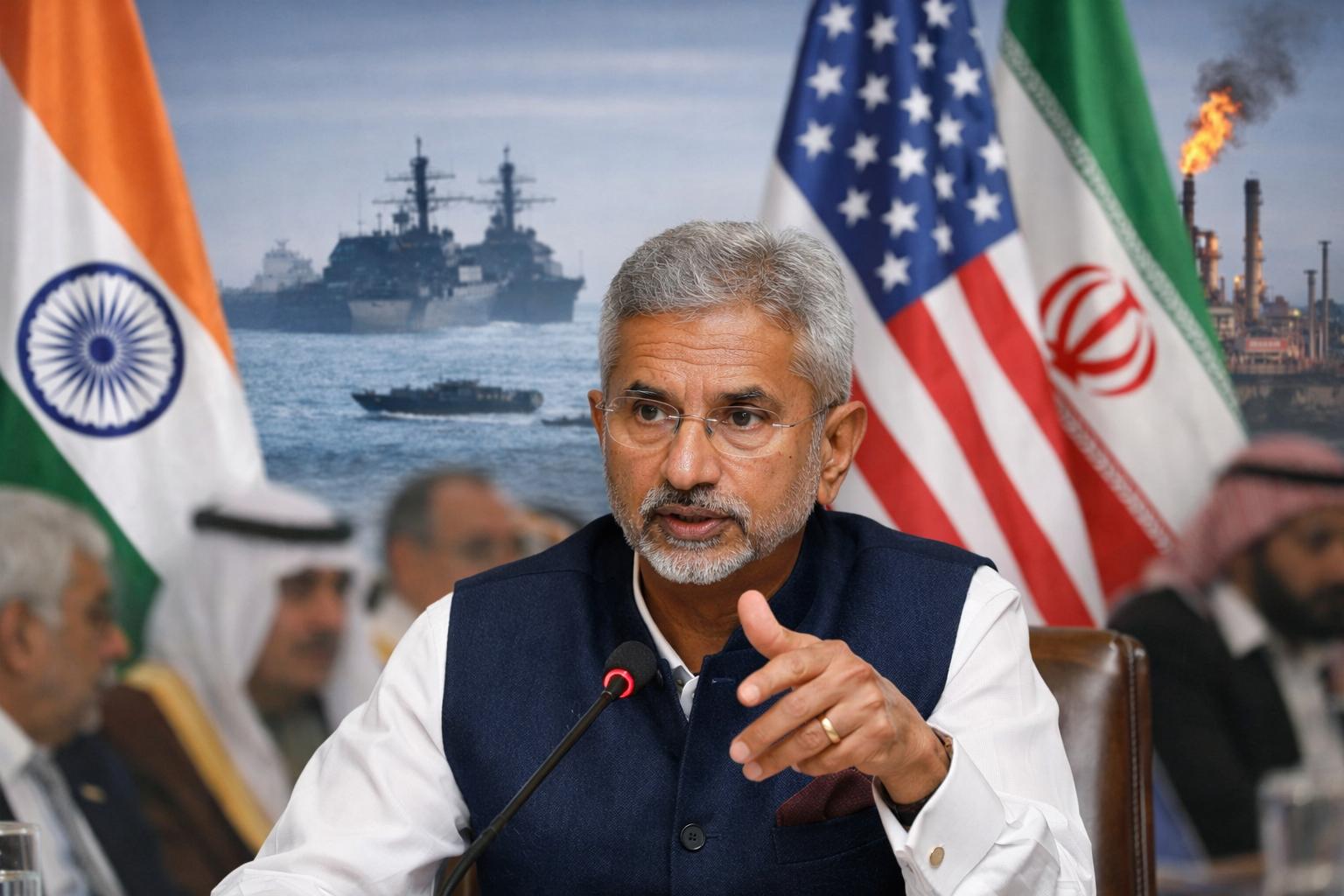
India has firmly ruled out any role as a mediator in the ongoing tensions between the United States and Iran, with External Affairs Minister S Jaishankar stating that New Delhi does not engage in diplomatic brokerage. His remarks came during an all-party meeting convened to brief political leaders on the government’s approach to the escalating West Asia crisis and its implications for India’s strategic interests. Addressing concerns raised by opposition leaders, Jaishankar clarified that India’s foreign policy is guided by its national priorities rather than intermediary roles. He noted that attempts by countries such as Pakistan to position themselves as mediators are not new, adding that such efforts have historically aligned with external interests. Government sources emphasized that India has been actively responding to developments in the region and rejected claims that it has remained silent. The meeting also focused on India’s preparedness in ensuring energy security and safeguarding its citizens in the Gulf region. Officials highlighted that maintaining stable crude oil supplies remains a key priority, particularly as tensions threaten critical shipping routes such as the Strait of Hormuz. The government informed leaders that advance procurement measures have been taken and that India is currently sourcing oil and gas from a diversified network of 41 countries to mitigate risks. Participants were also briefed on maritime developments, including the safe passage of several India-bound vessels carrying petroleum products through the Strait of Hormuz, while others remain in the vicinity awaiting clearance. The government described these developments as a reflection of effective coordination and diplomatic engagement. On diplomatic outreach, the government reiterated that India maintains balanced relations with all major stakeholders in the region, including the United States, Iran, and Israel. It also underscored steps taken to convey condolences following recent developments in Iran, indicating continued engagement at the diplomatic level. Despite these assurances, opposition leaders expressed dissatisfaction with the government’s responses and called for a detailed discussion in Parliament. The government, however, maintained that the situation is under control and there is no immediate cause for concern, reiterating its commitment to protecting national interests amid evolving geopolitical challenges.
India rejects mediation role amid US-Iran tensions, Jaishankar clarifies stance
India has firmly ruled out any role as a mediator in the ongoing tensions between the United States and Iran, with External Affairs Minister S Jaishankar stating that New Delhi does not engage in diplomatic brokerage. His remarks came during an all-party meeting convened to brief political leaders on the government’s approach to the escalating West Asia crisis and its implications for India’s strategic interests. Addressing concerns raised by opposition leaders, Jaishankar clarified that India’s foreign policy is guided by its national priorities rather than intermediary roles. He noted that attempts by countries such as Pakistan to position themselves as mediators are not new, adding that such efforts have historically aligned with external interests. Government sources emphasized that India has been actively responding to developments in the region and rejected claims that it has remained silent. The meeting also focused on India’s preparedness in ensuring energy security and safeguarding its citizens in the Gulf region. Officials highlighted that maintaining stable crude oil supplies remains a key priority, particularly as tensions threaten critical shipping routes such as the Strait of Hormuz. The government informed leaders that advance procurement measures have been taken and that India is currently sourcing oil and gas from a diversified network of 41 countries to mitigate risks. Participants were also briefed on maritime developments, including the safe passage of several India-bound vessels carrying petroleum products through the Strait of Hormuz, while others remain in the vicinity awaiting clearance. The government described these developments as a reflection of effective coordination and diplomatic engagement. On diplomatic outreach, the government reiterated that India maintains balanced relations with all major stakeholders in the region, including the United States, Iran, and Israel. It also underscored steps taken to convey condolences following recent developments in Iran, indicating continued engagement at the diplomatic level. Despite these assurances, opposition leaders expressed dissatisfaction with the government’s responses and called for a detailed discussion in Parliament. The government, however, maintained that the situation is under control and there is no immediate cause for concern, reiterating its commitment to protecting national interests amid evolving geopolitical challenges.
90 Ships Cross Hormuz as Iran Continues Oil Exports Amid War, Despite Challenges
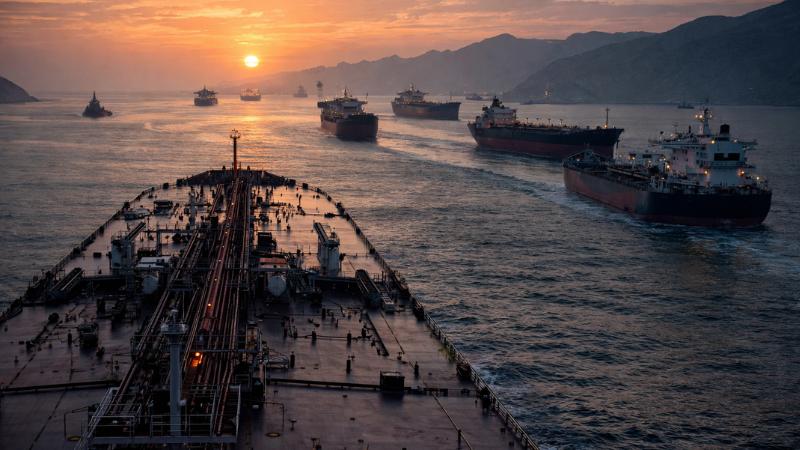
In the midst of the ongoing war, Iran has continued to export millions of barrels of oil, with about 90 ships, including oil tankers, crossing the critical Strait of Hormuz between March 1 and 15, 2026. Despite the waterway being effectively "closed" to most traffic due to the conflict, Iran has managed to keep its oil exports flowing, benefitting from its control over this vital chokepoint. According to maritime traffic data from Lloyd's List Intelligence, Iran has relied on a mix
90 Ships Cross Hormuz as Iran Continues Oil Exports Amid War, Despite Challenges
In the midst of the ongoing war, Iran has continued to export millions of barrels of oil, with about 90 ships, including oil tankers, crossing the critical Strait of Hormuz between March 1 and 15, 2026. Despite the waterway being effectively "closed" to most traffic due to the conflict, Iran has managed to keep its oil exports flowing, benefitting from its control over this vital chokepoint. According to maritime traffic data from Lloyd's List Intelligence, Iran has relied on a mix
400 Dead, 250 Injured in Pakistan Airstrike on Kabul Hospital, Taliban Condemns Attack
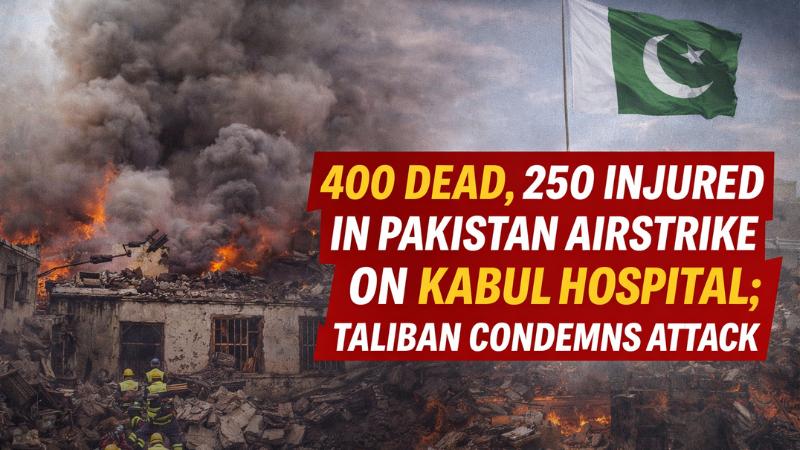
On March 16, 2026, a devastating Pakistani airstrike hit a drug treatment
400 Dead, 250 Injured in Pakistan Airstrike on Kabul Hospital, Taliban Condemns Attack
On March 16, 2026, a devastating Pakistani airstrike hit a drug treatment
India Begins Supplying 5,000 Tonnes of Diesel to Bangladesh Amid Energy Crisis
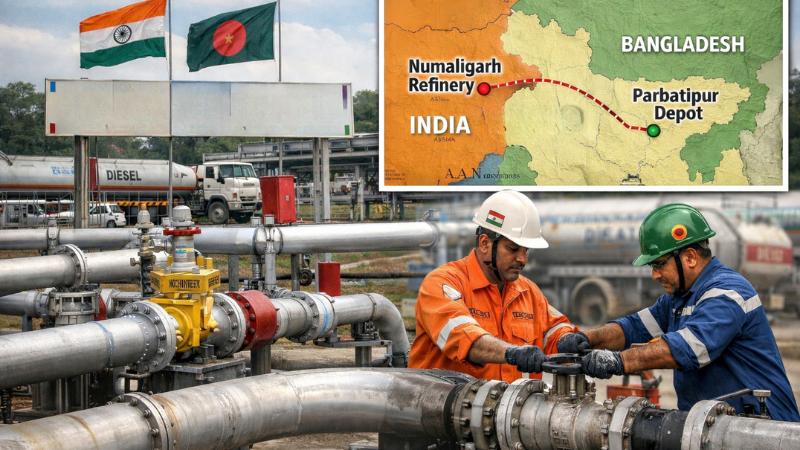
In the midst of the ongoing US-Israel-Iran conflict, which has caused significant global energy strain, India has begun sending 5,000 tonnes of diesel to Bangladesh via the cross-border Friendship Pipeline. This move is part of an annual supply agreement in which India is committed to providing 180,000 tonnes of diesel to Bangladesh each year. The first consignment arrived on Tuesday, marking the beginning of a five-year plan to address Bangladesh's worsening fuel shortage. Banglade
India Begins Supplying 5,000 Tonnes of Diesel to Bangladesh Amid Energy Crisis
In the midst of the ongoing US-Israel-Iran conflict, which has caused significant global energy strain, India has begun sending 5,000 tonnes of diesel to Bangladesh via the cross-border Friendship Pipeline. This move is part of an annual supply agreement in which India is committed to providing 180,000 tonnes of diesel to Bangladesh each year. The first consignment arrived on Tuesday, marking the beginning of a five-year plan to address Bangladesh's worsening fuel shortage. Banglade
Jamaat Chief Slams Bangladesh President, Reveals Yunus-Islamists Nexus Amid Backlash
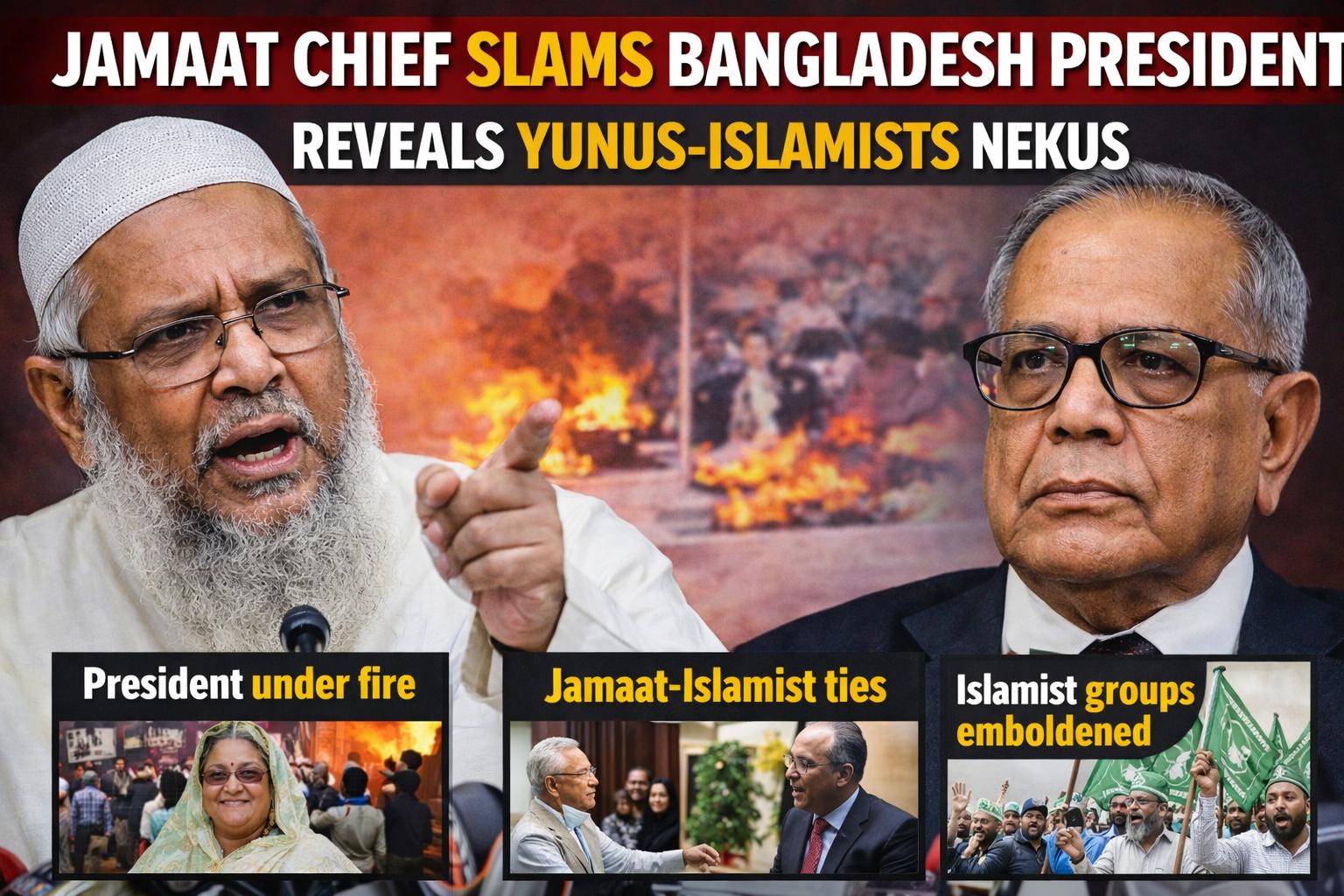
In a surprising turn of events, Bangladesh Jamaat-e-Islami Ameer Shafiqur Rahman has launched a sharp attack on President Mohammed Shahabuddin, following his public criticism of the Muhammad Yunus-led interim regime. Rahman’s comments, which came shortly after Shahabuddin revealed his experiences under the Yunus administration, inadvertently exposed a deeper connection between Bangladesh’s Islamist groups and the interim regime, hinting at a tacit alliance that has shaped the country's po
Jamaat Chief Slams Bangladesh President, Reveals Yunus-Islamists Nexus Amid Backlash
In a surprising turn of events, Bangladesh Jamaat-e-Islami Ameer Shafiqur Rahman has launched a sharp attack on President Mohammed Shahabuddin, following his public criticism of the Muhammad Yunus-led interim regime. Rahman’s comments, which came shortly after Shahabuddin revealed his experiences under the Yunus administration, inadvertently exposed a deeper connection between Bangladesh’s Islamist groups and the interim regime, hinting at a tacit alliance that has shaped the country's po
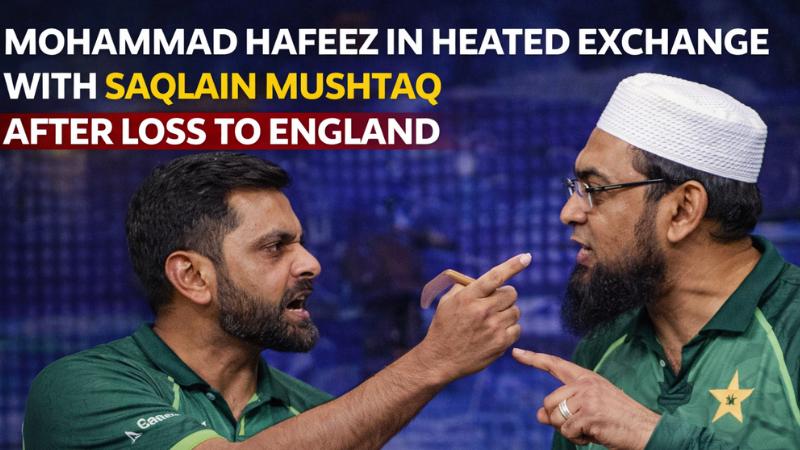
Mohammad Hafeez and Saqlain Mushtaq in Heated Argument Over Nawaz's Role After Loss to England
Following Pakistan's narrow loss to England in their T20 World Cup Super 8 match, former cricketers Mohammad Hafeez and Saqlain Mushtaq found themselves in a heated argument over Mohammad Nawaz’s role in the team. The altercation occurred during a discussion on the popular sports show Game on Hai, where Saqlain defended Nawaz’s dual potential as both a bowler and a batsman. Hafeez, however, disagreed, emphasizing Nawaz’s primary responsibility as a bowler and arguing
Mohammad Hafeez and Saqlain Mushtaq in Heated Argument Over Nawaz's Role After Loss to England
Following Pakistan's narrow loss to England in their T20 World Cup Super 8 match, former cricketers Mohammad Hafeez and Saqlain Mushtaq found themselves in a heated argument over Mohammad Nawaz’s role in the team. The altercation occurred during a discussion on the popular sports show Game on Hai, where Saqlain defended Nawaz’s dual potential as both a bowler and a batsman. Hafeez, however, disagreed, emphasizing Nawaz’s primary responsibility as a bowler and arguing
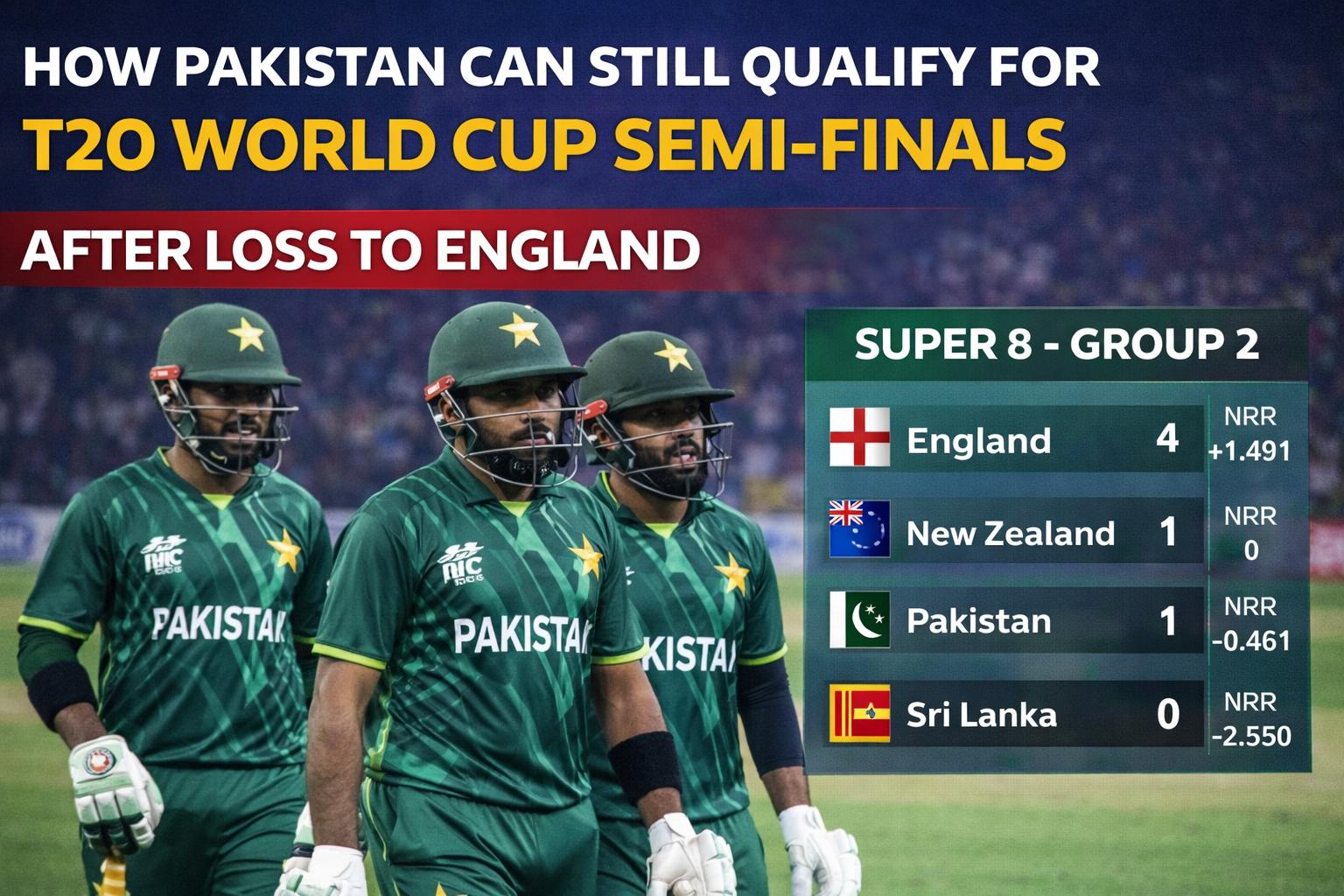
How Pakistan Can Still Qualify for T20 World Cup Semi-Finals After Defeat to England
Pakistan’s T20 World Cup journey faces a significant challenge after a narrow two-wicket loss to England in their second Super 8 match, leaving them with just one point from two games. Harry Brook's stellar 100 guided England to a win, securing their place in the semi-finals, while Pakistan's hopes now depend on a win against Sri Lanka and favorable results from other teams in their group. For Pakistan to make it to the semi-finals, they must win their final Super 8 match against
How Pakistan Can Still Qualify for T20 World Cup Semi-Finals After Defeat to England
Pakistan’s T20 World Cup journey faces a significant challenge after a narrow two-wicket loss to England in their second Super 8 match, leaving them with just one point from two games. Harry Brook's stellar 100 guided England to a win, securing their place in the semi-finals, while Pakistan's hopes now depend on a win against Sri Lanka and favorable results from other teams in their group. For Pakistan to make it to the semi-finals, they must win their final Super 8 match against
Bangladesh Moves To Restore Cricket Ties With India After T20 World Cup Dispute
Bangladesh has signaled a major shift in its cricket diplomacy, expressing its willingness to repair strained cricket relations with India following the fallout over the ICC Men’s T20 World Cup 2026. The move comes shortly after the new Bangladesh Nationalist Party government took office, with newly appointed Youth and Sports Minister Aminul Haque emphasizing the importance of restoring friendly relations through dialogue and cooperation. His remarks have raised hopes among cricket fans and
Bangladesh Moves To Restore Cricket Ties With India After T20 World Cup Dispute
Bangladesh has signaled a major shift in its cricket diplomacy, expressing its willingness to repair strained cricket relations with India following the fallout over the ICC Men’s T20 World Cup 2026. The move comes shortly after the new Bangladesh Nationalist Party government took office, with newly appointed Youth and Sports Minister Aminul Haque emphasizing the importance of restoring friendly relations through dialogue and cooperation. His remarks have raised hopes among cricket fans and
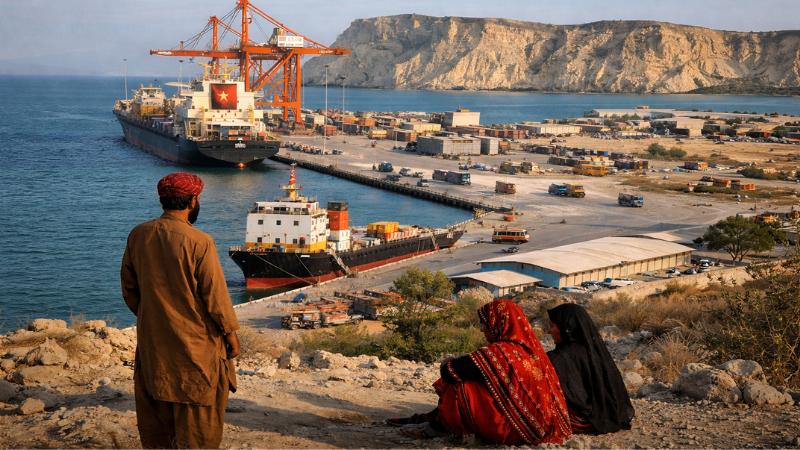
India Rejected Gwadar Port in 1956, Now Under Chinese Control - Balochistan's Grievances
Gwadar, a port in Pakistan's Balochistan province, has become a focal point for geopolitical tensions, local unrest, and external influence, especially from China. Originally a fishing settlement on the Arabian Sea, it is now home to Pakistan's third-largest port, which plays a crucial role in the China–Pakistan Economic Corridor (CPEC). The strategic location of Gwadar, near the Strait of Hormuz, has made it a highly coveted asset for various powers. What is most remarkable about
India Rejected Gwadar Port in 1956, Now Under Chinese Control - Balochistan's Grievances
Gwadar, a port in Pakistan's Balochistan province, has become a focal point for geopolitical tensions, local unrest, and external influence, especially from China. Originally a fishing settlement on the Arabian Sea, it is now home to Pakistan's third-largest port, which plays a crucial role in the China–Pakistan Economic Corridor (CPEC). The strategic location of Gwadar, near the Strait of Hormuz, has made it a highly coveted asset for various powers. What is most remarkable about
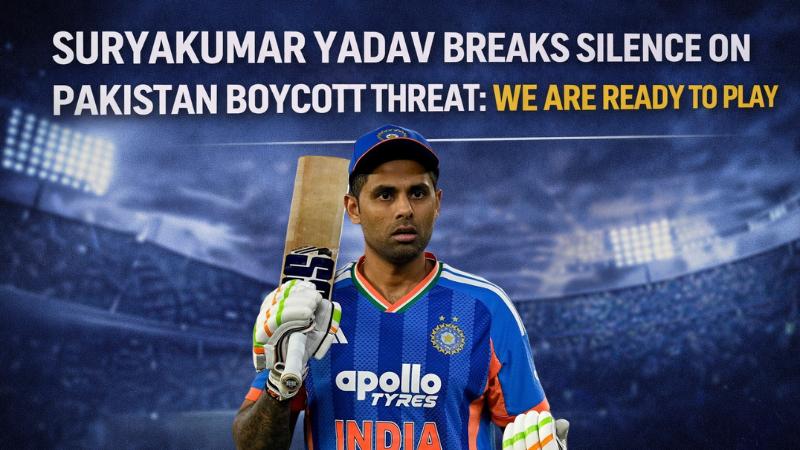
Suryakumar Yadav Breaks Silence on Pakistan Boycott Threat, Ready to Play in T20 World Cup
Ahead of the 2026 T20 World Cup, India's T20I captain Suryakumar Yadav addressed concerns over Pakistan's threat to boycott their scheduled group-stage clash. Yadav firmly stated that India's preparations for the match remain unchanged, regardless of Pakistan's stance on participation. During a captain's meet ahead of the tournament, Suryakumar emphasized that India's focus remains on the game. "Our mindset is very clear. We haven’t said no to playing them; they are the ones who??
Suryakumar Yadav Breaks Silence on Pakistan Boycott Threat, Ready to Play in T20 World Cup
Ahead of the 2026 T20 World Cup, India's T20I captain Suryakumar Yadav addressed concerns over Pakistan's threat to boycott their scheduled group-stage clash. Yadav firmly stated that India's preparations for the match remain unchanged, regardless of Pakistan's stance on participation. During a captain's meet ahead of the tournament, Suryakumar emphasized that India's focus remains on the game. "Our mindset is very clear. We haven’t said no to playing them; they are the ones who??
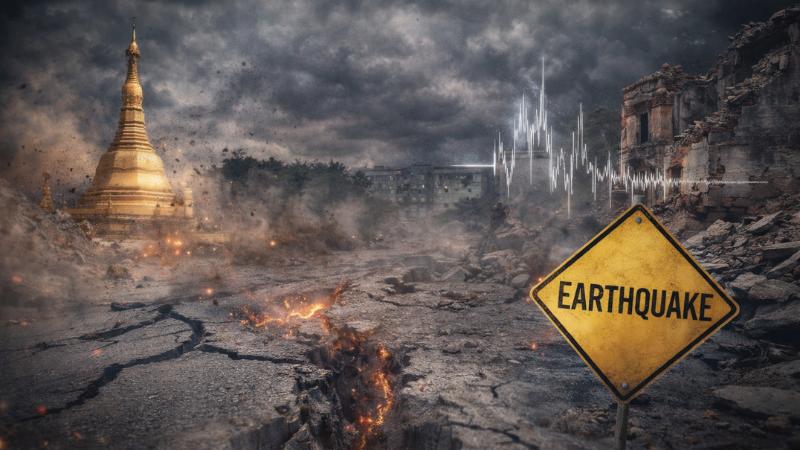
Myanmar earthquake of 5.9 magnitude sends tremors across Kolkata and Bangladesh
A moderate earthquake measuring 5.9 on the Richter scale struck Myanmar late Tuesday evening, sending noticeable tremors across parts of eastern India and neighbouring Bangladesh. The seismic activity, recorded by international monitoring agencies, caused brief panic among residents but did not result in any immediate reports of damage or injuries. According to data released by the European-Mediterranean Seismological Centre (EMSC), the epicentre of the Myanmar quake was located approximately 70 miles east of Akyab. The German Research Centre for Geosciences (GFZ) reported that the earthquake occurred at a shallow depth of 10 kilometres, a factor that often increases the intensity of shaking felt at the surface. The tremors were strong enough to be experienced in several areas of West Bengal, including Kolkata, as well as multiple regions across Bangladesh. Residents living in high-rise buildings and office complexes in Kolkata said they felt buildings sway for a few seconds shortly after 9 pm. Many people temporarily evacuated their homes and workplaces as a precaution. The shaking subsided quickly, and normalcy returned soon after. Authorities confirmed that no structural damage or casualties had been reported at the time of writing. Seismologists noted that this was the third felt earthquake in Myanmar within the past 71 hours, highlighting a period of heightened seismic activity in the region. Experts continue to monitor the situation for possible aftershocks, though no significant follow-up events have been recorded so far. Bangladesh also experienced another tremor earlier the same day. The National Centre for Seismology stated that a separate earthquake of magnitude 4.1 struck the country at a depth of about 150 kilometres. While deeper earthquakes generally produce less surface impact, residents in some districts still reported mild shaking. Scientists explain that earthquakes occur frequently around the globe, with minor seismic events happening roughly every 30 seconds. Most are too weak to be detected without instruments. However, the energy released increases sharply with each step on the logarithmic Richter scale, meaning a 5.9 magnitude quake releases substantially more energy than lower-intensity events. Officials have advised residents to remain alert and follow basic safety protocols during any future tremors. Disaster management teams continue to assess the situation while reassuring the public that there is currently no cause for alarm.
Myanmar earthquake of 5.9 magnitude sends tremors across Kolkata and Bangladesh
A moderate earthquake measuring 5.9 on the Richter scale struck Myanmar late Tuesday evening, sending noticeable tremors across parts of eastern India and neighbouring Bangladesh. The seismic activity, recorded by international monitoring agencies, caused brief panic among residents but did not result in any immediate reports of damage or injuries. According to data released by the European-Mediterranean Seismological Centre (EMSC), the epicentre of the Myanmar quake was located approximately 70 miles east of Akyab. The German Research Centre for Geosciences (GFZ) reported that the earthquake occurred at a shallow depth of 10 kilometres, a factor that often increases the intensity of shaking felt at the surface. The tremors were strong enough to be experienced in several areas of West Bengal, including Kolkata, as well as multiple regions across Bangladesh. Residents living in high-rise buildings and office complexes in Kolkata said they felt buildings sway for a few seconds shortly after 9 pm. Many people temporarily evacuated their homes and workplaces as a precaution. The shaking subsided quickly, and normalcy returned soon after. Authorities confirmed that no structural damage or casualties had been reported at the time of writing. Seismologists noted that this was the third felt earthquake in Myanmar within the past 71 hours, highlighting a period of heightened seismic activity in the region. Experts continue to monitor the situation for possible aftershocks, though no significant follow-up events have been recorded so far. Bangladesh also experienced another tremor earlier the same day. The National Centre for Seismology stated that a separate earthquake of magnitude 4.1 struck the country at a depth of about 150 kilometres. While deeper earthquakes generally produce less surface impact, residents in some districts still reported mild shaking. Scientists explain that earthquakes occur frequently around the globe, with minor seismic events happening roughly every 30 seconds. Most are too weak to be detected without instruments. However, the energy released increases sharply with each step on the logarithmic Richter scale, meaning a 5.9 magnitude quake releases substantially more energy than lower-intensity events. Officials have advised residents to remain alert and follow basic safety protocols during any future tremors. Disaster management teams continue to assess the situation while reassuring the public that there is currently no cause for alarm.
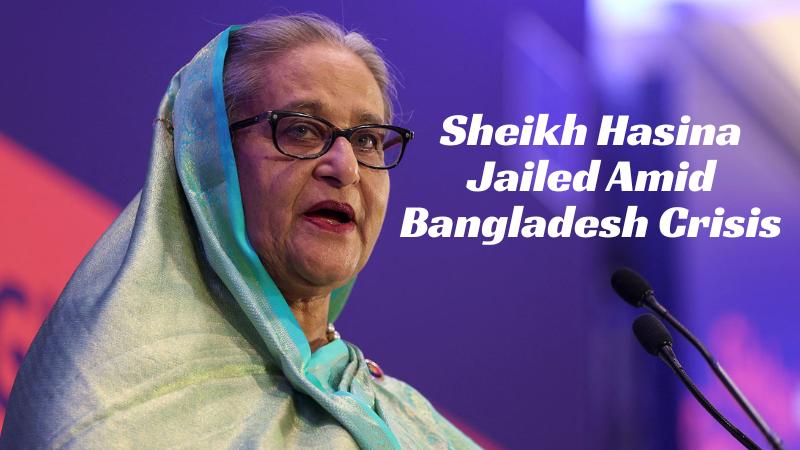
Sheikh Hasina Jailed For 10 Years In Bangladesh Land Allocation Corruption Cases
Bangladesh’s political turmoil deepened further on Monday as a Dhaka court sentenced deposed Prime Minister Sheikh Hasina to 10 years of rigorous imprisonment in two corruption cases related to alleged irregularities in government land allocations. The verdict, delivered by Dhaka’s Special Judge’s Court, marks another major legal setback for the former leader, who has been facing a barrage of cases since her removal from power in 2024. The cases revolve around the Rajuk New Town Project
Sheikh Hasina Jailed For 10 Years In Bangladesh Land Allocation Corruption Cases
Bangladesh’s political turmoil deepened further on Monday as a Dhaka court sentenced deposed Prime Minister Sheikh Hasina to 10 years of rigorous imprisonment in two corruption cases related to alleged irregularities in government land allocations. The verdict, delivered by Dhaka’s Special Judge’s Court, marks another major legal setback for the former leader, who has been facing a barrage of cases since her removal from power in 2024. The cases revolve around the Rajuk New Town Project
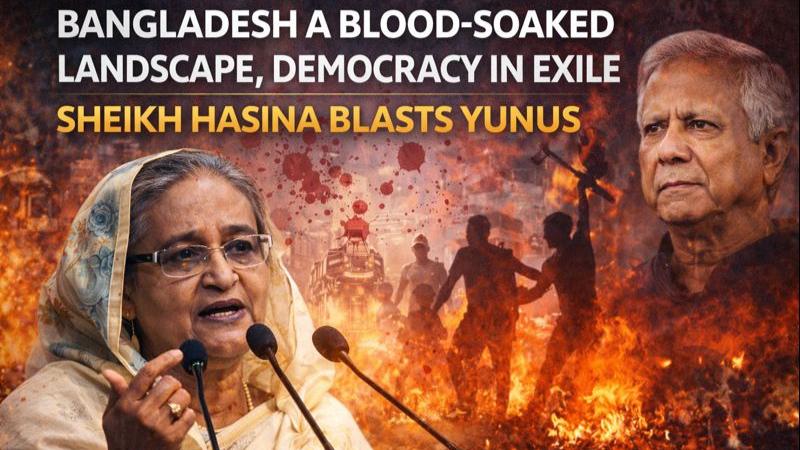
Sheikh Hasina Accuses Yunus Government of Turning Bangladesh Into a Blood-Soaked Landscape
Sheikh Hasina, the former Prime Minister of Bangladesh, has launched a scathing attack on the interim administration led by Nobel laureate Muhammad Yunus, accusing it of plunging the country into "murderous anarchy." In an audio message played at an interactive session organized by the Foreign Correspondents' Club of South Asia, Hasina described the state of Bangladesh as a "blood-soaked landscape" where democracy is now "in exile." She painted a grim picture of the country, once known for its peace and prosperity, now grappling with extreme violence, fear, and destruction. Hasina, who was ousted from power in August 2024 following violent protests and is currently living in exile in India, blamed Yunus and his government for the worsening situation in Bangladesh. She accused Yunus of taking power through a conspiracy, which led to widespread violence, torture, and the unchecked assault on religious minorities, particularly Hindus. The former Prime Minister also criticized Yunus’ government for suppressing freedoms, claiming that the country had become a "vast prison and execution grounds" under the interim administration. As Bangladesh heads toward the general elections in February 2026, Hasina warned of a "legitimacy crisis" if her party, the Awami League, remains banned from contesting. She claimed that law and order had completely collapsed under Yunus’ rule, and the country was in a state of political crisis. Despite Yunus’ promises to restore stability and oversee elections, critics, including Hasina's supporters, allege that the interim government's actions have undermined democratic processes and raised serious concerns over the credibility of the upcoming polls. With deepening political divisions and rising tensions, Hasina’s remarks underscore the challenges Bangladesh faces as it navigates a crucial period in its political history. Her comments on the nation’s future raise significant questions about whether the transition will bring about stability or prolong the ongoing crisis.
Sheikh Hasina Accuses Yunus Government of Turning Bangladesh Into a Blood-Soaked Landscape
Sheikh Hasina, the former Prime Minister of Bangladesh, has launched a scathing attack on the interim administration led by Nobel laureate Muhammad Yunus, accusing it of plunging the country into "murderous anarchy." In an audio message played at an interactive session organized by the Foreign Correspondents' Club of South Asia, Hasina described the state of Bangladesh as a "blood-soaked landscape" where democracy is now "in exile." She painted a grim picture of the country, once known for its peace and prosperity, now grappling with extreme violence, fear, and destruction. Hasina, who was ousted from power in August 2024 following violent protests and is currently living in exile in India, blamed Yunus and his government for the worsening situation in Bangladesh. She accused Yunus of taking power through a conspiracy, which led to widespread violence, torture, and the unchecked assault on religious minorities, particularly Hindus. The former Prime Minister also criticized Yunus’ government for suppressing freedoms, claiming that the country had become a "vast prison and execution grounds" under the interim administration. As Bangladesh heads toward the general elections in February 2026, Hasina warned of a "legitimacy crisis" if her party, the Awami League, remains banned from contesting. She claimed that law and order had completely collapsed under Yunus’ rule, and the country was in a state of political crisis. Despite Yunus’ promises to restore stability and oversee elections, critics, including Hasina's supporters, allege that the interim government's actions have undermined democratic processes and raised serious concerns over the credibility of the upcoming polls. With deepening political divisions and rising tensions, Hasina’s remarks underscore the challenges Bangladesh faces as it navigates a crucial period in its political history. Her comments on the nation’s future raise significant questions about whether the transition will bring about stability or prolong the ongoing crisis.
Hindu auto driver beaten to death amid rising unrest in Bangladesh
A 28-year-old Hindu auto-rickshaw driver was beaten to death in southeastern Bangladesh, marking the latest fatality in a continuing wave of violence targeting minority communities amid ongoing political unrest. The victim, identified as Samir Das, was attacked in the Daganbhuiyan area of Chittagong on the night of January 11, according to local reports. His death is the seventh reported killing of a Hindu individual since unrest intensified across the country in late December. The


Hindu auto driver beaten to death amid rising unrest in Bangladesh
A 28-year-old Hindu auto-rickshaw driver was beaten to death in southeastern Bangladesh, marking the latest fatality in a continuing wave of violence targeting minority communities amid ongoing political unrest. The victim, identified as Samir Das, was attacked in the Daganbhuiyan area of Chittagong on the night of January 11, according to local reports. His death is the seventh reported killing of a Hindu individual since unrest intensified across the country in late December. The
Jaishankar to attend Khaleda Zia funeral amid shifting India-Bangladesh ties
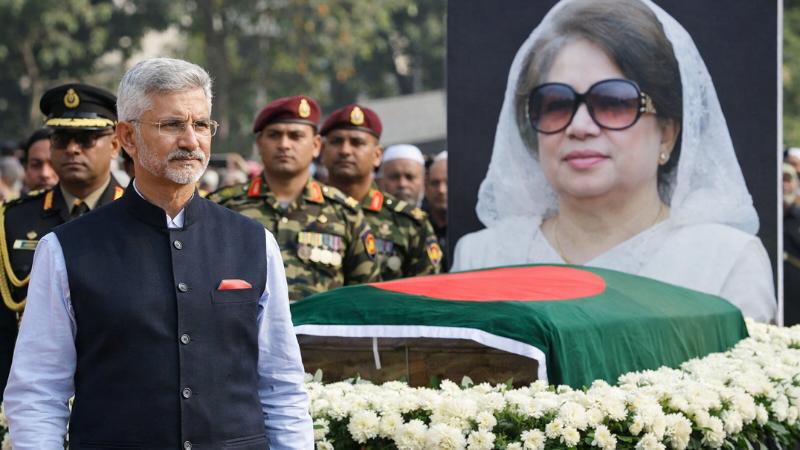
India’s External Affairs Minister Dr S Jaishankar is scheduled to attend the state funeral of former Bangladesh Prime Minister Begum Khaleda Zia in Dhaka on December 31, marking a significant diplomatic gesture at a time of strained relations between the two neighbouring countries. The decision comes amid heightened political uncertainty in Bangladesh and a broader reassessment of regional alignments in South Asia following last year’s dramatic change of government in Dhaka. Kha
Jaishankar to attend Khaleda Zia funeral amid shifting India-Bangladesh ties
India’s External Affairs Minister Dr S Jaishankar is scheduled to attend the state funeral of former Bangladesh Prime Minister Begum Khaleda Zia in Dhaka on December 31, marking a significant diplomatic gesture at a time of strained relations between the two neighbouring countries. The decision comes amid heightened political uncertainty in Bangladesh and a broader reassessment of regional alignments in South Asia following last year’s dramatic change of government in Dhaka. Kha
Bangladesh protests intensify as group demands ban on Indian work permits over Osman Hadi killing
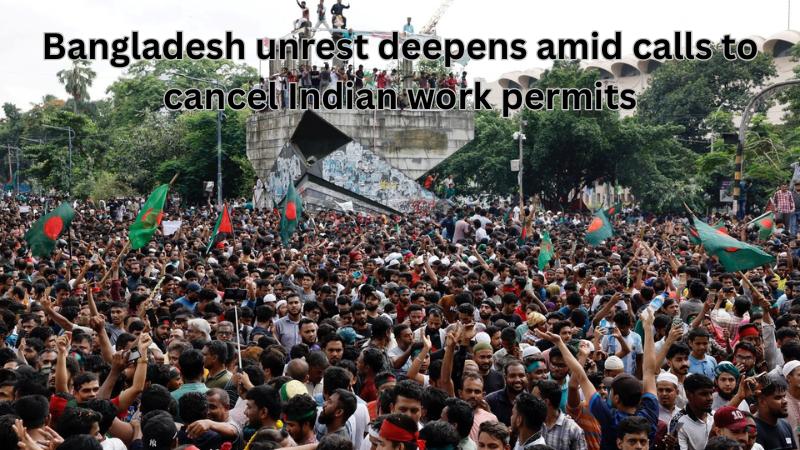
Tensions in Bangladesh have escalated sharply following the killing of student leader Sharif Osman Hadi, triggering widespread protests and renewed anti-India sentiment across the country. A radical student outfit linked to Hadi, Inqilab Moncho, has issued a strong ultimatum to the interim Yunus administration, demanding sweeping action within strict deadlines, including the suspension of work permits issued to Indian nationals. The group announced its demands during a protest gathe
Bangladesh protests intensify as group demands ban on Indian work permits over Osman Hadi killing
Tensions in Bangladesh have escalated sharply following the killing of student leader Sharif Osman Hadi, triggering widespread protests and renewed anti-India sentiment across the country. A radical student outfit linked to Hadi, Inqilab Moncho, has issued a strong ultimatum to the interim Yunus administration, demanding sweeping action within strict deadlines, including the suspension of work permits issued to Indian nationals. The group announced its demands during a protest gathe
India hits back at Pakistan on minorities allegations, calls charges hypocritical
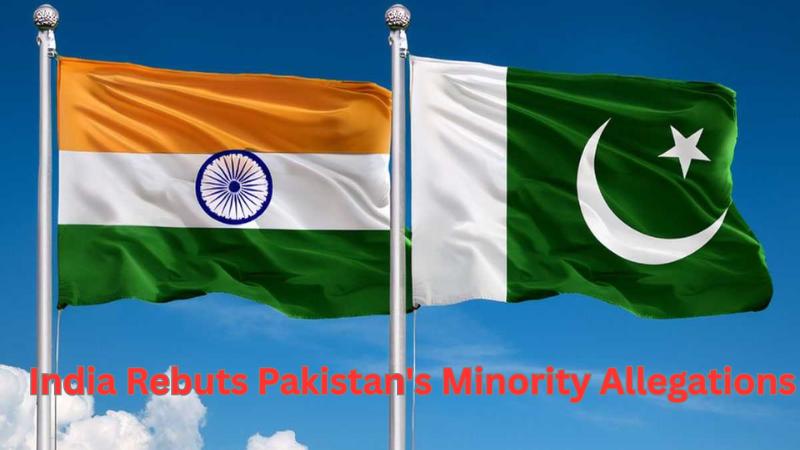
India on Monday strongly rejected Pakistan’s allegations of mistreatment of religious minorities, asserting that Islamabad lacks the moral authority to comment on such matters given its own record. Responding to remarks from Pakistan’s Foreign Office, New Delhi said attempts to highlight alleged incidents in India cannot mask Pakistan’s well-documented history of systemic discrimination and persecution of minorities. The response came after Pakistani Foreign Affairs spokespers
India hits back at Pakistan on minorities allegations, calls charges hypocritical
India on Monday strongly rejected Pakistan’s allegations of mistreatment of religious minorities, asserting that Islamabad lacks the moral authority to comment on such matters given its own record. Responding to remarks from Pakistan’s Foreign Office, New Delhi said attempts to highlight alleged incidents in India cannot mask Pakistan’s well-documented history of systemic discrimination and persecution of minorities. The response came after Pakistani Foreign Affairs spokespers
China Calls Pentagon Report Irresponsible, Rejects Claims Of Rift With India
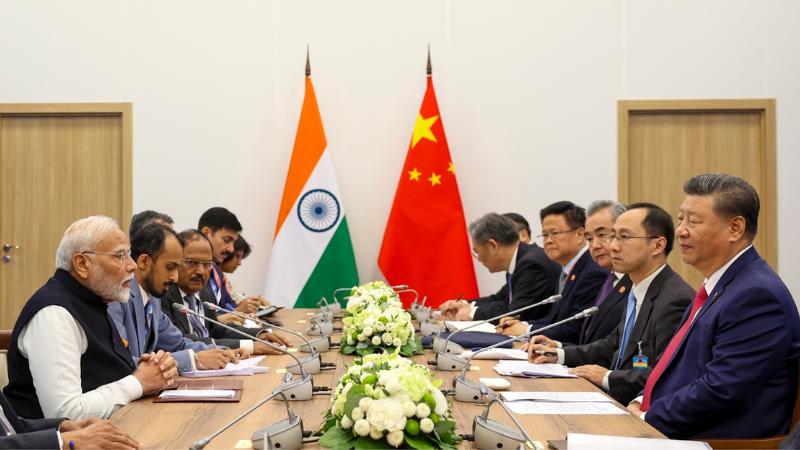
China has strongly criticised a recent Pentagon report, calling it irresponsible, misleading, and an attempt to create divisions between Beijing and New Delhi while exaggerating the so-called China threat narrative. Responding sharply, Chinese officials accused the United States of distorting China’s defence policy and interfering in its internal affairs to justify Washington’s continued military dominance. Speaking at a media briefing in Beijing, Chinese Foreign Ministry spokes
China Calls Pentagon Report Irresponsible, Rejects Claims Of Rift With India
China has strongly criticised a recent Pentagon report, calling it irresponsible, misleading, and an attempt to create divisions between Beijing and New Delhi while exaggerating the so-called China threat narrative. Responding sharply, Chinese officials accused the United States of distorting China’s defence policy and interfering in its internal affairs to justify Washington’s continued military dominance. Speaking at a media briefing in Beijing, Chinese Foreign Ministry spokes
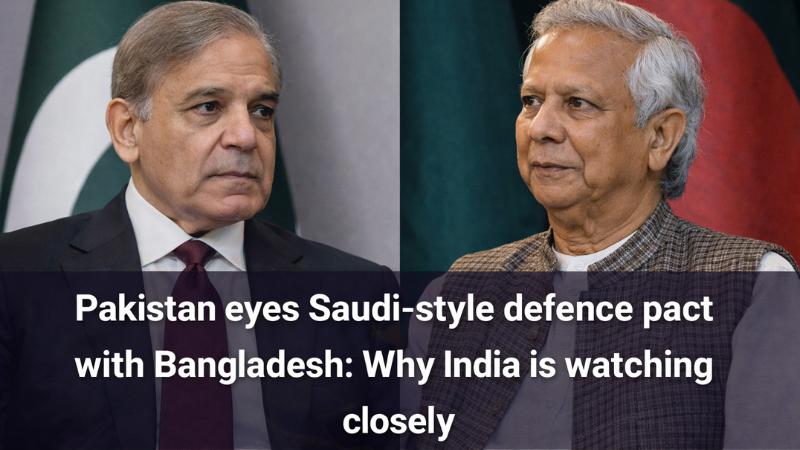
Pakistan eyes Saudi-style defence pact with Bangladesh: Why India is watching closely
Pakistan’s recent diplomatic and military outreach to Bangladesh has triggered fresh speculation about a potential defence agreement that could significantly reshape regional security dynamics in South Asia. Over the past few months, several senior Pakistani military officials, including the chairperson of the Joint Chiefs of Staff Committee, the Navy chief, and ISI head Lt General Asim Malik, have made repeated visits to Dhaka. These developments come as Bangladesh’s interim leadership u
Pakistan eyes Saudi-style defence pact with Bangladesh: Why India is watching closely
Pakistan’s recent diplomatic and military outreach to Bangladesh has triggered fresh speculation about a potential defence agreement that could significantly reshape regional security dynamics in South Asia. Over the past few months, several senior Pakistani military officials, including the chairperson of the Joint Chiefs of Staff Committee, the Navy chief, and ISI head Lt General Asim Malik, have made repeated visits to Dhaka. These developments come as Bangladesh’s interim leadership u
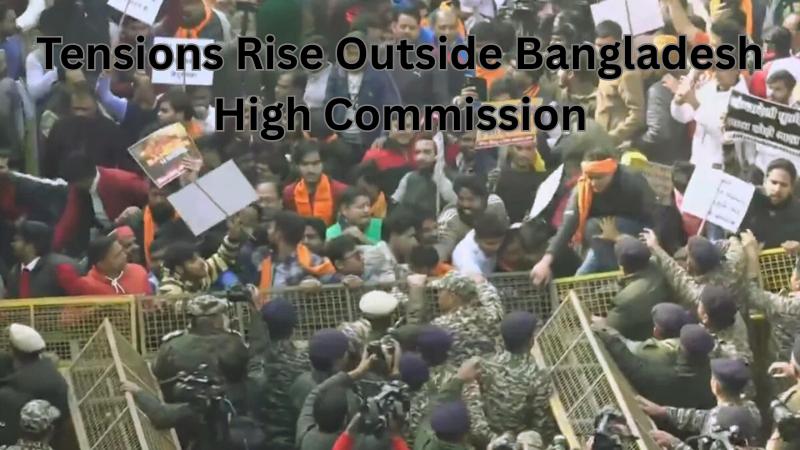
Violent Protest Outside Bangladesh Mission in Delhi Over Dipu Das Lynching
A massive protest outside the Bangladesh High Commission in New Delhi turned violent on Tuesday as members of the Vishva Hindu Parishad and other Hindu groups, including the Bajrang Dal, gathered to protest the lynching of Dipu Chandra Das in Bangladesh. Despite heavy security arrangements, demonstrators t
Violent Protest Outside Bangladesh Mission in Delhi Over Dipu Das Lynching
A massive protest outside the Bangladesh High Commission in New Delhi turned violent on Tuesday as members of the Vishva Hindu Parishad and other Hindu groups, including the Bajrang Dal, gathered to protest the lynching of Dipu Chandra Das in Bangladesh. Despite heavy security arrangements, demonstrators t