China’s rare admission raises stakes
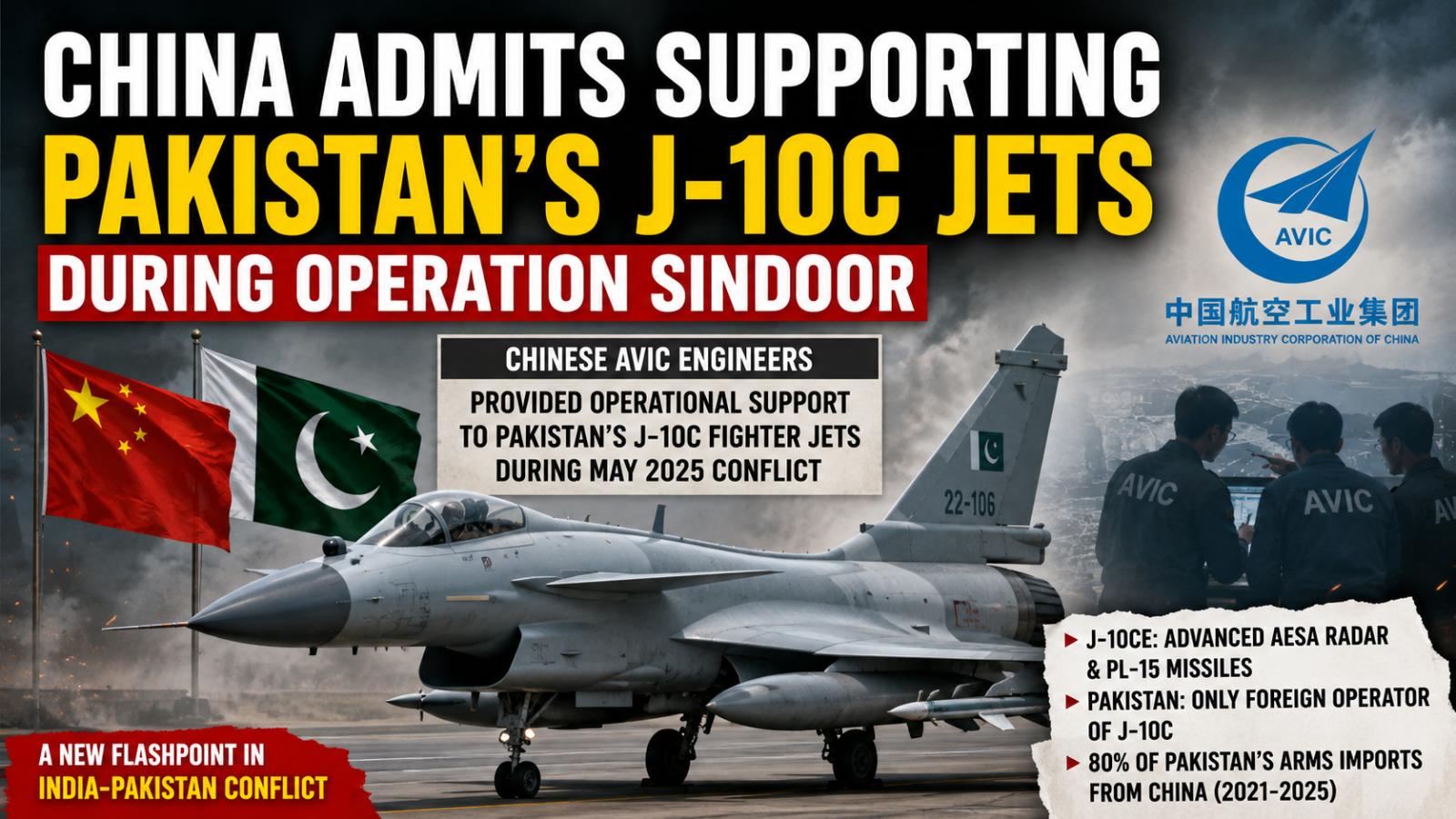
China has admitted its engineers supported Pakistan’s J-10C fighter jet operations during India’s Operation Sindoor in May 2025, a disclosure that adds a sharper China angle to the India-Pakistan conflict.
The admission came through Chinese state broadcaster CCTV, where AVIC engineer Zhang Heng described being at a support base as fighter jets took off and air-raid sirens sounded. He said the team worked in extreme May heat while trying to keep Chinese-made equipment combat-ready.
Why the J-10C disclosure matters
The J-10CE, Pakistan’s export version of China’s J-10C multirole fighter, is central to the story because Pakistan remains its only foreign operator. The aircraft is linked to advanced AESA radar and PL-15 long-range air-to-air missiles, making any wartime support politically sensitive.
Indian defence officials have said Operation Sindoor targeted terror infrastructure after the Pahalgam attack, while later briefings claimed 13 Pakistani aircraft and 11 airfields were hit. Those claims, combined with Beijing’s acknowledgement of technical support, are likely to intensify scrutiny of the China-Pakistan defence partnership.
Regional security impact
The timing is significant. The disclosure surfaced around the first anniversary of Operation Sindoor and reinforces India’s long-held concern that Pakistan’s military capability is increasingly backed by Chinese systems, engineers and supply chains.
For New Delhi, the key question is no longer whether Chinese weapons were used, but how deeply Chinese personnel supported Pakistan during active conflict. That makes this admission more than a defence update—it is a fresh flashpoint in Asian security.
China’s rare admission raises stakes
China has admitted its engineers supported Pakistan’s J-10C fighter jet operations during India’s Operation Sindoor in May 2025, a disclosure that adds a sharper China angle to the India-Pakistan conflict.
The admission came through Chinese state broadcaster CCTV, where AVIC engineer Zhang Heng described being at a support base as fighter jets took off and air-raid sirens sounded. He said the team worked in extreme May heat while trying to keep Chinese-made equipment combat-ready.
Why the J-10C disclosure matters
The J-10CE, Pakistan’s export version of China’s J-10C multirole fighter, is central to the story because Pakistan remains its only foreign operator. The aircraft is linked to advanced AESA radar and PL-15 long-range air-to-air missiles, making any wartime support politically sensitive.
Indian defence officials have said Operation Sindoor targeted terror infrastructure after the Pahalgam attack, while later briefings claimed 13 Pakistani aircraft and 11 airfields were hit. Those claims, combined with Beijing’s acknowledgement of technical support, are likely to intensify scrutiny of the China-Pakistan defence partnership.
Regional security impact
The timing is significant. The disclosure surfaced around the first anniversary of Operation Sindoor and reinforces India’s long-held concern that Pakistan’s military capability is increasingly backed by Chinese systems, engineers and supply chains.
For New Delhi, the key question is no longer whether Chinese weapons were used, but how deeply Chinese personnel supported Pakistan during active conflict. That makes this admission more than a defence update—it is a fresh flashpoint in Asian security.
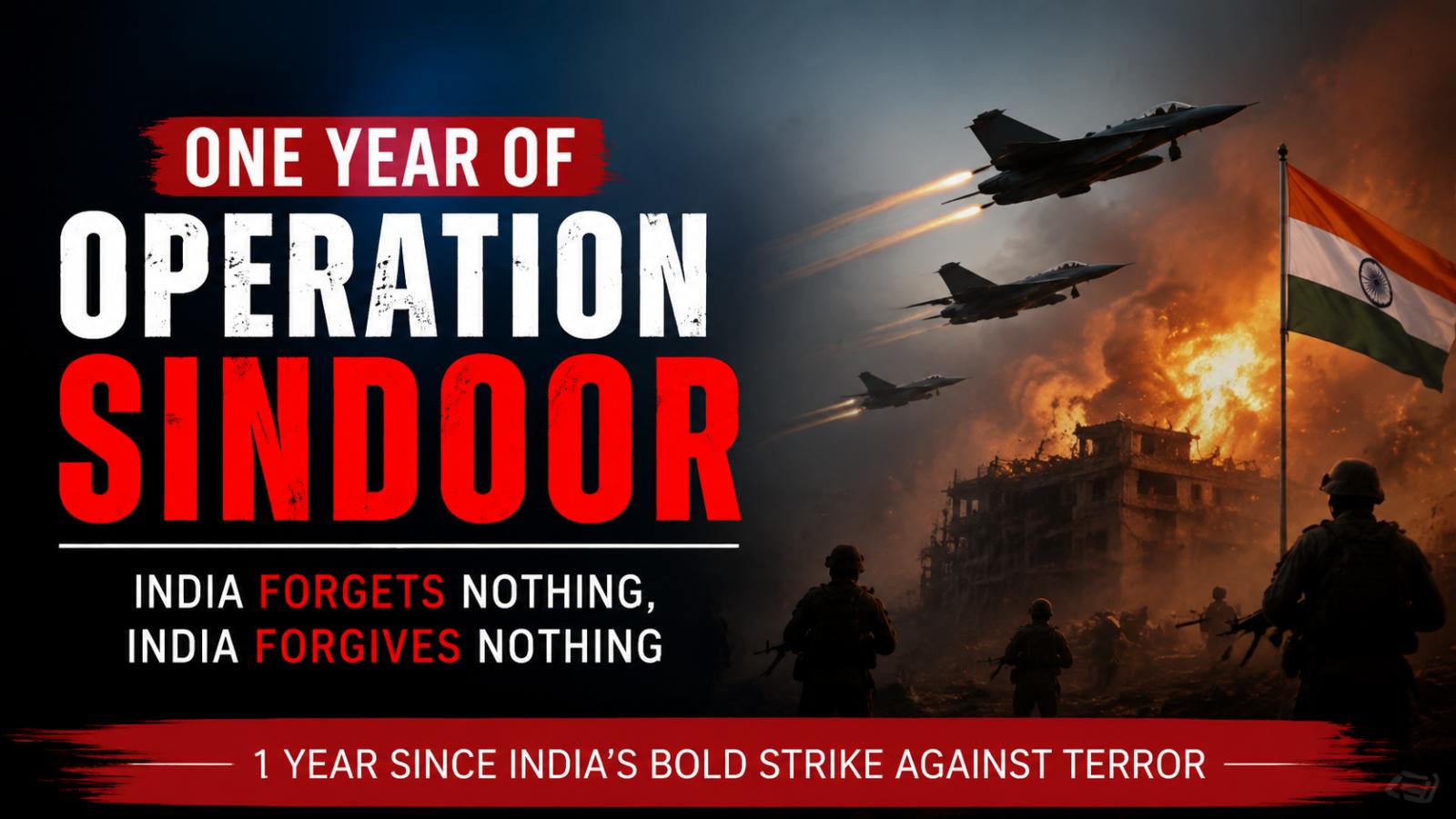
On May 6–7, 2025, the Indian Armed Forces launched ‘Operation Sindoor,’ a bold retaliation against terrorism emanating from Pakistan. A year later, India marks the anniversary of this significant military action, which saw the Indian Air Force strike nine terror camps in Pakistan and Pakistan-occupied Kashmir (PoK). The mission was a response to the brutal Pahalgam attack earlier that year, and its swift execution sent a clear message: India forgets nothing, and it forgives nothing.
On May 6–7, 2025, the Indian Armed Forces launched ‘Operation Sindoor,’ a bold retaliation against terrorism emanating from Pakistan. A year later, India marks the anniversary of this significant military action, which saw the Indian Air Force strike nine terror camps in Pakistan and Pakistan-occupied Kashmir (PoK). The mission was a response to the brutal Pahalgam attack earlier that year, and its swift execution sent a clear message: India forgets nothing, and it forgives nothing.
The world’s most wanted man: Osama bin Laden
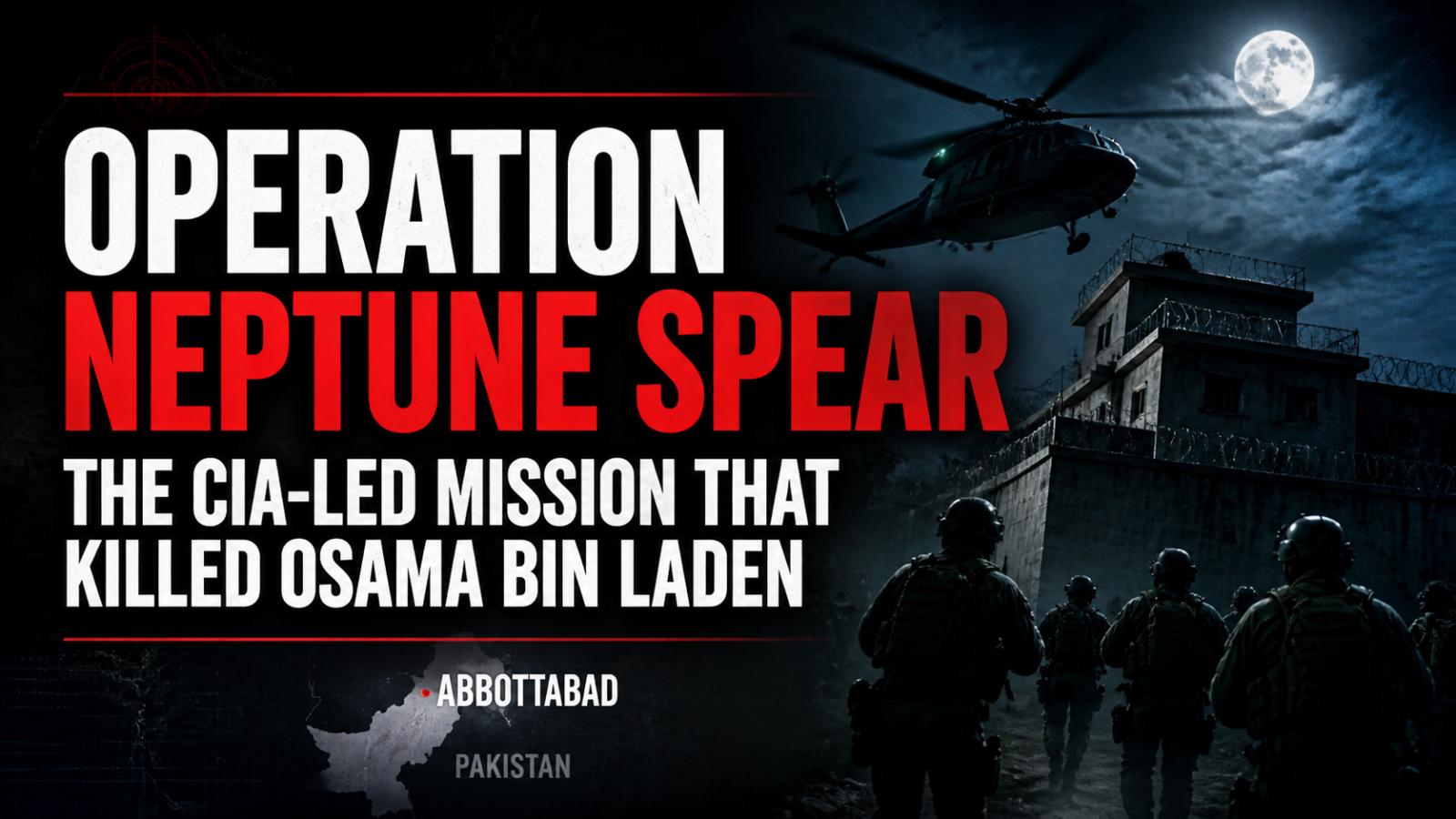
On May 2, 2011, Osama bin Laden, the world’s most wanted terrorist, was killed in a CIA-led operation called Operation Neptune Spear. After nearly a decade of intensive intelligence work, Bin Laden’s hideout in Abbottabad, Pakistan, was pinpointed, marking a major victory in the war on terror. The mission, involving a covert night
The world’s most wanted man: Osama bin Laden
On May 2, 2011, Osama bin Laden, the world’s most wanted terrorist, was killed in a CIA-led operation called Operation Neptune Spear. After nearly a decade of intensive intelligence work, Bin Laden’s hideout in Abbottabad, Pakistan, was pinpointed, marking a major victory in the war on terror. The mission, involving a covert night
Trump declares war with Iran over nuclear threat
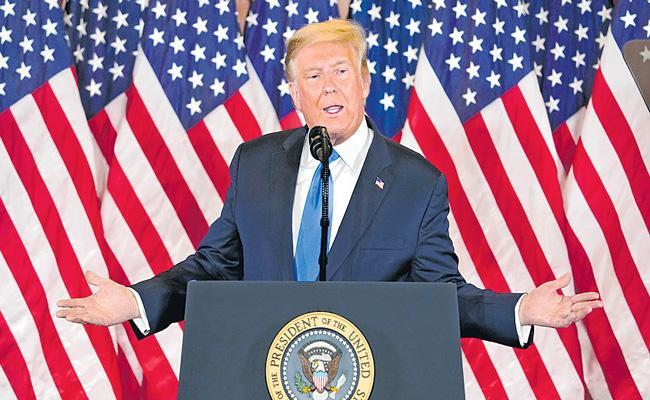
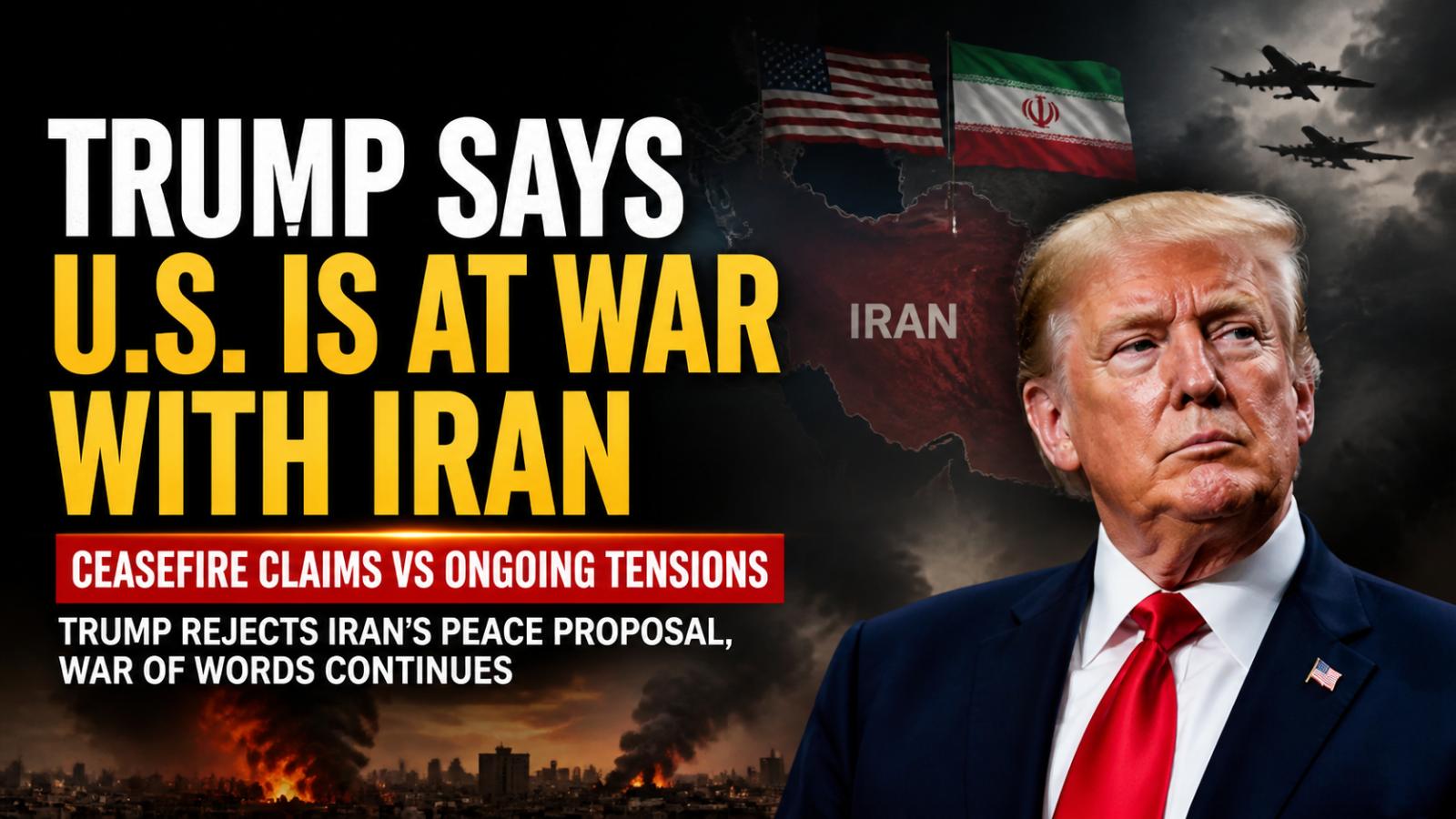
President Donald Trump has reaffirmed his stance on the ongoing US-Iran conflict, declaring that the US is at war with Iran to prevent the country from acquiring nuclear weapons. In a statement made during a Florida event, Trump expressed his belief that Iran’s leadership poses a significant threat to global security, stating that "lunatics can't have a nuclear weapon." His comments come at a time when his administration has informed the US Congress that the war has reached its conclusion, though the situation remains tense.
Trump emphasizes the importance of military action against Iran
Trump explained that the US military action against Iran was crucial in preventing a nuclear-armed nation from destabilizing the Middle East. He credited US airstrikes with B2 bombers for preventing Iran from obtaining a nuclear weapon, which could have led to catastrophic consequences for Israel, the Middle East, and Europe. “If we didn’t do that, they would have had a nuclear weapon,” Trump added, emphasizing the urgency of the situation. He claimed that Iran's military capabilities have been severely diminished, stating that the country no longer has a navy, air force, anti-aircraft systems, or effective radar defenses.
Trump rejects Iran's ceasefire proposal
In a direct response to Iran’s proposal for a ceasefire, Trump made it clear that the US would not end the conflict prematurely. “We’re not going to leave early and have this kind of problem arise in three more years,” he said, reinforcing his position on the need for a strong and comprehensive resolution. Trump blamed Iran's leadership for the ongoing conflict, criticizing their fractured decision-making. “It’s a very disjointed leadership,” he remarked, indicating that despite their willingness to negotiate, Iran’s leaders are unable to reach a viable agreement.
The ceasefire proposal is dismissed
The ceasefire proposal, delivered by Pakistan on behalf of Iran, was quickly dismissed by the US. Despite this, a fragile ceasefire between the two nations has held, albeit with mutual accusations of violations. Tensions remain high, especially in the Strait of Hormuz, where a significant portion of the world’s oil and gas passes through. Trump outlined two potential paths forward: either continuing the conflict to decisively end Iran’s nuclear ambitions, or attempting to secure a deal. “Do we want to go and just blast the hell out of them and finish them forever? Or do we want to try and make a deal?” he questioned.
Iran’s diplomatic efforts and continued tension
Iran’s Foreign Minister, Abbas Araghchi, has been actively engaged in diplomatic efforts to resolve the war. He held discussions with several regional counterparts, including Turkey, Saudi Arabia, and Qatar, to brief them on Iran’s latest peace initiatives. However, the rounds of talks held in Pakistan have yielded no substantial progress. Trump expressed frustration over the lack of direct communication, stating, “No more 18-hour flights” for US envoys.
What lies ahead for US-Iran relations?
As the situation evolves, it remains uncertain whether further diplomatic efforts will lead to a resolution or whether military action will continue to dominate the US-Iran relationship. With both sides unwilling to compromise, the world watches closely, particularly in regard to the ongoing instability in the Strait of Hormuz. Will Iran’s diplomatic efforts succeed, or will the US pursue a more aggressive approach? The answer remains unclear as the two nations continue to grapple with the possibility of conflict or peace.
Trump declares war with Iran over nuclear threat
President Donald Trump has reaffirmed his stance on the ongoing US-Iran conflict, declaring that the US is at war with Iran to prevent the country from acquiring nuclear weapons. In a statement made during a Florida event, Trump expressed his belief that Iran’s leadership poses a significant threat to global security, stating that "lunatics can't have a nuclear weapon." His comments come at a time when his administration has informed the US Congress that the war has reached its conclusion, though the situation remains tense.
Trump emphasizes the importance of military action against Iran
Trump explained that the US military action against Iran was crucial in preventing a nuclear-armed nation from destabilizing the Middle East. He credited US airstrikes with B2 bombers for preventing Iran from obtaining a nuclear weapon, which could have led to catastrophic consequences for Israel, the Middle East, and Europe. “If we didn’t do that, they would have had a nuclear weapon,” Trump added, emphasizing the urgency of the situation. He claimed that Iran's military capabilities have been severely diminished, stating that the country no longer has a navy, air force, anti-aircraft systems, or effective radar defenses.
Trump rejects Iran's ceasefire proposal
In a direct response to Iran’s proposal for a ceasefire, Trump made it clear that the US would not end the conflict prematurely. “We’re not going to leave early and have this kind of problem arise in three more years,” he said, reinforcing his position on the need for a strong and comprehensive resolution. Trump blamed Iran's leadership for the ongoing conflict, criticizing their fractured decision-making. “It’s a very disjointed leadership,” he remarked, indicating that despite their willingness to negotiate, Iran’s leaders are unable to reach a viable agreement.
The ceasefire proposal is dismissed
The ceasefire proposal, delivered by Pakistan on behalf of Iran, was quickly dismissed by the US. Despite this, a fragile ceasefire between the two nations has held, albeit with mutual accusations of violations. Tensions remain high, especially in the Strait of Hormuz, where a significant portion of the world’s oil and gas passes through. Trump outlined two potential paths forward: either continuing the conflict to decisively end Iran’s nuclear ambitions, or attempting to secure a deal. “Do we want to go and just blast the hell out of them and finish them forever? Or do we want to try and make a deal?” he questioned.
Iran’s diplomatic efforts and continued tension
Iran’s Foreign Minister, Abbas Araghchi, has been actively engaged in diplomatic efforts to resolve the war. He held discussions with several regional counterparts, including Turkey, Saudi Arabia, and Qatar, to brief them on Iran’s latest peace initiatives. However, the rounds of talks held in Pakistan have yielded no substantial progress. Trump expressed frustration over the lack of direct communication, stating, “No more 18-hour flights” for US envoys.
What lies ahead for US-Iran relations?
As the situation evolves, it remains uncertain whether further diplomatic efforts will lead to a resolution or whether military action will continue to dominate the US-Iran relationship. With both sides unwilling to compromise, the world watches closely, particularly in regard to the ongoing instability in the Strait of Hormuz. Will Iran’s diplomatic efforts succeed, or will the US pursue a more aggressive approach? The answer remains unclear as the two nations continue to grapple with the possibility of conflict or peace.
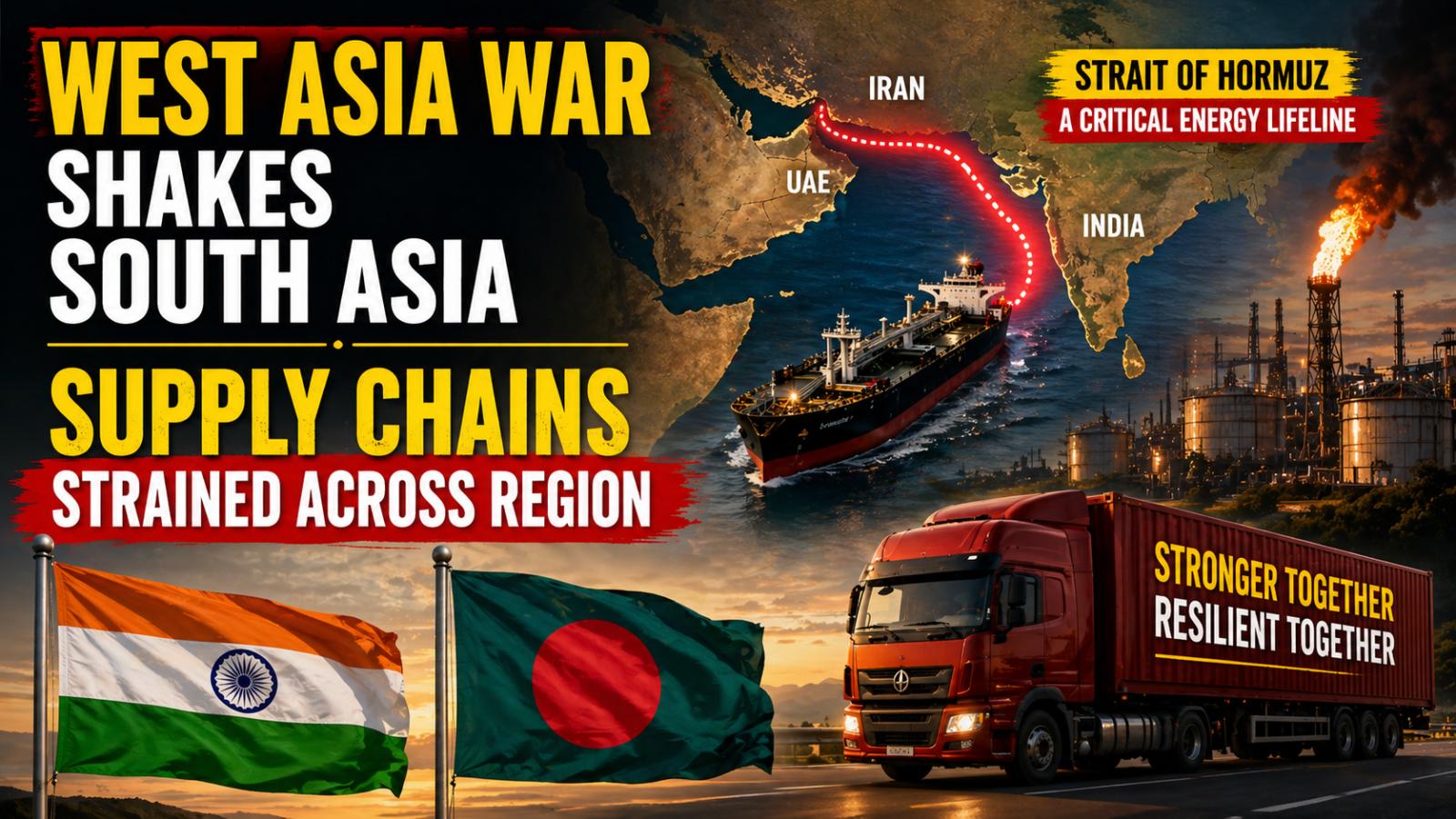
The war in West Asia and disruptions in the Strait of Hormuz have triggered widespread supply chain instability across South Asia, affecting energy security, economic stability, and regional cooperation. Countries across the subcontinent, heavily reliant on hydrocarbon imports from West Asia, are facing rising costs, reduced industrial competitiveness, and increased household expenditures as critical supply routes remain constrained.
Fuel shortages and economic strain acros
The war in West Asia and disruptions in the Strait of Hormuz have triggered widespread supply chain instability across South Asia, affecting energy security, economic stability, and regional cooperation. Countries across the subcontinent, heavily reliant on hydrocarbon imports from West Asia, are facing rising costs, reduced industrial competitiveness, and increased household expenditures as critical supply routes remain constrained.
Fuel shortages and economic strain acros
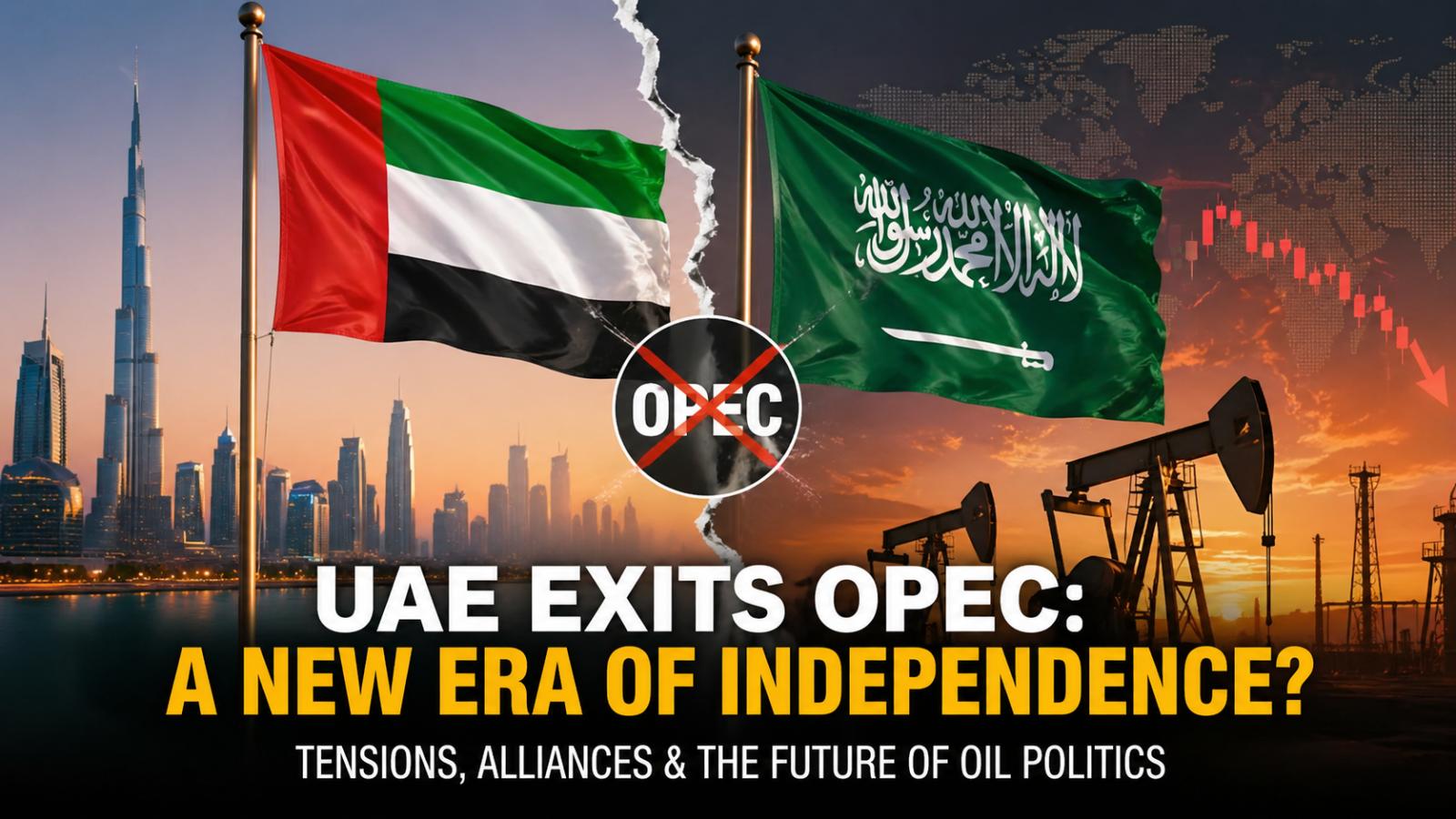
Is UAE leaving OPEC to counter Saudi influence? Yes, it signals strategic independence. The United Arab Emirates’ decision to exit the Organization of the Petroleum Exporting Countries marks a pivotal shift in Gulf geopolitics, reflecting rising tensions with Saudi Arabia and broader regional realignments.
Escalating tensions following Iran strikes on UAE infrastructure
As of Tuesday, April 8, 2026, the UAE reported intercepting 537 ballistic missiles,
Is UAE leaving OPEC to counter Saudi influence? Yes, it signals strategic independence. The United Arab Emirates’ decision to exit the Organization of the Petroleum Exporting Countries marks a pivotal shift in Gulf geopolitics, reflecting rising tensions with Saudi Arabia and broader regional realignments.
Escalating tensions following Iran strikes on UAE infrastructure
As of Tuesday, April 8, 2026, the UAE reported intercepting 537 ballistic missiles,
Talks with Iran continue remotely
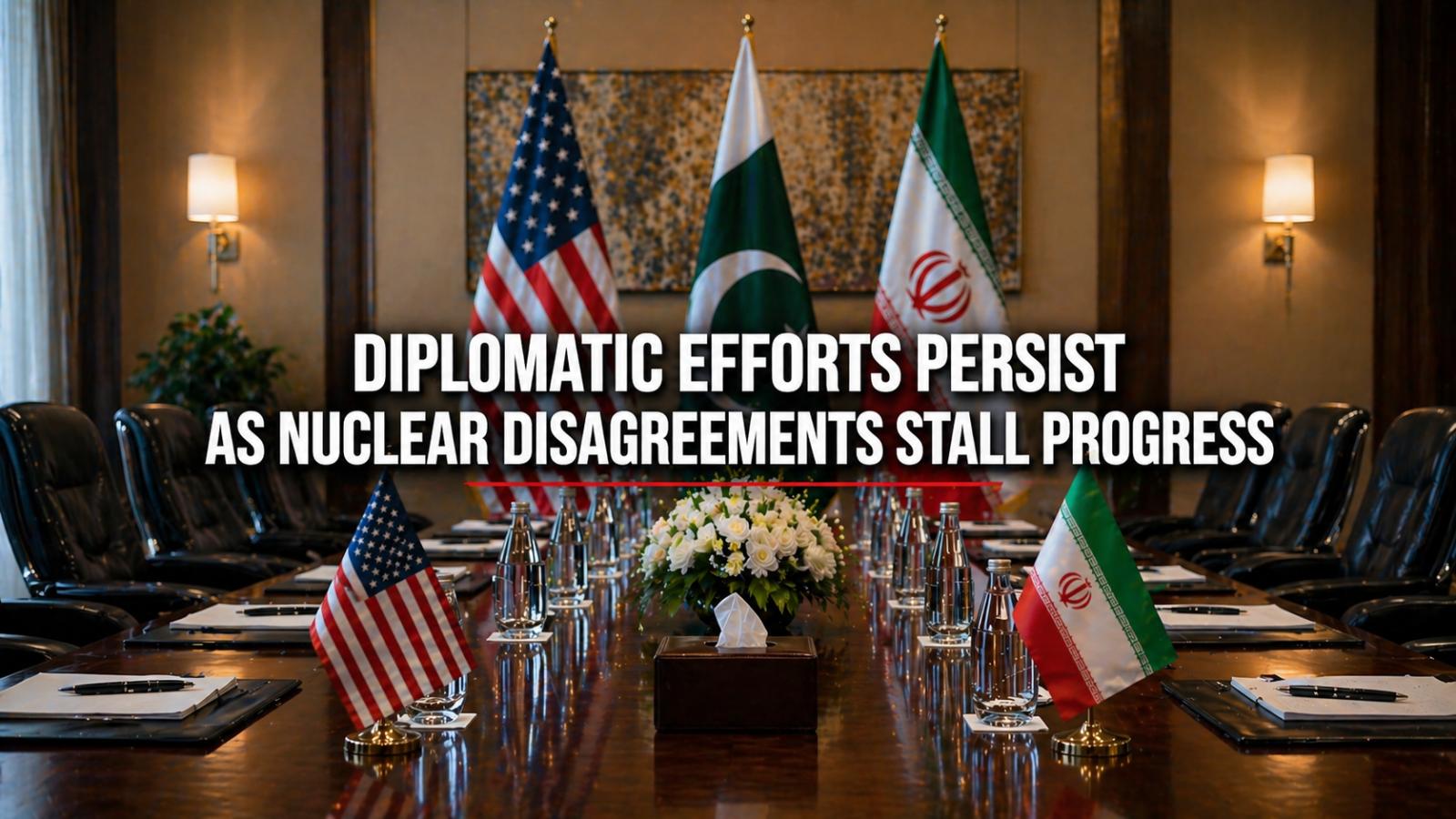
Diplomatic efforts to bridge differences between the United States and Iran remain active despite setbacks, including the cancellation of a planned envoy visit by President Donald Trump. Developments reported on Monday, April 27, 2026, indicate that negotiations are continuing through indirect channels, with Pakistan playing a mediating role.
Iran proposes phased approach delaying nuclear negotiations
According to sources familiar with the discussions, Iran has introduced a proposal that restructures the negotiation timeline. The plan would prioritize ending the ongoing conflict and resolving disputes over shipping in the Strait of Hormuz before addressing Iran’s nuclear program. This phased approach is expected to face resistance from Washington, which has consistently maintained that nuclear issues must be addressed at the outset of any agreement.
Iranian Foreign Minister Abbas Araqchi has been actively engaged in shuttle diplomacy, traveling between Islamabad, Oman, and Russia over the weekend and into Monday, April 27, 2026. In Moscow, Araqchi met with Vladimir Putin, signaling continued support from Russia.
Pakistan facilitates remote negotiations after canceled meetings
Plans for face-to-face talks in Islamabad were abandoned after Trump called off a visit by his envoys, including Steve Witkoff and Jared Kushner. The cancellation followed what Trump described as an insufficient Iranian proposal. As a result, Pakistan has shifted to facilitating remote negotiations, with officials indicating that in-person meetings will only occur once substantial progress is made toward a draft agreement.
Oil markets react as tensions persist in the Gulf
The ongoing standoff has had immediate economic implications, particularly in global energy markets. Oil prices rose when trading resumed on Monday, April 27, 2026, with Brent crude increasing by approximately 2.5% to around $108 per barrel. The volatility reflects concerns over restricted shipping through the Strait of Hormuz, a critical route for global oil supplies.
Since the conflict began, Iran has limited access to the waterway, while the United States has imposed a blockade on Iranian shipping. These actions have heightened fears of prolonged disruption, contributing to inflationary pressures and uncertainty in global economic growth.
Domestic and geopolitical pressures shape next steps
Trump faces increasing domestic pressure to resolve the conflict as approval ratings decline, while Iran continues to leverage its control over regional shipping routes. Despite a ceasefire that has paused active strikes since February 28, 2026, no comprehensive agreement has been reached to formally end hostilities.
The gap between the two sides remains significant, particularly over nuclear restrictions and regional security. With both nations appearing prepared for a prolonged negotiation process, analysts suggest the outcome may depend on which side can withstand the economic and political pressures longer.
Talks with Iran continue remotely
Diplomatic efforts to bridge differences between the United States and Iran remain active despite setbacks, including the cancellation of a planned envoy visit by President Donald Trump. Developments reported on Monday, April 27, 2026, indicate that negotiations are continuing through indirect channels, with Pakistan playing a mediating role.
Iran proposes phased approach delaying nuclear negotiations
According to sources familiar with the discussions, Iran has introduced a proposal that restructures the negotiation timeline. The plan would prioritize ending the ongoing conflict and resolving disputes over shipping in the Strait of Hormuz before addressing Iran’s nuclear program. This phased approach is expected to face resistance from Washington, which has consistently maintained that nuclear issues must be addressed at the outset of any agreement.
Iranian Foreign Minister Abbas Araqchi has been actively engaged in shuttle diplomacy, traveling between Islamabad, Oman, and Russia over the weekend and into Monday, April 27, 2026. In Moscow, Araqchi met with Vladimir Putin, signaling continued support from Russia.
Pakistan facilitates remote negotiations after canceled meetings
Plans for face-to-face talks in Islamabad were abandoned after Trump called off a visit by his envoys, including Steve Witkoff and Jared Kushner. The cancellation followed what Trump described as an insufficient Iranian proposal. As a result, Pakistan has shifted to facilitating remote negotiations, with officials indicating that in-person meetings will only occur once substantial progress is made toward a draft agreement.
Oil markets react as tensions persist in the Gulf
The ongoing standoff has had immediate economic implications, particularly in global energy markets. Oil prices rose when trading resumed on Monday, April 27, 2026, with Brent crude increasing by approximately 2.5% to around $108 per barrel. The volatility reflects concerns over restricted shipping through the Strait of Hormuz, a critical route for global oil supplies.
Since the conflict began, Iran has limited access to the waterway, while the United States has imposed a blockade on Iranian shipping. These actions have heightened fears of prolonged disruption, contributing to inflationary pressures and uncertainty in global economic growth.
Domestic and geopolitical pressures shape next steps
Trump faces increasing domestic pressure to resolve the conflict as approval ratings decline, while Iran continues to leverage its control over regional shipping routes. Despite a ceasefire that has paused active strikes since February 28, 2026, no comprehensive agreement has been reached to formally end hostilities.
The gap between the two sides remains significant, particularly over nuclear restrictions and regional security. With both nations appearing prepared for a prolonged negotiation process, analysts suggest the outcome may depend on which side can withstand the economic and political pressures longer.
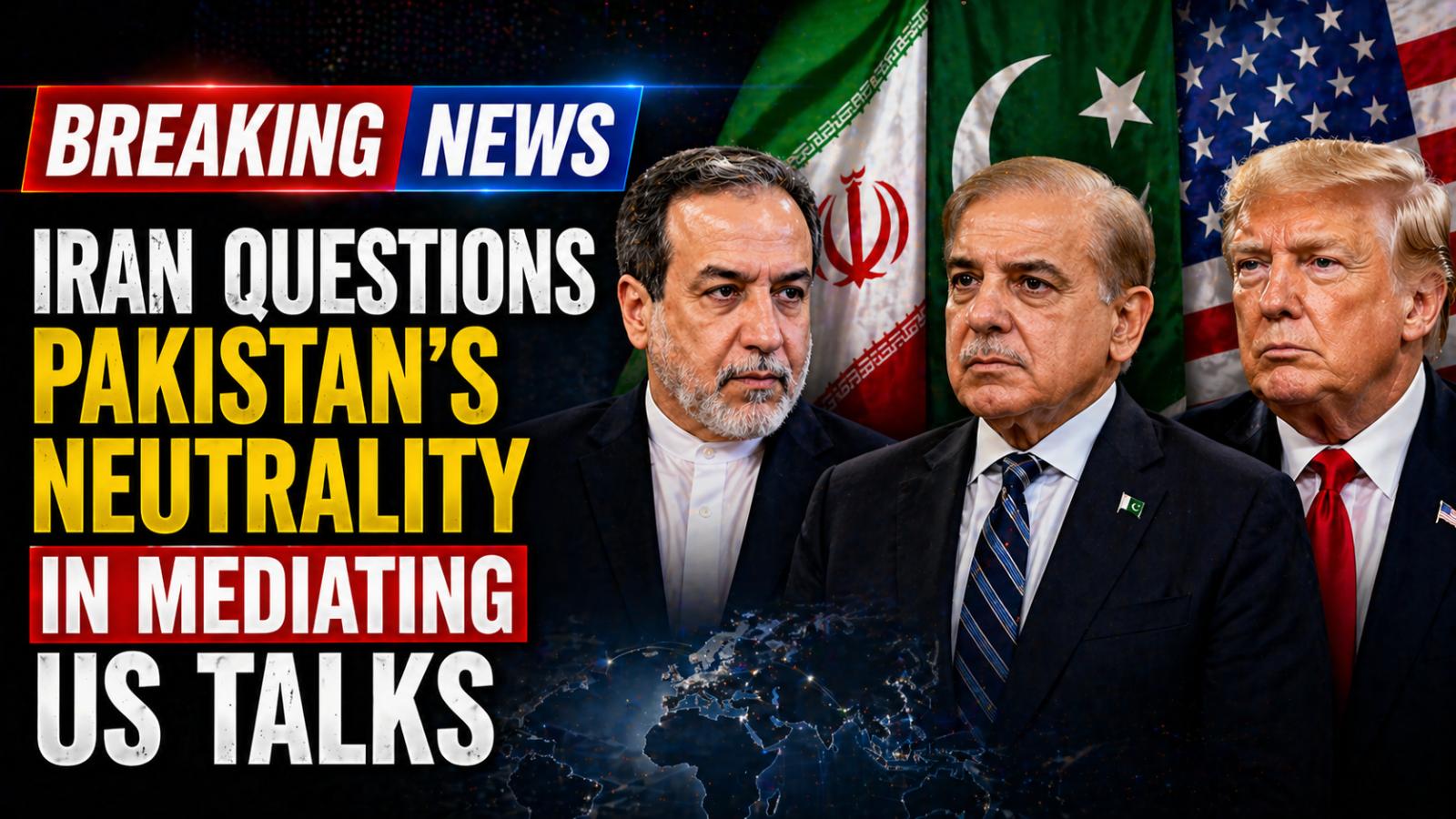
Iran has raised concerns about Pakistan’s role as a mediator in ongoing diplomatic efforts with the United States, with officials questioning Islamabad’s neutrality. Ebrahim Rezaei, spokesperson for Iran’s National Security and Foreign Policy Commission, said Pakistan lacks the credibility required to act as an impartial intermediary in sensitive negotiations.
Rezaei argued that Paki
Iran has raised concerns about Pakistan’s role as a mediator in ongoing diplomatic efforts with the United States, with officials questioning Islamabad’s neutrality. Ebrahim Rezaei, spokesperson for Iran’s National Security and Foreign Policy Commission, said Pakistan lacks the credibility required to act as an impartial intermediary in sensitive negotiations.
Rezaei argued that Paki
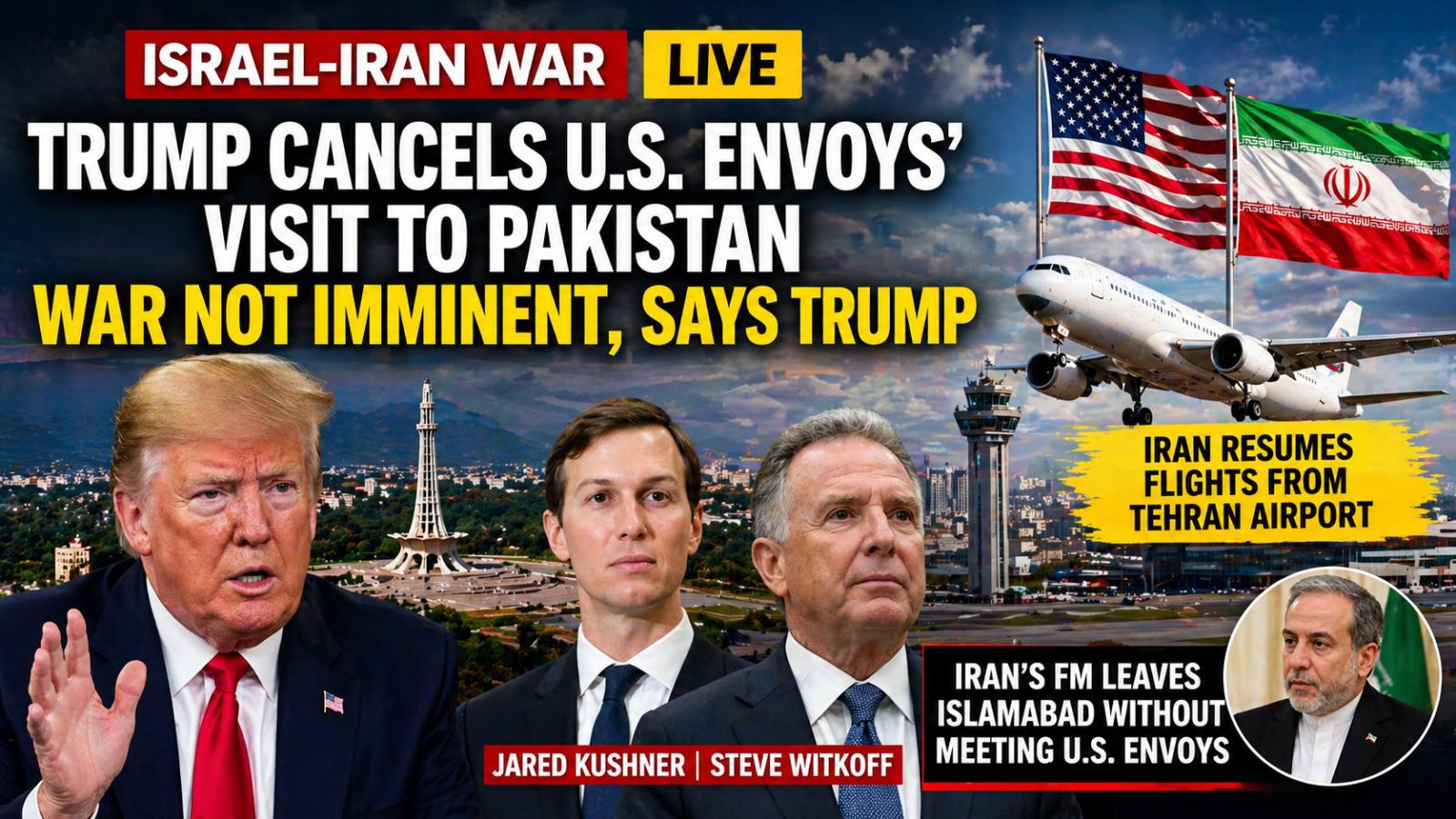
U.S. President Donald Trump has cancelled a planned visit by American envoys to Pakistan for talks with Iran, in a move that raises fresh uncertainty around ongoing diplomatic efforts tied to the Israel-Iran conflict.
According to reports , the cancelled trip would have involved senior envoys
U.S. President Donald Trump has cancelled a planned visit by American envoys to Pakistan for talks with Iran, in a move that raises fresh uncertainty around ongoing diplomatic efforts tied to the Israel-Iran conflict.
According to reports , the cancelled trip would have involved senior envoys
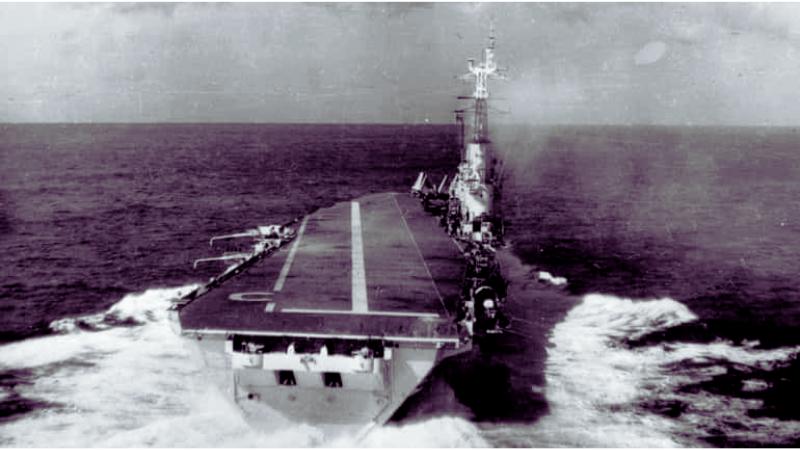
During the Indo-Pakistani War of 1971, India’s naval strategy played a significant role in shaping the outcome of the conflict. While much of the attention remained on ground operations, a strong Indian naval presence in the Bay of Bengal effectively restricted maritime movement and added pressure on Pakistani forces in East Pakistan (now
During the Indo-Pakistani War of 1971, India’s naval strategy played a significant role in shaping the outcome of the conflict. While much of the attention remained on ground operations, a strong Indian naval presence in the Bay of Bengal effectively restricted maritime movement and added pressure on Pakistani forces in East Pakistan (now
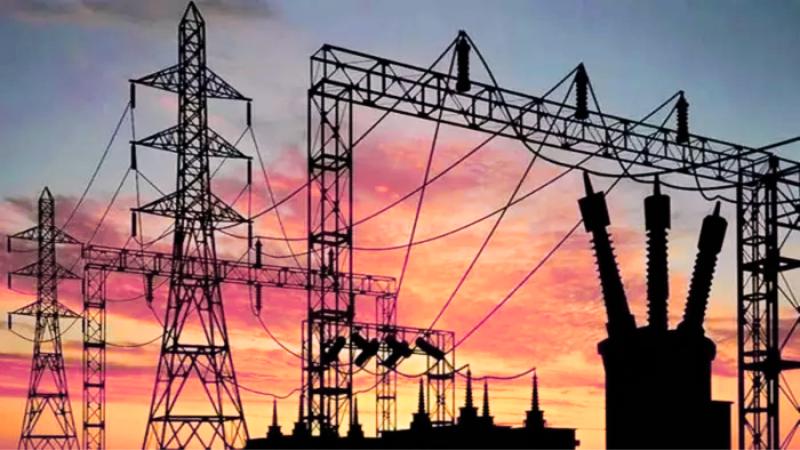
A deepening power crisis in Pakistan has come under scrutiny after a surgeon highlighted disparities in electricity supply at a major hospital, raising concerns about the prioritisation of essential services. According to the surgeon, operation theatres at Services Hospital reportedly experienced a power outage during ongoing surgeries due to a shortage of gene
A deepening power crisis in Pakistan has come under scrutiny after a surgeon highlighted disparities in electricity supply at a major hospital, raising concerns about the prioritisation of essential services. According to the surgeon, operation theatres at Services Hospital reportedly experienced a power outage during ongoing surgeries due to a shortage of gene
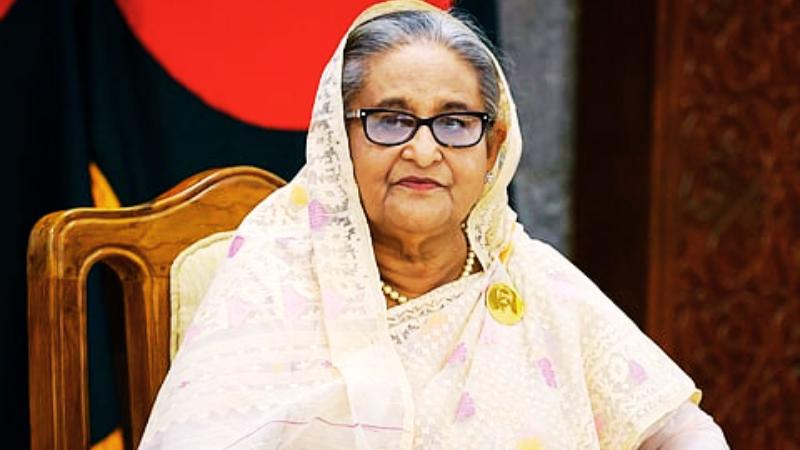
India has confirmed that Bangladesh’s request to extradite former Prime Minister Sheikh Hasina is currently under examination through established judicial and legal processes. The matter was discussed during recent talks betwee
India has confirmed that Bangladesh’s request to extradite former Prime Minister Sheikh Hasina is currently under examination through established judicial and legal processes. The matter was discussed during recent talks betwee
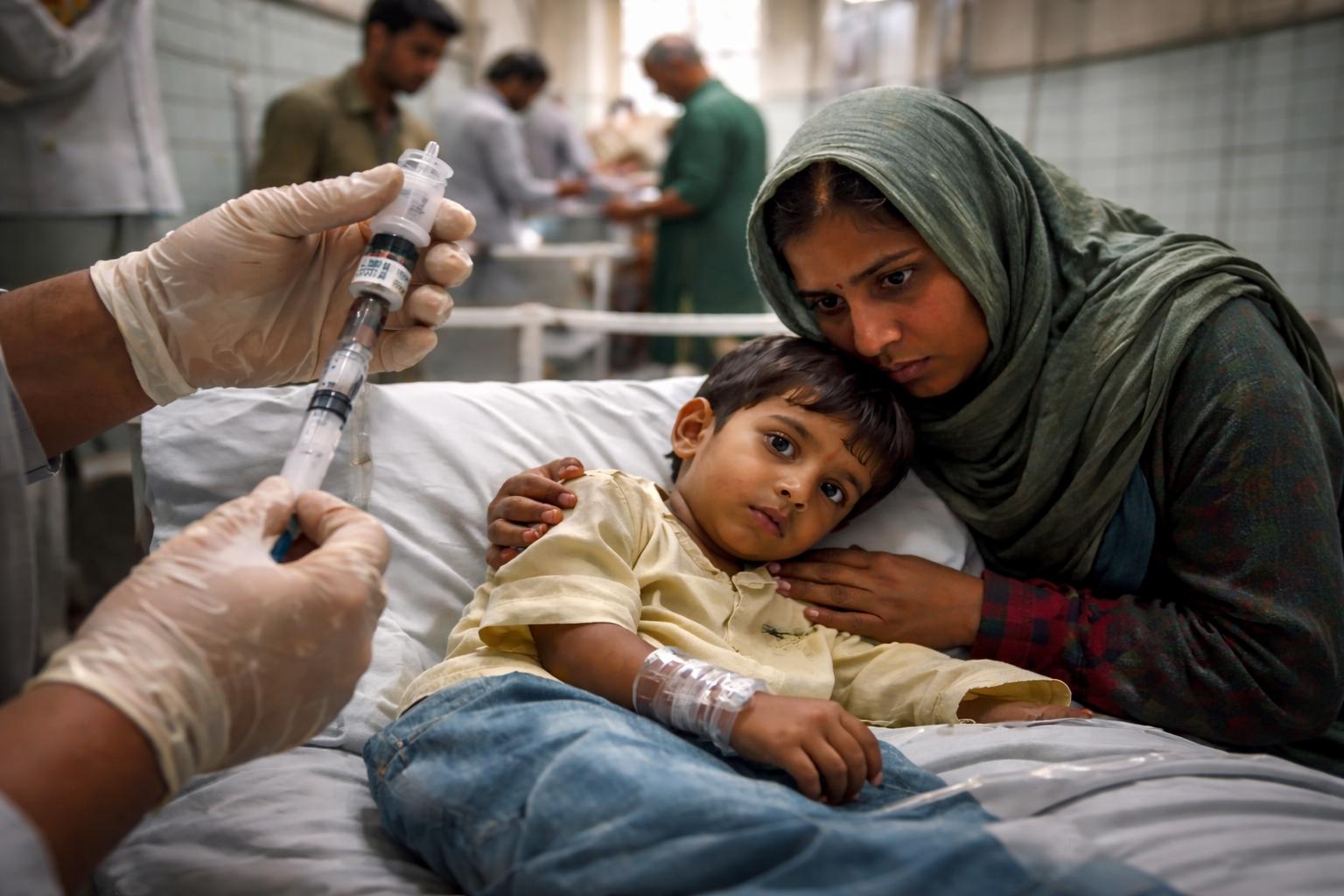
An undercover investigation by the BBC has uncovered alarming medical negligence at a government hospital in Taunsa, Punjab province, Pakistan, which is believed to be linked to a deadly HIV outbreak among children. Between November 2024 and October 2025, at least 331 children in Taunsa tested positive for HIV, sparking serious concerns about the hospital’s unsanitary practices, including the reuse of syringes and improper handling of medical waste.
The shocking footage captured d
An undercover investigation by the BBC has uncovered alarming medical negligence at a government hospital in Taunsa, Punjab province, Pakistan, which is believed to be linked to a deadly HIV outbreak among children. Between November 2024 and October 2025, at least 331 children in Taunsa tested positive for HIV, sparking serious concerns about the hospital’s unsanitary practices, including the reuse of syringes and improper handling of medical waste.
The shocking footage captured d
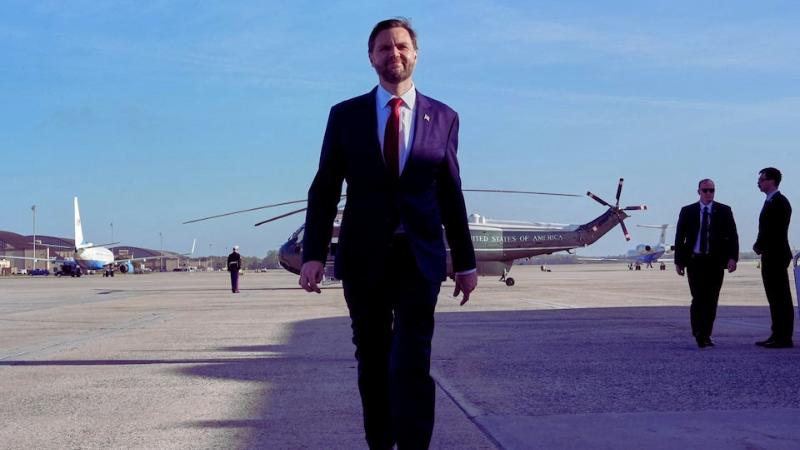
Vice President JD Vance has arrived in Islamabad with a US delegation to engage in critical ceasefire talks with Iran. The high-level discussions, described as "make-or-break," are aimed at negotiating a ceasefire agreement to ease tensions in the region. The outcome of these talks could significantly impact the broader US-Iran relations and regional stability.
Vice President JD Vance has arrived in Islamabad with a US delegation to engage in critical ceasefire talks with Iran. The high-level discussions, described as "make-or-break," are aimed at negotiating a ceasefire agreement to ease tensions in the region. The outcome of these talks could significantly impact the broader US-Iran relations and regional stability.
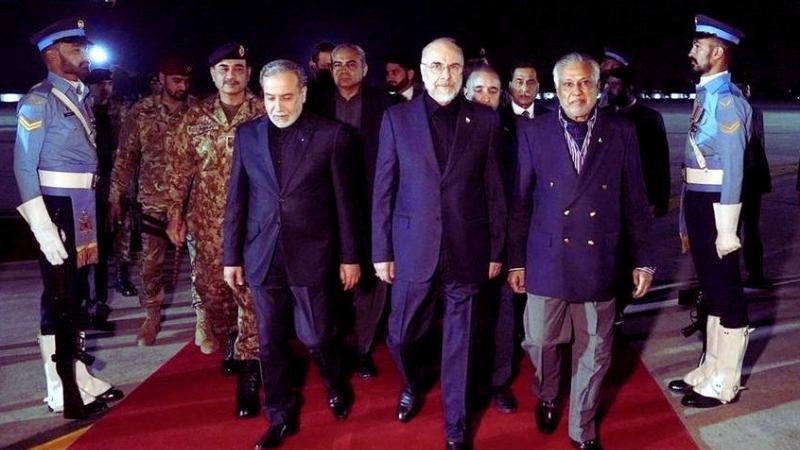
In a crucial development, an Iranian delegation led by Parliament Speaker Mohammad Baqer Qalibaf arrived in Islamabad on Friday, signaling the start of high-stakes negotiations with the United States. Iran has set clear preconditions for any progress in the talks, demanding that the US meet certain security and economic requirements, particularly addressing regional issues and lifting sanctions.
The delegation includes a wide range of senior political, military, and economic officia
In a crucial development, an Iranian delegation led by Parliament Speaker Mohammad Baqer Qalibaf arrived in Islamabad on Friday, signaling the start of high-stakes negotiations with the United States. Iran has set clear preconditions for any progress in the talks, demanding that the US meet certain security and economic requirements, particularly addressing regional issues and lifting sanctions.
The delegation includes a wide range of senior political, military, and economic officia
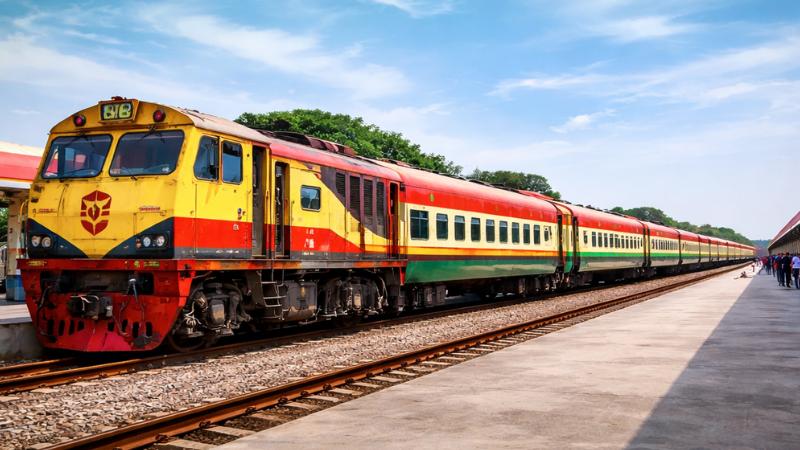
Bangladesh Railways is planning to enhance its fleet with 200 broad-gauge coaches from India, with the first deliveries expected to begin in 2026 and complete by December 2027. Railways Minister Shaikh Rabiul Alam shared this information in Parliament, stating that the project is backed by financing from the European Investment Bank. This significant addition to the rail network is expected to improve the quality and capacity of the railway services across Bangladesh.
The new coache
Bangladesh Railways is planning to enhance its fleet with 200 broad-gauge coaches from India, with the first deliveries expected to begin in 2026 and complete by December 2027. Railways Minister Shaikh Rabiul Alam shared this information in Parliament, stating that the project is backed by financing from the European Investment Bank. This significant addition to the rail network is expected to improve the quality and capacity of the railway services across Bangladesh.
The new coache
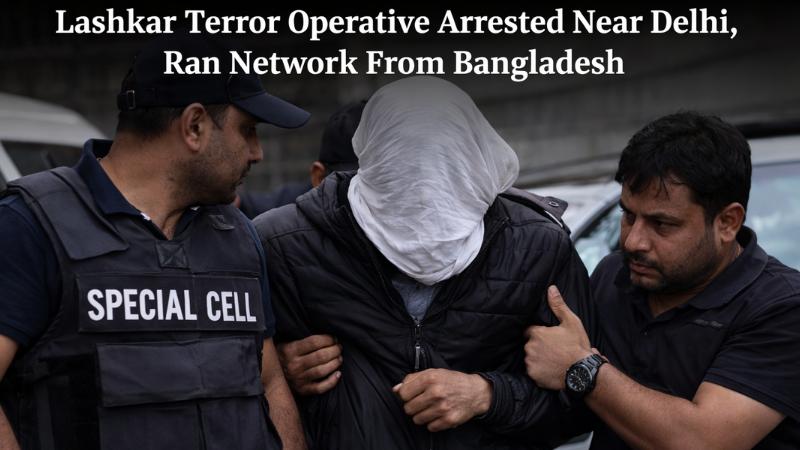
A major breakthrough in India’s counter-terror operations has led to the arrest of Shabbir Ahmad Lone, a suspected operative of Lashkar-e-Taiba, near the Delhi border. The arrest was carried out by the Special Cell of
A major breakthrough in India’s counter-terror operations has led to the arrest of Shabbir Ahmad Lone, a suspected operative of Lashkar-e-Taiba, near the Delhi border. The arrest was carried out by the Special Cell of
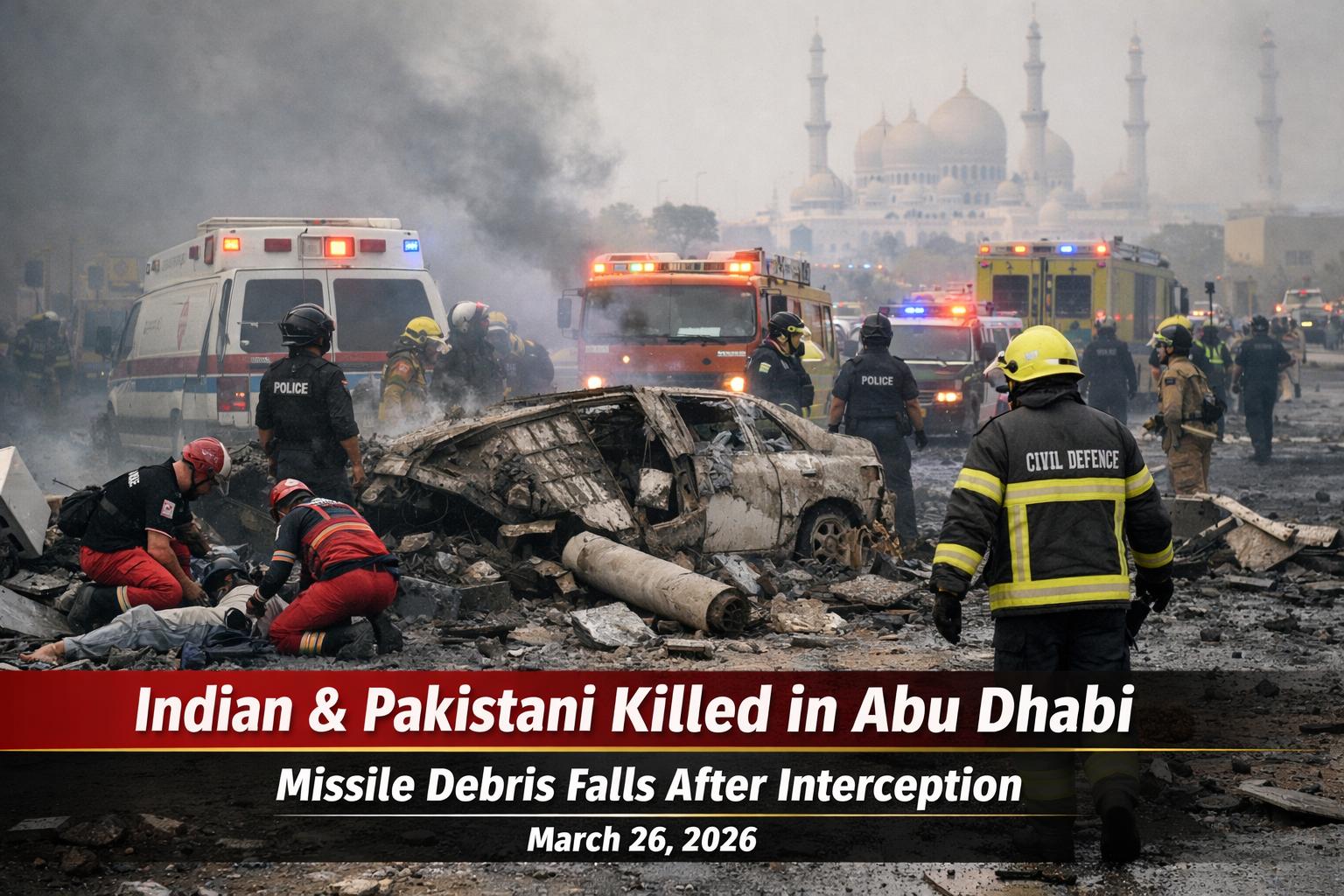
ABU DHABI — March 26, 2026 (Thursday):
An Indian national was among two people killed on Thursday, March 26, 2026, in Abu Dhabi after debris from a missile interception struck the city. The second victim was a Pakistani citizen, while three others — including another Indian national and a Jordanian — were injured.
The incident occurred on Sweihan Street, where debris fell following the successful interception of a ballistic
ABU DHABI — March 26, 2026 (Thursday):
An Indian national was among two people killed on Thursday, March 26, 2026, in Abu Dhabi after debris from a missile interception struck the city. The second victim was a Pakistani citizen, while three others — including another Indian national and a Jordanian — were injured.
The incident occurred on Sweihan Street, where debris fell following the successful interception of a ballistic
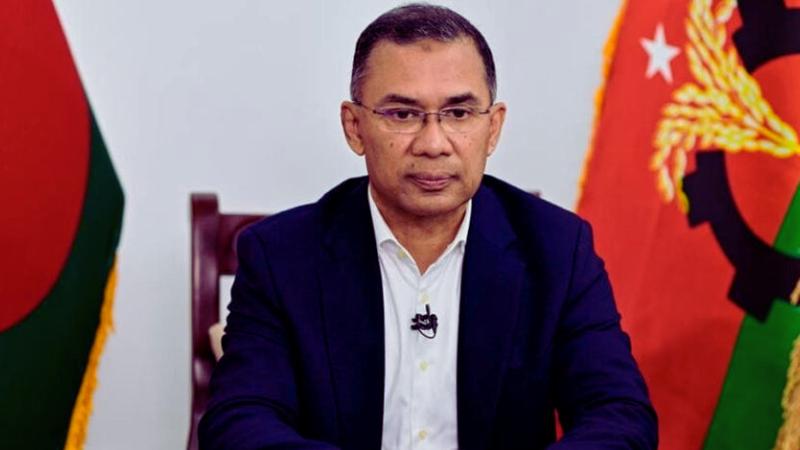
On March 25, 2026, Bangladesh Prime Minister Tarique Rahman marked Genocide Day with a powerful message that signaled a clear shift from the softer approach to Pakistan observed during the previous interim government under Muhammad Yunus. Rahman’s remarks were made on social media, describing March 25, 1971, as "one of the most disgraceful and brutal days" in the country's history, highlighting the atrocities carried out by Pakistani forces during Operation Searchlight. Rahman recounted how
On March 25, 2026, Bangladesh Prime Minister Tarique Rahman marked Genocide Day with a powerful message that signaled a clear shift from the softer approach to Pakistan observed during the previous interim government under Muhammad Yunus. Rahman’s remarks were made on social media, describing March 25, 1971, as "one of the most disgraceful and brutal days" in the country's history, highlighting the atrocities carried out by Pakistani forces during Operation Searchlight. Rahman recounted how
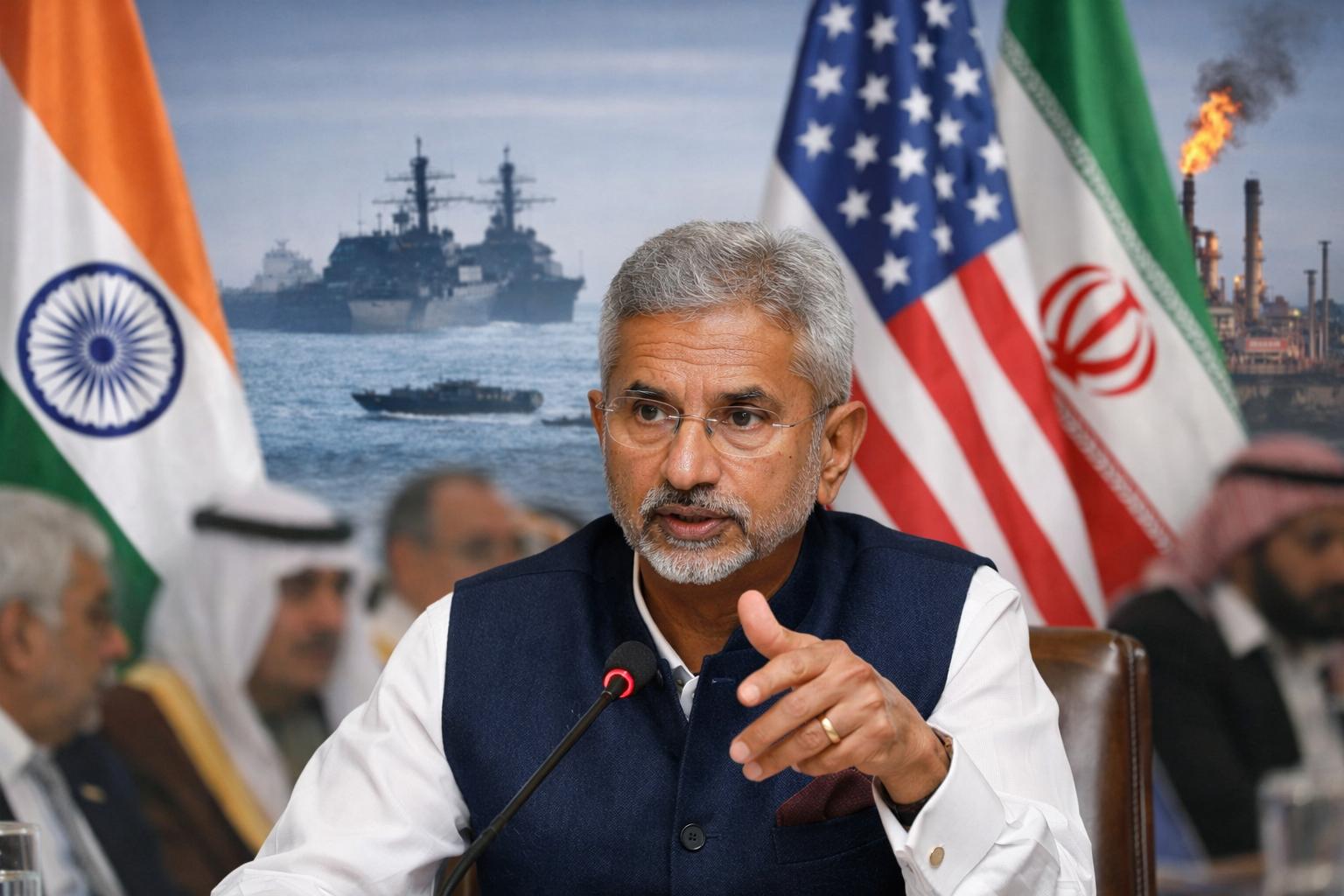
India has firmly ruled out any role as a mediator in the ongoing tensions between the United States and Iran, with External Affairs Minister S Jaishankar stating that New Delhi does not engage in diplomatic brokerage. His remarks came during an all-party meeting convened to brief political leaders on the government’s approach to the escalating West Asia crisis and its implications for India’s strategic interests.
Addressing concerns raised by opposition leaders, Jaishankar clarified that India’s foreign policy is guided by its national priorities rather than intermediary roles. He noted that attempts by countries such as Pakistan to position themselves as mediators are not new, adding that such efforts have historically aligned with external interests. Government sources emphasized that India has been actively responding to developments in the region and rejected claims that it has remained silent.
The meeting also focused on India’s preparedness in ensuring energy security and safeguarding its citizens in the Gulf region. Officials highlighted that maintaining stable crude oil supplies remains a key priority, particularly as tensions threaten critical shipping routes such as the Strait of Hormuz. The government informed leaders that advance procurement measures have been taken and that India is currently sourcing oil and gas from a diversified network of 41 countries to mitigate risks.
Participants were also briefed on maritime developments, including the safe passage of several India-bound vessels carrying petroleum products through the Strait of Hormuz, while others remain in the vicinity awaiting clearance. The government described these developments as a reflection of effective coordination and diplomatic engagement.
On diplomatic outreach, the government reiterated that India maintains balanced relations with all major stakeholders in the region, including the United States, Iran, and Israel. It also underscored steps taken to convey condolences following recent developments in Iran, indicating continued engagement at the diplomatic level.
Despite these assurances, opposition leaders expressed dissatisfaction with the government’s responses and called for a detailed discussion in Parliament. The government, however, maintained that the situation is under control and there is no immediate cause for concern, reiterating its commitment to protecting national interests amid evolving geopolitical challenges.
India has firmly ruled out any role as a mediator in the ongoing tensions between the United States and Iran, with External Affairs Minister S Jaishankar stating that New Delhi does not engage in diplomatic brokerage. His remarks came during an all-party meeting convened to brief political leaders on the government’s approach to the escalating West Asia crisis and its implications for India’s strategic interests.
Addressing concerns raised by opposition leaders, Jaishankar clarified that India’s foreign policy is guided by its national priorities rather than intermediary roles. He noted that attempts by countries such as Pakistan to position themselves as mediators are not new, adding that such efforts have historically aligned with external interests. Government sources emphasized that India has been actively responding to developments in the region and rejected claims that it has remained silent.
The meeting also focused on India’s preparedness in ensuring energy security and safeguarding its citizens in the Gulf region. Officials highlighted that maintaining stable crude oil supplies remains a key priority, particularly as tensions threaten critical shipping routes such as the Strait of Hormuz. The government informed leaders that advance procurement measures have been taken and that India is currently sourcing oil and gas from a diversified network of 41 countries to mitigate risks.
Participants were also briefed on maritime developments, including the safe passage of several India-bound vessels carrying petroleum products through the Strait of Hormuz, while others remain in the vicinity awaiting clearance. The government described these developments as a reflection of effective coordination and diplomatic engagement.
On diplomatic outreach, the government reiterated that India maintains balanced relations with all major stakeholders in the region, including the United States, Iran, and Israel. It also underscored steps taken to convey condolences following recent developments in Iran, indicating continued engagement at the diplomatic level.
Despite these assurances, opposition leaders expressed dissatisfaction with the government’s responses and called for a detailed discussion in Parliament. The government, however, maintained that the situation is under control and there is no immediate cause for concern, reiterating its commitment to protecting national interests amid evolving geopolitical challenges.